
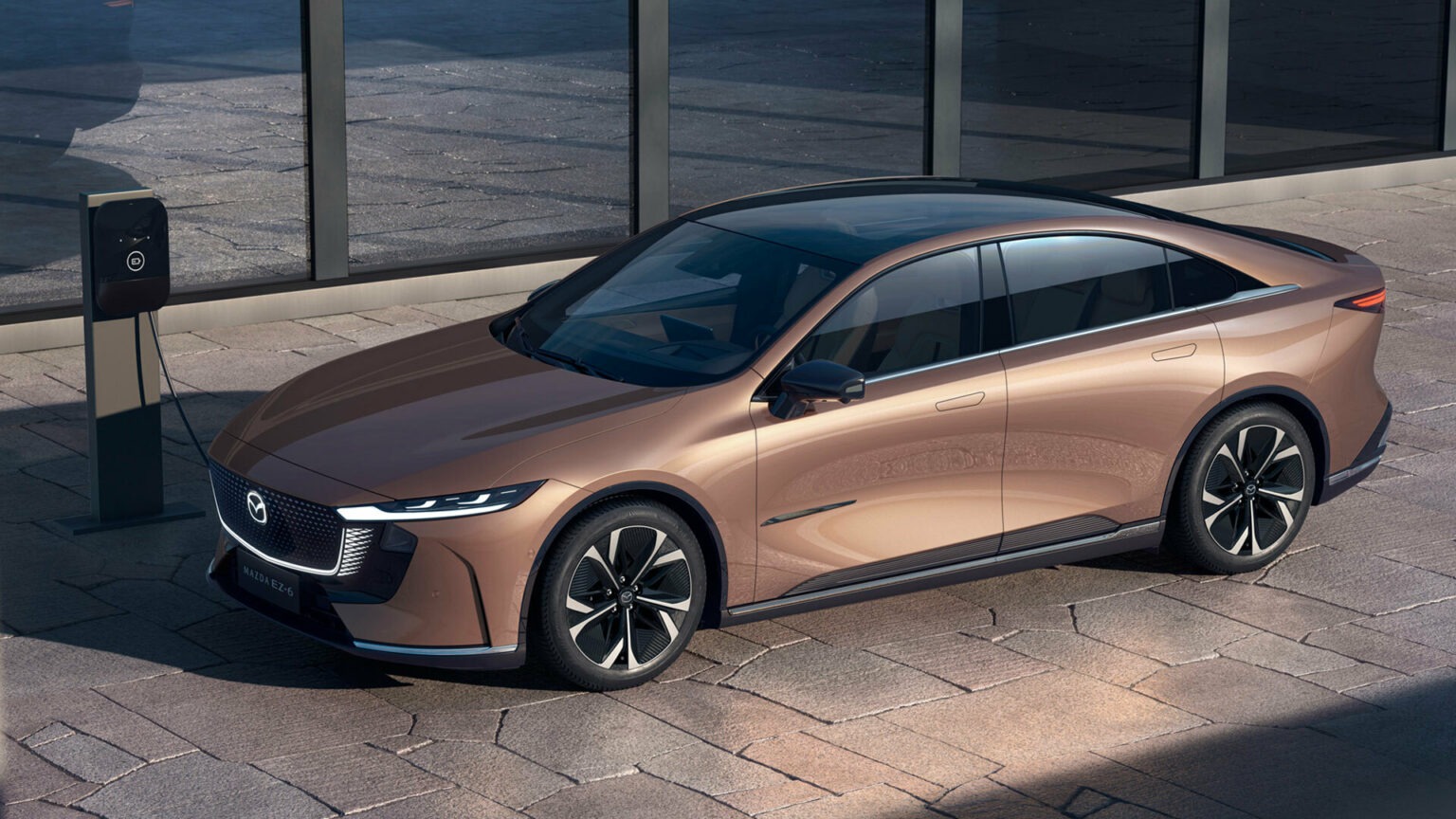
Were you counting down the days until your dream electric vehicle finally hit dealer lots? You might want to sit down for this one. Cooling demand for electric vehicles, combined with major strategic rethinking across the auto industry, has pushed several highly anticipated EVs and next-generation platforms well past their original launch windows.
From Ford’s next electric pickup to Ferrari’s second battery-powered model, automakers are quietly pumping the brakes and redirecting resources toward vehicles they believe buyers actually want right now.
Some of these delays stretch into 2028, while others won’t arrive until the early 2030s. Here’s a full breakdown of eleven electric vehicles now facing genuinely longer waits than anyone originally expected, along with the reasoning behind each postponement.
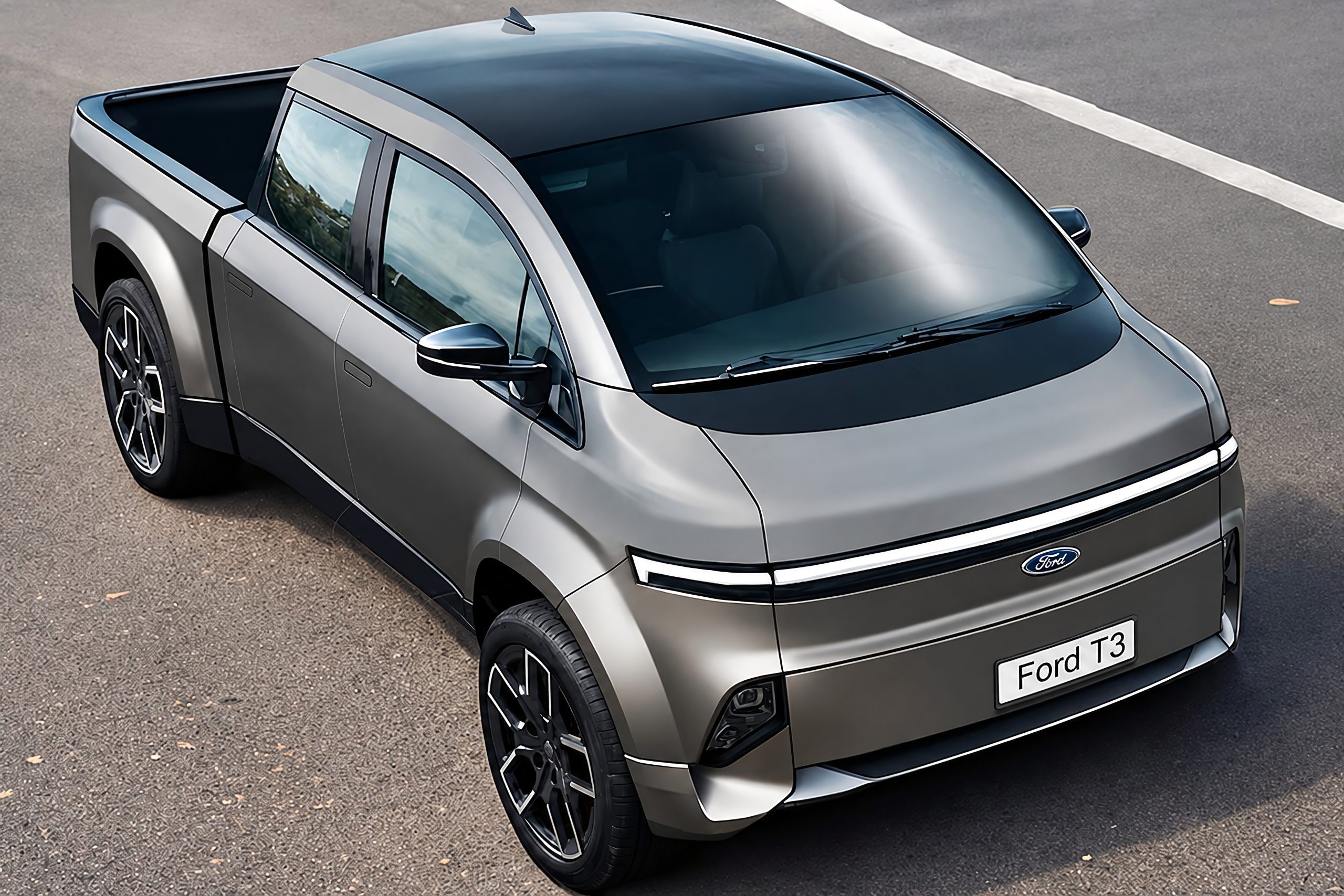
1. Ford Next-Generation Electric Pickup
Ford’s next electric pickup, widely known inside the industry as Project T3, was supposed to arrive considerably sooner, but the automaker has now pushed that timeline back to 2028.
This isn’t a minor scheduling hiccup buried in some internal memo; it represents a genuine strategic pivot at one of America’s largest automakers. Ford has been candid about reworking its broader EV approach, shifting attention and resources toward more affordable electric vehicles that the company believes will find genuine demand among everyday buyers.
Rather than racing to launch every ambitious project on its original schedule, Ford appears to be prioritizing vehicles it can actually sell profitably in the current market environment.
This particular truck was expected to showcase genuinely next-generation battery technology and a completely reimagined platform built specifically for electric power rather than adapted from an existing gas-powered design.
That kind of ground-up engineering takes considerable time and investment, and Ford apparently decided the smarter move was slowing down rather than rushing a flagship product to market before conditions genuinely support it.
For truck buyers specifically eyeing an electric alternative to the standard F-150, this delay means waiting considerably longer than originally hoped. Ford’s other electrified and hybrid offerings will likely fill that gap in the meantime, giving the company breathing room to get this next-generation pickup genuinely right before launch.
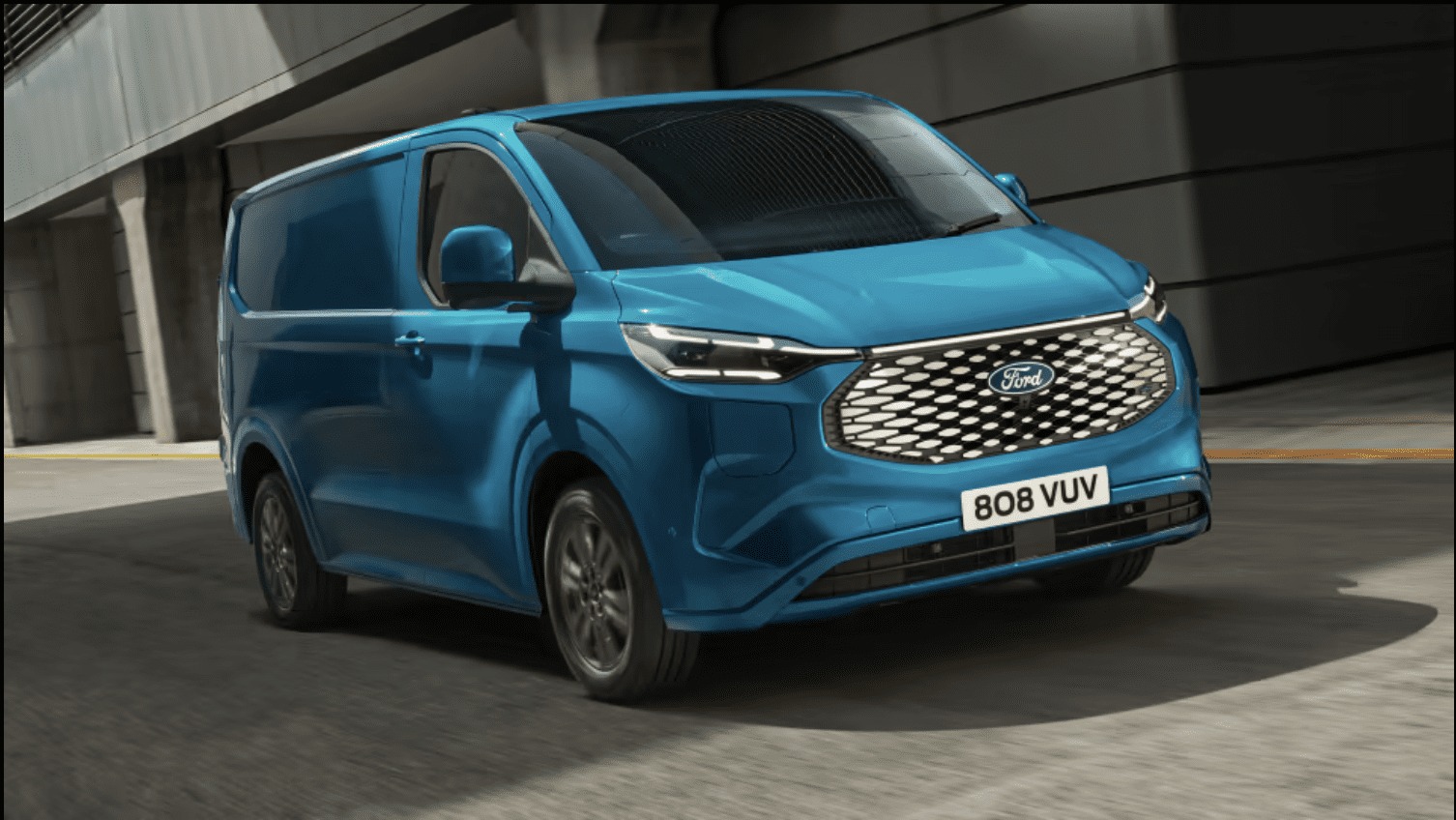
2. Ford Next-Generation E-Transit
Commercial fleet operators hoping for Ford’s next electric van sooner rather than later now face the same 2028 timeline affecting the company’s electric pickup program. This delay fits into a considerably larger pattern rather than standing as an isolated decision made in a vacuum.
Ford’s leadership has been fairly transparent about wanting to slow certain larger EV investments while concentrating resources on products the company genuinely believes will generate stronger near-term demand.
Commercial vans represent a smaller, more specialized market segment compared to passenger vehicles, and Ford seems to be weighing that reality carefully against the enormous cost of developing entirely new electric architecture from scratch.
Businesses currently running Ford’s existing E-Transit vans won’t necessarily suffer from this delay, since the current generation remains available and continues receiving updates and support.
The postponement specifically affects the next-generation version, the one expected to bring considerably improved range, updated technology, and a more refined driving experience tailored to commercial customers.
Fleet managers planning long-term vehicle replacement schedules should factor this delay into their budgeting and procurement timelines.
Ford’s decision reflects a broader industry recognition that commercial EV adoption, while genuinely growing, hasn’t accelerated quite as quickly as some automakers originally projected when these ambitious development programs first got greenlit internally.
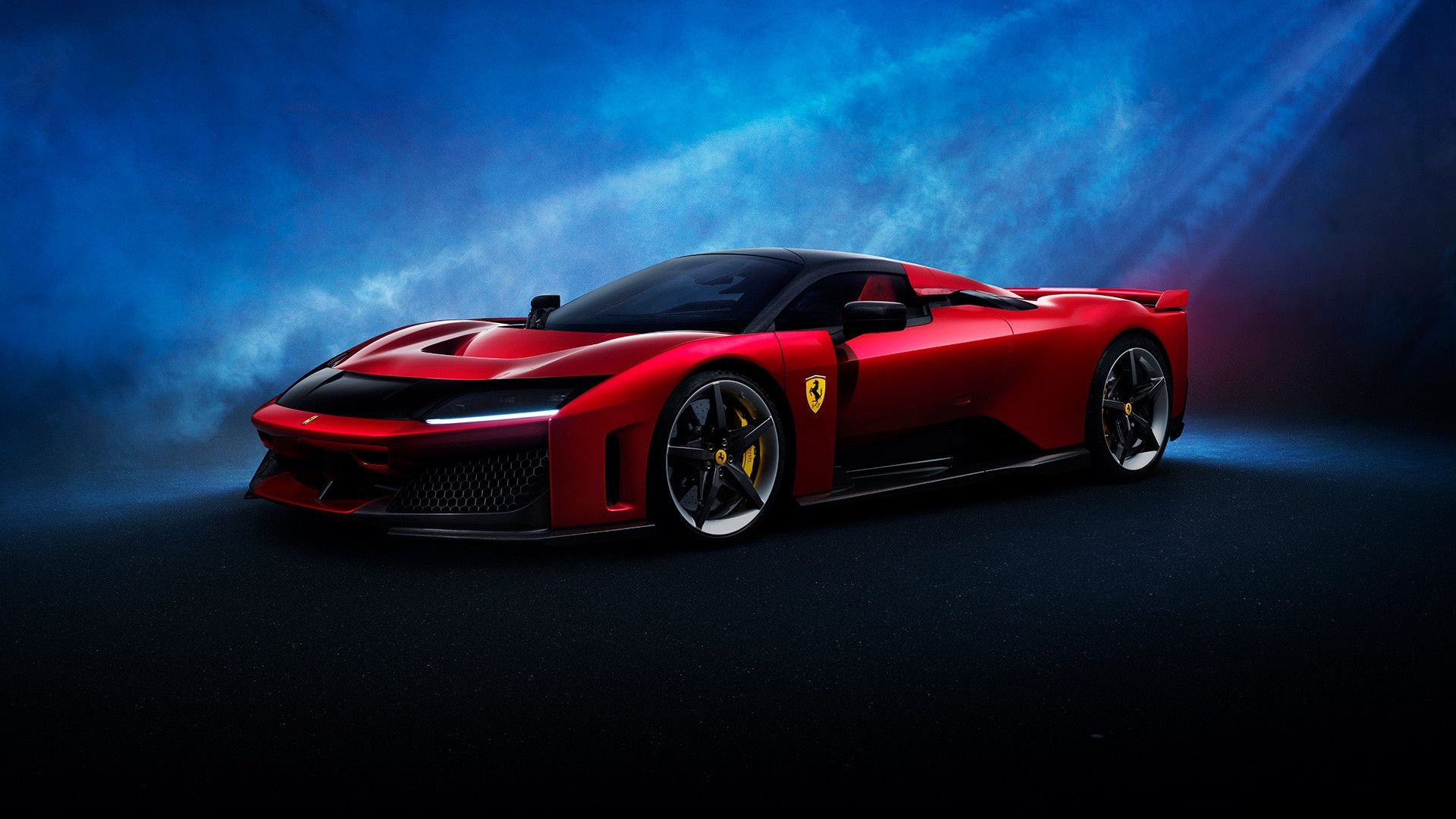
3. Ferrari Second EV
Even Ferrari, a brand synonymous with uncompromising performance and seemingly limitless customer demand, isn’t immune to the genuine cooling happening across the broader EV market.
The Italian automaker has pushed its second fully electric model from an originally expected 2026 launch to at least 2028, a delay that raised plenty of eyebrows throughout the automotive press.
Weak demand for expensive, high-performance electric vehicles sits at the center of Ferrari’s reported reasoning here. Buyers willing to spend Ferrari-level money increasingly appear to still prefer the visceral sound, feel, and character of a traditional combustion engine, characteristics that even the most sophisticated electric powertrain still struggles to fully replicate for genuinely passionate enthusiasts.
This delay carries real symbolic weight beyond just Ferrari’s own product lineup. If a brand this exclusive, with customers this financially unconstrained, is struggling to justify rushing a second EV to market, that sends a genuinely telling signal about broader hesitation surrounding expensive electric performance vehicles across the entire luxury segment.
Ferrari’s first EV already faced its own share of anticipation and scrutiny, and this second model was meant to build on those lessons. Buyers hoping for an expanded electric lineup from Maranello will simply need considerably more patience than originally expected before that vision genuinely materializes.
4. Mazda First In-House EV
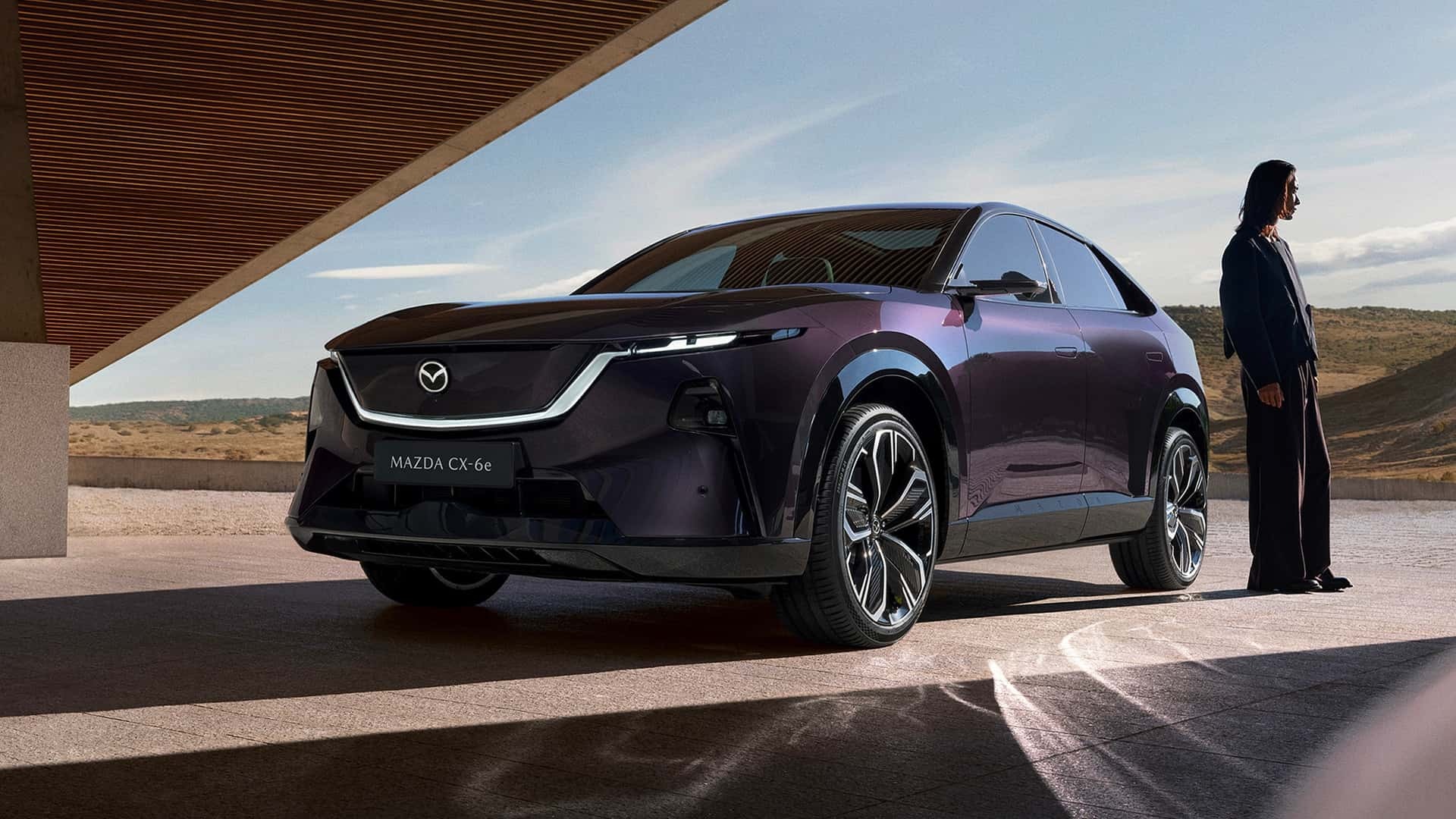
Mazda’s first electric vehicle built entirely on its own dedicated architecture has reportedly slipped to 2029, according to multiple industry sources tracking the company’s development timeline.
There is still some uncertainty surrounding this timeline. Mazda has not officially confirmed all of the details tied to the reported date, so it is better viewed as a credible delay reported by outside sources rather than a launch schedule formally confirmed by the company.
Why the apparent hesitation from Mazda specifically? The company has been visibly redirecting attention toward hybrid technology in recent years, a strategy that seems to reflect genuine confidence that hybrids will remain relevant and profitable for considerably longer than some competitors originally assumed when planning their own EV transitions.
Building a dedicated EV platform from scratch represents an enormous financial undertaking, particularly for an automaker considerably smaller than giants like Ford or General Motors.
Mazda appears to be taking a more cautious, measured approach, reassessing its broader EV investment plans rather than committing enormous resources toward a rushed timeline that current market conditions might not genuinely support.
Mazda enthusiasts hoping for a genuinely home-grown electric vehicle should prepare for a longer wait than originally anticipated. In the meantime, the brand’s hybrid offerings will likely continue expanding, giving Mazda a reasonable bridge strategy while its dedicated EV platform continues development behind the scenes.
5. Volkswagen Golf EV
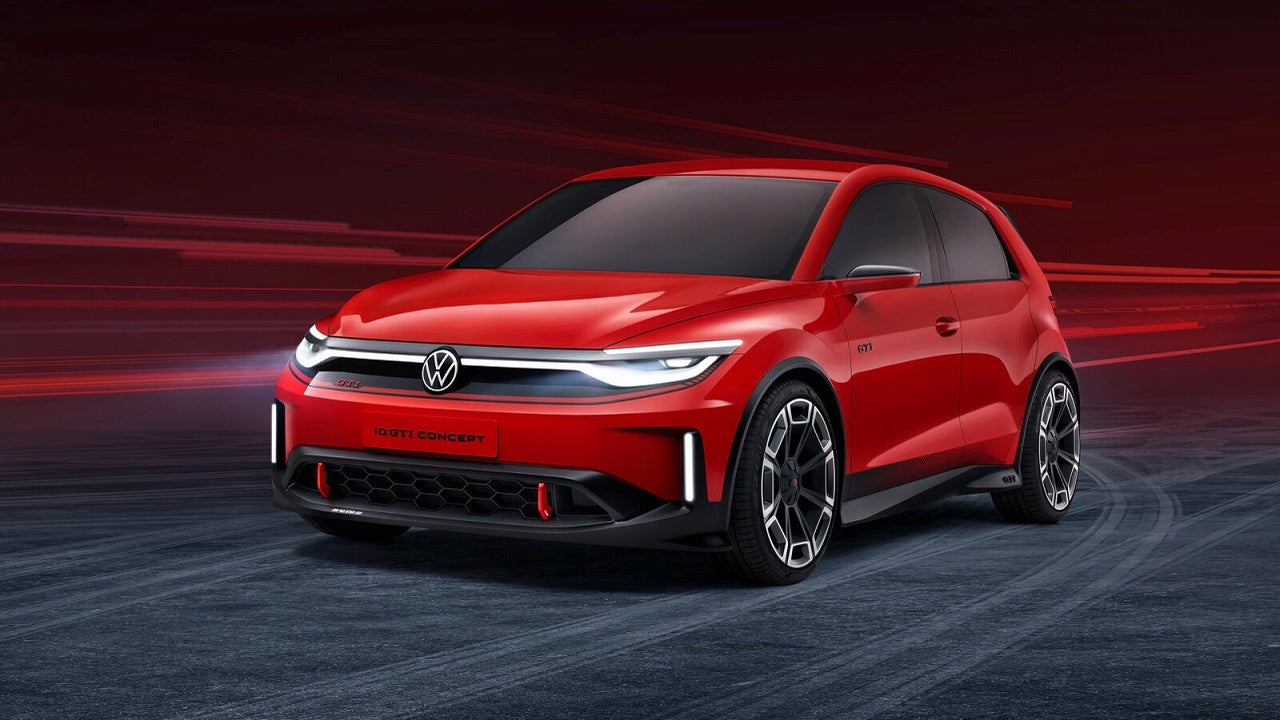
Volkswagen has changed its plans for the electric Golf, leaving many people who were waiting for the battery-powered hatchback with a longer wait. CEO Thomas Schäfer confirmed that the company will not introduce the model in 2028 as previously expected. Instead, the launch is being pushed toward the later part of the decade.
What makes this delay different from many others is Volkswagen’s reason for taking its time. Schäfer has indicated that the company already has a wide selection of electric vehicles in its lineup, so there is no immediate need to bring the Golf EV to dealerships.
Models such as the ID.4 and other electric offerings are already serving customers who want a Volkswagen without a gasoline engine. That decision also shows that Volkswagen is not under pressure to release an electric Golf simply to meet a specific deadline.
The company appears comfortable with its current electric lineup and would rather wait until the new Golf is ready than rush it into production before the timing makes sense.
For longtime Golf buyers, however, the news means waiting a little longer for an electric model carrying the familiar name. The Golf has built a strong reputation for practicality, comfort, and everyday usability, so expectations for an electric version are naturally high.
When the electric Golf finally arrives, the extra development time could work in its favor. Volkswagen will have more opportunity to improve its battery technology, driving range, charging performance, interior features, and the entire refinement.
For now, customers interested in an electric Golf will simply have to remain patient until Volkswagen is ready to launch it.
6. Chevrolet Silverado EV
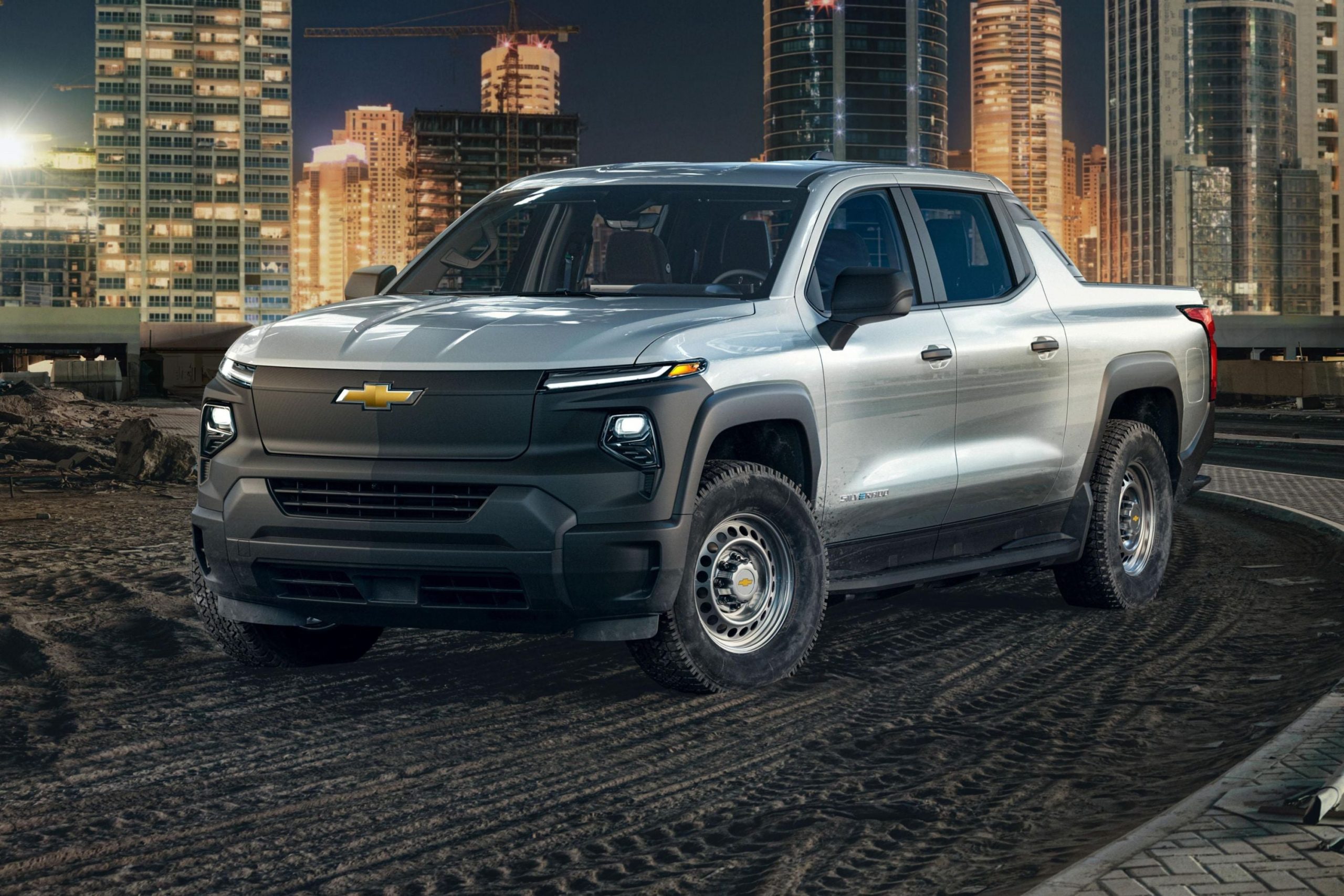
General Motors has reportedly paused development of its next-generation full-size electric trucks and SUVs, affecting several upcoming models at the same time. The Silverado EV is part of this program, and its next-generation version could now arrive around 2030 or later instead of the previously expected 2028 timeframe.
This delay appears to reflect a broader review of GM’s electric vehicle plans rather than a problem with the Silverado EV alone. The company is reassessing how quickly demand for large electric trucks and SUVs is likely to grow, especially as sales in this category have not matched some earlier expectations.
Importantly, the Silverado EV currently available at dealerships is not affected by this decision. The reported delay applies to the next-generation model that was expected to bring newer technology and major improvements. Customers who want an electric Silverado can still purchase the current version.
GM’s move also reflects the challenges automakers are facing with large electric vehicles. These trucks are expensive to develop and buy, while some customers remain concerned about driving range, charging access, towing performance, and the higher prices associated with large EVs.
For truck buyers waiting for GM’s next big electric upgrade, patience will be necessary. The company appears to be taking more time before committing to its next-generation Silverado EV, which means the model may not reach customers until 2030 or later.
7. GMC Sierra EV
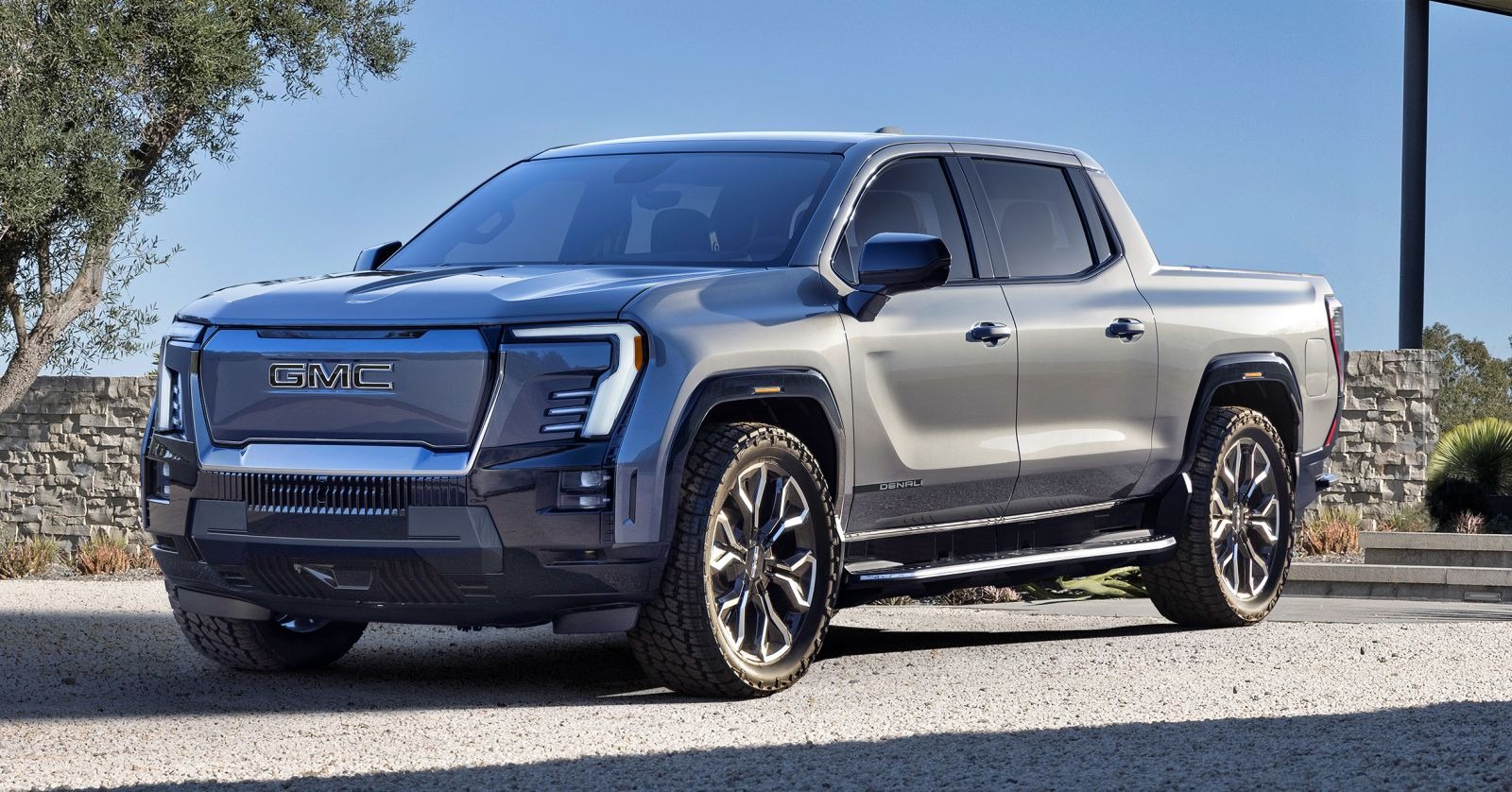
Sitting alongside the Silverado in GM’s affected development program, the next-generation GMC Sierra EV faces that same reported delay, pushed from an original 2028 target to potentially 2030 or later.
Given how closely these two trucks share mechanical underpinnings across GM’s broader lineup, this parallel delay makes considerable sense from a pure engineering standpoint.
Here’s an important distinction worth genuinely emphasizing, though: this delay specifically concerns the next generation of the Sierra EV rather than the version already available in dealerships today.
Current Sierra EV buyers shopping right now aren’t affected by this particular postponement, since GM’s paused development program concerns future replacement models rather than today’s existing lineup sitting on dealer lots.
GMC has historically positioned the Sierra as a slightly more premium alternative to Chevrolet’s Silverado, often featuring additional technology and interior refinement aimed at buyers willing to pay somewhat more for extra polish.
That next-generation refinement, whatever specific improvements GM had planned, will simply need to wait considerably longer before reaching actual customers.
Fleet buyers and individual truck shoppers specifically interested in GMC’s most advanced future electric truck technology should recognize that today’s Sierra EV represents the realistic near-term option.
The considerably more advanced replacement remains years away, tied directly to GM’s broader reassessment of demand throughout this entire full-size electric truck segment.
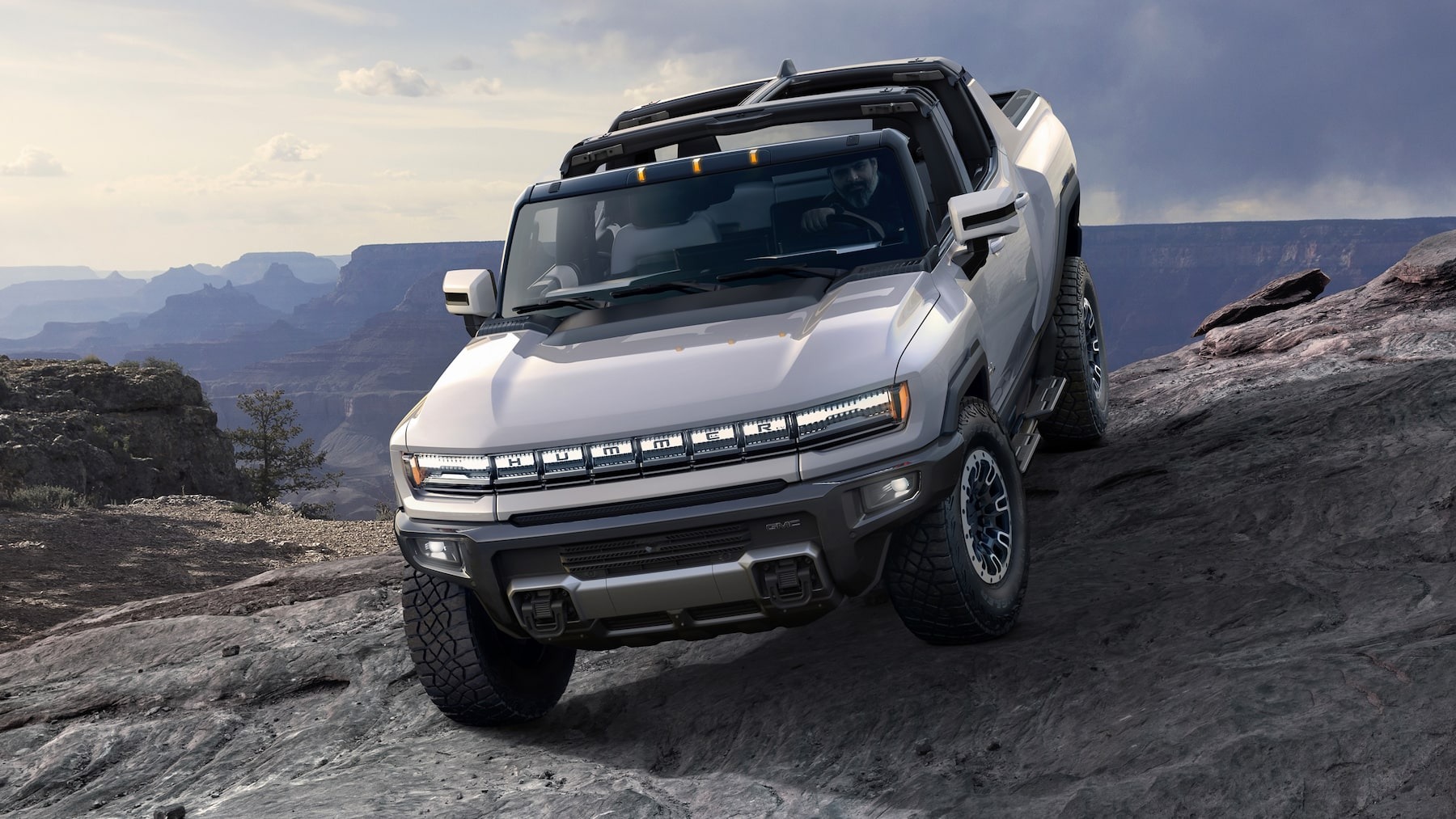
8. GMC Hummer EV Pickup
The Hummer EV pickup is also affected by General Motors’ pause on developing its next generation of large electric trucks and SUVs. The model was previously linked to a 2028 production target, but recent reports suggest that the next-generation version may not arrive until 2030 or later.
When the Hummer returned as an electric vehicle, it attracted plenty of attention. Its bold design, strong performance, and impressive off-road abilities helped make it one of the most talked-about electric trucks on the market.
However, the level of sales has not been strong enough to encourage GM to rush development of a new generation. GM is now taking a more careful approach to its future electric truck plans.
Instead of spending heavily on new models before knowing how demand will develop, the company appears willing to wait and reassess its strategy. This gives engineers more time to improve the technology while GM watches customer interest in large electric vehicles.
For people who already want a Hummer EV, there is no immediate concern. The current pickup remains available through GM dealers, and this delay concerns the next generation rather than vehicles already being sold.
Anyone waiting for a newer Hummer EV may have to be patient. A later launch could give GM enough time to improve range, charging, performance, and other features before introducing the next version to customers.
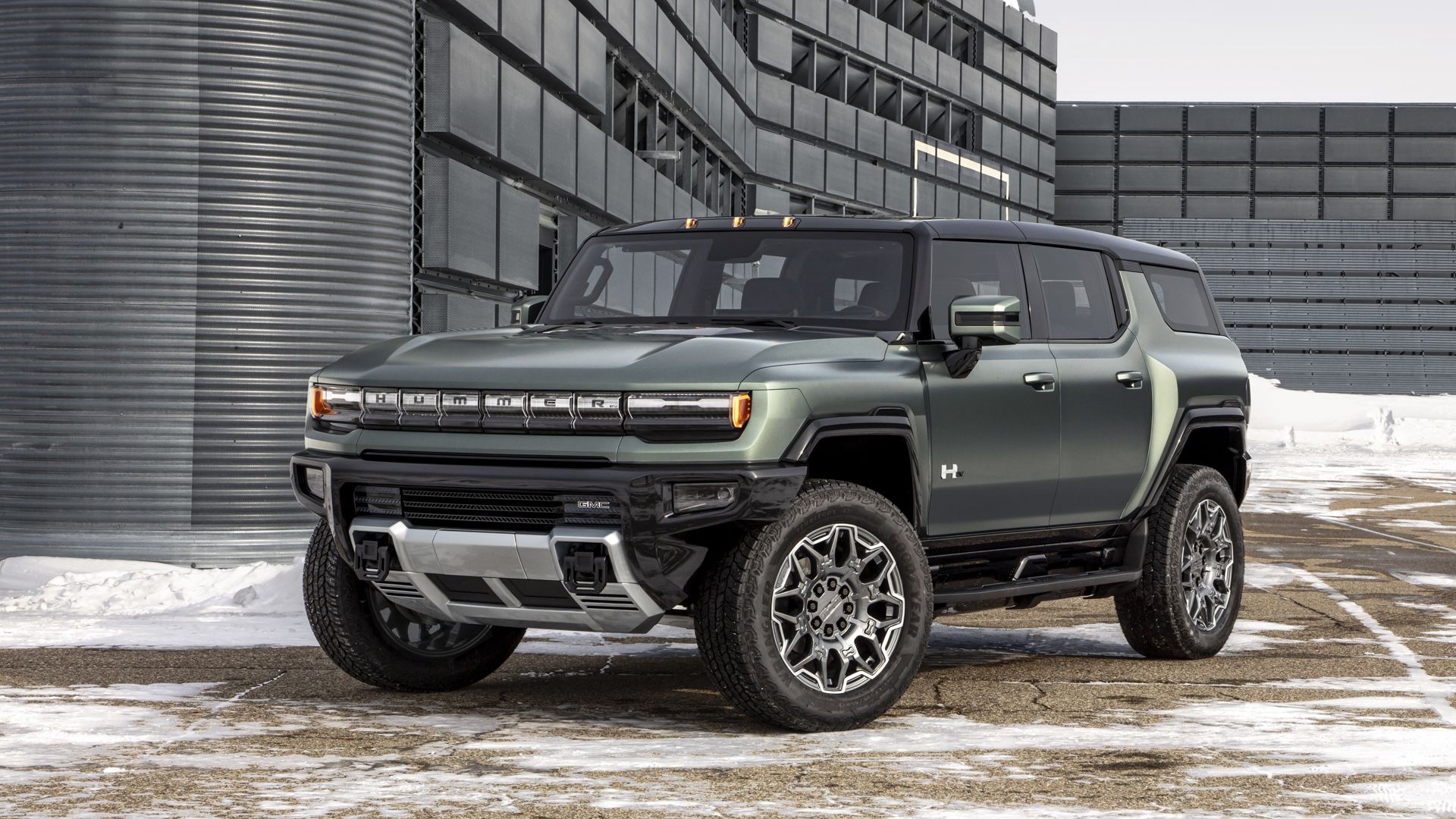
9. GMC Hummer EV SUV
Rounding out GM’s trio of affected Hummer programs, the Hummer EV SUV shares the same reported fate as its pickup sibling covered above. Development has reportedly paused, with the eventual replacement timeline potentially stretching to 2030 or considerably beyond that original target.
This SUV variant occupies a genuinely interesting position within GM’s broader electric lineup, offering buyers the same distinctive Hummer styling and aggressive off-road capability packaged into a more traditional SUV body style rather than a pickup bed configuration.
Both variants share considerable engineering underneath, which explains why they’re facing essentially identical delays tied to the same paused development program.
GM’s decision here reflects genuine caution about committing further substantial resources toward next-generation full-size electric SUVs before the company develops clearer confidence regarding actual consumer demand throughout this specific segment.
Rushing an expensive redesign forward without that clarity risks repeating mistakes other automakers have already made throughout this challenging EV transition period across the industry.
Buyers genuinely interested in the Hummer EV SUV experience can still purchase today’s current model while waiting for GM’s paused next-generation program to eventually resume.
That existing option provides a reasonable bridge for enthusiasts, even as the considerably more advanced future version remains years away from reaching actual dealer lots and genuine customers.
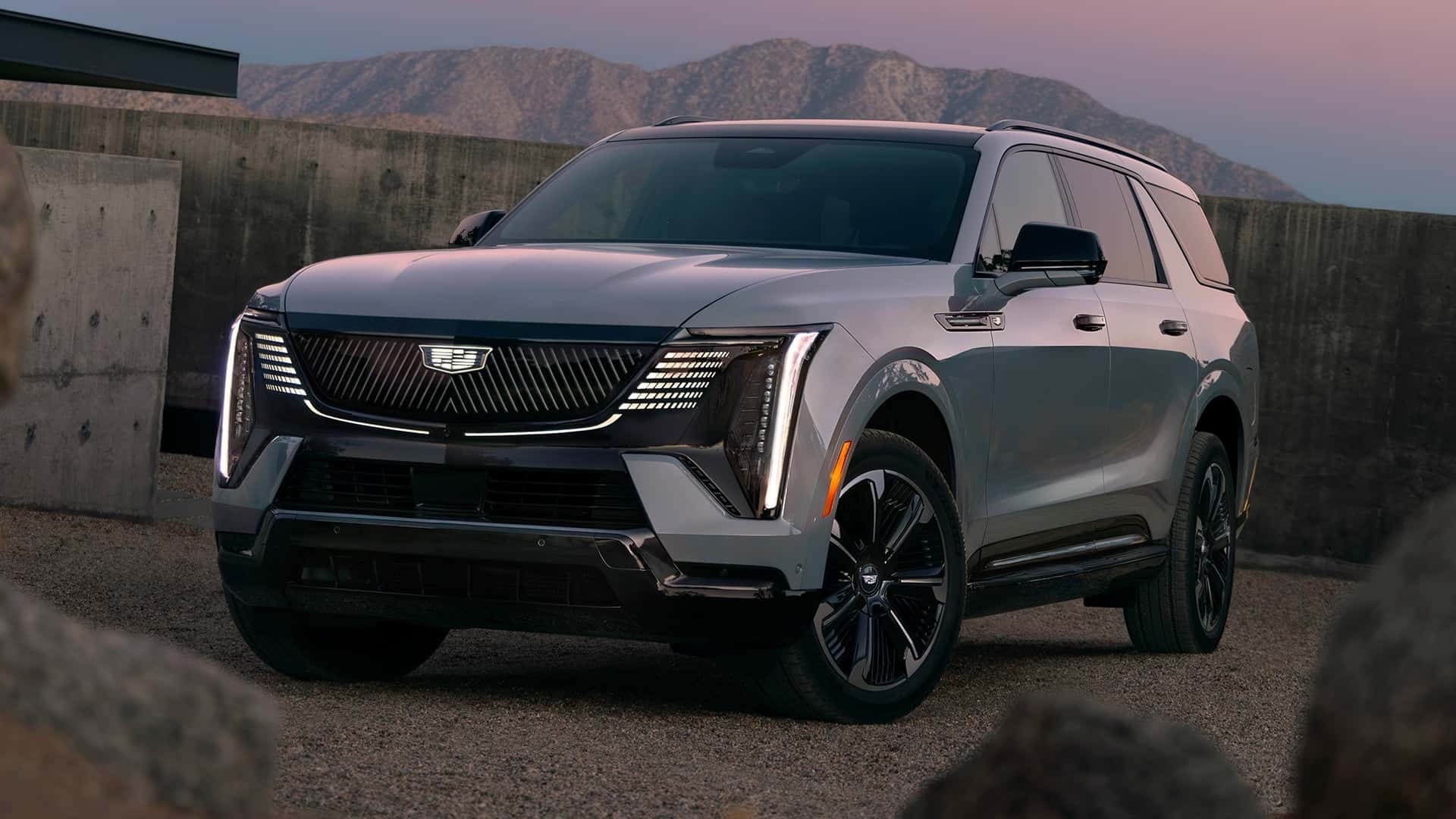
10. Cadillac Escalade IQ
Cadillac’s electric Escalade is also facing a longer wait as General Motors reviews plans for its next generation of large electric trucks and SUVs. The next Escalade IQ was previously linked to a 2028 production target, but recent reports suggest the replacement could arrive around 2030 or later.
The delay matters because the Escalade is one of Cadillac’s most recognizable vehicles. For decades, the gasoline-powered model has represented American luxury, offering a large cabin, strong performance, and a commanding road presence. The electric IQ was designed to continue that tradition while introducing battery power to the nameplate.
GM’s decision affects more than Cadillac. The company is reviewing future electric truck and SUV programs across Chevrolet, GMC, and Cadillac, which means the Escalade’s next generation is tied to the same timetable as several related models.
For buyers who want an electric luxury SUV today, the current Escalade IQ remains the available choice. There is no need to wait for the next version if the existing model meets their needs.
Buyers waiting for a major technological upgrade may have to be patient. The extra development time could give GM more room to improve battery range, charging speed, driving performance, interior technology, and refinement before the next Escalade IQ reaches dealerships.
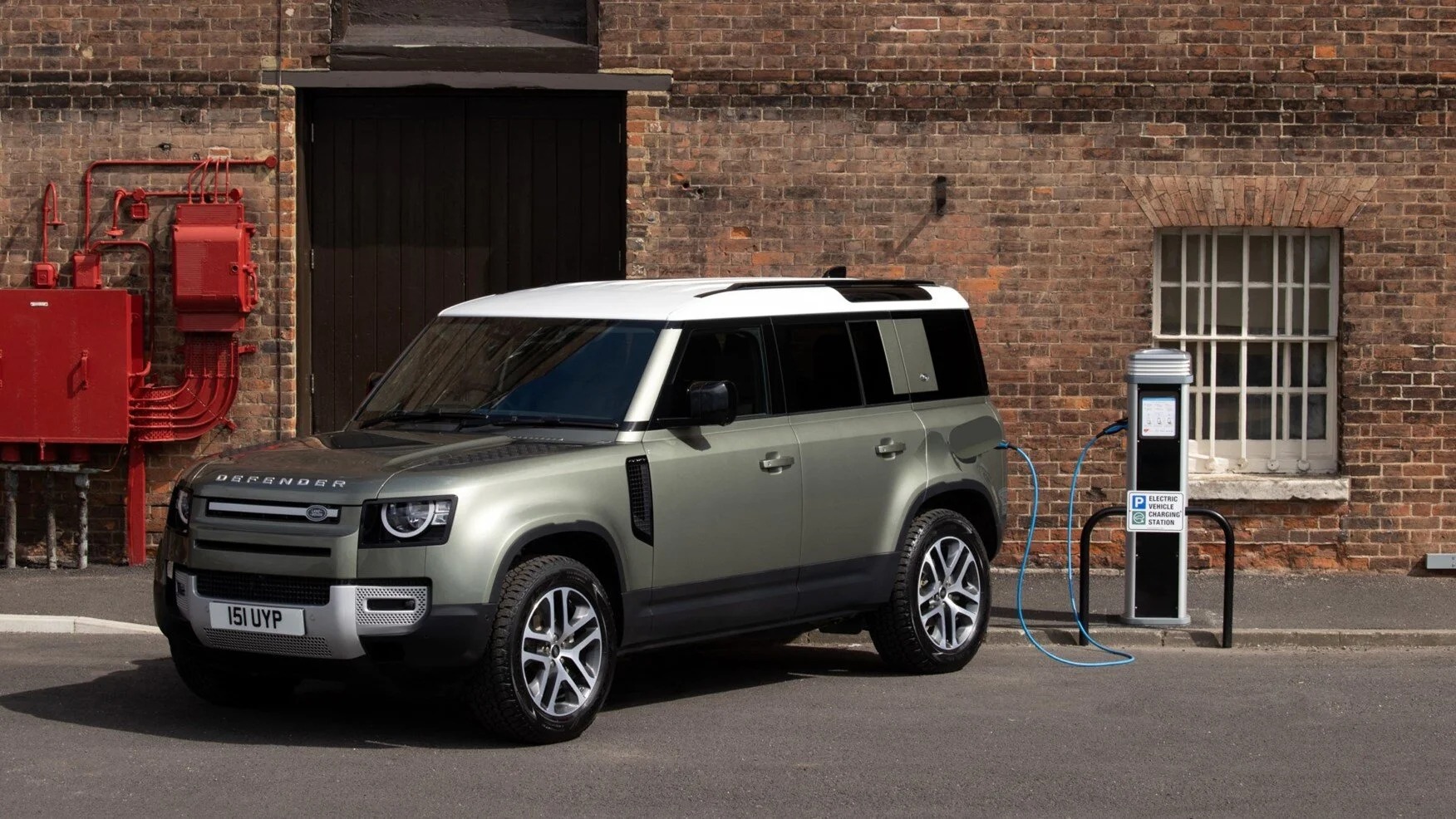
11. Land Rover Defender EV
The electric Defender may take considerably longer to arrive than many buyers expected. Jaguar Land Rover had previously been linked to a 2028 or 2029 launch, but recent reports suggest the battery-powered SUV could now be delayed until the early 2030s.
That would make it one of the longest delays among upcoming electric models. JLR has good reason to avoid rushing the project. The gasoline-powered Defender continues to sell strongly in several markets, giving the company plenty of room to keep the current model in production.
With customers still showing strong interest in the existing SUV, there is less pressure to replace it with an electric version immediately. Customer demand is another issue JLR has to consider.
Large electric SUVs designed for serious off-road driving face a different set of challenges from smaller urban EVs. Defender owners often use their vehicles for towing, long-distance travel, and trips to remote areas where charging stations may be difficult to find. For those customers, a gasoline engine can still feel like the more practical choice.
Rather than rushing an electric Defender to dealerships, JLR appears willing to spend more time developing it. Engineers can use that extra time to improve battery range, charging capability, durability, and off-road performance.
Although the delay will disappoint buyers waiting for an electric Defender, the extra development time could result in a stronger, more capable SUV when it finally reaches the market.
