
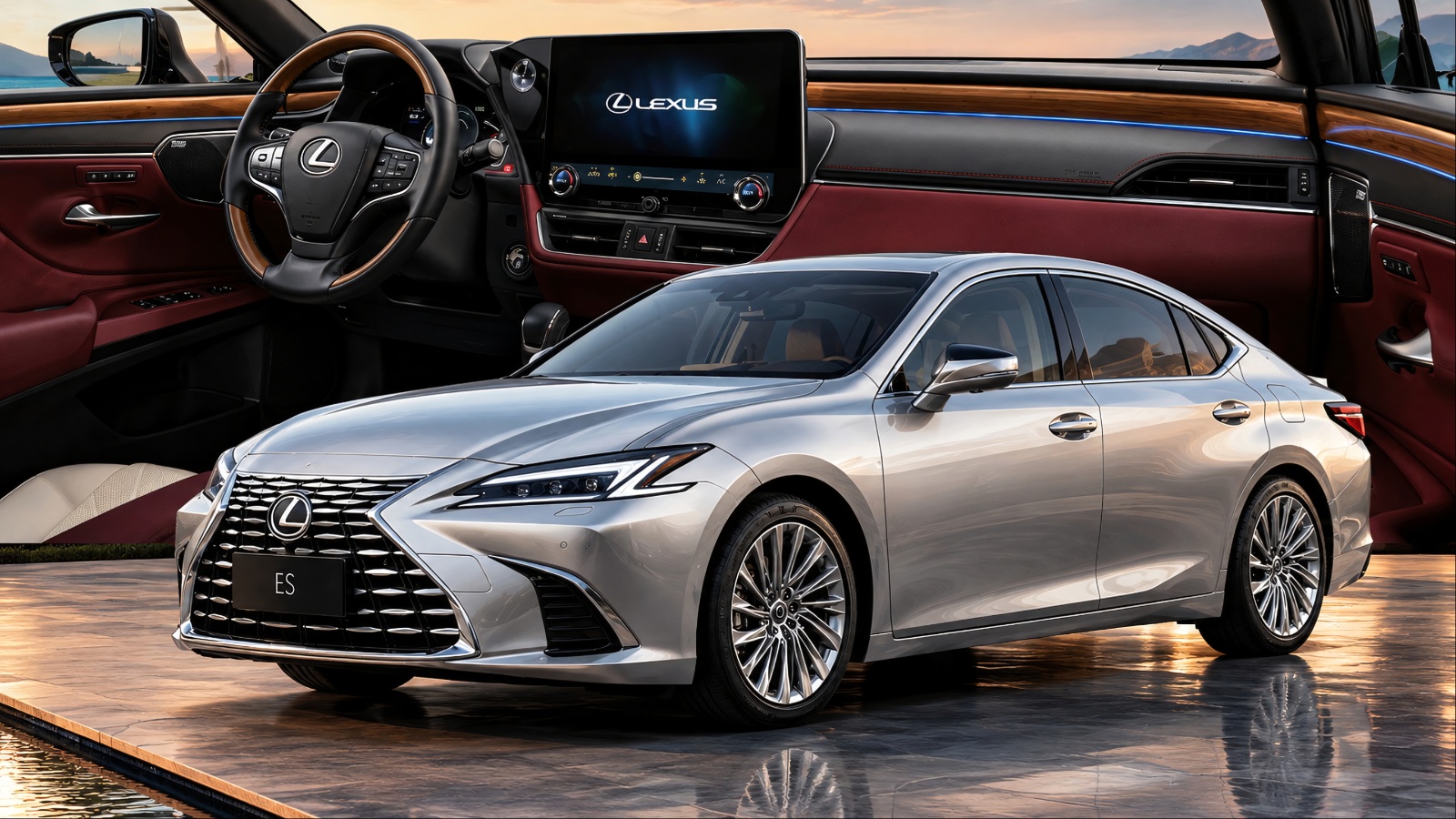
Think you know everything your Lexus can do? Chances are, you’re only scratching the surface. Beneath that polished exterior and famously smooth ride sits a genuinely impressive collection of thoughtful details that most owners never discover, tucked away in menus, buried in owner’s manuals, or simply working quietly in the background without any fanfare.
From mirrors that automatically tilt when you reverse to a hidden mechanical key waiting inside your key fob, these small touches reveal just how much genuine engineering care goes into every Lexus. Some features are practical lifesavers, others are pure comfort upgrades, and a few are just delightfully clever. Grab your owner’s manual, because you’re about to discover several reasons to appreciate your Lexus even more.

1. Automatic Mirror Tilt When Reversing
Parking close to a curb can be tricky, especially when you are trying to avoid scraping your wheels. Some Lexus models make this easier by automatically tilting the outside mirror downward when you select Reverse. This gives you a better view of the curb, pavement, and area beside the vehicle.
There is one setting you need to check first. The mirror selector has to be positioned correctly for the feature to work. If your mirror does not move when reversing, check your owner’s manual to confirm whether your particular model and trim includes the function. Lexus documentation confirms it on models such as the RC.
Once activated, the mirror moves back to its normal position when you select Drive. You do not have to adjust it yourself each time you park. The feature is especially useful in tight spaces because it helps you judge the distance between your wheels and the curb more accurately.
Next time you are parking near a curb, pay attention to the outside mirror. If your Lexus has this feature, it can make parking easier and help protect your wheels from unwanted scratches or curb damage. It is a small convenience, but one that can make everyday driving less stressful.

2. Power Liftgate Height Memory
Garages with low ceilings and power liftgates rarely get along, and plenty of owners have learned that lesson the hard way with a scraped roof or a liftgate that simply won’t clear an overhead beam.
Certain Lexus models genuinely solve this problem by letting you store a custom maximum opening height for the power rear door. Once programmed correctly, the liftgate will never open beyond that stored height again, regardless of how many times you press the button.
This proves genuinely useful for anyone parking regularly inside a garage with limited overhead clearance, a low-hanging light fixture, or any other obstacle that would otherwise risk contact with a fully opened liftgate.
Lexus documentation specifically confirms this memory-height functionality on models including the NX, though exact programming steps can vary depending on the specific model and year you own.
Generally, the process involves manually stopping the liftgate at your desired maximum height using the button on the door itself or the interior switch, then holding a specific button combination to save that position into memory.
If you’ve been babying your liftgate button every single time you park at home, worried about scraping the garage ceiling, take a few minutes to check your owner’s manual for this exact feature. It’s a genuinely simple fix for a problem that shouldn’t require your constant attention every single day.
3. Automatic Parking Brake
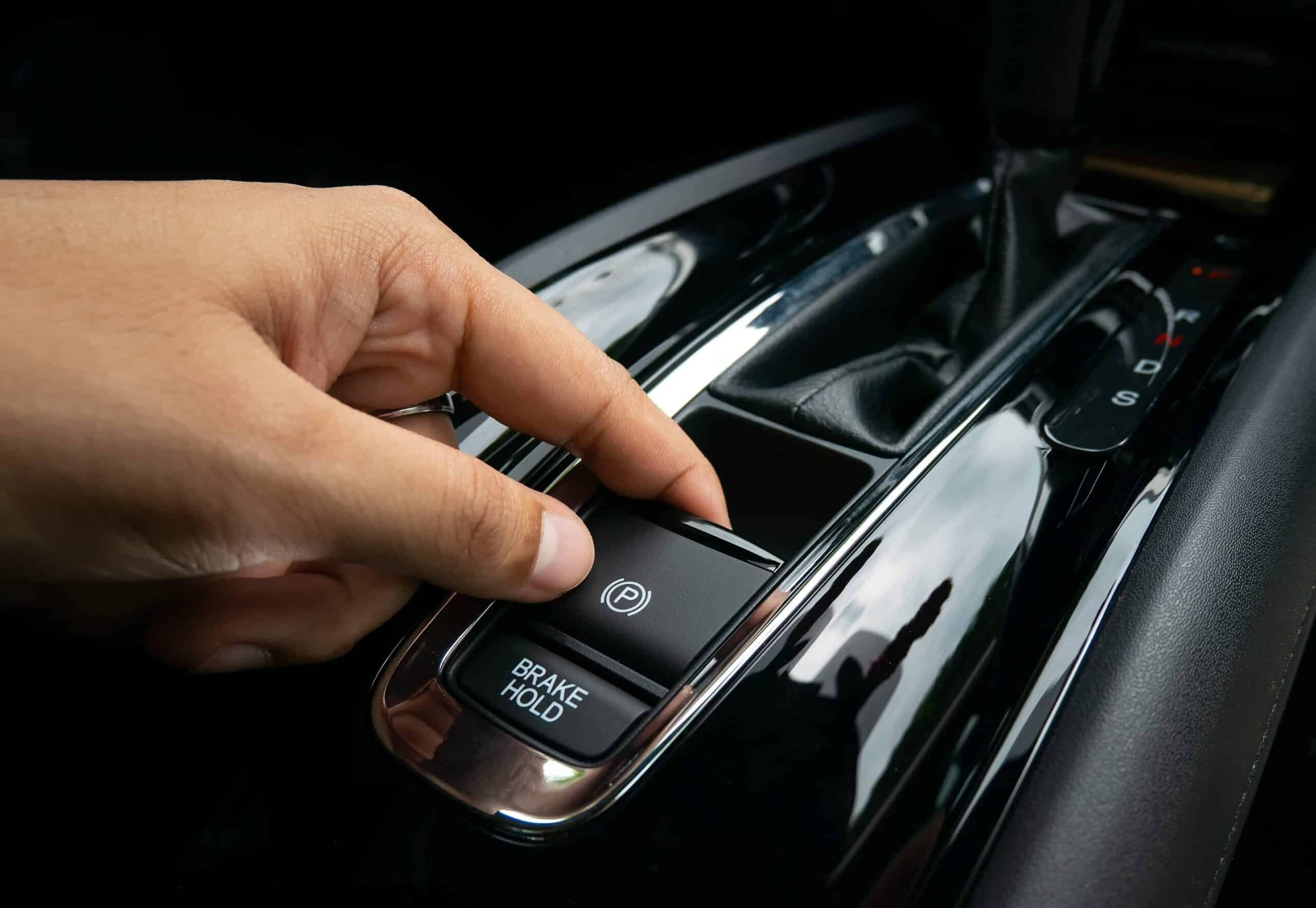
For many drivers, using the parking brake has become such a routine part of parking that they hardly think about it. Some newer Lexus models make the process easier by offering an automatic electronic parking brake that can apply or release itself depending on the gear selected and the vehicle’s settings.
Instead of pressing the parking brake switch every time you park, the system can take care of the job for you. After you stop and select Park, the electronic parking brake may engage automatically.
When you are ready to leave, it can release once you select Drive or Reverse, depending on how the system is configured. There is an important point to keep in mind, though.
The way this feature works is not the same across every Lexus model or model year. Some vehicles require you to turn on the automatic function through the settings menu, while others may have it activated from the factory.
If you are not sure whether your Lexus has this feature, the best thing to do is check the owner’s manual for your specific vehicle. You should also follow the instructions provided for activating or disabling the function.
Once properly configured, an automatic parking brake can make daily driving a little easier. You no longer need to remember to operate the switch each time you park or prepare to drive. It is a simple convenience, but it can save a small amount of effort during everyday trips and regular stop-and-go driving.

4. Adjustable Lane-Change Signal Flashes
Most drivers never think twice about that quick, three-flash pattern their turn signal produces with a light tap of the lever for a simple lane change. Certain Lexus models let you genuinely customize that number, adjusting how many times the signal flashes during that brief, partial lever movement rather than accepting the factory default setting.
Lexus documentation confirms options ranging from three flashes all the way up to seven on certain equipped vehicles, giving owners genuine flexibility depending on personal preference or specific driving habits.
Someone who frequently drives on busy highways with heavier traffic might prefer more flashes, ensuring surrounding drivers have genuinely more time to notice the signal before the lane change actually happens.
Finding this setting typically involves going through your vehicle’s dashboard display menu or the central infotainment screen, depending on which specific model you own.
The exact menu path varies across different Lexus vehicles, so consulting your owner’s manual remains the most reliable way to locate this particular customization option without unnecessary frustration.
It’s a genuinely small detail, but one that speaks to just how much granular customization Lexus builds into these vehicles. Most owners drive around for years using nothing but the factory default setting, never realizing they could genuinely tailor something as seemingly minor as their turn signal’s flash count to better suit their own personal driving style and preferences.
5. Lexus Climate Concierge
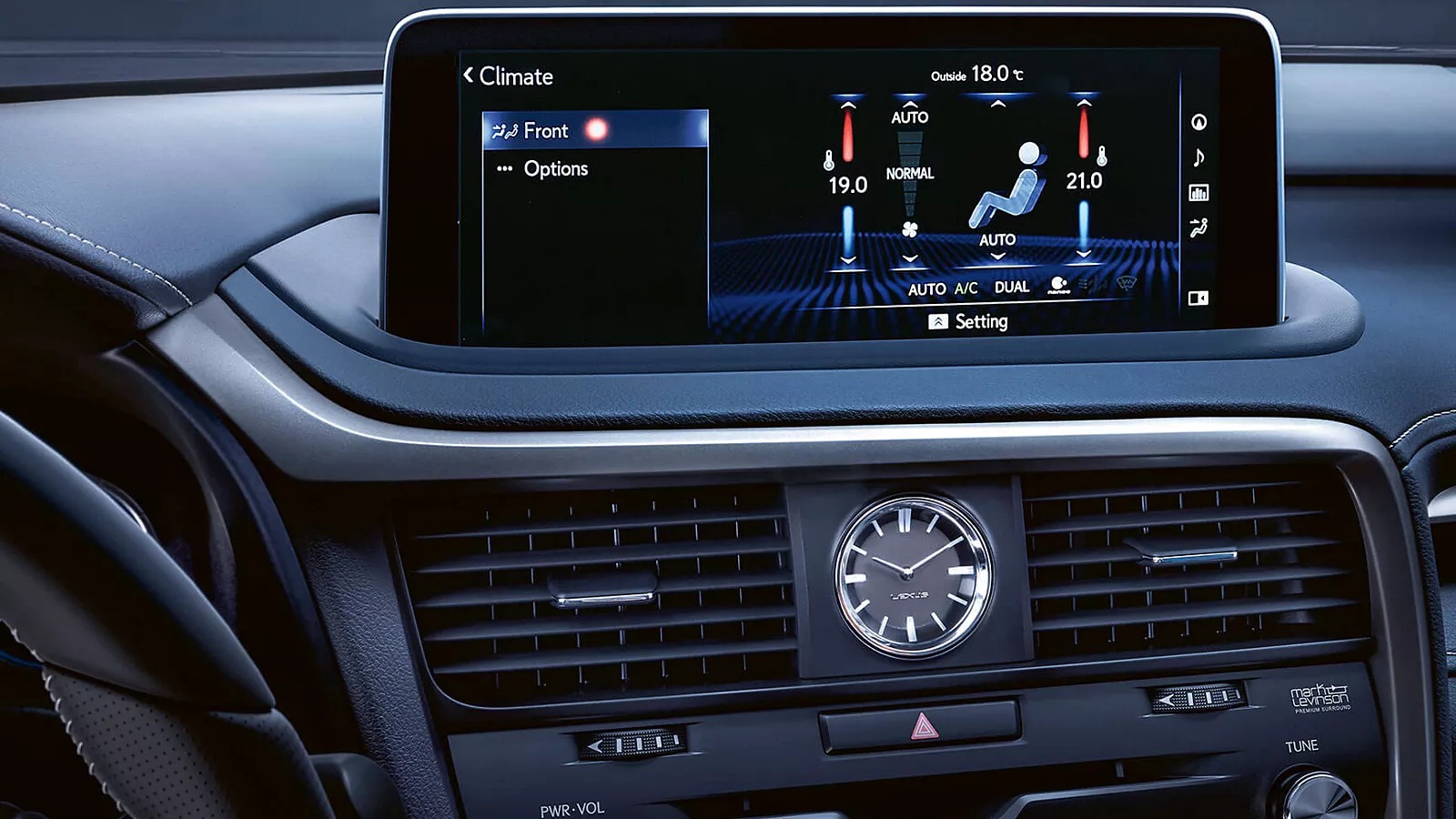
Comfort inside a Lexus cabin goes considerably deeper than simply setting a temperature and hoping for the best. Available on select models, Climate Concierge coordinates multiple comfort systems simultaneously, working behind the scenes to create a genuinely more consistent, comfortable experience than adjusting each system manually and separately ever could.
On the LS specifically, sensors throughout the cabin help regulate how the seat heaters, seat ventilation, and available heated steering wheel all work together in coordination with the primary climate control system.
Rather than you manually cranking up seat heat while separately adjusting cabin temperature and steering wheel warmth, Climate Concierge handles that balancing act automatically based on real conditions detected throughout the cabin.
This matters considerably more than it might initially sound. On a genuinely cold morning, for instance, the system might prioritize warming your seat and steering wheel faster than the ambient cabin air, since those direct-contact surfaces affect your perceived comfort more immediately than air temperature alone typically does.
Owners who’ve never explored this feature are essentially leaving genuine comfort on the table every single time they get behind the wheel.
Check your specific model’s settings menu to see whether Climate Concierge is available and properly activated, since this feature represents exactly the kind of thoughtful engineering that separates a genuinely premium cabin experience from a merely adequate one.
6. Automatic Climate Control for the Convertible
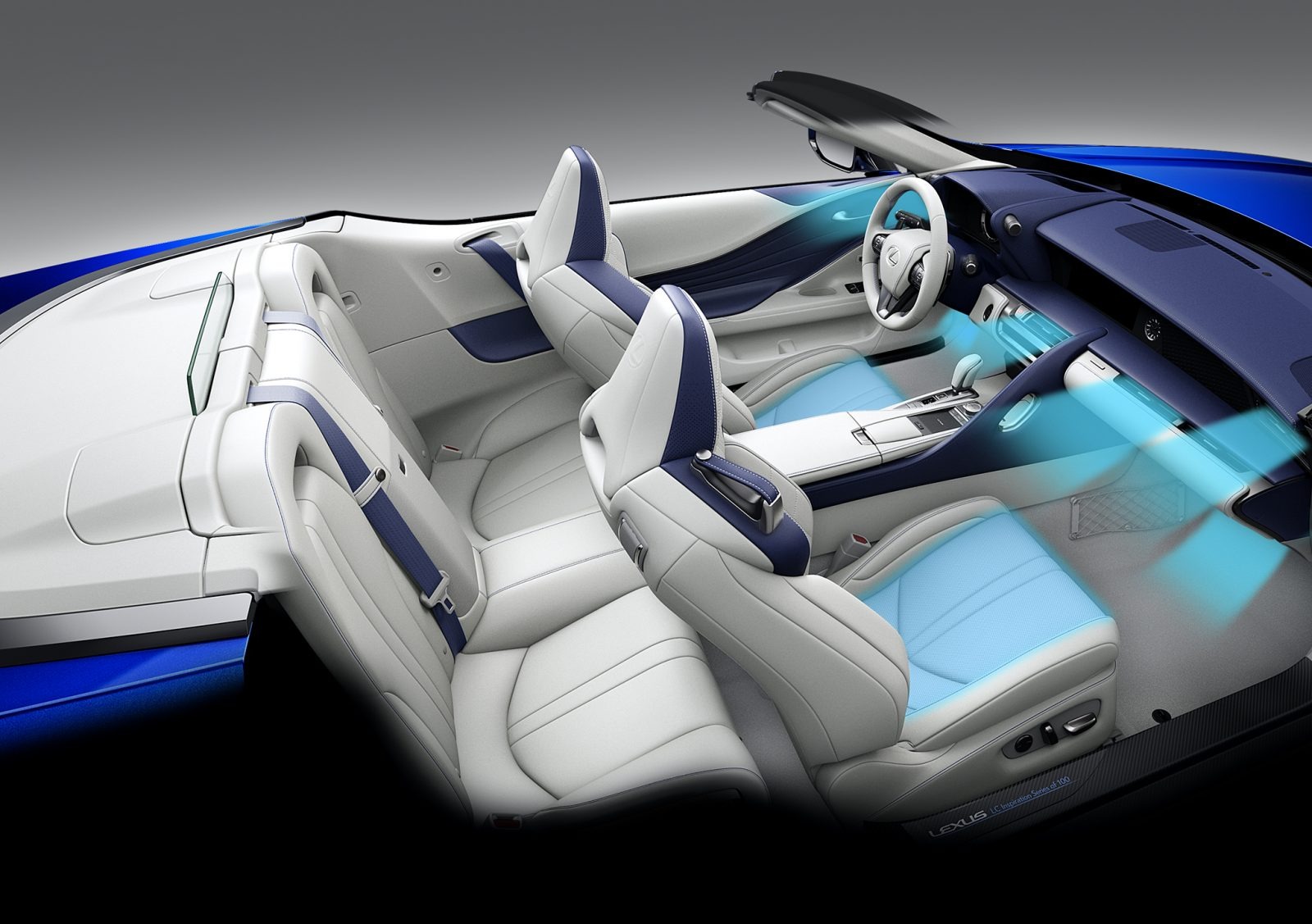
Owning a convertible has traditionally involved a clear compromise. You get the enjoyment of open air driving, but keeping the cabin comfortable becomes more difficult once the roof is lowered. The LC 500 Convertible reduces that compromise with a sophisticated version of Climate Concierge designed specifically for driving with the top down.
This system coordinates the air conditioner, seat heaters, dedicated neck heaters, and steering-wheel heater simultaneously the moment you lower the roof, working together to maintain genuine comfort despite the wind and temperature changes that naturally come with open-air driving.
Rather than fighting against the elements with a single climate zone, the LC 500 essentially creates targeted warmth exactly where your body needs it most.
Neck heaters deserve particular attention here, since they’re not a common feature across most vehicles regardless of price point. These direct warm air specifically toward your neck and shoulder area, addressing exactly the spot where cold wind typically feels most uncomfortable during open-top driving on a chilly day.
For anyone who’s ever hesitated to drop the top on a convertible because of genuinely cold weather concerns, this system changes that entire calculation considerably.
It’s a genuinely thoughtful piece of engineering that extends how often and how comfortably you can actually enjoy true open-air driving throughout the year, rather than restricting that experience to only the warmest summer months.
7. Mechanical Key Inside the Smart Key
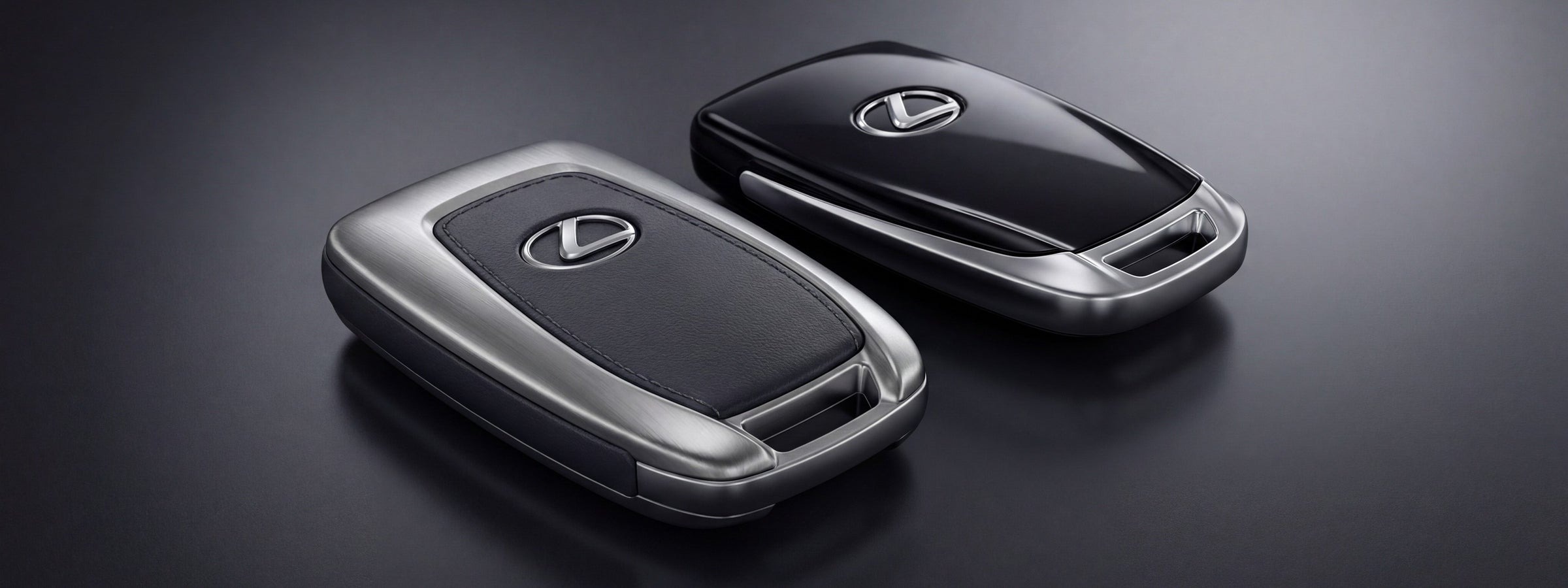
Dead key fob battery? Drained car battery leaving your electronic systems completely unresponsive? Every Lexus Smart Key genuinely contains a hidden backup solution for exactly this scenario, and it’s a feature far too many owners never discover until they’re genuinely stuck outside their own vehicle.
Tucked inside your Smart Key fob sits an actual mechanical key blade, removable with a small release mechanism typically located on the fob itself. Once extracted, this mechanical key can physically unlock your driver’s door directly, bypassing the electronic system entirely when that system simply can’t function due to a depleted battery somewhere in the equation.
This backup solution exists precisely because modern keyless systems, however convenient during normal daily use, genuinely depend on functioning electronics and battery power to work correctly.
When either your key fob’s internal battery or your vehicle’s own battery dies completely, that electronic convenience temporarily disappears, and you need a genuinely reliable mechanical backup instead.
Take a moment right now to locate your Smart Key’s release mechanism and practice extracting that mechanical key blade before you actually need it during a genuine emergency.
Fumbling with an unfamiliar mechanism while standing in a parking lot, key fob dead and rain starting to fall, is genuinely the worst possible moment to learn this process for the very first time.
8. Customizable Startup Display
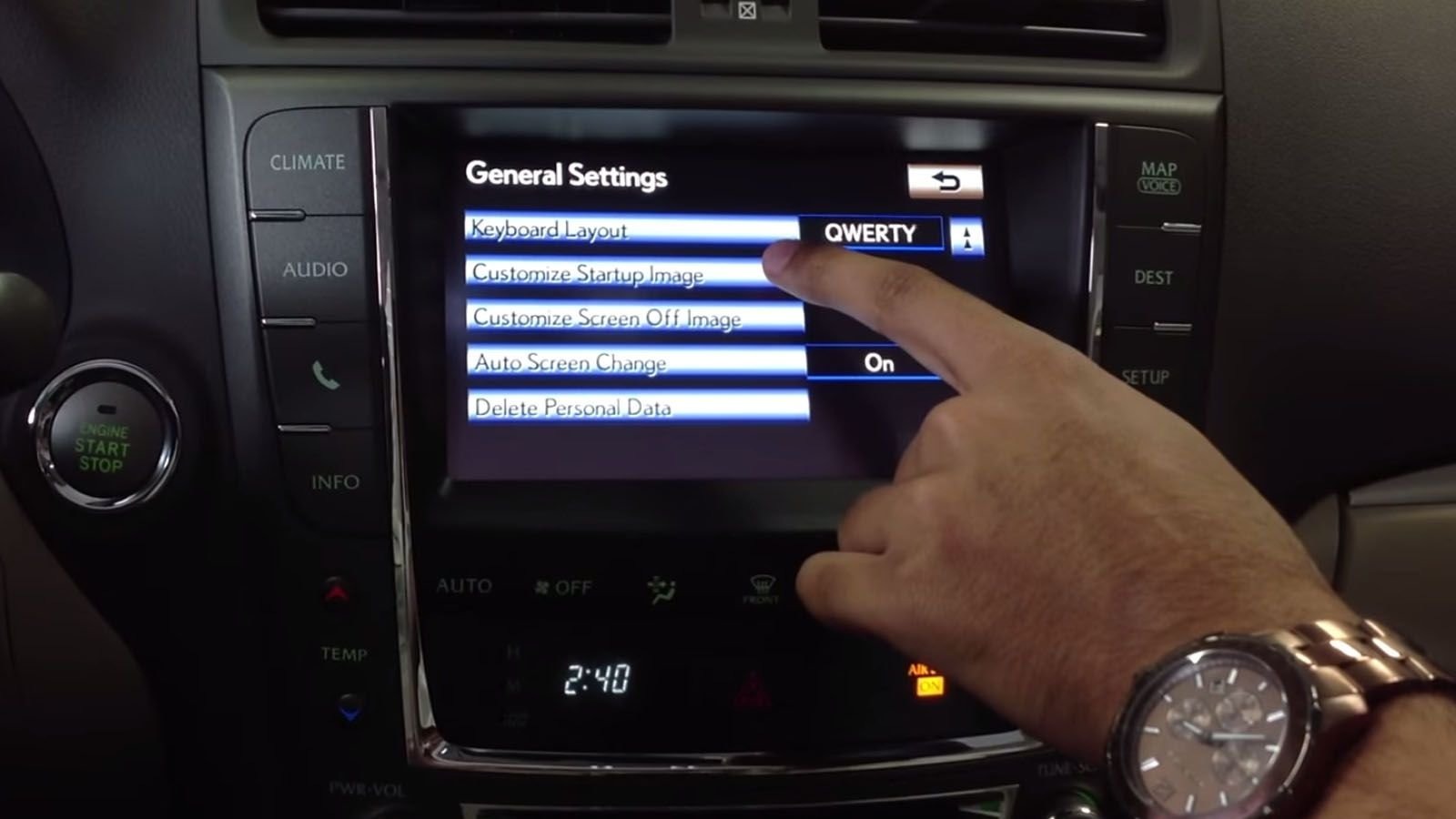
Some older Lexus vehicles offer a small personalization feature that many owners may never discover. Depending on the infotainment system, you may be able to replace the standard startup image with a picture of your choice.
Instead of seeing the usual Lexus logo whenever you turn on the vehicle, you can have a more personal image appear on the screen. This option is not available on every Lexus model or infotainment system.
Older systems are more likely to support custom startup images, while newer versions may use different software and settings. Checking your specific vehicle before trying the feature is important.
On compatible models, the setup usually involves transferring a supported image file using a USB drive or another approved storage device. You then select the image through the appropriate infotainment settings and save the change. The exact steps depend on the model year and system installed in the vehicle.
For Lexus owners who have this option, it offers an easy way to add some personality to the cabin. You could use a favorite photograph, family picture, personal design, or another image that means something to you.
If you want to try it, check the owner’s manual first for the correct file format, storage method, and menu instructions. That will help you avoid using an unsupported image or following steps meant for a different Lexus system.
9. Headlight Washers
Winter driving through slush, salt, and road grime can leave your headlights looking genuinely filthy within just a few miles, dramatically reducing how much light actually reaches the road ahead of you.
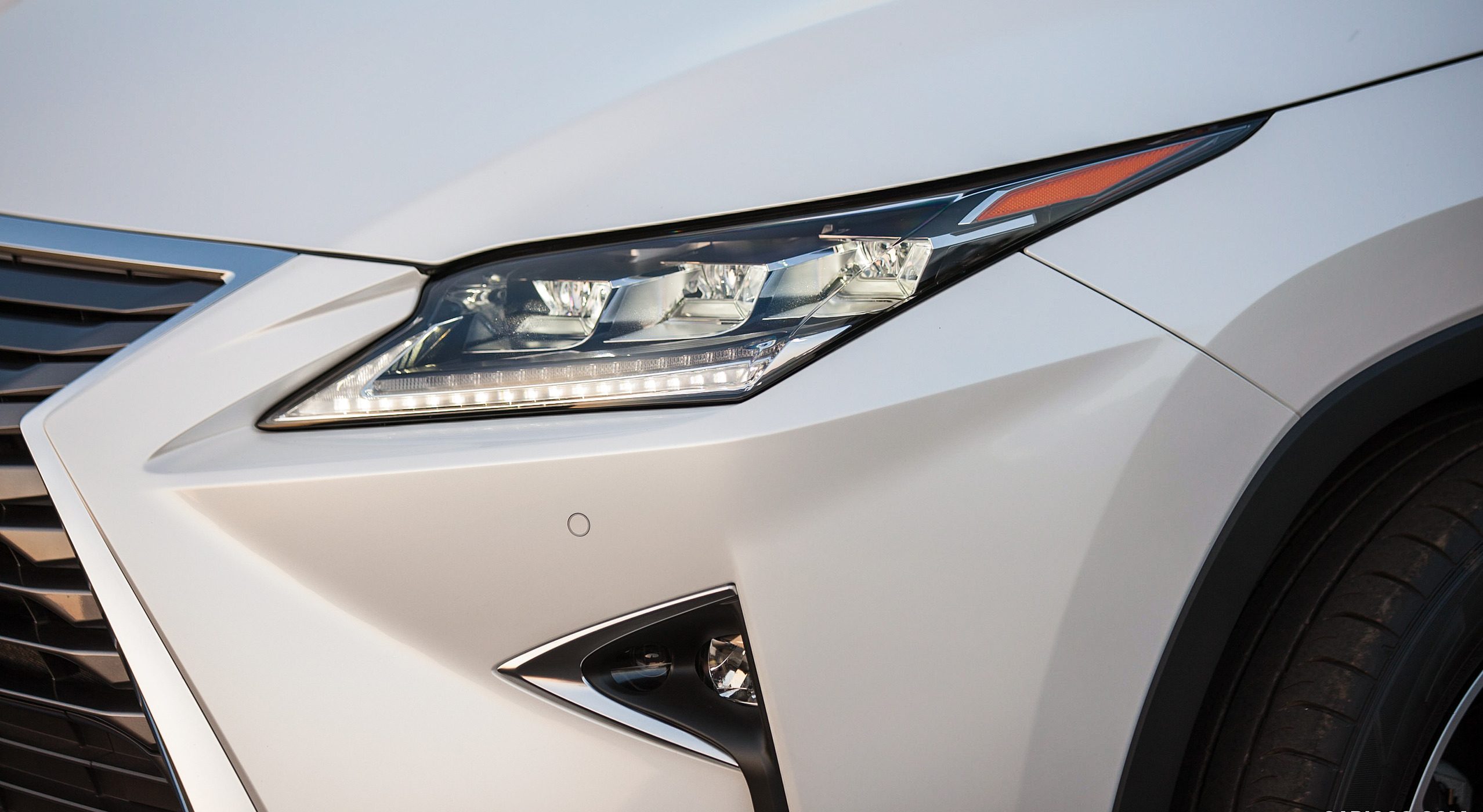
Some Lexus models, particularly those offered with certain market specific equipment or optional packages, feature a highly practical solution in the form of dedicated headlight washers.
These systems work similarly to your windshield washers, spraying washer fluid directly onto the headlamp lenses to help remove dirt, road salt, and general grime that accumulates during regular driving.
Activation typically happens automatically alongside your windshield washers, or in some configurations, through a separate dedicated control depending on the specific vehicle and equipment package installed.
Availability genuinely varies considerably here, more than with several other features covered throughout this list. Headlight washers tend to appear more commonly on vehicles equipped for markets with harsher winter conditions or specific regulatory requirements, meaning not every Lexus model or trim level includes this system regardless of how much you might want it.
If you’ve noticed small nozzles near your headlights and wondered about their purpose, you’ve likely spotted this exact system already installed on your vehicle.
For owners who do have this feature, using it regularly during winter driving can genuinely improve your nighttime visibility considerably compared to driving with grime-covered headlights that gradually dim your effective lighting output.
10. Fuel-Filler Cap Holder
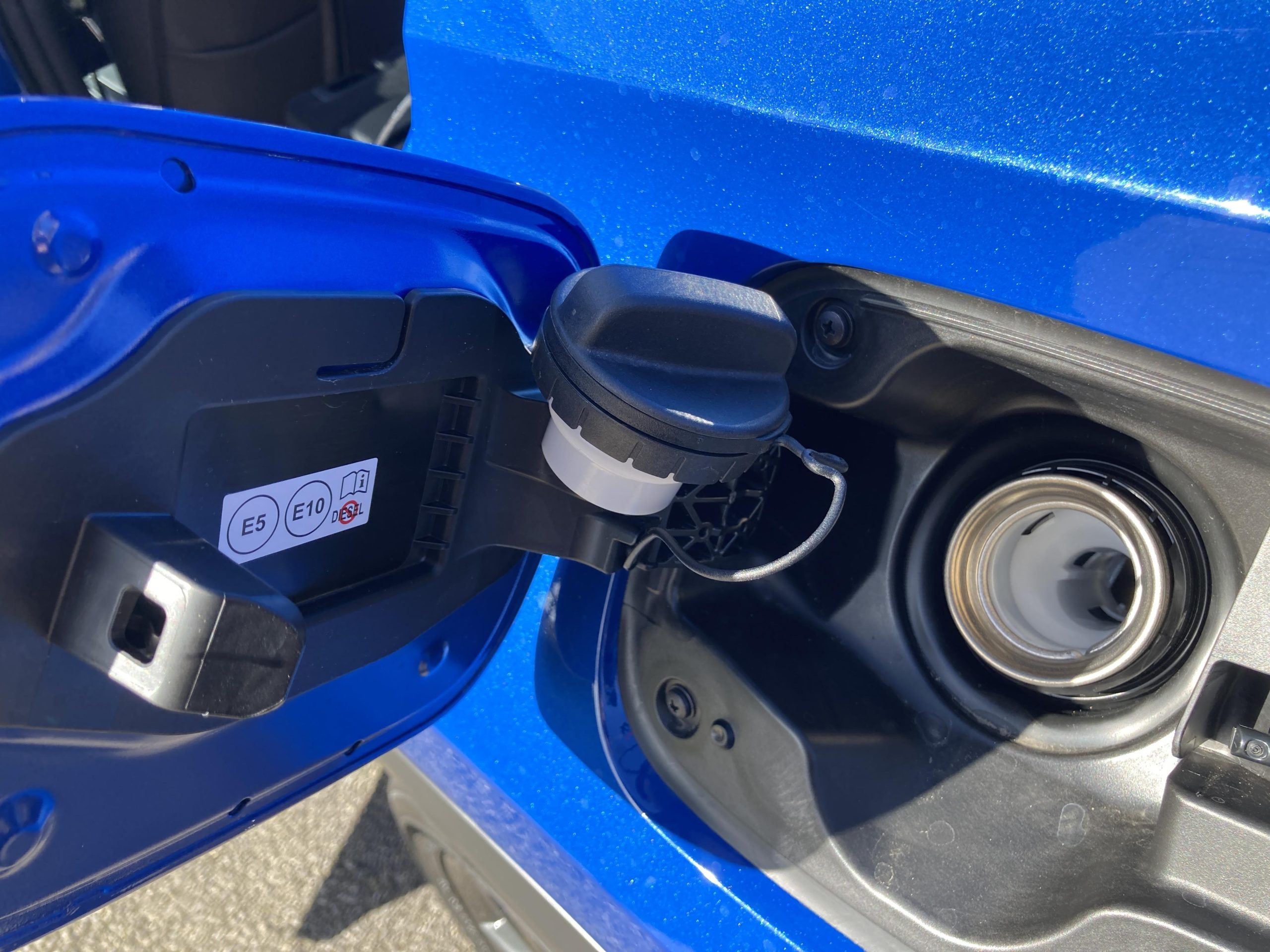
A small feature inside many Lexus vehicles can make refueling a little easier. When you remove the fuel cap, you may notice a holder built into the fuel-filler door. It gives the cap a proper place to rest while you fill the tank instead of leaving it hanging beside the car.
Without this holder, some drivers allow the cap to hang from its tether, where it can rub against the paint. Others place it on the fuel pump or the roof and may forget to put it back before driving away. The built-in holder helps prevent both problems.
Using it is simple. After removing the cap, place it in the designated holder inside the fuel door. Once you finish refueling, take the cap out, tighten it back onto the fuel tank, and close the fuel door.
Although it is a small addition, it can help protect the vehicle’s paint from unnecessary scratches caused by a loose fuel cap. It also provides a convenient reminder to return the cap before leaving the gas station.
Features like this may not receive much attention when people discuss a car, but they can make daily ownership more convenient. Lexus has included several small touches that address ordinary tasks, and this fuel-cap holder is one example of that practical thinking.
11. S-FLOW Cabin Climate Control
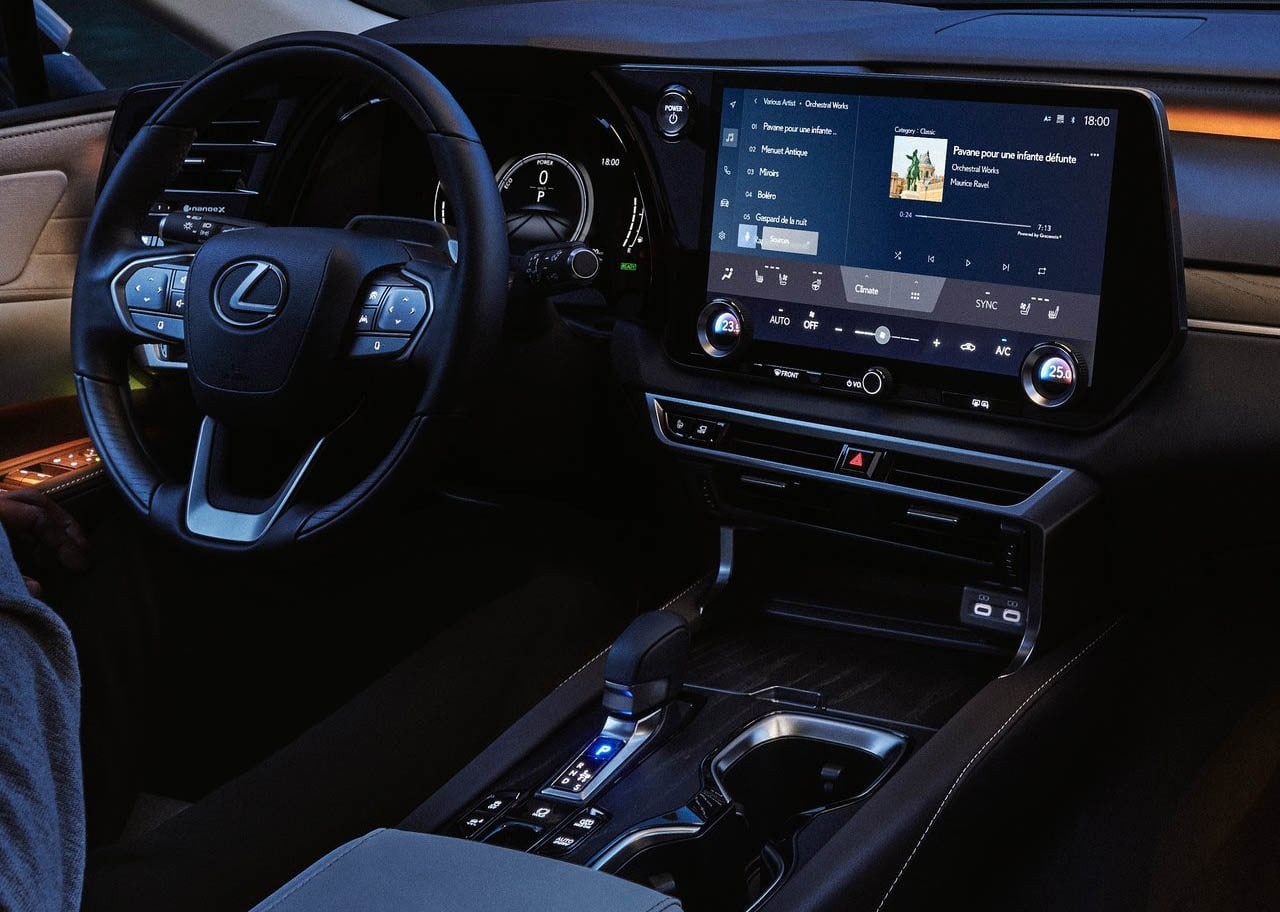
Why cool or heat the entire cabin when only a few seats are occupied? Some Lexus vehicles use S-FLOW technology to direct climate control toward areas where passengers are sitting. Instead of treating every part of the cabin the same way, the system can reduce airflow to seats that are not being used.
On models such as the Lexus LS, the system can recognize when only the front seats have occupants. It then adjusts airflow to the rear section, allowing the climate system to focus more on the people inside the vehicle. This can help reduce unnecessary energy use while maintaining a comfortable cabin temperature.
There is also a comfort benefit. By directing more airflow toward occupied areas, the system can help those spaces reach the desired temperature sooner. This can be especially useful during very hot or cold weather when you want the cabin to become comfortable as quickly as possible.
The technology works quietly in the background, so many owners may not realize what the climate system is doing. When driving alone, for example, the vehicle can reduce airflow to empty areas without requiring you to make constant adjustments.
S-FLOW is a good example of how small technology changes can improve daily driving. Rather than running the climate system at the same level throughout the cabin, it uses available information about passenger occupancy to deliver air where it is needed most.
