
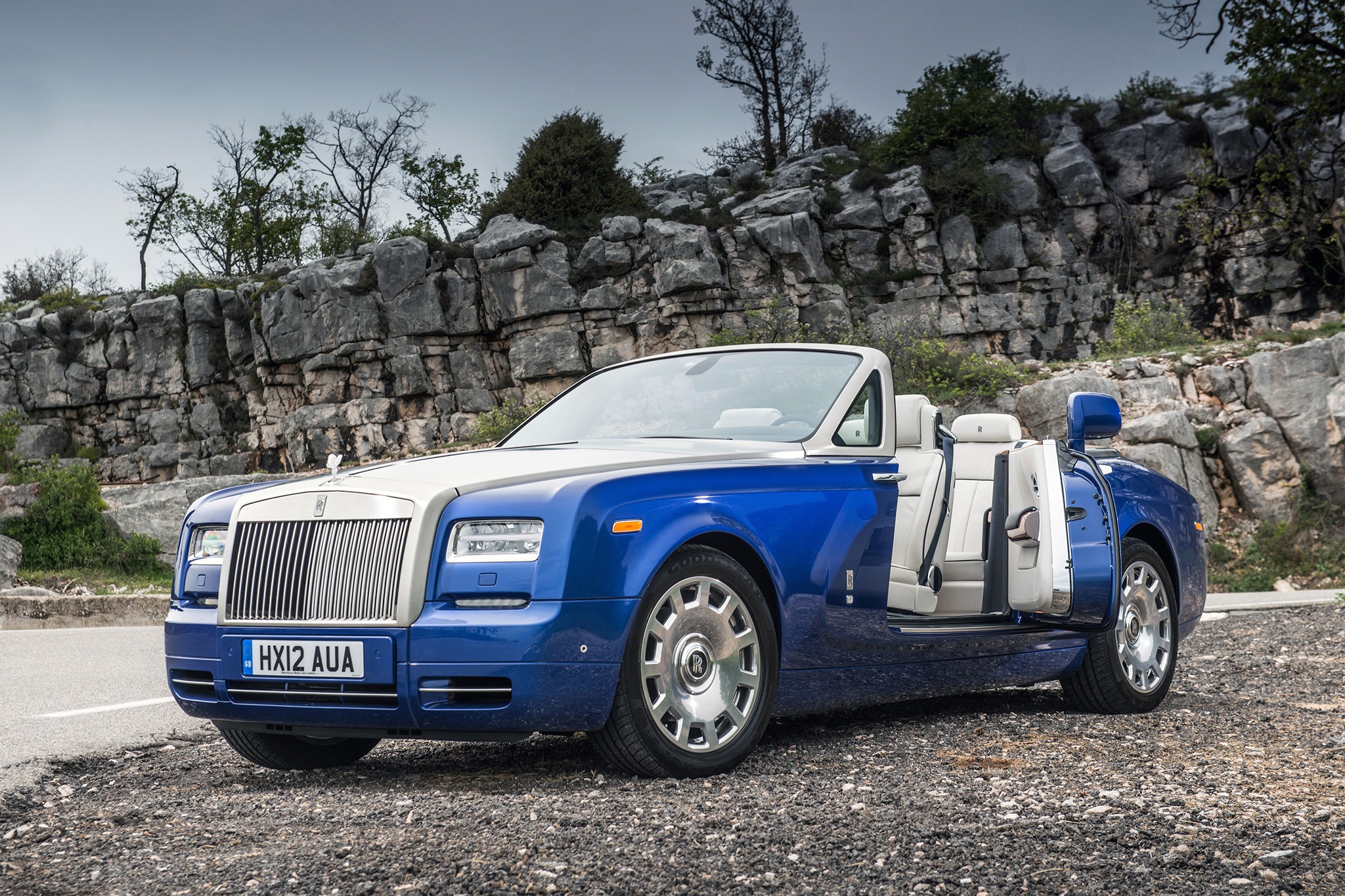
Car doors usually swing forward, and nobody thinks twice about it. But a handful of automakers looked at that rule and decided to break it, hinging doors at the back instead of the front. The result is a strange, sometimes clumsy, sometimes brilliant style of entry that has shown up on everything from luxury sedans to tiny electric city cars.
Some of these designs made climbing into the back seat easier than ever. Others just looked odd and confused everyone at the valet stand. Here are eight cars that decided regular doors were too boring, and hinged them the wrong way instead.
1. Rolls-Royce Phantom
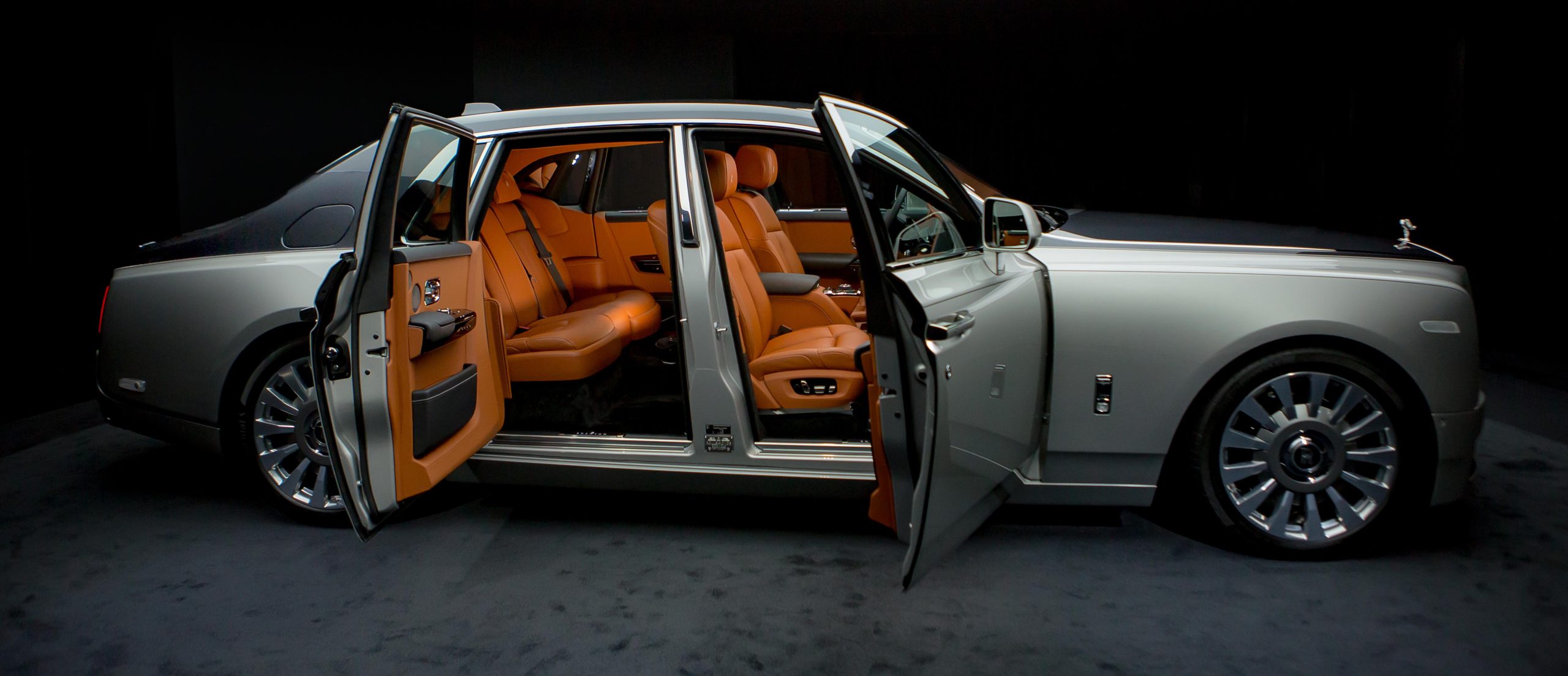
Rolls-Royce gave the Phantom a rear door arrangement that immediately separates it from ordinary cars. Rather than using the usual front-mounted hinges, the rear doors are hinged at the back and swing outward from the rear.
Rolls-Royce refers to this design as coach doors, and it suits the Phantom’s luxury-focused character. Getting into the rear cabin is easier because the doors create a wide opening.
Passengers do not have to squeeze through a narrow space, bend awkwardly, or turn their bodies sideways before sitting down. They can sit comfortably first and bring their legs inside afterwards. This arrangement is particularly useful for a car designed with chauffeur-driven passengers in mind.
The door design also carries a strong connection to classic vehicles from an earlier period. Its appearance is similar to the doors found on traditional horse-drawn carriages, giving the Phantom a formal and distinguished feel.
Even the interior door handles are positioned within easy reach, making it convenient for passengers to close the doors themselves. There are a few practical concerns, especially in crowded parking areas.
Because the doors open towards the rear, passengers need to check for people, nearby cars, walls, and other obstacles before opening them fully. Care is also needed when stopping close to a kerb.
Despite these points, the coach doors remain one of the Phantom’s most recognisable features. They combine easy rear seat access with a traditional luxury design, making an ordinary action like entering the car feel more special and deliberate.
2. Mazda RX-8
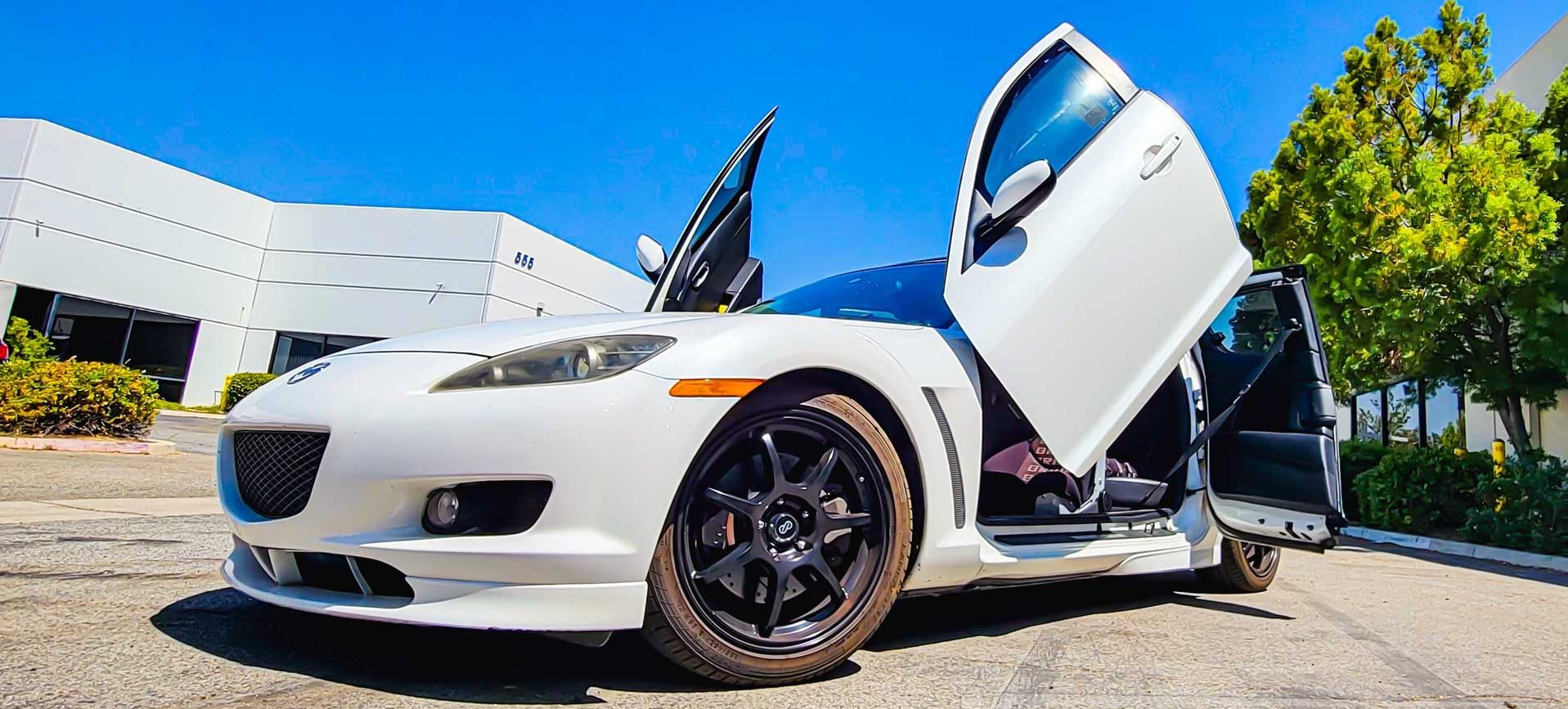
Mazda’s RX-8 brought an unusual feature to the sports car world with a set of rear doors designed to work alongside the front doors. Like the Phantom, its rear doors are rear-hinged, but Mazda added a clever limitation to how they operate.
You cannot open a rear door until the front door on that side is already open. This “Freestyle” system, as Mazda branded it, was built to solve a real problem. Sports coupes rarely have back seats worth mentioning, and getting to them usually means squeezing past a folded front seat.
By removing the center pillar and syncing the doors, Mazda created a wide, unobstructed opening on each side once both doors swing out. It looks almost like the car has been sliced open.
Passengers in the back gained a real path into their seats instead of a gymnastics routine. The tradeoff is structural. Without a proper B-pillar, engineers had to reinforce the doors and the rest of the body to keep everything rigid and safe in a crash.
The design added both weight and expense, while also requiring owners to follow a specific opening sequence. The front door had to be opened before the rear door would operate. If the order was reversed, the rear door remained locked in place. Despite its unusual design, the setup made the back seats far more practical than those in most performance-focused cars.
3. BMW i3
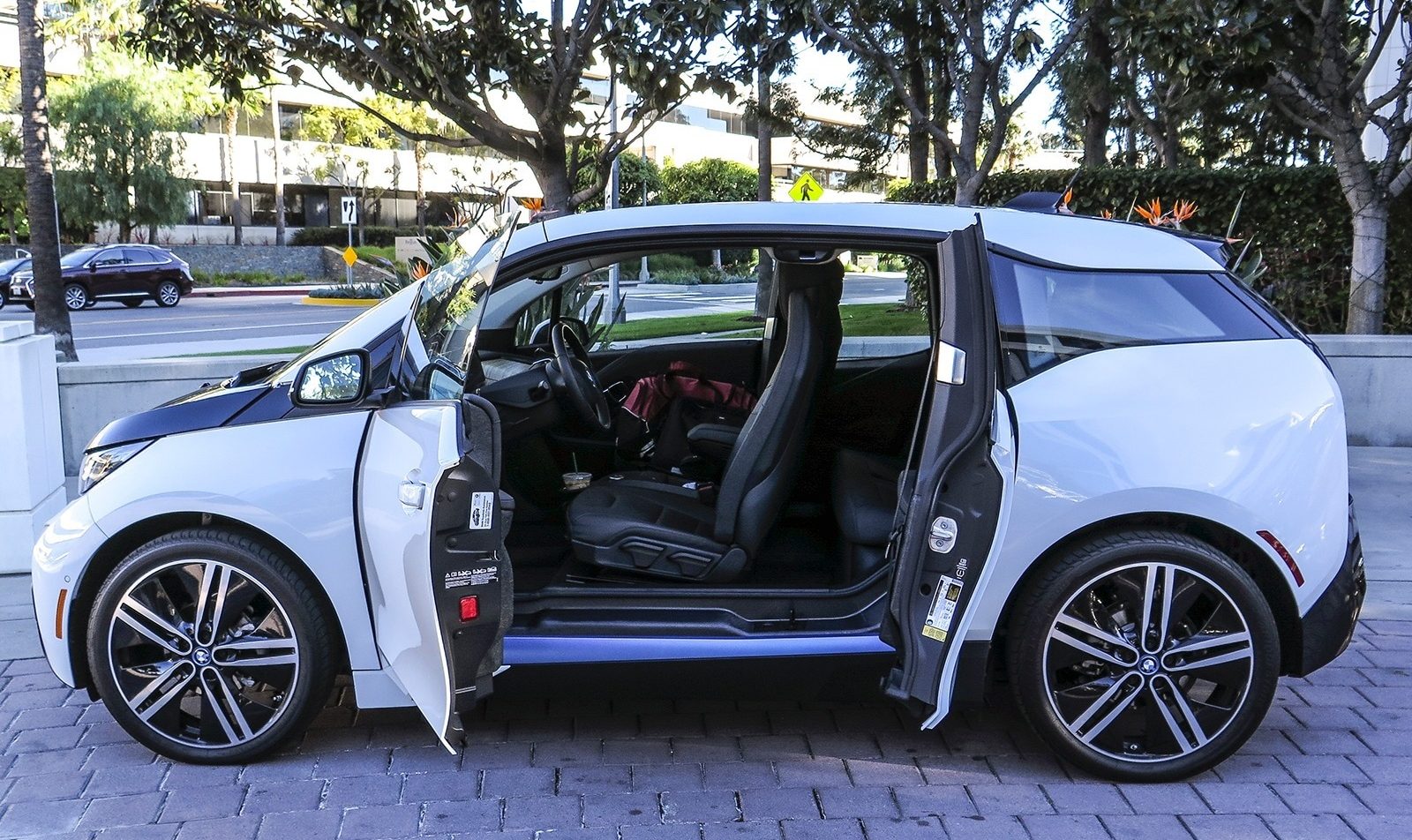
When BMW introduced the i3, the company gave the small electric car a door design that made it stand out from most other compact cars. Instead of using a fixed pillar between the front and rear doors, BMW removed it and fitted the rear doors with backward hinges.
When both doors are opened, the side of the car creates one large entrance without the usual metal post between the seats. This arrangement was more than a design feature. BMW wanted the i3 to provide a spacious cabin while keeping the car small enough for city driving.
Removing the centre pillar helped create a wider opening, making it easier for passengers to get into the rear seats. People could enter without having to squeeze through a narrow space or awkwardly turn their bodies.
There was, however, a limitation that owners had to accept. The rear doors could not be opened independently because they relied on the front doors for support. As a result, anyone sitting in the back could not simply open the rear door while the front door remained closed. A person at the front had to open their door first.
Even with that inconvenience, BMW’s approach gave the i3 a practical advantage when loading passengers. The wide opening made the compact cabin feel much more spacious than expected.
It also fitted the car’s unusual character, as BMW was willing to try something different instead of following the familiar door arrangement used by most vehicles. The design remains one of the i3’s most recognisable features.
4. Toyota FJ Cruiser
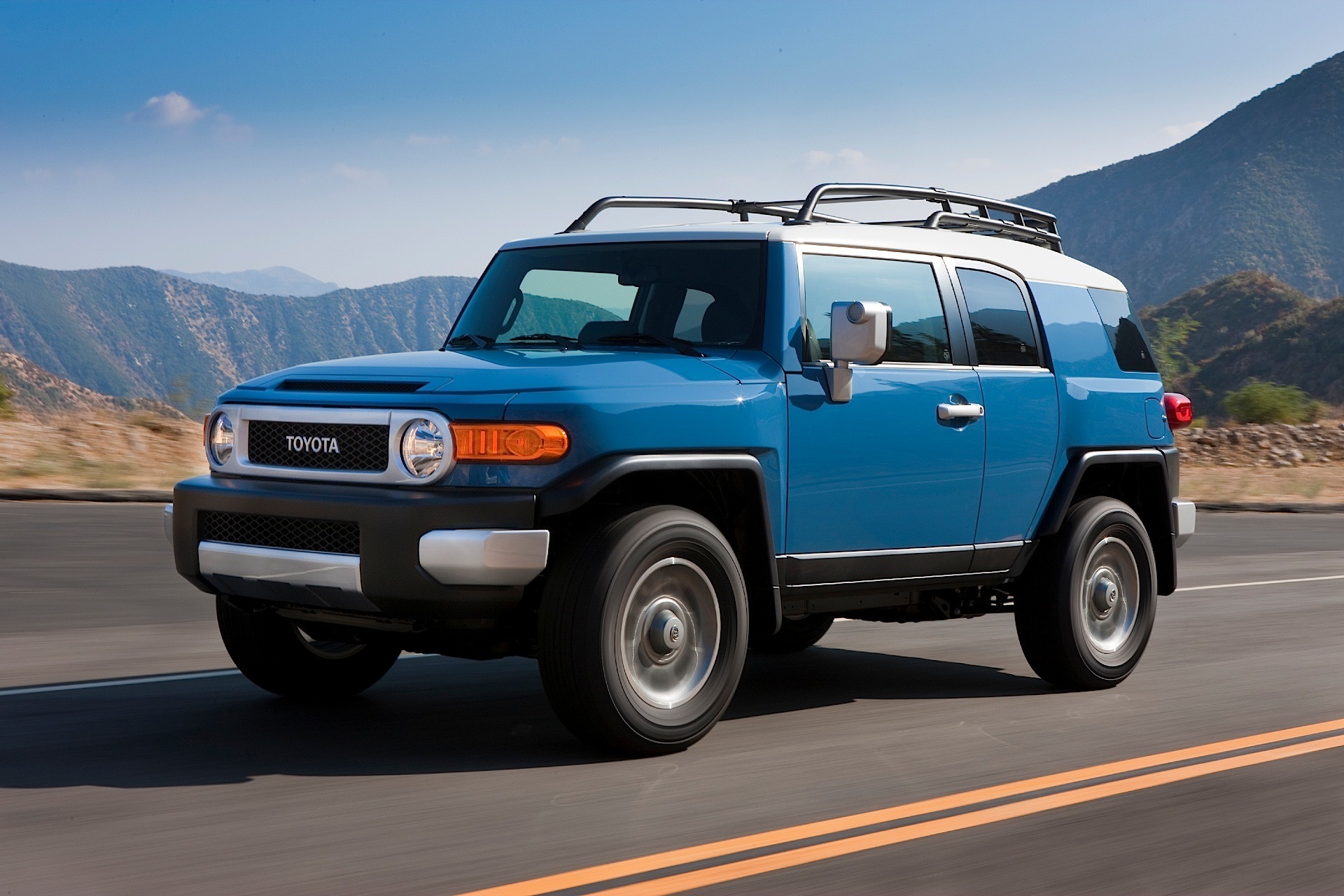
The FJ Cruiser combined a boxy design with rugged construction and strong off-road capability. Its rear hinged doors served a practical purpose by making it easier to load passengers and gear in tight spaces, such as narrow trailheads and crowded campsites.
Toyota gave the rear doors a clamshell arrangement, meaning they swing outward from the back in a way that pairs with the front doors to create one large opening down the side of the vehicle.
Open both sides, and you have a gap nearly as wide as the car itself. That matters a lot when you are trying to load a cooler, fishing gear, or a dog into the back seat without wrestling with narrow gaps.
The FJ Cruiser was marketed toward buyers who wanted something that felt closer to a classic off-roader than a typical crossover, and the doors reinforced that retro, utilitarian personality.
They gave the SUV visual character too, echoing the look of vintage Land Cruisers with their split rear access. Functionally, though, they came with the same tradeoff seen elsewhere on this list.
The rear doors needed the front doors open first, which could be inconvenient in parking lots or tight driveways where swinging a front door wide open was not always possible.
Even so, owners who used the FJ Cruiser for camping trips and outdoor adventures often say the wide-opening doors were one of its most useful features, not just a styling quirk.
5. Honda Element
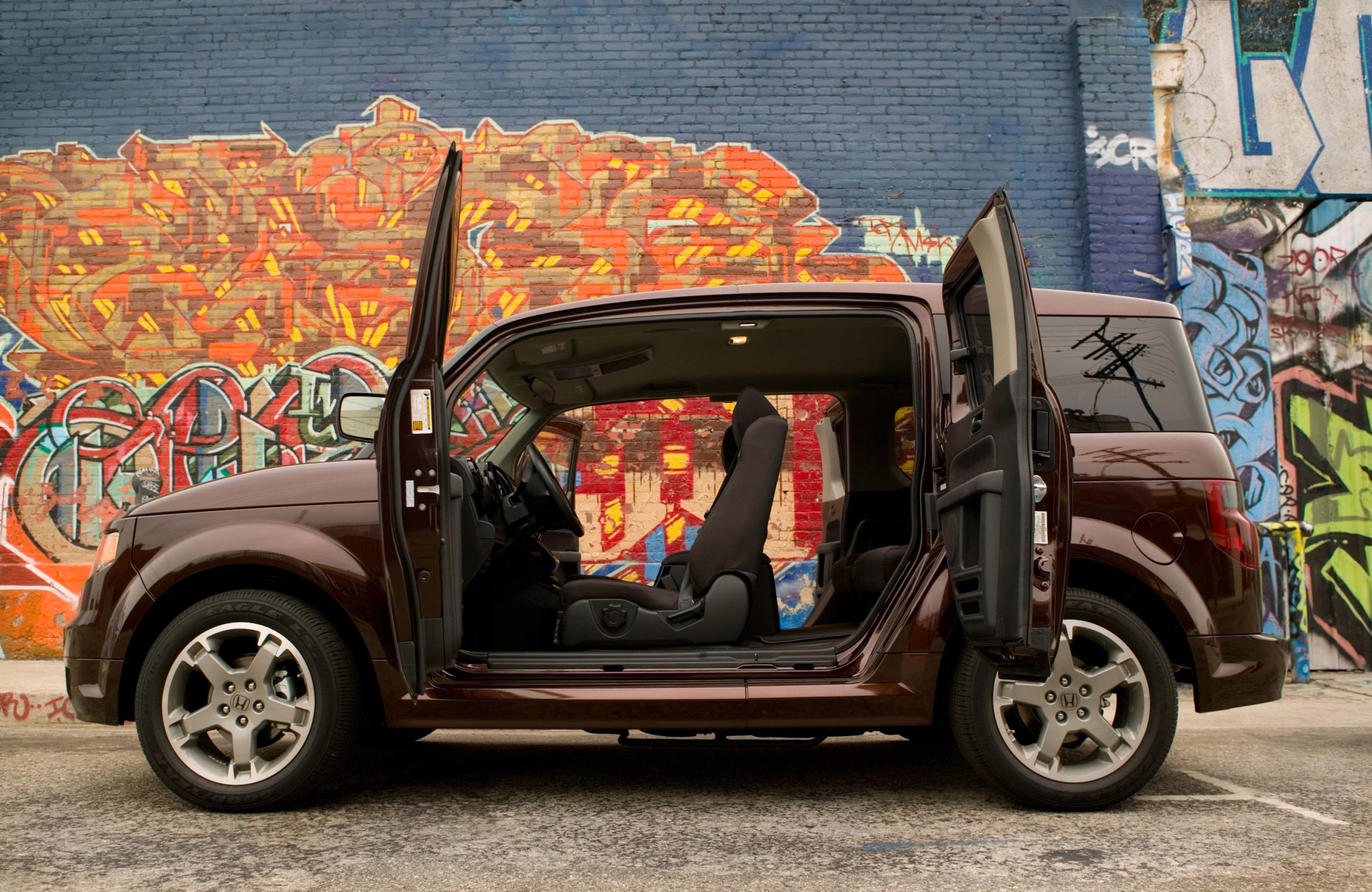
Honda built the Element around flexibility, and its rear-hinged doors were a direct extension of that mission. Paired with standard front doors, the rear doors swing backward, and when both sides are opened together, they create an opening large enough to slide furniture, bikes, or bulky boxes through with room to spare.
Honda clearly designed this vehicle for buyers who needed a car that worked as hard as a small van but drove more like a wagon. The wide side opening made loading and unloading dramatically easier than in a typical four-door sedan or SUV, where narrow gaps and tight door swings often turn simple tasks into a struggle.
Passengers benefited too, especially anyone getting in and out with kids, pets, or awkward items in hand. The rear seats themselves could also fold flat or be removed entirely, and the big door opening made that process smoother, since there was more space to maneuver seats and cargo through.
Like most cars on this list, the rear doors could not open independently, requiring the front door to swing open first. Owners who bought the Element for camping, surfing, or general hauling rarely complained about that detail, since the payoff of the massive combined opening outweighed the small inconvenience.
It became one of the more beloved practical features of a vehicle already known for thinking outside the box.
6. Lincoln Continental Coach Door Edition
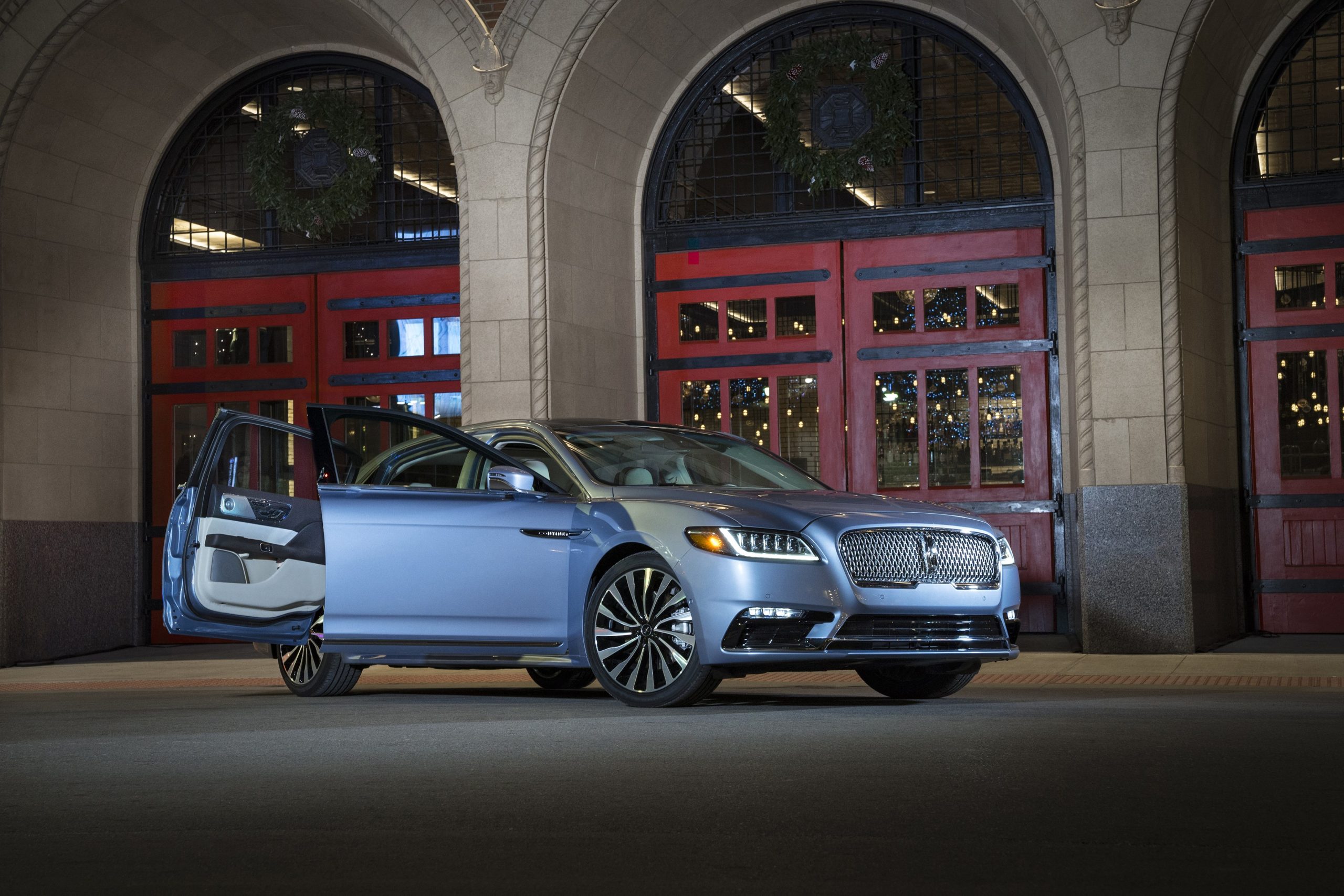
Few modern luxury cars have made rear-hinged doors feel as special as the Continental Coach Door Edition. Lincoln brought back this old-school design as a tribute to the classic Continental models of the 1960s, which became well known for their rear-opening doors and elegant appearance.
The idea gave the modern sedan a strong connection to Lincoln’s earlier designs while adding updated comfort and technology. What made the Coach Door Edition different was the way its rear doors opened from the back instead of the front.
This arrangement created a wide entrance for passengers and made getting into the rear seats feel easier and more graceful. Lincoln produced the model in limited numbers, which helped justify its high price and gave it a more exclusive appeal. It was clearly aimed at buyers who wanted something beyond an ordinary luxury sedan.
For many people, the car’s doors became its biggest talking point. They attracted attention at events, appeared frequently in photographs, and gave the sedan a presence that was difficult to ignore. At the same time, the design served a practical purpose by providing passengers with generous access to the rear cabin.
Lincoln also used the model to connect modern driving with memories of its historic Continental models. Buyers received a comfortable luxury car with current technology, while the unusual doors added a sense of occasion.
The Coach Door Edition showed that there was still room for distinctive design in the luxury car market, especially for customers willing to pay more for something rare.
7. Citroën Ami
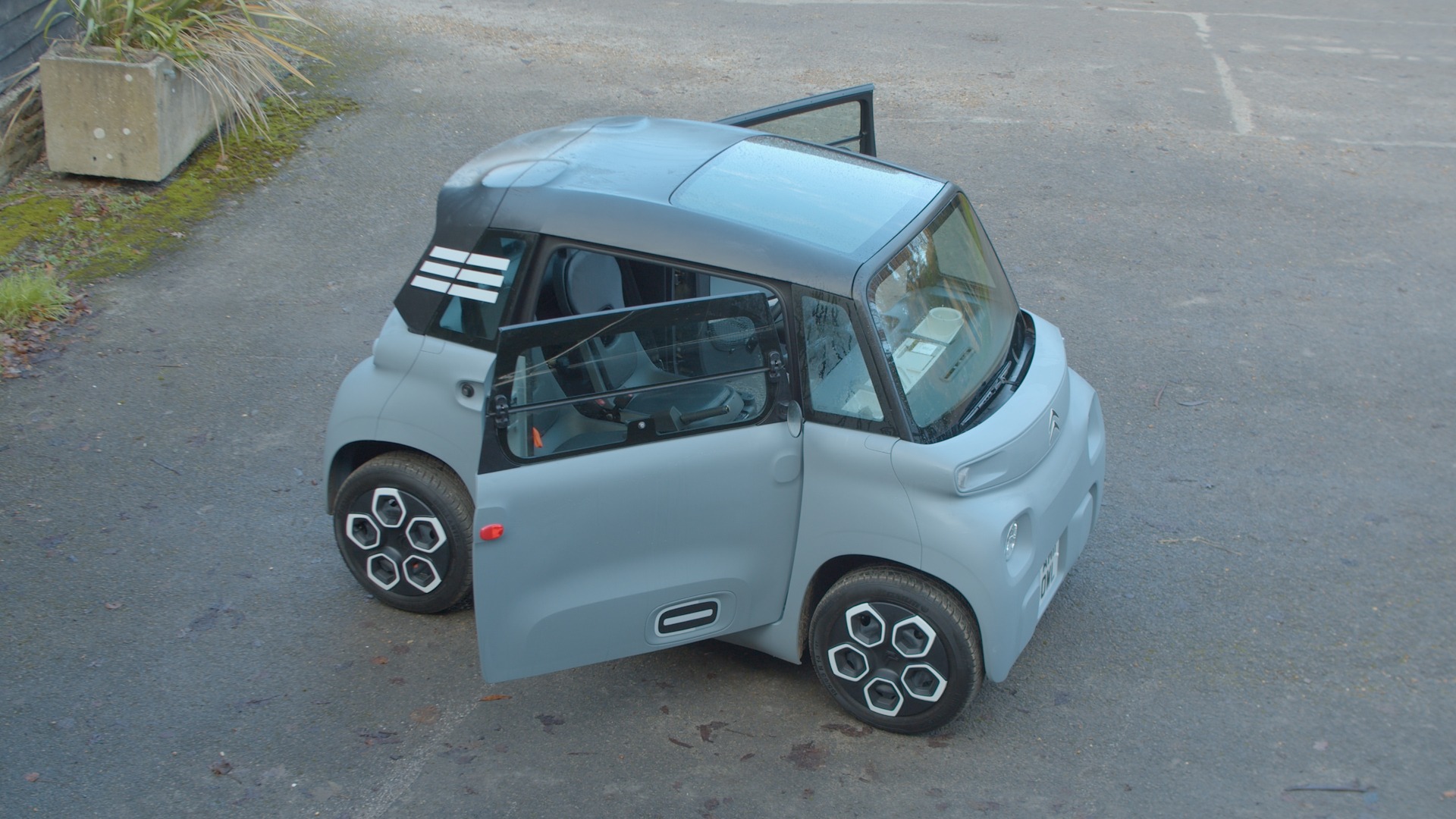
Citroën’s Ami is small enough to blur the line between car and golf cart, and its doors are just as unconventional as its size. The driver’s side door is hinged at the back, while the passenger’s side door is hinged at the front, the opposite of what you would expect on a mirrored pair.
This was not an accident or oversight. Citroën designed the Ami to use identical door panels on both sides of the car, which cut manufacturing costs and simplified production for a vehicle built to be sold at a low price point. The tradeoff is a mismatched pair of doors that swing in opposite directions depending on which side you approach.
For drivers unfamiliar with the car, it can feel a little disorienting the first few times, reaching for a handle expecting one motion and getting another. Once you get used to it, though, it barely registers, and the tiny electric city car has earned attention for its quirky charm rather than criticism for the mismatch.
The Ami was built for short trips around town, easy parking, and low-cost ownership, not high-speed touring, so the unusual door setup fits its playful, almost toy-like personality rather than clashing with it.
8. Opel Meriva
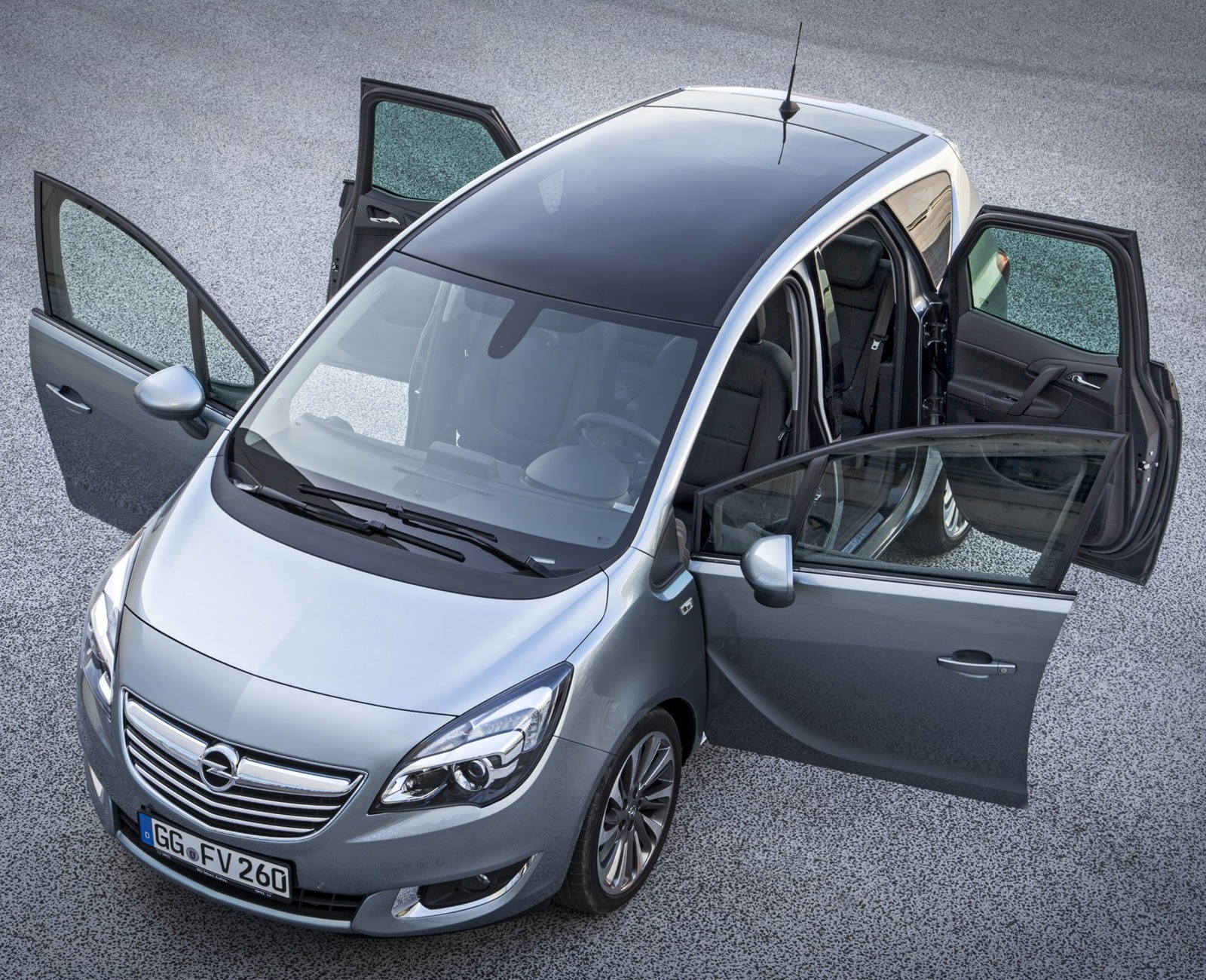
Opel took the rear-hinged concept and solved one of its most common complaints with the second-generation Meriva. Its FlexDoors opened from the back like the others on this list, but unlike most of them, they did not require the front doors to be open first.
That single change made a real difference for anyone who has ever tried to buckle a child into a car seat while balancing groceries or an umbrella. Parents could open just the rear door on their own, reach in, and secure a child without needing to swing the front door wide open in a tight parking spot.
The wider opening also made lifting a heavy car seat in and out noticeably easier compared to a standard door design. Opel marketed the Meriva directly toward families, and the FlexDoors became one of its defining selling points, showing up prominently in advertising and reviews.
It struck a practical middle ground between the dramatic, showy doors on luxury cars and the purely functional versions found on off-roaders and wagons.
Instead of chasing style points, Opel focused on solving an everyday annoyance, and the result was a design that quietly made family life easier every time someone opened the back door.
