
Car makers love to experiment, and sometimes that experimentation produces a paint shade so short-lived it becomes a collector’s dream. A single model year, a handful of thousand units, and then gone forever, replaced by something the marketing team thought would sell better. These colors carry a strange kind of magic.
They mark a specific moment in automotive history that can never be repeated, because the factory simply stopped making them. Below are ten examples of paint jobs that came and went in a flash, mostly from Chevrolet’s Corvette line, plus one standout from BMW. Grab a coffee and take a look at these fleeting shades that still turn heads decades later.
1. 1965 Chevrolet Corvette – Glen Green
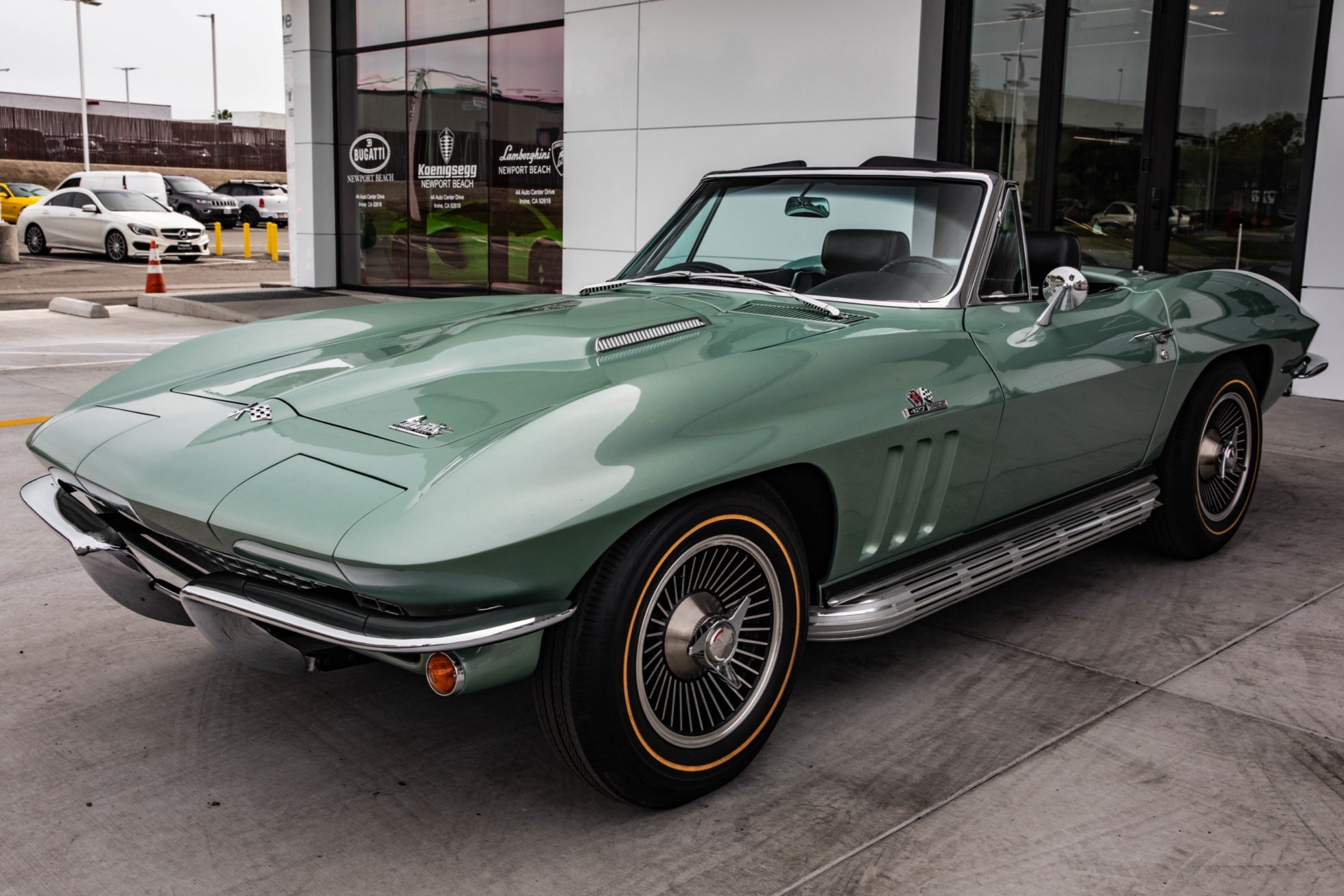
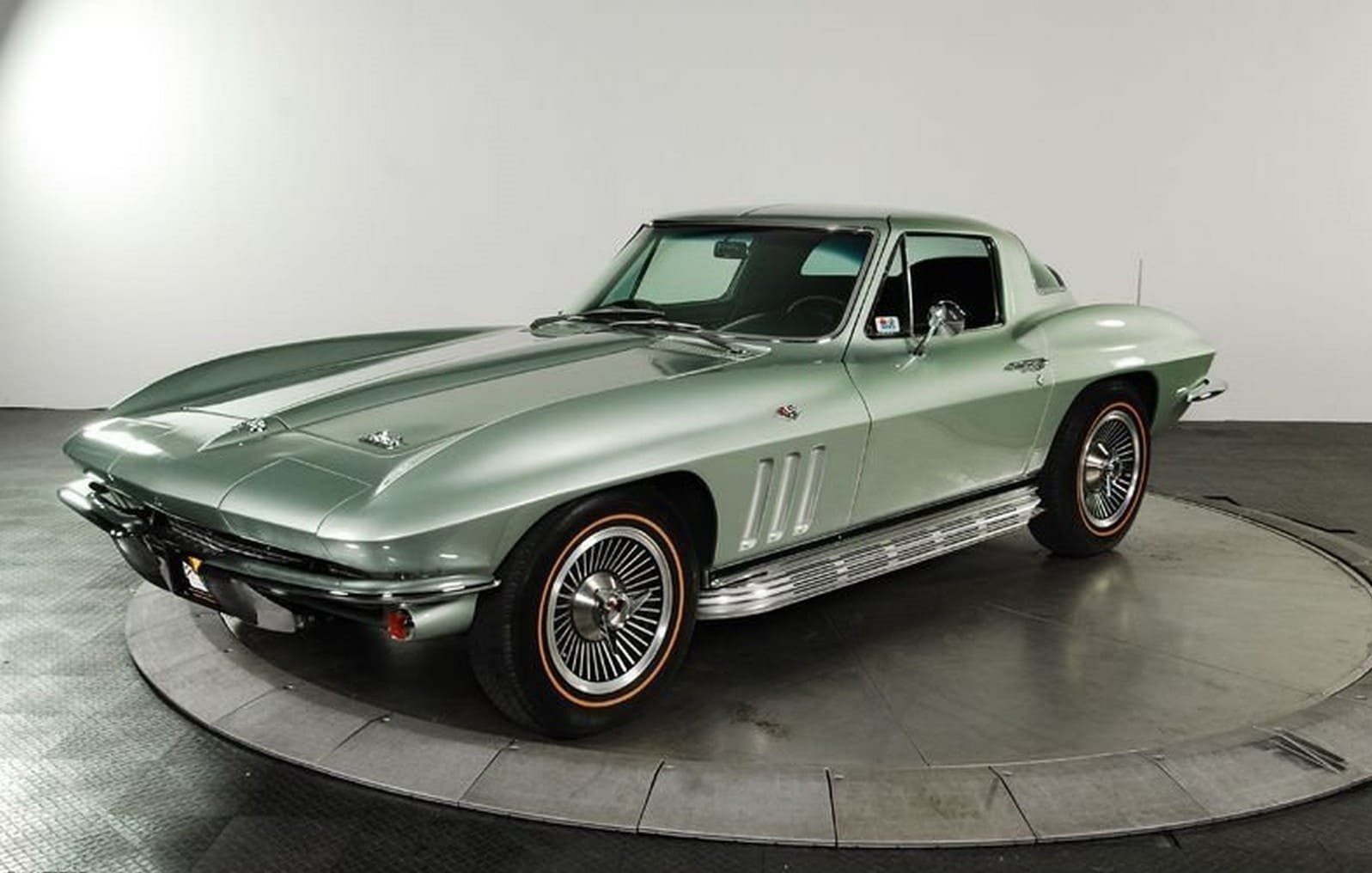
Glen Green has become one of those Corvette colors that collectors remember immediately, mainly because Chevrolet offered it for just one model year. In 1965, the company produced 3,782 Corvettes in this dark green finish before removing it from the available color choices.
That figure may seem fairly high beside some extremely rare factory colors, yet it represented a small portion of the 23,564 Corvettes built that year. What makes Glen Green appealing is its balanced appearance.
The color has a deep, earthy character that can look serious in shade while becoming warmer when sunlight reaches the body. It suits the sharp lines of the mid-1960s Corvette without appearing too loud, giving the car a refined presence that still feels sporty. Owners of original examples often praise its rich finish.
Chevrolet’s decision to remove the color for 1966, when another green took its place, was hardly treated as a major event at the time. Paint choices were regularly changed to keep the showroom fresh and give buyers something new to consider.
For most customers, Glen Green simply disappeared from the order sheet. Decades later, that quiet change gave collectors another reason to value surviving examples and remember this brief factory offering.
Collectors today can appreciate Glen Green for more than its appearance. Its limited run gives surviving cars a character that is hard to duplicate with a later color. Chevrolet may have treated the paint as a routine catalog choice, but time gave it a different meaning.
For anyone interested in classic Corvette history, Glen Green stands as a clear example of how limited availability can turn an ordinary factory option into a sought-after piece of automotive history.
2. 1966 Chevrolet Corvette – Mosport Green
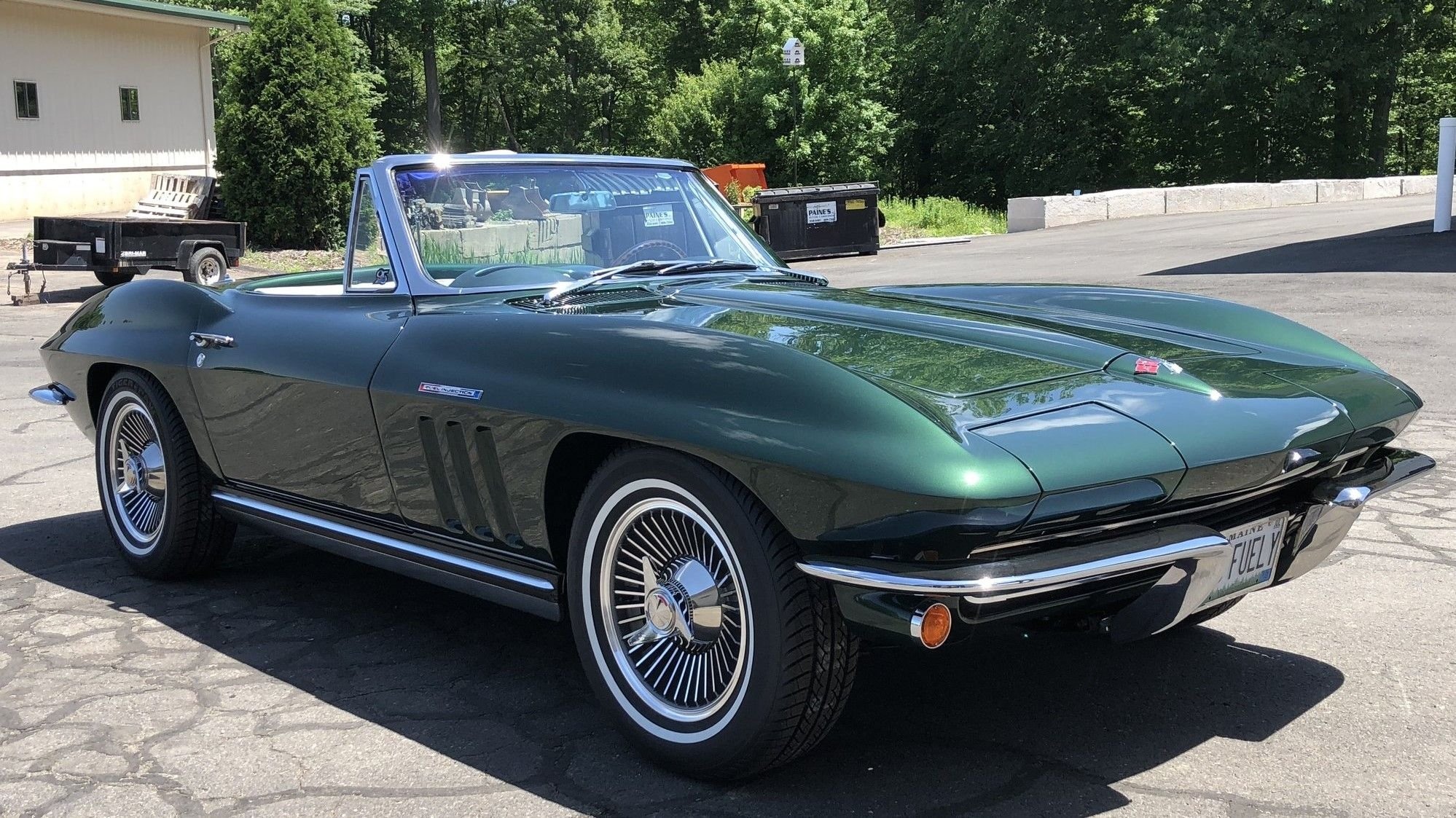
Here’s a fun bit of trivia: Mosport Green never showed up on a Corvette before 1966, and it never showed up again after. That’s it. One year, one shade, done. Chevrolet’s own production records peg the number at 2,311 cars, which puts it firmly in rare territory even within the already-exclusive world of C2 Corvettes.
So why did it disappear so fast? There’s no single dramatic reason on record, just the usual churn of color palettes getting refreshed as new model years rolled out. Automakers routinely swapped shades in and out based on dealer feedback, sales figures, and whatever the design team wanted to try next. Mosport Green happened to be one of the casualties of that constant rotation.
What sets it apart from other greens of the era is its depth. It leans darker and more saturated than typical period colors, giving the C2 body lines a moody, almost aggressive presence. Enthusiasts who specialize in this generation often rank Mosport Green among the most visually striking options ever offered, short lifespan and all.
Today, spotting an original, unrestored Mosport Green Corvette is a genuine event at car shows. Restorers sometimes struggle to match the exact hue because factory records from the period aren’t always precise, which only adds to its mystique.
3. 1970 Chevrolet Corvette – Corvette Bronze
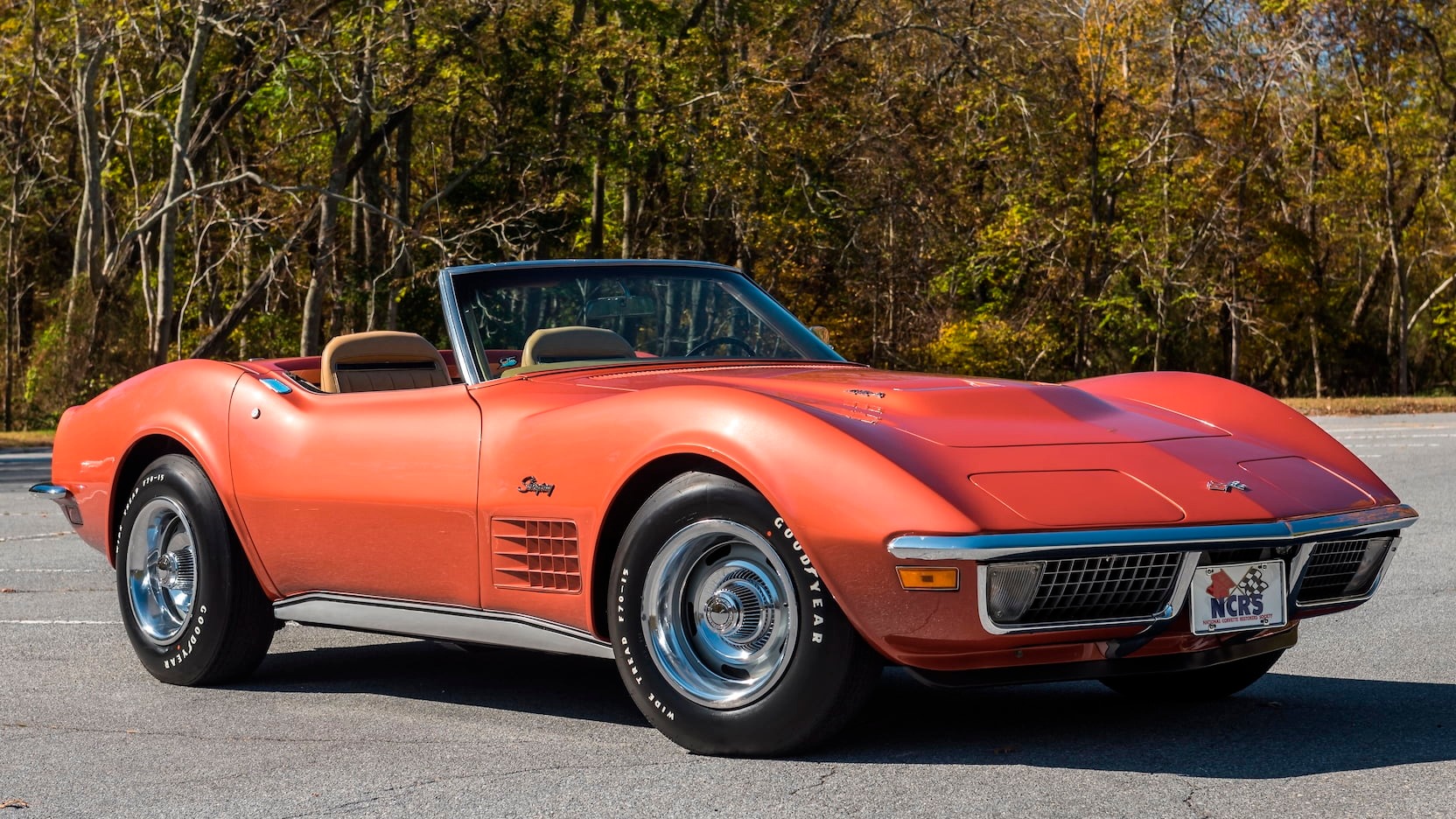
Bronze tones have a funny history in the automotive paint world. They tend to be either instant classics or forgotten within a year, and Corvette Bronze fell into the second category, at least in terms of how long it stuck around on the order sheet.
Offered exclusively during the 1970 model year, this shade never made it into the regular color lineup for the C3 generation going forward. There’s something almost poetic about that.
The early 1970s were a transitional period for American muscle cars, caught between the flash of the late sixties and the tighter regulations that would soon reshape the entire industry. Corvette Bronze feels like a product of that specific moment, warm and metallic, neither flashy nor dull.
Collectors today treat original examples with a level of respect that goes beyond typical color rarity. Because so few were built and even fewer survive in unrestored condition, tracking one down often requires patience and a fair bit of luck.
Auction listings occasionally reference the shade specifically because buyers know exactly what they’re looking at when they see it. Paint suppliers and restoration specialists have had to get creative when matching Corvette Bronze, since factory formulas from the era aren’t always straightforward to source.
That extra effort tends to raise both the cost and the prestige of any restoration involving this particular shade, cementing its status as a one-year wonder worth chasing.
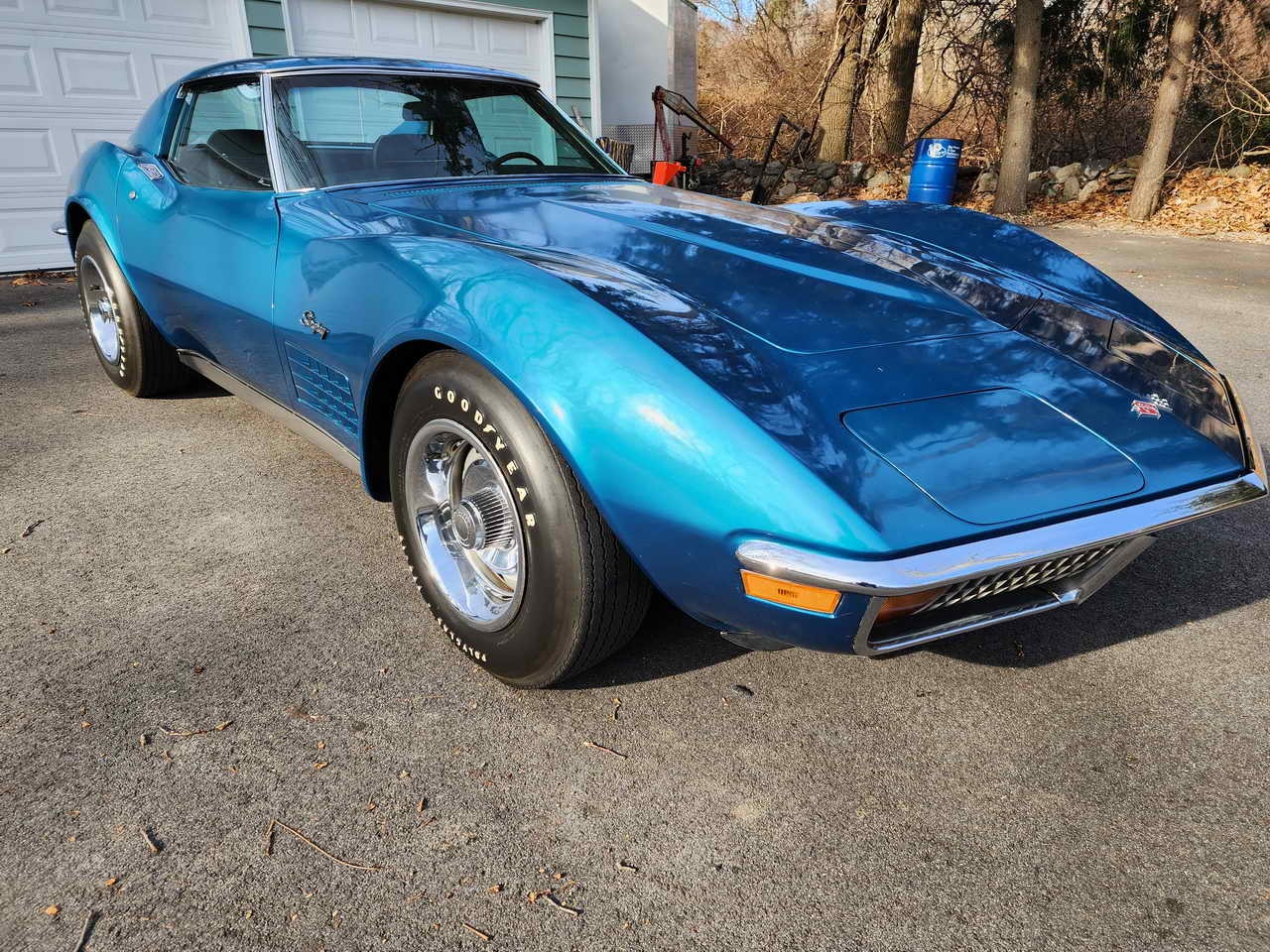
4. 1972 Chevrolet Corvette – Bryar Blue
Short. Sharp. Gone. That’s basically the life story of Bryar Blue on the Corvette. Offered only for the 1972 model year, it’s consistently documented across Corvette reference guides as a genuine one-year-only factory shade, no exceptions, no reappearances in later catalogs.
What makes Bryar Blue interesting isn’t just its brief run but the timing of that run. 1972 sat right at the edge of major changes for the Corvette, with emissions standards tightening and horsepower ratings starting to shift downward across the industry.
A fresh blue shade arriving and departing within that single year almost feels symbolic of how quickly things were changing under the hood and on the paint charts alike. Owners who’ve restored cars in this color often talk about how well it complements the C3’s curved fenders and long hood.
The blue has enough depth to avoid looking flat, yet it stays subtle compared to some of the louder colors offered in the same era. Because Bryar Blue never returned after 1972, tracking an original survivor takes real dedication.
Corvette clubs and specialty forums occasionally light up when someone posts photos of a verified example, proof that even fifty years later, a one-year color can still generate genuine excitement among people who know exactly what they’re looking at.
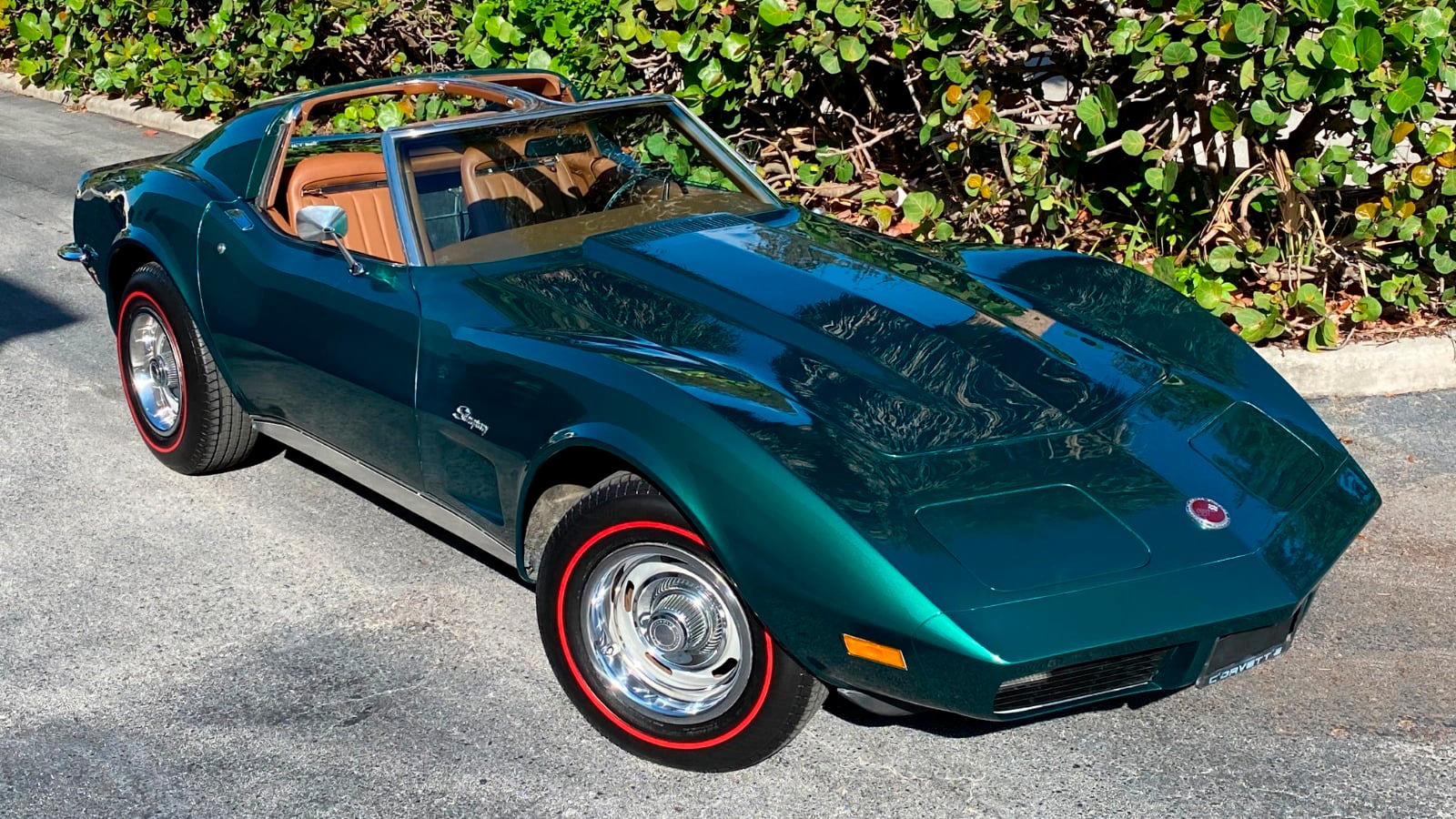
5. 1973 Chevrolet Corvette – Blue-Green Metallic
Blue-Green Metallic is one of those Corvette colors that can be difficult to describe with a single word. Chevrolet offered the shade on the 1973 Corvette, and several reference sources identify it as a factory color available for only one year.
Its metallic finish gives the paint a different appearance depending on the lighting. At certain angles, it looks more blue, while stronger sunlight can bring out its green tones.
The unusual color may have been part of the reason Chevrolet did not keep it around. During the 1970s, metallic paints could be harder to produce with the same appearance from one car to another.
Automakers also regularly changed their paint selections to keep their models fresh. Whatever the reason, Blue-Green Metallic disappeared from the Corvette color chart after its brief run.
For collectors, the mixture of blue and green makes this shade even more attractive. Rather than looking the same in every setting, the paint can appear different under showroom lights, cloudy skies, or bright sunshine.
That changing appearance gives the Corvette a character that many other colors from the period simply do not have. Finding a genuine Blue-Green Metallic Corvette can take patience.
Factory records and old paperwork are not always complete, especially for colors produced in small numbers. Buyers therefore need to check documentation carefully before claiming a car is an original example.
For anyone interested in unusual Corvettes, this color offers a rare combination of history and visual appeal. It may have lasted only one year, but its distinctive appearance has helped keep Blue-Green Metallic remembered by collectors who appreciate unusual factory finishes.
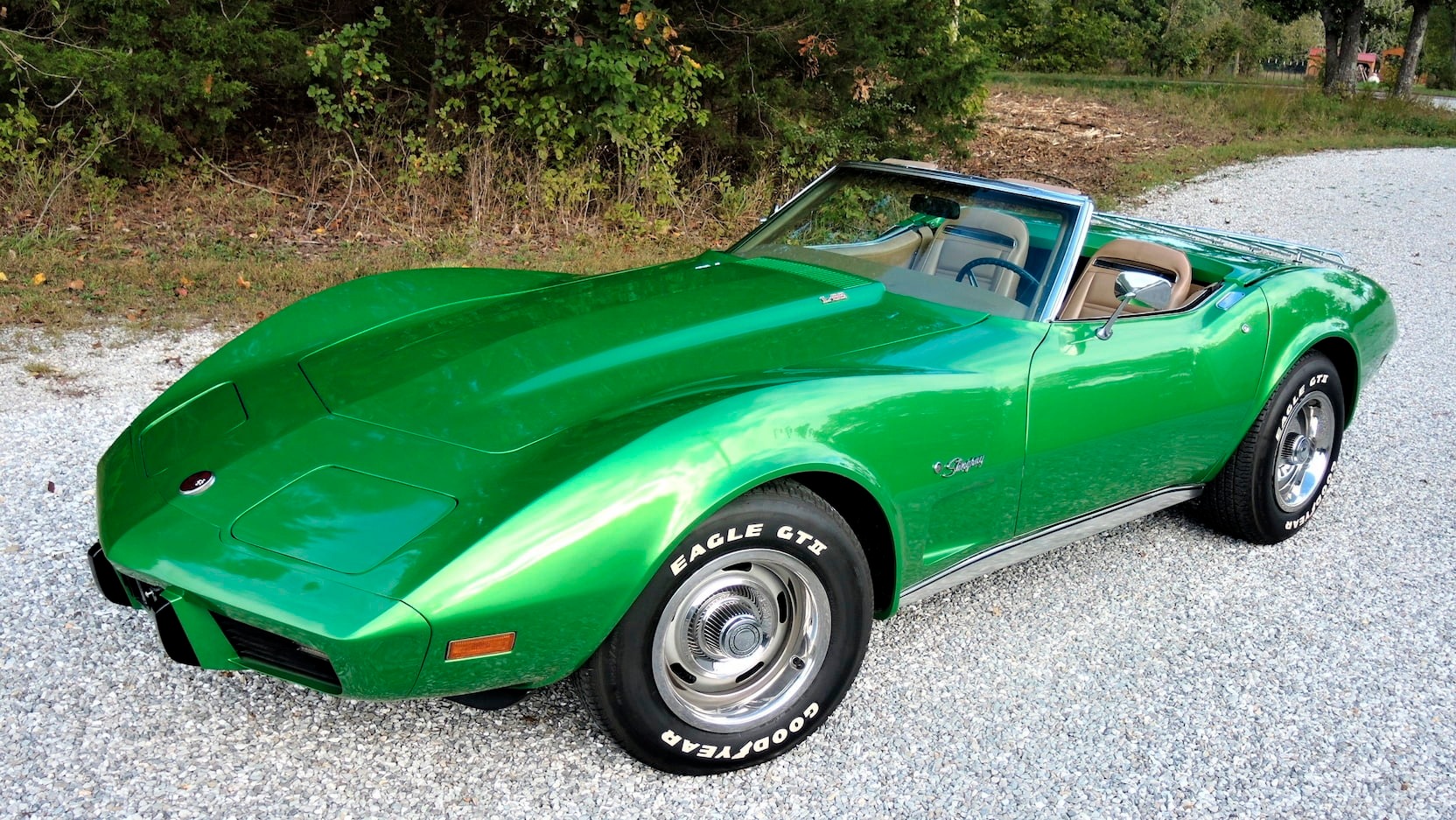
6. 1975 Chevrolet Corvette – Bright Green
Bright Green had exactly one shot at Corvette history, and it made the most of it. Offered solely during the 1975 model year, Chevrolet built 1,664 examples in this shade, a modest number that places it well below the more popular colors buyers gravitated toward at the time.
The mid-1970s weren’t exactly a golden era for the Corvette in terms of raw performance, as emissions regulations continued reshaping engine output across the board. But the design and color choices from this period still hold plenty of appeal for those who appreciate the era on its own terms.
Bright Green stands out precisely because it wasn’t the safe, expected choice; it demanded attention in a way that quieter colors from the same catalog simply didn’t.
Why did it disappear after just one year? The most likely explanation is straightforward market response. Buyers gravitated toward other shades, and Chevrolet adjusted the following year’s offerings accordingly. There’s no grand conspiracy here, just the ordinary mechanics of supply meeting demand.
Restoring a car in this shade today means working with a smaller pool of reference material compared to more common 1970s Corvette colors. That scarcity of documentation, combined with the low original production number, keeps Bright Green firmly on the radar of serious collectors hunting for something genuinely uncommon.
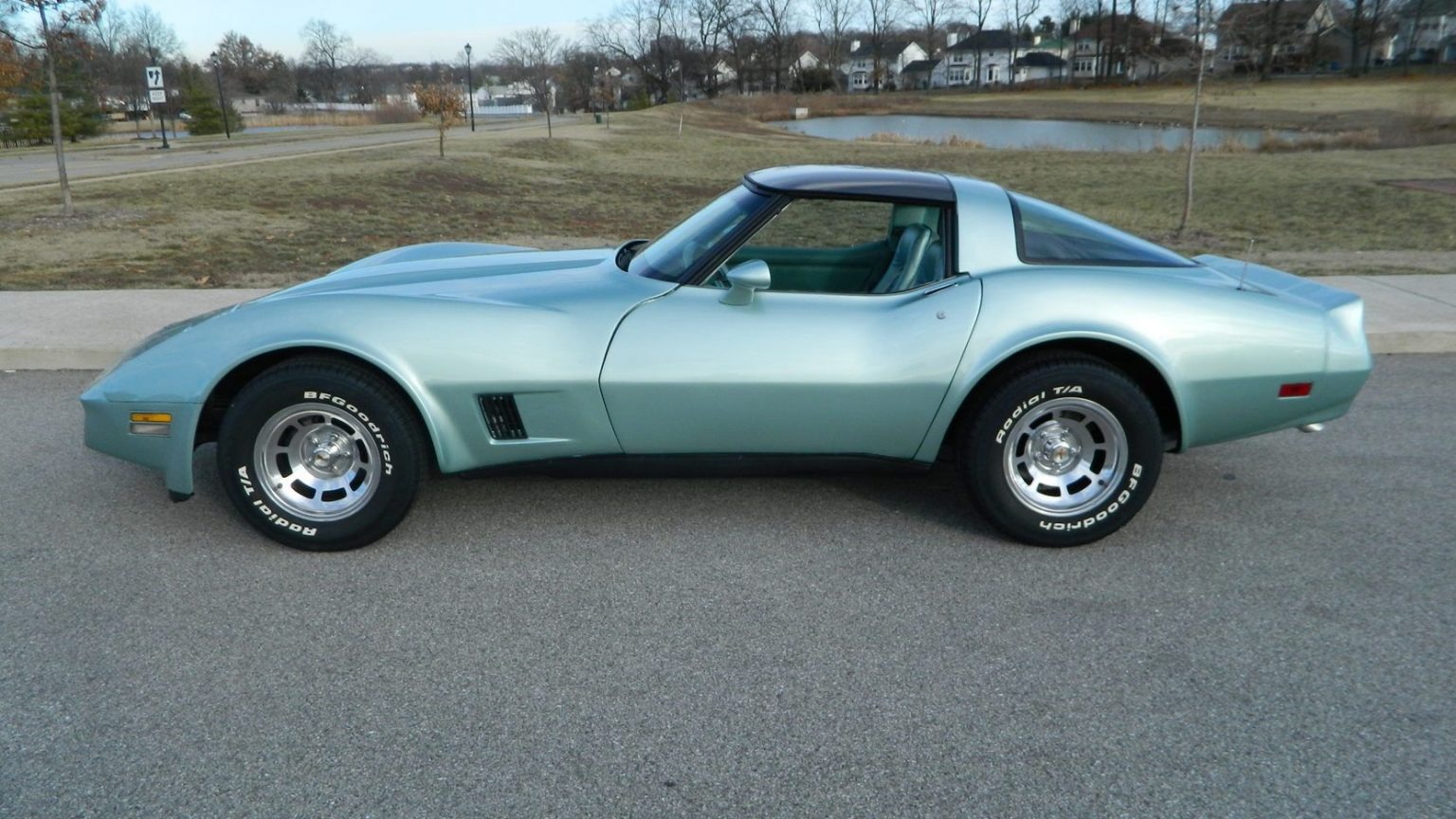
7. 1982 Chevrolet Corvette – Silver Green
The final year of the C3 generation brought a quiet farewell in the form of Silver Green, a color that reportedly saw just 723 cars built before the Corvette moved on to its next major redesign.
That makes it one of the rarest standard colors offered during the entire 1982 model year, a fitting bit of trivia for a car that was itself closing out an era. Something is fitting about a subtle, understated shade marking the end of such a long production run.
The C3 had been through more than a decade of changes by 1982, and Silver Green arrived almost like a closing statement, refined rather than flashy, elegant rather than loud.
Because the C4 generation was already on the horizon, Chevrolet had little reason to carry Silver Green forward into new development. Once the redesigned Corvette launched, the entire color palette got a fresh start, leaving Silver Green permanently tied to that final C3 model year.
Finding a genuine example today requires serious searching. With only a few hundred units built, survival rates decades later are understandably low. Corvette specialists sometimes treat a verified Silver Green sighting as a small event in itself, a tangible link to the last chapter of one of the most beloved generations in the car’s long history.
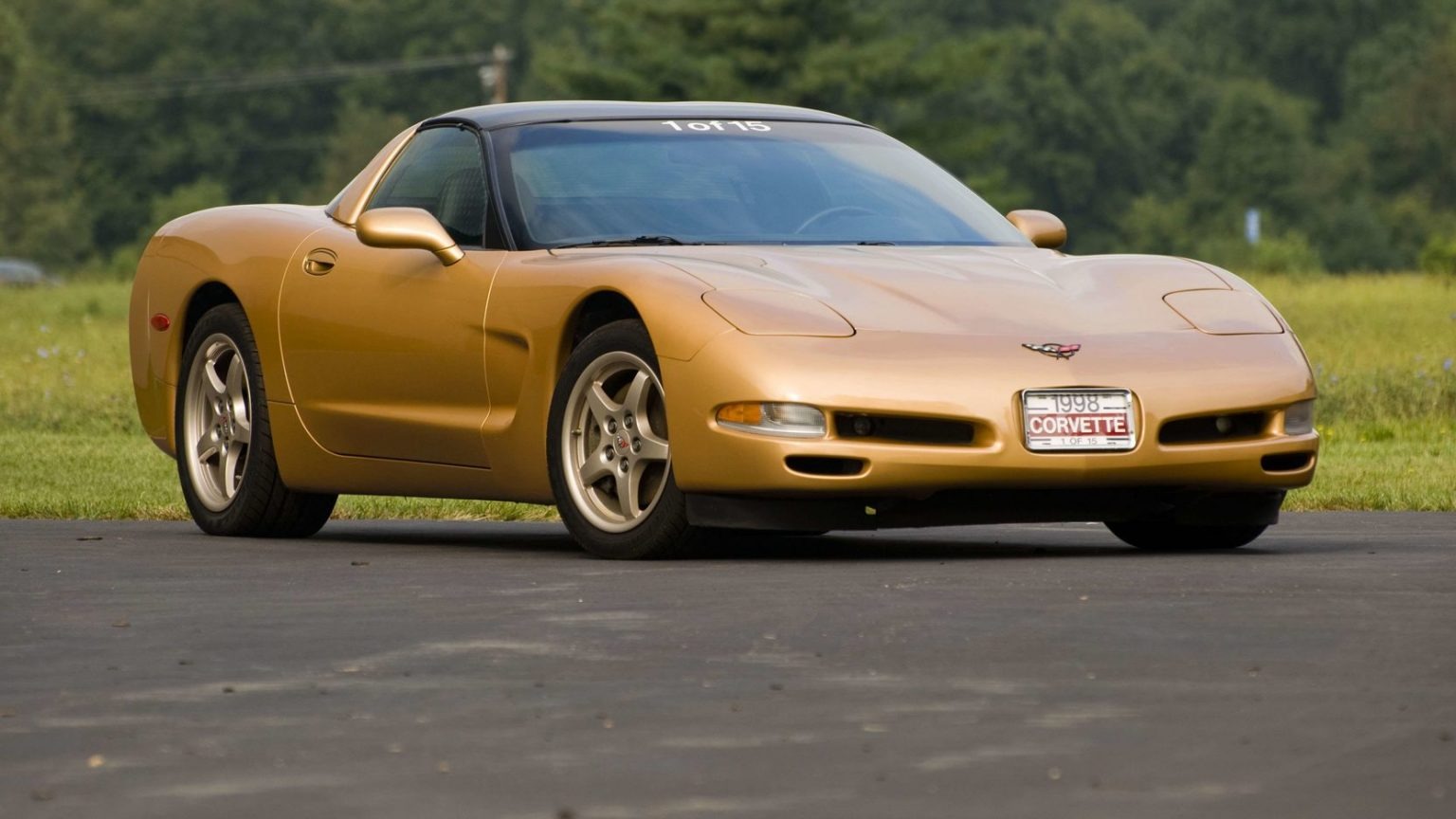
8. 1998 Chevrolet Corvette – Aztec Gold Metallic
Only fifteen 1998 Corvettes are believed to have left the factory wearing Aztec Gold Metallic, according to period production records. Fifteen cars is such a small figure that it almost sounds like a mistake.
Yet Corvette records continue to support the number, making this paint color one of the rarest factory finishes associated with the brand. Aztec Gold Metallic does not appear to have been a regular color that simply failed to attract buyers.
From the available records, it seems Chevrolet offered the shade for a very limited period, perhaps because of special orders or a brief production experiment. The exact reason remains uncertain, but the tiny production figure gives the color a special place in Corvette history.
The gold finish has a warm, metallic appearance that feels very much like the late 1990s. It has plenty of richness without looking excessive or flashy. Applied to the C5 Corvette body, which was introduced as the successor to the C4, the paint gives the car a fresh and modern appearance. Its look is also quite different from many earlier Corvette colors.
Because so few cars were produced, finding one today would be extremely difficult. Many Corvette enthusiasts could spend decades attending shows, auctions, and gatherings without ever seeing an Aztec Gold Metallic example in person.
For most collectors, it is less of a car they can realistically search for and more of a fascinating piece of factory history. Just fifteen cars were made, yet that tiny production figure has kept Aztec Gold Metallic alive in Corvette discussions for years.
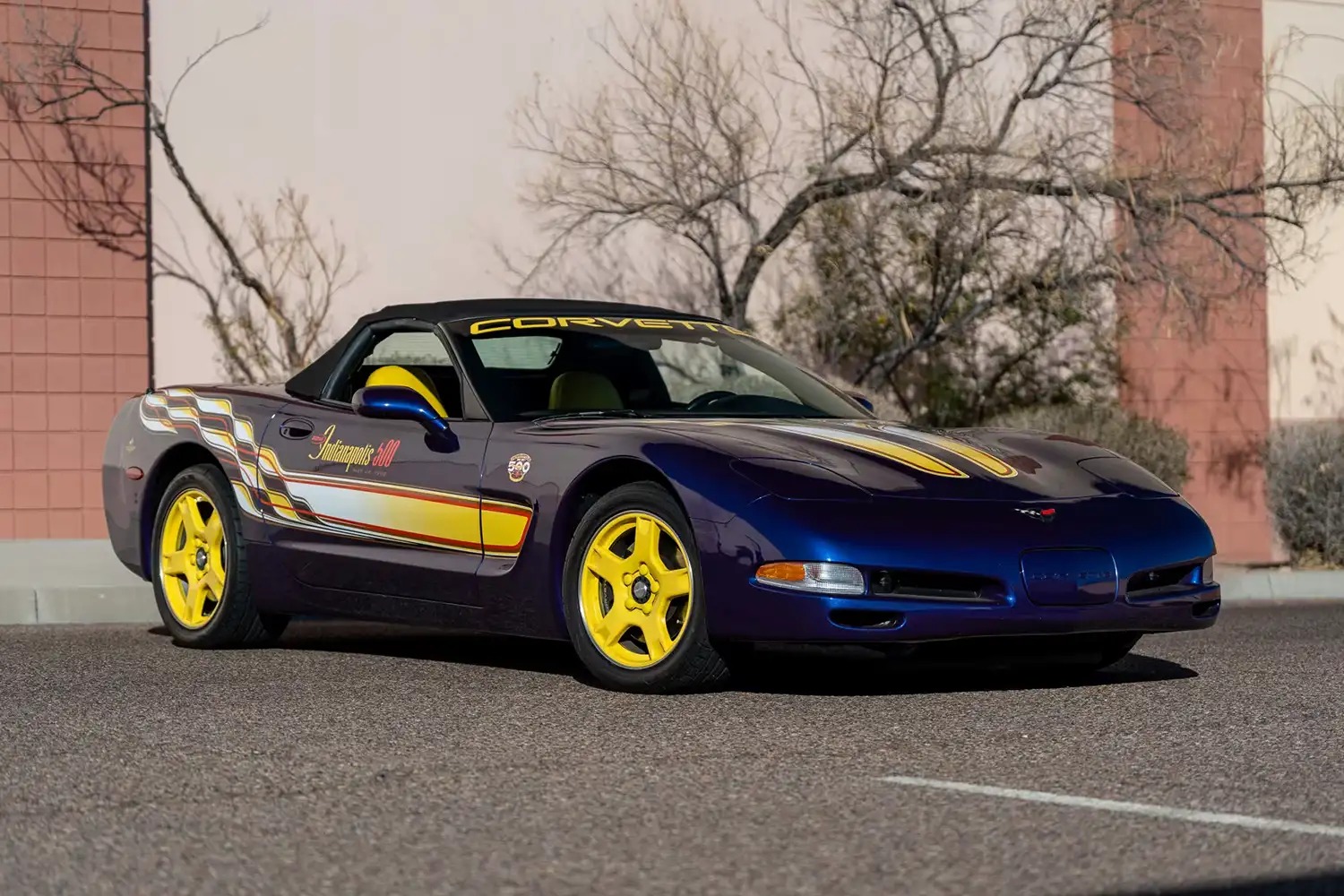
9. 1998 Chevrolet Corvette Pace Car – Radar Blue
Radar Blue wasn’t designed for the general public. It was built specifically for the 1998 Indianapolis 500 Corvette Pace Car program, paired with bold yellow graphics, matching wheels, and yellow interior accents that made the whole package impossible to miss on the track or in a parking lot.
Chevrolet planned 1,158 replica cars featuring this color and trim combination, giving everyday buyers a chance to own a piece of Indy 500 history without actually racing anything themselves.
That’s a substantially higher number than some of the other rare shades on this list, yet it’s still tiny compared to standard Corvette production figures from the same year. The pairing of deep blue with vivid yellow accents wasn’t subtle, and it wasn’t meant to be.
Pace car editions exist to draw attention, both on race day and in the years that follow, and Radar Blue delivered exactly that kind of visual punch. It’s instantly recognizable even to people who don’t follow Corvette history closely.
Because the color and trim package were tied directly to a single special edition, Radar Blue never had a life beyond 1998. That direct connection to a specific event, rather than a general production decision, makes it a slightly different kind of one-year color story compared to the others on this list, but no less compelling.
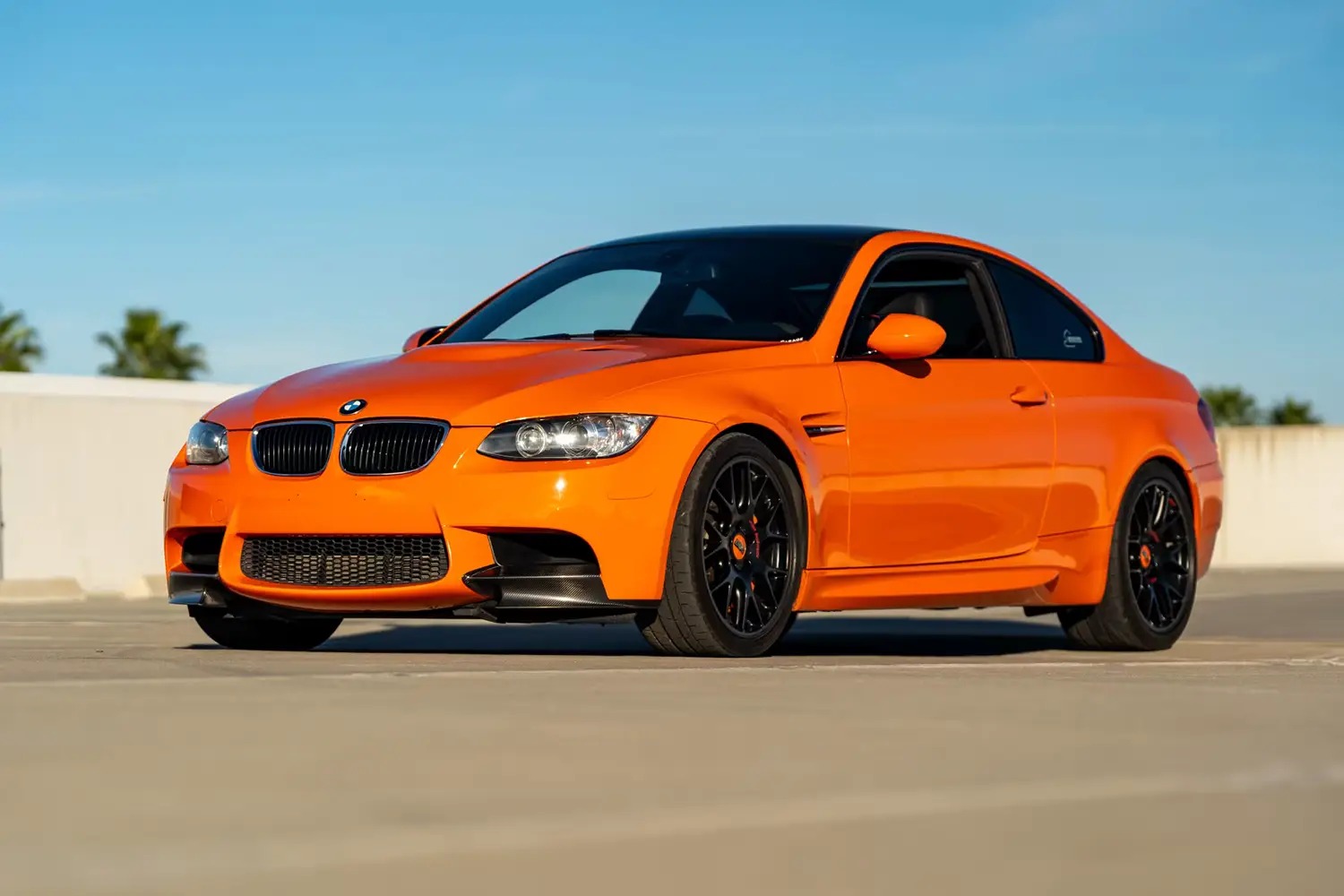
10. 2013 BMW M3 Lime Rock Park Edition – Fire Orange
Stepping away from Corvette territory entirely, the 2013 BMW M3 Lime Rock Park Edition brings a European flavor to this list of vanished factory colors. Offered exclusively in Fire Orange, this special edition M3 was built in a run of just 200 units, tying the color permanently to one specific, highly limited model.
Named after the Lime Rock Park racetrack in Connecticut, this edition wasn’t just about a fresh coat of paint. It represented a focused, track-oriented take on the already sharp E90-generation M3, and Fire Orange gave it a visual identity that separated it instantly from every other M3 on the road.
The shade practically demanded attention, a stark departure from the more conservative colors typically associated with BMW’s performance lineup at the time. Because production was capped so tightly, Fire Orange never had a chance to become anything but a one-time application.
BMW didn’t roll it into the standard color chart for other M3 variants, and it didn’t resurface on later special editions either. It exists solely within the context of this particular 200-unit run.
For collectors interested in modern performance cars rather than classic American models, the Lime Rock Park Edition offers a rare combination of a distinctive color and genuinely low production numbers, a pairing that continues to make this specific M3 stand out more than a decade later.
