Every driver has a different body shape, which means a vehicle that feels ideal for someone who is six feet four inches tall may feel restrictive to a driver who is much shorter. Much of the difference comes down to how much adjustment the vehicle provides.
Seat height, cushion length, steering wheel position, lumbar support, thigh support, and even adjustable pedals can make a major difference. A broader range of adjustments does more than improve comfort. It can help drivers reach important controls safely, maintain the proper distance from the airbag, and preserve a clear view of the road.
The ten vehicles below stand out for offering an unusually broad range of driver-position adjustability, whether through generous power seats, long-reach telescoping wheels, or the increasingly rare power-adjustable pedal. They span sedans, SUVs, and full-size trucks, proving that a dialed-in driving position isn’t limited to any one segment or price point.
1. Volvo XC60
Few midsize SUVs give drivers as much room to fine-tune their position as the Volvo XC60. The front seats offer extendable thigh support, separately adjustable side bolsters, and a power-adjustable base that moves through a long range of travel, which is part of why Volvos have a reputation for fitting drivers on opposite ends of the height spectrum equally well.
The steering wheel telescopes a genuinely useful distance rather than the token inch or two found in many competitors, letting taller drivers push the seat rearward for legroom while still keeping the wheel within comfortable reach.
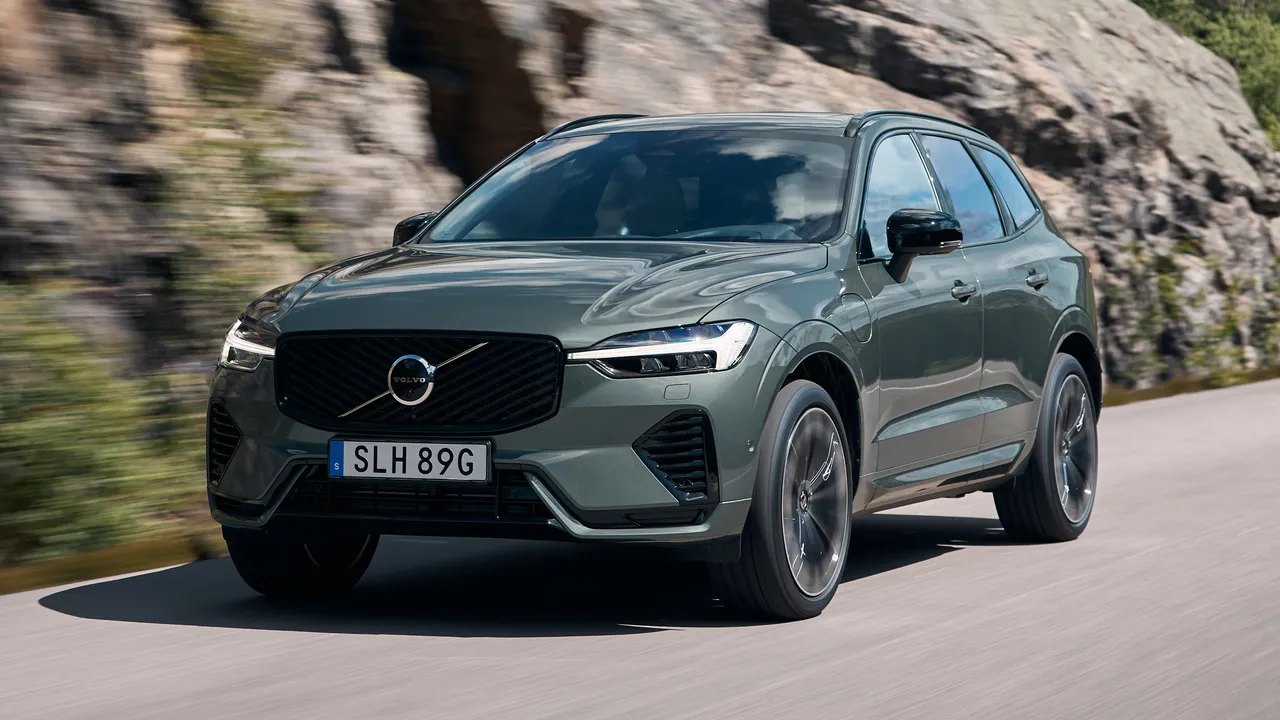
Volvo pairs that adjustability with an upright seating position and a low dashboard, so the extra reach and travel translate into real visibility gains rather than just numbers on a spec sheet.
Memory settings store multiple driver profiles, including mirror and wheel position, which matters in households where more than one person regularly drives the car. The lumbar support is independently adjustable for both height and firmness, a level of granularity still uncommon outside luxury nameplates.
Combined with well-padded cushions and a seatback shape that supports the shoulders on long trips, the XC60’s front seats consistently show up in comfort-focused comparisons as a benchmark other midsize SUVs are measured against, regardless of driver height or build.
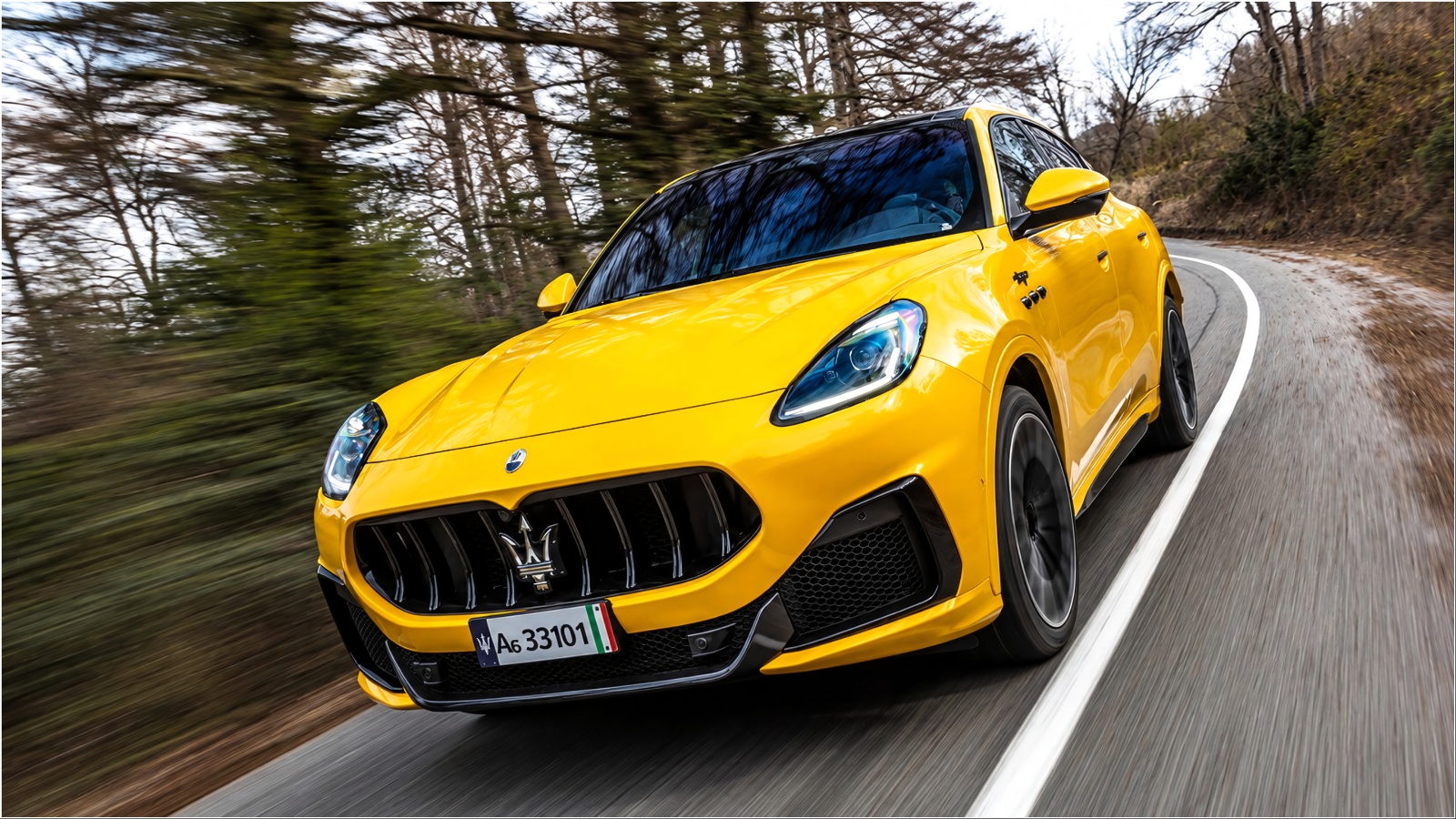
2. Maserati Grecale
Although the Grecale is classified as a compact SUV, its front seats have the comfort and adjustability of a grand tourer. Drivers can adjust the thigh extensions and side bolsters to create a more personalized fit based on their height and body shape. The adjustable thigh support is particularly useful.
Many competitors provide only basic fore and aft seat movement, while the Grecale allows the cushion to be extended or shortened for better support beneath the thighs. This can help reduce leg fatigue during longer journeys.
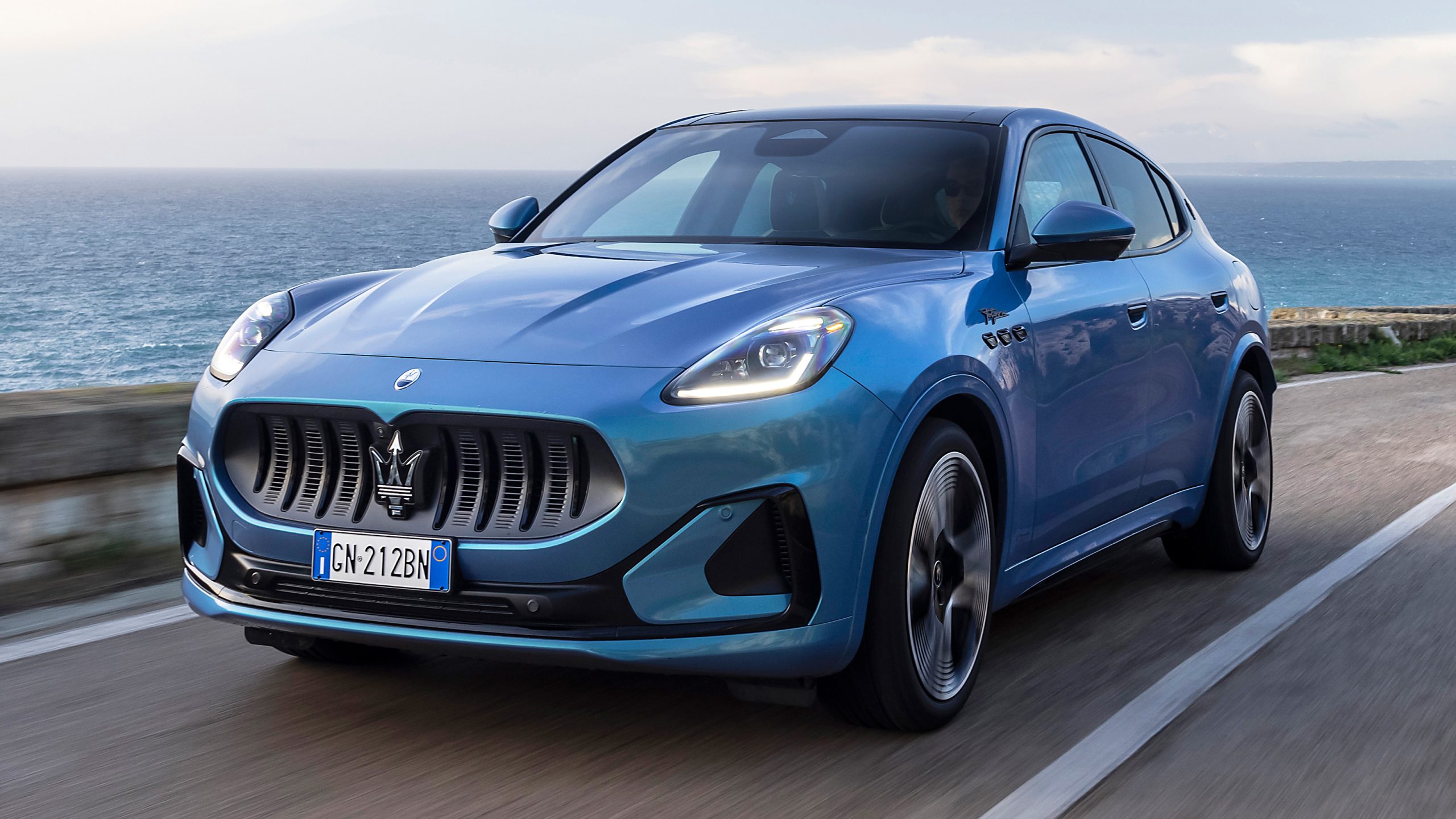
The steering wheel telescopes a notably long distance, which matters most for taller drivers who need to push the seat back for legroom without losing a comfortable reach to the wheel.
That combination of extended cushion adjustment and generous column travel gives the Grecale one of the widest usable driving-position ranges in its segment, letting it comfortably accommodate drivers well outside the “average” height range designers typically build around.
Maserati backs the adjustability with genuinely supple, well-bolstered seats rather than the firm, sport-first cushions common in performance SUVs, so the extra range doesn’t come at the cost of everyday comfort.
All four doors open wide, easing entry and exit for drivers who need to slide into a precisely set position without disturbing it. Second-row space is generous for the vehicle’s compact footprint, but the front seats and column are the real story, giving the Grecale outsized flexibility for a car in its size class.
3. Genesis G80
The G80 takes a more thoughtful approach to seating adjustability than many sedans. Instead of depending only on seat movement, it uses a combination of carefully designed features to accommodate drivers with different body types.
The wide center console and padded area between the seat and console provide taller drivers with a comfortable place to rest an elbow without awkwardly bending forward. The driver’s seat also offers generous track adjustment along with multiple settings for the lumbar area and side bolsters.
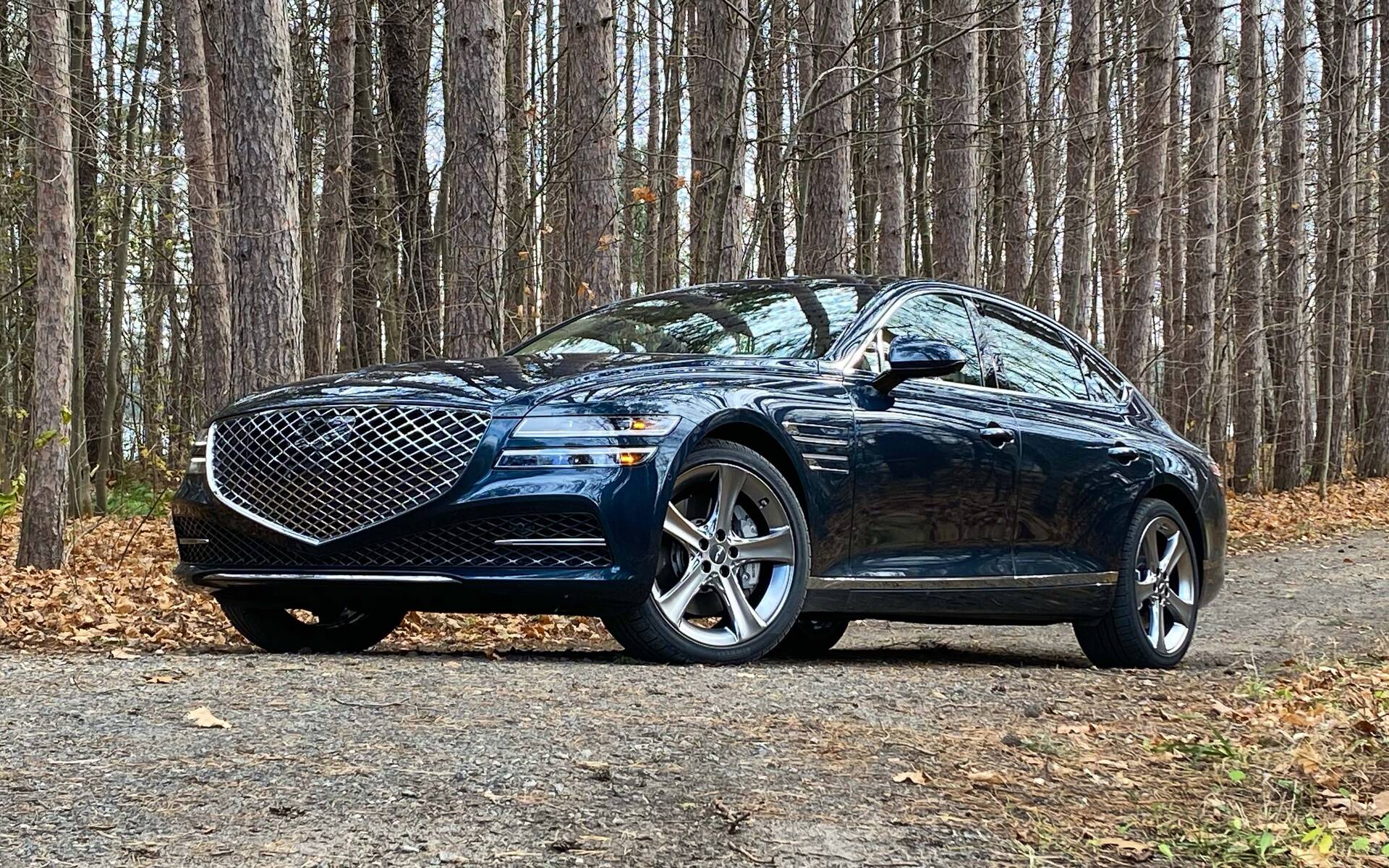
Storage and control placement throughout the cabin are designed with reach in mind, so drivers who have dialed in a further-back seating position still find climate and infotainment controls within comfortable range rather than a stretch.
The steering column offers a wide tilt-and-telescope window, and Genesis pairs it with a 27-inch curved display that can be positioned within the driver’s natural sightline rather than forcing a compromise between gauge visibility and seat position.
Because the G80’s proportions favor front-seat legroom more than most rivals in its class, drivers with long legs can push the seat back substantially and still retain a full range of steering and pedal reach.
That headroom for adjustment, combined with genuinely plush cushioning and supportive bolsters, is why the G80 consistently ranks among the more accommodating sedans for both unusually tall and unusually short drivers, a rare double for a single seat design.
4. Honda CR-V
The CR-V earns its spot through a combination of a high seating position, generous seat travel, and a low hoodline that makes the benefits of that adjustability actually visible. Drivers can raise or lower the seat through a wide range to find a commanding view over traffic, and the large side windows mean that higher setting doesn’t come at the cost of peripheral visibility, a common trade-off in taller-riding SUVs.
Seat and steering wheel adjustability is generous enough that shorter and taller drivers alike can find a position with a clear sightline and comfortable reach to the controls, without the compromises that plague many compact SUVs built around a single “average” body type.
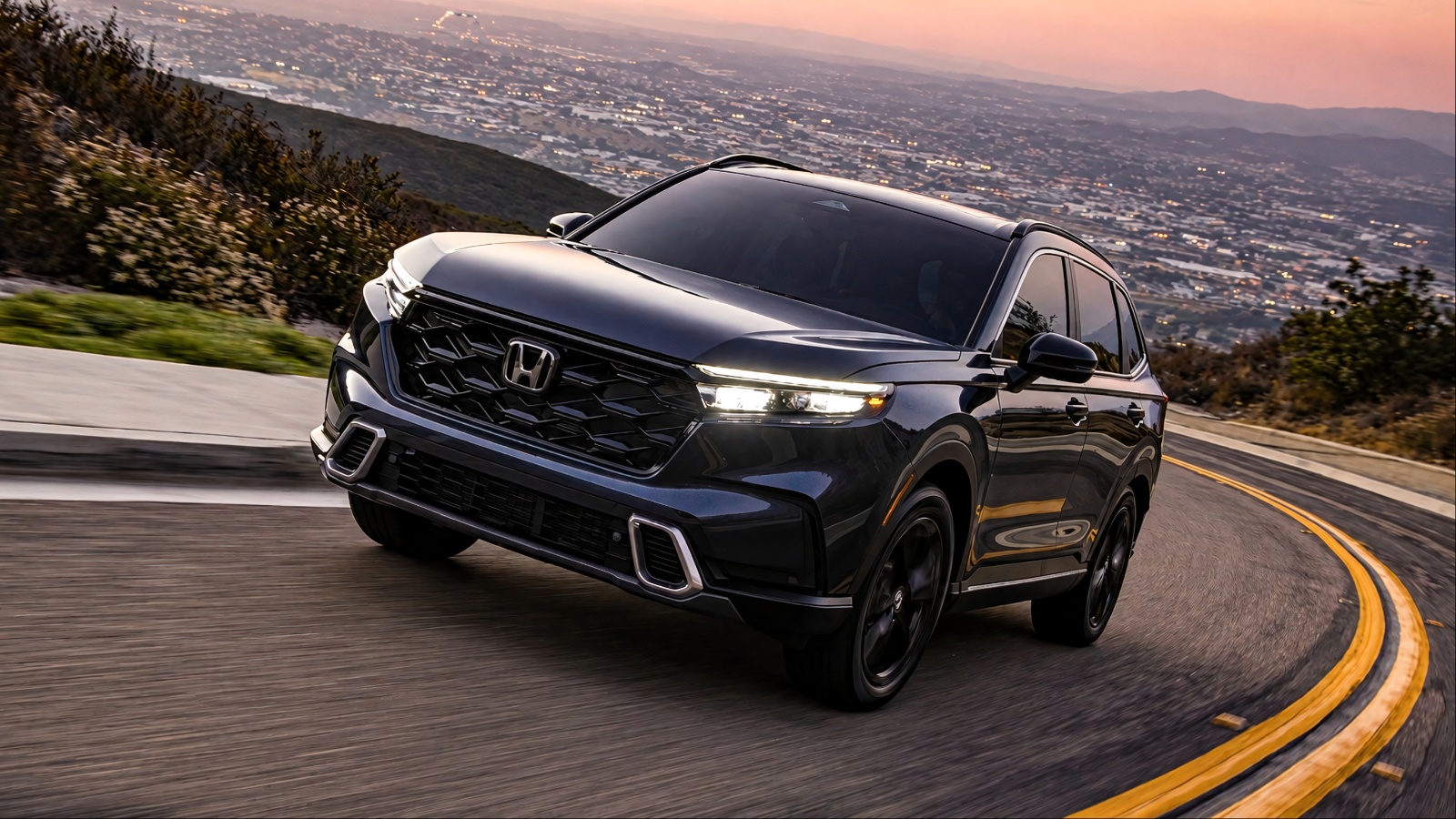
Big knobs and clearly labeled buttons mean that once the seat is set, the rest of the cabin stays easy to operate without requiring drivers to lean or stretch away from their dialed-in position.
The step-in height is low enough for easy entry despite the SUV’s higher seating position, so getting in and out doesn’t require climbing or sliding awkwardly to protect a carefully adjusted seat.
That balance of a wide adjustment range with a cabin designed around visibility has made the CR-V a repeated favorite in comfort-focused vehicle rankings, and it does so at a mainstream price point well below the luxury vehicles that typically dominate this kind of list.
5. Toyota Camry
The Camry’s reputation for accommodating a wide range of drivers comes from more than its adjustment options. Its seats and steering wheel offer plenty of flexibility, but the bigger advantage is the natural driving position created by the cabin design.
The low beltline and slim roof pillars help maintain clear visibility, while the seat height strikes a comfortable middle ground. As a result, drivers can adjust the seating position for comfort without sacrificing a good view of the road.
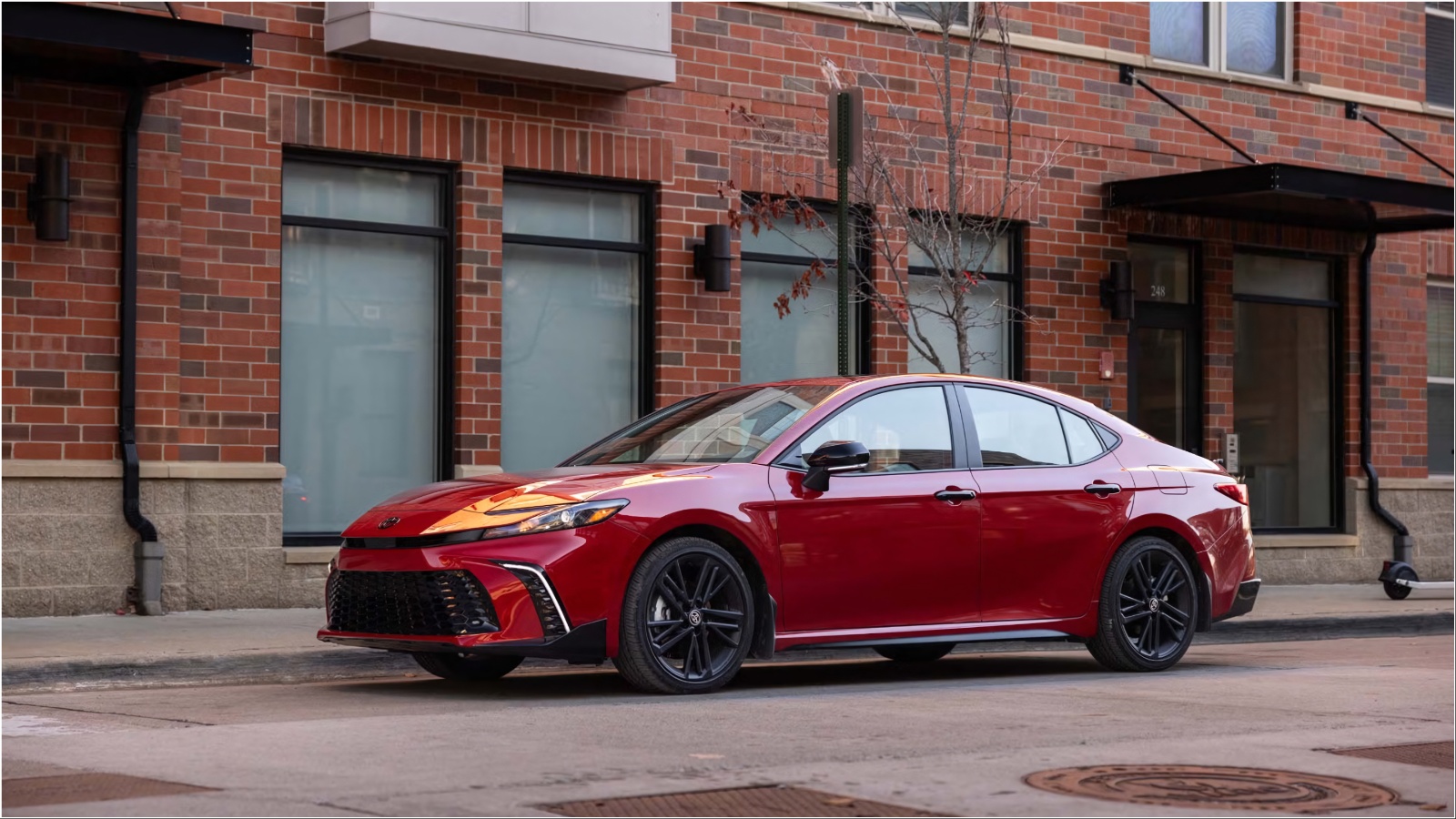
Seat travel is long enough to suit a wide range of heights, and the controls remain clearly marked and logically placed regardless of where the seat ends up in its range, so drivers who set the seat far back or far forward aren’t penalized with awkward reaches to the shifter or climate controls.
The steering wheel’s tilt and telescope adjustment is similarly generous, giving drivers real freedom to bring the wheel closer or push it away without sacrificing dashboard visibility.
Because the Camry has long been engineered as a mainstream volume seller meant to fit as many drivers as possible, its adjustment ranges tend to be wider and more evenly tuned across the height spectrum than in cars designed with a narrower target driver in mind. That makes it a quietly excellent choice for households where multiple people of very different builds share the same car.
6. Honda Civic
Honda’s ergonomics team has long treated the Civic’s driver’s seat as a design priority rather than an afterthought, and it shows in how sculpted and supportive the seat feels even in base trims, well before options like heating or extended power adjustment enter the picture.
Ample seat adjustment range lets drivers find a low, sporty position or a slightly higher, more upright one, and the car’s steering feel remains direct and accurate across that whole range rather than only in one “ideal” setting.
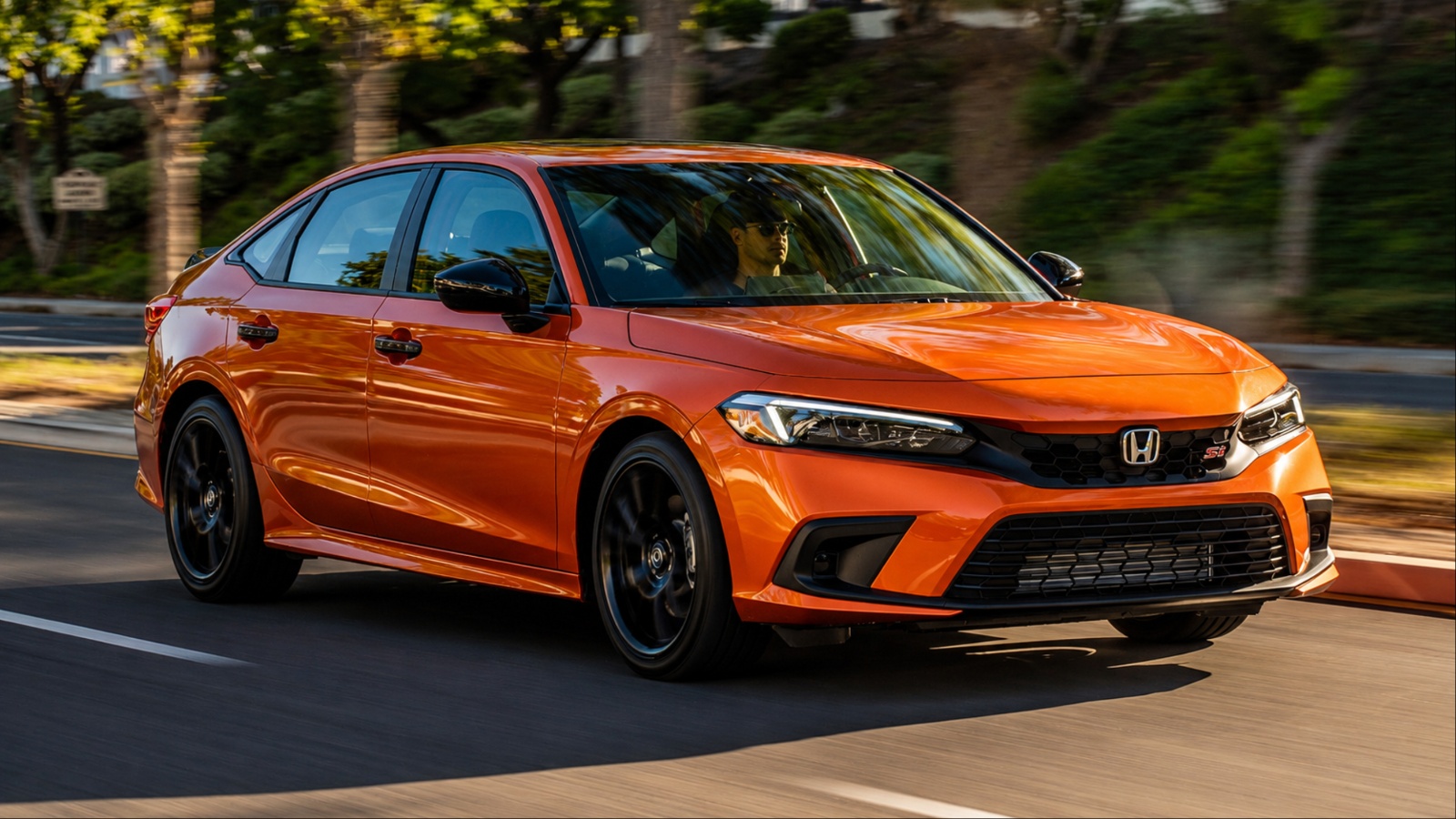
That consistency matters because it means the Civic doesn’t punish drivers for adjusting the seat away from the position the car was tuned around; cornering confidence and steering precision hold up whether a driver sits close and low or further back and higher.
The steering wheel’s tilt and telescope range is generous for the compact class, letting taller drivers extend it enough to maintain a comfortable bent-elbow position even with the seat pushed well back.
Road noise creeps in at highway speeds, a reasonable trade-off for the segment, but the cabin otherwise feels refined enough that the wide range of adjustability doesn’t come with the compromises often found in other affordable compacts. For a car built to a modest price, the Civic’s combination of adjustment range and consistent handling across that range is genuinely uncommon.
7. Kia Sportage
The Sportage combines a high seating position with seat adjustments that have the range needed to dial in a genuinely suitable view of the road, rather than forcing drivers into a single compromise position. Step-in height is low enough for easy entry, and once seated, forward visibility benefits from both the elevated position and the range of height adjustment available to fine-tune it further.
Controls throughout the cabin are placed within easy reach across that adjustment range, so a driver who sets the seat unusually far forward or back doesn’t lose easy access to climate or infotainment functions. Steering is light at low speeds, which makes it easier for drivers testing different seat and wheel positions to find one that feels natural without the car feeling twitchy or unpredictable while they experiment.
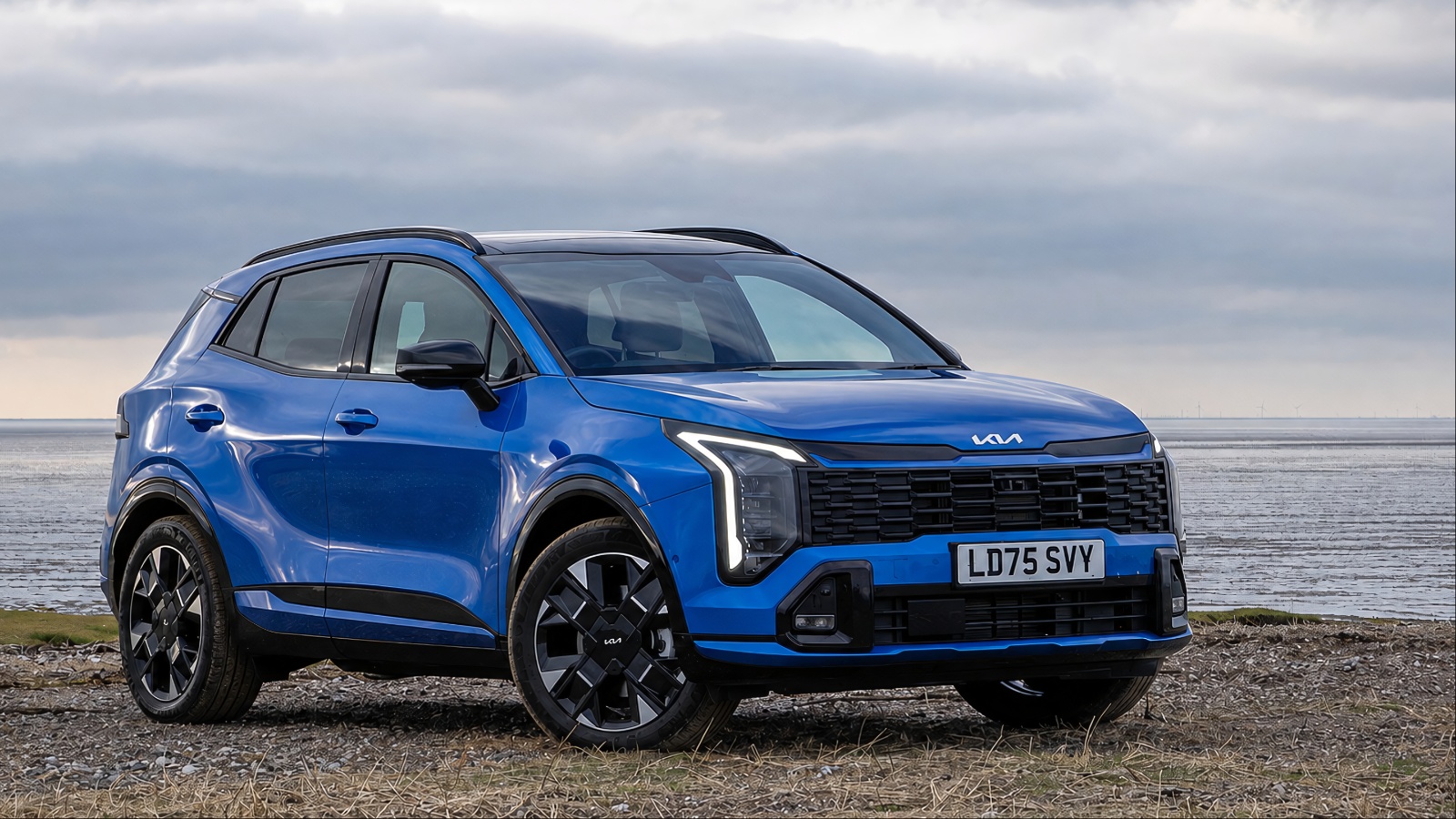
The Sportage offers generous cargo room and a well-finished cabin for its class. Some drivers may not like the combined climate and audio control panel, but that does little to diminish one of its biggest strengths.
The wide range of seat height and reach adjustments makes it easier for drivers of different heights to find a comfortable position. This balance of flexibility and value helps explain why the Sportage is often recommended to both shorter and taller drivers looking for a comfortable compact SUV.
8. Ford F-150
Full-size pickups present a unique adjustability challenge because their high seating position and long dashboards can make pedals feel distant for shorter drivers, even with a fully adjusted seat.
The F-150 addresses this directly with power-adjustable pedals, a feature that lets the brake and accelerator move toward the driver independently of seat and steering wheel position, keeping a safe distance from the airbag while still allowing full pedal reach.
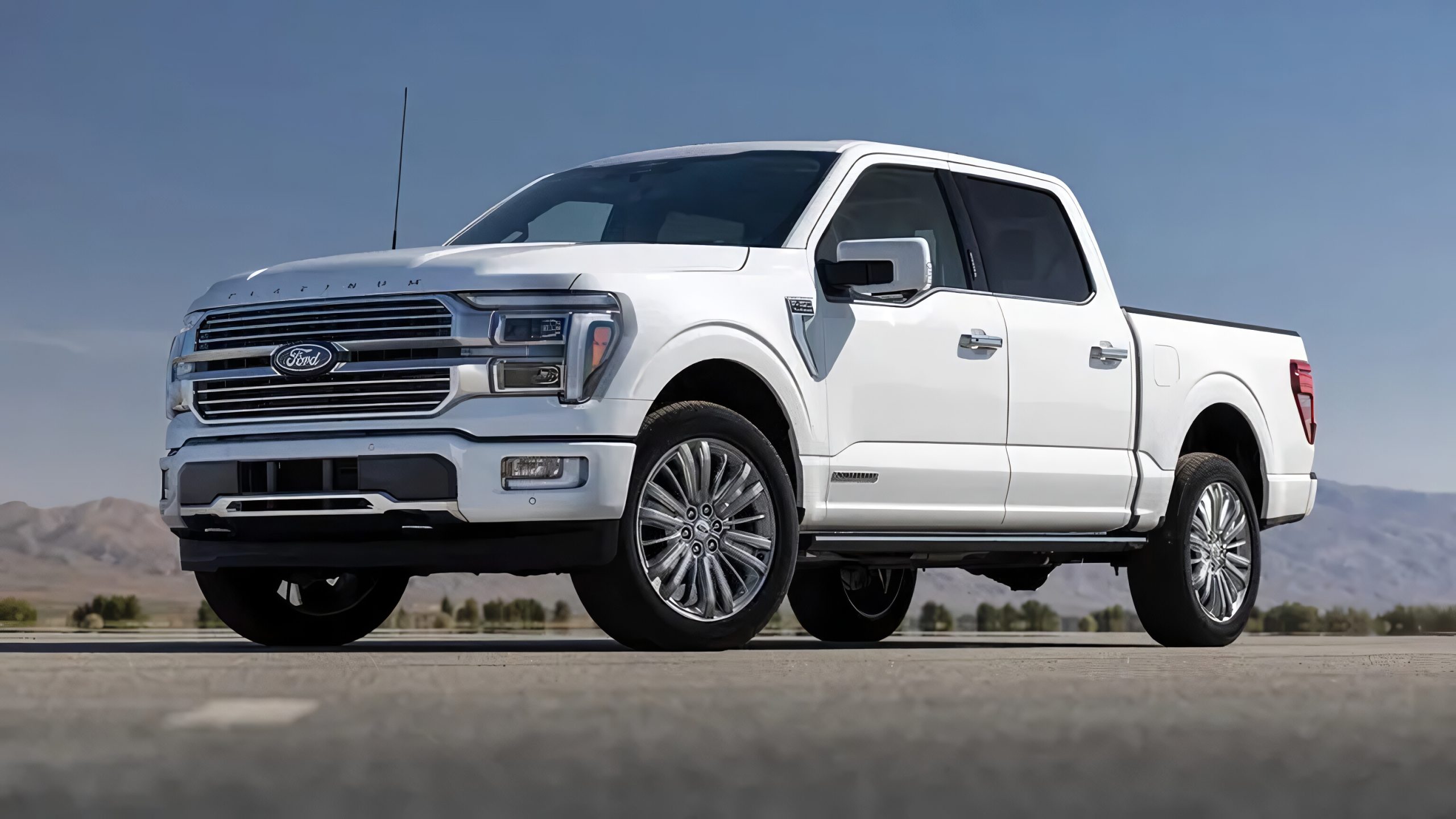
That feature, paired with a power-adjustable seat and a telescoping steering column, gives the F-150 one of the widest true adjustment ranges of any vehicle on sale, since it’s tuning three separate variables rather than just seat position alone. Memory settings can store a driver’s full configuration, including mirrors, so multiple drivers sharing one truck can switch between preset positions instead of readjusting everything by hand each time.
Ford has kept power pedals available across most trims rather than reserving them for the top of the lineup, which is notable given how many manufacturers have quietly dropped the feature in recent redesigns. For shorter drivers who want the capability and size of a full-size truck without compromising a safe, comfortable driving position, that combination of adjustable pedals, seat, and column makes the F-150 a standout rather than a stretch.
9. GMC Yukon (Previous Generation)
The previous-generation GMC Yukon built its reputation on offering power-adjustable pedals as standard or available equipment across every trim level, a rarity among full-size SUVs even at the time and increasingly so since. That feature let shorter drivers bring the pedals within comfortable reach without sitting unsafely close to the steering wheel airbag, solving a problem that a big power seat alone can’t fully address in a vehicle this large.
The older Yukon combined a power tilt and telescoping steering column with well-cushioned seats that offered height adjustment. This created a highly flexible driving position where the seat, steering wheel, and pedals could all be adjusted independently. The setup made it easier for drivers with very different body types to find a comfortable position in the same cabin.
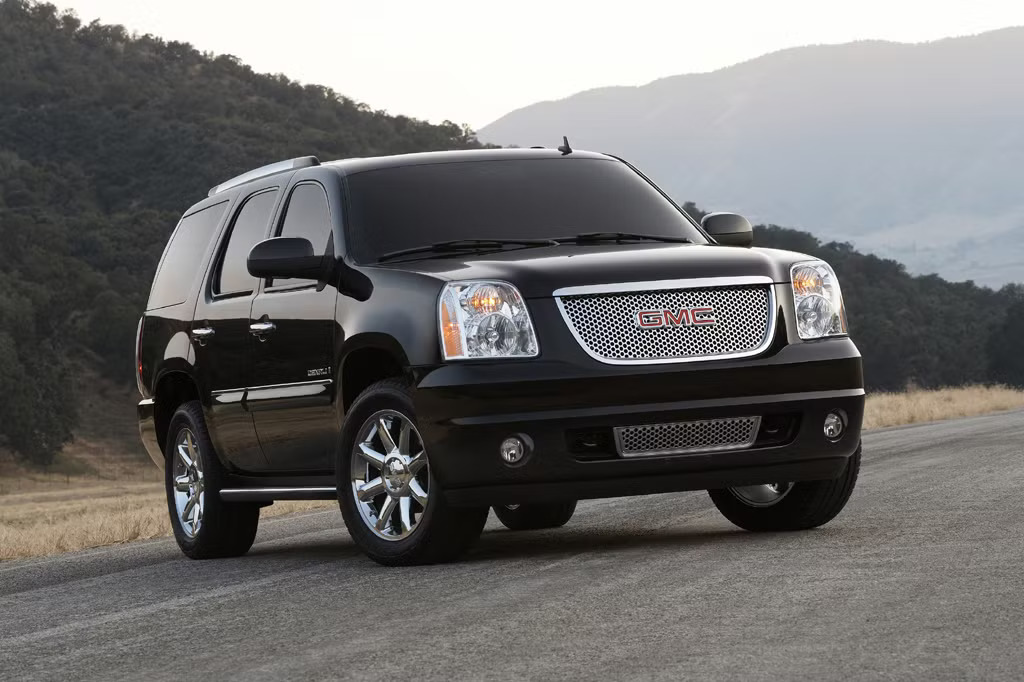
That flexibility made it a popular choice for families where drivers varied significantly in height, since resetting the full position for a new driver took only a memory-button press.
Notably, GM phased power-adjustable pedals out of its newer full-size SUVs and trucks starting with the current generation, a change that owners of the older Yukon and its siblings have specifically flagged as a loss.
That makes the previous-generation Yukon something of a high-water mark for pedal adjustability in this segment, and a useful reminder that adjustability features aren’t guaranteed to carry forward from one generation to the next.
10. Lincoln Navigator
The Navigator layers Lincoln’s luxury-focused seat engineering onto Ford’s tradition of power-adjustable pedals, resulting in a cabin that gives drivers control over nearly every dimension of their position. Multi-way power seats include adjustable lumbar support and, on many trims, adjustable side bolsters and thigh extension, letting drivers tune the seat’s shape as precisely as its position within the cabin.
Power-adjustable pedals remain available, continuing a feature Ford has kept alive across its lineup even as rivals like GM have dropped it from their large SUVs, and they work alongside a telescoping steering column to give shorter or taller drivers full command over reach in every direction.
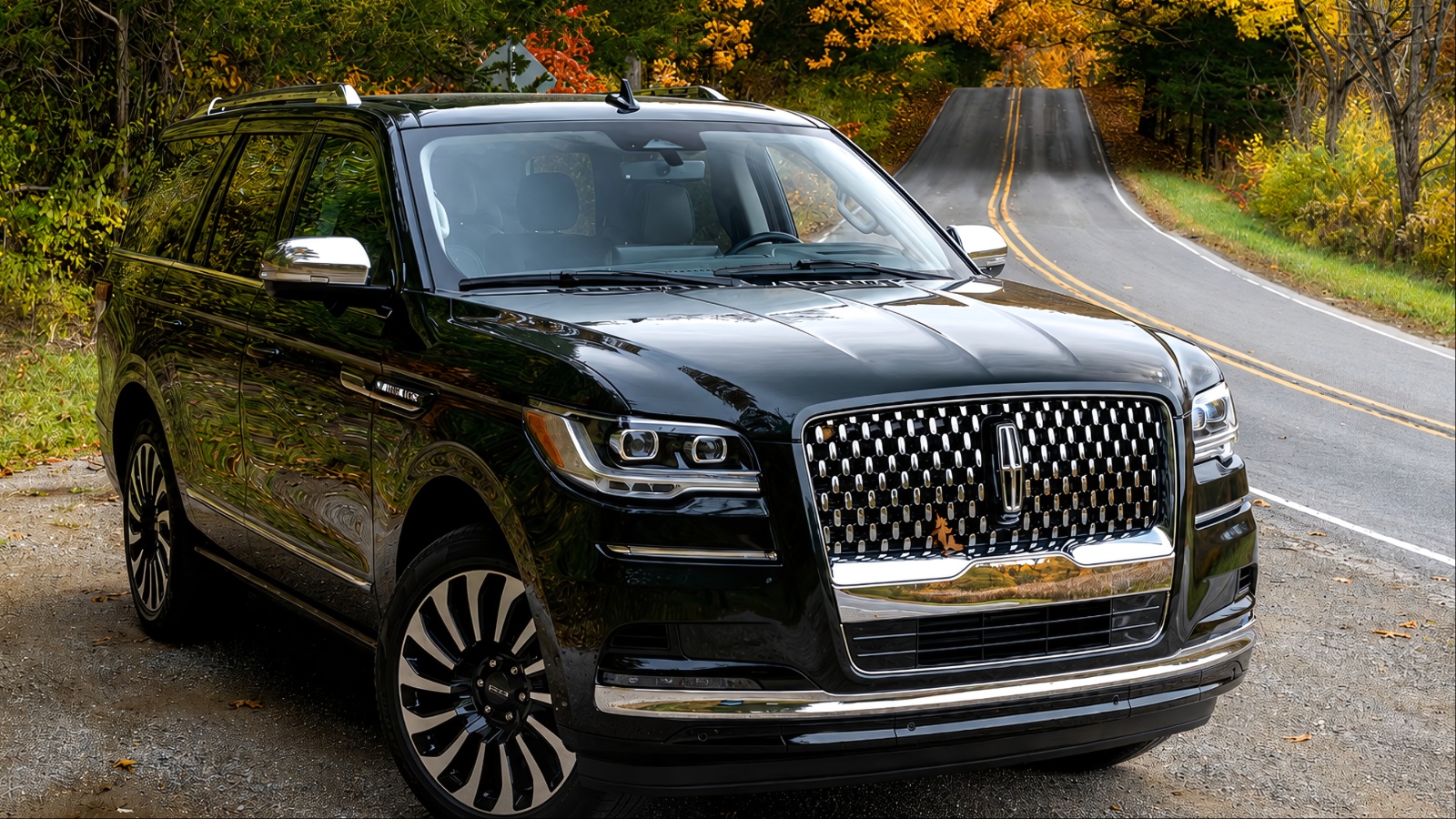
Memory settings store seat, mirror, wheel, and pedal position together, so switching drivers in a household or company vehicle doesn’t mean manually resetting four separate systems.
Given the Navigator’s size, that level of adjustability isn’t just a comfort feature; it’s what allows drivers well outside the “average” height range to actually reach the pedals safely without sitting dangerously close to the wheel, or to see over a long hood without perching awkwardly high.
Combined with genuinely plush, supportive cushioning, the Navigator’s driving position adjustability rivals or exceeds cars twice its price, and stands out even among other full-size luxury SUVs.