
Car names rarely happen by accident. Automakers spend months testing names before launch. Geography has always been a favorite well to draw from.
A place name carries instant associations. It suggests glamour, ruggedness, adventure, or exotic appeal. Marketing teams know this and use it deliberately.
Some names come from American deserts and mountain towns. Others borrow from European coastlines and Italian glass-making islands. A few even reference entire regions, not just single towns.
This list looks at ten vehicles that took their names directly from real locations. Each one has a story behind the choice. Some names fit the vehicle’s character perfectly. Others were picked mostly for the way they sounded. Either way, the connection to a real place adds a layer of meaning most buyers never think about.
Below are ten cars, the places they’re named after, and why the connection matters. Each entry explains the real-world location and how it shaped the vehicle’s image and marketing strategy over time.
1. Chevrolet Malibu
Malibu is a coastal city in Los Angeles County, California. It’s known for beaches, surfing culture, and expensive real estate. Chevrolet first used the name in 1964.
It was a trim level on the Chevelle before becoming its own model. The choice made sense for the era. Malibu, California represented sun, leisure, and West Coast cool.
Chevrolet wanted a name that felt aspirational. A California beach town fit that goal perfectly. The Malibu name disappeared briefly in the 1980s. Chevrolet brought it back in 1997 as a sedan.
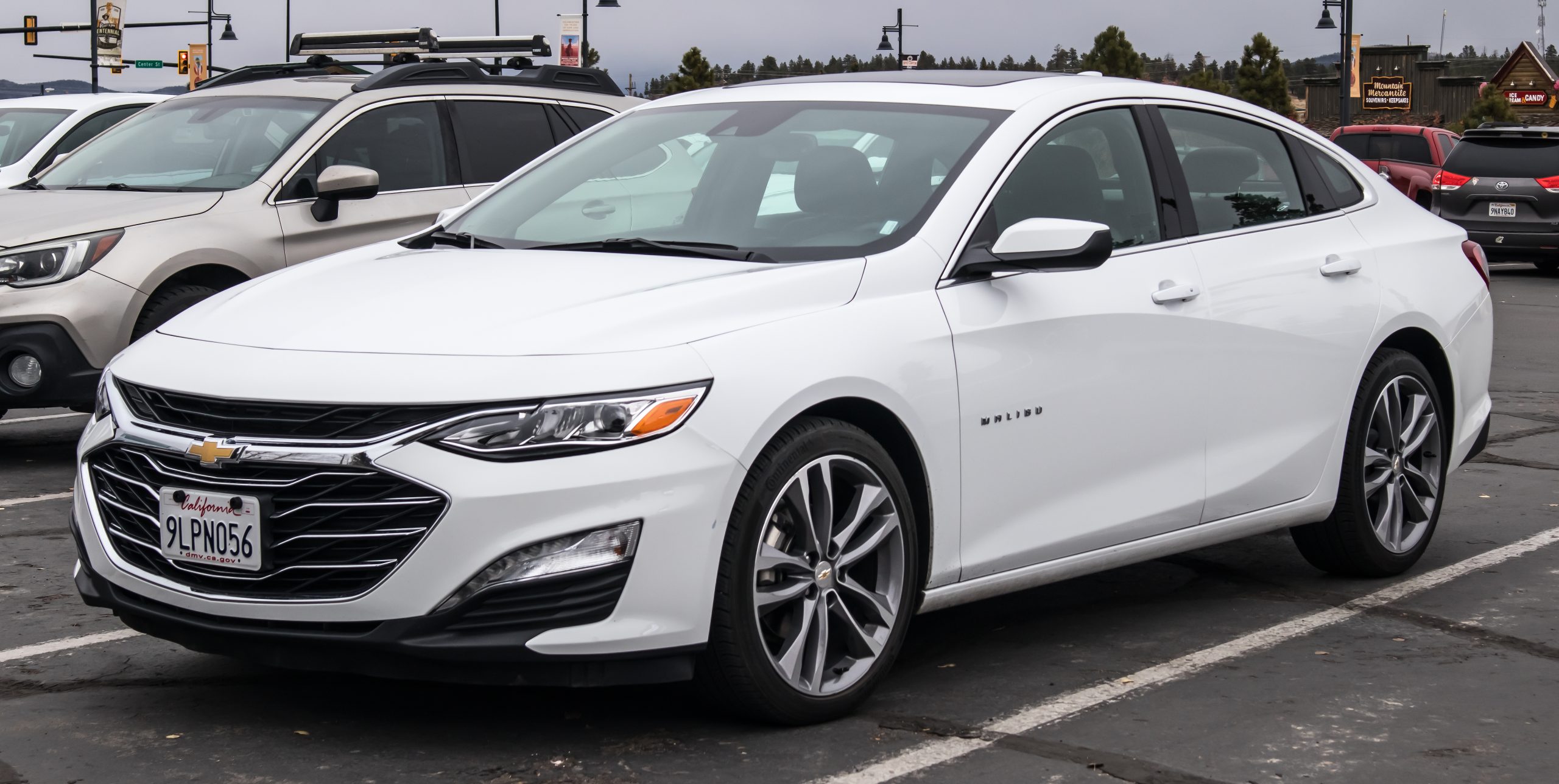
It has remained in production since then. Today it competes in the midsize sedan segment against Honda and Toyota. The real Malibu, California, has no direct link to General Motors. There’s no factory or headquarters there.
The connection is purely image-based. Chevrolet borrowed the name for its lifestyle associations, not any operational tie. That’s common with place-based car names. The location often symbolizes a feeling rather than a literal business connection.
Malibu, the city, has a population of roughly 11,000 residents. It stretches along 21 miles of Pacific coastline. Many celebrities have owned homes there since the 1930s. That reputation only strengthened the name’s glamorous appeal for Chevrolet.
Malibu still evokes that beach-town identity today. Chevrolet has leaned into it through decades of advertising and lifestyle imagery. The sedan has gone through nine generations. Each one kept the same coastal-inspired branding intact.
2. Chevrolet Tahoe
Lake Tahoe sits on the border of California and Nevada. It’s one of the largest alpine lakes in North America. Chevrolet introduced the Tahoe nameplate in 1995.
It replaced the two-door Blazer as Chevy’s full-size SUV. The name was chosen to suggest rugged outdoor capability. Lake Tahoe is surrounded by mountains, forests, and ski resorts.
That imagery matched the vehicle’s intended market. Chevrolet wanted buyers to picture off-road trips and family camping runs. The Tahoe became one of GM’s best-selling SUVs. It has spanned five generations since its debut.
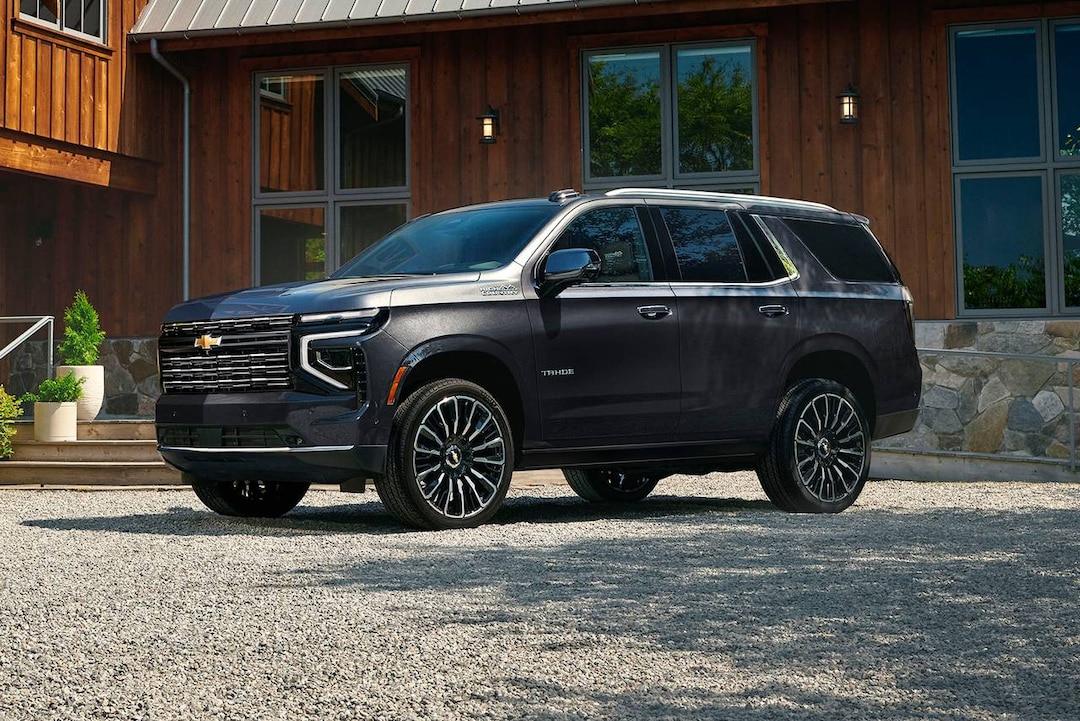
Lake Tahoe itself straddles the Sierra Nevada mountain range. It’s known for extremely clear, deep blue water. The lake reaches depths of over 1,600 feet. That makes it one of the deepest lakes in the United States.
It also sits at roughly 6,225 feet above sea level. That elevation gives the surrounding area harsh, snowy winters. Chevrolet’s naming strategy for SUVs often follows this pattern. Suburban, Tahoe, and Trailblazer all suggest adventure and open land.
The Tahoe name has stuck for nearly three decades now. It remains one of the most recognized SUV nameplates in America. Few buyers think about the actual lake when purchasing one.
But the association with wilderness and elevation still shapes the vehicle’s identity. The SUV has also become a staple of police and government fleets. That practical reputation now runs alongside its adventurous origins.
3. Jeep Cherokee
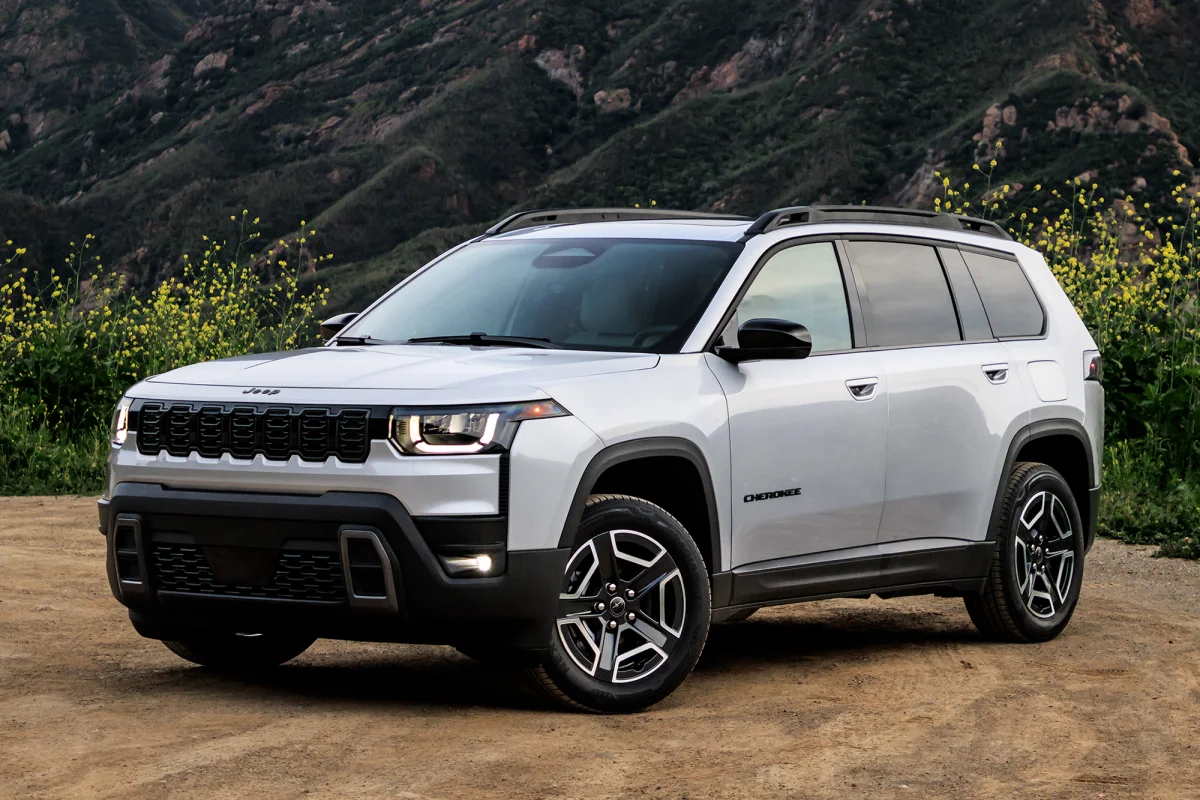
The Cherokee name refers to the Cherokee Nation, one of the largest Native American tribes in the United States. Jeep first used the name in 1974 for a two-door SUV variant.
The Cherokee became especially significant with the XJ generation in 1984. That model is credited with creating the modern compact SUV segment. Jeep’s use of the name has drawn scrutiny over the decades. Some tribal leaders have publicly objected to it.
In 2021, the principal chief of the Cherokee Nation asked Jeep to retire the name. Jeep responded by saying it intended to keep using it, citing respect for the tribe.
The Cherokee Nation itself is headquartered in Tahlequah, Oklahoma. It’s the largest tribal nation in the U.S. by enrolled membership. Historically, Cherokee ancestral lands spanned the southeastern United States. That includes parts of Georgia, Tennessee, and the Carolinas.
The tribe was forcibly relocated in the 1830s during the Trail of Tears. Thousands died during that forced march westward. Jeep’s naming choice ties a heavy historical legacy to a mass-market vehicle. That tension has followed the nameplate for years.
Other automakers have used tribal names too, including Pontiac and Winnebago. Jeep’s case has drawn the most sustained public attention. Despite the controversy, the Cherokee remains one of Jeep’s most important models.
It continues in production as of the current model lineup. Jeep has also produced a Grand Cherokee variant since 1992. That model expanded the name’s reach even further across the lineup.
4. Toyota Tacoma
Tacoma is a port city in Washington State, located on Puget Sound. Toyota introduced the Tacoma pickup in 1995. It replaced the Toyota Pickup nameplate in North America.
The city of Tacoma sits near Mount Rainier and has a strong industrial and shipping history. It grew rapidly in the late 1800s as a railroad terminus.
Toyota chose the name partly for its rugged, Pacific Northwest character. The region is associated with logging, mountains, and tough terrain. That fit the truck’s intended identity as a durable, capable pickup.
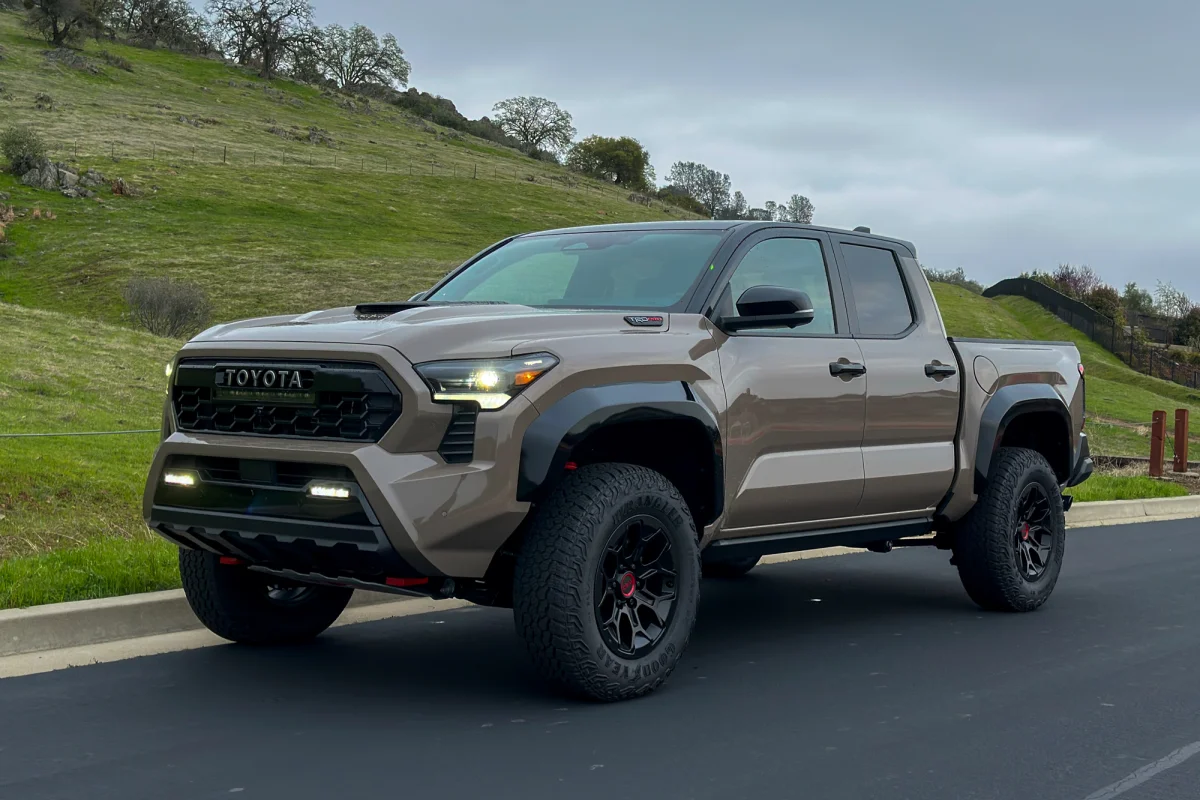
Tacoma has since become one of Toyota’s most important nameplates. It regularly ranks among the best-selling midsize trucks in America. The city itself is home to about 220,000 residents. It has its own distinct identity separate from nearby Seattle.
Tacoma was once nicknamed the “City of Destiny” due to its railroad ambitions. That history of industrial grit aligned well with truck branding. Toyota does not manufacture the Tacoma in the city of Tacoma. Production has taken place in Mexico and other U.S. plants over the years.
Still, the geographic name has stuck strongly to the brand identity. Many buyers associate the truck with outdoor, mountain-region driving. The Tacoma nameplate has outlasted several redesigns. It remains one of the most trusted names in the compact truck market today.
Resale values for the Tacoma are consistently among the highest in its class. That reputation reinforces the rugged image the name originally suggested.
5. Kia Sorento
Sorento takes its name from Sorrento, a town on Italy’s Amalfi Coast, with a slight spelling change. Kia launched the Sorento nameplate in 2002 as a midsize SUV.
Sorrento, Italy sits on cliffs overlooking the Bay of Naples. It’s known for lemon groves, coastal views, and Mediterranean charm. Kia’s decision to reference an Italian resort town was a branding move.
It suggested upscale European style for an otherwise budget-friendly SUV. The spelling was altered from “Sorrento” to “Sorento” for trademark reasons. Similar naming adjustments are common in the auto industry.
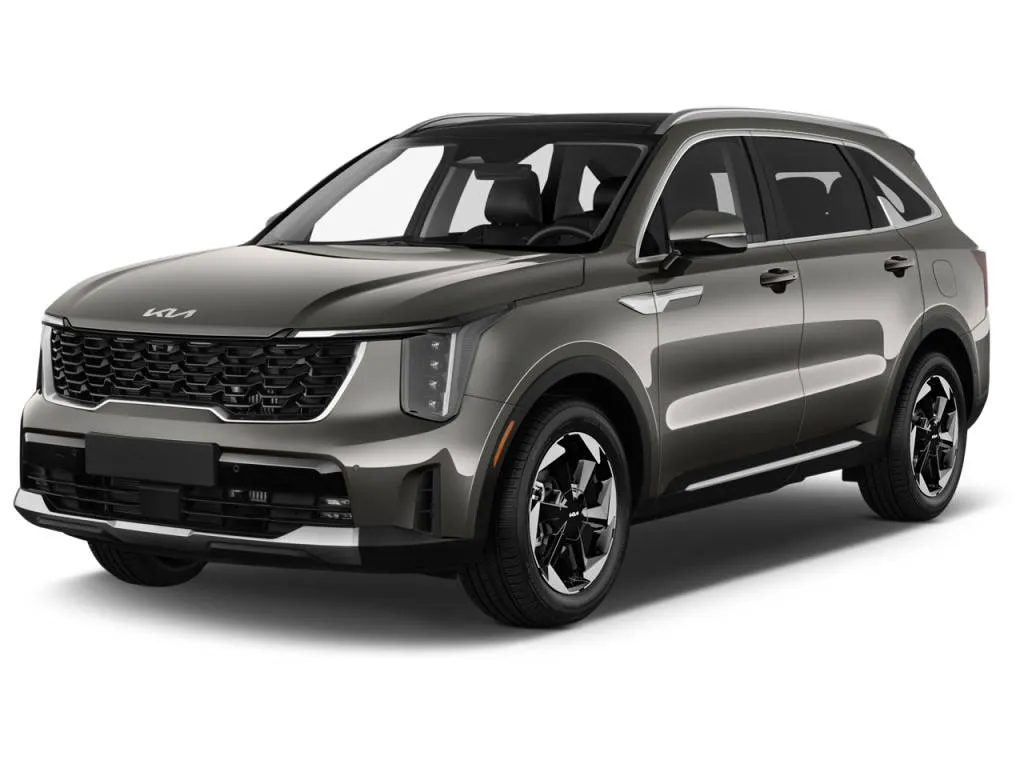
The real Sorrento is a popular tourist destination. It serves as a gateway to the islands of Capri and the Amalfi Coast. The town has a population of roughly 16,000 people. Tourism drives most of its local economy today.
Kia’s SUV has little functional connection to the coastal town. The name exists purely for aspirational branding purposes. Over multiple generations, the Sorento has grown in size and features. It’s now considered one of Kia’s flagship SUVs.
The strategy worked well for Kia’s broader image shift. Many of their vehicles now use European-inspired place names. Kia’s Carnival and Telluride follow a similar naming philosophy.
Geographic and place-based names became a hallmark of the brand’s global relaunch. Sorento remains one of the brand’s top-selling models globally today.
6. Hyundai Santa Fe
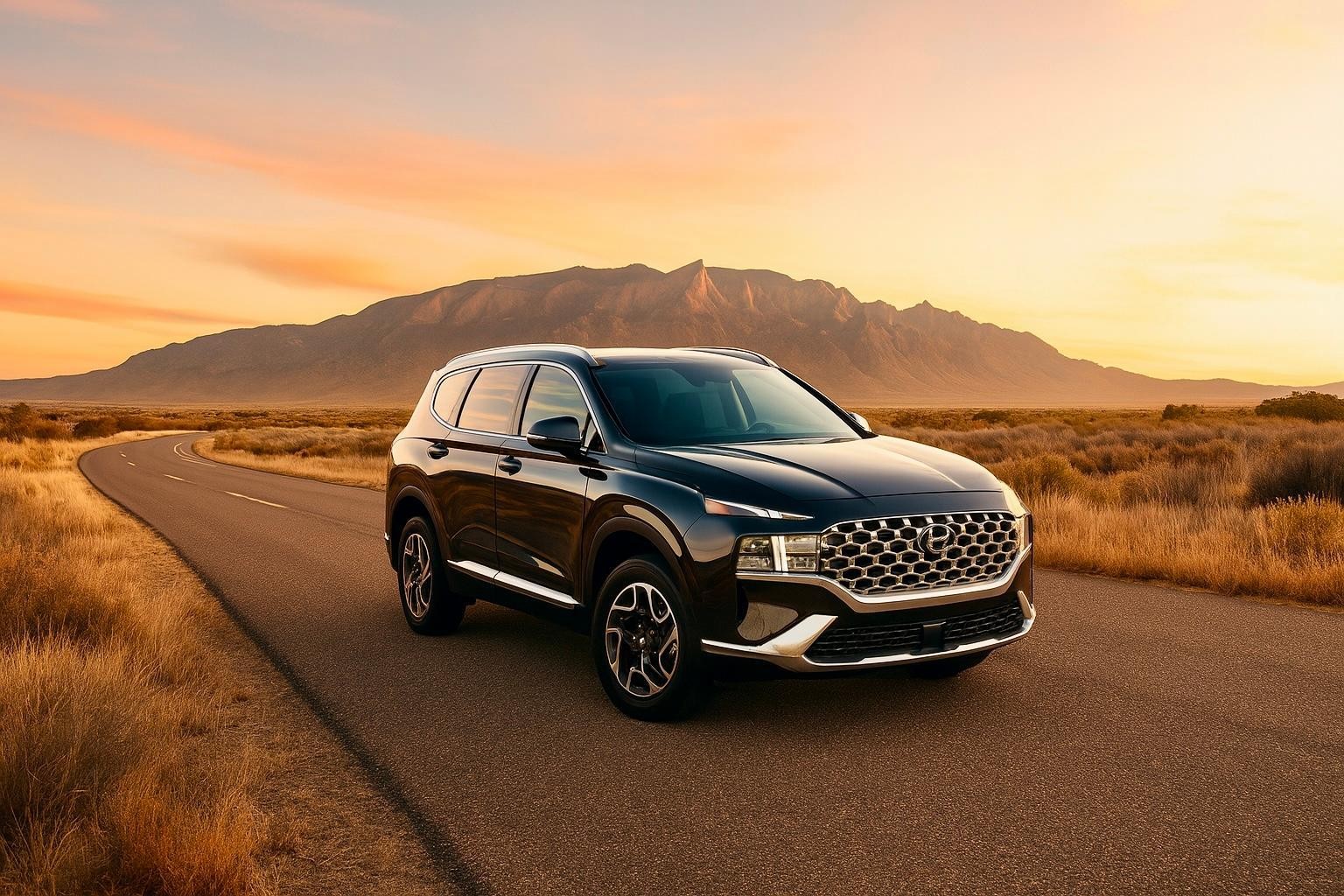
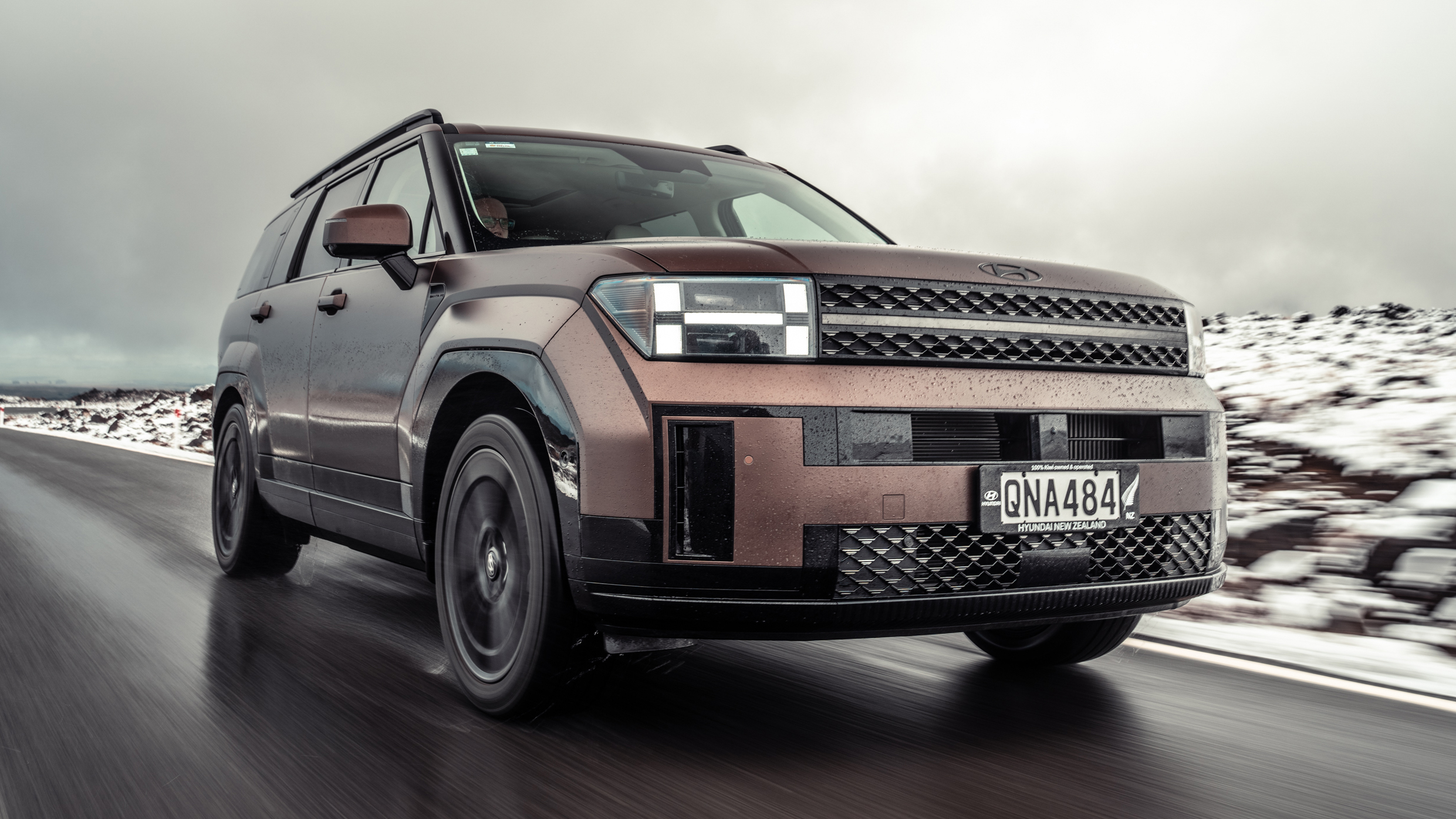
Santa Fe is the capital city of New Mexico. It’s known for adobe architecture and Southwestern desert scenery. Hyundai introduced the Santa Fe SUV in 2000. It was one of the brand’s first major SUV offerings in the U.S. market.
The city of Santa Fe was founded in 1610. It’s one of the oldest state capitals in the United States. Hyundai chose the name to suggest rugged Southwestern adventure. Desert terrain and mountain ranges surround the real city. That imagery aligned with the SUV’s marketing as a capable, versatile crossover.
Santa Fe sits at over 7,000 feet in elevation. It’s among the highest state capitals in the country. The city is also known for its art scene and historic Spanish colonial buildings. Tourism plays a major role in its economy.
Santa Fe hosts one of the oldest art markets in the country each summer. Thousands of visitors travel there specifically for it. Hyundai’s Santa Fe SUV has no factory presence in the city itself. The name was selected purely for its geographic and cultural associations.
The Santa Fe nameplate has proven durable for Hyundai. It remains one of their best-selling SUVs worldwide. Multiple generations have kept the name while changing size, styling, and technology significantly. The current generation has moved toward boxier, more rugged styling. That shift arguably brings the design closer to the name’s desert origins.
7. GMC Yukon
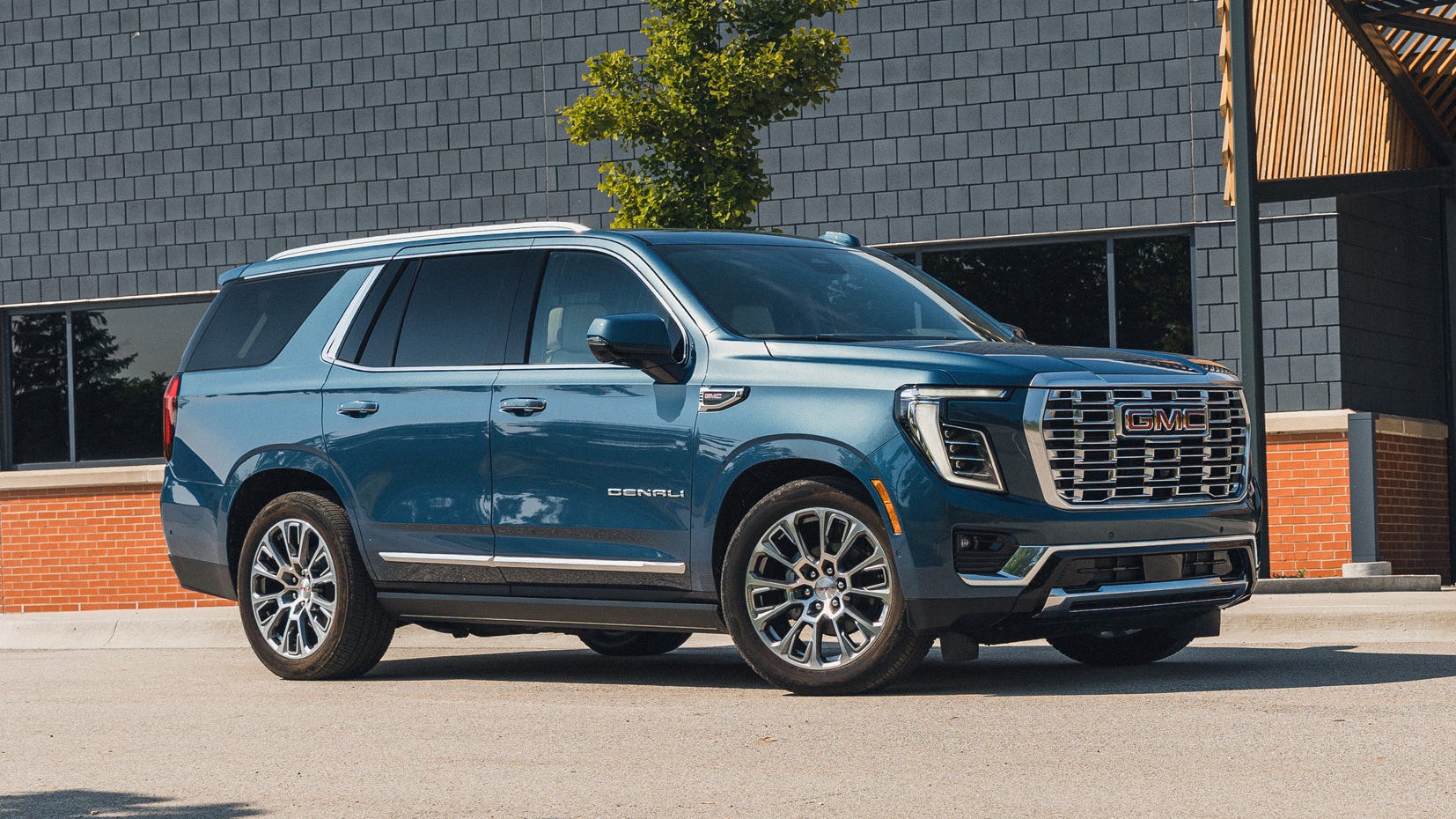
The Yukon is a territory in northwestern Canada, known for its vast wilderness and northern lights. GMC introduced the Yukon nameplate in 1991 as a full-size SUV.
The Yukon territory borders Alaska and is sparsely populated. Roughly 40,000 people live across its enormous landmass. GMC selected the name to emphasize extreme ruggedness and capability. Yukon evokes images of untamed frontier and harsh winter conditions. That matched the vehicle’s role as GMC’s largest, most capable SUV.
The territory itself was shaped by the Klondike Gold Rush in the 1890s. Thousands of prospectors traveled through the region seeking fortune. Yukon’s world includes glaciers, boreal forest, and mountain ranges. Winters there are famously severe, often dropping below negative 40 degrees.
Whitehorse is the territory’s capital and largest city. Even it has a population of only about 28,000 people. GMC’s SUV has no operational link to the territory. The name works as pure branding, projecting toughness and remoteness.
The Yukon nameplate has remained largely unchanged in positioning since its debut. It still represents GMC’s flagship full-size SUV. Buyers rarely connect the vehicle to the actual Canadian territory.
But the name continues to carry strong wilderness associations decades later. GMC also sells a Yukon XL, a stretched version. That extended model reinforces the sense of scale the name implies.
8. Chevrolet Monte Carlo
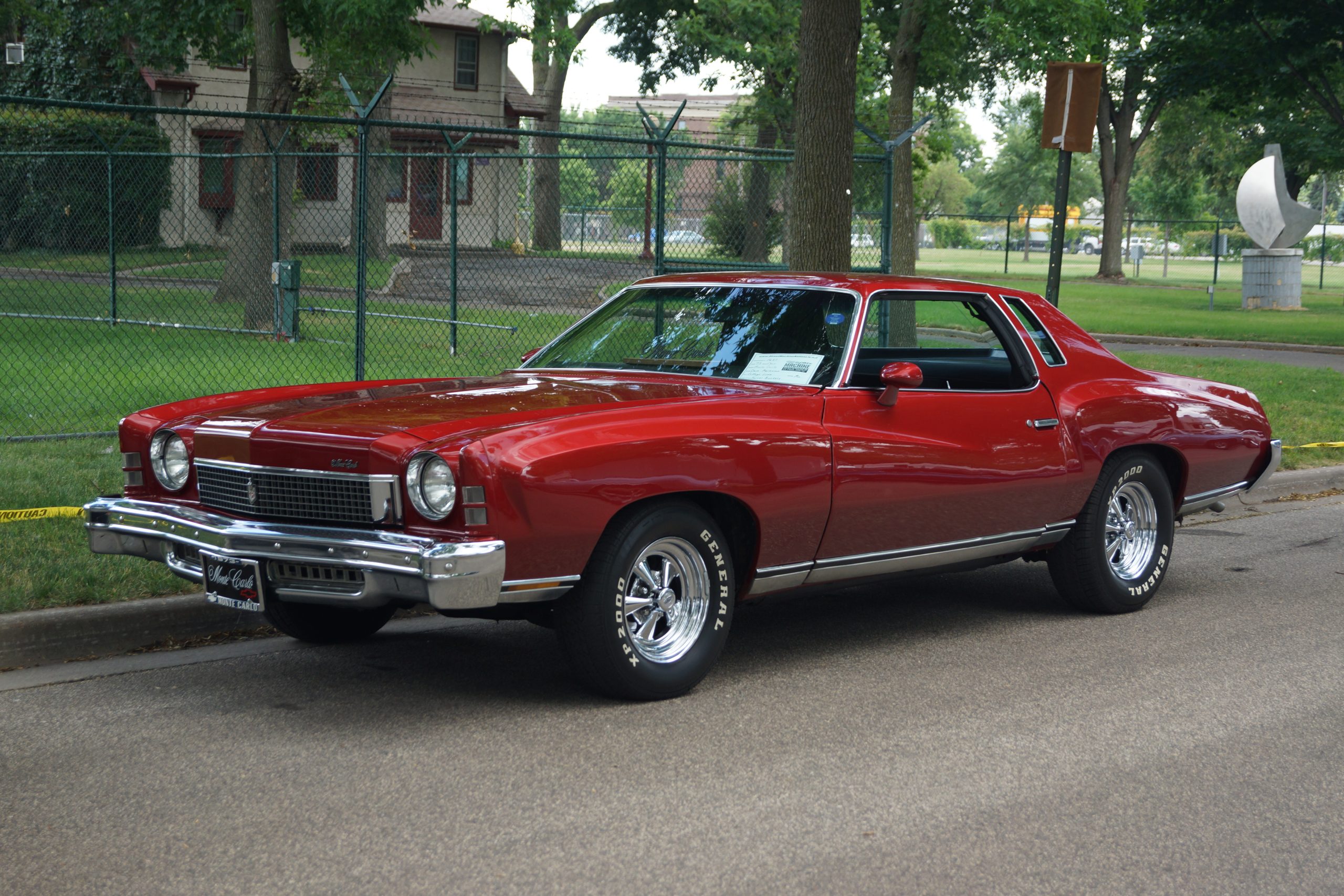
Monte Carlo is a district of Monaco, famous for its casino and Formula 1 street race. Chevrolet introduced the Monte Carlo nameplate in 1970 as a personal luxury coupe.
Monaco is a tiny sovereign city-state on the French Riviera. Monte Carlo is its most glamorous neighborhood. Chevrolet chose the name to suggest European sophistication and high-society appeal.
It targeted buyers wanting luxury styling in an American coupe. Monte Carlo has hosted the Monaco Grand Prix since 1929. It remains one of the most prestigious races in motorsport.
The area is also known for extreme wealth and luxury real estate. Monaco has no income tax, drawing many wealthy residents. Monaco covers less than one square mile total. It’s the second-smallest country after Vatican City.
Chevrolet’s coupe had nothing to do with racing or European luxury underneath its badge. The name was purely aspirational marketing. The Monte Carlo nameplate ran through several generations until 2007. It later returned briefly before final discontinuation.
During NASCAR’s peak popularity, the Monte Carlo name also appeared prominently in stock car racing. That gave it a second layer of motorsport association.
Drivers like Dale Earnhardt won championships in Monte Carlo-badged stock cars. That racing pedigree became tied to the name in American culture. Chevrolet never manufactured the car in Monaco. The name simply borrowed prestige from a famous location.
9. Kia Sedona
Sedona is a city in Arizona known for its red rock formations and desert canyons. Kia introduced the Sedona nameplate in 1998 as a minivan. The real Sedona sits amid sandstone buttes and dramatic desert terrain.
It’s considered one of the most scenic areas in the American Southwest. Kia’s choice of name was somewhat unusual for a minivan. Sedona suggests adventure, not family hauling. The strategy likely aimed to give the practical vehicle a more adventurous, appealing image.
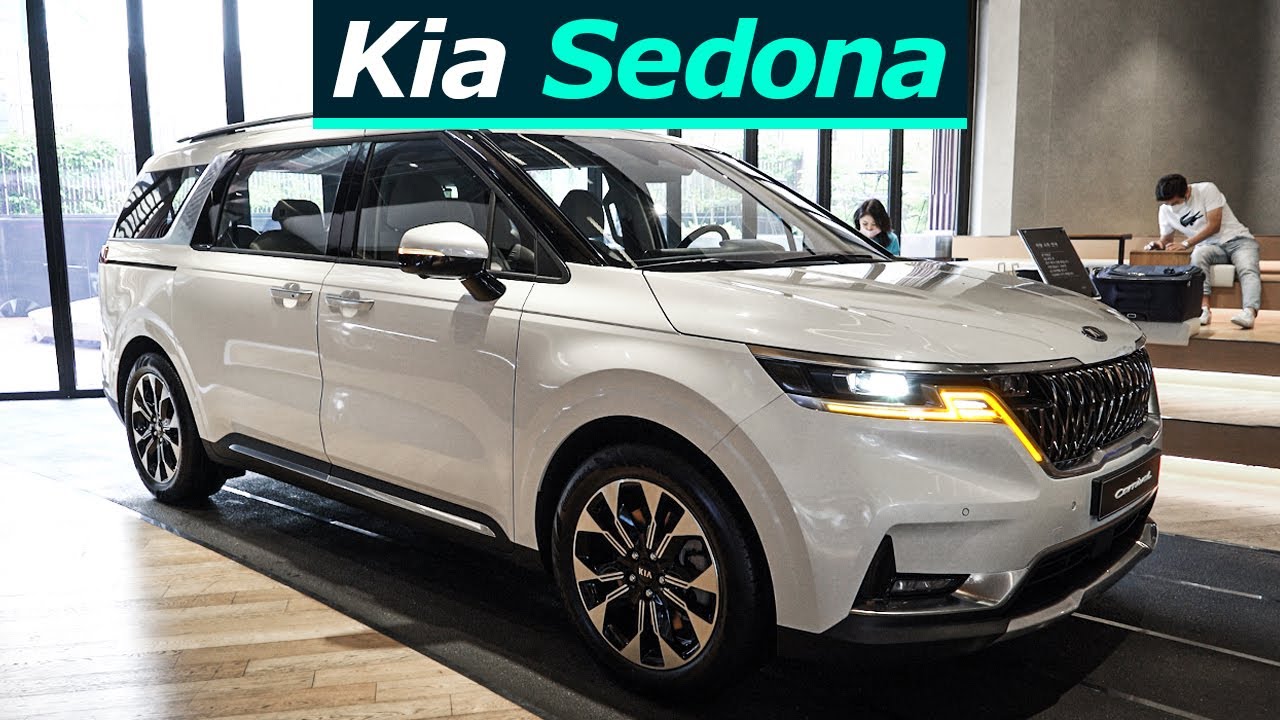
Sedona, Arizona draws millions of tourists annually. Visitors come for hiking, red rock views, and spiritual retreat culture. The city was named after Sedona Schnebly, an early settler, not directly after a world feature. Its natural surroundings later made it internationally famous.
The population of Sedona is just under 10,000 people. Tourism remains its primary industry by far. Kia’s minivan has no manufacturing or business connection to the city. As with most of these examples, the name exists for image purposes only.
The Sedona nameplate has continued through multiple redesigns. It remains one of the longest-running minivan names in the U.S. market. Despite its adventurous name, the vehicle has always been marketed primarily toward practical family use. Kia has occasionally used desert-canyon imagery in Sedona advertising. That choice keeps a faint thread back to the vehicle’s namesake world.
10. Nissan Murano
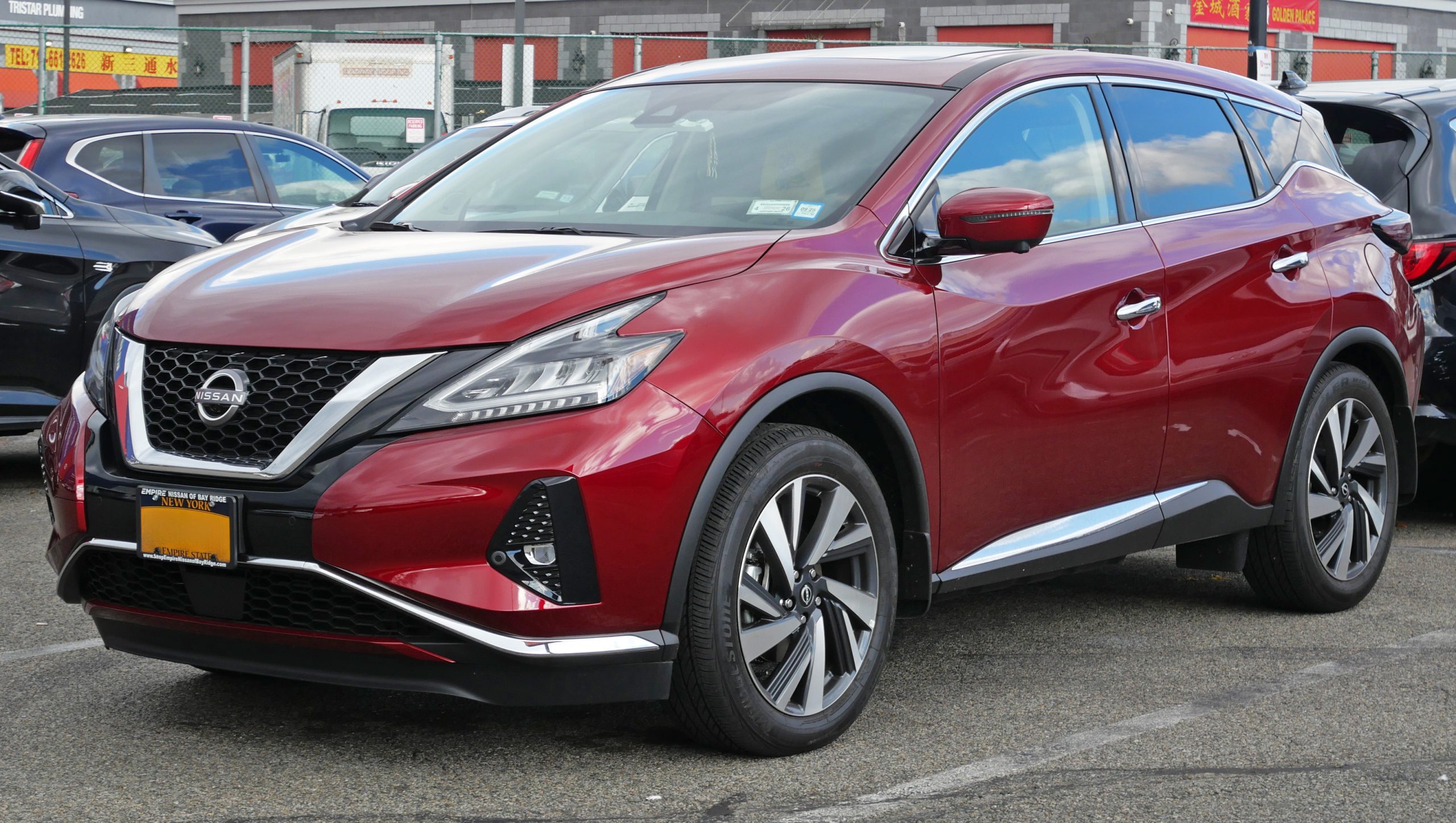
Murano is a small island near Venice, Italy, famous for centuries of glassmaking tradition. Nissan introduced the Murano nameplate in 2002 as a crossover SUV. The real Murano has produced elaborate glass art since the 1200s. Venetian glassmakers were relocated there to reduce fire risk in Venice.
Nissan chose the name to suggest refined, artisanal quality. Murano glass is associated with elegance and craftsmanship worldwide. That fit the crossover’s positioning as a stylish, upscale alternative to boxier SUVs.
Murano’s glass industry remains active today. Visitors can tour furnaces and watch traditional glassblowing demonstrations. The island has a population of just a few thousand residents. Tourism and glass exports drive much of its economy.
Murano glass is still considered a protected art form in Italy. Genuine pieces often carry certification marks proving their origin. Nissan’s SUV shares nothing functionally with the island beyond the borrowed name. It was purely a branding decision aimed at suggesting sophistication.
The Murano became known for distinctive, curved styling when it launched. That design reinforced the artistic association Nissan was going for. Automotive journalists at the time praised its bold, unconventional shape.
That reception helped cement the Murano as a design-forward choice. The nameplate has continued through multiple generations since 2002. It remains one of Nissan’s more design-forward crossover offerings today.
