
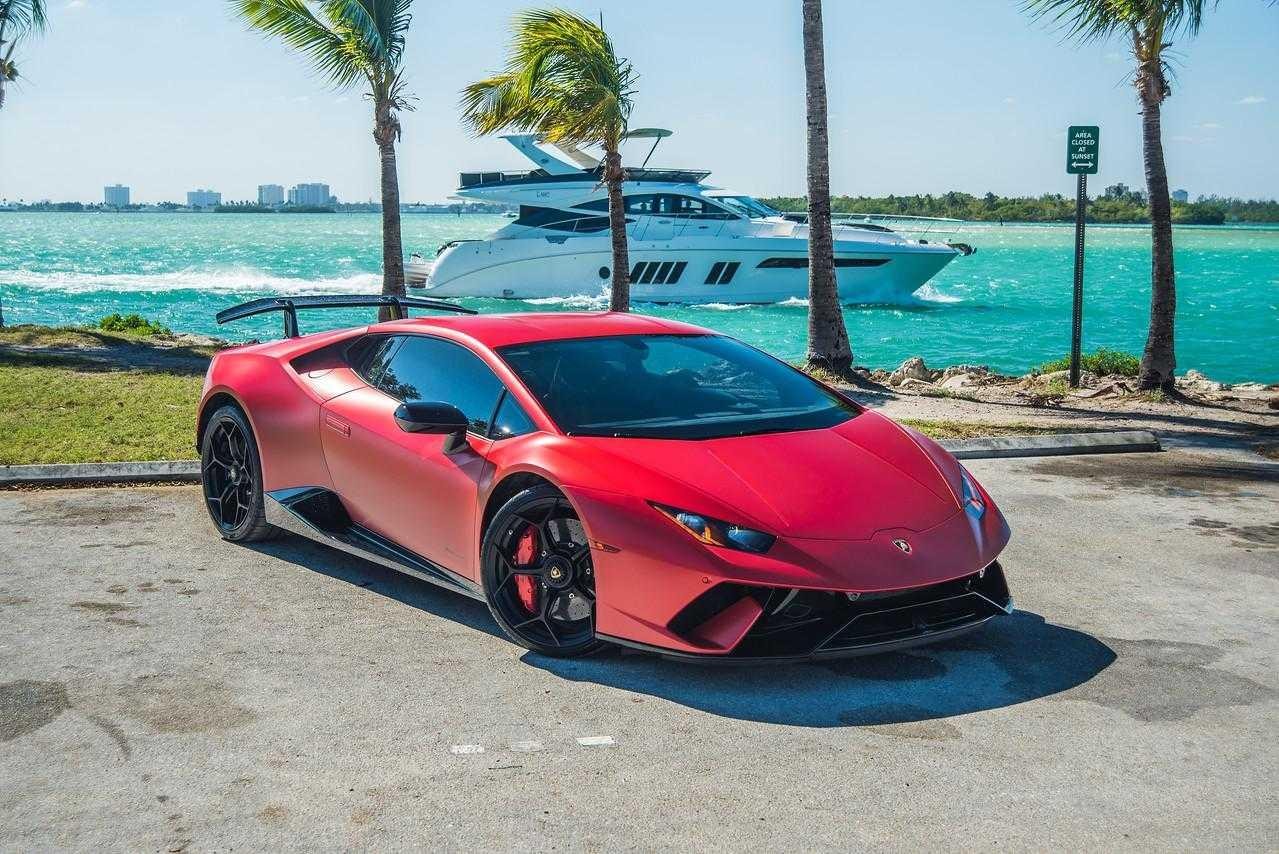
Miami runs on a different automotive rhythm than the rest of America. Palm-lined boulevards, endless summer, and a culture built on visibility turn ordinary streets into rolling showrooms. Here, a car isn’t just transportation. It’s a costume, a currency, a conversation starter at every red light.
Nowhere else does this mix of Latin American wealth, nightlife economy, and rental-fleet exotica collide so hard. Miami has more supercar rental counters per capita than almost any American city.
It also has a deep-rooted lowrider and muscle car scene from Hialeah to Little Havana. Add in a police department that once patrolled in a Lamborghini, and you get a city where the ordinary rules of car spotting don’t apply.
This list isn’t about generic “luxury cars.” It’s about vehicles whose presence is genuinely shaped by Miami’s climate, culture, and economy. Some are rental-fleet staples.
Some are police oddities. Some are homegrown customs you won’t find cruising Ocean Drive elsewhere. Here are ten cars that feel like Miami and almost nowhere else.
1. Lamborghini Urus
No SUV is more synonymous with Miami’s exotic rental economy than the Urus. Every major exotic rental counter in South Beach and Brickell keeps several in rotation. It’s the entry point into supercar ownership for a certain kind of Miami buyer. Loud paint, low ground clearance, and a screaming V8 make it impossible to ignore in traffic.
Miami’s exotic rental fleets favor SUVs like the Urus because they’re easier to drive on uneven causeway pavement. Renters who wouldn’t dare touch a manual supercar feel confident behind this wheel. That accessibility is exactly why it dominates valet lines outside Miami Beach hotels and Wynwood restaurants.
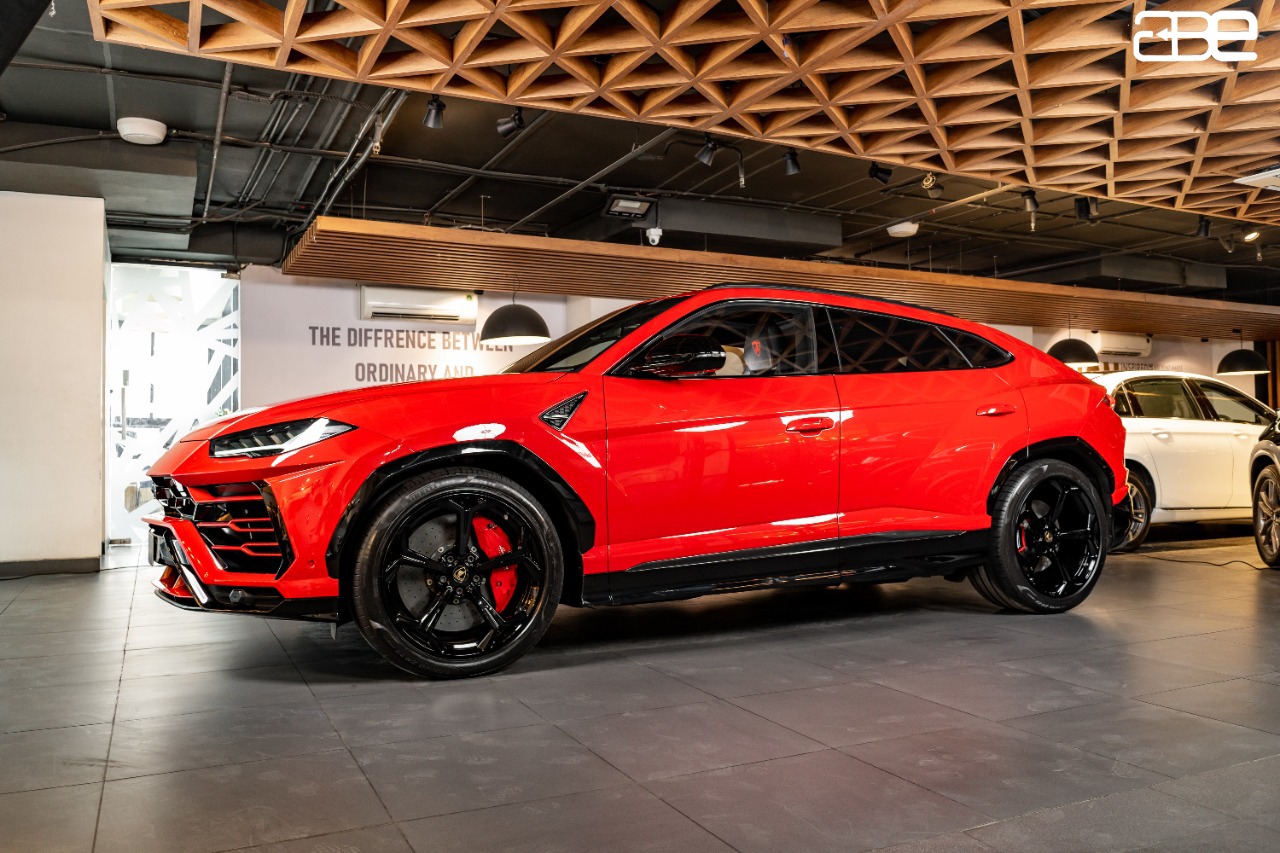
You’ll spot wrapped Urus units in matte orange, chrome, or two-tone liveries advertising rental companies directly on the bodywork. This rolling-billboard trend is distinctly Miami. Few other cities let rental fleets treat six-figure SUVs as mobile advertisements.
The car’s twin-turbo V8 gives it genuine performance beneath the flash. It can outrun most sports cars in a straight line while still hauling four adults comfortably. That blend of usability and spectacle explains why it outnumbers every other Lamborghini model on Miami roads combined.
Local dealerships also report that Urus buyers skew younger than typical Lamborghini clientele elsewhere. Crypto wealth, real estate flips, and nightlife entrepreneurship all feed into this demographic. The SUV format simply makes more sense for a generation that wants a supercar badge without giving up daily practicality.
2. Rolls-Royce Cullinan
The Cullinan represents old-money luxury colliding with Miami’s new-money display culture. It’s a common sight gliding down Collins Avenue toward the Fontainebleau or Faena. Its suicide doors and towering ride height make it stand out even among other luxury SUVs nearby.
Miami’s condo boom brought waves of international buyers from Latin America, Europe, and beyond. Many arrived with Rolls-Royce ownership already part of their lifestyle back home. The Cullinan followed them here as a natural extension of that identity.
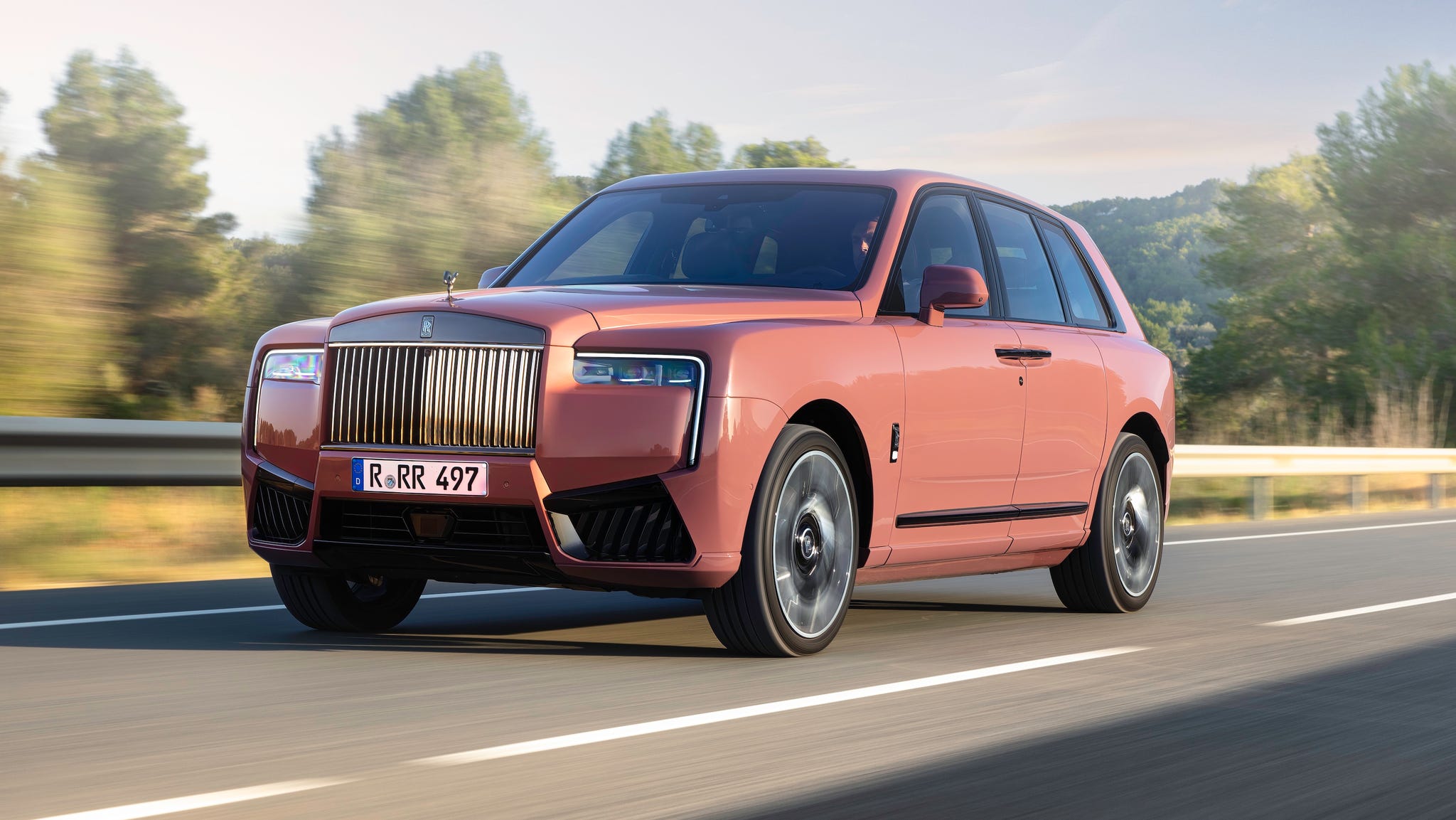
Starlight headliners and bespoke paint jobs are common requests at South Florida Rolls-Royce dealerships. Owners frequently commission custom two-tone finishes matching their yacht or their favorite nightclub’s color scheme. That level of personalization is rarely this concentrated anywhere else in the country.
The Cullinan’s sheer size also suits Miami’s wide boulevards and generous valet stands better than Europe’s narrower streets. Many owners import driving habits from cities where the car felt cramped by comparison. Here, it finally gets room to breathe.
Rental agencies have started stocking Cullinans too, though at a steeper hourly rate than most exotics. Wedding parties and bachelorette groups frequently book them for a single unforgettable night out. That rental niche barely exists outside a handful of major luxury markets, and Miami sits near the top of that short list.
3. Bentley Bentayga
The Bentayga occupies a specific Miami niche between exotic flash and understated wealth. It’s the SUV of choice for buyers who want presence without shouting quite as loudly. Real estate developers and private equity types favor it heavily around Brickell’s financial corridor.
Bentley’s Miami dealership consistently ranks among the brand’s top performers nationally. Warm weather means these SUVs never hibernate, unlike Bentaygas in colder climates that see seasonal storage. Miami owners drive them daily, racking up mileage most Bentaygas elsewhere never see.
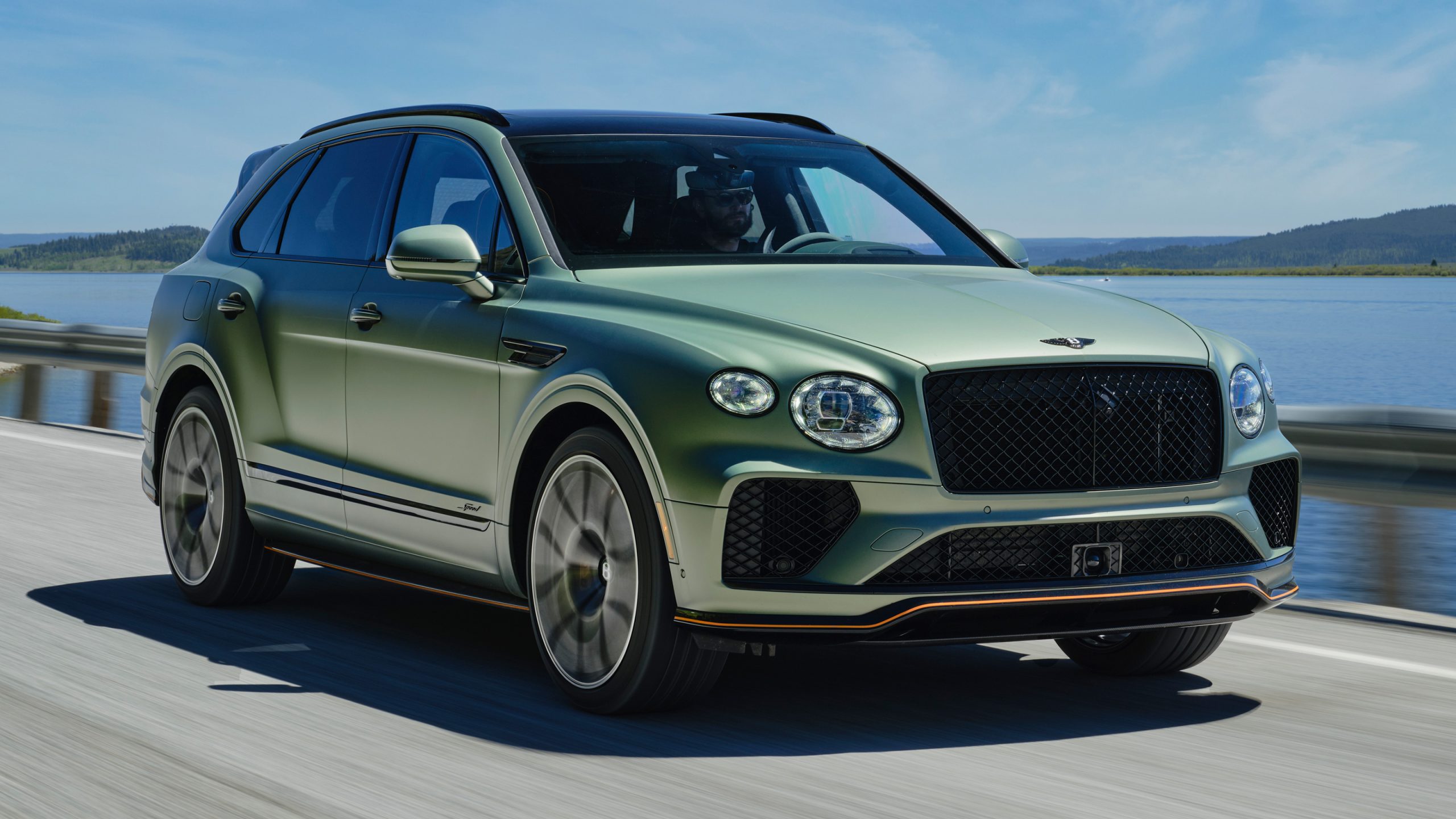
The Bentayga also appears constantly in Miami’s wedding and event chauffeur fleets. Luxury car services use them for airport pickups of high-net-worth clients arriving at Miami International. That commercial use adds another layer to why sightings feel so routine here.
Interior craftsmanship remains the Bentayga’s real selling point among Miami’s professional class. Quilted leather, diamond stitching, and hand-finished wood veneers appeal to buyers who value subtlety over shock value. It’s the SUV equivalent of a tailored suit rather than a statement piece.
Because Brickell functions as Miami’s financial and legal hub, the Bentayga blends into a world of high-rise offices and private banks. It photographs less on social media than a Lamborghini would, but it moves just as much money through the city’s parking garages.
4. Mercedes-AMG G63
The boxy G63 has become South Beach’s unofficial uniform. It parks outside every major nightclub between Ocean Drive and the Design District nightly. Its upright shape and enormous presence make it feel purpose-built for valet photography.
Miami’s nightlife and influencer economy adopted the G63 as a status prop years ago. It photographs well parked outside restaurants with its door open and interior lit. That social-media-friendly design has made it almost inseparable from Miami’s aesthetic.
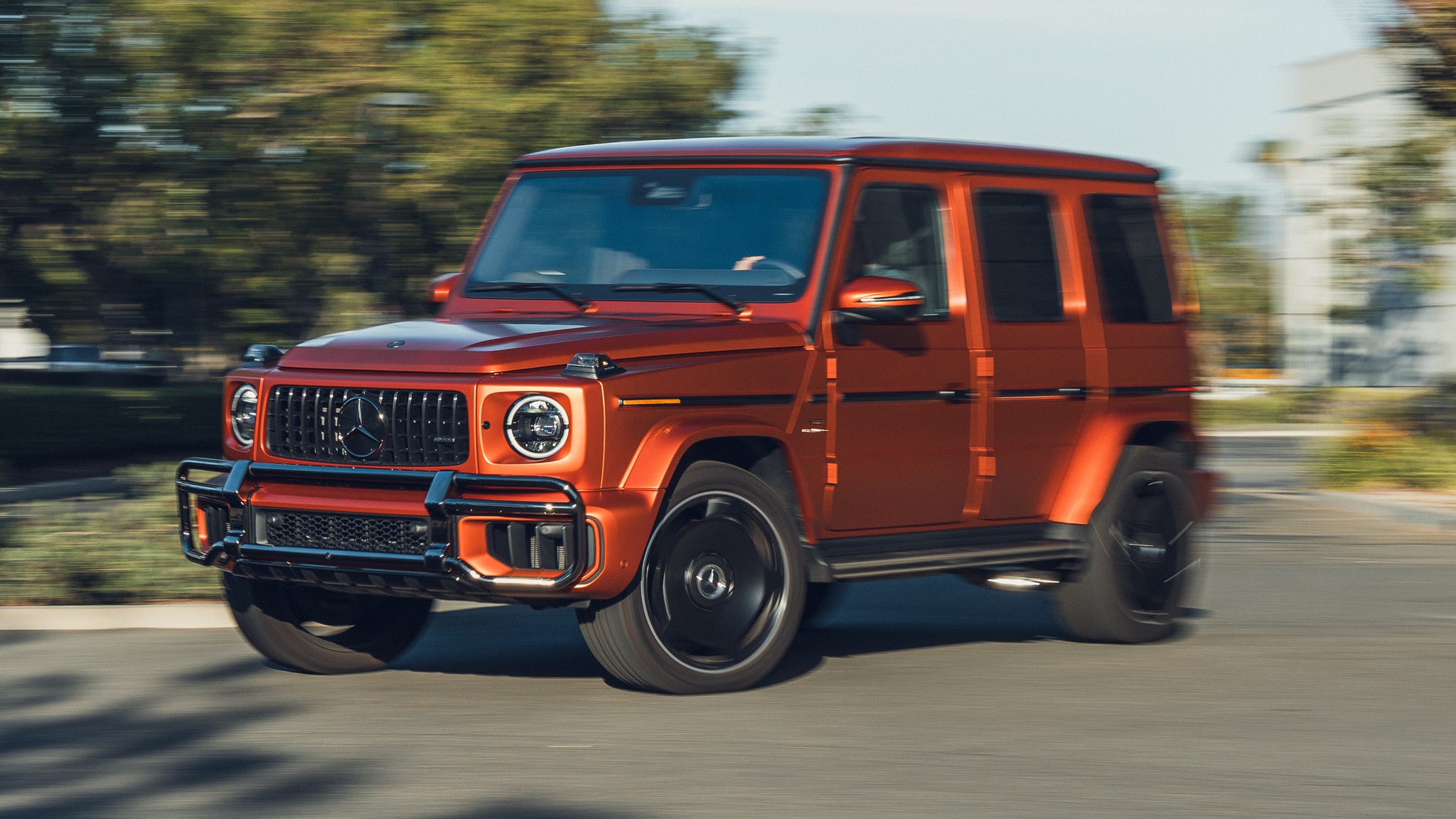
AMG’s hand-built V8 gives it genuine performance credentials beneath the boxy shell. Local tuning shops frequently install wide-body kits and loud exhaust systems on Miami examples. The result is a vehicle that sounds as aggressive as it looks rolling down Alton Road.
Rental fleets stock the G63 almost as heavily as the Urus, often in matching bright colors for group bookings. Bachelor parties frequently rent several at once, creating small convoys through South Beach. That group-rental pattern is unique to markets with Miami’s density of tourism and nightlife spending.
Its boxy shape has aged into a kind of cultural shorthand for arrival. Seeing one parked outside a restaurant signals, correctly or not, that something important is happening inside. Few vehicles carry that specific symbolic weight quite like the G-Wagon does here.
5. Ferrari 296 GTB
Miami has one of the densest concentrations of Ferrari ownership in the United States. The 296 GTB, with its hybrid V6 powertrain, represents the newest generation cruising Brickell and Coconut Grove. Ferrari of Palm Beach and Ferrari Miami both report strong regional demand for this model.
South Florida’s Ferrari owners club is one of the most active chapters nationally. Weekend cars-and-coffee meetups regularly draw dozens of Prancing Horse models to Wynwood parking lots. The 296 GTB’s smaller footprint makes it easier to go through Miami’s tight downtown streets than older V12 Ferraris.
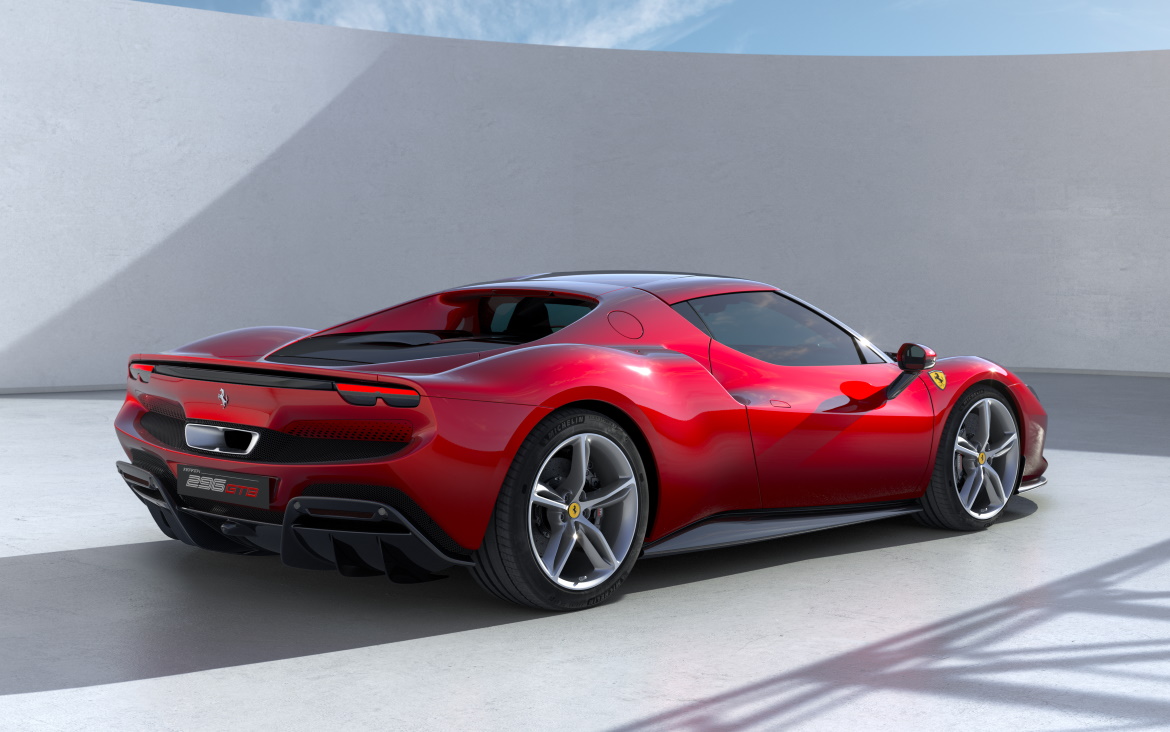
Bright Rosso Corsa and custom Miami-blue wraps are common choices among local buyers. The car’s compact hybrid V6 layout also appeals to owners wanting daily usability. That balance of performance and practicality suits Miami’s stop-and-go beach traffic well.
The car’s plug-in hybrid system lets owners cruise silently on electric power through quiet residential streets near Coral Gables. That quiet mode matters in a city where noise ordinances near residential towers have grown stricter. Few other Ferraris manage to be both a track weapon and a good neighbor.
Miami’s Ferrari dealers also report unusually high demand for track-day packages, since Palm Beach International Raceway sits within easy weekend driving distance. Owners here don’t just display these cars. Many genuinely use them the way Enzo Ferrari intended.
6. Pagani Huayra
Few cities outside Miami could sustain a visible Pagani presence. The Huayra’s astronomical price and hand-built rarity make most sightings elsewhere purely theoretical. Miami’s concentration of ultra-high-net-worth international buyers changes that math entirely.
Pagani has cultivated close relationships with South Florida collectors for over a decade. Several Huayra owners keep their cars in Miami specifically for the year-round driving weather. Storage facilities near the Design District cater to exactly this kind of exotic collection.

The car’s flowing bodywork and butterfly doors draw crowds whenever one surfaces at events like the Miami Concours. Its AMG-sourced twin-turbo V12 gives it a sound unlike anything else on Biscayne Boulevard. Spotting one isn’t luck here so much as a matter of showing up at the right valet stand.
Pagani’s founder, Horacio Pagani, has personally attended Miami events promoting the brand’s small-batch philosophy. That direct relationship between manufacturer and market is rare for a company producing only a handful of cars each year. Miami’s collector base simply matters enough to justify the attention.
Because each Huayra is built to individual specification, no two examples in Miami look quite alike. Carbon-fiber weaves, interior stitching, and exhaust notes are all customized at the factory in Italy. Local owners treat these details as bragging rights among a very small, very wealthy circle.
7. McLaren 720S
McLaren’s Miami dealership sits prominently along Biscayne Boulevard, feeding a steady stream of 720S units into local traffic. Its dihedral doors and dolphin-nose headlights make it instantly recognizable even at a distance. Rental fleets also stock it heavily for clients wanting genuine track-bred performance.
The 720S benefits from Miami’s flat, wide roads and long straightaways along the MacArthur Causeway. Owners frequently use these stretches for spirited early-morning runs before traffic builds. That combination of infrastructure and climate makes Miami unusually friendly to daily exotic ownership.

Local wrap shops report the 720S as one of their most requested vehicles for custom liveries. Chrome deletes, matte finishes, and neon accent wraps are common among South Florida owners. The car’s futuristic shape practically invites this kind of visual experimentation.
McLaren’s lighter carbon-fiber construction also holds up better against Miami’s humidity and salt air than some heavier steel-bodied rivals. Owners who keep their cars outdoors near the coast notice the difference over time. That durability has quietly boosted the brand’s reputation among South Florida buyers.
The 720S has also become a favorite for Miami’s car-content creators, who film acceleration runs and drag races for social media. Its dramatic doors alone generate more views than most competitors’ entire spec sheets. In a city built on spectacle, that visual advantage counts for a lot.
8. Polaris Slingshot
The three-wheeled Slingshot is arguably the most Miami-specific vehicle on this list. Florida classifies it as an autocycle, meaning no motorcycle license is required to drive one. That legal quirk, paired with year-round open-air weather, created a booming rental niche found almost nowhere else.
Dozens of Slingshot rental operators now cluster around South Beach and North Miami Beach. Tourists rent them by the hour to cruise Ocean Drive, Wynwood, and the Venetian Causeway. Their open cockpits and low stance make them feel like theme-park rides rather than conventional vehicles.
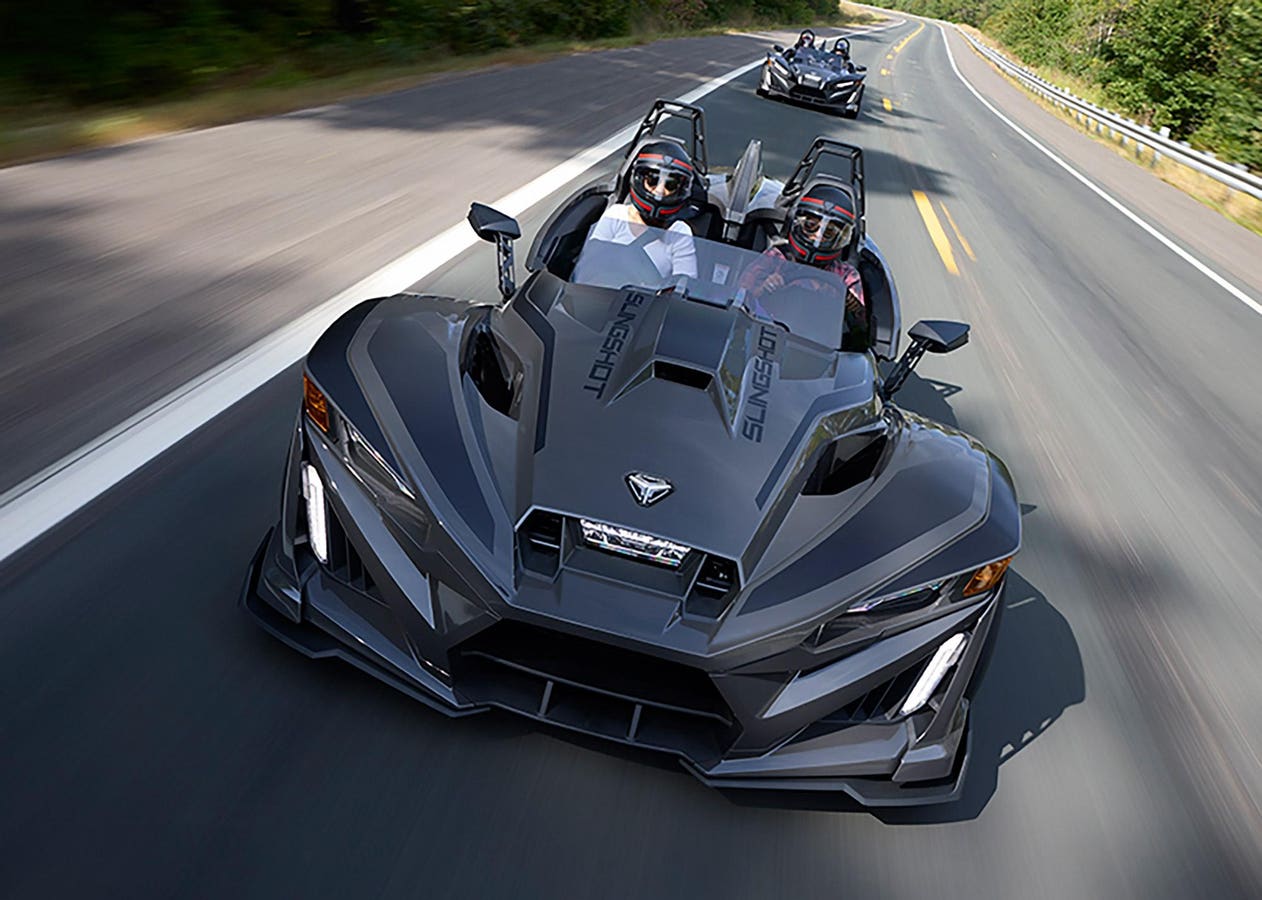
Locals sometimes call them “spiders” for their exposed three-wheel stance. The lack of a roof and doors only works because Miami rarely sees the kind of weather that would ruin the experience. In colder cities, this vehicle simply couldn’t sustain a year-round rental business.
Rental companies here compete heavily on color and add-ons, offering fleets in lime green, matte black, and tropical blue. Bluetooth stereos and unlimited mileage packages are standard selling points in local listings. That competitive density exists because demand stays constant twelve months a year, unlike seasonal markets up north.
Because Florida law treats the Slingshot as a car rather than a motorcycle, no helmet training or special license is required for renters. That accessibility, combined with Miami’s tourist volume, has turned what was once a novelty vehicle into a genuine local industry.
9. North Miami Beach Police Lamborghini Huracán
This one sounds invented, but it’s real. Lamborghini Miami and Prestige Imports donated a Huracán to North Miami Beach police for community outreach events. Officers used it during Tour de Force safety campaigns rather than actual patrol duty.
Miami Beach police followed a similar path more recently with a loaned Rolls-Royce Ghost from Braman Motors. That car carries full department livery but exists strictly for recruitment purposes. Neither vehicle chases suspects, but both blur the line between law enforcement and Miami’s exotic car culture.
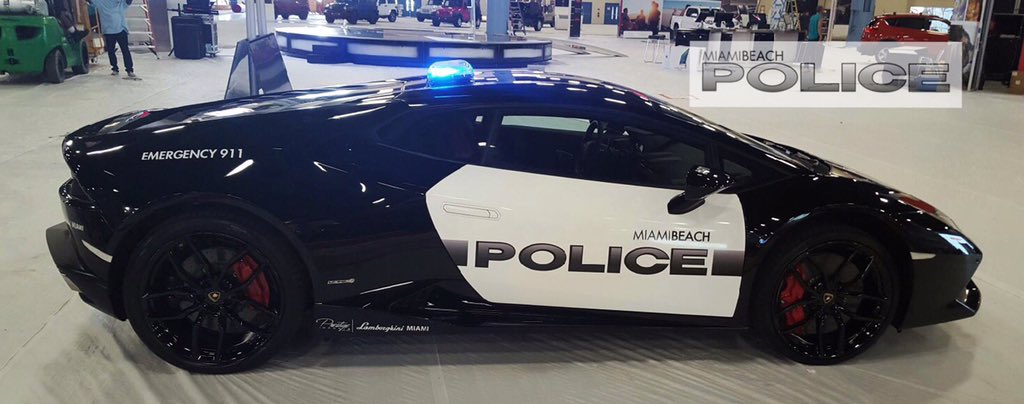
Photos of the Huracán in police trim circulated widely at local car shows and festivals. It became a genuine curiosity piece, drawing crowds wherever it appeared. No other American city has quite this pattern of dealerships lending supercars to police departments for publicity.
The department was careful to clarify that taxpayers covered none of the cost for either vehicle. Both cars remained the property of the dealerships that loaned them, insured and maintained externally. That arrangement let Miami-area police departments generate attention without spending public funds.
Ironically, real Lamborghinis in Miami have also ended up on the wrong side of actual police chases, with owners occasionally fleeing officers in matte-black Huracáns during traffic stops. The city’s supercar density means these cars show up in local crime blotters almost as often as in glossy dealership photos.
10. Chevrolet Impala Lowrider
Step away from South Beach and Miami’s car culture looks completely different. Hialeah and Little Havana host a thriving lowrider scene built around classic Chevrolet Impalas. Hydraulic suspensions, candy paint, and wire wheels define this distinctly Cuban-American automotive tradition.
These Impalas, often 1960s models, get slow-cruised through neighborhood streets on weekend evenings. Hydraulic setups let owners bounce the car for crowds at community gatherings. This scene traces back generations, brought by Latin American immigrant communities who settled across Miami-Dade County.
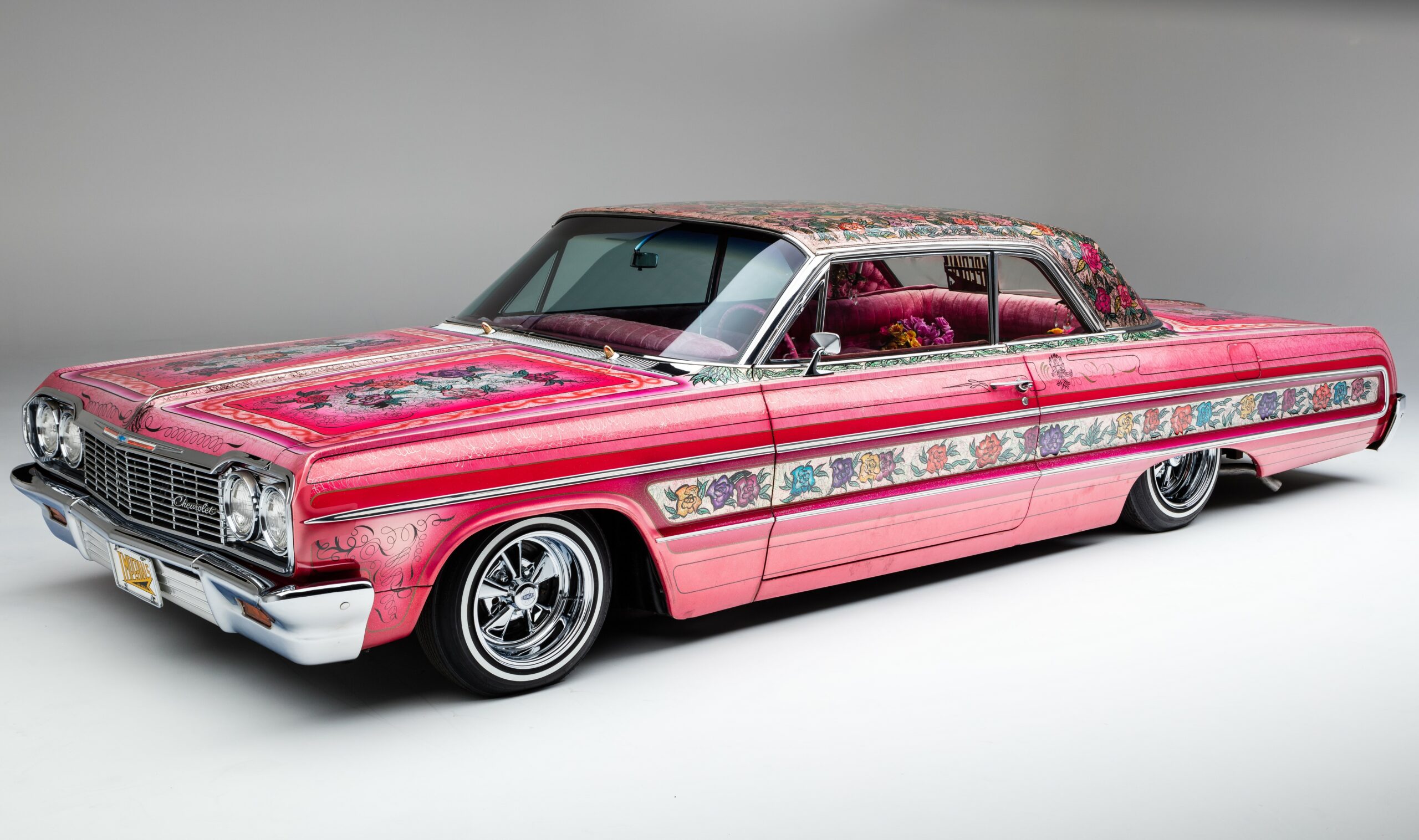
Unlike the rental exotics of South Beach, these cars are personal projects, often restored over years by their owners. Car clubs organize regular meetups where members compare paint jobs and hydraulic setups.
It’s a slower, more mechanical form of car culture, but every bit as central to Miami’s identity as anything parked outside a nightclub. Many of these Impalas pass down through families, restored by fathers and then handed to sons who continue the work.
Local body shops in Hialeah specialize almost exclusively in this style, keeping decades-old techniques alive. That generational knowledge doesn’t exist in most other American lowrider hubs outside Los Angeles.
Weekend car shows in Hialeah Park’s parking lots regularly draw dozens of these Impalas alongside other classics. Owners judge each other on paint depth, chrome polish, and how smoothly the hydraulics bounce. It’s a completely different value system from South Beach’s rental exotics, yet just as deeply rooted in what makes Miami’s car culture unlike anywhere else.
