
Most car buyers pick a color based on taste and stop thinking about it the moment they drive off the lot. That’s a mistake, because paint color is one of the few choices you make on day one that keeps affecting your wallet years later.
Large studies of used-vehicle pricing, including annual research from iSeeCars covering over a million three-year-old vehicles, consistently show a double-digit percentage-point gap in depreciation between the best and worst colors. On an average vehicle, that gap can translate into several thousand dollars of difference at trade-in time.
The pattern isn’t random. Colors that are scarce but still wanted tend to hold value, while colors that flood every used lot tend to blend in and get discounted. Below are twelve colors that consistently punch above their weight at resale, along with why buyers are willing to pay more for them and where the data shows the effect is strongest.
1. Yellow
Yellow is, year after year, the single best color for resale value in national studies. iSeeCars data has repeatedly shown yellow vehicles losing less value meaningfully over three years than the market average, sometimes by seven or more percentage points.
The reason is fairly simple. Yellow is rarely offered as a standard factory color, and relatively few mainstream buyers choose it when ordering a new vehicle. As a result, the number of used yellow cars on the market remains small. When those limited listings meet buyers who specifically want a yellow vehicle, the combination of scarce supply and niche demand can drive prices higher.
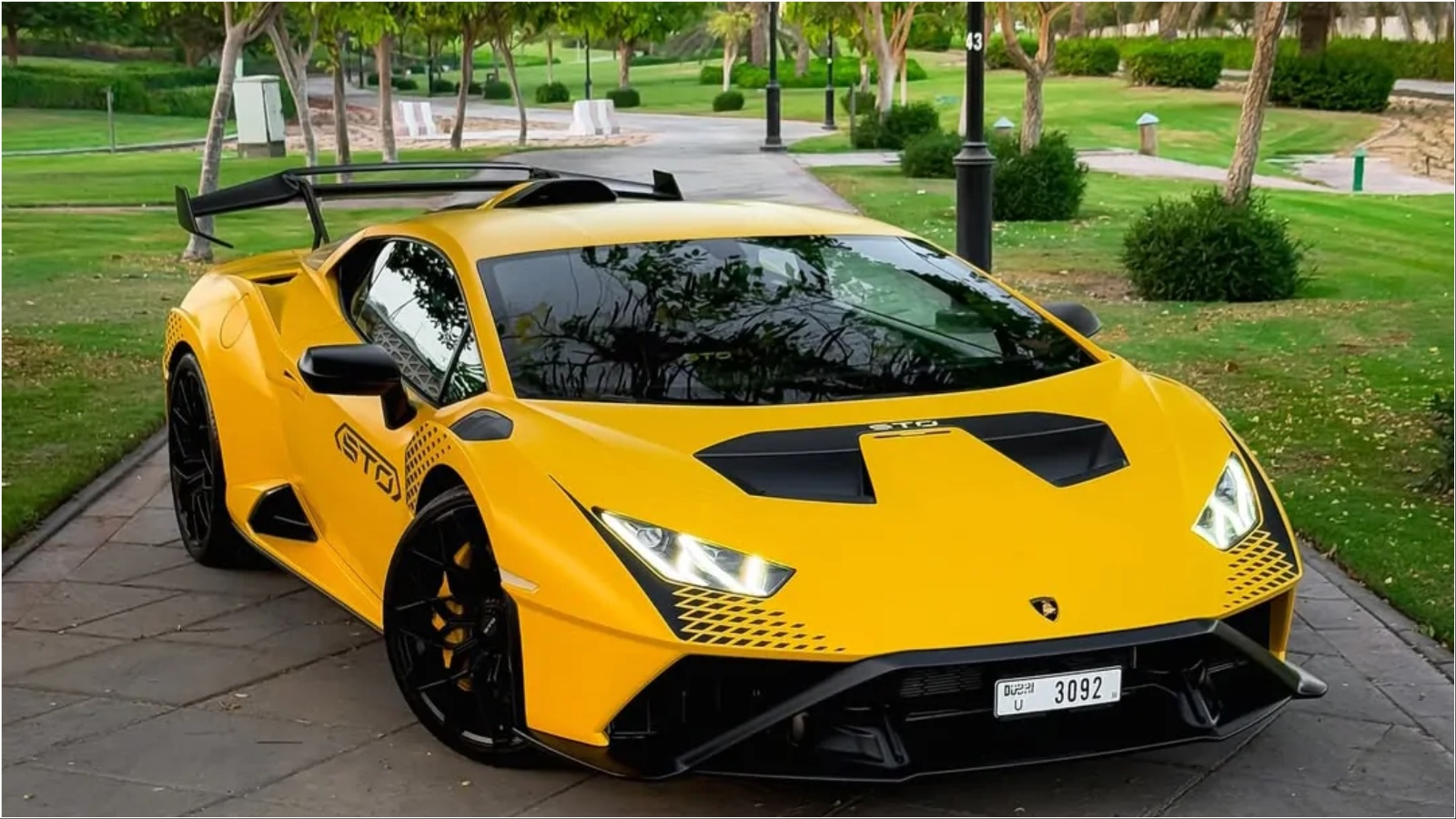
Yellow performs especially well on sports cars, hot hatches, and performance trims, where it reads as an intentional, enthusiast-driven choice rather than an odd one. It also does surprisingly well on SUVs and even some trucks, where a yellow example stands out instantly against a sea of white and gray competitors on a dealer lot.
The main drawback is that selling a yellow vehicle may require more patience. Fewer private buyers are looking for this color, so finding the right buyer can take longer. However, those who specifically want a yellow car may be willing to pay more for it. The same rarity can benefit owners who choose a dealer trade-in, as dealers may recognize the potential to resell these vehicles at a premium after reconditioning.
2. Orange
Orange regularly ranks just behind yellow in resale value studies, and it can even take the lead in certain truck and SUV categories. Marketing plays a significant role in that performance. Ford and Toyota have closely tied orange to performance-focused models such as the Raptor and TRD Pro ranges.
This association makes the color feel connected to strength and capability rather than simply standing out for visual appeal. That strong image can help orange trucks and SUVs retain their value better than typical vehicles in the same segment.
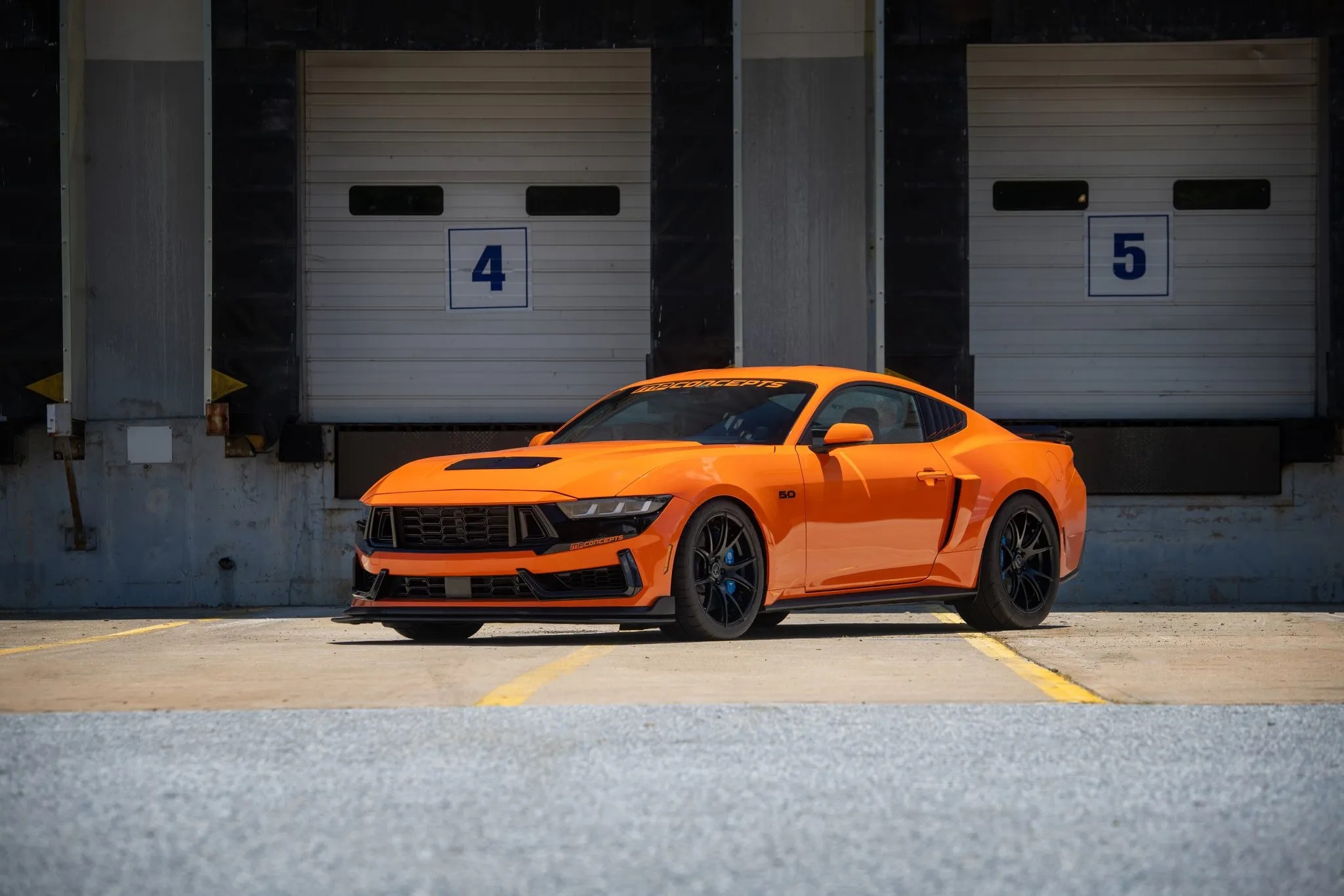
Orange also performs strongly on coupes, convertibles, and muscle cars, where buyers paying a premium for a fun vehicle actively want visual drama rather than a color that blends in.
Special-edition models finished in orange, from limited-run sports cars to off-road package trucks, tend to hold value even better because the color reinforces the exclusivity of the trim itself.
As with yellow, the main risk is a smaller buyer pool for private-party sales, but that scarcity is exactly what protects the price. If you’re specifically optioning a vehicle with resale in mind, orange is one of the safest bold choices available, provided it’s on a vehicle type where the color already has a reputation.
3. Green
Green has become one of the more reliable value-retaining colors across nearly every vehicle segment, not just niche sports models. It ranks near the top for trucks and minivans and performs well on SUVs and sedans too, which makes it unusually versatile compared to other standout colors that only work on performance vehicles.
Green occupies a useful middle ground by standing out without seeming too unconventional. Its rarity can attract attention on a used car lot, while its familiar appearance remains appealing to mainstream buyers who may hesitate to choose brighter shades such as yellow or purple.
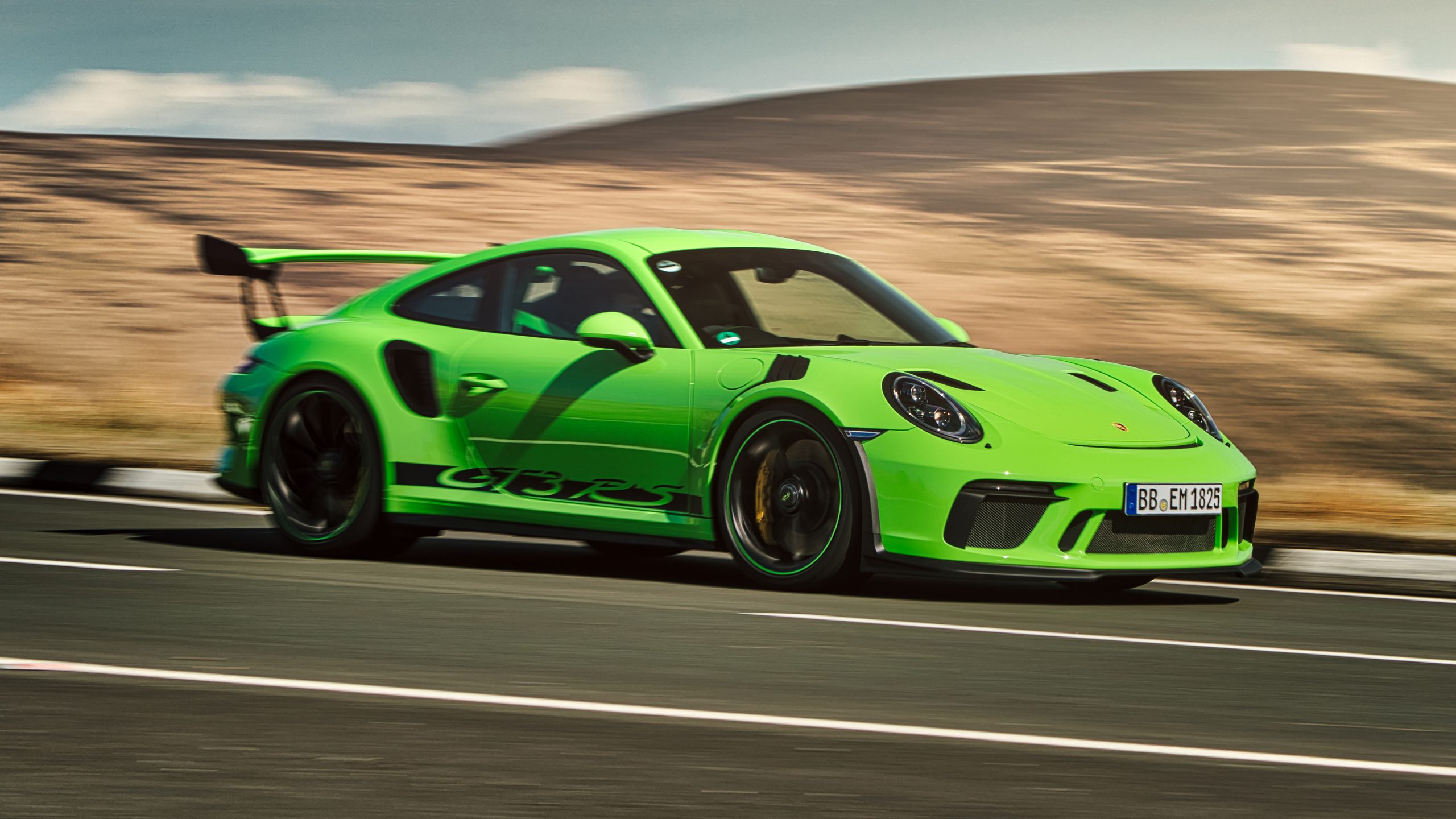
Dark forest and hunter green shades often create a premium, adventurous appearance that works especially well on SUVs and trucks. They appeal to buyers who want a rugged look without choosing something overly bold. Brighter and lighter greens can be a good fit for smaller cars and crossovers, particularly among younger buyers seeking an alternative to common silver and gray finishes.
Green also has an advantage because it suits a wide range of vehicle types. That versatility can make it a relatively safe choice for resale since the color is less likely to appeal only to one specific group of buyers. This can be especially useful if your plans for keeping or selling the vehicle change later.
4. Purple
Purple is a genuine outlier in resale data. Despite being one of the least common colors on the road, it consistently shows up near the top of depreciation studies, particularly in the sedan segment, where some research has ranked it as the single best color for value retention, ahead of every neutral option.
Purple follows a pattern similar to yellow and orange. There are relatively few purple vehicles available, but a dedicated group of buyers actively looks for the color. This limited supply can create enough demand to offset its weaker appeal among mainstream shoppers.
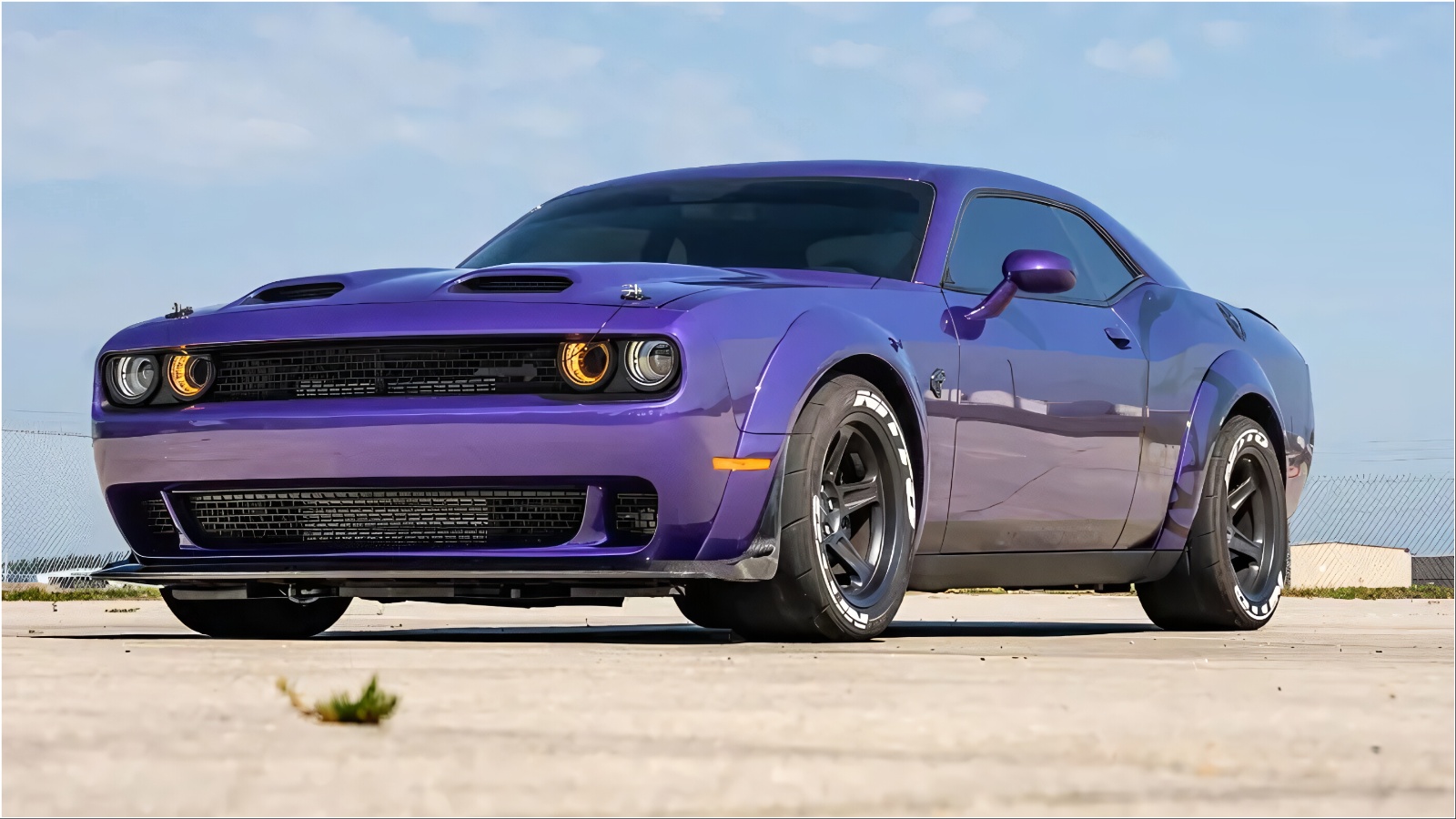
Manufacturer-specific purples with cult followings, like Dodge’s various Plum Crazy and Sublime shades on Challengers and Chargers, perform especially well because they carry brand heritage and enthusiast recognition on top of basic color scarcity. Standard purple on more ordinary sedans and hatchbacks still outperforms the market average, just by a smaller margin.
Purple comes with one notable drawback because buyers tend to have strong opinions about it. Some actively seek out the color, while others avoid it completely. Vehicles that find the right buyer may command a higher price, but the limited audience can also mean a longer wait for a sale. This is particularly noticeable in private sales, where finding a buyer willing to pay the premium can take more time.
5. Red
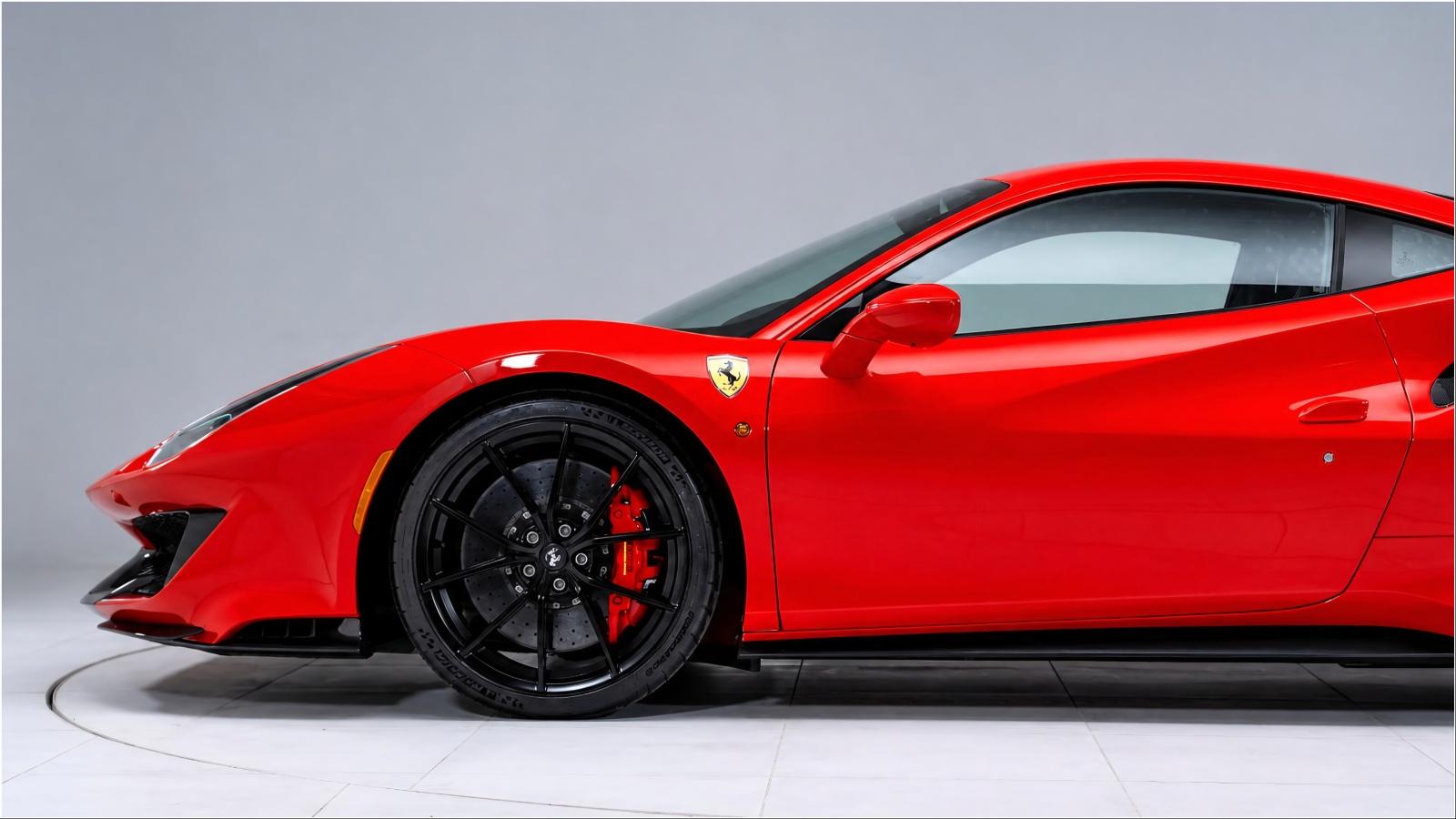
Red sits comfortably above average in nearly every resale study, and it does so with much broader mainstream appeal than yellow, orange, or purple. It’s common enough that buyers don’t hesitate over it, but still far less common than white, black, silver, or gray, which keeps used inventory tighter and prices firmer.
Red performs particularly well on sedans, where it has ranked among the top value-retaining colors, and on sports cars and convertibles, where it’s practically an expected, desirable choice.
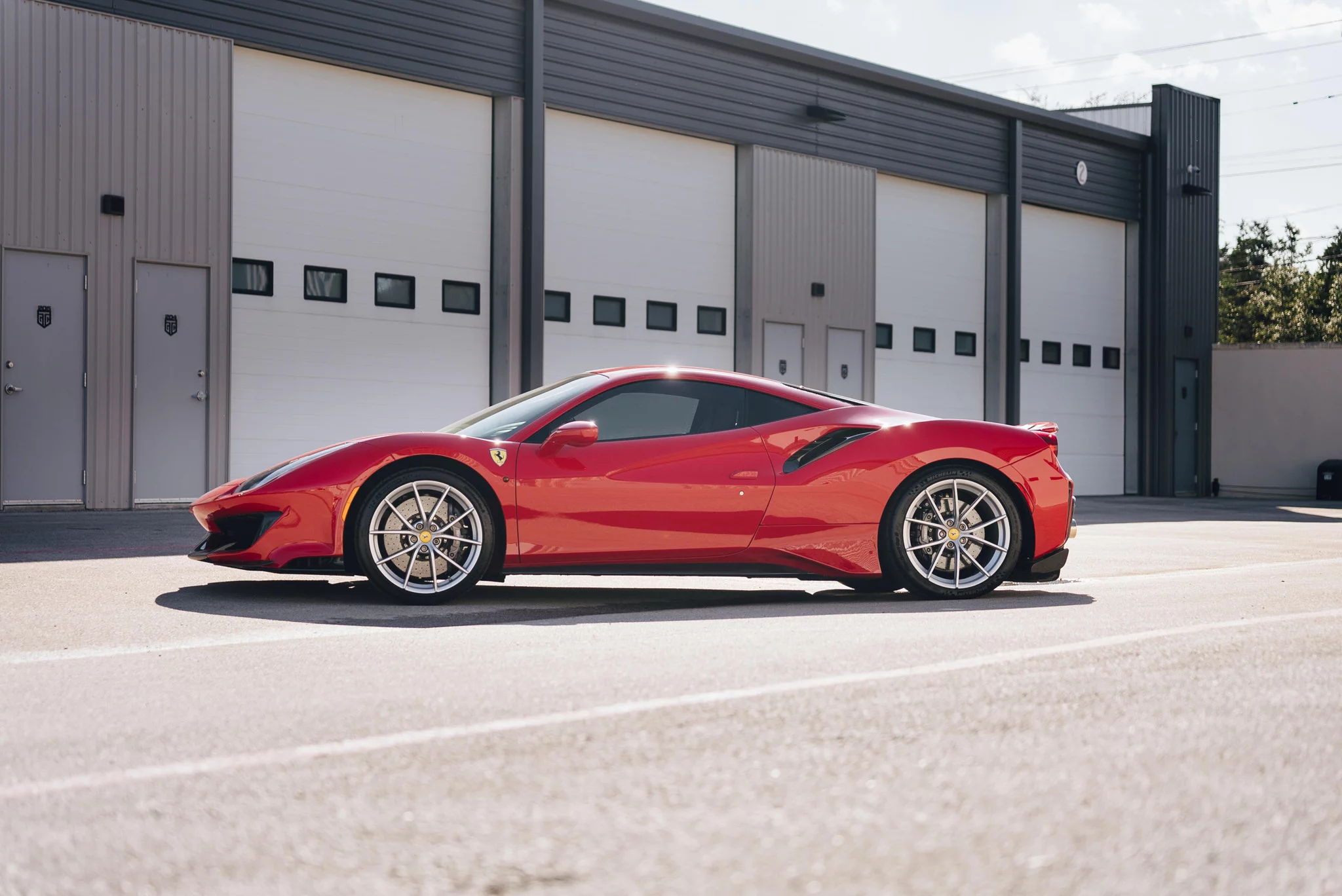
Red also benefits from its strong emotional appeal. It is often associated with energy, confidence, and excitement, which can make it especially attractive to buyers looking for something more expressive than a conservative color.
That appeal remains consistent across different price ranges, from affordable compact cars to premium models. As a result, red vehicles generally face less risk of sitting on the market for extended periods compared with less popular colors such as purple or yellow.
The main exception is trucks, where red performs closer to average rather than standing out, since truck buyers tend to prioritize other bold colors like orange and green instead. Outside of that segment, red is one of the safest bold choices for anyone who wants a resale edge without sacrificing broad buyer interest.
6. Blue
Blue tends to perform steadily across a wide range of vehicle categories, making it a relatively safe choice for buyers who want better resale potential without choosing an attention-grabbing color. In many studies, common blue shades retain value slightly better than white, black, or silver.
Distinctive shades connected to specific manufacturers can perform even better. Subaru’s World Rally Blue is a good example, as are the electric and cobalt blue finishes offered on certain performance models. These colors can attract enthusiast buyers and create stronger demand than a generic blue.
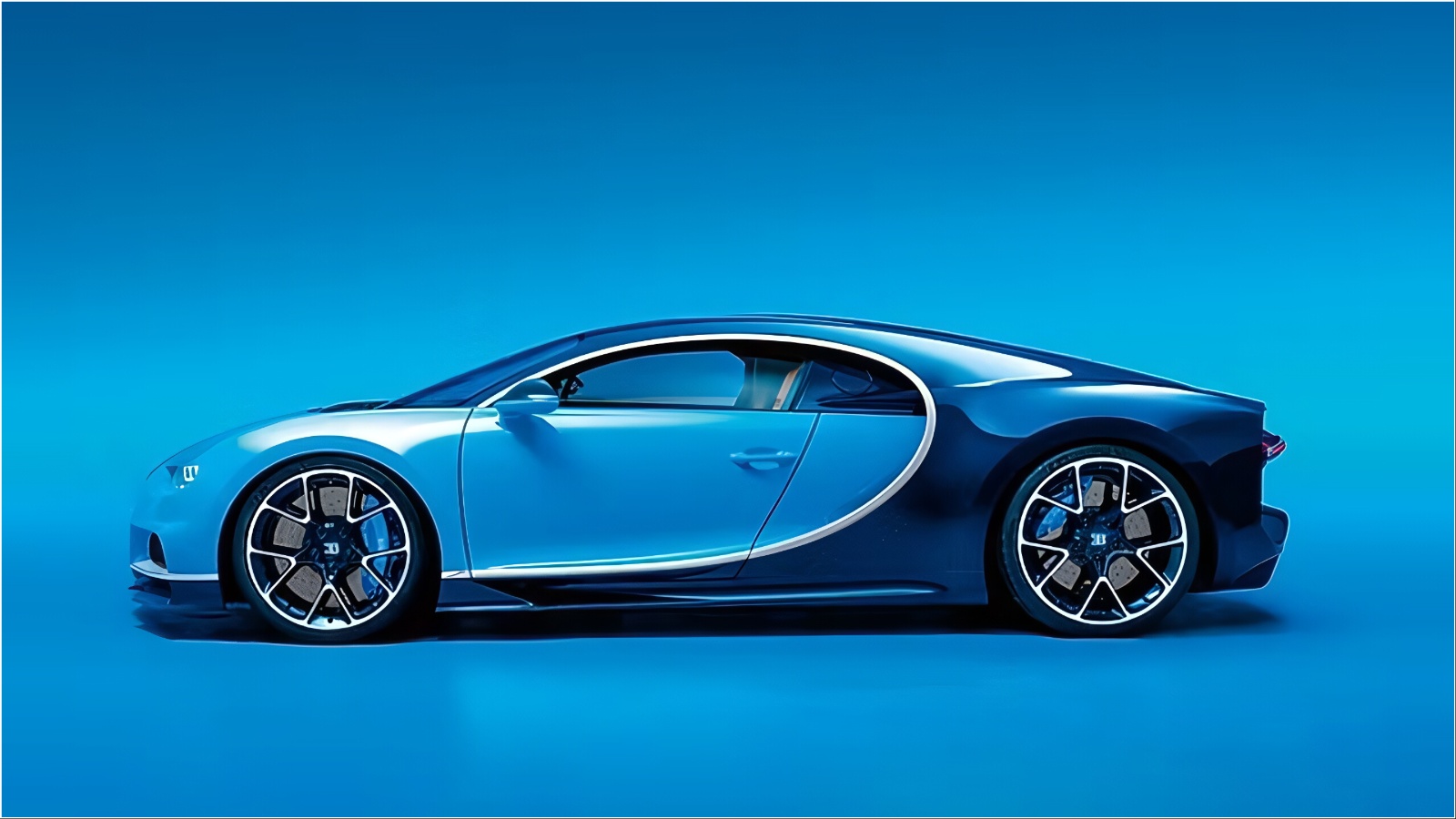
Blue’s strength is its balance. It’s popular enough that almost any buyer will consider a blue vehicle, unlike yellow or purple, but still uncommon enough relative to white, black, and gray that it doesn’t get lost in the flood of neutral-colored inventory that dominates most used-car lots. This combination means blue vehicles tend to sell reasonably quickly and still command a modest premium over the most common neutrals.
It performs especially well on trucks and SUVs, where deeper blues read as premium rather than plain. For buyers who want some resale benefit but aren’t comfortable committing to a truly bold color, blue is often the most practical middle-ground choice.
7. Gray
Gray holds a unique position in resale trends. Although it is among the most common vehicle colors, it typically loses value at a rate near the market average and can sometimes perform slightly better.
Darker shades such as gunmetal and graphite often give vehicles a modern, upscale appearance, helping maintain buyer interest despite the color’s widespread availability. Gray is also a strong choice for trucks, where it frequently ranks behind standout colors such as orange and green.
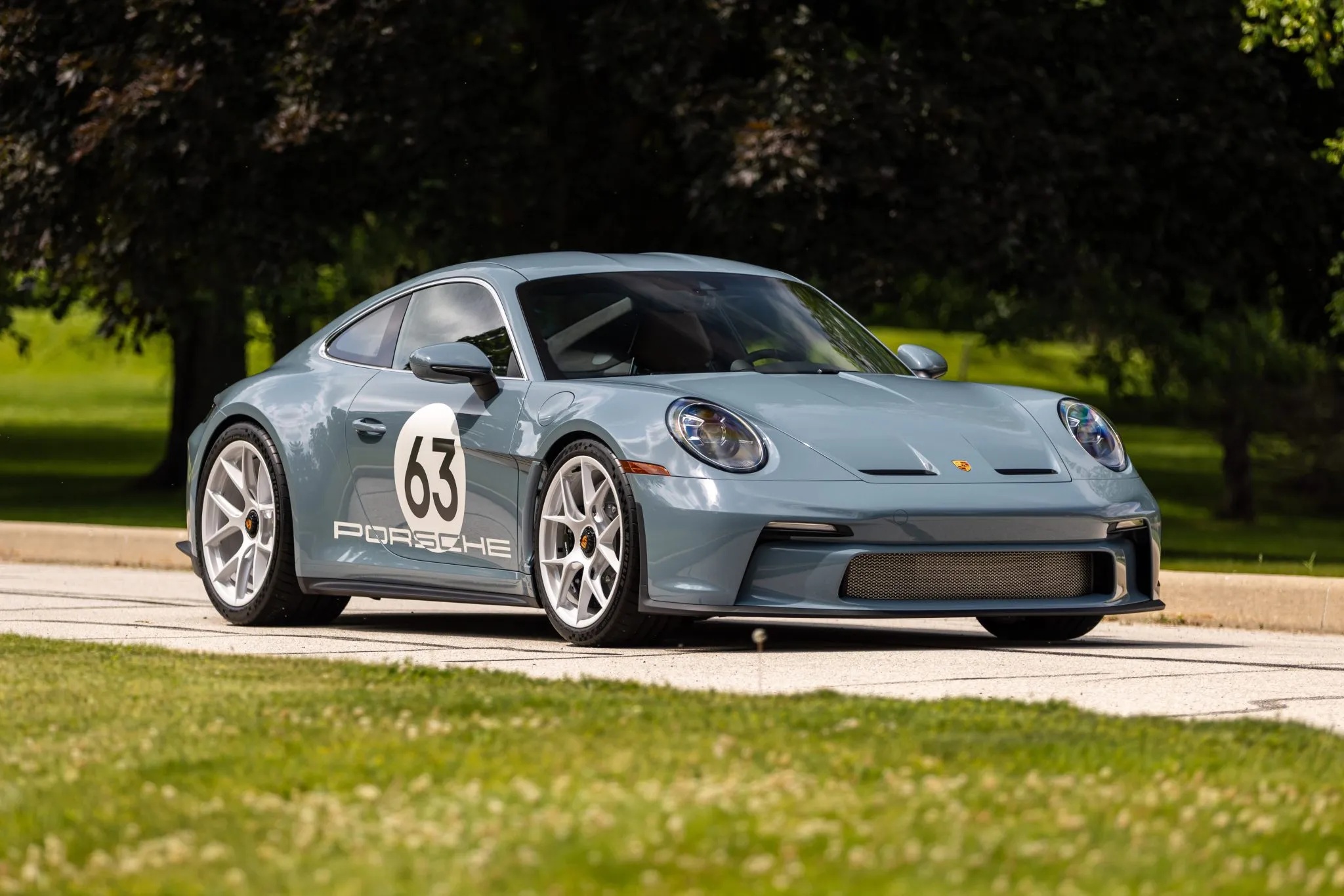
Gray’s advantage over other neutrals comes down to perception rather than scarcity. Buyers associate lighter grays with a clean, upscale look and darker grays with a stealthy, aggressive one, so the color covers a wide range of buyer tastes without becoming boring in the way flat white or plain black can.
It’s a particularly strong choice for anyone who wants the safety of a neutral color, meaning broad appeal and fast resale, while still avoiding the steepest depreciation that hits the most oversaturated shades. If you want a practical color that won’t hurt you at trade-in without embracing something bold, gray is consistently one of the better neutral options available.
8. Silver
Silver may seem like another ordinary choice alongside white and black, but resale trends paint a more favorable picture. It generally depreciates around the market average and often performs slightly better, placing it ahead of both white and black in many studies.
Despite being a common sight on new car lots, silver continues to hold its value reasonably well. Its clean appearance and easygoing look appeal to a wide range of buyers, which helps maintain demand in the used car market.
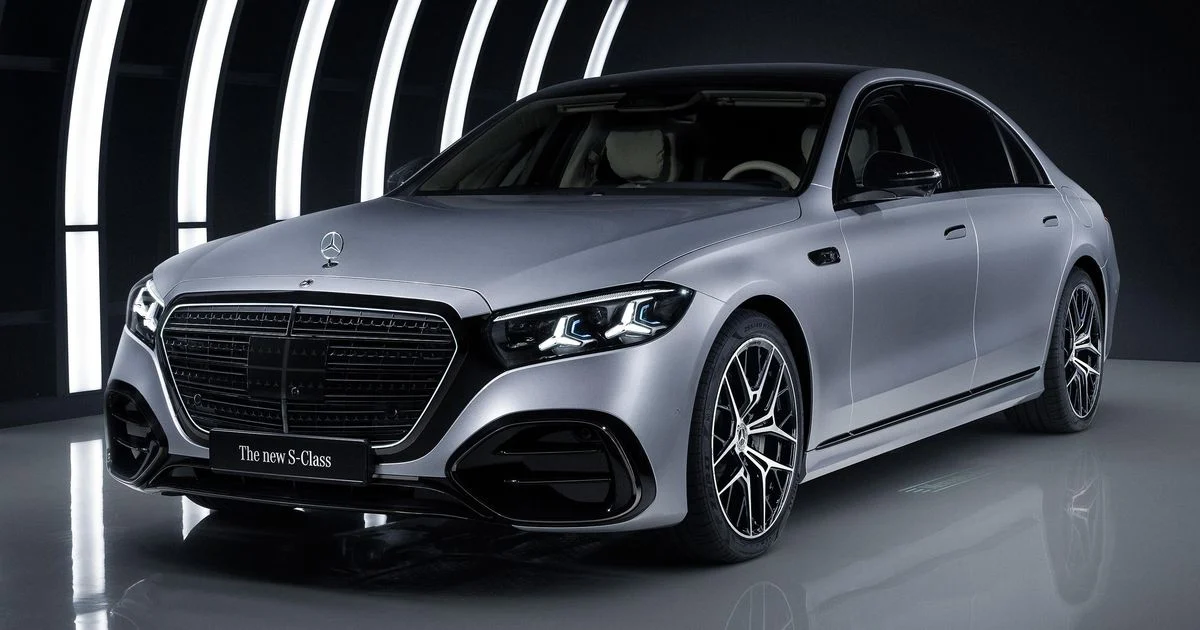
Silver does particularly well in the truck segment, where it regularly ranks among the better-performing neutral colors, aided by its resistance to showing dirt and minor scratches, a practical consideration for buyers cross-shopping work or daily-driver trucks. It’s a dependable, if unglamorous, choice for anyone prioritizing fast resale and broad buyer appeal over maximizing every last dollar.
It won’t deliver the premium that yellow, orange, or purple can command, but it consistently avoids the steeper losses seen in the most oversaturated shades, making it a safe middle-of-the-road pick rather than a liability at trade-in time.
9. Brown
Brown can produce very different resale results depending on the type of vehicle. Some studies place it among the weaker colors for depreciation, especially on SUVs, while others show it performing much better on trucks. In certain truck segments, brown can even rank among the stronger choices.
The difference largely comes down to how the color fits the vehicle. A rich, earthy brown can look purposeful and upscale on a truck designed for outdoor use. On a crossover or sedan, however, the same shade may appear dated or less appealing to buyers who prefer cleaner and more contemporary colors.
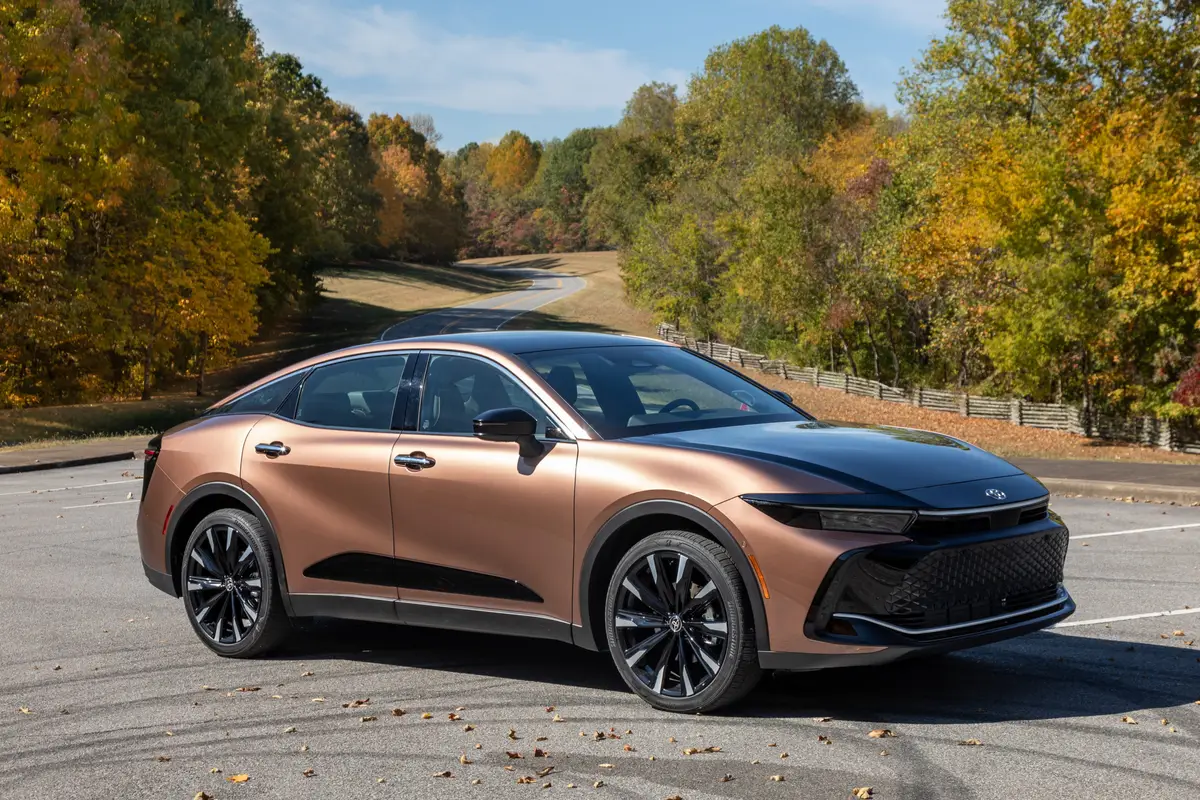
This segment-dependence makes brown a color where doing your homework before ordering pays off. On trucks, particularly those with off-road or premium trim packages, brown has outperformed far more common neutrals like white and black, likely because it’s rare enough to stand out while still feeling appropriate to the vehicle’s purpose.
On mainstream sedans and SUVs, though, it’s safer to assume brown will track closer to or below the segment average. The takeaway isn’t that brown is universally good or bad, but that it’s one of the clearest examples of a color whose resale value depends heavily on matching it to the right type of vehicle.
10. Beige
Beige may have a reputation for being dull, but resale data paints a more favorable picture. In several studies, beige vehicles depreciate at rates close to the market average. Among certain segments, especially sedans, the color has performed surprisingly well and has sometimes retained more value than common choices such as white and black.
The appeal seems to be that beige splits the difference between a stark neutral and a genuine off-white, giving buyers something that feels distinct without being unusual enough to alienate anyone.
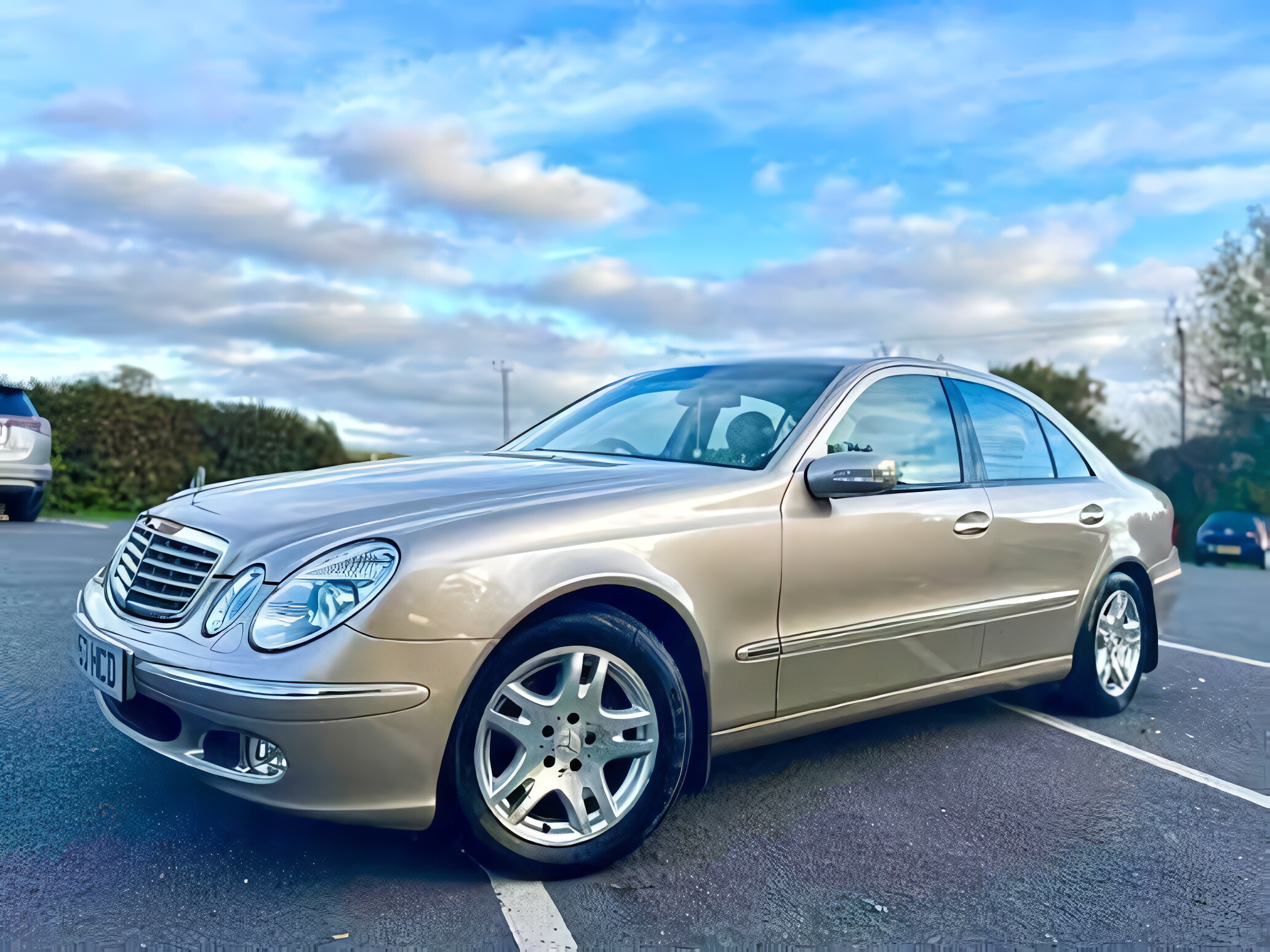
Beige tends to struggle in vehicle categories where buyers are looking for a more distinctive appearance. This is especially true with SUVs and trucks, where the color has sometimes ranked among the weaker choices for resale. Its performance follows a pattern similar to brown because much depends on the vehicle and the expectations of its typical buyer.
For sedans and practical family cars, beige is generally a safe option that is unlikely to hurt resale value and may even provide a modest advantage. Buyers focused on resale for a truck or SUV may be better served by choosing a color with more consistent results, such as green, orange, or gray.
11. Bronze and Copper
Bronze and copper shades have moved from a niche curiosity to a genuinely popular choice on trucks, SUVs, and crossovers over the past several years, and that shift has started to show up in resale outcomes.
These warm metallic tones are rare enough to stand out against a lot full of white and gray competitors, while still reading as tasteful and premium rather than flashy, which broadens their appeal compared to something like yellow or purple. Multiple manufacturers now offer bronze or copper as a limited or premium-tier color option, which reinforces the sense that it’s a deliberate, upscale choice rather than an eccentric one.
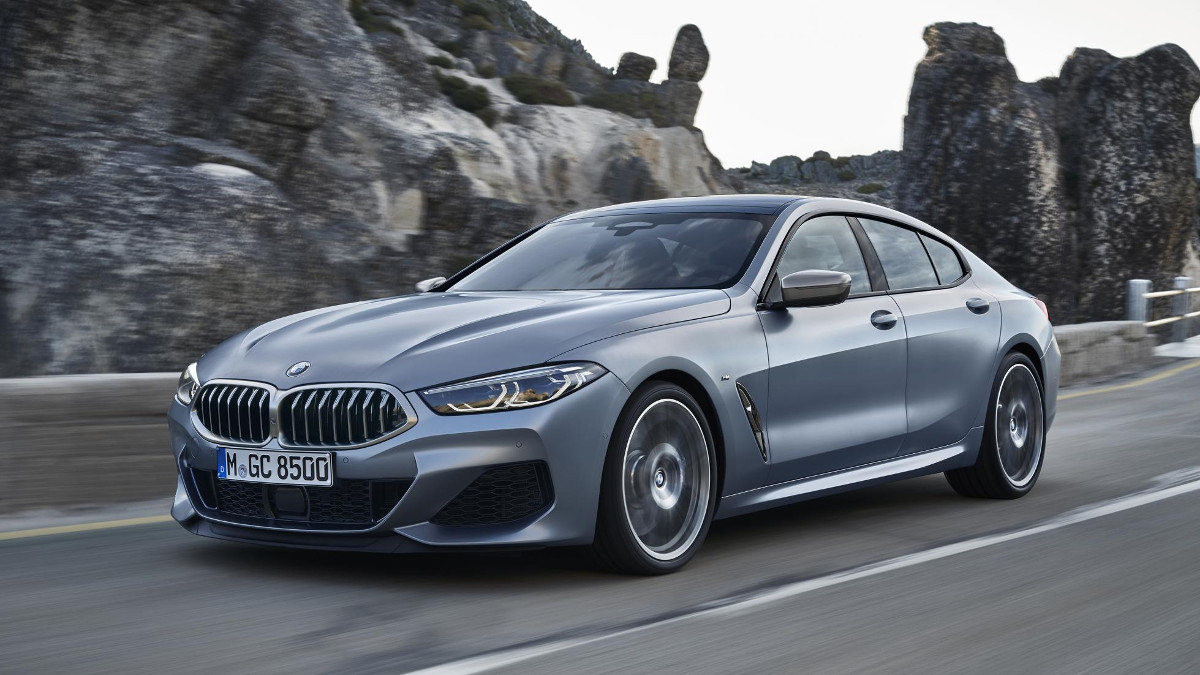
Bronze and copper appear to perform particularly well on trucks and SUVs with rugged or adventure-focused trims. These finishes complement the personality of such vehicles much like orange does on performance-oriented models.
Since bronze and copper have become popular more recently than established choices such as yellow and green, there is less long-term resale data available. Early market trends and dealer interest, however, suggest that buyers are responding positively to their limited availability and distinctive appearance.
For shoppers ordering a new truck or SUV who are thinking ahead to resale, bronze and copper are becoming increasingly appealing alternatives to the more established colors known for stronger value retention.
12. Manufacturer Signature Colors
Beyond generic color categories, specific manufacturer signature shades consistently punch above their weight at resale, and they deserve a category of their own. Colors like Subaru’s World Rally Blue, Mazda’s Soul Red Crystal, and various brand-specific “special edition” hues on performance and off-road trims carry enthusiast recognition that generic versions of the same color simply don’t have.
Buyers shopping for these specific vehicles often actively search for the signature color, which pushes demand and prices above what the base color alone would predict.
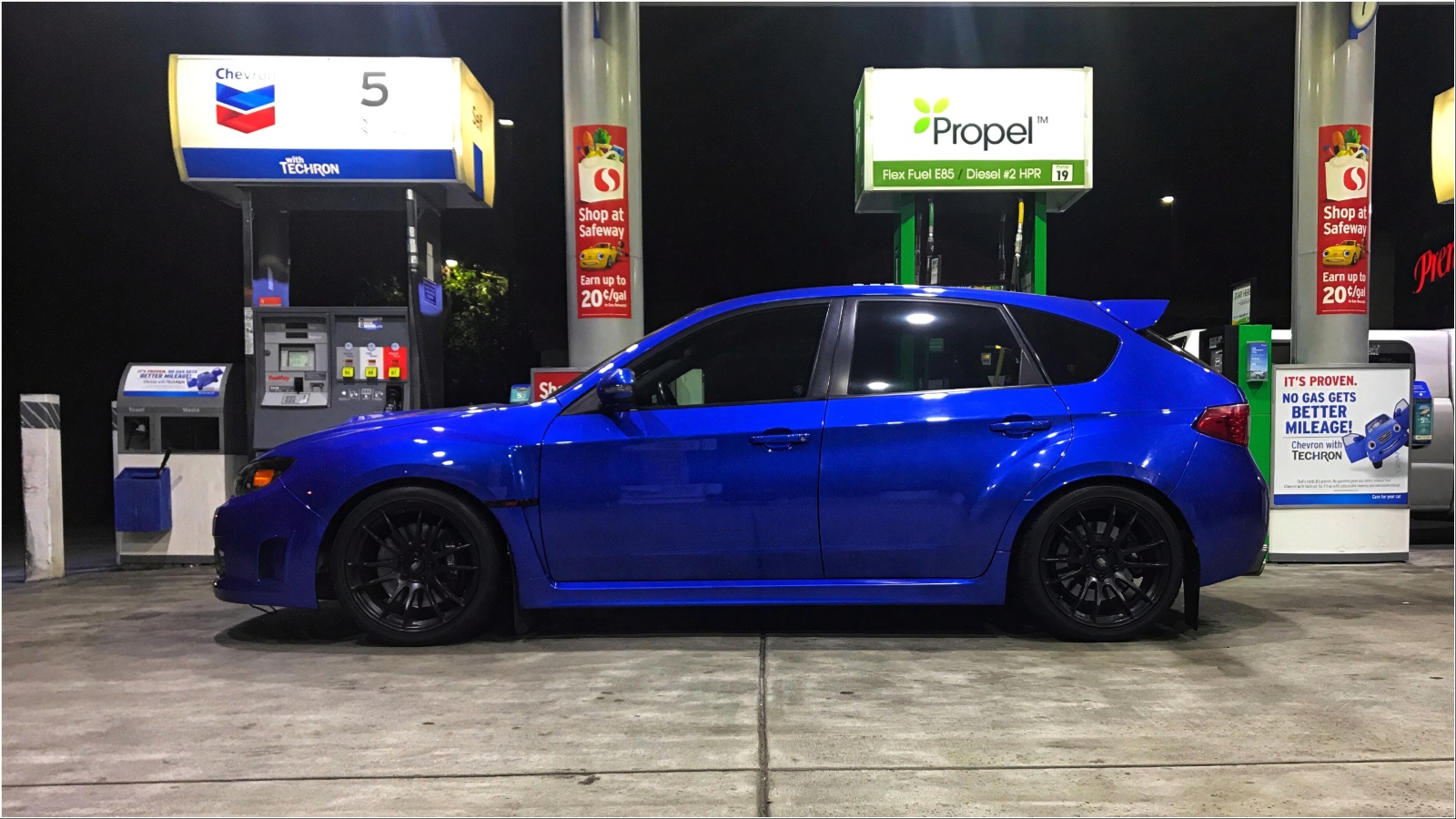
These shades benefit from two separate advantages. Their limited availability can create a scarcity premium, while their connection to a particular brand can add another layer of appeal among loyal owners and enthusiasts. A Mazda finished in Soul Red Crystal, for example, can attract more interest than a Mazda painted in an ordinary red, even though both belong to the same basic color family.
This effect is especially noticeable with performance cars, off-road models, and vehicles supported by dedicated enthusiast communities. It tends to be less important with mainstream family cars, where shoppers are usually less familiar with specific factory paint colors. When a model is known for a signature shade, choosing that finish can be a smart way to support resale value within that particular vehicle line.
