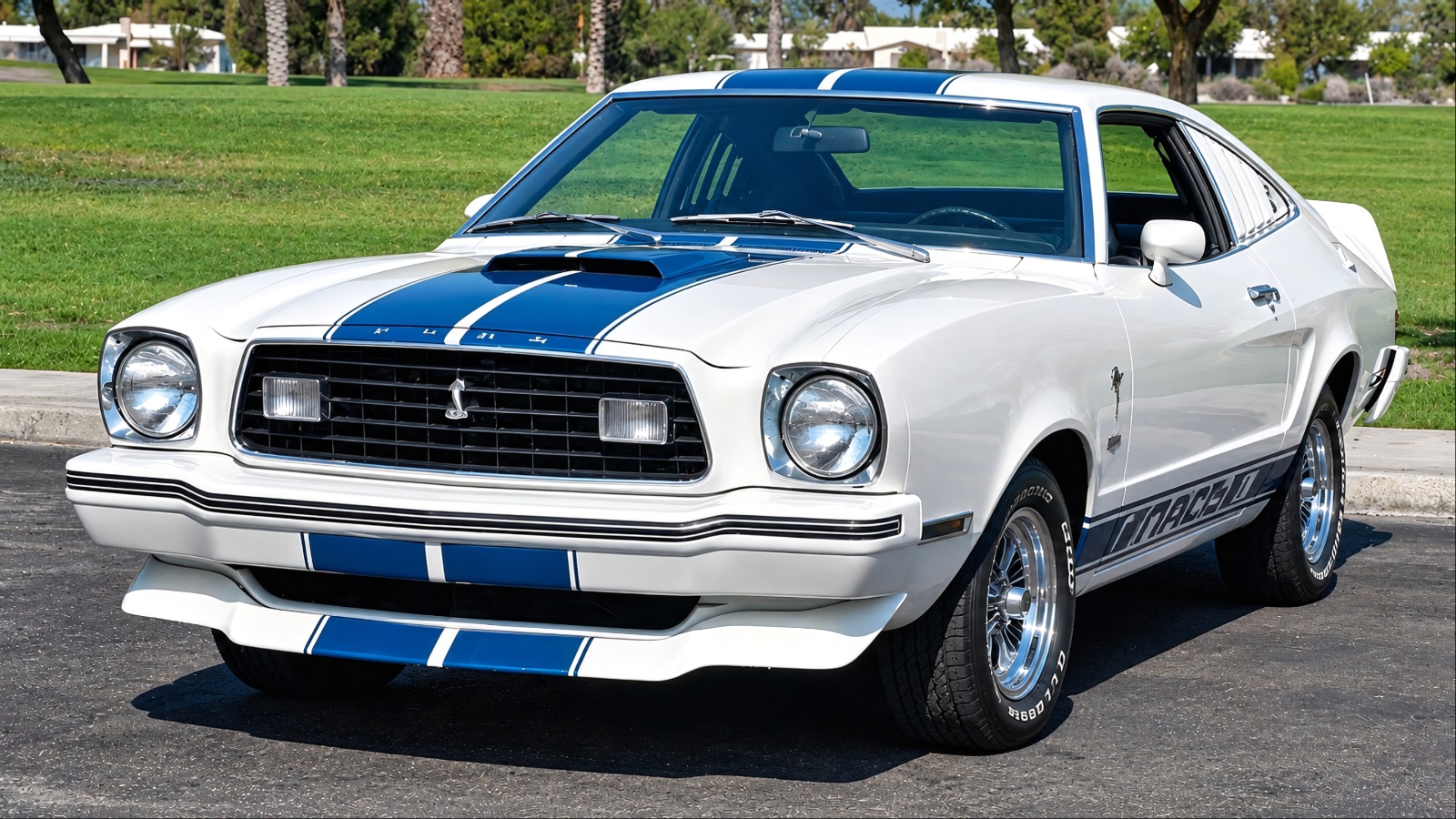
Detroit’s identity is inseparable from the automobile. Long before the city became known as the Motor City, it was already developing the manufacturing expertise, engineering talent, and industrial infrastructure that would eventually transform personal transportation.
Automakers such as Ford, General Motors, and Chrysler helped turn Detroit into the center of America’s automotive industry, while a succession of influential cars established the city’s reputation around the world.
Some of these automobiles were revolutionary because they changed how cars were built. Others became cultural icons that defined entire generations of American drivers.
From the Model T’s mass-production breakthrough to the Mustang’s creation of the pony-car segment, these vehicles helped establish Detroit as much more than a manufacturing location. They made it a symbol of American industrial power, engineering ambition, and automotive culture.
1. Ford Model T
Few automobiles did more to establish Detroit as the center of the American automotive industry than the Ford Model T. Introduced in 1908, the Model T was not the world’s first automobile, but it became the vehicle that demonstrated how mass production could make personal transportation accessible to millions of ordinary Americans.
Henry Ford’s most important contribution was not simply the Model T’s design. It was the manufacturing system developed to build the car in enormous numbers. Ford progressively refined moving assembly-line production at its Highland Park plant in Michigan, dramatically reducing the time and labor required to assemble each vehicle.
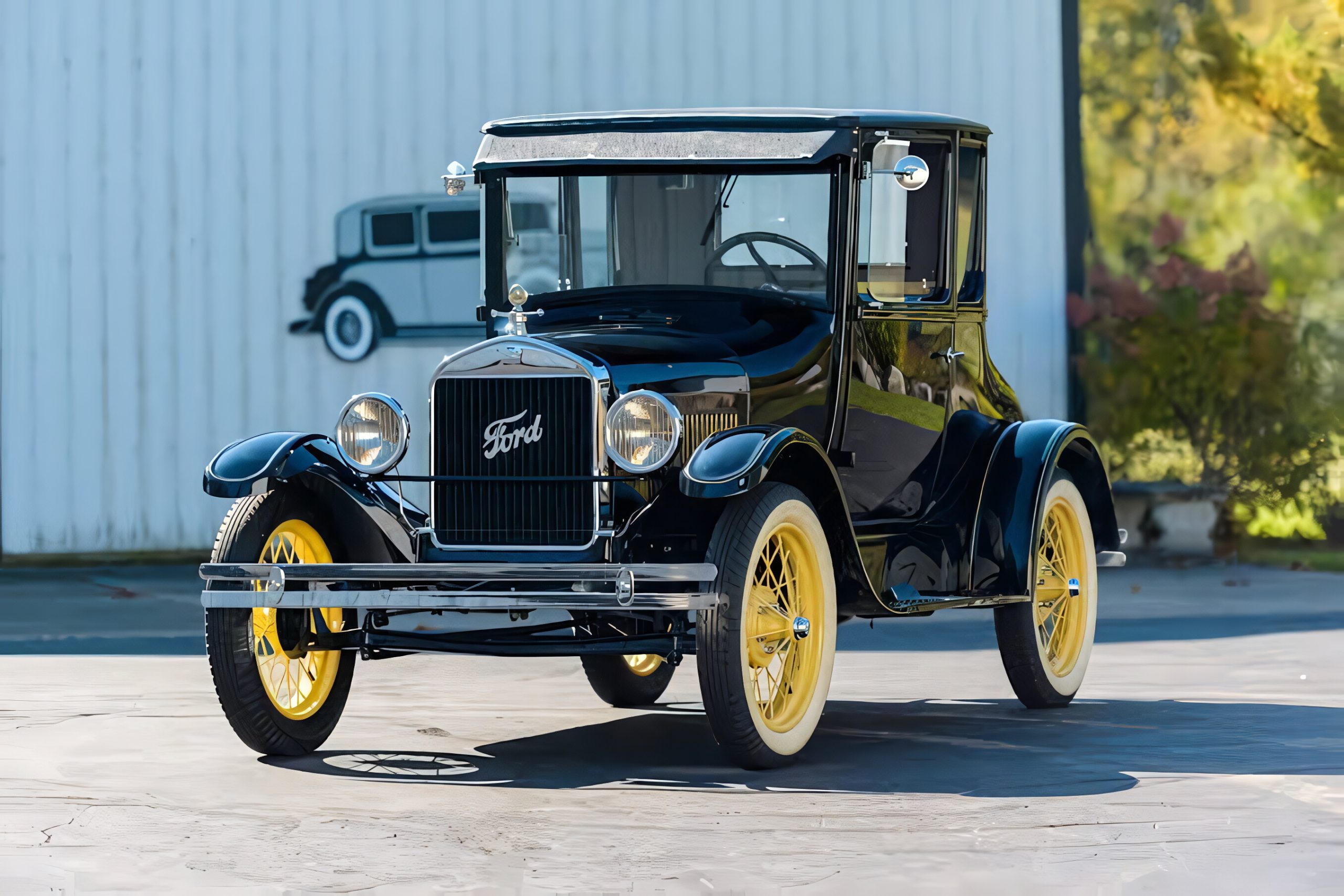
Falling production costs allowed Ford to reduce the Model T’s price repeatedly, helping transform the automobile from a luxury item into practical transportation for the middle class.
The Model T was also remarkably adaptable. It was offered in numerous body configurations and became useful on farms, in businesses, and in rural communities where roads were often poor. Its relatively simple mechanical construction also made repairs easier than on many more complicated automobiles.
By the time production ended in 1927, Ford had built more than 15 million Model Ts. That enormous production run helped establish Ford as an industrial powerhouse and Detroit as the heart of American automotive manufacturing.
The Model T’s greatest legacy was therefore bigger than the car itself. It demonstrated that automobiles could be mass-produced at unprecedented scale, creating an industrial model that manufacturers around Detroit would spend decades refining.
2. Ford Model A
The Ford Model A arrived at a crucial moment for both Ford and Detroit. Introduced for the 1928 model year as the successor to the aging Model T, it represented a dramatic modernization of Ford’s automobile lineup while preserving the company’s emphasis on affordability and high-volume production.
The Model T had dominated the American market for years, but by the 1920s competitors were offering more sophisticated cars with features that Ford’s increasingly dated design lacked. Chevrolet, Buick, Dodge, and other manufacturers were putting pressure on Ford to modernize. The Model A was the company’s answer.
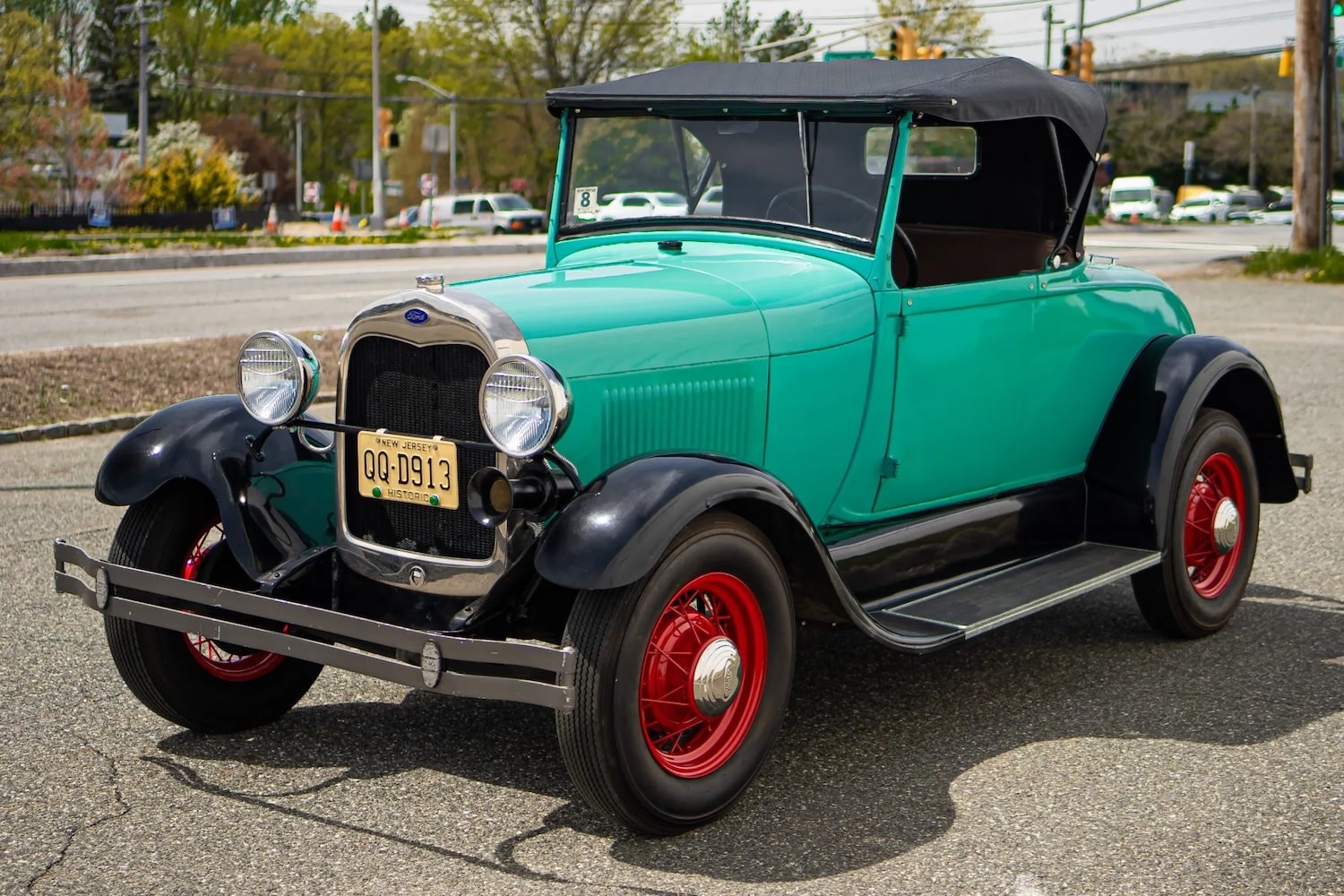
Unlike the Model T, the Model A featured a more conventional control layout, hydraulic shock absorbers, four-wheel mechanical brakes, safety glass in some applications, and a more powerful four-cylinder engine. It was also available in a much wider range of body styles and colors.
The car demonstrated that Detroit’s automotive industry could reinvent itself without abandoning large-scale manufacturing. Ford invested heavily in retooling its factories, showing the enormous industrial scale involved in replacing an established mass-market automobile.
Production exceeded four million vehicles between 1927 and 1931. Although the Model A’s production run was far shorter than the Model T’s, it became an important part of Ford’s transition into the modern automotive era.
The Model A also helped establish the idea that Detroit’s dominance depended on continuous product development. The city was no longer simply building inexpensive transportation. Its automakers were developing increasingly sophisticated vehicles while maintaining the enormous manufacturing capacity that had made Detroit famous.
3. Cadillac V-16
The Cadillac V-16 represented another side of Detroit’s automotive identity: engineering excess and luxury. Introduced in 1930, the V-16 was one of the most ambitious American automobiles of its era and demonstrated that Detroit could compete with Europe’s most prestigious luxury manufacturers.
Cadillac, part of General Motors, introduced the V-16 at the beginning of the Great Depression, an extraordinarily difficult moment for the luxury-car market. Its centerpiece was a 452-cubic-inch V-16 engine producing roughly 175 horsepower, an extraordinary specification for the period. The engine was exceptionally smooth and gave Cadillac a technological statement piece at the top of its lineup.
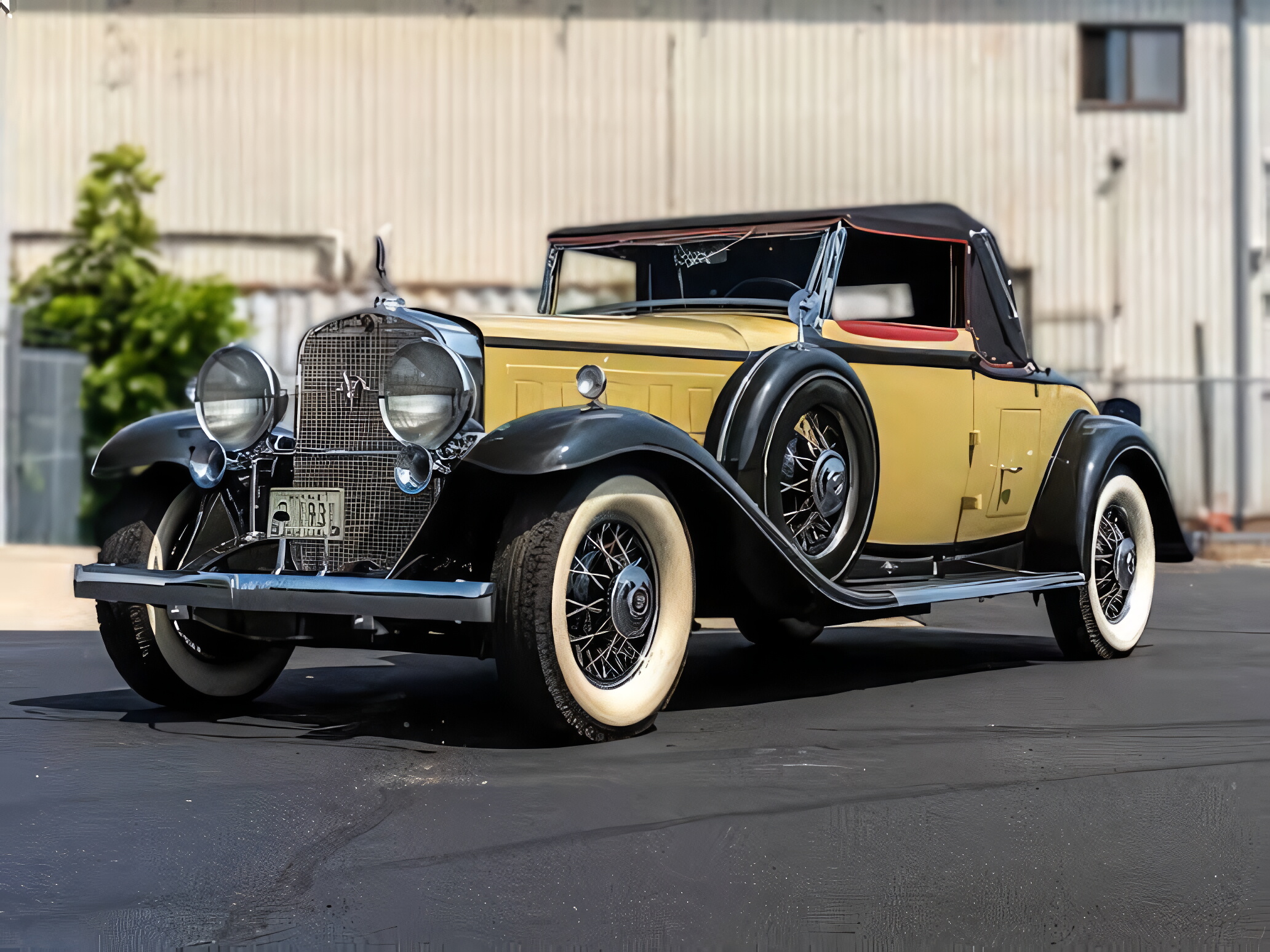
The V-16 was not intended to become a high-volume automobile. Instead, it served as a flagship demonstrating what Cadillac and General Motors were capable of engineering and manufacturing. Buyers could select from numerous custom body styles, making individual examples substantially different from one another.
Its timing was unfortunate. The Great Depression severely damaged demand for expensive automobiles, and Cadillac sold only a relatively small number of V-16s during the original production run. Nevertheless, the car became an important symbol of Detroit’s prewar luxury-car ambitions.
The V-16 showed that Detroit was capable of producing vehicles that were not merely practical transportation. Its automakers could build technologically sophisticated, beautifully appointed machines intended for wealthy customers.
Today, surviving V-16s are among the most valuable American classics. More importantly, the car helped establish Cadillac’s reputation as an American luxury marque and demonstrated Detroit’s ability to challenge Europe’s established automotive elite.
4. Chevrolet Bel Air
The Chevrolet Bel Air became one of the defining American cars of the 1950s, a period when Detroit’s automobile manufacturers were transforming cars into rolling expressions of postwar prosperity. Although Chevrolet offered numerous models, the Bel Air became especially famous for combining relatively attainable pricing with the dramatic styling that characterized the era.
The 1955 redesign was particularly important. Chevrolet abandoned the rounded styling of earlier years for a cleaner, more modern appearance, while the newly available small-block V8 gave the car considerably stronger performance. The combination helped turn the Bel Air into one of the decade’s most recognizable automobiles.
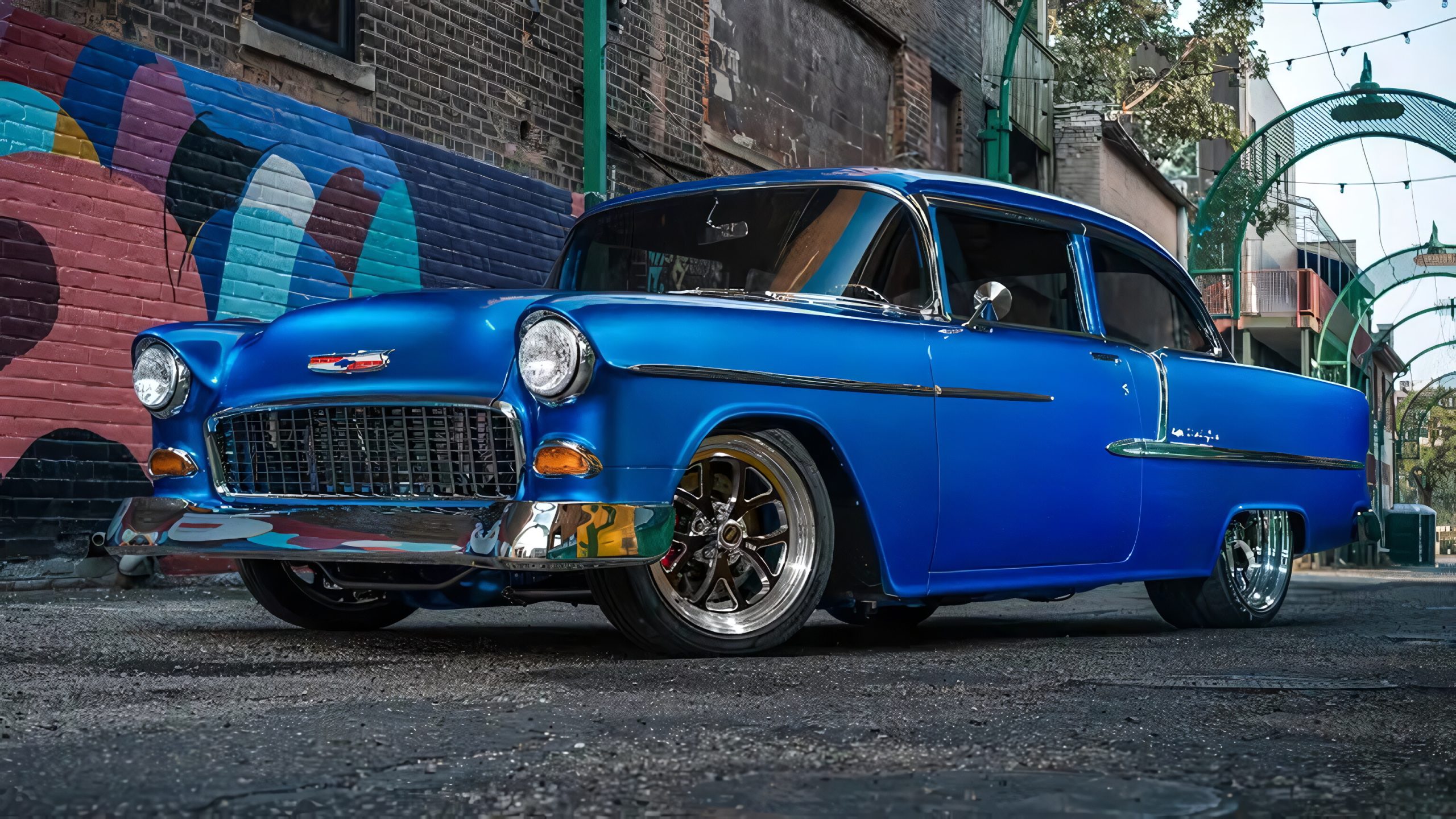
The 1957 model became even more iconic. Its prominent tailfins, extensive chrome, distinctive grille, and range of V8 engines captured the visual excess of late-1950s Detroit. The car was available in several body configurations, including two-door and four-door models, station wagons, and the popular convertible.
The Bel Air’s importance goes beyond styling. It represented Detroit’s postwar manufacturing philosophy, in which annual model changes, increasingly powerful engines, abundant chrome, and numerous options encouraged consumers to replace older vehicles with newer ones.
The approach created enormous economic activity throughout southeastern Michigan and across the American automotive supply chain. Designers, engineers, steel producers, glass manufacturers, parts suppliers, dealerships, and assembly workers all participated in the system.
The Bel Air eventually became a cultural symbol of 1950s America. Its influence can still be seen in movies, television, advertising, and automotive collecting. Few cars represent Detroit’s postwar confidence more vividly.
5. Ford Thunderbird
The Ford Thunderbird helped create an entirely new category of American automobile. Introduced for 1955, it was Ford’s response to the growing interest in stylish two-seat sports cars, particularly the Chevrolet Corvette. But rather than simply copying European sports cars, Ford developed something distinctly American.
The original Thunderbird combined two-seat proportions with a comfortable interior, V8 power, and a level of equipment that emphasized cruising rather than extreme sports-car performance. That distinction was important. Ford marketed the Thunderbird as a personal car rather than a stripped-down competition machine.
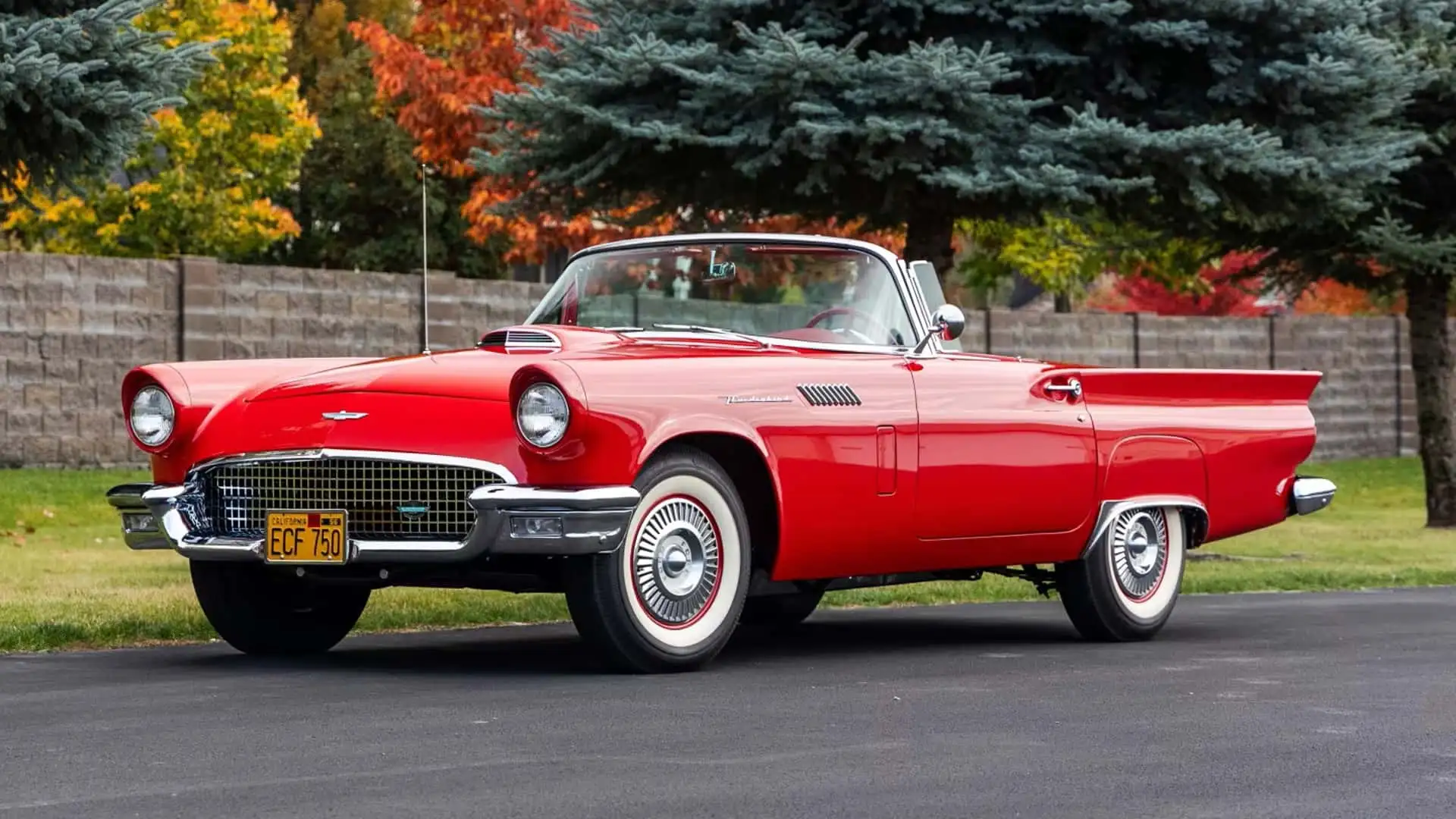
The formula worked. Ford sold thousands more Thunderbirds than many observers initially expected, proving there was substantial demand for a stylish personal automobile with American performance and comfort.
The Thunderbird evolved significantly during its production history. By 1958, it had grown into a larger four-seat car, beginning a transformation that would eventually turn the model into one of America’s best-known personal luxury vehicles.
The Thunderbird also illustrated Detroit’s ability to identify emerging consumer tastes and turn them into profitable market segments. Instead of simply producing conventional sedans, Detroit manufacturers increasingly experimented with specialized vehicles aimed at lifestyle and image.
That approach became central to the American automotive industry during the 1950s and 1960s.
The Thunderbird’s lasting importance comes from its cultural impact as much as its sales. It became associated with American optimism, road trips, personal freedom, and postwar prosperity. Its success encouraged other manufacturers to explore similar concepts, reinforcing Detroit’s reputation for creating automotive trends rather than merely following them.
6. Ford Mustang
The Ford Mustang may be the clearest example of a Detroit automobile creating an entirely new cultural phenomenon. Introduced in April 1964, the Mustang was compact by American standards, relatively affordable, visually sporty, and available with numerous engines and options.
Ford positioned the Mustang between conventional compact cars and expensive sports cars. Buyers could order an economical six-cylinder coupe or spend considerably more on a V8-powered version with performance-oriented equipment. That flexibility made the Mustang accessible to a remarkably broad audience.
The response was extraordinary. Ford sold more than 400,000 Mustangs during its first full year of production, far exceeding the company’s expectations. The success created what became known as the pony-car segment, prompting competitors to develop their own compact performance-oriented coupes.
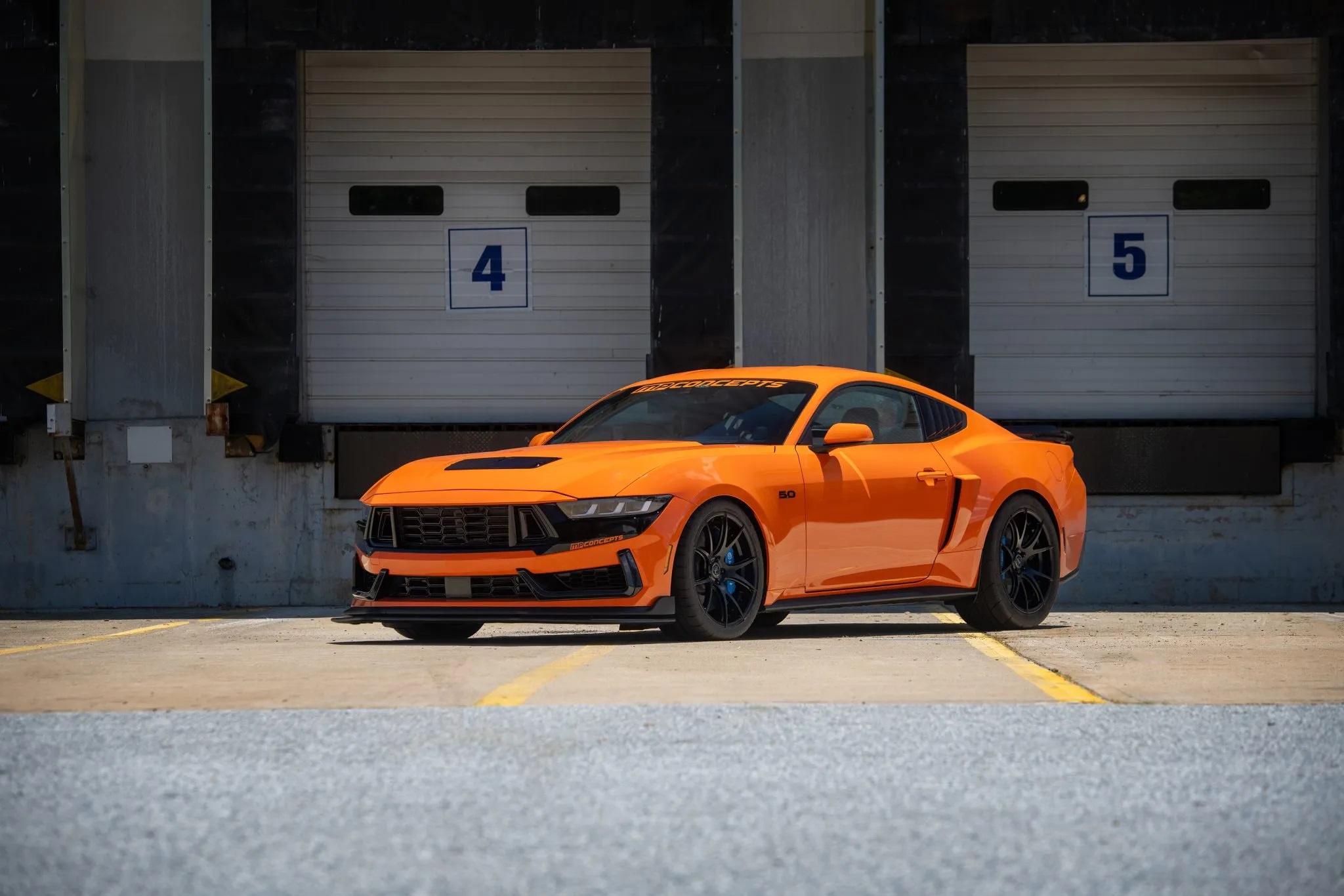
The Mustang’s success was also a triumph of marketing. Ford presented the car as youthful, stylish, and customizable rather than simply as transportation. Advertising helped turn the Mustang into a lifestyle product, while its appearance in popular culture gave it visibility far beyond traditional automotive advertising.
For Detroit, the Mustang demonstrated that American manufacturers could combine mass production with emotional appeal. It also showed that a relatively inexpensive car could become a cultural icon.
More than six decades after its introduction, the Mustang remains in production, making it one of the longest-running automotive nameplates in history. Its continued survival is a direct reminder of how effectively Detroit learned to combine manufacturing scale, performance, styling, and marketing into a single product.
7. Pontiac GTO
The Pontiac GTO helped ignite America’s muscle-car era and demonstrated how Detroit could turn an ordinary production platform into an object of performance obsession. Introduced for 1964, the GTO was offered as a performance-oriented version of the Pontiac Tempest and LeMans line.
Its formula was relatively straightforward: install a large-displacement V8, add performance hardware and distinctive styling touches, and offer the package at a price that ordinary enthusiasts could afford. The result was revolutionary because it placed serious performance within reach of a much broader audience.
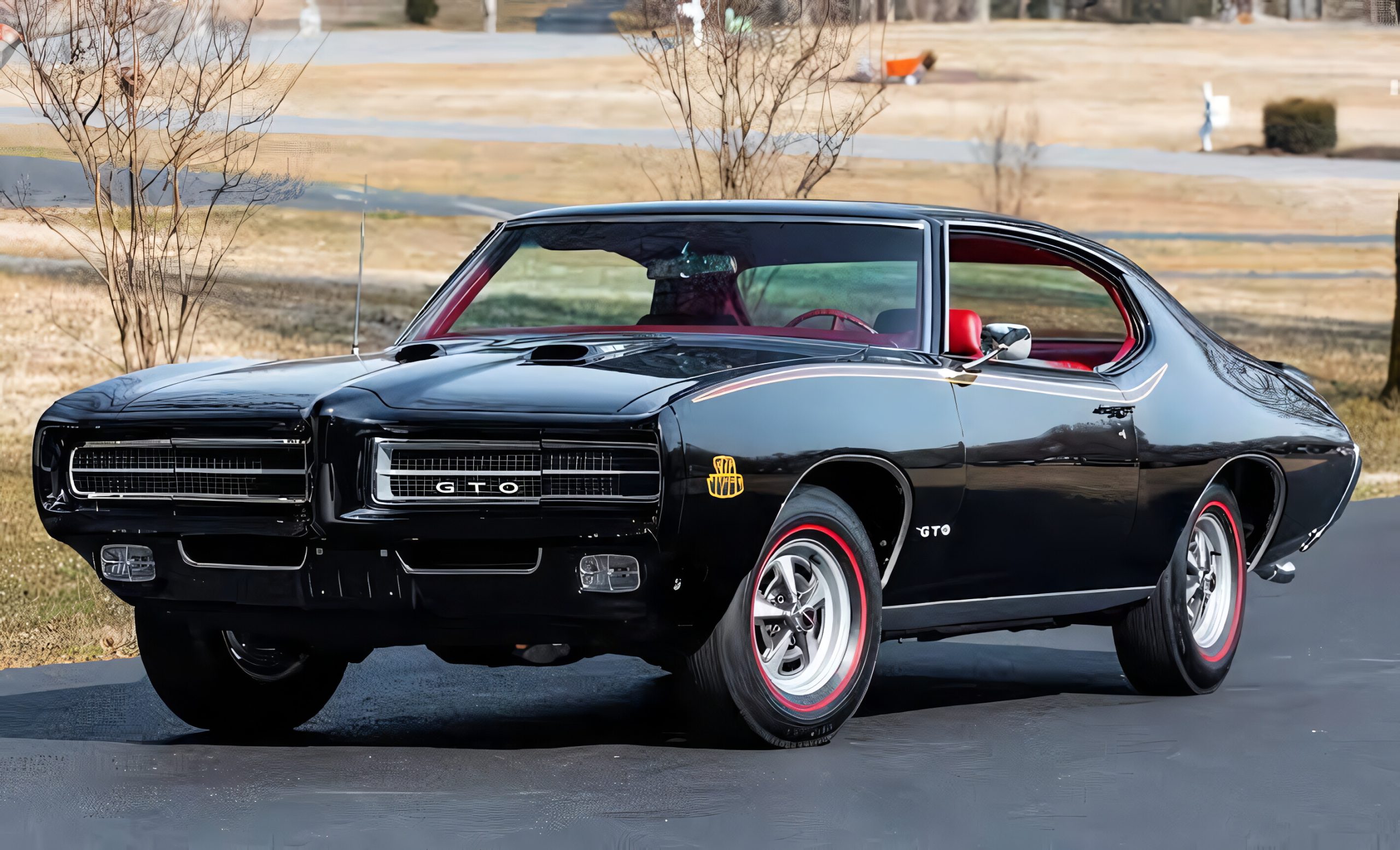
The GTO is often credited with popularizing the muscle-car concept, although the exact definition of the first muscle car remains debated among historians. What is not disputed is the GTO’s enormous influence. Other Detroit manufacturers quickly recognized the opportunity and introduced increasingly powerful intermediate-sized performance cars.
The resulting competition transformed the American market. Chevrolet, Ford, Dodge, Plymouth, and others began offering engines with enormous displacement and increasingly aggressive performance specifications.
The GTO also captured the spirit of 1960s American youth culture. Its image was rebellious, powerful, and distinctly different from the restrained family sedans that dominated earlier decades.
Detroit’s muscle-car war eventually produced some of the most famous American performance automobiles ever built. The GTO was one of the cars that helped start that competition.
Although changing insurance costs, emissions regulations, fuel prices, and the 1970s energy crisis eventually weakened the original muscle-car formula, the GTO’s reputation survived. Its influence can still be seen in modern performance cars from Detroit, where large engines and aggressive styling remain important parts of the American automotive identity.
8. Ford F-Series
The Ford F-Series is arguably one of Detroit’s most economically important vehicles. Introduced in 1948, the F-Series eventually became a cornerstone of Ford’s business and one of the most successful vehicle lines in American history.
Early F-Series trucks were designed primarily as practical working vehicles, but the formula evolved dramatically. Over successive generations, Ford expanded the range, improved comfort and capability, and increasingly positioned pickup trucks as vehicles suitable for both work and everyday transportation.
That transformation was enormously important to Detroit. The American pickup eventually became more than a commercial tool. It became a lifestyle vehicle purchased by families, commuters, contractors, farmers, and enthusiasts.
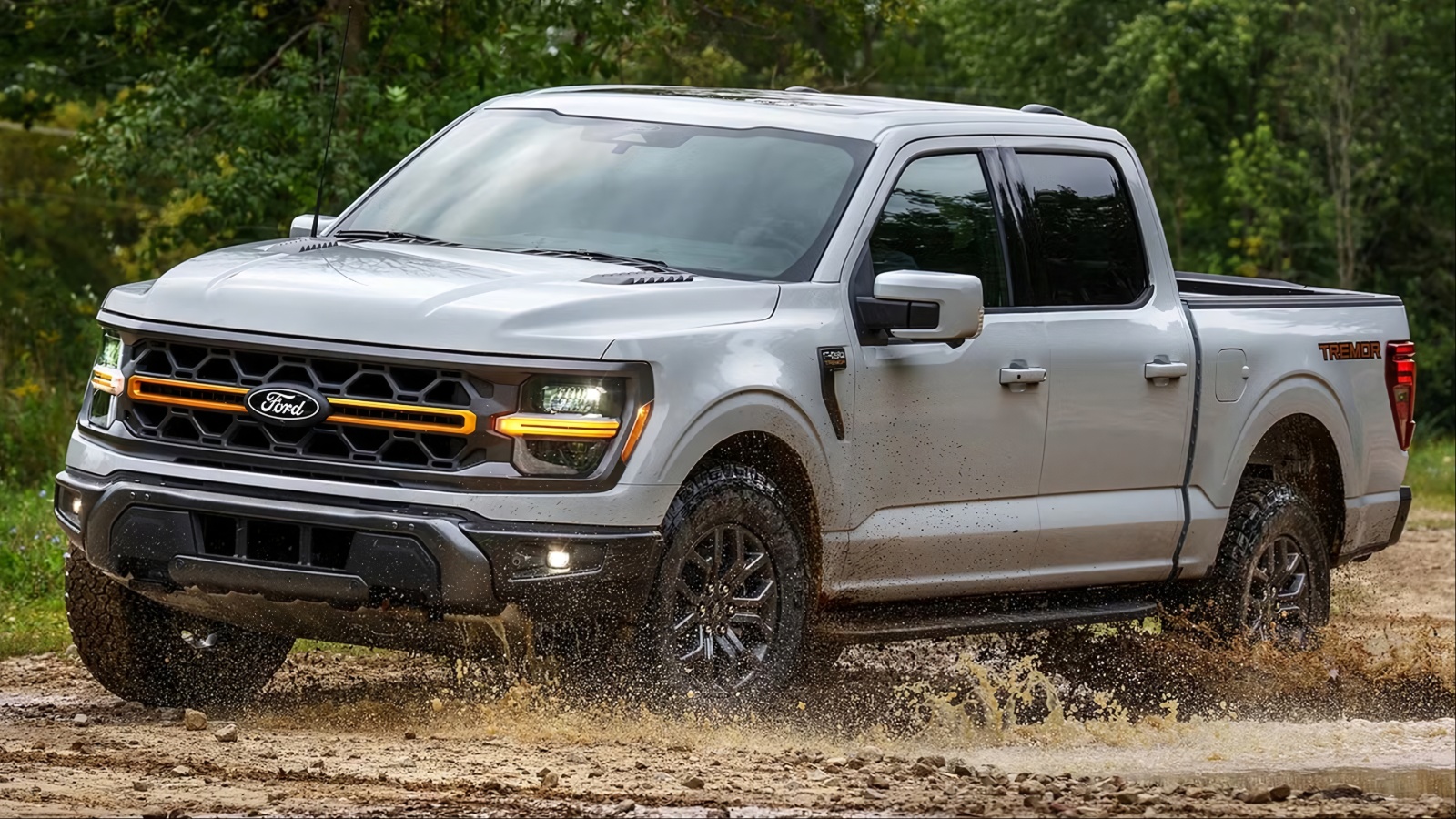
The F-Series also demonstrated the value of maintaining a strong, recognizable product family across decades. Rather than replacing the concept every few years, Ford continuously refined it, responding to changes in customer expectations, regulations, technology, and competition.
The truck became increasingly sophisticated, with larger engines, advanced four-wheel-drive systems, improved towing technology, more comfortable cabins, and eventually extensive electronic and driver-assistance features.
Its economic importance to Ford has been enormous. For decades, the F-Series has ranked among America’s best-selling vehicles, helping provide the financial foundation for Ford’s broader passenger-vehicle operations.
More broadly, the F-Series helped establish the pickup as a defining part of American automotive culture. The success of Ford’s truck line forced competitors in Detroit to continuously improve their own pickups, creating a fierce rivalry that remains central to the American automotive market.
9. Chevrolet Corvette
The Chevrolet Corvette proved that Detroit could build a sports car capable of developing a global reputation. Introduced in 1953, the Corvette began as an unusual two-seat fiberglass-bodied roadster, but it gradually evolved into America’s most enduring sports-car nameplate.
The first-generation Corvette initially struggled to meet expectations. Its six-cylinder engine and early mechanical specifications did not immediately establish it as a serious performance rival to European sports cars. General Motors recognized the need for greater performance, and the Corvette changed dramatically when the small-block V8 became available for 1955.
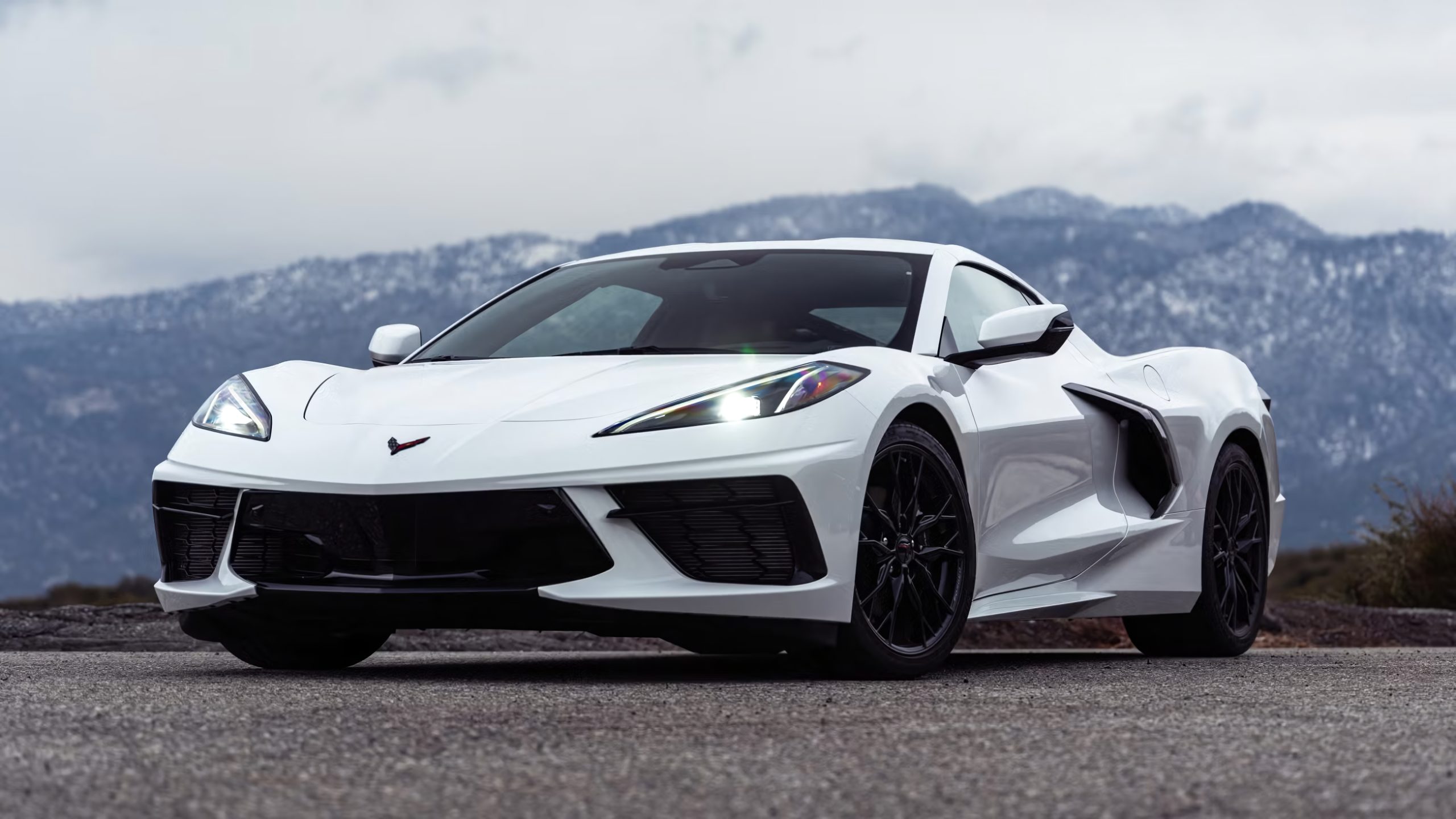
From there, Chevrolet steadily developed the car’s performance credentials. The second-generation Corvette, introduced for 1963 and known as the Sting Ray, brought dramatically different styling and advanced engineering. The independent rear suspension was particularly important, giving the Corvette more sophisticated handling characteristics.
The Corvette’s significance for Detroit lies in its ability to combine American manufacturing scale with genuine performance engineering. It became a platform for increasingly powerful engines, advanced chassis technology, and racing-derived development.
Over the decades, Corvette generations continued pushing the boundaries of what an American sports car could accomplish. The introduction of mid-engine architecture with the C8 generation represented one of the most dramatic changes in the model’s history.
The Corvette also became an international symbol of American performance. It demonstrated that Detroit could produce more than large sedans and pickup trucks. It could create a dedicated sports car capable of competing with established European marques.
Its longevity is perhaps its greatest achievement. More than 70 years after the original Corvette appeared, the name remains synonymous with American sports-car engineering and one of Detroit’s most enduring automotive achievements.