Florida drivers deal with heat, humidity, heavy rain, long highway trips, traffic, and plenty of stop-and-go driving. Those conditions can put years of wear on a vehicle, so many owners prefer models known for durability, practical maintenance, and strong resale demand.
Some cars also earn long-term loyalty because they remain useful as families, commutes, and driving needs change. Based on long-term ownership and vehicle-longevity research, several Toyota, Honda, and Subaru models stand out for keeping owners behind the wheel for many years.
Here are 10 cars that Florida drivers are particularly likely to keep for the long haul, with practical reasons each model remains appealing.
1. Toyota Prius
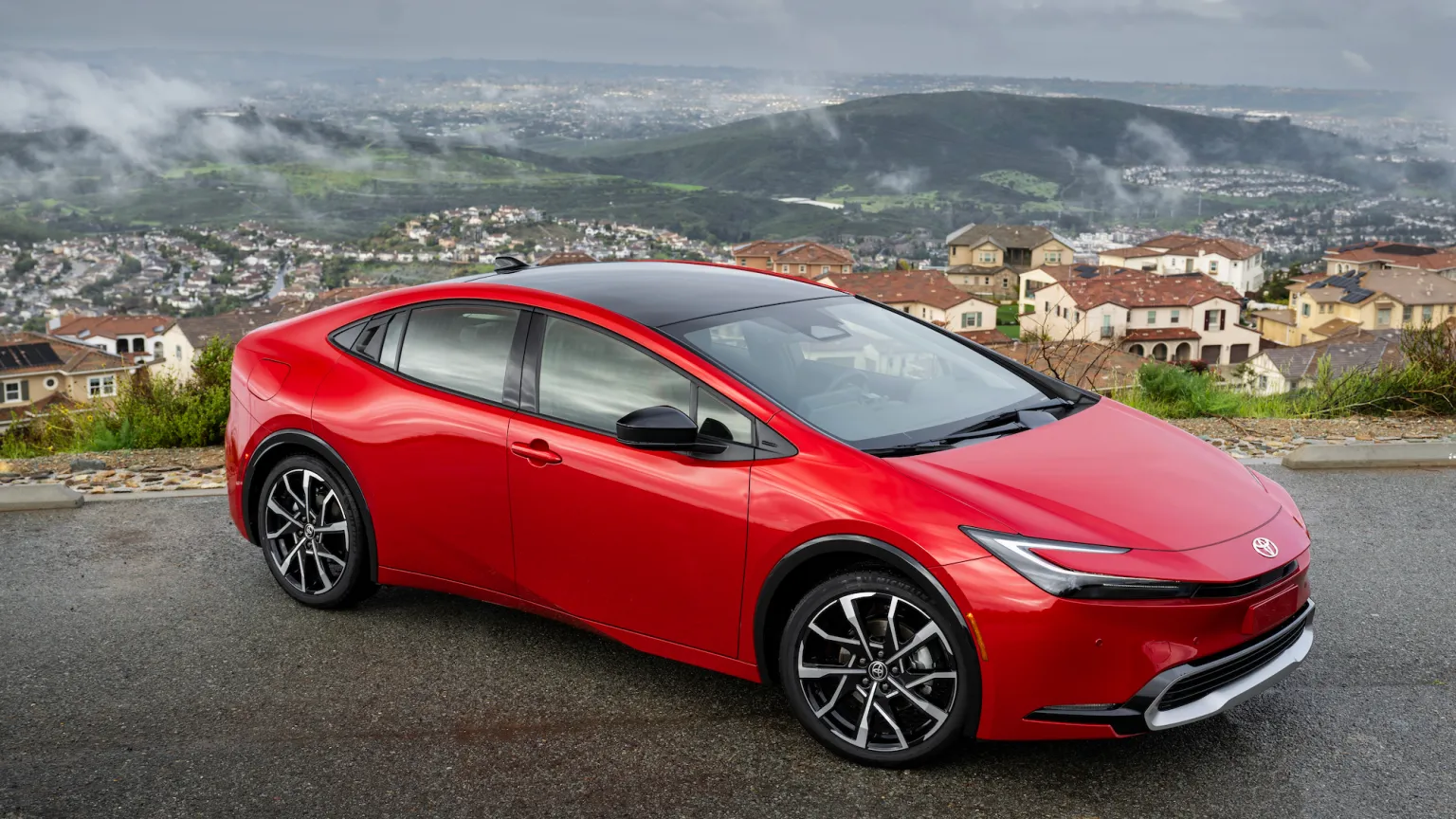
The Toyota Prius has developed a strong reputation among drivers who want a vehicle that can remain useful for many years. Long-term ownership data has repeatedly placed the Prius near the top of longevity rankings.
Research from iSeeCars found that 13.7 percent of Prius vehicles in its study were at least 15 years old and still retained by their original owners, compared with 6.1 percent for vehicles as a whole.
Florida can be a particularly suitable environment for a hybrid sedan because many drivers spend significant time commuting through urban traffic. The Prius uses a hybrid powertrain that can reduce fuel consumption during city driving, where frequent acceleration and braking give the system opportunities to recover energy.
For someone driving regularly around Miami, Orlando, Tampa, Jacksonville, or other populated areas, fuel efficiency can remain an important part of long-term ownership value.
The Prius also appeals to owners who prefer predictable transportation rather than frequent vehicle changes. A well-maintained example can continue serving as a commuter, family car, or secondary household vehicle for many years. Routine maintenance still matters, and owners need to pay attention to the hybrid system, cooling system, brakes, tires, fluids, and suspension as the vehicle ages.
Florida’s climate creates additional considerations for any long-term vehicle. Strong sunlight and high temperatures can accelerate deterioration of exterior trim, paint, rubber components, and interior materials.
Keeping a Prius parked in a garage or shaded area when possible can help preserve its condition. Regular inspections can also catch small problems before they become expensive repairs.
The Prius has also demonstrated strong long-distance potential. iSeeCars research on vehicle lifespan has placed the Prius among models with a particularly high potential mileage, with its analysis showing top examples reaching around 250,000 miles.
2. Toyota Highlander
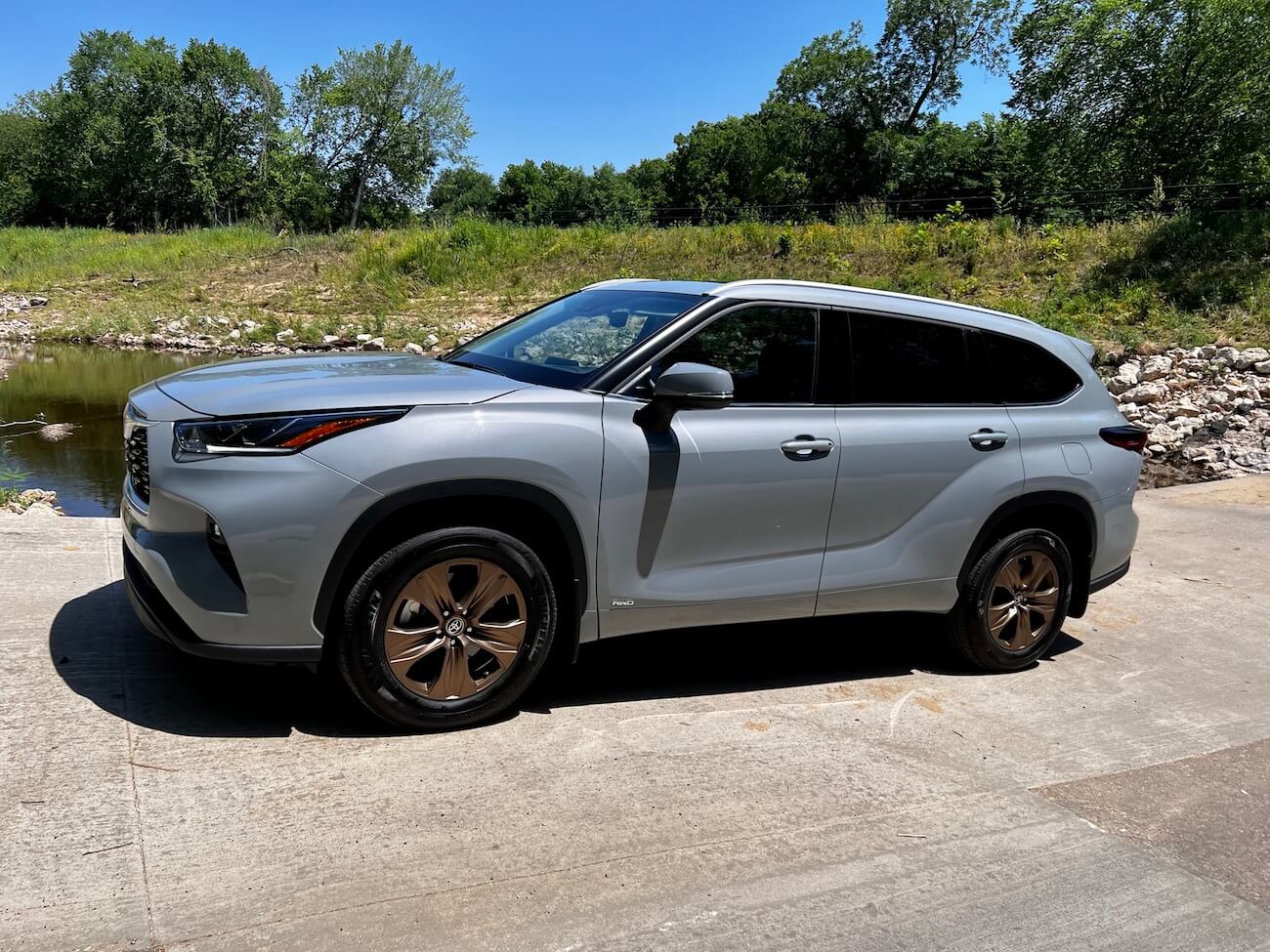
The Toyota Highlander is a popular choice for Florida households that need more space than a sedan can provide.
Its combination of passenger capacity, cargo room, comfort, and Toyota’s reputation for durability makes it appealing to families planning to keep a vehicle for many years. iSeeCars found that 12.4 percent of Highlanders in its long-term ownership study were kept by their original owners for at least 15 years.
A Highlander can fit many Florida lifestyles. It can handle school transportation, shopping trips, family vacations, airport runs, and highway travel without feeling as cumbersome as a larger full-size SUV. That versatility can reduce the pressure to replace the vehicle when a household’s needs change.
The model’s size also gives it an advantage for families who regularly travel throughout the state. Florida has long stretches of highway connecting major cities, tourist destinations, beaches, and smaller communities. A comfortable SUV with seating for several passengers can make those journeys easier, particularly when luggage and other belongings are involved.
Hybrid versions add a different appeal for drivers focused on fuel economy. The Highlander Hybrid has also performed strongly in long-term mileage research. Toyota’s 2026 fleet guide, citing iSeeCars research, lists the Highlander Hybrid among vehicles with particularly strong potential for reaching high mileage.
Keeping a Highlander for a decade or longer still depends heavily on maintenance. Oil changes, fluid services, tire rotations, brake inspections, cooling-system care, and suspension checks become increasingly important as mileage accumulates. Owners who maintain their vehicles consistently may find it easier to justify keeping a Highlander long after newer models arrive in showrooms.
3. Toyota Tacoma
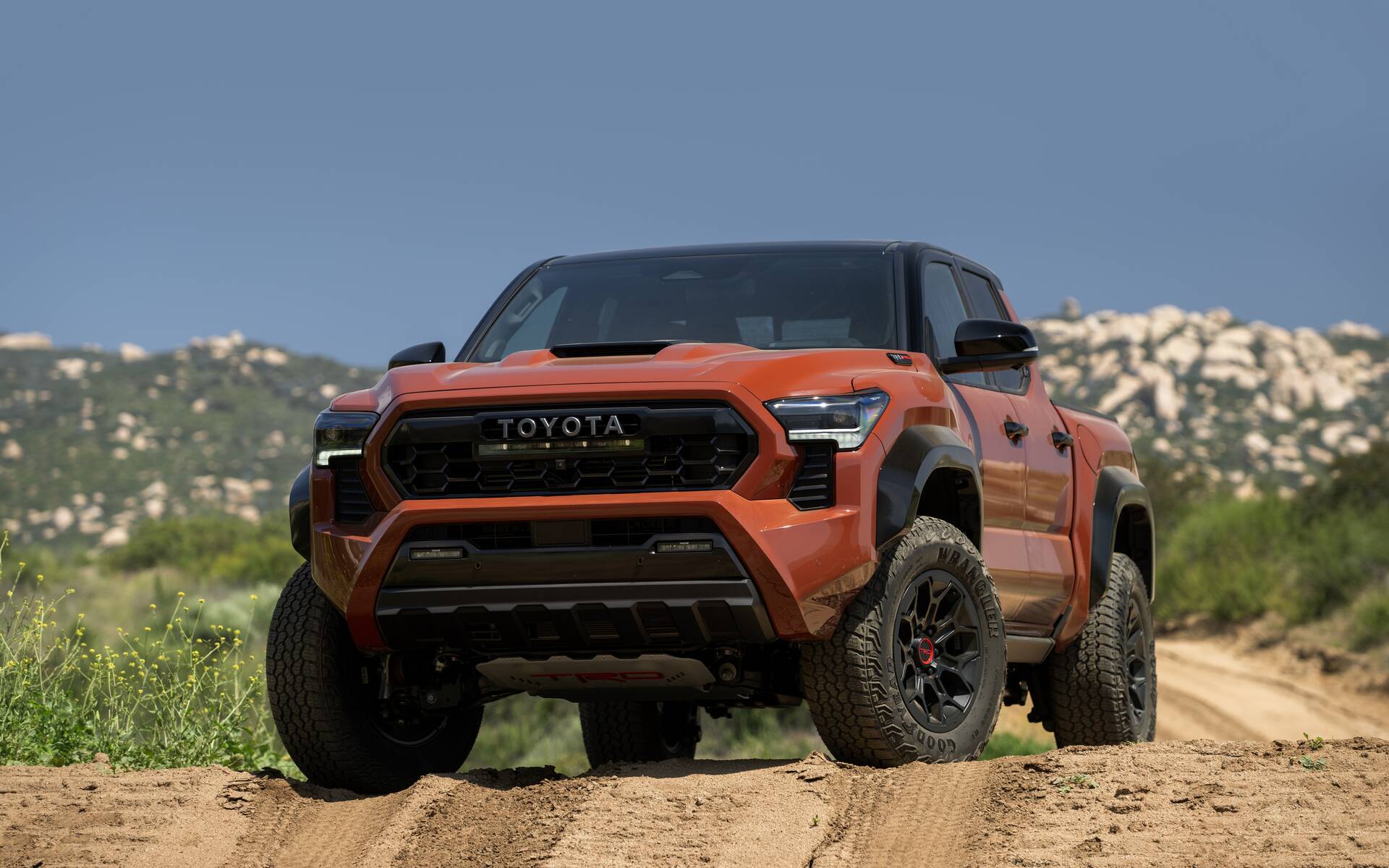
The Toyota Tacoma attracts Florida drivers who want a midsize pickup that can serve as transportation and a work tool. Its reputation for durability has helped it maintain a loyal following among owners who prefer keeping a truck for years rather than replacing it frequently.
iSeeCars found that 11.6 percent of Tacoma vehicles in its study were kept by original owners for at least 15 years.
A pickup can remain useful for a remarkably long time because its purpose does not disappear as a vehicle ages. Florida homeowners may use a Tacoma for home-improvement projects, landscaping, equipment hauling, camping trips, boating activities, or occasional towing. That practical value can give owners plenty of motivation to maintain an older truck.
The Tacoma also has a strong reputation for high-mileage capability. iSeeCars longevity research has placed the Tacoma among vehicles with a strong potential to exceed 200,000 miles, with top examples reaching well beyond that mark.
This does not mean every Tacoma will automatically reach such mileage, since driving habits and maintenance have major effects on mechanical life.
Florida owners should pay particular attention to corrosion if their truck is regularly exposed to saltwater environments. Coastal air, wet roads, and water exposure can affect metal components over time. Washing the underbody periodically and addressing damaged paint or exposed metal can help protect an older Tacoma.
The Tacoma can also retain usefulness as an owner moves through different stages of life. A driver might initially buy it for recreational use, then rely on it for home projects or family transportation later. That flexibility is valuable when deciding whether to keep repairing an existing truck or purchase a newer vehicle.
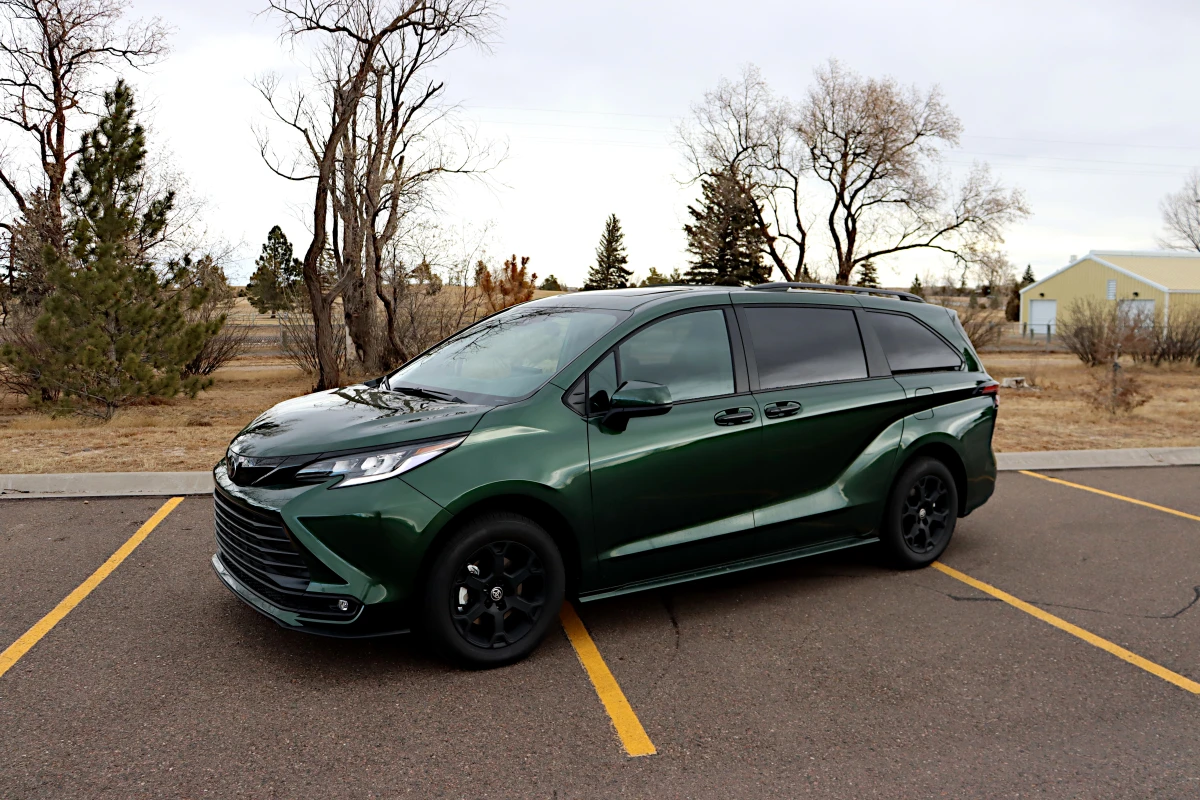
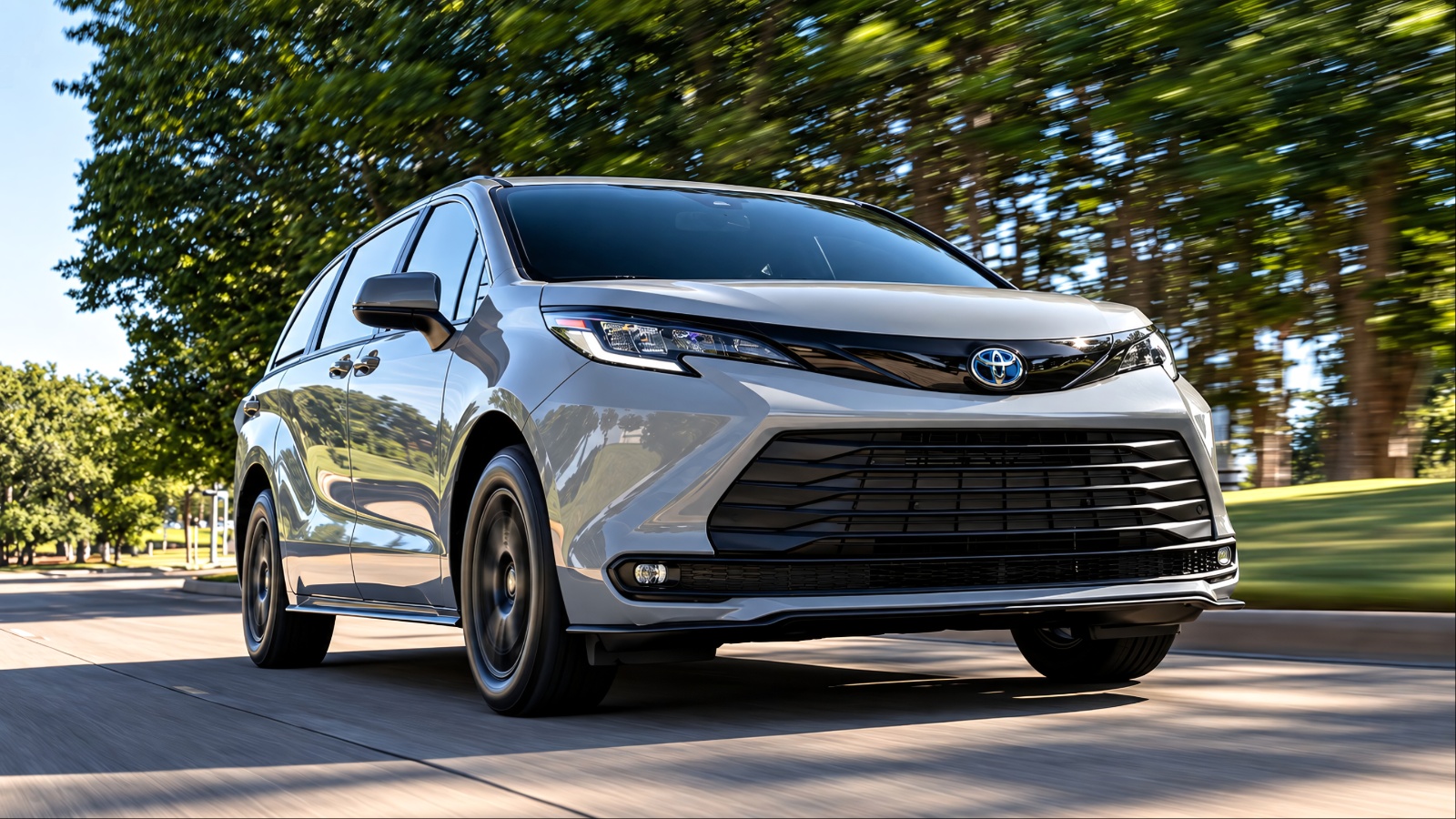
4. Toyota Sienna
The Toyota Sienna is designed with a straightforward long-term ownership goal. It aims to transport passengers comfortably while offering practical cargo space for everyday needs.
Florida families often have plenty of reasons to need that capability, from transporting children and relatives to taking road trips across the state. iSeeCars found that 11.5 percent of Sienna vehicles in its study were retained by original owners for at least 15 years.
Minivans can become especially valuable as families grow. Sliding doors make loading passengers easier in crowded parking lots, while flexible seating allows owners to switch between carrying people and transporting larger items. That practicality can make a Sienna difficult to replace with a smaller vehicle once a household becomes accustomed to the space.
The Sienna has also appeared in high-mileage research. iSeeCars has identified it among vehicles capable of reaching very high mileage, with leading examples surpassing 200,000 miles by a substantial margin.
Florida’s hot climate makes cooling-system maintenance especially important for long-term minivan ownership. Owners should monitor engine temperatures and follow recommended maintenance intervals.
Air-conditioning performance also deserves attention because Florida families can depend heavily on climate control throughout much of the year.
The Sienna can remain valuable even after it becomes an older vehicle because its usefulness does not depend heavily on having the latest styling or technology. A well-maintained minivan can continue handling school runs, vacations, errands, and family trips effectively. That practicality helps explain why some owners hold onto Siennas for many years.
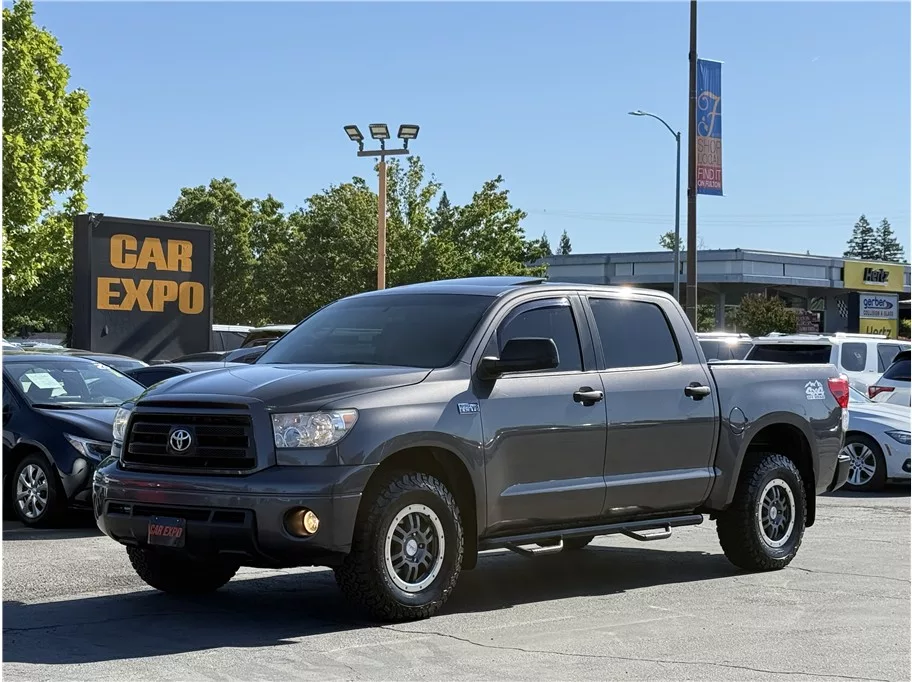
5. Toyota Tundra
The Toyota Tundra is a full-size pickup designed for drivers who need substantial capability. Its long-term reputation has made it attractive to Florida owners who use their trucks for work, recreation, towing, and everyday transportation. iSeeCars found that 11.3 percent of Tundras in its long-term ownership analysis remained with their original owners for at least 15 years.
Tundra longevity is also supported by high-mileage data. Toyota’s 2026 fleet guide cites iSeeCars research showing the Tundra with a particularly strong potential lifespan, listing 36.6 percent as the share expected to reach at least 250,000 miles in that analysis.
Florida drivers may find a full-size pickup useful for recreational activities. Boats, trailers, landscaping equipment, construction supplies, and outdoor gear can all create situations where a truck is more practical than a sedan or crossover. When a vehicle handles those jobs reliably, owners may have little incentive to replace it.
Long-term Tundra ownership requires attention to tires, brakes, suspension components, fluids, belts, cooling systems, and drivetrain service.
Trucks can experience heavier workloads than passenger cars, especially when towing or carrying substantial loads. Maintenance becomes even more important when an owner intends to keep the truck beyond the typical new-car ownership cycle.
The Tundra also has an advantage for drivers who value familiarity. Once an owner knows how the truck behaves, understands its maintenance schedule, and has established a relationship with a trusted repair shop, keeping it can become easier than learning a completely new vehicle. That familiarity can encourage long-term ownership.
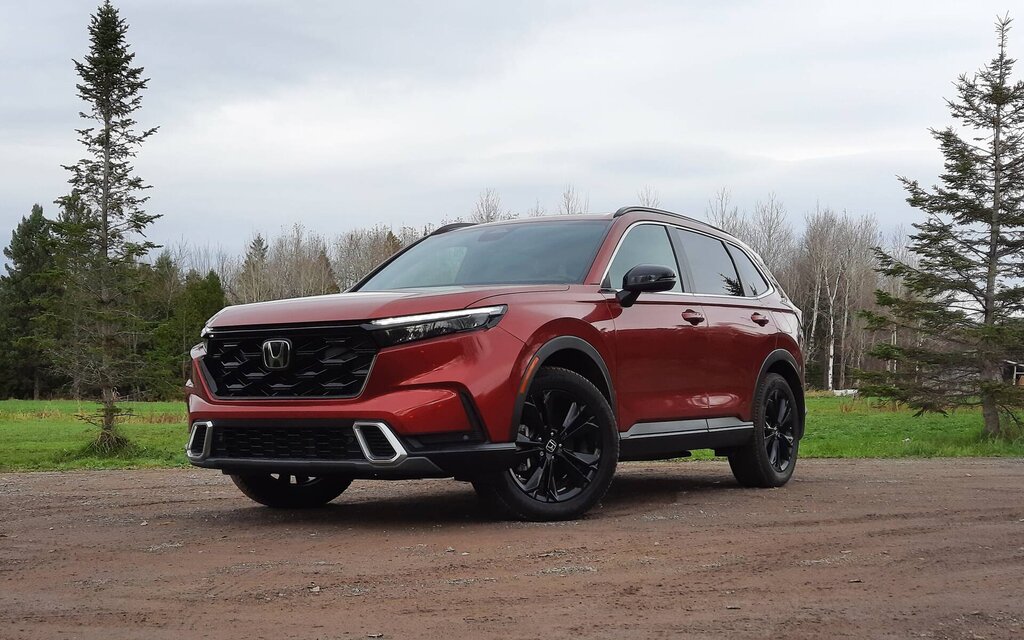
6. Honda CR-V
The Honda CR-V is a practical compact SUV that has earned strong long-term loyalty from owners. Earlier iSeeCars research found that 10.7 percent of CR-V vehicles in its analysis were kept by original owners for at least 15 years.
The CR-V fits Florida driving conditions well because it offers a useful balance of size and practicality. It is easier to maneuver through busy city streets than a large SUV while providing considerably more cargo space than a traditional compact sedan. That balance works for commuters, couples, families, and retirees.
Fuel economy can also make a difference when a driver plans to keep a vehicle for many years. Even modest differences in fuel consumption can become meaningful after thousands of miles. Florida’s large metropolitan areas can involve long daily commutes, making operating costs an important part of ownership decisions.
The CR-V’s interior flexibility adds to its appeal. Owners can use it for grocery runs, luggage, outdoor equipment, family trips, and everyday commuting without requiring a large vehicle. When a car performs several jobs adequately, replacing it becomes harder to justify simply because it has accumulated age.
Long-term ownership still requires sensible care. Tire condition, fluids, brakes, suspension, air conditioning, battery health, and scheduled maintenance should receive attention.
For Florida drivers, keeping the cabin cool and protecting the vehicle from intense sun can also help preserve the interior. A properly maintained CR-V can remain useful well after newer vehicles have entered the market.
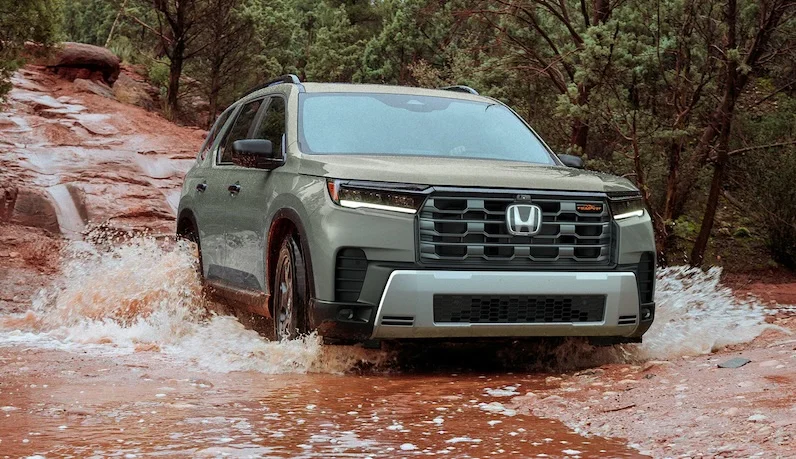
7. Honda Pilot
The Honda Pilot gives Florida drivers a larger family-oriented SUV option without moving into the size and bulk of the biggest full-size models. Its three-row layout makes it useful for families that frequently carry several passengers. iSeeCars found that 10.4 percent of Pilots in its long-term ownership study were retained by original owners for at least 15 years.
Passenger space is a major factor in the Pilot’s long-term appeal. Families may purchase a vehicle when children are young and continue using it through school years, sports activities, vacations, and college trips.
A vehicle that adapts to changing family requirements can remain valuable for much longer than a model designed around a narrow purpose.
The Pilot is also suited to Florida road trips. The state offers numerous long-distance routes, and residents frequently drive between cities for work, family visits, recreation, and vacations. Comfortable seating, cargo flexibility, and a substantial cabin can make an SUV more useful for those journeys.
Owners who intend to keep a Pilot for many years should be disciplined about scheduled maintenance. High-mileage SUVs can eventually require work on suspension parts, brakes, cooling components, air-conditioning systems, and other wear items. Preventive service is generally preferable to waiting for a minor problem to become a major mechanical failure.
The Pilot’s greatest long-term strength may be its versatility. It can function as a daily commuter during the week and a family road-trip vehicle on weekends. That broad usefulness gives owners fewer reasons to replace it simply because their circumstances change.
8. Subaru Forester
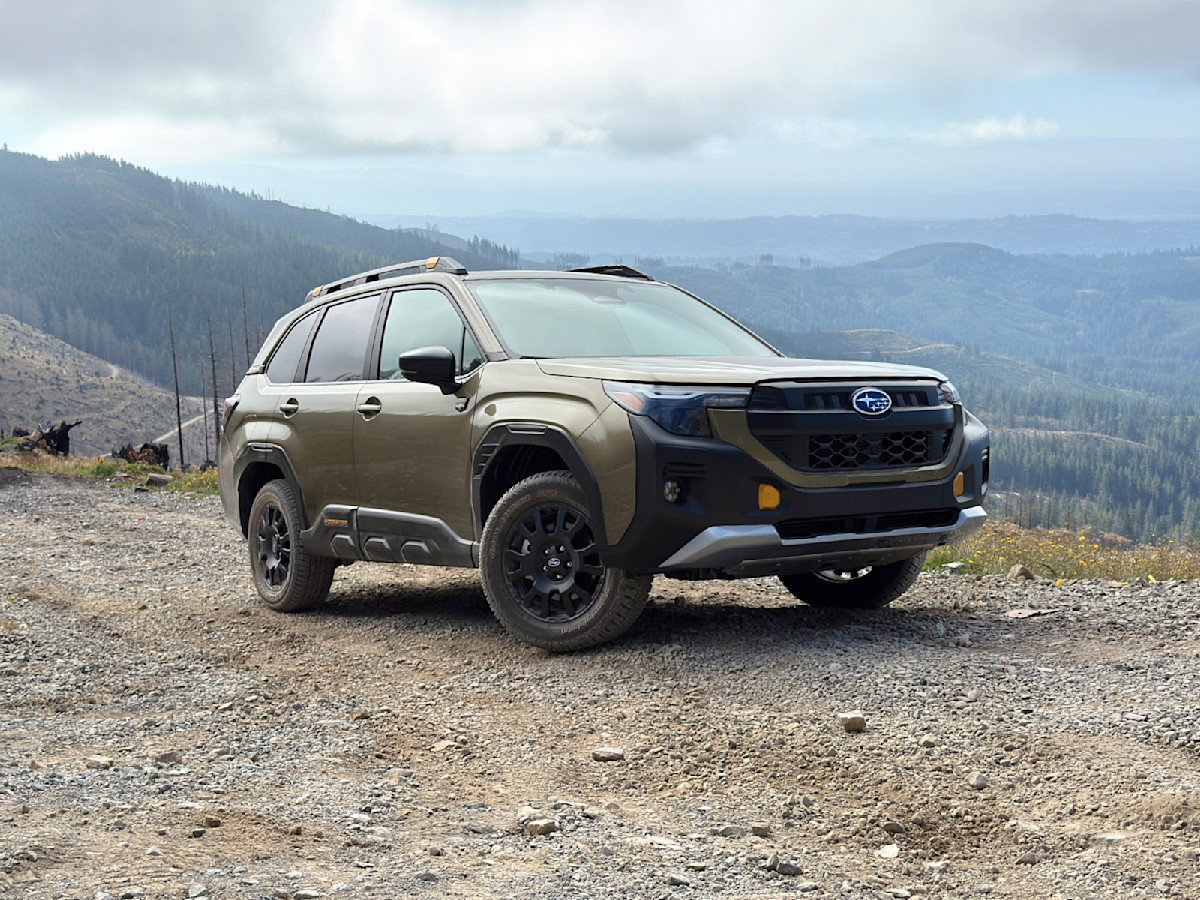
The Subaru Forester stands apart from the Toyota and Honda models on this list, yet it has earned a strong reputation for long-term ownership. In iSeeCars research, 9.8 percent of Foresters were retained by original owners for at least 15 years.
Florida may not be famous for snowy roads, but all-wheel drive can still be useful for drivers who regularly encounter heavy rain and slippery conditions.
Wet roads can become challenging during severe storms, and having additional traction can provide a practical advantage. Drivers should still remember that all-wheel drive does not eliminate the need for careful driving or quality tires.
The Forester’s compact dimensions make it convenient for urban driving. Florida’s major cities can feature busy roads, tight parking areas, and frequent traffic. A vehicle that offers useful ground clearance and cargo capacity without becoming excessively large can be easier to live with every day.
Long-term Forester ownership requires attention to its powertrain and routine service requirements. Owners should follow the recommended maintenance schedule and address unusual noises, fluid leaks, warning lights, or changes in engine performance promptly. Regular inspection is particularly valuable once a vehicle moves beyond its early years.
The Forester can also work well for drivers who enjoy outdoor activities. Its cargo area and practical shape make it suitable for bicycles, camping equipment, beach gear, and other recreational items. When a vehicle supports both daily transportation and personal interests, owners often find greater value in keeping it for many years.
9. Toyota 4Runner
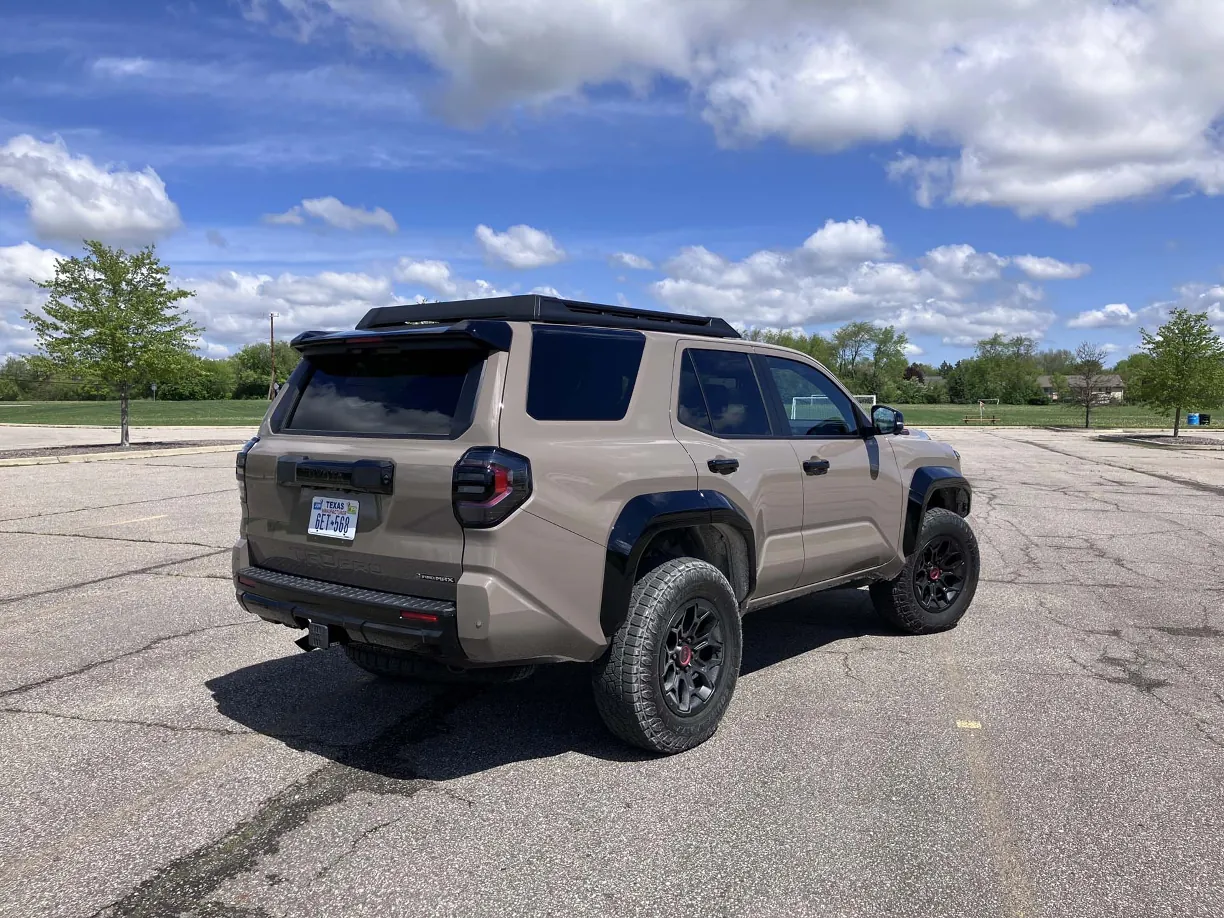
The Toyota 4Runner has long appealed to drivers who want a rugged SUV with a strong reputation for durability. iSeeCars found that 9.4 percent of 4Runner vehicles in its long-term ownership analysis were retained by their original owners for at least 15 years.
The 4Runner’s body-on-frame design and utility-oriented character give it a different personality from many modern crossovers. Florida owners may appreciate that toughness for towing, outdoor recreation, rougher roads, or hauling equipment. It can serve as both everyday transportation and a recreational vehicle.
Long-term durability does not mean the vehicle is maintenance-free. Older 4Runners can need attention to suspension components, brakes, cooling systems, fluids, belts, tires, and other wear items. Owners who use their SUVs for towing or off-road driving should be especially attentive because those activities can increase mechanical stress.
The Florida environment also deserves consideration. Frequent exposure to moisture, intense sunlight, and coastal air can affect exterior finishes and underbody components. Washing the vehicle regularly and inspecting areas vulnerable to corrosion can help protect an older 4Runner.
High-mileage capability remains a major part of the model’s appeal. Toyota’s 2026 fleet guide cites iSeeCars data placing the 4Runner among vehicles with strong potential for reaching 250,000 miles.
For drivers who value durability and utility more than having the newest features, keeping a 4Runner can make practical sense.
10. Toyota Sequoia
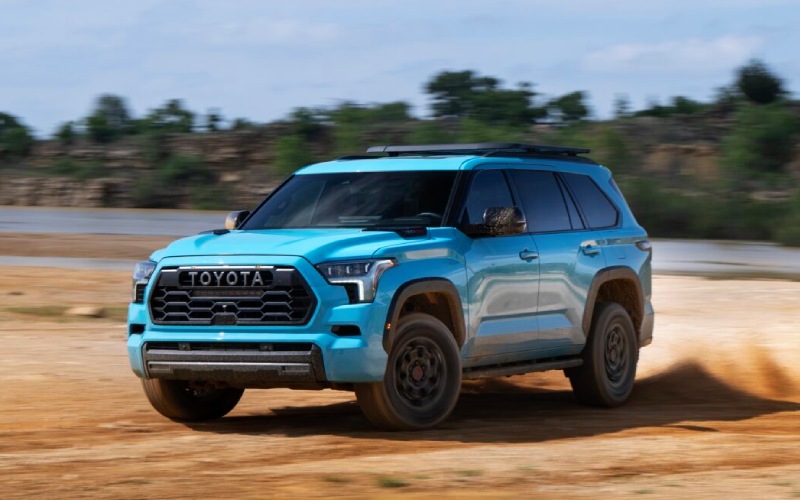
The Toyota Sequoia is the largest SUV on this list and appeals to Florida drivers who need substantial passenger and cargo capacity. iSeeCars found that 9.1 percent of Sequoias in its long-term ownership research were retained by their original owners for at least 15 years.
The Sequoia can be especially useful for large families or drivers who frequently tow. Its spacious interior provides room for passengers and belongings, while its truck-based architecture gives it considerable capability. Those characteristics can make the vehicle useful for road trips, recreational activities, and larger household needs.
Its high-mileage reputation is particularly notable. iSeeCars’ longevity study placed the Sequoia at the top of its potential lifespan rankings, with the highest 1 percent of examples in its analysis reaching nearly 300,000 miles.
A Florida Sequoia owner should pay close attention to maintenance because larger SUVs can have higher operating costs as they age. Tires, brakes, suspension components, fluids, and fuel expenses can add up. Regular servicing can help an owner identify developing issues before they threaten the vehicle’s reliability.
The Sequoia’s value comes from its ability to remain useful for a long time. A driver who needs three-row seating, towing capacity, cargo room, and highway comfort may find that a well-maintained older Sequoia still performs those duties effectively. That continued usefulness can encourage owners to keep the SUV long after its warranty period has ended.