
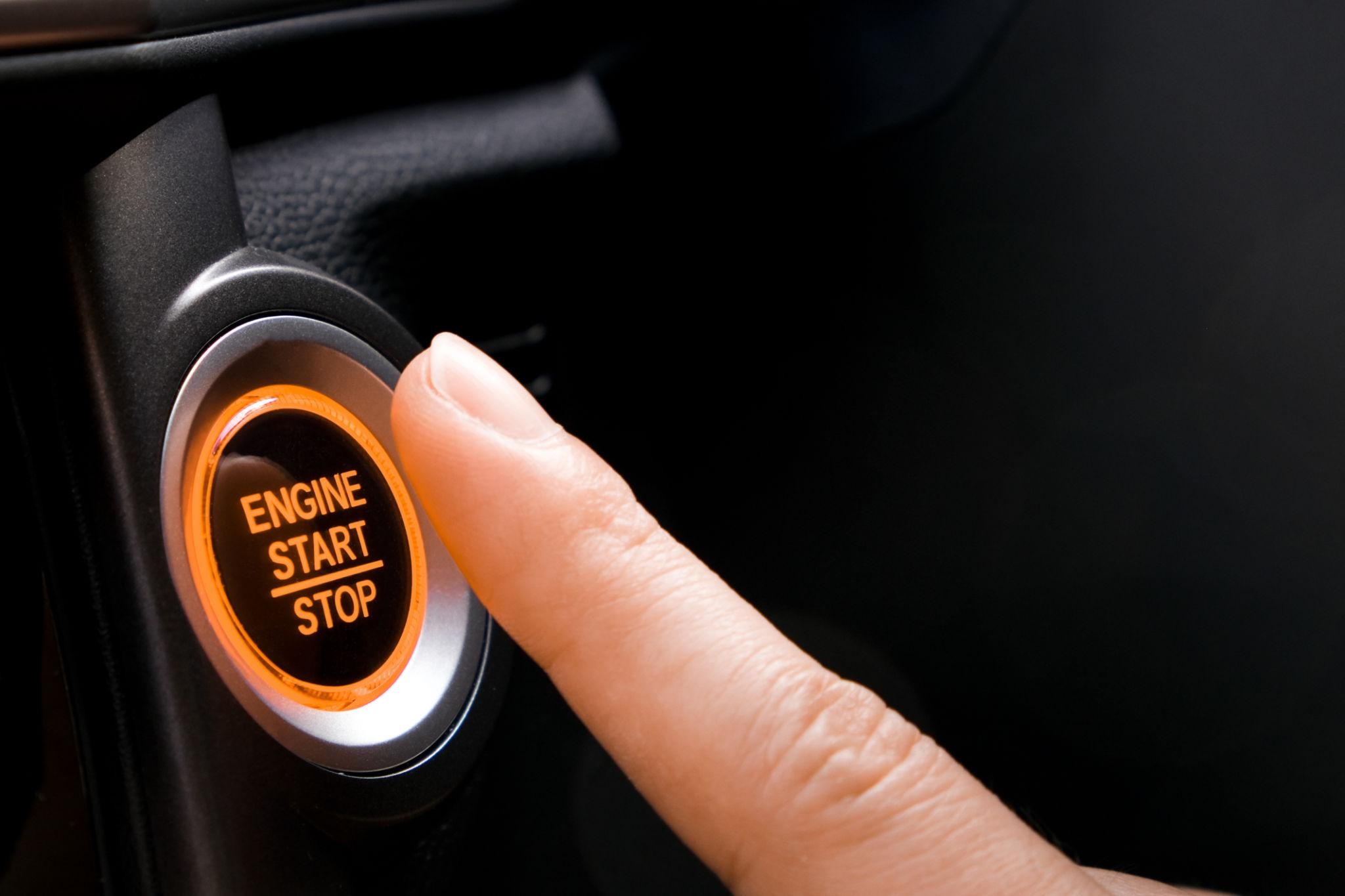
Restarting a car sounds like it should waste fuel. Common sense suggests that firing up an engine takes a small surge of extra gasoline, more than simply letting it idle for a few seconds.
For decades, this assumption shaped driver behavior across the world. People believed idling was the “gentler” choice for both the engine and the wallet.
But real laboratory testing tells a different story. Government-funded research shows that idling for more than 10 seconds burns more fuel than switching the engine off and restarting it.
This single data point has become the foundation of modern stop-start technology. It now appears in millions of vehicles, from budget hatchbacks to luxury SUVs.
The idea seems tiny, almost trivial. Yet it represents a measurable shift in automotive engineering philosophy. This article breaks down where the 10-second threshold comes from, what the actual numbers say, and why it changed how cars are built. Every claim here is backed by verified research rather than assumption or folklore.
The Science Behind the 10-Second Rule
The Argonne National Laboratory, a U.S. Department of Energy facility, ran controlled experiments comparing idling fuel use to restart fuel use. Their findings, using a 2011 Ford Fusion with a 2.5-liter four-cylinder engine, showed that idling for 10 seconds used 11.3 cubic centimeters of fuel.
Restarting the same vehicle used slightly less. The restart process consumed about 10.2 cubic centimeters of fuel, a small but consistent gap. That gap may look insignificant in isolation. Multiplied across millions of drivers and billions of stops, though, the savings become substantial.
The U.S. Department of Energy formally confirmed this finding. Their published fact sheet states plainly that idling an engine for as little as 10 seconds uses more fuel than stopping and restarting the vehicle.
This wasn’t a one-time study either. The department revisited and reconfirmed the research years later. Argonne’s transportation systems analyst Linda Gaines addressed the myth directly. She noted that many drivers assume idling saves fuel compared to restarting, but the lab’s research proved shutting down for stops as brief as 10 seconds actually saves both fuel and emissions.
Modern fuel injection is the reason this holds true. Older carbureted engines genuinely did use extra fuel to restart, which is why the old myth existed in the first place.
Fuel-injected engines calculate exactly how much gasoline is needed at startup. There’s no flooding, no wasted spray, no inefficient combustion during ignition.
This technical shift essentially flipped the old rule on its head. What used to be true for 1970s and 1980s vehicles no longer applies to today’s fleet.
Gaines also addressed a related concern about mechanical wear. She mentioned that Argonne separately studied whether frequent restarts would damage starters, publishing findings on that exact question.
Modern starters and batteries are engineered for this new reality. They’re built to withstand thousands of extra start cycles without meaningful degradation.
This is precisely why hybrid vehicles have used stop-start systems for years already. Their starters were always designed around frequent shutdowns.
What the Data Actually Shows
Numbers matter more than intuition here. A separate industry analysis broke down typical fuel-injected engine idling rates in gallons per hour. According to this data, idling burns roughly 0.3 to 0.6 gallons of fuel per hour depending on engine size. Restarting, by comparison, consumes only about 0.02 gallons, a fraction of the idling rate.
Scaled to a practical example, the math becomes clearer. If a driver idles longer than roughly 20 seconds, they’ve already burned more fuel than a quick restart would require.
This is close to, but slightly more conservative than, Argonne’s original 10-second benchmark. Different testing conditions and vehicle types explain the small variance.
Either way, the conclusion stays consistent across multiple independent sources. Idling beyond a short window wastes measurable fuel every single time.
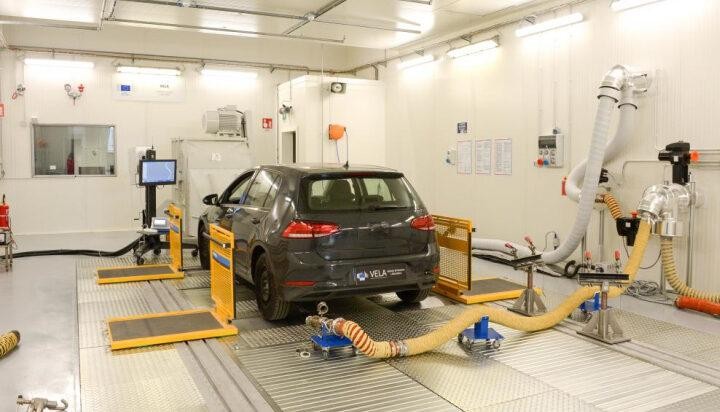
Massachusetts regulators reached similar conclusions in their own testing. The state’s Department of Energy Resources released public findings in 2015 specifically to correct the widespread belief that idling saves more fuel than restarting.
Their research pointed to an even broader threshold for savings. They found that fuel-injected engines waste gas after being left idling for as little as 30 seconds.
Emissions data adds another layer to this picture. Restarting isn’t purely “clean” compared to idling, and the research doesn’t pretend otherwise.
Test results showed restarts actually produce more nitrogen oxide and hydrocarbon emissions than idling does in the same short window. This is a genuine tradeoff worth noting.
However, this tradeoff is much smaller than it sounds. The emissions from a warm restart remain significantly lower than the emissions produced by starting a fully cold engine.
Catalytic converters explain why cold starts are so much dirtier. These devices need extreme heat, sometimes between 900 and 1,600 degrees Fahrenheit, to filter pollutants effectively.
A quick stop-start cycle doesn’t let the converter fully cool down. That’s the key difference between a brief restart and a true cold start. Scaled nationally, the fuel waste from idling becomes enormous. American drivers collectively waste an estimated 3 billion gallons of fuel every year from idling alone, averaging about six minutes of idling per driver daily.
A newer analysis broke down exactly why people leave engines running. Roughly 25% of idling happens during warm-ups, 20% during drive-thru or pickup waits, and 15% at traffic lights.
The largest category might surprise most drivers. Around 40% of idling time falls into a catch-all “other” category, mostly people simply sitting in a running car for comfort or convenience. This last group represents the easiest fuel savings available. It requires no change in driving habits, only turning a key.
Real-World Impact and Why Automakers Adopted Stop-Start Systems
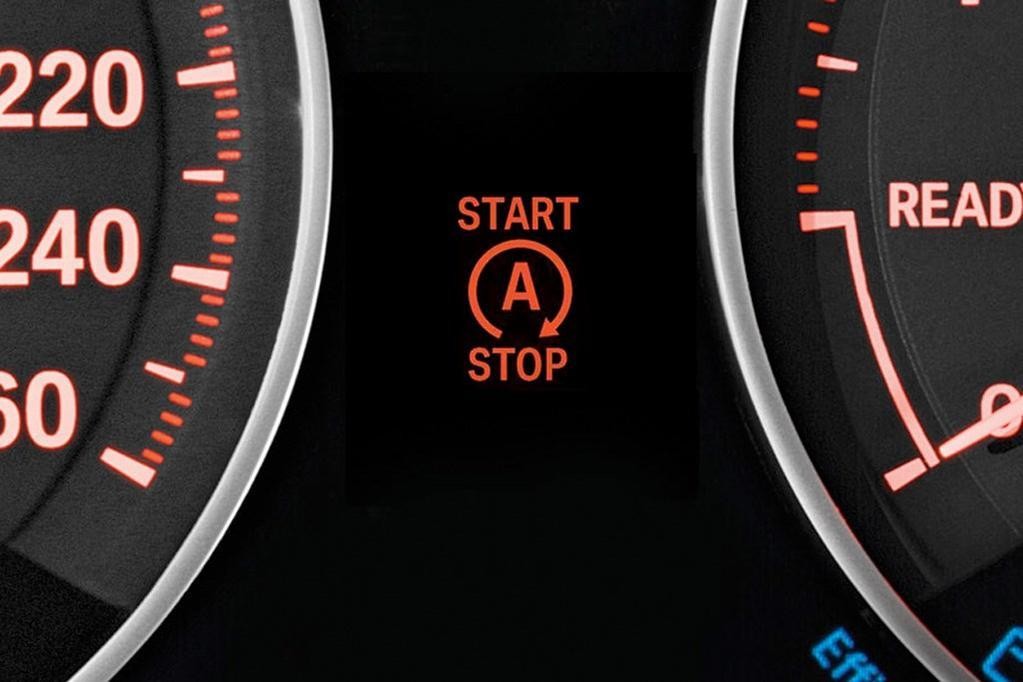
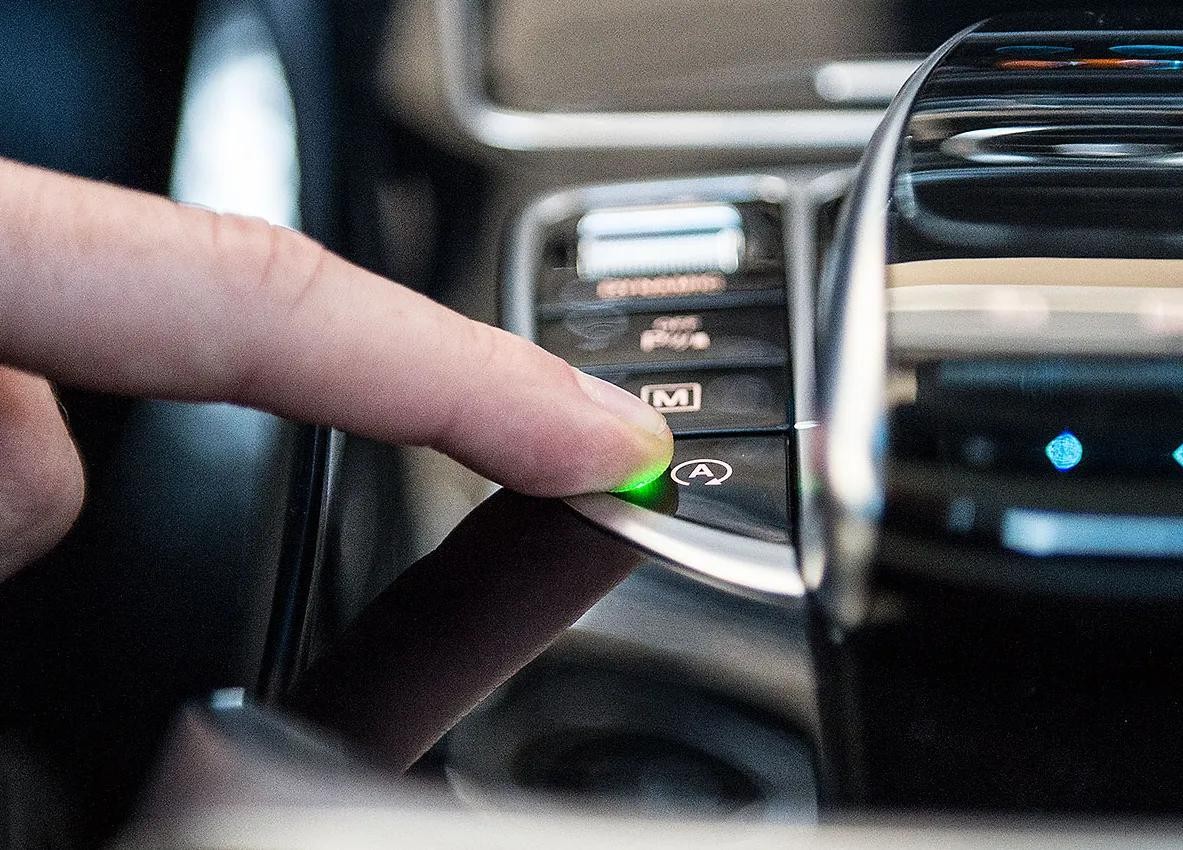
Engineers didn’t ignore this data. Automakers built entire systems around the 10-second threshold once the research became clear. Stop-start technology automatically shuts off the engine when a vehicle comes to a stop. It’s now standard on all hybrid vehicles and increasingly common on conventional gasoline models too.
The logic is straightforward once you understand the underlying math. If idling wastes more fuel than restarting after just 10 seconds, automating that decision makes financial sense.
Fuel savings from this technology aren’t hypothetical either. Real-world testing shows factory-installed auto stop-start systems cut fuel use by roughly 3 to 7 percent.
That percentage might sound modest at first glance. Across a vehicle’s entire lifespan, though, it adds up to real money at the pump. Practical research also identified specific behavioral guidelines. A 2013 Argonne study focused on short passenger-car stops and daily driving patterns.
That study recommended limiting deliberate start-stop events to about ten times per day for optimal battery life. It also concluded that any shutdown lasting longer than one minute produces genuine cost savings.
The same research also found that the distance driven between restarts can make a difference. It suggested traveling more than five miles between intentional start-stop events as a better way to balance engine use and efficiency.
This nuance is important context missing from casual retellings of the “10-second rule.” It’s not simply “always shut off the engine no matter what.”
Safety and practicality still matter more than micro-optimizing fuel use. Experts caution against manually restarting constantly in unpredictable stop-and-go traffic.
Gaines specifically warned that turning a car on and off repeatedly in traffic isn’t recommended, since drivers need to respond quickly to changing conditions. Reaction time matters more than a few milliliters of fuel.
This is precisely why automated stop-start systems work better than manual habits. These systems are tuned to judge exactly when a restart is worth it, only shutting down when conditions make sense.
Traffic lights and quick turns generally don’t qualify for manual shutdown. If you’ll likely be moving again in under 10 seconds, restarting isn’t worth the effort.
Cold weather introduces another variable into this equation entirely. Extended idling in freezing temperatures can cause a problem called fuel washdown.
This happens when unburned liquid gasoline dilutes the oil coating cylinder walls. Most manufacturers recommend five minutes as a rough upper limit before a cold engine should be driven or shut off.
Battery and starter durability concerns have also mostly faded with modern engineering. Brief, frequent engine starts once strained older starters and batteries, but today’s vehicles include built-in protection against that wear.
This engineering shift is what finally made the 10-second rule practical at scale. Without durable starters, none of these fuel savings would be worth the mechanical cost.
Put together, the picture is consistent across labs, agencies, and years of testing. Idling past roughly 10 to 30 seconds wastes fuel that a quick restart simply doesn’t.
Modern engines, modern starters, and modern emissions systems all support this shift. What once was mechanically true for old carbureted cars simply isn’t true anymore.
The 10-second threshold isn’t a marketing gimmick or an urban myth. It’s a data-backed engineering standard that reshaped how millions of vehicles are designed today.
