
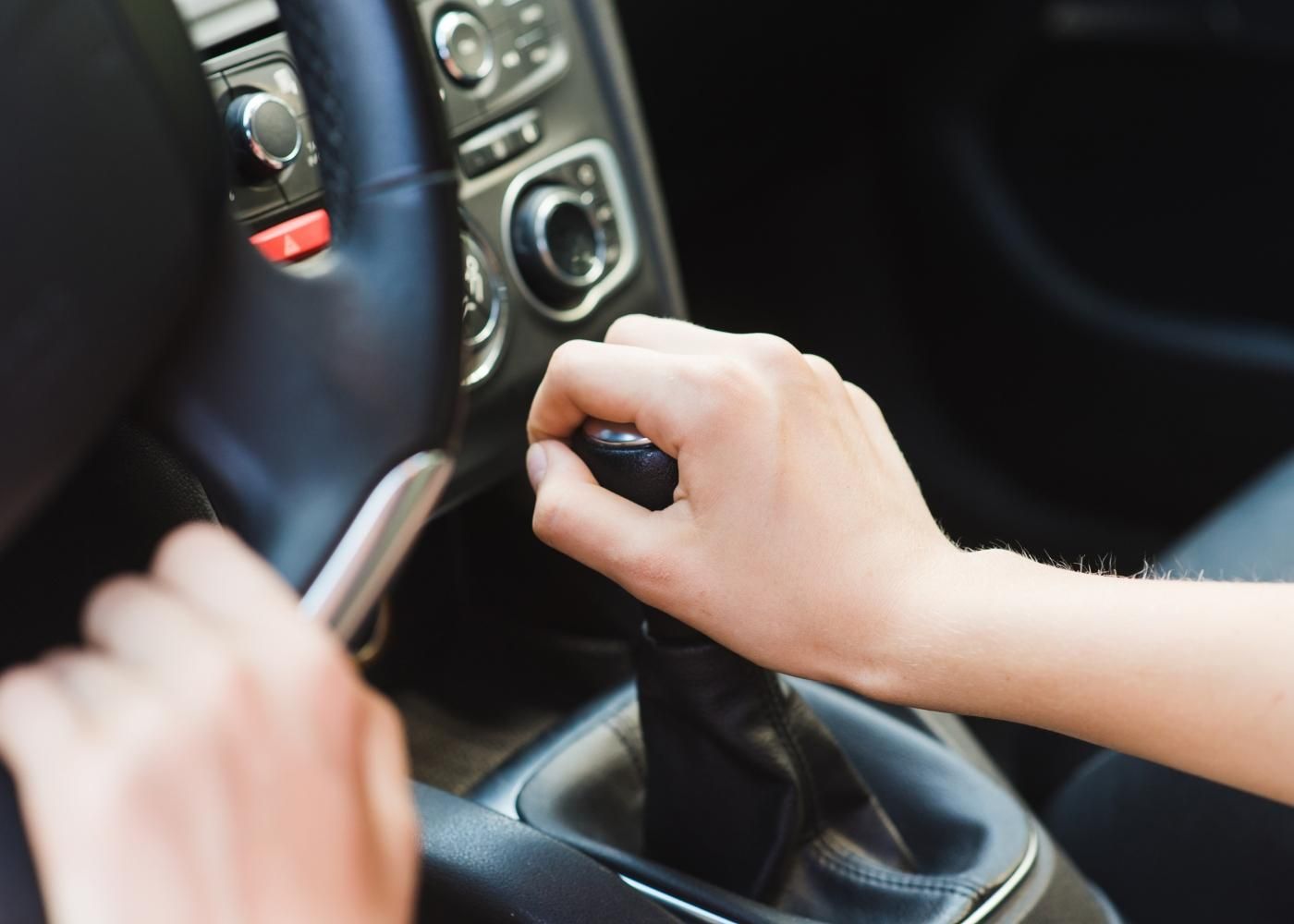
For decades, drivers believed manual transmissions were always the fuel-efficient choice. That belief was rooted in real engineering facts of the past. Older automatic transmissions relied on torque converters that wasted engine power.
Manual transmissions, by contrast, used a direct mechanical clutch link. This meant less energy was lost between engine and wheels. Government fuel economy data from the 1980s and 1990s backed this up clearly.
But that gap has closed, and in many cases, reversed entirely. Modern automatic transmissions now often outperform manuals in EPA testing. Engineers achieved this by adding more gears to automatic units.
More gears mean the engine can stay in an efficient rev range. Computer-controlled shifting also removes human error from the equation. Drivers who short-shift or over-rev manuals lose potential savings.
Automatics never make that mistake, since software manages every shift. This article explores exactly when and why the numbers flipped. It uses EPA and Department of Energy historical fuel economy datasets. The story is one of gear counts, computing power, and changing consumer habits.
The EPA Data Shows a Clear Historical Crossover
Department of Energy records track manual versus automatic mileage since 1980. In 1980, automatics averaged 17.1 mpg while manuals averaged 18.2 mpg. That gap favored manual transmissions by roughly one mile per gallon.
Through the 1980s, the gap widened even further in favor of manuals. By 1983, automatics reached 21.0 mpg against 23.0 mpg for manuals. That’s a two mpg advantage sustained for several consecutive years. Manual transmissions kept this lead through most of the 1990s too.
By 1999, automatics averaged 21.4 mpg compared to 22.4 mpg for manuals. The one mpg gap persisted almost unchanged across an entire decade. Engineers were improving both transmission types at similar rates. Neither side gained meaningful ground during this stagnant period.
Things began shifting slowly in the 2000s as automatics modernized faster. By 2009, automatics reached 22.3 mpg versus 22.4 mpg for manuals. The gap had shrunk to just one-tenth of a mile per gallon. This was the closest automatics had ever come to matching manuals.
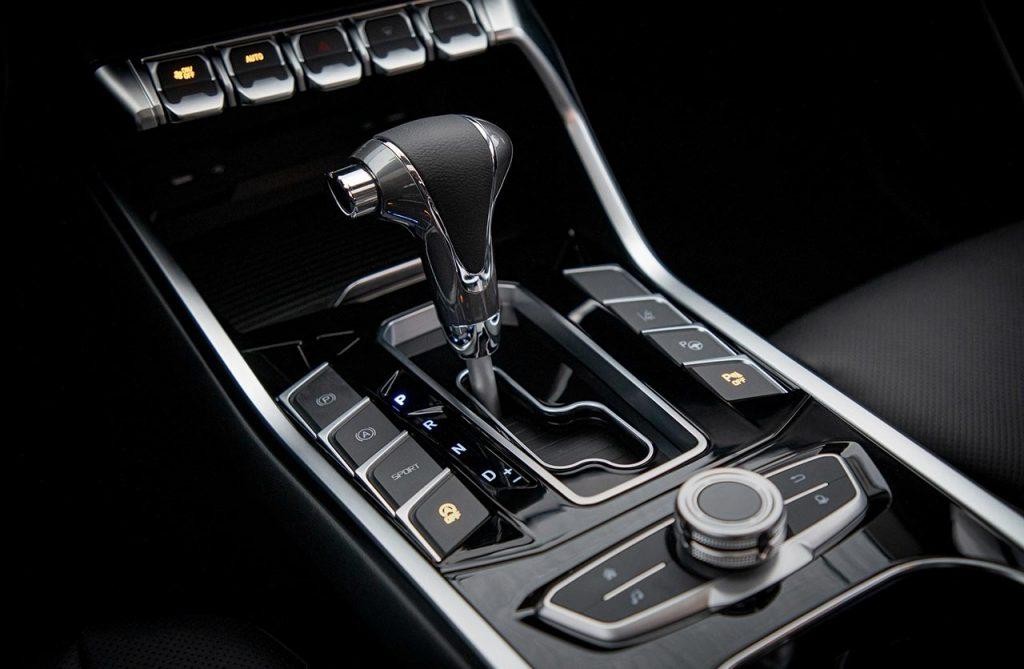
Then came the real turning point, arriving right around 2010. EPA data shows automatics became more efficient than manuals right around 2010. This wasn’t a slow drift; it was a decisive crossover.
By 2011, automatics hit 24.0 mpg while manuals reached only 24.1 mpg. The gap was now negligible, essentially a statistical rounding error. One more year of data would confirm the full reversal.
In 2012, automatics reached 24.7 mpg against 24.6 mpg for manuals. For the first time in the dataset, automatics pulled slightly ahead. Automatic transmissions had officially closed the fuel economy gap with manual transmissions.
By 2014, the trend solidified with automatics at 26.2 mpg. Manuals trailed at 26.1 mpg, a full technology reversal complete. What took thirty years to develop happened almost overnight in comparison.
This wasn’t a fluke of one particular model year. Improved automatic transmission designs and increased gear counts drove the sustained fuel economy improvement. Engineers had fundamentally rebuilt how automatics functioned internally.
Automatic transmissions added forward gears more quickly than manual transmissions did during this period. This gear-count acceleration explains most of the mileage reversal. More ratios let engines run closer to their efficient sweet spot.
It’s worth noting these are harmonic mean averages across the full fleet. The DOE fuel economy figures represent a production-weighted harmonic mean across vehicle models. That means results reflect real-world sales volumes, not just lab tests.
Individual vehicle pairs can still show either transmission winning by a small margin. But fleet-wide, the automatic advantage has held steady since 2012. This isn’t a temporary blip; it’s now the established pattern.
Why More Gears and Smarter Computers Changed Everything
The core reason automatics overtook manuals comes down to gear count. Older automatics typically had three or four forward gears only. Today’s automatics tend to have more forward gears than manual transmissions typically offer.
Newer automatic transmissions may now have six to ten forward gears. Compare that to a typical manual, which usually tops out around six gears. Extra ratios let the engine spin at a lower, more efficient speed.
Extra gears help engines deliver the same power to the wheels while running at lower engine speed, which saves fuel. This is the single biggest technical driver of the reversal. Fewer engine revolutions per mile directly translates into less fuel burned.
Computer control adds a second major advantage automatics now hold. Software can time every shift for optimal efficiency, instantly and consistently. Modern automatics with more gears and advanced computer controls now often match or exceed manual transmission fuel efficiency.
Human drivers, even skilled ones, cannot replicate this consistency. Automatics now optimize shift points for fuel economy and can select taller gears for highway cruising. A computer never gets distracted or shifts late out of habit.
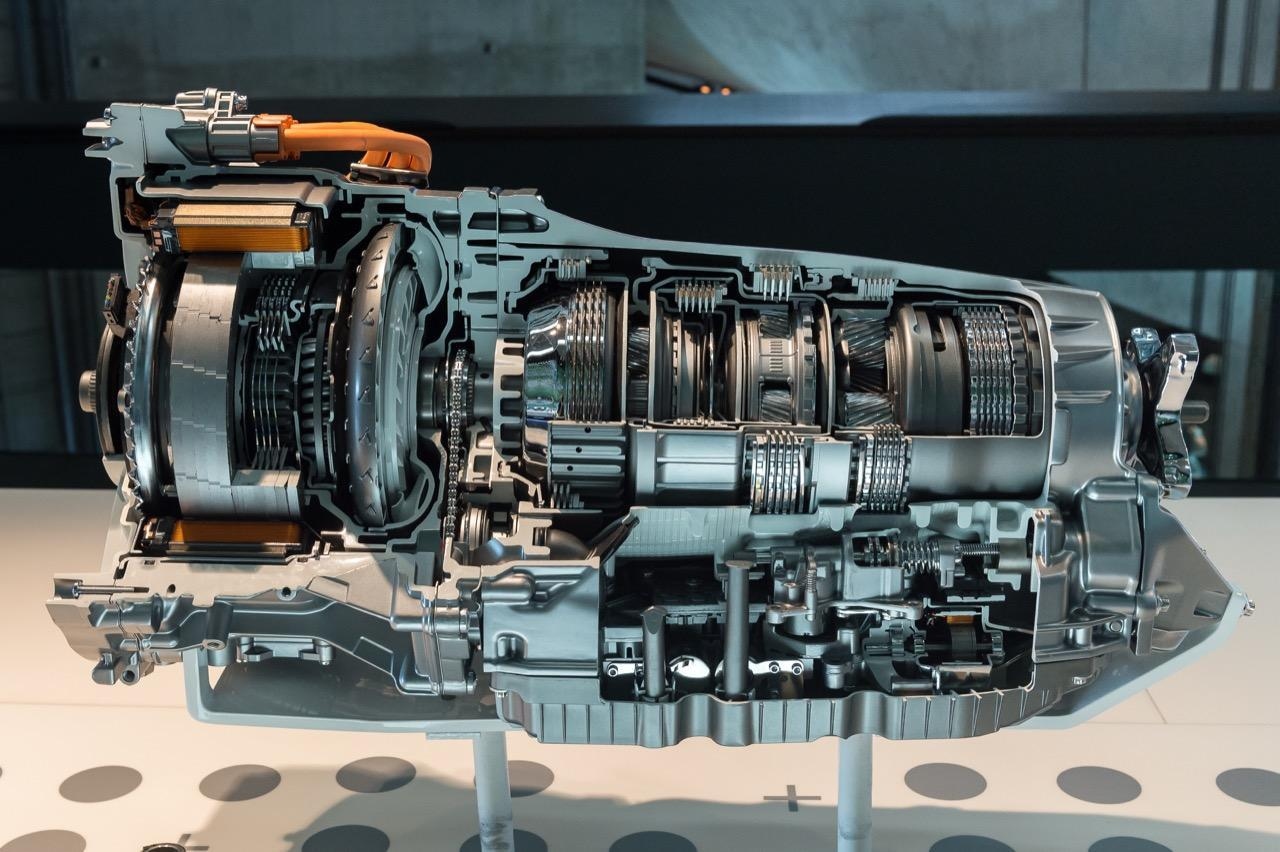
Torque converter lockup technology solved the old parasitic loss problem too. Earlier automatics lost energy through fluid coupling at nearly every speed. Modern torque converters lock mechanically once the car reaches cruising speed.
This locking effectively turns the automatic into a direct-drive system temporarily. Modern automatics with torque converters that lock up in most gears now perform as well as manuals on fuel economy. That single innovation erased much of the old manual advantage.
Continuously variable transmissions pushed efficiency even further in some models. CVTs use no fixed gears at all, only a variable pulley system. This lets the engine run at its single most efficient RPM constantly.
A Nissan Versa with a CVT beat its five-speed manual equivalent by three mpg in combined EPA testing. That’s a meaningful, measurable gap favoring the automatic-style transmission. CVTs excel especially in light-load, low-speed city driving conditions.
Despite that complication, the core finding remains solid for gasoline vehicles. Automatics with many gears simply outperform manuals in controlled EPA testing now. The mechanical and computational advantages are too significant to overcome easily.
What This Means for Buyers Comparing Real Vehicles Today
Consumer Reports found a real gap still existed as recently as 2015. Manual transmission vehicles achieved an increase of two to five mpg compared to automatic versions in some 2015 testing. This shows the reversal isn’t absolute across every single model.
Model-specific results still vary depending on engineering choices made per vehicle. The mpg gap between transmissions is usually small and depends heavily on the specific model chosen. Shoppers should never assume automatic superiority without checking actual figures.
Buyers should look up both transmission versions in the EPA fuel economy database directly. Comparing combined mpg ratings first gives the clearest picture. City and highway splits matter too, depending on typical driving routes.
A gap of about one mpg should be treated as minor unless annual mileage is unusually high. For most commuters, such a small difference won’t meaningfully affect fuel budgets. Larger gaps of three or more mpg deserve closer consideration before buying.
Driving style still plays a surprisingly large role in real-world results. With a manual, drivers control their own shift points, letting them shift economically or aggressively. This flexibility can produce either better or worse mileage than automatics.
A skilled manual driver can theoretically optimize gear selection to maximize efficiency in varied conditions. Anticipating hills or traffic patterns lets an experienced driver outperform EPA ratings. But this skill ceiling is rarely reached by average daily commuters.

Most drivers do not consistently achieve optimal gear selection when using a manual transmission. Inconsistent shifting habits can easily erase any theoretical manual advantage. This is precisely why automatics now win on average, fleet-wide.
Fuel efficiency swings more from personal driving style than from transmission type when ratings are close. This is an important takeaway for anyone comparing two similar vehicles. The transmission choice matters less than how the car is actually driven.
Cost remains a separate but relevant factor in this decision. Manual transmissions typically cost one thousand to two thousand dollars less than automatics in new vehicles. Buyers on a budget may still prefer manuals for this reason alone.
Automatics generally fit modern commuting and heavy traffic conditions best for most drivers. Stop-and-go traffic especially favors not having to operate a clutch pedal repeatedly. This convenience factor has driven manual transmission sales down dramatically over time.
Manual transmissions are chosen by drivers mainly because they enjoy the physical act of shifting gears. Efficiency is rarely the deciding factor for manual buyers anymore. Engagement and driving feel have become the primary selling points instead.
Manuals reward drivers who want direct control, but they come with clutch wear and required technique. That maintenance tradeoff should factor into any long-term ownership cost comparison. Clutch replacement can be an expensive repair down the road.
Gear counts, computer-controlled shifting, and torque converter lockup drove this change. CVTs and dual-clutch systems pushed automatic efficiency even higher in specific models. The old assumption that manuals always save more fuel is simply outdated now.
