Florida gives vehicles a difficult combination of heat, moisture, intense sunlight, and, in coastal areas, salt exposure. Humidity alone does not guarantee that a particular component will fail, but the environment can accelerate deterioration in materials and electrical connections.
NHTSA identifies Florida among the nation’s hot and humid regions, while its tire research has specifically found a relationship between tire age and failure propensity in warmer parts of the United States, including Florida.
The most vulnerable parts are not always the ones drivers expect. Batteries, tires, electrical connections, rubber components, and other systems can deteriorate gradually until a routine drive exposes the weakness. Here are ten areas deserving extra attention.
1. Car Batteries
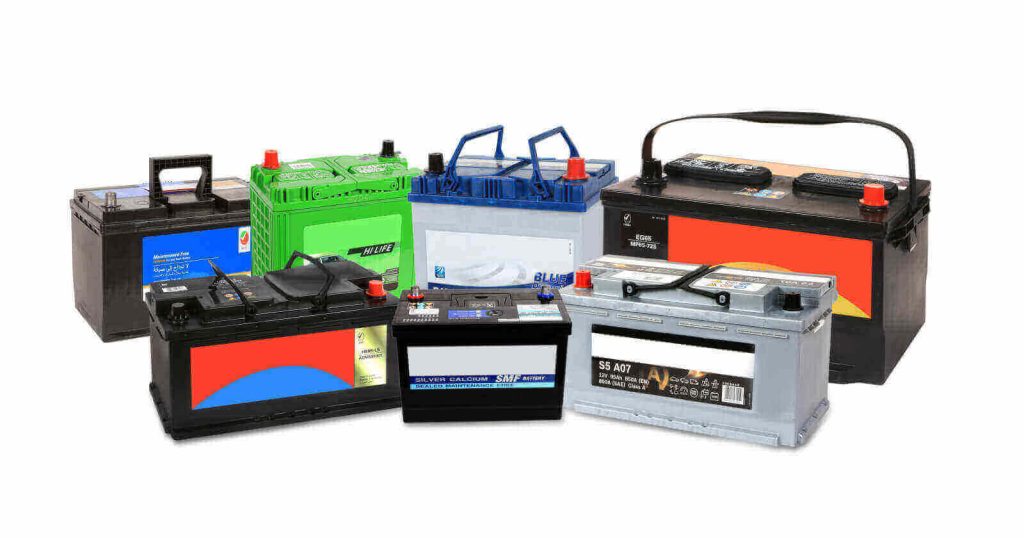
Florida’s heat can be particularly hard on conventional 12-volt automotive batteries. AAA says batteries typically last three to five years, but in hot southern climates, around three years is more typical. Under-hood temperatures can exceed 200°F in hot weather, creating an environment that accelerates battery degradation.
Heat speeds up the chemical processes inside a battery, while elevated temperatures can contribute to fluid evaporation and corrosion. AAA also identifies vibration as another factor that can damage internal battery components.
That combination means a battery that appears fine during a cool morning can become unreliable after spending years in Florida’s climate.
The terminals deserve attention too. Corrosion can interfere with electrical connections and increase resistance between the battery and the vehicle’s electrical system. AAA recommends keeping battery connections clean and ensuring the battery is securely mounted.
A weak battery may announce itself through slower engine cranking, intermittent electrical problems, or difficulty starting after the vehicle has been parked. Waiting for complete failure is risky because Florida’s heat can turn a marginal battery into a no-start situation without much warning.
Parking in a garage or shade can reduce exposure to extreme heat, although it cannot eliminate the under-hood temperatures produced while driving. Regularly checking the battery’s condition, terminals, and mounting hardware is sensible, particularly as the battery approaches the three-year mark.
Florida does not make every battery fail at exactly three years. Battery construction, vehicle design, driving patterns, and maintenance all matter. However, the climate gives owners a strong reason to treat battery age and condition as routine maintenance rather than waiting for the starter to go silent.
2. Tires and Rubber Sidewalls
Florida’s hot and sunny climate can be especially hard on tires. According to NHTSA, factors such as how tires are used, stored, and exposed to the environment can all influence how quickly they age. The agency points to heat and sunlight as important contributors and warns that tire aging can be a greater concern in the warmer southern areas of the Sun Belt.
That matters because tread depth alone does not tell the entire story. A tire can still have considerable tread while its rubber has aged. NHTSA warns that owners can overlook tire aging, particularly on vehicles that are driven infrequently.
The agency’s research also found a relationship between tire age and the propensity for failure in warmer regions, including Florida.
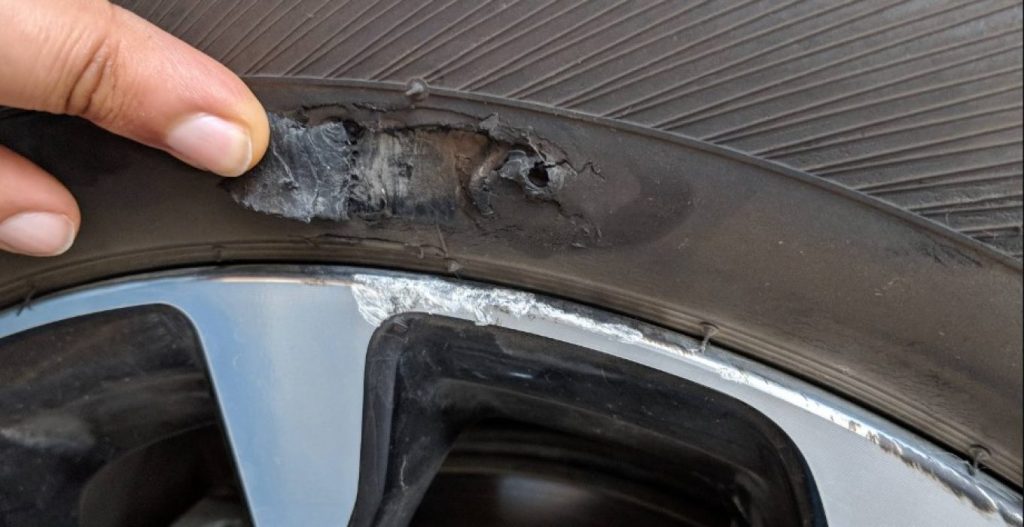
The sidewalls deserve a close inspection. Cracks, bulges, or other visible deterioration can indicate that the tire needs professional evaluation. Drivers should also monitor inflation pressure because heat and incorrect inflation can affect tire performance.
NHTSA recommends checking the DOT Tire Identification Number to determine a tire’s manufacturing date. The final four digits identify the week and year of manufacture.
There is no single replacement age mandated by NHTSA for every tire. Instead, NHTSA notes that some vehicle and tire manufacturers recommend replacement at six to 10 years regardless of remaining tread. Following the specific manufacturer’s guidance is therefore important.
Florida drivers should pay particular attention to vehicles that spend long periods parked outside. A rarely driven vehicle may appear mechanically healthy while its tires continue aging in the sun.
The warning signs should not be ignored. Tire noise, vibration, inflation problems, or visible deterioration deserve professional inspection. In a hot climate, preserving tire condition is not simply about getting maximum mileage from the tread. It is about recognizing that the rubber itself changes with age and environmental exposure.
3. Serpentine Belts
Florida’s combination of high temperatures and humidity can make rubber components worth watching closely, and serpentine belts are among the most important.
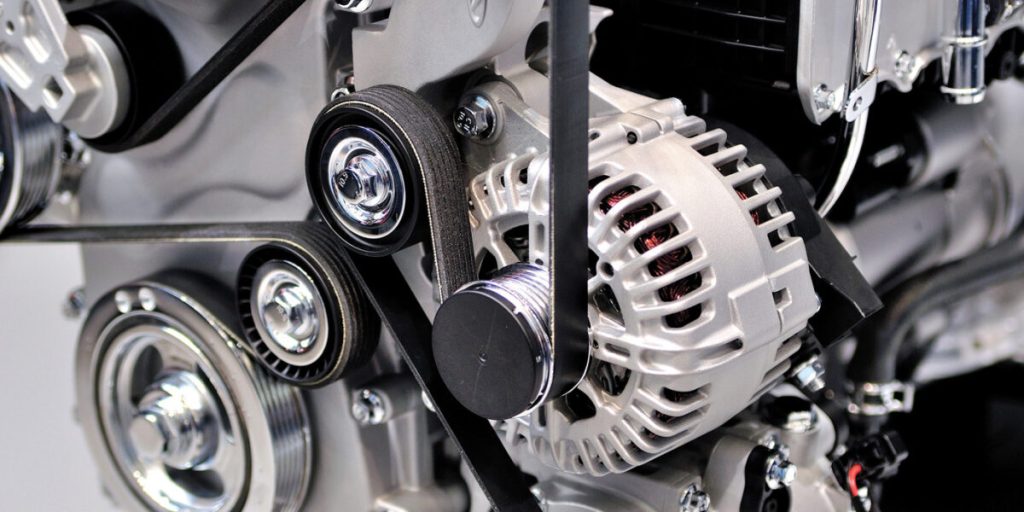
The belt drives accessories such as the alternator and air-conditioning compressor, depending on the vehicle’s design. AAA recommends inspecting belts and hoses regularly, especially when a vehicle is exposed to extreme heat.
Heat can contribute to cracking, glazing, fraying, and other forms of deterioration. Some newer belt materials may not show obvious damage, which is why a professional inspection can be useful when a belt is approaching its service interval.
Florida drivers may notice warning signs before a belt fails. Squealing or chirping from the engine bay can indicate belt wear, misalignment, or a related component problem. A damaged serpentine belt can eventually stop accessories from operating properly, potentially affecting charging or engine cooling depending on the vehicle’s configuration.
AAA gives a general replacement guideline of about 60,000 miles for drive belts, but the correct interval varies by vehicle and belt design. Manufacturer recommendations should take priority.
A belt inspection is particularly worthwhile before a long trip. Looking for cracks, fraying, or missing sections takes little time, but visible damage should be handled rather than monitored indefinitely. If the belt breaks while driving, the vehicle can quickly lose functions powered by that belt.
Florida’s climate does not mean every serpentine belt will fail early. Age, mileage, engine temperature, belt construction, and operating conditions all influence service life. Still, heat exposure gives owners a good reason to treat belt inspection as routine maintenance.
4. Radiator and Cooling-System Hoses
Cooling-system hoses operate in a demanding environment because they transport coolant while being exposed to engine heat. AAA specifically advises checking hoses for brittleness, bulging, excessive softness, cracks, and leaks, while NHTSA warns that rising summer temperatures can accelerate rubber degradation.
Florida makes a healthy cooling system especially important because vehicles regularly operate in hot conditions. A deteriorating hose may initially produce only a small leak, but losing enough coolant can cause the engine temperature to rise and potentially lead to serious mechanical damage.
Not every failing hose looks obviously broken. A hose can become unusually soft, stiff, or swollen as its material deteriorates. Connections and clamps also deserve inspection because a leak may originate around a joint rather than in the middle of the hose.
Drivers should pay attention to coolant spots underneath the vehicle, a falling coolant level, or an engine-temperature warning. Steam from under the hood is another major warning sign. If overheating occurs, continuing to drive can turn a cooling-system repair into an expensive engine repair.
AAA recommends inspecting belts and hoses at least twice a year and more frequently when a vehicle experiences extreme temperatures.
Owners should never remove a radiator cap while the engine is hot because pressurized coolant can cause severe burns. If a hose looks questionable, professional inspection is safer than squeezing or opening components on a hot engine.
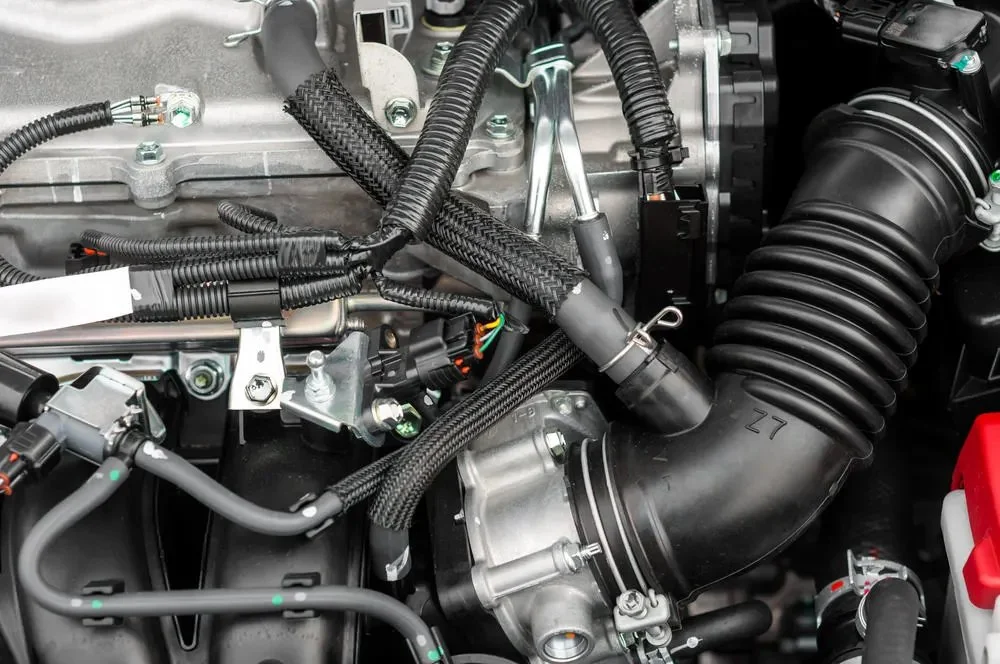
The climate itself does not determine when a hose must be replaced. Vehicle age, mileage, material, and maintenance history all matter. However, Florida’s heat makes early detection particularly valuable. A few minutes spent checking hoses can help prevent a sudden coolant loss on a hot road.
5. Windshield Wiper Blades
Windshield wiper blades can deteriorate surprisingly quickly in Florida because their rubber is repeatedly exposed to heat, sunlight, moisture, and ozone. AAA notes that a typical rubber wiper insert may last about six to 12 months, depending on exposure to conditions including heat and sunlight.
The problem usually becomes obvious when rain arrives. Instead of clearing water cleanly, an aging blade may leave streaks, skip across the glass, or produce chatter. In Florida, where heavy rain can develop quickly, poor wiping performance can reduce visibility at exactly the wrong moment.
Heat is particularly relevant because prolonged exposure can cause rubber to become brittle and cracked. A vehicle that spends most of its time outdoors can experience considerably more exposure than one parked in a garage.
Do not judge a blade only by its appearance. A blade can look acceptable from a distance while its wiping edge has hardened enough to leave water behind. AAA recommends regular inspection and identifies streaking and chattering as common signs of deterioration.
Replacing wiper blades is generally far less expensive than dealing with damaged visibility during a sudden storm. Drivers should also make sure the washer system works and that the windshield itself is clean.
Florida’s humidity is not necessarily the only reason a blade fails. Age, sunlight, dirt, ozone, and repeated use all contribute. Still, the state’s hot climate can accelerate deterioration, making wipers a sensible item to inspect regularly.
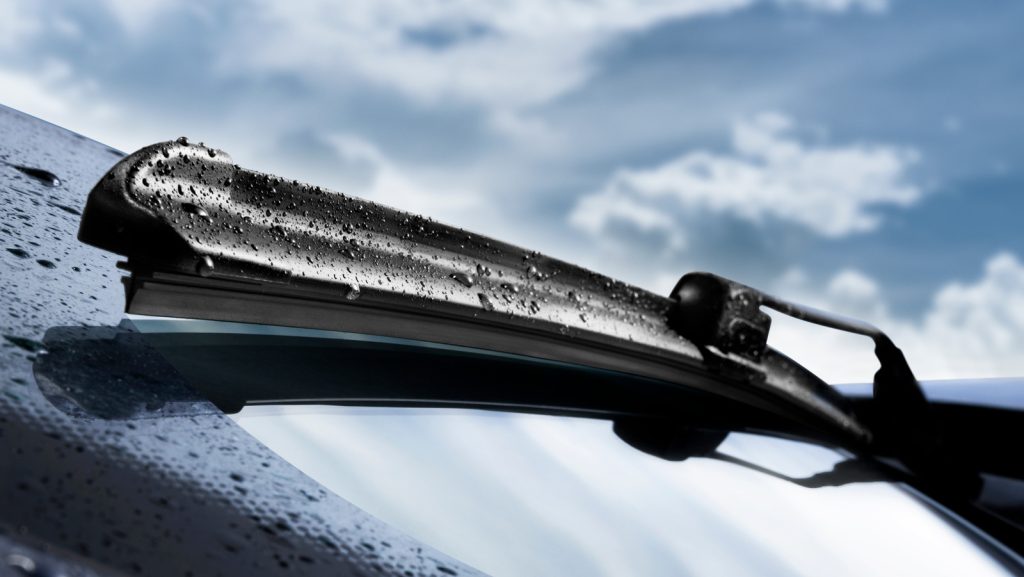
A simple monthly check can reveal cracking, splitting, or hardened rubber before the next downpour exposes the problem. If the blade leaves large unwiped areas, replacement should not be delayed.
Good visibility is a safety requirement, not merely a convenience. For Florida drivers, spending a few minutes checking this inexpensive component can prevent a surprisingly frustrating problem during heavy rain.
6. Brake Fluid
Brake fluid is not a component most drivers associate with humidity, but moisture is one of its biggest enemies. Most modern hydraulic brake systems use glycol-based brake fluid, which is hygroscopic, meaning it absorbs water from the surrounding environment.
Over time, that moisture can lower the fluid’s boiling point and affect braking performance under severe heat.
Florida’s humid climate makes regular brake-fluid inspection particularly important. Moisture can enter through microscopic pathways in hoses, seals, and the fluid reservoir’s venting system. The process is gradual, so drivers may notice nothing during ordinary city driving.
The danger becomes more apparent during repeated hard braking. As brake temperatures rise, contaminated fluid can reach its reduced boiling point and form vapor. Because vapor compresses more readily than liquid, the brake pedal can feel softer, and braking effectiveness can deteriorate.
Moisture can also contribute to internal corrosion within hydraulic brake components. That makes fluid condition a maintenance issue rather than simply a matter of replacing an old liquid.
Brake-fluid replacement intervals vary considerably by manufacturer, vehicle design, and fluid specification, so there is no universal Florida mileage figure that applies to every car. Owners should follow the maintenance schedule in the vehicle’s owner’s manual.
A technician can also test fluid condition using equipment designed to measure moisture or boiling-point characteristics. That is more informative than judging fluid quality solely by its color.
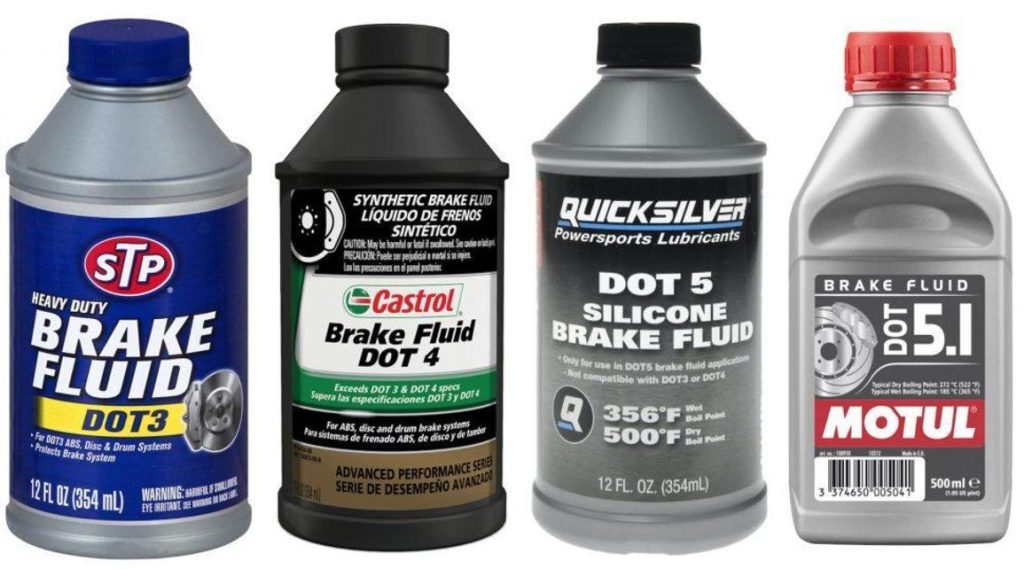
Drivers should never substitute an incompatible brake fluid simply because it is available. The vehicle manufacturer’s specified type should be used.
Florida’s humidity does not automatically mean a brake system is unsafe, but it gives moisture more opportunity to become a maintenance concern. Checking the fluid during routine brake service is an inexpensive way to identify deterioration before demanding driving conditions reveal it.
7. Electrical Connectors and Terminals
Humidity becomes particularly troublesome when moisture reaches electrical connections. Automotive electrical systems contain numerous connectors, terminals, grounds, and wiring junctions, and prolonged exposure to moisture can contribute to corrosion when protection is compromised.
Florida’s environment adds heat to the equation. Temperature changes can encourage condensation, while road splash and moisture can reach connections underneath the vehicle. Once corrosion develops at a terminal or connector, electrical resistance can increase and cause intermittent operation.
The symptoms can be frustrating because they may appear and disappear. A driver might experience an occasional warning light, malfunctioning accessory, or difficulty starting without immediately connecting the problem to corrosion.
Battery terminals are an obvious place to look, but they are not the only vulnerable connections. Ground straps, underbody connectors, and exposed wiring should also be checked when an electrical fault repeatedly returns.
Modern vehicles rely heavily on electronic control modules and sensors. A poor connection to one component can sometimes create warning messages that appear unrelated to the actual source of the problem. Professional diagnosis is therefore preferable to replacing parts based solely on symptoms.
Drivers should avoid spraying random chemicals or water-repellent products into electrical connectors. Some connectors require specific cleaning procedures, and improper treatment can damage seals or terminals.
Visible green, white, or powdery corrosion around a connection deserves attention. Likewise, loose battery terminals should be corrected rather than left to worsen.
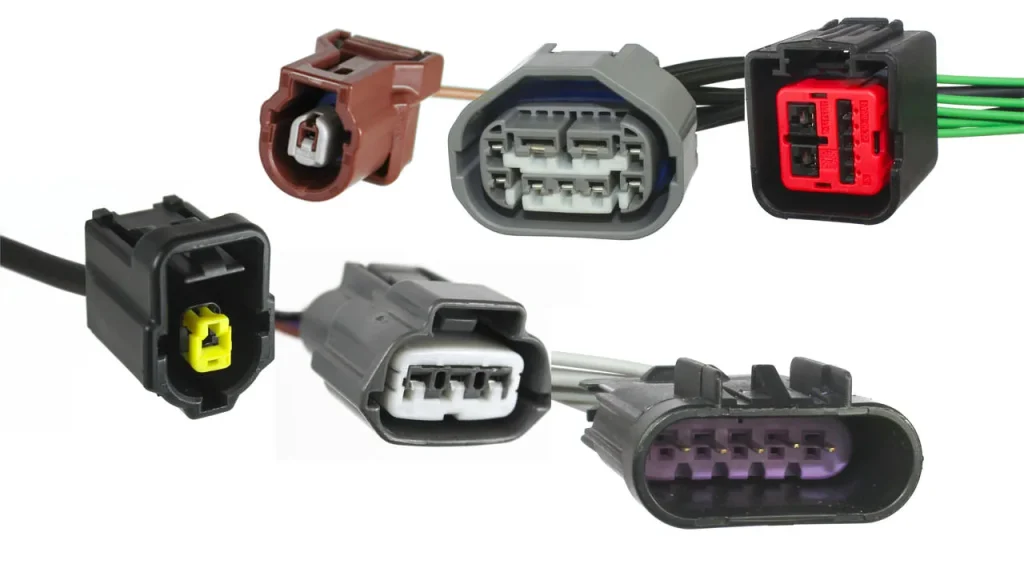
Florida humidity will not destroy every electrical connection, and properly sealed factory connectors are designed to withstand demanding conditions. Problems become more likely when seals are damaged, wiring has been modified, or components have been exposed to water.
Routine inspection is especially worthwhile after flood exposure, underbody repairs, or aftermarket electrical installations. Catching corrosion early can prevent a minor connection problem from becoming an expensive electrical diagnosis.
8. Cabin Air Filters
Florida’s humid air can turn a neglected cabin air filter into more than a simple airflow problem. AAA notes that trapped moisture and debris can contribute to mold or mildew growth, while a clogged filter can reduce airflow through the HVAC system. Signs include musty odors, weak airflow, foggy windows, and inconsistent heating or cooling.
That makes the filter particularly relevant in a state where drivers rely heavily on air conditioning. A filter that remains damp or heavily contaminated can make the cabin smell unpleasant and force the blower system to work harder.
Replacement timing depends on the vehicle and operating environment, so there is no single interval that fits every Florida driver. Checking the filter periodically is more useful than relying exclusively on mileage.
If the vents suddenly produce weaker airflow or a musty smell appears when the climate system starts, the filter should be one of the first items checked. A technician can also inspect the surrounding HVAC area for signs of moisture accumulation.
Florida humidity itself does not guarantee premature filter failure. Dust, pollen, debris, vehicle use, and the condition of the HVAC system all influence how quickly the filter becomes dirty.
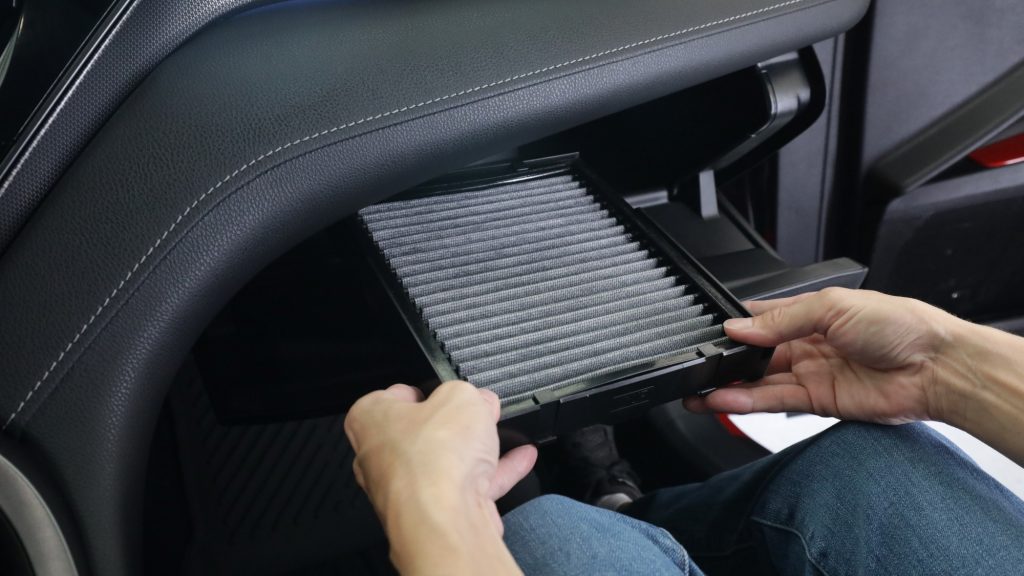
Keeping the windshield-clear airflow strong is another reason not to ignore it. AAA specifically lists foggy windows as a symptom of restricted cabin airflow.
For relatively little maintenance effort, a clean filter can help the ventilation system operate as intended. It is a small component, but in Florida’s hot and humid environment, its condition can have an outsized effect on cabin comfort and visibility.
9. Underbody Metal and Fasteners
Humidity becomes more concerning when it combines with exposed metal, damaged protective coatings, and repeated moisture exposure. Corrosion does not necessarily appear first on a vehicle’s visible body panels. Underbody components can be difficult to see and may receive less attention during routine washing.
AAA’s guidance on corrosion highlights the importance of keeping moisture under control. When metal components are repeatedly exposed to damp and corrosive conditions, they can gradually deteriorate. Areas underneath the vehicle are particularly vulnerable, including the underbody and other exposed components.
Florida’s coastal areas add another consideration because saltwater can accelerate rust and corrosion. AAA specifically advises rinsing the undercarriage after saltwater exposure because salt water can speed corrosion.
The concern is not limited to appearance. Corrosion can affect mechanical hardware, brackets, and other exposed components. If deterioration becomes severe, removing rusted fasteners during future repairs can also become considerably more difficult.
A vehicle does not need to live directly beside the ocean to require attention. Flooding, standing water, and frequent exposure to wet conditions can introduce moisture into areas that normally remain relatively dry.
Inspecting the underside during scheduled service is therefore valuable. Look for obvious rust, damaged coatings, trapped debris, and areas where water or contaminants may remain.
Cleaning should be sensible rather than aggressive. The goal is to remove accumulated contaminants without damaging protective finishes, seals, or electrical components.
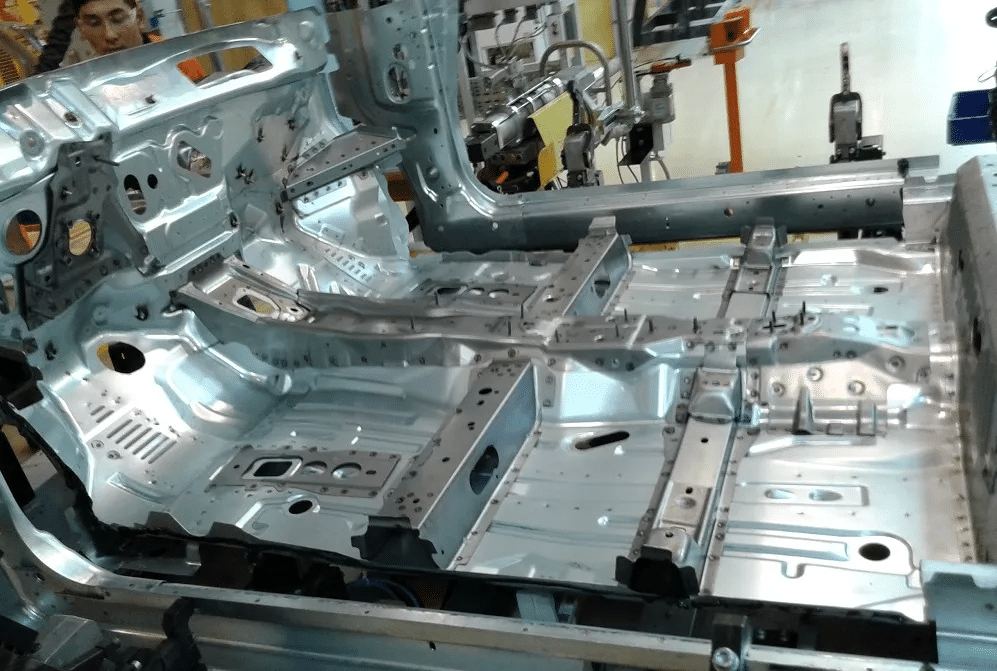
Florida’s humidity alone cannot predict when corrosion will begin or how quickly it will progress. Vehicle age, construction, previous damage, storage conditions, and exposure history all matter. Still, keeping moisture and contaminants from remaining on exposed metal is one of the simplest ways to slow deterioration.
For vehicles regularly driven near the coast or after flooding, underbody inspection deserves particular attention. A problem hidden beneath the vehicle can become expensive precisely because it remained invisible for so long.
10. Door and Trunk Weather Seals
Rubber weather seals spend their lives protecting the cabin and cargo areas from rain and moisture, making them an important but frequently ignored part of a Florida vehicle. These seals around doors, trunks, and hatches can become brittle, cracked, or compressed as they age, particularly after repeated exposure to heat and sunlight.
When a seal loses its ability to maintain contact with the body, water can enter during heavy rain or washing. The first clue may be a damp carpet, wet cargo area, or musty smell rather than an obvious exterior leak.
Humidity makes the consequences more noticeable because trapped moisture may take longer to disappear. Persistent dampness can contribute to unpleasant odors and potentially promote mold growth inside the vehicle.
Inspection is straightforward. Open each door, hatch, and trunk and examine the rubber for splits, hardened sections, deformation, or areas that have pulled away from their mounting points. Pay particular attention to corners, where seals can experience additional stress.
A seal does not necessarily need replacement simply because it looks old. If it remains flexible and maintains proper contact, it may continue performing correctly. Conversely, a visibly damaged seal should not be dismissed because the cabin currently appears dry.
Drivers should also make sure drain passages are not blocked. Water management systems are designed to direct moisture away from the cabin, and clogged drains can make a relatively small sealing problem much worse.
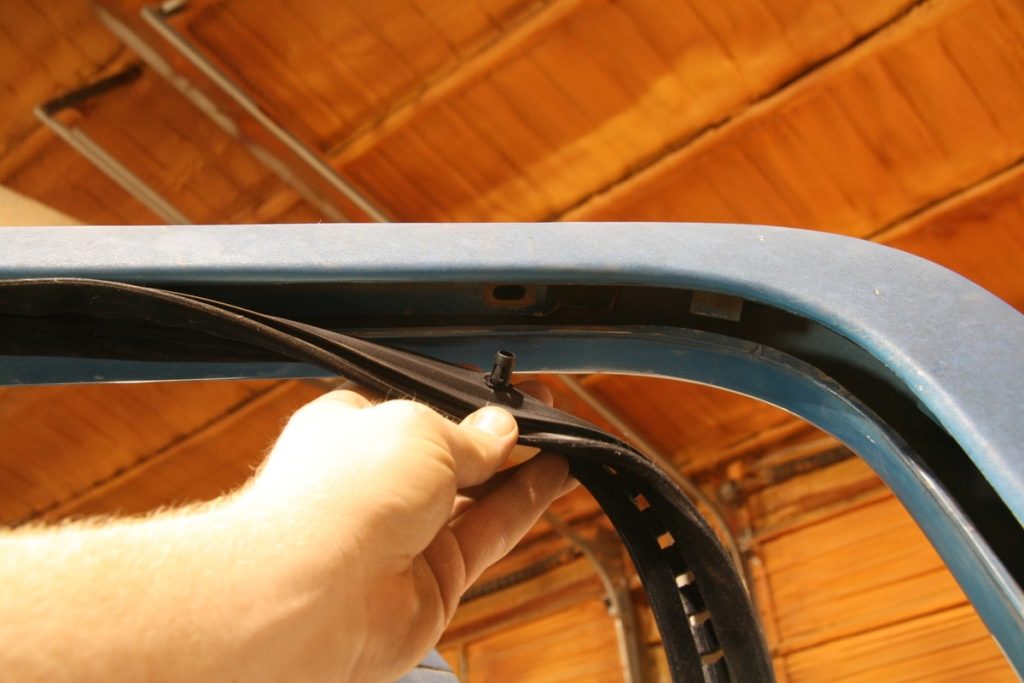
Florida’s heavy rainfall makes weather sealing especially valuable. A vehicle may remain perfectly dry through ordinary conditions and then develop a leak when exposed to sustained tropical rainfall.
There is no universal mileage interval for replacing door or trunk seals. Their service life depends on material, exposure, vehicle design, and usage.
Checking them during routine cleaning costs virtually nothing and can reveal problems before moisture reaches carpeting, electronics, or interior trim. In a humid climate, preventing water intrusion is considerably easier than drying out an interior after repeated leaks.