
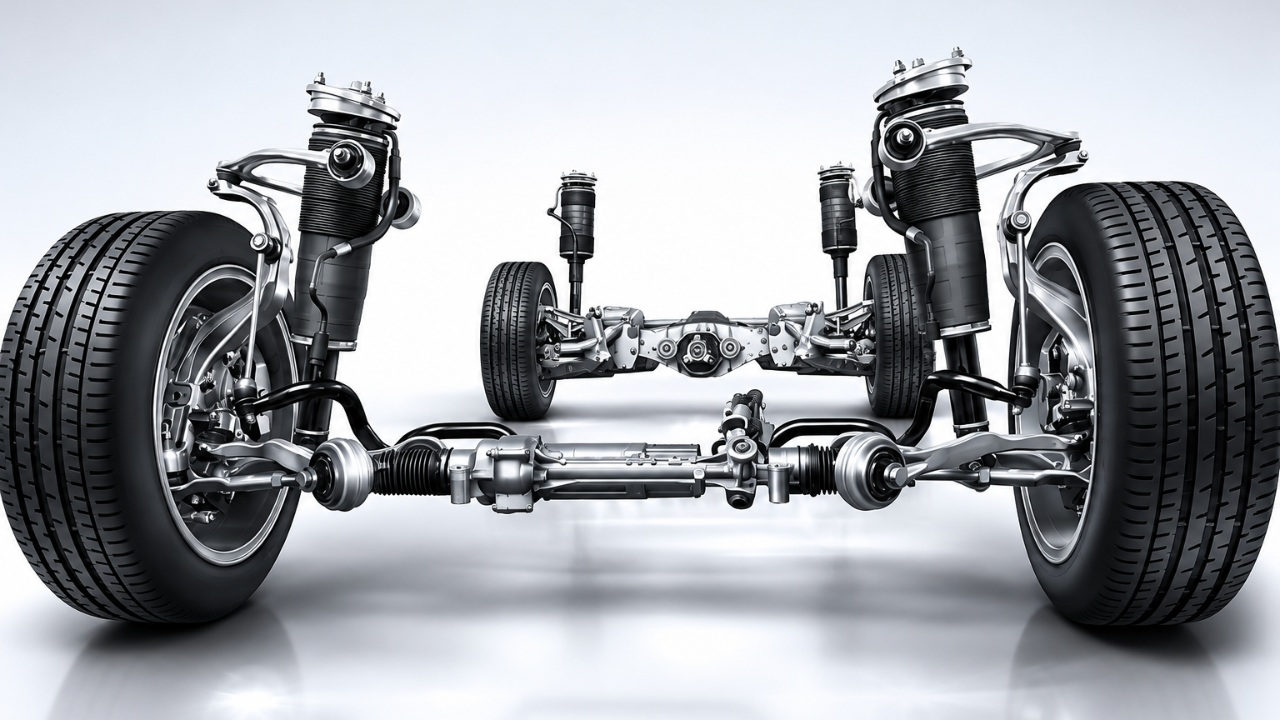
Suspension components spend thousands of miles absorbing bumps, controlling wheel movement, and keeping the tires connected to the road.
Although many parts can last well beyond 60,000 miles, some experience enough stress that noticeable wear can develop much earlier, particularly with rough roads, heavy loads, potholes, aggressive driving, or neglected maintenance.
Mileage alone is therefore not a reliable replacement schedule. A vehicle can reach 40,000 miles with healthy suspension or develop worn components much sooner.
Suspension problems often reveal themselves through noticeable changes in how a vehicle drives. Uneven tire wear, knocking noises, excessive bouncing, altered steering response, and an uneven ride height can all signal that certain components need attention. Recognizing these symptoms early can help prevent minor issues from developing into costly repairs.
1. Shock Absorbers
Shock absorbers are among the suspension components most commonly associated with mileage-related wear because they continuously control the movement of the springs.
Unlike a component that moves only occasionally, a shock absorber can cycle thousands of times during ordinary driving. Every pothole, expansion joint, dip, and body movement places additional demands on its internal piston, seals, and hydraulic fluid.
There is no universal rule saying shocks must be replaced at 60,000 miles. Monroe, a major suspension manufacturer, notes that shocks and struts should be inspected regularly and can require replacement at substantially different mileages depending on driving conditions.
Severe road conditions, towing, heavy loads, and frequent stop-and-go driving can accelerate deterioration. A vehicle driven mostly on smooth highways may experience considerably less stress than one regularly driven over broken pavement.
Worn shocks can reveal themselves through several changes. The vehicle may continue bouncing after crossing a bump, nose-dive more noticeably during braking, squat excessively under acceleration, or lean more during turns.
Fluid leaking from the shock body is another important warning sign. Tire cupping or scalloped tread wear can also indicate inadequate damping.
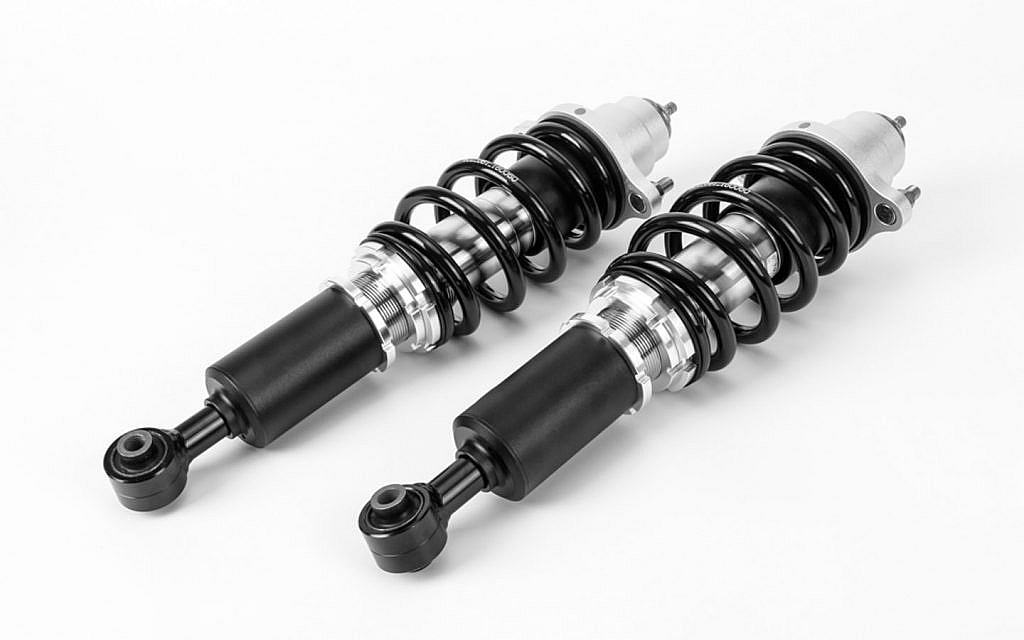
The danger is not simply a less comfortable ride. Proper damping helps maintain consistent tire contact with the road and controls suspension movement during braking and cornering. When damping performance deteriorates, handling can become less predictable.
Drivers approaching 60,000 miles should therefore inspect shock absorbers rather than automatically replacing them. If symptoms are present, a professional inspection can determine whether the units have reached the point where replacement is justified.
2. Strut Assemblies
Struts perform a much larger structural role than many drivers realize. On vehicles using MacPherson strut suspension, the assembly helps locate the wheel while also supporting part of the vehicle’s weight and providing damping.
Because of that combination of responsibilities, deterioration can affect ride quality, steering behavior, and wheel alignment.
A strut assembly contains multiple components, including the damper, spring, upper mount, bearing, and associated hardware. Not every component necessarily wears out at the same time. The damper may lose effectiveness while the spring remains serviceable, or an upper mount and bearing can develop noise before the damper itself becomes obviously weak.
Mileage is only one factor. KYB, a major manufacturer of shocks and struts, recommends regular inspection and points out that worn struts can affect vehicle control, tire wear, and braking performance. Rough roads and heavy vehicle use can increase the rate of deterioration.
One of the easiest clues is a change in how the vehicle responds to uneven pavement. Instead of settling quickly after a bump, the body may continue oscillating. A knocking or clunking noise near the top of the strut can point toward a worn mount or bearing. Uneven tire wear may also appear when suspension movement or alignment has been compromised.
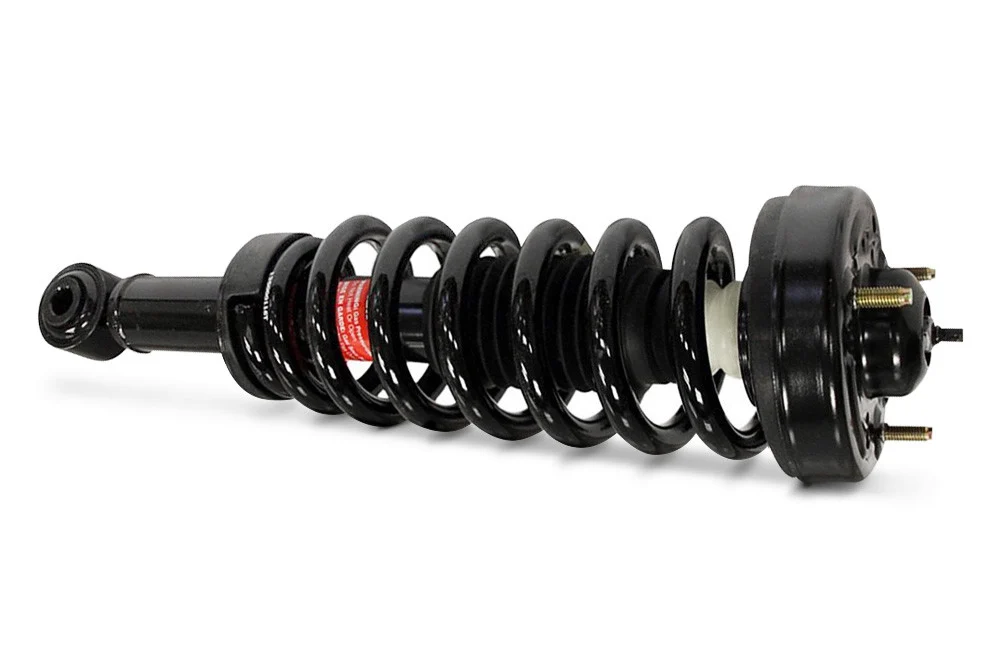
A leaking strut should receive prompt attention, but a dry exterior does not automatically prove that the unit is healthy. Internal damping performance can decline without a dramatic external leak.
There is no scientifically reliable 60,000-mile replacement deadline for every vehicle. Instead, suspension inspection should become increasingly important as mileage accumulates. Replacing worn struts in pairs on the same axle is generally recommended so damping characteristics remain consistent from side to side.
3. Ball Joints
Ball joints provide a crucial connection between suspension components and the steering knuckle. Their design allows controlled movement in multiple directions while maintaining a secure mechanical connection. Because the joint is responsible for both movement and structural support, excessive play should never be dismissed as a minor noise.
Some ball joints can last well beyond 60,000 miles, while others may develop wear considerably earlier. Road salt, water intrusion, damaged dust boots, potholes, heavy loads, and high mileage can all influence service life.
A torn protective boot is particularly important because it can allow contaminants inside while allowing grease to escape.
The symptoms can be subtle at first. A driver may hear a clunk over bumps or notice vague steering feedback. In more advanced cases, the vehicle may pull or wander, tire wear can become uneven, and steering may feel less precise. A technician can check the joint for movement using manufacturer-specific inspection procedures.
Ball-joint wear deserves more attention than many other suspension noises because the joint can be a safety-critical component. Excessive deterioration can compromise the wheel’s ability to remain correctly positioned.
It is also important not to diagnose a ball joint based solely on noise. Control-arm bushings, sway-bar links, tie-rod ends, and other components can produce similar sounds. Proper inspection identifies the source rather than replacing parts through guesswork.
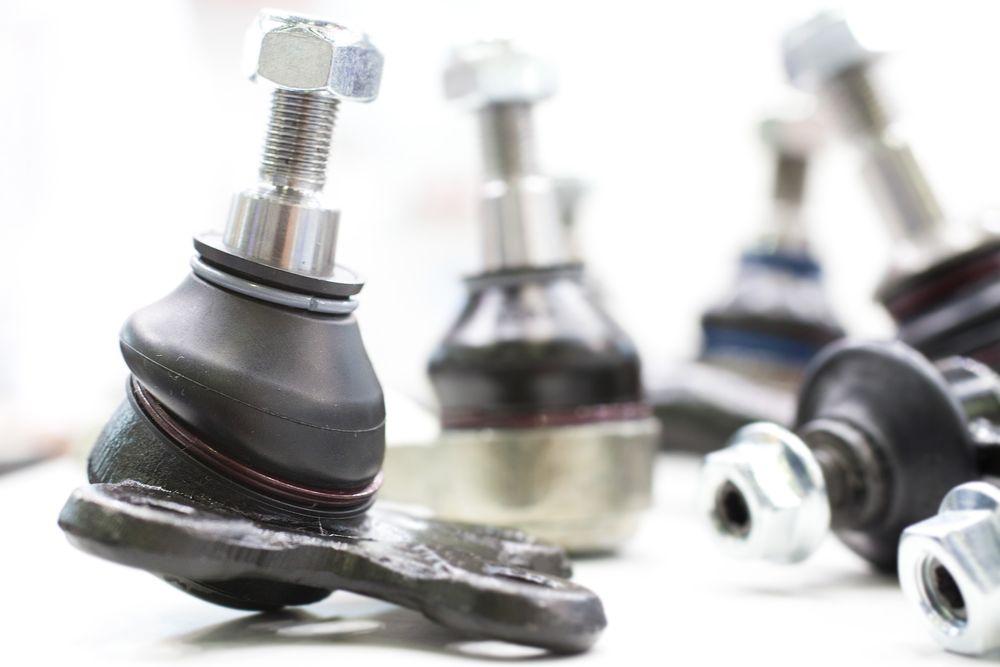
Drivers approaching 60,000 miles should have ball joints inspected during routine suspension checks, especially if the vehicle regularly encounters potholes or rough roads. If a dust boot is damaged, the joint should be evaluated even if no obvious handling problem has developed.
The correct replacement interval depends on the vehicle and operating environment, making condition-based inspection more useful than a fixed mileage rule.
4. Control Arm Bushings
Control-arm bushings are designed to allow controlled suspension movement while isolating vibration and preventing excessive movement between the control arm and vehicle structure. They are commonly made from rubber or other elastomeric materials, which means age and environmental exposure can be just as important as mileage.
A vehicle approaching 60,000 miles may have perfectly serviceable bushings, while another operating on rough roads can develop cracks, deformation, or separation much sooner. Heat, road salt, oil contamination, heavy loads, and repeated suspension movement can contribute to deterioration.
The symptoms can be surprisingly inconsistent. Some drivers notice a dull clunk when accelerating or braking. Others experience steering that feels less precise, particularly when transitioning between acceleration and braking.
The vehicle may also require more steering correction on uneven pavement. In severe cases, abnormal bushing movement can contribute to alignment changes and irregular tire wear.
Visual inspection can provide useful clues, but a crack in rubber does not automatically mean the bushing has failed. Technicians generally evaluate the extent of deterioration and whether the control arm is moving beyond its intended range.
This distinction matters because replacing suspension components based solely on age can create unnecessary expense. At the same time, ignoring significant bushing deterioration can allow additional suspension movement to affect handling and tire wear.
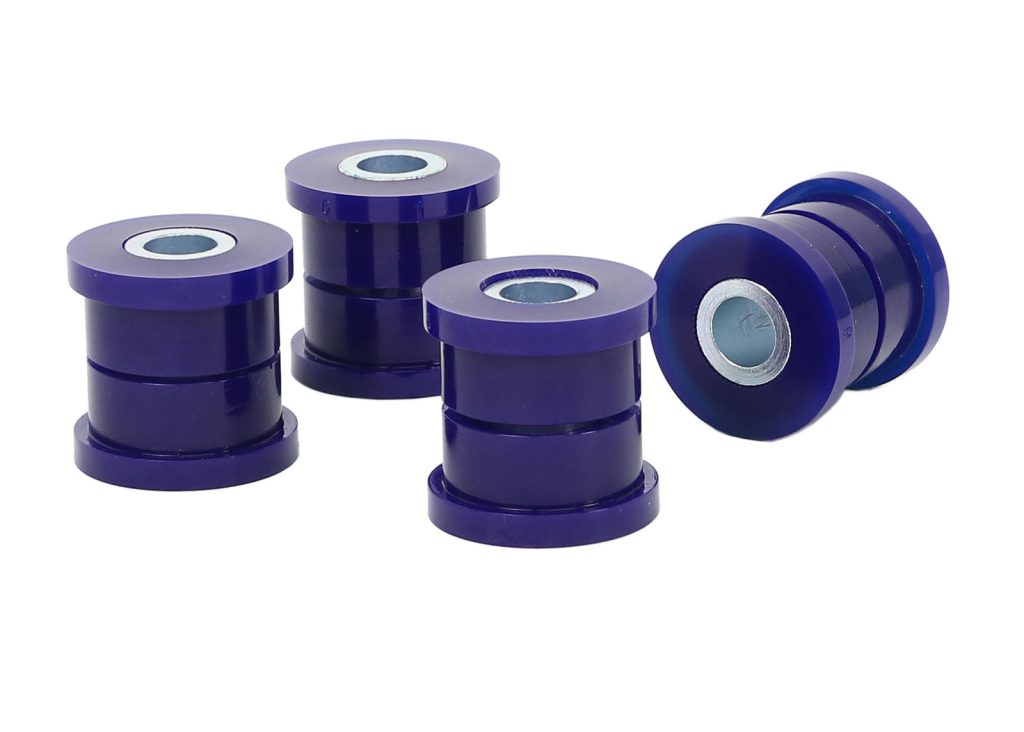
Control-arm bushings are therefore best treated as inspection items rather than automatic 60,000-mile replacement parts. Their service life varies substantially between vehicles and driving environments.
If replacement becomes necessary, the technician should also inspect related components and verify alignment afterward when the repair affects suspension geometry. A new bushing cannot compensate for a worn ball joint or damaged control arm elsewhere in the assembly.
5. Sway Bar Links
Sway bar links, also called stabilizer-bar links, connect the anti-roll bar to the suspension. Their job is relatively small compared with a strut or control arm, but their effect becomes noticeable when they develop excessive play.
The links move repeatedly as the suspension travels and the vehicle corners. Their joints or bushings can wear from age, road impacts, corrosion, and repeated movement. On some vehicles, the links use ball-and-socket joints with protective boots. Once those joints become loose or contaminated, a familiar rattling or knocking sound may develop.
A worn sway bar link does not necessarily mean the vehicle will immediately become unsafe to drive, but it can reduce the effectiveness of the stabilizer system and make suspension behavior less controlled during cornering. The most recognizable symptom is often a sharp clunk from one corner when driving over small, repeated bumps.
Unlike worn shocks, sway-bar-link problems generally do not cause the vehicle to continue bouncing after a large bump. That distinction can help technicians narrow down the source of a suspension complaint.
There is also no universal 60,000-mile replacement schedule. A vehicle with 55,000 miles may need links because it has spent years on rough urban roads, while another with 80,000 miles may still have serviceable original components.
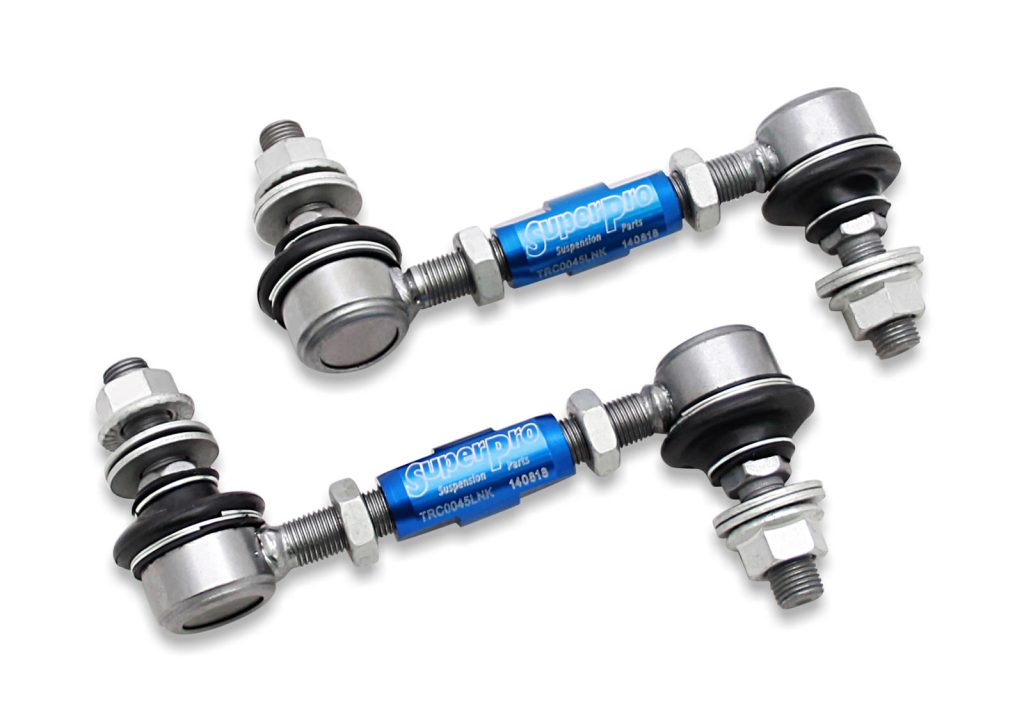
Inspection is particularly worthwhile when a vehicle develops a new noise over broken pavement. A technician can check for looseness and compare the condition of the links on both sides.
Because these parts are generally smaller and less expensive than major suspension assemblies, early diagnosis can prevent a minor worn joint from being confused with a much larger suspension failure.
6. Wheel Bearings
Wheel bearings are not traditional suspension components, but they are closely connected to wheel-end operation and are often inspected alongside suspension parts. Their job is to allow the wheel and hub assembly to rotate with minimal friction while supporting vehicle loads.
A wheel bearing can last well beyond 60,000 miles, but its life depends heavily on vehicle design, load, road conditions, contamination, and bearing quality. Severe pothole impacts can damage bearings, while water or road debris can accelerate deterioration if sealing is compromised.
The classic symptom is a humming, growling, or rumbling sound that changes with vehicle speed. The noise may become more pronounced when the vehicle turns because cornering changes the load on the bearing. However, diagnosis is not always straightforward because tire noise can sound remarkably similar.
In advanced cases, excessive bearing play can affect wheel position and potentially interfere with proper vehicle control. That is why noticeable bearing symptoms should not simply be ignored until the next scheduled service.
A mechanic can inspect the hub assembly for looseness and listen for abnormal noise while evaluating the wheel and suspension. Modern sealed hub units often cannot be serviced internally, meaning the appropriate repair is replacement of the complete unit when failure is confirmed.
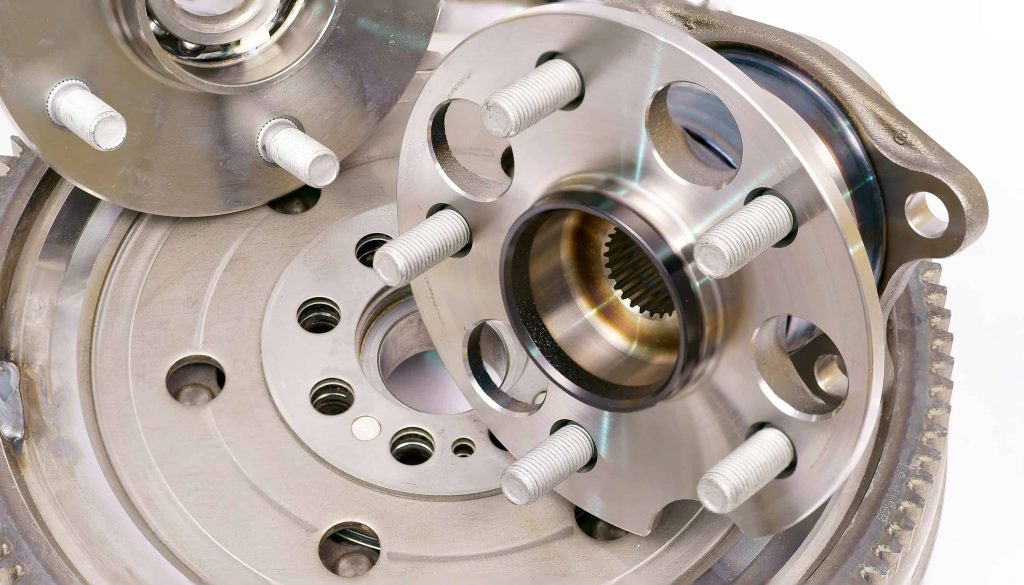
The 60,000-mile figure should therefore be considered a checkpoint rather than a replacement deadline. Some bearings fail earlier after impact damage, while others remain functional for much longer.
Drivers who notice a new speed-related humming noise, vibration, or looseness around one wheel should have it investigated rather than assuming the tire is responsible. Identifying the source early can prevent a developing wheel-end problem from becoming more serious.
7. Tie-Rod Ends
Tie-rod ends connect the steering linkage to the steering knuckle and allow the wheels to turn while the suspension moves. They are steering components, but their location and function make them an essential part of any comprehensive suspension inspection.
Wear develops gradually as the joint experiences steering loads, road impacts, and constant movement. A damaged dust boot can allow moisture and contaminants into the joint, accelerating deterioration. Potholes and rough roads can also place unusually high loads on the steering linkage.
The warning signs can include loose or wandering steering, uneven tire wear, steering-wheel vibration, or a clunk when turning. However, these symptoms can also result from other worn components, including ball joints, wheel bearings, and control-arm bushings.
A technician can inspect the tie-rod ends for excessive movement and compare their condition with manufacturer specifications. Simply replacing the part because a vehicle has crossed a particular mileage threshold is not necessary.
One reason tie-rod inspection matters is its direct connection to steering control. Excessive play can allow the wheel to move differently from the steering input, reducing precision and potentially affecting alignment.
If a tie-rod end is replaced, an alignment check is normally appropriate because the steering geometry can change during the repair. On vehicles with adjustable tie rods, proper adjustment is particularly important.
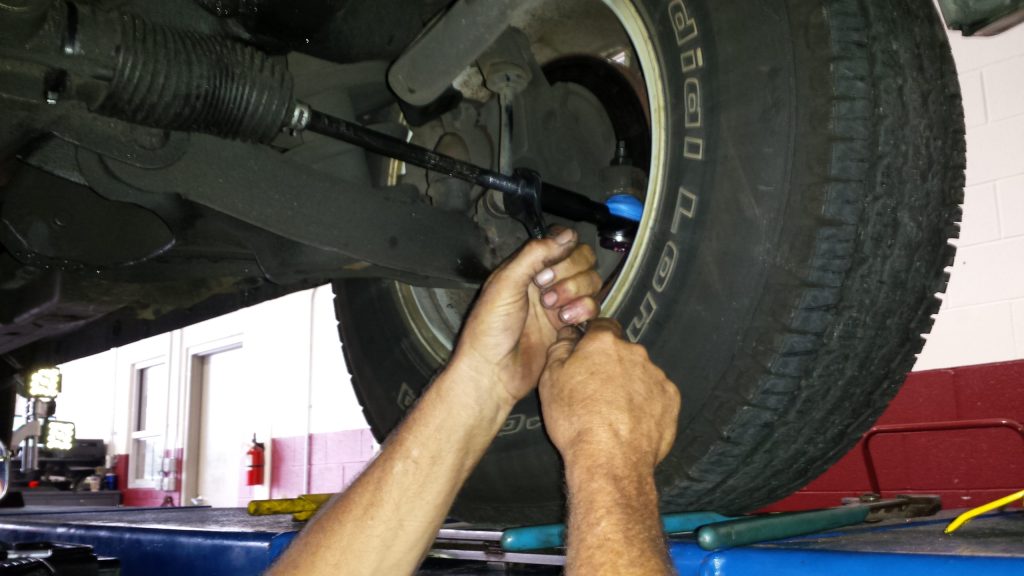
Drivers approaching 60,000 miles should consider tie-rod inspection, especially if they have noticed steering looseness or unexplained tire wear. A vehicle that tracks straight and has tight steering may not need replacement simply because of mileage.
The key is to distinguish normal suspension movement from excessive joint play. That requires an inspection rather than relying solely on how the vehicle feels during an ordinary drive.
8. Coil Springs
Coil springs support the vehicle’s weight and establish much of its ride height. Unlike shocks, they do not primarily control oscillation. Instead, they compress and extend as the suspension responds to road surfaces.
Coil springs can last for many years and frequently remain functional beyond 60,000 miles. However, corrosion, repeated heavy loading, severe road impacts, and fatigue can eventually weaken or break them. The service environment matters considerably, particularly in regions where road salt is used extensively.
A sagging corner is one of the easiest warning signs. The vehicle may sit lower on one side, or the ride height may gradually decrease across an axle. A broken spring can also produce a sudden change in ride height accompanied by unusual noises.
Spring problems should not be confused with worn shocks. A vehicle that bounces excessively may have inadequate damping, while a vehicle sitting noticeably low may have a spring problem. Both components can deteriorate simultaneously, which makes a complete suspension inspection useful.
A broken coil spring can interfere with tire clearance or other suspension components depending on its location and design. That makes continued driving questionable when a spring failure is suspected.
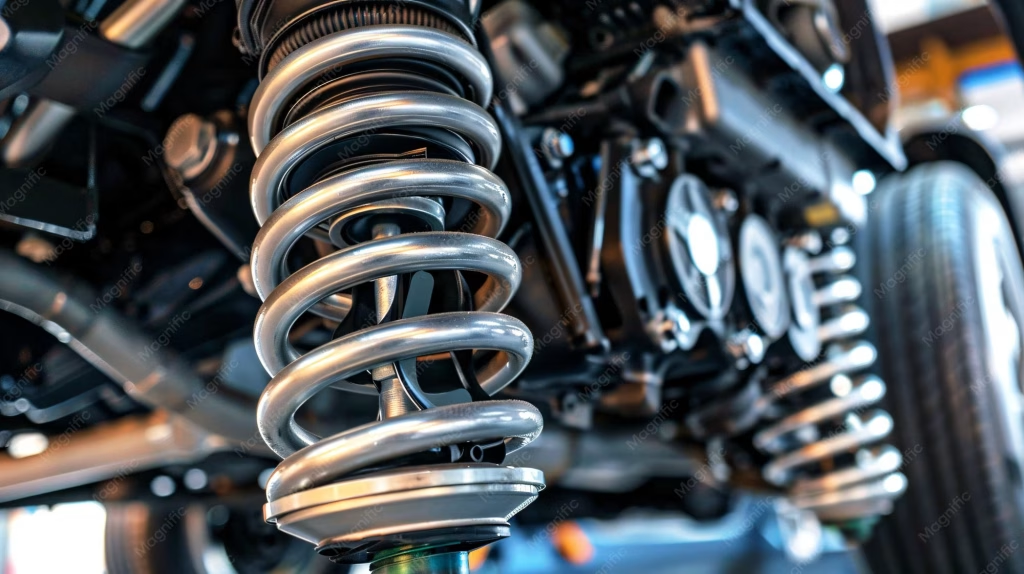
There is no universal mileage interval for coil-spring replacement. A 60,000-mile vehicle does not automatically need new springs, particularly if ride height remains correct and inspection reveals no cracking or corrosion-related damage.
When springs are replaced, technicians should examine the spring seats, isolators, shocks or struts, and related hardware. Installing a new spring while overlooking damaged supporting components can leave the underlying problem unresolved.
For owners approaching 60,000 miles, checking ride height and looking for visible spring damage is a sensible part of routine suspension maintenance.
