
Buying a vehicle for New York roads can become complicated when the vehicle’s title, construction, origin, or ownership history does not satisfy state requirements. A car that can be legally registered in another state may still face additional requirements in New York.
Salvage vehicles, vehicles not built to U.S. standards, reconstructed vehicles, and vehicles with questionable ownership documentation can all trigger problems at the DMV. The important distinction is that many of these vehicles are not permanently prohibited.
Some can become registrable after examinations, corrected documentation, or other requirements are completed. Here are the first two categories that deserve the closest attention.
1. Vehicles Not Manufactured to U.S. Standards
A vehicle can look perfectly roadworthy and still run into a registration problem in New York if it was not originally manufactured to comply with applicable U.S. safety or emissions standards.
New York DMV specifically recognizes a “Non-USA-STD” title brand for vehicles that were not originally manufactured in compliance with U.S. emissions standards, U.S. safety standards, or both. That makes certain foreign-market vehicles particularly important to investigate before purchase.
This does not mean every vehicle imported from another country automatically fails registration. The critical issue is whether the particular vehicle meets the required U.S. standards and whether the necessary documentation is available.
A Japanese-market model, for example, may have equipment, emissions specifications, lighting, labeling, or other characteristics different from the U.S.-market version. Simply having the same model name as a vehicle sold in America does not establish compliance.
The risk becomes particularly significant with gray-market imports. A buyer could spend substantial money acquiring an unusual vehicle only to discover that registration cannot proceed as expected.
New York DMV also states that vehicles carrying certain branding because they were not manufactured to U.S. standards must have that information reflected on the title.
Before purchasing such a vehicle, prospective owners should verify its title history, federal compliance documentation, VIN information, and eligibility with the appropriate authorities. Assuming that an out-of-state registration automatically guarantees New York registration can be an expensive mistake.
2. Rebuilt Salvage Vehicles Before Required Examination
A heavily damaged vehicle is not necessarily impossible to register in New York, but attempting to register one before completing the state’s salvage process can stop the transaction.
The New York DMV requires a salvage vehicle that has been rebuilt for road use to undergo a salvage vehicle examination before a new title certificate or registration can be issued. The examination is part of the state’s Auto Theft Prevention Program and is designed to determine whether the vehicle or its components are stolen.
New York uses a specific damage threshold in its title and registration rules. DMV states that a vehicle damaged to the extent that the estimated or actual repair cost exceeds 75% of its retail value at the time of loss is subject to salvage requirements.
Once rebuilt, the vehicle must go through the required process rather than simply being presented for ordinary registration.
Buyers should also understand that a salvage examination is separate from a standard safety or emissions inspection. It is also different from an insurance examination. New York may require these processes to be completed separately when applicable. According to the DMV, a vehicle that passes the salvage process receives a “REBUILT SALVAGE” brand on its New York title.
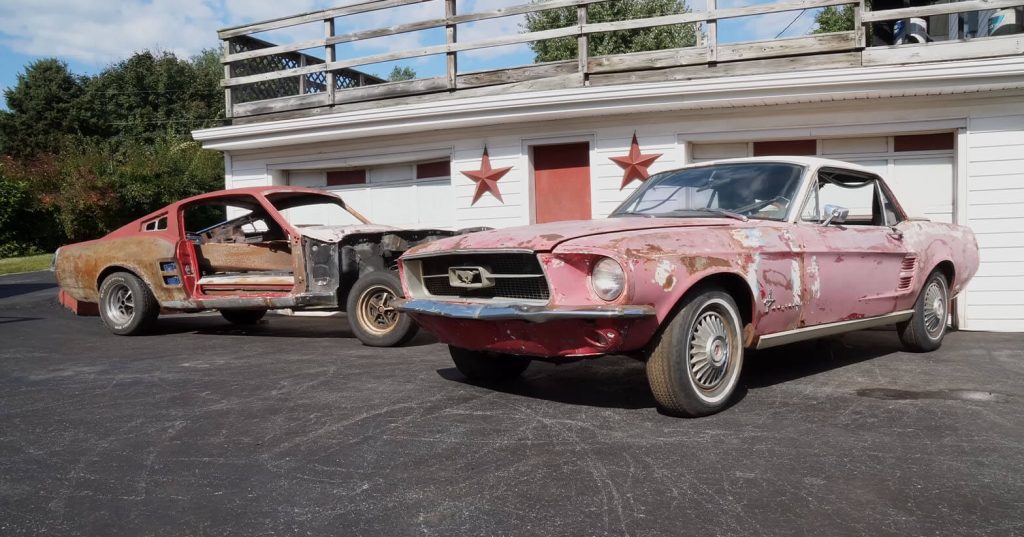
The financial risk is easy to understand. A bargain-priced wrecked vehicle can become considerably more expensive once repairs, documentation, examination fees, transportation, and other requirements are added.
The current DMV salvage examination application lists a $200 fee when a New York Salvage Certificate is used as proof of ownership and $205 for several other proof-of-ownership situations.
3. Vehicles With Unresolved Title Problems
A vehicle can be mechanically sound and still hit a registration wall if its ownership paperwork is not acceptable to the New York DMV. The state’s requirements place significant importance on a valid certificate of title and properly completed ownership documents.
DMV guidance states that a motor vehicle office will not accept a title certificate when required information has been altered, erased, or canceled, or when the required odometer or damage disclosure information is incomplete.
This matters most when buying a used vehicle from a private seller or bringing a vehicle into New York from another state. A missing title, an improperly assigned title, inconsistent VIN information, or an unresolved lien can turn a straightforward registration into a much more complicated process.
The problem is not necessarily the vehicle itself. Instead, the DMV needs sufficient evidence establishing who owns it and whether the transaction was properly documented. New York’s registration process also requires proof of insurance, and the VIN and owner’s name on the insurance identification card must correspond with the registration application.
Buyers should therefore inspect the title before handing over money. The seller’s name should correspond with the ownership documentation, required signatures should be present, and the VIN should match the vehicle.
Any unexplained correction should be treated as a warning sign rather than something that can simply be fixed at the DMV counter.
This category is particularly important because title problems can follow a vehicle even when it has previously been registered elsewhere. A previous registration does not automatically eliminate New York’s documentation requirements.
4. Vehicles With Missing or Improper Salvage Documentation
A damaged vehicle can become a registration headache when its salvage paperwork does not match New York’s requirements. The state has a dedicated process for vehicles that have been declared salvage, rebuilt, recovered after theft, or damaged by events such as flooding.
New York’s current salvage examination application specifically identifies categories including collision loss, flood damage, recovered stolen vehicles, and unknown salvage causes.
The paperwork becomes especially important after repairs. New York requires documentation showing what replacement components were installed, and the salvage examination application calls for original receipts or ownership documents for qualifying replacement parts.
Those records must include identifying information such as the stock number and VIN for the replacement item.
That requirement can create problems for someone who buys a cheaply repaired vehicle without receiving a complete paper trail. A car may appear finished, yet the owner could discover that essential receipts or ownership documents are missing when the vehicle reaches the examination stage.
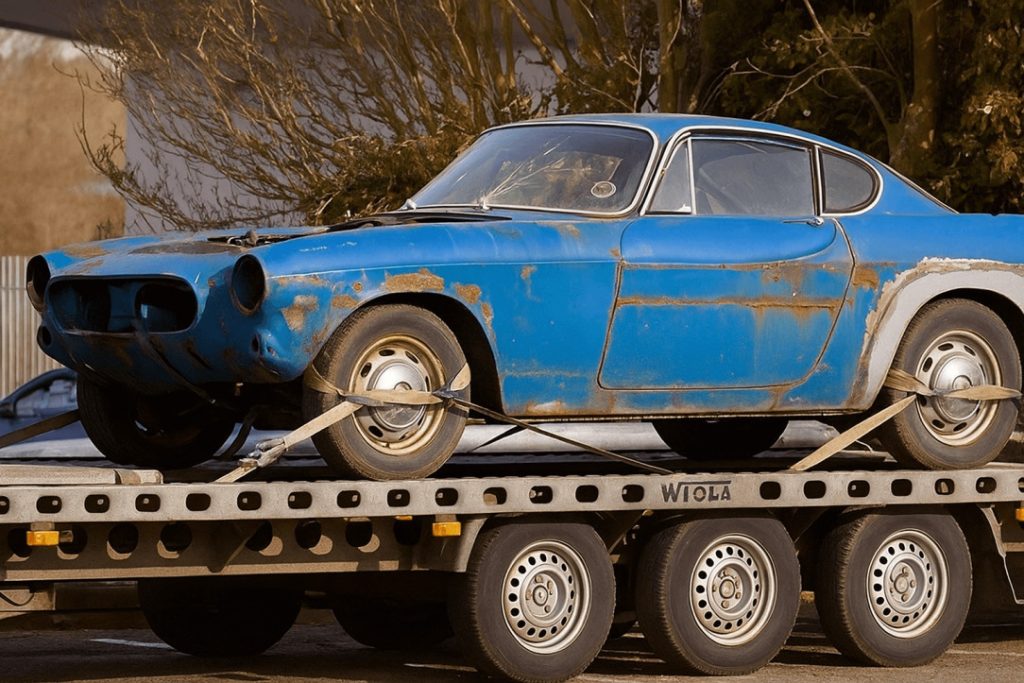
The New York DMV also requires vehicles described as “rebuilt salvage” or similar wording to be examined before they can be registered or titled. The examination is focused on preventing stolen vehicles and stolen components from entering the legitimate vehicle market. It should not be confused with a normal safety inspection.
For buyers, the safest approach is to examine the vehicle’s title and salvage history before purchase and determine exactly what documentation accompanies it. A bargain price does not compensate for a vehicle that cannot complete the state’s registration process.
5. Vehicles That Cannot Pass New York’s Emissions Inspection
A vehicle can have a clean title, valid ownership documents, and working mechanical components yet still fail to qualify for registration if it cannot satisfy New York’s applicable emissions requirements.
The New York DMV states that emissions inspections are performed alongside the annual safety inspection for most passenger vehicles and light trucks. Vehicles that fail the emissions inspection may not be able to become registered, and an already registered vehicle may be unable to renew its registration.
For many gasoline-powered vehicles, the key requirement is an OBDII inspection. New York generally applies this test to most 1996 and newer gasoline vehicles and most 1997 and newer diesel vehicles with a GVWR below 8,501 pounds.
The inspection checks the malfunction indicator lamp and verifies information from the vehicle’s onboard emissions diagnostic system.
That creates a particular problem for cars with unresolved check-engine issues, modified emissions equipment, or systems that have not completed their required readiness checks. A vehicle might run smoothly from the driver’s perspective while still producing an inspection failure.
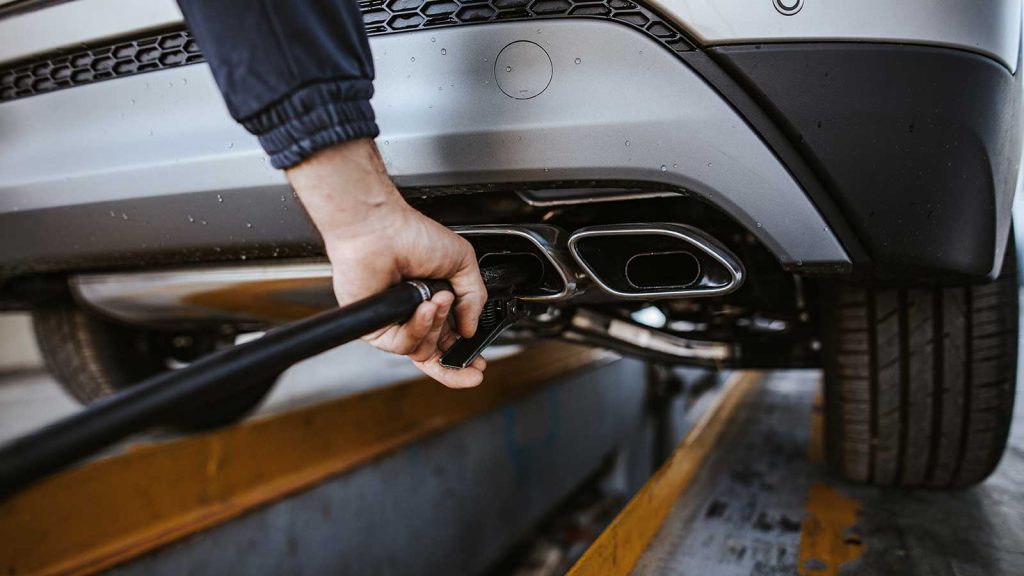
This is why buying an inexpensive used car with an illuminated check-engine light can become more expensive than expected. Repairing the emissions fault may be necessary before the registration process can be completed or renewed.
The important distinction is that New York does not simply reject every older or modified vehicle. Specific exemptions and inspection rules apply depending on the vehicle’s age and classification. Buyers should therefore determine the exact inspection requirements for the vehicle before assuming it qualifies.
6. Vehicles With VIN Problems or Unverifiable Identification
A vehicle’s VIN is more than a number used by an insurance company. New York registration depends on establishing the vehicle’s identity and ownership through acceptable documentation.
If the VIN on the vehicle does not correspond with the title, registration documents, or other required records, the registration process can become complicated or stop entirely.
The New York DMV requires applicants to provide acceptable proof of ownership, and its guidance emphasizes that the information on ownership documents must be accurate.
For vehicles from model year 1973 onward, acceptable ownership proof generally includes an original New York title or qualifying original or certified ownership documents from another state.
Altered paperwork is another serious concern. The DMV specifically warns that title information must not be altered, erased, or changed. If information has been altered, the current owner may need to obtain a duplicate title before transferring ownership.
This becomes especially important with vehicles purchased cheaply from private sellers, auction sources, or out-of-state owners. A mismatched VIN can indicate a simple clerical error, but it can also point toward a much more complicated ownership or vehicle-history issue. The DMV needs reliable documentation before issuing registration or title documents.
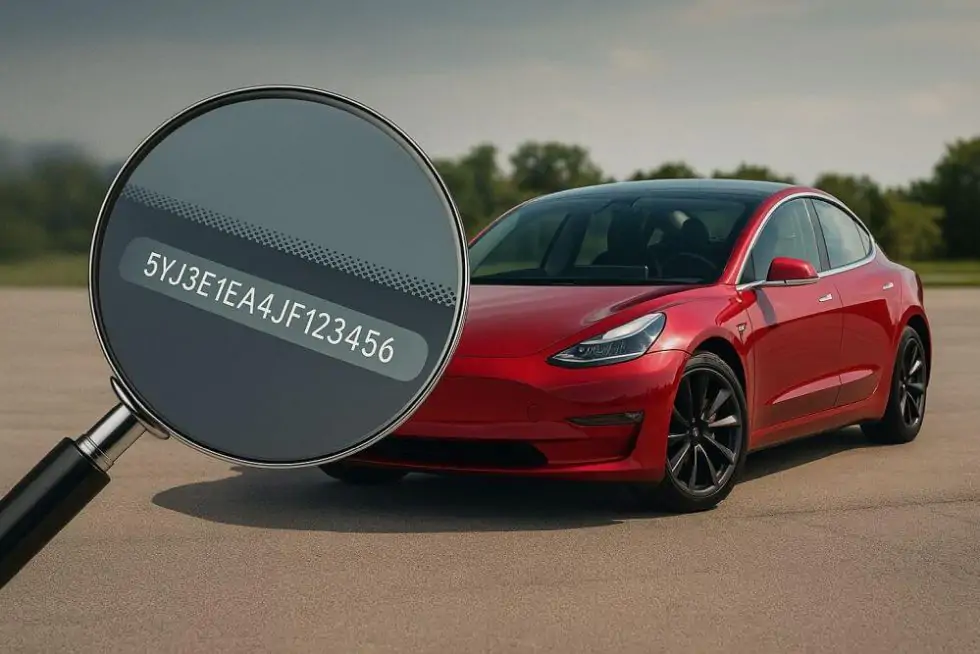
New York’s registration instructions also require various documents to correspond with the applicant and vehicle information. The state distinguishes between registration, which authorizes road use, and a title certificate, which establishes ownership.
For buyers, checking the VIN on the vehicle against every ownership document before completing the purchase is one of the simplest precautions available. If the numbers do not match, resolving the discrepancy before buying is far safer than discovering the problem at the DMV.
7. Vehicles With Unresolved Liens
A vehicle can look legitimate and still create a registration problem when its ownership records show an unresolved lien. This situation usually arises when a previous owner financed the vehicle and the lender’s security interest was never properly released.
New York DMV requires documentation that establishes ownership, and lien information can affect whether a title can be transferred cleanly to a new owner.
The danger for buyers is assuming that possession of the vehicle means complete ownership. It does not. If a lender or other lienholder still has a legal interest recorded against the vehicle, the seller may not be able to provide the clean ownership documentation needed for a straightforward transaction.
New York’s title procedures provide mechanisms for recording and removing liens, but the necessary documentation has to be supplied. DMV guidance explains that when a lien is satisfied, the lienholder’s release documentation can be required to establish that the security interest has been cleared.
This is particularly important when buying a used vehicle from a private seller. A low price can make a car tempting, but an unresolved lien can turn that bargain into months of paperwork. The buyer should verify the title, identify any listed lienholders, and confirm that the seller has the appropriate release documents before completing the purchase.
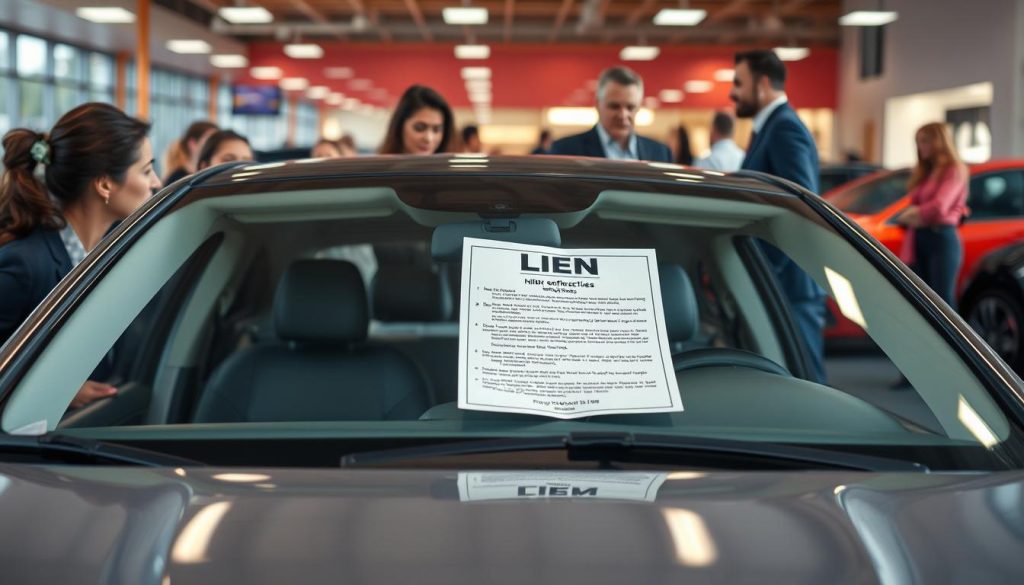
There is also a distinction between a registration issue and a vehicle being permanently prohibited from New York roads. An unresolved lien does not necessarily make the vehicle itself illegal. Instead, it can prevent the buyer from completing the ownership and registration process until the documentation is corrected.
Before purchasing an out-of-state vehicle, checking its title status and lien information is therefore essential. The cleanest transaction is one where the seller can immediately provide valid ownership documentation and proof that any previous financial interest has been satisfied.
8. Vehicles With Flood Damage That Was Not Properly Disclosed
Flood-damaged vehicles can create serious registration and title complications in New York, particularly when their history has not been properly documented. The New York DMV recognizes flood damage as a specific type of vehicle damage within its salvage system.
A vehicle that has suffered qualifying damage can therefore require additional title branding and examination procedures before it can be legally registered.
The concern goes beyond water inside the cabin. Flood exposure can affect electrical systems, wiring, sensors, airbag components, and other equipment that may continue functioning temporarily before developing problems. A vehicle can consequently look surprisingly clean after being dried, cleaned, and cosmetically repaired.
New York’s salvage examination process is designed in part to verify the identity and legitimacy of rebuilt vehicles and their components. DMV documentation specifically includes flood damage among the circumstances that can place a vehicle into the salvage examination process.
That makes documentation especially important when purchasing a vehicle that previously lived in another state. A title may carry a flood or salvage brand, and buyers should not assume that cosmetic restoration removes the underlying history. A branded title remains an important part of the vehicle’s record.
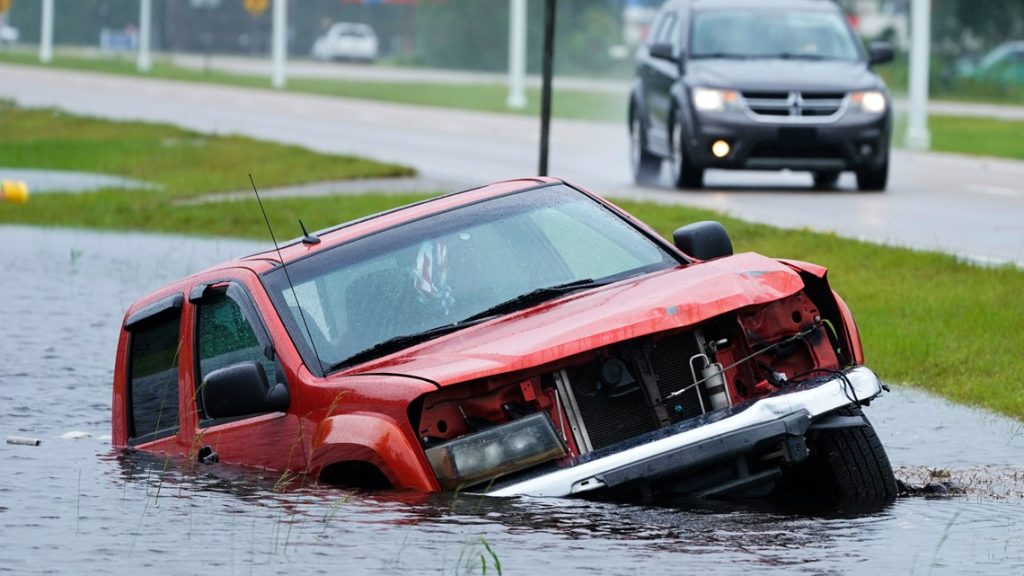
The biggest mistake is purchasing based solely on appearance. A freshly detailed interior and replacement carpeting can conceal evidence that the vehicle experienced significant water exposure. Buyers should examine the title carefully, obtain the vehicle history, and have an independent mechanic inspect electrical and safety-related systems.
Flood damage does not automatically mean a vehicle can never return to the road. New York provides procedures for qualifying rebuilt salvage vehicles. However, attempting to register one without completing the required documentation and examination can stop the process.
9. Vehicles With Invalid or Incomplete Proof of Ownership
Even an expensive, perfectly maintained vehicle can become impossible to register in New York if the buyer cannot prove ownership properly. New York DMV requires acceptable ownership documentation before a vehicle can be titled and registered, and the requirements vary according to the vehicle’s age and where it was previously titled.
For many vehicles from model year 1973 onward, an original New York title or an acceptable original or certified out-of-state ownership document is required.
This becomes a common problem with vehicles purchased through private sales. A seller might provide a handwritten bill of sale and insist that it is enough. In many situations, however, a bill of sale alone does not replace the required title documentation. DMV also requires ownership documents to contain accurate information and proper signatures.
Older vehicles have different rules, which makes assumptions particularly risky. New York’s requirements distinguish vehicles by model year, and some older vehicles may use documents other than a standard title as proof of ownership.
Buyers therefore need to determine which documents apply to the specific vehicle rather than relying on advice from a previous owner.
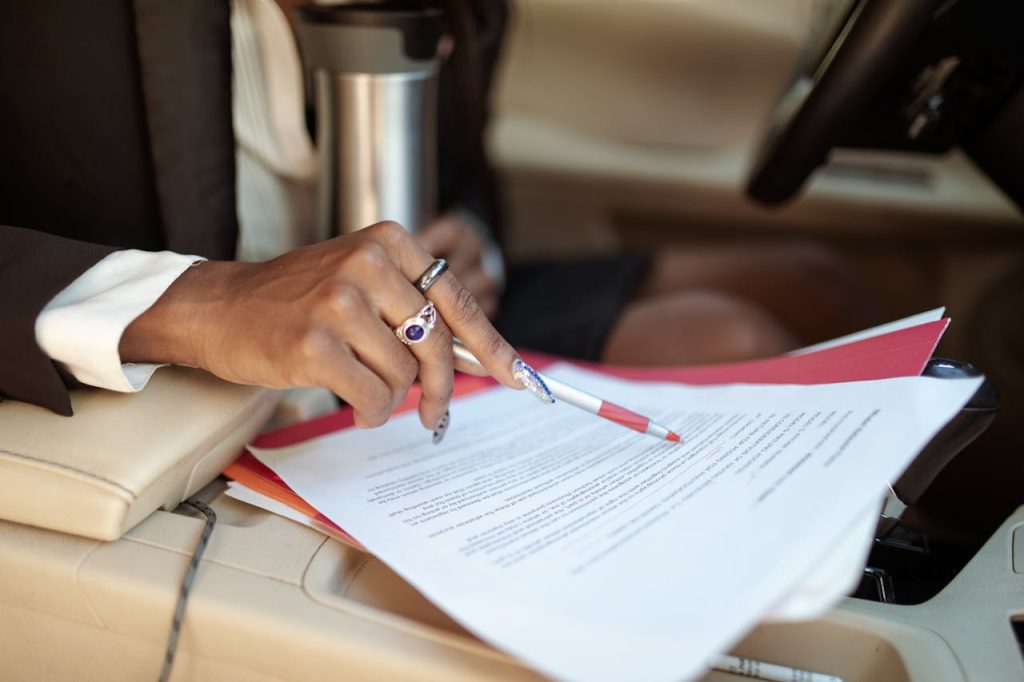
Out-of-state purchases deserve extra caution. A vehicle can be legitimately registered in another state yet still require particular paperwork when brought into New York. If the seller cannot provide the documentation needed to establish ownership, the buyer may face delays or be unable to complete registration.
One of the best ways to avoid problems is to review the vehicle’s ownership documents before making any payment. Check that the VIN, seller details, signatures, and lien information are accurate and consistent. If you find any discrepancies, address them before completing the purchase instead of assuming the DMV will resolve them afterward.
10. Vehicles That Do Not Meet New York’s Required Insurance and Registration Conditions
Some registration problems have nothing to do with the vehicle’s engine, age, or physical condition. New York requires motorists to provide proof of financial responsibility through insurance, and the insurance documentation must satisfy state requirements before a vehicle can be registered.
The New York DMV states that applicants need acceptable proof of New York State liability insurance when registering a vehicle.
This becomes particularly relevant when someone moves to New York with a vehicle insured in another state. New York’s registration system requires insurance information that meets its own requirements, so simply carrying an existing policy from elsewhere may not be sufficient for completing a New York registration.
The DMV also uses electronic insurance reporting. The insurer must electronically submit coverage information to New York, and discrepancies between the insurance record and registration information can create problems.
That means having an insurance card in the glove box does not necessarily guarantee that the state’s electronic records will show valid coverage.
Owners should also remember that registration and insurance are connected. If required insurance coverage is canceled or lapses, the consequences can extend beyond an ordinary paperwork inconvenience. New York imposes specific requirements surrounding vehicle registration and insurance coverage, making continuous compliance important.
Before registering an unfamiliar vehicle in New York, buyers should confirm that the vehicle can be insured under a policy meeting state requirements and that the VIN information is correct.
This is particularly useful for unusual imports, heavily modified vehicles, or cars with complicated ownership histories, where obtaining appropriate coverage may require additional documentation.
The key lesson is that registration eligibility involves more than simply presenting a functioning vehicle at a DMV office. Ownership records, title status, insurance, and applicable inspection requirements all have to line up. Checking those requirements before purchasing the vehicle can prevent an expensive surprise after the sale.
