Arizona summers can be rough on anything left outside, and cars are no exception. When temperatures climb past 100°F, a vehicle sitting in direct sunlight can become brutally hot inside. Air conditioning has to work harder, batteries face extra thermal stress, and older cooling systems may struggle to keep temperatures under control.
Some vehicles handle this punishment better than others because of their design, cabin size, battery systems, or age. That does not mean these cars are unusable in Arizona. It simply means owners may need to pay closer attention to shade, cooling performance, battery temperature, and regular maintenance. Here are 10 vehicles that can face extra challenges when Arizona’s summer heat arrives.
1. Chevrolet Corvette Convertible
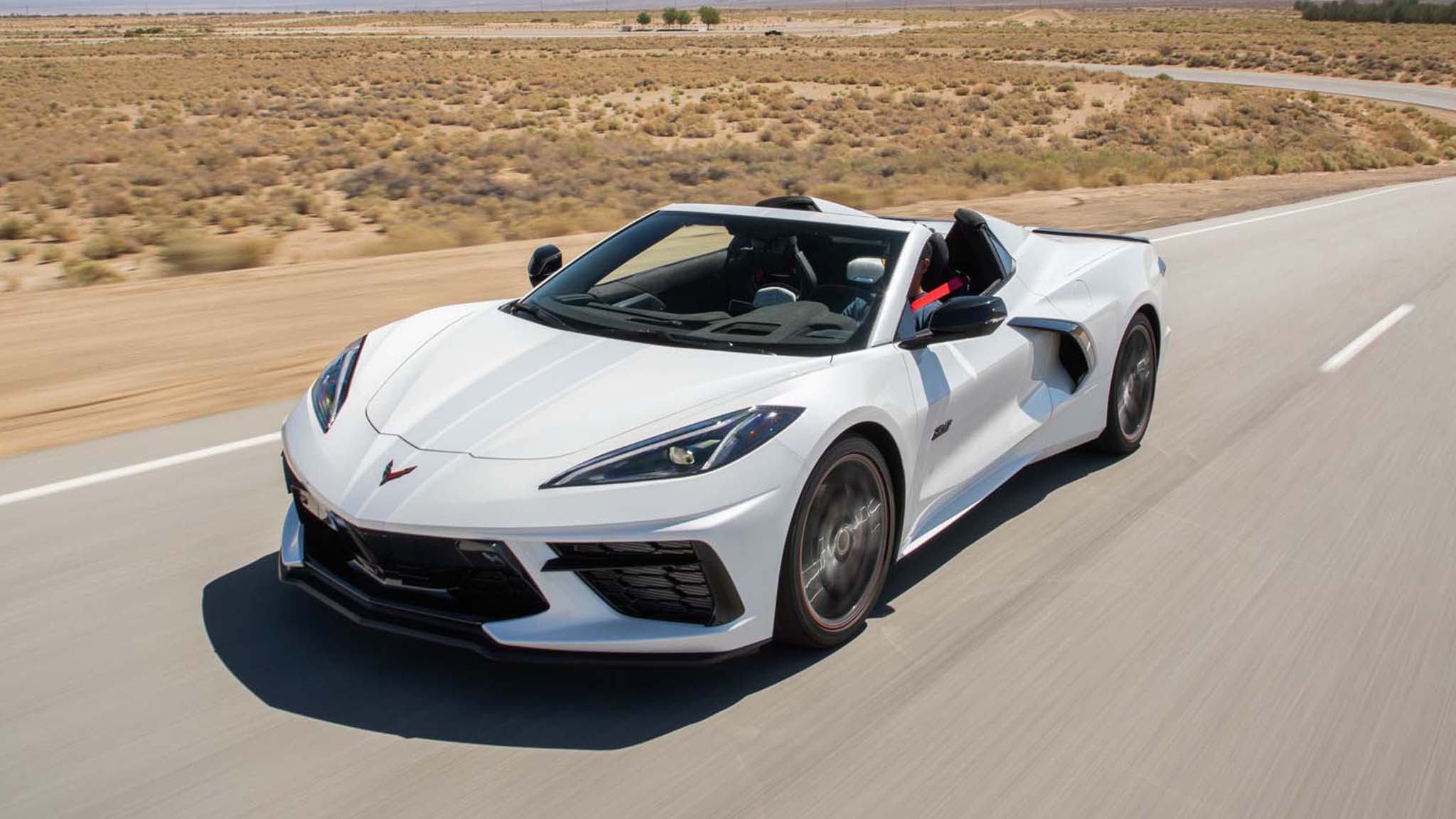
A Chevrolet Corvette Convertible looks like a natural choice for sunny weather, but Arizona’s summer sun can make that open-air design less appealing when the car is parked.
The removable roof provides plenty of enjoyment on a mild day, yet it also leaves the cabin exposed to intense solar heat. Even with the top closed, the Corvette’s large glass surfaces can allow plenty of sunlight into the passenger area.
Park the car outside at midday, and the interior can become uncomfortable remarkably fast. Seats, steering wheels, dashboards, and other surfaces absorb heat while the car sits still. When the driver returns, the air-conditioning system has to remove that stored heat before the cabin feels pleasant again.
The situation becomes more demanding when the car has a dark interior. Dark materials tend to absorb more solar energy, leaving occupants with an especially warm cabin after parking.
There is also a practical issue with using the convertible top frequently in extreme weather. Owners may prefer keeping the roof closed and using a sunshade during the hottest part of summer. Window tint that complies with local laws can also reduce some solar load.
The Corvette itself is a performance machine with a powerful engine and tightly packaged components. Keeping it properly maintained matters in any climate, but Arizona’s heat gives owners even more reason to monitor cooling performance, coolant condition, and air-conditioning operation.
2. Jeep Wrangler
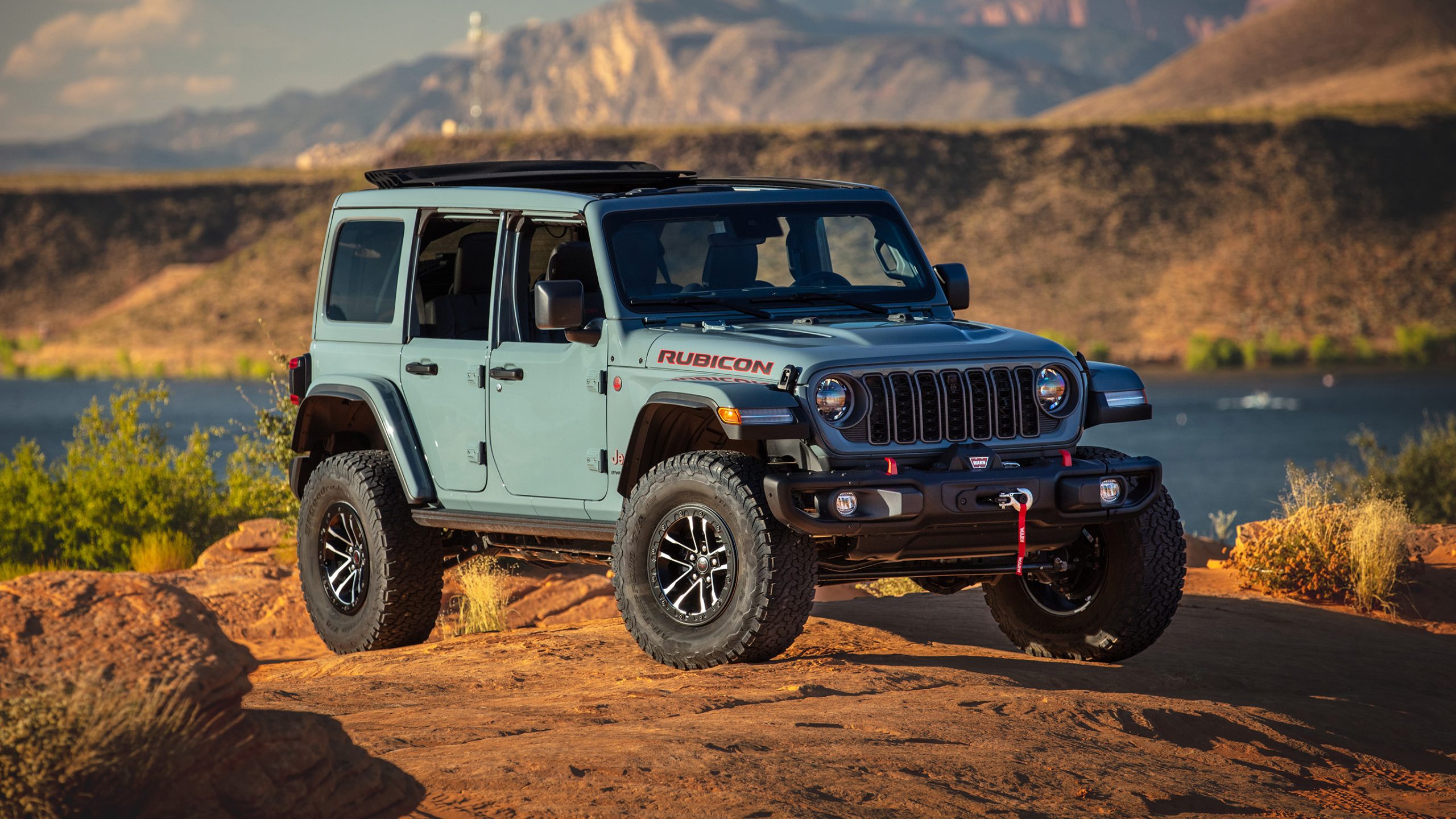
The Wrangler was built for adventure, and part of that appeal is its removable roof and doors, letting owners feel completely exposed to the outdoors whenever they want. That same feature becomes a real disadvantage once Arizona summer temperatures roll in.
Even with the roof and doors attached, the Wrangler’s design was never meant to seal out heat the way a standard sedan or crossover does. The removable panels, whether soft-top or hard-top, don’t insulate as effectively as a fixed steel roof, meaning heat penetrates the cabin more easily during the hottest parts of the day.
Owners who leave their Wrangler parked outside for even a short period often return to a cabin that feels more like an oven than a vehicle. The seats, dashboard, and steering wheel can become almost too hot to touch, especially with black interior trim, which is common across many trims.
Getting the cabin back to a comfortable temperature typically takes longer than in a more insulated vehicle, requiring the air conditioning to work harder and longer just to catch up.
Some Wrangler owners in Arizona keep their vehicles in garages or under carports specifically to avoid this daily battle. Others invest in reflective seat covers and steering wheel covers to make getting back inside a little less painful.
The rugged, open-air design that makes the Wrangler so appealing off-road becomes its biggest challenge once the desert sun takes over.
3. Ford Mustang Convertible
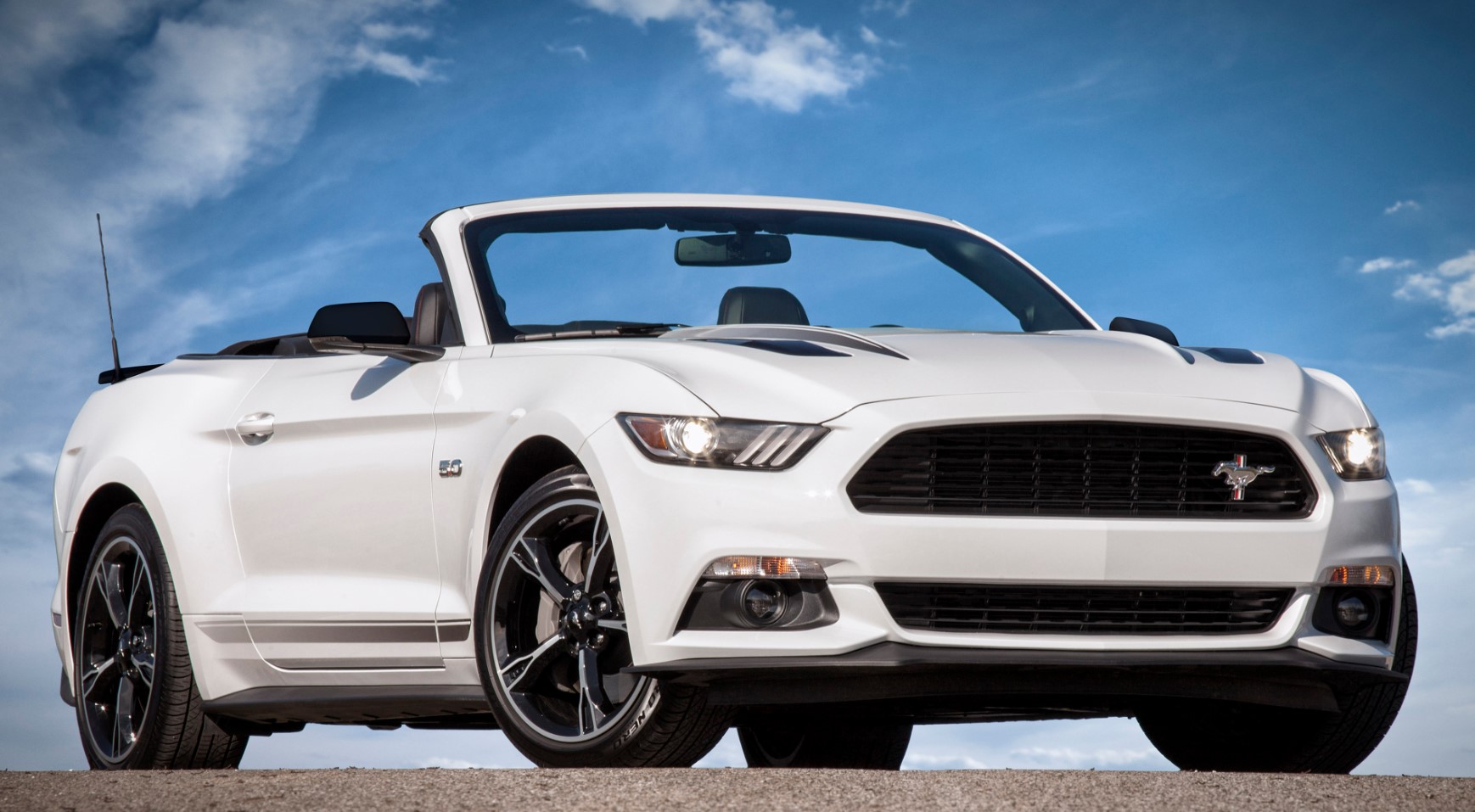
The Ford Mustang Convertible combines a large passenger cabin, broad windows, and a folding roof. That combination makes the car enjoyable on pleasant days, yet it can create a very different experience when Arizona’s summer sun is beating down.
Imagine returning to the Mustang after it has spent two hours in a parking lot with the roof closed. The steering wheel may feel hot, the seats can be uncomfortable, and the dashboard may have absorbed a large amount of heat.
The air-conditioning system then has to cool both the occupants and all of those heated interior surfaces. The convertible roof can also provide less insulation than a conventional fixed roof.
Keeping the top closed helps block direct sunlight from reaching the occupants, but the cabin can still become extremely warm. A reflective windshield shade can reduce solar exposure while the car is parked.
Owners who frequently drive during the hottest part of the day may notice that the Mustang takes longer to become comfortable than it does during cooler seasons. That does not necessarily indicate a mechanical problem. Arizona simply places a much heavier demand on climate-control systems.
There is another reason to stay on top of maintenance. A car that already has a weak air-conditioning system, low refrigerant, a tired compressor, or restricted airflow may struggle much more when outside temperatures climb.
For Mustang Convertible owners, keeping the climate system healthy is not just about comfort. It can make summer driving far more pleasant and predictable.
4. Chevrolet Suburban
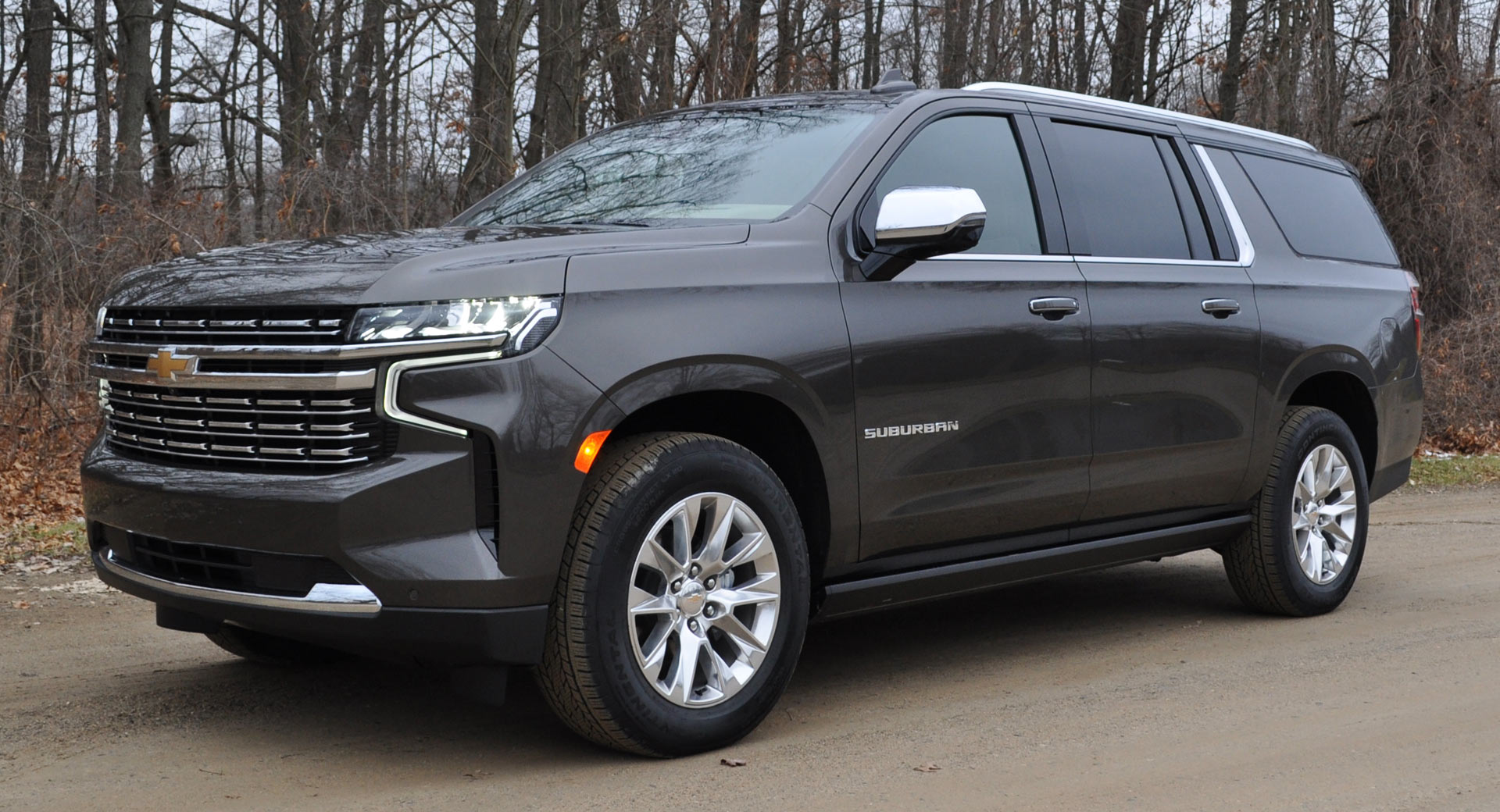
Size brings comfort, but it also brings a bigger job for the air conditioning system, and the Suburban knows this better than most. With three rows of seating and a cabin that stretches considerably longer than a typical SUV, cooling the entire interior evenly becomes a real task once outside temperatures climb into the triple digits.
Families using every row during a summer road trip often notice that passengers in the back take longer to feel the relief coming from the vents compared to those sitting up front.
The sheer volume of interior space means the air conditioning compressor and system have to circulate cool air across a much larger area, which naturally takes more time and effort compared to smaller vehicles.
Owners who frequently haul passengers or cargo in the third row sometimes find that rear-seat comfort lags behind the front cabin during the hottest stretches of the day, particularly right after starting the vehicle.
This isn’t necessarily a mechanical weakness so much as a natural consequence of cooling a cabin this large, but it does mean the system works harder and for longer periods just to catch up.
Extended idling with the engine running to keep the cabin cool, a common habit during Arizona summers while waiting to pick up kids or run errands, adds extra strain on the cooling system as well.
Many Suburban owners in hot climates prioritize using tinted windows and window visors to reduce the direct sunlight entering such a large glass area, helping the air conditioning system keep pace a little more easily throughout the day.
5. Cadillac Escalade
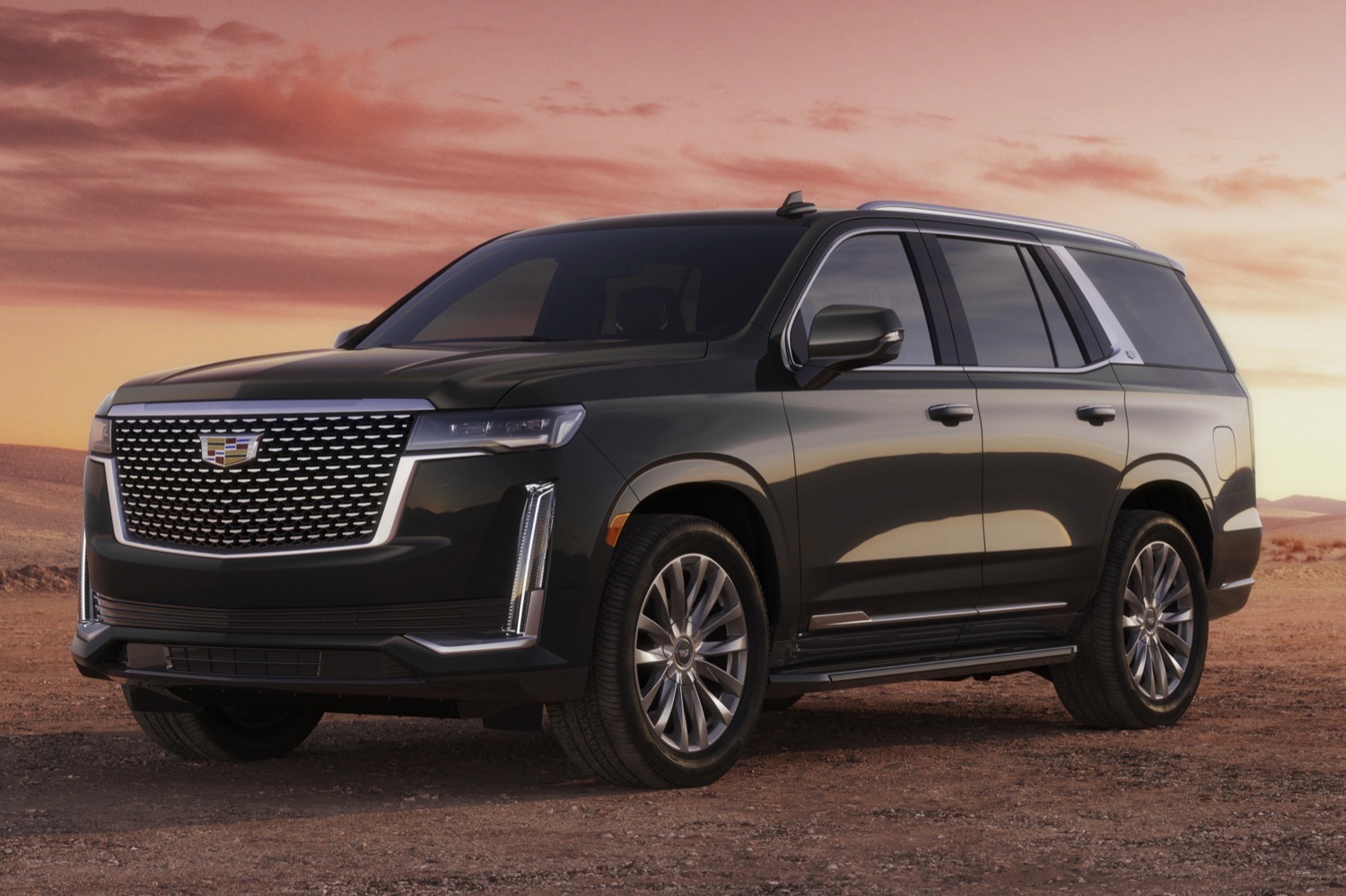
Luxury does not make a vehicle immune to heat. The Cadillac Escalade offers a large cabin, expansive glass, and plenty of interior equipment, all of which can contribute to a heavy cooling workload when Arizona temperatures climb.
Step inside an Escalade that has been sitting in direct sunlight, and the first few minutes may feel very different from the refined cabin experience expected from a luxury SUV. The large glass surfaces can allow substantial solar heat into the passenger area, while dark upholstery and trim may absorb additional heat.
The Escalade’s spacious interior gives passengers plenty of room, but that also means the climate-control system must cool a larger volume of air. When all seating positions are occupied, maintaining comfortable temperatures throughout the cabin can require sustained air-conditioning operation.
There are useful ways to reduce the burden. Parking under cover is one of the simplest choices. A quality windshield shade can also block direct sunlight from reaching the dashboard and front seats. Remote-start climate functions, when equipped and used according to the vehicle’s instructions, may give the cabin a head start before occupants enter.
The vehicle’s electronic systems deserve attention during extreme weather as well. Heat can place extra demands on batteries, sensors, displays, and other components.
Regular inspection remains a smart habit. Refrigerant condition, airflow, coolant levels, and cooling-system components should all be checked if the Escalade begins taking longer than usual to cool.
Arizona can test any large luxury SUV, and the Escalade’s generous cabin gives its climate system plenty of work during the hottest months.
6. Nissan Leaf
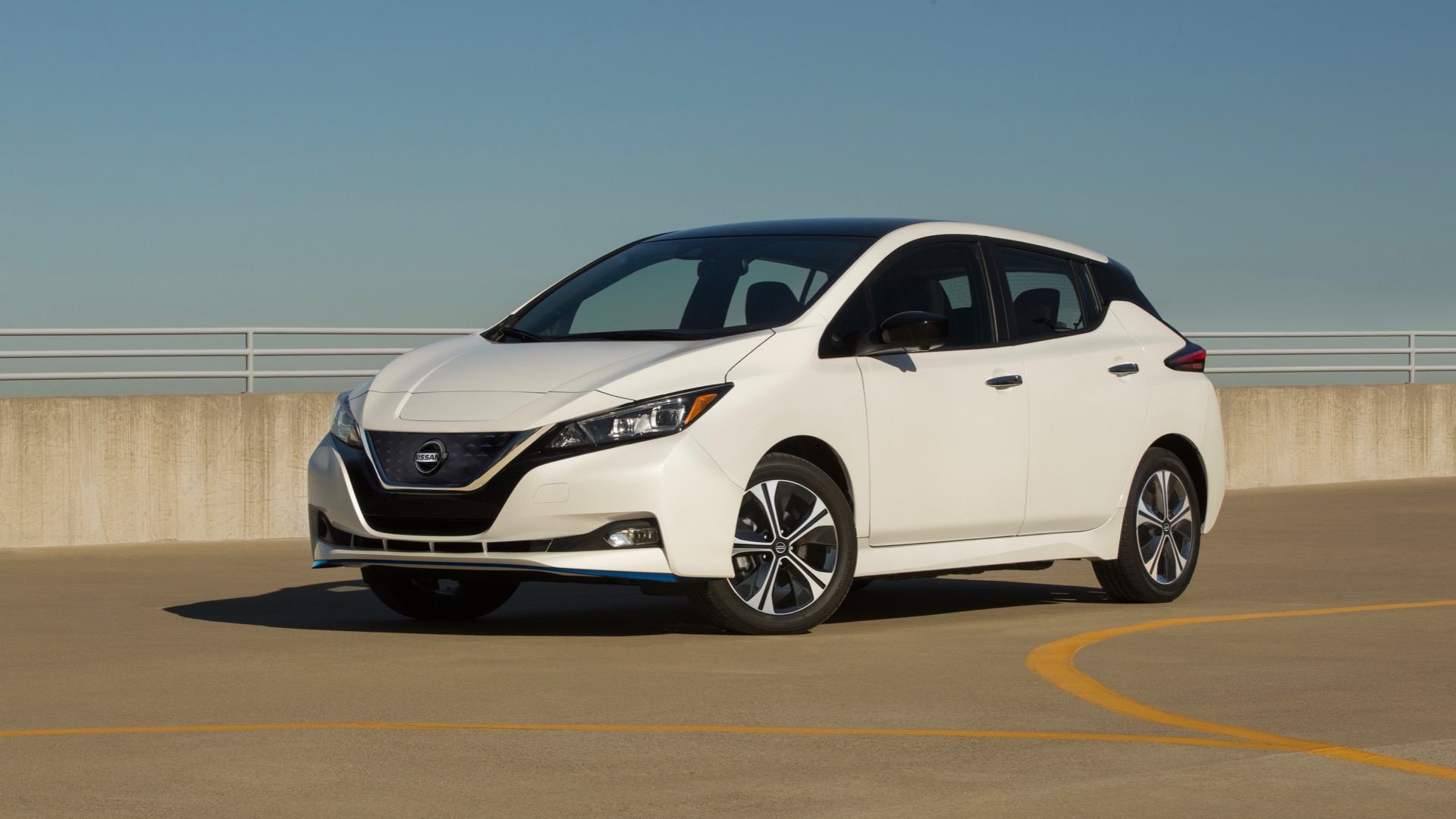
Electric vehicles have a different relationship with extreme heat because their batteries depend on carefully controlled temperatures. The Nissan Leaf can operate in hot climates, but Arizona’s summer conditions can place extra pressure on its battery and thermal management.
Battery temperature matters because extreme heat can affect efficiency, charging behavior, and available driving range. When the outside temperature is already very high, the vehicle may need to use additional energy to keep the battery within a suitable operating range.
That creates an interesting chain reaction. The driver wants maximum range, but the climate-control system is also working hard to keep passengers comfortable. At the same time, the battery system has to manage heat produced during driving and charging. Those demands can all draw energy from the same battery pack.
Parking habits can therefore make a difference. A shaded garage is preferable when available, particularly during the hottest part of the day. Owners should also follow Nissan’s recommendations for charging and vehicle operation in high temperatures rather than treating an EV exactly like a conventional gasoline car.
Battery condition matters too. Older Leaf models may respond differently to repeated exposure to extreme heat than newer EVs with more advanced thermal-management systems.
Drivers should pay attention to unexpected changes in range, charging behavior, or warning messages. A small seasonal reduction in range can be normal, while unusual behavior deserves inspection.
The Leaf is not automatically a poor choice for Arizona. It simply demonstrates how high temperatures can affect electric vehicles in ways that gasoline-car owners may not expect.
7. Tesla Model 3
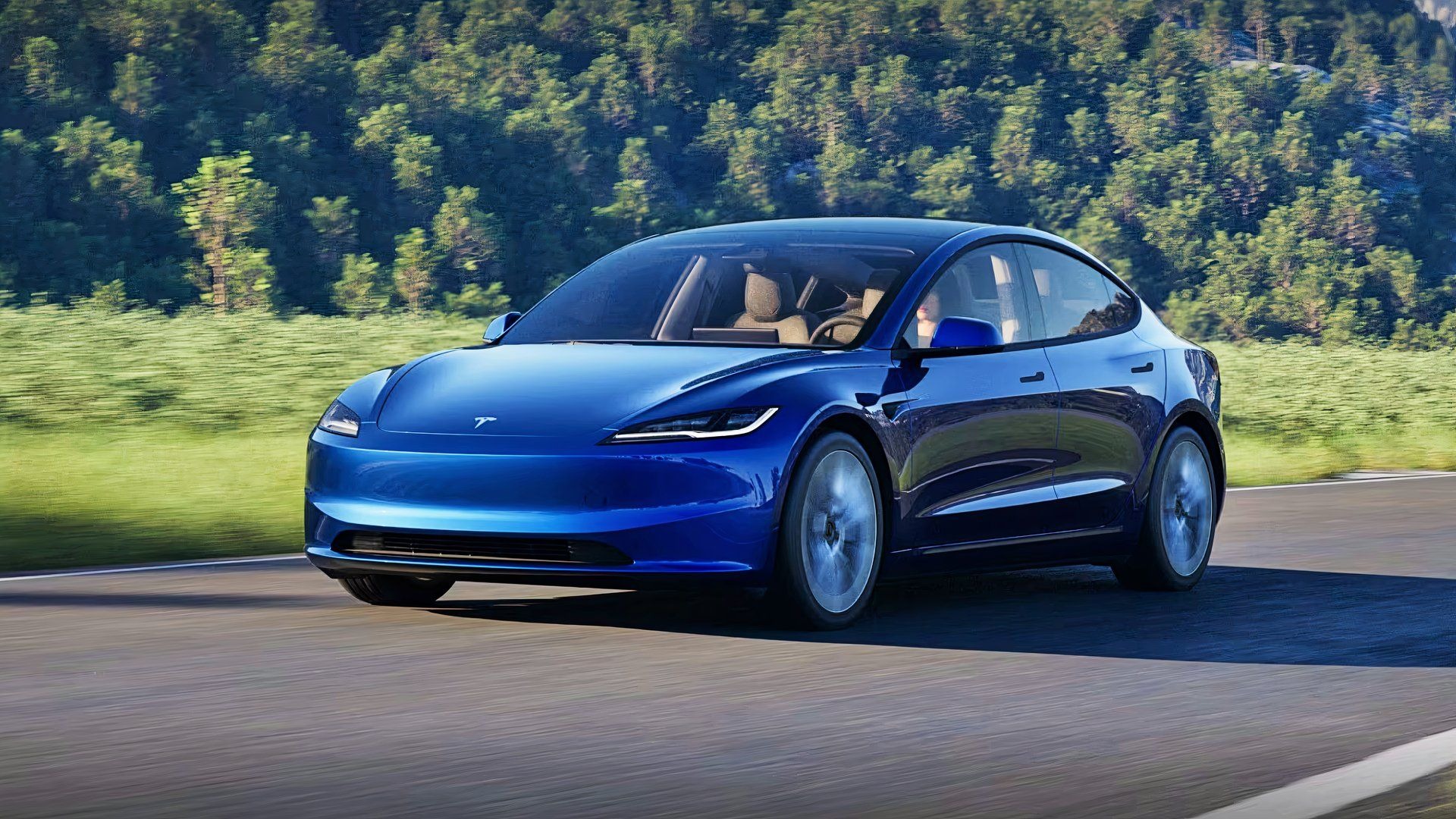
Even one of the most popular electric vehicles on the road today isn’t immune to what a desert summer can do to a battery. The Model 3 relies on a sophisticated thermal management system to keep its battery within an ideal temperature range, but extreme heat still increases the demand placed on that system considerably.
Air conditioning also draws more from the battery during the hottest months, since cooling a cabin exposed to intense Arizona sun requires more energy than it would during milder weather elsewhere.
Efficiency, a major selling point of the Model 3, tends to dip somewhat during the peak summer months as a direct result of this increased demand.
Drivers covering longer distances during a heat wave often notice their estimated range shrinking a bit faster than expected, particularly if the air conditioning is running at a higher setting to combat cabin heat buildup from the car’s large windshield and glass roof, a signature design feature across the Model 3 lineup.
Owners who frequently use fast-charging stations during peak summer heat sometimes notice the charging process adjusts its speed to protect the battery from overheating, which can mean slightly longer charging stops compared to cooler months.
Preconditioning the battery before a road trip and avoiding unnecessary fast-charging sessions back-to-back are common strategies among Model 3 owners in Arizona, helping preserve both battery health and consistent performance throughout the harshest weeks of summer.
8. Ford F-150
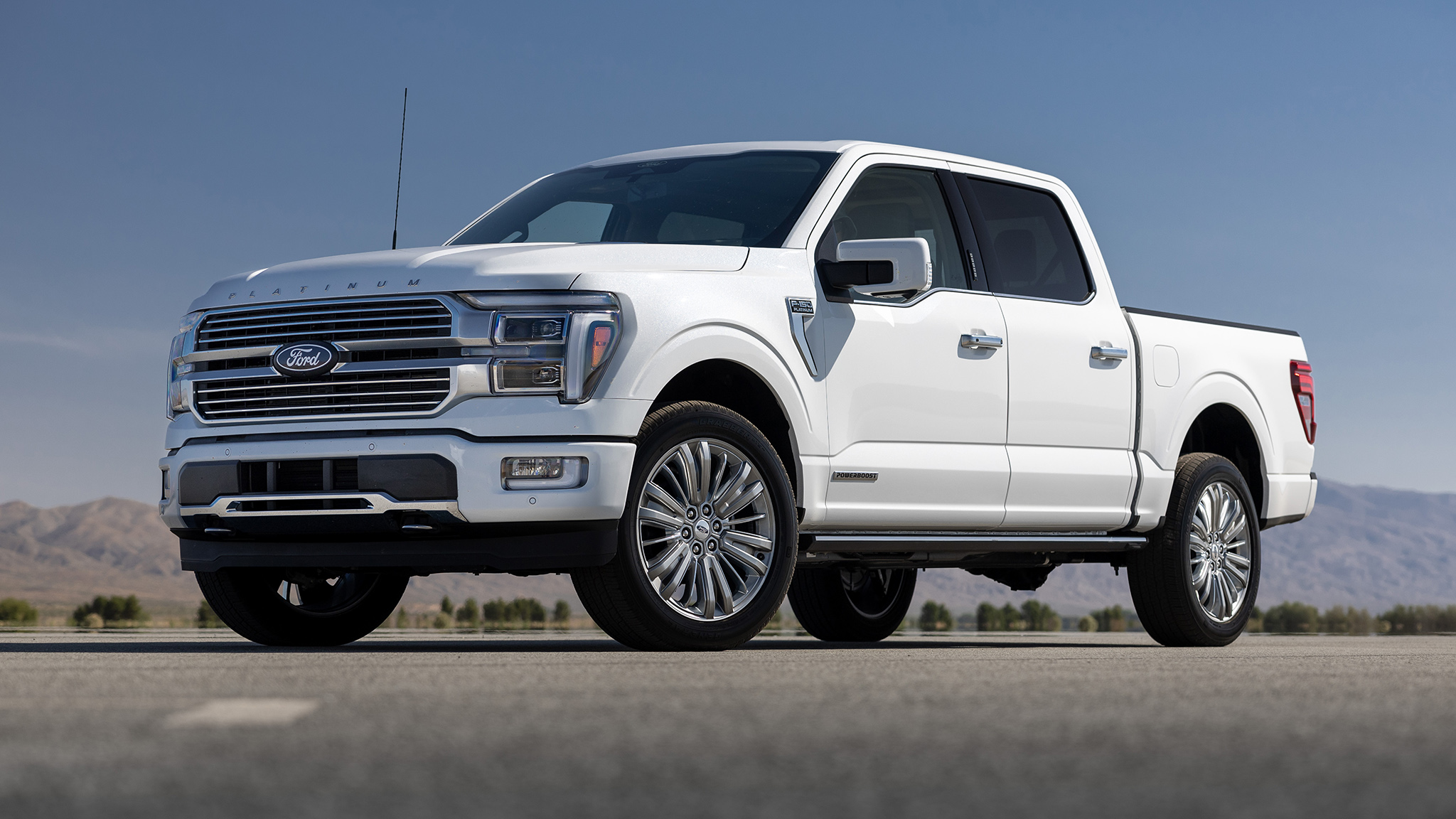
A Ford F-150 can spend its life working hard, hauling equipment, towing trailers, and carrying heavy loads. Arizona summer heat adds another challenge, particularly for older examples whose cooling or air-conditioning components are no longer operating at their best.
A truck pulling a trailer on a hot afternoon puts considerable demand on the engine and cooling system. At the same time, the air-conditioning system is trying to keep the occupants comfortable inside a cabin that may have been heated by hours of direct sunlight.
Newer F-150 models have modern cooling systems designed to handle demanding conditions, but age changes the equation. An older truck with a tired radiator, restricted airflow, worn belts, a weak compressor, or a poorly maintained cooling system may have a harder time maintaining comfortable temperatures.
Heavy loads make the situation more demanding. More work from the engine produces additional heat, while slow traffic reduces airflow through the radiator. That combination can reveal problems that might remain unnoticed during cooler months.
Preventive maintenance is especially useful for truck owners who work their vehicles hard. Checking coolant condition, inspecting hoses, cleaning debris from cooling areas, and making sure the air-conditioning system performs properly can prevent unpleasant surprises.
Drivers should also pay attention to temperature gauges and warning messages. If engine temperature begins moving outside its normal range, continuing to push the truck harder is not a smart move.
The F-150 itself is built for demanding work, but an aging cooling system can change how confidently it handles Arizona’s hottest days.
9. Toyota Corolla
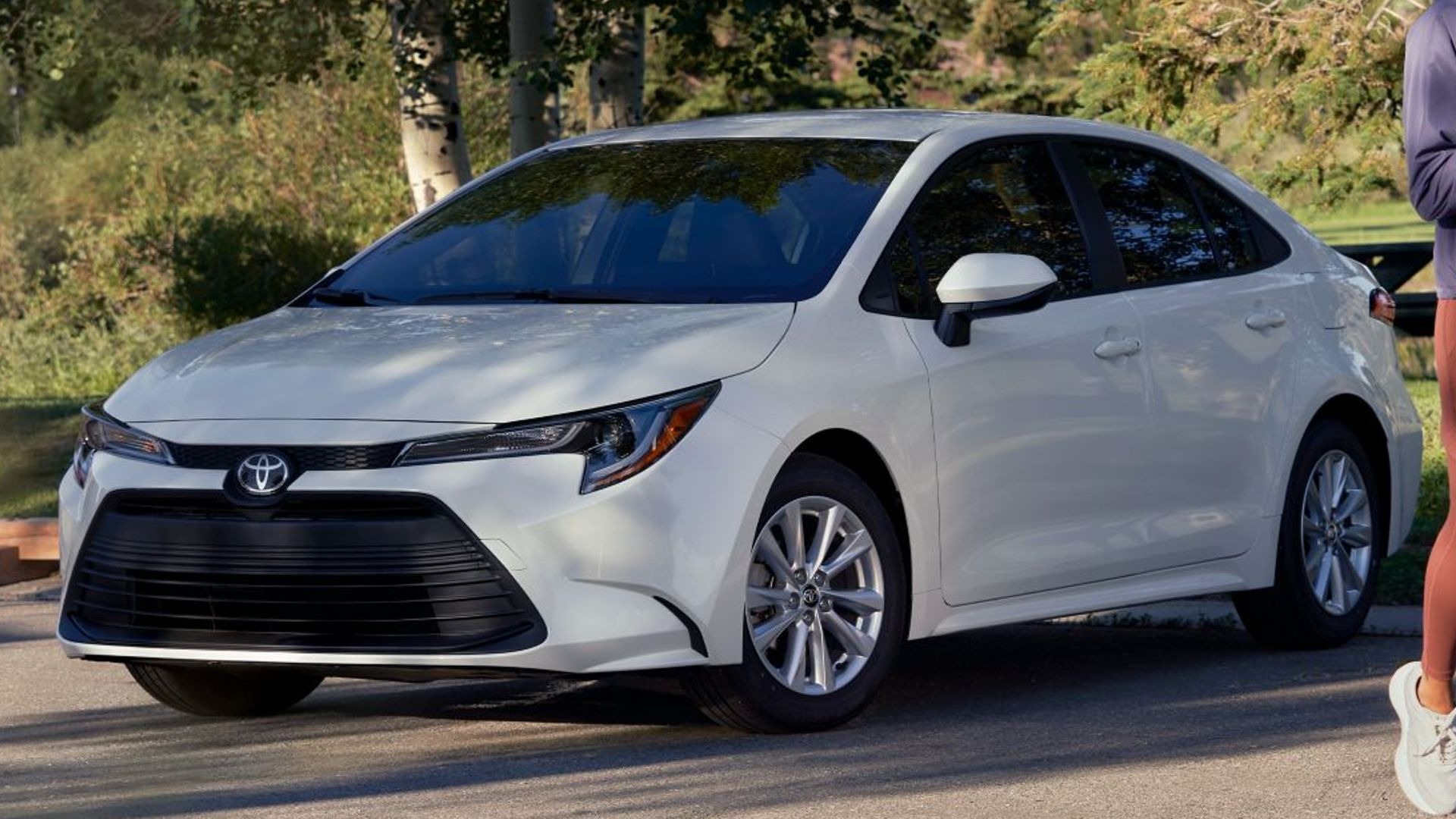
The Toyota Corolla is compact, efficient, and easy to live with, but its smaller cabin does not prevent it from becoming extremely hot when parked beneath the Arizona sun.
In fact, a compact passenger area can heat up quickly because the entire cabin is exposed to direct sunlight through the windows. A Corolla with a dark dashboard, seats, and interior trim can feel especially warm when the driver returns after a long parking period.
The problem is easy to understand. An air conditioning system does more than cool the air inside the cabin. It also has to remove heat from surfaces that have been absorbing sunlight for hours. The steering wheel, seats, dashboard, and door panels can remain hot even after cool air starts flowing from the vents.
A windshield sunshade can help limit that heat buildup. Parking under cover is even better when a shaded space is available. Window tint that meets applicable laws can also reduce some solar exposure.
The Corolla’s compact size does give the air-conditioning system less cabin volume to cool compared with a large SUV. Once the system gets going, the interior can become comfortable relatively quickly if the system is working properly.
That last point matters. If a Corolla suddenly takes much longer to cool than it used to, the issue may be mechanical rather than simply the weather. Refrigerant levels, cabin filters, airflow, and compressor operation are worth checking.
Arizona’s heat can make even a dependable compact car uncomfortable, but sensible parking habits and proper maintenance can make summer driving much easier.
10. Classic Ford Mustang
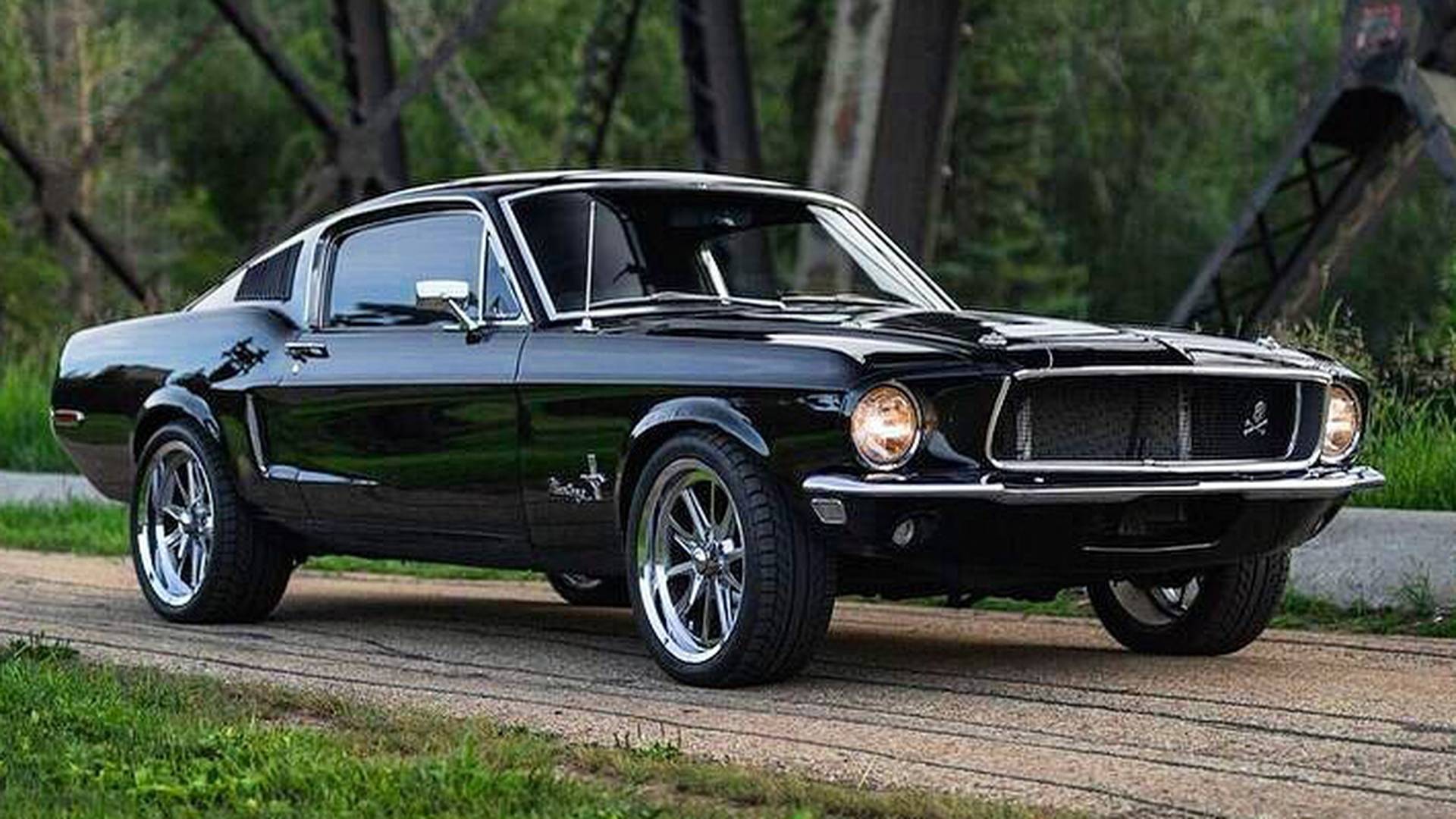
Classic Ford Mustangs have plenty of character, but their age can become a serious consideration when temperatures stay extremely high for days at a time. Cooling technology and air-conditioning systems from decades ago were not designed around the same expectations found in modern vehicles.
An older Mustang may have a radiator, cooling components, hoses, belts, and mechanical cooling equipment that have spent many years in service. Even if the car runs perfectly during mild weather, extreme heat can expose weaknesses that were easy to overlook.
Air conditioning can present another challenge. Some classic Mustangs were never equipped with modern climate-control systems, while others have older systems that have been modified or restored. Their ability to cool the cabin can vary widely depending on the vehicle’s condition and equipment.
The engine cooling system deserves particular attention. A partially restricted radiator, aging water pump, weak belt, damaged hose, or poorly maintained cooling component can reduce the vehicle’s ability to control engine temperature during a hot afternoon.
Traffic can make things harder because the engine may be producing heat while the vehicle is moving slowly. A properly maintained cooling system becomes especially important in those situations.
Classic Mustang owners can help their cars by inspecting cooling components before summer arrives and avoiding unnecessary strain during the hottest periods. Keeping an eye on the temperature gauge is also essential.
These cars were built in another era, and their age is part of their appeal. It is also the reason Arizona summer ownership requires more attention to cooling and air-conditioning condition than many newer vehicles.