

A loud exhaust can make a car sound powerful, sporty, or simply different from the crowd. But that extra roar can also attract unwanted attention from law enforcement. Across the United States, states and local governments have rules covering excessive exhaust noise, modified mufflers, straight pipes, and other changes that make a vehicle louder than allowed.
Some places now use sound-monitoring technology, while others rely on traffic stops and officer judgment. The penalties can range from modest fines to four-figure charges. Before installing a new exhaust system, it pays to know what your state allows. Here are eight states where a loud or improperly modified exhaust can put your wallet at risk.

1. New York
New York has taken one of the boldest approaches in the country with its Stop Loud and Excessive Exhaust Pollution Act, better known as the SLEEP Act.
Under this law, drivers caught with modified or excessively loud exhaust systems face fines that can climb as high as $1,000, a number steep enough to make anyone reconsider that aftermarket setup.
What makes this law stand out is who it targets. Rather than focusing solely on drivers, the SLEEP Act also holds repair shops accountable for installing exhaust systems that fail to meet noise standards, creating pressure on both ends of the transaction.
Enforcement in New York isn’t limited to a police officer catching you at a red light either. Urban areas have started incorporating automated detection systems designed to identify vehicles producing noise levels above the legal threshold, meaning a driver could receive a citation without ever being pulled over in a traditional sense.
This kind of technology removes much of the subjectivity that once made noise violations harder to enforce consistently. For anyone driving through New York City or other dense urban centers, the message is clear.
Straight pipes and aggressive aftermarket exhaust systems carry a real financial risk here, and the state has built both the legal framework and the technology to back up that risk with consistent enforcement.

2. California
California has strict vehicle laws, and drivers who modify their exhaust systems need to pay close attention to those rules. Installing parts that make a vehicle louder than allowed can lead to legal trouble, especially when the changes affect equipment required by state law.
State agencies have long kept a close watch on modified vehicles and emissions equipment. DMV guidance advises owners to seek proper advice before changing emissions related systems.
Motorcycle rules also place restrictions on altering certain exhaust components, meaning riders should check the requirements before replacing or modifying factory equipment.
Another issue gaining attention is automated noise enforcement. Some pilot programs have tested sound activated devices that can detect vehicles producing excessive noise. Frequently mentioned limits are about 95 decibels for cars and 80 decibels for motorcycles. Depending on the violation, a driver or rider could face a fine of more than $1,000.
For motorists, this means relying on the idea that an officer must personally hear the exhaust may be risky. Where automated systems are being tested or used, a vehicle can be flagged because of its sound without an officer making a traditional traffic stop.
Before installing headers, straight pipes, deleted mufflers, or other loud exhaust parts, vehicle owners should check the latest California requirements.
A modification that seems harmless can create an expensive problem if it fails to meet state standards. Taking time to confirm the rules before spending money can help drivers avoid fines and unwanted attention before making any change

3. Colorado
Colorado is another state where drivers should think carefully before installing an exhaust system designed primarily to increase sound. State and local rules can address excessive vehicle noise, and enforcement may become especially costly for commercial vehicles.
The basic concern is not simply whether a vehicle sounds sporty. Authorities can take action when an exhaust system is modified in a way that creates excessive noise or fails to meet applicable equipment requirements.
That distinction matters because some aftermarket systems may look professionally installed while still violating noise rules. Commercial vehicle operators face an added reason to be cautious.
Fines associated with exhaust and noise violations can reach $1,000 for certain commercial vehicles. For a business that depends on transportation, an exhaust citation can mean more than an inconvenient roadside conversation; it can become an unexpected operating expense.
Private vehicle owners should also remember that local rules may add restrictions beyond statewide requirements. A setup that seems acceptable in one community may receive closer attention in another.
If you are shopping for an aftermarket muffler in Colorado, ask the installer whether the system complies with applicable noise and equipment rules. Keeping the original components can also be useful if you later decide that the modified setup creates too much noise.

4. New Hampshire
New Hampshire’s approach to loud exhaust systems builds penalties gradually, rewarding first-time compliance while punishing repeated offenses more severely as violations stack up.
Straight pipe setups and heavily modified exhaust systems fall directly under this law’s focus, with fines starting around $100 for an initial violation. That number alone might seem manageable to some drivers, but the structure isn’t designed to stay that low for long.
Repeat violations can result in significantly higher fines, reaching as much as $500 for drivers who continue using vehicles with non compliant exhaust systems after receiving an earlier citation. The escalating penalties make the state’s position clear. New Hampshire expects drivers to correct the problem rather than simply pay one fine and continue driving.
The state wants actual compliance, and it’s built financial pressure into the system to encourage drivers to fix the problem rather than simply pay a fine and continue driving the same way.
For anyone who’s already received a citation for exhaust noise in New Hampshire, ignoring the issue becomes an increasingly expensive gamble. What started as a manageable fine can turn into a genuinely costly mistake if the underlying exhaust modification isn’t addressed.
Drivers passing through or living in the state should view that first citation as a strong signal to correct the issue immediately, rather than treating it as a one-time cost of doing business behind the wheel.
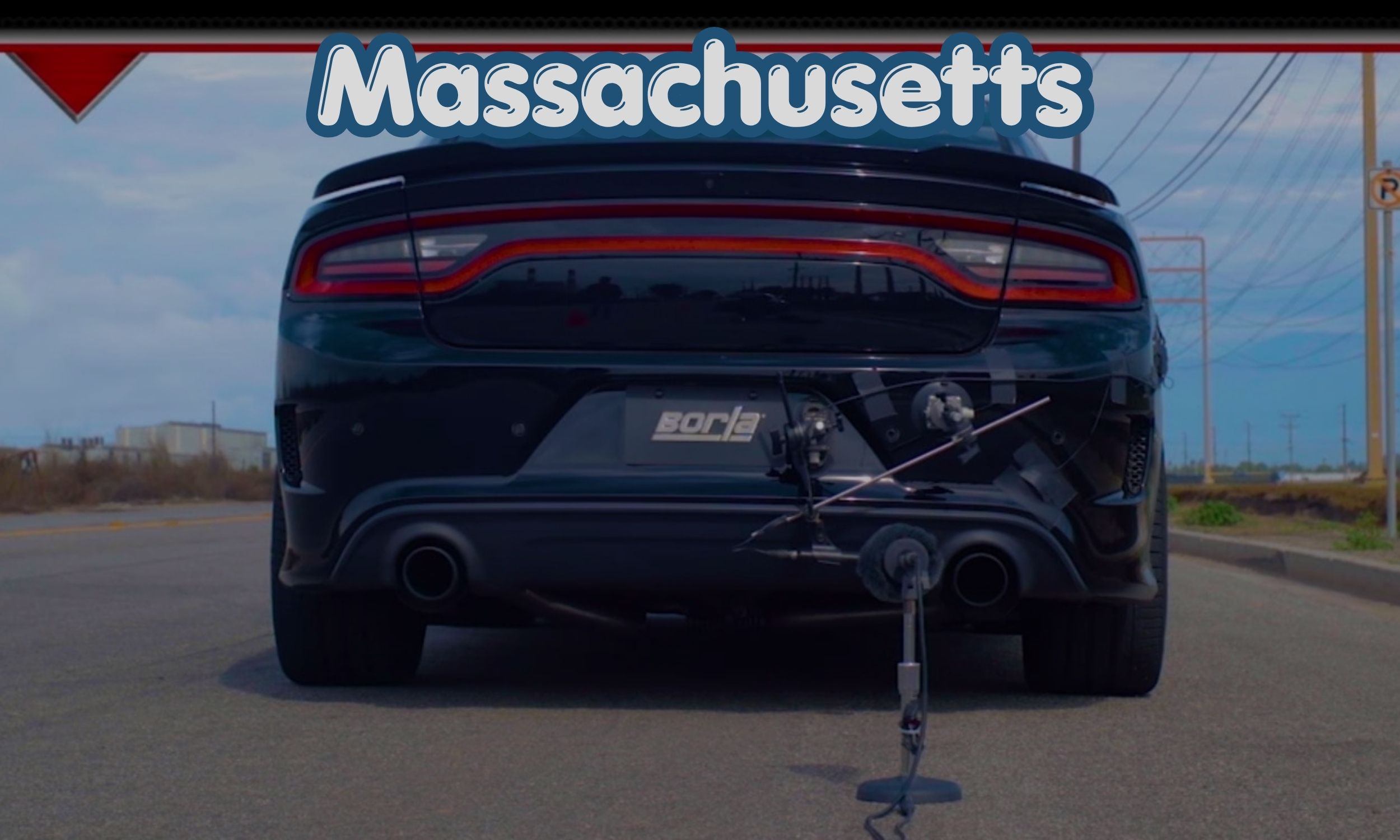
5. Massachusetts
Massachusetts takes a relatively simple approach to exhaust noise. Excessive or unusual exhaust noise is prohibited, with no complicated penalty structure or extensive technology requirements. The rule gives law enforcement a clear basis for action when a vehicle’s exhaust produces noise that goes beyond normal operation because of a modification or mechanical problem.
Drivers operating vehicles with loud mufflers, whether that loudness comes from intentional modification or simply a muffler that’s failed and no longer functions correctly, can face fines under this law.
That distinction matters because it means Massachusetts doesn’t only target drivers who deliberately install aftermarket exhaust systems for a louder sound.
A neglected, rusted-out muffler that’s developed holes or separated at the seams can trigger the same kind of citation as an intentional straight pipe setup, since both produce noise levels well beyond what the law considers acceptable.
This broader framing puts a bit more responsibility on everyday drivers who might not think of themselves as having a “modified” vehicle at all. Regular maintenance becomes part of legal compliance here, not just a matter of comfort or vehicle longevity.
Anyone driving an older vehicle in Massachusetts, particularly one that hasn’t had its exhaust system inspected recently, should treat unusual noise as a warning sign worth addressing quickly, both for the sake of the vehicle and to avoid an unexpected citation.
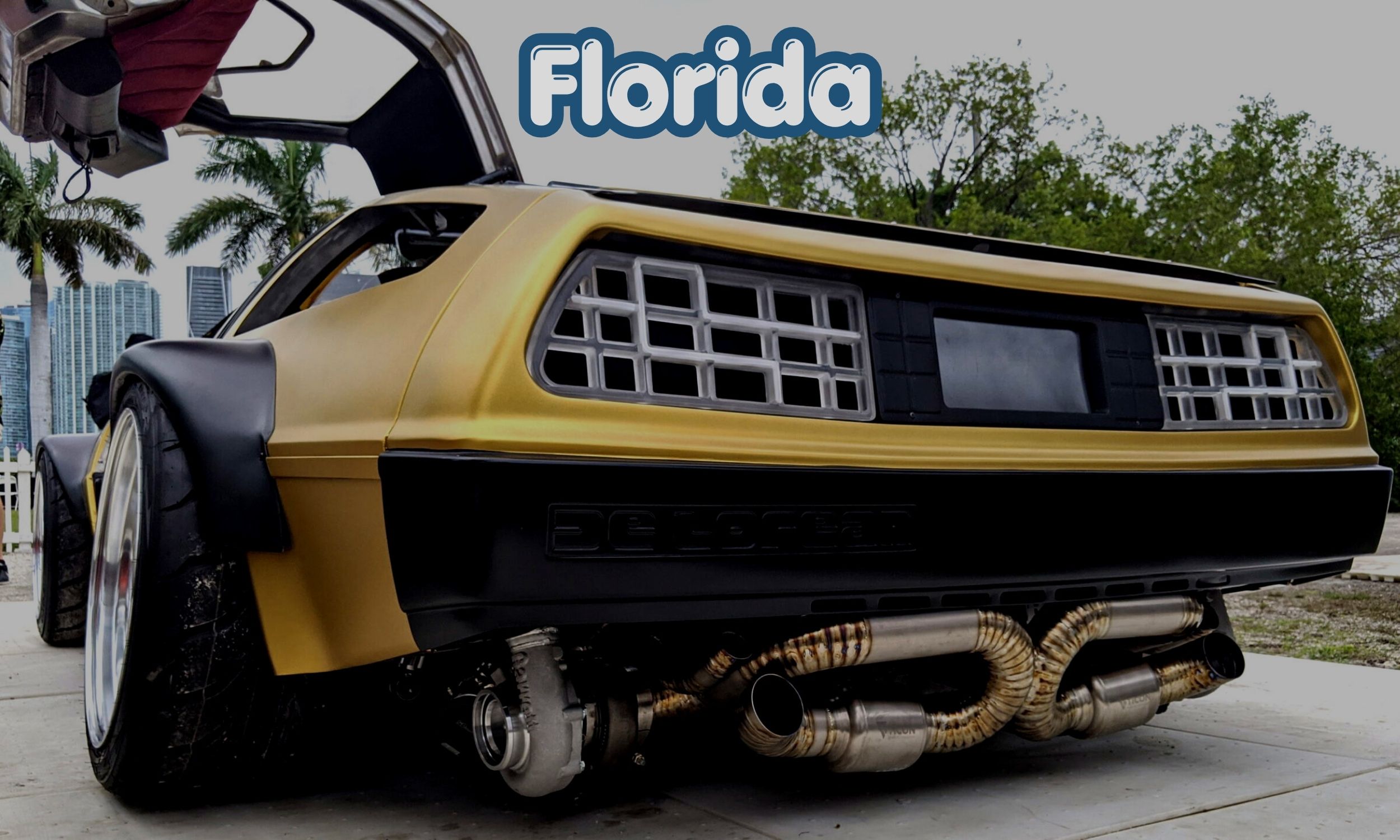
6. Florida
Florida takes a fairly traditional approach to exhaust enforcement, requiring vehicles to maintain properly functioning mufflers while explicitly prohibiting excessive or unusual noise.
Violations under this law come with mandatory fines, meaning officers don’t have much room to simply issue a warning and move along once a vehicle is found to be in violation.
Given how much driving happens across Florida’s sprawling highway systems and dense urban centers, this law touches an enormous number of drivers throughout the year, from year-round residents to the seasonal visitors who flood the state’s roads during warmer months.
Tourist traffic combined with a strong car culture in cities like Miami and Orlando means exhaust noise complaints and enforcement actions happen regularly, particularly in areas where nightlife and heavy vehicle traffic overlap.
What stands out about Florida’s law is its straightforward, functional framing. Rather than setting a specific decibel threshold that requires specialized equipment to measure, the law focuses on whether a muffler is properly working and whether the resulting noise falls outside normal expectations.
This gives officers reasonable flexibility while still holding drivers accountable for vehicles that have clearly been modified or neglected to the point of producing noise well beyond typical operation.
Anyone driving through Florida with an aftermarket exhaust system should expect this law to apply consistently across the state’s highways and city streets alike.

7. Washington
Washington gives officers room to address vehicles whose exhaust systems produce excessive noise. That makes enforcement somewhat different from systems based entirely on a fixed decibel reading.
Instead of relying only on a specific number, an officer may consider whether the exhaust is unusually loud or appears to violate applicable equipment requirements. For a driver, this means sound itself can become the reason for a traffic stop.
An exhaust modification that is extremely loud, missing required components, or clearly altered may draw attention even if the owner believes the vehicle is within an acceptable range. A setup that sounds fine to the driver inside the cabin can be much louder to pedestrians, nearby motorists, and law enforcement outside the vehicle.
Modified exhausts can be especially risky when they involve removed mufflers, bypasses, straight pipes, or other changes intended to amplify engine sound. What may seem like a minor modification in a garage can become a roadside equipment issue once the vehicle is being driven on public streets.
Aftermarket parts are not automatically legal simply because they are professionally installed or marketed for performance use. Washington drivers should also consider the condition of the exhaust system.
A damaged muffler, cracked pipe, loose connection, or missing component can make a normally compliant vehicle much louder than intended. Getting the problem inspected and repaired promptly can help prevent an unnecessary traffic stop while also protecting the vehicle from further exhaust damage.
The safest strategy is to choose equipment designed for legal street use and keep the manufacturer’s documentation when possible. If an installer says a particular system is compliant, ask what makes it suitable for public-road use.
A loud exhaust may attract compliments at a car gathering, but public roads operate under different rules. Keeping the sound controlled lets you enjoy your vehicle without giving an officer an obvious reason to investigate the exhaust.

8. Virginia
Virginia has introduced rules that could make exhaust noise a bigger concern for drivers, especially in areas using electronic noise-monitoring systems. Certain local governments are allowed to use these systems to identify vehicles that break exhaust noise regulations.
Under the law, a passenger car or commercial vehicle may be considered in violation if it produces more than 95 A-weighted decibels or breaks an applicable local exhaust rule.
When the vehicle produces sound above the allowed level, the monitoring system can record the audio, measure the decibel level, and take pictures of the vehicle. An officer can review the recorded information before any enforcement action is taken.
The possible civil penalty can reach $100. However, these automated systems are not being used on every road in Virginia. They are available only in eligible local areas, meaning drivers should not expect the same monitoring system everywhere in the state.
Virginia also requires vehicles to have exhaust systems that are properly maintained and working as they should. The system must operate continuously and prevent excessive or unusual noise from coming from the vehicle.
For drivers, these rules are worth taking seriously. A very loud exhaust can already attract the attention of a police officer, and in some areas, technology may also be used to identify excessive noise.
If you plan to modify your exhaust system in Virginia, it is better to check both state requirements and local regulations first. Doing so can help you avoid an unnecessary fine or other problems while driving on public roads.
