Every spring and summer, the stretch of the Great Plains where Nebraska, Colorado, and Wyoming come together takes on a notorious reputation. Locals know it as Hail Alley. The region, along with nearby states such as Kansas, Texas, and South Dakota, sees an average of seven to nine hail days each year. Some storms have even produced record-breaking hailstones as large as grapefruits, with massive chunks turning up in front yards.
For drivers who live in the area, work there, or simply pass through on a road trip, hail is more than an occasional headache. It can become an expected part of the yearly cost of owning a vehicle. Hailstorms leave behind dented hoods, broken windshields, and badly damaged roofs, sending thousands of cars to repair shops each year. For some owners, the damage is severe enough to push their vehicles into the insurance total-loss category.
Not every vehicle handles a barrage of ice the same way. Body panel material, metal thickness, paint flexibility, and even a vehicle’s shape all influence how well it shrugs off an impact instead of pocking like a golf ball.
Steel resists punctures but dents easily under repeated small hits, aluminum saves weight but deforms more readily, and thicker luxury-grade panels tend to bounce back better than thin, cost-cut sheet metal. Below are ten vehicles that, thanks to their construction, market reputation, or engineering choices, are frequently recommended for drivers who can’t avoid living in hail country.
1. Ford F-150
The F-150 has been the best-selling vehicle in America for decades, and that popularity is no accident in hail-prone states, where full-size trucks dominate driveways. Since 2015, the F-150’s body panels have been largely aluminum, a switch Ford made to cut weight and boost fuel economy.
Aluminum has a complicated reputation when it comes to hail damage. It does not rust and tends to avoid sharp dents from glancing impacts, but it can deform more easily than steel when hit directly by large, hard hailstones.
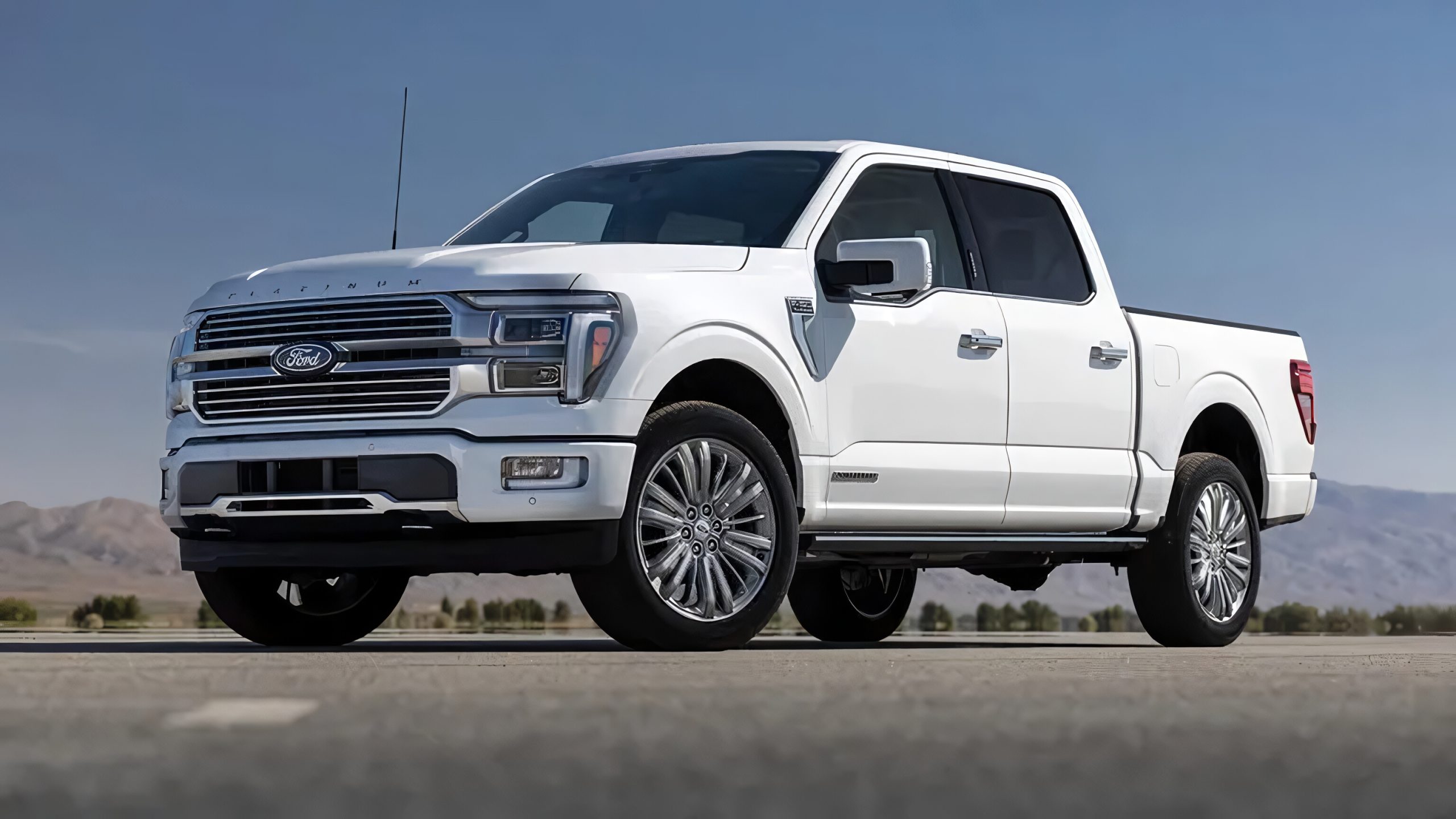
Ford helped balance those drawbacks by pairing the aluminum body with a high-strength steel frame and a reinforced cab structure. This combination helps preserve the truck’s structural strength even when the outer panels suffer significant cosmetic damage.
What makes the F-150 a practical choice in Hail Alley goes beyond its aluminum body. Its biggest advantage may be how versatile it is. Drivers in rural Nebraska and Wyoming often need a truck that can handle far more than daily commuting. It may need to tow equipment, haul feed, or travel across rough gravel roads, and the F-150 is well suited to all of those jobs.
It is also relatively easy to find aftermarket paintless dent repair technicians who work on these trucks. With so many F-150s on the road, repair shops are already familiar with the model and the types of hail damage it commonly suffers.
Higher trims also come with more robust clear-coat paint packages, which resist the chipping that turns a dent into a rust spot. For buyers who want a truck that can take a pounding and still be repaired affordably afterward, the F-150 remains a go-to.
2. Chevrolet Silverado 1500
The Silverado is frequently cited by hail-repair shops as one of the more forgiving vehicles to work on after a storm, largely because General Motors has kept more steel in its body panels than some rivals.
Its robust build and reinforced body structure give the Silverado a level of protection against hail that few other vehicles can match, and that reinforced structure extends to the frame, which resists the kind of long-term structural compromise that can come with repeated severe impacts.
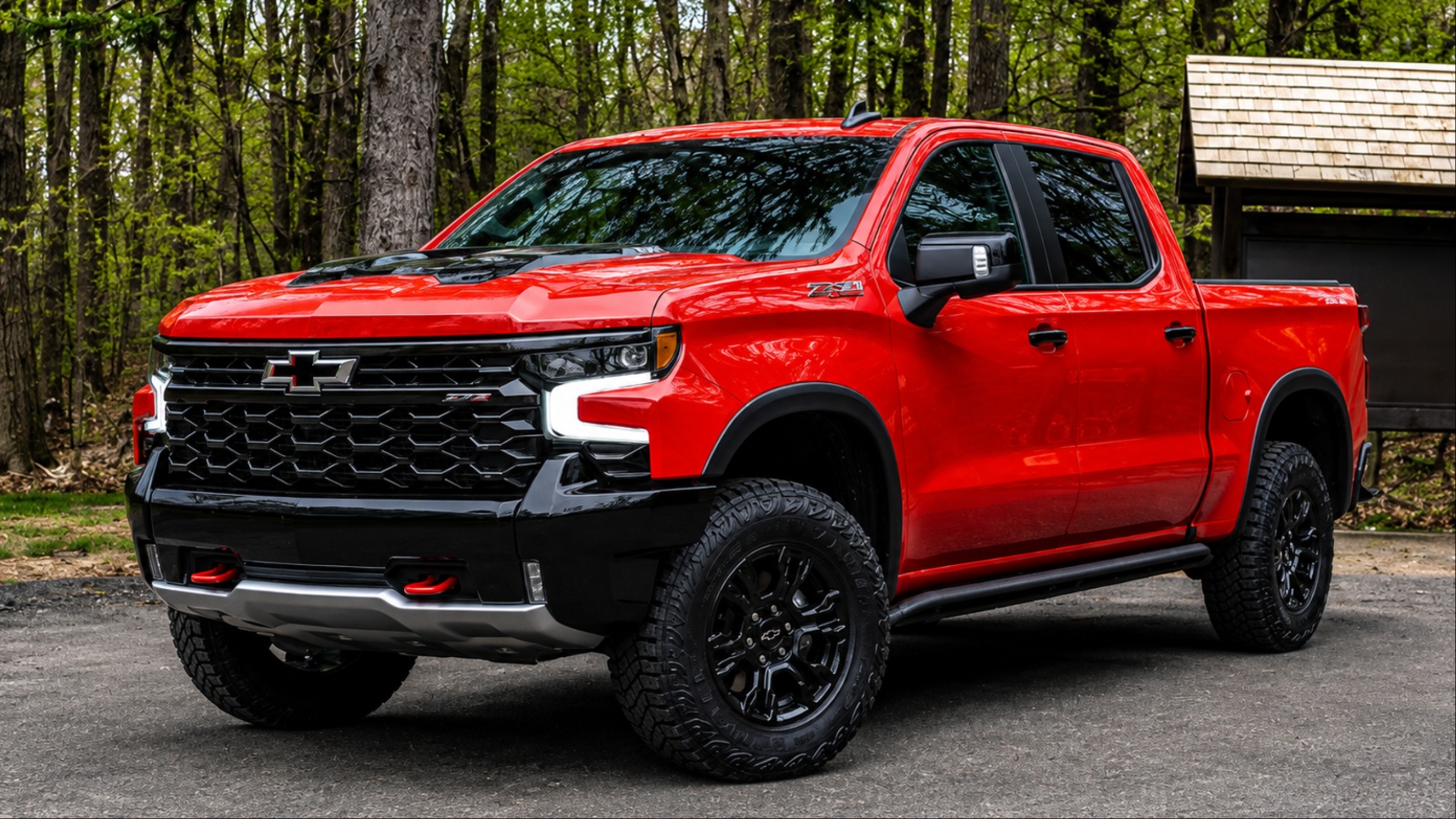
The Silverado’s high beltline and larger, flatter panels also mean fewer complex curves for hail to catch at odd angles, which can translate to more evenly distributed impact and, often, cleaner PDR results.
Beyond the body itself, the Silverado’s popularity across the Great Plains means dealerships and body shops in hail-heavy states are well-practiced at Silverado-specific repairs, which keeps turnaround times and costs more predictable after a bad storm.
Higher trims add reinforced hood insulation and thicker roof panels, both of which help absorb impact energy before it reaches the cabin. For ranchers, contractors, and commuters who need a full-size truck they can count on to survive a Front Range hailstorm without a trip to the scrapyard, the Silverado’s steel-heavy construction and strong secondary market for repairs make it a dependable pick.
3. Ram 1500
The Ram 1500 pairs a steel-intensive body with one of the more forgiving hood and roof designs in its class, both of which matter enormously when hail is falling vertically at high speed.
Ram’s engineers have also leaned into using high-strength steel in key stress areas of the frame, which helps the truck retain its shape and safety performance even after a storm leaves cosmetic damage across the exterior. Because the Ram’s panels are generally thicker than many crossover or sedan panels, small-to-medium hail (dime to quarter size) tends to leave shallower, more repairable dents rather than sharp creases.
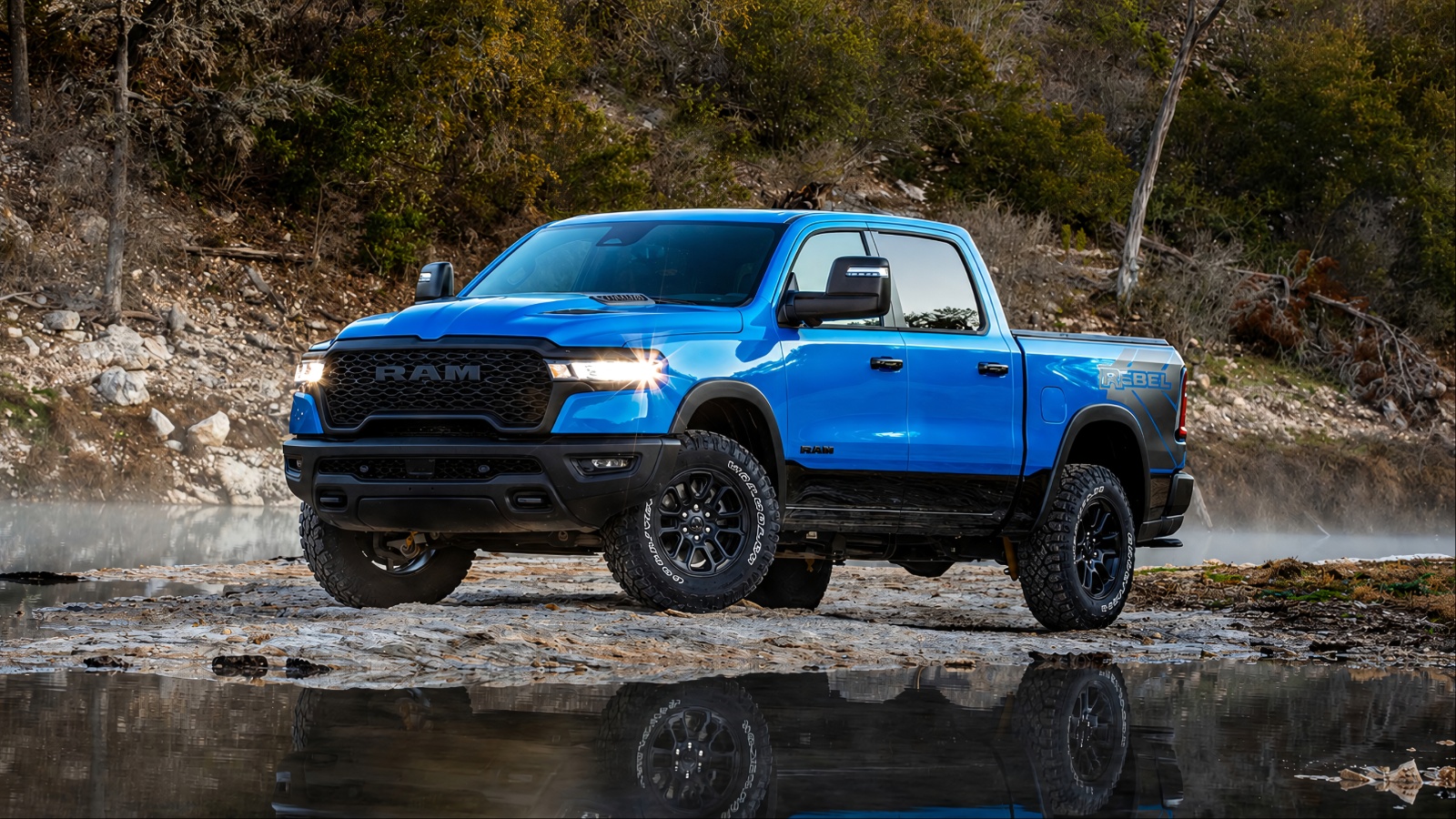
Ram owners in Colorado and Texas hail zones also benefit from the truck’s widespread availability of coil-spring rear suspension trims, which, while not directly related to hail resistance, often come bundled with higher-end trim packages that include more durable paint and clear-coat finishes.
Those finishes matter because a hailstorm that chips paint down to bare metal creates a rust risk long after the dents themselves are fixed or ignored. Combined with a strong dealer network throughout the Great Plains, the Ram 1500 offers both physical resilience and a practical repair ecosystem for owners who know another storm is only a season away.
4. Subaru Outback
The Subaru Outback is well known for its off-road ability, but it also earns praise for handling hail damage relatively well. Its compact and rounded design plays a role in that durability. With less exposed body surface than a full-size truck or SUV, the Outback gives falling hail fewer areas to strike. That smaller footprint can help reduce the amount of damage during a severe storm.
The Outback’s steel unibody construction also tends to distribute impact energy across the vehicle’s structure rather than concentrating it in large, flat panels, which are the areas most prone to visible hail dimpling.
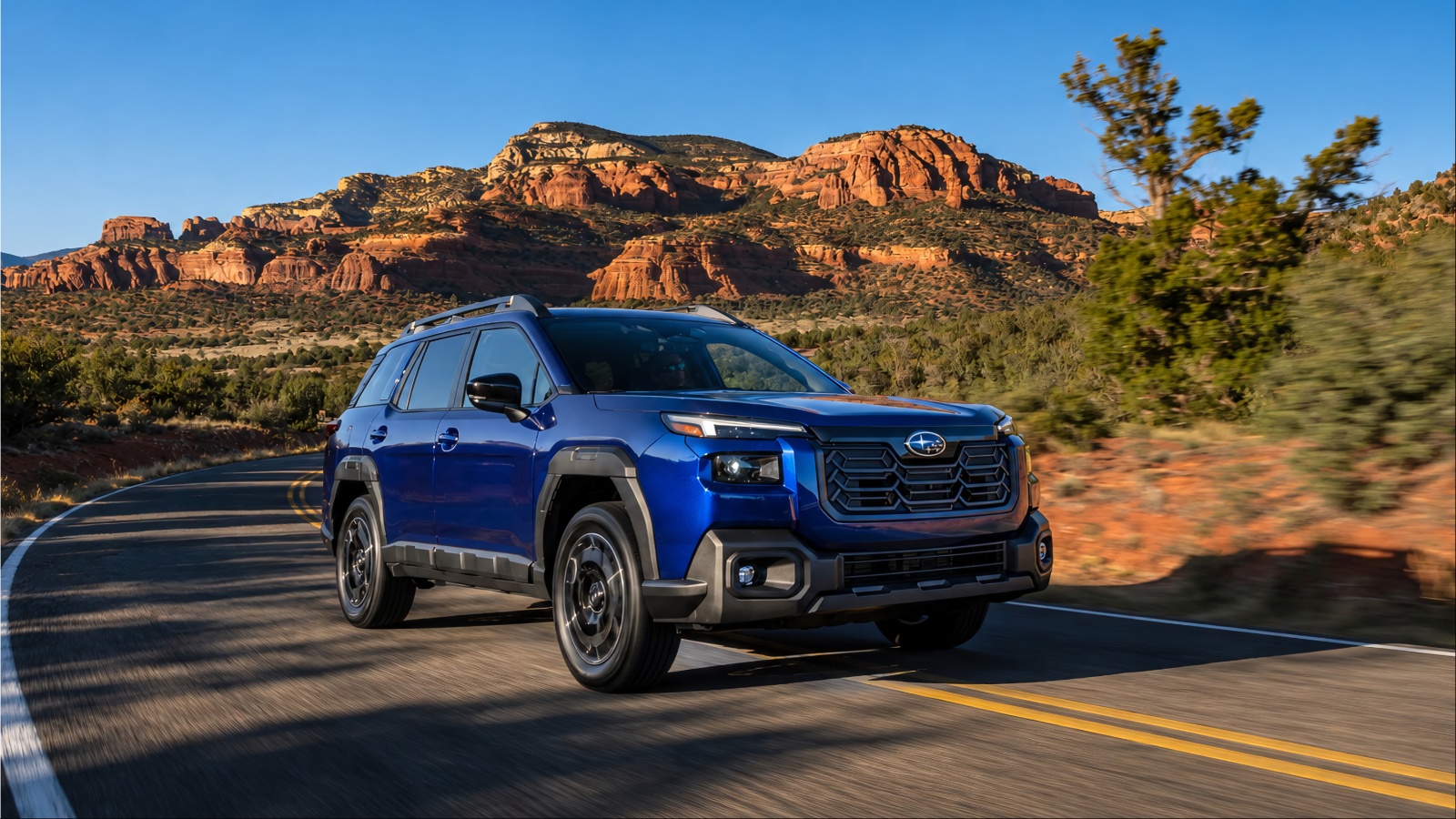
The Outback’s practical appeal in Hail Alley extends beyond the body shell. Subaru’s standard all-wheel drive is a genuine asset in the aftermath of severe thunderstorms, when hail-slicked roads and flash flooding are common companions to a storm.
Subaru’s broader commitment to durability and quality materials contributes to the Outback’s reputation as a reliable, hail-resistant choice for buyers who don’t want to sacrifice comfort or all-weather capability.
For Colorado and Wyoming commuters who need a daily driver that can handle mountain passes, gravel roads, and the occasional supercell, the Outback’s combination of size, structure, and traction makes it a frequently recommended pick.
5. Toyota 4Runner
The 4Runner’s body-on-frame construction gives it an edge over most modern crossovers, especially when severe weather strikes. Its separate ladder frame provides a strong structural foundation for the passenger cabin, so the vehicle does not rely as heavily on its body panels for strength. Even when a hailstorm leaves behind extensive dents and other cosmetic damage, the 4Runner is more likely to retain its structural strength and remain safe and drivable.
The 4Runner also uses noticeably thicker steel panels than many of Toyota’s car-based crossovers, a byproduct of its truck-based design philosophy that prioritizes durability over ultimate weight savings.
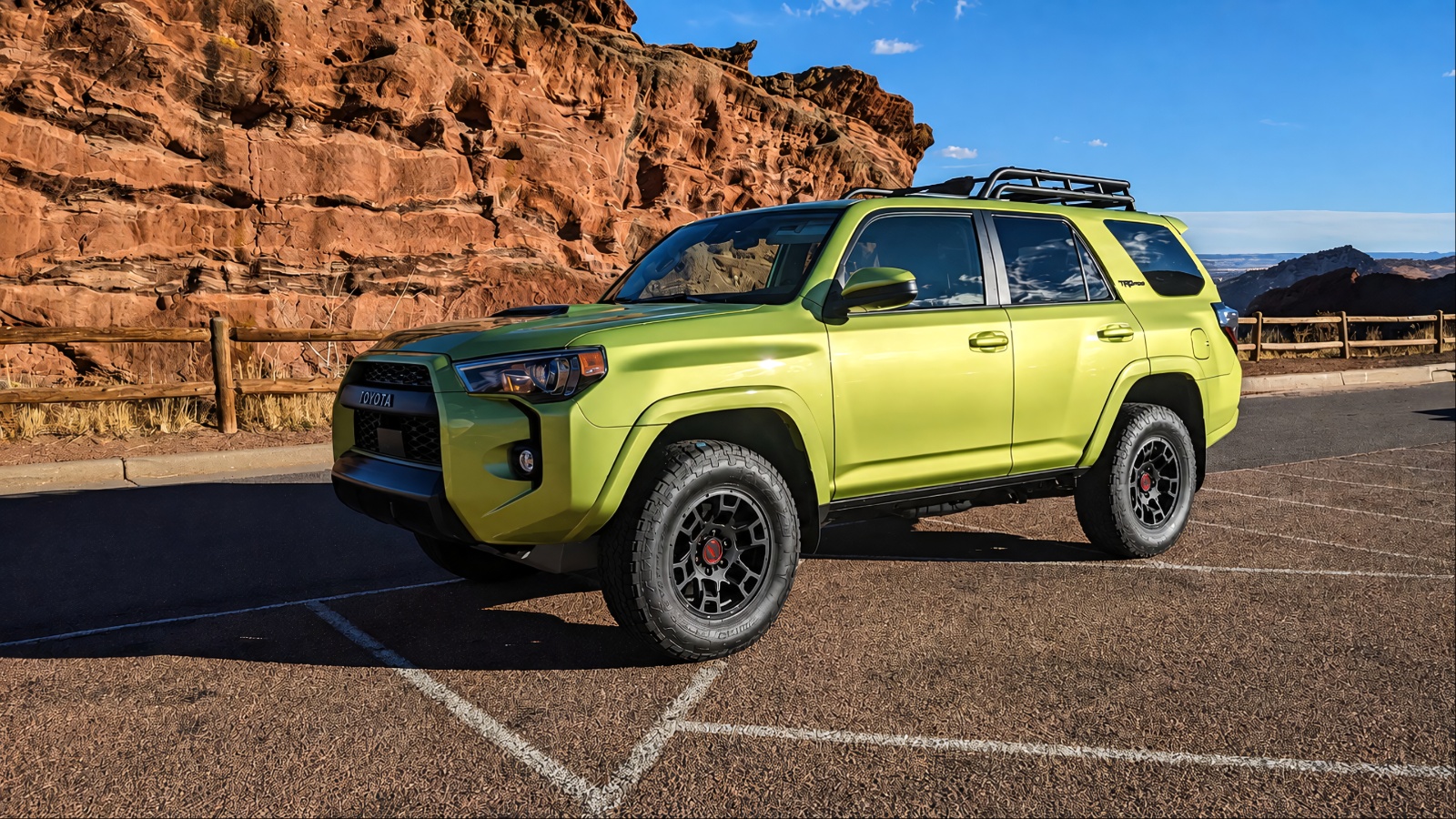
Toyota’s reputation for long-term reliability adds another layer to the 4Runner’s appeal in hail-prone areas. These SUVs often remain on the road for well over a decade, giving them plenty of opportunities to face severe weather. Owners in states where hail is common frequently report that their 4Runners have endured several storms over the years without suffering serious structural damage.
The model’s boxy, upright shape does mean a larger flat roof and hood surface area exposed to falling ice, but the tradeoff is a vehicle that’s mechanically simple and widely serviced by shops across the Great Plains. For buyers who want a rugged SUV that can shake off both hail and rough terrain, the 4Runner remains a favorite in hail-heavy regions.
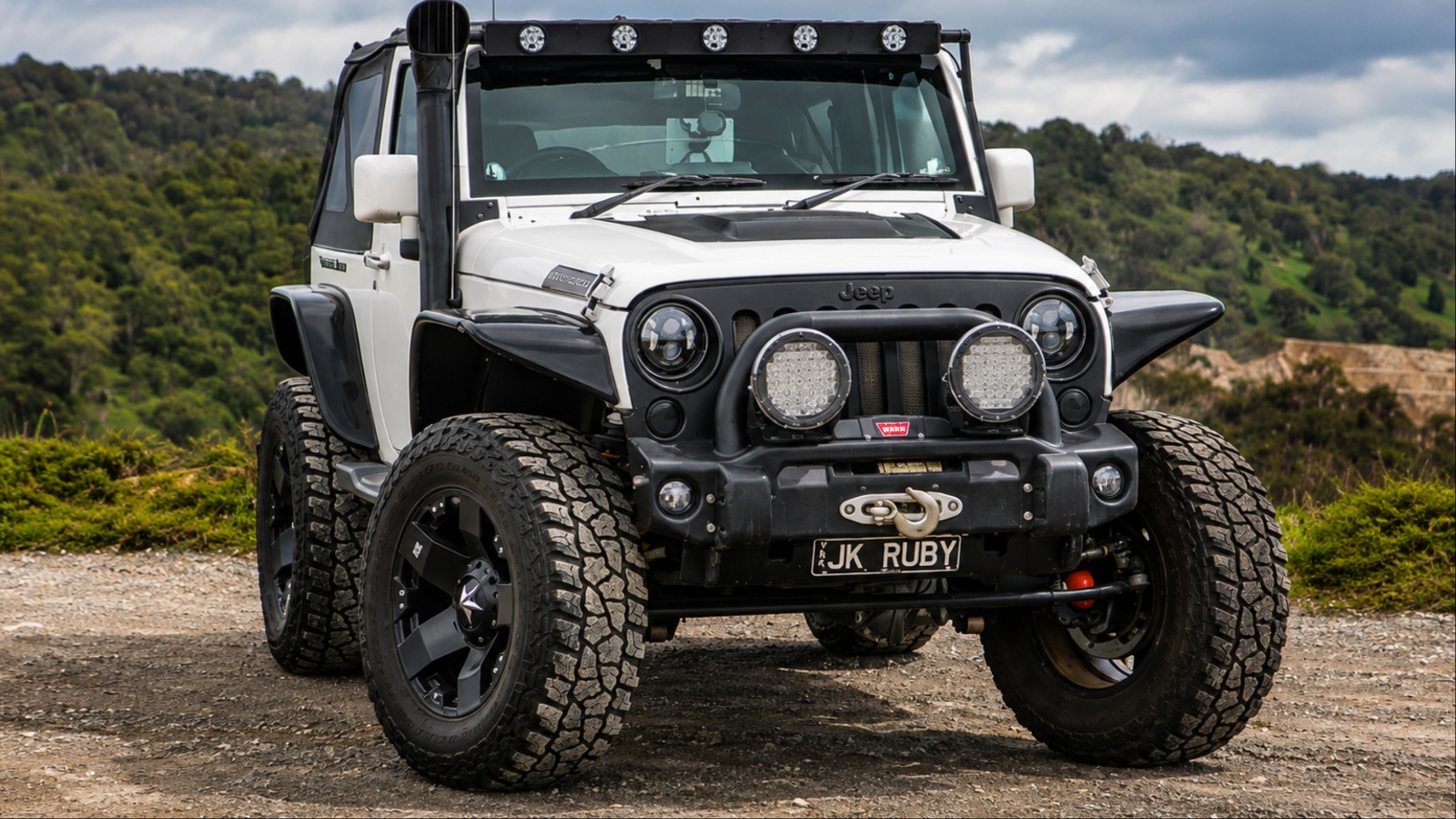
6. Jeep Wrangler
The Wrangler’s boxy shape and largely flat body panels might seem like a liability in a hailstorm, but its removable, aftermarket-friendly design actually works in its favor. Many Wrangler owners in hail country invest in hardtop and soft-top combinations, and a growing number use padded hail-protection covers specifically designed to fit the Jeep’s distinctive silhouette.
The vehicle’s steel frame and relatively simple body panel shapes flat hood, flat fenders also tend to be easier and cheaper for paintless dent repair specialists to work with compared to more curved, contoured sheet metal.
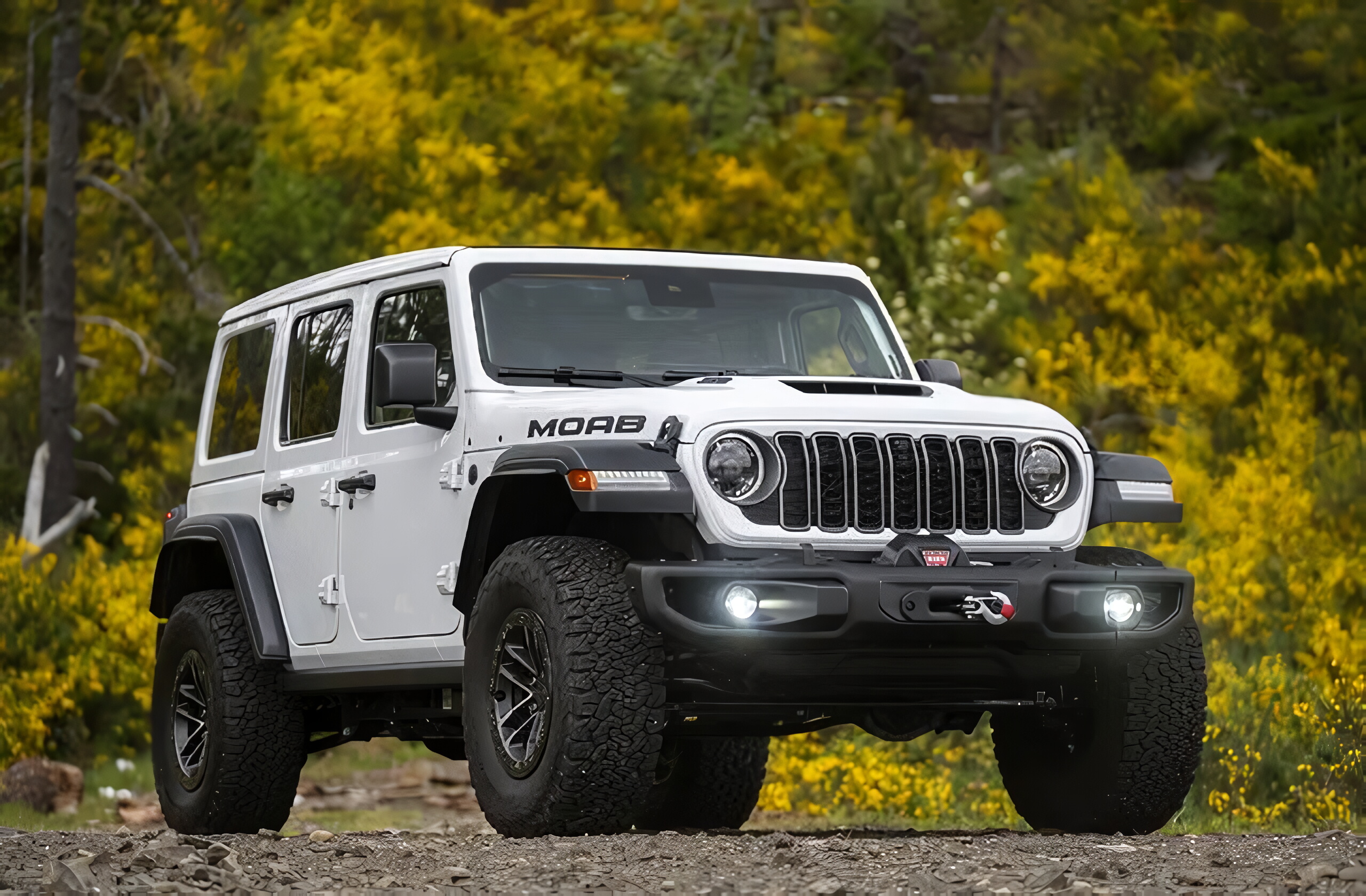
Beyond repairability, the Wrangler’s aftermarket ecosystem is arguably unmatched in the industry, meaning owners in Cheyenne, Denver, or Amarillo can source hail-specific protective gear, replacement panels, or even fully bolt-on body parts more easily than for almost any other vehicle on this list.
That flexibility means a badly hail-damaged Wrangler is rarely a total loss; individual panels can often be swapped rather than repaired, which keeps repair costs more predictable. For drivers who want a vehicle they can actively armor against seasonal storms rather than just hope for the best, the Wrangler’s modular design is a genuine advantage.
7. Mercedes-Benz E-Class
Luxury and resilience meet in the Mercedes-Benz E-Class, a sedan engineered to handle adverse weather conditions, including hail. Mercedes has long used thicker gauge steel and more robust body reinforcement in its mid-size and full-size sedans than many mainstream competitors, a legacy of the brand’s historical emphasis on crash safety engineering.
The E-Class’s advanced materials and engineering contribute to its ability to resist hail damage, making it a standout among sedans rather than trucks or SUVs on a hail-resistance list.
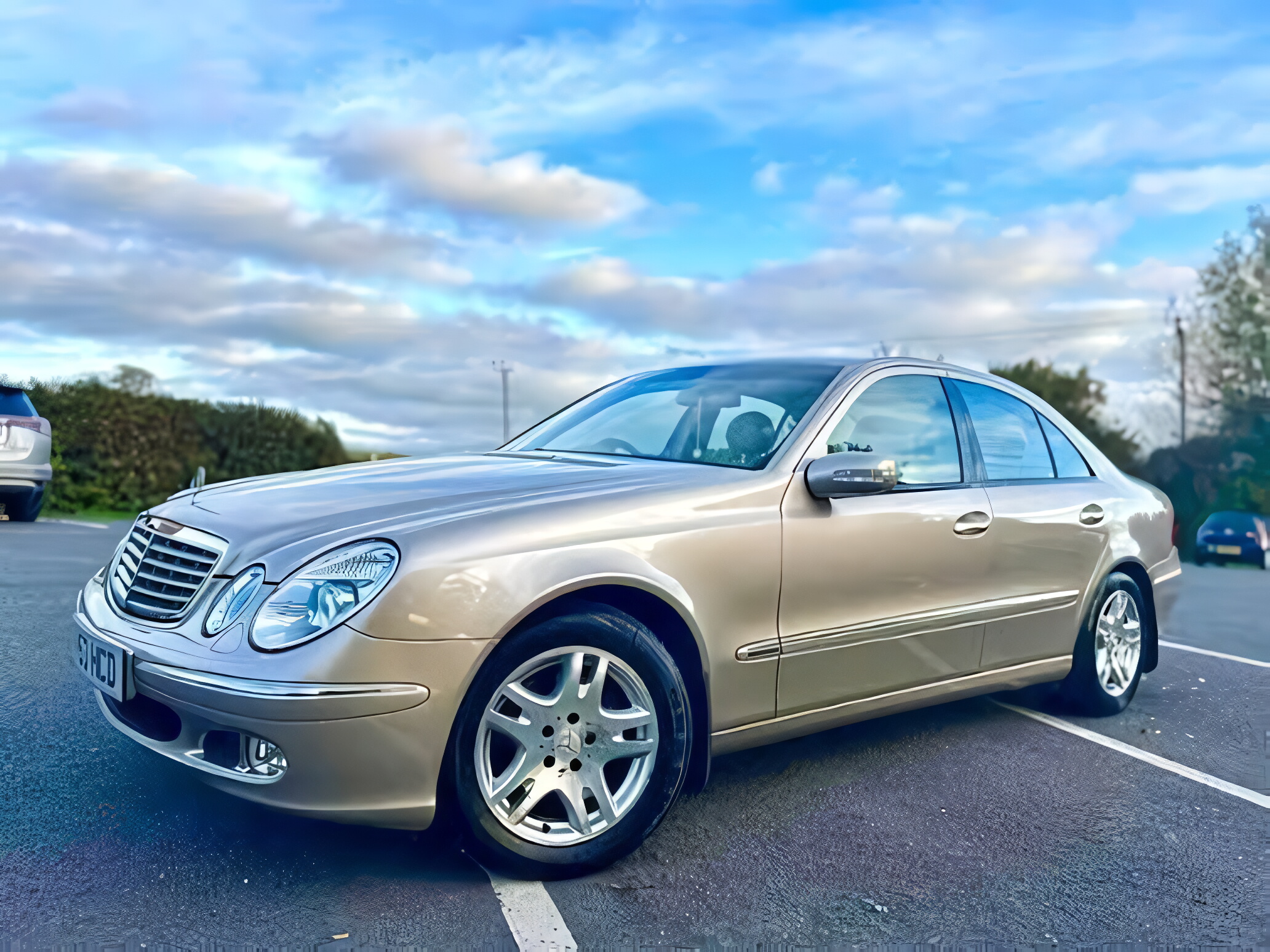
The E-Class’s paint and clear-coat systems are also typically more resistant to chipping than budget-oriented finishes, which matters because chipped paint after a hailstorm is often what turns a cosmetic problem into a long-term rust issue.
Mercedes owners in hail-prone metro areas like Denver and Omaha also have access to a dealer network experienced in high-end cosmetic repair, including specialized paintless dent removal for the E-Class’s more contoured panels.
While it’s a pricier option than most trucks on this list, the E-Class demonstrates that luxury-grade construction thicker metal, better coatings, tighter panel tolerances translates directly into better real-world hail performance.
8. Volvo XC90
Volvo has built its brand reputation almost entirely around structural safety, and that same engineering philosophy extends to how the XC90 handles severe weather impacts. The SUV’s body uses a mix of high-strength steel and boron steel in key structural zones, materials chosen primarily for crash protection but which also happen to resist the kind of deep denting that smaller, softer panels suffer under hail.
Volvo’s roof, in particular, is engineered to handle significant static loads as part of its rollover safety testing, giving the XC90 one of the more hail-resistant roof panels in the midsize luxury SUV segment.
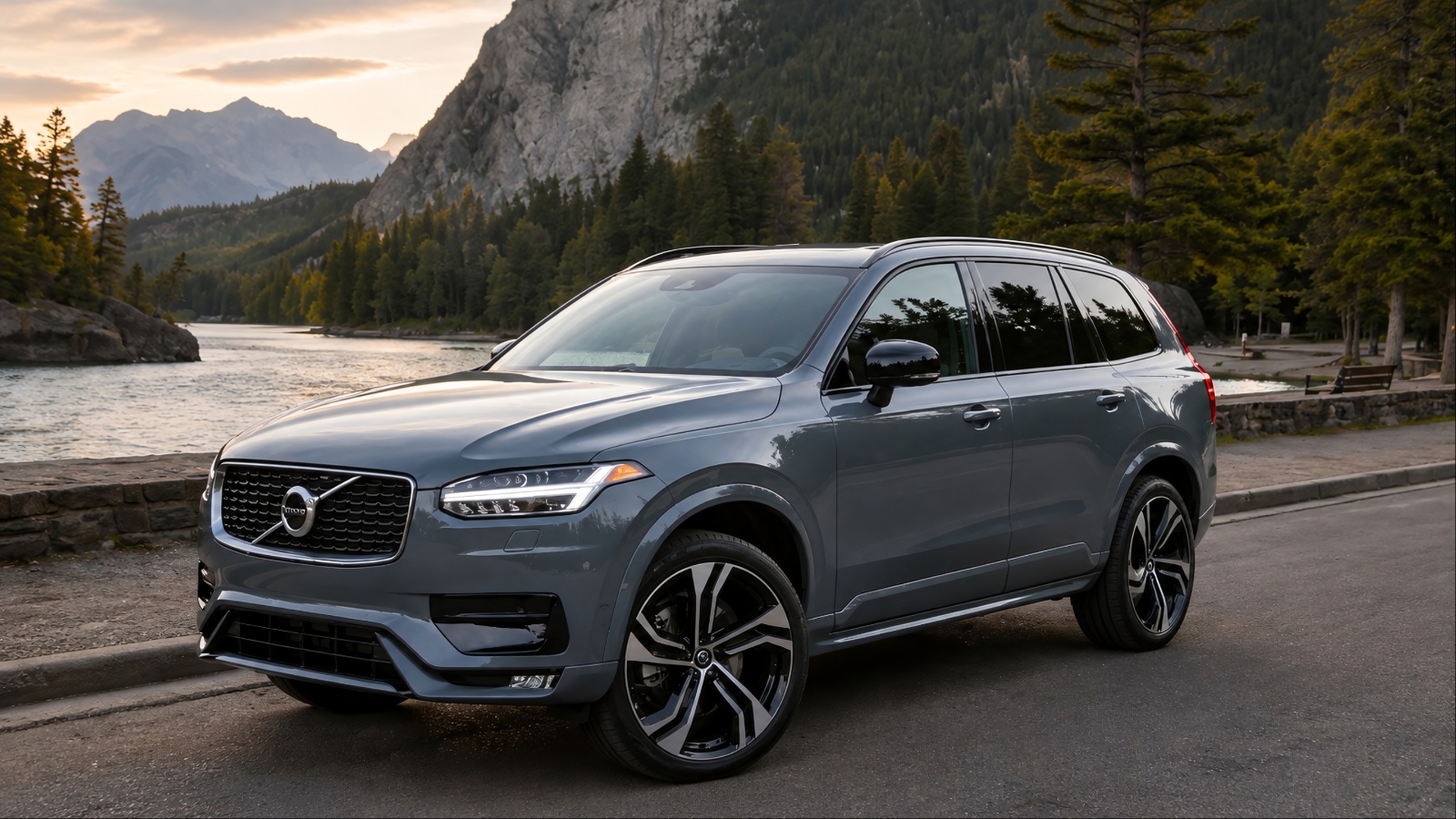
Beyond the structural story, Volvo’s Scandinavian design language favors smoother, less deeply creased body lines than many competitors, which reduces the number of tight curves and edges where hail impacts concentrate stress and are harder to repair.
Owners in hail-heavy states also benefit from Volvo’s typically thicker OEM paint systems, designed to withstand harsh Nordic winters and, incidentally, hailstorms on the American plains. For buyers who want three-row SUV practicality without sacrificing hail resilience, the XC90’s safety-first engineering pulls double duty.
9. Toyota Tacoma
Like its larger sibling, the 4Runner, the Tacoma benefits from body-on-frame construction, which keeps the truck’s core structure isolated from cosmetic hail damage to the bed, hood, or cab panels.
The Tacoma’s steel body panels are notably thicker than those found on many car-based compact and midsize trucks from other manufacturers, a byproduct of Toyota’s long-standing reputation for truck durability in off-road and work-truck applications. That extra material thickness means smaller hail the pea- to nickel-sized stones most common even outside peak storms often leaves minimal or no visible marking at all.
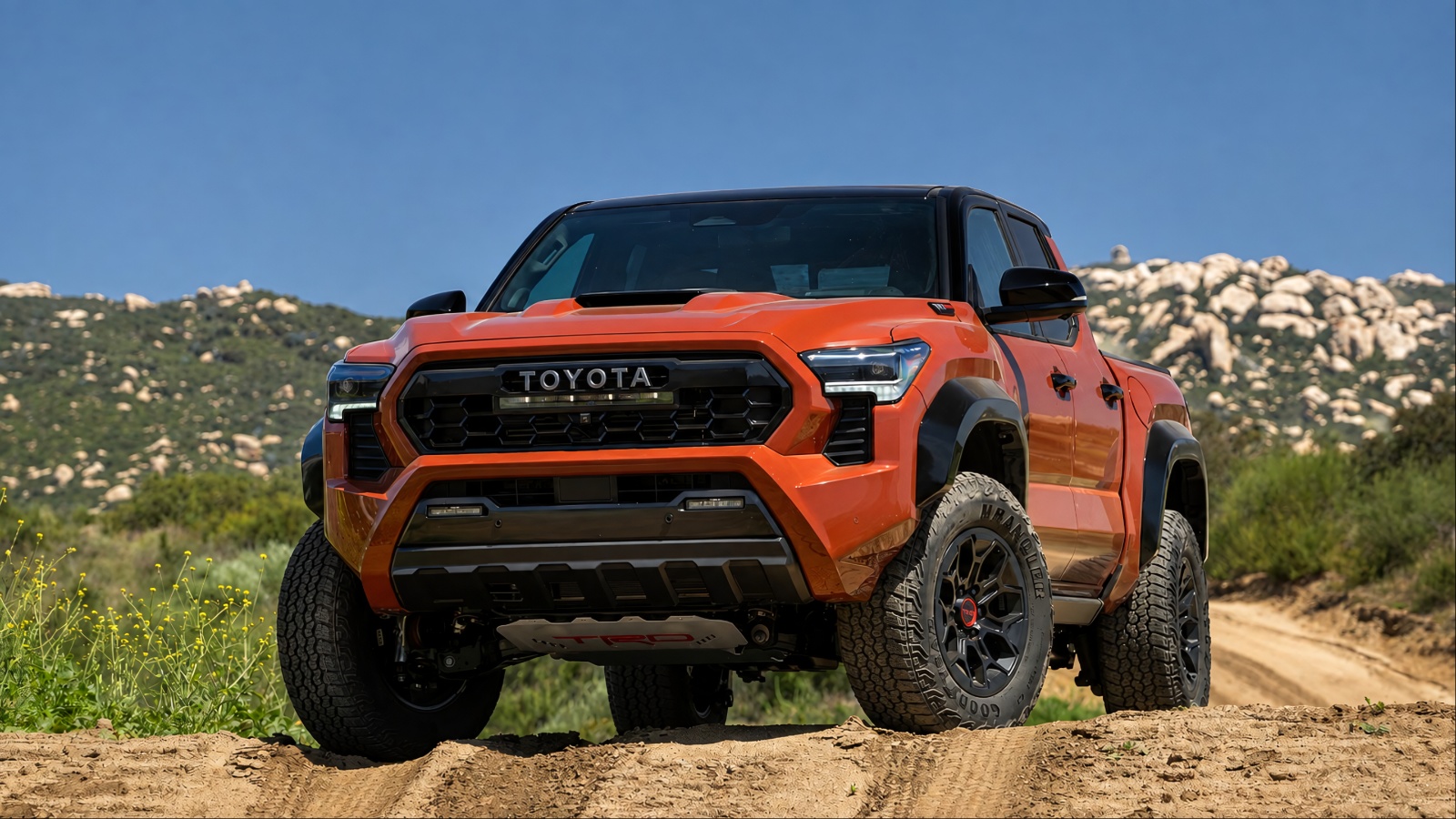
The Tacoma’s popularity throughout the rural Mountain West and Great Plains gives it another advantage when hail season arrives. It benefits from an established repair network, much like the F-150 and Silverado.
Body shops in places such as Cheyenne, Fort Collins, and Amarillo see plenty of Tacomas after major storms, so technicians are familiar with the model and its common repair needs. That familiarity can make repair costs and turnaround times more predictable than they might be for less common vehicles.
Toyota’s reputation for holding resale value even after cosmetic hail repair also makes the Tacoma a financially sound choice for drivers who know they’ll eventually be selling or trading in a vehicle that’s weathered a storm or two.
10. Tesla Model 3
The Model 3 is an unusual entrant on a hail-resistance list, but Tesla has specifically highlighted the vehicle’s ability to withstand severe hail in its own testing and marketing.
The Tesla Model 3 is frequently named among the top contenders for hail resilience, thanks in part to a stiff aluminum and steel structure and a smoother, more aerodynamic body shape that reduces flat, exposed surface area compared to boxier trucks and SUVs.
Tesla has also highlighted the Model 3’s glass roof as another advantage. Its laminated construction is designed to withstand significant impacts and reduce the risk of cracking.
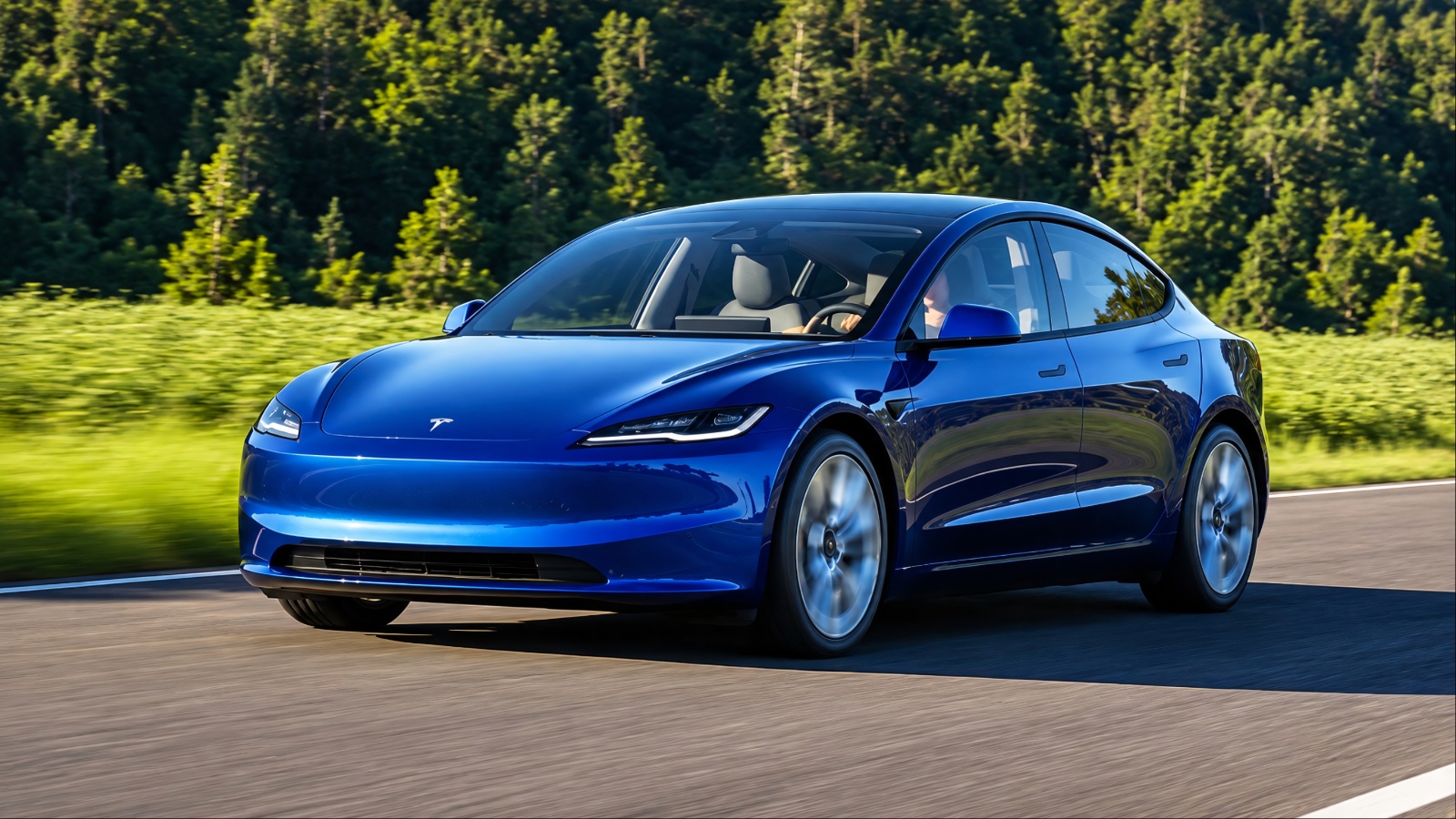
That can be particularly valuable during severe hailstorms, when shattered glass can become one of the most costly forms of damage for vehicles equipped with large glass roofs or sunroofs.
The Model 3’s simpler body panel count, a product of Tesla’s more streamlined manufacturing process, can also mean fewer individual panels need replacing after a severe storm compared to vehicles with more complex, multi-piece body designs.
That said, owners should note that aluminum body panels, while resistant to rust, can still dent under large hail, so garage parking or a protective cover remains wise advice regardless of the vehicle’s underlying engineering.
For tech-forward buyers in hail country who want genuine engineering-backed resilience rather than just a reputation, the Model 3 offers a modern alternative to the trucks and SUVs that traditionally dominate this conversation.