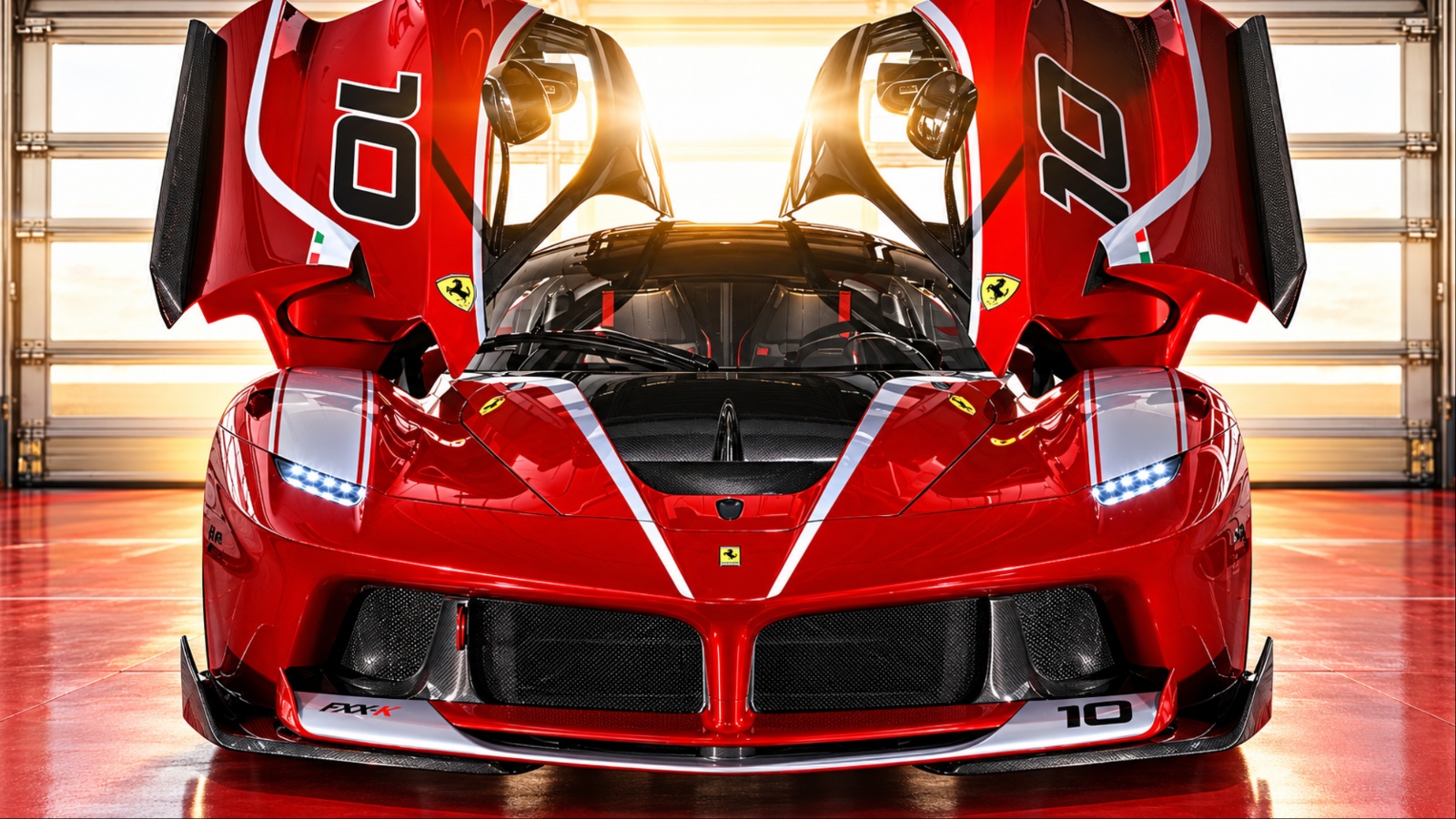
Pennsylvania has plenty of rules governing what can and cannot be driven on public roads, but some cars run into a much bigger problem than paperwork. Certain high-performance machines were never designed or certified as road cars in the first place.
They were built exclusively for racetracks, private circuits, or manufacturer-supported driving programs. Even if you can legally own one in Pennsylvania, that does not automatically mean you can obtain a normal Pennsylvania title and highway registration for it in its original configuration.
That distinction becomes especially important with exotic track cars. Models from Ferrari, McLaren, Aston Martin, Lamborghini, Porsche, Pagani, and Dodge have been produced specifically to deliver racing-level performance without the equipment and certification normally required for public-road operation. Below are ten notable examples.
These cars can be extraordinarily valuable and perfectly legitimate to own, but their factory track-only configuration prevents them from being treated like an ordinary street-legal automobile in Pennsylvania.
1. Dodge Viper ACR-X
The Dodge Viper ACR-X is one of the clearest examples of a car that was designed for the racetrack rather than the public highway. Developed as a competition-oriented version of the Viper ACR, the ACR-X was built with a much more aggressive philosophy than the already extreme road-going Viper.
It received extensive performance modifications, including racing-oriented suspension tuning, aerodynamic equipment, weight reduction, and other changes intended to make the car faster around a circuit.
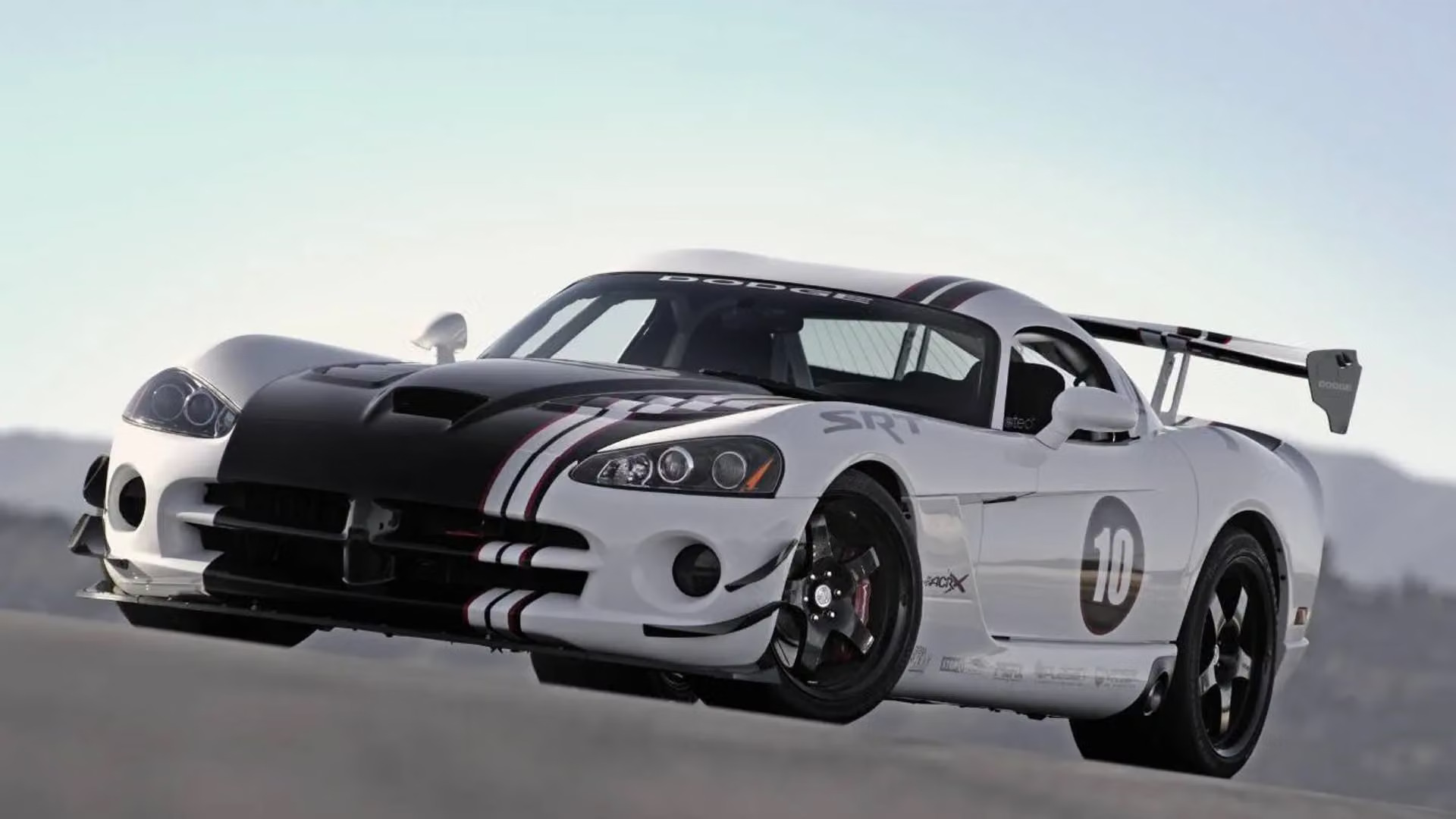
The important issue for Pennsylvania registration is not simply that the ACR-X is extremely powerful or difficult to drive. The problem is that the car was produced as a track-focused competition machine rather than as a conventional road-certified automobile. Equipment and certification normally associated with ordinary highway vehicles were not the priority when Dodge created it.
That means buying one does not automatically give the owner a path to normal Pennsylvania highway registration. A person could legally possess the vehicle as a collectible or competition car, but ownership and road registration are two very different things.
The ACR-X is particularly interesting because it resembles the street-legal Viper ACR closely enough that someone unfamiliar with the model might assume it could simply be registered like any other Viper. It cannot be treated that way in its factory configuration.
For Pennsylvania enthusiasts, the distinction matters. The regular Viper was designed for the road, while the ACR-X was built specifically for competition. That difference can determine whether the car is legal to drive on public roads or limited to private property and racetrack use.
2. Ferrari FXX-K
The Ferrari FXX-K represents an entirely different philosophy from an ordinary Ferrari road car. Based on technology developed around the LaFerrari platform, the FXX-K was created as an experimental track machine for Ferrari’s XX Programme. It combines a high-output V12 engine with hybrid technology and extensive aerodynamic development, producing a level of performance that was never intended to be used on public streets.
Unlike a conventional Ferrari, the FXX-K was not developed as a road-legal production automobile. Ferrari designed it for closed-course use and customer participation in its specialized track program. Its purpose was to provide owners with an extreme driving experience while allowing Ferrari to explore technologies and performance concepts beyond normal road-car limitations.
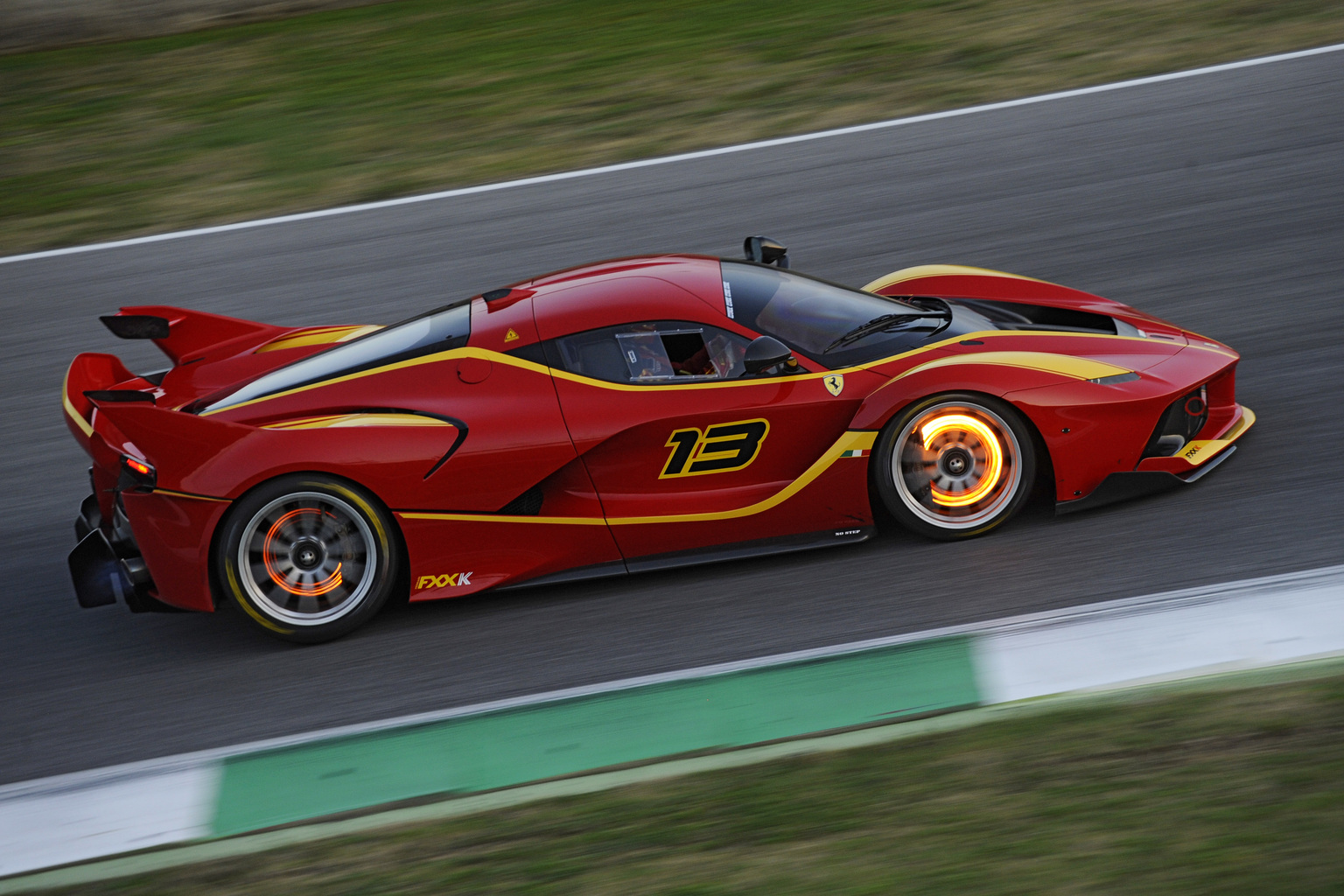
That distinction makes the FXX-K unsuitable for ordinary Pennsylvania highway registration in its factory configuration. Owning one is not necessarily the problem. The problem is attempting to treat it like a conventional passenger automobile that meets the requirements for public-road operation.
The car also demonstrates why vehicle registration is about more than having headlights, tires, and a steering wheel. Road certification involves numerous requirements concerning safety equipment, emissions, lighting, identification, and other standards. A purpose-built track car can be mechanically sophisticated while still lacking the certification necessary for ordinary road registration.
For a Pennsylvania collector, the FXX-K would therefore be a track asset rather than a daily driver. It could be transported to a suitable circuit and enjoyed in the environment for which Ferrari designed it, but simply owning the keys does not transform it into a street-legal Ferrari.
3. Ferrari 599XX
The Ferrari 599XX was developed as an extreme track derivative of the Ferrari 599 GTB Fiorano. While the standard 599 was a road-going grand tourer, Ferrari transformed the 599XX into a machine focused almost entirely on circuit performance. The car received substantial aerodynamic development, weight reduction, suspension changes, electronic systems, and engine modifications intended to make it dramatically faster on a racetrack.
The 599XX was part of Ferrari’s exclusive XX Programme, which meant it was not simply another high-performance Ferrari available for normal road use. Ferrari’s intention was to give selected customers access to technology and performance that went far beyond its conventional production cars.
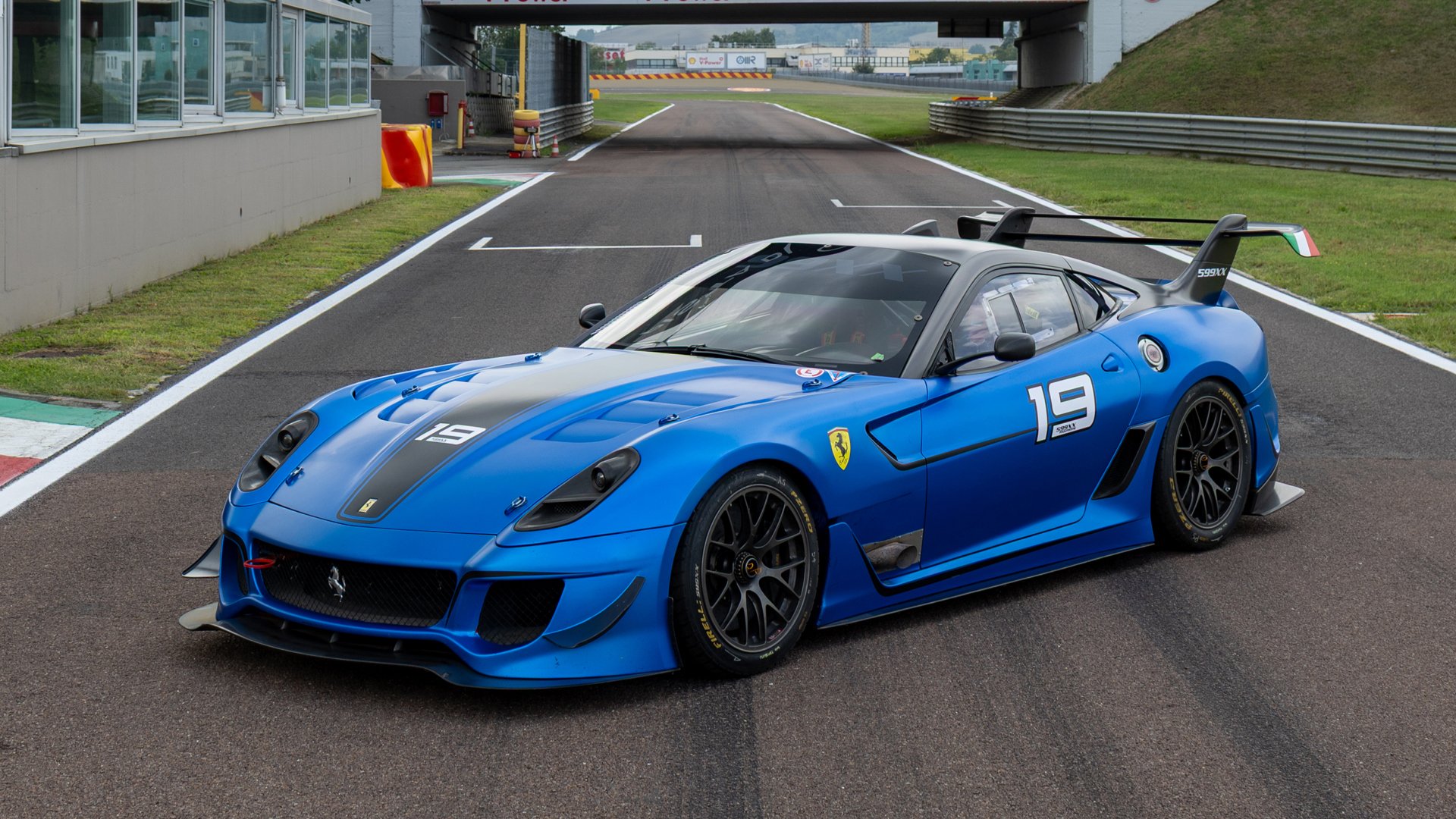
For Pennsylvania owners, that distinction is critical. The fact that the 599XX is based on a street-legal Ferrari does not mean the 599XX itself inherits the same registration status. A manufacturer can create a competition-oriented derivative that has an entirely different legal status from the road car on which it is based.
In its factory configuration, the 599XX is therefore not something an owner can simply register for ordinary Pennsylvania highway driving. It belongs in the category of cars designed for closed-course environments.
This is one reason exotic-car collectors need to investigate the exact model rather than assuming that a familiar badge guarantees road legality. A Ferrari 599 and a Ferrari 599XX may look related, but their intended purposes are fundamentally different.
The 599XX is an excellent example of a vehicle that can be extremely desirable, enormously expensive, and completely legitimate to own while still being unsuitable for normal public-road registration in Pennsylvania.
4. McLaren P1 GTR
The McLaren P1 GTR was created as the ultimate track-focused evolution of the McLaren P1. While the standard P1 was developed as a road-legal hybrid hypercar, the GTR took the basic concept and transformed it into a much more aggressive circuit machine. It received extensive aerodynamic upgrades, racing-oriented suspension, weight reduction, and other modifications designed specifically for closed-course performance.
The P1 GTR’s purpose was never to become a normal road automobile. McLaren developed it for track use and positioned it as part of an exclusive driving program for customers who wanted to experience a race-oriented version of the P1.
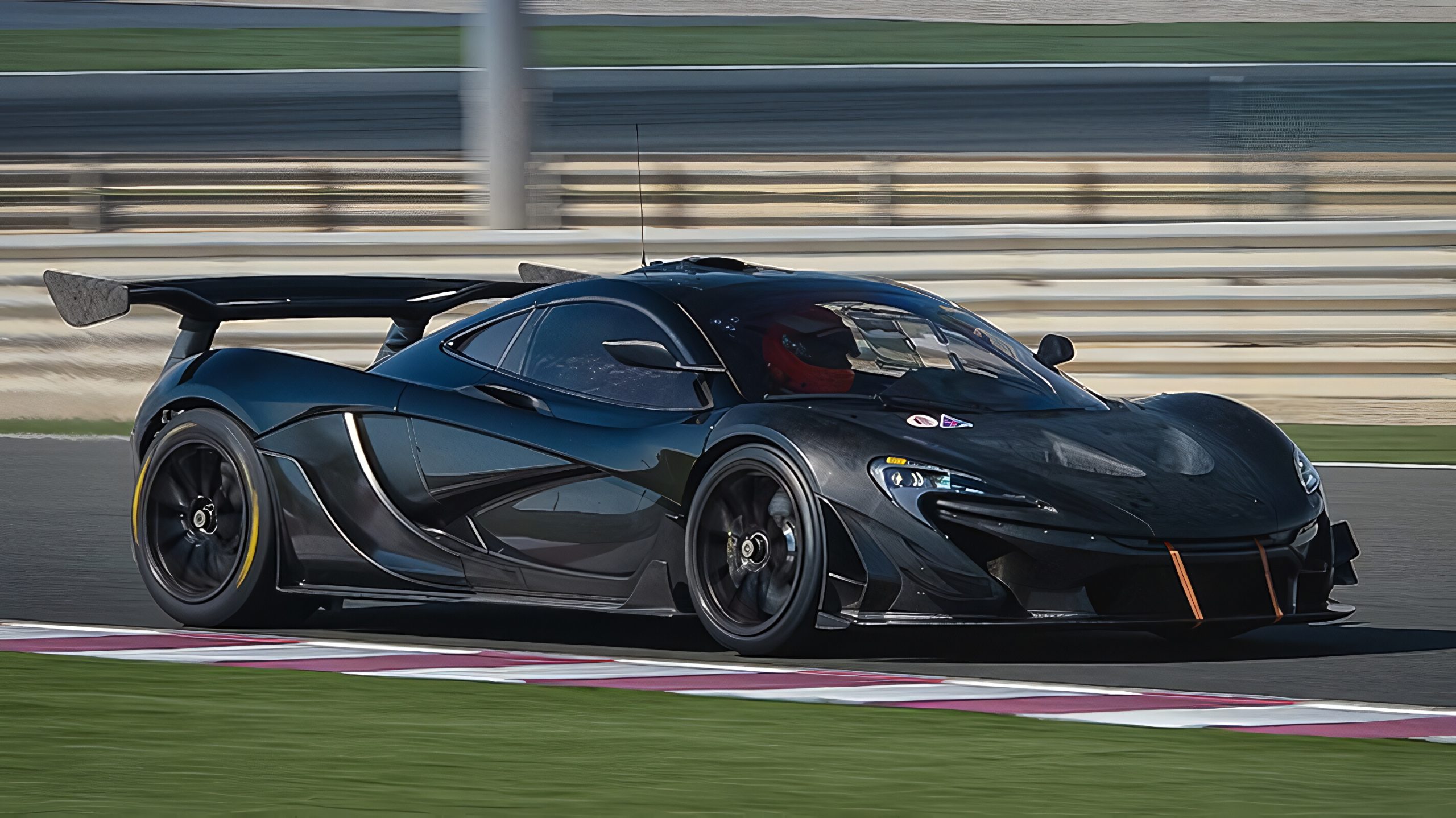
That makes the P1 GTR very different from the road-going P1 when it comes to registration. In Pennsylvania, the fact that the P1 platform originated as a street car does not automatically make the GTR version eligible for ordinary highway registration. The exact vehicle’s certification and equipment matter.
For an owner, this creates an unusual situation. The P1 GTR can be privately owned and stored as part of a collection, but using it on Pennsylvania public highways in its original configuration is another matter entirely. It is fundamentally a track car.
The model also illustrates why collectors should never assume that a vehicle can be registered simply because a visually similar version is road legal. Manufacturers routinely create racing and track variants that share engines, chassis components, bodywork, and technology with street cars while having completely different regulatory classifications.
The P1 GTR belongs firmly in that category. Its spectacular performance and rarity make it highly desirable, but those same characteristics do not give it ordinary Pennsylvania road-registration eligibility.
5. McLaren Senna GTR
The McLaren Senna GTR takes the already extreme Senna concept and pushes it into dedicated race-car territory. While the standard McLaren Senna was designed and certified as a road-going hypercar, the Senna GTR was engineered specifically for track use. Its enormous aerodynamic package, racing-focused chassis setup, reduced weight, and competition-oriented equipment demonstrate its intended environment.
The GTR’s purpose is not commuting, highway cruising, or weekend trips on public streets. It is designed to generate extreme aerodynamic performance and lap-time capability on a closed circuit. As a result, it does not carry the same road-going certification as the regular Senna.
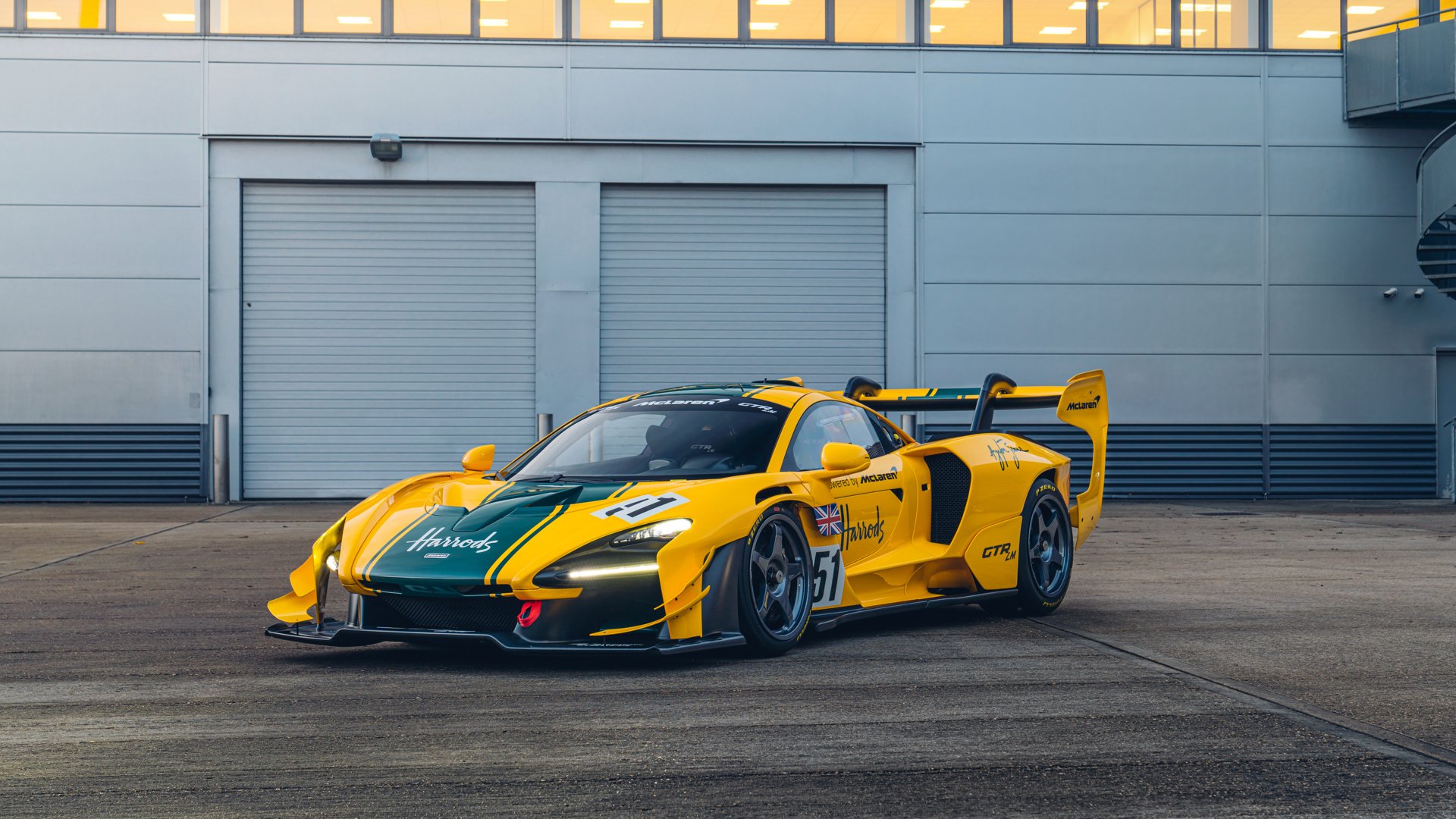
For Pennsylvania, that distinction is decisive. A Senna GTR in its factory track configuration cannot simply be registered as though it were a normal McLaren passenger vehicle. The owner may possess the car, but ordinary public-road operation is a different legal question.
The situation can be confusing because the Senna name appears on both road and track versions. Someone seeing a Senna GTR parked in a private collection might reasonably assume that it is simply a particularly expensive Senna. In reality, it is a fundamentally different type of machine.
The Senna GTR is intended for owners who have access to racetracks and transportation arrangements capable of getting the car there. It can be enjoyed without ever being registered for Pennsylvania highway use.
For collectors, this is part of the appeal. The GTR is not trying to compromise between road comfort and track performance. McLaren designed it to focus on the latter. That uncompromising approach is precisely why it does not fit neatly into the normal Pennsylvania registration system for ordinary road automobiles.
6. Aston Martin Vulcan
The Aston Martin Vulcan is one of the most dramatic track-only cars ever produced by the British manufacturer. Although it carries the familiar Aston Martin name and shares styling characteristics with the company’s road cars, the Vulcan was developed specifically for closed-course driving. Its naturally aspirated V12, aggressive aerodynamics, lightweight construction, and competition-focused chassis make its purpose unmistakable.
Aston Martin did not design the Vulcan as a conventional road car. Instead, it was offered to a limited group of customers as an exclusive track machine. Its enormous rear wing, extensive aerodynamic bodywork, and racing-oriented interior are all designed around lap-time performance rather than public-road practicality.
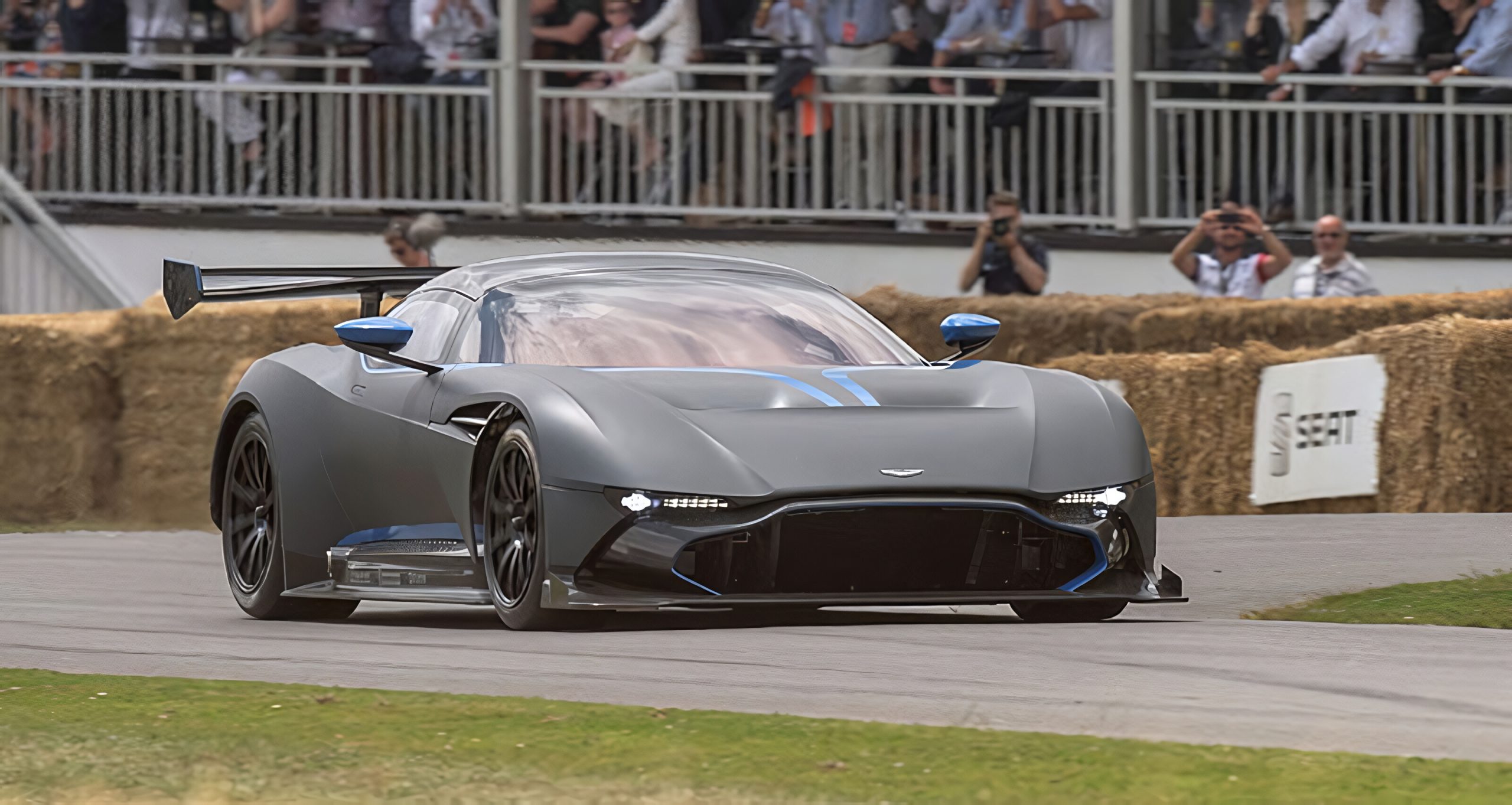
That means a Pennsylvania owner cannot simply approach ordinary vehicle registration as if the Vulcan were a standard Aston Martin production car. In its original factory configuration, it lacks the road-car certification necessary for normal highway use.
The distinction is especially important because the Vulcan’s price and exclusivity could make it attractive to collectors who might assume that money and ownership are enough to overcome registration difficulties. They are not. A vehicle’s legal status depends on how it was manufactured, certified, and equipped, not simply on whether someone can purchase it.
The Vulcan is therefore best understood as a collectible competition automobile. An owner can keep it as part of a private collection and arrange transportation to a racetrack, but using it as a Pennsylvania-registered road vehicle is not what Aston Martin intended.
For enthusiasts, the Vulcan demonstrates how far a manufacturer can push a vehicle once normal road requirements are removed from the equation. It is essentially Aston Martin’s interpretation of a modern customer race car, and that is exactly why ordinary road registration is such a problem.
7. Pagani Zonda R
The Pagani Zonda R is perhaps one of the most extreme examples on this list because it looks like an exotic road car while being designed almost entirely around racetrack performance. Pagani developed the Zonda R as a dedicated circuit machine, using a lightweight structure, enormous aerodynamic components, racing technology, and a powerful naturally aspirated V12.
Despite its visual similarity to other Zonda models, the Zonda R should not be confused with a road-legal Zonda. It was developed as a track-only automobile and was not intended to meet the requirements necessary for normal public-road operation.
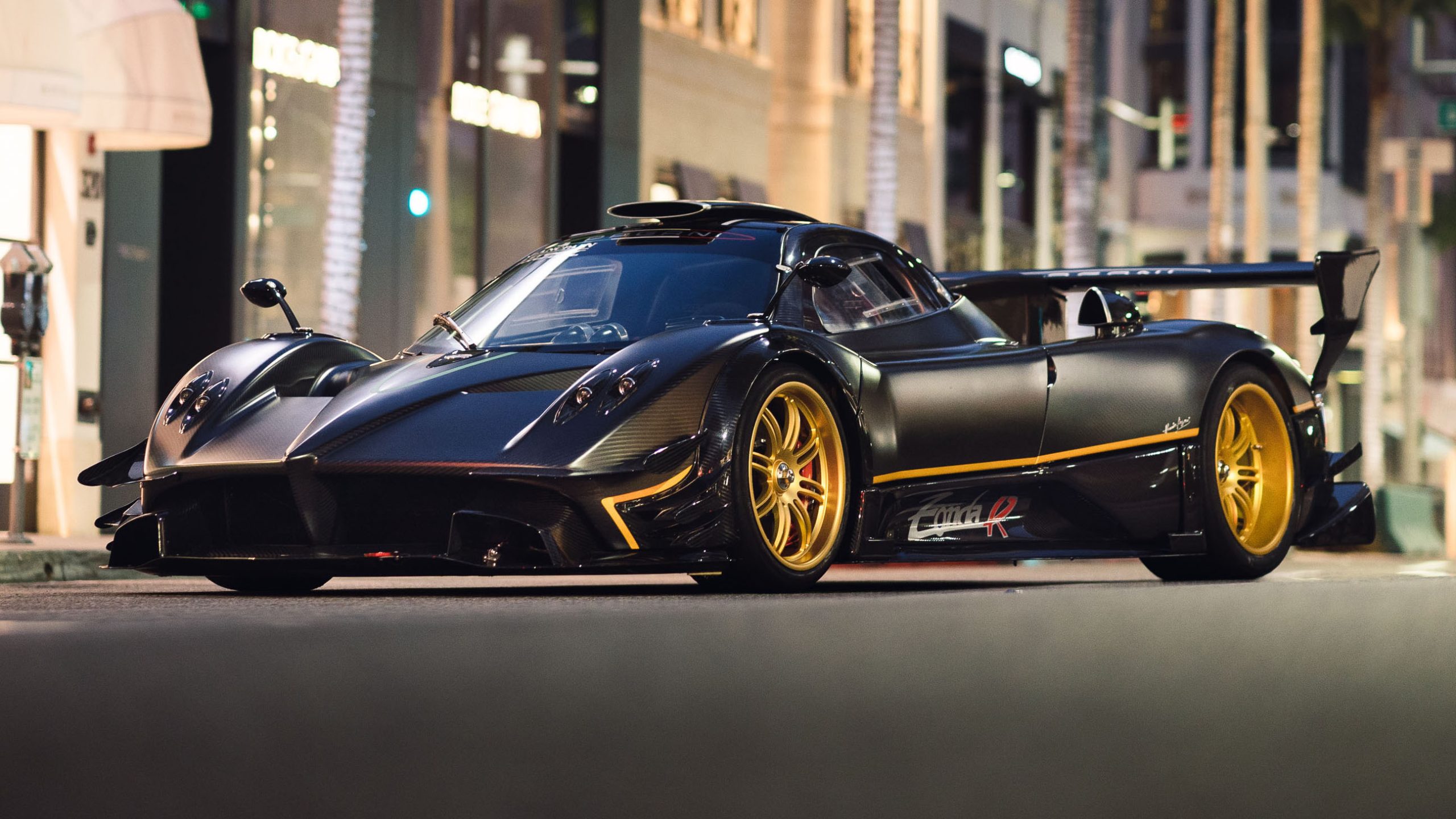
That distinction is significant in Pennsylvania. A collector can own a Zonda R, but ownership does not mean that the car can receive ordinary highway registration in its original factory configuration. Its intended environment is a racetrack or other controlled private facility.
The Zonda R also highlights an important point about exotic vehicles. A car can be mechanically roadworthy without being legally certified for use on public roads. It may have an engine, brakes, steering, suspension, lights, and tires, yet still fail to meet the regulatory requirements for a standard registered automobile.
For a Pennsylvania collector, that means the Zonda R would need to be treated as a specialized track asset. Moving it between locations would generally require appropriate transportation rather than simply driving it on public streets.
Its rarity makes the situation even more unusual. Only a very small number were produced, and the car has become an important part of modern automotive history. But exclusivity does not create road-registration eligibility.
The Zonda R was built to chase lap times, not license plates. In Pennsylvania, that difference remains fundamental.
8. Lamborghini Essenza SCV12
The Lamborghini Essenza SCV12 is another unmistakable track-only machine. Developed by Lamborghini’s motorsport and performance divisions, the Essenza SCV12 was created around a naturally aspirated V12 engine and a highly aerodynamic carbon-fiber structure. Its enormous aerodynamic package and racing-focused design make it fundamentally different from Lamborghini’s road-going Huracán and Aventador models.
The Essenza SCV12 was intended for private track use and exclusive customer driving experiences. Lamborghini did not create it as a conventional road car that could be driven from a Pennsylvania garage to a grocery store or onto an interstate highway.
Consequently, its factory configuration is not suited to ordinary Pennsylvania highway registration. The owner can possess the vehicle as a collectible or competition machine, but that does not make it eligible for normal public-road operation.
The car’s design makes the reason obvious. It has an aggressive aerodynamic package and a cockpit focused on the driver and track performance. The entire vehicle is built around extracting maximum performance from a closed circuit.
This is an important distinction for anyone researching exotic cars that can or cannot be registered. The question is not simply whether the manufacturer is famous or whether another model from the same manufacturer is street legal. Each individual model has to be evaluated according to its own certification and intended use.
The Essenza SCV12 is therefore best viewed as a Lamborghini track machine rather than a road automobile. A Pennsylvania owner would need to enjoy it in an appropriate private or racing environment rather than expecting to obtain ordinary highway registration for the car in its original form.
Its rarity, sound, and performance make it spectacular, but those same characteristics come with significant practical limitations.
9. Porsche 935
The modern Porsche 935 is a fascinating example because it resurrects the famous 935 nameplate while deliberately avoiding the compromises of a conventional road car. Introduced as a limited-production track machine inspired by Porsche’s historic racing cars, the modern 935 was based on the 911 GT2 RS platform but transformed into a dedicated circuit vehicle.
Porsche gave the car an extensively modified body, racing-oriented aerodynamics, specialized suspension, and a competition-focused interior. Its design pays tribute to the legendary Porsche 935 race cars while delivering modern performance.
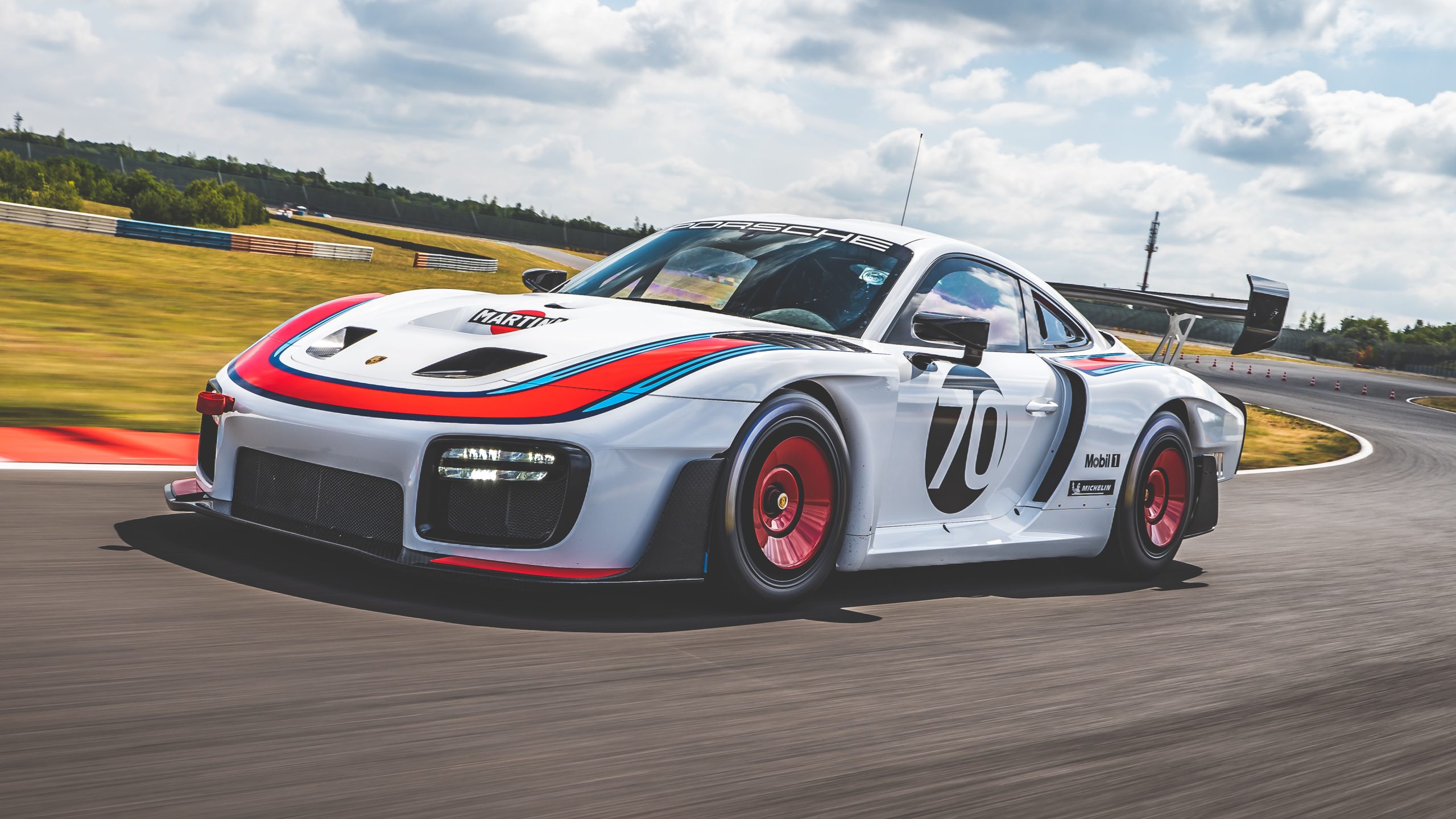
However, the modern 935 was not intended to be a normal street-registered Porsche. It was created for use on racetracks and private circuits. That means its factory configuration does not fit the normal requirements for Pennsylvania highway registration.
The important point is that the car’s underlying relationship to the road-going 911 does not automatically transfer road legality to the 935. Manufacturers can use a street car as the starting point for a competition vehicle and then change its certification status through extensive modifications.
For collectors, the Porsche 935 is therefore something to transport to the track rather than drive there under ordinary Pennsylvania registration. It can be a legitimate and highly valuable collectible without being a conventional highway automobile.
The car is also a good reminder that race-inspired styling does not necessarily mean a vehicle is merely an extreme version of a road car. Some machines cross the line into an entirely different category.
The Porsche 935 was built to honor Porsche’s racing heritage while delivering serious performance on the circuit. Its lack of eligibility for normal road registration is not an accidental flaw. It is an essential part of what makes the car what it is.
10. Lamborghini Huracán Super Trofeo EVO2
The Lamborghini Huracán Super Trofeo EVO2 is a purpose-built racing version of the Huracán designed for Lamborghini’s one-make Super Trofeo racing series. Although it shares its basic name and general architecture with the road-going Huracán, it is fundamentally a competition automobile.
The EVO2 features extensive aerodynamic modifications, racing equipment, competition suspension, and a stripped-down interior designed around circuit performance. It is not intended to function as a conventional passenger car on public roads.
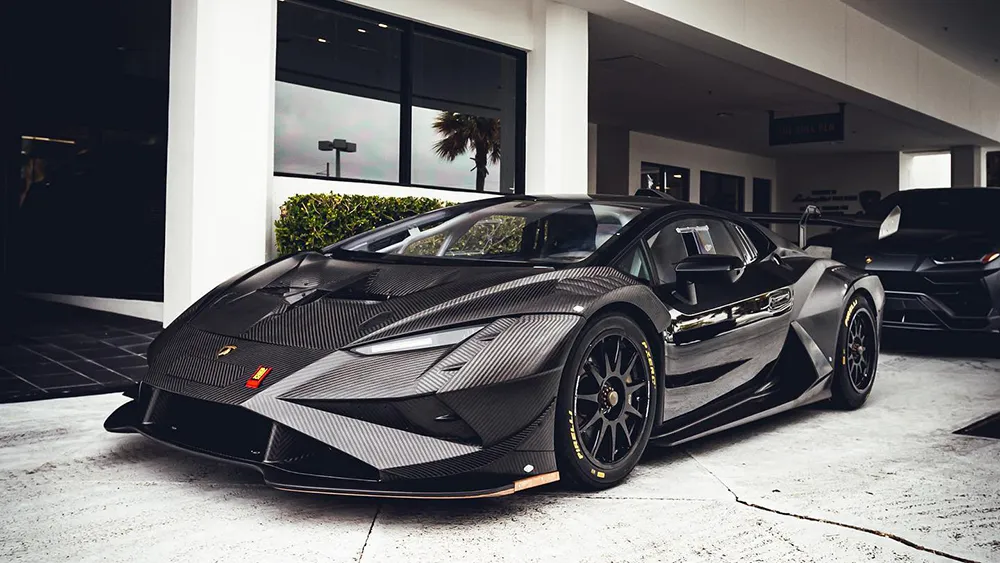
That makes it another model that cannot simply be treated like an ordinary Pennsylvania-registered Lamborghini in its factory race configuration. The road-going Huracán and the Super Trofeo EVO2 may share an engine family and basic platform, but their legal and practical purposes are very different.
For a Pennsylvania owner, the distinction between the two is crucial. A standard road-going Huracán is built to satisfy the requirements associated with public-road operation. The Super Trofeo EVO2 is built around racing regulations and track performance.
As with the other vehicles on this list, owning the car and registering it for highway use are separate issues. A collector may acquire one as a race car, store it privately, and transport it to a circuit. But simply having a title or purchase documents does not guarantee eligibility for normal road registration.
The Super Trofeo EVO2 demonstrates why racing cars can be surprisingly difficult to use outside their intended environment. Their manufacturers remove or alter equipment that would be required for ordinary road vehicles because every component is designed around performance, weight, reliability, and competition.
In Pennsylvania, that means this Lamborghini belongs on a racetrack, not in the normal stream of registered highway traffic.