A motorcycle can look perfectly healthy after spending months parked in a garage, yet long periods of inactivity can cause serious mechanical problems. Fuel systems, batteries, tires, seals, fluids, chains, and electrical components can deteriorate even when the bike is not being ridden.
Moisture, chemical breakdown, pressure loss, corrosion, and aging materials continue to affect a stationary motorcycle. Knowing which motorcycle parts fail from sitting can help owners prevent expensive repairs and avoid unexpected problems when it is time to ride again.
Regular checks and basic storage preparation can protect important components and keep a motorcycle reliable after an extended period of inactivity.
1. Motorcycle Battery
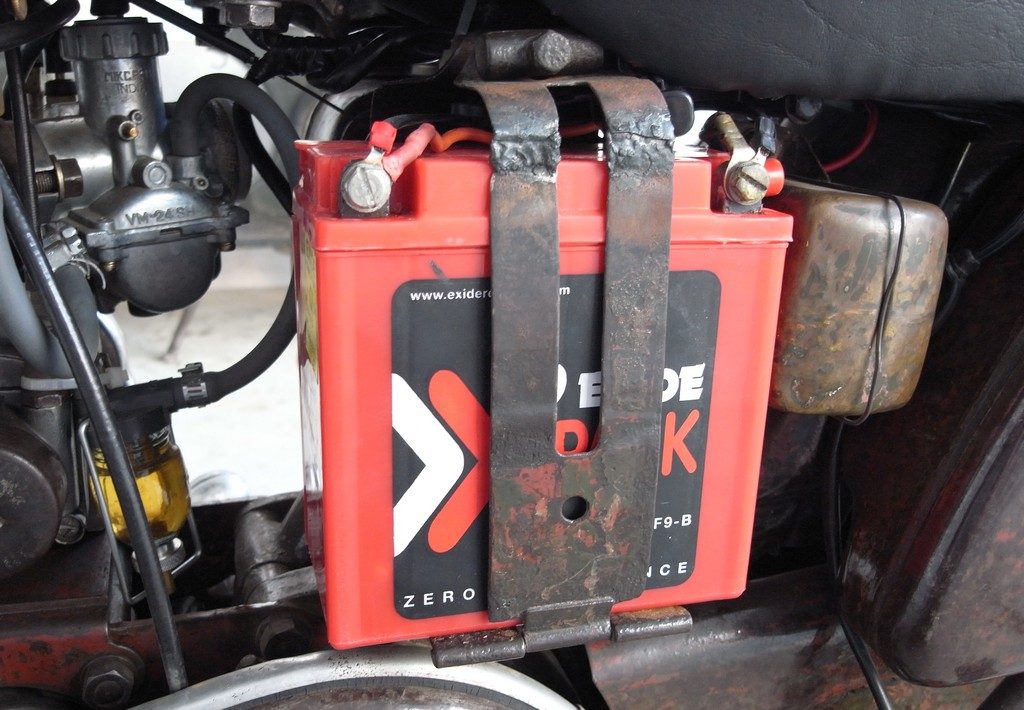
A motorcycle battery is highly vulnerable to long periods without use. When a bike sits parked, the battery can slowly lose its charge through normal self-discharge and small electrical draws from systems such as clocks, alarms, immobilizers, or electronic control units.
A battery that remains partially discharged for an extended period can develop sulfation on its internal plates. This reduces its ability to accept and hold a charge. Eventually, the battery may have enough voltage to operate a few lights but still lack the power needed to turn the starter motor.
Lead-acid batteries are particularly sensitive to neglect. When their charge level falls too low, chemical changes inside the battery can cause permanent capacity loss. In some cases, charging a severely neglected battery may not restore it to dependable condition.
AGM batteries generally handle storage better than conventional flooded batteries, but they still require proper maintenance. Lithium motorcycle batteries have different storage requirements and should be maintained according to their manufacturer’s instructions, especially regarding chargers and storage temperature.
Cold temperatures can make a weak battery perform even worse. A battery that seems acceptable in warm conditions may struggle to provide sufficient starting current during colder weather.
Repeated attempts to start a motorcycle with a weak battery can also place stress on the starter system. If the motorcycle has been sitting for several weeks or months, checking battery voltage and condition before attempting to start the engine is a sensible precaution.
A maintenance charger designed for the specific battery type can help prevent discharge during storage. The charger should be suitable for motorcycle batteries and used according to its instructions.
Simply connecting an unsuitable charger for long periods can cause damage. Battery terminals should also be kept clean and tight because corrosion increases electrical resistance and can produce starting problems even when the battery itself remains healthy.
Replacing a battery may become necessary when it has lost substantial capacity, has been repeatedly discharged, or cannot maintain a charge.
Motorcycle owners who store their bikes for long periods should treat the battery as a maintenance item rather than assuming it will remain healthy simply because the motorcycle is not being ridden. A few minutes of preparation before storage can greatly reduce the chances of a dead battery later.
2. Fuel System and Fuel Lines
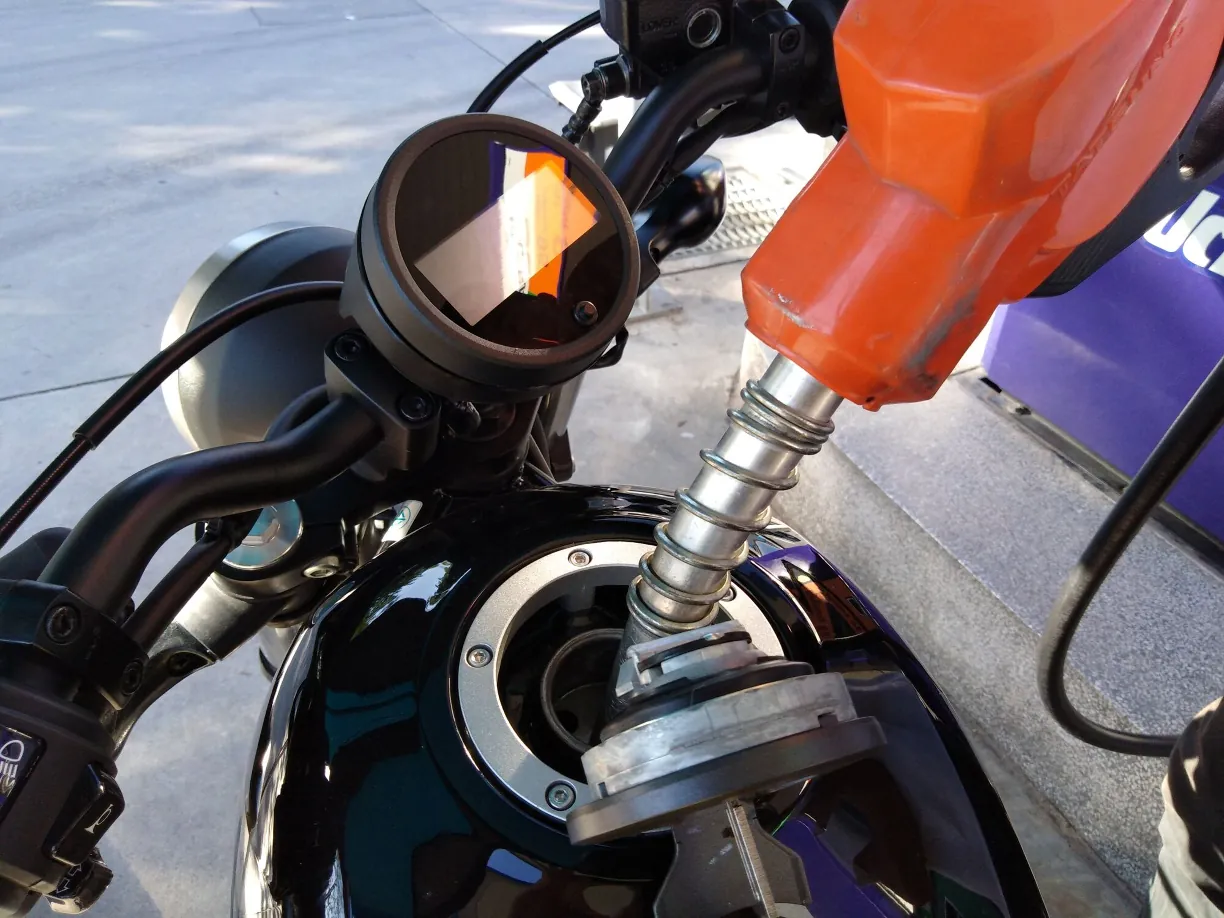
Motorcycle fuel systems can suffer significantly when fuel remains unused for long periods. Modern gasoline can oxidize and degrade over time, especially when exposed to heat and air.
As fuel ages, its properties change, and deposits may form inside components such as carburetors, injectors, fuel pumps, and passages. These deposits can interfere with fuel delivery and cause hard starting, rough running, hesitation, or stalling.
Carbureted motorcycles are particularly susceptible to problems caused by old fuel. Small jets and passages can become restricted by varnish-like deposits.
If a motorcycle is stored with fuel sitting inside the carburetor for months, cleaning may be required before the engine runs correctly again. The problem can become more severe when the motorcycle is repeatedly started for short periods without reaching normal operating temperature.
Fuel-injected motorcycles are not immune to storage-related fuel problems. Injectors can become contaminated, while fuel pumps and filters may also be affected by stale fuel and deposits.
Fuel pumps depend on the fuel system being kept in reasonable condition, and prolonged storage with degraded fuel can contribute to poor operation. Modern fuel formulations may also interact differently with certain materials, making proper storage practices important.
Fuel lines can age even when the motorcycle is parked. Rubber and other flexible materials naturally deteriorate with time, heat, and exposure to fuel. Cracked or hardened lines can leak when the motorcycle is eventually started. A fuel leak near a hot engine or exhaust system creates a serious fire hazard, so fuel lines should be inspected carefully after extended storage.
Using fresh fuel and following the motorcycle manufacturer’s storage recommendations can reduce fuel-system problems. Some owners use an appropriate fuel stabilizer during long-term storage, while others drain certain fuel-system components depending on the motorcycle design.
The correct approach varies by model, so the owner’s manual should guide the procedure. Fresh fuel should be used when returning a stored motorcycle to regular service.
3. Tires
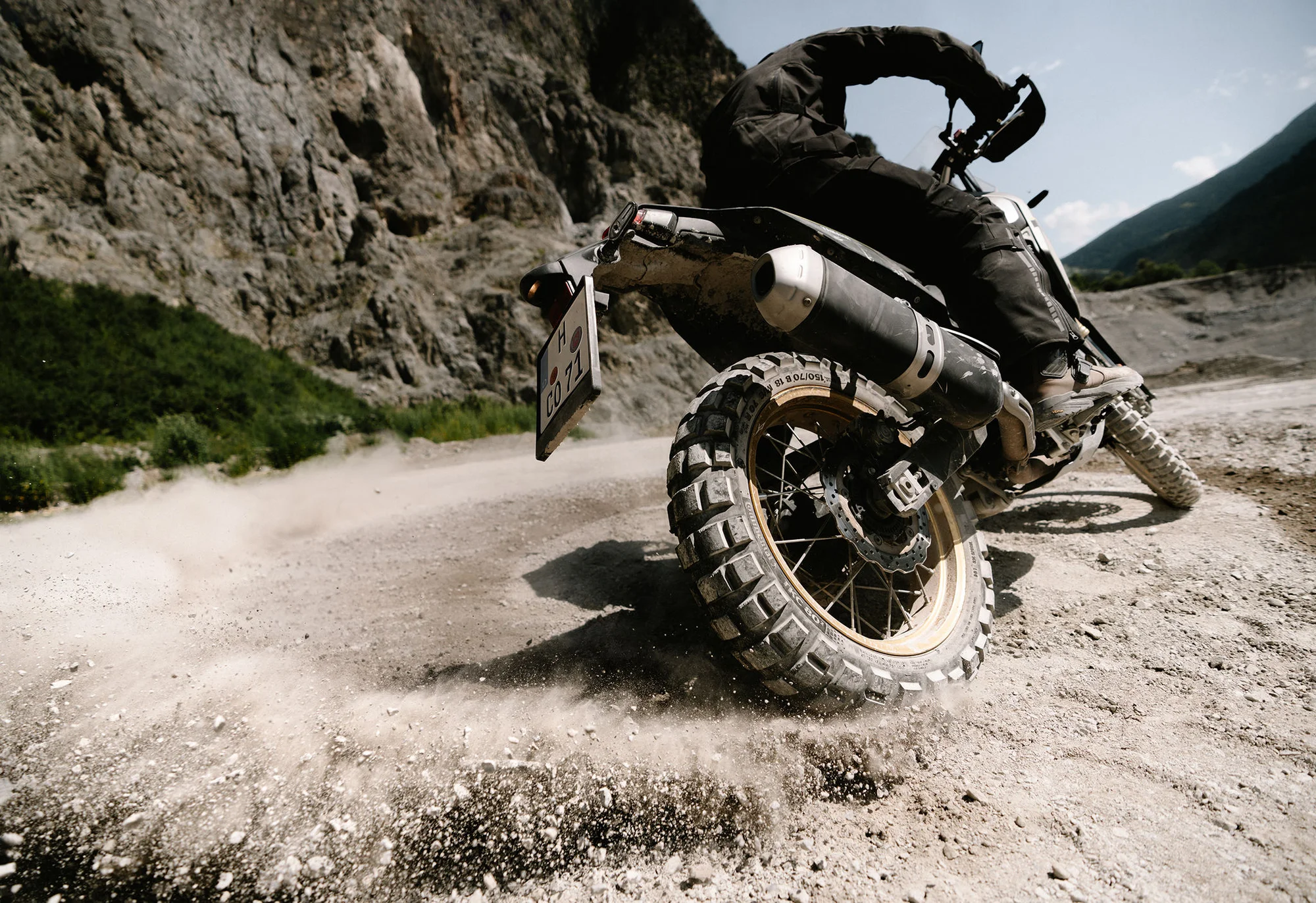
Motorcycle tires can deteriorate while a motorcycle is sitting, even if the tires have plenty of tread remaining. Rubber compounds naturally age through exposure to oxygen, ozone, sunlight, heat, and temperature changes.
Long storage can also contribute to the development of flat spots, especially when the motorcycle remains stationary with its full weight concentrated on the same area of each tire.
A flat spot can change how a motorcycle feels during acceleration, braking, and cornering. Minor flat spotting may disappear after the tire warms and flexes during normal riding, but severe deformation may remain. A motorcycle that has been sitting for many months should therefore receive a careful tire inspection before it returns to the road.
Tire pressure is another concern. Tires naturally lose air over time. A tire that starts with the correct pressure can become significantly underinflated after several months.
Low pressure increases sidewall flex and heat generation once the motorcycle is ridden again. It can also affect handling and braking stability. Checking pressure with an accurate gauge before riding is essential.
Age matters even when a tire looks visually acceptable. Motorcycle tire manufacturers generally provide date information on the tire itself, allowing owners to determine when it was produced.
Cracking, hardening, unusual discoloration, bulges, cuts, or other damage can indicate that replacement is appropriate. Tire condition should be judged by both age and physical condition rather than tread depth alone.
For long-term storage, maintaining recommended tire pressure and reducing prolonged stress on a single contact patch can help.
Some motorcycles can be supported using appropriate stands, but owners should use equipment designed for their particular motorcycle and follow safe procedures. Before riding a stored motorcycle, inspect both tires carefully and confirm that pressure matches the manufacturer’s specification.
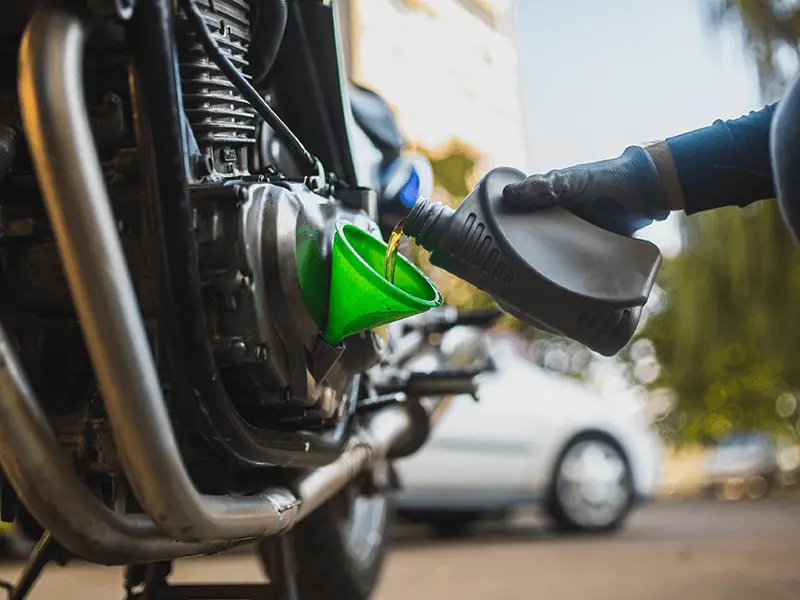
4. Engine Oil and Internal Lubrication
Engine oil does not remain completely unchanged when a motorcycle sits for an extended period. Used oil contains combustion byproducts, moisture, acids, and contaminants accumulated during operation.
Leaving contaminated oil inside an engine for a long storage period can expose internal components to conditions that are less favorable than those provided by fresh lubricant.
Moisture is particularly important. Short trips and brief engine starts can allow condensation to form inside an engine without giving the oil enough time to become hot enough to evaporate that moisture.
Water contamination can contribute to corrosion and may affect lubricant performance. This is why repeatedly starting a stored motorcycle for only a few minutes is generally not an ideal storage strategy.
Internal engine components also depend on oil films for protection. When an engine sits, oil drains from some surfaces and settles in the lower parts of the engine. The remaining protective film can become thinner over time. This does not mean that an engine automatically suffers damage simply because it has been parked, but prolonged storage combined with poor maintenance can increase the risk of corrosion and lubrication-related problems.
Changing the engine oil and filter before long-term storage is commonly recommended for motorcycles because fresh oil removes many contaminants that accumulated during previous operation.
The correct oil grade and filter should be selected according to the manufacturer’s specifications. Some motorcycles have additional lubrication points or specific storage instructions that should also be followed.
Before starting an engine that has been inactive for many months, checking the oil level is essential. The engine should not be run if the oil level is dangerously low or if the lubricant appears contaminated.
After starting, owners should pay attention to abnormal noises, warning lights, leaks, and unusual exhaust behavior. A stored motorcycle should return to service gradually rather than immediately being pushed into demanding riding.
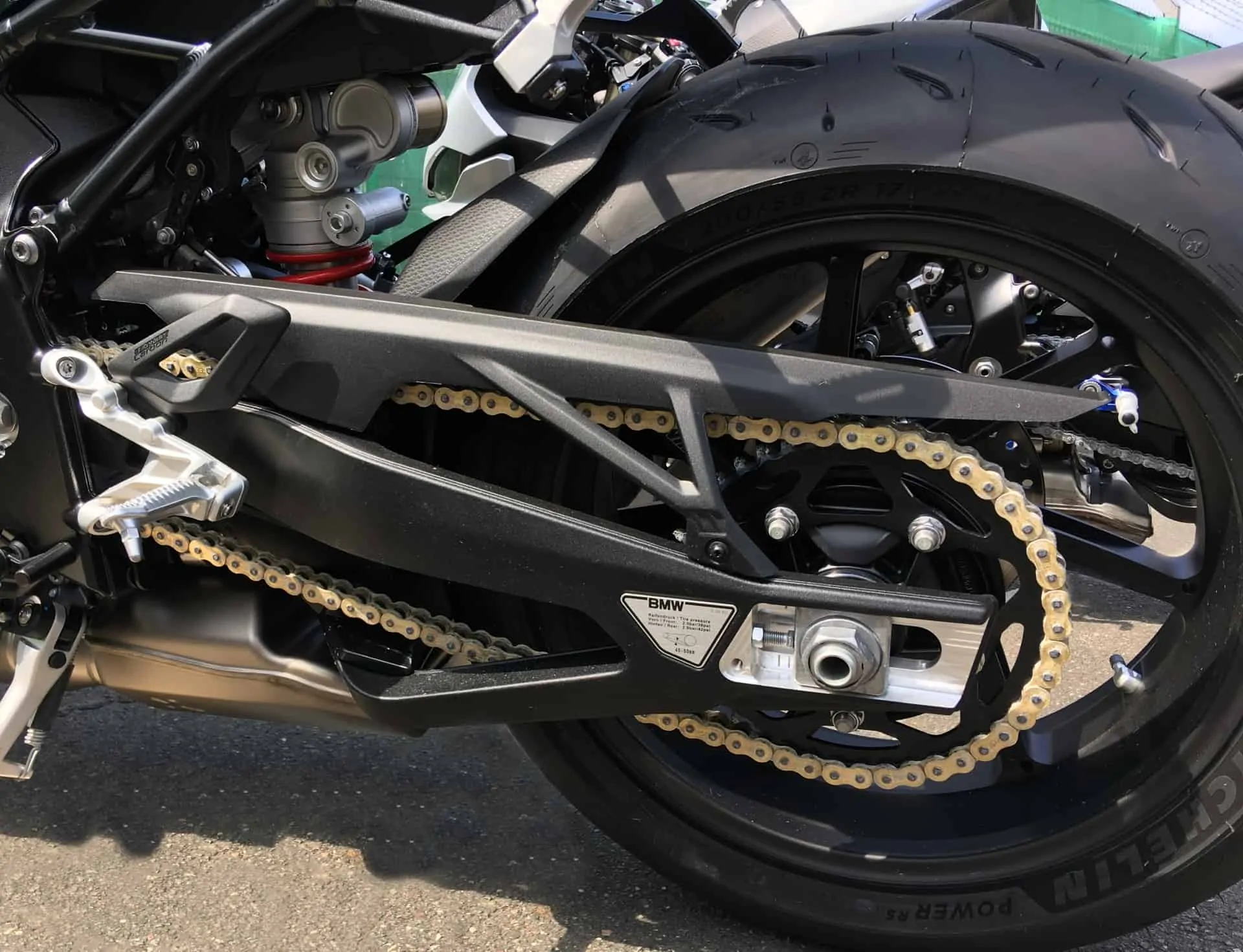
5. Chain and Sprockets
A motorcycle chain can develop corrosion during storage because it is exposed to moisture, dirt, and changes in temperature. Even when the motorcycle is parked indoors, humid air can cause metal surfaces to oxidize.
Surface rust may begin on exposed portions of the chain and gradually become more serious if the motorcycle remains unused.
Chain lubrication is important because the lubricant helps protect metal surfaces from moisture while reducing friction between components. A neglected chain can become dry and stiff. When the motorcycle is eventually ridden, damaged or corroded chain components may not move smoothly around the sprockets. This can produce rough operation and accelerate wear.
Sprockets can also suffer from corrosion and wear. Their teeth are subjected to significant loads during acceleration, so a compromised chain and worn sprockets can create a drivetrain problem.
A motorcycle that has been sitting should therefore have its entire final-drive system inspected rather than focusing solely on chain tension.
Chain tension should be checked according to the motorcycle manufacturer’s specifications. Excessive slack can create poor power delivery and increase the chance of the chain coming off. Excessive tension can place unnecessary loads on bearings and other drivetrain components. The correct measurement method varies by motorcycle, so the owner’s manual should be consulted.
Before returning a stored motorcycle to service, clean and inspect the chain, remove appropriate surface contamination, and apply motorcycle-specific chain lubricant as recommended.
If the chain contains severe rust, damaged links, tight spots, or excessive wear, replacement may be safer than attempting to restore it. Regular movement and maintenance during normal use help prevent storage-related chain problems.
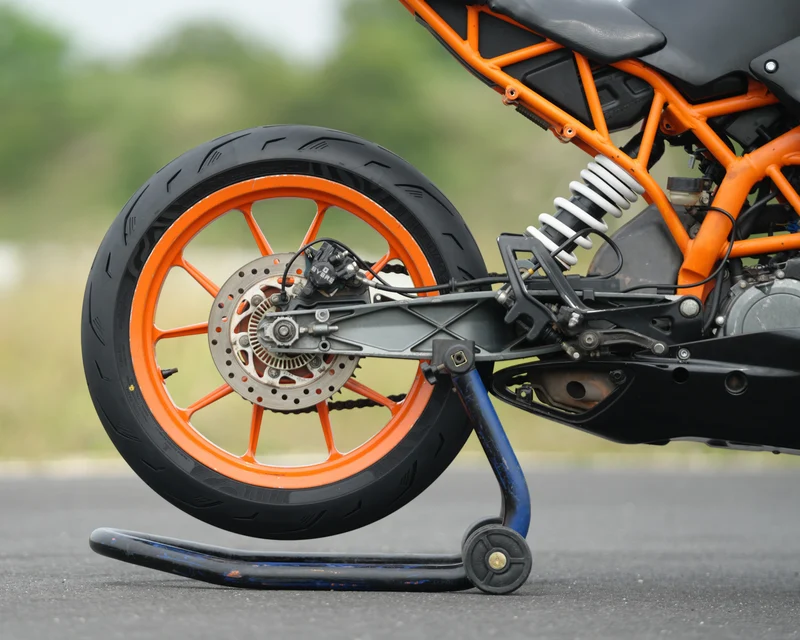
6. Brake Components
Brake systems contain several components that can deteriorate when a motorcycle remains unused. Brake discs can develop surface corrosion because they are made from metal and exposed to atmospheric moisture.
Light surface rust is common after a motorcycle has been parked, particularly in humid conditions, and it may disappear after normal braking. Heavy corrosion, pitting, or damage requires closer inspection.
Brake fluid is also affected by time. Most conventional motorcycle brake fluids are hygroscopic, meaning they absorb moisture from the surrounding environment.
As moisture content increases, the fluid’s boiling point can decrease, and internal brake components may be affected by corrosion. Brake fluid therefore requires periodic replacement based on the motorcycle manufacturer’s maintenance schedule, not simply on how many miles the motorcycle has traveled.
Brake calipers can develop problems when their pistons and seals remain inactive for long periods. Contamination and corrosion around the piston area may prevent smooth movement.
A sticking caliper can cause a brake pad to remain in contact with the disc, producing heat, drag, uneven wear, or reduced braking performance.
Brake pads can also develop issues. Their friction material may deteriorate with age or contamination, particularly if exposed to oil or other fluids. A visual inspection can reveal uneven wear, damaged material, or contamination. Brake hoses and fittings should also be checked for cracks, leaks, swelling, or other signs of deterioration.
Never assume that a motorcycle’s brakes are ready simply because the bike starts. Before riding, inspect the brake fluid level, discs, pads, hoses, and calipers. Squeeze the brake controls and confirm that they feel firm and operate normally. If the lever or pedal feels unusually soft, spongy, or inconsistent, the motorcycle should be inspected before being ridden.
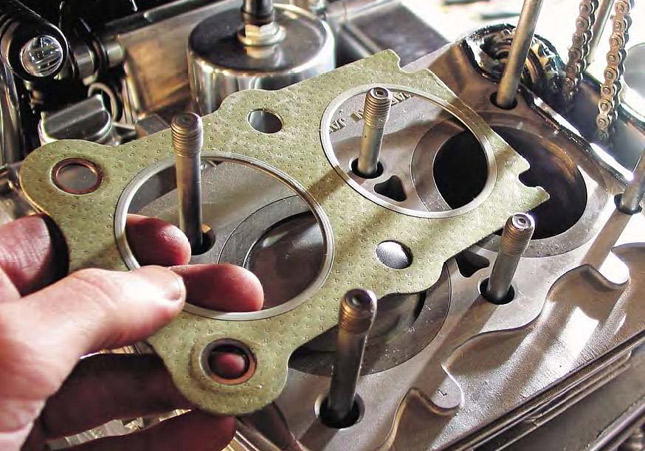
7. Rubber Seals and Gaskets
Rubber seals, O-rings, and gaskets can deteriorate through age even when a motorcycle is not being used. Rubber materials naturally lose flexibility as they age. Heat, oxygen, chemicals, and long periods of compression can accelerate this process.
A motorcycle stored for years may develop leaks that were not present when it was parked.
Fork seals are a common example. Motorcycle forks contain oil that must remain inside the fork assembly. Aging seals can harden and lose their ability to maintain a proper seal around the fork tubes. When the motorcycle begins moving again, a damaged seal may start leaking fork oil onto the tube and potentially toward the brake components.
Engine and cooling-system seals can also become problematic. Gaskets and O-rings around covers, hoses, water pumps, and other components may shrink, harden, or crack over time. Some failures become noticeable only after the engine reaches operating temperature and internal pressure increases.
Fuel-system seals require special attention because they are exposed to gasoline and its additives. Materials that are not compatible with a particular fuel formulation can deteriorate faster. A leaking fuel-system seal can create a dangerous situation, especially near ignition sources.
Inspecting for fresh fluid or fuel leaks after storage is important. Look underneath the motorcycle and around the engine, forks, fuel system, brake components, and cooling system.
A small leak can become more serious once the motorcycle is running and experiencing vibration, heat, and pressure. Replacing a worn seal before riding can prevent a minor storage problem from becoming a major mechanical issue.
8. Clutch Components
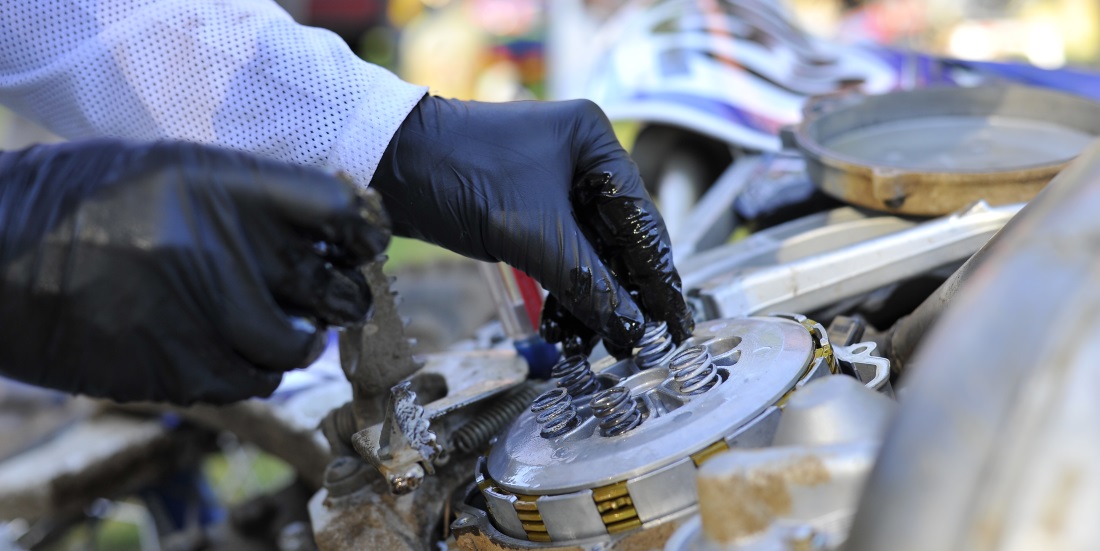
The clutch can develop problems when a motorcycle remains unused for long periods. In many motorcycles, the clutch contains multiple plates that operate within an oil bath. When the bike sits, these plates remain in contact with each other, and the lubricant between them can affect how freely they separate when the clutch is operated.
A clutch that has been sitting for months may feel different when first operated. On some motorcycles, the plates can stick together after extended inactivity. This may cause the motorcycle to creep forward when the clutch lever is pulled in. It can also make selecting first gear difficult or produce a noticeable clunk.
Cable-operated clutch systems can experience additional storage-related issues. The cable can become dry, corroded, or stiff, particularly when moisture enters the cable housing. A stiff cable can make clutch operation difficult and may prevent the clutch from fully disengaging.
Hydraulic clutch systems have their own maintenance requirements. Hydraulic fluid can absorb moisture, and seals can deteriorate with age.
A leak or loss of hydraulic pressure can prevent proper clutch operation. Checking the reservoir, hose, master cylinder, and slave cylinder can help identify problems before riding.
If a stored motorcycle has a clutch that feels unusually stiff or fails to disengage properly, it should not be forced into service. Checking the cable adjustment, hydraulic system, fluid condition, and clutch mechanism can identify the cause. A careful inspection is especially important before riding in traffic, where predictable clutch operation is necessary.
9. Coolant and Cooling System
Liquid-cooled motorcycles rely on a properly maintained cooling system to control engine temperature. Coolant gradually loses some of its protective properties with age. Its corrosion inhibitors can become less effective, and contaminated or old coolant may provide reduced protection for internal cooling-system components.
Hoses can also deteriorate while a motorcycle sits. Rubber cooling hoses are exposed to heat cycles, pressure, and chemical contact during normal use.
Age continues to affect them even while the motorcycle is parked. A hose that appears fine externally may become brittle or develop weak areas over time.
The radiator can experience corrosion as well. Dirt, moisture, and contaminants around the radiator can create conditions that encourage deterioration. Fins may become damaged or blocked, reducing airflow. This matters when the motorcycle returns to operation because the cooling system must dissipate substantial heat under normal riding conditions.
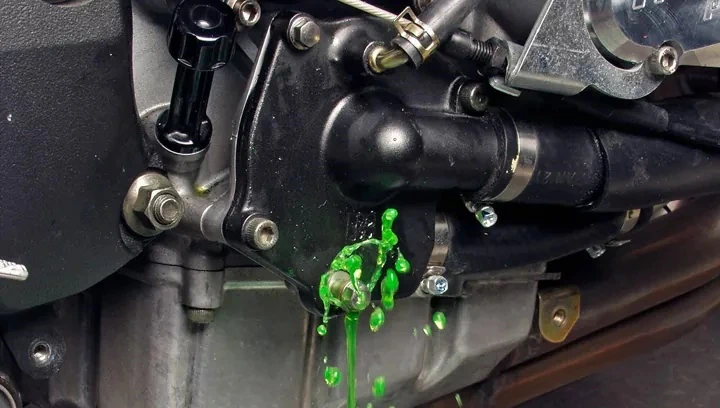
Water pumps and associated seals may also require attention. Mechanical components can develop corrosion or seal problems after extended inactivity. A coolant leak may become visible only after the engine warms up and the cooling system reaches operating pressure.
Before returning a stored motorcycle to regular use, check coolant level and inspect the hoses, radiator, reservoir, and visible connections. Follow the manufacturer’s recommended coolant replacement interval. If the coolant is old, contaminated, or below the required level, servicing the system before riding is preferable to discovering a cooling problem during a journey.
10. Wheel Bearings
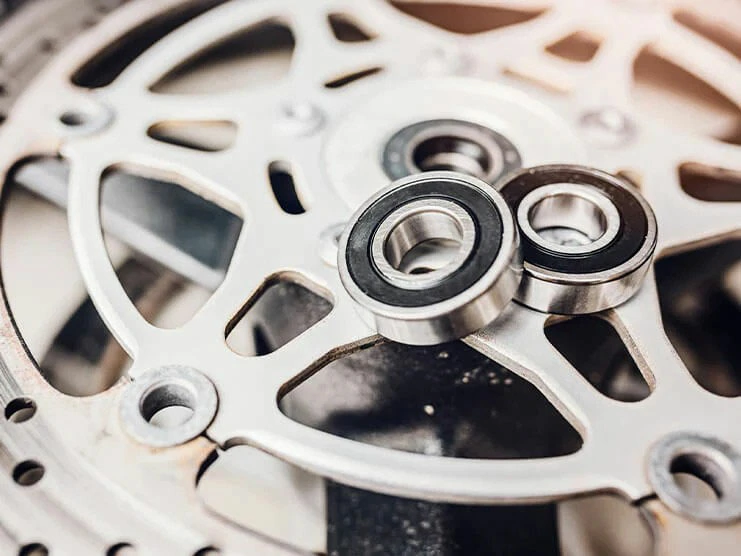
Wheel bearings are often forgotten during motorcycle storage inspections because they are not immediately visible. These bearings support the wheels and allow them to rotate smoothly. Internal grease protects their moving surfaces, but seals and lubricant can deteriorate as the motorcycle ages.
Long periods of inactivity can allow moisture to affect bearing components, especially when seals are damaged or the motorcycle is stored in a damp environment. Corrosion inside a bearing can create roughness that may not be obvious until the wheel begins moving again.
Wheel bearings also experience stationary loading when the motorcycle remains parked. The bike’s weight rests on relatively small contact areas within the bearing assembly. Long-term storage is not normally enough to destroy a healthy bearing, but an already worn bearing may become more noticeable after extended inactivity.
Checking wheel bearings involves looking for excessive play, rough rotation, unusual noises, or resistance. The exact inspection procedure varies depending on the motorcycle’s wheel design and bearing arrangement. If there is uncertainty about the condition of a bearing, professional inspection is appropriate because wheel-bearing failure can have serious consequences.
Owners should inspect both front and rear wheel bearings when reviving a motorcycle that has been stored for a long time. The tires, brakes, axles, and wheel alignment should also be checked at the same time. A motorcycle may have a healthy engine yet still be unsafe to ride if its wheel-related components have been neglected.