
Brake jobs aren’t created equal. A Corolla owner might pay $250 for pads and rotors on one axle. But drive a heavier, faster, or more electronics-laden vehicle, and that number climbs fast.
Larger rotors, multi-piston calipers, and OEM-only parts all add up. So does dealer-only labor on cars with complex electronic parking brakes and wear sensors.
The ten vehicles below routinely push brake bills to $1,200 or beyond, sometimes for a single axle. Weight is one culprit. Full-size SUVs and luxury sedans strain brakes just by existing.
Performance is another. Cars built to hit 60 mph in under four seconds need equally serious stopping power, and that hardware isn’t cheap to replace.
Brand economics matter too. German and British luxury makers frequently lock parts behind dealer networks, and labor rates reflect that exclusivity. Below, we break down exactly why each of these ten vehicles lands in four-figure brake territory, model by model, system by system.
1. Rover Range Rover (L460)
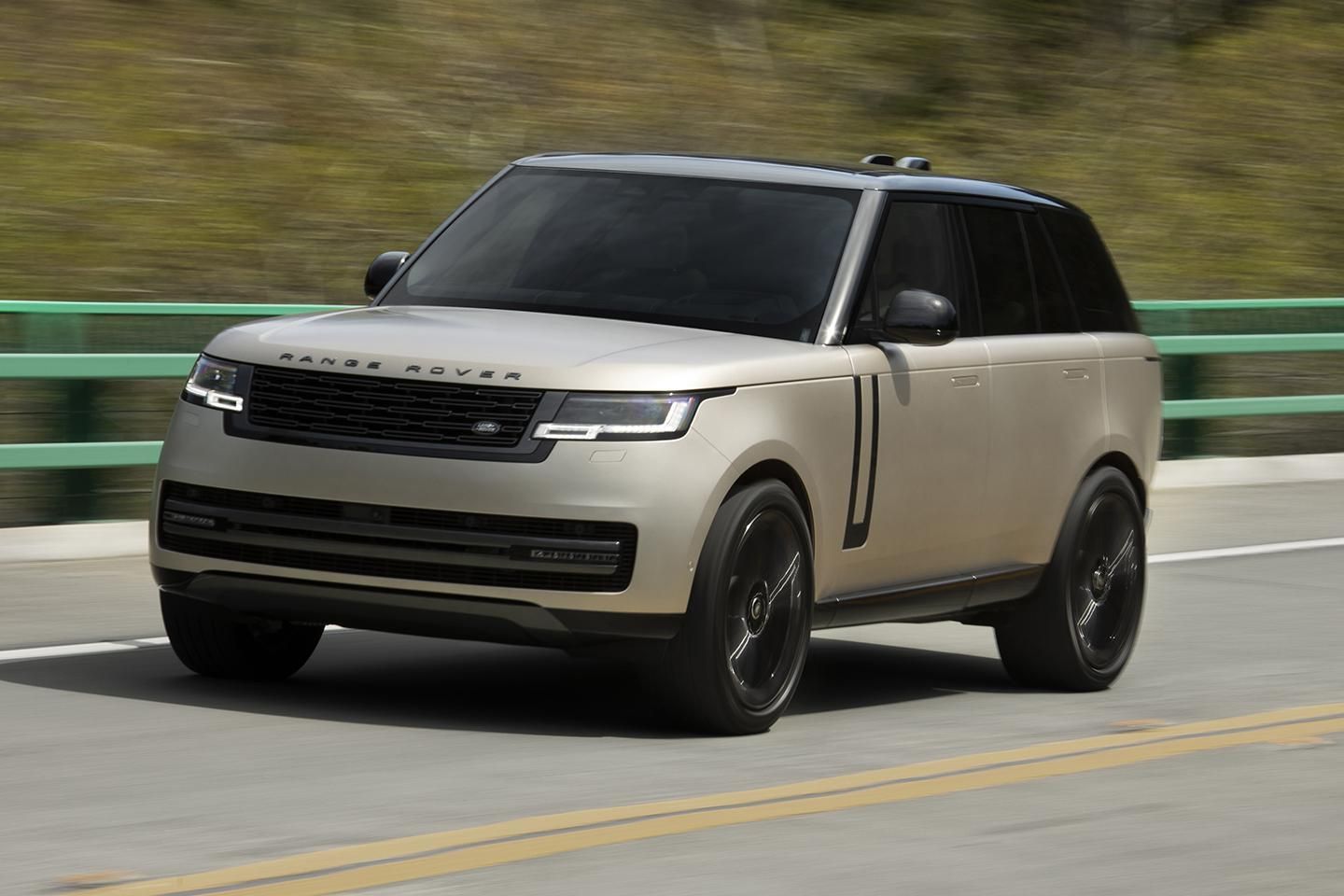
The Range Rover is one of the heaviest vehicles in its class. Some trims tip the scales past 5,600 pounds. That mass demands enormous rotors and thick pads just to stop safely. Front rotors on later Range Rovers commonly exceed 15 inches in diameter.
Owner forums document full front-and-rear jobs at Jaguar Land Rover dealerships running $1,800 to over $3,500 with OEM parts and sensors included. Even trimmed-down independent-shop quotes for just front pads, rotors, and sensors regularly clear $1,200.
Electronic parking brakes complicate things further. Technicians need factory diagnostic tools to retract and recalibrate rear calipers before touching pads.
Skip that step, and the job risks damaging the actuator motor. That pushes many owners straight to dealer service, where labor rates are highest. Land Rover also restricts some brake components to OEM-only sourcing. Aftermarket rotors exist, but many owners report fitment or sensor-compatibility issues.
Wear sensors themselves aren’t optional extras. Each corner typically needs a new sensor with every pad change, adding $50 to $100 per axle. Air suspension proximity adds another wrinkle. Some brake jobs require lowering or raising the vehicle’s ride height to access components safely.
Put together, a routine four-corner service with sensors and OEM rotors lands solidly in $1,800 to $2,500 territory. Even a front-only visit rarely dips below $1,200 at a dealer.
2. BMW X5 (xDrive and M Performance)
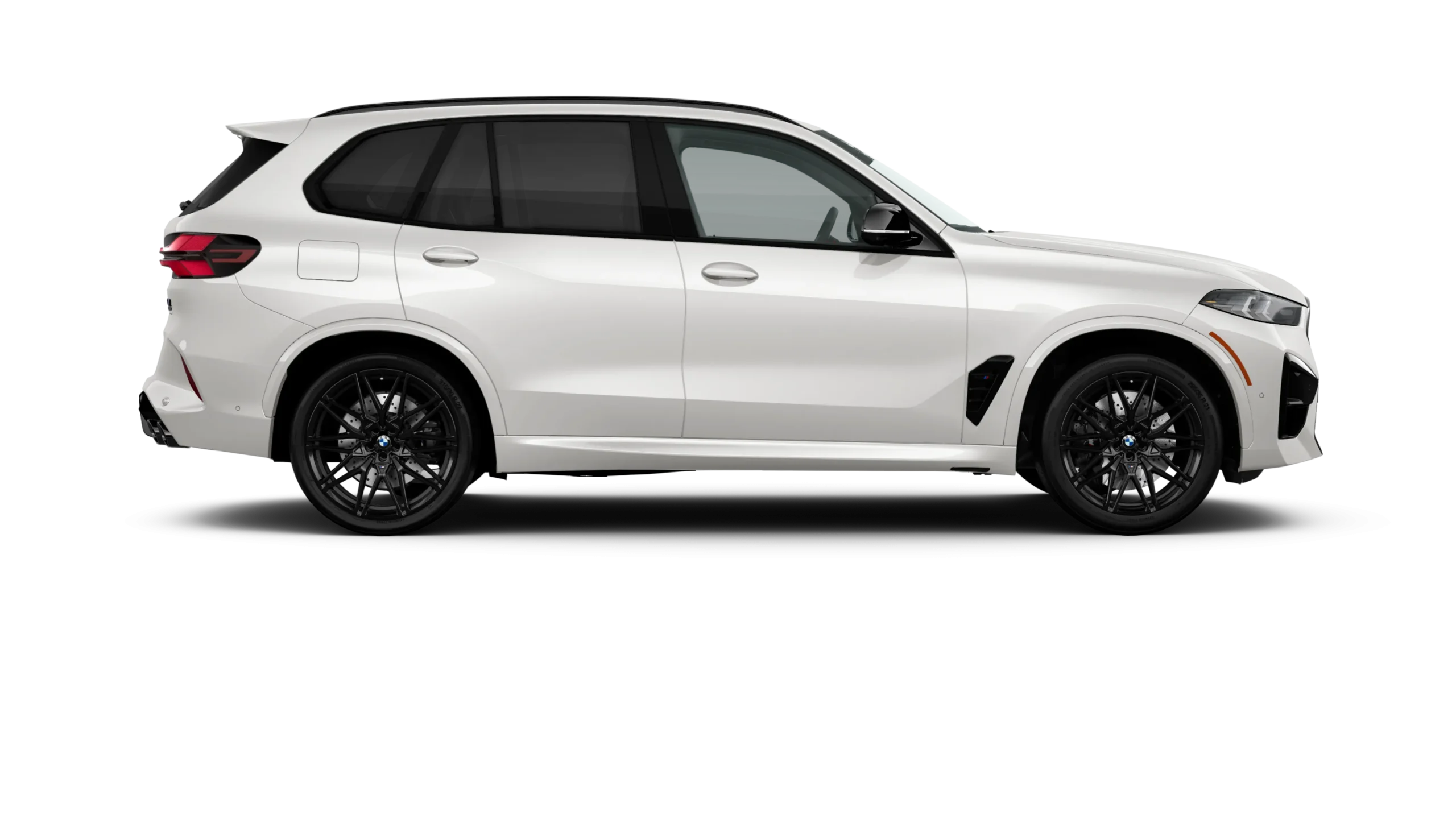
The X5 is BMW’s volume luxury SUV, and its brakes reflect serious engineering. Base models use large single-piston floating calipers, but M50i and X5 M variants step up to multi-piston fixed units.
A 2023 X5 can run $800 to $1,200 for front pads and rotors alone at a dealership. That’s before touching the rear axle. BMW uses run-flat-compatible, heavy-duty rotors sized for a vehicle that can weigh over 5,000 pounds fully loaded.
These aren’t shared with lighter BMW sedans. Labor rates compound the parts cost. BMW dealer shops typically charge $150 to $200 per hour, well above independent averages.
The X5’s electronic parking brake also requires BMW’s proprietary ISTA diagnostic software. Technicians must electronically retract the caliper pistons before swapping pads.
Skipping this step with the wrong tools can strip the caliper motor gears. That repair alone can cost several hundred dollars beyond the brake job itself.
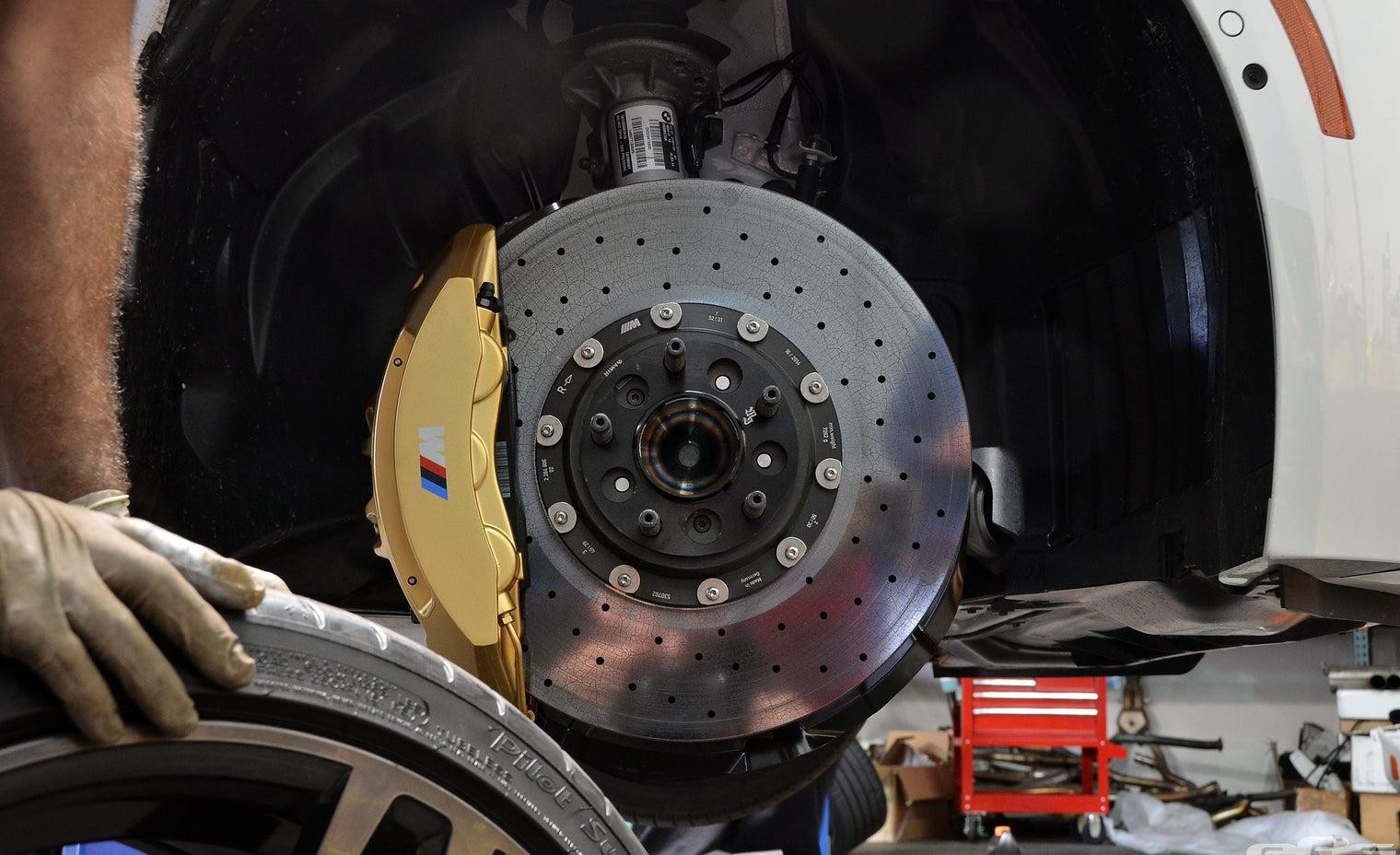
M Performance trims add another layer. Larger, cross-drilled or slotted rotors paired with blue Brembo-style calipers are standard on the M60i and X5 M.
Those rotors alone can run $400 to $600 each at retail. Multiply that across four corners, and parts costs alone approach four figures before labor.
Combine premium rotors, OEM ceramic-composite pads, and BMW’s mandatory electronic recalibration, and a full four-wheel service on a loaded X5 often lands between $1,200 and $2,000.
3. Mercedes-Benz S-Class
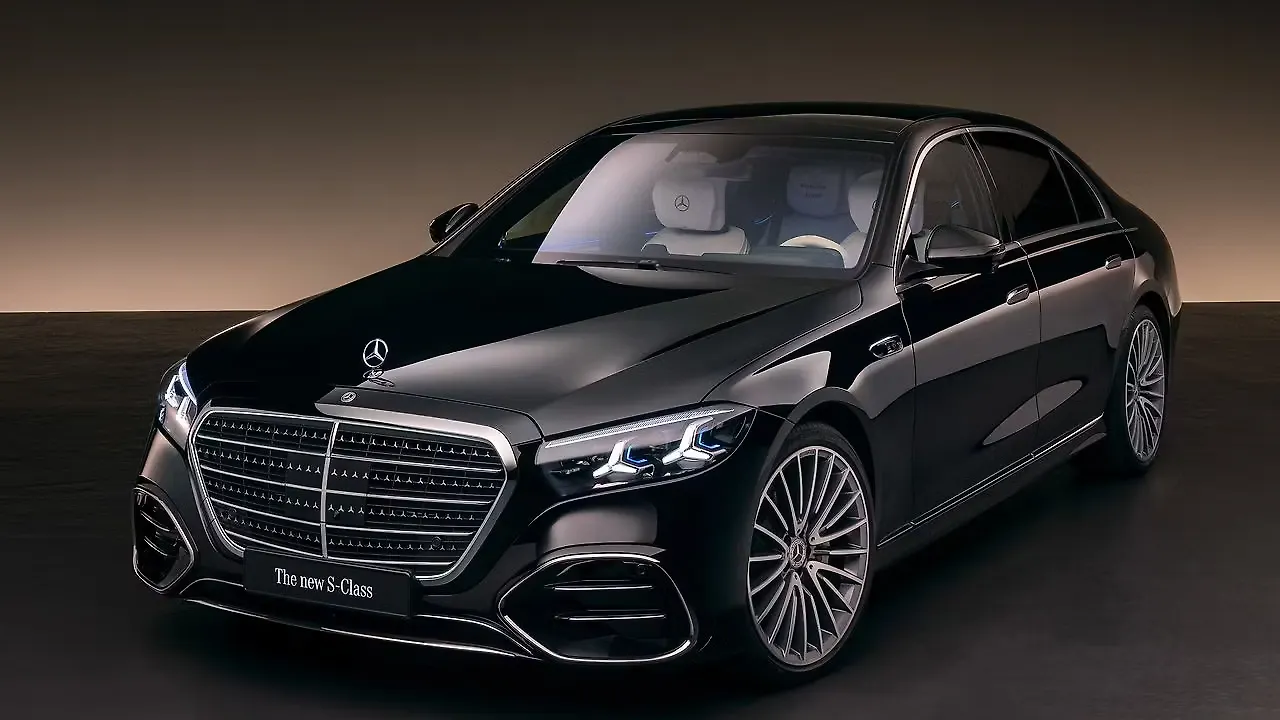
The S-Class is Mercedes’ flagship, and its brake system matches that positioning. Larger trims and the S580 use big, ventilated front rotors paired with multi-piston fixed calipers.
Mercedes dealers commonly quote $1,200 to $1,600 for a complete front-axle service including OEM rotors, pads, and sensor replacement. Rear axle work adds several hundred more.
Part of the cost comes from Mercedes’ Sensotronic and later brake-by-wire systems on select years. These require specific bleeding procedures and software calibration after any brake work.
Independent shops without factory-level diagnostic access sometimes can’t complete the job correctly. That funnels many S-Class owners back to the dealership by default.
The S-Class also uses electronic parking brakes integrated with the rear calipers. Just like the X5, releasing and resetting them requires factory scan tools.
Rotor sizing plays a role too. Front rotors on the S580 exceed 14.5 inches, built to handle a car that can weigh over 4,700 pounds and still hit highway speeds quickly.
Mercedes restricts some brake hardware to OEM sourcing for safety certification reasons. That limits how much owners can save by shopping aftermarket parts.
Air Body Control suspension, standard on many S-Class trims, adds labor time as well. Technicians sometimes need to adjust ride height settings to safely access brake components.
All told, a routine four-wheel brake service with sensors, OEM rotors, and required calibration frequently totals $2,000 to $2,800 at an authorized Mercedes dealer.
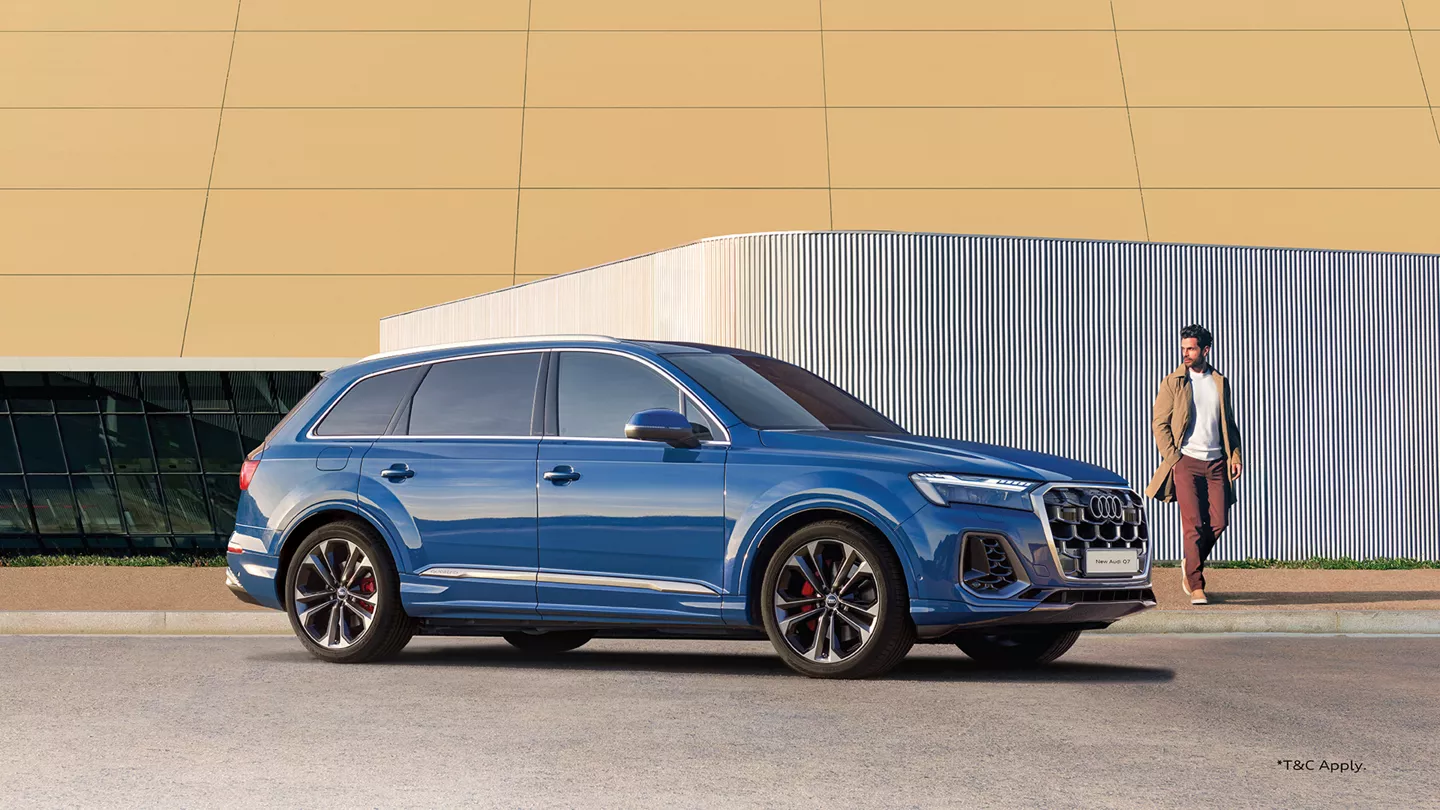
4. Audi Q7 and SQ7
Audi’s three-row luxury SUV shares its platform with the Porsche Cayenne, and that lineage shows up in its brake hardware. The SQ7 in particular uses large fixed-caliper brakes borrowed from Audi’s sportier lineup.
Standard Q7 front-axle service with OEM rotors and pads at an Audi dealer typically runs $700 to $1,100. Add the SQ7’s upgraded rotors and six-piston front calipers, and that number climbs past $1,200 easily.
Audi’s Quattro all-wheel-drive system adds weight that standard front-wheel-drive crossovers don’t carry. That extra mass wears rotors and pads faster than lighter competitors.
Electronic parking brake calibration is mandatory here too. Audi’s MMI-linked systems need VCDS or factory tooling to safely service rear calipers.
Optional air suspension, common on higher SQ7 and Q7 Prestige trims, complicates rear brake access. Techs often need to adjust ride height before removing rear wheels.
Rotor and pad pricing from Audi’s parts network runs noticeably higher than mainstream brands. A single OEM front rotor for the SQ7 can retail above $300 before labor.
Ceramic composite brake options, available on some SQ7 trims, push costs even further. These use different pad compounds that aren’t interchangeable with steel-rotor parts.
Labor rates at Audi dealers average $150 to $180 per hour in most U.S. markets. A full brake job easily consumes three to four hours of shop time.
Combine premium parts, mandatory electronic calibration, and dealer labor rates, and a complete SQ7 brake job routinely reaches $1,400 to $2,200.
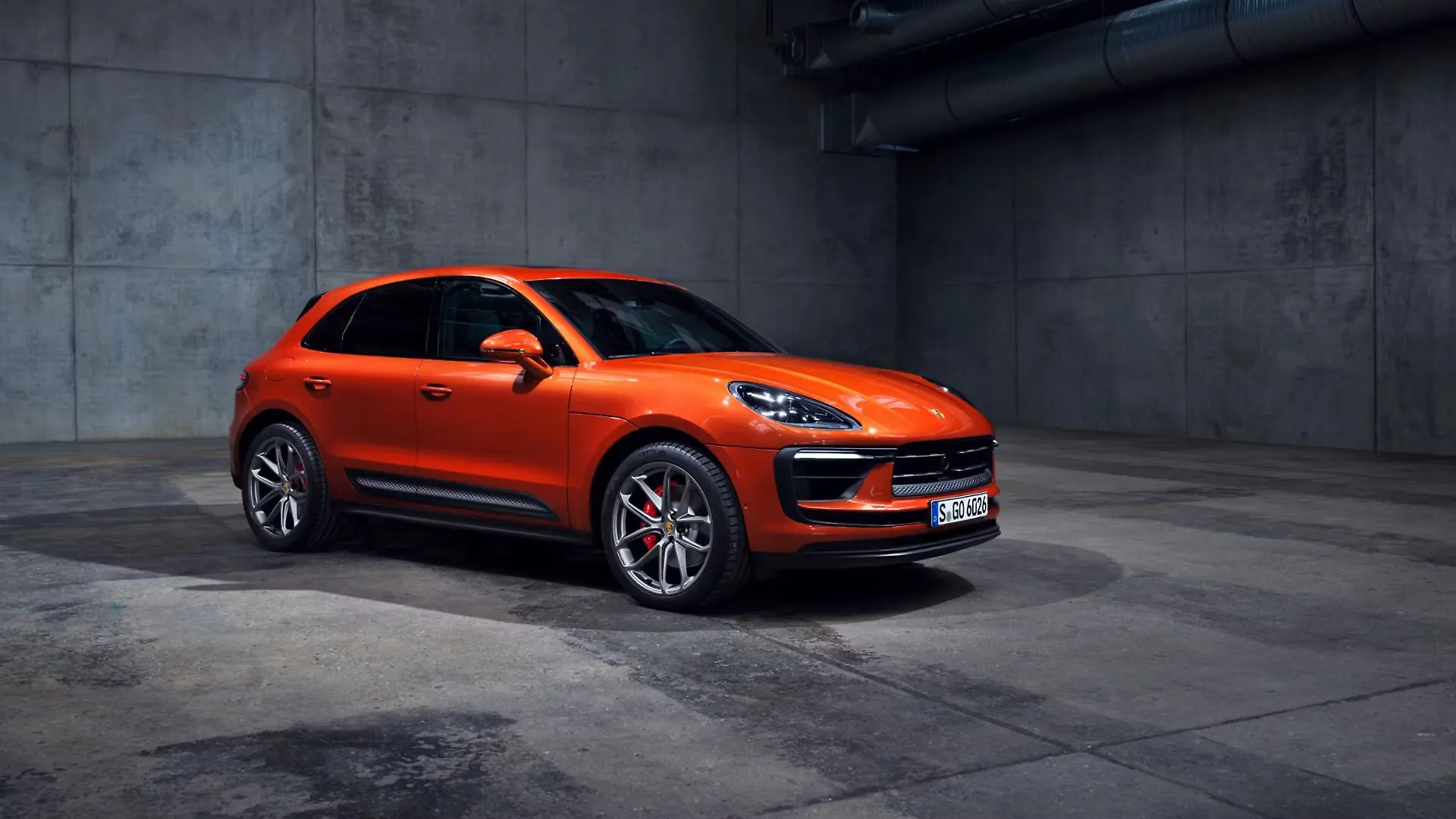
5. Porsche Macan
The Macan is Porsche’s compact SUV, but its brakes are anything but compact. Even base trims use larger rotors than most vehicles in its size class.
A standard front brake job with OEM Porsche rotors and pads typically costs $900 to $1,300 at a dealer or Porsche specialist. GTS and Turbo trims run higher still.
Porsche fits many Macan trims with red or yellow multi-piston fixed calipers as standard or optional equipment. These calipers cost significantly more to service than the sliding single-piston units on mainstream crossovers.
Optional Porsche Ceramic Composite Brakes, or PCCB, take costs into a different league entirely. A single PCCB rotor can cost over $3,000, making a full service exceed $8,000.
Even without the ceramic option, Porsche’s parts pricing reflects its performance-brand positioning. Standard steel rotors and pads carry a premium over comparable German competitors.
Labor matters too. Porsche specialist shops and dealers charge $150 to $220 per hour, among the highest rates in the mainstream luxury segment.
The Macan’s electronic parking brake, like its German siblings, requires factory-level tools for safe caliper retraction. DIY attempts risk damaging the motorized caliper mechanism.
Porsche also recommends brake fluid flushes alongside major pad and rotor work, given the system’s high-performance demands. That adds another $150 to $250 to the final bill.
For a Macan with standard steel brakes, a complete four-corner job with OEM parts and fluid service commonly lands between $1,200 and $1,800.
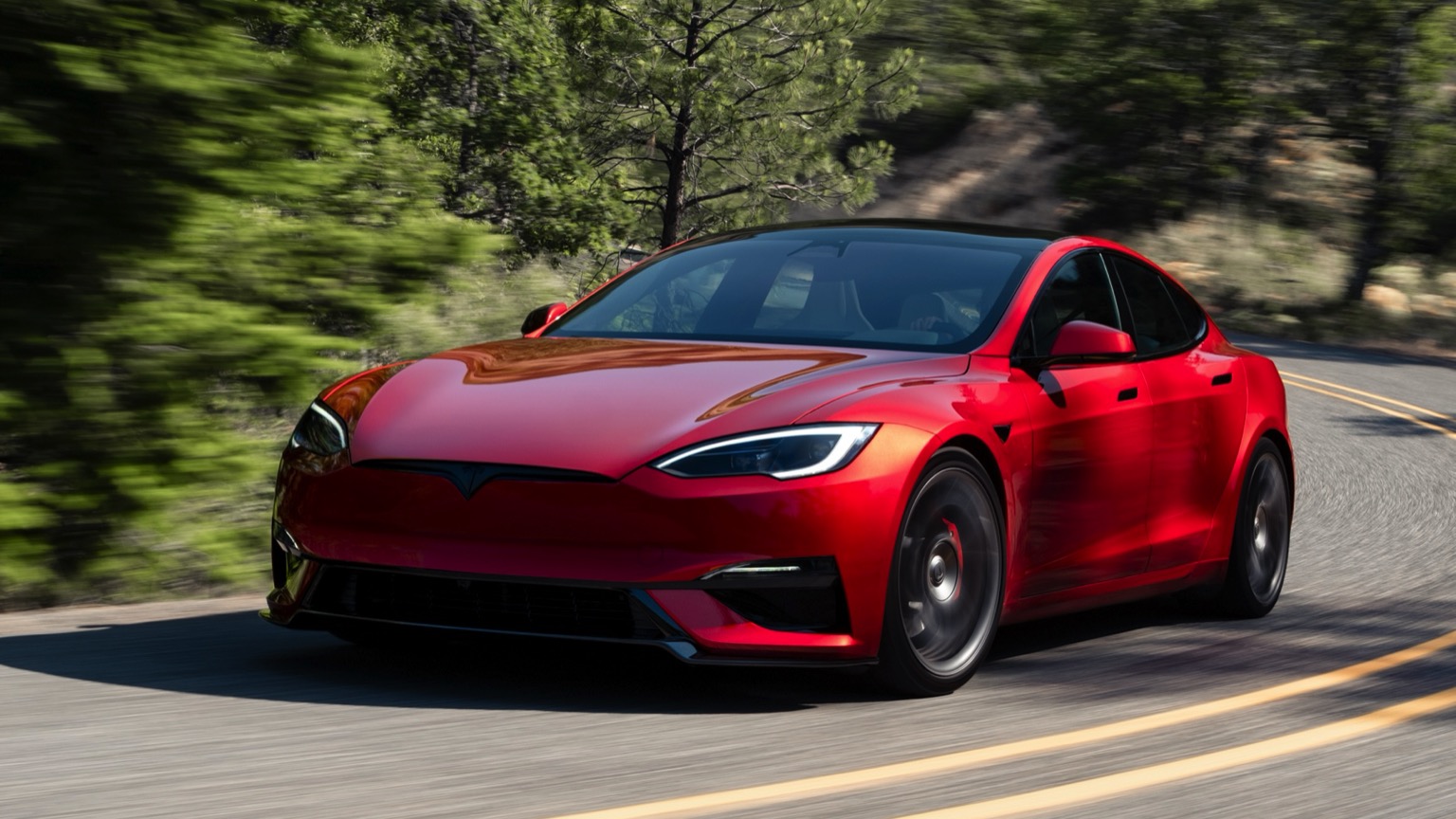
6. Tesla Model S (Plaid)
Tesla’s flagship sedan presents a strange brake economics story. Regenerative braking means pads and rotors last far longer than on a gas car, sometimes over 100,000 miles.
But when service is finally needed, the bill can shock owners. Plaid models use large, high-performance rotors and multi-piston calipers rated for a car that can hit 60 mph in under two seconds.
Because the brakes see so little use, corrosion becomes the real enemy. Rotors and caliper slide pins can seize or rust from sitting mostly idle for years.
Tesla service centers report corrosion-related brake repairs, including rotor replacement and caliper reconditioning, commonly running $600 to $1,200. Combine that with a Plaid model’s pricier performance calipers, and totals can exceed $1,500.
Tesla’s parts network is largely closed. Owners can’t easily shop aftermarket rotors that match the Plaid’s specific caliper and hub design. Labor also happens almost exclusively at Tesla service centers or a small number of certified independent shops. That limits competitive pricing that helps lower costs on other brands.
The Plaid’s massive power output means its brakes work harder during actual stops, even if they’re used less often. Higher-friction pad compounds are needed to handle that occasional but intense demand.
Because regenerative braking does most of the daily work, many owners go years without touching the mechanical system at all. When they finally do, the deferred corrosion often means replacing more than expected.
The result is a pattern of infrequent but costly repairs. A full Plaid brake service that includes rotors, pads, and caliper work can often cost between $1,200 and $2,000.
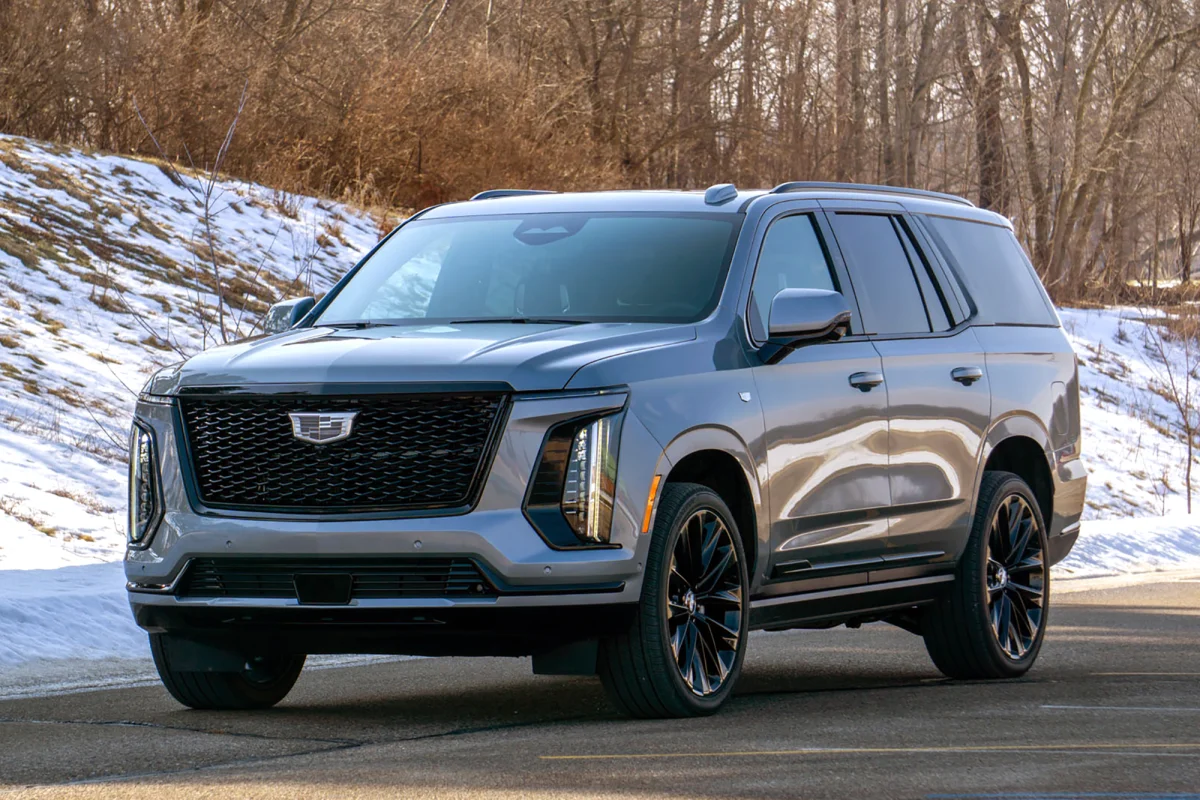
7. Cadillac Escalade
The Escalade is a full-size luxury SUV built on a heavy-duty truck platform. That size and weight, often over 5,700 pounds loaded, demands serious braking hardware.
GM dealers commonly quote $600 to $900 per axle for OEM pads and rotors on the Escalade. Doing both axles pushes many owners past the $1,200 mark before extras.
Higher trims like the Escalade-V add Brembo six-piston front calipers and larger cross-drilled rotors as standard equipment. These upgraded parts cost considerably more than the base model’s hardware.
Magnetic Ride Control suspension, standard on many Escalade trims, doesn’t directly affect brake pricing but does add labor complexity. Technicians need extra care around suspension sensors during wheel removal.
The Escalade’s size also means larger, heavier rotors that take longer to swap correctly. Labor time on a full four-corner job often runs three to four hours at dealer rates.
Cadillac dealer labor averages $130 to $170 per hour in most U.S. markets. That’s lower than some German luxury brands but still well above independent shop rates.
Towing capability, standard on most Escalade trims, means the brake system is engineered for heavier-than-normal loads. Pads designed for towing duty often cost more than standard-duty compounds.
Escalade owners who tow regularly report faster brake wear than typical SUV owners. That shortens service intervals and increases lifetime brake costs.
A complete OEM brake job on a well-equipped Escalade, covering both axles with quality pads and rotors, typically totals $1,200 to $1,800 depending on trim and region.
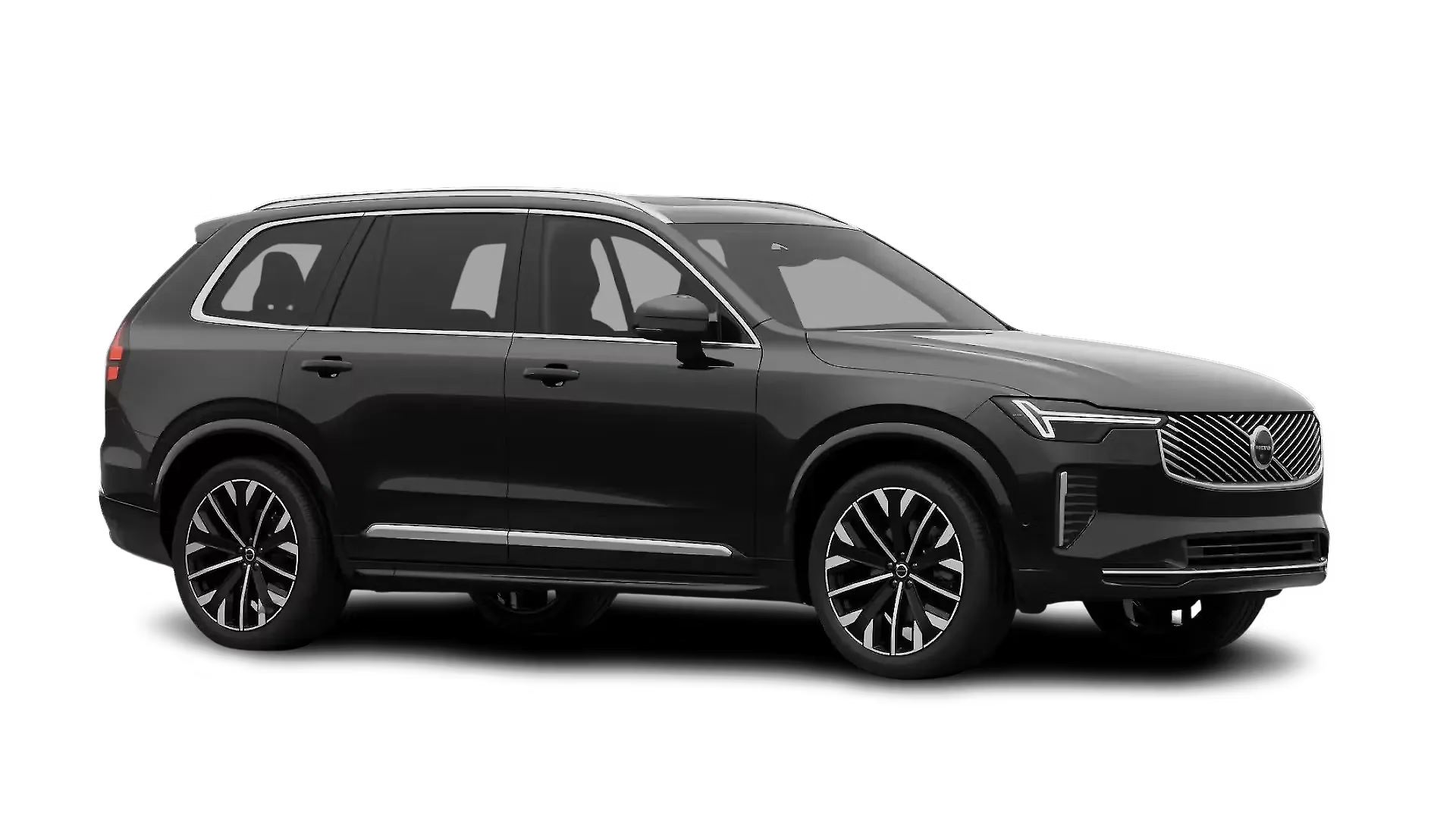
8. Volvo XC90
Volvo’s flagship SUV blends safety engineering with genuine luxury positioning, and its brakes reflect both. The XC90 uses larger rotors than most three-row crossovers in its price range.
Dealer quotes for front pads and rotors on the XC90 typically run $500 to $800. Complete both-axle service with OEM parts pushes many bills past $1,100 to $1,300.
The Polestar-tuned T8 plug-in hybrid trim adds another wrinkle. Its added battery weight, often several hundred pounds over the standard model, increases braking demands and wear rates.
Volvo’s electronic parking brake system requires factory scan tool access for safe rear caliper service. Independent shops without Volvo-specific diagnostic equipment often can’t complete the job.
That pushes many XC90 owners toward dealer service by necessity rather than preference. Dealer labor rates for Volvo run $140 to $180 per hour in most markets.
Volvo’s parts pricing sits at a premium compared to mainstream brands, though typically below German luxury competitors. OEM rotors alone can run $150 to $250 each.
The T8 hybrid’s regenerative braking system also complicates service. Technicians must follow specific procedures to avoid triggering fault codes in the hybrid control module during brake work.
Air suspension, optional on higher XC90 trims, adds labor time similar to other luxury SUVs on this list. Ride height adjustments are sometimes needed for safe wheel access.
A full four-corner brake job on a well-equipped XC90, particularly the T8 hybrid, commonly totals $1,200 to $1,600 with OEM parts and required calibration.
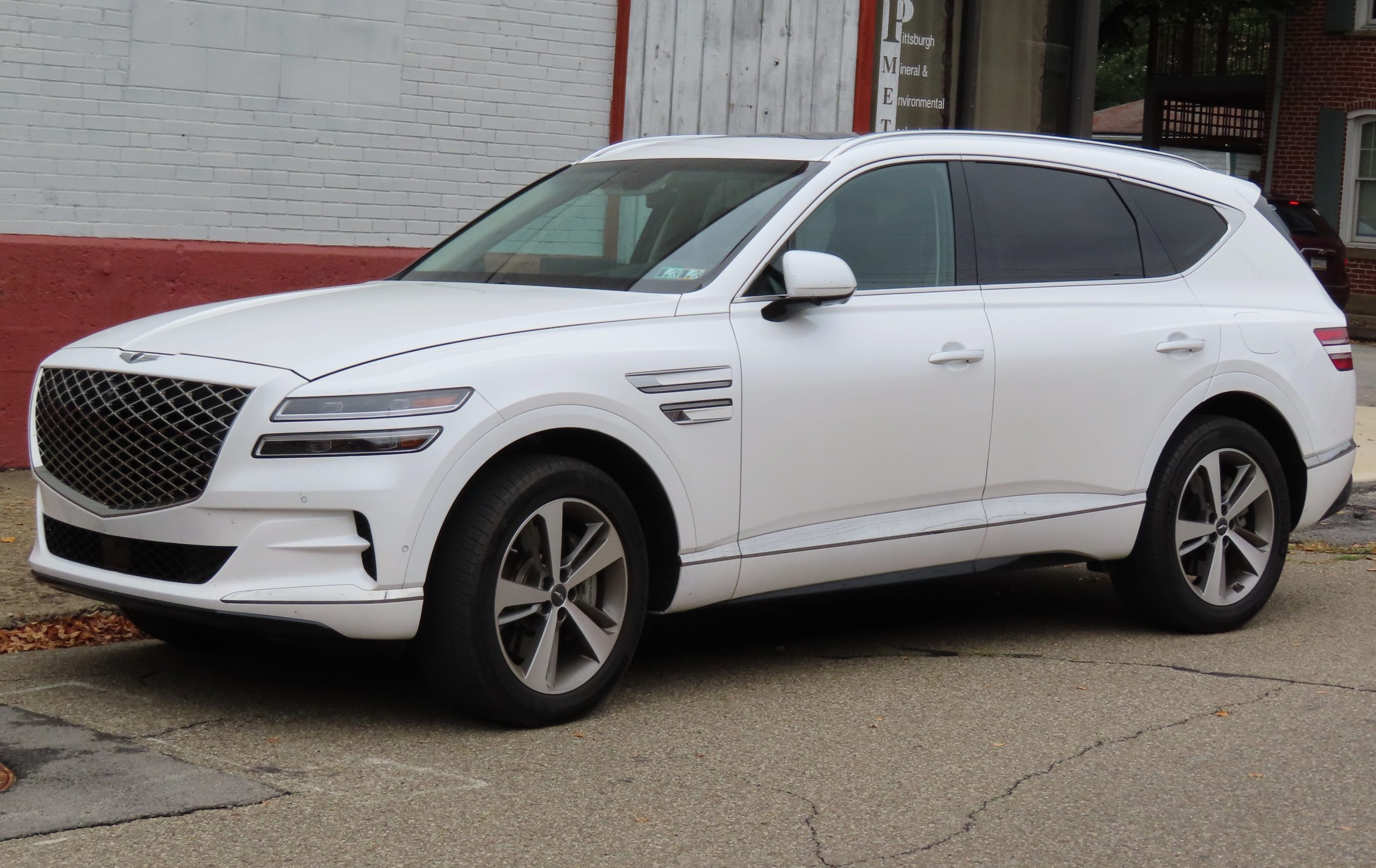
9. Genesis GV80
Genesis, Hyundai’s luxury division, built the GV80 to compete directly with German rivals, and its brake system pricing follows suit. The 3.5T trim in particular uses larger, higher-performance rotors than the base model.
Genesis dealer quotes for front-axle service typically run $500 to $750. Full four-corner service with OEM pads and rotors pushes many bills to $1,100 or beyond.
The GV80’s electronic parking brake requires Genesis’s proprietary diagnostic software for safe rear caliper retraction. This mirrors the same complexity seen across luxury brands on this list.
Genesis’s dealer network is still smaller than established luxury brands, which limits competitive pricing pressure. Fewer independent shops carry Genesis-specific tools and parts knowledge.
That scarcity means many owners default to dealer service even when a lower-cost alternative might exist elsewhere. Labor rates run $130 to $170 per hour at most Genesis dealers.
The 3.5T’s twin-turbo V6 adds meaningful weight and power over the base four-cylinder GV80. Larger rotors and higher-friction pads are needed to match that added performance.
Air suspension, standard on upper GV80 trims, again complicates rear brake access. Technicians need to manage ride height during service, adding time to the job.
Genesis backs new vehicles with strong warranty coverage, which softens brake costs for early owners. But once that coverage lapses, out-of-pocket costs climb quickly given limited parts competition.
A complete brake service on a well-equipped GV80 3.5T, front and rear, with OEM parts and calibration, commonly totals $1,200 to $1,700 at a dealership.
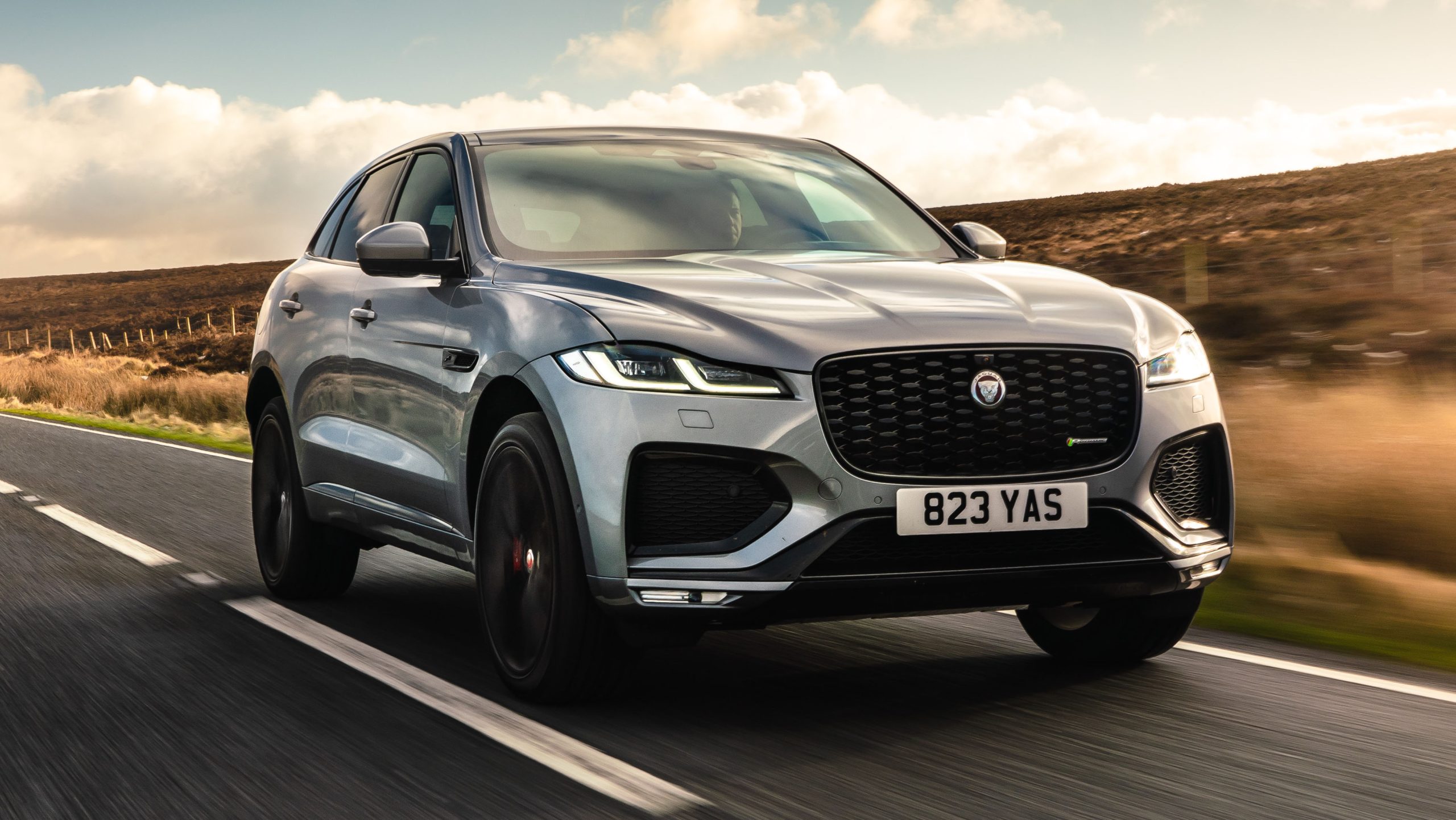
10. Jaguar F-Pace
Jaguar’s F-Pace is a sport-oriented luxury SUV, and its brakes are tuned for performance as much as stopping power. Higher trims like the SVR use Brembo-branded calipers and larger rotors as standard equipment.
Dealer quotes for standard front-axle service run $600 to $900 with OEM parts. SVR trims, with their upgraded performance brakes, push individual axle costs closer to $1,200 alone.
Jaguar shares platform and parts sourcing with sister brand Land Rover, which means similarly restrictive OEM-only availability for some components. Aftermarket options exist but can be harder to source correctly.
The F-Pace’s electronic parking brake, like every other vehicle on this list, requires factory-level diagnostic tools. JLR’s software is proprietary and not widely available to independent shops.
That limits where owners can get quality service outside official Jaguar dealers. Dealer labor rates for Jaguar run $150 to $190 per hour in most U.S. markets.
SVR models add larger, cross-drilled rotors designed for genuine track use. These rotors cost considerably more than standard F-Pace parts and wear faster under aggressive driving.
Jaguar’s reliability reputation, historically mixed, means many owners carry extended warranties. That defers brake costs for some, but out-of-warranty repairs can be steep.
Independent Jaguar and Land Rover specialists exist in most major markets and typically charge less than dealer rates. Even so, parts costs remain largely fixed regardless of who installs them.
A full front-and-rear brake job on a well-equipped F-Pace, especially the SVR, commonly totals $1,200 to $2,000 once parts, labor, and required calibration are included.
