
Most Tacoma and Hilux owners drive around for years without ever discovering half of what their truck can actually do. Buried beneath the obvious stuff like towing capacity and bed length are small design choices that quietly make daily life easier, safer, and honestly more fun behind the wheel.
Some of these features solve problems owners didn’t even know they had, while others feel like something out of a truck enthusiast’s wish list. From a tailgate trick that saves your back to a speaker you can pop out and take to a campsite, Toyota built more into these trucks than the brochure ever mentions. Here are ten features hiding in plain sight.
1. Tailgate Knee Lift & Bed Camera
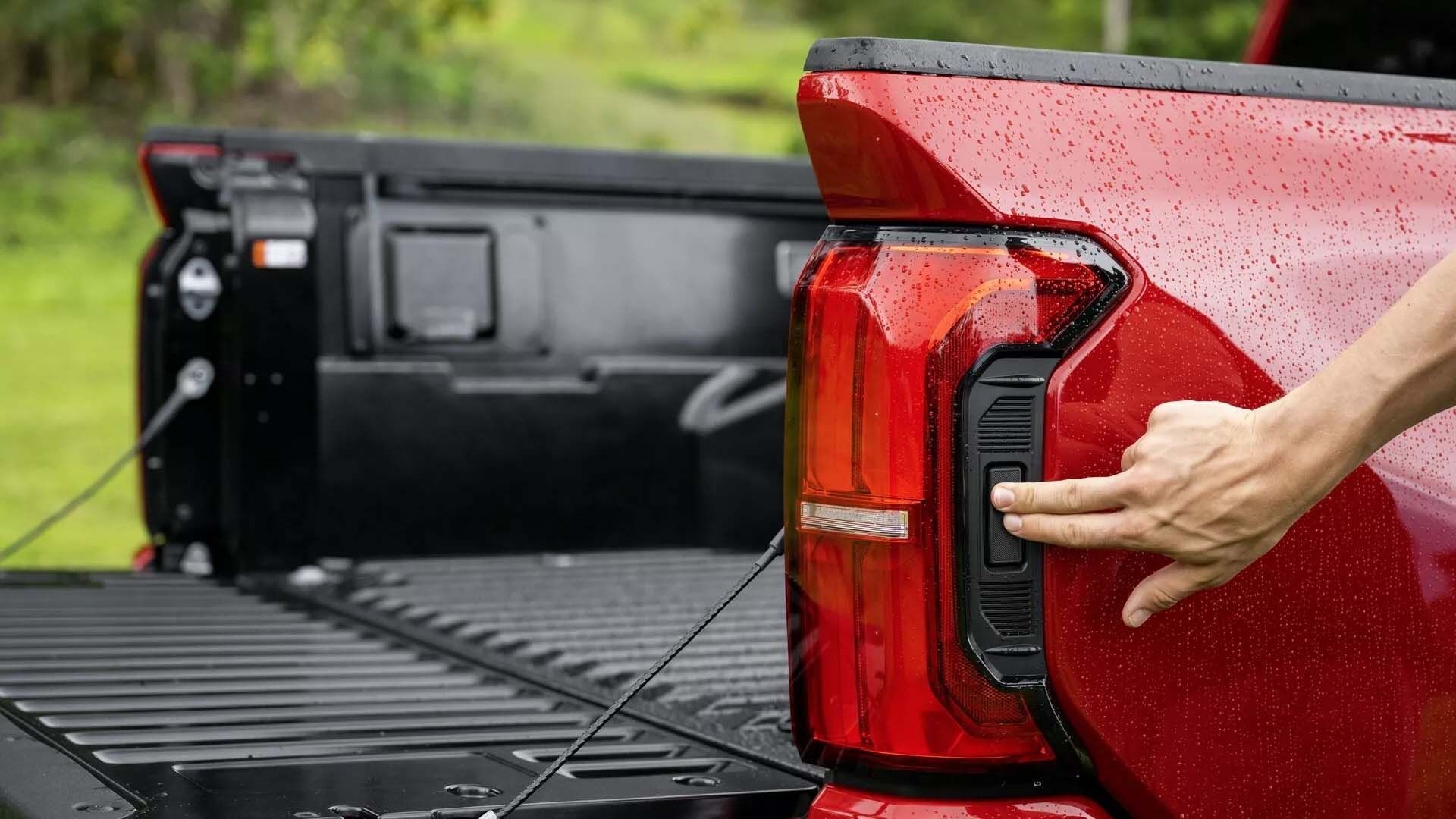
Loading long, heavy, or oversized items into a truck bed usually means wrestling with the weight of the tailgate itself before you’ve even placed anything inside.
Toyota engineers apparently got tired of that problem too, because the Tacoma’s tailgate includes a genuinely clever workaround. Open it to roughly 45 degrees, disconnect the support cables, and the tailgate can be lifted the rest of the way using nothing but a knee, no tools required.
It sounds small, but anyone who’s tried loading plywood or a heavy cooler solo will immediately appreciate not having to fight against a swinging tailgate the entire time.
Paired with that trick is a feature many owners may not even realize their truck has. Many models offer a bed camera designed specifically to keep an eye on cargo. Instead of turning around in your seat or trying to use mirrors that provide only a limited view of the bed, you can see a live image directly on the dashboard display.
It’s particularly useful when hauling something that might shift during a drive, whether that’s loose gravel, unsecured tools, or a mattress someone insisted would be “totally fine” without straps.
Together, these two features turn what used to be a two-person job, loading heavy cargo and keeping an eye on it during transport, into something a single driver can manage confidently. It’s a small design choice that says a lot about how much thought went into the everyday reality of owning a work truck.
2. Clever Storage Compartments
Interior space in a truck often gets treated as an afterthought compared to towing numbers and engine specs, but Toyota tucked away several storage solutions that reward owners who actually go looking for them.
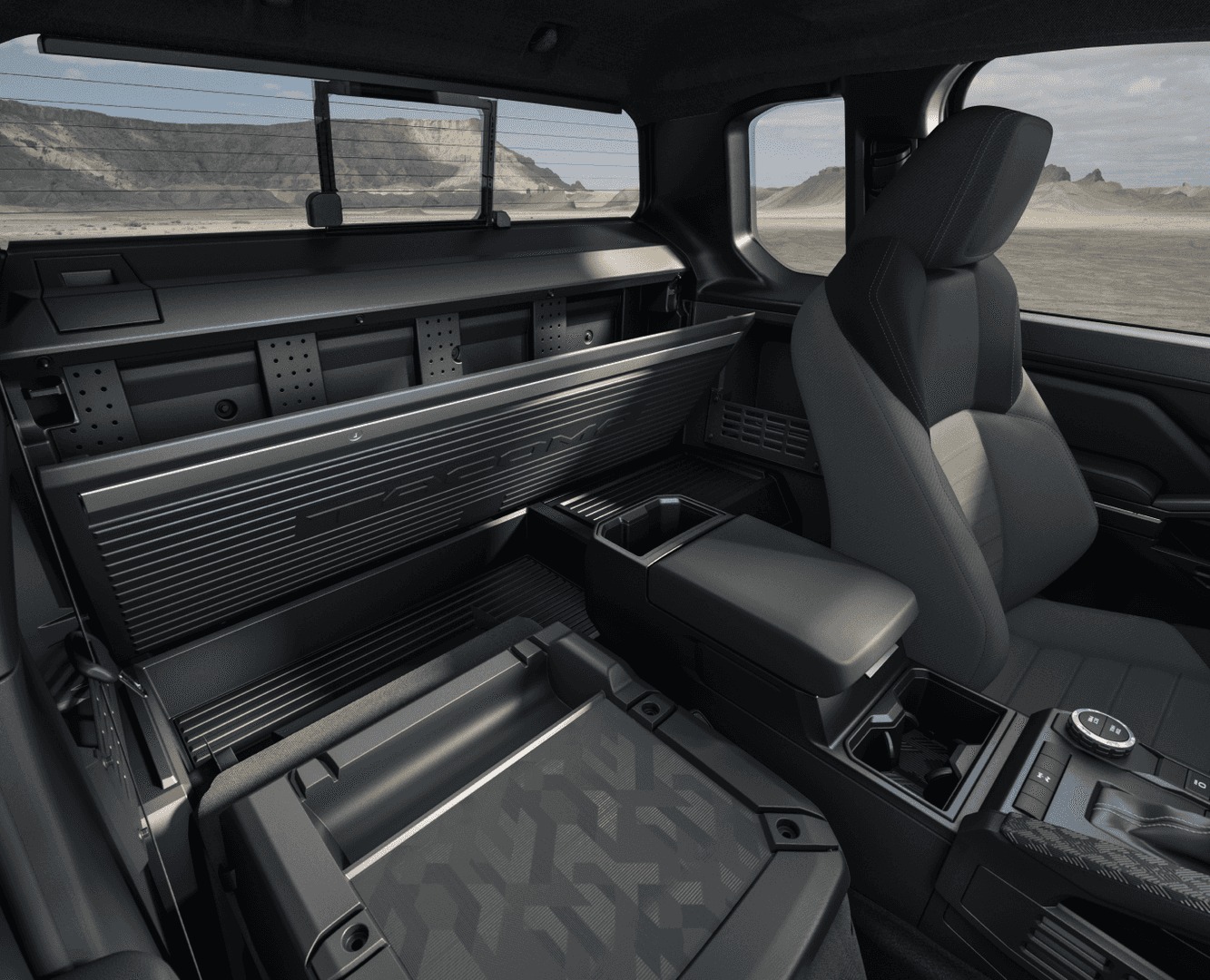
Behind the driver’s door sits a compartment easy to overlook entirely, perfect for stashing small tools, a flashlight, or anything else you want within arm’s reach but out of the way.
Double Cab models take this further with hidden storage built into the rear seats, giving passengers and drivers alike a place to secure valuables or gear without leaving them exposed on the seat or floor where they’re visible through the windows.
That matters more than people realize, since a bag or toolbox left in plain sight is basically an invitation for a break-in, while the same items tucked into a hidden rear-seat compartment stay both organized and considerably safer.
Up top, a concealed sunglass holder rounds out the collection, a small but genuinely useful spot that keeps a pair of sunglasses from sliding around the cabin or getting crushed under something else.
None of these compartments are flashy or likely to show up in a commercial, but together they reflect a level of practical thinking that separates a truck built for actual daily use from one designed purely to look good on a lot.
Owners who take the time to locate all of these hidden spots often find their cabin feels considerably less cluttered than they expected.
3. Push-to-Start Power Modes and Key Fob Tricks
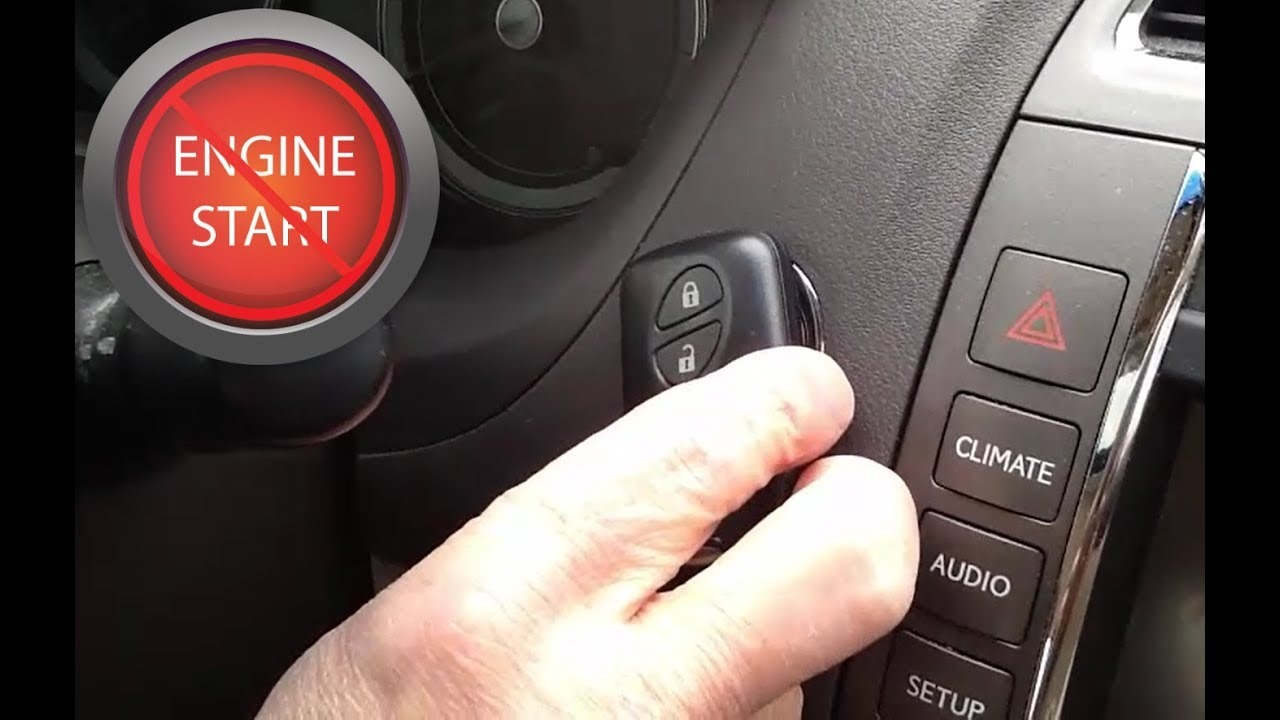
Push-button ignition systems can do more than simply start and stop the engine. In many Toyota trucks, pressing the start button without applying the brake can activate accessory or ignition modes. This allows certain electrical systems to operate without starting the engine.
For example, the accessory setting may allow drivers to use selected functions such as audio equipment, while another press can activate additional vehicle systems.
The exact sequence and available functions depend on the model and model year, so owners should refer to their truck’s manual before relying on these settings for extended periods.
The key fob may also contain useful functions that are easy to overlook. Depending on the vehicle, it can help locate the truck through flashing lights or audible signals.
Some Toyota models also offer remote engine-start functions through the fob or connected services, provided the truck is equipped for them. Certain vehicles can also manage access through multiple electronic keys.
This can be helpful when one key is used less frequently or when owners want more control over who can operate the truck. Learning these functions can make the small device in your pocket much more useful.
4. Folding and Adjustable Headrests
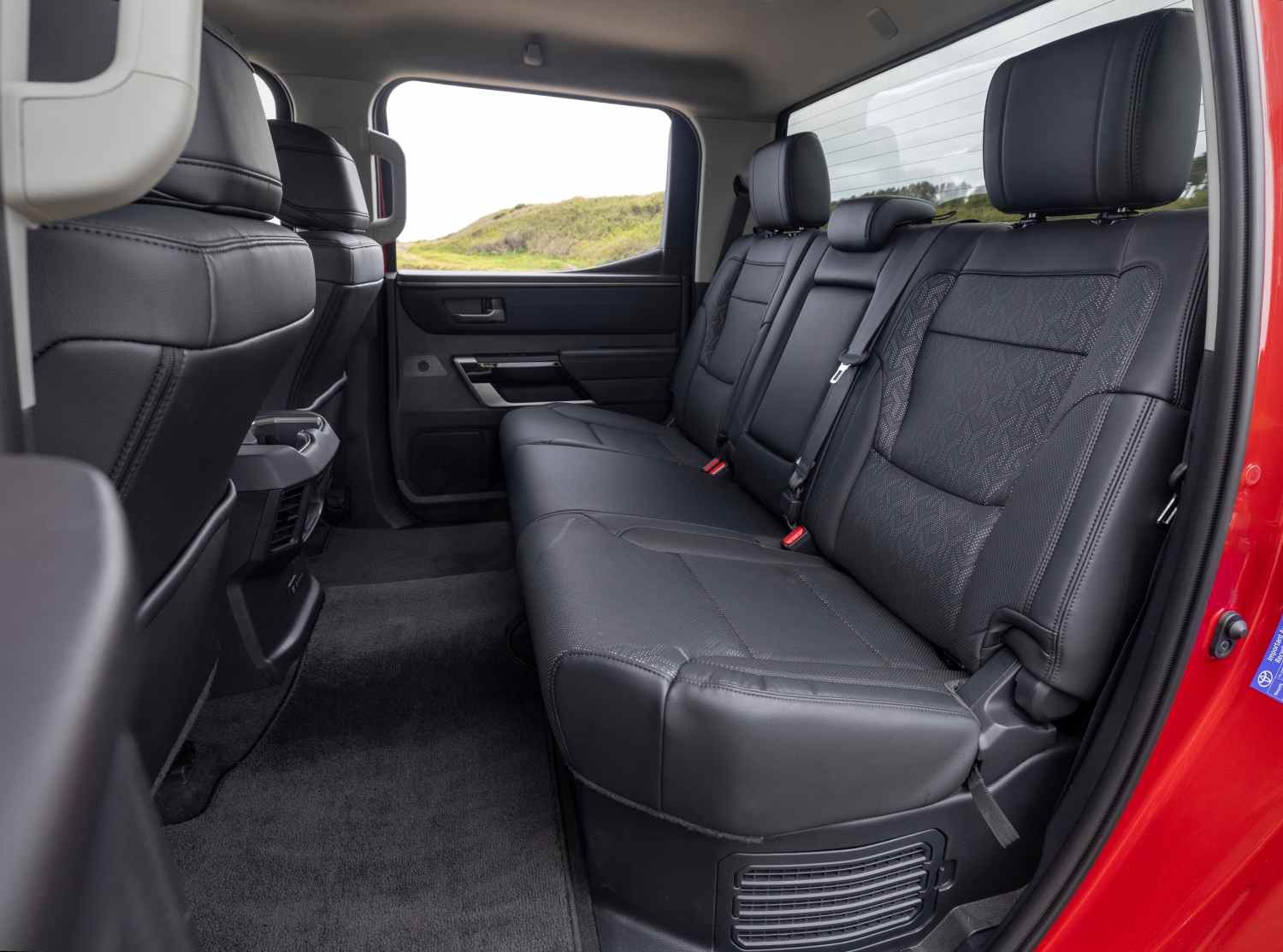
Rear visibility is one of those things drivers don’t think about until it suddenly becomes a problem, and Toyota built a simple solution directly into the rear seat headrests.
Rather than staying fixed in one position permanently, these headrests can fold down or be relocated entirely into slots built behind the seats, immediately opening up sightlines through the rear window that would otherwise be partially blocked.
This becomes particularly useful for anyone regularly driving without rear passengers, since an unobstructed view through the back window makes reversing, changing lanes, and general awareness noticeably easier compared to peering around three headrests every time you check your mirrors.
Parents backing out of driveways or driving through tight parking lots often find this adjustment makes a real difference in daily confidence behind the wheel.
Beyond visibility, relocating or folding these headrests also helps create a flatter cargo area within the cabin itself, useful when hauling larger items that need to lie flat rather than stand upright between the front and rear seats.
Whether it’s moving boxes, camping gear, or something picked up unexpectedly at a hardware store, having rear seat headrests that don’t get in the way of a flat loading surface adds genuine flexibility to how the interior can be used.
It may be a small mechanical detail, but it reflects a broader approach found throughout these trucks. Many of their features are designed around how owners actually use their vehicles every day rather than simply how they look sitting on a showroom floor.
5. High-Voltage Hybrid Outlets (Tacoma Hybrid)
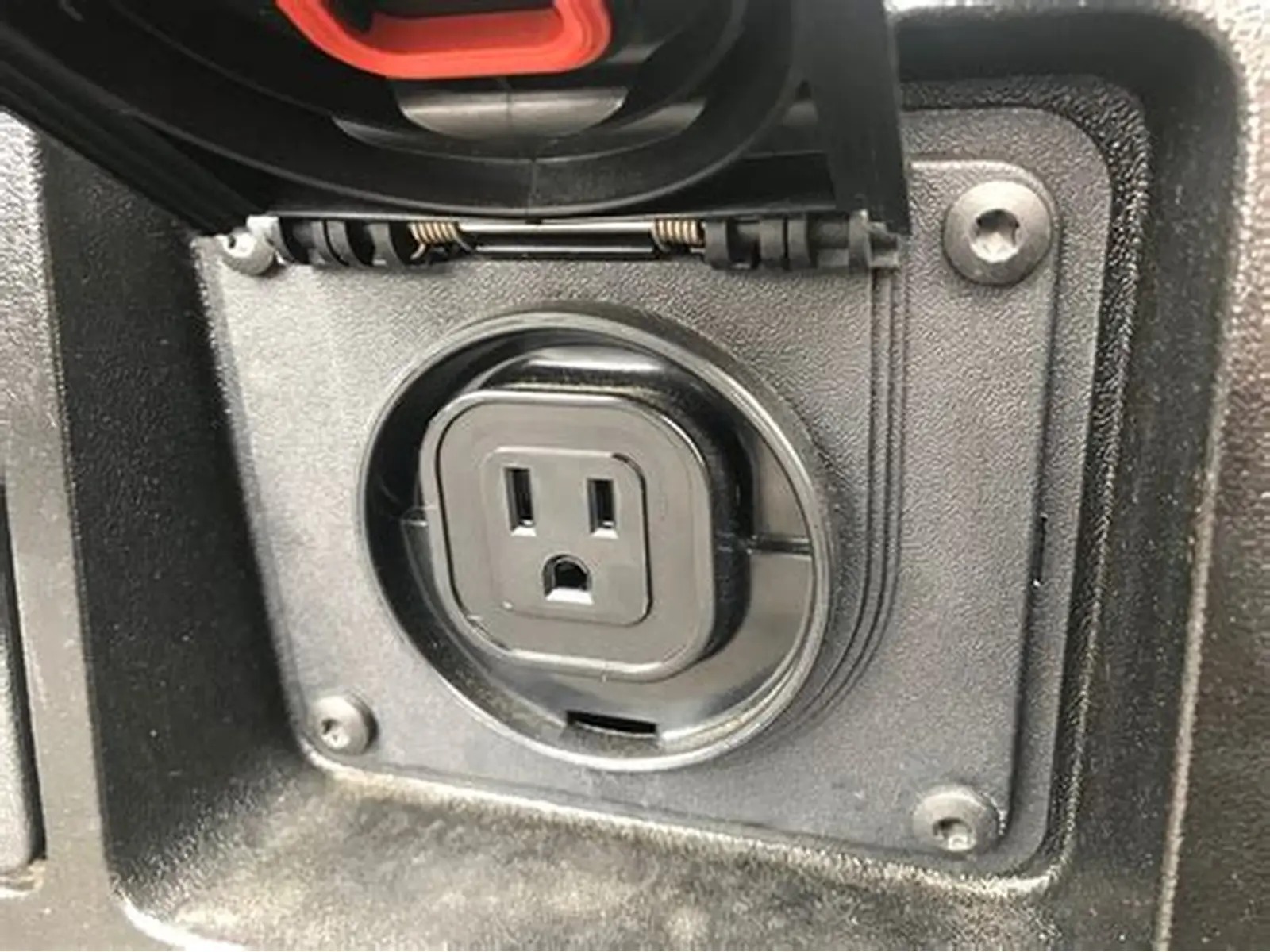
The hybrid Tacoma brings more than additional power to the pickup segment. Certain models equipped with Toyota’s hybrid system can provide built-in AC power outlets capable of supplying substantial electrical power, with available systems reaching up to 2,400 watts.
That feature can be extremely useful for people who use their truck as a mobile workspace. Power tools, electronic devices, and certain appliances can potentially be connected directly to the truck, reducing the need to carry a separate portable generator for suitable applications.
Picture a job site where a small electric tool needs power or a campsite where basic equipment must be charged. A properly equipped hybrid Tacoma can provide a convenient source of electricity without adding another machine to the cargo area.
Owners still need to understand the limits of the system. Electrical devices should remain within the outlet’s rated capacity, and Toyota’s instructions should always be followed. High-power equipment can place heavy demands on a vehicle’s electrical system if used improperly.
For drivers who regularly work or spend time away from traditional power sources, this feature can make the truck more versatile. It turns the vehicle into something that can support activities even after the engine has done its job of getting you there.
6. Steering & Display Customization
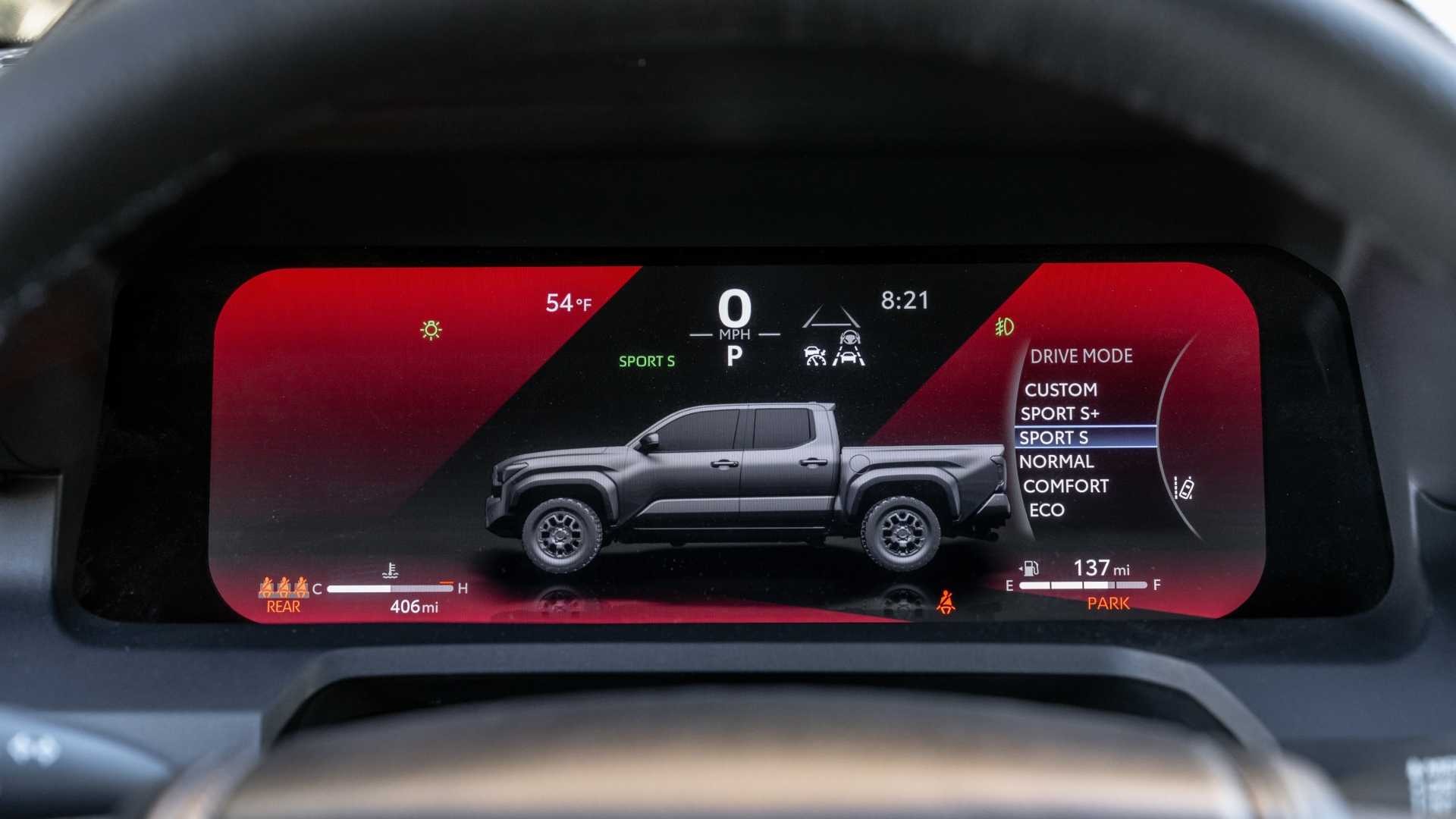
Modern Toyota trucks place a surprising amount of information directly in front of the driver. The Multi-Information Display can provide data such as fuel economy, vehicle settings, warning messages, and tire information, depending on the model.
Many owners use the display in its default configuration and never realize that some settings can be adjusted. Gauge brightness may be customizable, while preferred information screens can sometimes be selected for easier access.
Drivers may also be able to review vehicle data without searching through multiple menus every time they get behind the wheel. Steering-wheel controls add another layer of convenience.
Audio volume, phone functions, display menus, and other settings can often be accessed without reaching toward the center screen. The available controls differ between models, but spending time learning their functions can reduce unnecessary distractions.
Certain Toyota driver-assistance settings may also allow adjustments related to following distance or system preferences. These features should always be used within their intended operating limits.
A truck feels more personal when its controls are arranged around the driver’s needs. Taking a few moments to learn the available settings can make information easier to access and routine driving more comfortable without requiring any additional equipment.
7. Weather-Enhancing Features
Extreme weather has a way of exposing which vehicles were actually built with real-world conditions in mind, and Toyota trucks include several features specifically aimed at handling that challenge without drawing much attention to themselves.
Windshields equipped with built-in de-icers work to prevent ice from accumulating directly on the wiper blades, a detail easy to overlook until you’re standing in freezing temperatures trying to pry frozen wipers off frost-covered glass before a morning commute.
Heated side mirrors complement this cold-weather focus, keeping mirror surfaces clear of frost and condensation that would otherwise compromise visibility during exactly the conditions where clear sightlines matter most.
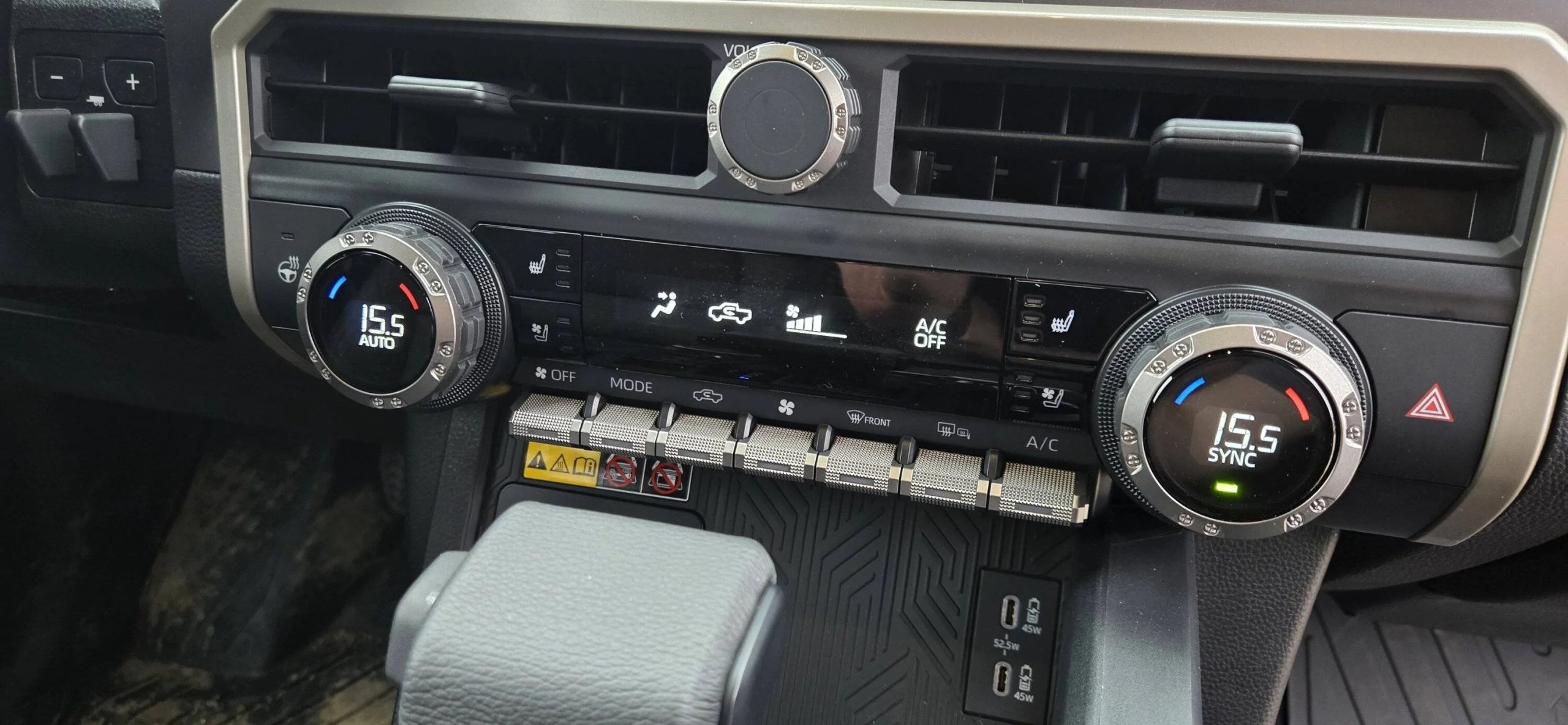
Anyone who’s driven through a winter morning squinting through a foggy or ice-covered side mirror understands immediately why this feature earns genuine appreciation once discovered. On the opposite end of the temperature spectrum, the MAX A/C setting offers a rapid cooling solution for brutally hot days.
Rather than gradually cooling the cabin the way standard air conditioning settings do, this mode aggressively recirculates existing cabin air rather than continuously pulling in hot outside air, dramatically speeding up how quickly the interior reaches a comfortable temperature after sitting in direct sun.
Together, these weather-focused features show a truck engineered to handle genuine climate extremes rather than just performing well under mild, ideal conditions.
Owners living in regions with harsh winters or brutal summers tend to discover just how valuable these details are once the season actually demands them.
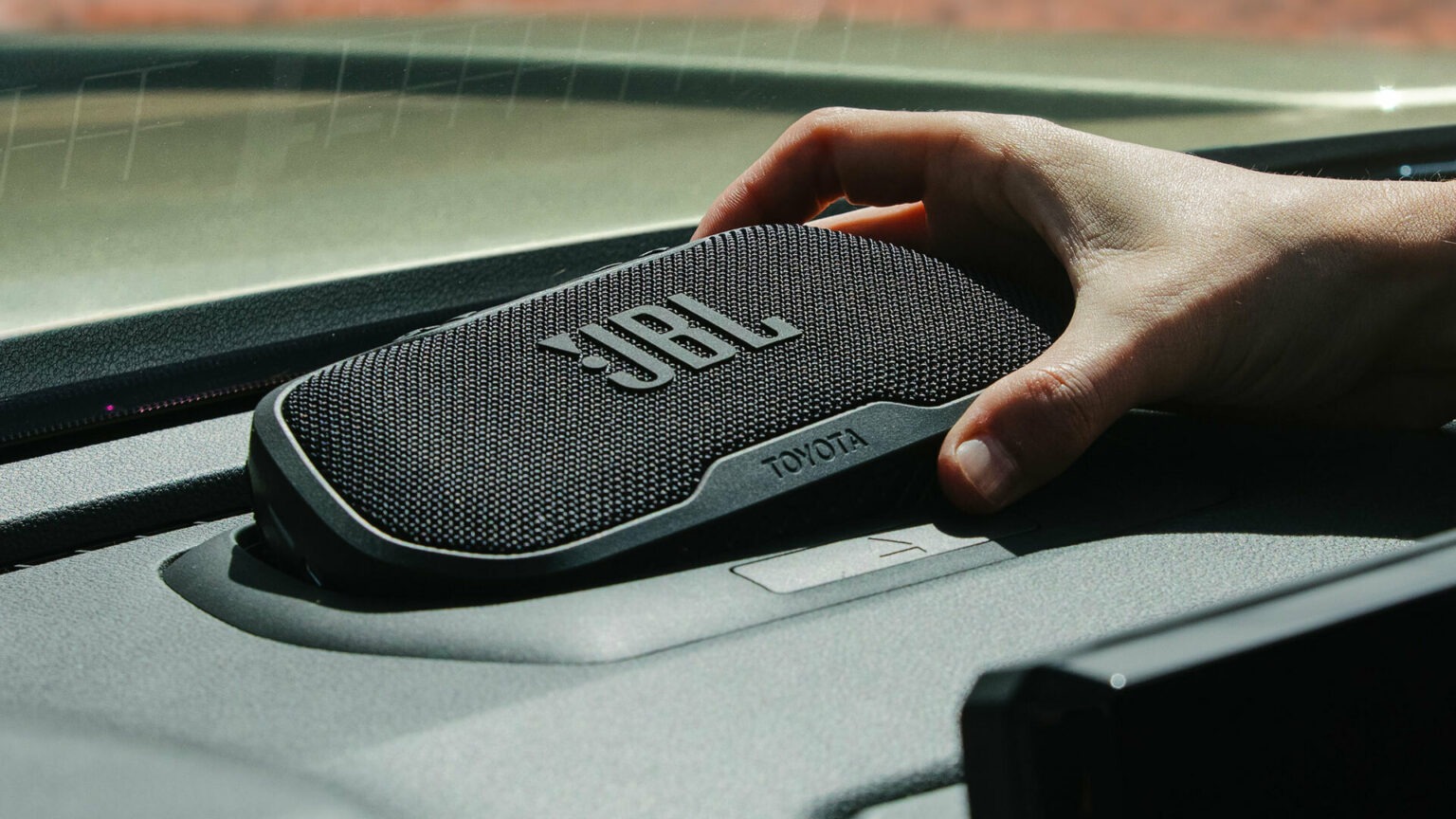
8. Removable Bluetooth Speaker
Few hidden features feel quite as unexpectedly fun as this one. Certain Tacoma models include a center-dashboard speaker that isn’t permanently fixed in place at all; it actually ejects from the dashboard and functions as a fully portable Bluetooth speaker once removed.
Suddenly, music that was playing through the truck’s audio system can travel wherever the driver goes, whether that’s a tailgate gathering, a campsite, or simply sitting outside enjoying the evening. This feature genuinely changes the calculation around bringing separate audio equipment along for outdoor activities.
Rather than packing a dedicated portable speaker alongside camping gear or tailgate supplies, owners can simply pop this built-in speaker free and carry it along, eliminating one more item that would otherwise need separate charging, storage, and transport.
Battery life allows the speaker to function independently for a reasonable stretch once disconnected, giving owners genuine flexibility to use it away from the truck itself rather than needing to stay tethered nearby.
Once finished, it slots back into its dashboard position, returning to its role as part of the truck’s standard audio system without any complicated reinstallation process.
It’s a feature that speaks directly to Toyota’s understanding of how these trucks actually get used, not just for hauling and commuting, but for weekend adventures, outdoor gatherings, and the kind of casual, spontaneous moments where having music on hand makes a real difference to the experience.
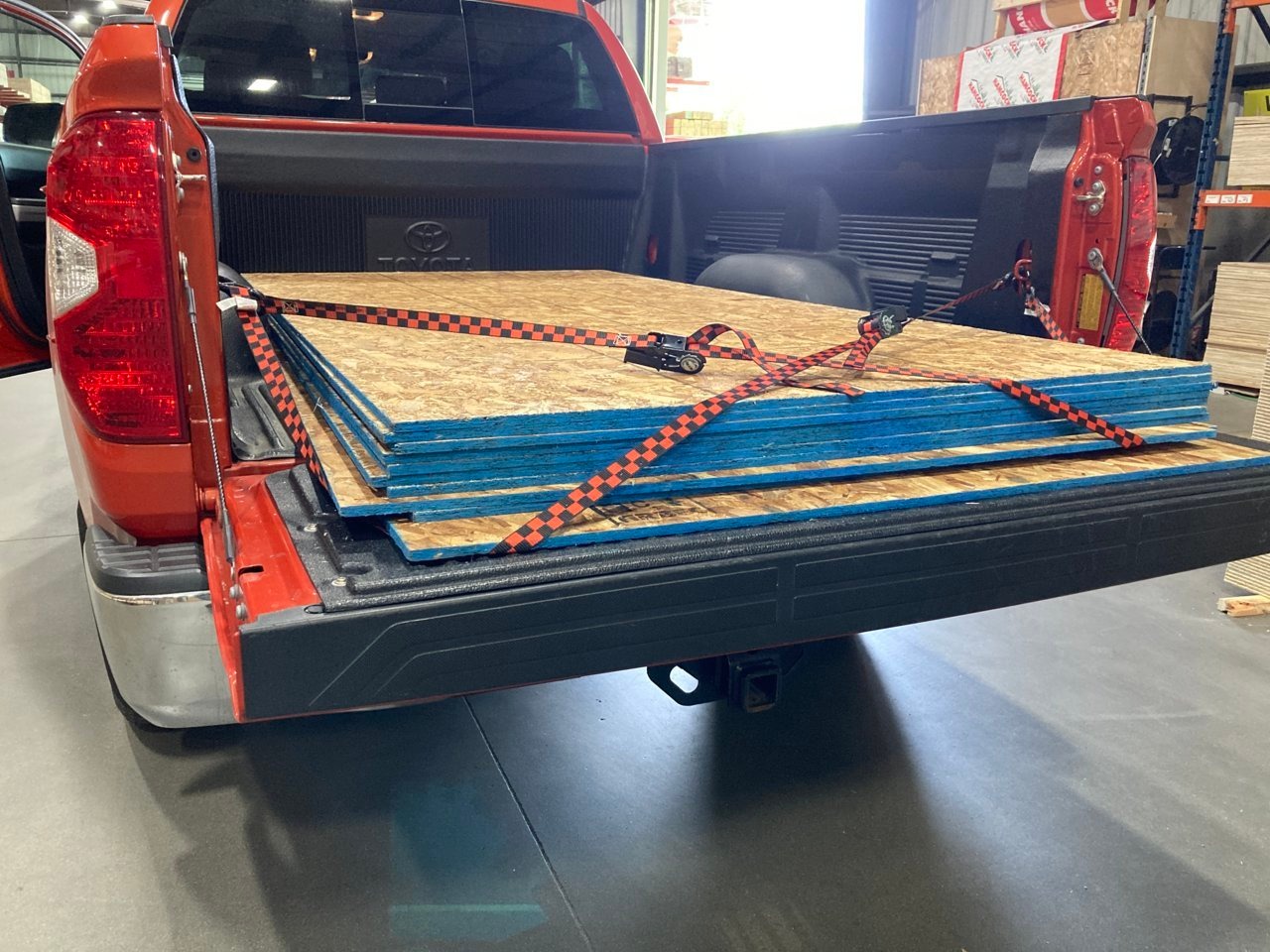
9. “Plywood Hack” & Bed Flexibility
Mid-size trucks have always faced a practical limitation when it comes to hauling full-sized building materials, since standard bed widths often can’t accommodate a complete 4-foot sheet of plywood or drywall without it awkwardly angling over the wheel wells.
Toyota addressed this specific frustration through a clever bit of bed design that’s earned genuine appreciation among owners who regularly haul construction materials.
Integrated indents built directly into the bed walls allow wooden planks to slide into place at a specific height, essentially creating a flat, elevated platform positioned right above the wheel wells.
Once those planks are in position, a full 4-foot sheet of material can rest flat across that platform, sitting level rather than tilting or requiring the material to be cut down before it’ll fit properly.
For contractors, DIY renovators, or anyone who’s ever had to make an extra hardware store trip simply because their truck bed couldn’t accommodate standard-sized material, this feature solves a real and recurring problem without requiring any aftermarket modification or additional purchase.
The solution was built into the truck at the factory, ready for owners who discover how those indents are actually meant to be used. This small detail reflects a broader philosophy behind Toyota’s truck design.
Instead of adding features simply to make a specification sheet look more impressive, Toyota focused on solving practical problems that owners encounter in everyday use. For people who regularly haul lumber, tools, or other building materials, this can be one of the truck’s most useful hidden features.

10. Driving Aids & Mode Controls
Toyota trucks pack in a surprising range of drive modes and assistance systems that many owners never bother using. Depending on the model, controls may include ECT Power,
Snow Mode, Multi-Terrain Select, B Mode, and other settings built for specific driving situations rather than everyday commuting. These modes adjust how the truck responds to throttle input, braking, or available traction systems.
A setting designed for slippery roads feels noticeably different behind the wheel than one built for quicker throttle response, while specialized off-road systems help the vehicle manage low-grip surfaces that standard settings simply weren’t designed to handle.
Hill Start Assist Control stands out as another genuinely useful system. It helps prevent unwanted backward rolling when starting on an incline, giving the driver a brief window to move from the brake pedal to the accelerator without that uncomfortable rollback feeling.
Certain stability or traction-control functions can also be adjusted for specific situations. These controls deserve careful use, since they’re built to support particular driving conditions rather than serve as a substitute for good judgment behind the wheel.
The best way to become familiar with these features is straightforward. Read the owner’s manual and practice using the controls in a safe, appropriate location before you actually need them
A button that seems completely irrelevant during a routine commute can suddenly become the difference-maker once road conditions or driving demands change without warning.
