
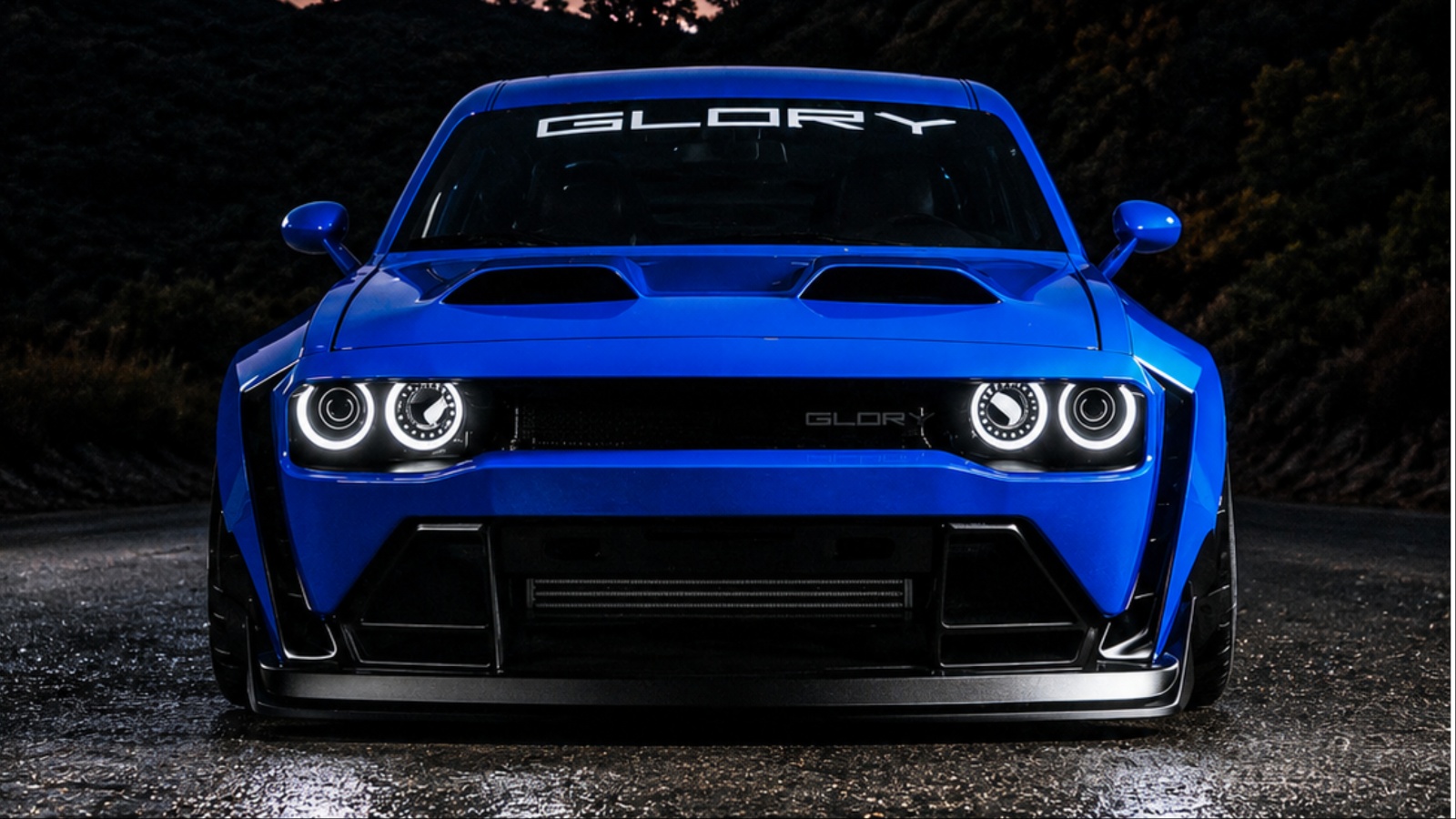
American cars have a reputation for big engines, bold styling, and a personality that doesn’t always fit neatly into the compact, fuel-sipping expectations found overseas. Yet somehow, plenty of these vehicles found audiences abroad who loved them even more than buyers back home did. From muscle cars chasing pop culture fame to rugged off-roaders built for genuinely tough conditions, these ten American vehicles proved that Detroit’s finest could win hearts far beyond U.S. borders.
Some found success through movies, others through raw performance, and a few simply offered something international buyers couldn’t get from their local manufacturers. Here’s a look at ten American classics and modern icons that became genuine international favorites.
1. Jeep Wrangler (2020)
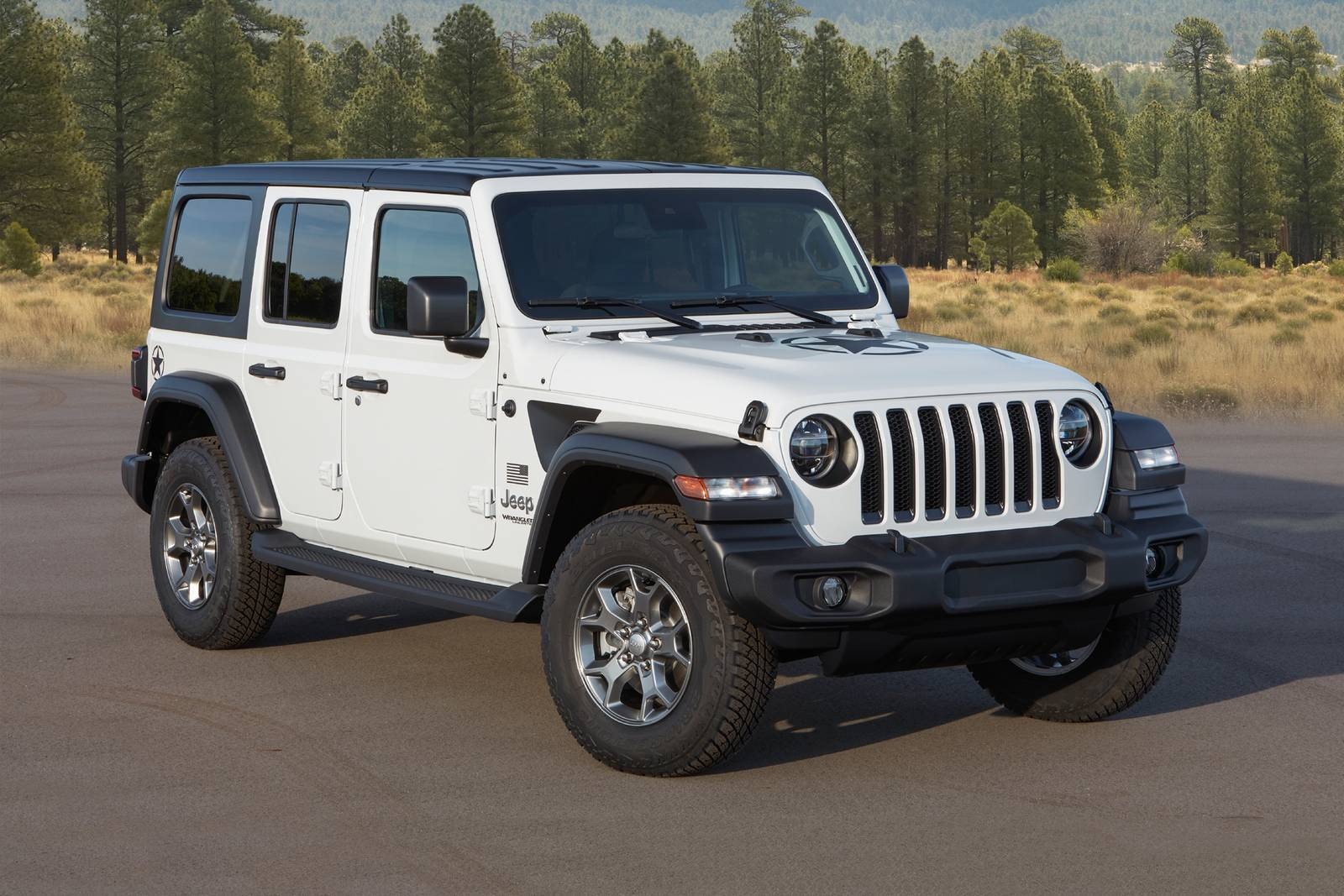
Few American vehicles communicate adventure as clearly as the Jeep Wrangler. Its upright body, exposed hinges, removable doors, and seven-slot grille connect it visually to the military Willys MB that served during World War II.
That connection gives the Wrangler an identity that many modern SUVs simply cannot copy. Outside the United States, buyers have appreciated the vehicle for reasons that go beyond appearance.
Its four-wheel-drive hardware and impressive off-road ability make it useful for drivers who regularly encounter rough roads, steep trails, sand, or muddy paths.
In markets where diesel remains popular, including parts of Europe and Southeast Asia, international versions have also been offered with diesel powertrains. The Wrangler has another advantage that could appeal to buyers abroad. Its design and character remain unmistakably American.
In countries filled with compact hatchbacks and practical crossovers, its upright shape and rugged personality make it stand apart immediately.
Owners are not simply purchasing transportation; they are getting a vehicle with a strong outdoor image and a long history. That combination has helped the Wrangler build a loyal following well beyond U.S. borders.
2. Dodge Challenger (2019)
Muscle cars don’t always translate well internationally, where fuel prices and narrow city streets often favor smaller, more efficient vehicles.
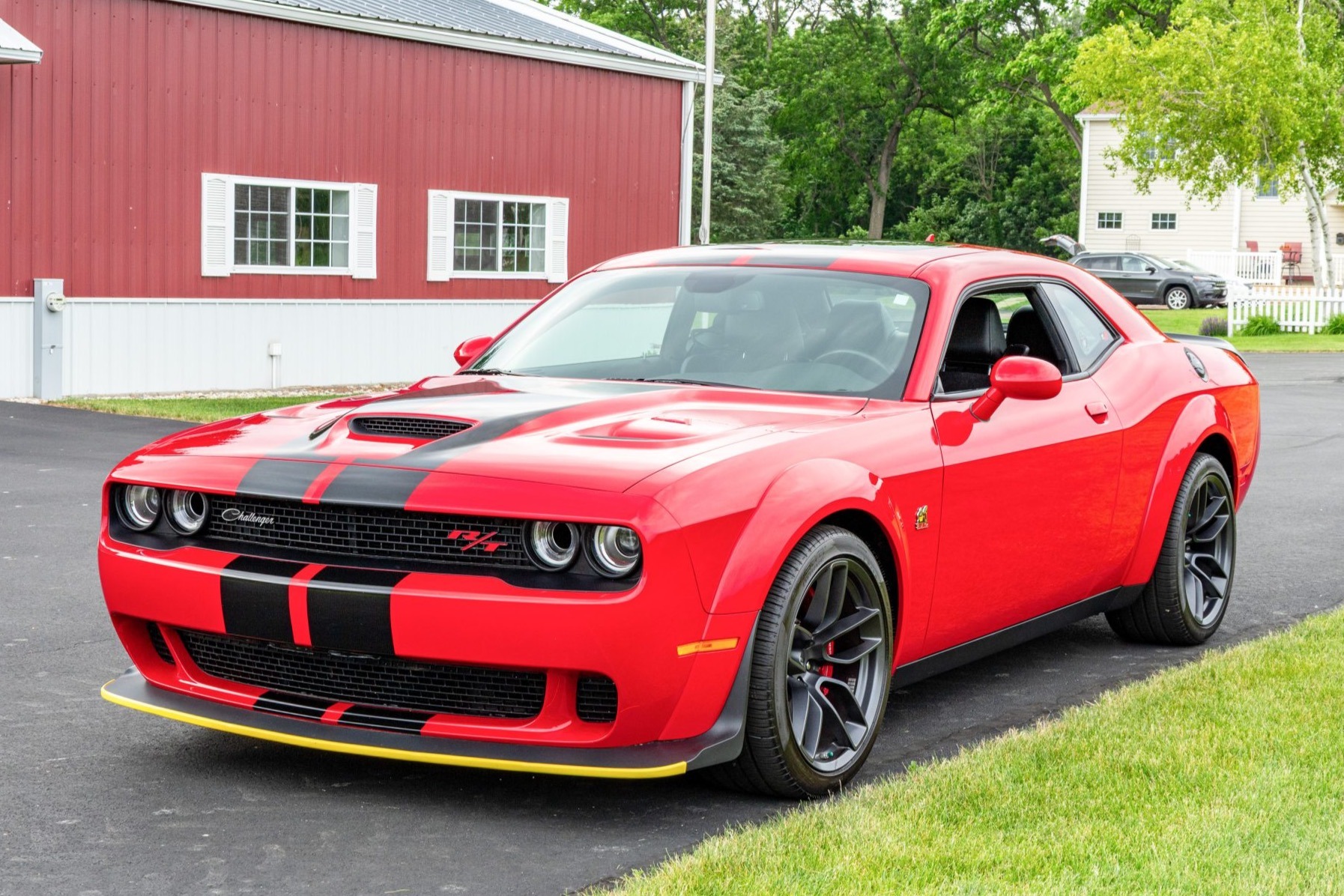
The Challenger managed to sidestep that pattern entirely, finding a particularly enthusiastic audience in markets like the United Arab Emirates, where wide roads, cheap fuel, and a genuine appetite for performance created ideal conditions for this modern muscle car to thrive.
Powerful V8 engine options gave the Challenger a genuine performance credential that resonated with buyers accustomed to comparing vehicles against European sports cars costing considerably more.
Aggressive exterior styling added to that appeal, delivering a visual presence that stood out clearly from more understated European and Asian competitors occupying similar price points.
For buyers wanting something that looked and sounded as powerful as it actually was, the Challenger delivered exactly that combination without demanding the premium pricing typically attached to comparable European performance vehicles.
Beyond the UAE specifically, the broader Middle Eastern market showed similar enthusiasm for American muscle, drawn to the combination of straightforward mechanical power, dramatic styling, and a driving experience that felt genuinely different from what local dealerships typically offered.
This regional appetite for large-displacement engines and bold design turned the Challenger into a genuine status symbol in certain circles, proving that American muscle car philosophy, big power paired with equally big presence, could resonate strongly outside the borders where that formula originally took shape decades earlier.
3. Chevrolet Camaro (2017)
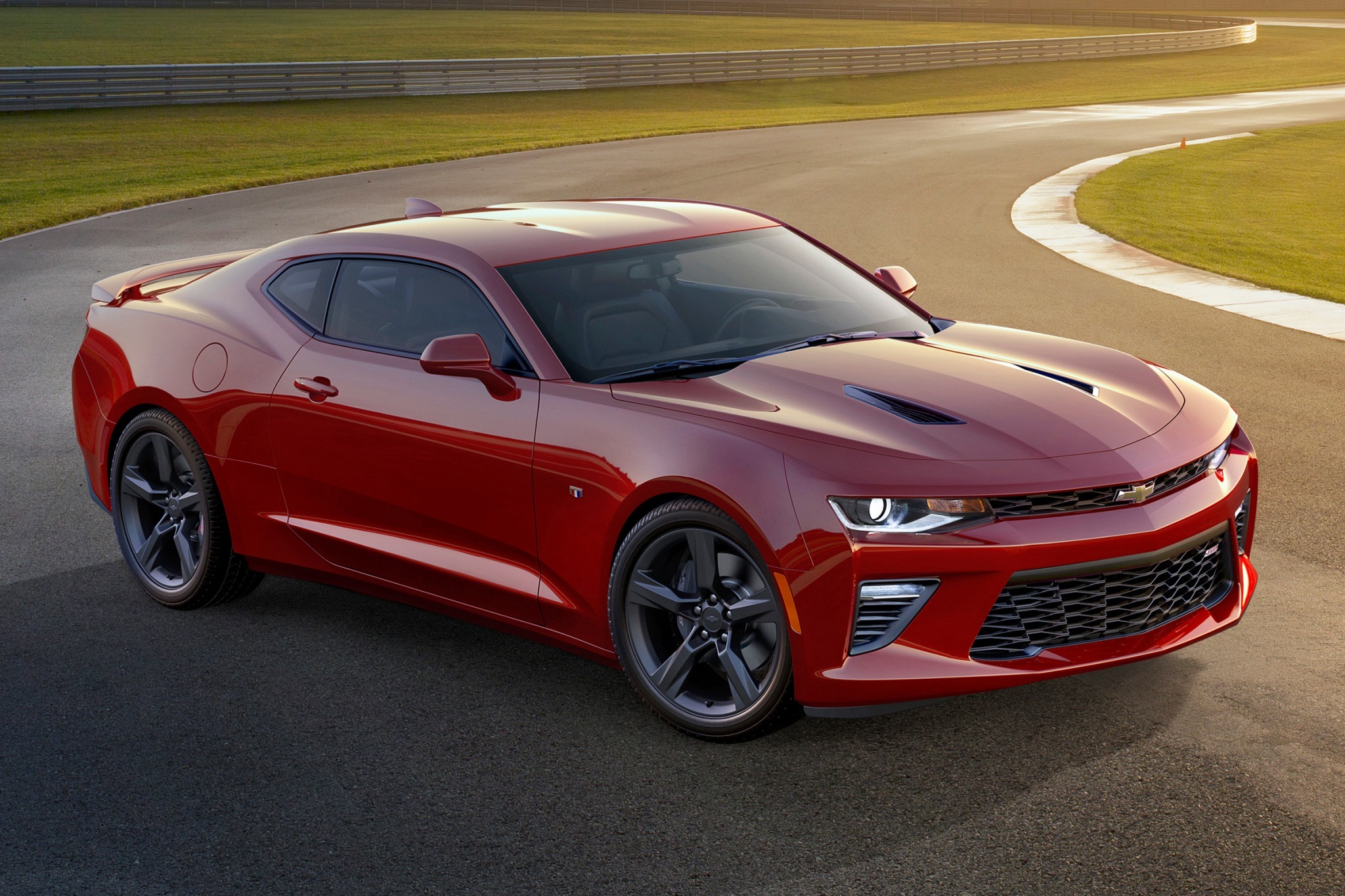
Movies and popular culture can make a car famous in places where it was hardly known before. The Chevrolet Camaro experienced this kind of attention after appearing as Bumblebee in the Transformers films.
The character gave the car a memorable identity and introduced it to millions of viewers who may not have previously paid attention to American sports cars.
The attention from the films also influenced younger drivers and car enthusiasts in different countries. Many began to see the Camaro as an exciting performance car rather than simply another sports coupe. Its sharp body design, responsive handling, and strong engine choices helped support the image created by the films.
Another factor that made the Camaro attractive was its price. Buyers could get strong performance and bold styling without paying as much as they might for some European sports cars with similar abilities.
This made the Camaro a more realistic option for people who wanted an enjoyable performance car without spending an excessive amount of money.
Interest in the Camaro did not disappear after people left the cinema. Car clubs and enthusiast groups began forming in different countries, with owners sharing their experiences, attending events, and modifying their vehicles.
The car developed a loyal following among people who appreciated its appearance and driving character. The Camaro’s story shows how a popular film character can introduce a vehicle to new audiences.
When strong marketing is combined with capable engineering, a car can gain lasting appeal among buyers far beyond its home market.
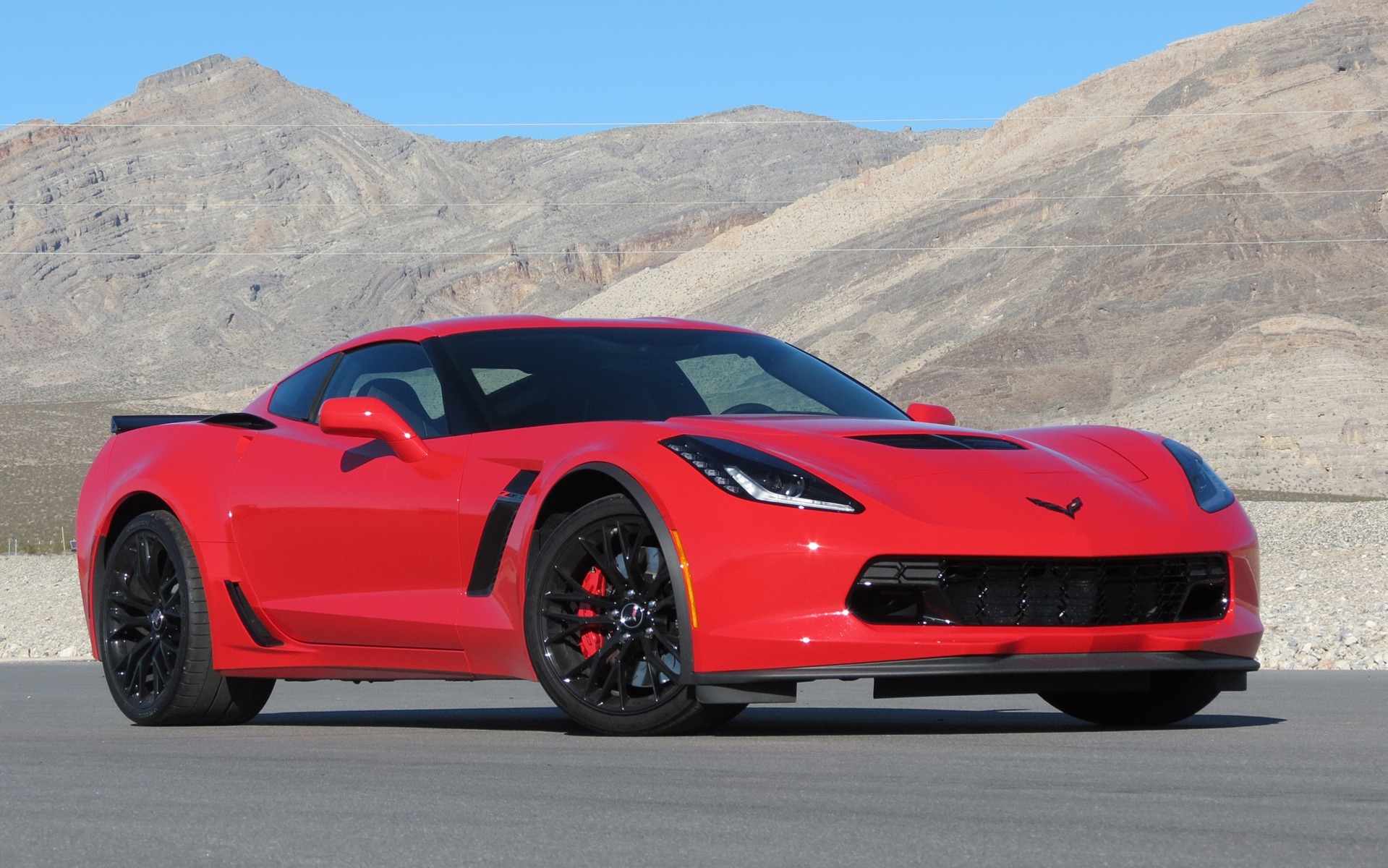
4. Chevrolet Corvette (2015)
America’s sports car has long carried a powerful sense of mystique. The Corvette turned that image into real international success by offering something many European automakers struggled to deliver. It provided serious performance at a price well below comparable exotic and high-performance sports cars.
Buyers drawn to the performance segment abroad quickly recognized that the Corvette offered numbers rivaling far more expensive European competitors, without demanding the premium pricing typically attached to that level of capability.
This value proposition earned the Corvette a genuine following among European sports car enthusiasts who might otherwise have gravitated entirely toward domestic manufacturers.
Track events became a particularly effective showcase for this appeal, with Corvettes making regular appearances at venues like the Nürburgring, one of the most demanding and respected proving grounds in the entire automotive world.
Successfully competing and performing well in that environment did more to build genuine credibility among European enthusiasts than almost any traditional marketing campaign could have accomplished.
Enthusiast communities across Europe embraced the Corvette specifically because it offered genuine performance credentials without requiring buyers to compromise on the emotional experience typically reserved for far pricier exotic brands.
Word of mouth among track-day regulars and sports car forums helped cement this reputation over the years, turning what could have easily remained a niche American import into a genuinely respected performance option, admired by buyers who understood exactly what they were getting for considerably less money than a comparable European alternative.
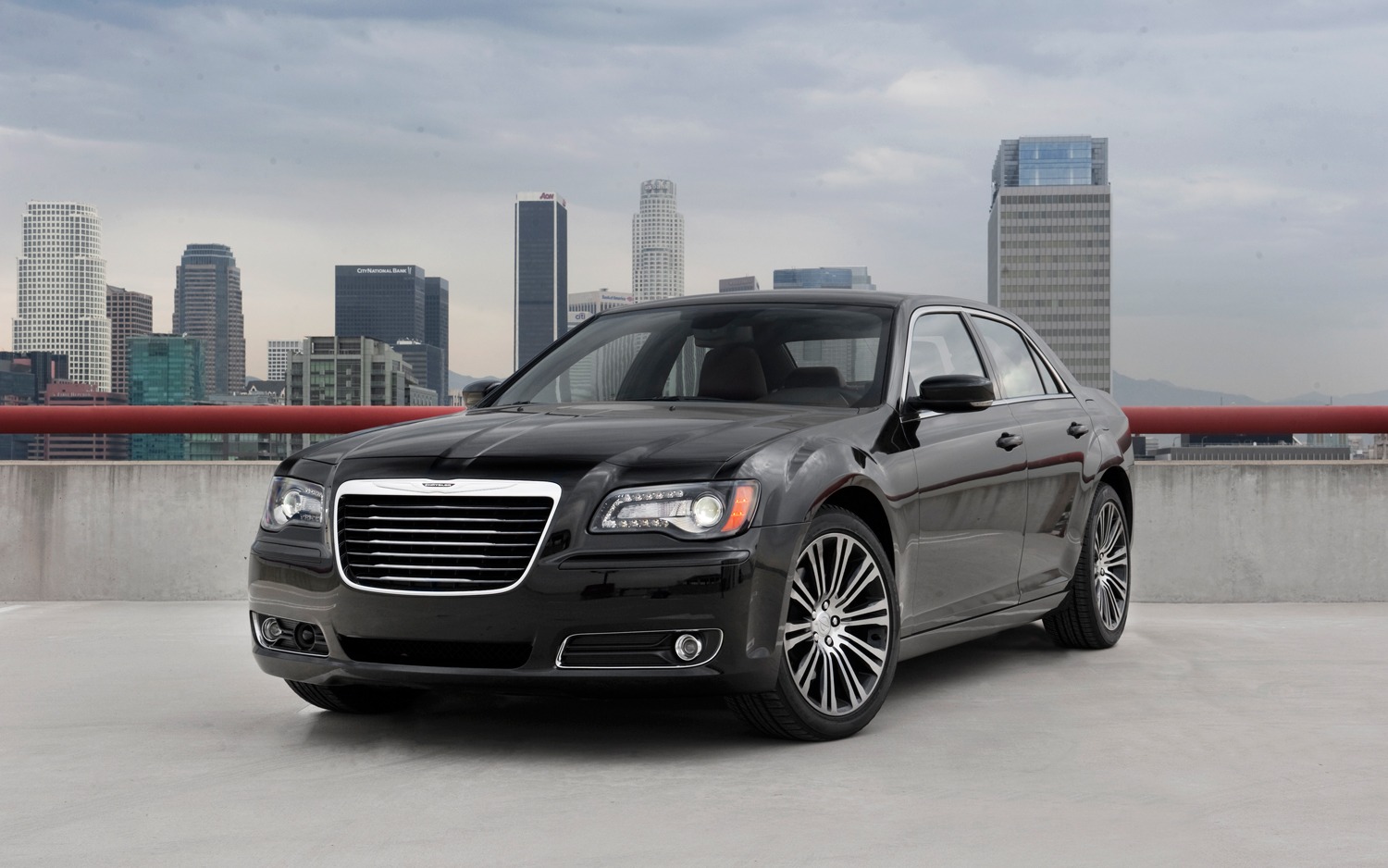
5. Chrysler 300 (2012)
Not every successful American export abroad needs a Hollywood connection or a race track pedigree, and the Chrysler 300 proves that point clearly through practical, everyday appeal rather than flashy marketing.
This mid-range sedan found a genuinely receptive audience in Europe, where its combination of substantial size, comfortable ride quality, and available diesel powertrains matched local preferences considerably better than many other American sedans typically manage.
Diesel engine options played a particularly important role in the Chrysler 300’s European success, since fuel efficiency and diesel availability carry far more weight for European buyers than they traditionally have for American consumers accustomed to cheaper gasoline prices.
Offering the 300 with genuine diesel power gave European buyers a configuration that actually made sense for their driving habits and regional fuel economics, rather than forcing them to accept a gasoline-only lineup poorly suited to local expectations.
One of the strongest examples of the Chrysler 300’s practical appeal overseas can be found in an unexpected part of the automotive market. Taxi fleets have also recognized the model’s potential as a durable and distinctive everyday vehicle.
Several European cities adopted the 300 as taxi vehicles, a role that demands genuine reliability, passenger comfort, and reasonable operating costs rather than flashy styling alone.
Earning a place within taxi fleets represents a particularly telling form of validation, since these vehicles undergo constant, demanding daily use where any genuine mechanical or comfort shortcomings would quickly become apparent to both drivers and the passengers they transport.
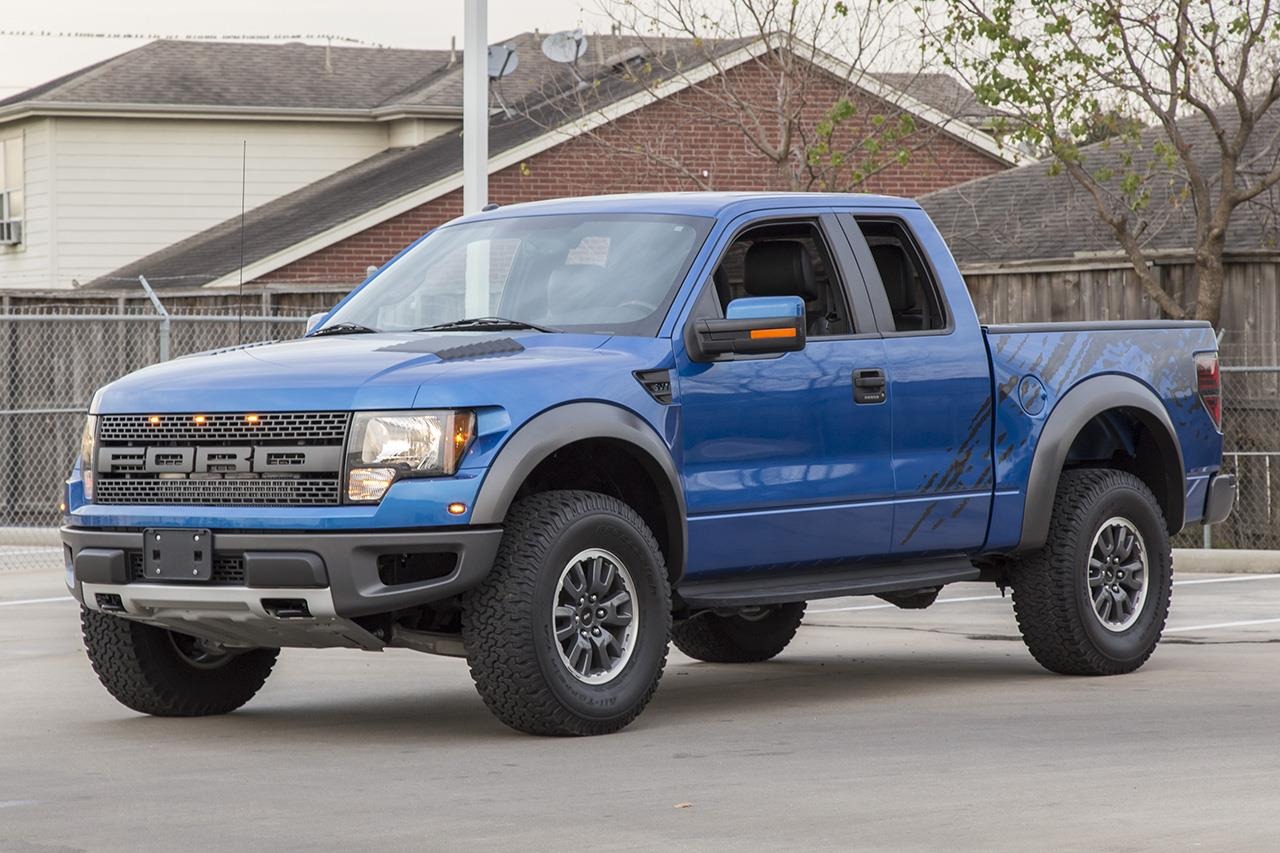
6. Ford F-150 Raptor (2010)
The Ford F-150 Raptor is far more than a regular pickup built for carrying loads. It was created with performance in mind, featuring a broad body, strong engine choices, generous ground clearance, and equipment made for demanding off-road use.
These features give the truck an aggressive appearance while serving a practical purpose. In Middle Eastern markets, the Raptor has gained attention among people who associate large pickups with comfort, status, strength, and outdoor adventure.
Its huge body naturally attracts attention, while its off-road abilities make the size useful rather than purely cosmetic. Across Southeast Asia, the truck also appeals to drivers who enjoy outdoor activities and four-wheel-drive vehicles.
Owners can use it to transport gear, travel along rough trails, or make a bold statement during everyday trips around town. Owning a full-size pickup far from North America comes with a few challenges.
Fuel consumption can be expensive, parking may require extra space, and smaller roads can make driving less convenient. Still, these concerns may matter less to customers who place a high value on power, capability, and road presence.
What makes the Raptor appealing internationally is its unusual combination of practicality and driving excitement. It provides useful truck functions while delivering the performance many drivers want from an off-road vehicle.
For some owners, the truck’s large size is not something to tolerate; it is one of the main reasons they choose it.
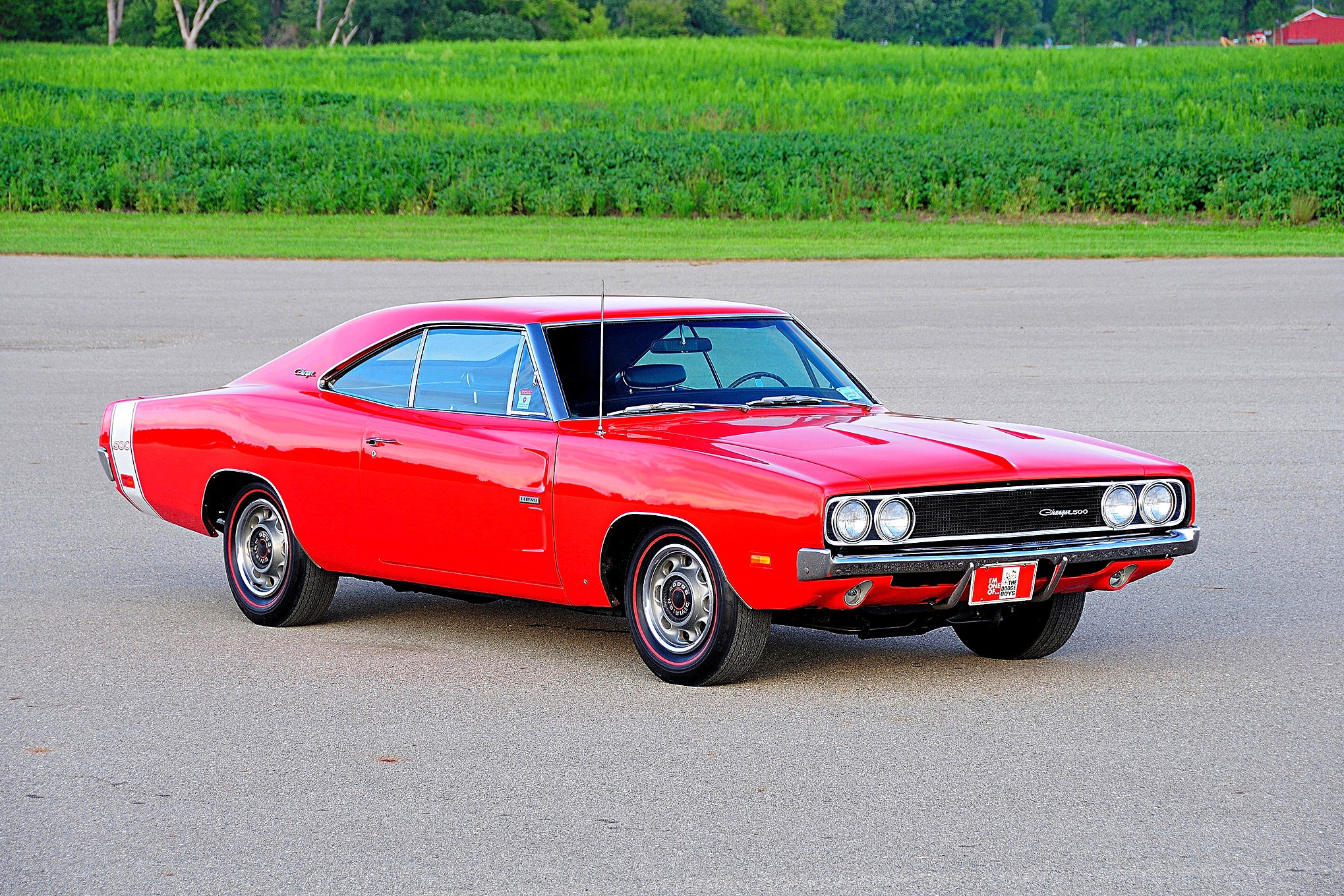
7. Dodge Charger (1969)
The Dodge Charger earned a strong reputation as one of America’s most famous muscle cars, with the second-generation models playing a major role in that success. Its fastback-style body, bold front grille, and powerful engine options gave the car an aggressive appearance that stood out even when parked.
Movies and television helped take the Charger far beyond American roads. Its appearances on screen introduced the car to audiences in many countries, while the Fast & Furious films brought even more attention to its tough styling and performance. As a result, the Charger became familiar to people who had never seen one in person.
Under the hood, large V8 engines provided the kind of power expected from a classic muscle car. The combination of strong performance and distinctive styling made the Charger appealing to drivers who wanted something with plenty of character.
Collectors outside the United States also value the car because genuine examples can be hard to locate. Finding one that has been properly maintained can feel like a special achievement, especially when original parts and factory specifications are still intact.
For many collectors, the Charger stands as an important part of American car history. It came from a period when manufacturers were willing to build bold, powerful vehicles with memorable designs.
Even decades later, its appearance, engine options, and cultural fame continue to attract enthusiasts who want an unmistakably American classic in their garage.
8. Ford Mustang (1966)
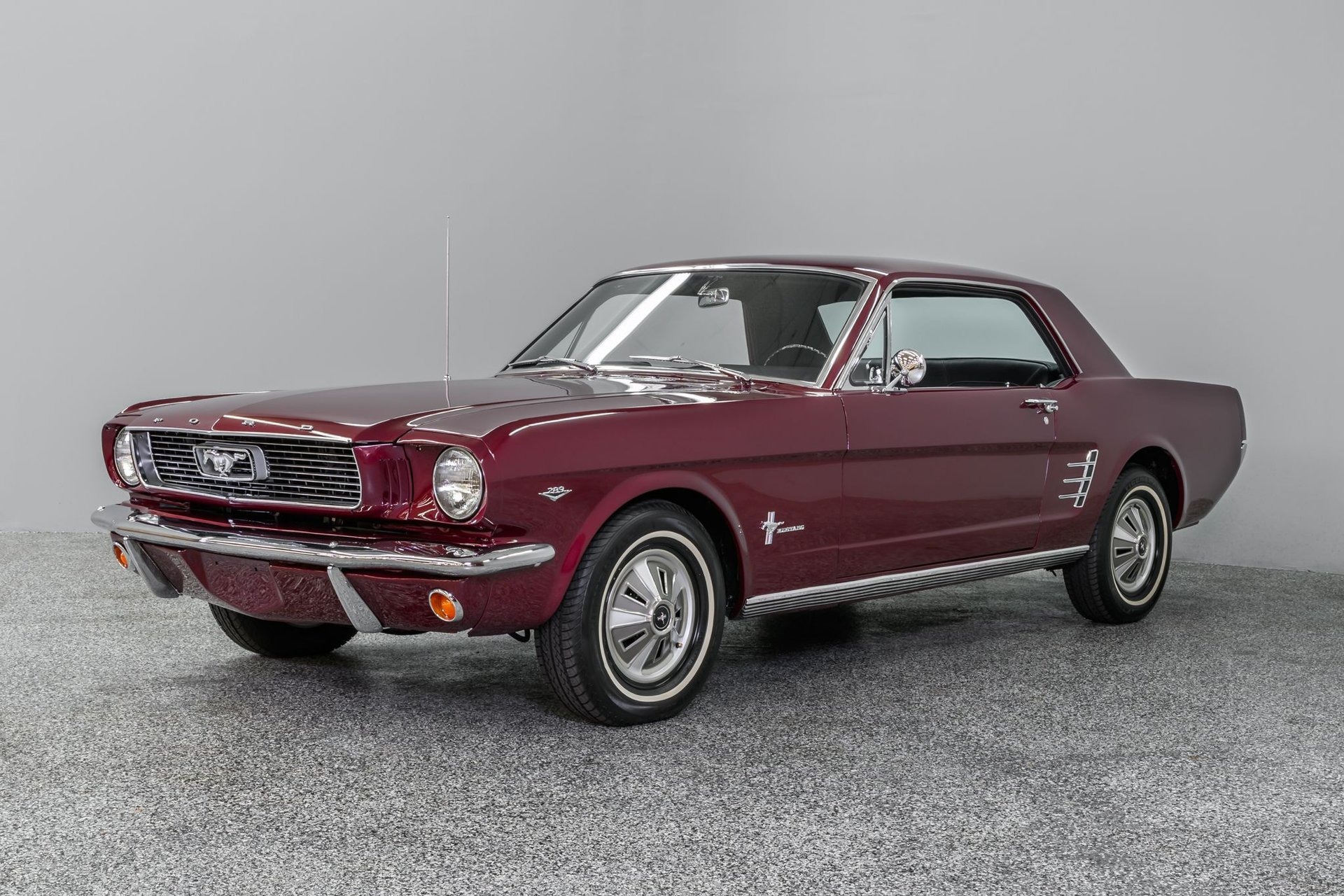
Perhaps no American vehicle achieved broader international recognition than the first-generation Mustang, a car that essentially created and then dominated the pony car segment from the moment it launched.
Buyers across Europe, Asia, and beyond found something genuinely compelling in the Mustang’s combination of accessible pricing, distinctive styling, and a genuinely wide range of engine options that could satisfy everyone from casual commuters to serious performance enthusiasts.
Engine variety played a particularly important role in this broad international appeal. Buyers could choose anywhere from efficient inline-six options up through genuinely powerful V8 configurations, giving international markets considerably more flexibility than most sports cars of that era typically offered.
This range meant the Mustang could satisfy budget-conscious buyers seeking stylish, affordable transportation while simultaneously appealing to enthusiasts chasing genuine performance credentials, all within a single model lineup.
Styling contributed enormously to this crossover success as well. The Mustang’s long hood, short deck proportions created an unmistakable silhouette that photographed beautifully and translated across cultural boundaries in ways more conservatively styled sedans rarely managed.
That distinctive design language helped establish the Mustang as an aspirational vehicle in markets far removed from Detroit, where owning one represented genuine automotive enthusiasm regardless of local manufacturing traditions.
Decades later, this first-generation Mustang remains one of the most recognized and respected American vehicles internationally, having genuinely earned its status as a global automotive icon through substance rather than marketing alone.
9. Cadillac Eldorado (1959)
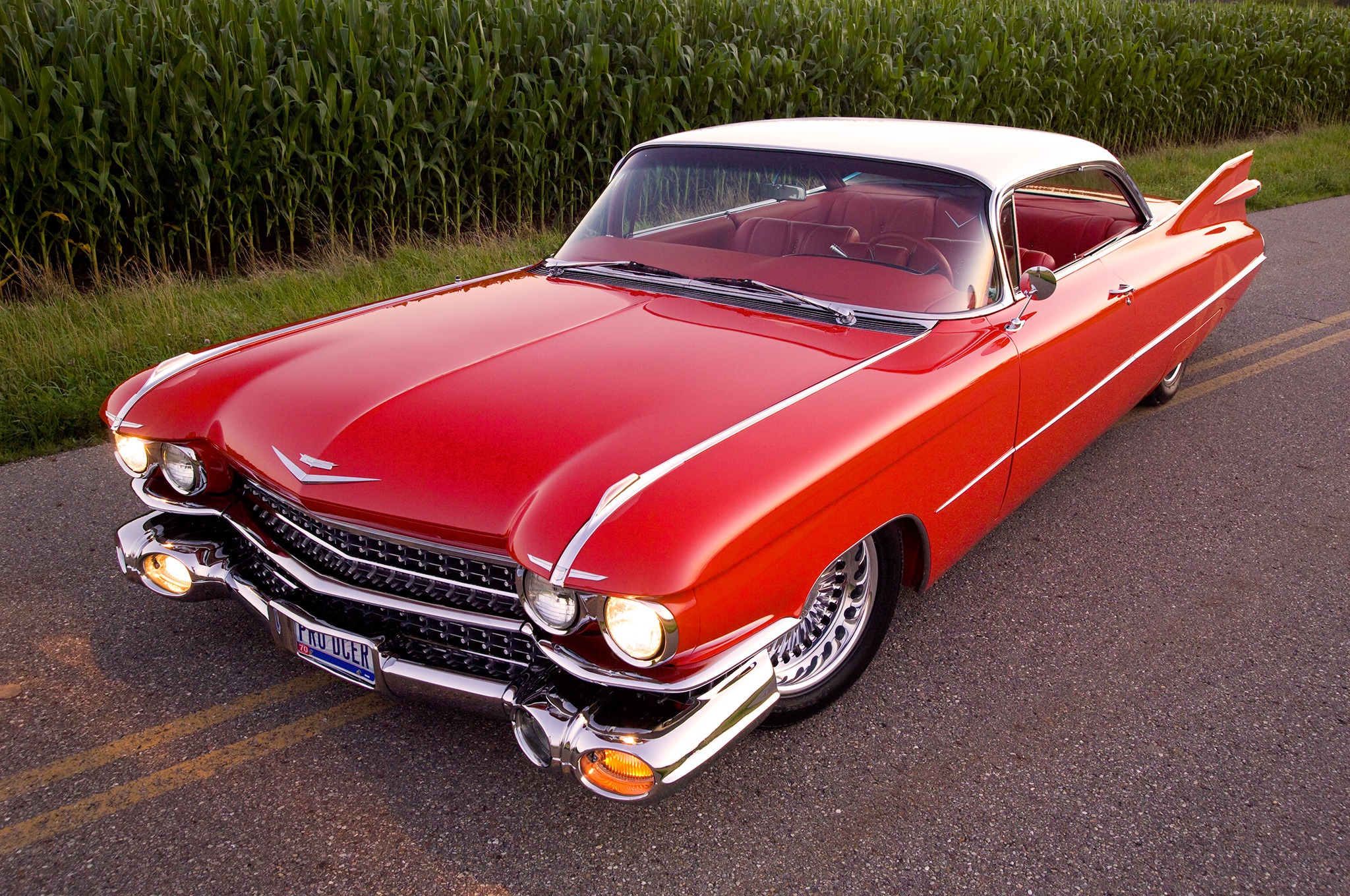
Luxury meant something distinctly different coming from America during the late 1950s, and the Eldorado embodied that difference completely for international buyers encountering it.
Substantial size alone set this Cadillac apart immediately in markets where vehicles of comparable proportions simply didn’t exist from local manufacturers, giving the Eldorado an unmistakable presence wherever it appeared on foreign roads.
Comfort represented another genuine point of distinction. American engineering philosophy during this era prioritized smooth, cushioned rides and spacious cabins considerably more than many international competitors, who often favored firmer, more performance-oriented setups better suited to winding regional roads.
For buyers seeking genuine luxury defined by comfort and presence rather than outright handling precision, the Eldorado delivered an experience unlike anything available through local dealerships.
V8 power added genuine substance beneath that luxurious presentation, ensuring the Eldorado backed up its imposing size with equally imposing performance credentials rather than simply relying on styling and comfort alone.
This combination of size, comfort, and power created a genuine symbol of American luxury in markets where such vehicles remained genuinely rare and aspirational. Owning an Eldorado abroad during this era represented something considerably beyond simple transportation.
It signaled genuine access to American automotive excess at a time when that particular combination of size, comfort, and unmistakable presence simply couldn’t be replicated by local manufacturers, cementing the Eldorado’s lasting reputation as a genuine symbol of mid-century American luxury.
10. Ford Thunderbird (1957)
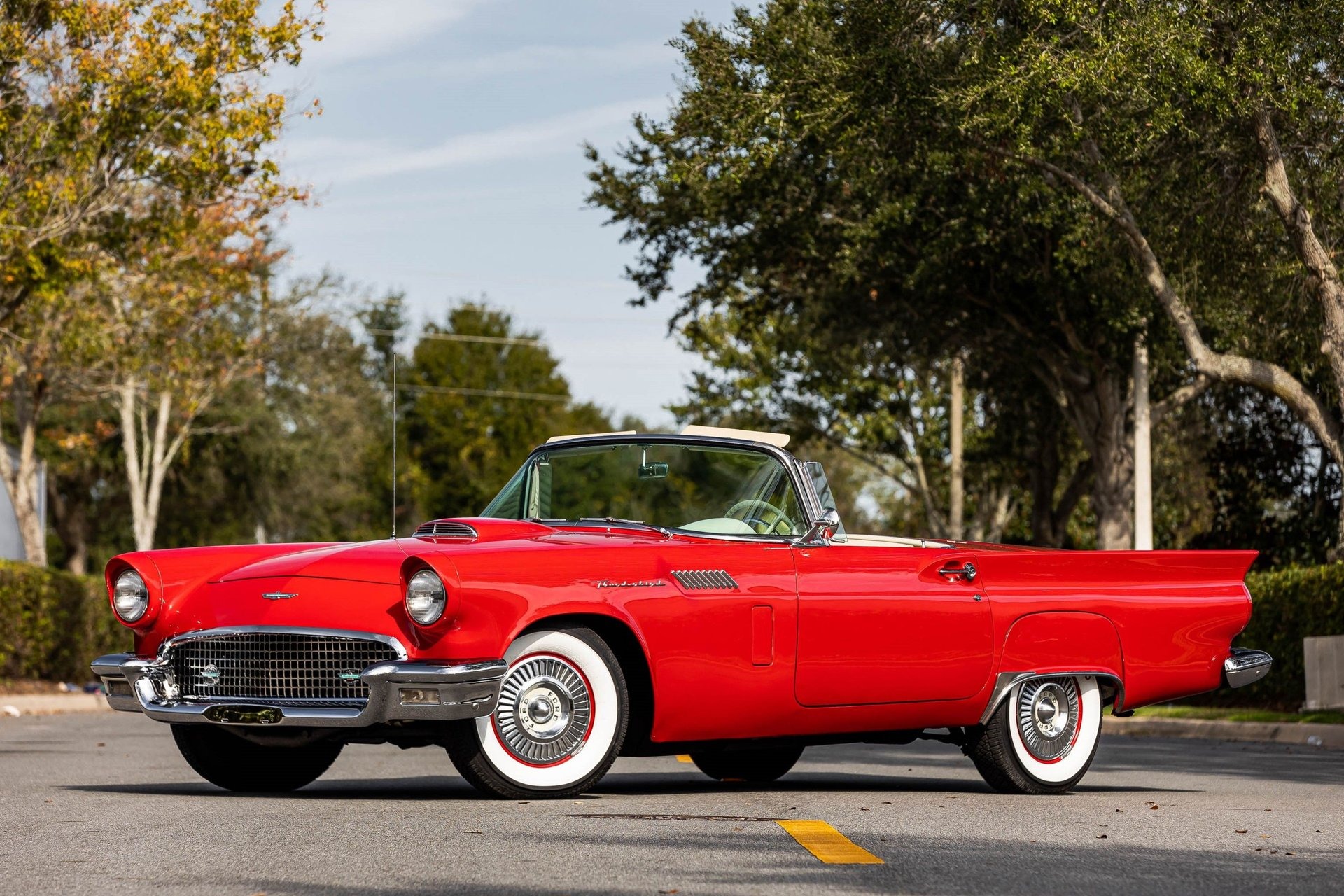
Early Ford Thunderbird models remain highly valued by classic car collectors, especially those who appreciate the bold styling of American vehicles from the 1950s.
The car had smooth body lines, balanced proportions, and a distinctive appearance that made it stand apart from many European cars of the same period.
While several European manufacturers preferred simpler and more restrained designs, the Thunderbird carried a stronger sense of style and personality. Its appeal was not based on appearance alone. Powerful V8 engines gave the Thunderbird enough performance to match its striking bodywork.
This combination made the car more than an attractive vintage vehicle. It represented the engineering ability and confidence of an important period in American automobile production.
Collectors in different countries have continued to develop a strong interest in these early models. As the years passed, more enthusiasts began to appreciate the Thunderbird as a symbol of an era when American car manufacturers were producing vehicles with bold designs, powerful engines, and a strong sense of optimism.
For someone living far from the United States, owning an early Thunderbird can provide a direct connection to that period of automotive history. Finding a well-preserved example can also be rewarding because original cars are becoming harder to locate.
