
Hybrid vehicles are becoming available in more shapes and sizes, from sporty coupes and performance sedans to family SUVs and rugged utility vehicles. For buyers who want better fuel efficiency without giving up power, space, or everyday convenience, the choices are growing quickly.
Several vehicles already have hybrid versions confirmed for the coming years, while others continue to carry electrified powertrains into the 2028 model year. Here are 10 cars and SUVs worth watching, each showing a different way manufacturers are using hybrid technology to meet changing buyer expectations.
1. Honda Prelude Hybrid (2026)
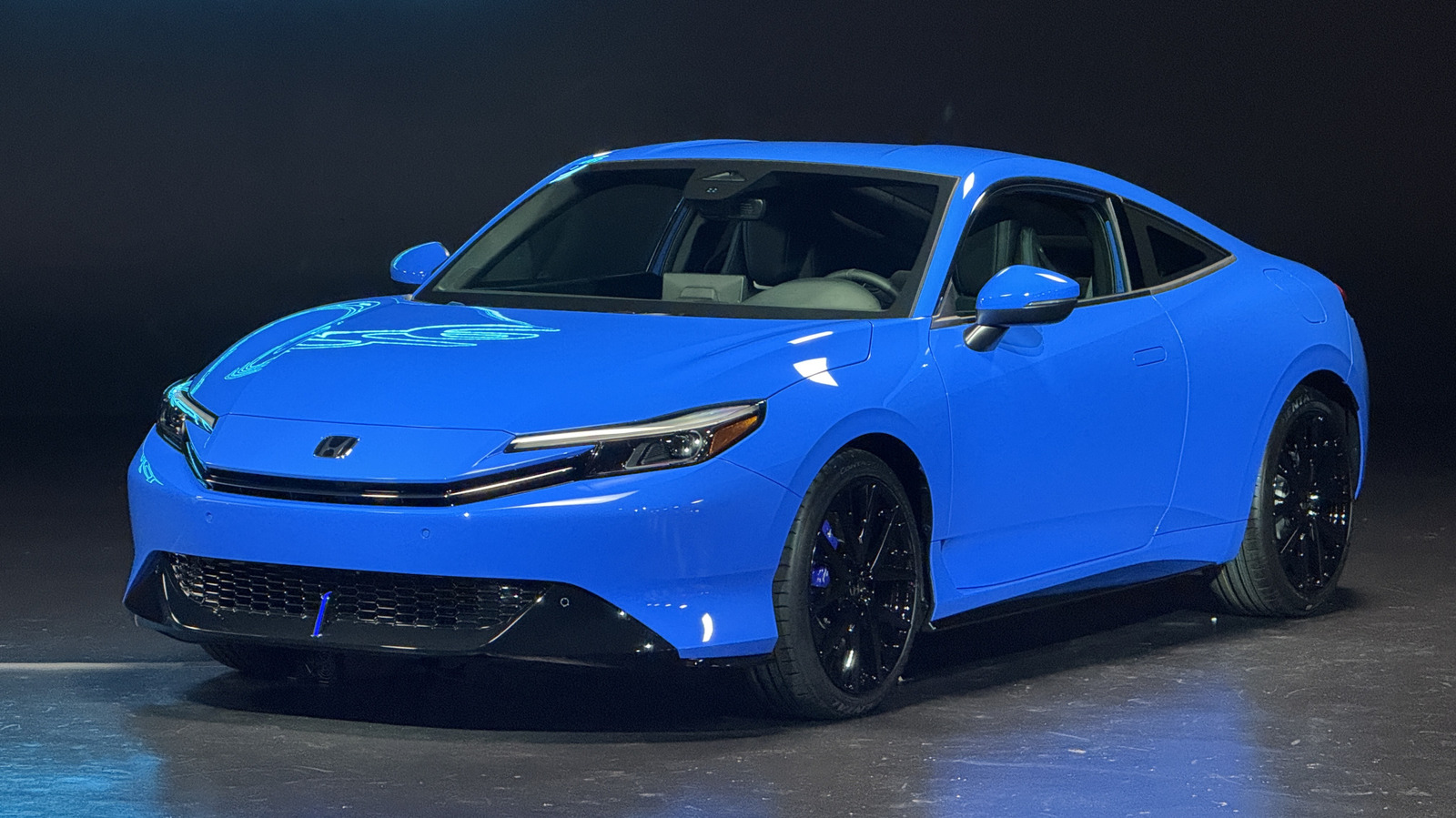
Honda has brought back the Prelude, but this time, the familiar two-door coupe returns with hybrid technology and a fresh approach.
The new model keeps the sporty character people expect from the Prelude while adding better fuel efficiency for drivers who want a more balanced driving experience. Instead of simply copying the design and formula of older generations,
Honda has updated the car to suit modern drivers. Power comes from Honda’s two-motor hybrid system, which produces around 200 horsepower.
The electric motors help the car respond quickly when the driver presses the accelerator, while the hybrid setup can also help reduce fuel use compared with a conventional gasoline-powered performance car. This gives the Prelude a useful combination of performance and efficiency.
For drivers who do not want a large sedan or SUV, the Prelude offers something different. Its two-door design gives it a sporty appearance, while the hybrid powertrain makes it practical for regular driving.
Honda has also paid attention to the car’s handling, giving it a chassis setup designed to make driving more enjoyable rather than focusing only on fuel savings.
Looking ahead to 2028, the Prelude could become an attractive choice for people who want a stylish coupe with modern hybrid technology. It offers a good mix of everyday efficiency, responsive performance, and the personal feel that comes with driving a two-door car. That combination gives the revived Prelude plenty of appeal.
2. BMW M5 Sedan (2025-2028)
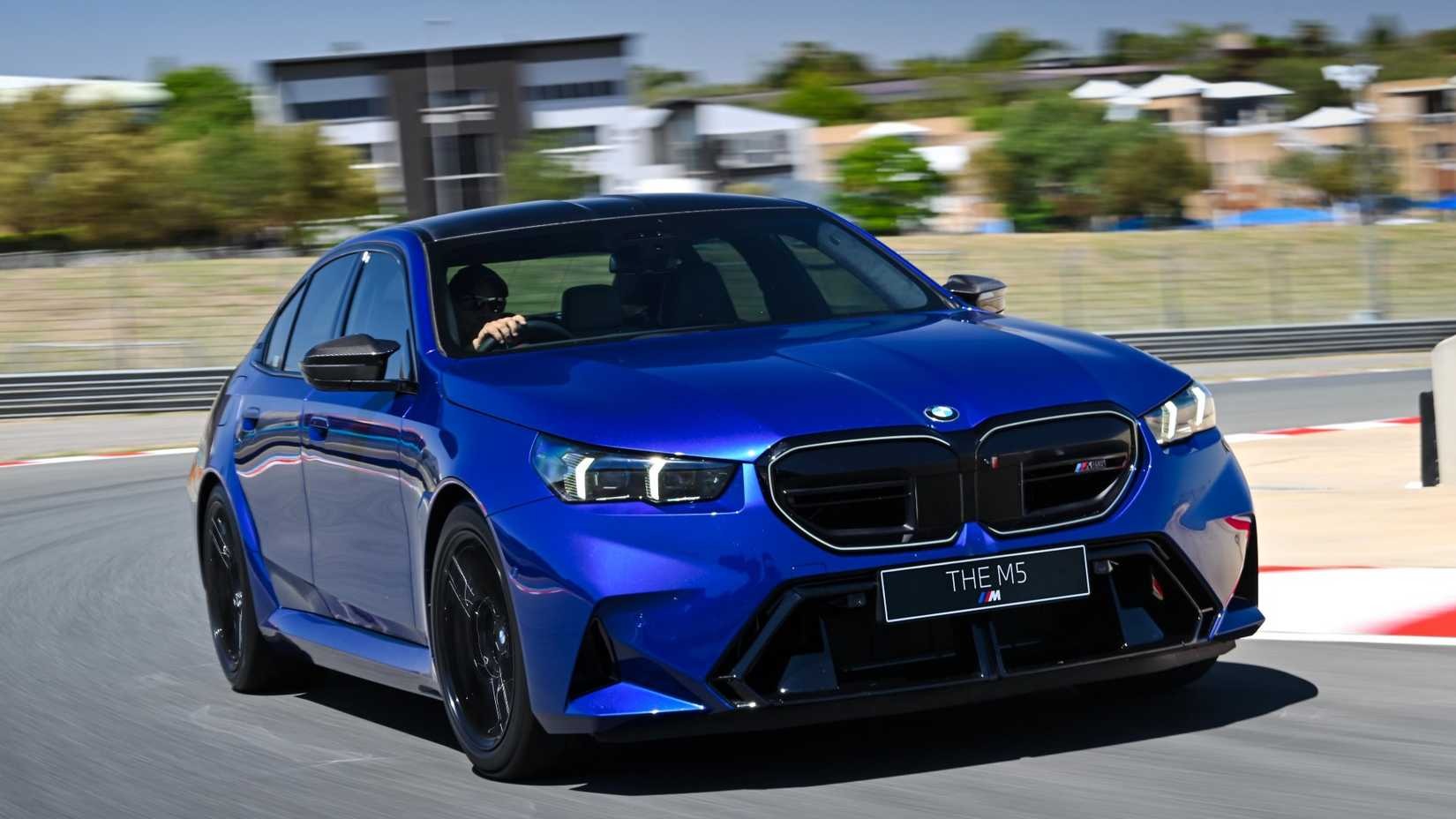
Big numbers tend to grab attention, and the M5 sedan has plenty of them. Pairing a 4.4-liter twin-turbo V8 with an electric motor, this plug-in hybrid produces a combined 717 horsepower.
That’s an enormous figure for a four-door sedan, and it places the M5 firmly among the most powerful cars BMW has ever built. The all-wheel-drive system helps put all that power to the pavement, which matters when you’re dealing with this much torque.
Rather than feeling like a compromise between performance and efficiency, the M5 treats the hybrid system as another tool for making the car faster. Electric assistance fills in gaps in the V8’s power delivery, smoothing out acceleration and adding a burst of extra thrust when needed.
Buyers who plug the car in regularly can also cover short trips using electric power alone, which is a nice bonus for anyone doing daily commuting in town. Once the battery runs low, the V8 takes over and the driving experience becomes classic M5, loud, quick, and planted through corners.
Interior tech has been updated too, giving the cabin a more modern feel that matches the car’s high-performance nature. For drivers who want a daily sedan capable of shocking supercars off the line, this is about as good as it gets.
3. BMW M5 Touring (2025-2028)
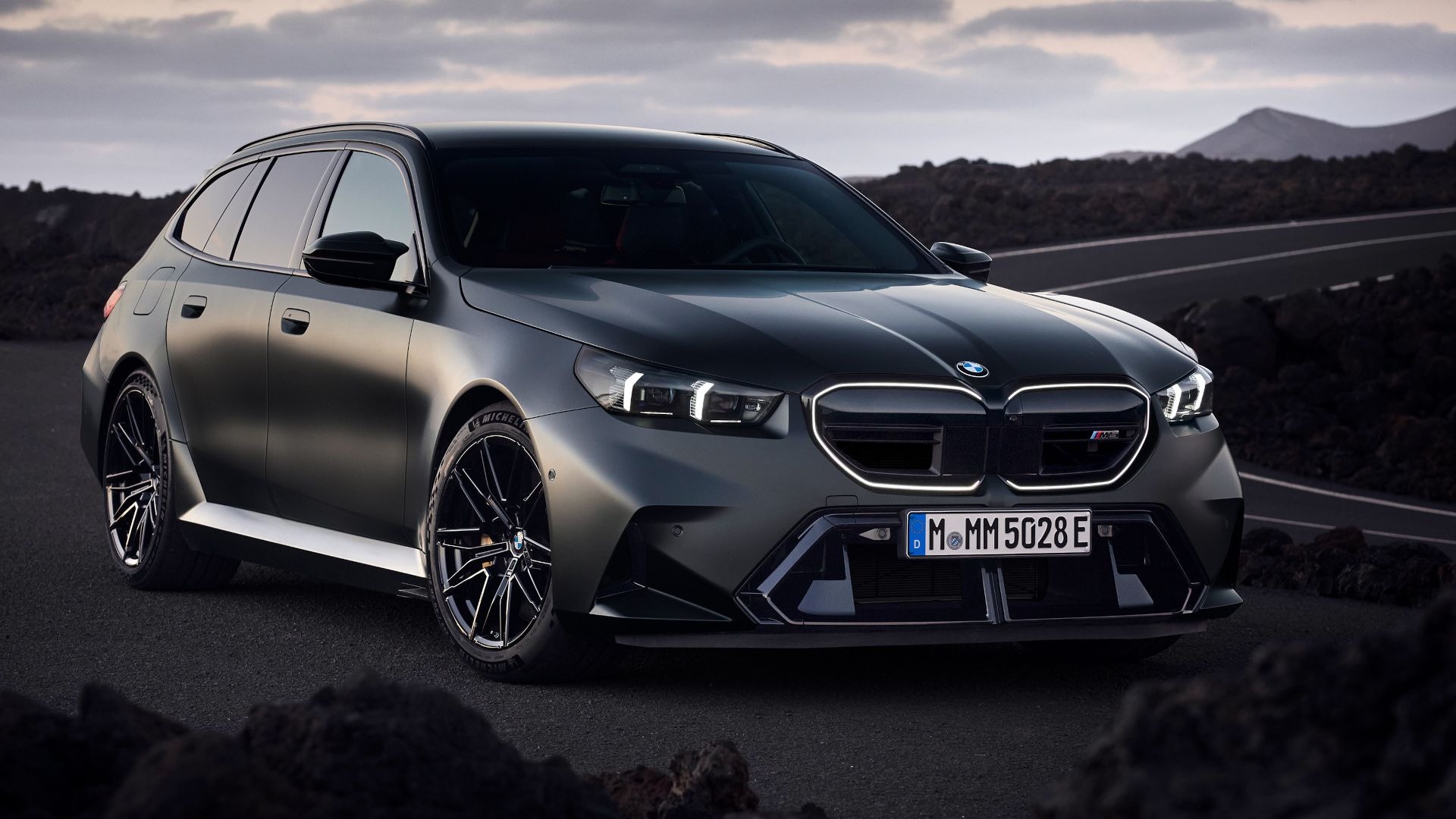
Fast wagons have always had a special appeal, and BMW gives that idea a modern treatment with the M5 Touring. Beneath its practical shape is the same plug-in hybrid powertrain used in the M5 sedan, producing an impressive 717 horsepower.
That means buyers can carry passengers and plenty of luggage without giving up the performance expected from an M5. For families with active lifestyles, the extra cargo room can make a real difference.
There is space for suitcases, groceries, sports equipment, and other items that may be difficult to fit into a conventional performance sedan. The long roof and extended rear section provide useful room while keeping the vehicle’s sporty proportions.
Despite its larger body, the M5 Touring is not simply a bulky version of the sedan. BMW has worked on the suspension and chassis to help maintain precise handling and strong road manners. Drivers can enjoy quick responses through corners while still having a vehicle that feels suitable for regular family use.
Another appealing feature is the combination of electric and gasoline power. The plug-in hybrid system can handle certain shorter journeys using electric energy, while the V8 engine provides the muscle needed for longer drives and demanding acceleration.
This gives the Touring a useful balance between quiet daily travel and high-performance driving. For people who have always liked the idea of a fast wagon, the M5 Touring is an exciting choice.
It brings together serious performance, useful cargo capacity, modern hybrid technology, and the practicality needed for everyday life in one distinctive package.
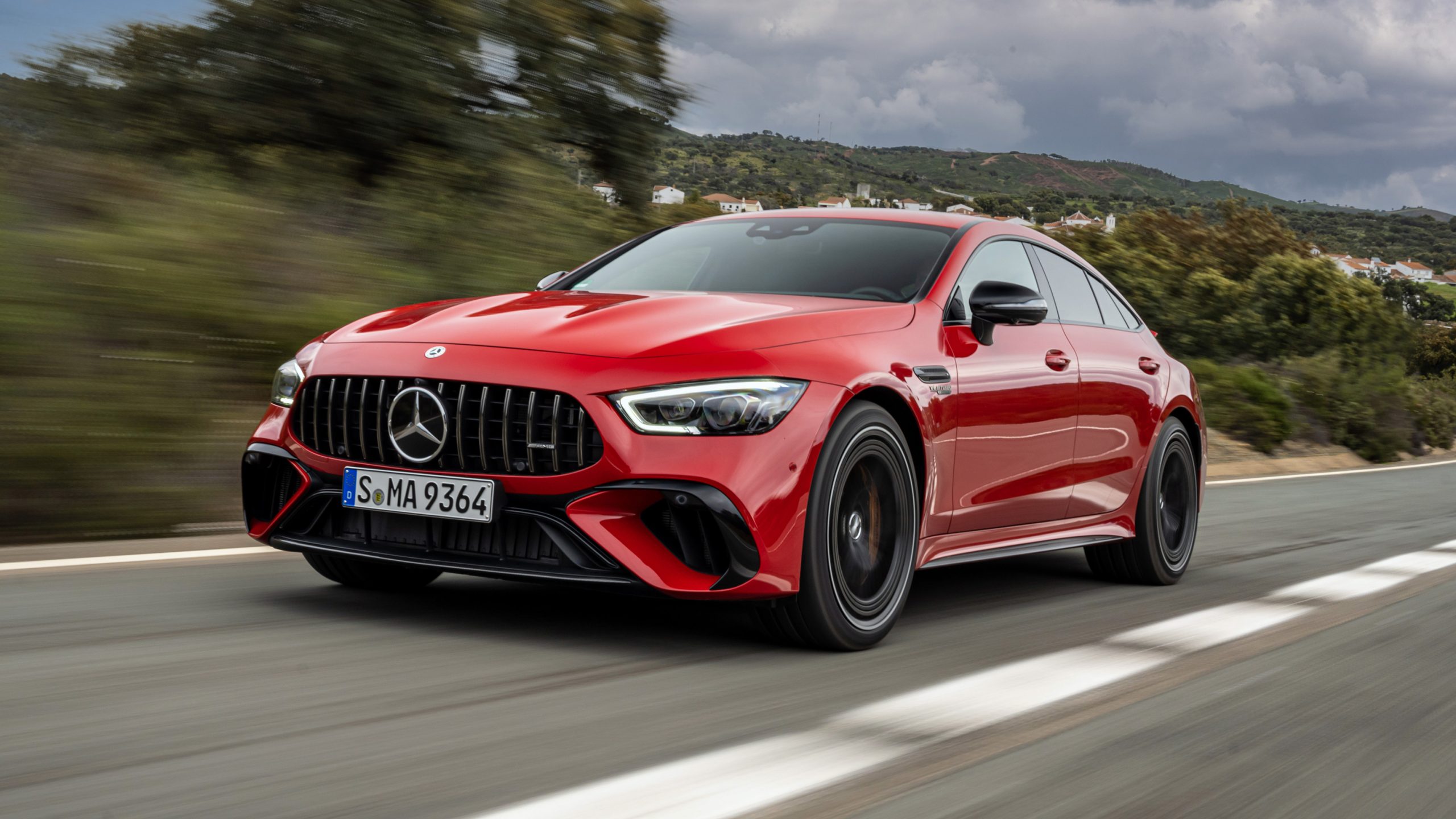
4. Mercedes-AMG GT 63 S E PERFORMANCE (2026-2028)
Mercedes-AMG has taken hybrid performance to an entirely different level with this powerful model. Instead of treating electrification as a way to focus only on fuel savings, the company uses it to add more muscle to an already serious performance machine.
A 4.0-liter twin-turbocharged V8 works with an electric motor to deliver 805 horsepower and 1,047 lb-ft of torque. Those figures are enough to put the car in the same conversation as some high-performance exotic vehicles.
What makes the power delivery particularly impressive is the way the electric motor responds. Electric power arrives quickly, helping fill the gap before the turbochargers deliver their full force.
When both systems work together, acceleration can feel remarkably strong. At the same time, the plug-in hybrid system gives drivers the option of using electric power for shorter trips, making the car more practical for everyday use.
Behind all that performance is plenty of engineering work. Carrying a powerful V8, electric motor, and battery adds weight and creates extra demands for cooling.
Mercedes-AMG uses a rear-mounted battery and advanced cooling equipment to help manage those challenges. These measures allow the car to maintain strong performance during demanding driving.
Inside the cabin, sporty AMG details are combined with modern technology and premium touches. For drivers who want huge power, quick responses, quiet electric cruising, and some fuel-saving benefits in one vehicle, this AMG model offers a remarkable combination.
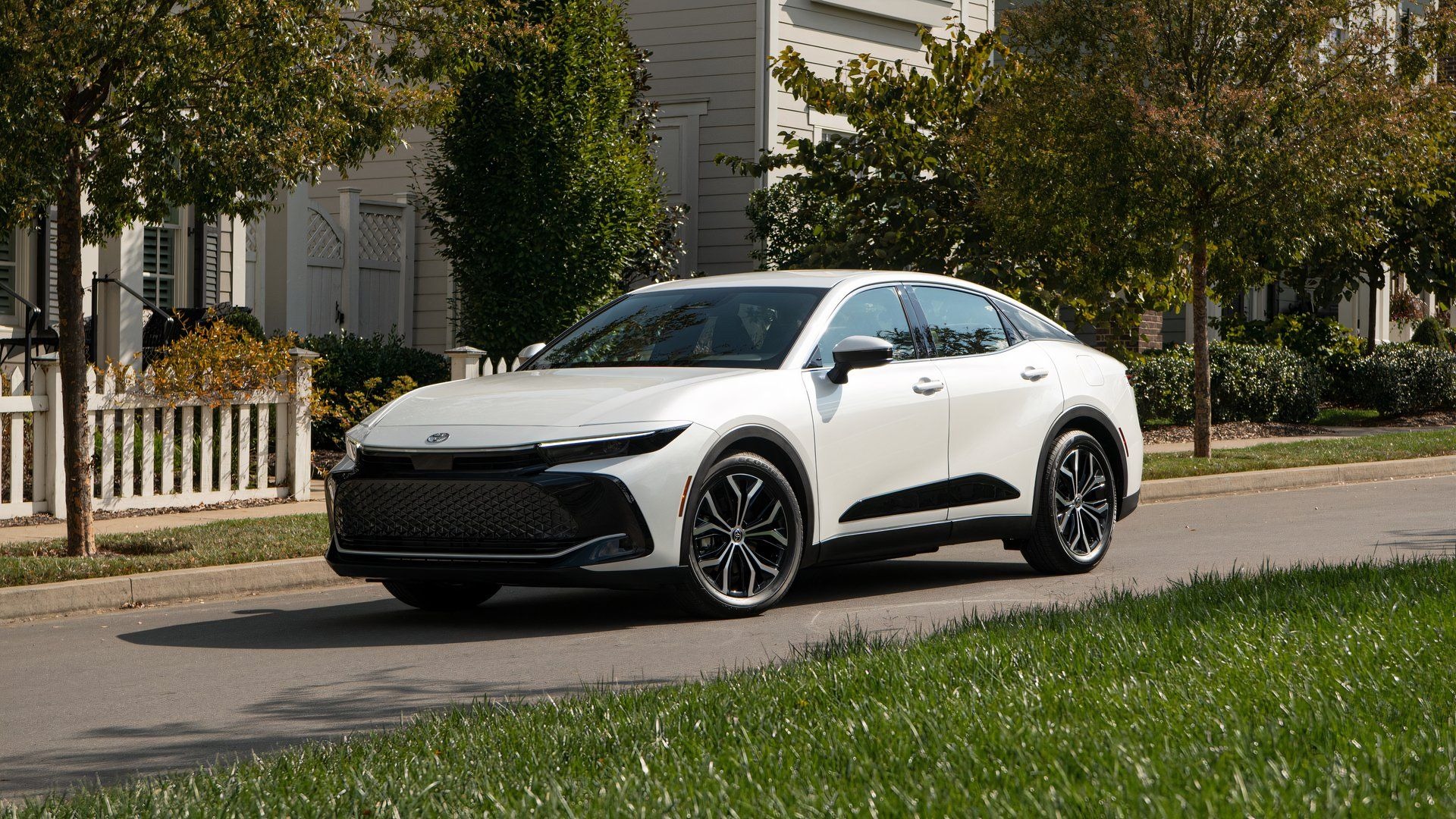
5. Toyota Crown (2026-2028)
Toyota has built its reputation on dependable hybrids, and the Crown continues that tradition while adding a bit more excitement than buyers might expect. The Platinum grade comes with a 340-horsepower Hybrid MAX system, giving this sedan real punch alongside the fuel savings Toyota hybrids are known for.
What sets the Crown apart from older Toyota sedans is its styling. The car sits higher than a typical sedan and features a bold, crossover-inspired look that has turned heads since its introduction.
Under that unusual exterior, though, is a hybrid system built for genuine performance rather than just efficiency numbers on a window sticker. The Hybrid MAX system uses a turbocharged engine paired with electric motors, a setup that differs from Toyota’s more traditional hybrid technology found in cars like the Prius.
This gives the Crown noticeably quicker acceleration while still returning strong fuel economy compared with non-hybrid competitors in its class. Buyers looking for a sedan that stands out in a parking lot full of look-alike crossovers may find the Crown appealing precisely because it refuses to blend in.
Combine that unusual styling with genuinely strong performance, and the Crown offers something different from the usual hybrid sedan formula, without giving up the reliability Toyota buyers expect.
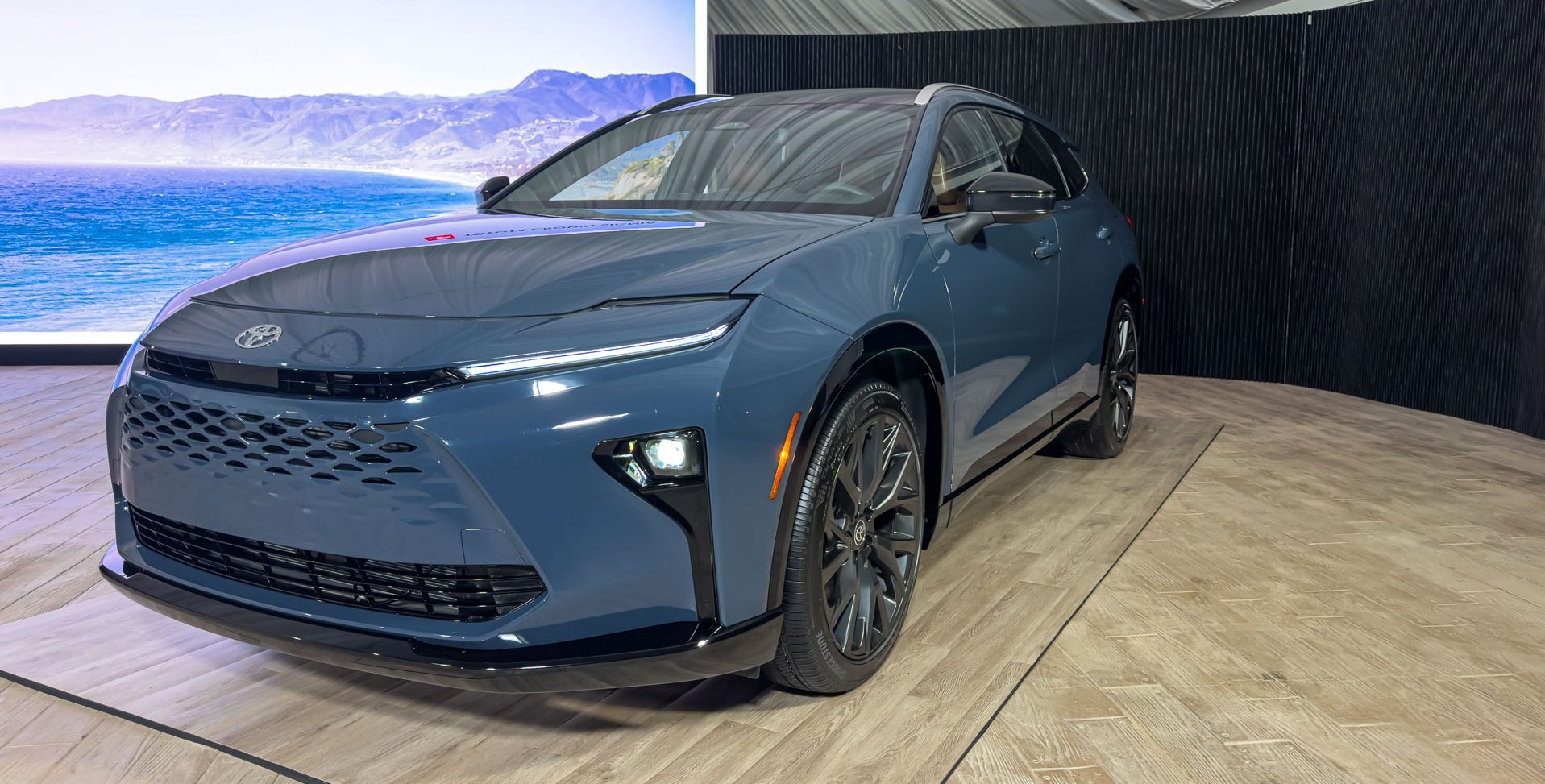
6. Toyota Crown Signia (2026-2028)
Families shopping for a midsize crossover now have another hybrid option worth considering. The Toyota Crown Signia comes standard with all-wheel drive and uses a 2.5-liter hybrid powertrain that produces 240 horsepower.
This combination gives it enough power for daily driving while keeping fuel efficiency as one of its main strengths. It should appeal to buyers who want a comfortable family vehicle without relying entirely on a conventional gasoline engine.
Compared with the sedan-style Crown, the Signia takes a more familiar crossover approach. Its taller body provides a higher driving position, while the larger cargo area gives families more room for groceries, luggage, sports equipment, and other everyday items.
Standard all-wheel drive adds another advantage, especially for drivers who regularly deal with rain, snow, or slippery roads. Buyers do not have to move to an expensive trim just to get that extra traction.
Fuel economy is another reason the Signia deserves attention. Toyota has years of experience developing hybrid systems, and that knowledge is reflected in the vehicle’s efficient powertrain.
People with long commutes or frequent highway trips could benefit from spending less on fuel than they would with a similar gas-powered crossover. Inside, the Crown Signia offers a comfortable cabin with features aimed at buyers seeking a more refined experience.
For families who want useful cargo space, hybrid efficiency, standard all-wheel drive, and a premium feel, the Crown Signia presents a well-balanced choice among midsize crossovers.
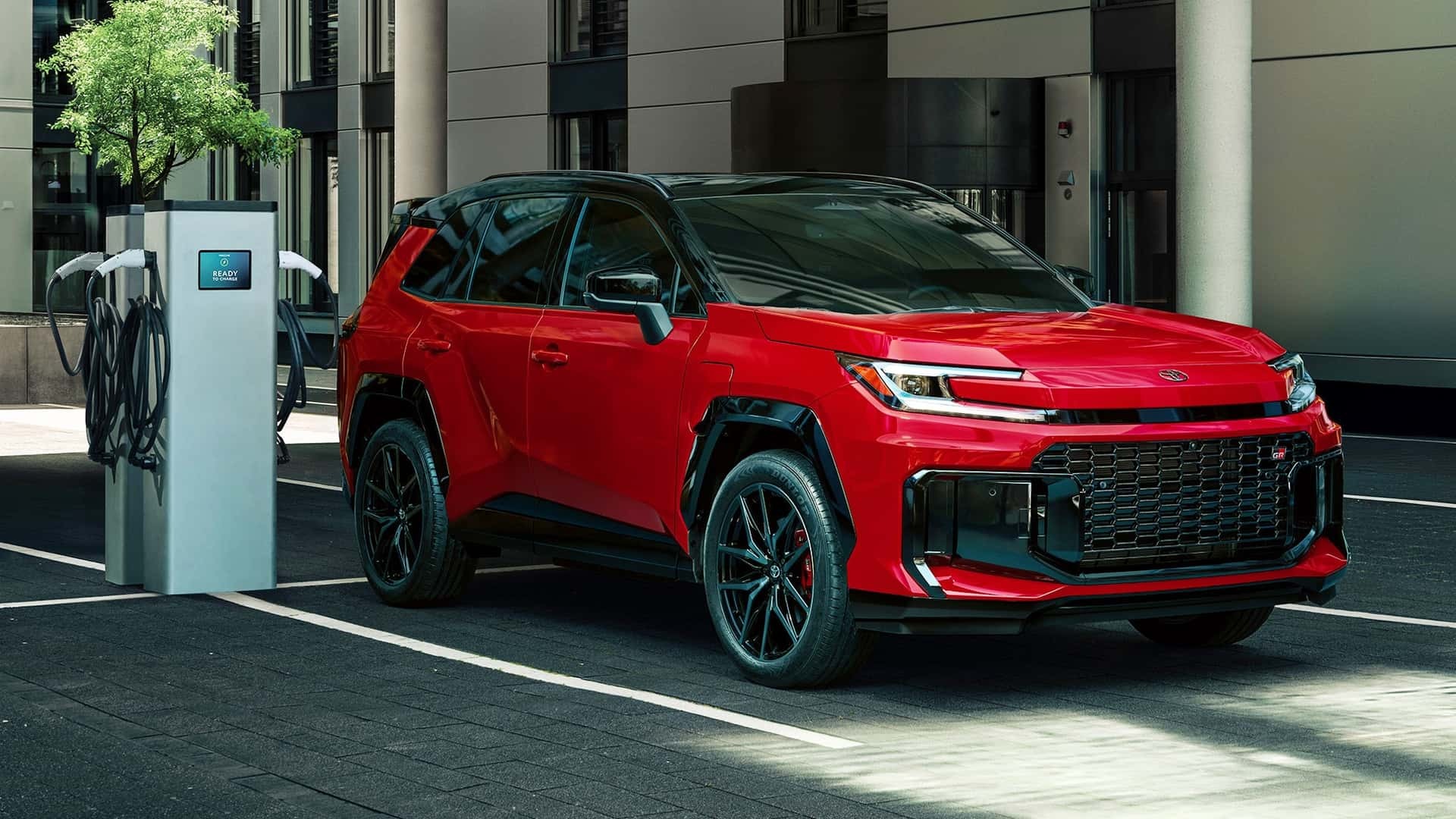
7. Toyota RAV4 Plug-in Hybrid (2026-2028)
Toyota’s RAV4 has become a familiar choice for people who want a practical compact SUV, and the plug-in hybrid version gives buyers another way to use it.
With the model continuing toward 2028, drivers can enjoy electric power for shorter journeys before the gasoline engine steps in when the battery charge is low or additional power is required.
For a daily commuter, this setup can make a real difference. If your workplace is only a reasonable distance from home, many routine trips could be completed mainly with electric power.
When it is time for a longer journey, the gasoline engine provides the extra range needed without forcing you to plan every stop around a charging station. That makes the vehicle easier to live with for households that have different driving needs.
At home, charging the battery is relatively simple. A regular household outlet can be used, although installing a dedicated charger can make the process quicker and more convenient for people who drive frequently.
Toyota’s long experience with hybrid technology also gives the RAV4 Plug-in Hybrid a proven foundation. Practicality has not been forgotten either.
The cabin remains comfortable, while the cargo area continues to provide the useful space expected from a RAV4. Buyers therefore do not have to give up the everyday qualities that make the SUV appealing just to gain electric driving capability.
For anyone interested in reducing gasoline use without moving completely to an electric vehicle, the RAV4 Plug-in Hybrid offers a sensible middle ground.
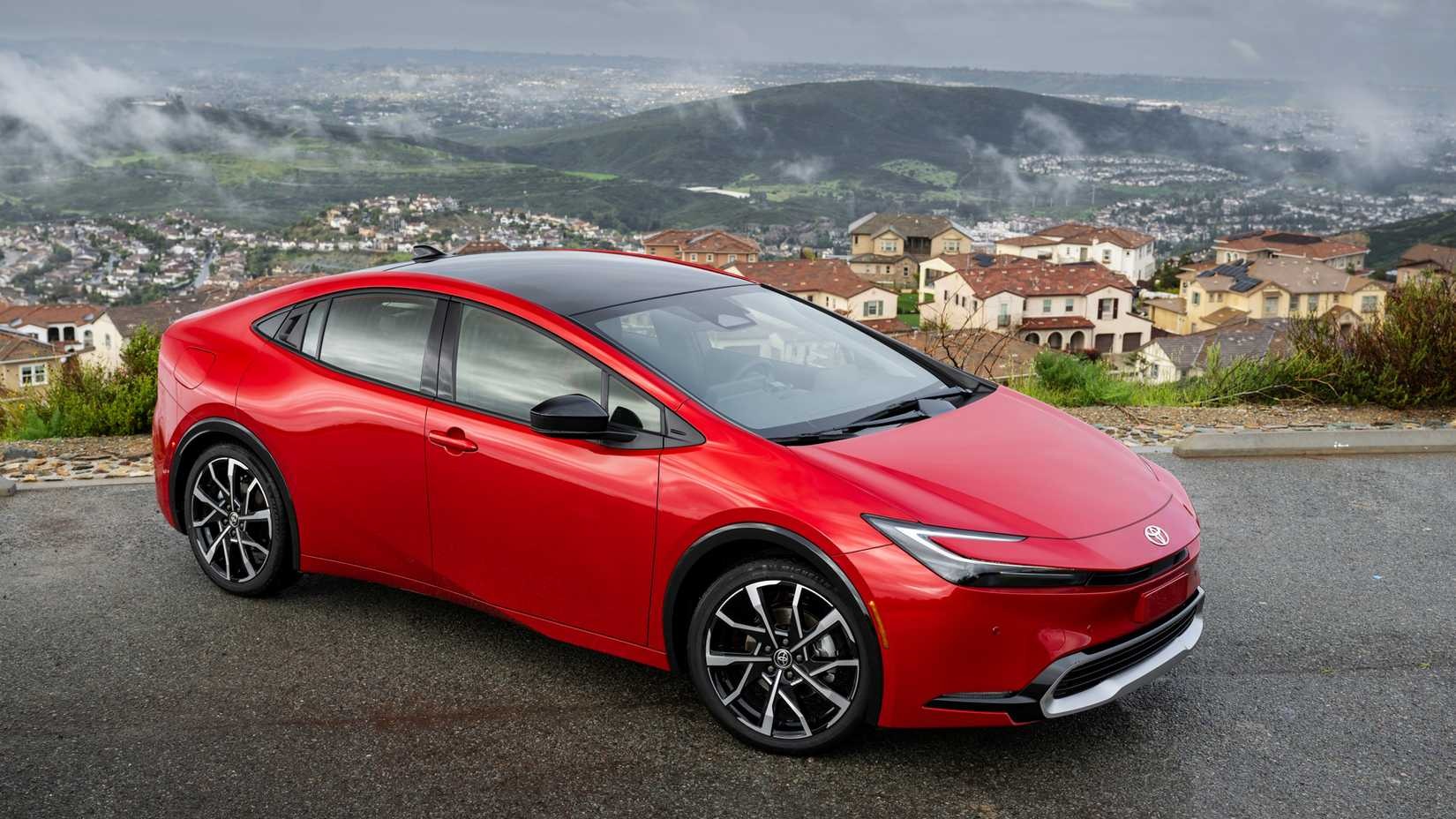
8. Toyota Prius Plug-in Hybrid (2026-2028)
The Toyota Prius has become one of the best-known names associated with hybrid vehicles. Since its introduction, the model has helped make gasoline-electric technology more familiar to everyday drivers.
Its plug-in hybrid version takes that idea a step further by giving motorists more opportunity to use electric power during regular trips. One thing that makes the Prius Plug-in Hybrid appealing is its focus on fuel efficiency without making the car difficult to use.
Newer versions also have a more modern appearance and stronger performance than earlier models. Owners can charge the battery from an external power source, allowing them to handle some shorter journeys using electric power before the gasoline engine takes over.
For people with regular daily routines, this arrangement can be very convenient. A driver who travels a predictable distance each day can make good use of the available electric power, especially when charging is easy to access.
When a longer journey comes up, the gasoline engine provides extra range and removes the need to depend completely on charging stations.
Toyota’s decision to keep developing the Prius also shows that hybrid vehicles still have a useful place alongside fully electric cars. Some drivers may prefer having a gasoline engine available when needed.
By 2028, the Prius Plug-in Hybrid should remain an appealing choice for motorists who want good efficiency, familiar technology, and the freedom to use both electric and gasoline power.
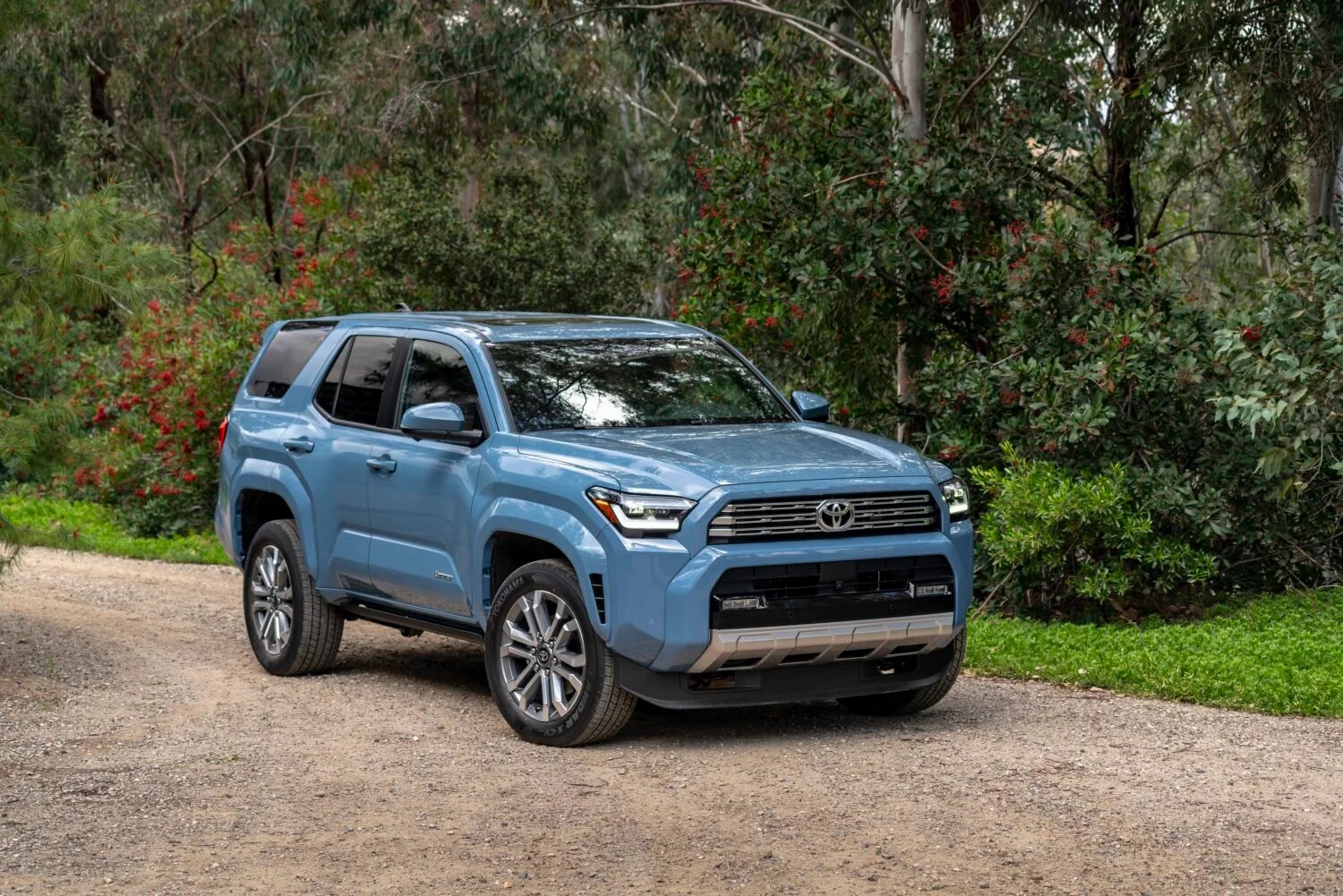
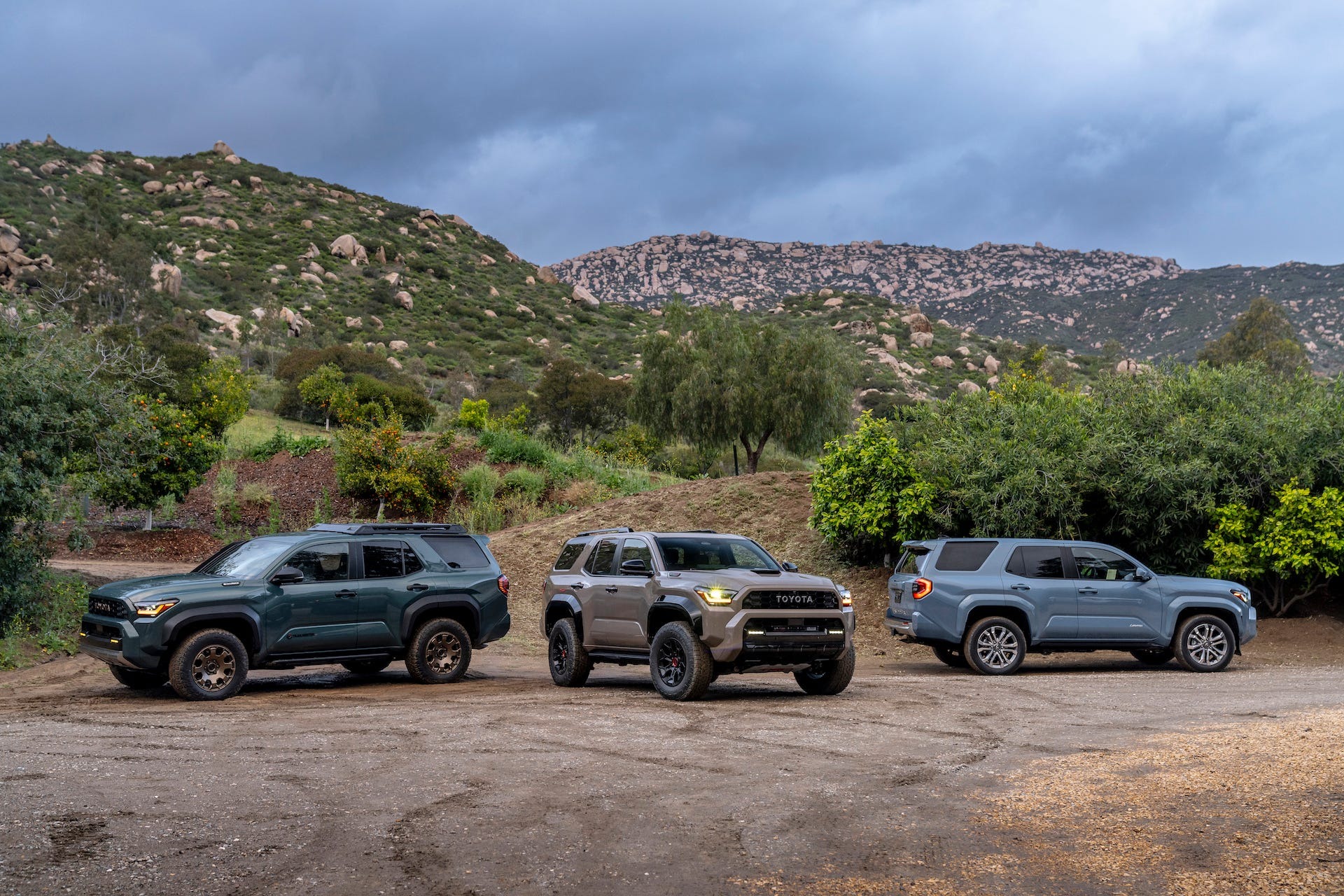
9. Toyota 4Runner Hybrid (2026-2028)
For years, the Toyota 4Runner has earned a strong reputation among drivers who need a vehicle that can handle rough roads, outdoor adventures, and demanding daily use.
Its sturdy construction and off-road ability have helped it stand apart from ordinary family SUVs. Now, hybrid technology gives the 4Runner another option without taking away the qualities that have made it popular with buyers who value capability.
Toyota’s hybrid setup brings electric assistance to a vehicle that has traditionally depended on gasoline power. That is an important move because larger SUVs and utility vehicles have usually been built around conventional engines.
With a hybrid system available, drivers can enjoy the benefits of electrification while still having a vehicle designed for work, recreation, and regular family duties. Another advantage comes from the added electric power.
The hybrid system can deliver stronger performance while helping the 4Runner use less fuel than a comparable gasoline-only model. This combination makes the SUV more appealing to people who want useful power without giving up improved efficiency.
Beyond its powertrain, the 4Runner remains practical for families and active drivers. It can handle road trips, towing duties, outdoor activities, and daily transportation with ease.
By 2028, its hybrid option should appeal to buyers who once considered electrified vehicles unsuitable for rugged SUV use. Toyota’s approach shows that hybrid technology can fit comfortably into a vehicle built for strength, utility, and adventure.
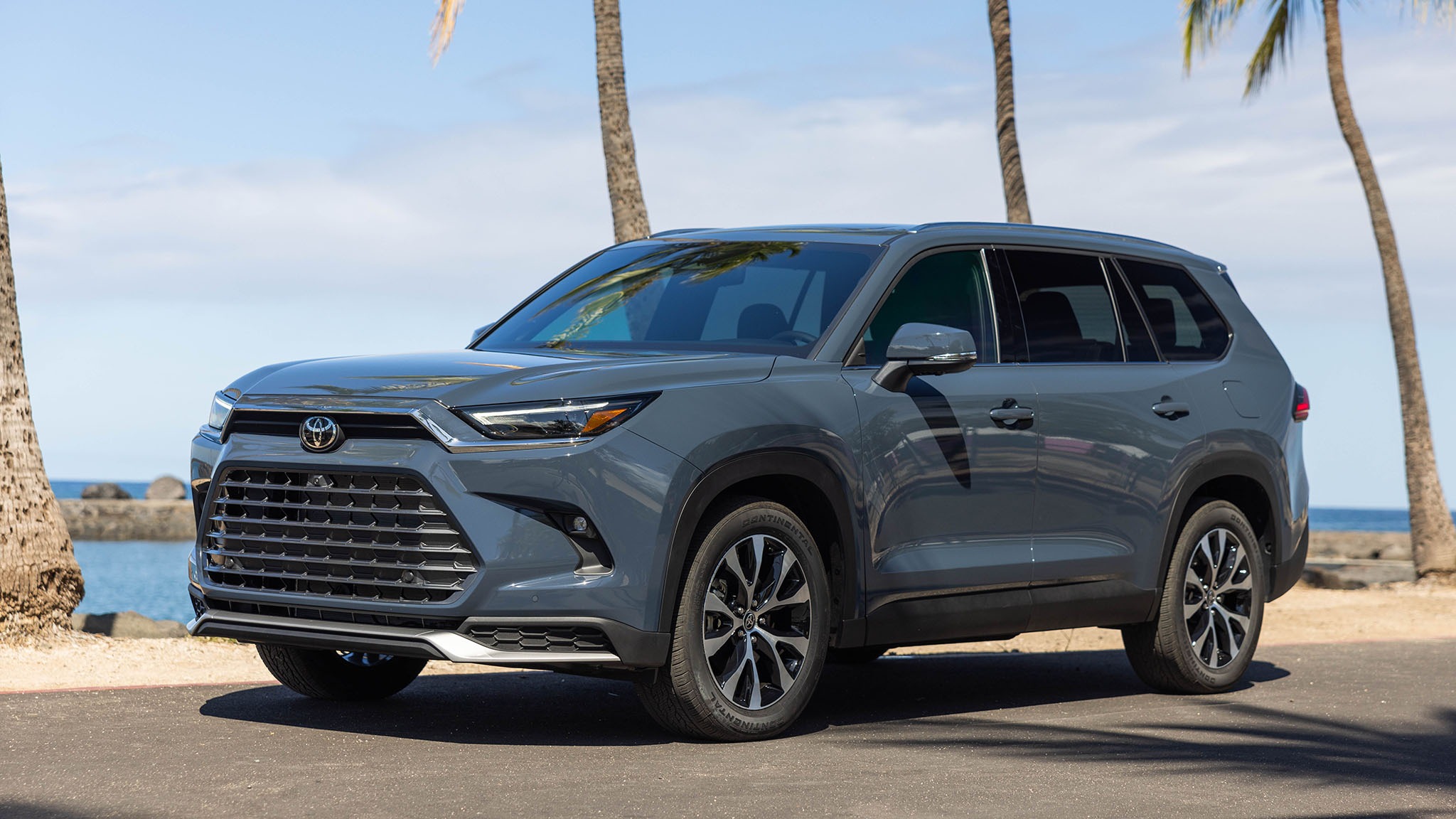
10. Toyota Grand Highlander Hybrid (2026-2028)
Big families need big vehicles, and the Grand Highlander Hybrid delivers three rows of seating along with the fuel savings that come from Toyota’s hybrid engineering.
Compared with a standard gas-only setup, this version offers noticeably better efficiency, something that matters a lot for anyone regularly hauling a full load of passengers.
Space is the obvious draw here. Three rows mean room for larger families, carpools, or anyone who frequently transports more than just a couple of passengers. Toyota designed the Grand Highlander with genuine third-row usability in mind, rather than treating it as an afterthought squeezed into the back.
Choosing the hybrid version doesn’t require giving up much in terms of power or drivability. The electric motor works alongside the gas engine to provide smooth, confident acceleration, even when the SUV is fully loaded with people and cargo.
That combination makes it a practical choice for road trips as well as daily school runs. Toyota’s reputation for dependable hybrid systems adds another layer of appeal, since buyers know they’re getting technology that has been tested across many other models already.
For families who need real space without wanting to pay constant visits to the gas station, the Grand Highlander Hybrid stands out as one of the more sensible large SUV choices heading into 2028.
