
Buying a car for less does not necessarily mean spending less. Kelley Blue Book’s 5-Year Cost to Own calculation considers the expenses that continue long after the purchase, including fuel, insurance, financing, maintenance, repairs, state fees, and depreciation.
That makes the figure more useful than MSRP alone when evaluating long-term value. KBB’s current data also shows why the original claim that it costs $30,000 to own a car for five years needs to be corrected. Even some of the more affordable new cars can cost more than $40,000 over five years once all ownership expenses are considered.
The following ranking therefore focuses on vehicles with comparatively low KBB ownership costs, using current U.S. data and manufacturer specifications.
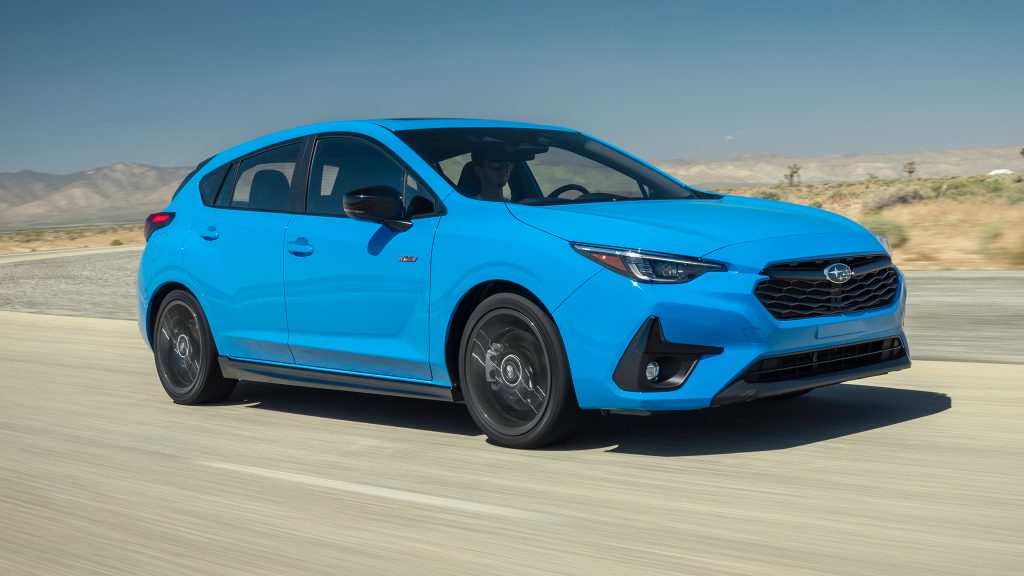
1. Subaru Impreza
The 2025 Subaru Impreza stands out because its relatively modest purchase price is accompanied by unusually low projected maintenance costs.
KBB lists a 5-year cost to own of $41,888 for the Impreza, with $29,676 in out-of-pocket expenses and another $12,212 attributed to depreciation. KBB also places the model in the top 10% for Cost to Own among compact cars.
One of the most interesting numbers is the maintenance estimate. KBB projects only $2,457 in maintenance over five years, or roughly $491 per year. Repairs are estimated at another $1,758 during the same period.
Those figures help explain why the Impreza can remain financially attractive despite not having the absolute lowest purchase price in its class.
The 2025 U.S. Impreza uses a 2.0-liter four-cylinder producing 152 horsepower and 145 lb-ft of torque. Every version uses all-wheel drive, giving the compact hatchback a drivetrain advantage that many similarly priced front-wheel-drive competitors cannot match. KBB lists the base model at a starting price of $23,700.
Fuel costs are projected at $6,232 over five years in the current KBB cost-to-own calculation. Insurance is the largest single out-of-pocket category at $14,025, illustrating how ownership expenses can dwarf the difference between two vehicle sticker prices.
The Impreza therefore makes a strong case for buyers who prioritize predictable long-term expenses while still wanting standard all-wheel drive and useful hatchback practicality.
2. Toyota Corolla
The Toyota Corolla demonstrates how a relatively inexpensive compact sedan can produce strong long-term value without requiring buyers to sacrifice modern equipment.
KBB currently calculates a 5-year cost to own of $42,746 for the 2025 Corolla, placing it in the top 10% among compact cars for ownership cost. The calculation includes $32,231 in out-of-pocket expenses and $10,515 in depreciation.
Fuel consumption is one of the Corolla’s strongest financial advantages. KBB estimates $4,734 in fuel expenses over five years, considerably below many larger vehicles. Maintenance is projected at $5,412, while repairs are estimated at $1,680.
Those figures show that low ownership cost is not dependent on maintenance alone. The Corolla benefits from reasonable fuel expenditure and relatively controlled depreciation as well.
The 2025 U.S. Corolla uses a 2.0-liter four-cylinder engine producing 169 horsepower and 151 lb-ft of torque. KBB lists the sedan at a starting price of $23,460, making it accessible without moving into the smallest vehicle categories.
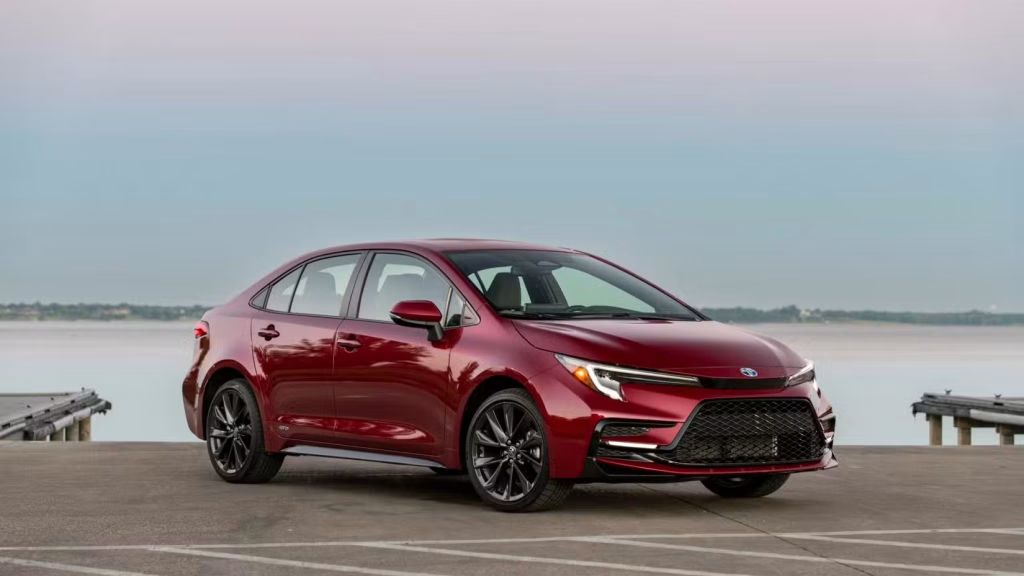
Its dimensions are another reminder that the Corolla remains a practical compact rather than a stripped-down economy car. KBB lists a length of 182.3 inches, a width with mirrors of 70.1 inches, and a curb weight of 2,955 pounds.
The most important takeaway is that the Corolla’s ownership advantage comes from several categories working together. A buyer is not simply saving at the fuel pump or repair shop. Depreciation, financing, maintenance, and operating costs combine to produce a five-year figure that remains below many competitors.
3. Hyundai Elantra
The Hyundai Elantra is one of the strongest examples of why a low sticker price should not be confused with low ownership cost. Kelley Blue Book currently puts the 2025 Elantra’s 5-Year Cost to Own at $41,143, with $28,456 in out-of-pocket expenses and $12,687 in depreciation.
KBB places it in the middle 26% to 75% range among compact cars for Cost to Own, so it is not the class leader, but its five-year figure is still notably below many new vehicles.
The numbers become more useful when separated into categories. KBB estimates $5,033 for fuel, $5,076 for maintenance, and only $646 for repairs during the five years.
Insurance is projected at $13,245, while financing and state fees account for another $4,456 combined. Those figures show that ownership costs can accumulate in places that are easy to overlook when shopping by MSRP alone.
The 2025 Elantra starts at $23,370 in KBB’s current data. Its standard U.S. powertrain is a 2.0-liter four-cylinder producing 147 horsepower and 132 lb-ft of torque, paired with a continuously variable transmission. KBB lists fuel economy at up to 32 mpg city and 41 mpg highway for the standard configuration.
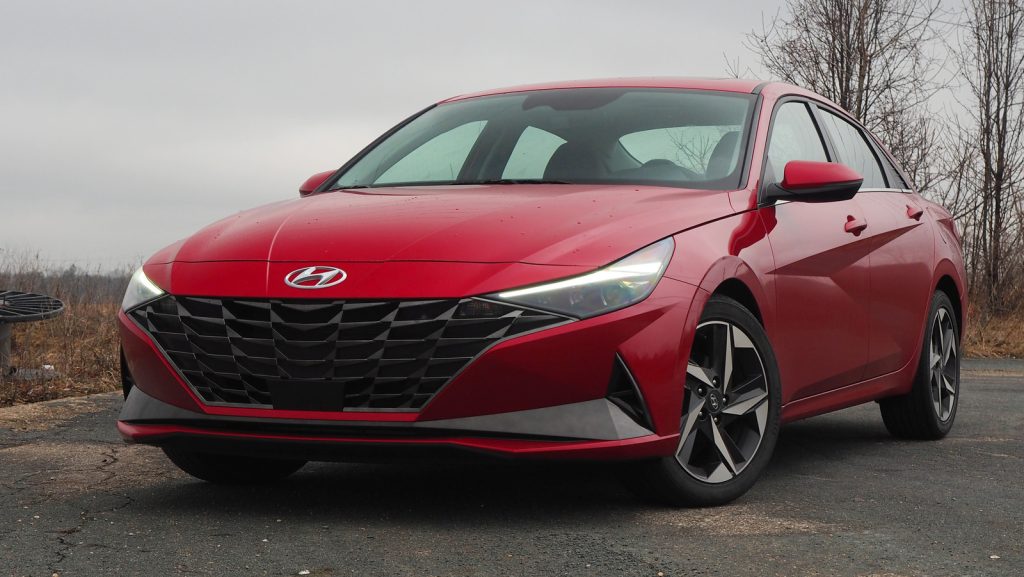
One of the Elantra’s biggest advantages is that it does not require an expensive hybrid powertrain to deliver reasonable running costs. Its conventional gasoline engine, efficient transmission, and compact dimensions make it relatively straightforward for everyday commuting.
The depreciation figure also deserves attention. Losing $12,687 over five years represents a significant expense, but it is still considerably less than the amount some larger or more expensive vehicles can lose during the same period.
4. Honda Civic
The Honda Civic continues to make a strong financial case even though its purchase price is higher than some of the least expensive compact cars.
KBB’s current 2025 data gives the Civic a 5-year cost to own of $42,820, consisting of $29,064 in out-of-pocket expenses and $13,756 in depreciation. KBB also places the Civic in the top 10% for cost to own among compact cars.
That ranking becomes more compelling when the individual expenses are examined. KBB estimates $5,232 in fuel, $4,123 in maintenance, and $1,667 in repairs over five years. Insurance is projected at $12,815, while financing accounts for $3,240.
These numbers make it clear that the Civic’s ownership advantage comes from a combination of manageable expenses rather than one unusually cheap category.
For 2025, the Civic starts at $25,400 according to KBB. The gasoline LX uses a 2.0-liter four-cylinder producing 150 horsepower and 133 lb-ft of torque. KBB lists the gasoline sedan’s fuel economy at 31 mpg city and 39 mpg highway, while the Civic lineup also includes hybrid versions with substantially different fuel-economy and cost profiles.
The Civic’s dimensions make it larger than a bare-bones economy car. It measures roughly 184.0 inches long, giving occupants useful interior space while retaining the maneuverability expected from a compact sedan.
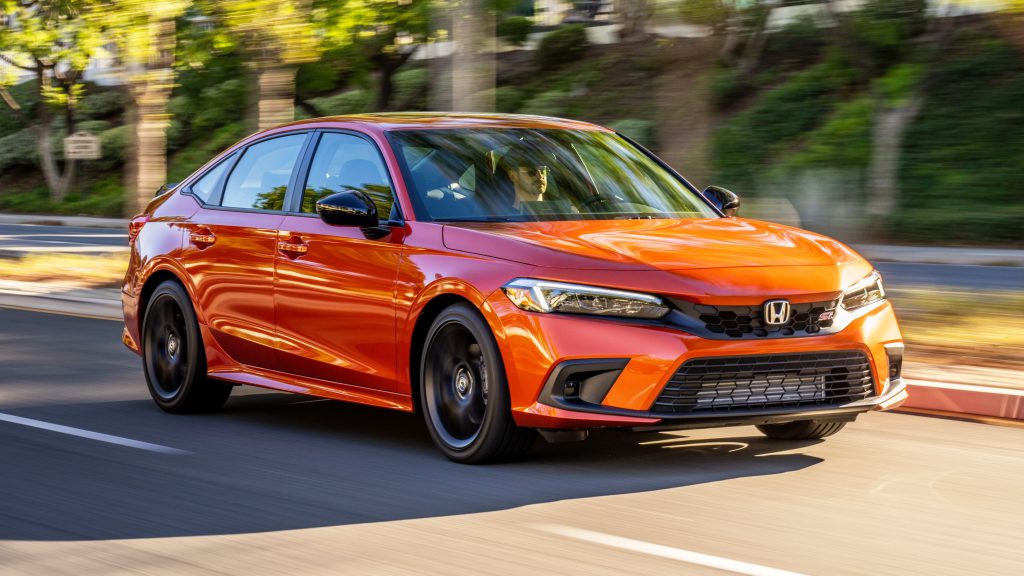
Depreciation is the Civic’s highest five-year cost after insurance in KBB’s calculation. Even so, the model’s strong placement among compact cars suggests that its ownership expenses remain competitive when fuel, service, repairs, and resale value are considered together.
For buyers planning to keep a vehicle for several years, that distinction matters. The cheapest car to purchase is not automatically the cheapest car to own, and the Civic is a good example of how long-term costs can change the ranking.
5. Kia K4
The Kia K4 is one of the newer names in the compact-sedan conversation, and its value proposition becomes more interesting when the purchase price is considered alongside long-term ownership.
Kelley Blue Book lists the 2025 K4 LX at a starting price of $23,165, while its current comparison data gives that configuration a 5-year cost to own of $50,587. That figure includes expenses beyond the showroom price, such as fuel, insurance, financing, maintenance, repairs, state fees, and depreciation.
That distinction matters because a car can look inexpensive on a window sticker while accumulating substantially more expense over five years. KBB’s Cost to Own methodology is designed specifically to account for those additional ownership costs rather than stopping at MSRP.
The K4 uses a 2.0-liter four-cylinder engine in its standard LX configuration, producing 147 horsepower. KBB lists fuel economy at 30 mpg city and 40 mpg highway, which gives the sedan a sensible efficiency profile for everyday American commuting.
The car also provides a useful amount of space for its class. Its sedan body gives buyers a conventional trunk, five-passenger seating, and a footprint that remains manageable in urban driving.
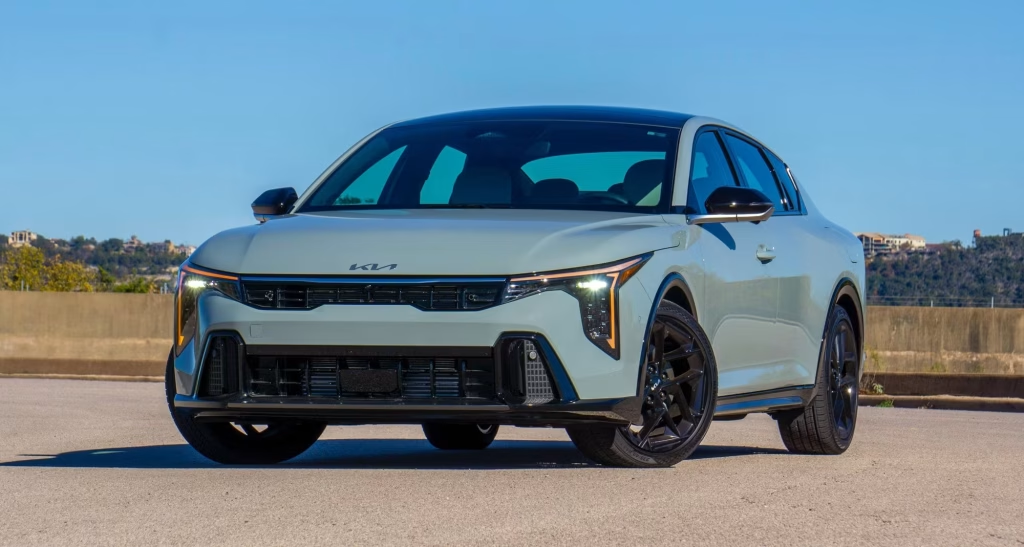
Where the K4 becomes especially compelling is its warranty coverage. The 2025 model carries a 5-year or 60,000-mile basic warranty, according to KBB, which is longer than the coverage offered by several mainstream rivals.
The K4 should not be presented as a sub-$30,000 five-year ownership car because the current KBB data does not support that claim. Instead, it belongs in a broader comparison of affordable new cars where shoppers consider the full five-year financial picture rather than MSRP alone.
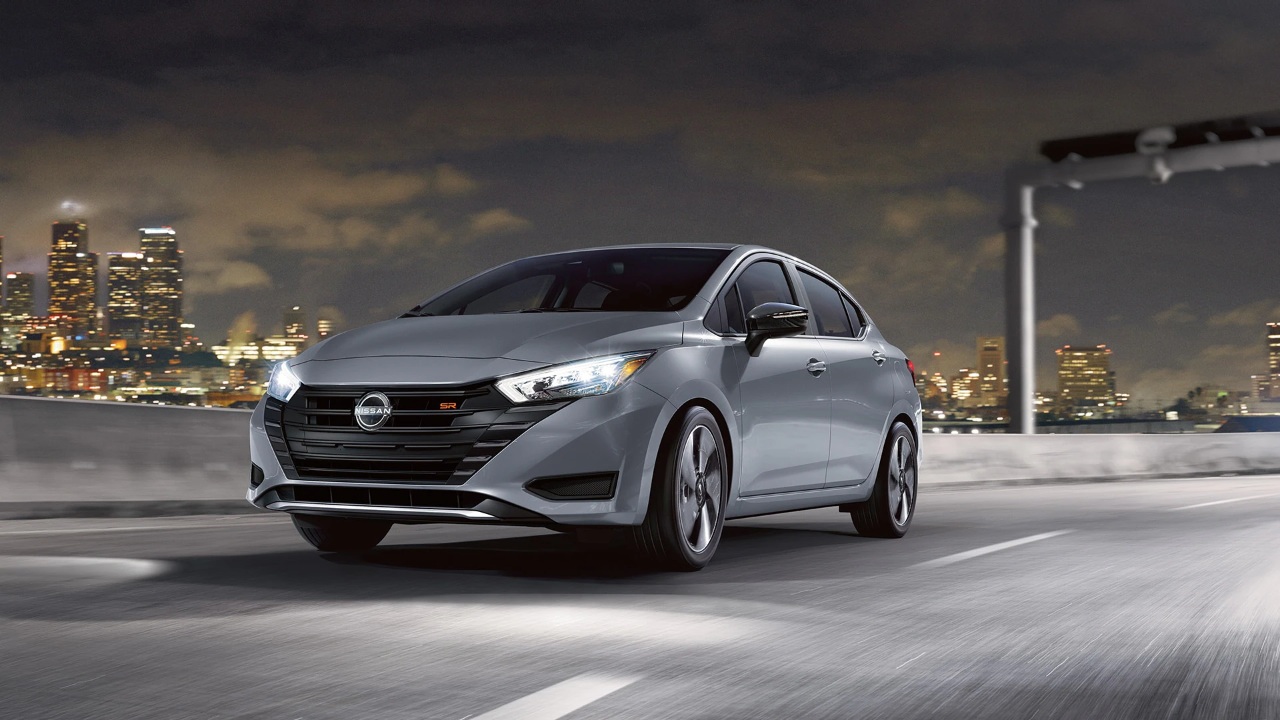
6. Nissan Sentra
The Nissan Sentra remains one of the more accessible compact sedans in the American market, and its appeal begins with a relatively low entry price. For 2025, Nissan positioned the Sentra as a straightforward four-door commuter, with efficiency and everyday usability taking priority over performance.
Its standard powertrain is a 2.0-liter four-cylinder producing 149 horsepower and 146 lb-ft of torque. Power reaches the front wheels through Nissan’s continuously variable transmission. The combination is not designed to turn the Sentra into a performance car, but it gives the sedan enough output for routine highway merging, city traffic, and longer commutes.
Fuel economy is one of the more important pieces of the ownership equation. Depending on trim and configuration, the Sentra can deliver strong EPA fuel-economy numbers for a conventional gasoline sedan.
That matters because fuel becomes a recurring expense throughout the five-year ownership period, rather than a one-time purchase cost.
The Sentra’s compact dimensions also keep it relatively easy to maneuver. Its sedan body provides a useful trunk while maintaining a footprint suitable for crowded parking lots and city streets.
For buyers focused on ownership costs, however, the crucial point is that KBB’s 5-Year Cost to Own is a broader calculation than MSRP. KBB includes fuel, insurance, financing, state fees, maintenance, repairs, and depreciation in the calculation.
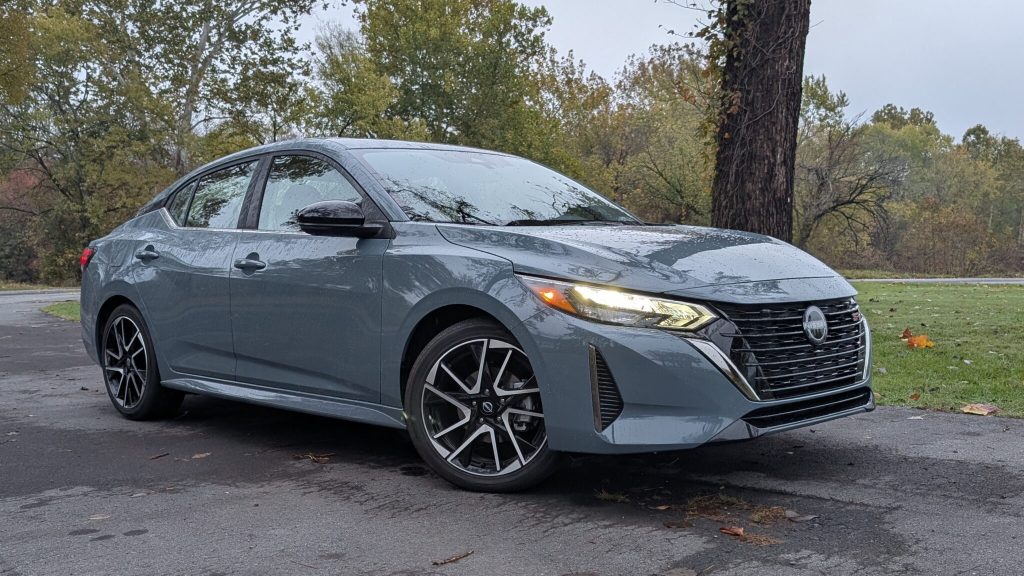
That methodology prevents a misleading comparison in which a low-priced vehicle automatically gets labeled the cheapest car to own. Insurance rates, depreciation, and maintenance can substantially alter the final number.
The Sentra, therefore, makes sense as part of a cost-conscious shopping shortlist, but its exact five-year figure should always be checked for the specific model, trim, and location being considered. KBB’s own calculator emphasizes that two similarly priced vehicles can produce very different five-year ownership costs.
7. Nissan Versa
The Nissan Versa is a particularly interesting case because it combines one of the lowest purchase prices in the U.S. new-car market with a five-year ownership cost that KBB still ranks favorably within its class.
Kelley Blue Book currently lists the 2025 Versa at $46,554 for five-year cost to own, including $35,741 in out-of-pocket expenses and $10,813 in depreciation. KBB places the Versa in the top 10% for Cost to Own among subcompact cars.
The ownership breakdown shows where the money goes. KBB estimates $7,730 for fuel, $5,896 for maintenance, and $1,815 for repairs over five years. Insurance is projected at $14,765, making it the largest out-of-pocket category in the calculation. Financing is estimated at $2,197, while state fees add another $3,338.
Those figures demonstrate why simply looking at the Versa’s starting price can be misleading. KBB lists the 2025 model’s MSRP at $18,530, yet its complete five-year ownership calculation is considerably higher once operating and depreciation costs are included.
Under the hood, the U.S.-market Versa uses a 1.6-liter four-cylinder producing 122 horsepower and 114 lb-ft of torque. KBB lists combined fuel economy at 35 mpg, depending on configuration.
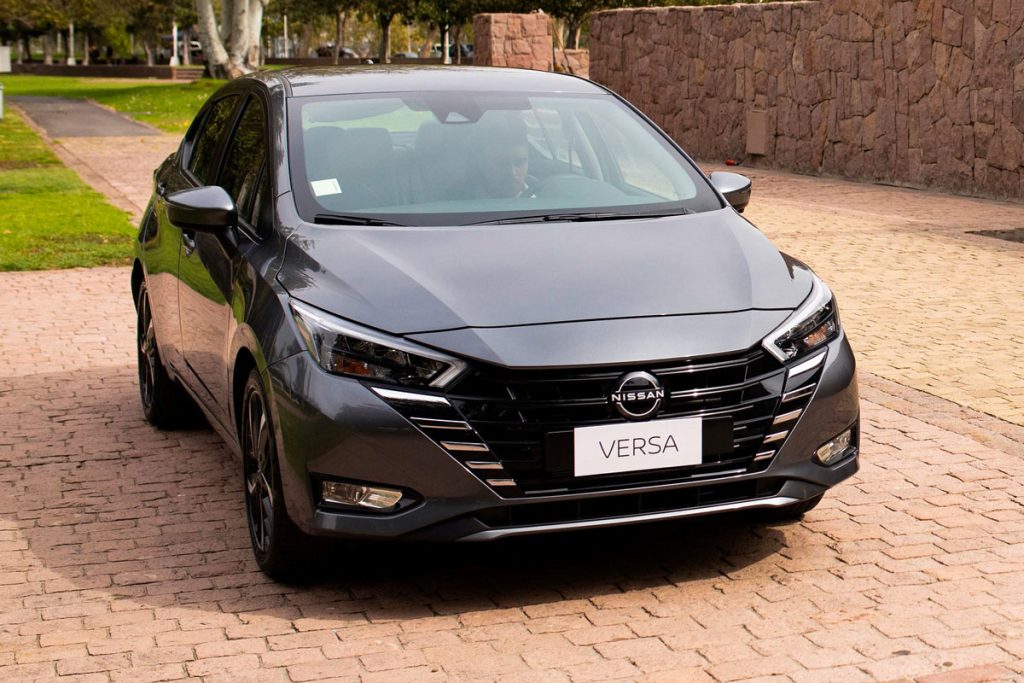
The Versa also remains easy to position in crowded urban areas thanks to its compact sedan dimensions. For a buyer prioritizing a low purchase price, modest fuel consumption, and reasonable long-term expenses, it remains a compelling budget choice.
Most importantly, the current KBB numbers confirm that the Versa should be considered a low-cost ownership vehicle, not a car that literally costs less than $30,000 to own for five years.
8. Mitsubishi Mirage G4
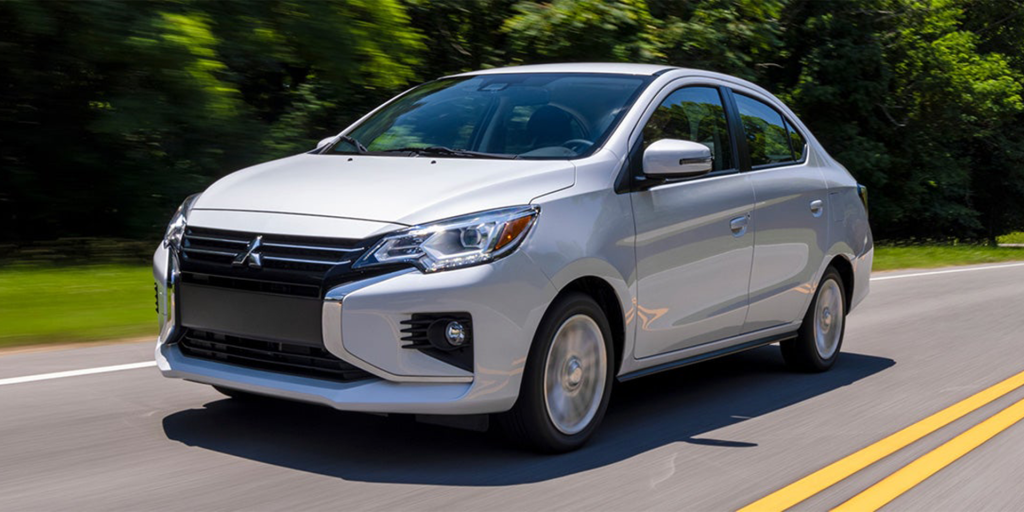
The Mitsubishi Mirage G4 replaces the duplicate Toyota Corolla by taking a very different approach to keeping ownership costs low. It combines a low purchase price with a small engine, strong fuel economy, and relatively simple mechanical components.
The important distinction is that this is a used-car replacement entry, not a claim that every Mirage G4 falls below a specific five-year KBB Cost to Own figure.
The Mirage G4 was discontinued in the U.S. after the 2024 model year, but that does not make it irrelevant to used-car shoppers. Mitsubishi’s official U.S. history page confirms that production has ended and that owners can still receive service through authorized Mitsubishi dealerships.
For the final U.S. model year, the Mirage G4 used a 1.2-liter MIVEC three-cylinder engine producing 78 horsepower and 74 lb-ft of torque. It was paired with a continuously variable transmission, while Mitsubishi rated the car at 37 MPG combined, with an estimated 35 MPG city and 41 MPG highway.
Those numbers tell you exactly what kind of car this is. The G4 is not designed to deliver rapid acceleration or sporty handling. Its appeal comes from minimizing the basic costs of getting from one place to another. The small engine requires less fuel, while the compact dimensions make it easy to maneuver and park.
The purchase price can also be attractive. Kelley Blue Book currently lists used 2024 Mirage G4 examples from roughly $14,750, depending on configuration, while individual vehicles can sell for considerably less based on mileage and condition.
Another ownership benefit is the warranty coverage. Mitsubishi originally offered qualifying original owners a 10-year or 100,000-mile powertrain limited warranty on the Mirage G4. Coverage for subsequent owners depends on Mitsubishi’s specific warranty transfer terms.
For a buyer trying to keep five-year expenses manageable, the Mirage G4 makes the most sense when purchased at a sensible used price and maintained properly. Its modest performance is the trade-off for its efficiency-focused design.
9. Hyundai Venue
The Hyundai Venue is a strong example of how a small vehicle can keep its ownership expenses relatively contained. Kelley Blue Book currently calculates a 5-year cost to own of $41,628 for the 2025 Venue.
That total consists of $28,950 in out-of-pocket expenses and $12,678 in depreciation. KBB places the Venue in the top 10% for Cost to Own among subcompact SUVs and crossovers.
The purchase price is one reason the Venue attracts budget-conscious shoppers. KBB lists an MSRP of $21,695 for the version used in its current Cost to Own calculation. The five-year calculation then accounts for expenses that do not appear on the window sticker, including fuel, insurance, financing, state fees, maintenance, and repairs.
Maintenance is projected at $5,638 over five years, while repairs account for only $680 in KBB’s estimate. Fuel is calculated at $5,790 and insurance at $12,405. Depreciation contributes another $12,678 to the final ownership figure.
Under the hood, the U.S.-market 2025 Venue uses a 1.6-liter four-cylinder engine producing 121 horsepower and 113 lb-ft of torque. The front-wheel-drive crossover returns 29 mpg city, 32 mpg highway, and 31 mpg combined, according to KBB.
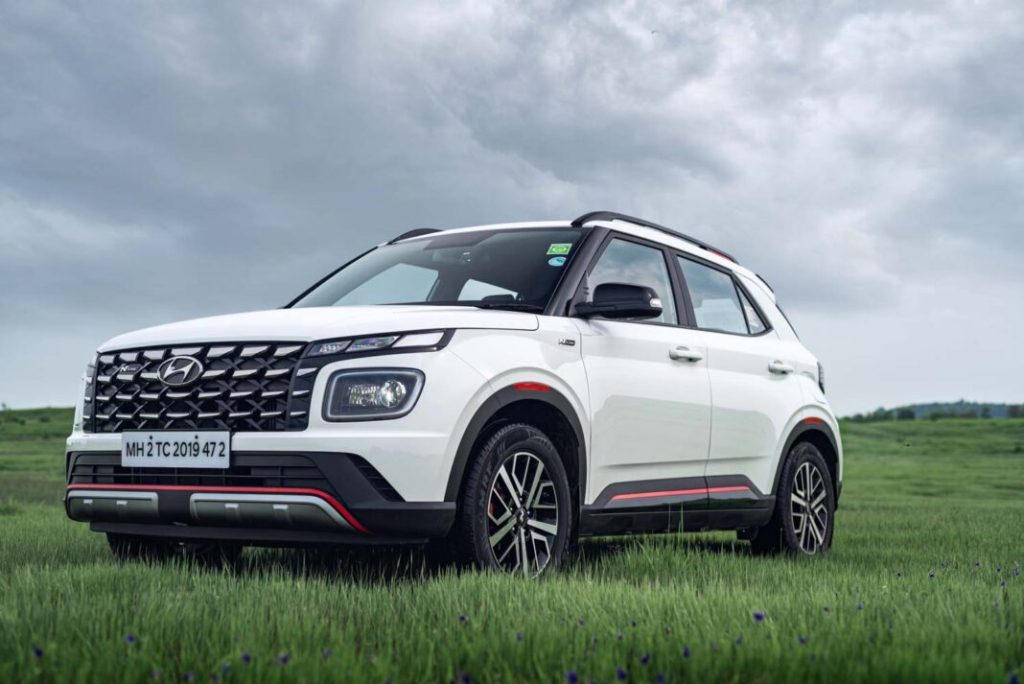
Its compact footprint is another practical advantage. The Venue measures only 159.1 inches long, making it considerably shorter than many compact SUVs. It also weighs 2,612 pounds while providing seating for five and up to 31.9 cubic feet of cargo capacity.
The venue therefore stands out not because every ownership expense is exceptionally low, but because its relatively inexpensive starting point combines with manageable running costs and modest depreciation.
10. Toyota Prius
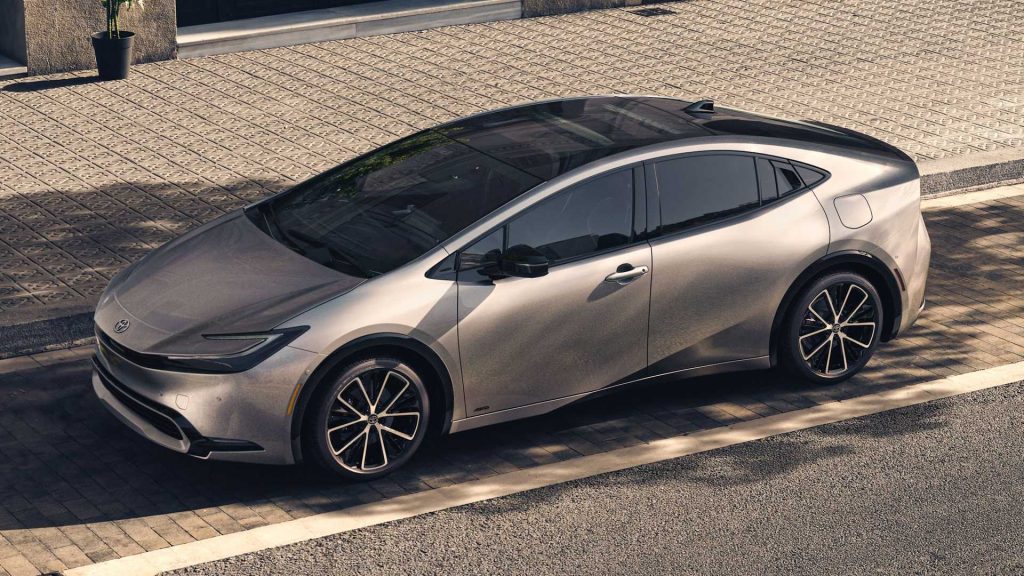
The Toyota Prius takes a different route to keeping operating expenses under control. Rather than relying on a conventional gasoline-only powertrain, the 2025 Prius uses Toyota’s hybrid system to reduce fuel consumption.
KBB currently calculates a 5-year cost to own of $44,159, consisting of $31,554 in out-of-pocket expenses and $12,605 in depreciation.
Fuel is where the Prius makes its strongest financial impression. KBB estimates just $3,164 in fuel costs over five years under its calculation assumptions.
That is substantially lower than the fuel expense KBB assigns to many conventional gasoline vehicles. Maintenance is estimated at $5,857, while repairs account for $1,773. Insurance is the largest out-of-pocket category at $14,800.
The 2025 Prius starts at $29,485 according to KBB, putting it close to the $30,000 purchase-price boundary that often attracts value-focused shoppers. But its five-year cost to own is not below $30,000.
KBB’s methodology includes the vehicle’s loss in value as well as operating expenses, which is why the final figure reaches $44,159.
The U.S. Prius uses a 2.0-liter four-cylinder hybrid powertrain. Depending on configuration, output reaches up to 194 horsepower with front-wheel drive, while all-wheel-drive versions use a different output rating. Its hybrid system is designed primarily around efficiency rather than outright performance.
The Prius also benefits from relatively restrained depreciation in KBB’s current calculation. Its projected five-year depreciation is $12,605, leaving an estimated residual value of $16,880.
For someone who drives substantial annual mileage, the Prius demonstrates why fuel consumption can dramatically affect long-term ownership economics. Its purchase price is not the lowest here, but the combination of hybrid efficiency and moderate depreciation gives it a place among the more financially compelling mainstream cars.
