
A 10-year auto loan may make an SUV seem more affordable by lowering the monthly payment, but it also raises an important question about long-term value. By the time the loan is fully paid, will the vehicle still have enough useful life left to justify the cost? Research from iSeeCars offers a data-driven way to evaluate how long SUVs are likely to remain on the road.
Its 2025 study analyzed almost 400 million vehicles and estimated the probability of reaching at least 250,000 miles. SUVs dominate the results, with 21 models performing above the SUV average.
The rankings below focus on those high-mileage performers, using iSeeCars data to identify SUVs with the strongest evidence of long-term durability in the United States.
1. Toyota Sequoia
Few SUVs have a stronger statistical argument for surviving well beyond a decade than the Toyota Sequoia. In iSeeCars’ 2025 Longest-Lasting Cars study, the Sequoia ranked No. 1 among all vehicles, with a predicted 39.1% chance of reaching 250,000 miles or more.
The industry-wide average was only 4.8%, meaning the Sequoia’s predicted probability was more than eight times higher than the typical vehicle.
That number changes the way you should think about a 10-year loan. A buyer financing a Sequoia for a decade is taking on a long payment schedule, but the underlying vehicle has unusually strong evidence of remaining in service far beyond that point.
iSeeCars analyzed almost 400 million cars for its study, using historical mileage patterns to calculate the likelihood of reaching the quarter-million-mile threshold.
The Sequoia’s durability credentials are not merely a product of a few unusually high-mileage examples. It has consistently appeared among Toyota’s longest-lasting utility vehicles, alongside models such as the 4Runner and Land Cruiser.
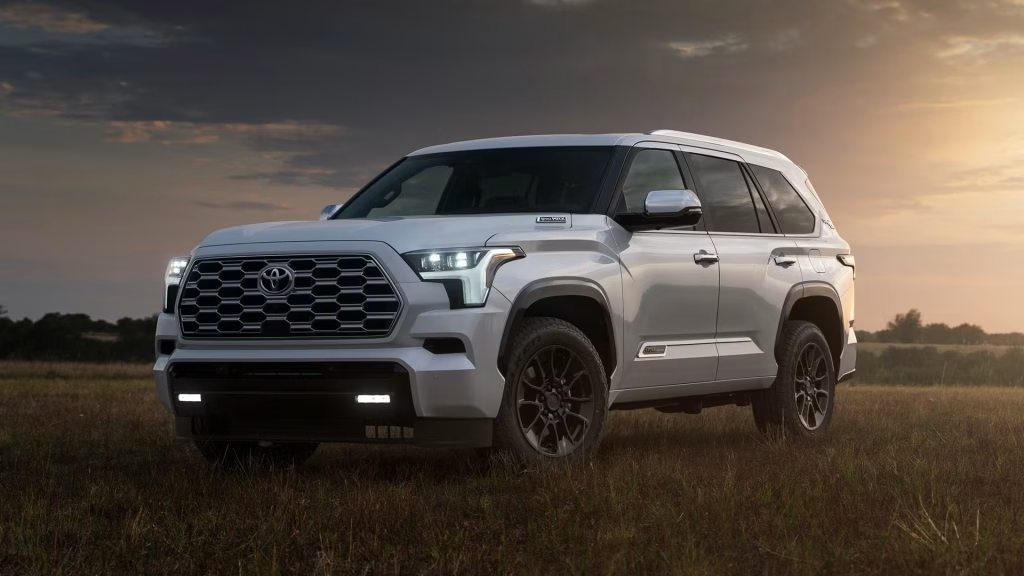
There is another important piece of context. iSeeCars’ separate lifespan research found the Sequoia had a potential lifespan of 296,509 miles, the highest figure in that study. That research examined more than two million vehicles produced and sold across at least 10 of the previous 20 model years.
The Sequoia is a large and expensive SUV that is not built with fuel economy as its main priority. Its place on this list comes from a different advantage, which is its potential for long-term durability. For owners who plan to keep their vehicle for a decade or longer, the ability to handle high mileage and remain dependable becomes especially valuable.
2. Toyota 4Runner
The Toyota 4Runner has spent decades building a reputation for durability, but iSeeCars’ data gives that reputation a measurable foundation. In the 2025 Longest-Lasting Cars study, the 4Runner ranked second among all vehicles, with a predicted 32.9% chance of reaching at least 250,000 miles. That was nearly seven times the 4.8% industry average.
For someone considering a 10-year loan, that is a significant distinction. A long financing period does not automatically mean a vehicle will last that long, but the 4Runner’s historical mileage data suggests it has an unusually strong probability of continuing far beyond the end of such a loan.
iSeeCars’ more recent reliability data gives the 4Runner an 8.1 out of 10 reliability rating. Its analysis of more than 300 million vehicles estimates an average lifespan of 217,484 miles, or approximately 16.1 years.
The same data indicates that the typical 4Runner is driven about 13,016 miles annually during its first 10 years, while its estimated chance of reaching at least 200,000 miles is 58.8%.
Those figures are particularly interesting because they put the 4Runner’s expected service life comfortably beyond a decade under typical usage patterns. Ten years at roughly 13,000 miles per year would put a vehicle near 130,000 miles, leaving considerable mileage potential according to iSeeCars’ analysis.
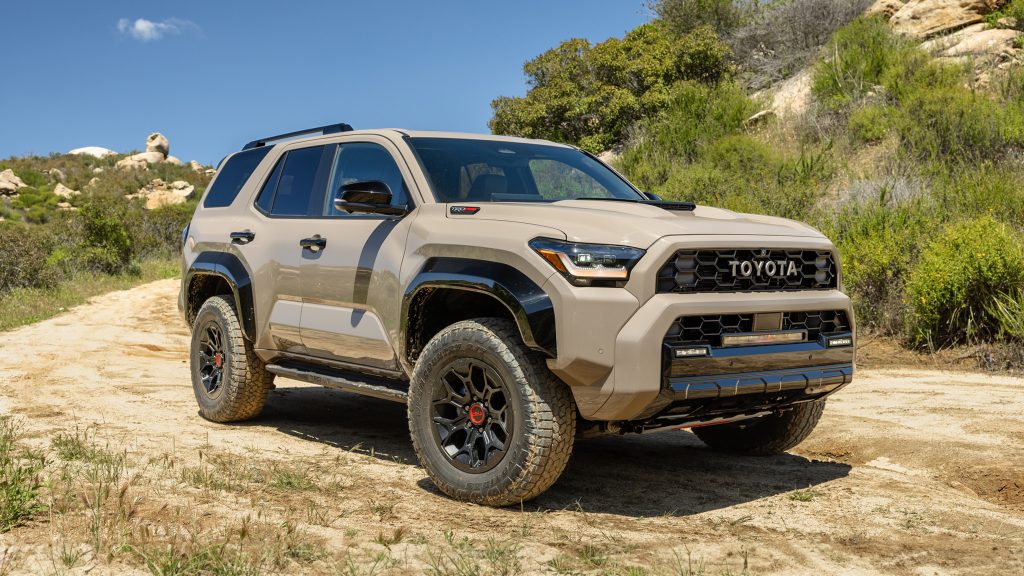
The 4Runner is also one of the SUVs owners tend to keep for a long time. iSeeCars’ ownership research places it third among SUVs, with owners keeping new examples for an average of 10.0 years.
That combination of long ownership, high predicted mileage, and strong reliability data makes the 4Runner particularly relevant to buyers who intend to keep an SUV long after the loan balance reaches zero.
3. Toyota Highlander Hybrid
If a 10-year loan is going to be followed by several more years of ownership, the Toyota Highlander Hybrid has an unusually strong statistical case. iSeeCars’ 2025 longevity study gives it a 31.0% predicted chance of reaching at least 250,000 miles, placing it third among all SUVs and third among all vehicles in the study.
The SUV average was just 4.3%, so the Highlander Hybrid’s predicted result was more than seven times higher.
That is especially notable because hybrids are sometimes assumed to have a shorter useful life because of their additional electrical components. The iSeeCars data points in the opposite direction for this particular model. The Highlander Hybrid was also the No. 1 longest-lasting hybrid in the 2025 study, ahead of the Lexus RX Hybrid and Toyota Prius.
Its longevity is not simply theoretical. In iSeeCars’ separate lifespan research, the Highlander Hybrid has a potential lifespan of 244,994 miles, placing it sixth among SUVs in that analysis.
The hybrid powertrain also gives this three-row SUV an efficiency advantage over many conventional large crossovers. The latest U.S. Highlander Hybrid uses a 2.5-liter four-cylinder-based hybrid system and produces 243 combined horsepower.
Toyota’s hybrid system uses electric motors to supplement the gasoline engine, reducing the amount of work required from the engine during many driving situations.
The Highlander Hybrid is therefore an interesting choice for someone who expects to keep making payments for a decade but wants a vehicle with statistical evidence of surviving much longer.
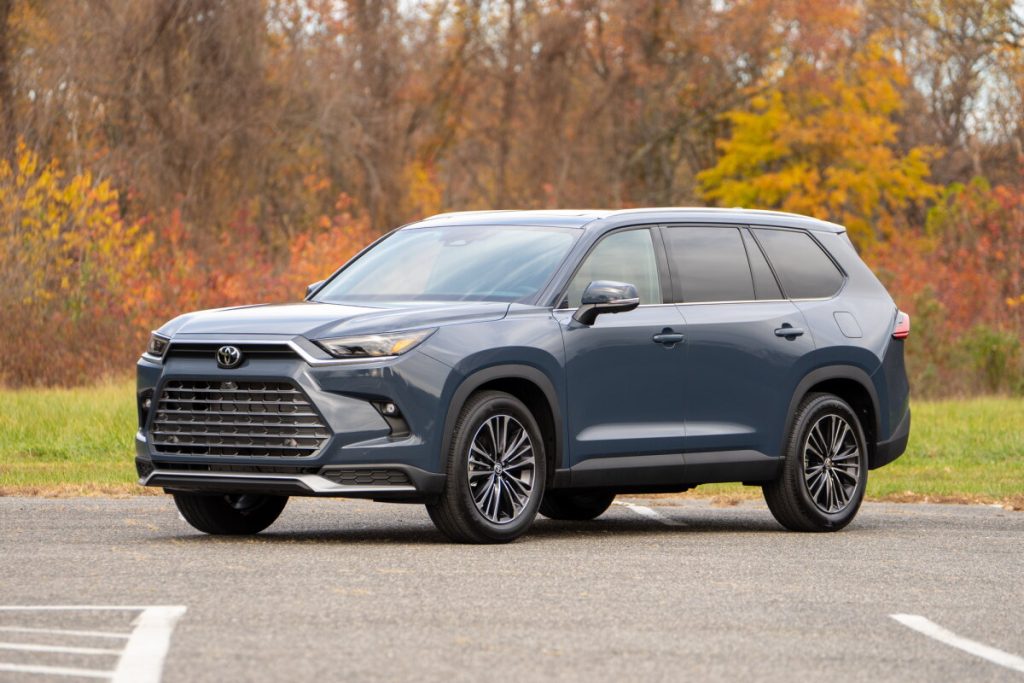
A 250,000-mile prediction does not mean every Highlander Hybrid will reach that figure without major repairs. Maintenance history, driving conditions, accident damage, and owner care remain critical.
What the iSeeCars research does provide is a strong historical indication that this model has the potential to remain useful long after a conventional 10-year financing term ends.
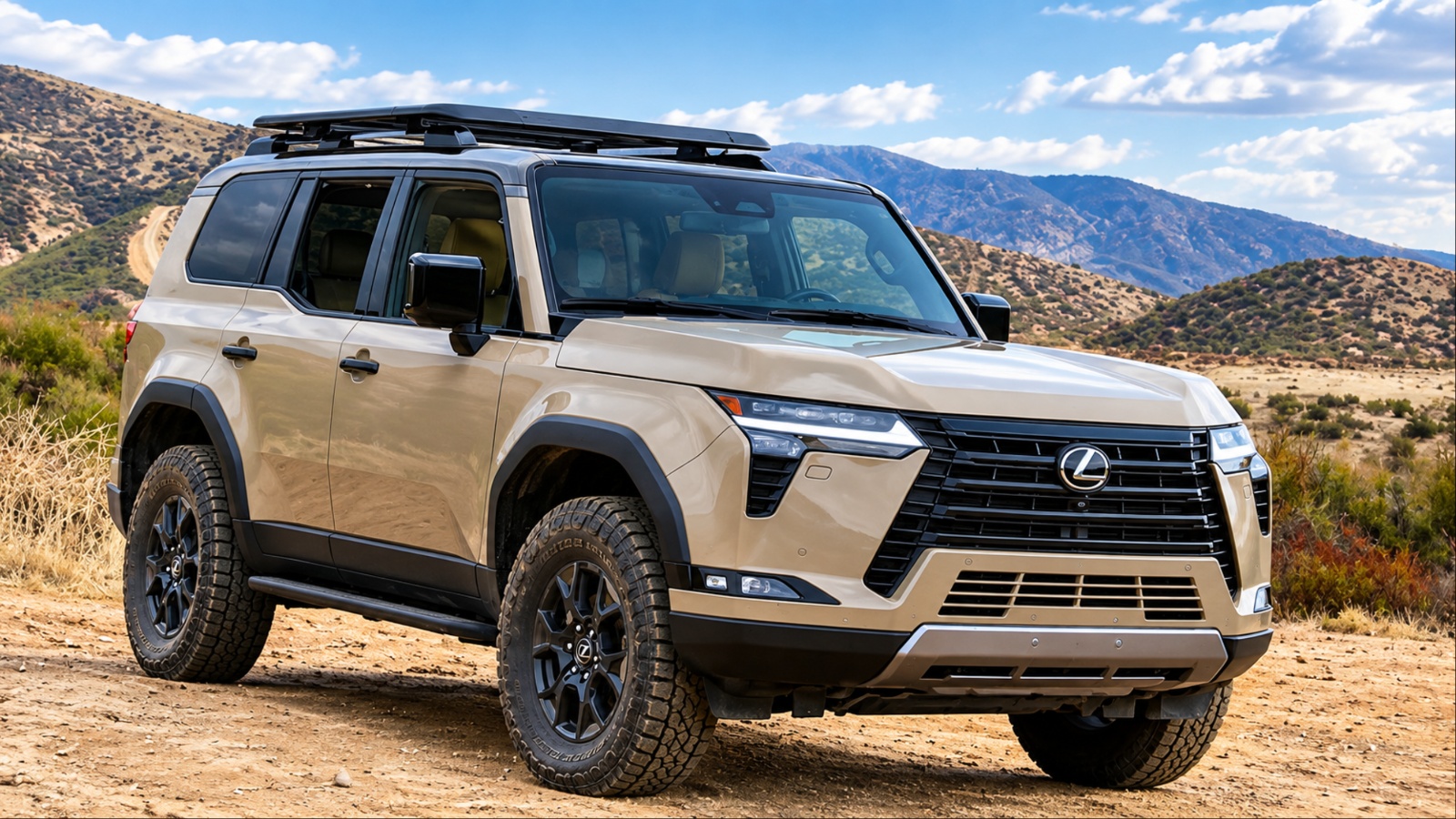
4. Lexus GX
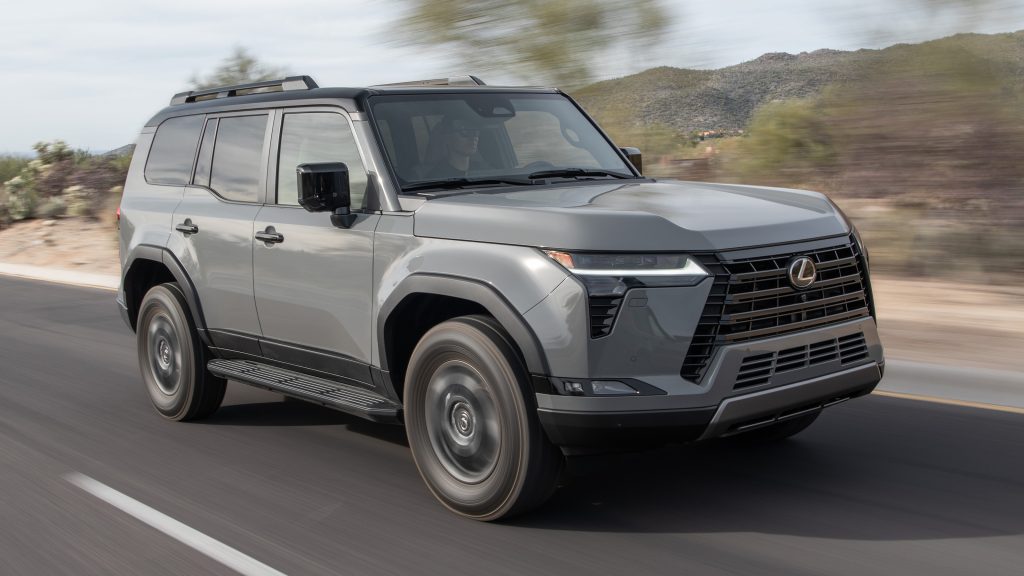
The Lexus GX brings body-on-frame construction and serious off-road capability into a longevity discussion, but its inclusion is primarily justified by hard mileage data.
In iSeeCars’ 2025 Longest-Lasting Cars study, the GX had an 18.3% predicted chance of reaching 250,000 miles, making it the fourth-ranked SUV in the study. That was more than four times the 4.3% average for SUVs.
The number is significant because the GX is not a lightweight crossover designed mainly for commuting. It is a truck-based luxury SUV that has historically been used for towing, off-road travel, and demanding conditions. Despite that, the model’s historical mileage performance remains substantially above the SUV average.
iSeeCars’ lifespan research also places the GX among the longest-lasting SUVs, although the exact potential-lifespan figure varies by generation and dataset. The company’s 2025 quarter-million-mile study is the more directly relevant measure for this ranking because it evaluates the probability of reaching the specific 250,000-mile threshold.
For the latest U.S. GX 550, Lexus replaced the previous naturally aspirated V8 with a 3.4-liter twin-turbocharged V6. The engine produces 349 horsepower and 479 lb-ft of torque, paired with a 10-speed automatic transmission. Lexus also uses full-time four-wheel drive with a two-speed transfer case, emphasizing the GX’s traditional off-road role.
That mechanical capability comes with compromises. A GX is considerably larger and more expensive to operate than a typical compact crossover, and fuel consumption is not its strong point. Its value in this list comes from durability potential rather than economy.
A buyer considering a decade-long loan should also remember that luxury-vehicle repairs can be more expensive than mainstream SUV repairs even when the underlying vehicle has an excellent longevity record.
Still, the iSeeCars statistics are difficult to ignore. An 18.3% probability of reaching 250,000 miles is more than four times the SUV average. For an owner prepared to maintain a substantial luxury 4×4 properly, the GX has unusually strong evidence behind its long-term credentials.
5. Toyota Land Cruiser
The Toyota Land Cruiser is another SUV where iSeeCars’ longevity data makes a decade-long ownership plan look considerably less intimidating. In its lifespan study, iSeeCars estimates a potential lifespan of 280,236 miles for the Land Cruiser, placing it second among all vehicles analyzed. Only the Toyota Sequoia posted a higher projected lifespan.
That figure is especially relevant when thinking about a 10-year loan. At 12,000 miles per year, a vehicle would accumulate roughly 120,000 miles during the financing period.
A projected lifespan approaching 280,000 miles suggests that the Land Cruiser has substantial mileage potential remaining after the loan is paid off, assuming it receives appropriate maintenance and is not subjected to unusual abuse.
iSeeCars’ current reliability research also gives the Land Cruiser an 8.5 out of 10 reliability rating, placing it at the top of its large-SUV category. The analysis draws on more than 300 million data points to estimate long-term reliability and lifespan.
The modern U.S. Land Cruiser uses Toyota’s 2.4-liter turbocharged four-cylinder hybrid powertrain, producing 326 combined horsepower and 465 lb-ft of torque. It uses a permanent four-wheel-drive system and a 10-speed automatic transmission, giving it the hardware needed for serious off-road work as well as normal highway driving.
The Land Cruiser’s long-term durability comes with an important trade-off. It costs considerably more than a basic compact SUV, and specialized parts or major repairs can also be more expensive. A vehicle that lasts for many years will still require regular maintenance and occasional costly repairs.
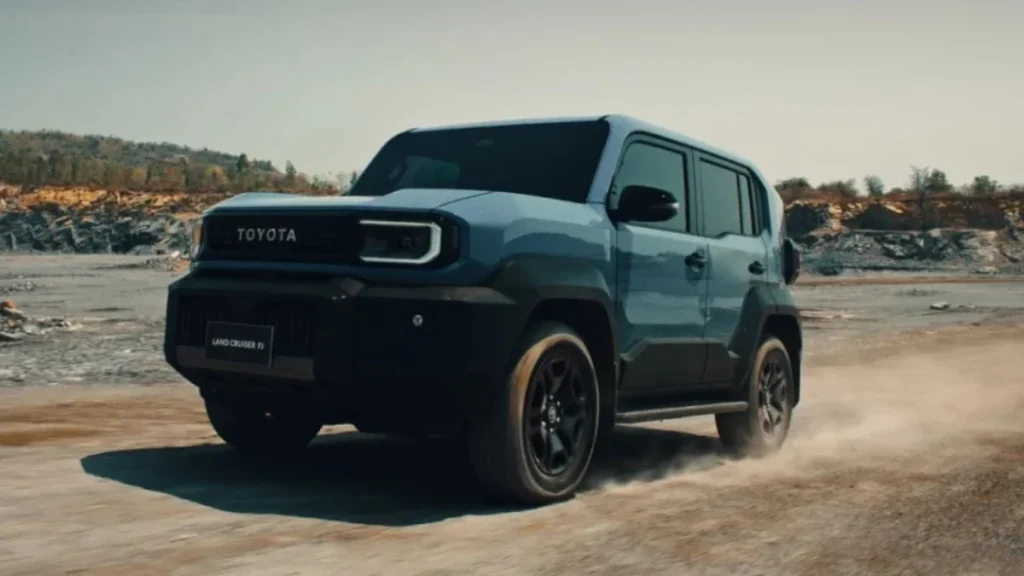
Still, the numbers are remarkable. A potential lifespan of more than 280,000 miles places the Land Cruiser among the strongest long-term performers in iSeeCars’ research. For a buyer willing to maintain it properly, the SUV has the kind of durability profile that can make a 10-year loan seem like only one stage of its useful life.
6. Chevrolet Suburban
The Chevrolet Suburban demonstrates that long-term durability is not limited to Japanese SUVs. iSeeCars’ lifespan study estimates a potential lifespan of 265,732 miles, placing the full-size Chevrolet third among all vehicles in that particular analysis.
That is an extraordinary mileage figure for a vehicle of its size. The Suburban has traditionally been used for family transportation, long-distance travel, towing, and commercial applications, so high-mileage examples are not unusual.
Its large cabin and substantial towing capability also make it a vehicle owners may keep for many years rather than replace frequently.
For the latest U.S. Suburban, Chevrolet offers several powertrains. The standard gasoline engine is a 5.3-liter V8, producing 355 horsepower and 383 lb-ft of torque. Chevrolet also offers a larger 6.2-liter V8 and a 3.0-liter Duramax turbo-diesel inline-six, giving buyers different approaches to power, towing, and fuel consumption.
The Suburban’s sheer size is both its advantage and its compromise. It provides three rows of seating and enormous cargo capacity, but it is not the vehicle to choose if fuel economy or easy urban parking is the priority. Long-term operating costs can also be higher simply because there are more vehicles to maintain.
The reason it remains relevant to this ranking is the data. A projected lifespan of 265,732 miles gives it a substantial cushion beyond a 10-year financing period.
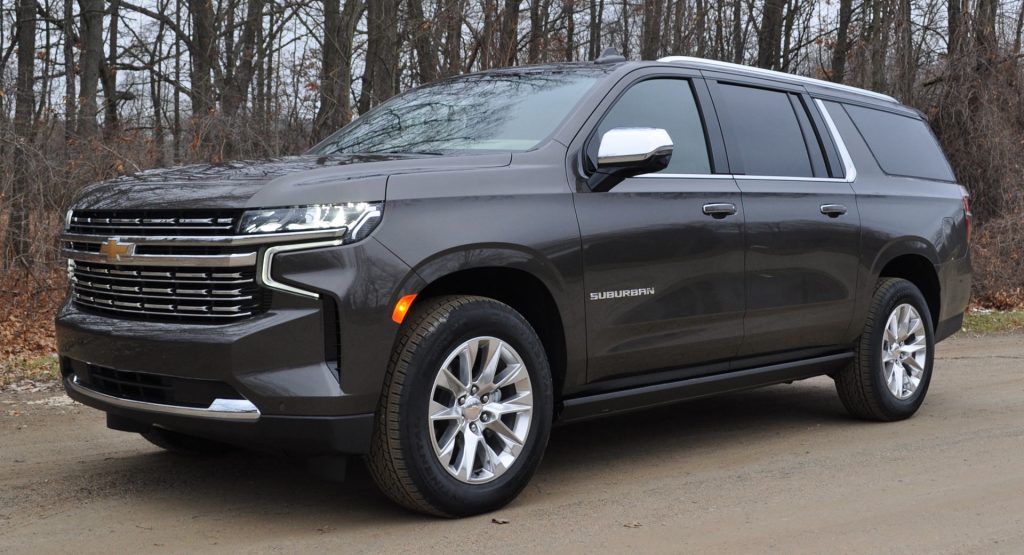
There is also a practical benefit to the Chevrolet badge. General Motors has a vast U.S. dealer and parts network, giving Suburban owners numerous service options across the country.
A long loan should never be treated as proof that a vehicle will last. Maintenance records, driving habits, rust exposure, and repair quality can dramatically influence actual longevity. Nevertheless, iSeeCars’ mileage analysis puts the Suburban among America’s strongest high-mileage SUVs.
7. GMC Yukon
The GMC Yukon is one of the strongest full-size SUV candidates for buyers thinking far beyond the length of a typical vehicle loan. iSeeCars’ 2025 longevity study gives the Yukon a 7.8% predicted chance of reaching at least 250,000 miles, compared with a 4.3% average for SUVs.
That places it well above the typical SUV, even though it does not approach the extraordinary percentages recorded by Toyota’s longest-lasting models.
The longer-term numbers are even more interesting. iSeeCars’ lifespan research estimates a potential lifespan of 238,956 miles for the Yukon. That places it ninth among the SUVs in the study.
The figure is based on historical vehicle data rather than a promise that every Yukon will reach that mileage. Maintenance, driving conditions, and previous use remain major variables.
Its current reliability data also provides useful context. iSeeCars gives the Yukon a 7.3 out of 10 reliability rating, with an estimated average lifespan of 171,976 miles, or about 11.2 years. The analysis found that Yukons are typically driven about 13,487 miles per year during their first 10 years, while the model has a 30.9% chance of reaching 200,000 miles.
The latest U.S. Yukon offers several powertrains, including a 5.3-liter V8, a 6.2-liter V8, and a 3.0-liter Duramax turbo-diesel inline-six. The 5.3-liter produces 355 horsepower and 383 lb-ft of torque, providing the conventional V8 character many full-size SUV buyers expect.
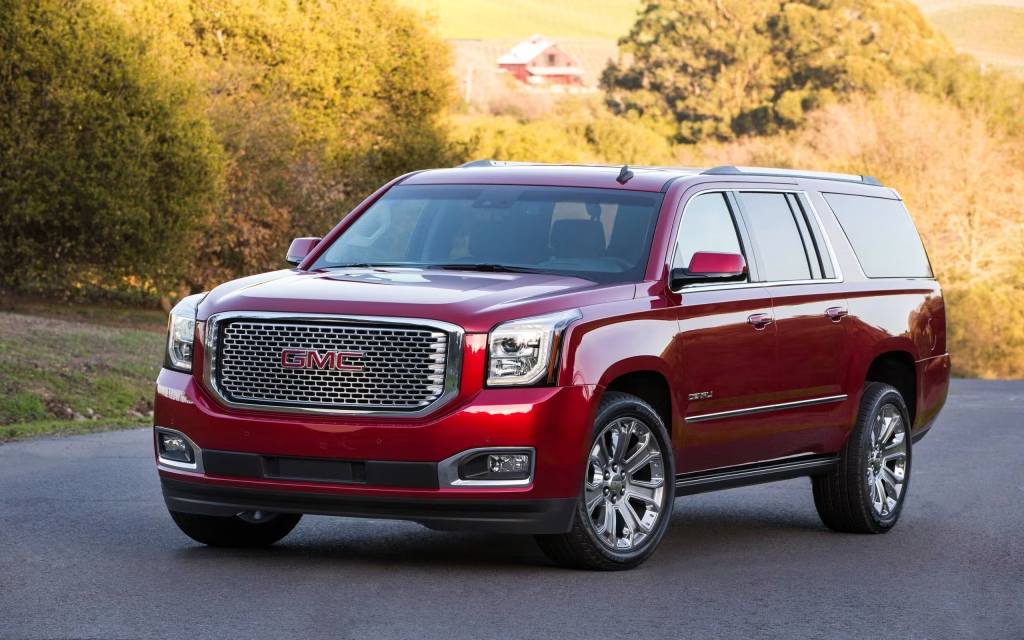
The Yukon is far from cheap to purchase or operate, and its large size can also lead to significant fuel expenses. Its inclusion on this list is based on another factor. Historical evidence indicates that a well-maintained Yukon can remain dependable and useful for well over a decade.
For someone financing one for 10 years, that distinction matters. The final payment does not necessarily have to mark the end of the vehicle’s useful life.
8. Honda Pilot
The Honda Pilot offers a more family-oriented interpretation of long-term durability. It does not have the extreme 250,000-mile probability of the Toyota Sequoia or 4Runner, but iSeeCars’ research still places the Pilot comfortably above the SUV average.
In the 2025 iSeeCars Longest-Lasting Cars study, the Pilot recorded a 13.1% predicted chance of reaching at least 250,000 miles. The SUV average was 4.3%, meaning the Pilot was predicted to be about three times as likely as the typical SUV to reach that mileage milestone.
That is an important distinction for anyone considering a 10-year loan. At an annual driving rate of 12,000 miles, a decade of ownership represents roughly 120,000 miles. The Pilot’s historical data suggests that reaching considerably higher mileage is realistic for a meaningful portion of the fleet, although it is not a guarantee for an individual vehicle.
iSeeCars’ separate lifespan study estimates the Pilot’s potential lifespan at 236,807 miles, putting it 15th among all vehicles in that research and among the stronger SUV performers.
The U.S. Pilot uses a 3.5-liter naturally aspirated V6 producing 285 horsepower and 262 lb-ft of torque in the current generation. It is paired with a 10-speed automatic transmission. Depending on trim, buyers can choose front-wheel drive or Honda’s i-VTM4 all-wheel-drive system.
The naturally aspirated V6 is also a notable part of the Pilot’s character. Rather than relying on turbocharging, Honda uses displacement to produce its power, making the powertrain familiar to drivers who prefer a conventional gasoline setup.
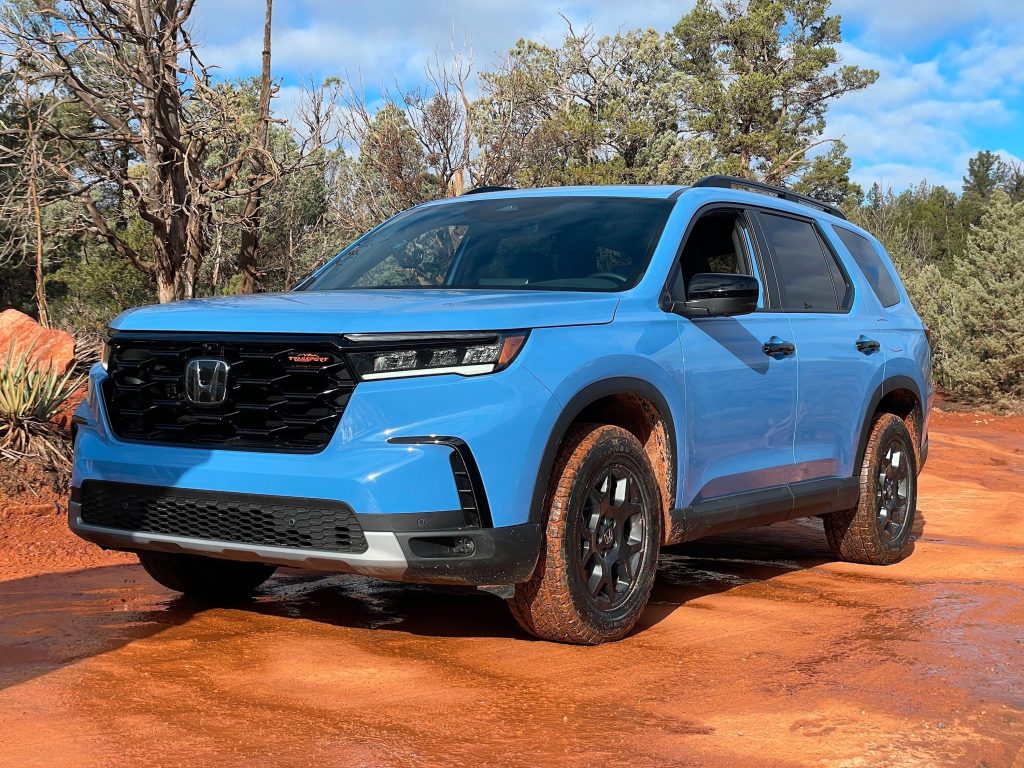
The Pilot’s three-row design gives it another advantage for long-term ownership. It can serve multiple purposes without requiring the size and expense of a full-size SUV. Families can use it to carry passengers, luggage, and recreational gear while still benefiting from a more manageable size compared with vehicles such as the Suburban.
A decade-long loan still demands careful maintenance, but the Pilot’s iSeeCars numbers provide meaningful evidence that the vehicle can have plenty of life remaining after those payments end.
9. Lexus RX Hybrid
The Lexus RX Hybrid is one of the more interesting entries in iSeeCars’ longevity research because it combines a luxury badge with a powertrain that has demonstrated unusually strong mileage potential.
In the 2025 iSeeCars Longest-Lasting Cars study, the Lexus RX Hybrid had a 17.0% predicted chance of reaching at least 250,000 miles. That placed it fifth among SUVs, compared with an SUV average of just 4.3%. In other words, its predicted probability was almost four times that of the typical SUV.
That result is particularly meaningful for someone thinking about a 10-year loan. The RX Hybrid is not an inexpensive vehicle, and luxury ownership can involve higher insurance, maintenance, and replacement-part costs than mainstream alternatives.
Its appeal here comes from the historical durability of the vehicle itself, not from a claim that it is cheap to maintain.
The hybrid powertrain is also worth examining. The current U.S. RX 350h uses a 2.5-liter four-cylinder hybrid system producing 246 combined horsepower. Lexus pairs it with an electronically controlled continuously variable transmission and all-wheel drive.
The hybrid setup allows the gasoline engine and electric motors to share the workload, helping reduce fuel consumption during everyday driving.
iSeeCars’ longevity study analyzed almost 400 million vehicles, using historical odometer patterns to estimate the likelihood of reaching 250,000 miles. That makes the RX Hybrid’s 17.0% figure much more meaningful than simply pointing to a few owner anecdotes about exceptionally high-mileage examples.
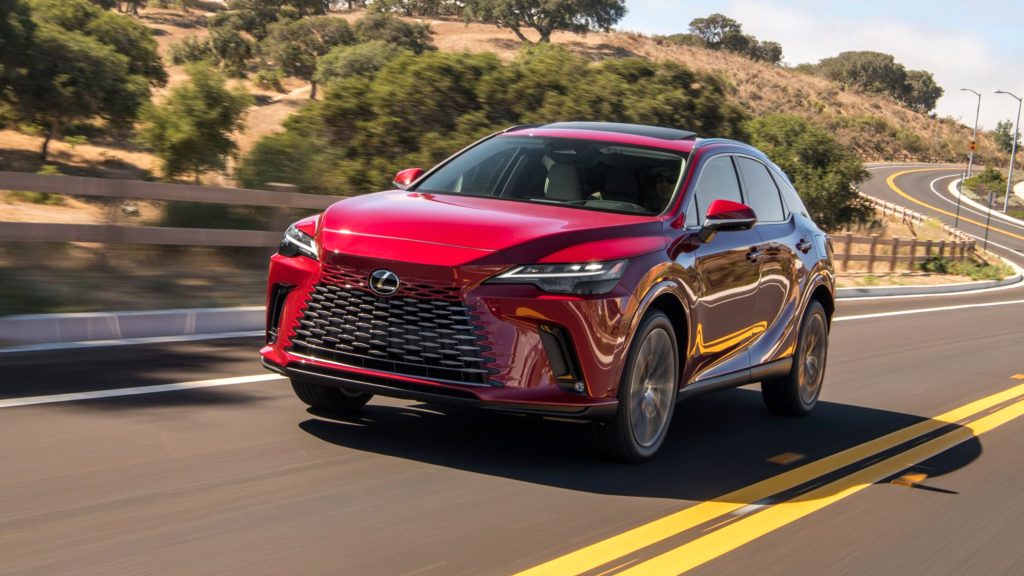
The RX also sits in a useful middle ground for families. It provides two-row seating, generous passenger space, and a more refined driving experience than truck-based SUVs.
A 10-year financing term should still be approached carefully with any luxury vehicle. However, the iSeeCars data establishes the RX Hybrid as one of the SUVs with substantially stronger long-mileage prospects than the average model.
10. Honda CR-V
The Honda CR-V closes the list with one of the most mainstream and widely recognized compact SUVs in America. iSeeCars’ 2025 Longest-Lasting Cars study gives the CR-V a 10.6% predicted chance of reaching at least 250,000 miles. That places it tenth among the SUVs included in the study and more than doubles the 4.3% average for SUVs.
That makes the CR-V particularly relevant to a buyer who does not need a full-size SUV but still wants evidence of long-term durability. A 10-year loan can put considerable mileage on a vehicle, especially for owners with long commutes or frequent road trips.
The CR-V’s historical data suggests that a meaningful portion of these SUVs can continue operating well beyond that point.
The current U.S. CR-V also offers buyers a choice between conventional gasoline and hybrid powertrains. The standard model uses a 1.5-liter turbocharged four-cylinder producing 190 horsepower and 179 lb-ft of torque. Honda offers front-wheel drive or all-wheel drive depending on trim. (Honda)
Hybrid versions use a 2.0-liter four-cylinder-based system and produce 204 combined horsepower. That gives buyers the option of prioritizing fuel efficiency while staying within the same CR-V model family.
The CR-V’s dimensions make it easier to live with than the full-size SUVs elsewhere on this list. Honda lists the current model at 184.8 inches long and 73.5 inches wide, while its five-passenger cabin provides useful cargo flexibility.
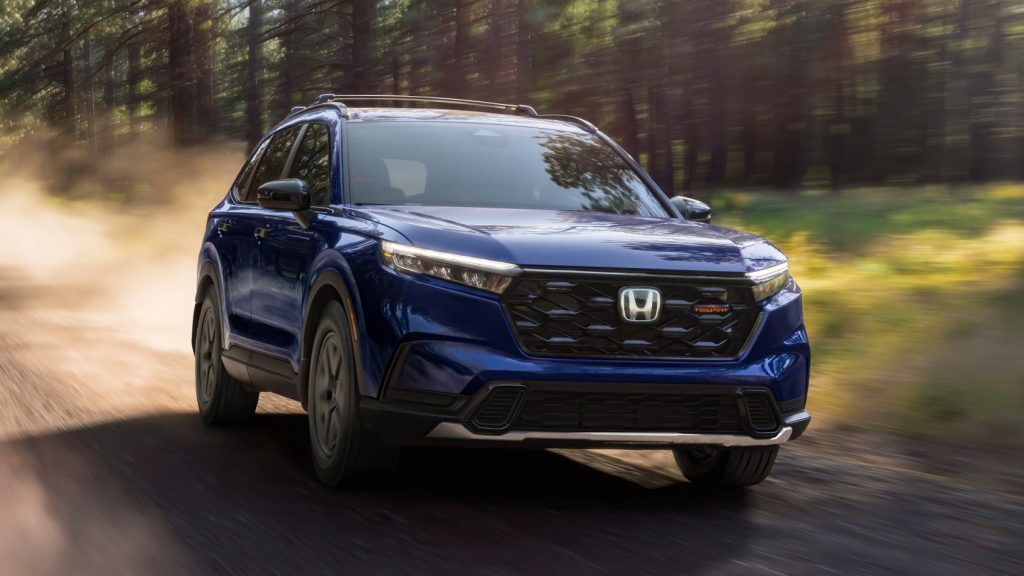
Its popularity also matters from a practical service perspective. The CR-V has been sold in the United States for decades, creating a large installed base and a broad network of Honda dealers and independent repair shops familiar with the model.
The iSeeCars figure does not promise that an individual CR-V will reach 250,000 miles. Maintenance history, accident exposure, driving conditions, and owner care can dramatically change the result. What the data does show is that the CR-V has a 2.5-times-higher predicted chance than the average SUV of reaching that milestone.
For a buyer considering a 10-year loan, that makes the CR-V one of the more sensible compact SUVs to put on the shortlist when long-term mileage matters.
