Seeing a car from 2006 still being used as everyday transportation in 2026 says something about the vehicle that a new-car brochure cannot. Two decades of weather, commuting, road trips, repairs, and changing technology can expose weaknesses that are difficult to predict when a vehicle is new.
The cars below have earned a place on American roads through a combination of durability, widespread sales, affordable maintenance, and strong long-term survival data. The ranking considers documented longevity rather than simply nostalgia.
iSeeCars analyzed more than two million vehicles for its long-term lifespan study, providing useful evidence about which models have demonstrated exceptional mileage potential.
1. Toyota Camry
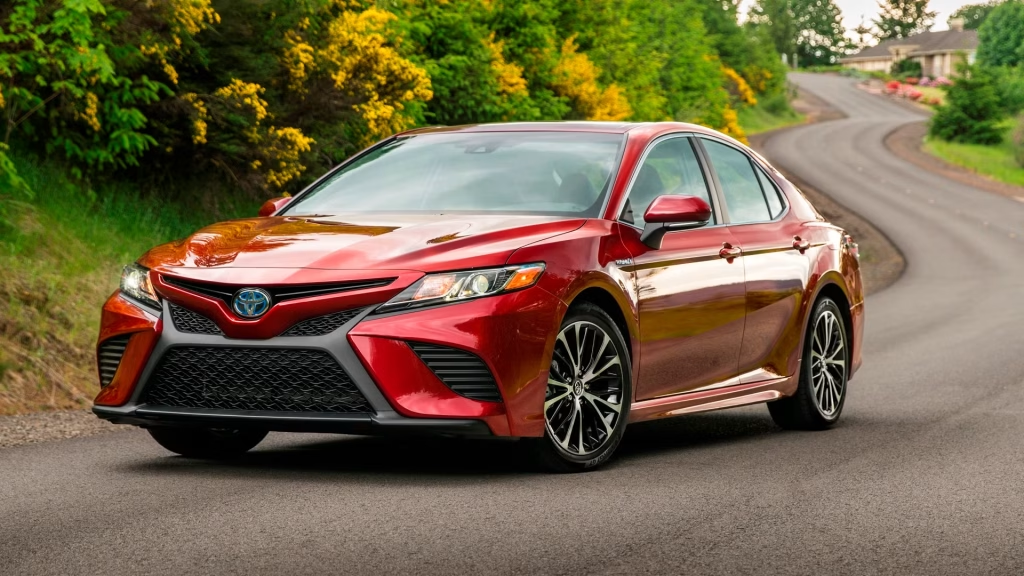
The Toyota Camry is one of the easiest answers when discussing cars that refuse to disappear from American roads. A 2006 Camry is now two decades old, yet the model’s reputation for longevity remains supported by large-scale vehicle data.
iSeeCars estimates that the Camry has an average usable lifespan of about 172,479 miles, with a 31.8 percent chance of reaching at least 200,000 miles.
Its separate lifespan research places the conventional Camry’s potential lifespan at 223,249 miles, ranking it among the strongest long-term performers in the sedan category.
The 2006 generation was also a substantial midsize sedan. Depending on configuration, the four-cylinder version used a 2.4-liter engine producing 154 horsepower and 160 lb.-ft. of torque.
Toyota offered both manual and automatic transmissions, while V6 versions produced considerably more power. The four-cylinder model was the volume-oriented choice, combining adequate performance with a straightforward mechanical package.
Interior space helped make the Camry useful as a family vehicle. The 2006 sedan offered more than 100 cubic feet of passenger volume in many configurations, with a trunk providing roughly 14 cubic feet of carrying capacity. That meant owners did not need to sacrifice practicality simply because they chose a conventional sedan.
Another reason these cars remain visible is the enormous number sold when they were new. A durable vehicle becomes far more noticeable 20 years later when millions enter the market in the first place. Parts availability, mechanic familiarity, and a huge used-car ecosystem further help older examples remain economically viable.
The Camry’s longevity is not guaranteed. Maintenance history, rust, mileage, accident damage, and previous ownership all matter. Still, the combination of high original sales volume and strong documented lifespan makes the 2006 Camry one of the most recognizable survivors on American roads.
2. Honda Accord
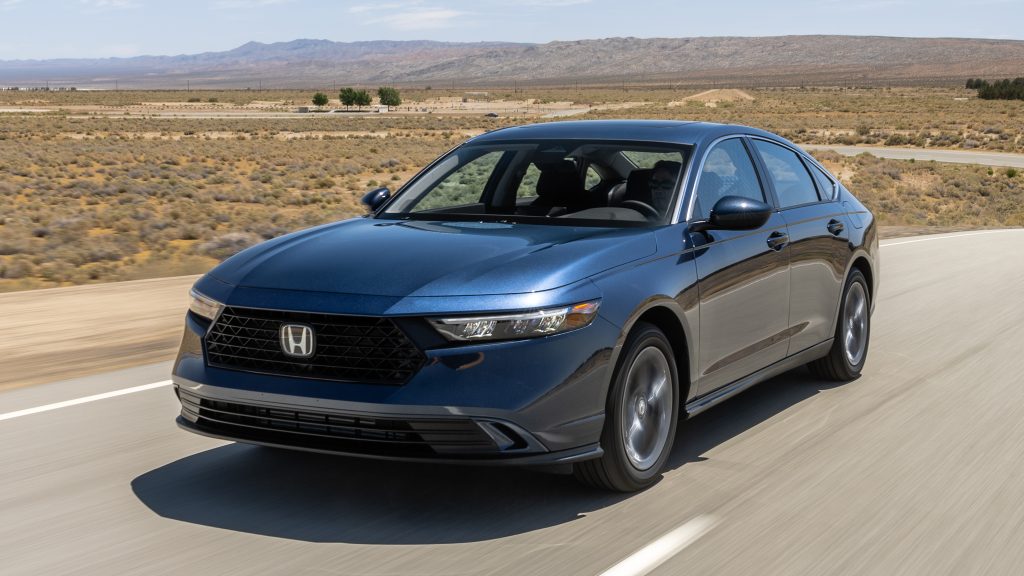
The Honda Accord has spent decades occupying driveways, commuter lots, college campuses, and family garages, so it is hardly surprising that plenty of 2006 examples have survived into 2026. What makes the Accord particularly interesting is that its reputation for longevity is backed by substantial mileage data rather than simply owner anecdotes.
iSeeCars estimates the Accord’s average lifespan at 167,454 miles, while its long-term lifespan study gives the model a potential lifespan of 226,168 miles. That placed the Accord third among conventional-fuel sedans in that particular study, behind the Toyota Avalon and Chevrolet Impala.
The same research estimates that 8.8 percent of Accords have a chance of reaching 250,000 miles or more, substantially above the average for passenger cars.
The 2006 Accord was offered with four-cylinder and V6 engines. The four-cylinder used a 2.4-liter naturally aspirated engine, while the available V6 gave buyers considerably more performance. For long-term ownership, the simpler four-cylinder configuration remains one of the most recognizable versions of this generation.
Space was another strength. The 2006 sedan measured 191.1 inches long and 71.6 inches wide, with more than 110 cubic feet of EPA interior volume in several configurations. A 14.0-cubic-foot trunk gave owners enough room for normal family luggage without turning the Accord into an impractical commuter.
The model’s popularity also matters. iSeeCars reports that new Accord owners keep their vehicles an average of 9.4 years, one of the longest ownership periods among popular vehicles in its study.
Twenty years after its launch, an Accord is therefore not simply surviving because one particularly careful owner refused to sell it.
The model had the production numbers, practicality, and durability to create a large population of older vehicles in the first place. That is why spotting a well-maintained 2006 Accord today still feels completely normal rather than unusual.
3. Toyota Corolla
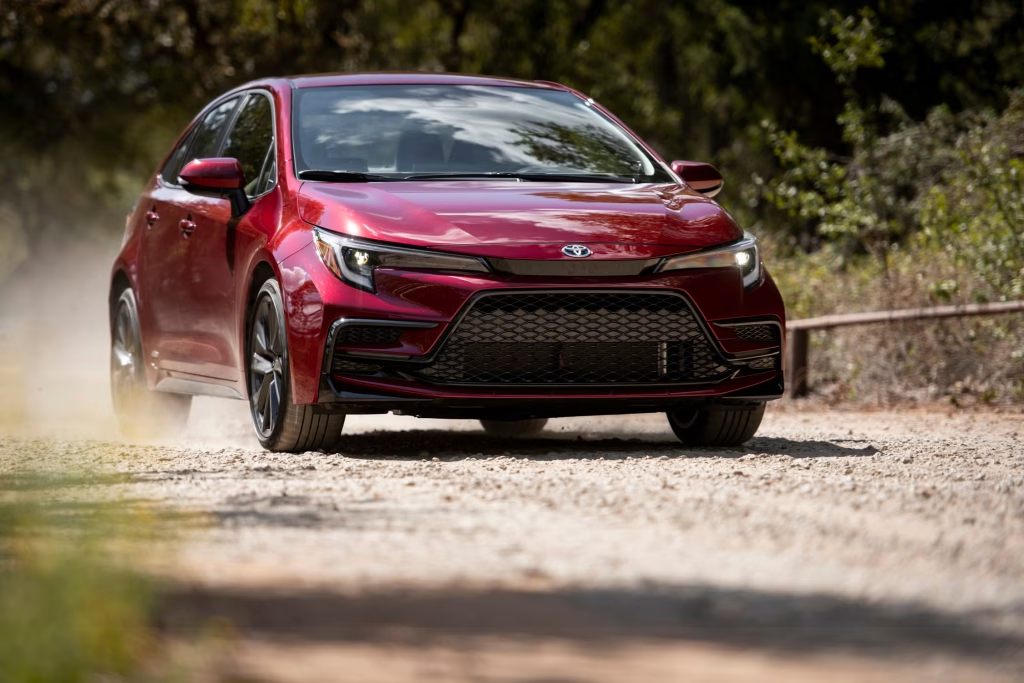
The Toyota Corolla is another familiar sight on American roads, and its survival rate is particularly impressive considering how many were sold as affordable commuter cars. A 2006 Corolla was designed around relatively straightforward transportation, but that simplicity has helped many examples remain useful long after newer cars have disappeared.
Long-term data supports the Corolla’s reputation. iSeeCars estimates a 204,266-mile potential lifespan for the Corolla, placing it ninth among conventional-fuel sedans and hatchbacks in its long-term lifespan study.
Its latest research also gives the Corolla a 3.2 percent predicted chance of reaching 250,000 miles, above the 2.6 percent average for passenger cars.
The 2006 U.S. Corolla used a 1.8-liter four-cylinder engine in most versions. The standard engine produced 126 horsepower and 122 lb.-ft. of torque, while the available XRS version used a higher-output 1.8-liter engine producing 164 horsepower.
The ordinary four-cylinder models were focused much more heavily on economical everyday transportation than performance.
Its compact dimensions also helped broaden its appeal. The 2006 Corolla measured approximately 180 inches long, making it easy to maneuver in crowded urban areas and relatively simple to park. That practicality was a major reason the model became such a common choice for commuters, students, and families looking for inexpensive transportation.
The Corolla’s biggest advantage today may be the enormous support network surrounding it. A car that sold in large numbers has an established supply of replacement parts and a huge pool of mechanics familiar with its mechanical layout.
Of course, age eventually catches up with every vehicle. Suspension components, rubber parts, seals, cooling systems, transmissions, and body corrosion can all become important considerations on a 20-year-old Corolla.
But when properly maintained, the model’s documented lifespan explains why seeing one still commuting daily in 2026 is hardly unusual.
4. Honda Civic
The Honda Civic may be one of the strongest examples of a compact car surviving well beyond the point when many owners would normally replace it. The 2006 Civic introduced a new generation with a redesigned platform, but its reputation for long-term durability has helped older examples remain visible decades later.
Current iSeeCars data gives the Civic an average lifespan of 183,603 miles, while its long-term study estimates a 205,335-mile potential lifespan for conventional-fuel Civic models. More strikingly, the latest 250,000-mile study gives the Civic a 10.9 percent predicted chance of reaching at least 250,000 miles, more than twice the 4.8 percent industry average.
The 2006 Civic was sold in several body styles, including sedan and coupe configurations. The sedan’s standard engine was a 1.8-liter four-cylinder producing 140 horsepower and 128 lb.-ft. of torque. A 1.3-liter hybrid and the high-performance Si also expanded the lineup, but the regular 1.8-liter model became the familiar choice for everyday drivers.
The Civic’s relatively compact dimensions were another reason it became so widespread. The 2006 sedan measured roughly 178.5 inches long, giving owners an easy-to-manage car for city streets while still providing usable seating for four adults.
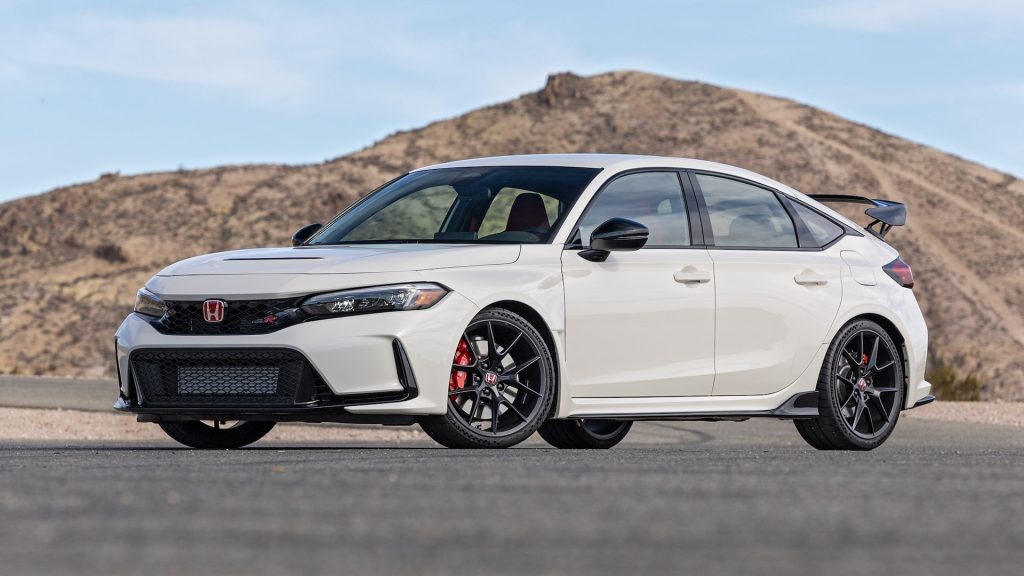
Two decades later, condition matters far more than the badge. A Civic with neglected maintenance, severe rust, accident damage, or a heavily worn transmission can become expensive despite the model’s reputation.
A carefully maintained example, however, can continue accumulating miles long after its original warranty and financing period have become distant memories.
That combination of huge sales volume, economical mechanical design, and strong long-term data explains why a 20-year-old Civic can still blend into modern traffic without looking particularly unusual.
5. Toyota Avalon
The Toyota Avalon is one of the strongest candidates for a 20-year-old car that can still look completely at home in modern traffic. Its longevity record is particularly impressive because it was a large sedan rather than a simple compact commuter.
Current iSeeCars data gives the Avalon an estimated 202,294-mile average lifespan, equivalent to roughly 19.3 years. Its long-term lifespan study places its potential lifespan at 245,710 miles, the highest figure among conventional-fuel sedans and hatchbacks in that analysis.
That makes an older Avalon especially interesting today. A properly maintained example can have substantial life remaining even after reaching mileage that would make buyers nervous about many other vehicles. iSeeCars also estimates that the Avalon has a 51.6 percent chance of reaching at least 200,000 miles during its usable lifespan.
The 2006 Avalon used a 3.5-liter V6 producing 268 horsepower and 248 lb.-ft. of torque. It was designed as a comfortable, quiet large sedan, with substantially more cabin space than Toyota’s smaller four-door models.
Its generous dimensions helped make it practical for families and highway drivers. The 2006 model measured approximately 193.5 inches long, giving passengers substantial room without moving into the physical footprint of a full-size luxury sedan.
The Avalon also benefited from Toyota’s enormous dealer and parts network. After two decades, that support can matter almost as much as the original engineering because maintaining an older car requires access to replacement components and technicians who know the platform.
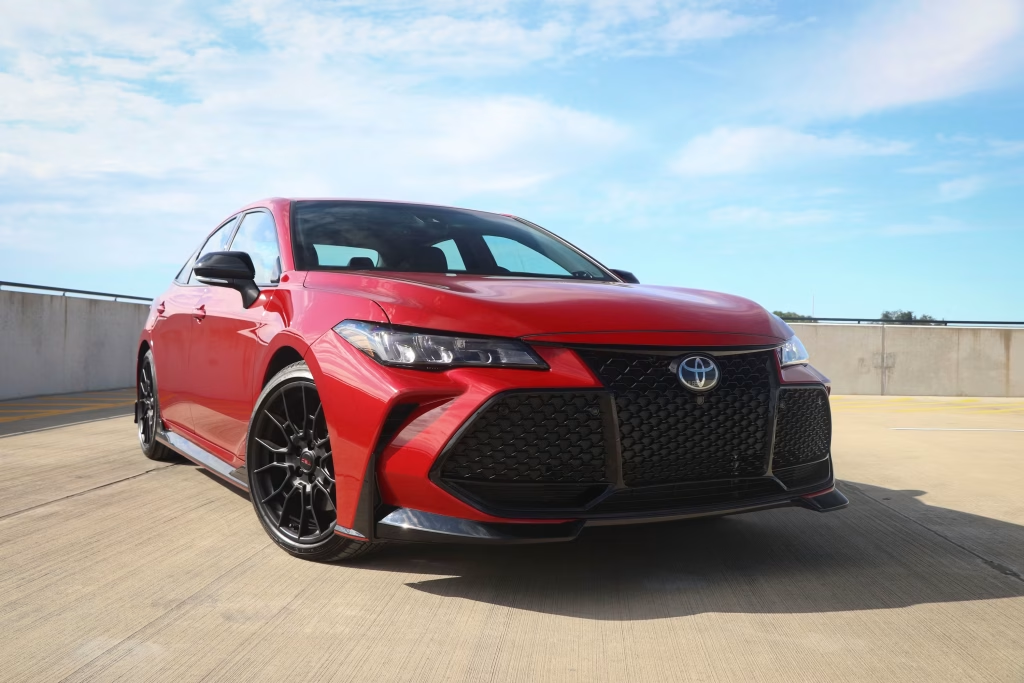
A 2006 Avalon is certainly not maintenance-free. Age-related suspension wear, rubber components, cooling-system parts, electronics, and corrosion can become expensive. Yet its exceptionally documented lifespan makes it one of the most convincing examples of an older American-road survivor.
6. Chevrolet Impala
The Chevrolet Impala represents a different kind of long-term survivor. Unlike the predominantly Japanese models above it, the Impala was a major American sedan with enormous sales volume, widespread fleet use, and a mechanical package that helped many examples remain on the road well beyond their original ownership cycles.
Current iSeeCars data estimates an average Impala lifespan of 140,142 miles, with an 11.2 percent chance of reaching at least 200,000 miles. Its long-term lifespan research gives the model a much more impressive 230,343-mile potential lifespan, placing it second among conventional-fuel sedans and hatchbacks in that study.
The 2006 Impala was offered with several V6 engines. The standard 3.5-liter V6 produced approximately 211 horsepower and 214 lb.-ft. of torque, while higher versions offered stronger output. A V8-powered Impala SS was also available, giving the range a performance-oriented option that is considerably rarer today.
Size was always part of the Impala’s appeal. The 2006 sedan measured roughly 200 inches long, providing a spacious cabin and a large trunk. That made it attractive to families, commuters, rental fleets, and businesses that needed an inexpensive sedan capable of carrying several passengers.
The Impala’s sheer production volume is important when considering why it remains visible. Chevrolet sold large numbers of these cars, so even a relatively modest survival rate can leave thousands of older examples in circulation.
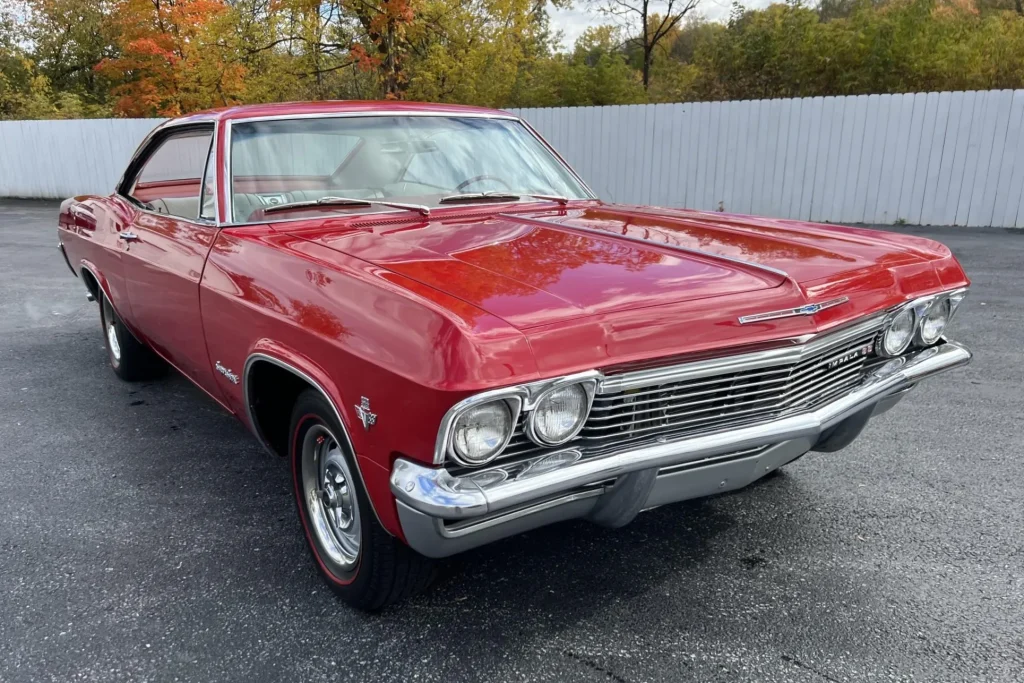
Another benefit is familiarity. The Impala was common enough for independent repair shops to know the platform well, and replacement parts were generally easy to find.
A 20-year-old Impala still requires careful inspection, particularly for rust, suspension wear, electrical problems, and neglected maintenance. But the model’s documented lifespan and huge original population explain why seeing an older example on an American road remains far from unusual.
7. Toyota 4Runner
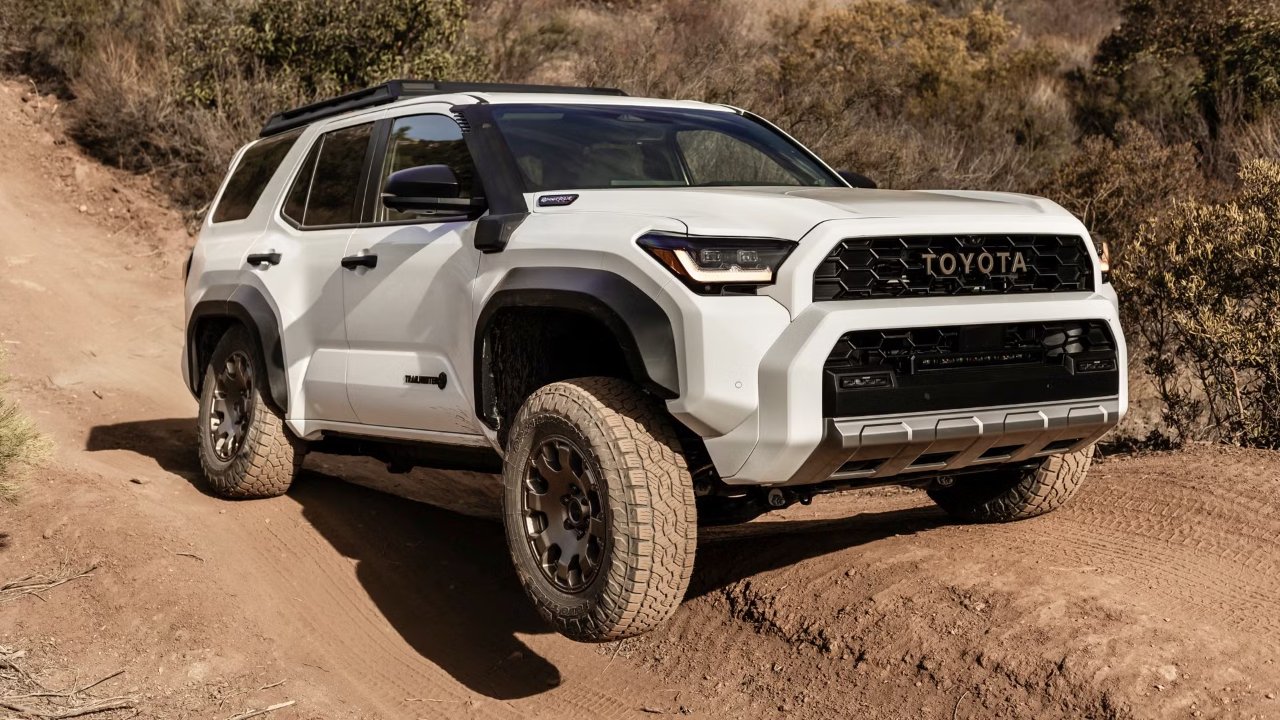
The Toyota 4Runner is one of the clearest examples of a vehicle that can outlive the expectations attached to an ordinary SUV. A 2006 4Runner is now 20 years old, yet the model continues to have an unusually strong long-term record.
iSeeCars estimates the 4Runner’s average lifespan at 217,484 miles, with a 58.8 percent chance of reaching at least 200,000 miles. Its long-term study gives the model a potential lifespan of 244,665 miles, putting it among the strongest vehicles Toyota has produced for sustained use.
The 4Runner’s construction also explains why an older example can remain useful when properly maintained. The 2006 model used a body-on-frame platform, a configuration that gave it genuine truck-based capability rather than making it simply a tall family wagon.
Buyers could choose between a 4.0-liter V6 and a 4.7-liter V8. The V6 produced 236 horsepower and 266 lb.-ft. of torque, while the V8 made 260 horsepower and 306 lb.-ft. of torque.
It was also built to work. Properly equipped versions could tow up to 5,000 pounds, while ground clearance reached 8.7 inches. The 2006 model measured 189.2 inches long and 75.2 inches wide, giving it substantial road presence without becoming enormous by modern SUV standards.
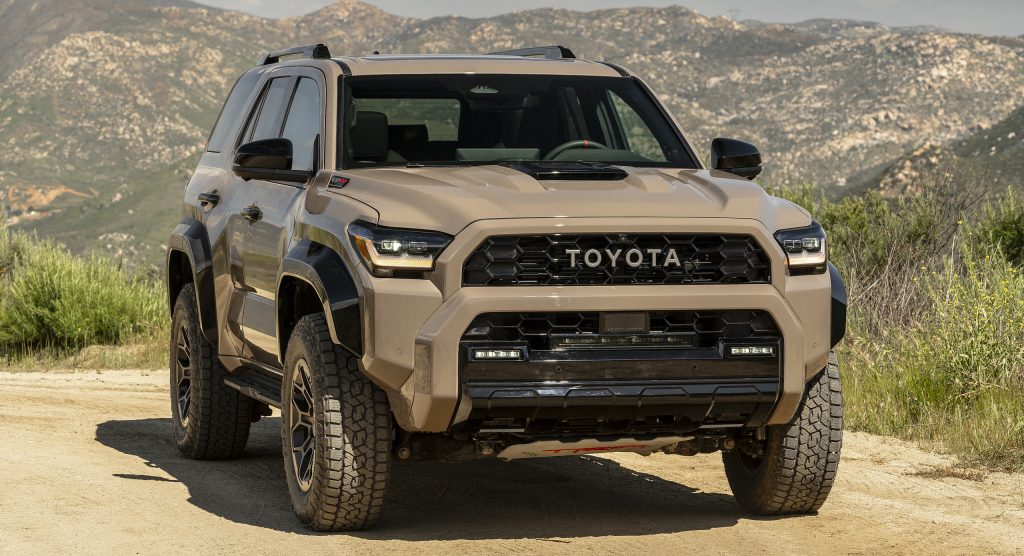
There is a reason so many surviving 4Runners still look purposeful rather than obsolete. Their basic mechanical character was designed around durability and utility, and the model developed a particularly strong following among owners willing to maintain them for the long haul.
A 20-year-old 4Runner is certainly not automatically reliable simply because it wears a Toyota badge. Rust, suspension wear, neglected fluids, drivetrain problems, and previous off-road abuse can change the equation dramatically.
But statistically and mechanically, the 4Runner has earned its reputation as one of America’s most persistent SUV survivors.
8. Honda CR-V
The Honda CR-V rounds out the list because it combines an exceptionally practical design with a strong record for reaching high mileage. A 2006 CR-V is old enough to qualify as a 20-year survivor, yet it can still function remarkably well as an everyday family vehicle when maintenance has been handled properly.
The model’s long-term numbers are encouraging. iSeeCars estimates the CR-V has a 13.9 percent chance of reaching at least 250,000 miles, according to its latest longest-lasting vehicle study. That is nearly three times the 4.8 percent industry average.
Its separate lifespan research gives the CR-V a potential lifespan of 215,930 miles, placing it among the longest-lasting SUVs in the analysis.
The 2006 CR-V used a 2.4-liter four-cylinder engine producing approximately 156 horsepower and 160 lb.-ft. of torque. Honda offered both front-wheel drive and real-time four-wheel drive, giving buyers a choice between simpler urban transportation and additional traction for difficult weather.
Practicality has always been one of the CR-V’s strongest attributes. The 2006 model measured approximately 181 inches long, making it substantially easier to maneuver than today’s larger three-row SUVs. Yet its upright body provided useful passenger and cargo space, and the rear seating could be configured to increase cargo flexibility.
That compact footprint may also help explain why the CR-V became such a common sight in American neighborhoods. It offered many of the advantages people wanted from an SUV without requiring the size, fuel consumption, or driving characteristics of a traditional truck-based model.
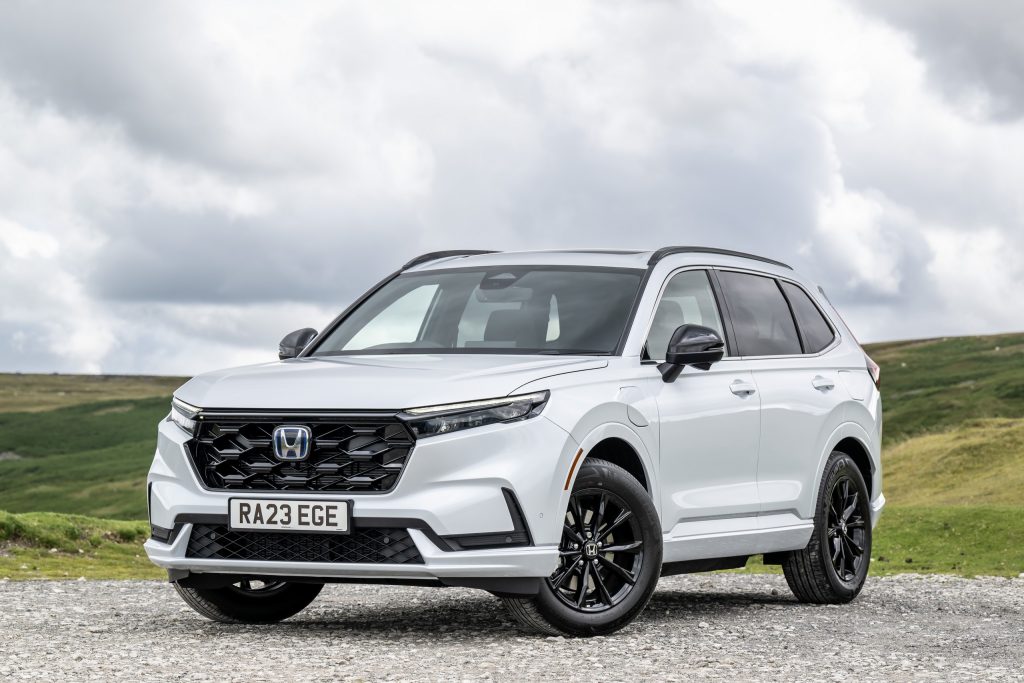
Two decades later, condition remains the deciding factor. An old CR-V with neglected fluids, worn suspension components, severe corrosion, or a poorly maintained drivetrain can become expensive. A carefully serviced example, however, can still be perfectly practical transportation.
Its combination of high sales volume, useful packaging, straightforward mechanical design, and strong long-term mileage data makes the CR-V a fitting final entry among vehicles that have managed to remain common on American roads long after their original showroom debut.