

Buying a new or used car often creates the expectation that major repairs are still years away. For many vehicles, that assumption holds true, but some models can experience their first repair well before the 30,000-mile mark.
These repairs may involve cooling systems, brakes, suspension parts, electronics, transmissions, or other components that wear or fail earlier than owners expect. Early repair does not automatically mean a car is unreliable, since driving habits, climate, maintenance, road conditions, and individual vehicle history matter.
Still, knowing which models can require attention early helps buyers plan ownership costs and avoid unpleasant surprises during the first few years of ownership.
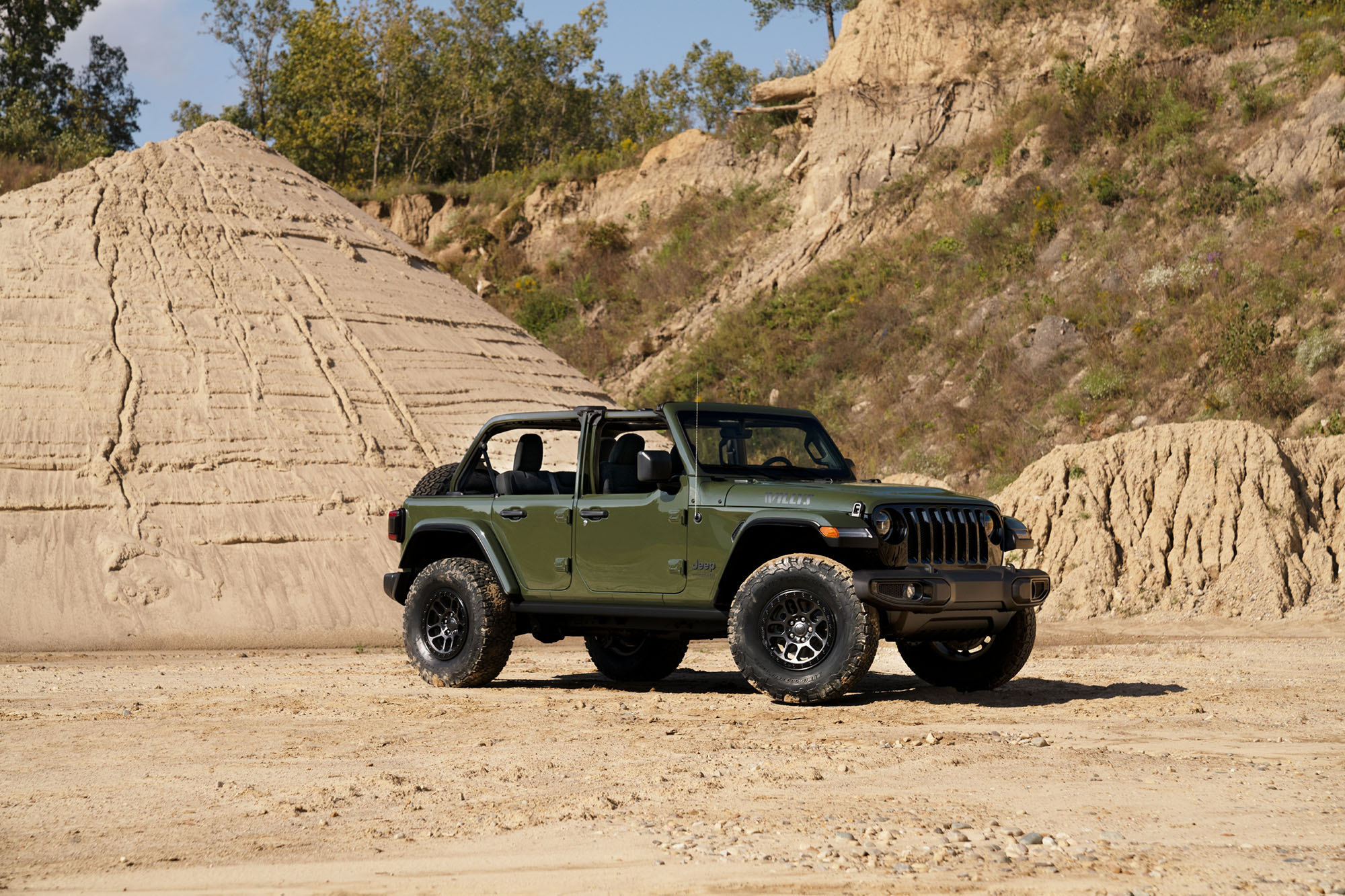
1. Jeep Wrangler
The Jeep Wrangler has a reputation for toughness, off-road capability, and a design that can handle demanding terrain. That reputation does not mean every component will remain trouble-free through the first 30,000 miles.
Wranglers are frequently driven on rough roads, trails, sand, mud, and rocky surfaces, which can place additional stress on suspension components, steering parts, brakes, and underbody equipment. A Wrangler used primarily on pavement may have a very different repair history from one that regularly sees serious off-road use.
A common area requiring attention on some Wranglers is the steering and suspension system. Owners may notice looseness, unusual noises, vibration, or changes in handling before reaching 30,000 miles.
Tie-rod ends, ball joints, stabilizer components, and other steering or suspension pieces can experience accelerated wear when a vehicle regularly encounters potholes or uneven terrain. Larger aftermarket tires and modified suspension systems can increase stress on factory components as well.
Brakes can also become an early maintenance concern. Frequent off-road driving, towing, heavy traffic, and larger tires can contribute to faster brake wear.
Brake components are technically wear items rather than unexpected mechanical failures, but replacing pads, rotors, or related parts before 30,000 miles can still feel like an early repair to a new-car owner. Driving style has a major influence on how quickly these components deteriorate.
Electrical issues have also appeared across various Wrangler generations and model years. Symptoms can range from warning lights and malfunctioning sensors to problems involving infotainment or electronic controls.
Not every Wrangler experiences these problems, and newer vehicles receive engineering changes over time. Buyers should therefore pay close attention to the specific model year, service records, recalls, and technical service information associated with the vehicle they are considering.
For buyers interested in a Wrangler, an early repair should be viewed in context rather than treated as proof that the entire vehicle is unreliable. A vehicle used for demanding off-road work will naturally place greater demands on its mechanical systems.
A pre-purchase inspection can reveal suspension wear, fluid leaks, brake condition, steering issues, and evidence of hard use. That inspection becomes particularly important when purchasing a used Wrangler with modifications or a history of recreational driving.
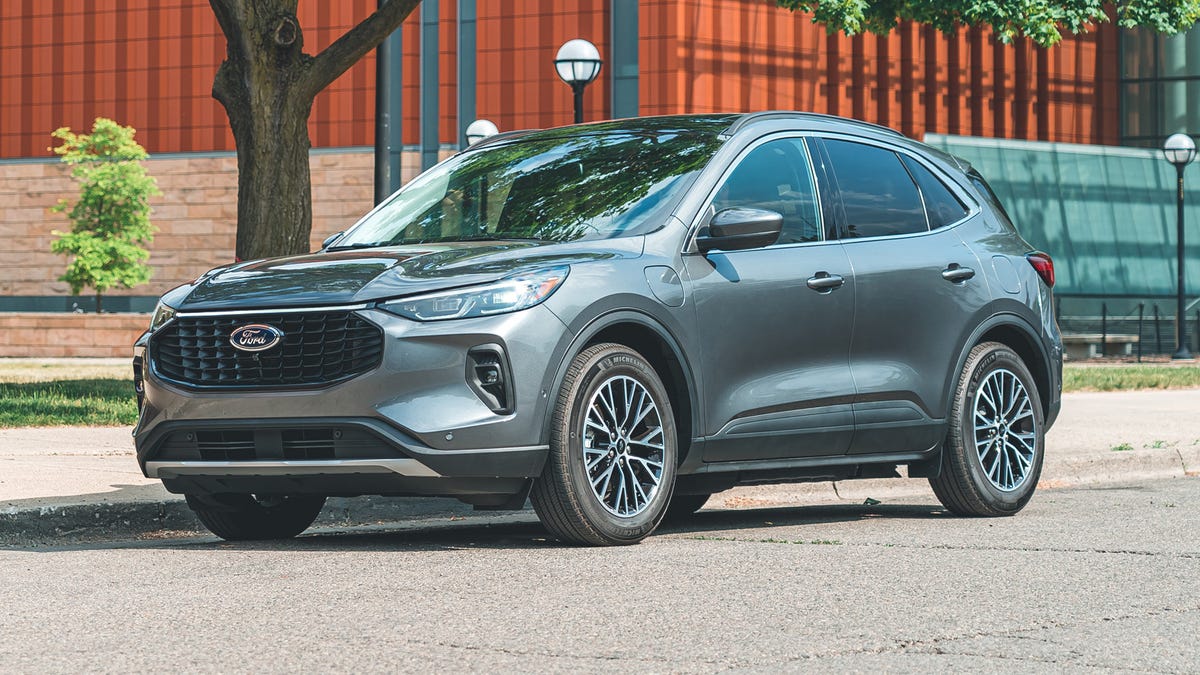
2. Ford Escape
The Ford Escape has been sold in several generations and powertrain configurations, so reliability can vary considerably by model year and engine.
Some Escape owners have encountered repairs relatively early in ownership, particularly involving cooling components, electrical systems, suspension parts, or drivetrain-related equipment. This does not mean every Escape requires a major repair before 30,000 miles, but certain examples have demonstrated issues earlier than buyers might expect.
Cooling system components deserve attention on used examples. A water pump, thermostat, cooling fan, hose, or related component can develop a problem earlier than expected.
Symptoms may include overheating, coolant loss, temperature fluctuations, warning messages, or visible leakage. Cooling problems should never be ignored because continued operation with an overheating engine can turn a relatively manageable repair into a much more expensive engine problem.
Certain Escape generations have also experienced transmission-related complaints. Depending on the engine and transmission combination, owners may report harsh shifting, hesitation, unusual noises, or warning lights.
A transmission concern does not automatically mean the transmission itself needs replacement. Software updates, sensors, fluid service, or other repairs may sometimes address the problem. A proper diagnostic assessment is essential before assuming the worst.
Suspension and brake components can also need replacement before 30,000 miles under demanding conditions. City driving with frequent stops, poor roads, heavy loads, and aggressive driving can accelerate wear.
Strange noises over bumps, steering vibration, uneven tire wear, or pulling during braking are useful warning signs. Addressing these symptoms promptly can prevent additional damage and improve safety.
Anyone shopping for a used Escape should pay close attention to the exact year and powertrain rather than judging the entire model line together. Maintenance records are particularly valuable because they show whether previous owners addressed emerging problems.
A vehicle that received timely repairs and regular servicing may be a better purchase than a lower-mileage example with neglected maintenance. Mileage provides useful information, but condition and service history often tell a much larger part of the ownership story.
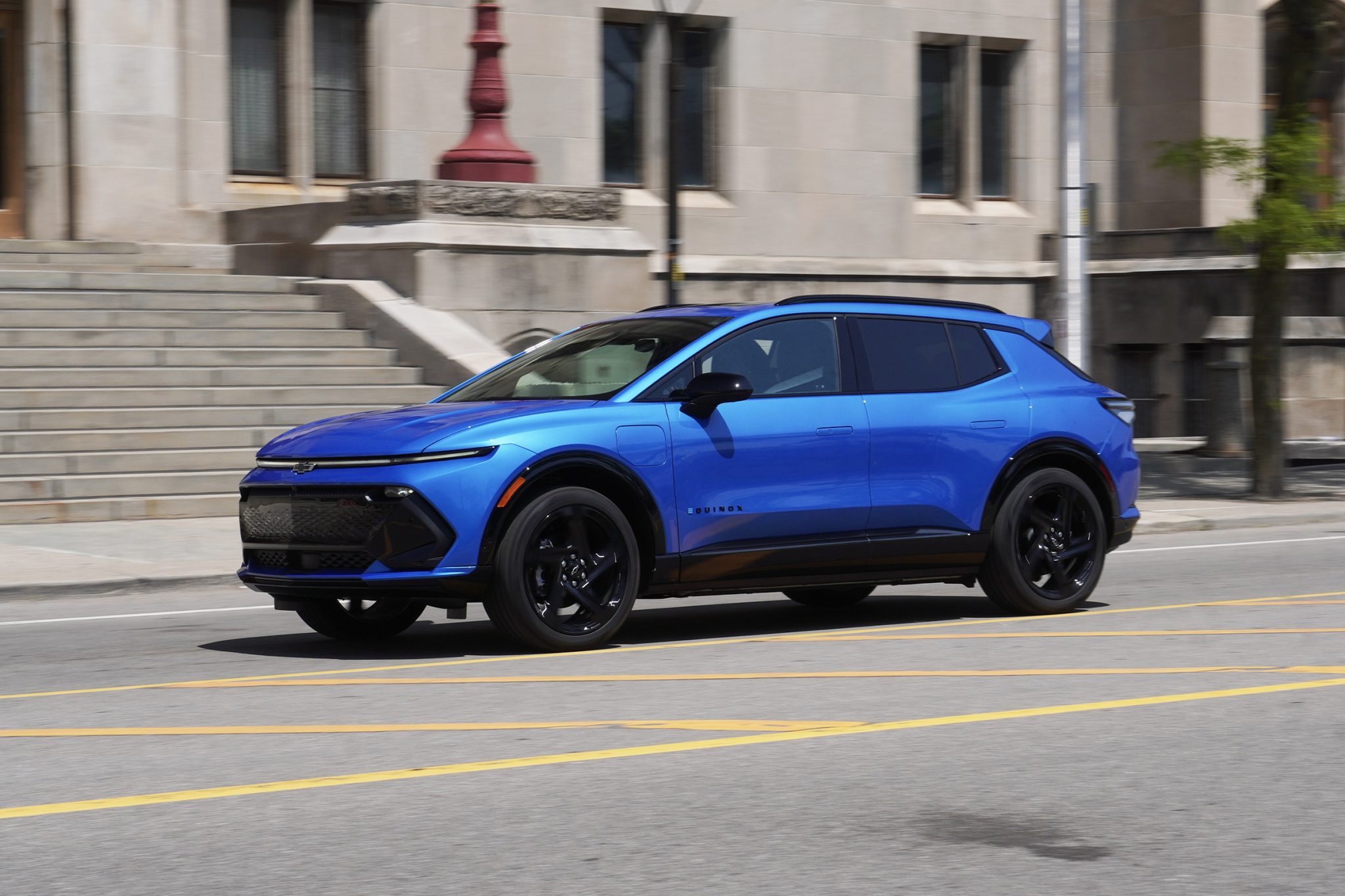
3. Chevrolet Equinox
The Chevrolet Equinox is a popular compact SUV, and its long production history includes several engines and mechanical configurations.
Some model years have developed reputations for specific mechanical or electrical concerns that can appear relatively early. Buyers should therefore avoid assuming that a low-mileage Equinox is automatically free from repair needs simply because the odometer remains below 30,000 miles.
Engine-related concerns deserve particular attention when inspecting certain used Equinox models. Oil consumption, leaks, sensor problems, ignition issues, and cooling-system faults can produce symptoms that appear before major mileage milestones.
An owner might notice an illuminated check-engine light, rough running, reduced fuel economy, low fluid levels, or unusual engine noise. These signs warrant diagnosis rather than being dismissed as minor annoyances.
The transmission is another system worth evaluating during a test drive. Shifting should generally feel consistent and predictable. Hesitation, harsh engagement, slipping, unusual noises, or delayed response can indicate a problem requiring professional inspection.
A transmission issue discovered early may be easier and less expensive to address than damage caused by continuing to drive with an unresolved fault.
Electrical equipment can also create early ownership frustrations. Modern Equinox models rely on numerous electronic modules, sensors, cameras, displays, and driver-assistance systems.
A malfunctioning sensor can trigger warning messages even when the vehicle remains mechanically drivable. Diagnosis can sometimes take longer than expected because technicians need to determine whether the problem originates with a sensor, wiring, software, or control module.
A prospective buyer should examine maintenance invoices, inspection records, and the vehicle’s recall history. Oil changes are particularly important for engines that are sensitive to lubrication quality or consumption.
Buyers should also inspect for leaks and check whether the engine starts smoothly from cold. An Equinox with a documented maintenance history and no unusual symptoms can still be a sensible purchase, but its specific model year should always be considered before making a decision.
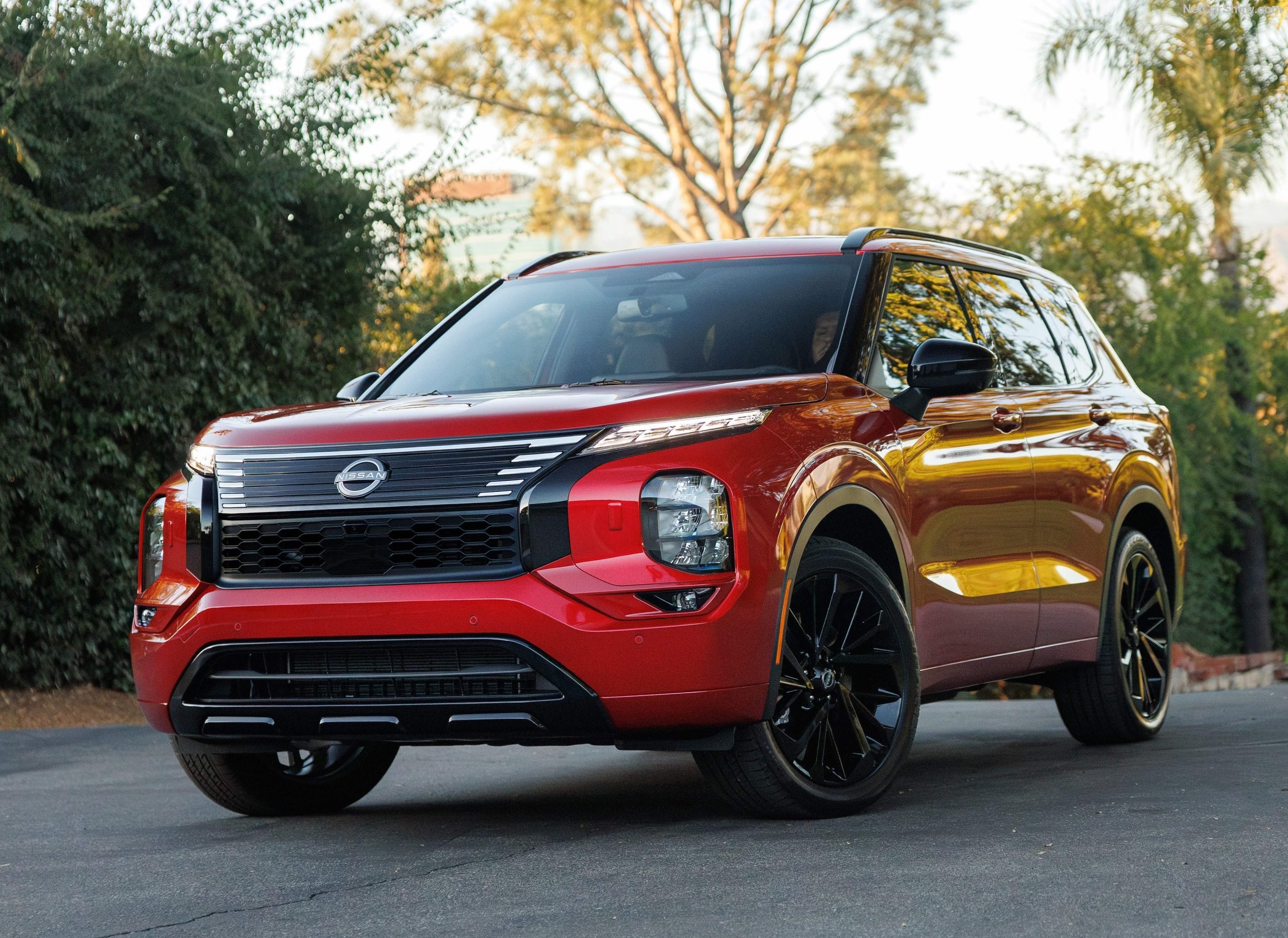
4. Nissan Rogue
The Nissan Rogue has become a common choice for drivers seeking a practical compact SUV. Several generations have used continuously variable transmissions, commonly known as CVTs, and transmission behavior deserves careful attention when evaluating an older or used example.
Some Rogue vehicles have experienced drivetrain concerns before reaching 30,000 miles, though the frequency and severity depend heavily on the generation, model year, maintenance, and operating conditions.
A CVT problem can produce symptoms such as hesitation, shuddering, unusual engine behavior, poor acceleration, or a change in how the vehicle responds under load.
Drivers may notice that the engine revs without the expected increase in vehicle speed. A transmission warning light can also appear. These symptoms should be investigated promptly because continuing to operate a vehicle with a developing drivetrain problem may increase repair costs.
Cooling and fluid management are important considerations with CVT-equipped vehicles. Excessive heat can be hard on transmission components, particularly during sustained high-speed driving, heavy loads, steep grades, or hot weather.
Service requirements vary according to model year and manufacturer recommendations, so owners should follow the maintenance schedule specified for their particular vehicle rather than relying on generic advice.
The Rogue can also experience ordinary early wear involving brakes, tires, suspension components, and battery-related equipment. Short trips, heavy traffic, extreme temperatures, and poor road surfaces can shorten component life.
These repairs may not indicate a fundamental design weakness, but they still affect the cost of ownership when they occur sooner than expected.
A used Rogue should receive a careful transmission inspection and road test. The vehicle should accelerate smoothly from a stop, maintain steady operation at highway speeds, and respond predictably when the driver applies moderate throttle.
Service documentation is highly valuable, especially when it shows that the vehicle received the required maintenance. Buyers should also research the specific model year because Nissan has made numerous changes to the Rogue over its production history.

5. Hyundai Tucson
The Hyundai Tucson has offered several engines, transmissions, and technology packages over different generations.
Some versions have experienced early mechanical or electrical repairs, with certain owners reporting problems involving engines, transmissions, sensors, cooling components, or other systems.
Because the Tucson has changed significantly over time, reliability discussions should focus on individual model years rather than treating every Tucson as mechanically identical.
Engine behavior is an important part of any inspection. Difficult starting, unusual tapping or knocking sounds, excessive oil consumption, hesitation, or repeated check-engine warnings can indicate a problem that deserves professional attention.
An engine that sounds normal during a short test drive may still have a developing issue, which is why maintenance records and a cold-start inspection can provide useful additional information.
Transmission behavior should also be evaluated carefully. Depending on the generation, Tucson models have used different transmission designs, including conventional automatics, dual-clutch transmissions, and other configurations.
Certain dual-clutch-equipped vehicles have generated complaints involving hesitation or unusual low-speed behavior. Buyers should pay attention to how the vehicle performs in stop-and-go traffic, during parking maneuvers, and when accelerating from a low speed.
Electronic systems can create another category of early repair. Modern Tucsons may contain numerous cameras, sensors, displays, electronic controls, and driver-assistance features.
A malfunctioning component can cause warning messages or disable certain features. A diagnostic scan can help identify stored fault codes even when the warning light is not currently illuminated.
A Tucson with fewer than 30,000 miles should still receive a complete inspection if it is being purchased used. Check the service history, tire condition, brake wear, fluid levels, engine operation, transmission response, and underbody condition.
Warranty coverage can also make a substantial difference, depending on the vehicle’s age, ownership history, mileage, and applicable terms. The right model year and a well-maintained example can offer a very different ownership experience from a neglected vehicle.
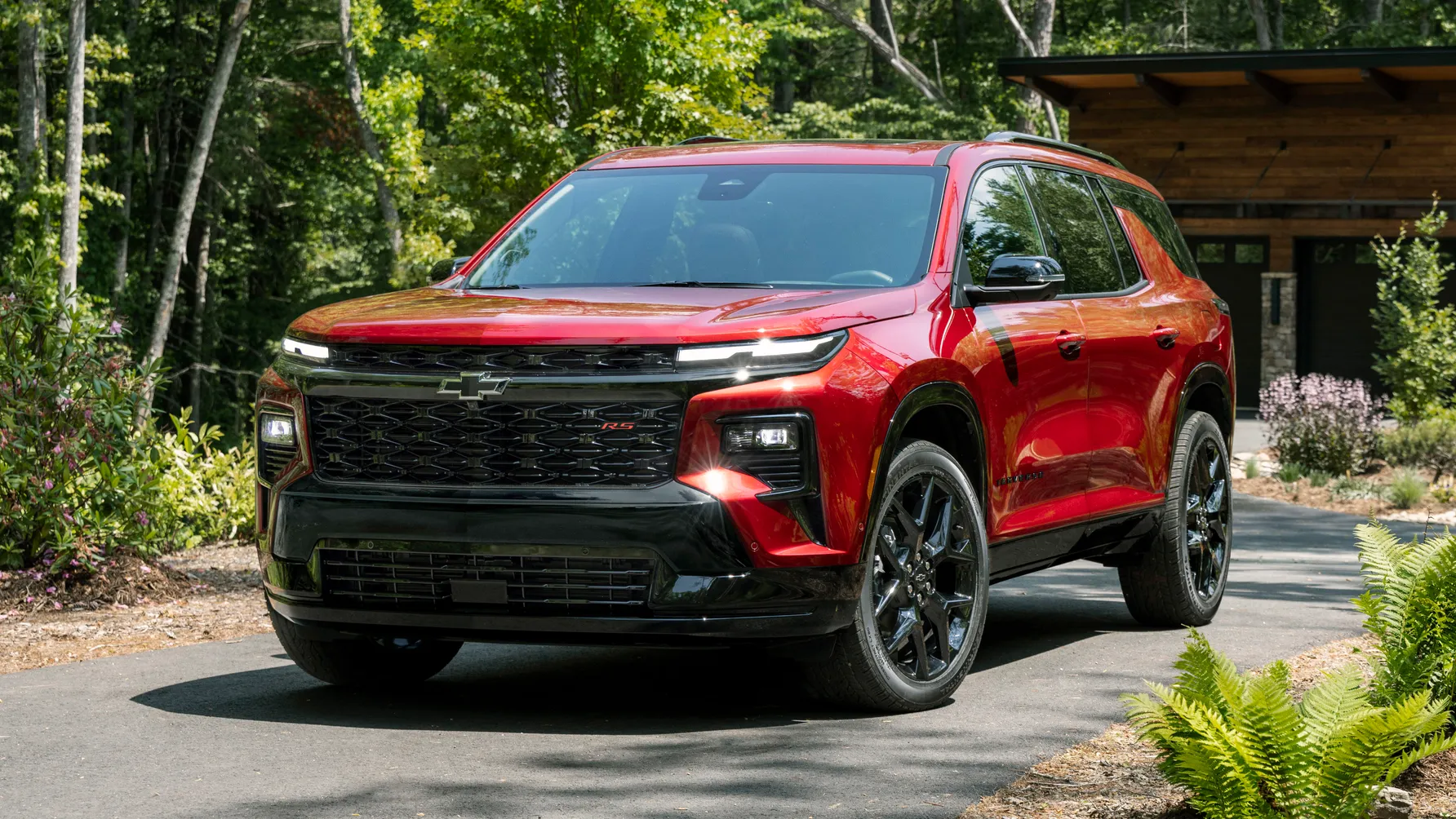
6. Chevrolet Traverse
The Chevrolet Traverse provides considerable passenger and cargo space, making it attractive to families who need more room than a compact SUV can provide.
Its size and weight also mean that certain components experience substantial loads during normal use. Brakes, suspension parts, tires, and drivetrain components can therefore become repair considerations earlier than owners anticipate, particularly when the vehicle regularly carries passengers or heavy cargo.
Brake wear is a straightforward example. A large SUV used for school runs, city traffic, commuting, and frequent stops can consume brake components relatively quickly.
Replacing brake pads or rotors before 30,000 miles may sound surprising to someone who expects several years of maintenance-free driving. Yet brake life depends heavily on driving conditions, vehicle load, terrain, and driving habits.
Suspension components can also experience significant stress. Clunks over bumps, uneven tire wear, steering changes, or unusual vibration should be investigated.
A worn component can affect alignment and cause a tire to wear prematurely. Catching a suspension problem early can prevent a relatively small repair from creating additional costs elsewhere.
Some Traverse model years have also had reports involving electrical systems, air-conditioning equipment, drivetrain components, or engine-related issues. The exact problem patterns vary considerably by generation.
This makes the model year particularly important when researching a used Traverse. Buyers should check for applicable recalls and review completed service work before purchasing.
A used Traverse should ideally be inspected by an independent mechanic before the sale. The inspection should cover the engine, transmission, cooling system, suspension, brakes, steering, tires, air conditioning, and electrical equipment.
Because a Traverse can be used as a family vehicle for long trips, reliability problems can become especially inconvenient. Preventive inspection is therefore worth the cost when considering a low-mileage example.
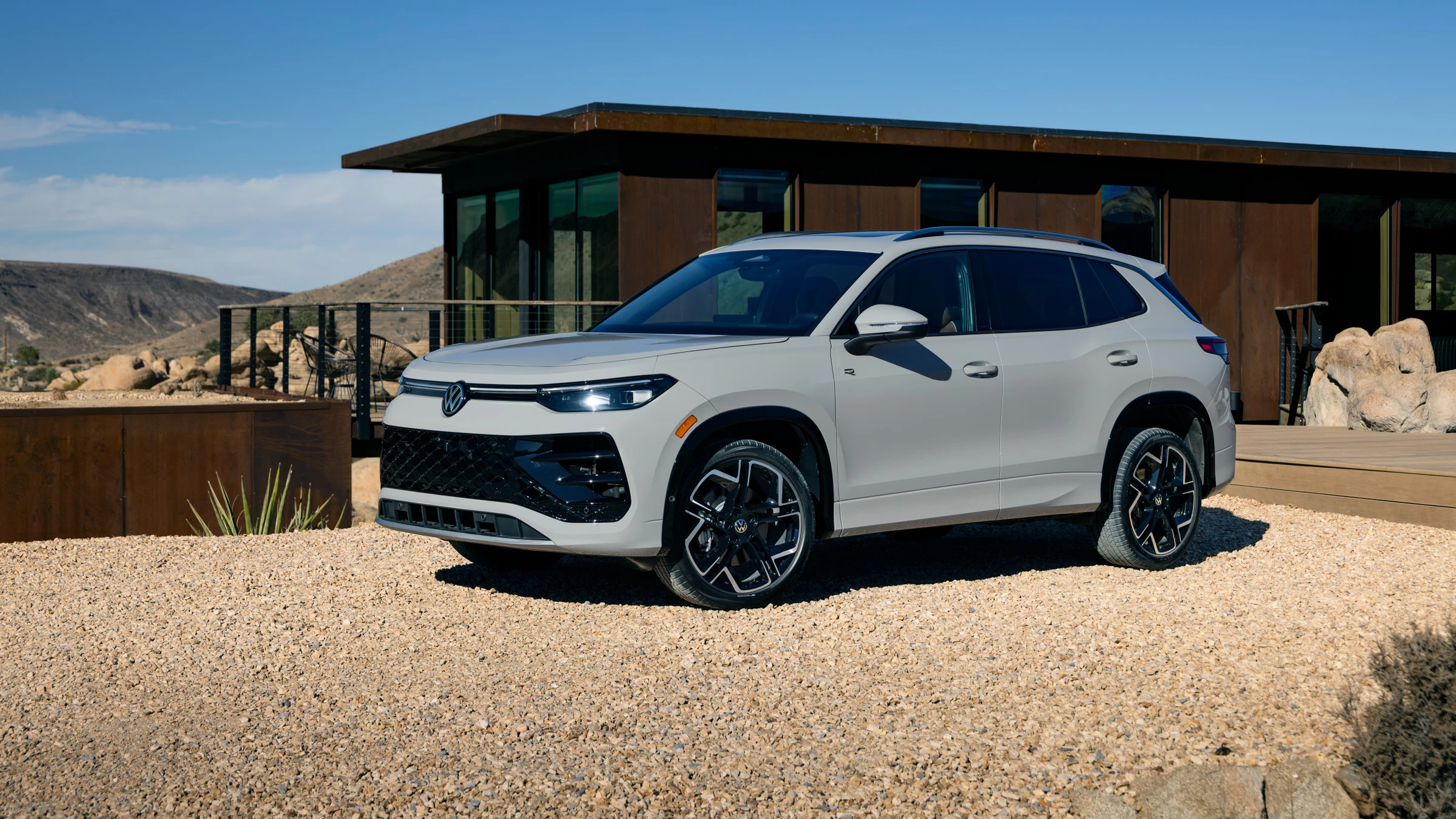
7. Volkswagen Tiguan
The Volkswagen Tiguan combines European styling with a turbocharged powertrain and a technology-rich interior. Turbocharged engines and sophisticated electronics can provide strong performance, but they also introduce additional components that may require attention.
Some Tiguan model years have experienced early repairs involving cooling systems, electronics, ignition components, oil leaks, or drivetrain-related equipment.
Cooling-system components deserve careful inspection. Water pumps, thermostats, hoses, and related components can develop leaks or failures.
A driver may notice a coolant warning, an unusual smell, temperature changes, or a puddle beneath the vehicle. Even a small coolant leak should be investigated quickly because inadequate coolant can lead to overheating and potentially severe engine damage.
Turbocharged engines also require appropriate maintenance. Regular oil changes are important because turbochargers operate at high temperatures and speeds.
Poor maintenance can contribute to lubrication-related problems. Buyers should examine service records closely and determine whether previous owners followed the manufacturer’s recommended intervals.
Electrical and electronic problems can also occur in modern Tiguans. Warning lights, malfunctioning sensors, infotainment glitches, and driver-assistance faults may require diagnostic work.
These problems can sometimes be software-related, while other cases require replacement of a physical component. A diagnostic scan and careful inspection can help distinguish an isolated fault from a larger electrical issue.
A Tiguan can still be a good choice for someone who values its driving characteristics and interior design, but maintenance expectations should be realistic. European vehicles may have higher repair costs for certain components compared with simpler vehicles.
Before purchasing a used example, obtain its service records and have an experienced technician inspect the engine, cooling system, transmission, suspension, and electronics.
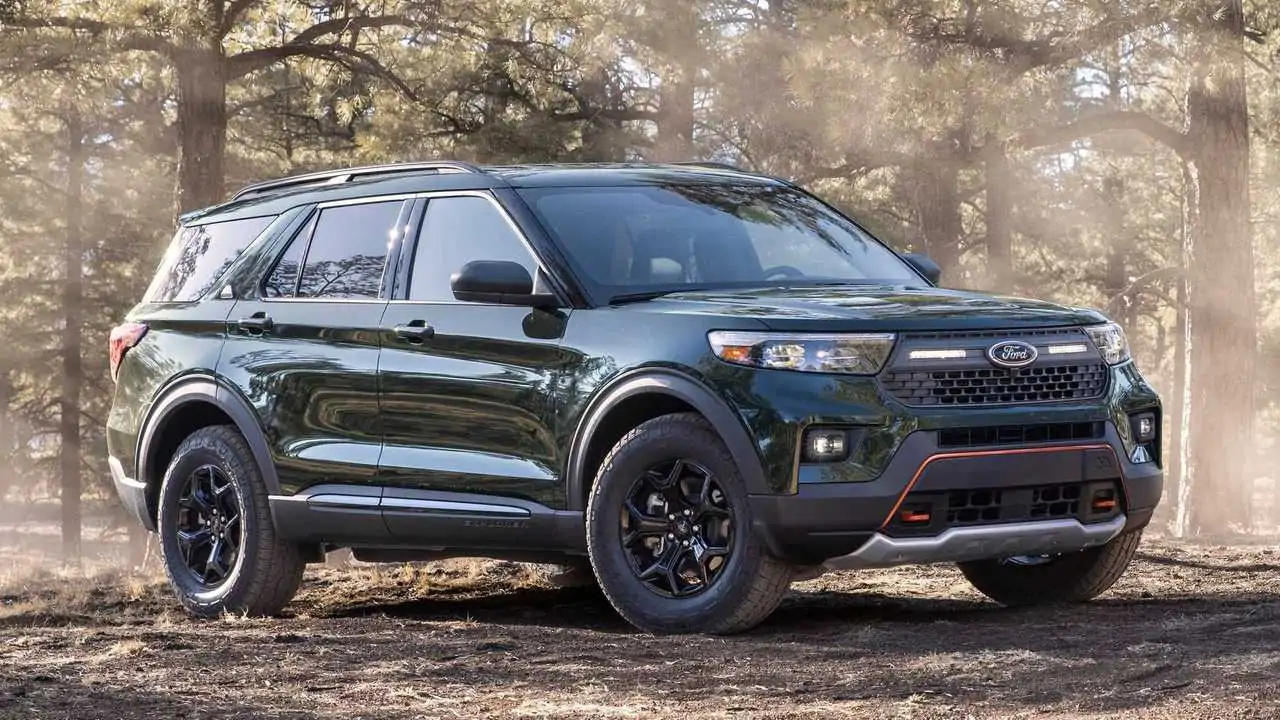
8. Ford Explorer
The Ford Explorer has been produced in numerous generations with major differences in engines, transmissions, suspension designs, and electronic systems.
Some Explorer model years have experienced repairs before 30,000 miles involving steering, suspension, cooling, electronics, or drivetrain components. Since the model has changed substantially across generations, the specific year is critical when assessing its reliability.
The steering and suspension systems deserve particular attention. Symptoms such as clunks, looseness, vibration, uneven tire wear, or unusual handling should not be ignored.
SUVs often encounter potholes, rough roads, curbs, and heavy loads, all of which can accelerate wear. A suspension inspection can reveal problems that might not be obvious during a brief dealership test drive.
Transmission behavior is also important. Depending on the generation, Explorer models have used different automatic transmissions, and certain years have generated complaints involving shifting quality, hesitation, or drivetrain faults.
During a test drive, acceleration should be smooth and predictable. Delayed engagement, harsh shifts, slipping sensations, or unusual noises deserve further investigation.
Electrical equipment can be another source of early repairs. Modern Explorers contain extensive electronic systems for entertainment, safety, climate control, cameras, and driver assistance.
A warning message or malfunctioning feature does not necessarily indicate a major mechanical failure, but diagnostic work may still be required. Software updates can sometimes solve electronic problems, while hardware failures require replacement.
Buyers should approach a used Explorer by evaluating the individual vehicle rather than relying only on its reputation. A complete service history, clean inspection, good tire condition, smooth transmission operation, and absence of warning lights are all positive signs.
Checking recalls and known issues for the exact model year is also worthwhile. A well-maintained Explorer can provide years of useful service, while an example with neglected maintenance may require expensive repairs much sooner.
