
When people think about resale value, they picture exterior paint. Yellow, orange, and green routinely retain more value than black or white, according to recent iSeeCars data.
But few buyers stop to consider what’s happening inside the cabin. Interior color quietly shapes how a used car is perceived the moment a door opens.
Appraisers and dealers inspect upholstery condition before anything else. Stains, fading, and mismatched trim immediately lower trade-in offers, according to auto reconditioning shops.
Some interior colors simply age worse than others under normal use. Others narrow the buyer pool because they’re too personal or too polarizing.
Light colors show every spill and scuff within months. Dark, saturated colors can look dated or clash with a car’s era.
This article breaks down eight interior colors that consistently work against resale value. Each one comes with real maintenance data, buyer psychology, and dealer feedback.
Understanding these patterns helps buyers choose wisely and helps owners protect their investment. It also explains why two visually similar cars can sell for very different prices.
1. Pure White or Ivory Leather
White leather looks stunning on a showroom floor. That impression fades fast once the car hits daily use. Alibaba’s automotive interior research notes that white leather often takes longer to sell. Listings showing yellowing or scuffing sit on marketplaces longer than comparable dark-interior cars.
The core problem is porosity and light reflectivity. White leather absorbs body oils, denim dye, and food residue almost instantly. Even light coffee spills leave permanent shadows within the grain. UV exposure accelerates this further, turning bright white into a dull cream over a few summers.
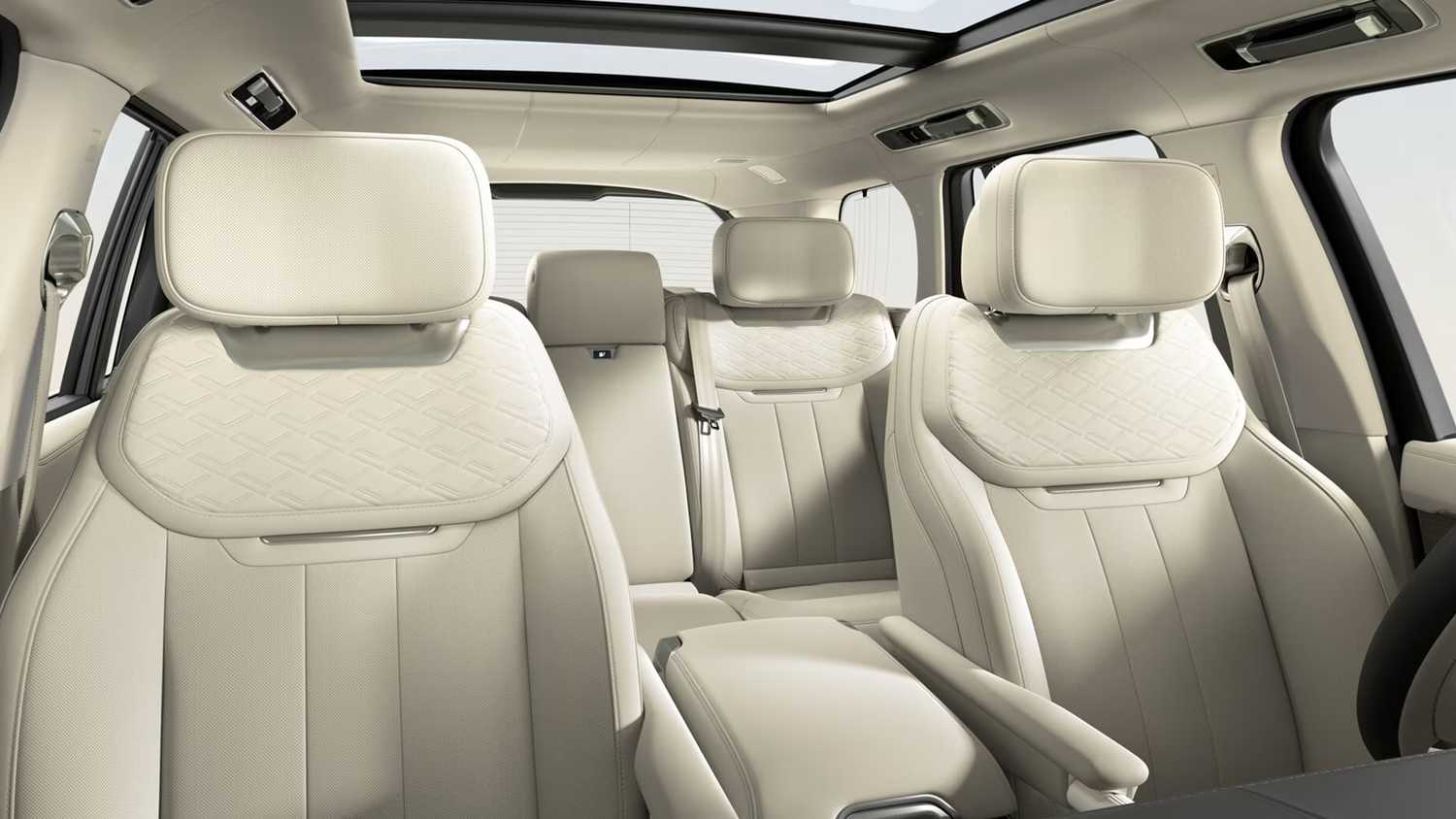
Buyers browsing used listings are wary of inherited stains. Photos revealing discoloration immediately raise doubts about how the previous owner treated the car.
Industry sources note the resale picture is genuinely mixed. Pristine, documented white interiors in luxury trims can still command a premium. But that outcome depends entirely on obsessive maintenance. Most owners don’t keep up pH-neutral cleaning schedules every four to eight weeks.
Family use makes things worse. Kids, pets, and muddy shoes turn white seats into a liability within a single year. Dealers factor this risk into their offers upfront. A trade-in appraiser sees white leather and mentally deducts for reconditioning costs.
Detailing a neglected white interior isn’t cheap either. Deep leather cleaning, dye correction, or reupholstering can run into the thousands. The net effect is a wider spread between best-case and worst-case value. For most everyday drivers, that spread lands closer to the worst case.
2. Full Bright Red Leather
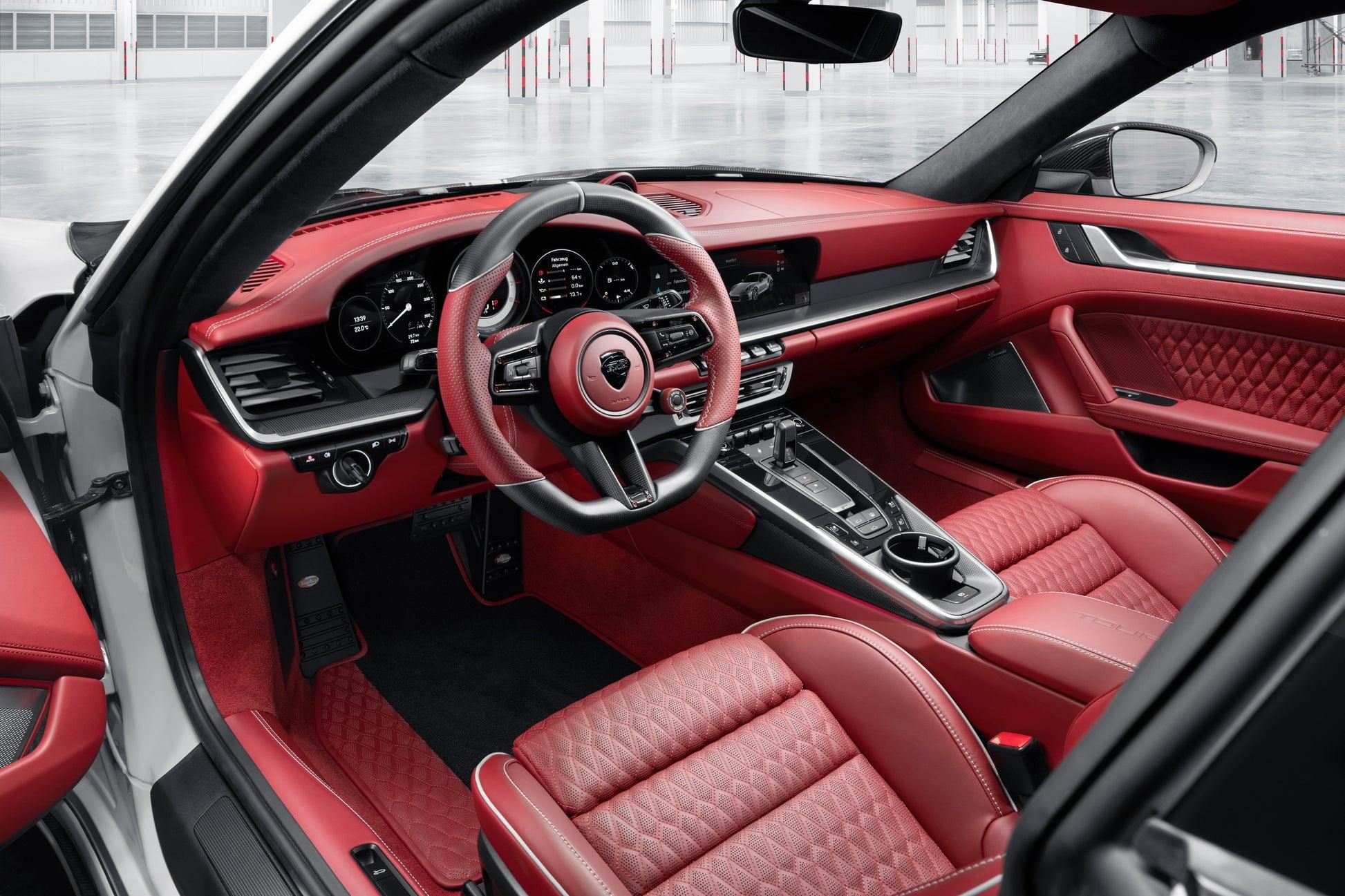
Red interiors carry an undeniable emotional pull. They photograph beautifully and feel sporty behind the wheel. But full-cabin red is a narrow, polarizing choice. Industry analysis found non-standard interior colors like red can lower average sale price by three to five percent.
The same data noted these cars sometimes sell faster. Faster doesn’t always mean better, since speed often comes from steep price cuts. Forum discussions among Corvette and Porsche owners echo this pattern. Multiple sellers report red interiors “have very limited appeal” compared to black or gray equivalents.
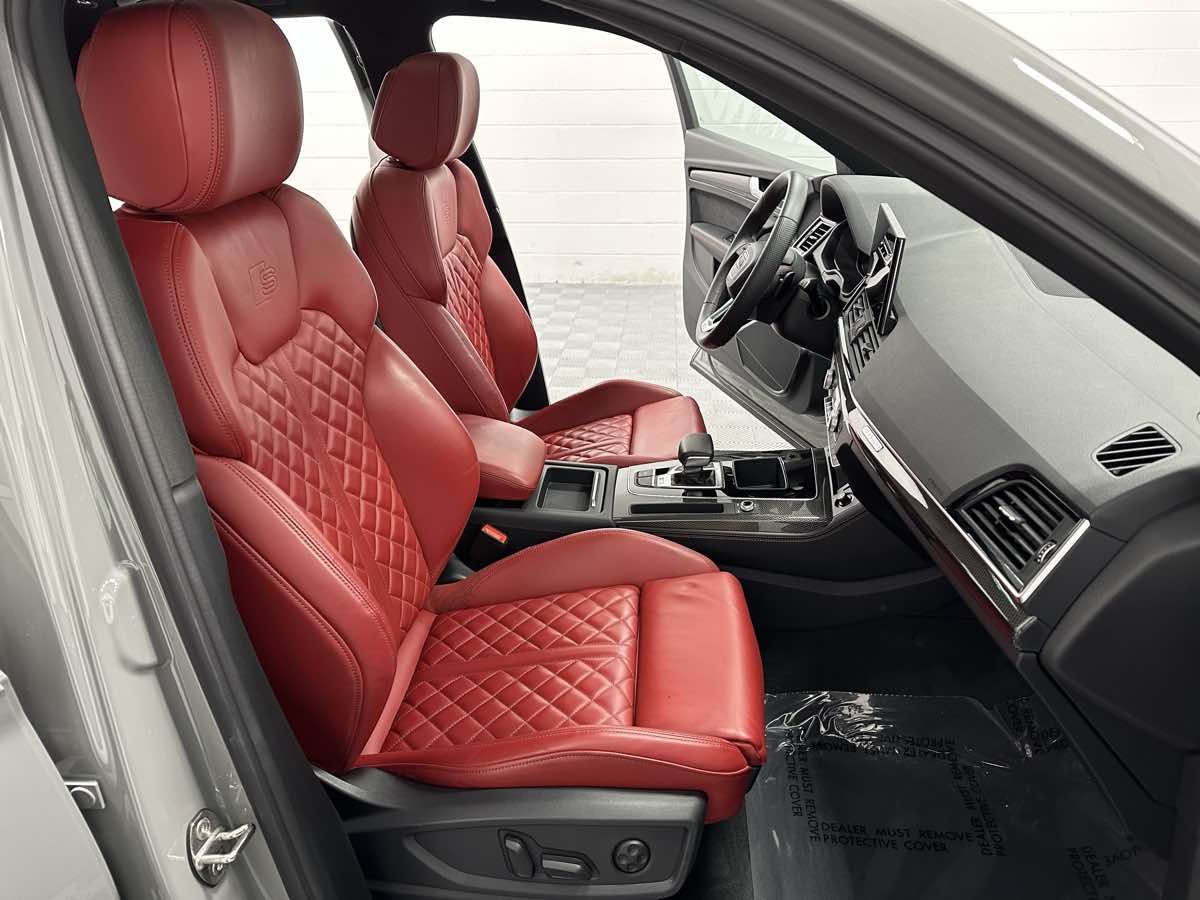
The buyer pool shrinks because red is polarizing by nature. Conservative buyers see it as flashy, garish, or simply too personal a choice. There’s also a practical durability issue. Red dyes are more prone to visible fading under sustained UV exposure than black.
Full red cabins also show wear differently than accented ones. A worn bolster on a red seat stands out far more than the same wear on black leather.
Resale-focused buying guides consistently recommend against full red. The common advice is neutral seats with red stitching or inserts, not head-to-toe crimson.
Enthusiast markets are the exception, not the rule. A red interior can add value in a niche performance car aimed at collectors. For an everyday sedan or SUV, that logic doesn’t hold. Most buyers shopping practical vehicles actively avoid interiors this loud. The result is longer listing times or deeper discounts. Either way, the seller ends up giving something back at the negotiating table.
3. Light Beige or Tan Cloth
Beige cloth was the default interior color for decades. That ubiquity is exactly why it now drags down resale value. Cloth is inherently more absorbent than leather or vinyl. Spilled soda, muddy footprints, and pet hair embed into the weave permanently.
Unlike beige exterior paint, which iSeeCars data shows performs above average, beige cloth interiors behave very differently. Interior fabric takes constant physical contact that exterior paint never experiences. Sun exposure compounds the problem over time. Light tan cloth yellows unevenly, especially on sun-facing seats like the driver’s side.
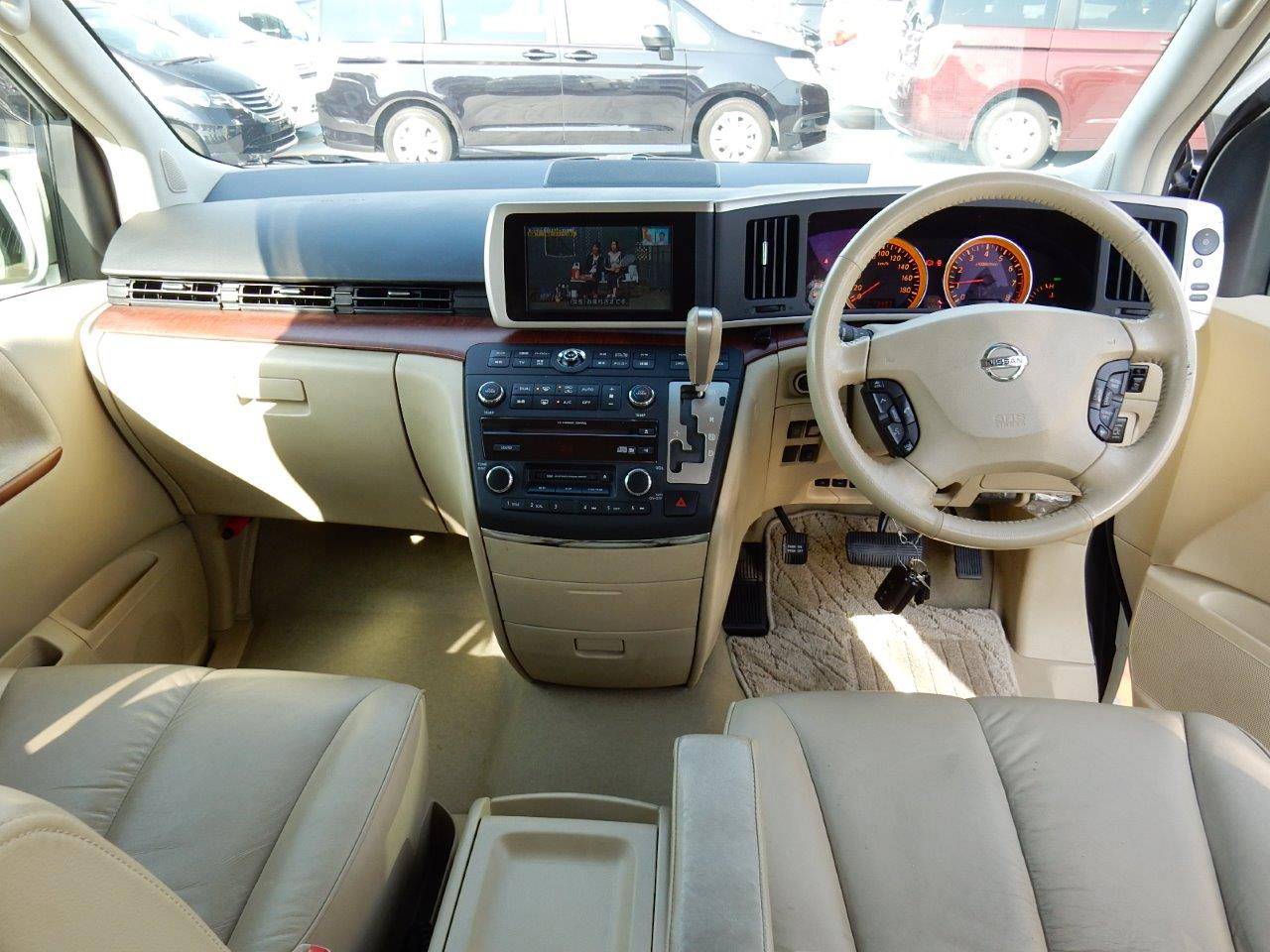
Dealers who assess trade-ins immediately check upholstery condition. A worn cloth seat with visible staining reduces the appraisal on the spot, according to reconditioning specialists.
Odor absorption is another hidden cost. Smoke, food, and mildew smells cling to cloth far longer than they cling to leather. Removing deep-set stains from light cloth is genuinely difficult. Standard cleaning often leaves a faint shadow even after professional detailing.
Buyers inspecting used cars notice this instantly. A stained beige seat signals general neglect, even if the mechanicals are perfect. The irony is that beige once meant safe and neutral. Today it mostly signals an interior that shows every year of ownership.
Darker cloth tones hide the same wear far more effectively. That’s why appraisers consistently rate light cloth interiors below charcoal or black equivalents.
4. Bright Blue
Blue exterior paint already underperforms at resale. A NexusMedia and EasySearch study found blue vehicles posted the steepest average depreciation among popular colors.
Bright blue interiors carry a similar penalty, for related reasons. Kelley Blue Book has noted that blue exteriors show water spots and swirl marks more easily than neutral shades.
The same visibility issue applies inside the cabin. Bright blue upholstery makes dust, lint, and minor scuffs far more noticeable than gray or black. Blue is also a color with narrow stylistic appeal. It reads as youthful or sporty to some buyers and simply odd to others.
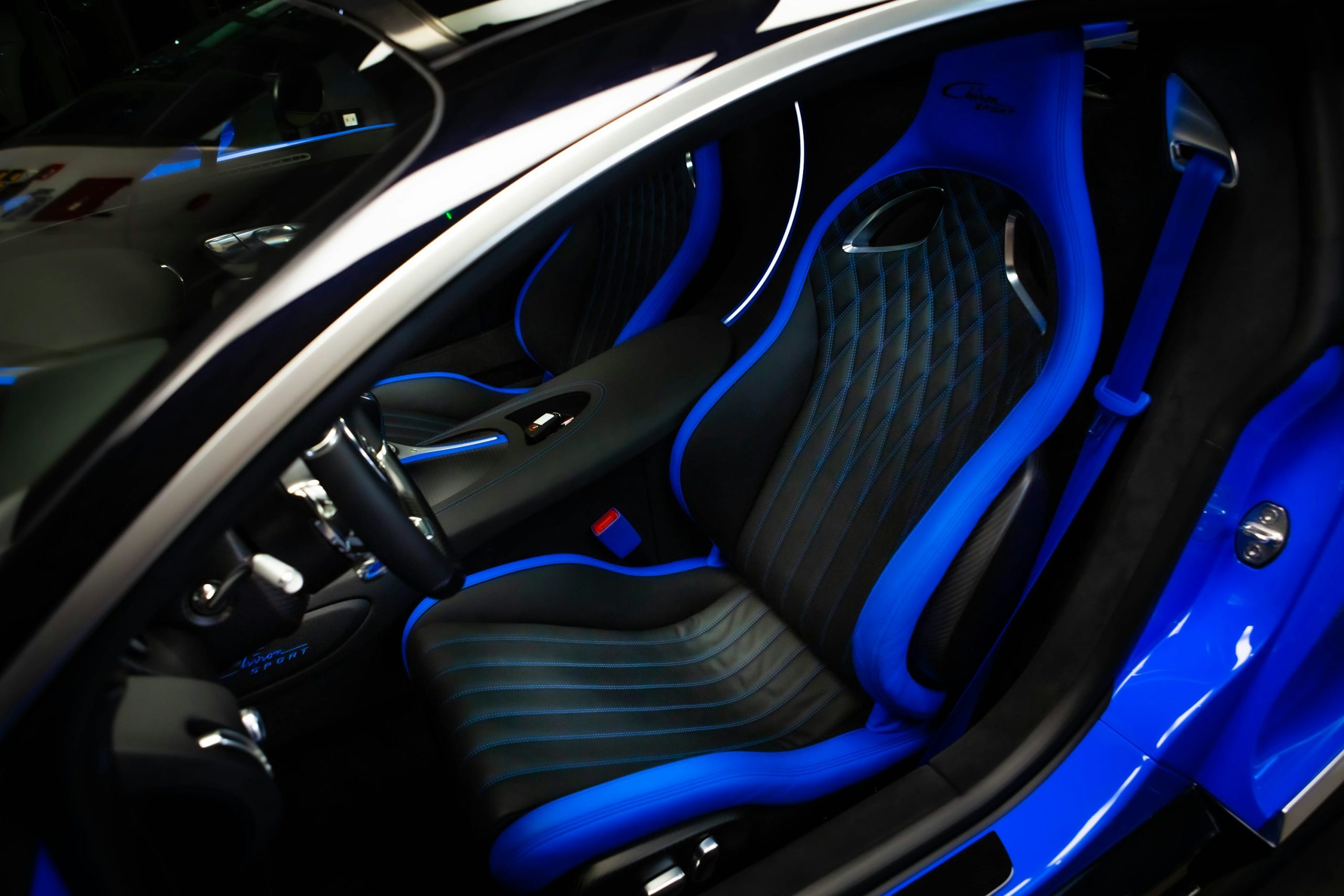
Manufacturers rarely offer bright blue as a mainstream interior option. When it does appear, it’s usually tied to a specific special edition or performance trim.
That rarity cuts both ways in the used market. It can attract a small enthusiast following while alienating the broader buyer pool. Two-tone blue-and-black combinations soften the effect somewhat. Full blue cabins, however, tend to feel dated within just a few model years.
Fading is a real concern with saturated blue dyes. Direct sun exposure through windshields and side glass breaks down pigment faster than muted tones.
Resale guides consistently steer buyers toward neutral interior colors for this reason. Blue simply doesn’t offer the broad, timeless appeal that black, gray, or tan provide. Trade-in appraisers see bright blue less often than standard colors. Unfamiliarity itself becomes a small but real drag on the final number.
5. Bold Two-Tone Contrast Combinations
Two-tone interiors can look striking in the right combination. Black paired with a subtle tan or gray reads as premium and cohesive. The problem starts when contrast becomes extreme. Black-and-orange, black-and-yellow, or black-and-bright-red cabins push into polarizing territory.
Industry guidance is fairly consistent on this point. Real Car Tips notes that two similar interior tones sell better than two sharply contrasting ones.
High-contrast schemes date very quickly compared to subtle two-tone work. What feels bold and modern at launch often feels gimmicky within five years.
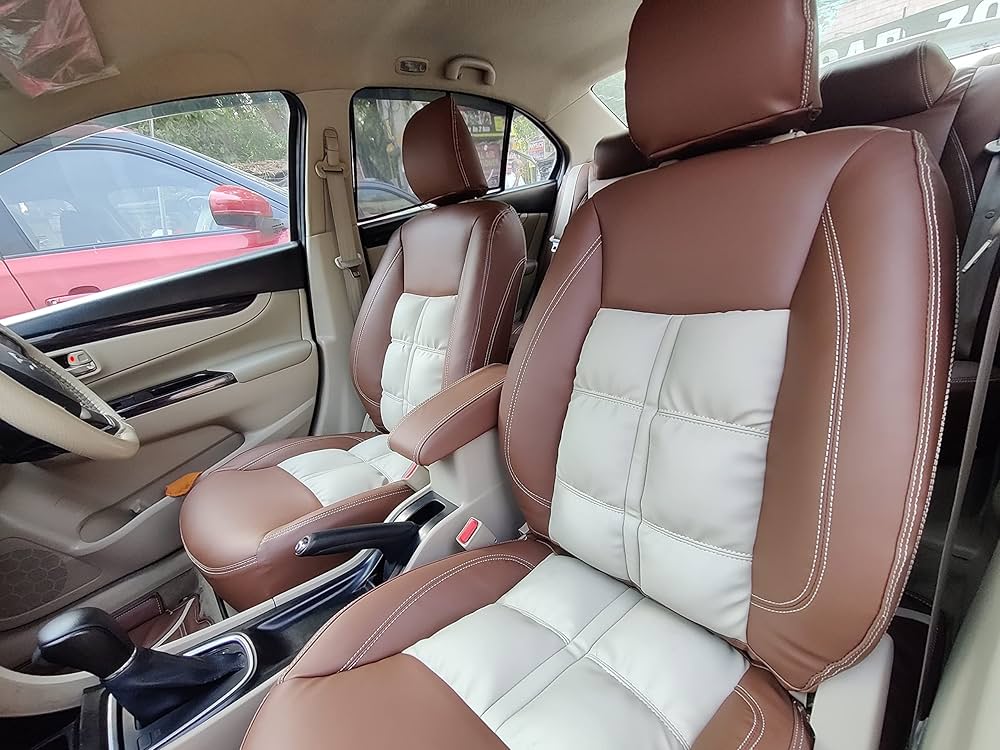
There’s also a practical mismatch issue at resale time. Aggressive color combinations are harder to photograph well for online listings. Buyers scrolling through search results skip past unusual combinations faster. A conventional black or gray interior simply attracts more clicks and more offers.
Extreme two-tone work also complicates future repairs. Matching replacement upholstery or trim pieces becomes harder as production runs age out.
Manufacturers typically reserve loud two-tone schemes for halo or performance trims. Outside that context, mainstream buyers tend to see them as gaudy rather than sporty.
This doesn’t mean all two-tone interiors hurt value. Subtle combinations, like black seats with tan inserts, remain broadly popular. The distinction is contrast intensity, not the two-tone concept itself. The louder the clash, the smaller the pool of buyers willing to pay full price.
6. Burgundy or Maroon
Burgundy interiors were common through the 1990s and early 2000s. That era-specific popularity is now working against these cars. Deep maroon reads as dated rather than luxurious to most modern buyers. It’s strongly associated with older sedans rather than current design language.
Very few manufacturers still offer burgundy as a factory interior option. That scarcity doesn’t translate into desirability the way rare exterior colors sometimes do.
Instead, it signals an older platform or an outdated trim package. Younger buyers in particular tend to associate the shade with their parents’ old cars.
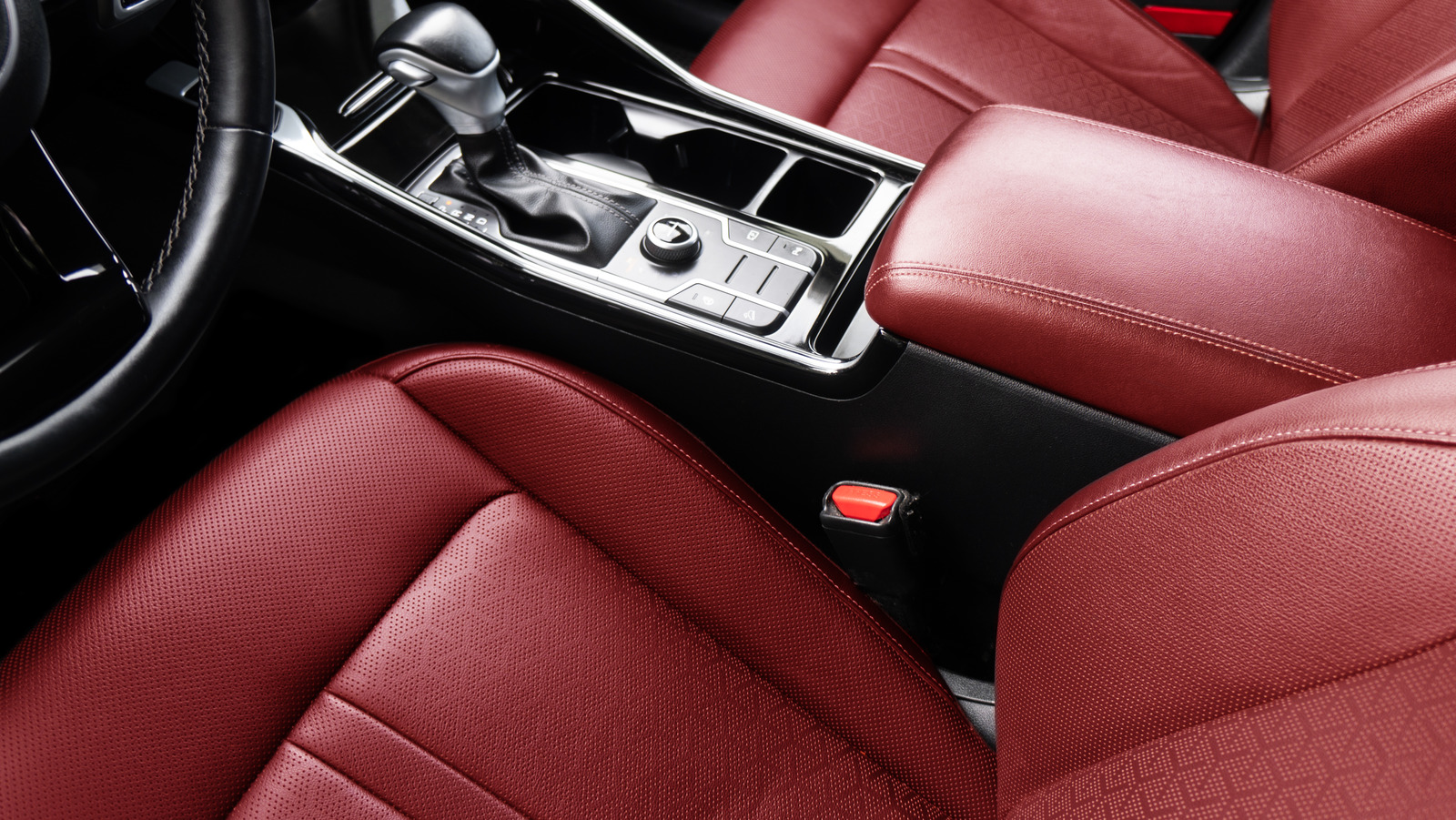
Burgundy leather also has a specific fading problem. UV exposure pulls red pigment toward a flat, brownish tone over several years. That fading is harder to correct than fading on black or tan leather. Redyeing burgundy leather to match the original shade is a specialized, costly job.
Parts availability compounds the issue at trade-in time. Replacement door panels or dash trim in burgundy are increasingly scarce for older models.
Dealers are aware that burgundy limits their resale pool further. Used-car lots typically prefer inventory in colors that appeal to the widest range of shoppers.
The interior color essentially ages the car beyond its actual mileage. A mechanically sound vehicle can feel a decade older just from cabin color alone. This makes burgundy one of the clearer examples on this list. It’s not about durability so much as changing taste and shrinking parts support.
7. Gold or Champagne Leather
Gold and champagne leather aim for a warm, upscale look. In practice, this shade tends to age poorly and read as tired quickly. Exterior data offers a useful parallel here. iSeeCars found gold exterior paint depreciates faster than almost any other color, losing over a third of value in three years.
Interior gold leather follows a similar pattern for similar reasons. It’s a color with narrow appeal that doesn’t photograph as premium in listing photos.
The bigger issue is how the material ages physically. Champagne leather shows dirt transfer from denim and dark clothing more visibly than true tan or black.
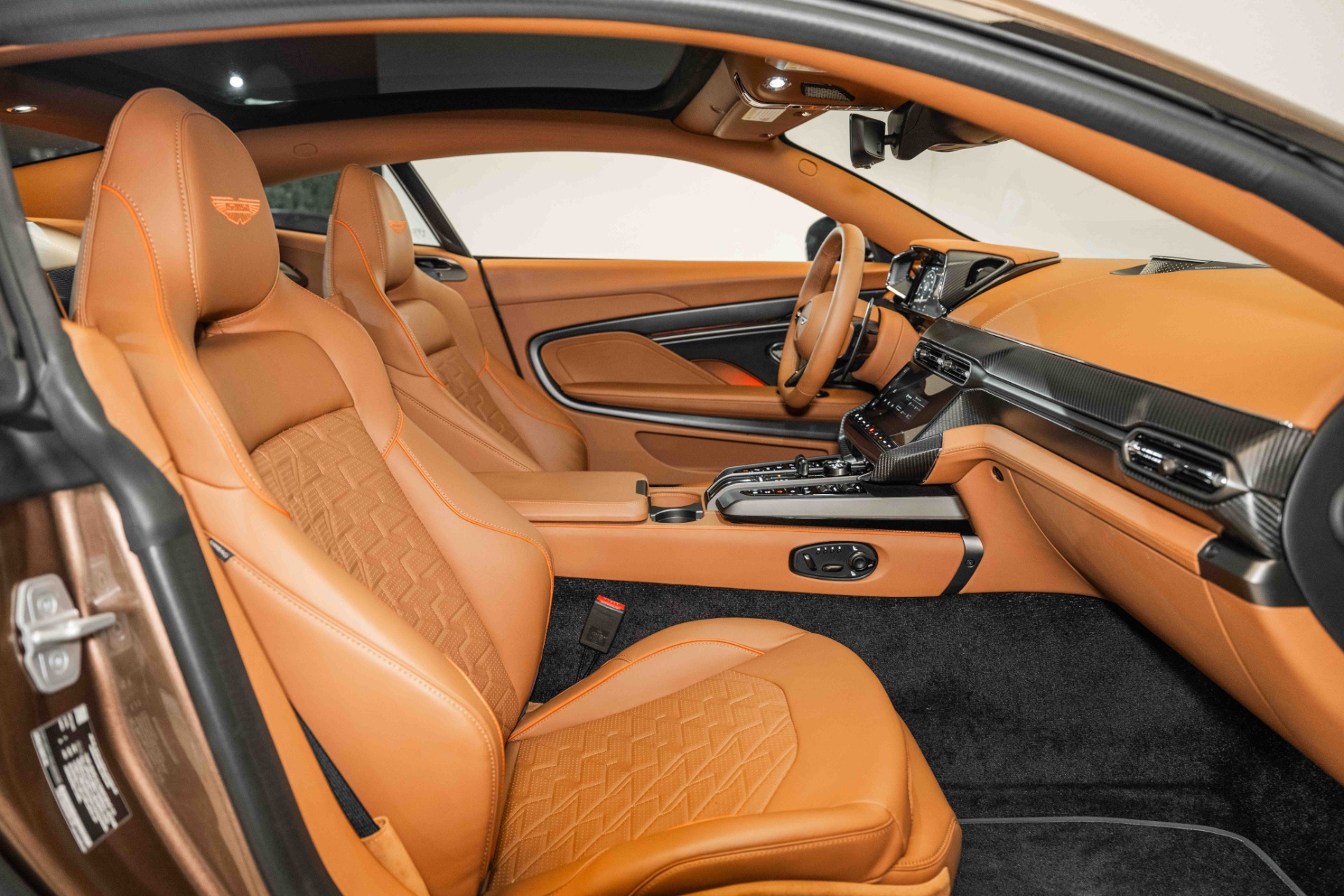
It also yellows unevenly under sun exposure over time. Sections near windows often shift color faster than seat backs shielded from direct light. Buyers frequently mistake this discoloration for neglect rather than normal aging. That perception alone can push offers lower during a trade-in inspection.
Gold leather was more common in luxury sedans from the 2000s and 2010s. Its association with that era now works against it in a market favoring modern minimalism.
Matching replacement trim pieces presents the same scarcity problem seen with burgundy. Fewer suppliers stock this shade compared to black, gray, or standard tan.
Detailers note gold leather requires more frequent conditioning to avoid a dull, plasticky look. Owners who skip this upkeep end up with cabins that look older than the car’s actual age.
Altogether, gold leather combines weak buyer demand with real practical drawbacks. That combination consistently shows up as a discount at resale time.
8. Light Gray Fabric or Alcantara
Light gray fabric interiors are marketed as clean and modern. On paper, that reads as a safe, neutral resale choice. In reality, very light gray behaves a lot like beige cloth. It shows stains, dust, and general wear far faster than charcoal or true black.
Alcantara suede-style trims make this worse in a specific way. The napped surface traps dirt and oils deep in the fibers, unlike smooth cloth or leather.
Cleaning light Alcantara requires specialized products and technique. Standard upholstery cleaners can flatten the nap or leave visible watermarks behind.
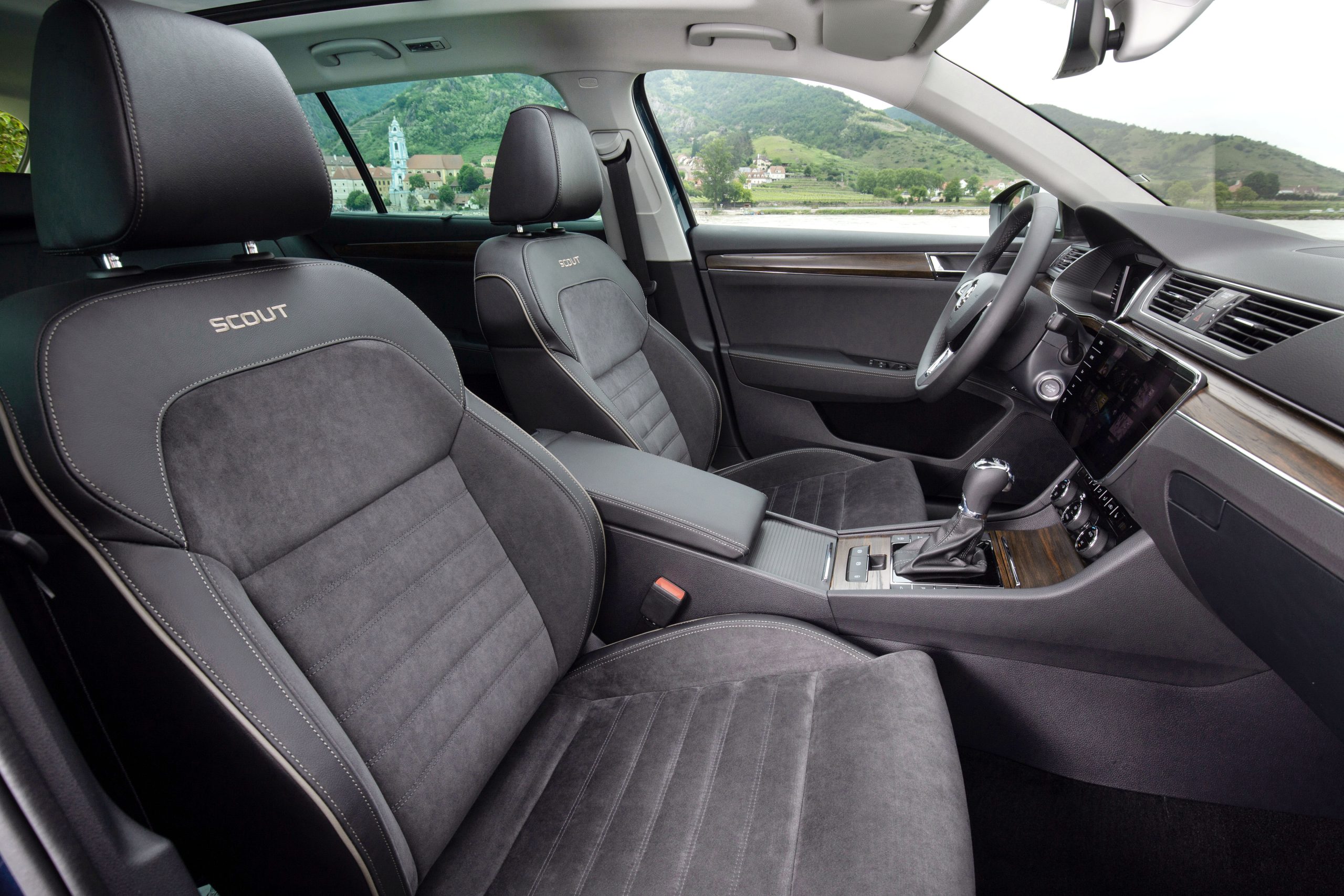
Dealers assessing trade-ins treat heavily worn Alcantara as a red flag. Matting or shine in high-contact areas signals wear that’s difficult and costly to reverse.
Light gray also has a subtle temperature problem indoors. It shows dust buildup on dashboards and door panels more visibly than darker interior colors.
This is the interior equivalent of the light-versus-dark exterior tradeoff. Just as white exteriors resist heat but reveal dirt, light gray cabins resist heat while revealing grime.
Family vehicles suffer the most from this choice. Kids, pets, and daily commuting accelerate visible wear far faster than showroom conditions suggest.
Replacement and reconditioning costs add up quickly for light interior fabrics. Professional Alcantara cleaning or panel replacement is notably pricier than standard cloth work.
For buyers prioritizing resale, darker gray or black remains the safer bet. It delivers the same modern aesthetic without the accelerated visible wear that light gray invites.
