
Buying a used car can feel like a gamble, but some vehicles make the decision much easier. The sweet spot often comes when the first owner has already absorbed the steepest depreciation, handled the early ownership costs, and kept the vehicle properly serviced. That leaves the next driver with a chance to enjoy a proven car for far less money.
From practical hatchbacks to durable SUVs and even an affordable electric vehicle, these models have earned reputations for giving second owners plenty of useful life. The trick is choosing the right model and checking its history before handing over your money. If you want a used vehicle that can deliver years of dependable transportation without demanding luxury-car money, these 10 choices deserve a serious look.
1. Honda Fit (5- and 10-year marks)
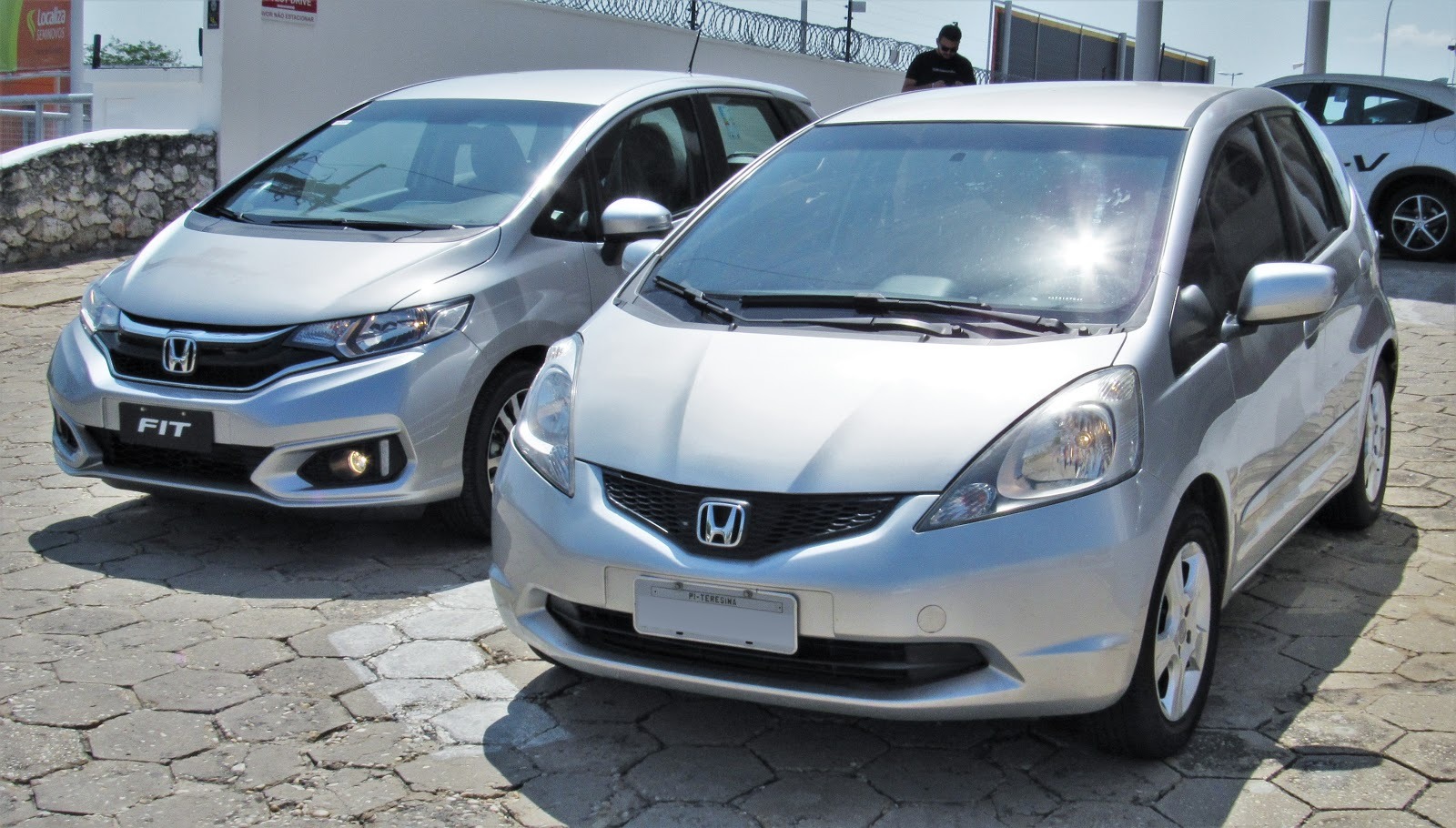
The Honda Fit has quietly built one of the strongest reputations in the compact car segment, and the numbers back up what loyal owners have said for years.
A 5-year-old Fit carries an expected remaining lifespan of roughly 10.9 years, which is a remarkable figure for a car that typically sells for a fraction of its original price by that point.
That kind of longevity at a modest cost per year is exactly what makes secondary ownership so appealing here. You’re not gambling on an unknown quantity; you’re buying into a track record.
Honda’s engineering philosophy has always leaned toward simplicity and durability over flashy features, and the Fit embodies that approach about as well as any vehicle on the road.
Its small footprint makes it easy to park and maneuver, while its surprisingly spacious interior, thanks to Honda’s clever “Magic Seat” configuration, means practicality doesn’t get sacrificed for size.
Maintenance costs stay low because the mechanical components are straightforward and parts are widely available and affordable. Buyers picking up a Fit around the 5-year mark are essentially catching the vehicle at the perfect moment, past the steepest depreciation curve but still years away from any serious mechanical concerns.
It’s the kind of car that rewards patience rather than punishing it, which is precisely why it earns a spot at the top of this list.
2. Toyota Corolla
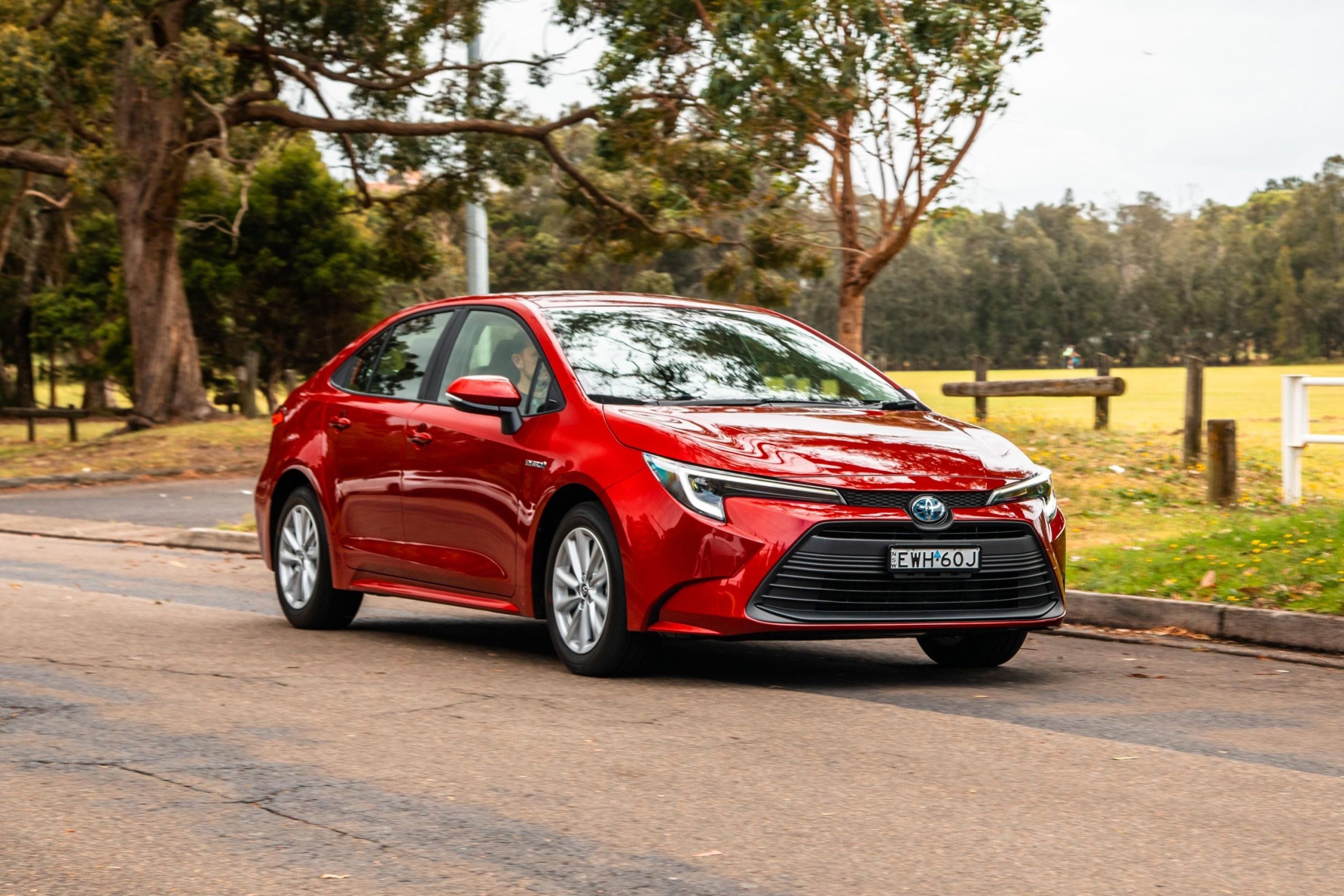
Few nameplates carry as much trust as the Corolla, and that trust is earned through decades of consistent performance rather than marketing hype. A 10-year-old Corolla still holds onto roughly 7 to 8 years of remaining life, according to reliability studies, which is a genuinely impressive statistic for a car that’s already a decade into its service life.
That lasting reputation can be traced back to Toyota’s focus on engineering durability. Reliable engines, dependable transmissions, and a strong resistance to costly mechanical failures have helped its compact sedans remain dependable long after many competitors have begun to show their age.
Maintenance costs remain relatively low throughout this stretch too, since parts are inexpensive and widely stocked, and most repair shops can service a Corolla without needing specialized training or rare components.
What makes the Corolla particularly appealing for second owners is the sheer predictability of the ownership experience. There aren’t many surprises waiting under the hood, no history of catastrophic transmission failures or engine issues that suddenly appear once the odometer crosses a certain threshold.
Buyers know roughly what they’re getting into, and that certainty carries real value, especially for anyone who’s been burned by an unreliable used car in the past.
This isn’t a car that turns heads or generates excitement at a stoplight. It’s a car that starts every morning, gets you where you need to go, and does it again the next day without drama, which is exactly the kind of reliability that defines a smart secondary purchase.
3. Lexus IS 300 / IS 350
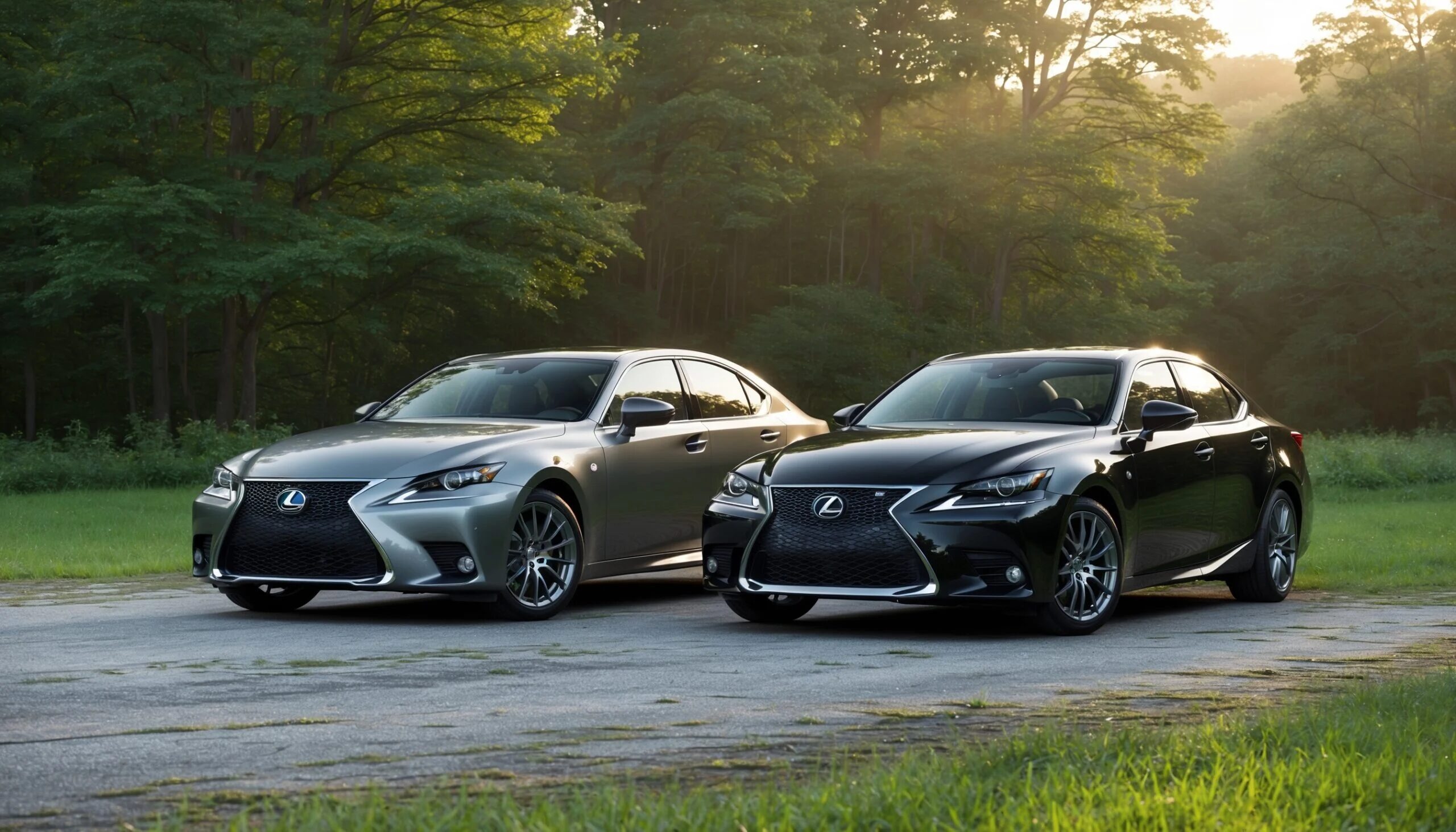
Luxury and reliability do not always appear in the same sentence, but the Lexus IS 300 and IS 350 make a convincing case. These sport sedans give second owners access to a premium cabin, strong engines, refined road manners, and Toyota-backed engineering without requiring the price of a new luxury vehicle.
For someone buying used, depreciation can be a major advantage. The first owner takes the biggest financial hit, while the second owner can purchase a vehicle that still looks and feels upscale for considerably less money.
That makes an older IS particularly interesting for buyers who want comfort without spending heavily on a brand-new car. The IS 350 is especially appealing to drivers who enjoy stronger acceleration, while the IS 300 can provide a more restrained ownership experience depending on the model year and powertrain.
Both benefit from Lexus build quality and a generally strong reputation for durability. Maintenance should still be treated seriously. Luxury equipment can cost more to repair than the basic hardware found in an economy sedan.
Buyers should inspect electronics, climate controls, suspension components, tires, brakes, and service records before making a purchase. A carefully maintained IS can provide many more years of enjoyable service.
For the second owner, that combination of premium comfort, strong mechanicals, and reduced purchase price can make an older Lexus feel like a very smart bargain.
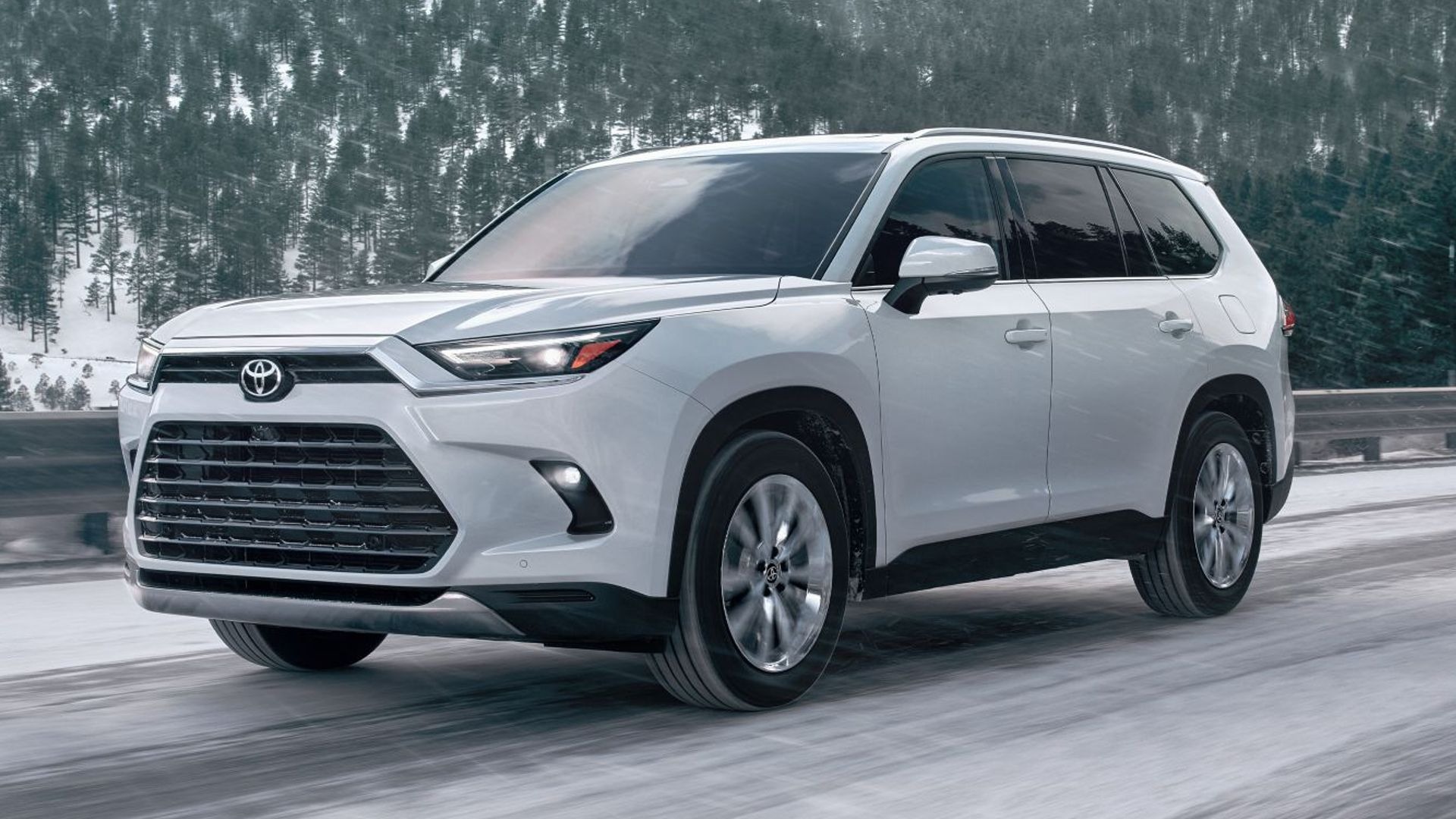
4. Toyota Highlander
Families looking for a used SUV often prioritize three things, plenty of space, dependable performance, and manageable ownership costs. The Toyota Highlander delivers a well-rounded combination of all three, backed by a long-standing reputation for durability.
A Highlander that has already served as someone else’s family vehicle can be an excellent second-owner purchase when its maintenance history is complete.
The SUV offers comfortable seating, useful cargo capacity, and enough capability for daily driving, vacations, school runs, and weekend activities. Its appeal becomes even clearer with an older model.
A vehicle that has reached the 10-year mark may cost far less than a newer SUV while still providing plenty of practical life. Toyota’s reputation for durable engines and drivetrains gives buyers another reason to consider an older Highlander rather than automatically choosing something newer.
Age does bring responsibilities, though. Buyers should inspect the suspension, brakes, tires, cooling system, air conditioning, and electronics. A pre-purchase inspection is money well spent, especially when buying an older SUV.
Fuel costs may also matter, particularly with larger engines. Still, for someone who needs family-friendly space and wants a vehicle capable of serving for many additional years, the Highlander is a strong candidate.
The second owner can enjoy the benefits of a proven SUV after much of the initial depreciation has already happened.
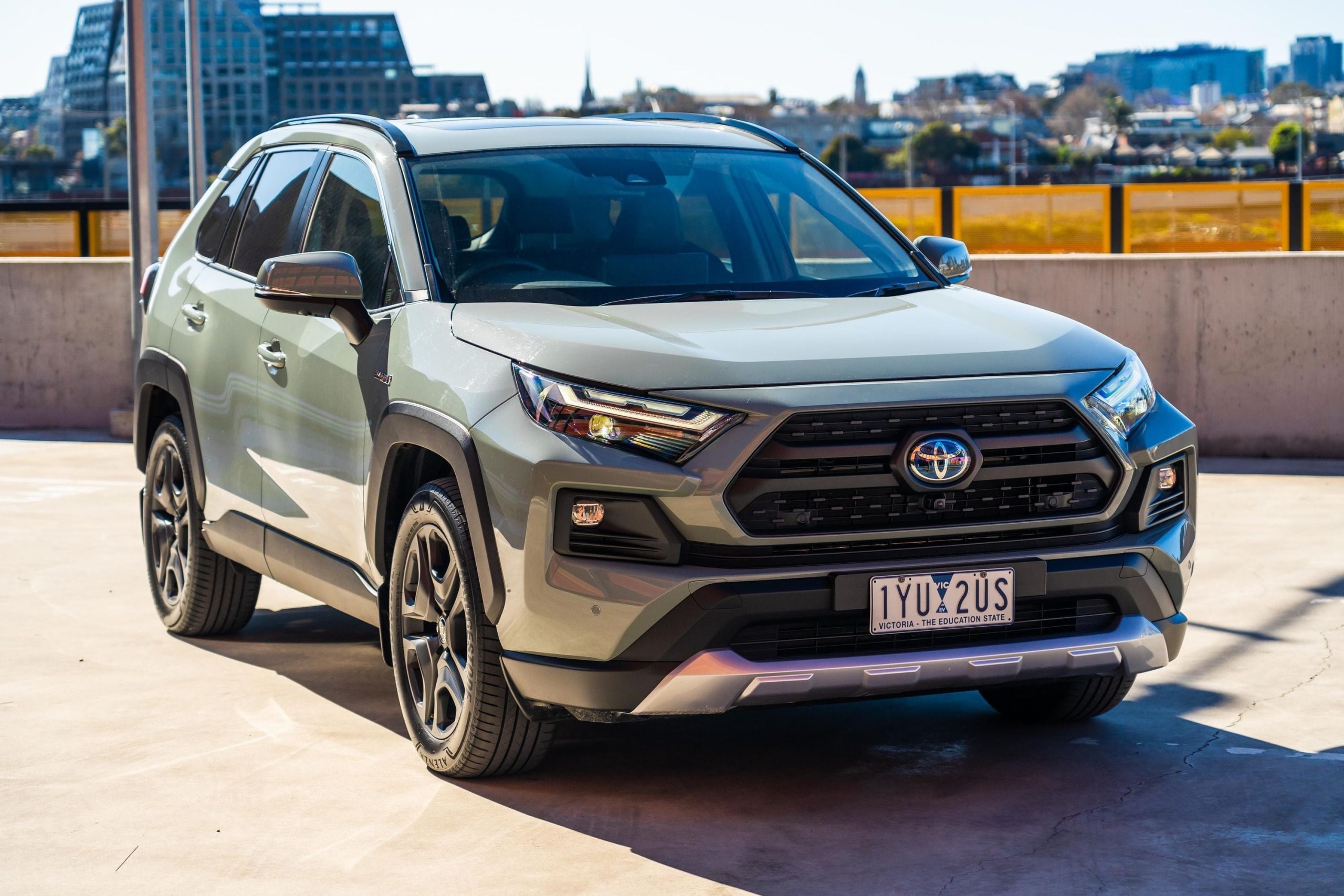
5. Toyota RAV4
The Toyota RAV4 has become one of the most recognizable compact SUVs for a reason. It delivers useful cargo room, comfortable seating, respectable fuel economy, and a reputation that makes used examples easy to recommend.
For second owners, the RAV4’s biggest advantage may be its combination of practicality and durability. A five- to 10-year-old model can still feel modern enough for everyday use while costing much less than a new SUV. That price difference can leave room in the budget for insurance, maintenance, or other expenses.
RAV4 models also tend to suit a wide range of drivers. A commuter can use one for daily highway trips, a small family can appreciate its cargo area, and an active owner can benefit from its flexible interior.
Available all-wheel drive on certain versions adds another layer of usefulness for drivers who regularly deal with poor weather. Used buyers should not assume every RAV4 is automatically trouble-free.
Maintenance records matter, and inspection should cover the brakes, suspension, tires, fluids, air conditioning, and drivetrain. Hybrid versions also deserve a careful battery and system inspection.
Still, a properly maintained RAV4 can be an excellent second-owner vehicle. It offers the practicality of an SUV without the size and expense of a larger model, while its established reliability gives buyers a solid reason to consider an older example.
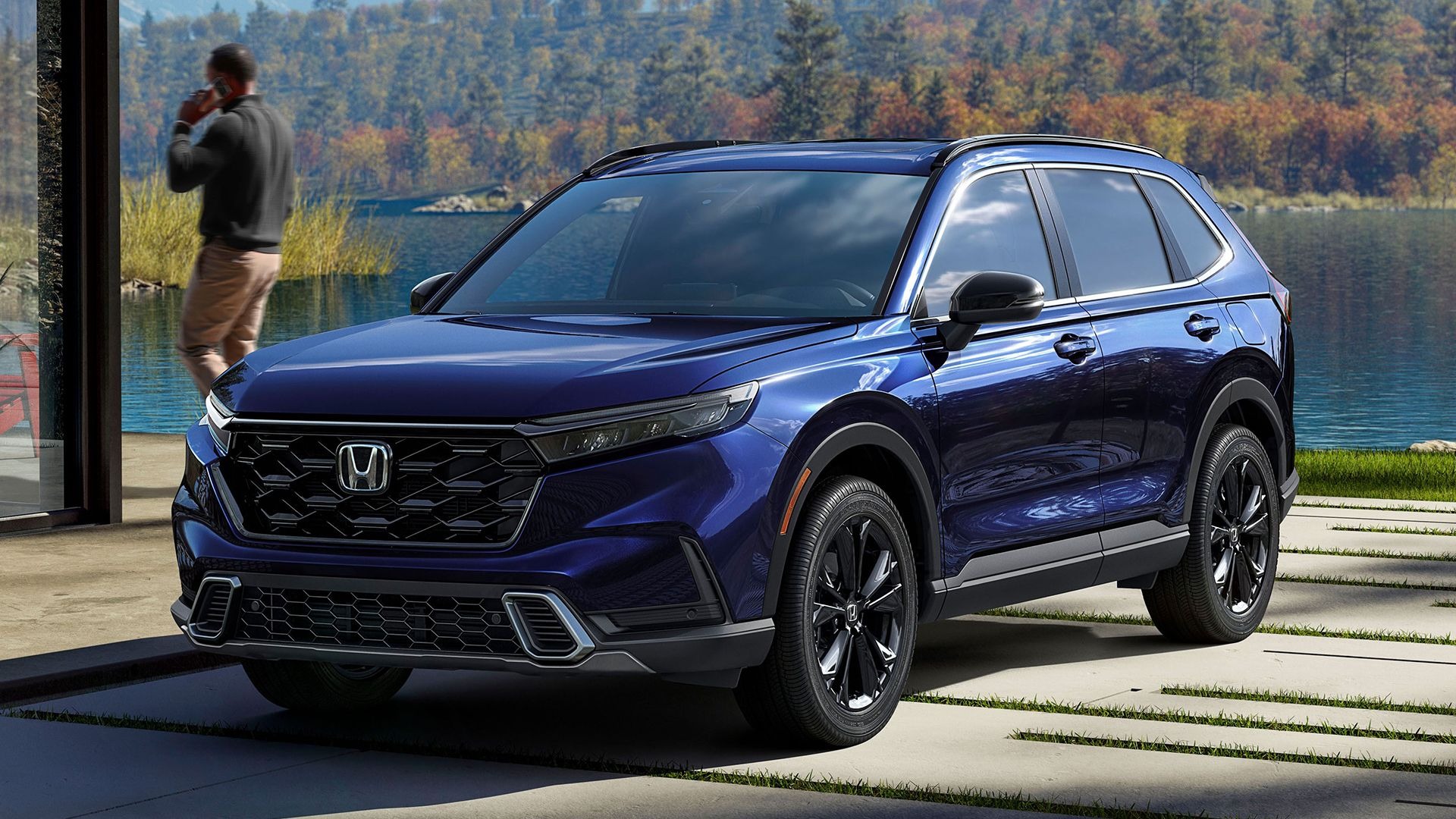
6. Honda CR-V
The Honda CR-V has spent years earning the kind of reputation used-car shoppers appreciate. It combines comfortable seating, practical cargo space, good fuel economy, and mechanical durability in a package that works for commuters, couples, and families.
A second owner can benefit greatly from choosing a CR-V that has already gone through its first ownership cycle. The purchase price is usually much lower than that of a new vehicle, yet a properly maintained CR-V can still have many useful miles ahead.
Its compact dimensions make the SUV easy to live with. Parking is generally manageable, the cabin provides useful storage, and the rear area can handle groceries, luggage, sports equipment, or everyday family cargo. That versatility helps explain why older CR-Vs remain desirable in the used market.
Condition should be the deciding factor when comparing individual vehicles. Look for complete service records and pay attention to oil changes, transmission service, brakes, tires, suspension components, and cooling-system maintenance.
A professional inspection can uncover issues that are difficult to spot during a short test drive. Fuel economy is another reason the CR-V makes sense for a second owner.
It can provide SUV practicality without requiring the fuel consumption of a much larger vehicle. When a well-cared-for example is priced fairly, the CR-V can give its next owner several comfortable and dependable years.
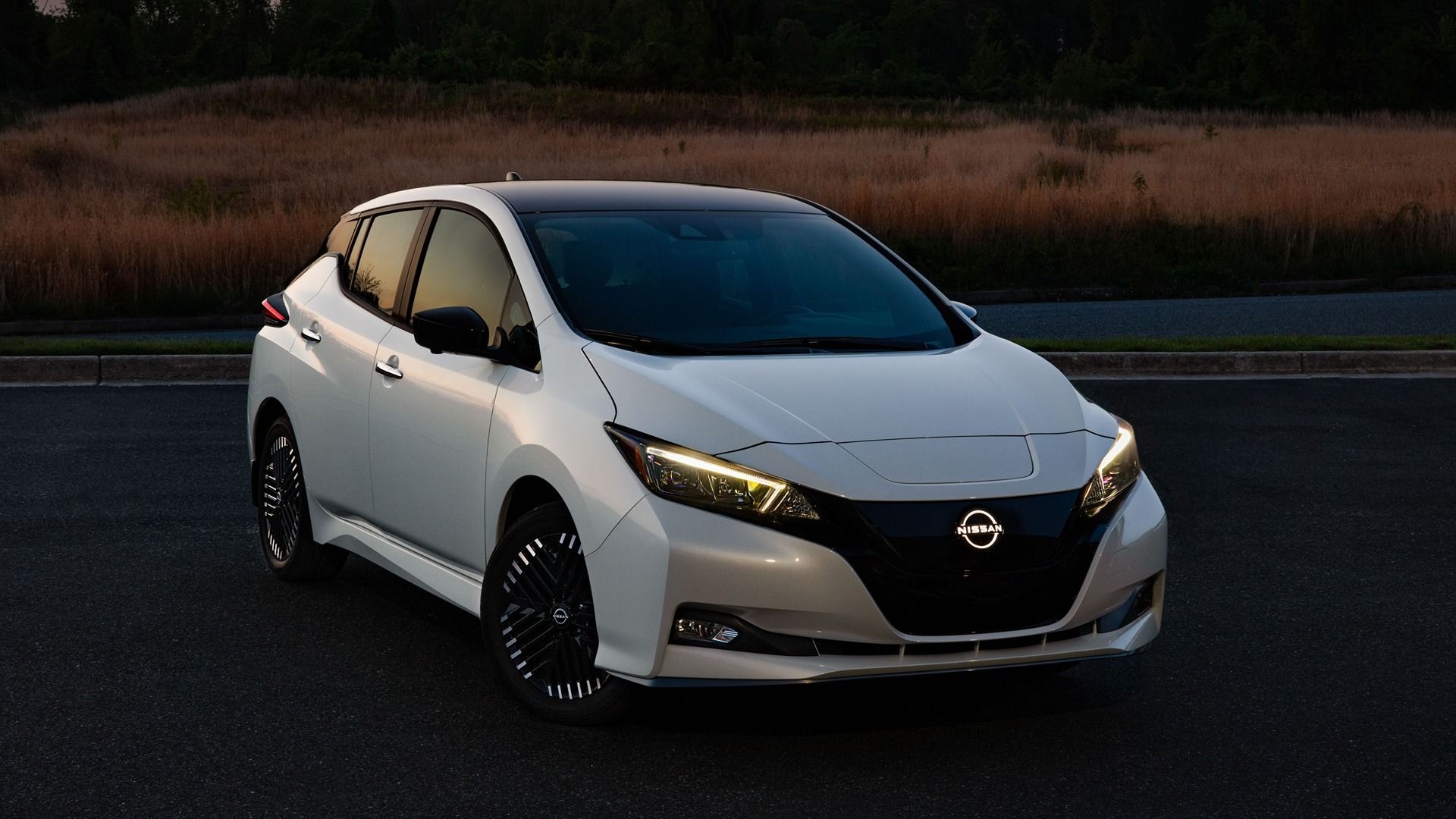
7. Nissan LEAF
Electric vehicles change the used-car equation because there are fewer traditional engine components to maintain. The Nissan LEAF is one of the early mass-market EVs, and its age can make it an intriguing option for second owners who want electric transportation without paying the price of a newer EV.
The biggest consideration is battery condition. Unlike an engine, an EV battery naturally loses some capacity as it ages. That means a used LEAF should never be evaluated solely by its purchase price.
Buyers need to check the battery’s health and understand how much driving range the specific vehicle can realistically provide. For drivers with modest daily needs, an older LEAF can still make considerable sense.
Charging at home can be convenient, and electricity costs may be lower than fueling a gasoline vehicle depending on local rates and driving habits. The absence of traditional engine oil changes is another attractive feature.
Older LEAF models are best suited to buyers who understand their limitations. Long highway trips may require more planning, particularly with an older battery. Cold or hot weather can also affect available range.
That does not make the LEAF a bad choice for second owners. In fact, drivers with short commutes and dependable home charging may find an older LEAF remarkably affordable to operate. For the right buyer, giving up some range can mean lower costs and a simple, convenient electric driving experience.
8. Hyundai Elantra
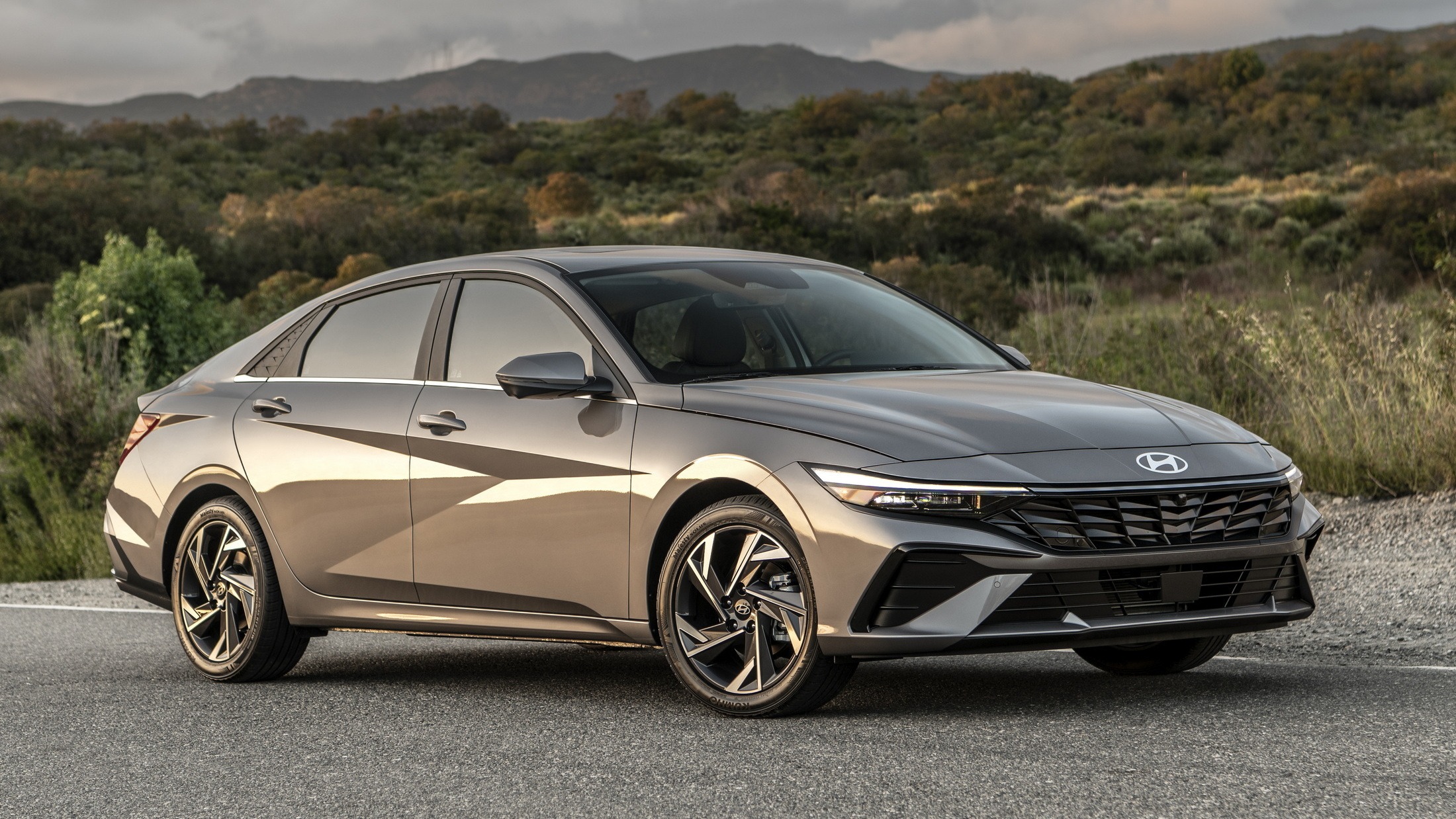
Hyundai’s compact sedan has spent years quietly proving its critics wrong, building a reliability reputation that now stands comfortably alongside longtime segment leaders.
The Elantra delivers years of dependable commuting when purchased in that 5-to-10-year age range, offering buyers a fuel-efficient option that won’t drain their bank account through frequent repairs or expensive parts.
Compact dimensions make the Elantra easy to live with in cities and tight parking situations, while still providing enough interior space for comfortable daily use.
Hyundai’s warranty programs, among the most generous in the industry when the car was new, often mean that early mechanical issues get addressed before the car ever reaches secondary ownership, leaving buyers with a vehicle that’s already worked through its most vulnerable period.
Fuel efficiency remains a strong selling point throughout the Elantra’s life, appealing to commuters who prioritize low running costs above nearly everything else.
Reliability ratings for the Elantra have improved substantially across recent generations, reflecting Hyundai’s broader push toward matching, and in some cases exceeding, the dependability that Japanese manufacturers have long been known for.
Second owners benefit from all of this without paying the premium that often accompanies Honda or Toyota badges, making the Elantra a smart choice for budget-conscious buyers who still want genuine peace of mind. It’s proof that reliability doesn’t always come with the price tag people assume it requires.
9. Toyota 4Runner
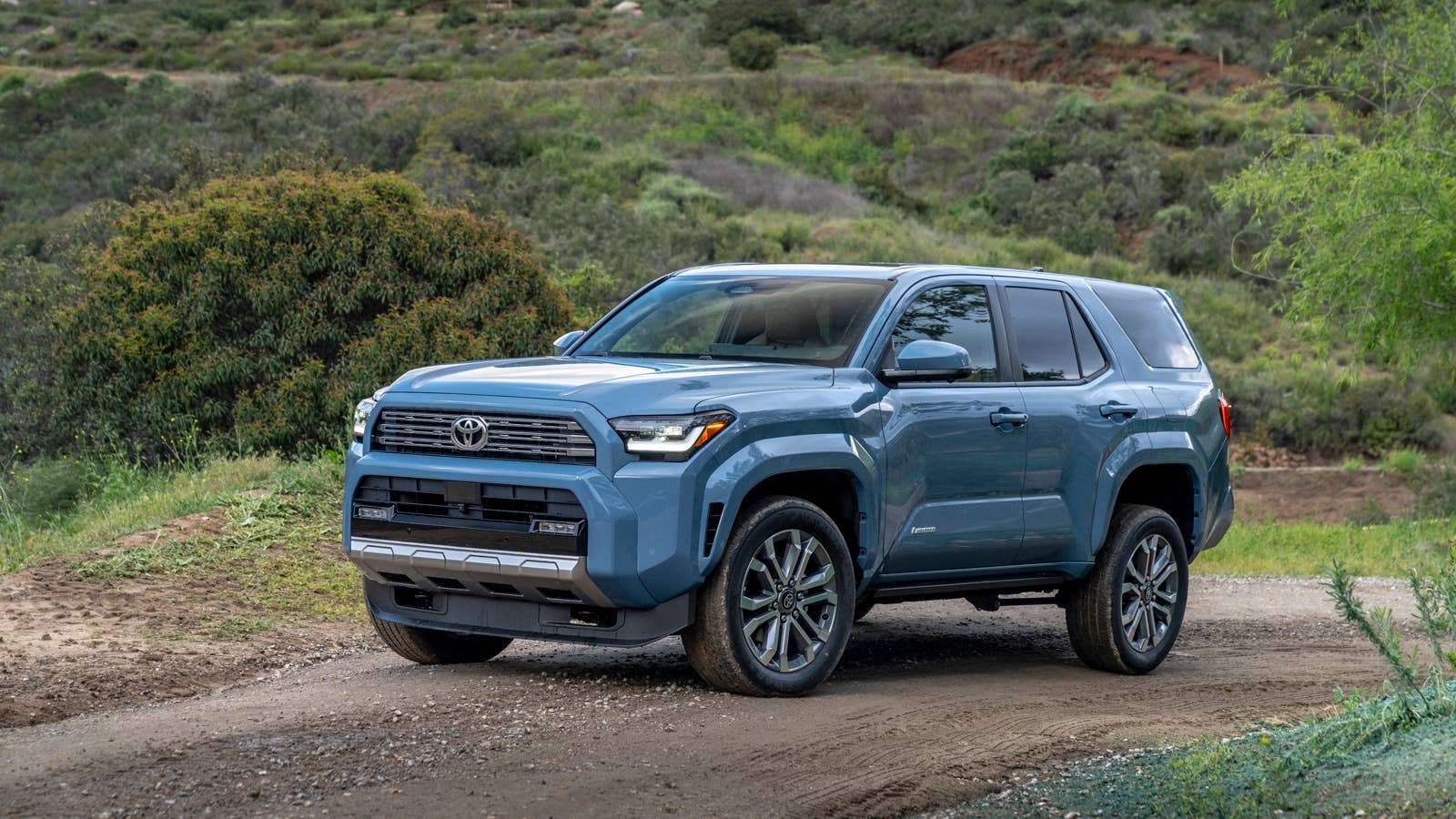
If your idea of a good used vehicle involves durability more than delicate luxury, the Toyota 4Runner deserves a spot on the list. It has a long-standing reputation for rugged construction, body-on-frame strength, and the ability to keep working long after many ordinary vehicles have aged out of daily service.
The 4Runner is particularly attractive to buyers who need more than basic transportation. Its available four-wheel-drive systems, ground clearance, towing ability, and cargo capacity make it useful for camping, hauling gear, road trips, and recreational activities.
A second owner also gets a financial benefit from the model’s strong resale demand. Older 4Runners can remain relatively expensive compared with other SUVs of similar age, but that price can reflect the vehicle’s reputation for durability and its ability to retain usefulness.
There is a downside, as fuel economy is not one of the 4Runner’s strengths. Older models may also need age-related repairs to suspension components, brakes, cooling systems, and drivetrain parts. For that reason, a thorough inspection is particularly important before buying one.
Still, a properly maintained 4Runner can deliver an unusually long service life. Buyers should focus on maintenance records and mechanical condition rather than chasing the lowest asking price.
For someone who wants a durable SUV and has practical reasons for choosing a rugged design, the 4Runner can be the kind of vehicle that rewards its second owner with many additional years of service.
10. Mazda CX-5
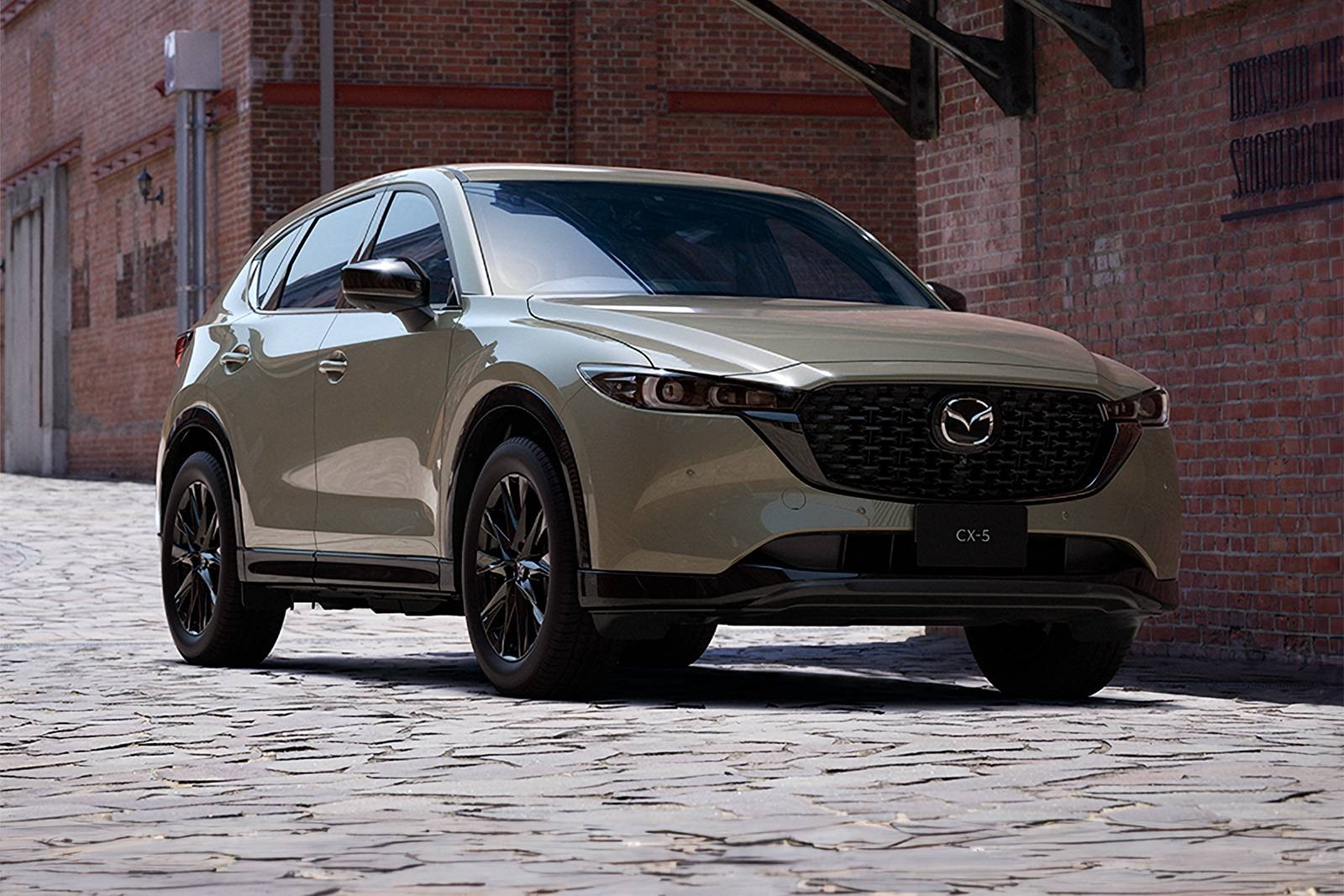
The Mazda CX-5 is a strong replacement for the Buick Encore on this list because it brings together dependable engineering, attractive styling, comfortable handling, and a practical compact-SUV layout.
It also gives second owners a vehicle that feels more enjoyable to drive than many ordinary used crossovers. A used CX-5 can make sense when depreciation has brought the price down, but the vehicle remains relatively fresh.
Mazda has focused heavily on solid interiors and responsive driving dynamics, so an older CX-5 does not necessarily feel like a bare-bones transportation appliance.
The cabin is another selling point. Materials tend to feel more polished than what shoppers might expect from a mainstream compact SUV, while the seating and cargo area provide enough flexibility for everyday errands and weekend travel.
Reliability still depends on proper care, so buyers should examine maintenance records carefully. Oil changes, brake service, tire condition, fluid checks, and suspension inspections are all worth confirming.
A pre-purchase inspection is especially useful when considering an older example. The CX-5 can also appeal to buyers who want an SUV that feels composed on the road rather than simply functional.
It strikes a well-balanced middle ground, offering enough practicality for family life, solid efficiency for daily commuting, and enough driving enjoyment to keep things interesting.
For the second owner, that balance can be the real prize. You get a mature, well-established vehicle at a used-car price without giving up comfort or driving enjoyment.
