
Humidity can be rough on a car, especially when moisture keeps getting trapped inside the cabin. Damp seats can develop odors, stains, mildew, or material damage, while condensation may create headaches for sensitive electronics. Some newer vehicles deserve extra attention because they combine complicated electronics with premium interiors and tightly sealed cabins.
The cars below are not guaranteed to suffer moisture damage, and climate, storage, leaks, cleaning habits, and ventilation all matter. Still, their reliability ratings, cabin design, electronic content, or seat materials give owners good reasons to keep an eye on moisture. If you live somewhere humid or regularly park outside, knowing which areas deserve attention can help prevent a small dampness problem from becoming an expensive repair.
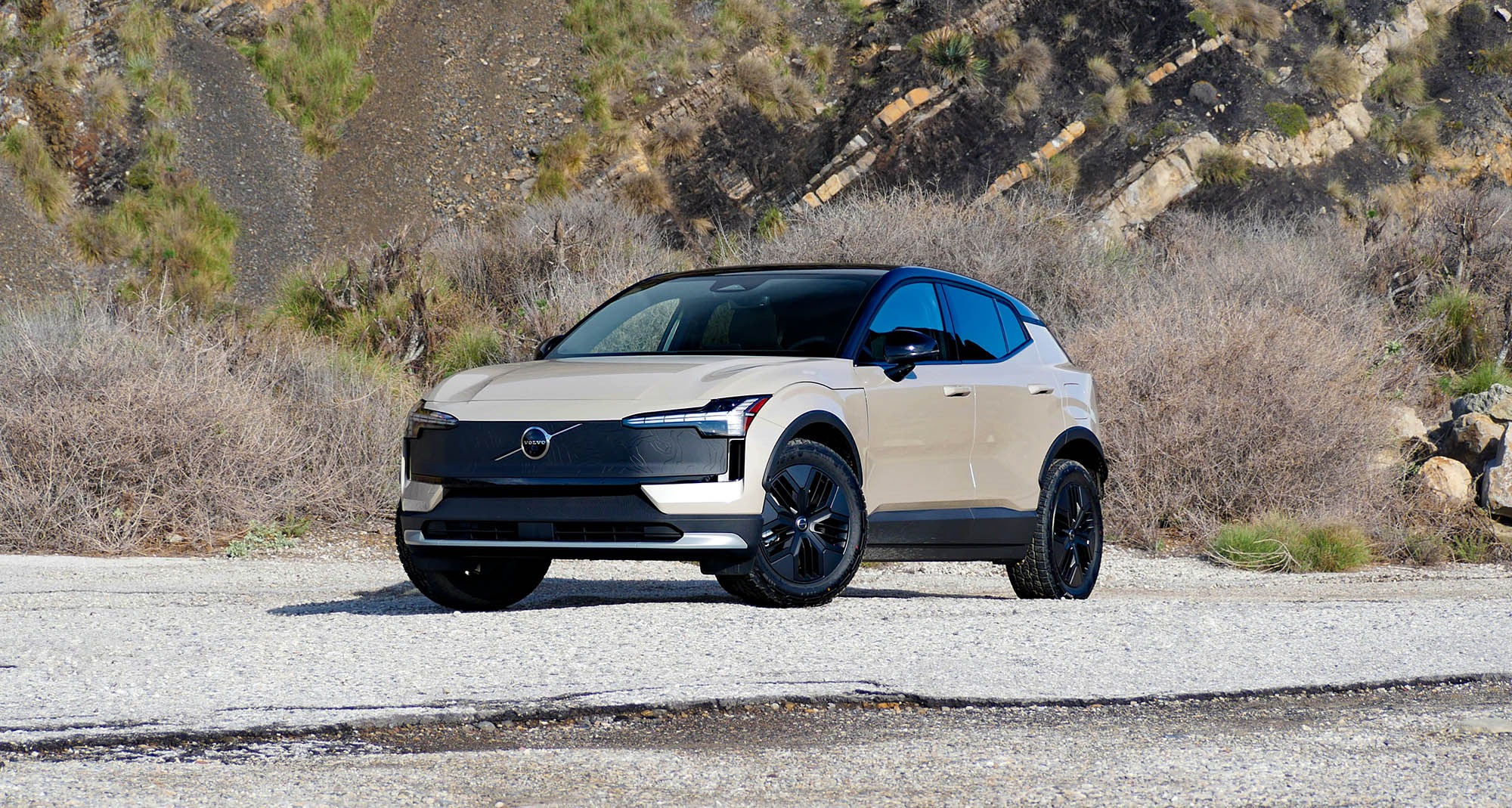
1. 2026 Volvo EX30
Volvo’s compact electric crossover carries a predicted reliability score of 63 out of 100, placing it toward the lower end among newer models on the market.
Part of this comes from the vehicle’s heavy reliance on electric drivetrain components and sensor networks packed into a relatively small footprint. When humidity levels climb, condensation has fewer places to disperse, and that moisture tends to settle directly onto sensitive electronic connections.
Owners in muggy climates have reported issues where dashboard readouts behave erratically after periods of high humidity, particularly following heavy rain or when the car sits parked without proper ventilation for extended stretches
. Because the EX30 is still a relatively new model, some of these quirks may reflect early production growing pains rather than permanent design flaws, but that doesn’t make them less frustrating for someone dealing with a malfunctioning display mid-drive.
The interior materials themselves also deserve attention. Compact EVs like this one often use lighter, more sustainable fabric blends to reduce vehicle weight and support environmental goals, but these materials sometimes absorb moisture more readily than traditional heavier upholstery.
Left unchecked, that trapped dampness can lead to a musty smell or visible discoloration on seat surfaces. Regular use of a dehumidifying product inside the cabin, along with parking in covered areas when possible, goes a long way toward protecting both the electronics and the seats from the kind of gradual damage humidity tends to cause.
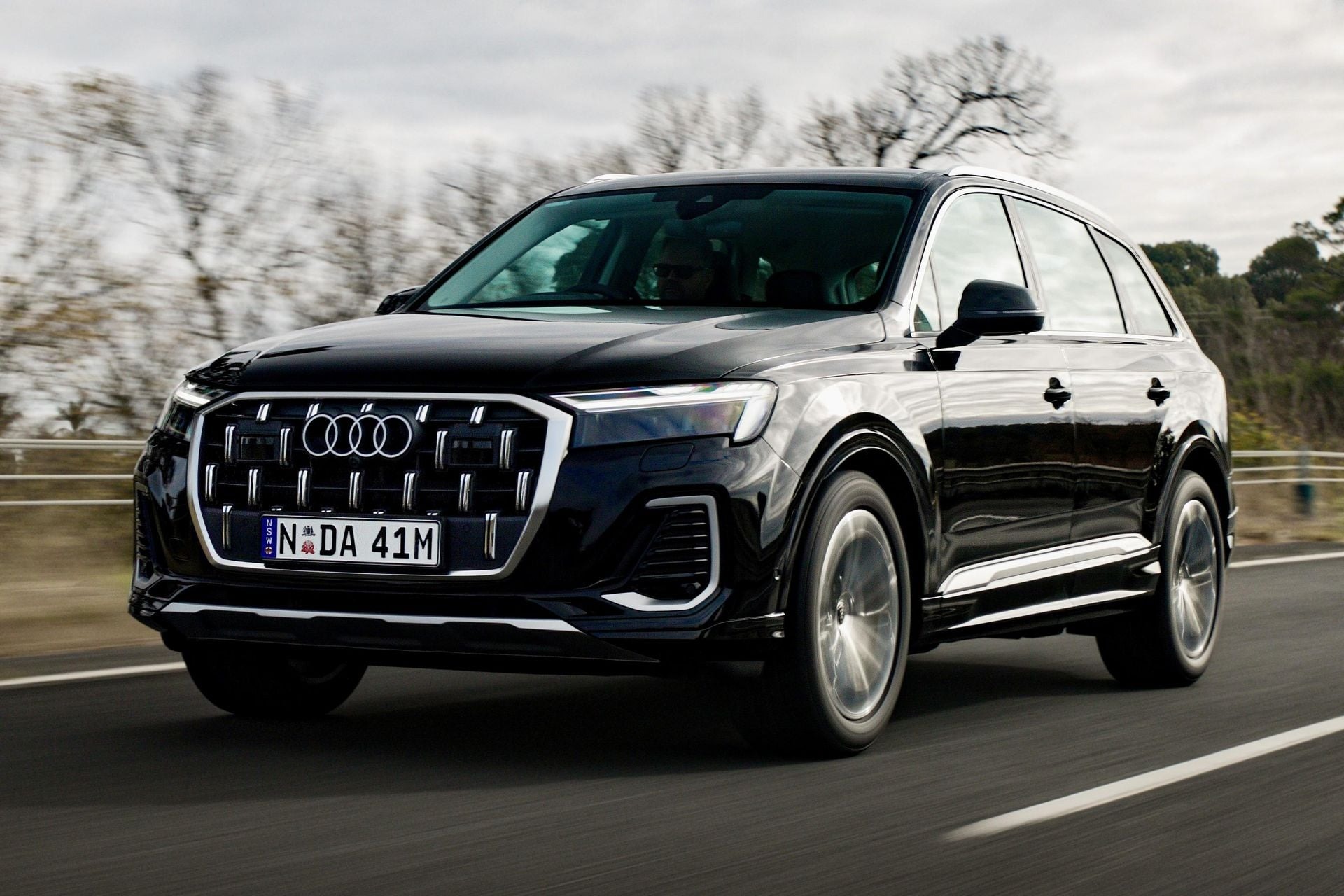
2. 2026 Audi Q7
The Q7 carries a reliability rating of 66 out of 100, a number that might surprise buyers drawn in by the model’s upscale interior and reputation for comfort. Luxury cabins, ironically, can be part of the problem here.
Thick padding, premium leather, and multiple layers of sound-deadening material create an environment where trapped moisture has a harder time escaping once it settles in.
This becomes especially relevant in regions with sustained humidity or frequent rainfall, where moisture can work its way past door seals or accumulate from simple everyday use, like wet clothing or damp shoes tracked in during a storm.
Mold growth in these conditions isn’t just a hygiene concern. It can also trigger electronic faults if moisture reaches wiring harnesses tucked beneath seat cushions or door panels, areas that are notoriously difficult to inspect without professional equipment.
Audi’s electronic-heavy cabin design compounds the issue further. Between climate control sensors, seat memory modules, and ambient lighting systems woven throughout the interior, there are simply more components exposed to potential moisture damage compared to a car with a simpler electrical layout.
Owners who live in coastal or tropical climates should pay particular attention to keeping cabin humidity in check, using silica packs or portable dehumidifiers during extended parking periods, and addressing any spilled liquids immediately rather than letting them soak into the seams of premium leather seating.
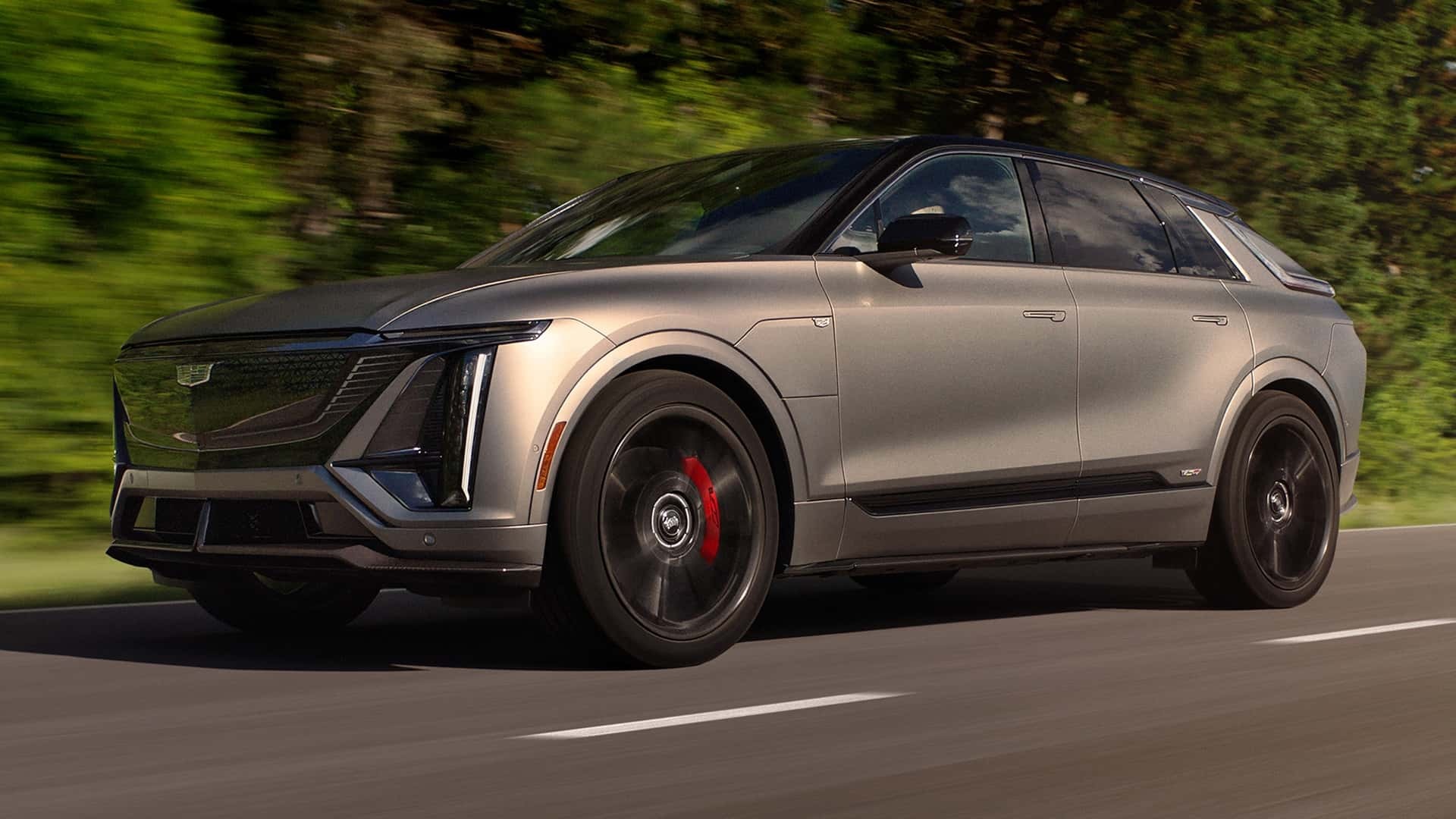
3. 2026 Cadillac Lyriq
The Cadillac Lyriq comes with a different concern because its cabin relies heavily on modern electronics. Its large digital display, connected features, electronic controls, sensors, and EV systems all depend on a wide range of electrical components working properly.
Its supplied reliability score is 66/100. That number should not be read as a direct humidity rating, because reliability scores cover many areas of vehicle ownership.
Still, when a vehicle combines a technology-heavy cabin with a premium interior, keeping moisture under control makes practical sense. Condensation can appear when warm, damp air meets colder surfaces.
The effect may be easy to notice on windows, but moisture can also collect in less obvious areas. Persistent dampness around wiring, connectors, switches, or electronic modules is something owners should not ignore.
The seats deserve their own attention. Spilled drinks, wet clothes, damp pets, and rainwater brought inside on clothing can leave upholstery wet for hours. A quick wipe may remove surface moisture while leaving the padding underneath damp.
For Lyriq owners, drying the cabin promptly is a smart habit. Floor mats should be checked regularly, especially after wet weather. If the cabin develops a persistent musty odor or windows repeatedly fog from inside, finding the source is more important than simply masking the smell.
A dry cabin gives this high-tech Cadillac a better chance of staying comfortable and trouble-free.
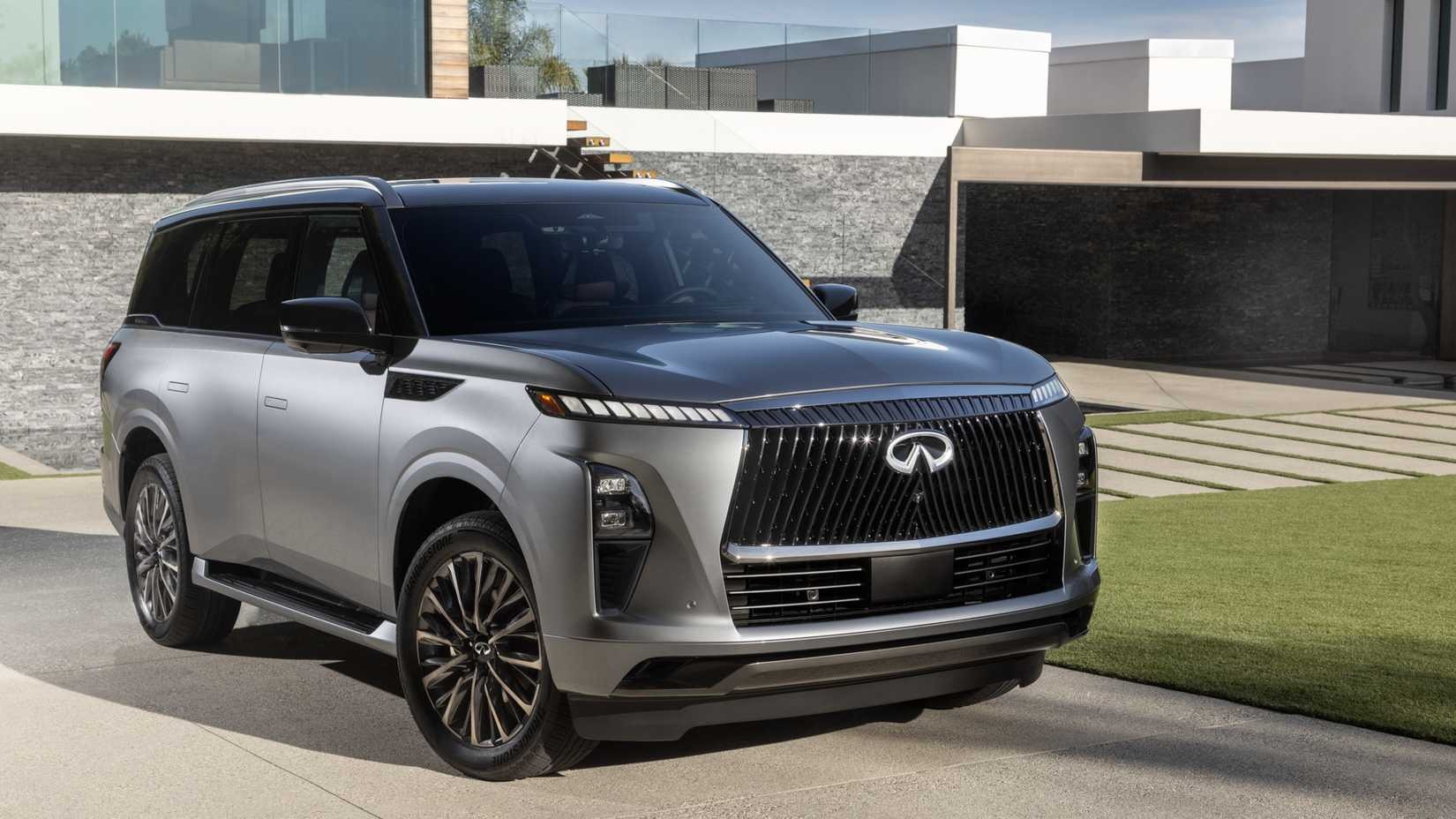
4. 2026 Infiniti QX80
Size changes the moisture equation for the 2026 Infiniti QX80. Its large cabin offers plenty of space for passengers, luggage, and comfort equipment, but that same space can make dampness harder to notice and remove.
The supplied reliability rating of 66/100 puts the QX80 in the same general reliability group as the Audi Q7 and Cadillac Lyriq listed above. Its large interior also contains sophisticated climate-control equipment designed to keep passengers comfortable.
Humidity becomes more troublesome when moisture repeatedly enters the cabin without getting enough opportunity to leave. Wet shoes, umbrellas, clothing, spilled drinks, and damp floor mats can all contribute.
The third-row area deserves attention because moisture in a less frequently used section may remain unnoticed. Seat materials can suffer when moisture repeatedly settles into seams and padding.
A damp seat may feel normal on the surface while remaining wet underneath. That can lead to odors and mildew if the condition persists. Climate control can help dry the air, but owners should not rely on the system to solve every moisture problem.
If water keeps returning, the source needs to be identified. Checking the carpets, seat seams, door areas, and cargo floor after heavy rain is a simple precaution. With a vehicle as large as the QX80, regular checks can prevent hidden dampness from becoming an expensive interior repair.
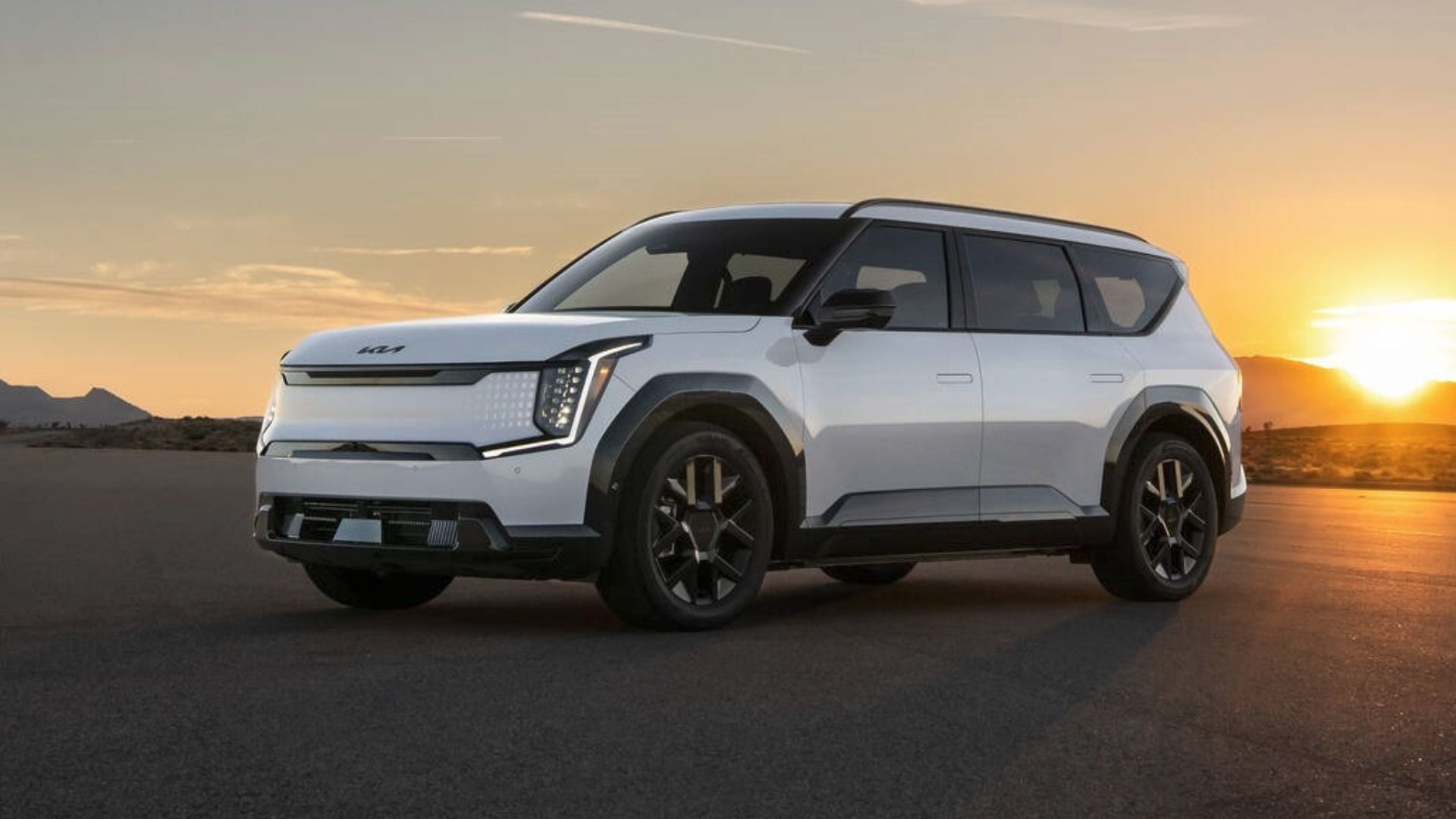
5. 2026 Kia EV9
The 2026 Kia EV9 is another vehicle where taking a moisture-conscious approach to ownership can be worthwhile. However, one point needs clarification. The battery itself does not inherently increase cabin humidity. The more relevant concern is the vehicle’s extensive electronic systems and feature-rich interior, which make proper care and maintenance especially important.
The supplied reliability score is 67/100. That rating does not specifically indicate susceptibility to humidity or seat damage, so it should be treated as general reliability information rather than proof of moisture vulnerability.
The EV9’s spacious cabin can still collect moisture through ordinary daily use. Three-row vehicles carry several passengers, and that means more wet coats, shoes, bags, and other damp items can enter the cabin. Moisture can settle into floor coverings and upholstery, particularly when ventilation is limited.
Seat condition deserves attention after spills or wet-weather trips. Even when the upholstery looks dry, padding and seams may retain water. Leaving the vehicle closed for long periods can allow odors to develop.
The practical solution is straightforward. Remove wet items when possible, dry floor mats, clean spills quickly, and allow the cabin to air out when conditions permit.
EV ownership brings plenty of technology into the driver’s daily routine, so avoiding unnecessary moisture exposure is sensible. The EV9 is not destined for humidity-related trouble, but owners who keep the cabin dry can reduce one preventable source of interior wear.
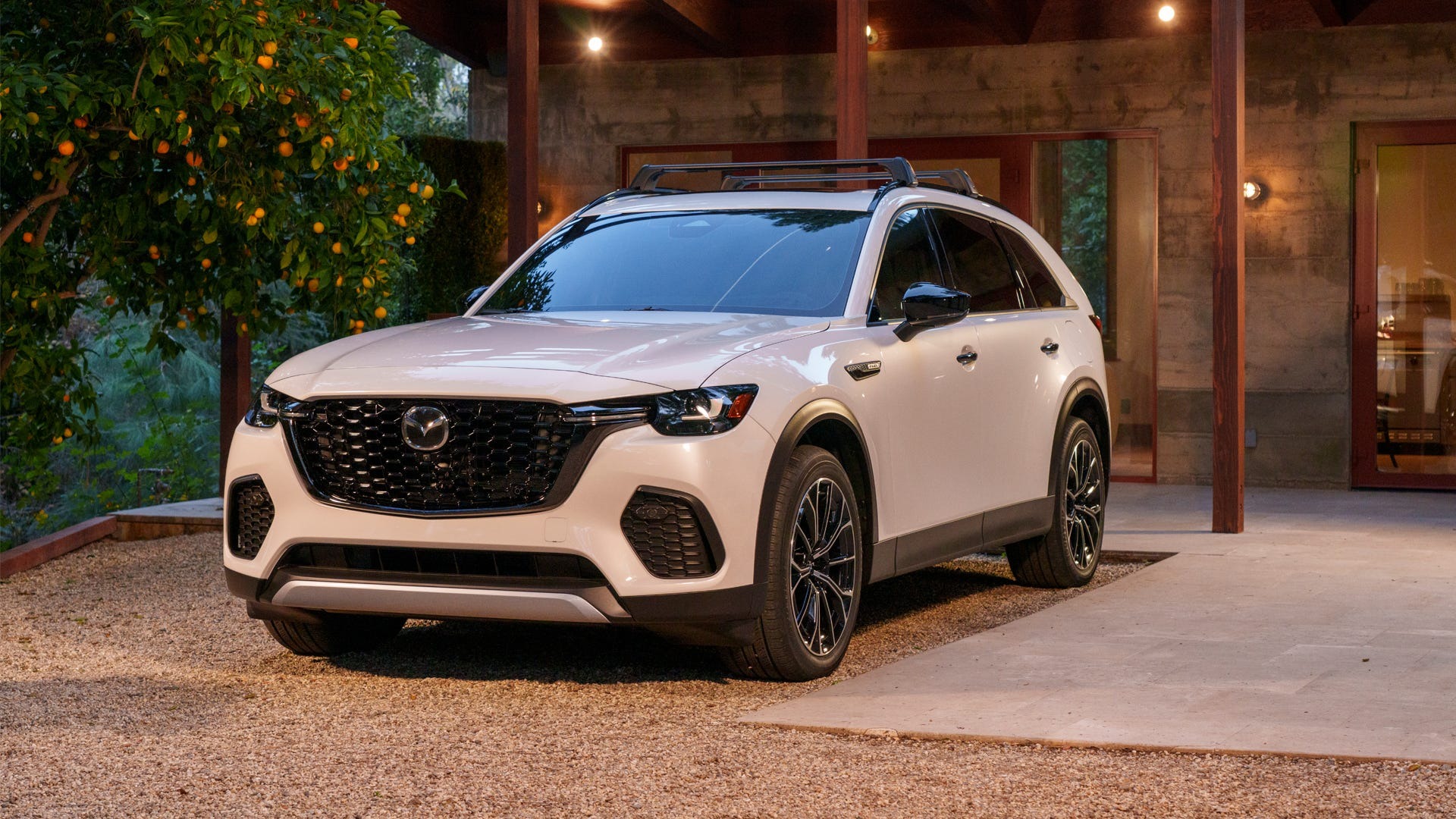
6. 2026 Mazda CX-70
The 2026 Mazda CX-70 is a relatively new model, and newer vehicles sometimes experience early ownership issues before manufacturers have years of customer feedback behind them.
Its supplied reliability rating of 69/100 also places it below the stronger scores associated with some more established models. Humidity can be particularly annoying when it meets upholstery and carpeting.
The CX-70’s seats are designed for regular use, yet no seat material benefits from staying wet for long periods. Water brought inside by passengers, damp clothing, or an accidental spill can settle into seams and padding.
Another issue that is easy to overlook is the effect of repeated small amounts of moisture. A little water brought in on shoes each day can gradually leave carpeting and seat edges damp, especially when the vehicle is parked with limited ventilation.
Owners should pay attention to smells as well as visible moisture. A persistent musty odor can indicate that water has collected somewhere beneath the surface. Damp carpets should be dried rather than simply covered with mats or accessories.
The CX-70 is not inherently a poor choice for humid areas. Most owners will never experience serious moisture damage. Still, keeping the cabin dry is especially sensible during periods of heavy rain or high humidity.
A few minutes spent checking the interior can protect the seats, carpeting, and cabin electronics from unnecessary moisture exposure.
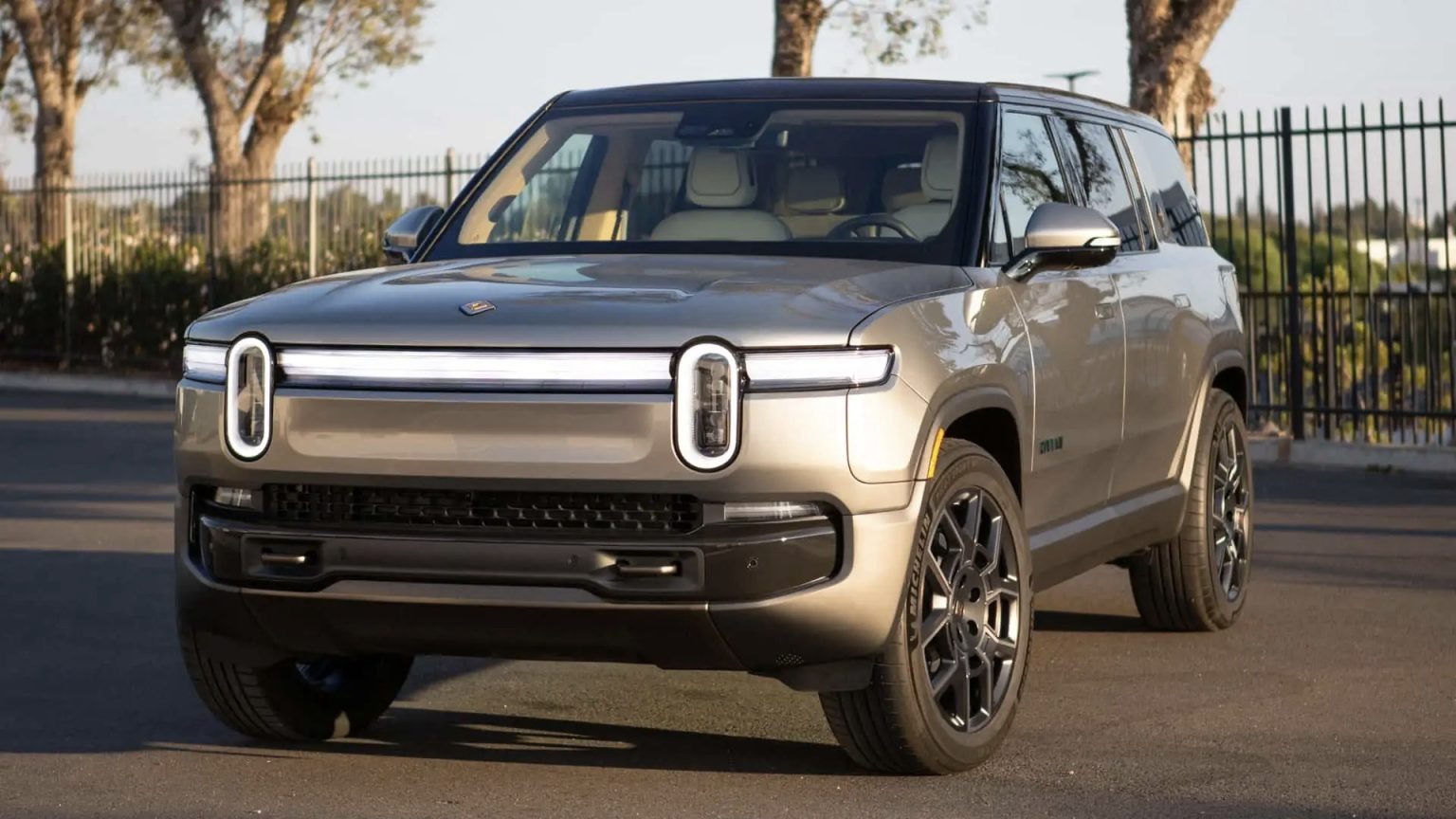
7. 2026 Rivian R1S
The 2026 Rivian R1S is an electric SUV with plenty of technology packed into the cabin. With its electronic features and interior materials, keeping moisture under control is something owners should take seriously, particularly during rainy weather or after carrying wet items.
The R1S has a supplied reliability score of 69/100. This is a general reliability figure, not a direct measure of how well the vehicle handles humidity. So, it does not mean every R1S will develop water-related problems. However, keeping the cabin dry is still a sensible part of care.
Moisture can enter the vehicle in many simple ways. Wet jackets, muddy shoes, sporting equipment, pets, and drinks can all leave water behind. If the vehicle is closed for long periods, that moisture may remain in the carpets or seats and create an unpleasant smell.
The leather and leather-like seats are easy to clean, but that does not mean they should be left wet. Water can collect around the seams and sink into the padding, where it may take much longer to dry.
The R1S also depends on electronics for cabin functions, so repeated condensation deserves attention. If one area keeps feeling damp, owners should find out where the moisture is coming from instead of simply waiting for it to disappear.
Regular cleaning is helpful, but drying is just as important. For R1S owners, removing wet items quickly and allowing damp areas to dry can go a long way toward keeping the cabin fresh, comfortable, and in good condition.
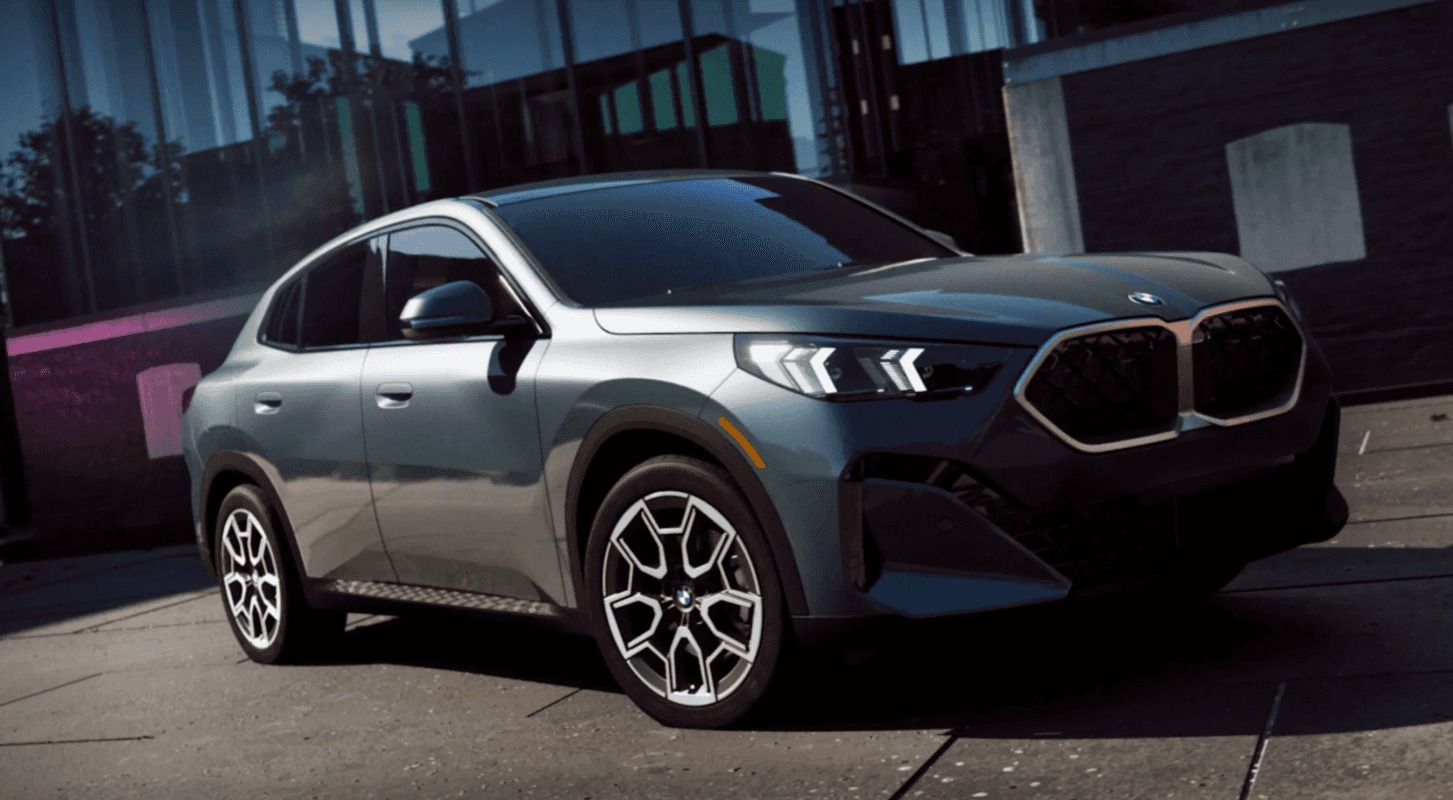
8. 2026 BMW X2
The 2026 BMW X2 earns a place on this list because its compact cabin, premium materials, and extensive electronic equipment deserve careful moisture management.
Its supplied reliability score is 70/100, which is better than several vehicles listed above, but that does not make the X2 immune to humidity-related interior problems. The idea that the second-row space automatically traps humidity should be treated cautiously.
Cabin moisture depends more on weather, ventilation, passenger use, leaks, and drying habits than on the amount of rear-seat space. Still, smaller areas can be overlooked during routine cleaning.
A damp backpack left on the floor, wet clothing placed across a seat, or moisture underneath a floor mat may receive little attention. When the doors and windows remain closed, that water can stay inside longer than expected. Repeated exposure may contribute to unpleasant odors and upholstery problems.
BMW’s cabin contains numerous electronic controls, displays, sensors, and comfort features. Persistent condensation is therefore worth taking seriously, even though normal humidity should not damage properly functioning equipment.
Seat care is straightforward. Wipe spills promptly, remove wet belongings, dry floor coverings, and check beneath mats after heavy rain. If an unusual odor develops, look for the source instead of simply masking it with an air freshener.
The X2 is not unusually fragile. Owners can still protect its interior by controlling moisture and responding quickly when water enters the cabin. These simple habits can help preserve the upholstery, carpeting, electronics, and comfortable feel of the interior.
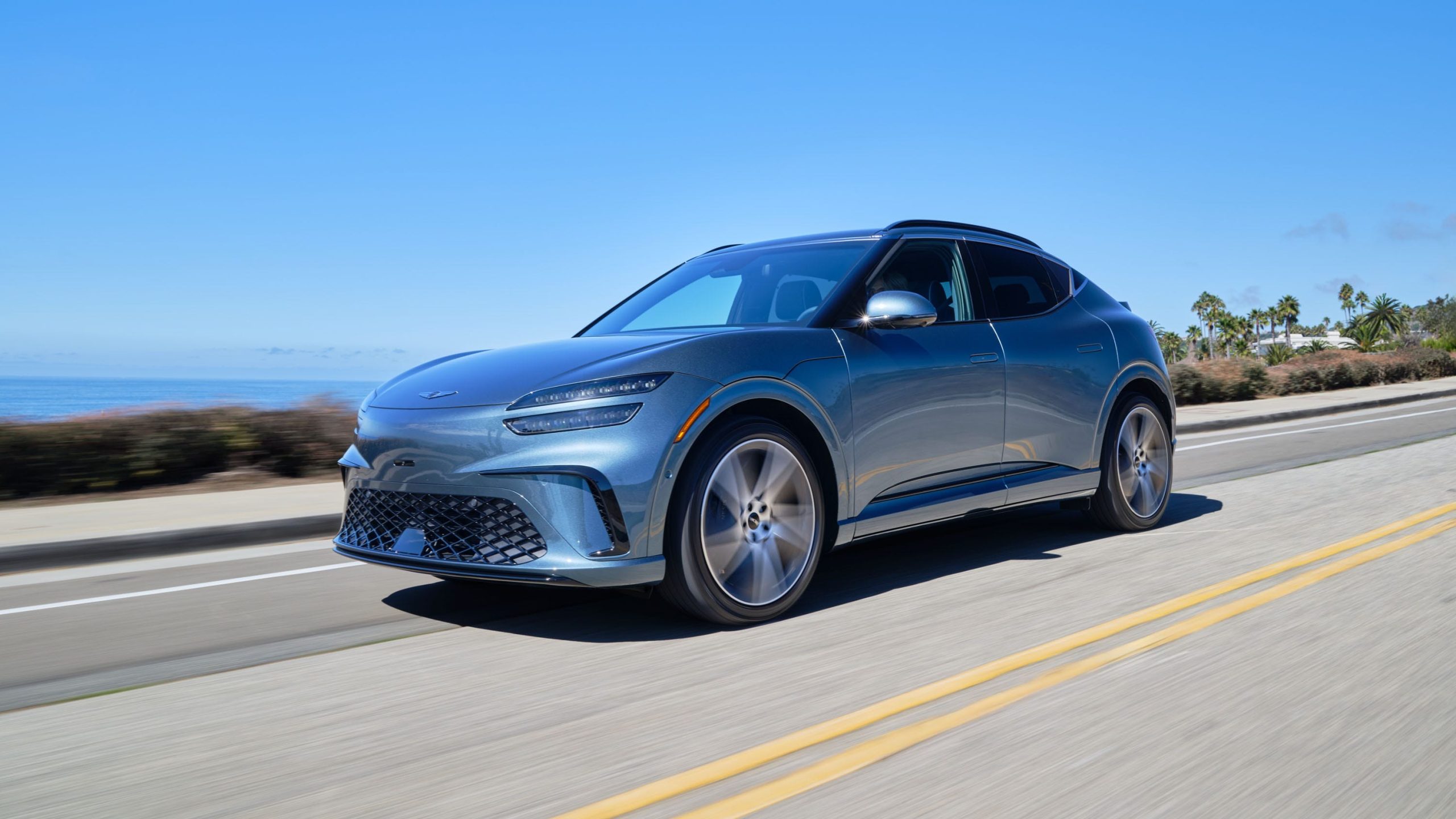
9. 2026 Genesis GV60
The GV60 carries a reliability score of 71 out of 100, reflecting Genesis’s continued push into the electric vehicle space with a design that leans heavily on advanced technology throughout the cabin.
Sleek, minimalist interiors often mean tightly packed electronic components, and the GV60 follows this trend with numerous sensors integrated into surfaces that might otherwise seem simple at first glance.
Tight cabin areas, particularly around the center console and door panels, can become susceptible to condensation buildup when temperature differences between the interior and exterior create the right conditions for moisture to form.
Because these spaces house delicate electronic connections controlling everything from ambient lighting to touch-sensitive controls, any accumulated dampness carries real potential for interference with normal function.
Genesis has built its brand around a premium ownership experience, and that extends to using high-quality seat materials designed to resist everyday wear.
Even so, no material is entirely immune to sustained humidity exposure, and the GV60’s advanced electronics add a layer of vulnerability that simpler vehicles don’t share.
Owners should keep an eye on any unusual behavior from touch controls or ambient lighting systems following periods of high humidity, as these can serve as early warning signs that moisture has found its way into spaces it shouldn’t be.
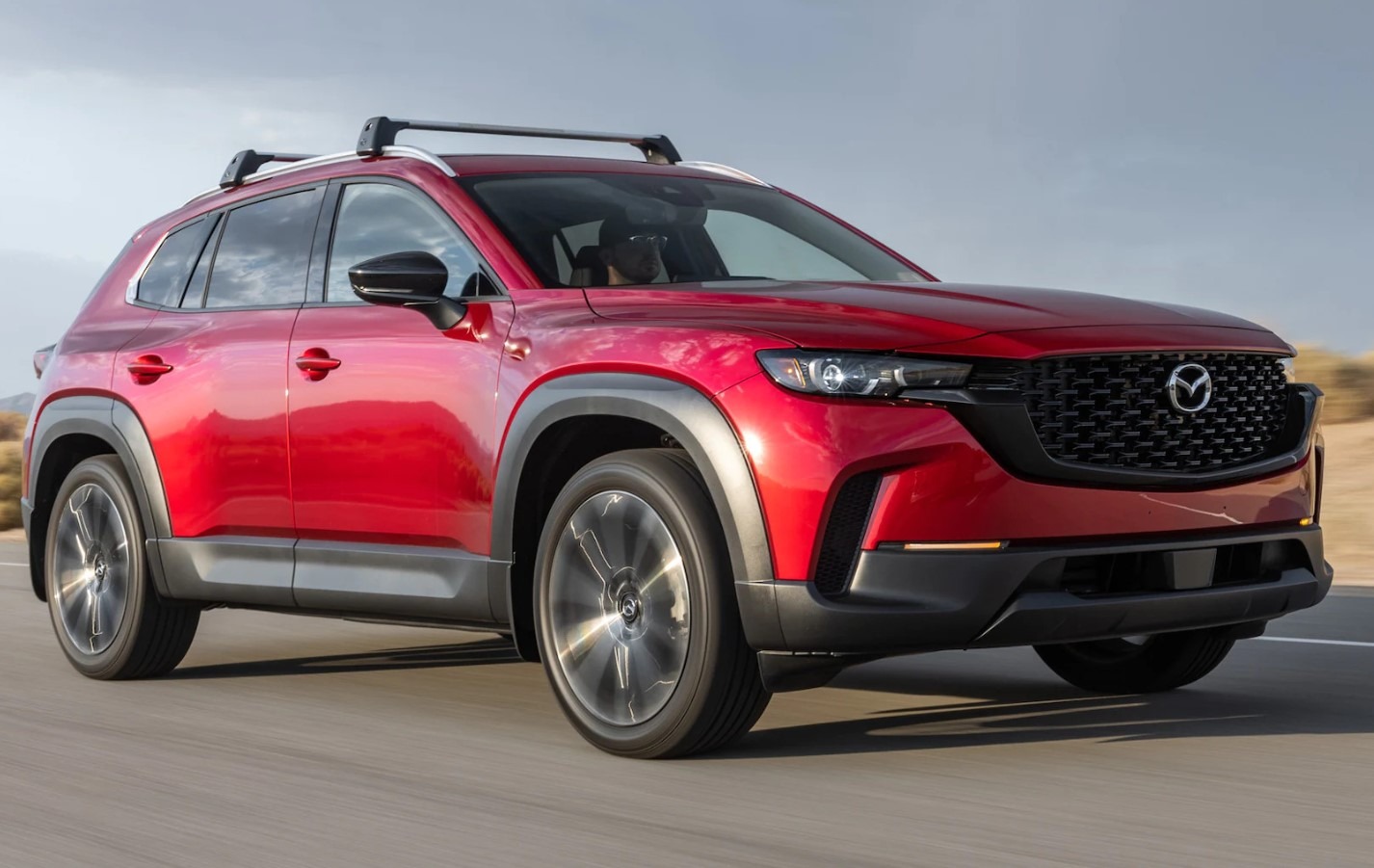
10. 2026 Mazda CX-50
The 2026 Mazda CX-50 is probably the least concerning vehicle on this list from a general reliability standpoint, with the supplied score reaching 71/100. Its presence here should therefore be viewed differently from the lower-rated models.
The reason is straightforward. Seat materials can still be affected by prolonged exposure to moisture. Leather, synthetic upholstery, and fabric may develop odors or surface issues when they repeatedly stay damp. No type of seating material is entirely immune to the effects of prolonged moisture.
The CX-50 may also see more exposure than a typical city vehicle because owners often use compact SUVs for road trips, outdoor activities, pets, and recreational gear. Wet jackets, shoes, towels, and equipment can bring plenty of water inside.
That does not make the CX-50 a poor choice for wet or humid areas. Properly maintained vehicles can handle ordinary weather conditions without trouble. The concern comes when moisture enters repeatedly and is allowed to remain.
A quick inspection after rainy trips can make a difference. Check the floor coverings, cargo area, seat seams, and areas beneath removable mats. Dry anything that feels damp instead of leaving it until the next drive.
For the CX-50, prevention is mostly about everyday habits. Keeping the interior dry, cleaning spills quickly, and addressing leaks early can help preserve both the seats and the cabin’s comfortable feel.