Spend enough time in a dealership’s finance office, and you’ll probably encounter what is often called “the menu.” It is a list of optional products presented by the finance manager, including paint protection, fabric treatments, VIN etching, and extended warranties.
These charges may appear on the paperwork before you even sit down, leaving many buyers unaware that they can negotiate or remove them altogether. Dealers often rely on the momentum of the purchase. By the time you reach the finance office, you have already chosen the vehicle, spent hours at the dealership, and may feel ready to finish the paperwork. That is when these extra charges can slip through without much scrutiny.
The truth is that almost none of these add-ons are required by law or by the manufacturer, and most carry markups of 300% to 1,000% over their actual cost.
Knowing which ones to look for, and how to ask for them to be removed, can save you anywhere from a few hundred to several thousand dollars on a single purchase. Below are ten of the most common add-ons you can and should have stripped from your deal before you sign anything.
1. Paint Protection / Sealant Package
This is one of the oldest tricks in the dealership playbook. A technician applies a coat of sealant, wax, or “ceramic-style” coating to the exterior paint, and the dealer charges anywhere from $500 to $1,500 for it. In reality, the product often costs the dealer under $30 per vehicle, and in many cases it’s applied to every car on the lot before it’s ever sold, meaning you’re paying for something that was never optional to begin with.
Modern factory clear-coat finishes are already durable and UV-resistant; a consumer-grade wax or sealant from an auto parts store, applied by you or a local detailer, will do the same job for a fraction of the cost and can be reapplied whenever needed.
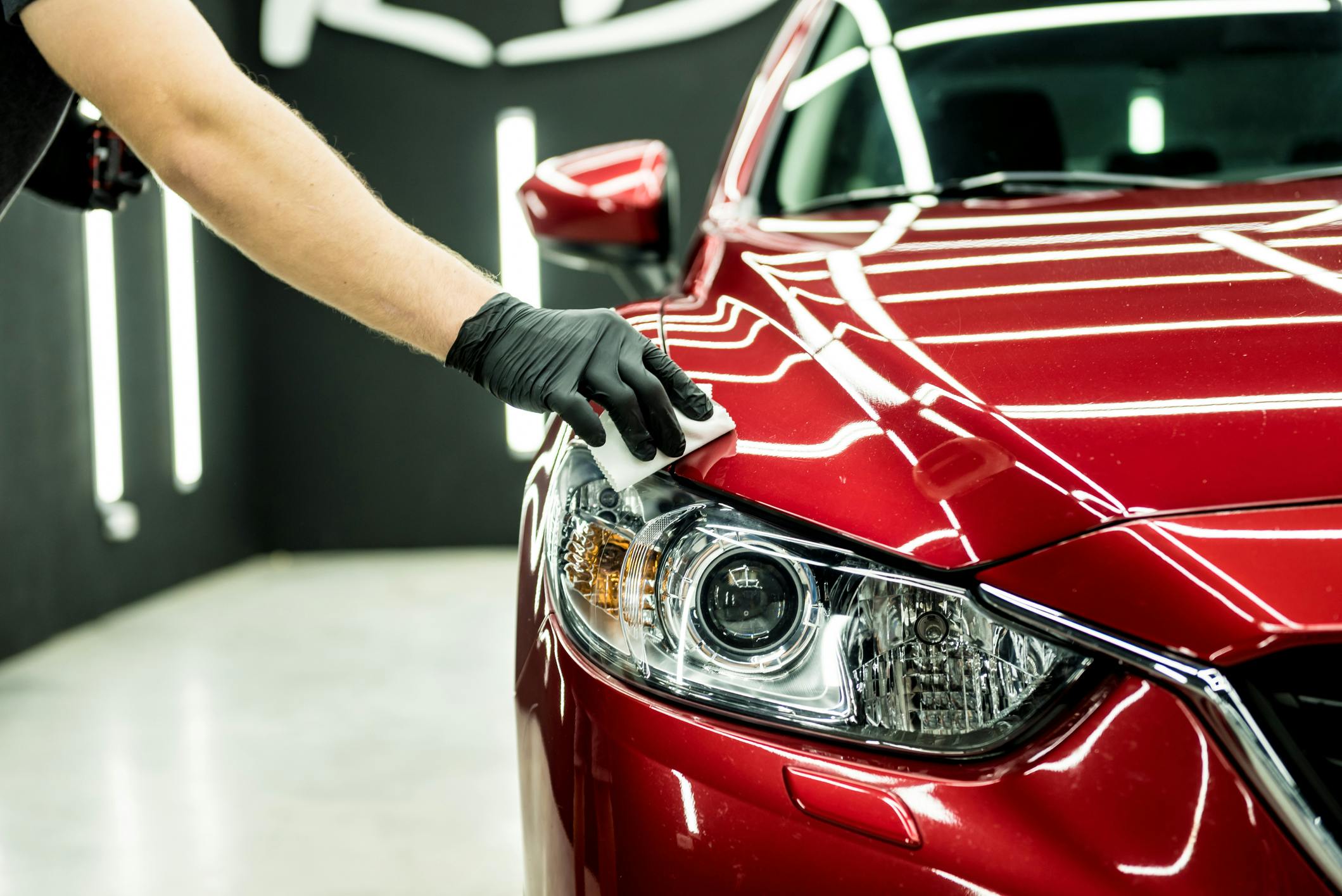
If you spot charges for “paint protection,” “environmental protection,” or “clear coat sealant,” ask the dealer to remove them from the deal. If they insist the treatment has already been applied and therefore cannot be removed, push back and negotiate.
In many cases, the issue is not whether the product can physically be taken off but whether the dealer is willing to adjust the price. Even if the treatment remains on the vehicle, you can ask for the charge to be reduced to zero. There is little reason to pay for a cosmetic service you never requested, and making it clear that you will not proceed with the purchase unless the charge is removed can give you significant negotiating leverage.
2. Fabric and Upholstery Protection
Similar to paint sealant, fabric protection involves spraying a stain-resistant coating onto cloth or leather seats, typically billed between $200 and $400. The active ingredient is usually a basic fluoropolymer spray nearly identical to off-the-shelf products like Scotchgard, which costs under $15 at any hardware store and takes about twenty minutes to apply yourself.
Dealers market this as a way to preserve resale value or protect against spills, but any protective effect fades within months of normal use, and reapplication is rarely offered as part of the original purchase price.
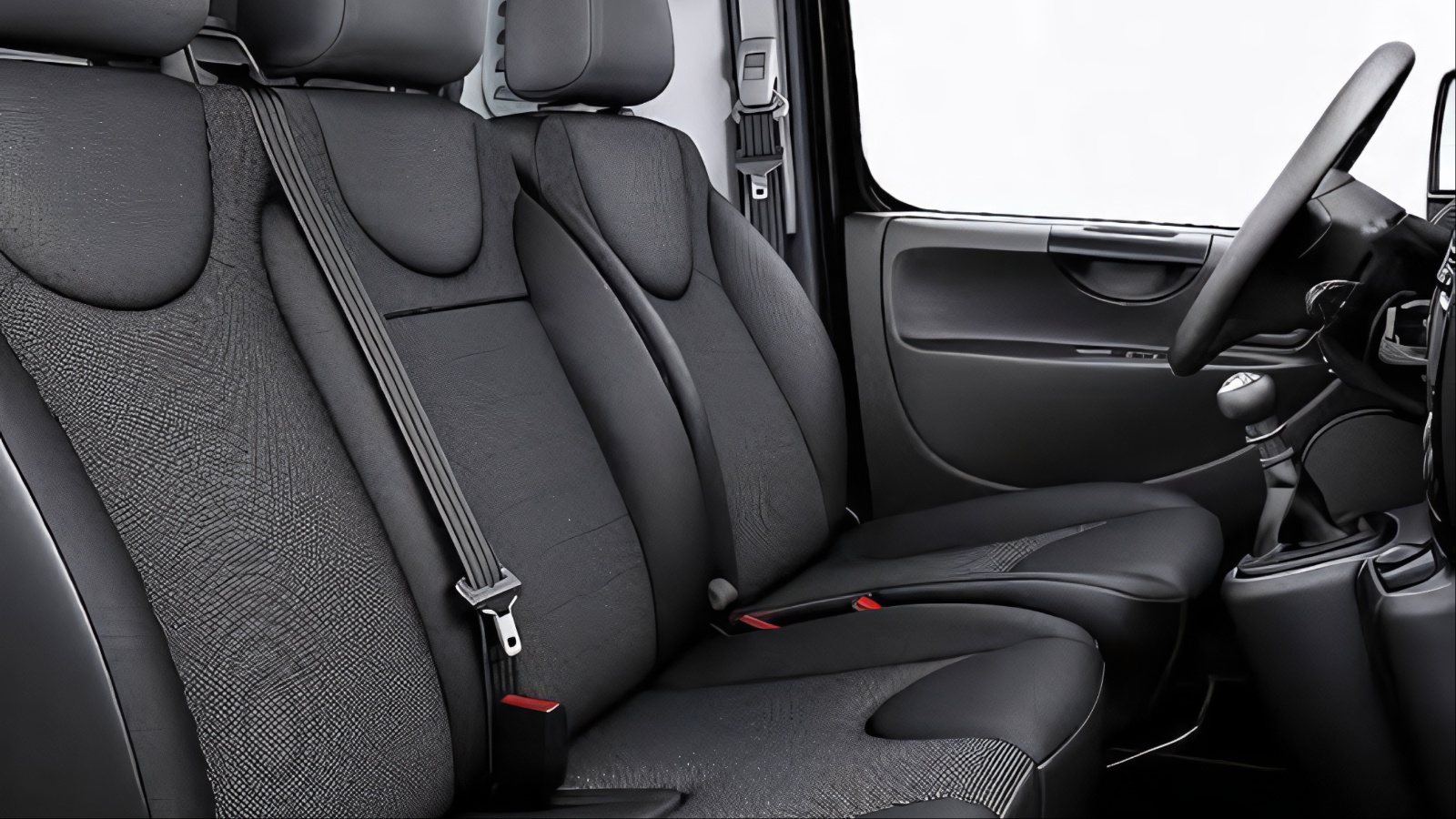
Since this treatment is purely cosmetic and does not affect the vehicle’s structure, it should be considered an optional add-on. When buying a new vehicle, ask the dealer to remove the charge from the contract. If you still want the added protection, you can apply your own product after taking delivery.
For a used vehicle, especially if the dealer claims the treatment was part of the reconditioning process, ask for proof that it was actually performed or refuse to pay the inflated fee.
Be sure to check the itemized invoice carefully, as dealers may combine this treatment with paint protection under a single “appearance package.” It is easy to have one charge removed while overlooking another, which can leave you paying for services you never wanted.
3. VIN Etching
VIN etching involves engraving your vehicle’s identification number onto the windows, theoretically to deter theft by making stolen glass traceable and harder to resell. Dealers charge $200 to $300 for this, sometimes marketed under names like “anti-theft protection” or “security package.”
The actual cost to the dealer is minimal, often under $20 in materials, and many insurance companies offer only a marginal discount, if any, for having it done. You can also buy a VIN etching kit online for about $20 and do it yourself in under fifteen minutes if you want the theft-deterrent benefit without the markup.
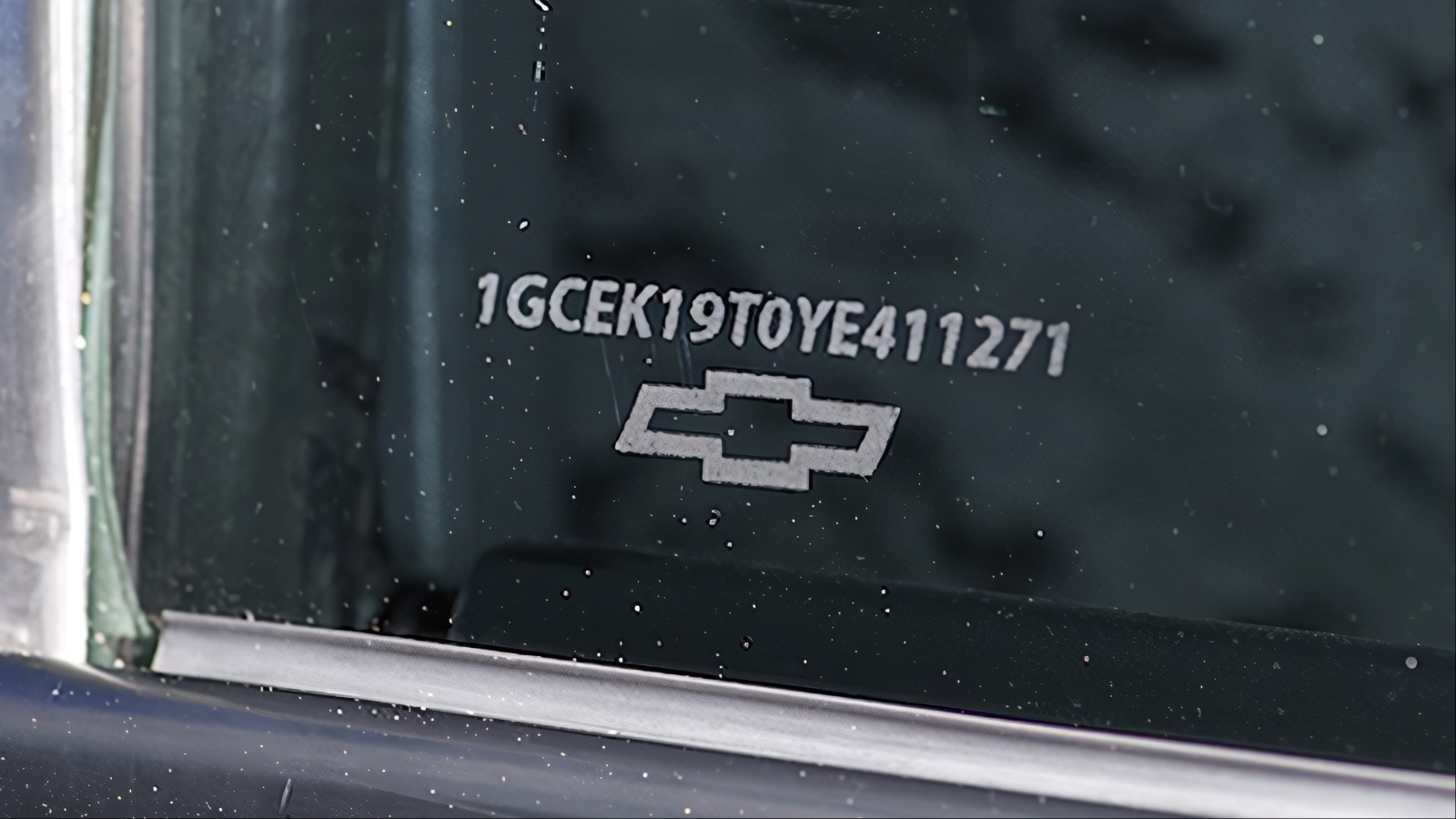
This is one of the easiest dealer add-ons to challenge because it is usually applied after the vehicle arrives on the lot rather than being part of the car’s factory build. Tell the finance manager clearly that you never requested the VIN etching and do not intend to pay for it. If the glass has already been etched, ask for the charge to be removed from the contract instead of having the work reversed.
Some dealers may argue that the etching is required by their insurance or theft prevention policy, but that does not automatically make it a cost you should have to absorb. If the dealer refuses to remove the charge, use it as leverage to negotiate a lower price elsewhere in the deal.
4. Nitrogen-Filled Tires
Nitrogen tire inflation is often marketed as a way to maintain more consistent tire pressure and improve fuel economy, with dealers charging anywhere from $100 to $300 for the upgrade. In reality, regular air is already about 78% nitrogen, and independent testing has found little to no meaningful difference between nitrogen and standard compressed air under typical daily driving conditions.
The bigger issue is convenience. Once your tires are filled with nitrogen, topping them off at a standard gas station will introduce regular air and dilute the nitrogen, which undermines much of the claimed benefit.
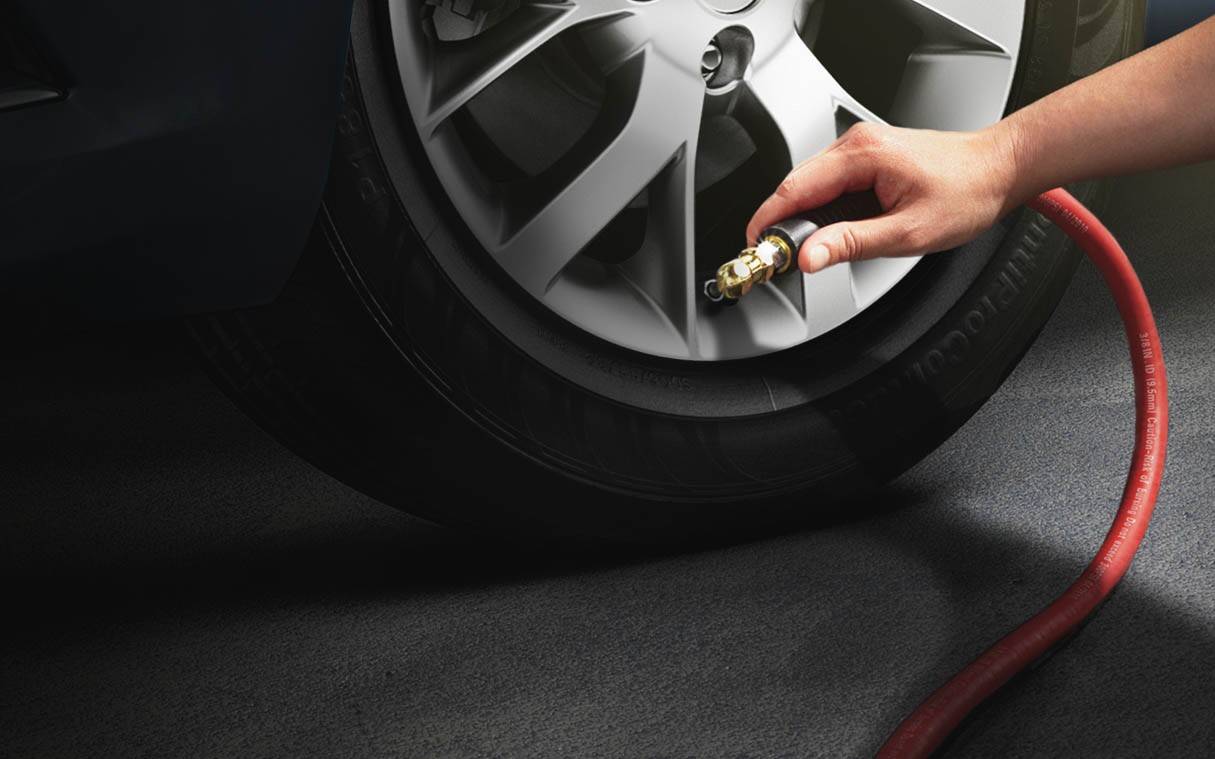
Since nitrogen tire filling is simply an optional service and does not add any lasting value to the vehicle, it is one of the easiest charges to remove from a deal. Let the dealer know that you are happy to maintain the recommended tire pressure yourself using regular air, which is usually free at gas stations.
If the tires have already been filled with nitrogen, there is no need to replace it with anything else or pay an additional charge. Also check whether the cost has been bundled into a larger “tire and wheel package,” as these packages can include overpriced tire warranties and other services you may not need.
5. Window Tint (Dealer-Installed)
Dealer-installed window tint often costs $300 to $600, while an independent auto shop may charge just $150 to $250 for the same or even better film quality. Dealerships often use lower-grade dyed film instead of the ceramic or carbon films available from independent installers, so you could end up paying more for an inferior product.
Tint can also create legal concerns because many states have specific limits on how dark window tint can be. Dealer installers may not always account for your state’s regulations, which could leave you with tint that needs to be replaced or could result in a citation.
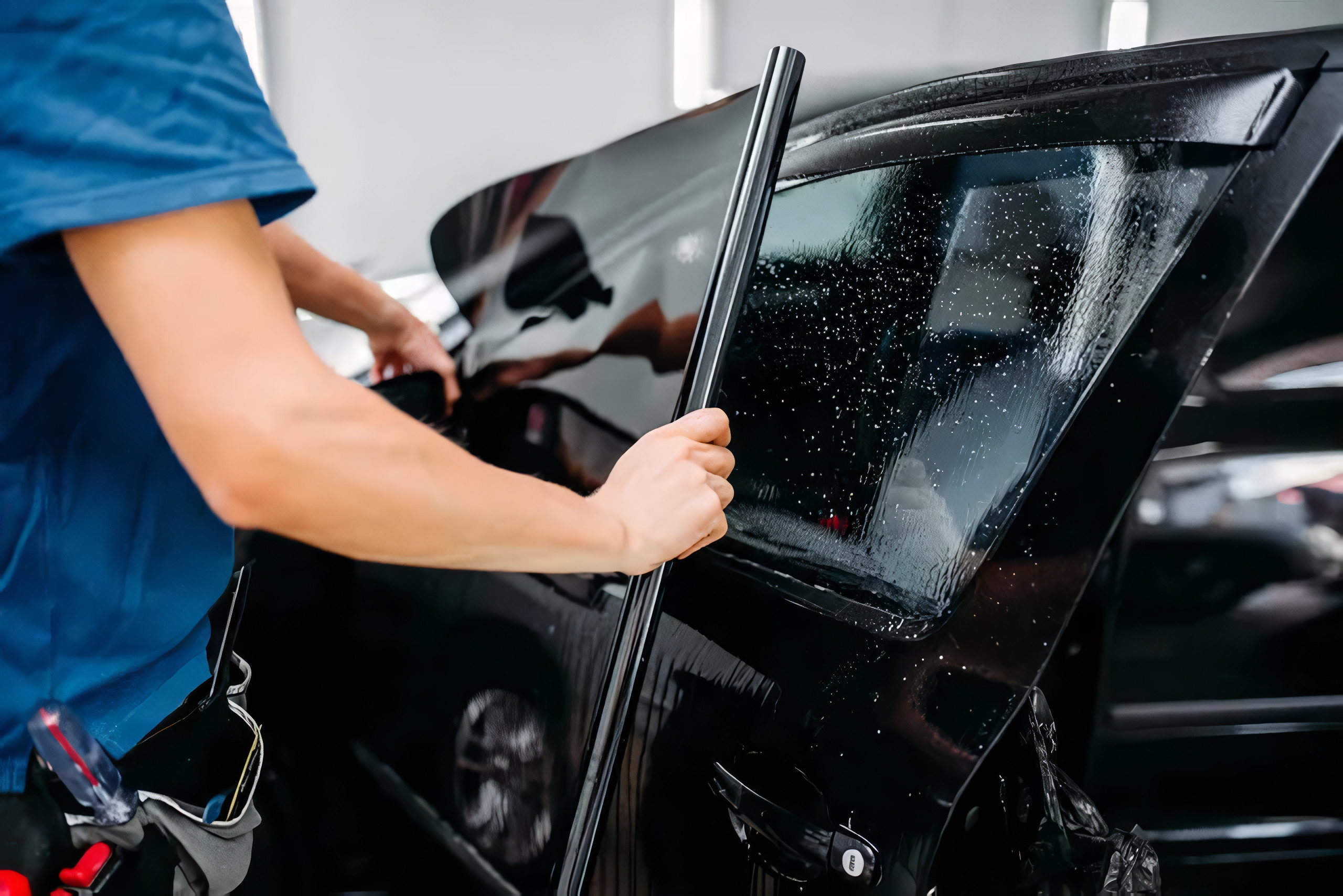
If tint appears on your invoice and you didn’t specifically request it, ask for it to be removed from the price. Even if the vehicle already has tint applied from the factory demo process, you shouldn’t be charged an aftermarket installation fee for something you didn’t order.
If you do want tint, it’s almost always cheaper and better-executed to have it installed independently after purchase, where you can select the film type, darkness level, and warranty terms yourself rather than accepting whatever the dealer’s contracted installer used.
6. Dealer-Marked-Up Extended Warranties
Extended warranties, also known as vehicle service contracts, are not necessarily a bad purchase. The issue is that plans offered through the finance department are often priced well above their actual cost, with markups sometimes reaching 50% or more. Finance managers typically receive commissions for selling these products, which can create pressure to make a quick decision.
You may hear that the dealership is offering your only opportunity to buy the coverage, even though many extended warranties can still be purchased weeks or months after buying the vehicle. Shopping directly through the manufacturer or a reputable third-party provider can also result in a lower price.
You can and should ask for the dealer’s extended warranty to be removed from your deal without losing the ability to get one later. If you want this kind of protection, take the paperwork home, research the coverage terms and price against reputable third-party providers, and compare before committing. It’s common for buyers to find equivalent coverage for 30–40% less once they’re not under dealership pressure.
If the finance manager insists the price is “locked in” and won’t be available later, this is almost always false. Extended warranties can typically be added anytime during the factory warranty period, giving you plenty of room to shop around after driving off the lot.
7. GAP Insurance (Dealer Rate)
Guaranteed Asset Protection, commonly known as GAP insurance, covers the difference between your remaining loan balance and the vehicle’s actual value if the car is totaled or stolen. It can be useful for buyers who make small down payments or choose longer loan terms.
The concern is usually not the coverage itself but what the dealer charges for it. A dealership may add $700 to $900 for GAP coverage, even though similar protection can cost around $20 to $40 per year through an auto insurer or about $100 to $200 as a one-time fee through a credit union.

Ask the finance manager to remove GAP coverage from the financing package, then contact your insurance company or credit union to compare pricing before deciding if you actually need it. If you made a large down payment or are financing well below the vehicle’s full value, GAP coverage may not be necessary.
Since it is a financial product and does not involve any physical changes to the car, it is one of the easiest dealer add-ons to remove. There is no “already installed” argument the dealer can make to justify leaving the charge on your contract.
8. Key Replacement / Theft Protection Plans
These plans promise to cover the cost of replacing lost or stolen keys and fobs, which can genuinely be expensive for modern vehicles with programmable chips.
However, dealers typically charge $300 to $500 for coverage that a locksmith or dealership service department could replace for $150 to $250 out of pocket anyway, meaning you’re paying a premium for a “just in case” scenario that may never materialize, and even if it does, the payout barely offsets the plan’s cost.
This is a pure insurance-style product, not a physical add-on, so it can be removed from your deal with a simple request. If losing a key genuinely concerns you, check whether your existing auto or homeowner’s insurance policy already includes key replacement coverage as a minor add-on, which is often far cheaper than a standalone dealer plan.
Alternatively, keeping a spare key made through a locksmith shortly after purchase accomplishes the same protective goal for a one-time, modest cost rather than a recurring or bundled dealership fee.
9. Dealer-Installed Accessories at Marked-Up Prices
Mud flaps, wheel locks, cargo mats, splash guards, and pinstriping are often installed on vehicles before they reach the showroom and then marked up significantly on the final invoice.
A set of wheel locks that costs around $40 at wholesale may be listed for $150, while mud flaps that cost about $20 could be billed at $80. These add-ons may seem inexpensive individually, but the inflated prices can quickly add hundreds of dollars to the cost of a vehicle.
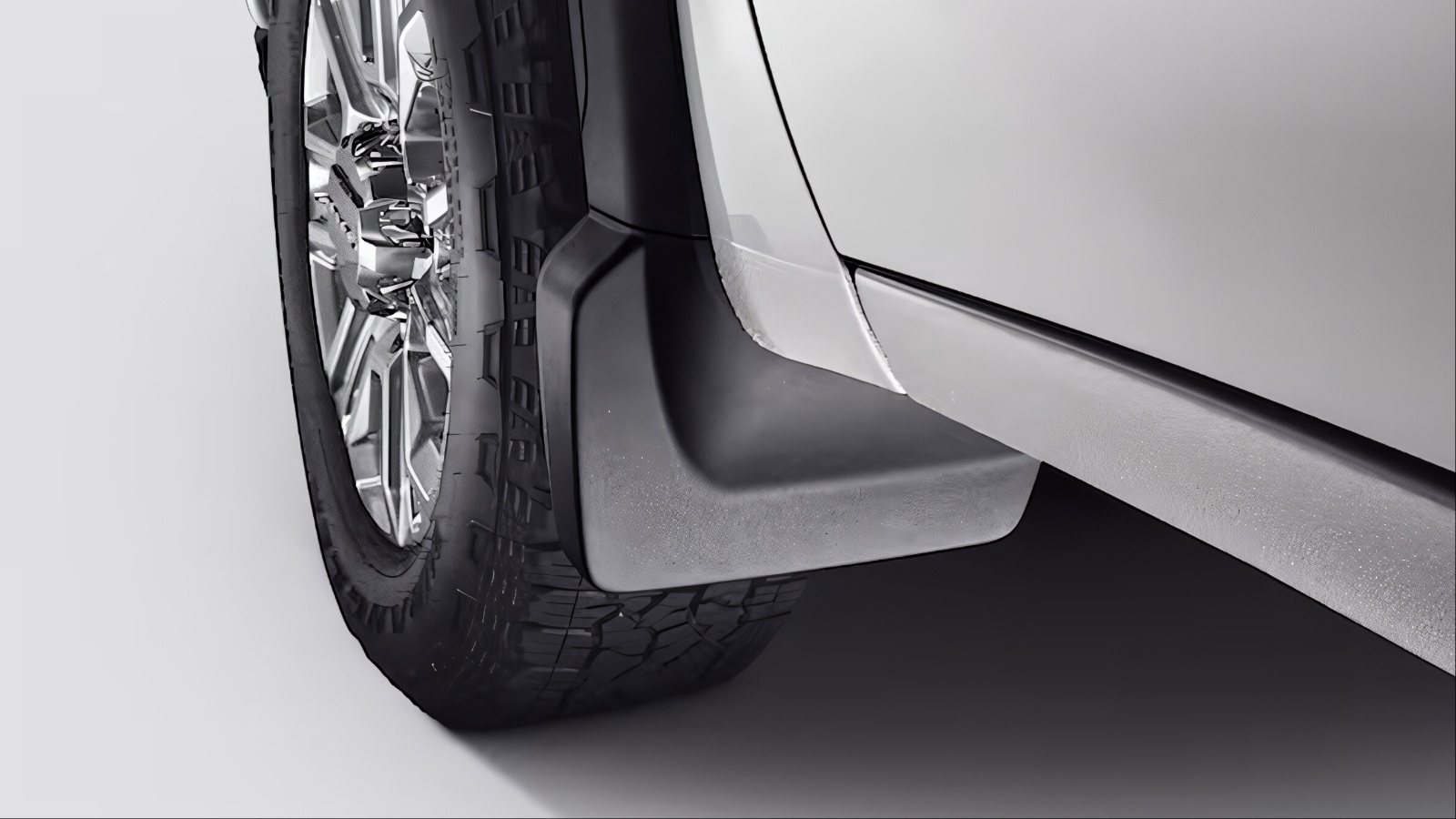
Unlike some other items on this list, these are physical parts that have actually been installed on the car, but that doesn’t mean the price is fixed or the installation is mandatory to keep.
You generally have two choices. You can ask the dealer to remove the accessories before delivery, or negotiate a lower price if you want to keep them. Since most dealers would prefer adjusting the price over taking off parts that are already installed, this can give you valuable leverage during negotiations.
Before agreeing to any accessory, ask the dealer to provide its cost as a separate line item. Then compare that figure with the retail price listed in the manufacturer’s accessory catalog or by an online parts retailer. The difference can be substantial and may give you plenty of room to negotiate a better deal.
10. “Reconditioning” or Prep Fees Disguised as Add-Ons
When buying a used vehicle, you may come across dealer charges labeled as a “reconditioning fee” or “certified inspection fee,” often adding anywhere from $300 to $1,000 to the price. These charges are different from legitimate state-regulated documentation fees and can be difficult to justify.
Dealers may use them to bill customers for routine work such as detailing, minor cosmetic repairs, or a basic inspection that was already necessary to prepare the vehicle for sale. In many cases, the actual cost to the dealer is much lower than the amount added to your bill.
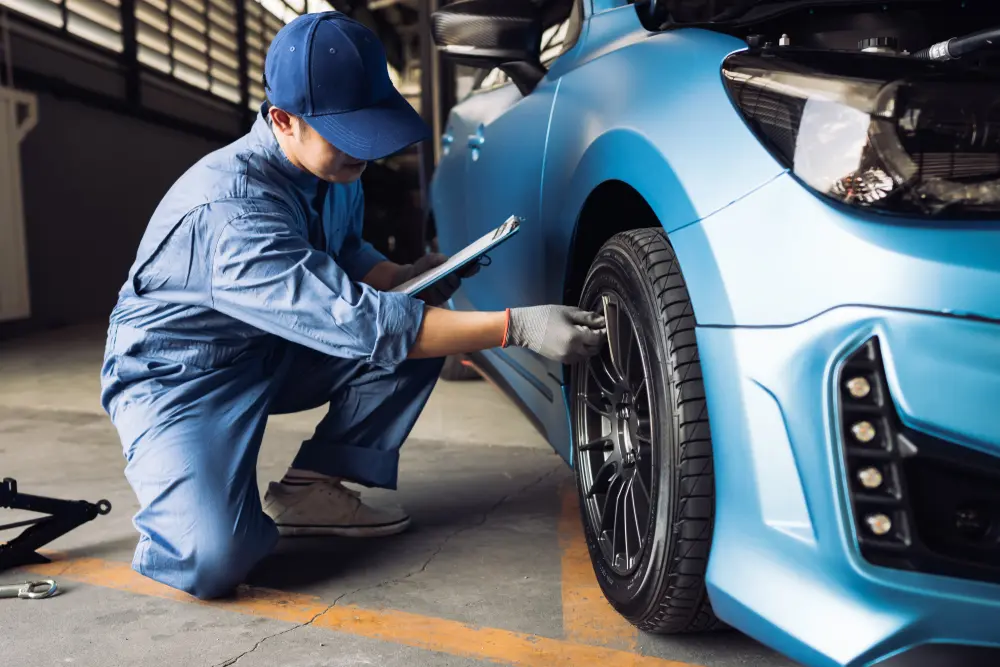
Ask specifically what work the reconditioning fee covers, and request an itemized breakdown. If the dealer can’t provide specifics, treat it as a negotiable or removable charge rather than a fixed cost. This is especially true if you’re buying “as-is” or plan to have your own mechanic inspect the vehicle regardless.
Many buyers successfully negotiate this fee down to zero simply by asking directly and making clear that the sale is contingent on its removal, particularly toward the end of a month or sales quarter when dealers are more motivated to close deals.