
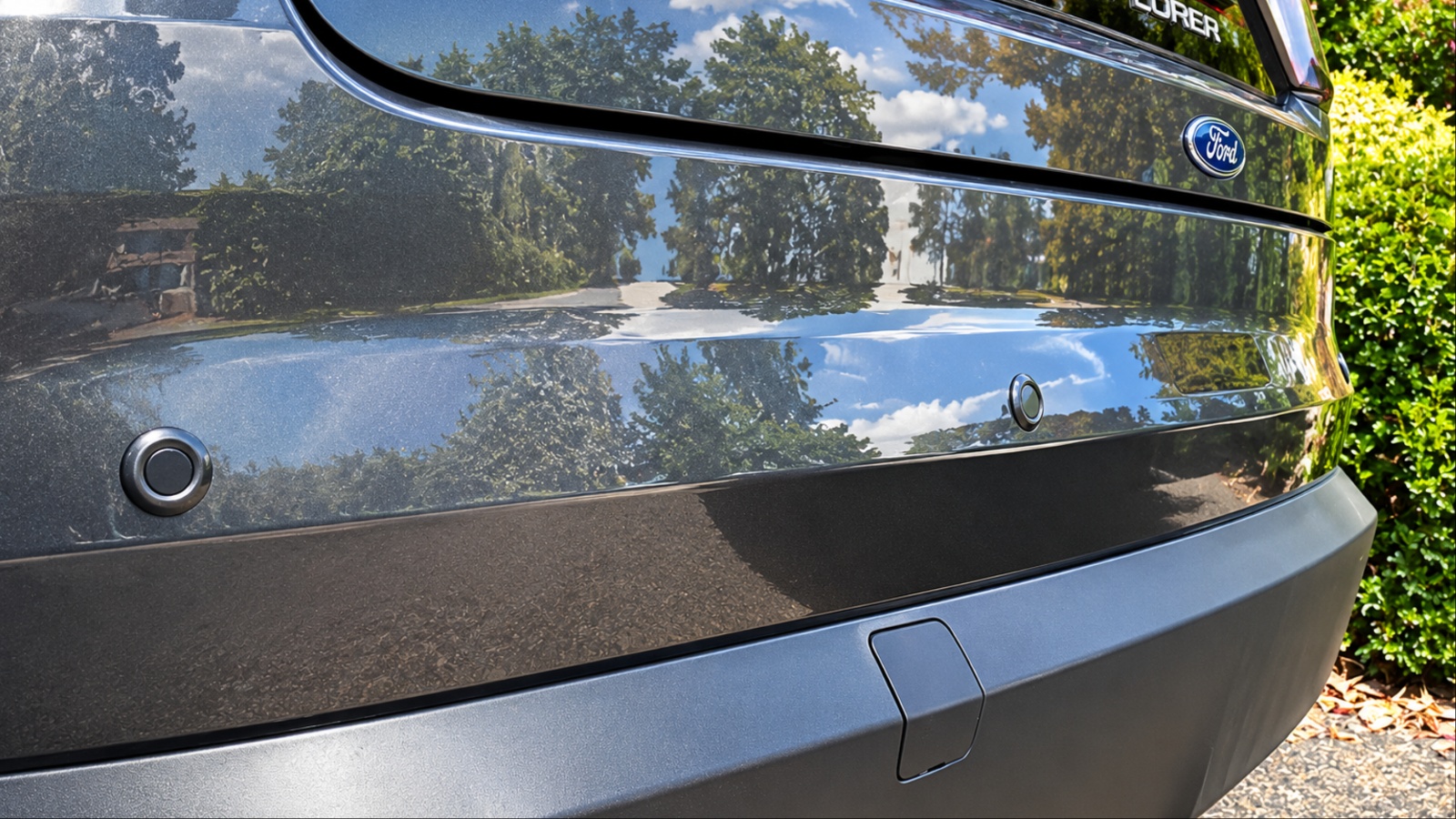
A tap against a pillar used to mean a scuffed bumper cover. A quick buff or a cheap repaint fixed it. That era is over for most new vehicles. Modern bumpers hide ultrasonic parking sensors, radar modules, and cameras. A scrape that barely marks the paint can still shift these parts out of position.
Once a sensor or bracket moves, many automakers require a calibration procedure before the safety systems will work again. That procedure needs special tools, target boards, or a supervised test drive.
Shops charge for that expertise. Even a minor parking-lot scrape can now add several hundred dollars in electronic work on top of the cosmetic repair.
The ten vehicles below were chosen because their bumpers are unusually dense with sensor hardware. Each one has documented cases of owners facing calibration charges for damage that looked cosmetic at first glance.
Costs vary by region, shop, and exact damage, so treat the figures here as realistic ranges rather than fixed quotes. Every entry below is based on real repair guides, technician write-ups, and owner reports.
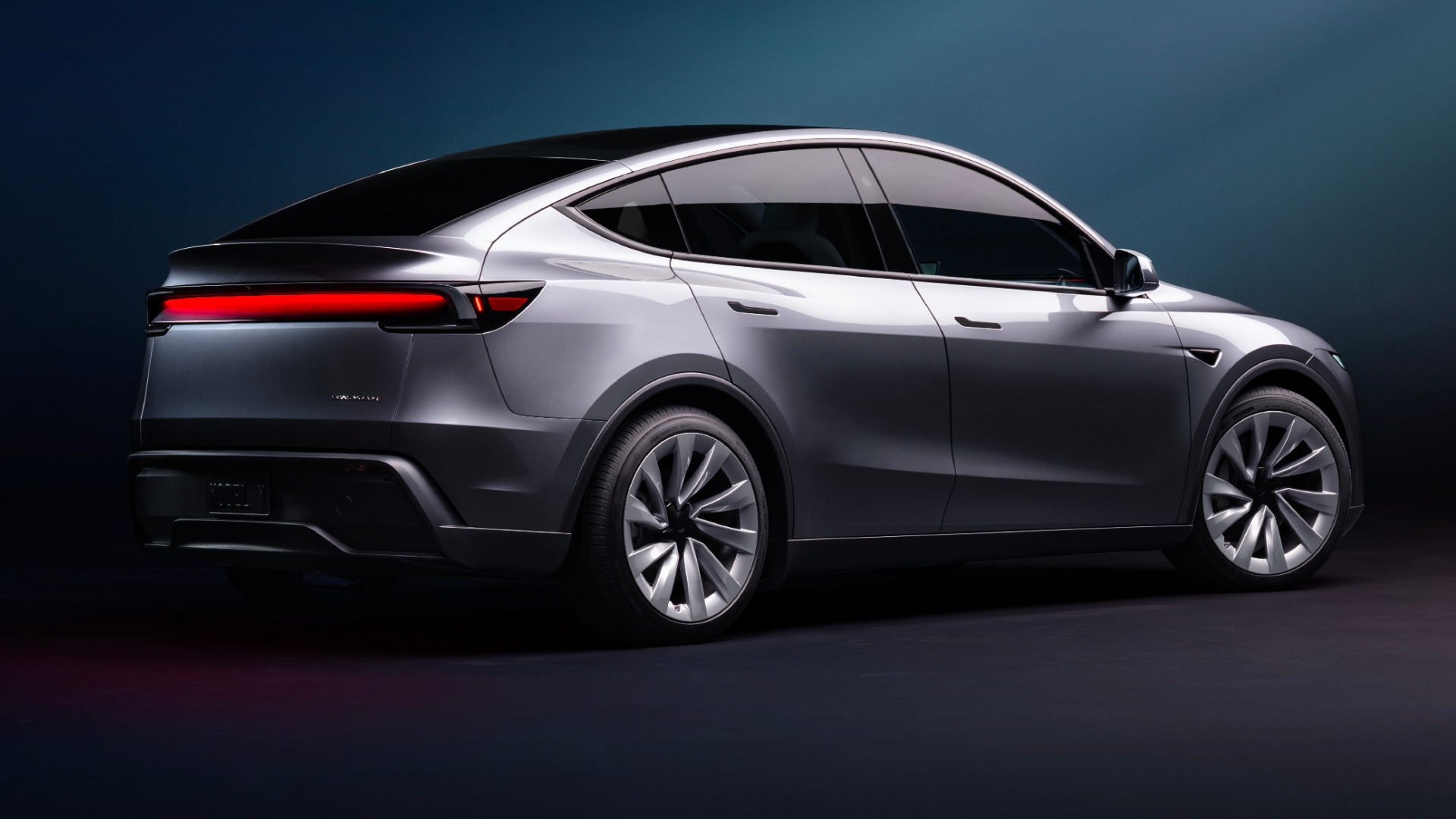
1. Tesla Model Y
The Model Y’s front and rear fascias carry ultrasonic parking sensors. Some trims add forward radar behind the lower bumper opening. A parking scrape that cracks the fascia often means removing trim pieces around these sensors. Even a careful reinstall can knock a sensor’s aim off by a few degrees.
Tesla’s software is unusually strict about this. If Autopilot’s cameras or ultrasonic array detect a mismatch, they disable related features until a service center clears the fault.
Reported bills for sensor calibration alone run from $200 to $400 on top of the bumper repair. That is before paint, blend work, or a replacement fascia.
Front bumper damage that involves the radar or camera bracket pushes costs higher still. Industry estimates for front-end collision repair, once sensor work is included, commonly land between four and nine thousand dollars.
Fewer shops are certified to work on Teslas than on mainstream brands. That scarcity limits competition and keeps labor rates high for calibration work specifically.
Owners moving from a gas-powered crossover are often shocked by the jump. A “small hit” that once meant a body shop visit now means a diagnostic appointment too.
2. Tesla Model S
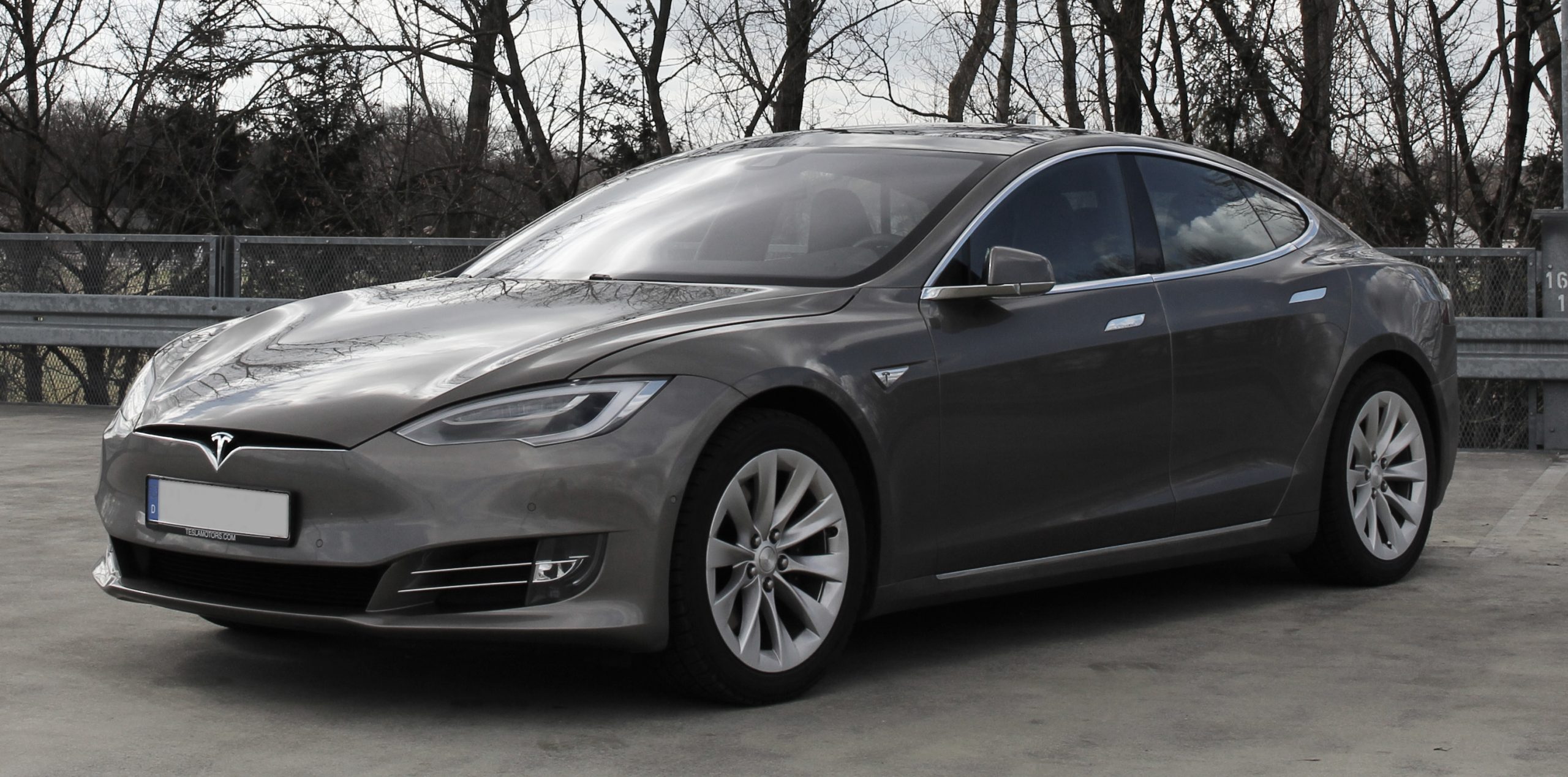
The Model S carries Tesla’s Hardware 4 suite on later cars. That includes a front radar unit nicknamed “Phoenix” mounted behind the bumper. Even light front-end contact can move this radar’s bracket. Tesla’s own service documentation treats this as a mandatory calibration event, not an optional check.
The calibration requires Tesla’s proprietary Toolbox 3 software. Independent shops without dealer-level access simply cannot complete the process.
Owners can install a replacement sensor themselves to save labor. But the car will show persistent warnings and disable driver-assist features until a technician finishes the calibration drive
That drive typically takes place on well-marked roads for several minutes. The system uses lane markings to cross-check the radar against camera data before clearing the fault. Skipping this step is not really an option.
Every ADAS feature tied to that sensor, including automatic emergency braking, stays locked out. Because so few independent shops carry Toolbox 3 access, most Model S owners end up back at a Tesla service center. That concentrates pricing power and removes the usual competitive discount of a local body shop.
3. BMW 5 Series
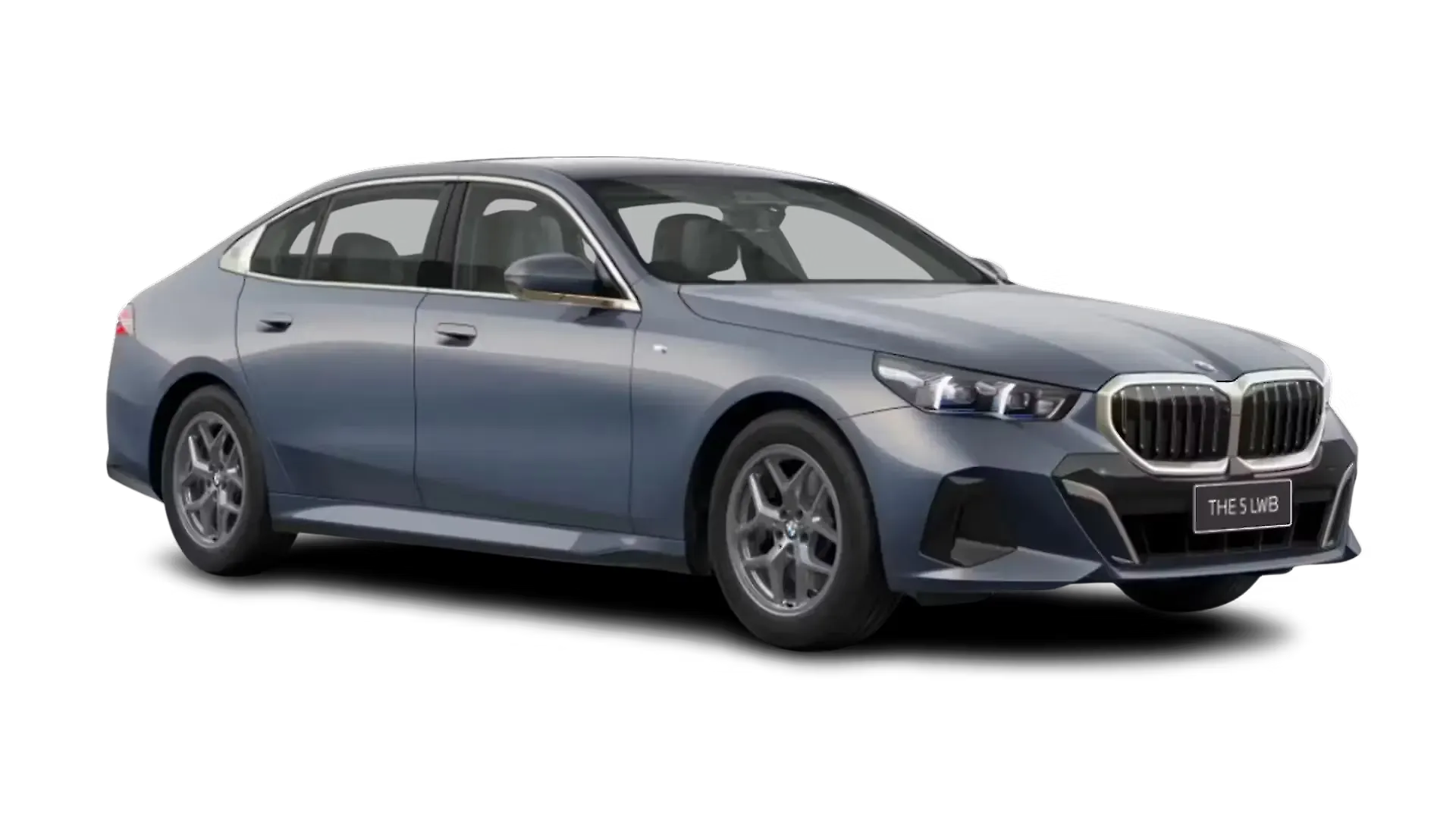
The 5 Series packs its Park Distance Control sensors into both bumper covers. On the current generation, full bumper removal is usually required just to reach the inner sensors.
A single sensor swap is normally plug-and-play. BMW’s own documentation says the control module recognizes a fresh sensor automatically in most cases.
The complication shows up when the impact affects wiring or a bracket instead of the sensor itself. Technical bulletins have flagged chafed harnesses near the bumper as a recurring failure point on related BMW platforms.
Owners on BMW forums have described body shops charging separately for a post-repair calibration scan. One documented case put that charge at roughly $156, billed on top of standard bumper paint work.
Dealer quotes for a single sensor replacement, including bumper removal labor, have been cited by owners as high as $800 to $1,100. That figure covers labor time, not just the small plastic part itself.
The core issue is access, not electronics. Reaching the inner sensors demands stripping the bumper cover down, which turns a minor scrape into hours of skilled labor.
Shops that skip the post-repair scan risk leaving a fault code active. That can silently disable the whole PDC system rather than just the damaged sensor.
4. Ford F-150
The F-150’s front radar sensor sits low in the bumper fascia, usually near the license plate area on the driver’s side. Ford calls it the Cruise Control Module, and it feeds both adaptive cruise and automatic emergency braking.
A parking-lot scrape near that section of bumper is exactly where debris, curbs, or brush guards tend to strike. Even a partial obstruction from a bent bracket can throw false warnings.
Replacing this radar is only half the job. Ford’s repair procedure requires a “dynamic calibration,” meaning a supervised test drive with a scan tool connected throughout.
That calibration cannot be done with generic aftermarket tools. Ford’s own diagnostic platform, FDRS, is required, and using workarounds only clears codes rather than truly recalibrating the sensor.
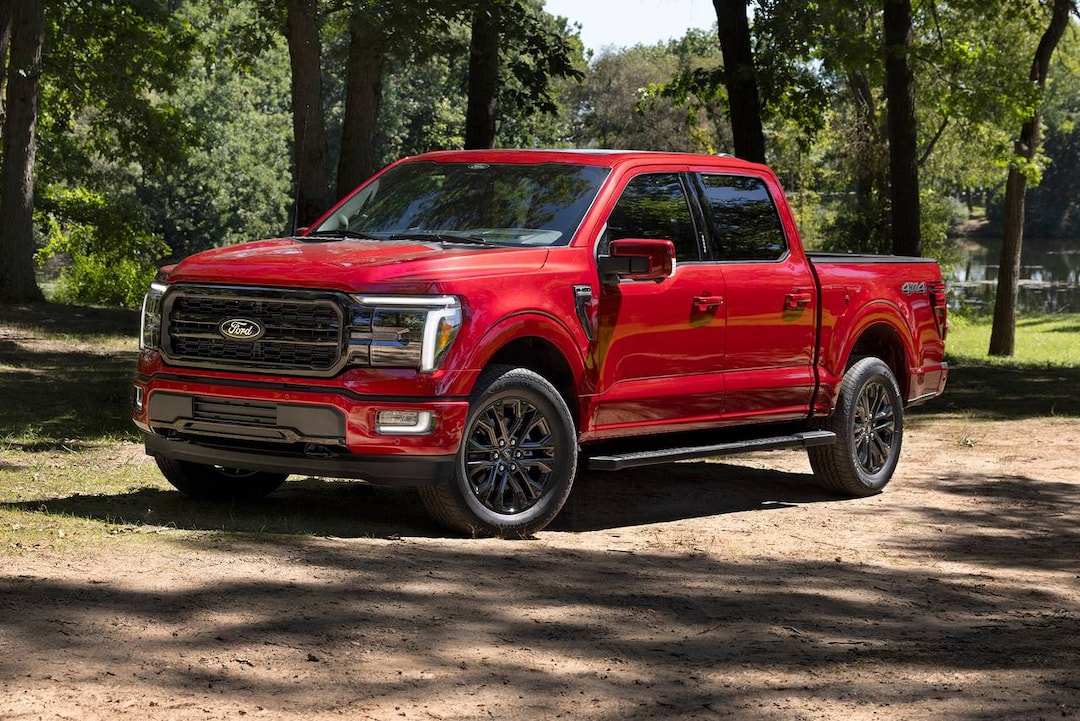
Cost estimates for this recalibration alone typically fall between $150 and $400 at independent ADAS specialists. Dealers often charge more, with some quotes running $600 to $1,000 for the full diagnostic and calibration package.
Rear-end scrapes carry their own risk. The Blind Spot Information System radar sits inside the rear quarter panels, and even a bumper cover crack can shift these modules enough to trigger a fault.
Trucks with a front camera behind the windshield add another layer. A separate static calibration is needed there any time the glass or its bracket is disturbed.
5. Genesis GV80
The GV80’s bumpers house ultrasonic parking sensors front and rear, feeding its Smart Parking Assist and Blind-Spot View Monitor. Several owners have reported sensors sitting slightly recessed from the factory, which already makes them prone to false alerts.
A parking scrape that dents the bumper cover near a sensor housing can push a marginal fit past its limit. What starts as an occasional false alert can become a full sensor failure.
Genesis service pricing for this repair path has run notably high compared with mainstream brands. Backup warning sensor replacement, including labor to access the bumper cavity, has been quoted in the range of $1,300 to $1,450.
Much of that cost is not the part. The sensor itself is inexpensive, but reaching it means removing the bumper cover, and color-matched sensor housings add further expense if the wrong shade is ordered.
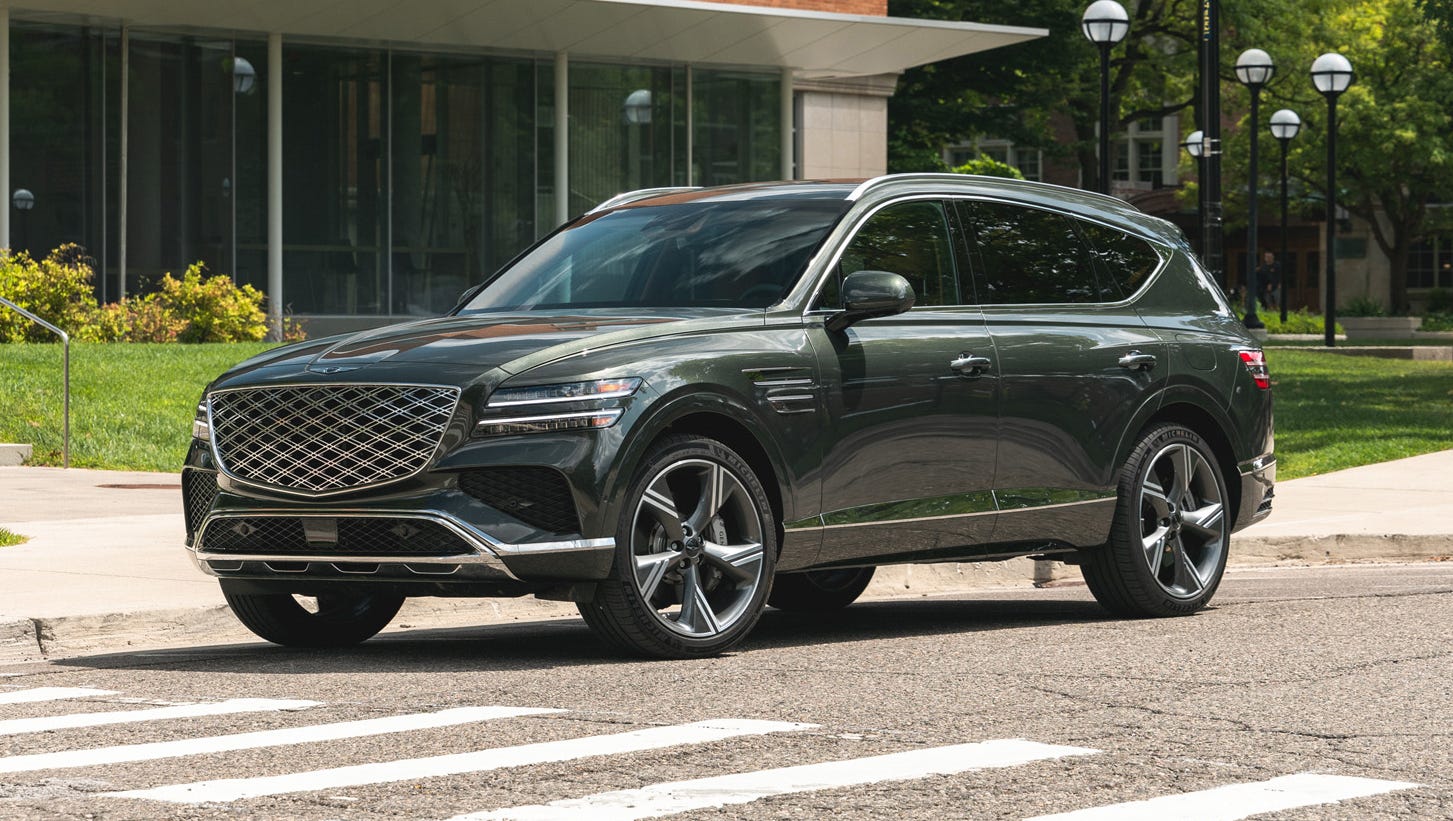
Cold weather appears to worsen the recessed-sensor problem specific to this platform. A minor impact in winter can be the final trigger for a system that was already borderline.
Genesis has also had software-related recalls affecting the instrument cluster display used to show parking warnings. That means even a correctly functioning sensor may not visibly alert the driver until an update is applied. None of this shows up as a red flag at the moment of impact. The bumper looks intact, but the warning light appears days or weeks later.
6. Mercedes-Benz S-Class
The S-Class carries one of the densest sensor packages in the segment. Front radar for Distronic adaptive cruise sits behind the grille, while ultrasonic sensors line both bumpers for its 360-degree camera system.
Industry technicians single out Mercedes alongside BMW, Lexus, and Tesla as brands where a routine-looking bumper job regularly turns into a multi-system calibration bill. A single low-speed impact can disturb more than one sensor type at once.
When several systems are affected together, shops typically itemize separate charges. Radar calibration, camera alignment, and a blind-spot recalibration can each carry its own labor line.
Combined multi-system bills on comparably equipped luxury vehicles have been documented in the $800 to $1,500 range. That figure sits on top of the cosmetic bumper repair itself.
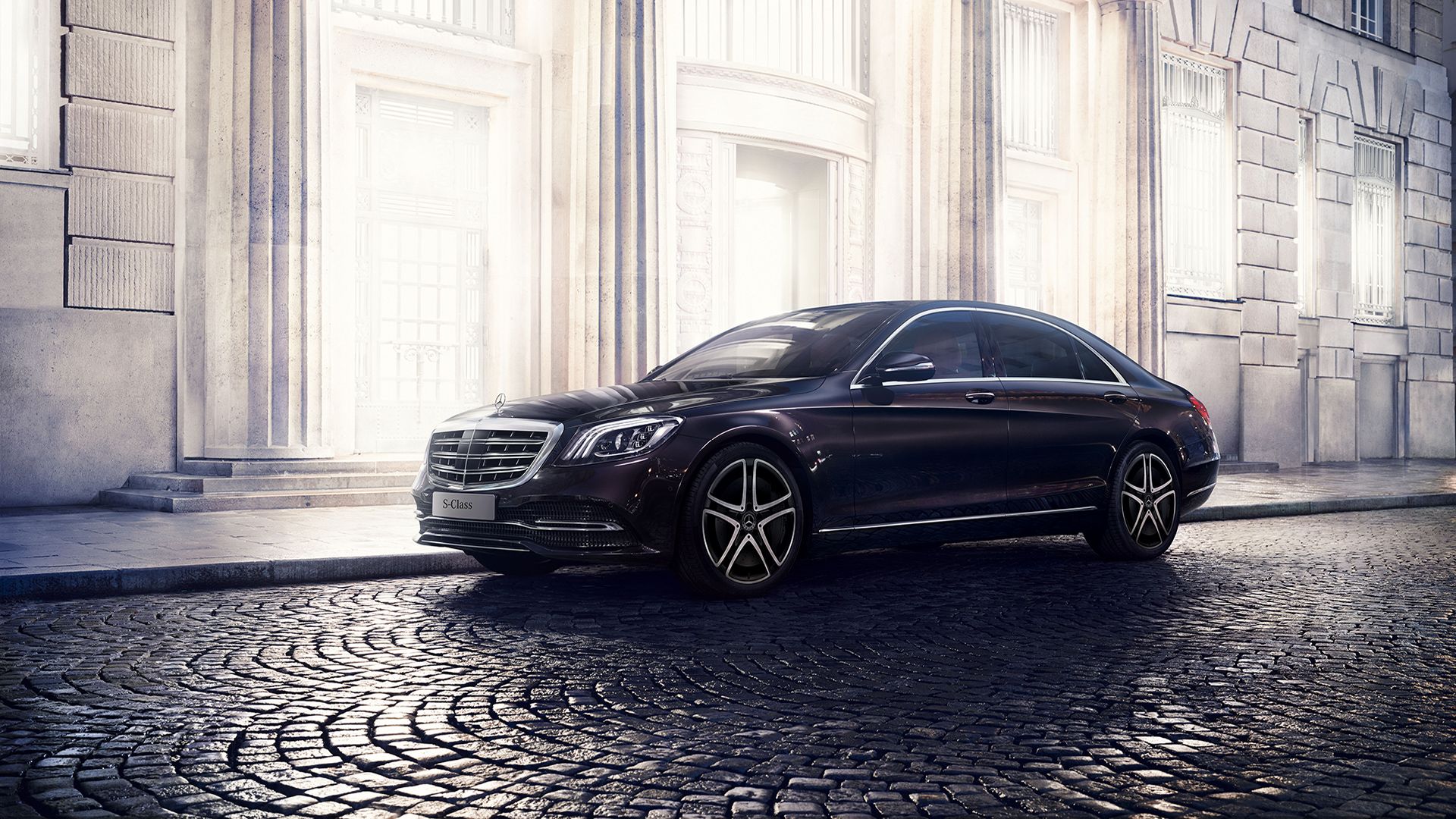
The S-Class’s active parking assist depends on tightly calibrated ultrasonic zones. If paint thickness changes after a respray, those sensors can misjudge distances even without any wiring damage.
Technicians recommend requesting an itemized estimate rather than one lump “ADAS” charge. A vague total makes it hard to tell whether every listed calibration was actually necessary.
Given how many interconnected systems share space behind the S-Class bumper, owners should expect calibration to be assumed by default. Skipping it is rarely presented as an option by authorized shops.
7. Range Rover
Range Rover’s bumpers integrate front radar for adaptive cruise, a forward camera-linked emergency braking system, and a full ultrasonic parking sensor array for its surround camera setup.
Off-road use adds another wrinkle because these vehicles are more likely to experience low-speed scrapes against rocks, curbs, and gateposts than typical crossovers. Jaguar Land Rover’s repair procedures take a conservative approach to bumper work near sensors. Any repair near a radar mounting point generally requires the full calibration process rather than relying on a visual inspection alone.
That caution reflects the vehicle’s use case. A gatepost scrape at walking pace can still nudge a bracket enough to matter at highway speed, when the same radar is managing adaptive cruise following distance.
Because Range Rover uses both static, target-based calibration and dynamic road tests for different sensors, a single bumper incident can require both procedures back-to-back. That doubles the shop time compared with a single-calibration vehicle.
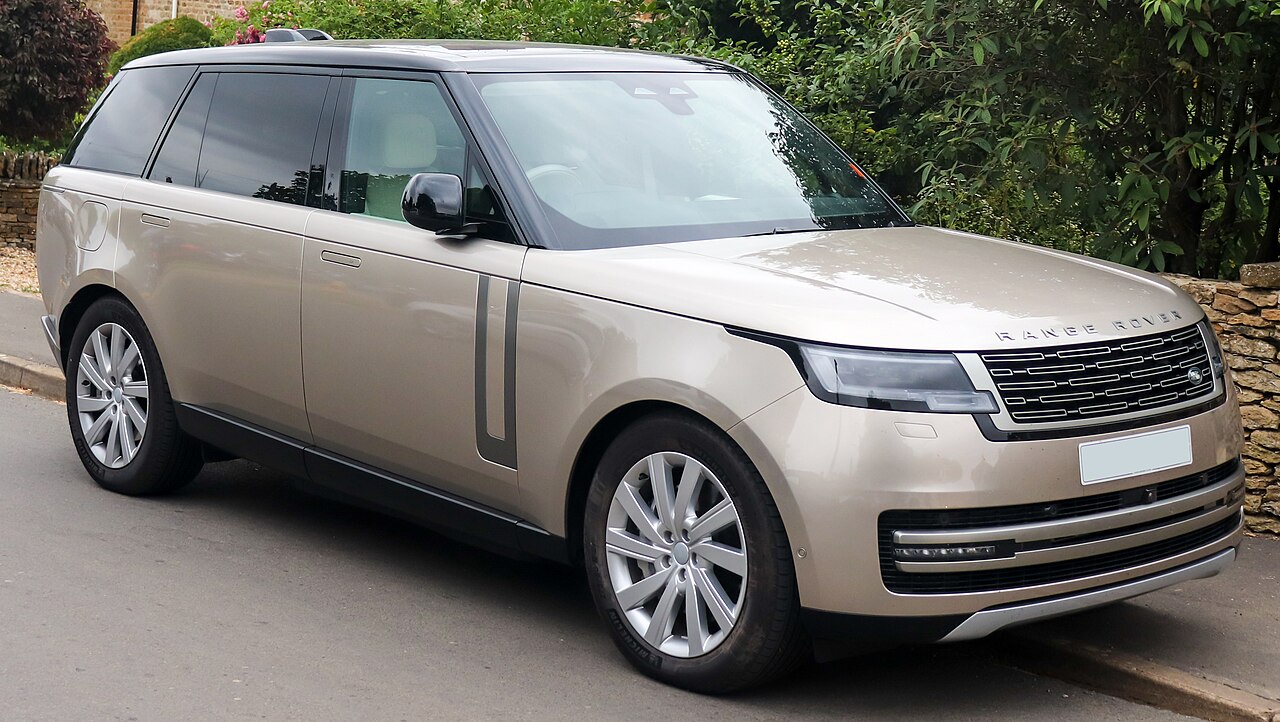
Specialist ADAS centers, rather than general body shops, typically handle this work. Fewer facilities are equipped for Land Rover’s specific calibration targets, which narrows the pool of shops able to finish the job in one visit.
The height and shape of Range Rover bumpers also complicate access to the ultrasonic array. Removing trim without cracking the surrounding parking-sensor housings takes extra care and time.
Owners who assume a scrape is “just cosmetic” are often surprised at intake. The service advisor’s first move is usually to check which sensors sit near the point of impact.
8. Rivian R1S
Rivian is unusually strict about what counts as repairable bumper damage. Its body repair documentation defines a “No-Repair Zone” directly over the front radar’s transmission path.
Inside that zone, even paint touch-up beyond a clear coat is prohibited. Any deeper repair in that specific area, no matter how small, requires full bumper replacement rather than patching.
Outside that zone, a scrape can still cause trouble. One owner reported a small stone strike cracking the plastic around a front sensor, and the fix required removing the entire front fascia to replace it.
That single repair, covering parts and labor together, came to roughly $750. Most of that was labor, since the sensor itself was a comparatively small line item.
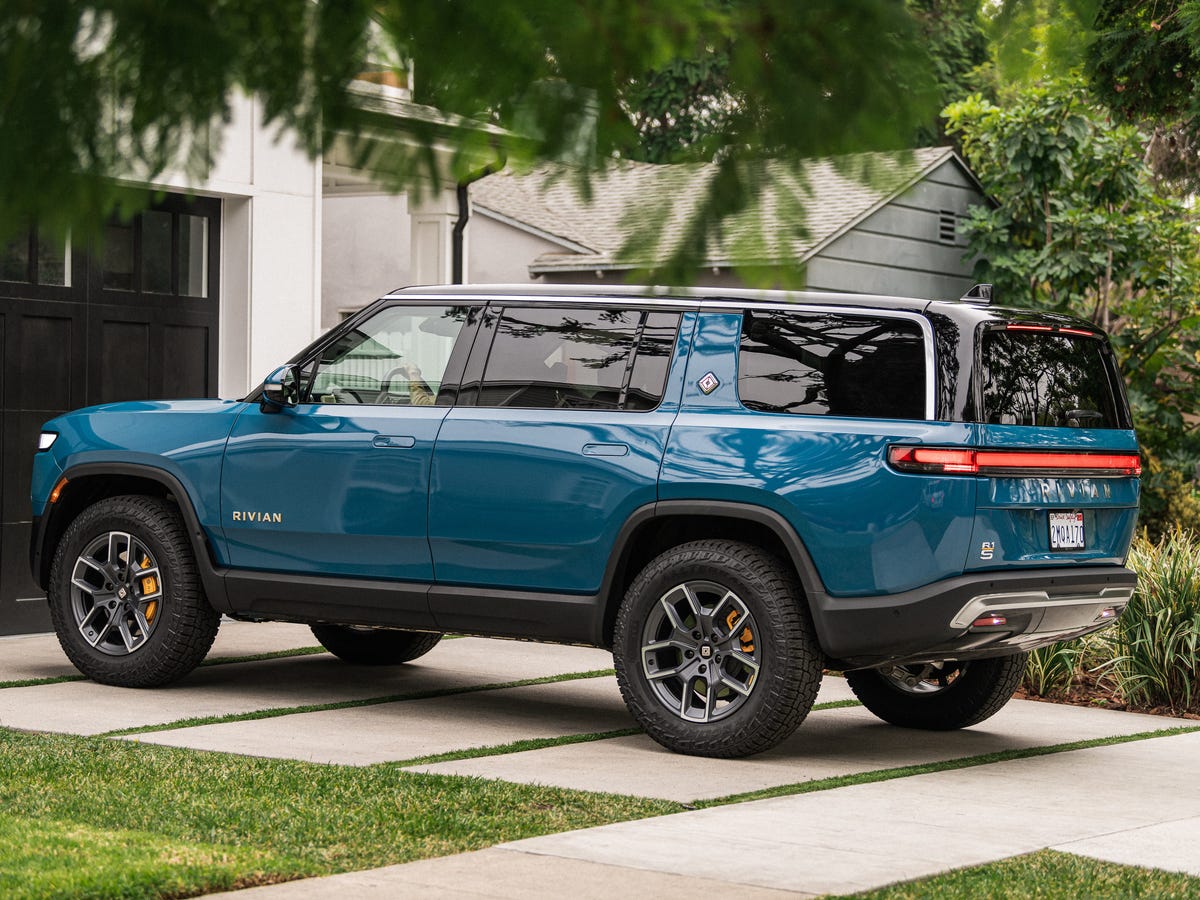
Rivian’s calibration requirements extend well beyond that one sensor. Front-facing cameras, surround-view cameras, and radar units all require formal recalibration any time the fascia or its mounting points are disturbed.
Only Rivian-approved tools and software can complete this process correctly. The company also warns that non-approved paint protection film near sensor areas can interfere with calibration accuracy afterward.
Wait times for an appointment have stretched to several weeks in some regions. That leaves owners driving with disabled driver-assist features for an extended period after what looked like a minor parking-lot knock.
9. Volvo XC90
The XC90 leans heavily on its Pilot Assist system, which combines front radar with a windshield-mounted camera. Its bumpers also carry a full parking sensor array supporting Volvo’s 360-degree camera view.
Volvo’s safety-first engineering philosophy extends to its repair procedures. Sensor-adjacent bumper work is generally treated as requiring calibration by default, rather than left to a technician’s judgment call.
That conservative approach protects safety but adds cost. A rear-end parking scrape near the tailgate can involve both ultrasonic sensors and the radar units used for cross-traffic alert and blind-spot monitoring.
Because those two systems often share hardware, disturbing one can require testing both. That is consistent with a broader pattern seen across brands where blind-spot and cross-traffic functions are tied to the same rear radar units.
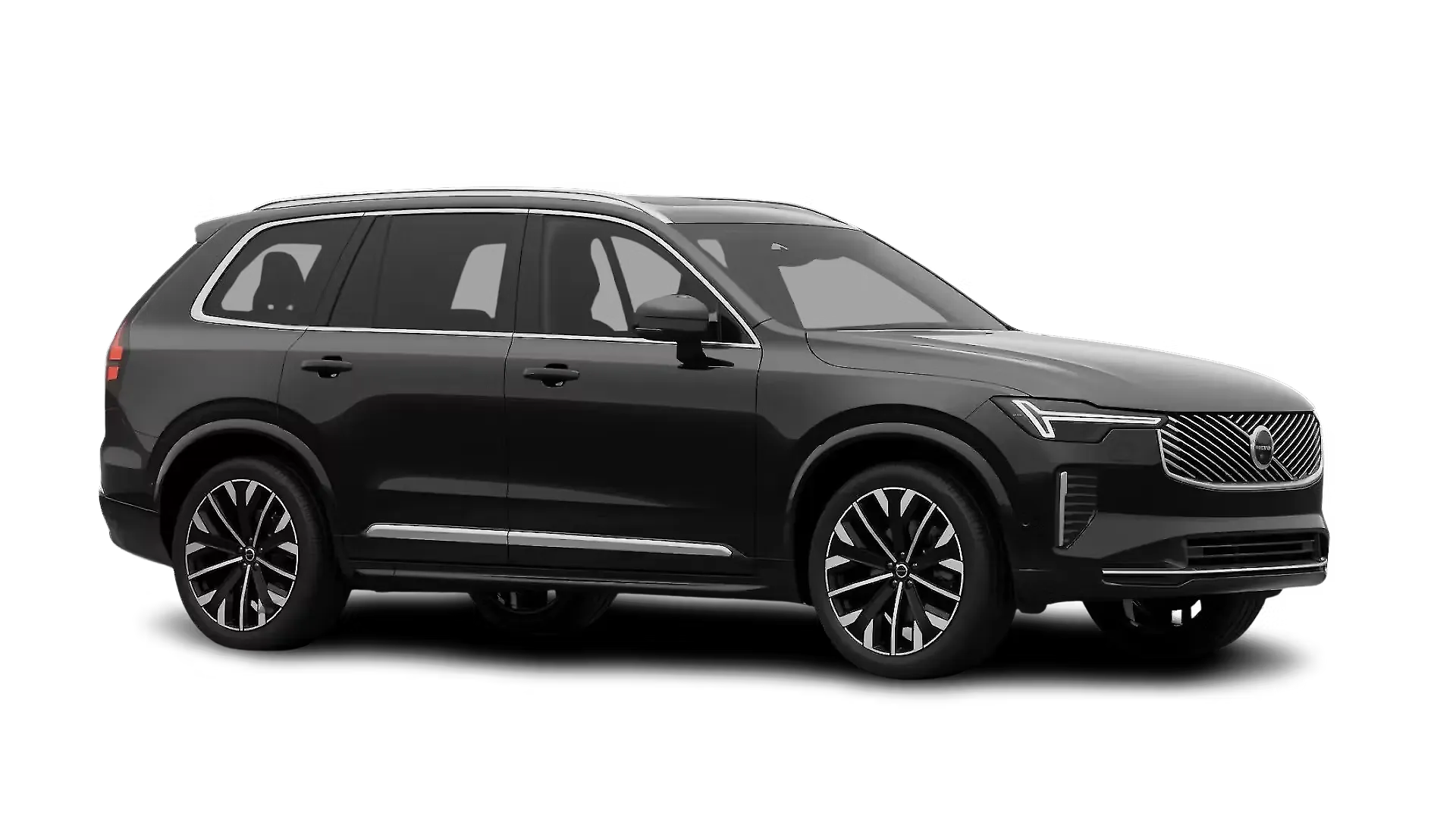
XC90 owners in older models with simpler ultrasonic-only setups face lower bills. But the shift toward camera-based Pilot Assist on current models has added forward-facing calibration requirements that earlier XC90s did not have.
Volvo’s own recommendation is to have any bumper work near a sensor checked by an authorized center. Independent shops without the specific target boards for Volvo’s system may not be equipped to finish the calibration in-house.
For a vehicle marketed heavily on safety credentials, this is a logical trade-off. But it does mean a scraped rear bumper is rarely just a paint job anymore.
10. Cadillac Escalade
The Escalade’s size makes it a frequent target for tight parking garages and valet mishaps. Its bumpers carry a dense ultrasonic sensor array supporting both standard parking assist and its semi-autonomous Super Cruise-adjacent safety features.
Front radar behind the grille supports adaptive cruise and forward collision alert. Given the Escalade’s long front overhang, this radar sits closer to likely impact points than on smaller SUVs.
A curb strike or valet scrape at low speed can crack the lower fascia right where the radar bracket is mounted. Full-size SUVs with this layout commonly need both radar and camera recalibration after that kind of contact.
General Motors’ ADAS calibration procedures require specific target placement and a controlled service bay environment for static calibration. That limits the repair to shops with the right floor space and equipment, not just any collision center.
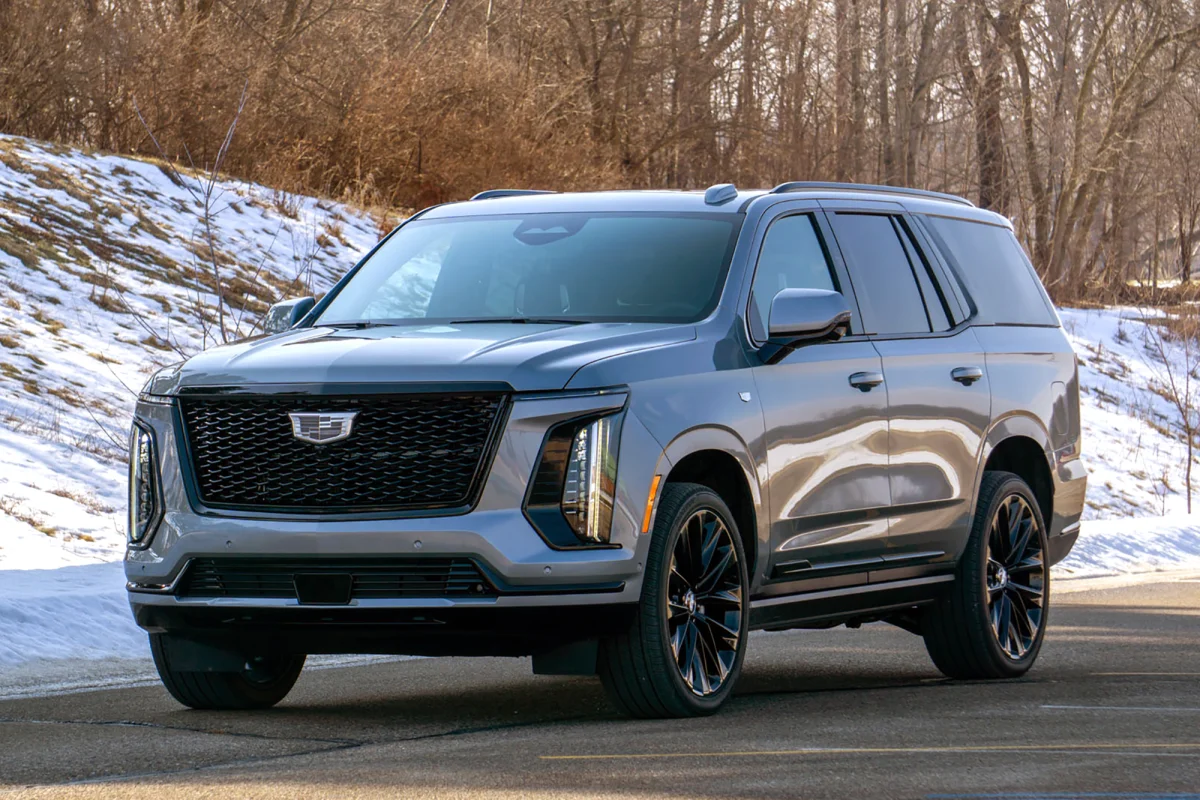
Because the Escalade shares much of its sensor architecture with other GM full-size SUVs, parts availability is generally good. Labor time for the calibration itself, however, remains the larger cost driver.
Rear-end parking scrapes carry their own risk given the vehicle’s rear parking camera and sensor cluster. A scraped tailgate or bumper corner can misalign the surround-view stitching even without visible sensor damage.
Owners accustomed to older, simpler Escalades are often unprepared for this shift. What used to be a bumper cover and some paint has become a repair job with a dedicated electronics line item.
