
Hyundai and Kia have built a reputation for offering well-equipped vehicles at competitive prices, but reliability can vary significantly between models and generations. Both manufacturers now offer everything from economical compact cars to large SUVs, hybrids, and family-oriented crossovers.
Choosing a dependable vehicle therefore requires looking beyond the badge and considering the engine, transmission, maintenance requirements, and long-term ownership record.
This comparison brings together five Hyundai models and five Kia models that have earned attention for dependable operation when properly maintained.
The goal is not to claim that any vehicle is perfect but to identify models that provide a strong foundation for reliable everyday transportation.
5 Reliable Hyundais
1. Hyundai Elantra
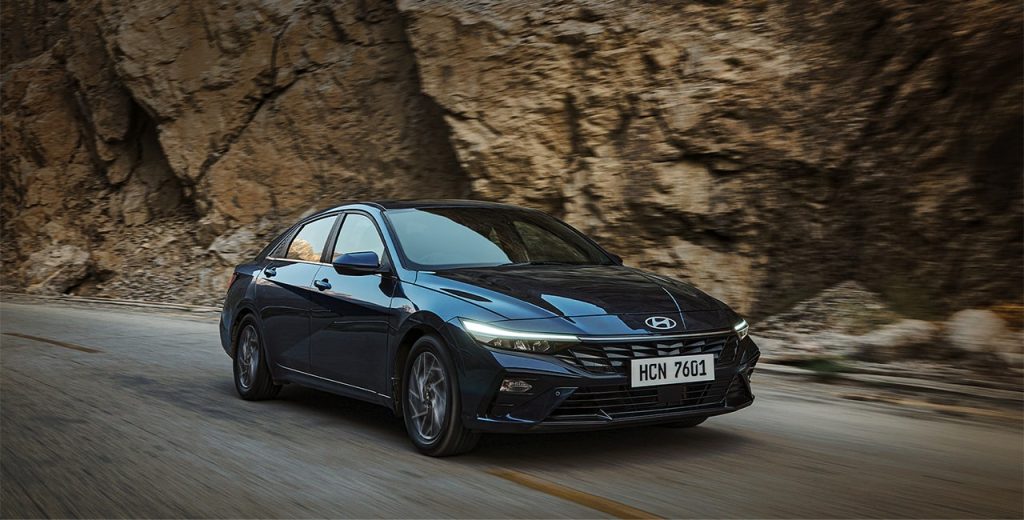
The Hyundai Elantra is one of the most practical choices in the Hyundai lineup for buyers who want affordable transportation without giving up modern features. Its compact dimensions make it easy to operate in urban environments, while the sedan’s relatively straightforward mechanical layout can help keep routine ownership costs manageable.
The naturally aspirated 2.0-liter four-cylinder used in several Elantra generations is particularly appealing to buyers who value simplicity. Depending on the model year, output is around 147 to 150 horsepower, with torque near 132 lb-ft. Later generations introduced different engines and transmissions, so buyers should verify the exact configuration.
One reason the Elantra makes this list is the availability of replacement parts and widespread technician familiarity. It has been sold in large numbers, which means independent repair shops generally have considerable experience servicing it.
Fuel economy is another advantage. The Elantra is designed primarily as an economical commuter, so it does not place the same demands on tires, brakes, or fuel as a larger SUV.
A used example should still be inspected carefully. Check for oil leaks, transmission behavior, suspension noise, uneven tire wear, and proper operation of the air-conditioning and electrical systems. Buyers should also verify whether all applicable recalls have been completed.
The Elantra’s strength is not extraordinary performance. It is the fact that it provides sensible transportation without requiring a complicated mechanical package in many configurations.
For commuters who prioritize operating costs and dependable everyday use, a properly maintained Elantra can remain a strong used-car candidate.
2. Hyundai Sonata
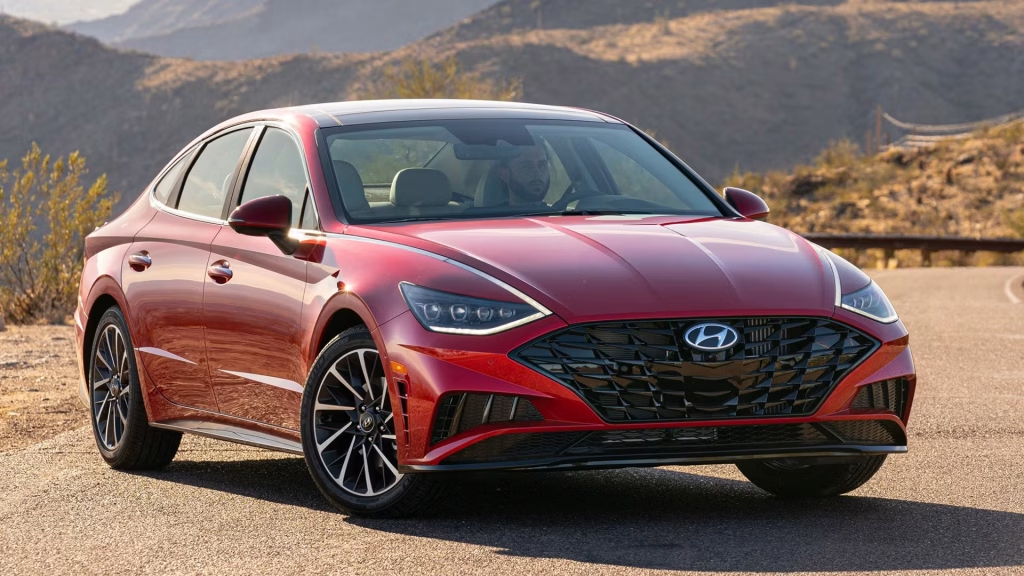
The Hyundai Sonata has been a major part of Hyundai’s midsize sedan lineup for years, giving the company extensive experience with the model. Its combination of passenger space, comfortable ride quality, and broad powertrain availability makes it appealing to families and commuters alike.
The standard 2.5-liter naturally aspirated four-cylinder in recent Sonata generations produces 191 horsepower and 181 lb-ft of torque. Turbocharged and hybrid powertrains have also been offered, providing different balances between performance and fuel economy.
For buyers focused primarily on long-term simplicity, the naturally aspirated engine can be an appealing starting point. A conventional powertrain generally has fewer components than a turbocharged system, although the exact transmission and engine generation should still be researched before purchase.
The Sonata also benefits from a spacious interior and relatively large trunk. That makes it more useful for family duties than many compact sedans without requiring the size or fuel consumption of a three-row SUV.
A used Sonata should receive a thorough inspection of the engine, transmission, cooling system, suspension, brakes, and electronics. Oil level and maintenance records deserve particular attention, especially on older turbocharged examples.
The sedan’s long production history is another advantage. Parts availability is generally good, and independent technicians have experience diagnosing common Sonata problems.
The reason for including the Sonata is its balance rather than one exceptional mechanical characteristic. It provides comfortable transportation, useful space, good fuel economy, and a large knowledge base among repair professionals.
A well-maintained naturally aspirated example can therefore make a sensible used purchase for someone who wants a midsize sedan without moving into premium-brand ownership costs.
3. Hyundai Tucson
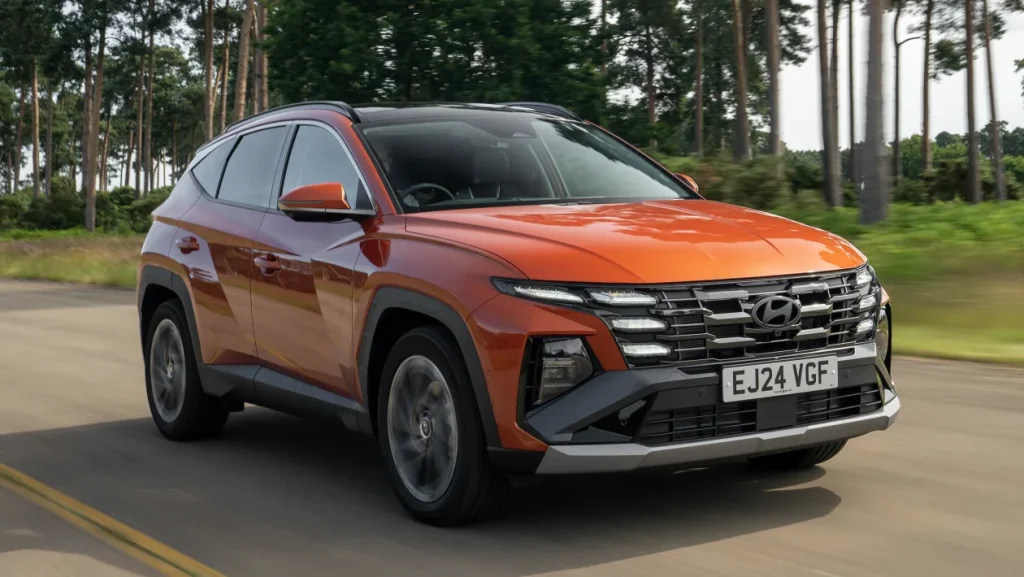
The Hyundai Tucson is a strong choice for buyers who need SUV practicality without stepping into a large, heavy vehicle. Its compact footprint makes it manageable in cities, while the cabin provides useful passenger and cargo space for families.
Several Tucson generations have used four-cylinder engines, although the exact engine varies considerably by model year.
A recent conventional 2.5-liter four-cylinder produces 187 horsepower and 178 lb-ft of torque, paired with an eight-speed automatic transmission. Hybrid and plug-in hybrid versions use different powertrains and should be evaluated separately.
The Tucson’s appeal for reliability-minded buyers comes partly from its mainstream mechanical design and large service network. It is common enough that independent repair shops are familiar with its maintenance requirements and common wear points.
Used buyers should pay close attention to the exact generation. Earlier Tucson models and newer examples can have substantially different engines, transmissions, electronics, and safety systems. Checking the VIN and factory specifications before buying is therefore essential.
The 2.5-liter version provides adequate power for normal commuting, while the conventional automatic transmission avoids some of the characteristics associated with continuously variable transmissions. Buyers who tow should verify the exact vehicle’s towing rating because capability varies by configuration.
Inspection should cover suspension components, engine oil condition, cooling-system operation, transmission shifts, all-wheel-drive hardware where fitted, and the operation of cameras and driver-assistance systems.
The Tucson earns its place because it offers a useful combination of practicality and manageable ownership. It is large enough for family duties but not so large that everyday running costs become excessive.
A carefully maintained example with complete service records can provide dependable transportation for buyers who prefer an SUV over a sedan.
4. Hyundai Santa Fe
The Hyundai Santa Fe is suited to drivers who need more space than the Tucson provides but do not necessarily want a full-size SUV. Its midsize dimensions, comfortable cabin, and available all-wheel drive have made it a popular family vehicle.
The current-generation Santa Fe uses a 2.5-liter turbocharged four-cylinder in several configurations. The turbocharged version produces up to 277 horsepower and 311 lb-ft of torque when paired with an eight-speed dual-clutch transmission. Hybrid versions use a different turbocharged powertrain.
Because the Santa Fe has undergone major redesigns, reliability should be evaluated by generation rather than simply by the nameplate. Earlier examples can have very different engines and transmissions from newer models.
That distinction is important for used buyers. A naturally aspirated older Santa Fe may appeal to someone seeking a simpler mechanical package, while a newer turbocharged model provides considerably more performance but introduces additional components.
The Santa Fe’s service history should therefore be examined closely. Oil changes are especially important on turbocharged engines because proper lubrication is essential for turbocharger and engine longevity. Buyers should also listen for abnormal noises and check for leaks or warning lights.
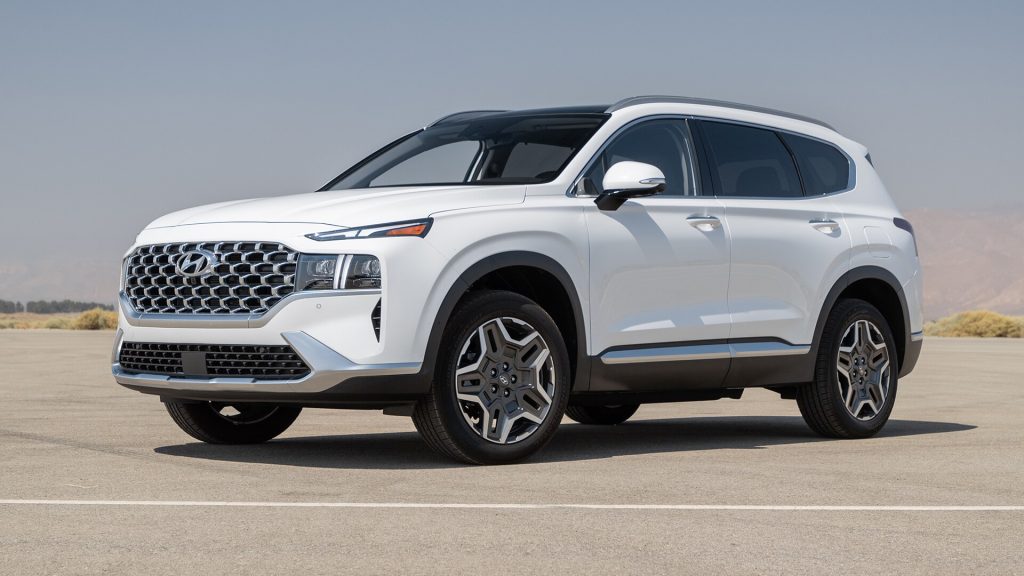
Its practical advantages are obvious. The SUV provides generous passenger space, useful cargo capacity, and a comfortable driving position. Available all-wheel drive also makes it suitable for regions with snow or frequent heavy rain.
The Santa Fe makes this list because it can combine family practicality with reasonable operating costs when maintained correctly.
It is not the simplest vehicle Hyundai has ever produced, but the large number of examples on the road gives owners access to a broad repair and parts network. A clean example with documented maintenance is worth serious consideration.
5. Hyundai Accent
The Hyundai Accent is a different proposition from the larger Hyundai vehicles on this list. Its appeal comes from simplicity, compact dimensions, low operating costs, and a mechanical package designed primarily around economical transportation.
Depending on the generation, the Accent has been offered with small four-cylinder engines producing roughly 120 to 130 horsepower. One later configuration uses a 1.6-liter four-cylinder producing 120 horsepower and 113 lb-ft of torque.
Those numbers are modest, but the vehicle does not require substantial power for its intended role. Its relatively light weight allows the small engine to handle normal commuting without the fuel consumption associated with a larger vehicle.
The Accent can also be inexpensive to maintain. Tires, brakes, and routine service items are generally less costly than comparable components for larger SUVs. Its compact construction makes some repairs straightforward as well.
That does not mean every Accent should be purchased without investigation. Buyers should inspect the transmission carefully, particularly on examples with automated manual or continuously variable transmission configurations depending on the generation. The exact transmission should be identified before purchase.
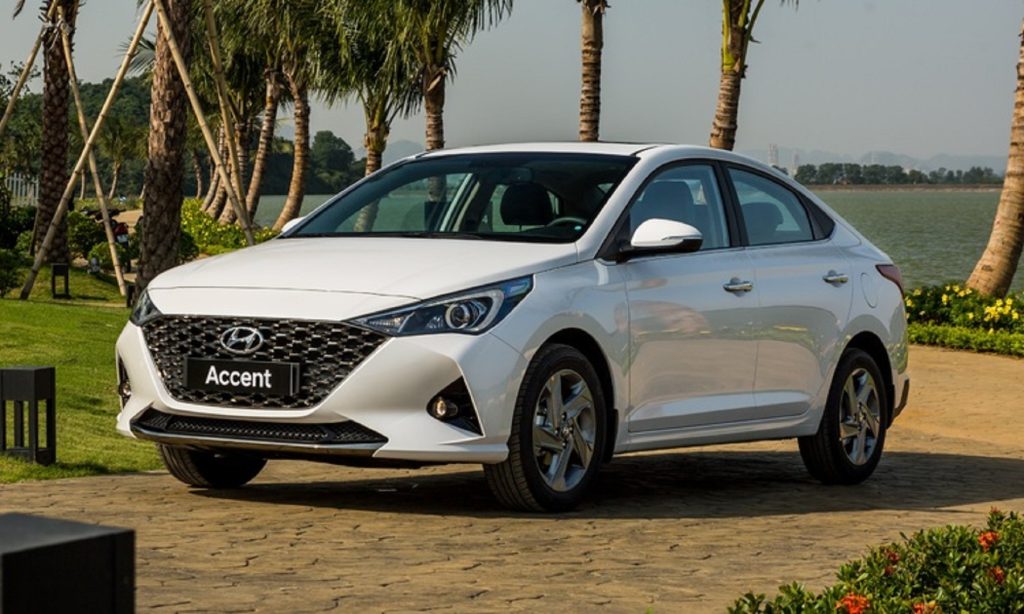
Suspension wear, rust, air-conditioning performance, electrical functions, and oil leaks should also be checked. A low purchase price can quickly lose its appeal if a neglected example requires several repairs immediately after purchase.
The reason the Accent belongs here is straightforward. It focuses on basic transportation without unnecessary complexity. For someone who mainly needs an affordable commuter and does not require much passenger or cargo space, that simplicity can be a real advantage.
A well-maintained Accent may not be exciting, but its modest running costs make it a sensible choice for budget-conscious drivers.
5 Reliable Kias
1. Kia Forte
The Kia Forte is one of the brand’s most appealing options for buyers who want an inexpensive compact sedan without giving up modern equipment. Its relatively simple dimensions and efficient four-cylinder engines make it particularly well suited to commuting.
Recent Forte models use a 2.0-liter four-cylinder producing 147 horsepower and 132 lb-ft of torque, while the GT uses a turbocharged engine with considerably more power. For reliability-focused ownership, the naturally aspirated configuration is the more straightforward choice.
The Forte’s biggest advantage is its role as an uncomplicated daily driver. Routine service is generally less expensive than maintaining a larger SUV, and consumable items such as tires and brakes are relatively affordable.
Used examples still deserve a careful inspection. Check the transmission for hesitation or unusual behavior, inspect the engine for leaks, and verify that every electrical and safety feature works correctly.
Service documentation is especially valuable because it can reveal whether oil changes and other scheduled maintenance were performed consistently.
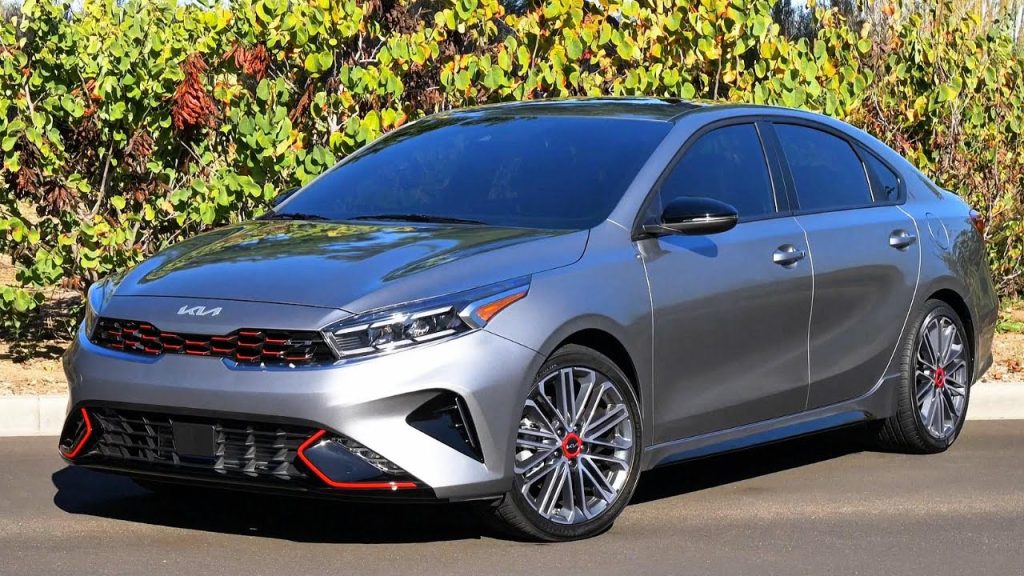
The compact sedan also benefits from being easy to maneuver and relatively economical to operate. That makes it a sensible option for drivers who spend most of their time commuting rather than carrying large loads.
The Forte is not designed for heavy-duty use, but that is precisely why its simple mission can work in its favor. A well-maintained example can provide inexpensive transportation without the mechanical complexity of a larger vehicle.
2. Kia Sportage
The Kia Sportage brings the same practical philosophy into the compact SUV category. It gives buyers additional seating and cargo flexibility while remaining considerably easier to handle than a large three-row SUV.
The latest conventional Sportage uses a 2.5-liter naturally aspirated four-cylinder producing 187 horsepower and 178 lb-ft of torque, paired with an eight-speed automatic transmission. Hybrid and plug-in hybrid versions use different powertrains.
For buyers prioritizing straightforward ownership, identifying the exact engine and transmission is important. Different Sportage generations have used substantially different mechanical combinations, so reliability should never be judged solely from the model name.
The Sportage’s compact size makes it useful for everyday driving. It provides a higher seating position than the Forte while retaining dimensions that are manageable in crowded parking lots and urban streets.
Maintenance history should be the first thing a used buyer investigates. Oil-change records, transmission service where applicable, cooling-system condition, and suspension wear can tell you considerably more about a particular vehicle than its mileage alone.
Electronic equipment also deserves attention in newer examples. Test the infotainment system, cameras, driver-assistance features, power accessories, and climate controls before completing a purchase.
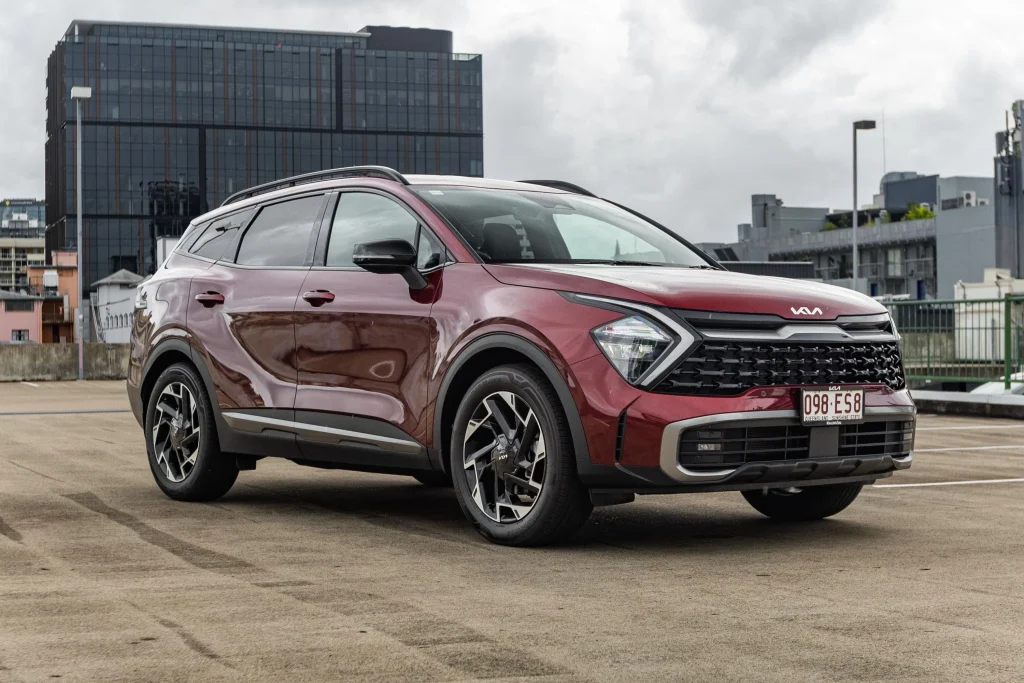
A properly maintained Sportage can make a strong family vehicle because it balances usable space with manageable running costs. It also gives buyers more versatility than a conventional sedan without immediately moving into the expense of a larger SUV.
For drivers seeking a dependable Kia crossover, a carefully inspected Sportage with a documented maintenance history is one of the brand’s more sensible choices.
3. Kia Sorento
The Kia Sorento sits between the compact Sportage and larger three-row SUVs, giving it a useful middle ground for families that need additional space without wanting a full-size vehicle. Its available three-row seating makes it more versatile than many compact crossovers.
Recent Sorento models have offered several powertrains, including a 2.5-liter naturally aspirated four-cylinder, a turbocharged 2.5-liter four-cylinder, and hybrid configurations. The standard 2.5-liter engine produces 191 horsepower and 181 lb-ft of torque, providing adequate performance for everyday driving.
One reason to consider the Sorento is its long-running presence in Kia’s lineup. That gives buyers a large used-vehicle pool and makes replacement parts and service knowledge relatively accessible.
However, choosing the right version matters. Turbocharged and hybrid models have additional mechanical and electrical components compared with the conventional powertrain. Buyers should identify the exact configuration and research its particular service requirements rather than assuming every Sorento has the same reliability characteristics.
A pre-purchase inspection should include the transmission, engine, suspension, cooling system, air conditioning, and all-wheel-drive components if equipped. On three-row examples, also test the power-operated seats, climate controls, infotainment system, and other cabin electronics.
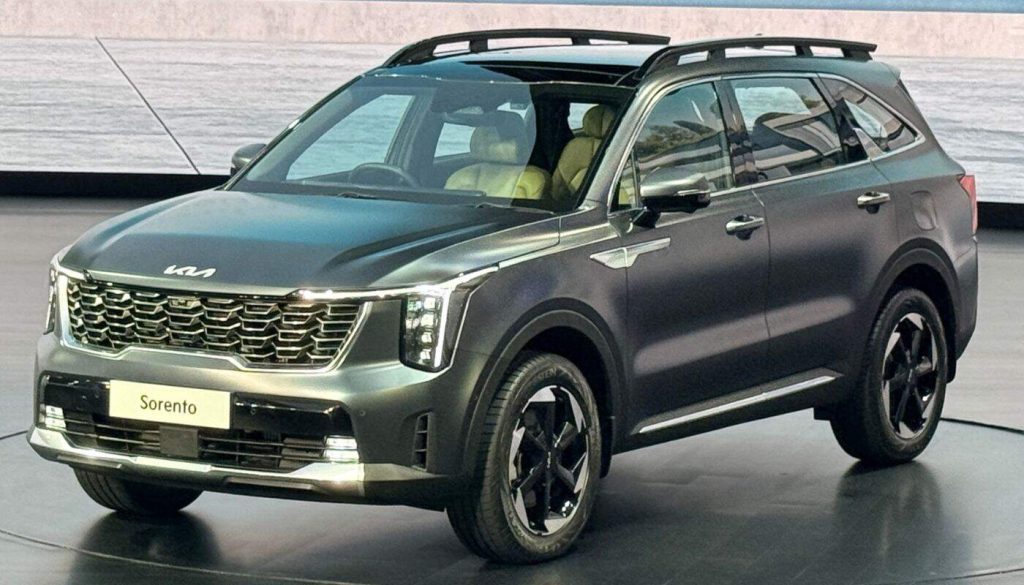
The Sorento works particularly well for households that occasionally need a third row but do not want the size of a larger SUV. Its relatively compact exterior makes daily driving easier, while the flexible interior can accommodate passengers and luggage when required.
A Sorento with consistent maintenance records can therefore be a practical long-term choice. The key is selecting a well-kept example with the right powertrain rather than simply buying based on price or mileage.
4. Kia Soul
The Kia Soul has always taken a different approach to the small crossover formula. Its boxy body creates a surprisingly spacious cabin for its footprint, while the upright design provides excellent visibility and makes it easy to maneuver around town.
A recent conventional Soul uses a 2.0-liter four-cylinder producing 147 horsepower and 132 lb-ft of torque. Earlier generations were offered with different four-cylinder engines and transmissions, so used buyers should verify the exact configuration before purchasing.
The naturally aspirated 2.0-liter version is particularly appealing to drivers who value adequate performance without seeking a sporty driving experience. It is designed primarily for commuting, errands, and general urban use.
The Soul’s compact dimensions are another advantage. It can fit into tight parking spaces while still providing useful cargo room. The tall roof also gives rear passengers more headroom than the exterior footprint might suggest.
Reliability depends heavily on maintenance and model year, making a careful inspection important. Look for evidence of neglected oil changes, inspect the suspension and brakes, and make sure the transmission operates smoothly. Electrical equipment should also be tested because newer Souls contain considerably more technology than earlier versions.
The Soul is particularly attractive to buyers who want something practical but do not want a conventional-looking sedan. Its unusual shape provides genuine functional benefits rather than being purely cosmetic.

For someone seeking an economical daily driver with useful interior space, the Soul can make considerable sense. A mechanically sound example with a documented history should be prioritized over a cheaper vehicle with an uncertain past.
5. Kia Telluride
The Kia Telluride rounds out the Kia lineup by offering something the smaller Forte, Sportage, Sorento, and Soul cannot. It provides substantial three-row family space along with a naturally aspirated V6.
The Telluride has used a 3.8-liter V6 throughout its original generation, producing 291 horsepower and 262 lb-ft of torque. That engine is paired with an eight-speed automatic transmission, with front-wheel drive and all-wheel drive available depending on configuration.
One of the Telluride’s strengths is its straightforward powertrain compared with many modern turbocharged SUVs. The naturally aspirated V6 does not rely on a turbocharger, while the conventional automatic transmission provides a familiar setup for drivers who prefer traditional powertrain hardware.
The SUV is also designed around family use. There is generous passenger space across its three rows, while the available all-wheel-drive system gives it additional versatility in poor weather. Its size does mean higher fuel consumption than the smaller Kia models on this list, but that is the trade-off for its substantially greater capacity.
Used buyers should pay particular attention to recalls and maintenance records. Certain Telluride model years have been affected by recalls involving components such as tow-hitch wiring, driveshaft-related parts, airbags, instrument clusters, and power-seat motors. Checking the vehicle identification number for completed recall work is therefore important.
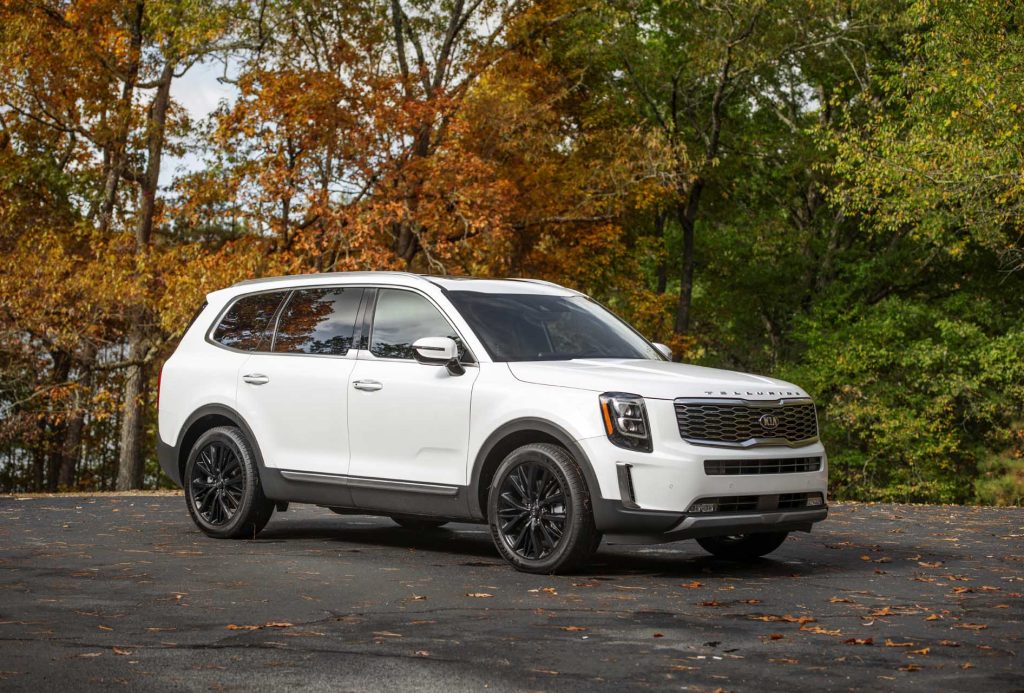
The 2020 model was the first year of the Telluride and has accumulated more complaints than later examples, making newer, properly maintained models more attractive for reliability-focused buyers.
A later Telluride with complete service records can be a compelling choice for families wanting a large SUV without immediately moving into a luxury-brand vehicle. Its established V6 powertrain, conventional automatic transmission, and broad service availability make it one of Kia’s most practical larger vehicles.
