Second-row comfort can change the character of an SUV more than a powerful engine or oversized screen. For families, road-trip passengers, and adults who regularly sit behind the driver, the middle row is where generous space, supportive cushions, easy access, climate control, and thoughtful storage matter most.
The best SUVs do more than provide a place to sit. They give passengers enough room to stretch out without turning the cabin into a cramped compromise.
This list focuses on eight U.S.-market SUVs that stand out for second-row comfort, using manufacturer specifications and equipment data to separate genuinely passenger-friendly cabins from SUVs that simply look spacious.
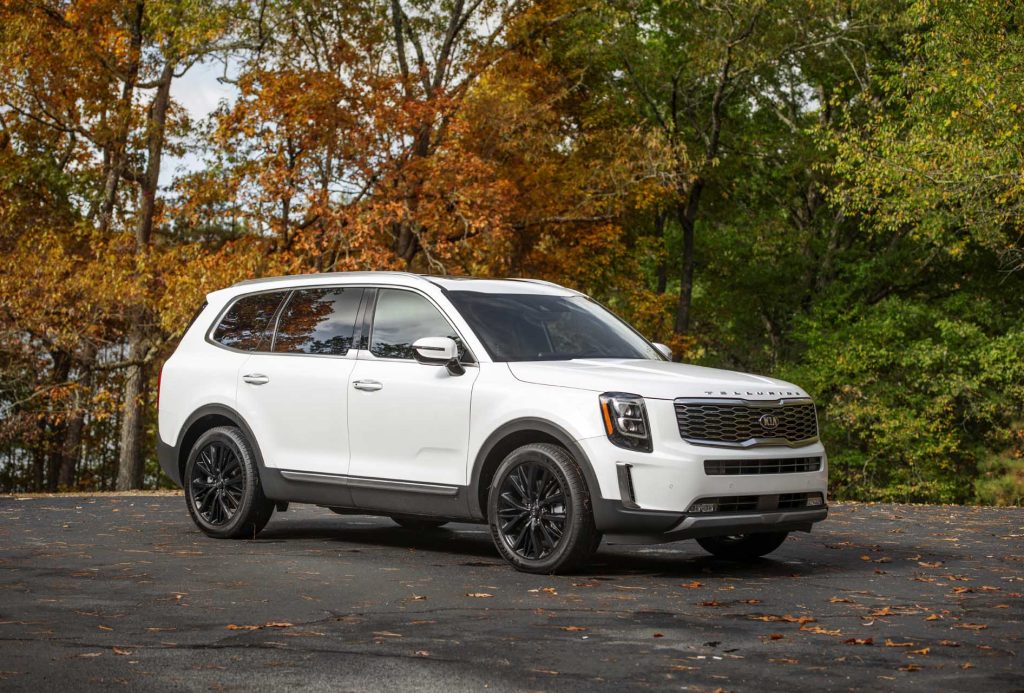
1. Kia Telluride
The Telluride has built a strong reputation as a family SUV, but its second row earns attention for more than sheer room. Depending on trim, Kia offers either a bench or captain’s chairs, with the upper versions receiving heated and ventilated second-row captain’s chairs.
That combination is particularly valuable on long trips because passengers can manage temperature through more than just the front climate settings. Kia also provides a second-row center console on higher trims, adding useful storage and cupholders within easy reach.
There is substantial physical space to work with. The Telluride measures about 196.9 inches long and 78.3 inches wide, while its three-row layout provides a useful balance between passenger capacity and cargo flexibility.
The available captain’s chairs also create a clear passage toward the third row, which can be more convenient when children or adults need to move through the cabin.
Kia pairs that space with a 3.8-liter V6 producing 291 horsepower and 262 lb.-ft. of torque. That output is not the reason to choose the Telluride for second-row comfort, but it gives the SUV enough muscle for highway trips and family loads. Kia also rates properly equipped versions for up to 5,000 pounds of towing.
The strongest comfort case comes from the higher trims, where heated and ventilated captain’s chairs turn the middle row into a noticeably more premium space. With the available climate control, charging points, and generous seating area, the Telluride gives rear passengers features they can actually use rather than decorative extras.
2. Hyundai Palisade
The Palisade takes a more flexible approach to rear-seat comfort by making the second row an adaptable part of the cabin rather than treating it as a fixed seating area.
Hyundai lists both seven- and eight-passenger configurations, with a 60/40 split-folding second-row bench that can slide and recline. That adjustability matters when passengers want more legroom or when the third row needs additional space.
Hyundai’s numbers reinforce the point. The 2026 Palisade provides 43.0 inches of second-row legroom and 40.0 to 40.7 inches of second-row headroom depending on configuration.
Second-row shoulder room reaches 60.6 inches, while hip room is listed at 56.7 inches. Those measurements give passengers meaningful room to spread out, particularly on long highway journeys.
The feature list becomes more impressive on higher trims. Heated second-row seats are available, as are ventilated second-row seats, while sliding seats with electric cargo-area releases make it easier to change the cabin layout. The Calligraphy adds four-way power captain’s chairs with Relaxation Mode, along with heated and ventilated second-row seating.
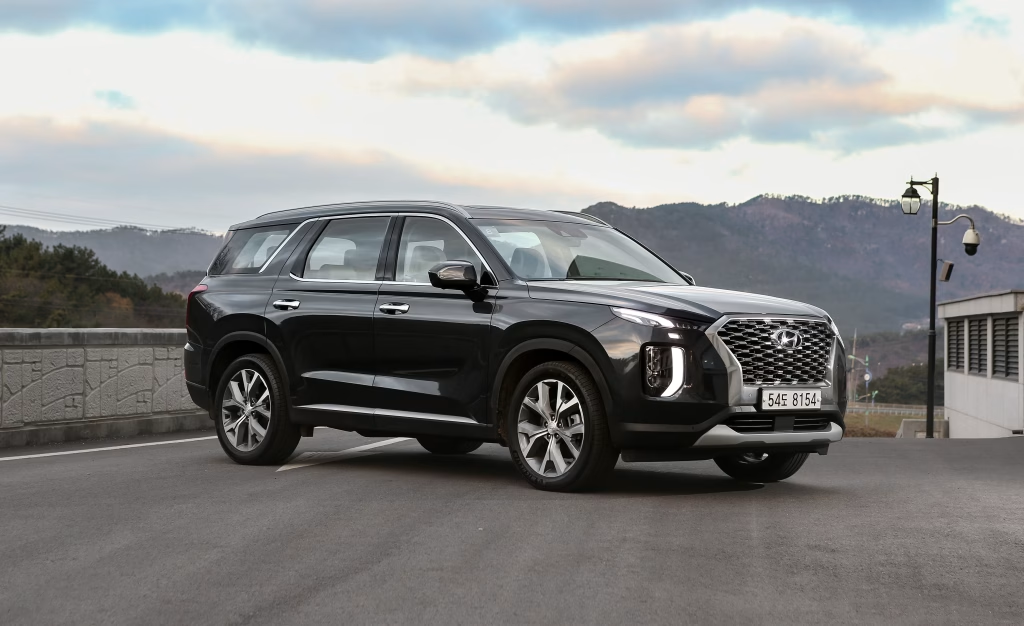
Power comes from a 3.5-liter V6 producing 287 horsepower and 260 lb.-ft. of torque in the U.S. model. The Palisade is 199.2 inches long and 78 inches wide in most configurations, giving Hyundai enough exterior footprint to create a substantial passenger compartment.
For families that frequently switch between child seats, adults, and cargo, that flexibility is a major advantage. The Palisade does not depend on one seating arrangement to deliver comfort. Its sliding, reclining second row lets passengers and cargo share the cabin more intelligently.
3. Honda Pilot
The Honda Pilot stands out for its second-row flexibility, offering buyers more choice in how they configure the cabin. Most versions can seat up to eight passengers, while the TrailSport replaces the second-row bench with captain’s chairs and accommodates seven people.
Honda also offers a removable second-row center seat on several trims, allowing owners to switch between a three-passenger bench arrangement and a more open configuration when circumstances change.
The numbers show why the Pilot works well for adults. Honda lists 40.8 inches of second-row legroom, 40.2 inches of second-row headroom, and 61.7 inches of shoulder room.
That shoulder measurement is especially useful when three people are sharing the row, because width can become a bigger problem than legroom during longer journeys. The Pilot also provides 57.4 inches of second-row hip room.
Comfort equipment varies with trim. Tri-zone automatic climate control gives second-row occupants their own temperature zone, while available second-row sunshades help reduce direct sunlight.
On the Elite and Black Edition, heated outboard second-row seats are standard. The TrailSport takes another route with captain’s chairs, making the middle row feel more individual and giving passengers a natural space between the seats.
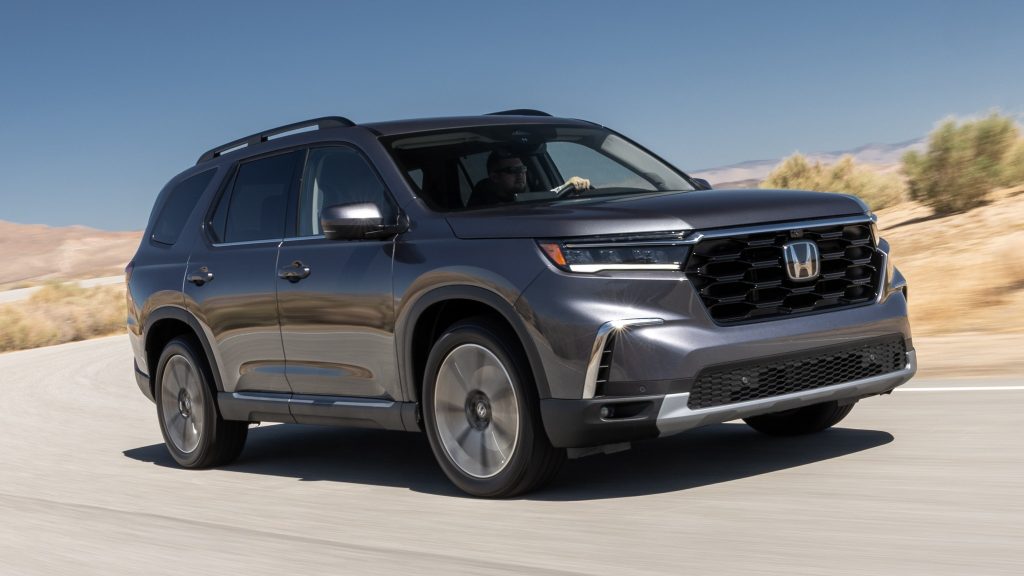
The Pilot uses a 3.5-liter V6 producing 285 horsepower. Available i-VTM4 all-wheel drive and a 5,000-pound maximum towing capacity also make it useful beyond ordinary family transportation.
Yet its strongest second-row advantage is how easily the seating can adapt. One-touch second-row seats provide access to the third row, while the removable center seat lets owners prioritize either capacity or personal space.
4. Toyota Grand Highlander
Toyota took a practical approach with the Grand Highlander by focusing on making the space between the first and third rows genuinely comfortable and usable. The second row provides 39.5 inches of legroom and 40.2 inches of headroom, giving passengers plenty of room to stretch out.
That is important because a comfortable second row should not force passengers to sacrifice space simply because another row exists behind them.
The Grand Highlander also benefits from its substantial exterior dimensions. Toyota lists the SUV at 201.4 inches long and 78.3 inches wide, creating a cabin with enough physical room to accommodate families without making the second row feel like a narrow transition zone.
Depending on configuration, buyers can choose a second-row bench or captain’s chairs, allowing the seating arrangement to match how the vehicle is actually used.
Toyota gives rear passengers useful everyday conveniences as well. Available heated and ventilated second-row seats bring a more premium feel to longer drives, while second-row sunshades can be particularly helpful for children riding in the back.
The available panoramic moonroof also brings more natural light into the cabin, which can make the large interior feel even more open.
Powertrain choice is another interesting part of the Grand Highlander formula. The conventional model uses a 2.4-liter turbocharged four-cylinder producing 265 horsepower and 310 lb.-ft. of torque, while hybrid versions provide a different balance of efficiency and performance.
That means buyers can prioritize power, fuel economy, or all-wheel-drive capability without giving up the fundamental cabin layout.
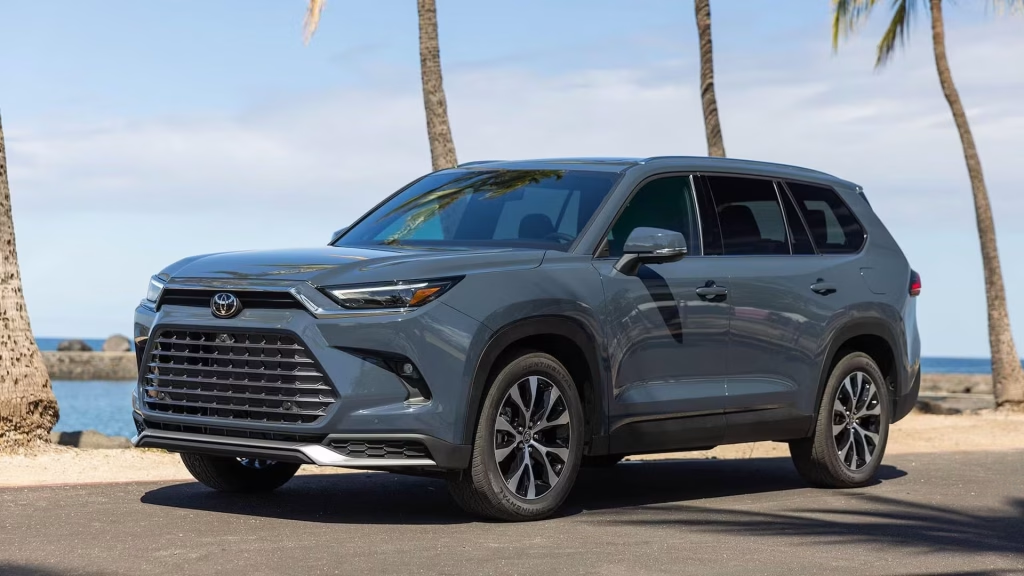
The second row also benefits from the Grand Highlander’s generous cargo planning. Toyota lists up to 97.5 cubic feet of cargo space with the rear seats folded, while the SUV retains useful room behind the third row. That makes it easier to carry luggage without immediately taking away passenger space.
For families that routinely combine several passengers with substantial luggage, the Grand Highlander’s second row is compelling because comfort is built into the vehicle’s proportions rather than being dependent on a single luxury trim.
5. Acura MDX
The Acura MDX takes a more premium approach to second-row comfort, with a cabin designed to give passengers meaningful space without making the SUV excessively large. Its second row provides 38.5 inches of legroom, 38.1 inches of headroom, 60.3 inches of shoulder room, and 57.8 inches of hip room.
Those figures give the middle row enough room for adults while maintaining the three-row layout behind them. Acura also lists 139.1 cubic feet of total passenger volume, giving the MDX a substantial interior footprint.
One of the MDX’s advantages is that comfort is not separated from the vehicle’s premium character. Depending on trim, buyers can get heated second-row seats, while the available Advance package adds additional luxury-focused equipment.
The second row also slides and reclines, allowing passengers to adjust their seating position instead of being locked into one fixed posture. That can make a noticeable difference when the MDX is used for extended highway travel.
The cabin’s proportions are equally important. At 198.4 inches long and 78.7 inches wide, the MDX has a relatively substantial footprint without reaching the size of some of the largest three-row SUVs.
Acura’s measurements also show 39.1 cubic feet of cargo space behind the second row, or as much as 48.4 cubic feet depending on configuration.
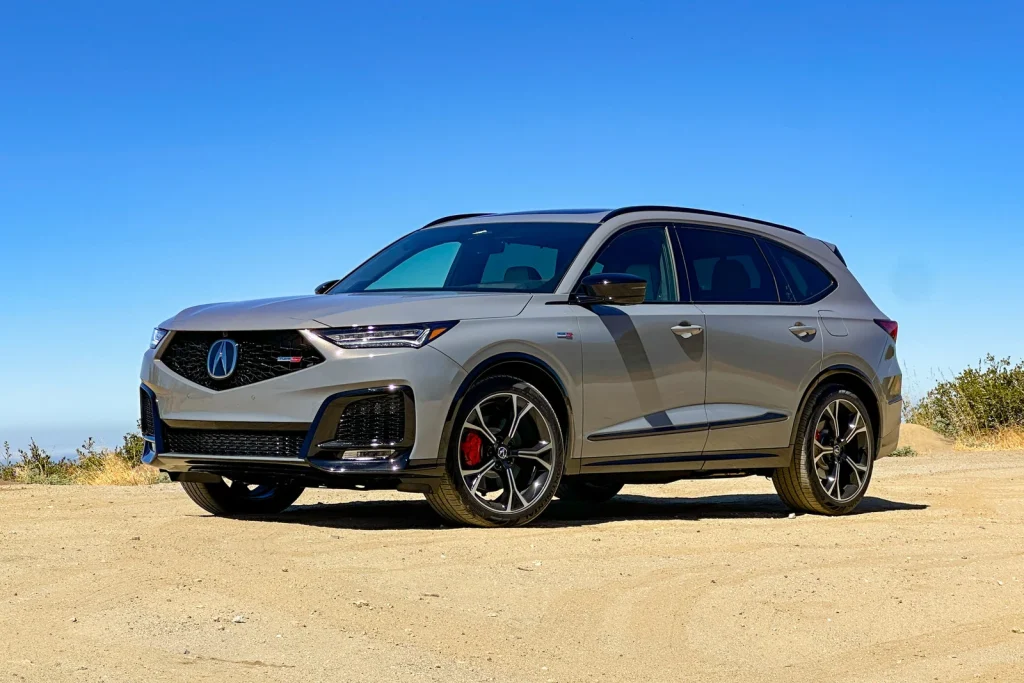
Under the hood, the standard MDX uses a 3.5-liter V6 producing 290 horsepower and 267 lb.-ft. of torque. The available Type S moves to a 3.0-liter turbocharged six-cylinder with 355 horsepower and 354 lb.-ft. of torque, giving buyers a substantially stronger performance option.
The MDX therefore works particularly well for buyers who want a second-row room with a more upscale atmosphere. It does not need excessive exterior dimensions to create a comfortable middle row, and its adjustable seating gives passengers greater control over how they use that space.
6. Chevrolet Traverse
The Chevrolet Traverse takes a simple approach to passenger comfort by providing enough overall space to give second-row passengers plenty of room to stretch out.
At 204.5 inches long and 79.5 inches wide without the mirrors, the Traverse is one of the larger mainstream three-row SUVs in this group. Its 121-inch wheelbase also contributes to the generous cabin proportions.
Chevrolet lists 41.4 inches of second-row legroom, 39.9 inches of maximum rear headroom, 62.1 inches of shoulder room, and 58.5 inches of hip room. Those measurements give the middle row an especially strong combination of leg and shoulder space.
The 41.4-inch legroom figure is particularly useful for taller passengers who may otherwise find themselves sitting too close to the front seatbacks.
The Traverse also offers families useful flexibility when carrying multiple passengers. Depending on the trim, buyers can choose between a bench seat and captain’s chairs in the second row. This allows them to either maximize seating capacity or create a more spacious and open environment for second-row passengers.
Higher trims add features such as heated second-row seats, while the cabin can also be equipped with conveniences intended to make longer trips easier.
Chevrolet’s latest Traverse uses a 2.5-liter turbocharged engine producing up to 328 horsepower and 326 lb.-ft. of torque in standard configurations, with output varying by drivetrain. The company lists a 5,000-pound maximum towing capacity when properly equipped.
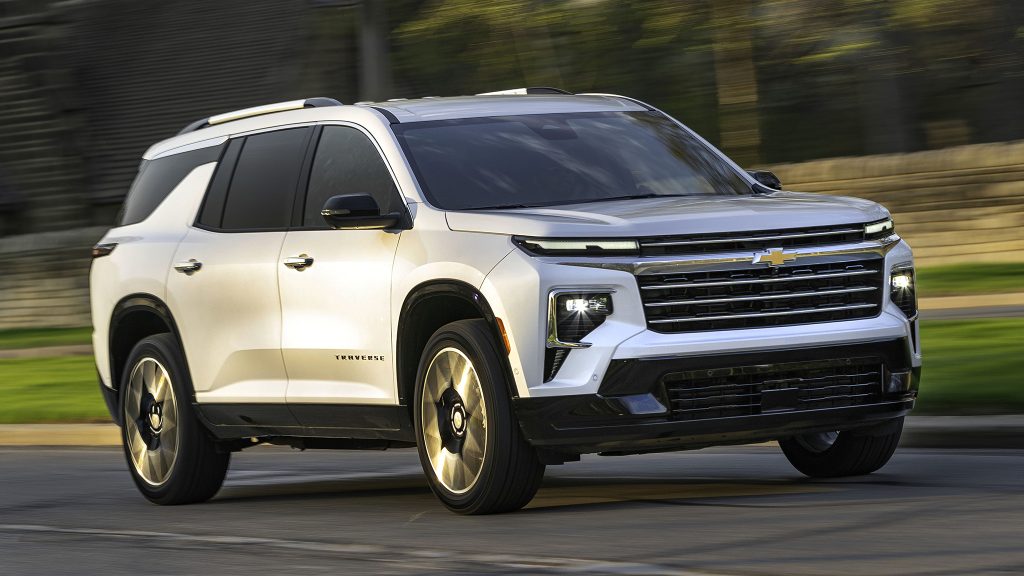
Its size also pays dividends when passengers bring luggage. Chevrolet quotes up to 98 cubic feet of cargo volume, meaning families do not necessarily have to choose between carrying people and carrying their belongings.
What makes the Traverse interesting is that its second-row comfort comes from fundamentals rather than gimmicks. There is abundant physical room, useful seating flexibility, and enough cargo capacity to support the same passengers once they reach their destination.
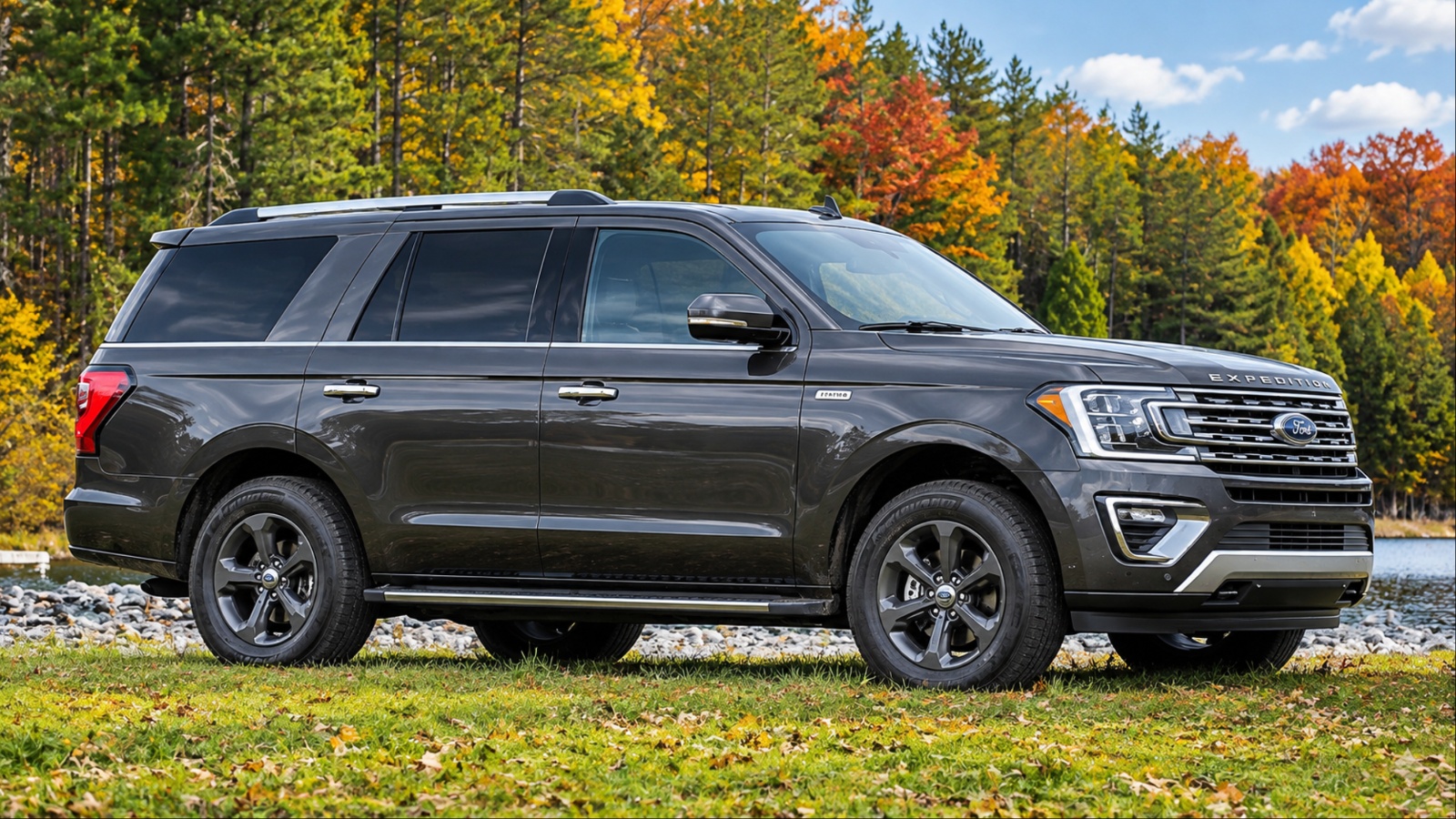
7. Ford Expedition
Few SUVs have the physical space to make second-row passengers forget they are sitting in the middle of a three-row vehicle, but the Ford Expedition comes close. Its sheer size gives Ford plenty of room to work with.
The standard-wheelbase Expedition measures 209.9 inches long and 80.0 inches wide, while the Expedition MAX stretches to 221.7 inches. That footprint translates into a second row with 41.1 inches of standard legroom, increasing to 42.2 inches when the second-row seat is moved fully rearward.
Width is another major advantage. Ford lists 64.8 inches of second-row shoulder room and 62.3 inches of hip room.
Those figures matter when three passengers share the bench, particularly on extended journeys where a lack of lateral space can become just as irritating as limited legroom. Second-row headroom reaches 40.0 inches in standard configurations.
Ford also gives buyers meaningful seating flexibility. Depending on configuration, the Expedition can be equipped with second-row captain’s chairs or a bench, allowing the cabin to be tailored toward either passenger capacity or a more open arrangement.
Available second-row heated seats add another layer of comfort for passengers traveling in colder parts of the country.
The mechanical side is equally substantial. The standard 3.5-liter EcoBoost V6 produces 400 horsepower and 480 lb.-ft. of torque, while the high-output version increases those figures to 440 horsepower and 510 lb.-ft. Ford rates properly equipped versions for as much as 9,600 pounds of conventional towing.
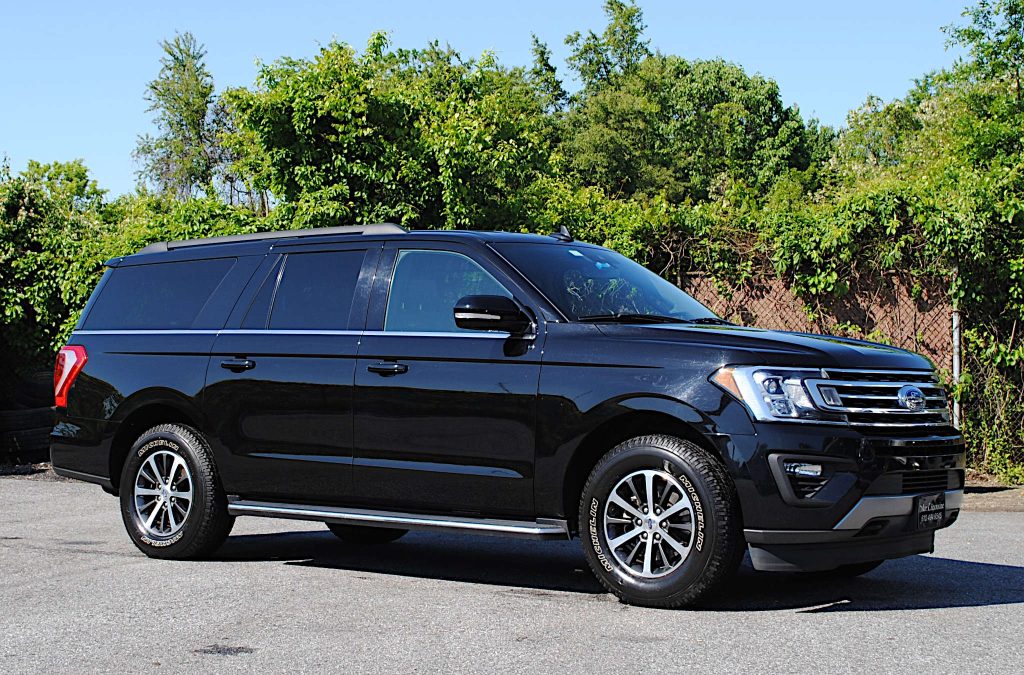
That capability is useful, but it is the Expedition’s enormous cabin that makes it particularly attractive for families. Passengers get generous space without requiring the third row to be sacrificed.
The result is an SUV that can carry adults, children, luggage, and recreational equipment without making the second row feel like an afterthought.
8. Hyundai Santa Fe
The Hyundai Santa Fe proves that second-row comfort does not necessarily require a massive full-size SUV.
Its boxier body design gives the cabin a useful combination of headroom, legroom, and cargo flexibility, while the second row provides 42.3 inches of legroom in U.S. specifications. Hyundai also lists 40.6 inches of second-row headroom and 58.1 inches of shoulder room.
Those numbers become particularly interesting when considering the Santa Fe’s exterior footprint. The vehicle measures roughly 190.2 inches long and 74.8 inches wide, making it considerably easier to maneuver and park than the largest three-row SUVs. Yet passengers in the second row still receive enough space to sit comfortably on longer drives.
Hyundai has also paid attention to how passengers interact with the cabin. The second row can fold to create a large, flexible interior area, while available heated second-row seating brings a premium touch to higher trims.
The available panoramic sunroof further helps the cabin feel open, something that can be particularly noticeable when the vehicle is carrying a full complement of passengers.
There is also a useful distinction in the powertrain lineup. The U.S.-market Santa Fe offers a 2.5-liter turbocharged four-cylinder producing 277 horsepower and 311 lb.-ft. of torque. Hyundai also offers a hybrid powertrain, giving buyers an efficiency-focused alternative without abandoning the same fundamental cabin design.
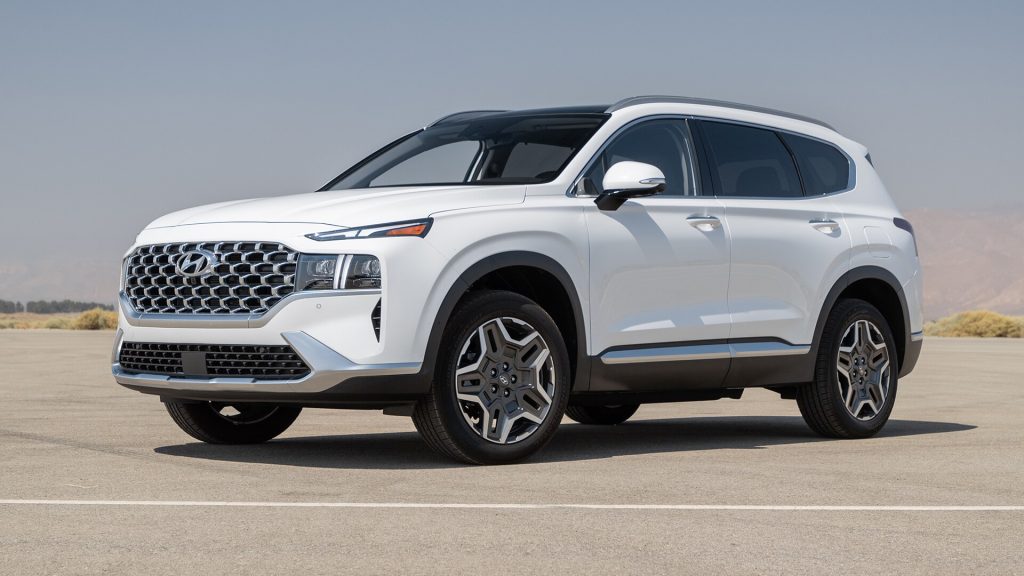
The Santa Fe’s second-row advantage comes from its balance. It does not attempt to compete with a full-size SUV in sheer width, but its 42.3 inches of second-row legroom is impressive for its class. There is enough room for adults, useful cargo flexibility behind them, and a body size that remains manageable in everyday driving.
For families that want a comfortable rear seat without moving into the largest SUV segment, the Santa Fe provides a particularly convincing combination of passenger space and practicality.