Modern connected cars can do much more than unlock doors from a phone. Many have embedded cellular connections, GPS hardware, and manufacturer apps that can locate the vehicle, provide roadside assistance, recover a stolen car, or show its last known position.
However, the term “always-on” requires some clarification. These systems do not necessarily transmit a vehicle’s exact location continuously in every situation.
Availability depends on the vehicle, connected-services subscription, privacy settings, consent, and the feature being used. This list focuses on U.S.-market cars with manufacturer-connected systems capable of collecting or transmitting vehicle location data when those services are active.
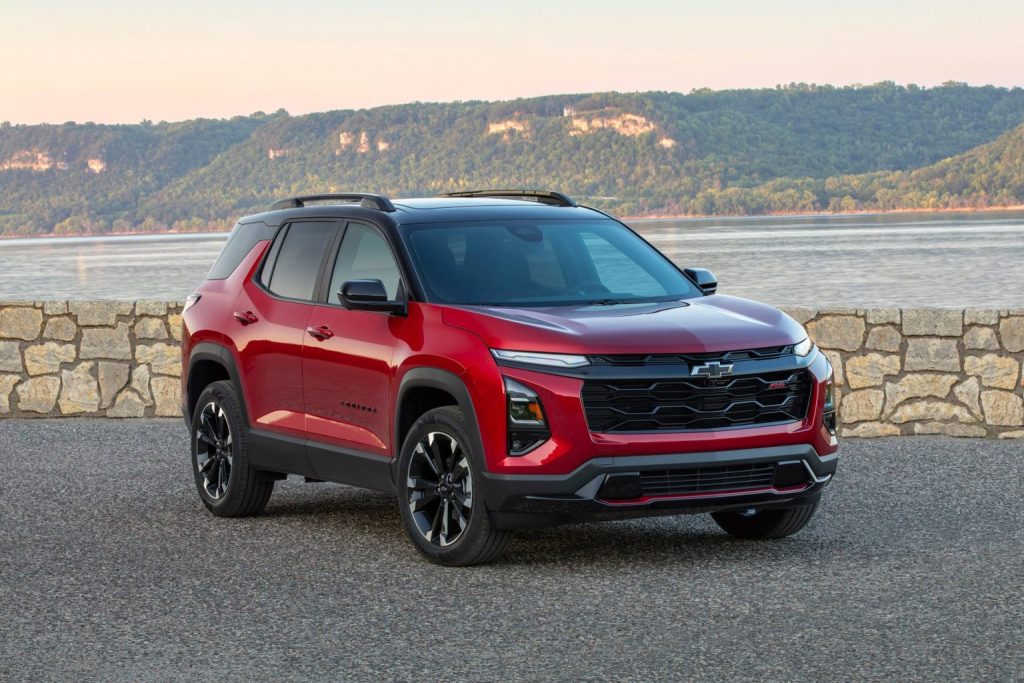
1. Chevrolet Equinox
The Chevrolet Equinox is one of the more accessible examples of a modern connected vehicle capable of location tracking. Eligible Equinox models can use Chevrolet’s connected-services system and the myChevrolet app to locate the vehicle on a map.
The app can also provide walking directions back to the vehicle, making the location function useful when the driver forgets where the SUV was parked.
Chevrolet’s system goes beyond simply displaying a parked position. The company’s documentation says eligible vehicles can support vehicle-location functions, boundary alerts, and custom notifications for arrivals and departures.
That means location data can become part of an ongoing connected relationship between the vehicle, the owner’s account, and Chevrolet’s services.
There is an important privacy distinction, however. Location tracking is associated with the vehicle’s connectivity and the services selected or enabled by the owner.
It should not be interpreted as proof that Chevrolet is watching the vehicle’s position every second of every day. Connected features can depend on account settings, service availability, and the vehicle’s communication system.
The system has practical safety applications as well. Chevrolet’s OnStar ecosystem includes emergency assistance and stolen-vehicle-related services, where knowing the vehicle’s location can be critical. The same underlying connectivity that helps an owner find a parked Equinox can therefore support functions that are much more consequential.
For buyers concerned about connected-car privacy, the Equinox highlights an important reality of modern vehicles. Location tracking capabilities are increasingly built into the vehicle itself rather than being added later through a separate tracking device.
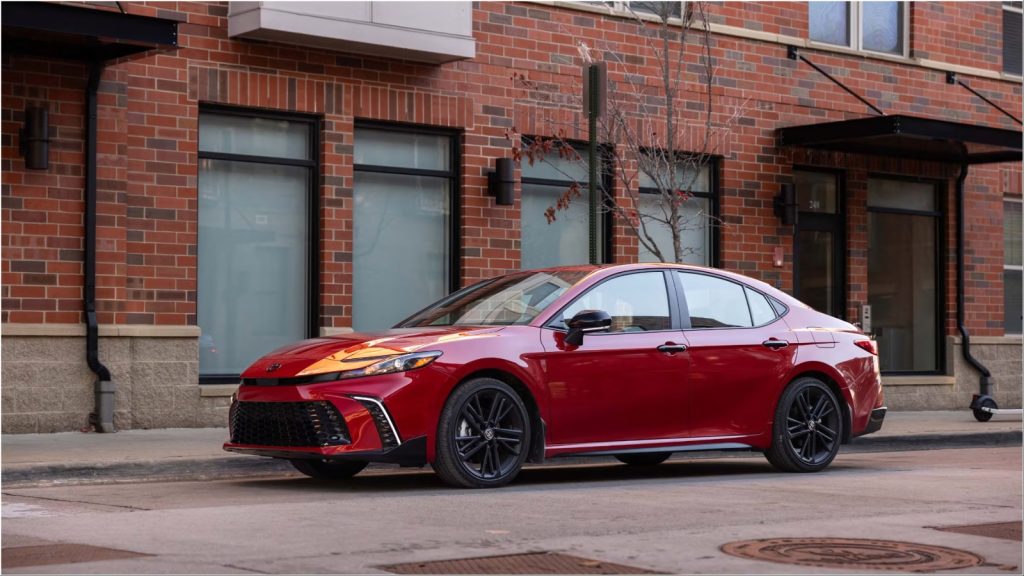
2. Toyota Camry
The Toyota Camry is another vehicle where location capability is built into the connected-services ecosystem rather than requiring a separate aftermarket tracking device. Toyota’s current U.S. Connected Services privacy notice explicitly states that connected Toyota vehicles can collect and transmit vehicle location data.
The company says its systems can collect latitude and longitude and use location information to provide connected services, including safety and remote functions.
Toyota’s system is particularly interesting because the company’s privacy documentation distinguishes between precise and non-precise location information.
Toyota states that precise vehicle location, within approximately 1,850 feet for the connected-services requirement described in its notice, requires the applicable vehicle connectivity consent. Owners can manage that consent through the Toyota app’s Data Privacy Portal.
Location can support several different functions. Safety Connect can use the vehicle’s position when emergency assistance is required, while Stolen Vehicle Locator can help locate a vehicle after a theft report and law enforcement involvement.
Toyota also states that its Remote Connect service can provide the owner with the vehicle’s most recent status, including its location at the last ignition-off event.
That makes the Camry a good example of why “always-on tracking” should not automatically be interpreted as unrestricted continuous surveillance. Toyota provides controls over precise-location transmission, and connected-service availability varies by vehicle and model year.
The technology is nevertheless significant. A conventional-looking sedan such as the Camry now has a communications system capable of transmitting location information as part of its connected features, something that would have required separate hardware in older cars.
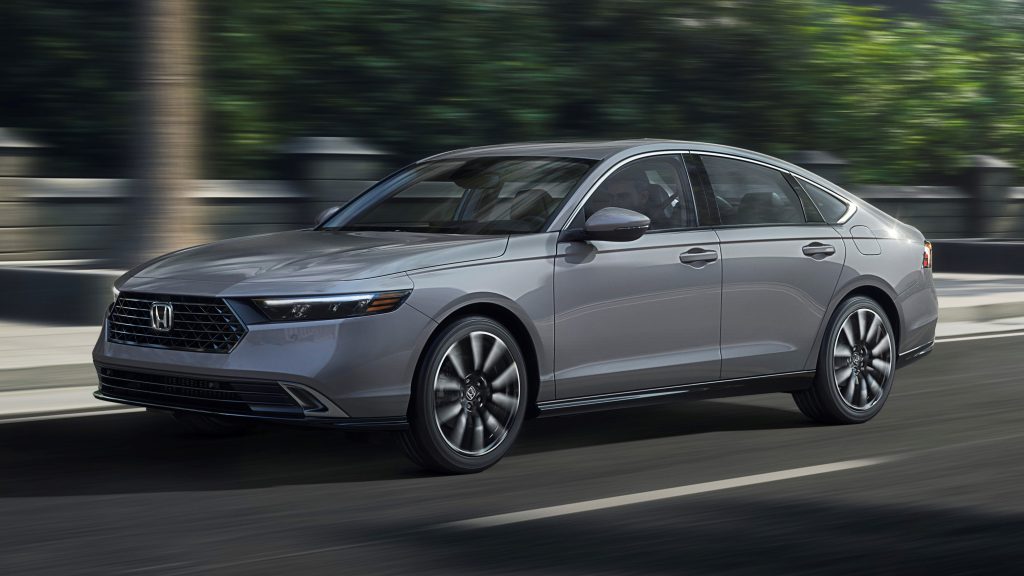
3. Honda Accord
Honda’s connected-car technology gives the Accord a surprisingly sophisticated location capability for a mainstream sedan. Eligible U.S. Accord models can use HondaLink services that include a vehicle finder, geofence alerts, and a stolen-vehicle locator.
Honda’s documentation states that its telematics provider can track the vehicle’s location and that the stolen-vehicle function can track the vehicle even while it is moving.
That makes the Accord more than a car that can simply remember where it was parked. With the appropriate HondaLink subscription and compatible vehicle, an owner can use connected services to locate the car through a smartphone or web interface.
Geofence functionality adds another layer by allowing an owner to receive an alert when the vehicle enters or leaves a defined area.
The security application is perhaps the most significant. If an Accord is reported stolen, Honda’s system can assist in determining its location, although Honda’s documentation makes clear that the owner should contact law enforcement as well as the service provider.
There are limits to what “always-on” means. Honda states that these services depend on an operative connected-vehicle device, compatible cellular-network availability, and GPS reception. The exact features also vary according to the vehicle and subscription.
The important point is that location capability is integrated into the Accord’s connected architecture rather than requiring an aftermarket GPS tracker.
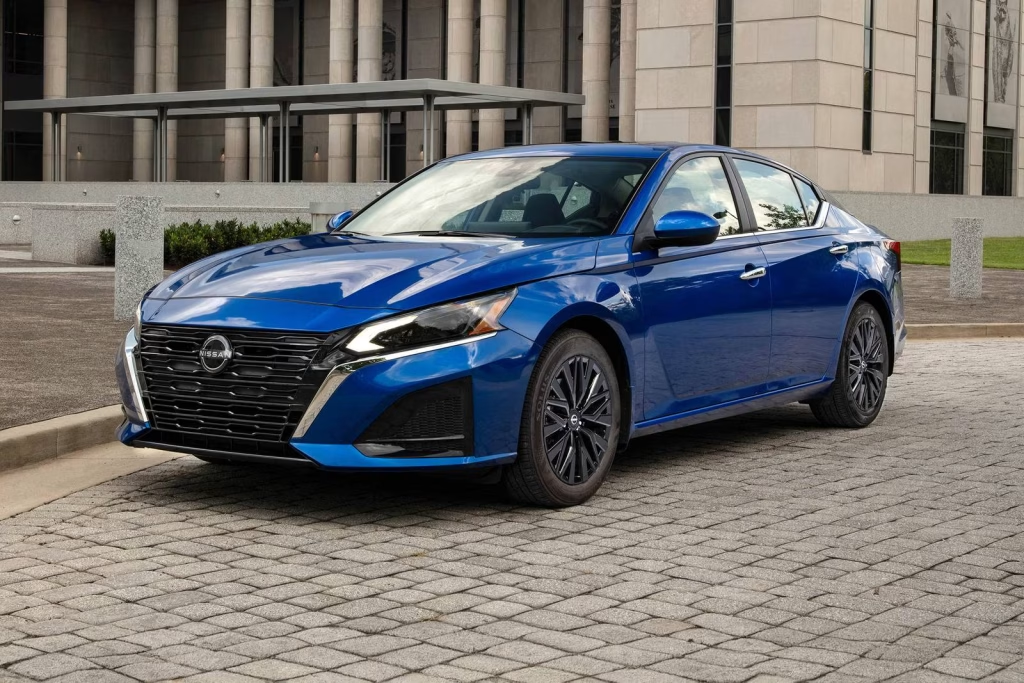
4. Nissan Altima
The Nissan Altima is another mainstream sedan with factory-connected location technology. Through compatible NissanConnect Services, Nissan provides a My Car Finder function that uses GPS to display the vehicle’s location through the MyNISSAN app and Owner Portal.
Nissan specifically describes the service as useful both for finding a car in a crowded parking lot and for situations involving a stolen vehicle.
The security side goes further. Nissan’s Stolen Vehicle Locator can pinpoint the vehicle’s GPS location and assist police with recovery. Certain vehicles can also have ignition-blocking technology that prevents the engine from being restarted after it has been shut off.
This means the same connected hardware supporting an everyday convenience feature can become part of a theft-recovery system.
NissanConnect also provides additional connected functions, including remote vehicle status, remote door locking and unlocking, remote horn and lights, and available alerts such as speed, boundary, curfew, and valet notifications.
That does not necessarily mean the owner is watching a continuously updating map of the Altima every second. Location services depend on the vehicle’s equipment, cellular connectivity, service enrollment, and the particular feature being used.
The phrase “always-on” is therefore better understood as factory-integrated connectivity that allows location information to be obtained when supported services are active.
The Altima’s conventional sedan proportions can make this technology easy to overlook. Underneath the familiar body is a connected vehicle capable of communicating location information through Nissan’s network.
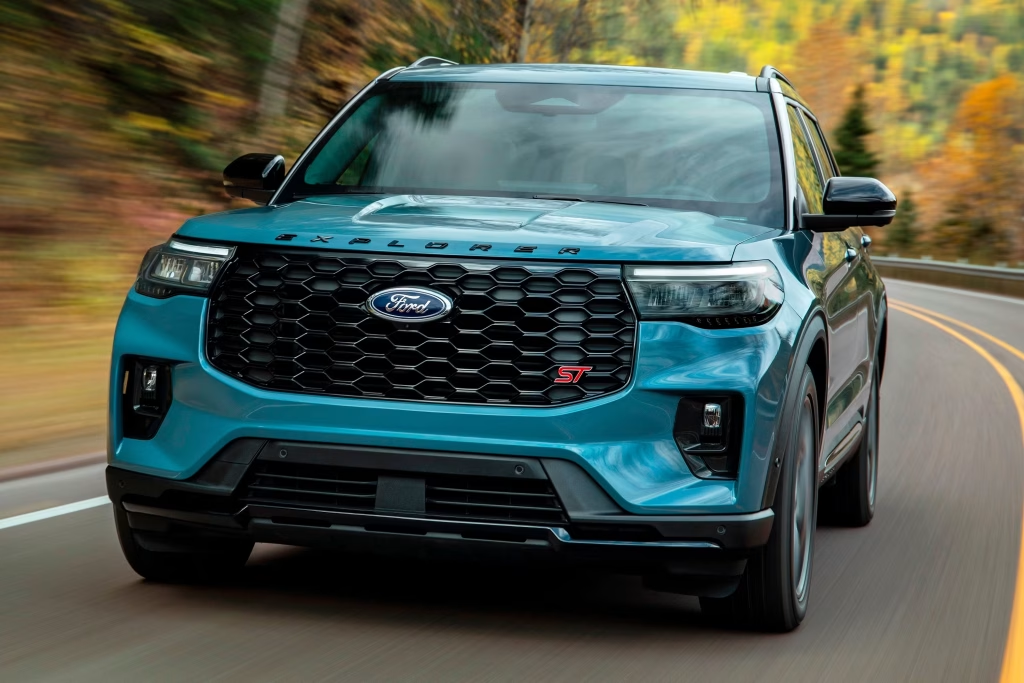
5. Ford Explorer
The Ford Explorer demonstrates how location tracking has become part of the normal connected-car architecture rather than a feature reserved for luxury vehicles.
Current U.S. Explorer models equipped with Ford’s connected technology can use the Ford app to locate the parked vehicle, alongside remote start, locking and unlocking, and vehicle-status functions. Ford’s 2026 Explorer order guide confirms that the Ford app and 5G modem support these connected functions.
The underlying technology is more significant than simply finding a vehicle in a crowded parking lot. Ford’s documentation says its telematics systems can support vehicle location, speed, idle time, fuel information, diagnostics, and maintenance data.
That demonstrates how the vehicle’s embedded communications hardware can transmit considerably more information than location alone.
For consumers, however, the important distinction is between location capability and literal second-by-second surveillance. Ford states that connected-service availability varies according to vehicle year, model, and trim, while modem activation is required for the Ford app’s remote features and most connected services.
The Explorer’s system therefore illustrates the changing meaning of a modern vehicle. A family SUV that looks conventional from the outside can contain a cellular modem capable of communicating with cloud-based services.
Ford also gives owners an app-based interface for managing available services. That makes the vehicle’s location accessible remotely rather than requiring a separate aftermarket GPS unit.
For buyers concerned about privacy, the connected-services terms and vehicle-specific settings matter. The technology can provide genuine convenience and security, but owners should understand which services are active and what information those services require.
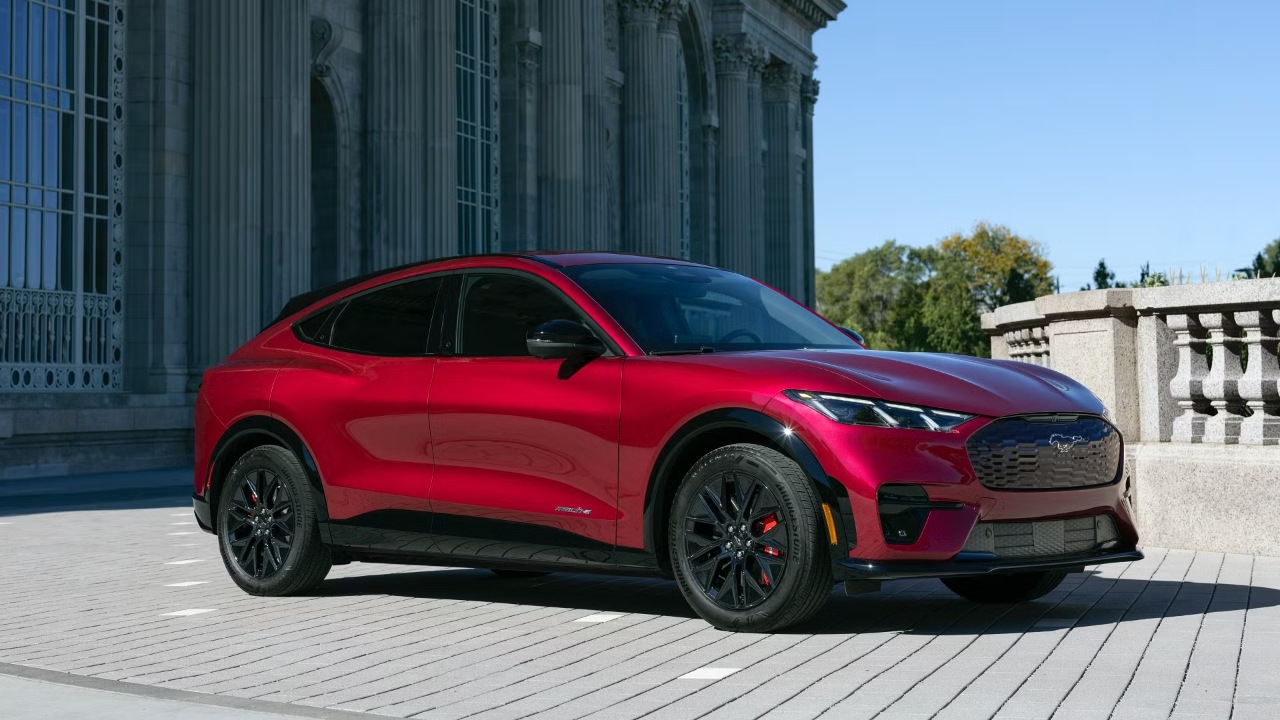
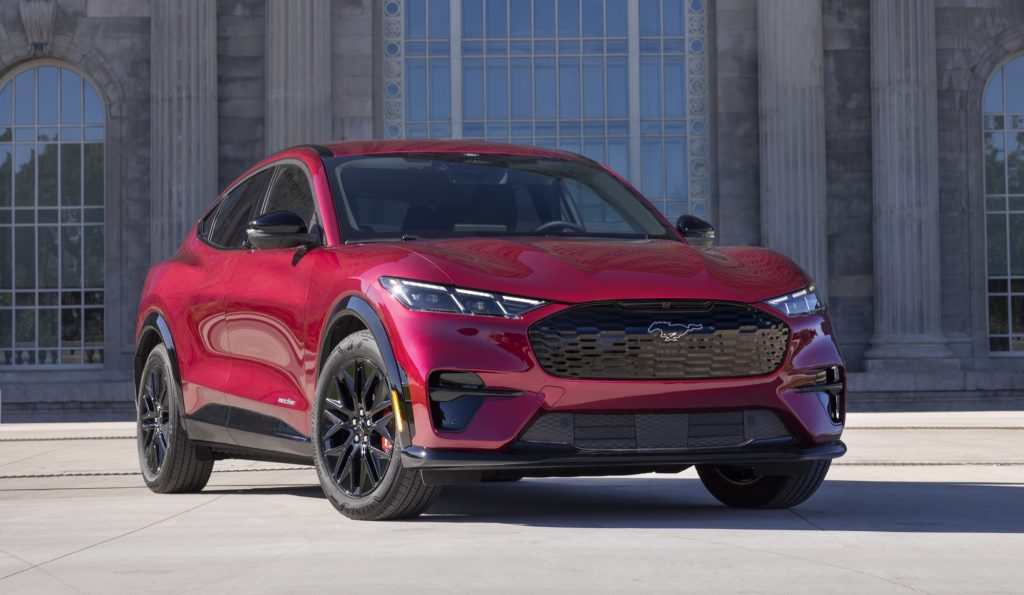
6. Ford Mustang Mach-E
The Mustang Mach-E takes connected location technology a step further because its identity as an electric vehicle makes constant communication especially useful.
Ford lists the Mustang Mach-E among the U.S. vehicles supported by its Connectivity Package, and the Ford app provides remote access to vehicle functions and information. Ford’s connected-services system can also display the vehicle’s location through the app.
For an EV, connectivity has practical importance beyond simply locating a parked car. Owners can remotely monitor vehicle information and manage functions through Ford’s app, making the smartphone a continuing connection to the vehicle even when the driver is away from it.
Ford’s connected platform is built around an onboard modem. Once the modem is activated, the vehicle can communicate with Ford’s connected services over cellular networks. Ford says the available services depend on the vehicle and its configuration, so not every Mach-E necessarily has identical functionality.
The location function is particularly useful when the Mach-E is parked somewhere unfamiliar. Instead of relying on memory or searching row by row, the owner can use the app to identify where the vehicle is located. That same connected architecture can also support security and vehicle-status functions.
There is an important privacy qualification. A vehicle being capable of transmitting location data does not mean that every Mach-E continuously sends a public, unrestricted location feed. Connected services operate under Ford’s service structure, account access, network availability, and applicable settings.
The technology nevertheless illustrates how quickly location tracking has become integrated into ordinary transportation. The Mach-E does not need an aftermarket tracking device to communicate with its owner’s smartphone. Its factory-installed connectivity provides that capability as part of the vehicle’s digital ecosystem.
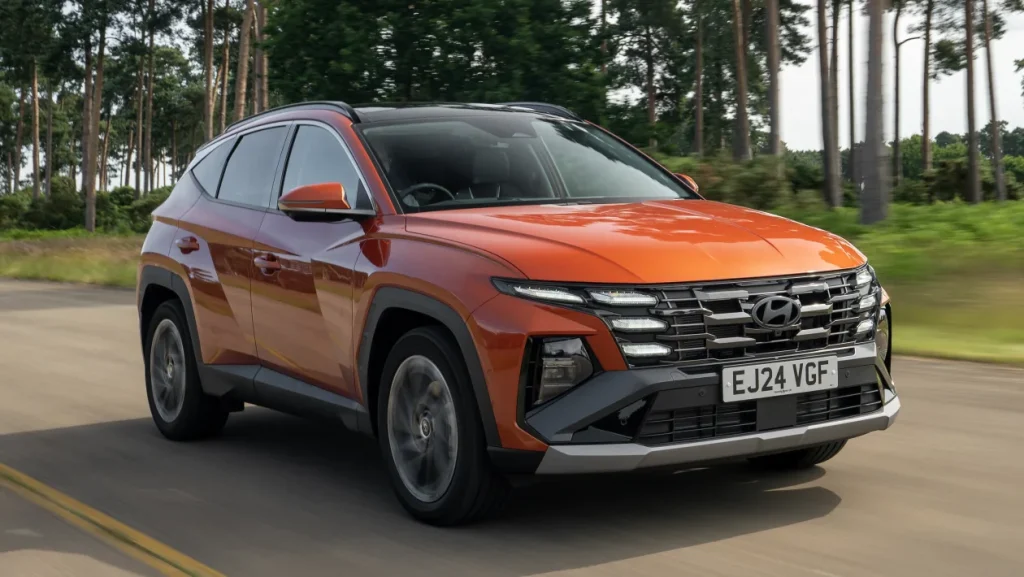
7. Hyundai Tucson
The Hyundai Tucson is another U.S. vehicle with factory-installed connectivity that can provide access to vehicle location. Through Hyundai’s Bluelink system, compatible Tucson models can use the myHyundai app for connected functions, including locating the vehicle.
Hyundai’s current U.S. Tucson information also confirms that Bluelink-equipped vehicles can send notifications to the owner’s smartphone for certain vehicle events.
The location capability is particularly useful in ordinary situations. A driver who forgets where the Tucson was parked can use the connected app rather than walking through a large parking lot searching for the vehicle. Depending on the vehicle and active services, connected technology can also support other remote functions and notifications.
Hyundai’s connected system relies on an embedded modem and communication with its service network. The company’s Bluelink documentation explains that vehicle location is a service provided through the connected platform, while the availability of individual functions depends on activation and the vehicle’s equipment.
That qualification is important when describing Tucson as having “always-on” location tracking. The vehicle is capable of communicating location information through its connected system, but that does not mean an unrestricted public feed continuously exposes its position.
Account activation, service availability, cellular coverage, GPS reception, and applicable settings all matter.
For owners, the benefit is straightforward. The same embedded connectivity that supports remote vehicle services can make it possible to find the Tucson without installing a separate tracker.
8. Kia Sportage
The Kia Sportage provides one of the clearest examples of factory-integrated location capability in a mainstream compact SUV. Kia lists Find My Car as an available connected feature for the 2026 Sportage.
Through the Kia Access app, owners can locate the vehicle and receive directions to it, turning the smartphone into a remote interface for the vehicle’s location.
Kia’s U.S. documentation also describes Kia Connect as an embedded system with a modem built directly into the vehicle. That distinction matters because the Sportage does not need a separate aftermarket GPS tracker to provide its connected location function.
There are several practical uses. Forget where the Sportage was parked at a shopping center. The app can identify its location. Lending the vehicle to another family member?
Other connected services can provide additional vehicle information and alerts, depending on the package and equipment. Kia also offers stolen-vehicle recovery assistance through Kia Connect, giving the technology a more serious security application.
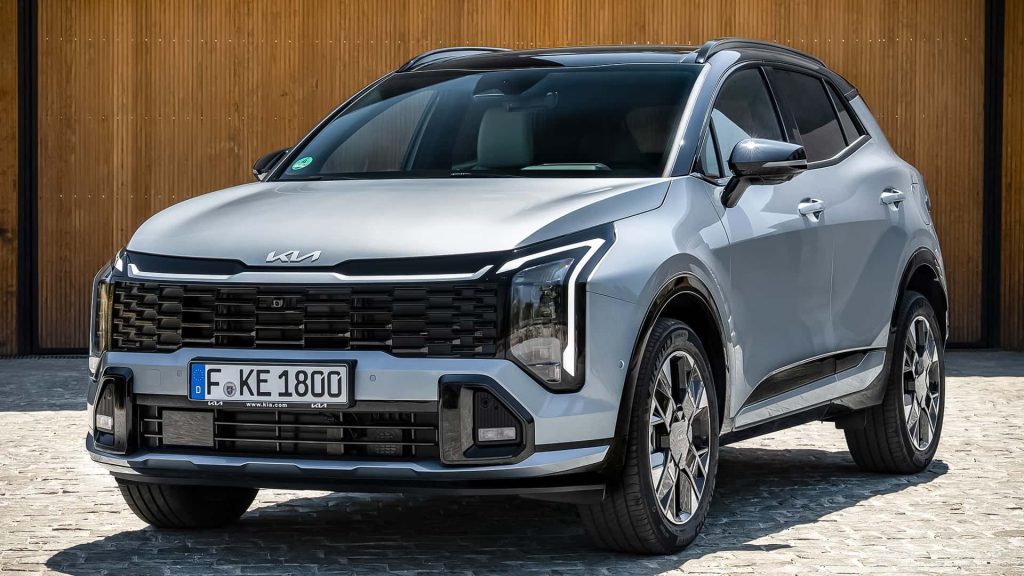
The system is not necessarily free indefinitely. Kia states that a 2026 vehicle purchased new with Kia Connect receives a complimentary three-year subscription, after which continued access to the full suite requires a paid subscription. Availability also varies by trim and market.
So the Sportage demonstrates an important point about modern tracking technology. The hardware is integrated into the vehicle, but the actual location services remain tied to an activated connected-service account and supported network.
9. BMW 3 Series
The BMW 3 Series brings location tracking into a more sophisticated connected-car environment. Compatible U.S. BMW vehicles can use the My BMW App’s Vehicle Finder to display the BMW’s location on a map.
BMW’s U.S. support documentation specifically states that the app can show the address of the vehicle’s current location and the time of the last location update.
That last detail is important. BMW does not describe the Vehicle Finder as an unrestricted second-by-second tracking system. Instead, the app shows the vehicle’s available location information and identifies when that location was last updated. BMW also explicitly says that the owner must have consented to vehicle tracking for the feature to work.
The My BMW app provides considerably more than location information. BMW says owners can check vehicle status, including range, mileage, windows, and door status, while compatible vehicles can support remote functions such as locking, unlocking, and starting the vehicle.
That makes the 3 Series a good example of how location capability is becoming part of a broader digital ecosystem. The vehicle communicates with BMW’s connected services through embedded communications hardware rather than relying on a separate device attached by the owner.
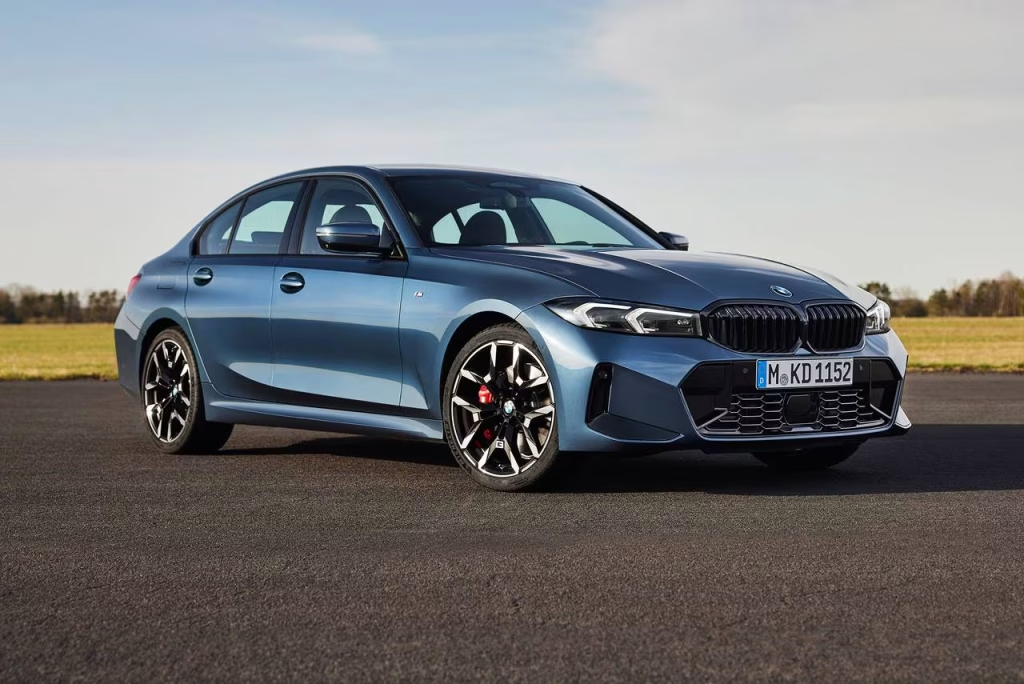
Privacy controls are therefore particularly relevant. Because BMW requires consent for vehicle tracking, owners have a direct role in whether the Vehicle Finder function can operate. Network availability and vehicle equipment can also affect connected-service performance.
The result is a modern sedan that can be located remotely through a manufacturer’s app, but with a system that is better described as connected vehicle location than literal unrestricted continuous surveillance.
10. Chevrolet Tahoe
The Chevrolet Tahoe demonstrates how connected location technology has moved into full-size SUVs as well. Eligible Tahoe models can use Chevrolet’s connected-services ecosystem, including the myChevrolet app and OnStar services.
These systems can provide vehicle-location functionality through the owner’s connected account, allowing the SUV to be located remotely rather than requiring a separately installed tracker.
The Tahoe is an especially interesting example because its connected capabilities sit alongside a vehicle designed for substantial towing, passenger, and cargo duties. Location technology therefore becomes one part of a much larger electronic architecture that can support remote services, emergency assistance, vehicle status, and theft-related functions.
For everyday owners, locating a parked Tahoe is the simplest application. A full-size SUV can be difficult to find in a large stadium, airport, shopping center, or event parking lot, so a smartphone-based vehicle finder can save considerable time.
Security is another reason manufacturers integrate location capability directly into their vehicles. Connected services can assist with emergency response and stolen-vehicle situations when the appropriate service is active, and the necessary conditions are met.
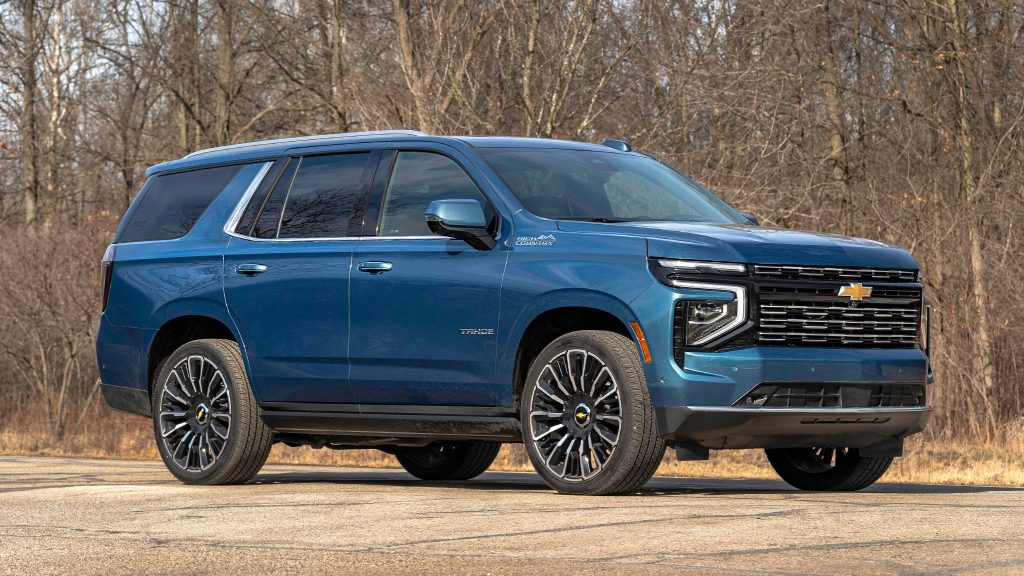
It is still important not to interpret the technology as unrestricted continuous surveillance. Connected features depend on vehicle equipment, account activation, cellular communication, GPS availability, and the specific service being used.
The information available to the owner can also differ from information accessible to Chevrolet or emergency-service providers.
The Tahoe therefore represents the larger trend in automotive technology. A vehicle can now leave the factory with communications hardware capable of connecting it to a manufacturer’s digital network, making location one of several services available through that connection.