
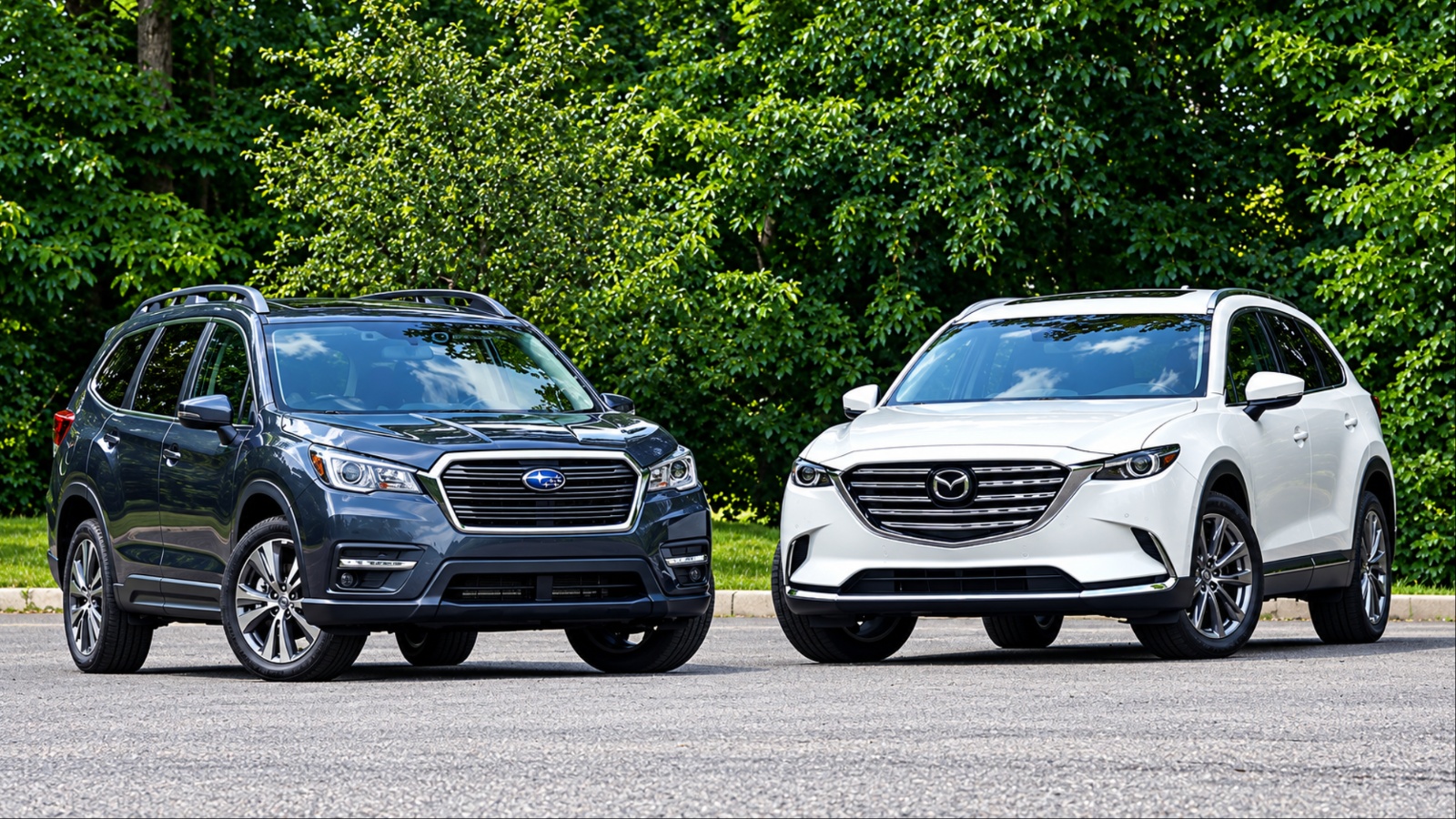
Subaru and Mazda have built strong reputations among buyers who want dependable vehicles without paying luxury-brand prices. Both manufacturers offer practical cars and SUVs, but they approach engineering differently.
Subaru emphasizes standard or available all-wheel drive, durable everyday capability, and practicality, while Mazda focuses on efficient powertrains, engaging handling, and relatively straightforward mechanical layouts.
Reliability rankings also support both brands’ reputations, although individual models can differ considerably. This comparison looks at five Subaru models and five Mazda models that stand out as sensible choices for buyers prioritizing long-term dependability, reasonable maintenance, useful features, and proven mechanical designs.
5 Reliable Subarus
1. Subaru Impreza
The Subaru Impreza deserves attention first because recent reliability data places it at the top of Subaru’s current lineup. Consumer Reports’ 2026 reliability report identifies the Impreza as Subaru’s most reliable model, which gives it a particularly strong foundation for a list focused on dependable transportation.
Its appeal goes beyond reliability scores. The Impreza is a compact car designed around everyday practicality, making it considerably easier to live with than a large SUV. Its compact dimensions help in crowded urban environments, while standard all-wheel drive gives it an advantage for drivers who regularly encounter rain, snow, or loose surfaces.
The latest Impreza uses a 2.0-liter four-cylinder engine in standard versions, while the RS adds a larger 2.5-liter engine. The conventional 2.0-liter setup produces 152 horsepower and 145 lb-ft of torque. The power output is modest, but the vehicle’s purpose is efficient daily transportation rather than high-performance driving.
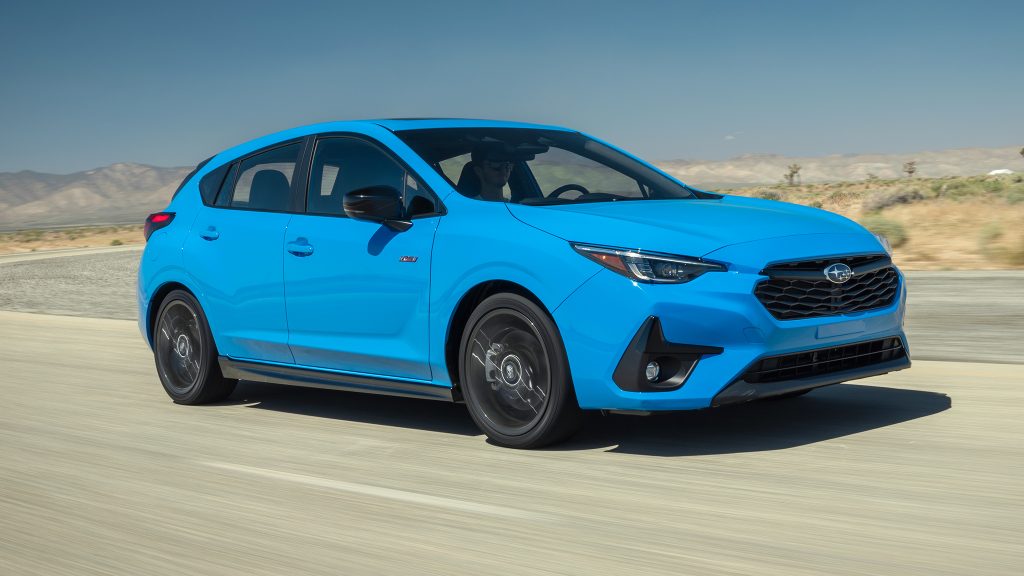
What makes the Impreza particularly interesting for this article is its balance. It offers Subaru’s distinctive drivetrain philosophy in a relatively affordable package. Buyers also get the practicality of a hatchback body style in current versions.
A used Impreza should still receive a proper inspection. Buyers should check the CVT for smooth operation, examine the suspension, verify all-wheel-drive operation, and review maintenance records.
2. Subaru Forester
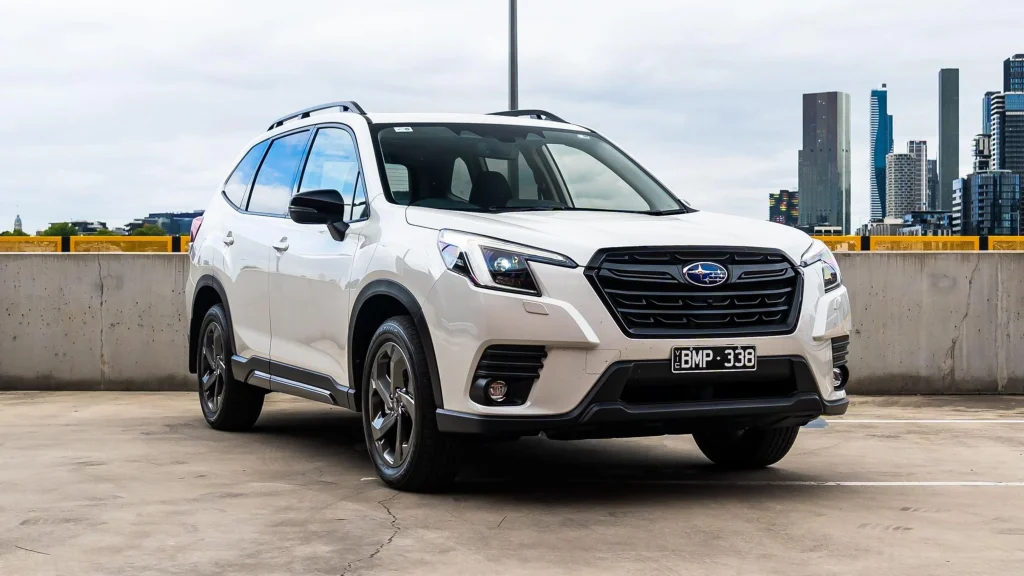
The Forester takes Subaru’s practical formula and places it into a compact SUV body. It is one of the brand’s most recognizable models, offering a tall seating position, useful cargo capacity, generous visibility, and available all-wheel-drive capability.
There is good reason to include it despite reliability varying between generations. Consumer Reports’ 2025 research found the Forester and Impreza to have well-above-average reliability, while its newer 2026 assessment rated the conventional Forester around average.
That difference illustrates why buyers should consider the particular generation rather than assuming every Forester performs identically.
The Forester’s mechanical layout is well suited to buyers who value practicality more than acceleration. A recent version uses a 2.5-liter naturally aspirated four-cylinder producing 180 horsepower and 178 lb-ft of torque.
The continuously variable transmission is designed to keep the engine operating efficiently rather than provide conventional stepped shifts.
One of the Forester’s biggest strengths is visibility. The upright cabin and large windows make it easy to position in traffic and parking lots. Its cargo area also gives owners considerably more flexibility than a compact sedan.
Maintenance remains important, particularly with the CVT and all-wheel-drive system. Fluid condition, tire matching, suspension components, oil leaks, and cooling-system operation should all be checked before purchasing a used example.
The Forester makes this list because it combines a family-friendly layout with Subaru’s established drivetrain philosophy, giving buyers a practical option when a sedan or small hatchback is not enough.
3. Subaru Crosstrek
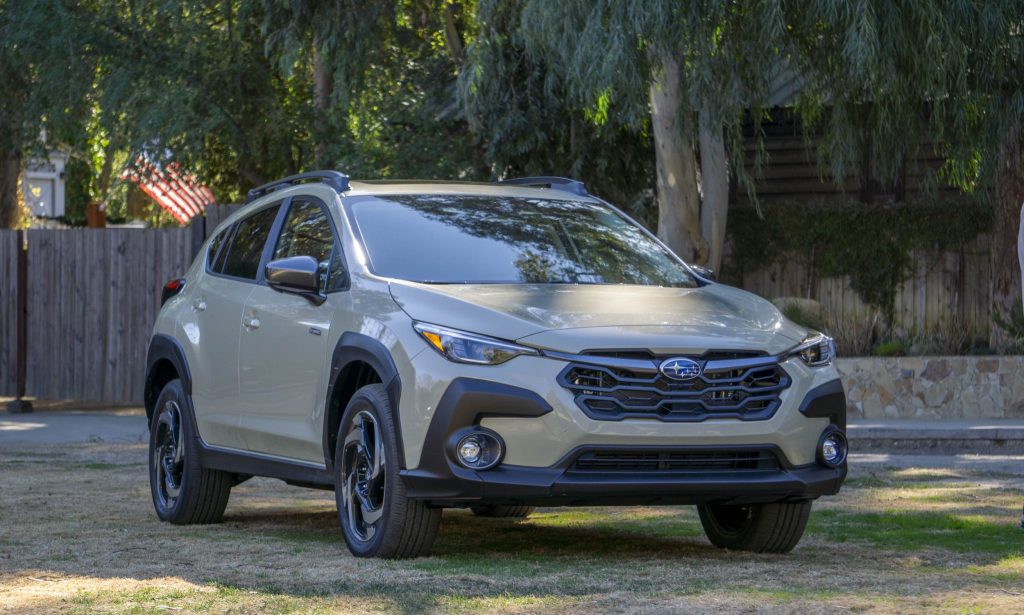
The Crosstrek is arguably one of Subaru’s most balanced choices because it takes the useful characteristics of a compact hatchback and adds the higher driving position and additional ground clearance of a crossover. That combination has made it popular with buyers who want an inexpensive vehicle that can handle more than ordinary city commuting.
Its reliability credentials are particularly strong. Consumer Reports’ 2026 data places the Crosstrek as Subaru’s third-most-reliable model, while its predicted reliability is better than the average new car.
The latest Crosstrek is available with a 2.0-liter four-cylinder producing 152 horsepower and 145 lb-ft of torque, while higher trims use a 2.5-liter engine producing 182 horsepower and 178 lb-ft. Both configurations use Subaru’s continuously variable transmission and standard Symmetrical All-Wheel Drive.
That mechanical layout makes the Crosstrek particularly suitable for drivers who encounter snow, dirt roads, steep driveways, or frequent rain. It is not intended to replace a dedicated off-road vehicle, but its clearance and traction system provide useful capability beyond a conventional compact car.
There is another reason it belongs on this list. The Crosstrek remains relatively easy to park and less expensive to operate than larger SUVs, while still providing enough cabin and cargo space for everyday family use.
Used examples should receive attention around the CVT, wheel bearings, suspension, brakes, and oil leaks. Tire condition is also important because Subaru’s all-wheel-drive system requires properly matched tires.
For buyers wanting one vehicle that can handle commuting during the week and weekend trips without becoming unnecessarily large, the Crosstrek makes a strong case.
4. Subaru Outback
The Outback has earned a reputation as one of Subaru’s most versatile vehicles because it occupies an unusual space between a conventional wagon and an SUV. Its long roof, generous cargo area, standard all-wheel drive, and elevated ground clearance make it particularly useful for owners who spend time both in cities and away from paved roads.
Reliability is one reason to consider the model, but generation selection matters. Subaru ranked second among automakers in Consumer Reports’ 2026 new-car reliability survey, although reliability varies across individual models and powertrains.
The redesigned 2026 Outback uses a standard 2.5-liter boxer four-cylinder producing 180 horsepower and 178 lb-ft of torque. A 2.4-liter turbocharged engine is also available, delivering 260 horsepower and 277 lb-ft of torque. Both versions use a CVT and standard symmetrical all-wheel drive.
The naturally aspirated engine is the more sensible choice for someone placing simplicity and everyday running costs ahead of acceleration. The turbocharged version makes more sense for drivers who frequently carry heavy loads or want stronger passing performance.
Space is another reason the Outback earns its position. The 2026 model measures 191.7 inches long and 74 inches wide while offering up to 80.5 cubic feet of cargo volume with the rear seats folded.
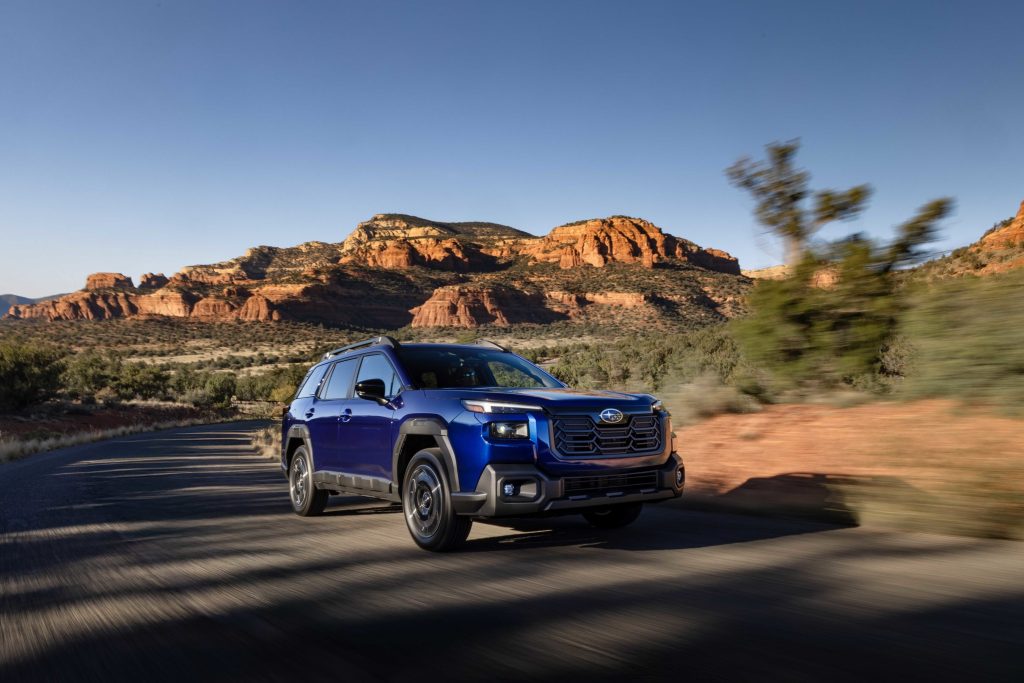
A used Outback deserves a detailed inspection of its CVT, cooling system, suspension, oil leaks, wheel bearings, and all-wheel-drive components. Maintenance records are especially valuable.
For buyers who need SUV-like usefulness without choosing a traditional SUV, the Outback remains one of Subaru’s most convincing options.
5. Subaru BRZ
The BRZ is an unusual but worthwhile addition to a reliability-focused Subaru list because it demonstrates that a performance-oriented car does not automatically have to be excluded from consideration.
Consumer Reports expects the 2026 BRZ to be more reliable than the average new car, based on available model data and Subaru’s brand reliability results. Its 2026 assessment also gives the BRZ a predicted reliability score of 69 out of 100.
Unlike Subaru’s family-oriented models, the BRZ is built around driving enjoyment. It uses a naturally aspirated 2.4-liter horizontally opposed four-cylinder engine producing 228 horsepower and 184 lb-ft of torque. Buyers can choose between a six-speed manual and six-speed automatic transmission.
That naturally aspirated engine is an important part of the BRZ’s appeal. It avoids the added complexity of a turbocharger while delivering considerably more performance than Subaru’s ordinary commuter models. The rear-wheel-drive layout is also completely different from the all-wheel-drive architecture found throughout much of Subaru’s lineup.
Reliability still depends heavily on how the car has been treated. A BRZ driven aggressively regularly can experience more wear on its clutch, brakes, tires, suspension, and drivetrain than a gently driven commuter car. Used examples should therefore be inspected particularly carefully.
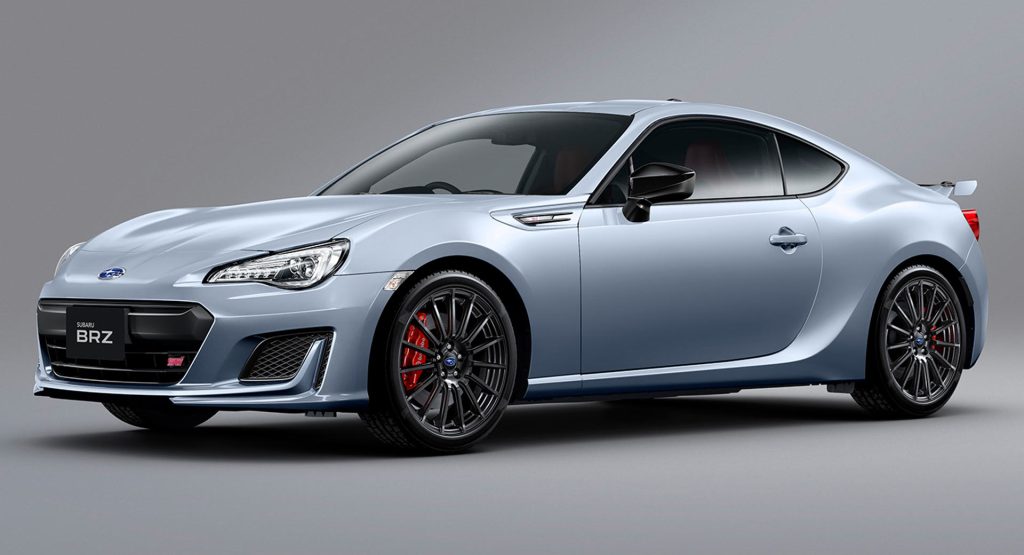
The BRZ makes this list because it provides an enthusiast option without abandoning the fundamentals of a relatively straightforward powertrain. It also demonstrates that reliability can coexist with performance when owners maintain the vehicle properly.
For buyers who want something more exciting than an Impreza or Forester, the BRZ provides a distinctly different Subaru experience while retaining a respectable reliability outlook.
5 Reliable Mazdas
1. Mazda3
The Mazda3 is one of the strongest choices for someone who wants a compact car but does not want to sacrifice driving enjoyment. It combines a relatively small footprint with a refined cabin and a choice of sedan or hatchback body styles.
Its reliability appeal comes partly from Mazda’s continued use of naturally aspirated four-cylinder powertrains in the standard model. The current Mazda3 uses a 2.5-liter Skyactiv-G four-cylinder producing 191 horsepower and 186 lb-ft of torque.
An optional turbocharged version produces considerably more power, but the naturally aspirated engine is the more straightforward choice for buyers focused primarily on long-term simplicity.
The Mazda3 also benefits from being a mature product. It has been part of Mazda’s lineup for many years, giving technicians and independent repair shops extensive experience with the model.
For a used example, service documentation is more important than a low odometer reading by itself. Oil changes, transmission behavior, brake condition, suspension wear, and the operation of infotainment and driver-assistance systems should all be checked.
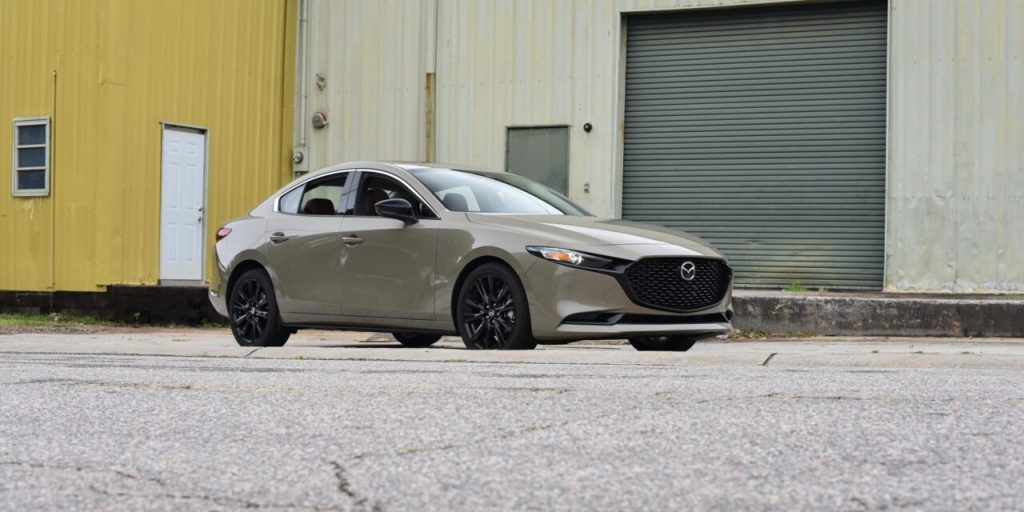
The hatchback is particularly useful for buyers who need additional cargo flexibility without moving into an SUV. The sedan, meanwhile, provides a more traditional compact-car layout.
What makes the Mazda3 stand out is the combination of practicality and character. It can serve as a daily commuter while still providing responsive handling and a more engaging driving experience than many economy-oriented competitors.
2. Mazda CX-5
The Mazda CX-5 has become one of the company’s most important models, and its long production run gives buyers a broad selection of used examples. It is a compact SUV that prioritizes road manners, interior quality, and manageable dimensions rather than trying to imitate a large off-road vehicle.
Its reliability case is strengthened by the use of naturally aspirated Skyactiv-G engines in many versions. Depending on the model year and trim, the CX-5 has been available with a 2.5-liter four-cylinder producing around 187 horsepower and 186 lb-ft of torque.
Turbocharged versions produce more power, but the naturally aspirated setup is particularly attractive to buyers who prefer a less complicated powertrain.
The CX-5 also uses a conventional six-speed automatic transmission rather than a CVT. For drivers who prefer traditional automatic gear changes, that can make the vehicle appealing both mechanically and from a driving standpoint.
There is more to its reliability reputation than the engine itself. The CX-5 has been produced in large numbers, so replacement parts and repair knowledge are widely available. A well-documented service history can make ownership considerably easier.
When inspecting a used CX-5, check for oil leaks, transmission irregularities, worn suspension components, brake wear, and evidence of neglected maintenance. Turbocharged examples deserve additional attention because their engines operate under greater thermal and mechanical loads.
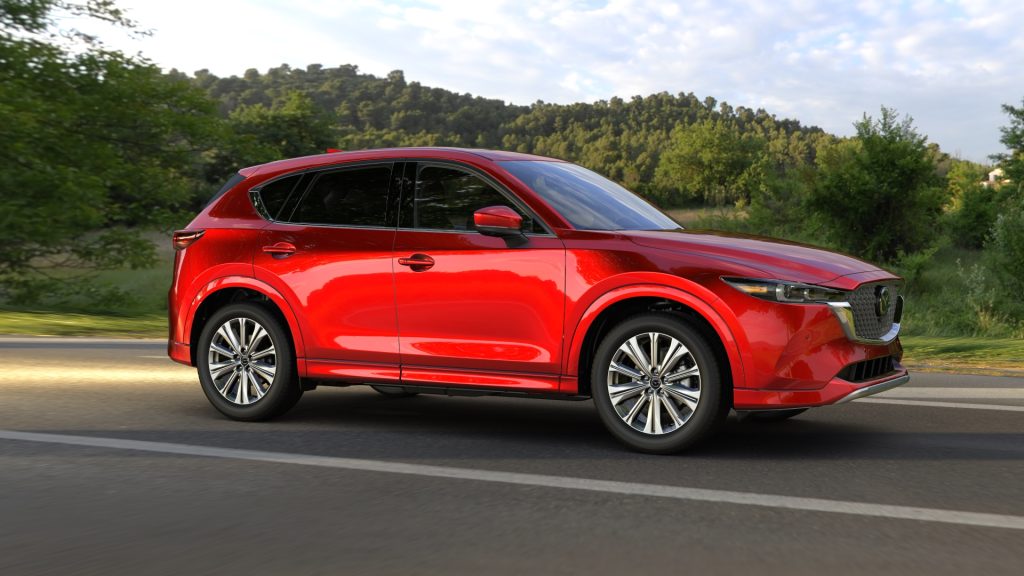
The CX-5 earns its position because it offers a particularly useful compromise. It provides SUV practicality while retaining the compact footprint and road-focused character of a smaller vehicle.
For buyers who want one vehicle for commuting, family duties, and longer highway trips, a properly maintained CX-5 is one of Mazda’s most compelling choices.
3. Mazda CX-50
The CX-50 represents Mazda’s attempt to give its compact crossover lineup a more rugged character without abandoning the brand’s emphasis on on-road driving. It sits close to the CX-5 in size but has a more outdoors-oriented design and additional versatility.
A conventional CX-50 uses a 2.5-liter naturally aspirated four-cylinder producing 187 horsepower and 186 lb-ft of torque. Mazda also offers a turbocharged 2.5-liter engine with substantially greater output. Both versions use a six-speed automatic transmission, while all-wheel drive is standard.
The naturally aspirated configuration is particularly relevant to this reliability list because it provides adequate performance without adding turbocharging hardware. For someone primarily interested in commuting and family transportation, that can be a sensible combination.
The CX-50 is also relatively new compared with models such as the CX-5 and Mazda3. That means it does not have the same decades-long history, so buyers should avoid assuming that its long-term reliability is already established to the same degree as Mazda’s older nameplates.
Nevertheless, its underlying mechanical philosophy is familiar. The naturally aspirated Skyactiv-G engine and six-speed automatic transmission have been used extensively across Mazda’s lineup.
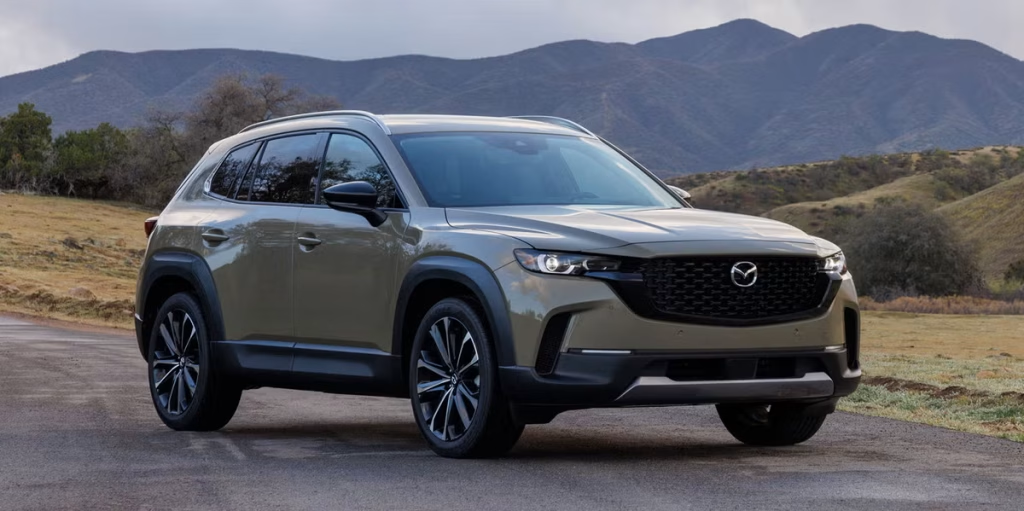
Its higher-riding body and standard all-wheel drive make it particularly attractive to drivers who regularly travel on gravel roads, rougher rural surfaces, or through challenging weather. It is not a dedicated off-road vehicle, but it provides more versatility than a conventional sedan.
When buying used, inspect the suspension, underbody, tires, brakes, engine bay, and all-wheel-drive system. Consistent servicing should take priority over cosmetic condition.
The CX-50 belongs here because it provides a newer alternative for buyers who want Mazda’s driving character with greater crossover practicality.
4. Mazda6
The Mazda6 is worth including because it offers a different kind of ownership experience from Mazda’s increasingly SUV-focused lineup. As a midsize sedan, it provides a lower driving position, a comfortable cabin, and a highway-friendly chassis while retaining Mazda’s emphasis on responsive handling.
Its long production history is another reason it makes sense for reliability-conscious buyers. The Mazda6 was sold for many years with Mazda’s established Skyactiv-G four-cylinder, giving owners access to a familiar naturally aspirated powertrain in many versions.
A later Mazda6 with the standard 2.5-liter engine produces 187 horsepower and 186 lb-ft of torque. Mazda also offered a turbocharged version producing up to 250 horsepower and 320 lb-ft when using premium fuel. Both versions were paired with a six-speed automatic transmission.
For someone primarily interested in dependable ownership, the naturally aspirated engine is the more conservative selection. It has fewer components associated with forced induction and provides sufficient performance for commuting and highway driving.
The Mazda6’s chassis is also one of its strongest attributes. Steering response and body control give it a more engaging character than many mainstream midsize sedans, while the suspension remains comfortable enough for long trips.
Used buyers should pay attention to the condition of the automatic transmission, suspension, brakes, cooling system, and engine. Turbocharged versions deserve particularly careful inspection because of the additional mechanical demands placed on the engine.
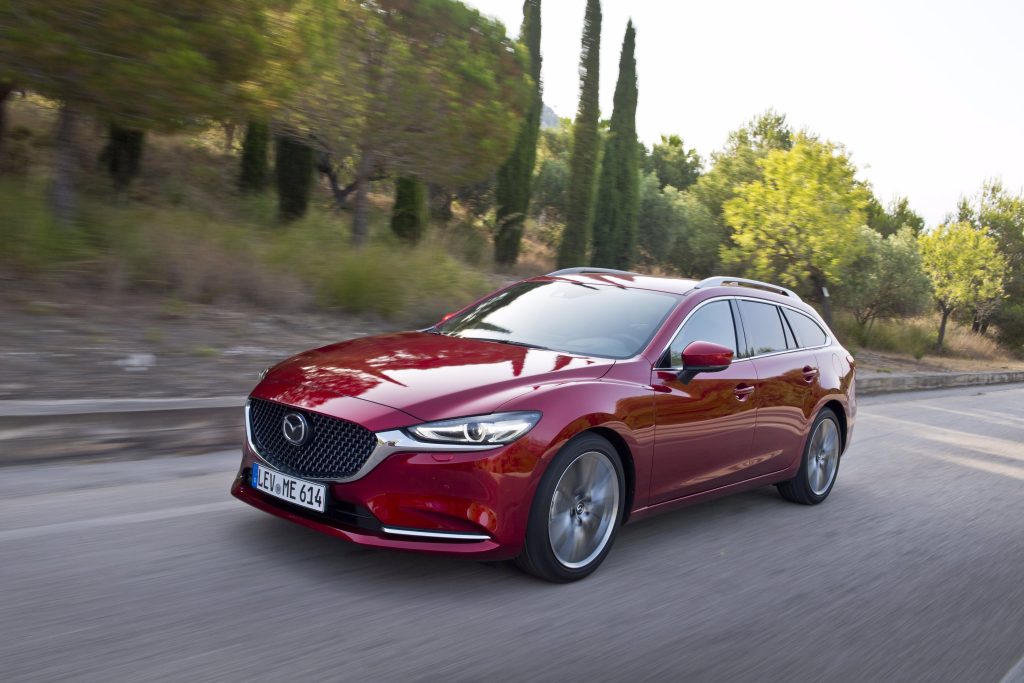
The model’s discontinuation in the United States does not automatically make it a poor ownership choice. Parts and service support remain available, and its established mechanical components are familiar to Mazda technicians.
For buyers who prefer a sedan over a crossover, a well-maintained Mazda6 provides an appealing combination of comfort, efficiency, and driving enjoyment.
5. Mazda MX-5 Miata
The MX-5 Miata may seem like an unexpected choice for a reliability list, but its lightweight construction and relatively simple mechanical philosophy make it one of the most interesting vehicles Mazda has produced for long-term ownership.
Unlike the larger SUVs on this list, the Miata is built around a very focused purpose. It is a lightweight two-seat sports car designed to provide responsive handling without requiring a huge engine or complicated drivetrain.
The current model uses a 2.0-liter naturally aspirated four-cylinder producing 181 horsepower and 151 lb-ft of torque. Buyers can choose between a six-speed manual transmission and a six-speed automatic, with rear-wheel drive.
That naturally aspirated engine is an important part of the car’s character and its appeal to enthusiasts who prefer mechanical simplicity. There is no turbocharger adding another layer of complexity, while the car’s relatively low weight reduces the demands placed on several chassis components.
Of course, a sports car’s reliability depends heavily on how its previous owner drove it. Aggressive launches, track use, missed maintenance, and repeated clutch abuse can turn an otherwise dependable Miata into an expensive project.
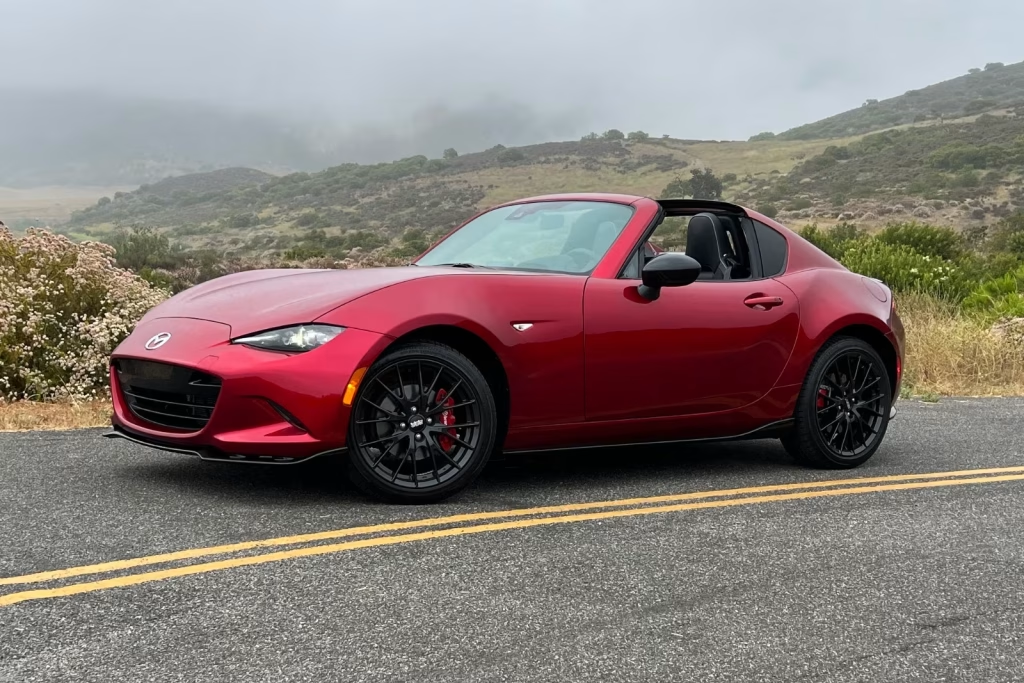
Used buyers should therefore investigate the vehicle’s history rather than relying solely on its reputation. The MX-5 also has a strong enthusiast community, which can be valuable for owners seeking technical information, replacement parts, or specialist service.
Its small size means it is not suitable for every buyer. Cargo space is limited, and the two-seat cabin rules it out for families. But for an enthusiast seeking a fun second car with a relatively straightforward powertrain, it is difficult to ignore.
The Miata earns its final position because reliability and driving enjoyment do not have to be mutually exclusive.
