
Car buyers do not always stay loyal simply because a vehicle lasts a long time. The more revealing question is what happens when an owner returns to the market and has thousands of dollars, dozens of models, and competing dealerships in front of them.
Recent U.S. loyalty data shows that some automakers are unusually good at convincing existing customers to buy from them again.
This ranking uses the latest available U.S. retention data from J.D. Power and S&P Global Mobility, while noting that the two organizations use different measurement periods and methodologies. The numbers therefore indicate exceptionally strong customer loyalty, not a perfectly uniform cross-industry score.
1. Ford
Ford earns the first position because its latest J.D. Power loyalty result is the strongest percentage reported anywhere in that study.
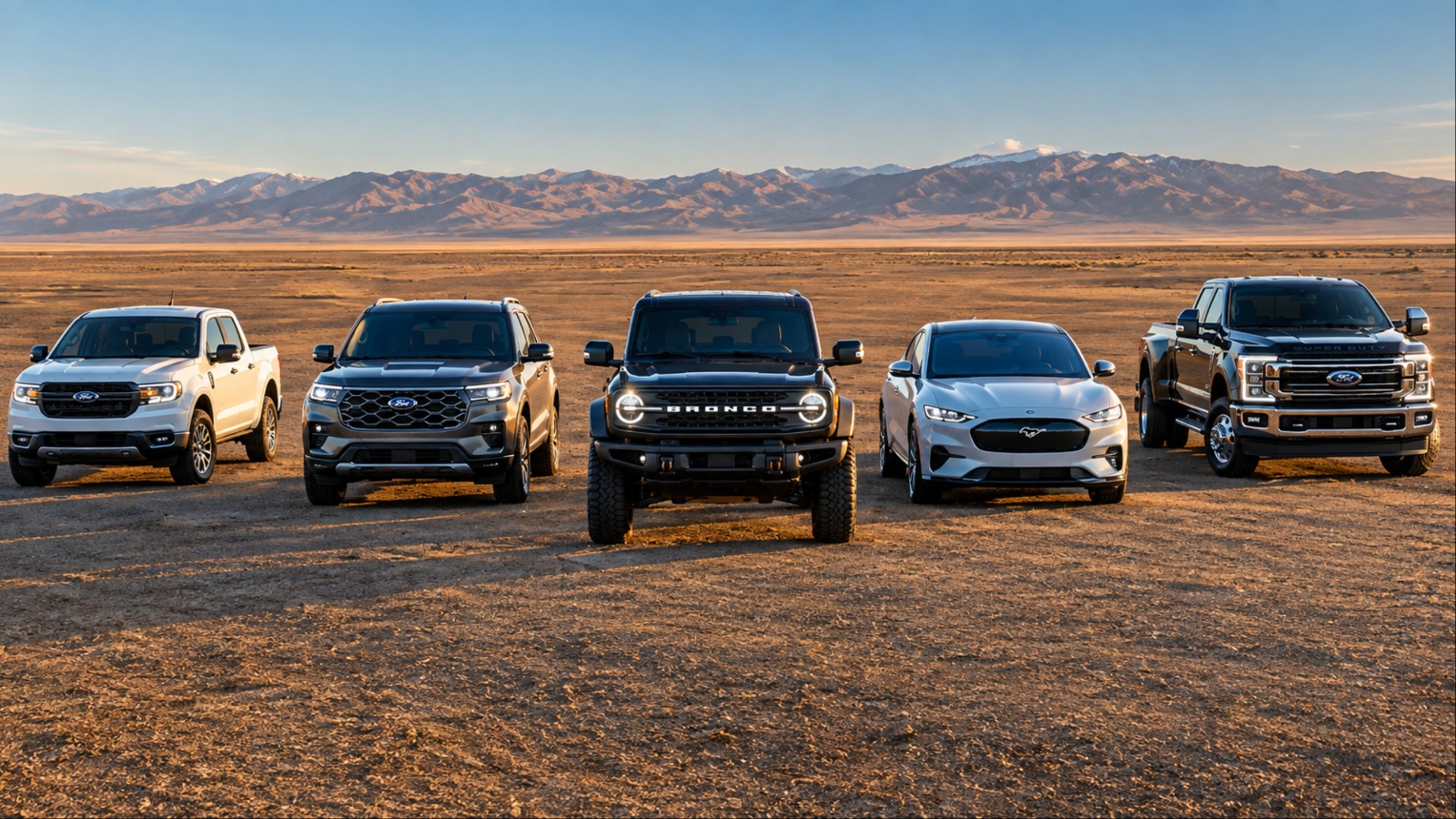
Ford recorded a 66.6% customer loyalty rate among truck buyers, meaning roughly two out of every three owners who returned to the new-vehicle market and bought through a franchised dealer stayed with Ford. That result also marked Ford’s fourth consecutive year leading the truck category.
The interesting part is that Ford’s retention strength is not simply about having a recognizable pickup. The F-Series covers a remarkably broad range of buyers, from people who use a truck as a daily commuter to contractors and customers who regularly tow.
That gives Ford something many automakers lack. Customers can move into a different level of truck without necessarily leaving the brand.
The F-150 illustrates the strategy particularly well. For 2026, Ford offers several gasoline engines along with the PowerBoost hybrid, including a 2.7-liter EcoBoost V6 producing 325 horsepower and 400 lb-ft of torque.
The available 3.5-liter EcoBoost reaches 382 horsepower and 500 lb-ft, while the PowerBoost combines gas and electric power for 420 horsepower and 570 lb-ft in Ford’s current specifications.
That variety matters for retention because customer needs can change without forcing a buyer to learn an entirely different brand. Someone who originally bought an F-150 for work may later want more towing capability, a hybrid powertrain, or a higher trim. Ford can offer those paths inside the same showroom.
There is another important detail behind the 66.6% figure. J.D. Power measures loyalty by examining whether an owner purchases the same brand when trading in or purchasing their next new vehicle.
It is therefore a measure of actual purchasing behavior, rather than a survey asking customers whether they say they like a brand. The 2025 study used U.S. transaction data from September 2024 through August 2025 and included all model years traded in.
Ford’s strength is consequently less about creating temporary excitement and more about keeping an existing customer inside its product ecosystem.
2. Tesla
Tesla takes second place using the latest S&P Global Mobility loyalty data, which puts the brand at a 63.7% U.S. loyalty rate from July 2025 through June 2026. That is an extraordinary retention result, particularly because Tesla operates very differently from traditional automakers and has a much narrower vehicle lineup.
The narrow lineup may actually be part of the answer. A Tesla customer returning to the market does not face a giant menu of unrelated body styles from the same manufacturer. Instead, the decision is usually about whether the customer still wants the Tesla ownership experience and which available vehicle best fits the next stage of their life.
That makes the company’s retention result more interesting than simply looking at sales volume. Tesla’s strongest loyalty can be viewed as an ecosystem effect. Owners become accustomed to the company’s charging network, software interface, mobile app functions, over-the-air updates, and vehicle controls.
Those elements are separate from the traditional reasons people choose a gasoline vehicle, such as engine displacement or transmission design.
S&P Global Mobility’s measurement is particularly useful here because it defines loyalty through actual return-to-market behavior.
Its latest analysis examined U.S. new retail registrations and determined whether households returning to the market purchased another vehicle from the same make, whether as a replacement or an addition to the household fleet.
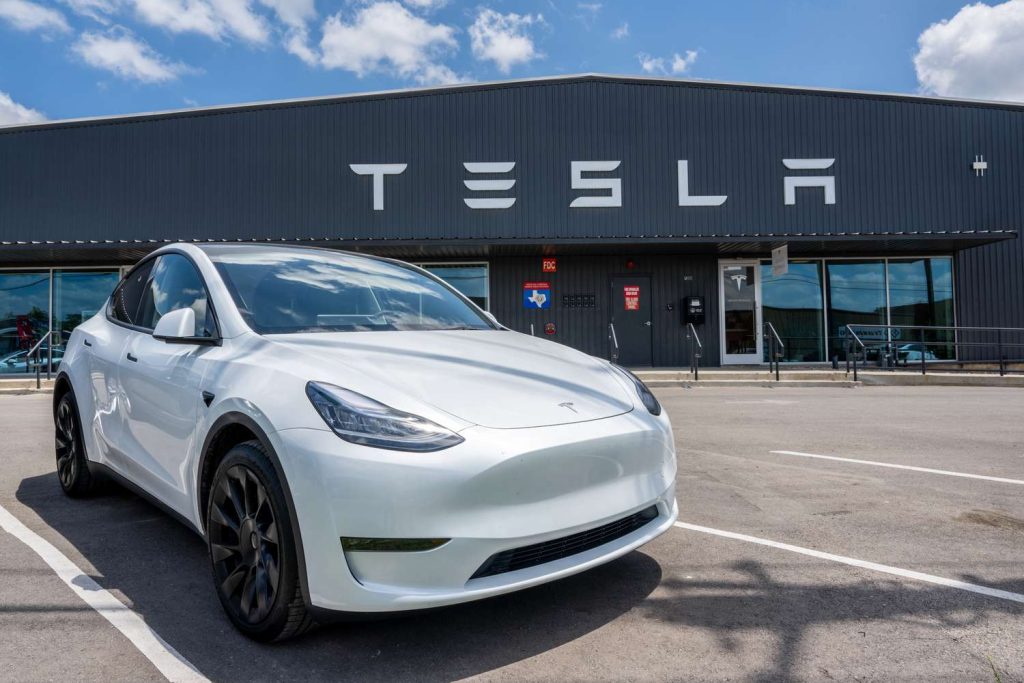
The Model Y is a good example of how Tesla can retain customers without offering a huge portfolio. The current U.S. Model Y is a midsize electric SUV with up to 357 miles of EPA-estimated range in the rear-wheel-drive configuration listed by Tesla.
Tesla also lists 74 cubic feet of cargo capacity, making it considerably more practical than its sleek exterior might suggest.
Another unusual retention factor is how little mechanical familiarity a Tesla customer needs to relearn when moving between models. The ownership interface, charging habits, and software environment remain recognizable. That continuity can reduce the psychological friction involved in buying another vehicle from the same company.
Tesla’s 63.7% result also stands out because S&P Global Mobility says the overall U.S. brand loyalty rate was 51.6% in its 2024 analysis. The latest S&P data shows mainstream brands at 52.3% and luxury brands at 48.8%, placing Tesla substantially above both broad categories.
3. Toyota
Toyota’s customer retention strength is easier to understand when looking at what happens after the first purchase. According to the latest S&P Global Mobility data covering July 2025 through June 2026, Toyota recorded a 59.0% U.S. brand loyalty rate, the highest among mainstream brands during that period.
That means nearly six in 10 Toyota households returning to the new-vehicle market chose Toyota again. The mainstream-brand average was 52.3%, putting Toyota well ahead of the category.
What makes that figure particularly interesting is the breadth of Toyota’s lineup. A customer does not necessarily need to buy the same type of vehicle twice. Someone who started with a Corolla can move into a RAV4, while an existing Highlander owner can move toward a larger Grand Highlander.
Pickup buyers have the Tacoma and Tundra, while hybrid versions of several mainstream models provide another path for customers who want better fuel economy without leaving the brand.
That flexibility gives Toyota an unusually long customer journey. The company can retain a household even when its transportation needs change considerably.
The 2026 Camry demonstrates another part of the strategy. Toyota made the current-generation Camry hybrid-only in the United States, offering front-wheel-drive versions with 225 net combined horsepower and available all-wheel-drive versions with 232 net combined horsepower.
That decision did not force Toyota to abandon the familiar midsize sedan formula. Instead, it changed the powertrain while retaining the vehicle’s basic role.
Toyota also has an unusually strong position across different vehicle categories. J.D. Power’s 2025 U.S. Automotive Brand Loyalty Study placed Toyota first among mass-market cars at 62.0%, while Toyota also ranked second among trucks at 61.2%.
Those results point to something more substantial than a single successful model. Toyota has multiple ways to keep a customer inside its product range when that customer’s priorities change.
For buyers, that can reduce the temptation to start from scratch with another manufacturer. For Toyota, it creates several opportunities to convert an existing owner into another sale without having to win that customer back from a competing brand.
4. Chevrolet
Chevrolet’s retention performance is notable because it does not depend on a single type of customer. S&P Global Mobility’s latest U.S. data puts Chevrolet at a 56.3% brand loyalty rate from July 2025 through June 2026, making it the third-highest mainstream brand in that measurement period.
Chevrolet’s result also sits comfortably above the 52.3% mainstream-brand average. There is a useful clue in S&P Global Mobility’s separate 2025 Loyalty Awards. The Chevrolet Equinox won Overall Loyalty to Model for the second consecutive year.
Its recent redesign produced a four-percentage-point increase in model loyalty year over year, according to S&P. The Equinox also won the mainstream utility category.
That is important because retention can suffer when an automaker changes a familiar vehicle too dramatically. Chevrolet managed to refresh the Equinox while apparently giving existing owners enough reasons to remain within the nameplate.
The bigger advantage is Chevrolet’s ability to cover very different ownership requirements. A buyer can move between compact crossovers, larger SUVs, pickup trucks, sports cars, and electric vehicles without leaving the brand. The Silverado alone brings Chevrolet a substantial population of customers who may have highly specific towing, payload, or work requirements.
The 2026 Silverado 1500, for example, can be configured with several engines. Its available 5.3-liter V8 produces 355 horsepower and 383 lb-ft of torque, while the available 6.2-liter V8 reaches 420 horsepower and 460 lb-ft. The available 3.0-liter Duramax diesel produces 305 horsepower and 495 lb-ft.
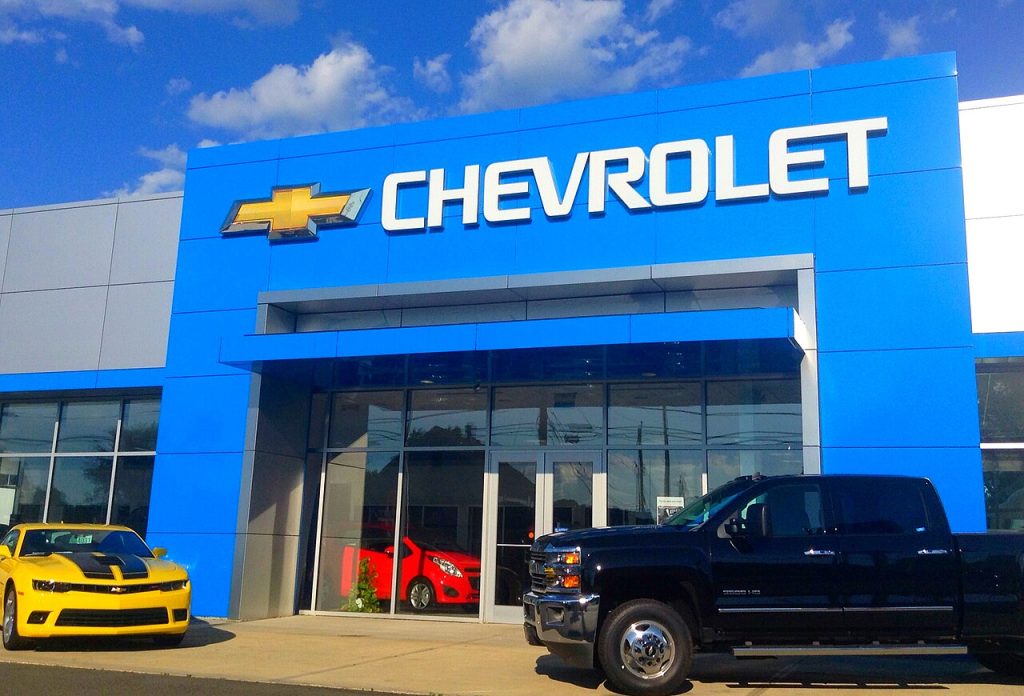
That range gives an existing owner multiple reasons to stay even when their priorities change. Someone who once needed a gasoline V8 may later prefer diesel torque for towing, while another customer may move toward an SUV or EV.
Chevrolet’s loyalty result therefore looks less like attachment to one vehicle and more like the effect of having several different answers available under one badge. The 56.3% figure suggests that strategy is translating into repeat purchases at a rate considerably higher than the mainstream industry average.
5. Subaru
Subaru places fifth with a 59% customer loyalty rate in the latest 2026 U.S. ranking based on S&P Global Mobility data. That means nearly six out of every 10 Subaru households returning to the new-vehicle market purchased another Subaru, regardless of whether they chose the same model.
The figure is particularly notable because Subaru’s lineup is much smaller than that of Toyota, Ford, or General Motors.
A major reason for that retention is how closely Subaru’s vehicles match a particular type of buyer. The company has built a portfolio around all-wheel drive, practical body styles, and outdoor-oriented utility. An owner who starts with a Crosstrek can move into an Outback or Forester without abandoning the basic attributes that attracted them to the brand.
There is also evidence that Subaru’s relationship with customers extends beyond the vehicle itself. S&P Global Mobility named Subaru the winner of its Overall Loyalty to Dealer award for the 2025 award year. Its dealer loyalty reached 43.7% in high-volume East Coast markets, compared with a 37.9% national dealer-loyalty rate.
The 2026 Forester illustrates Subaru’s formula. Its standard all-wheel-drive system is paired with a 2.5-liter four-cylinder producing 180 horsepower and 178 lb-ft of torque. The available Forester Hybrid raises output to 194 total system horsepower, giving existing customers another route within the same nameplate family.
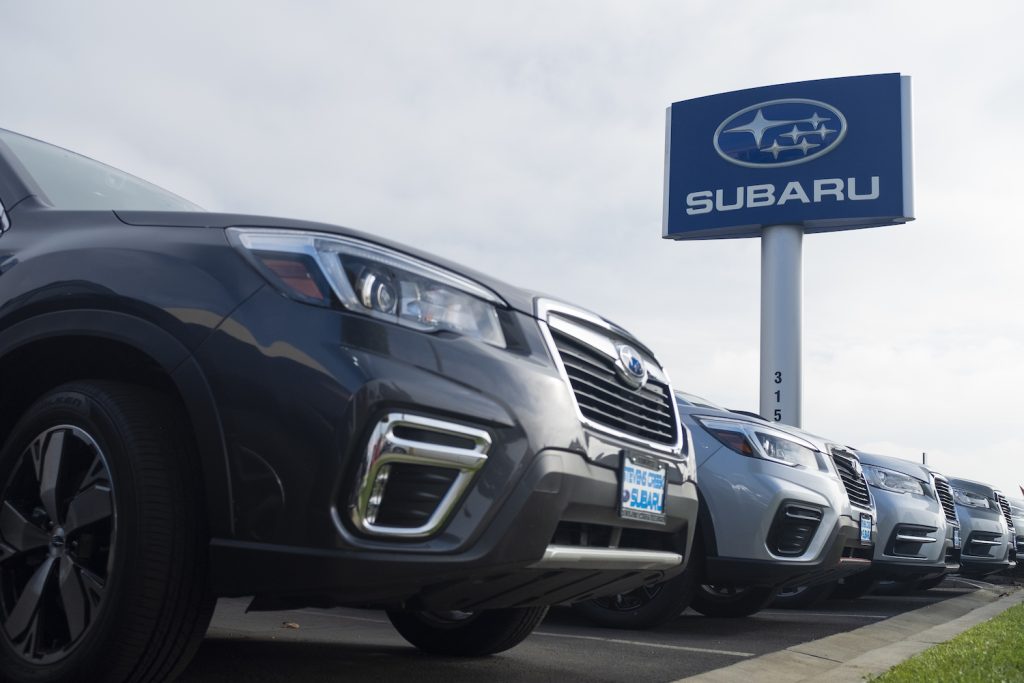
Subaru’s retention result is therefore less about having the widest selection and more about maintaining a recognizable ownership proposition. Its customers have several ways to change vehicles while keeping the characteristics that initially brought them to the brand.
6. Honda
Honda reaches a 58% customer loyalty rate in the latest S&P Global Mobility ranking, placing it alongside Ford among the strongest mainstream brands in the United States. The figure represents households that returned to the new-vehicle market and purchased another vehicle from the same make.
Honda’s unusual advantage is the number of completely different vehicle roles it can cover without forcing an owner to leave the brand. A customer can move from a Civic to a CR-V, from a CR-V to a Pilot, or from a family vehicle to an Odyssey.
The brand also maintains the Accord, giving sedan buyers a reason to remain with Honda even as the American market shifts toward SUVs.
The 2025 J.D. Power U.S. Automotive Brand Loyalty Study provides another indication of Honda’s retention strength. Honda ranked first among mass-market SUVs at 62.0%, while its mass-market car loyalty score reached 55.5%.
That combination is important because Honda is not relying on one exceptionally loyal vehicle category. Its performance stretches across both cars and utility vehicles.
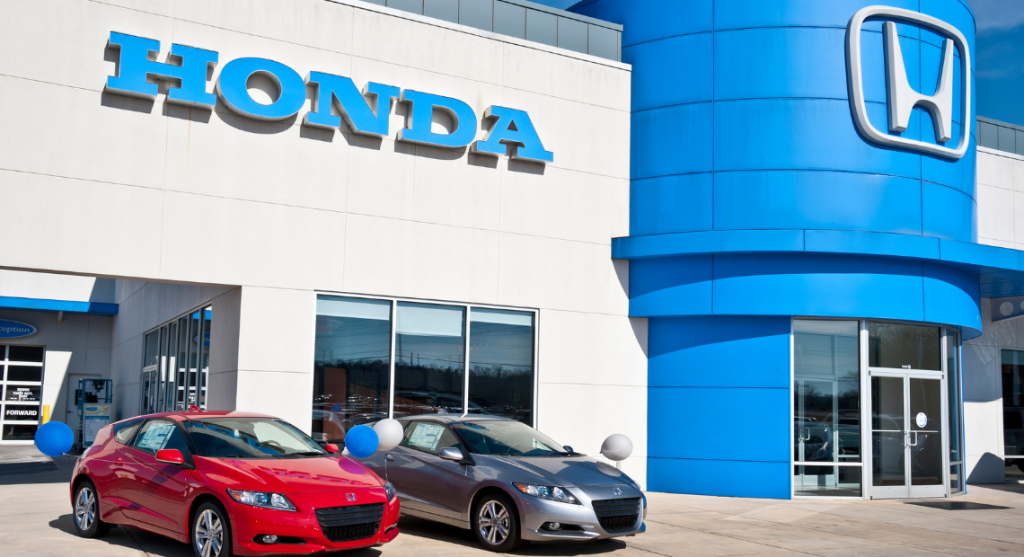
The Odyssey is an especially interesting piece of the retention equation. S&P Global Mobility named the Honda Odyssey the winner of its 2025 loyalty award for the van segment. For families already comfortable with Honda’s ownership experience, that creates another reason to return when their transportation needs change.
Honda’s strength can therefore be viewed as flexibility rather than simple familiarity. The brand can accommodate a young buyer’s first car, a growing family’s SUV needs, and a larger household’s minivan requirements while keeping the customer within the same corporate badge.
7. Nissan
Nissan records a 55% U.S. customer loyalty rate, tying Chevrolet in the latest S&P Global Mobility ranking. The result places Nissan several points above the 52% industry average and shows that more than half of its return-to-market customers choose the same make again.
One reason Nissan can hold onto customers is the range of price and vehicle types available under one badge. A customer can start with a Sentra, move into a Rogue when additional space becomes important, or choose an Altima where available in the used market. The Pathfinder and Armada provide larger options for households that outgrow compact vehicles.
The Rogue is particularly important because compact SUVs have become one of the industry’s strongest retention environments. S&P Global Mobility has found that compact utility vehicles posted a 45.4% segment loyalty rate, more than 10 percentage points above the broader segment average.
Nissan’s latest Rogue also demonstrates how the company can change the product without abandoning its core formula. The 2025 Rogue uses a 1.5-liter turbocharged three-cylinder engine producing 201 horsepower and 225 lb-ft of torque.
That torque figure is unusually strong for a compact crossover, helping Nissan distinguish the vehicle without moving it into a completely different market.
The more interesting retention factor is the ability to keep customers as their priorities shift. A buyer who originally chose a compact crossover for commuting may eventually need three rows, while another may prioritize efficiency or towing. Nissan has products positioned across those stages.
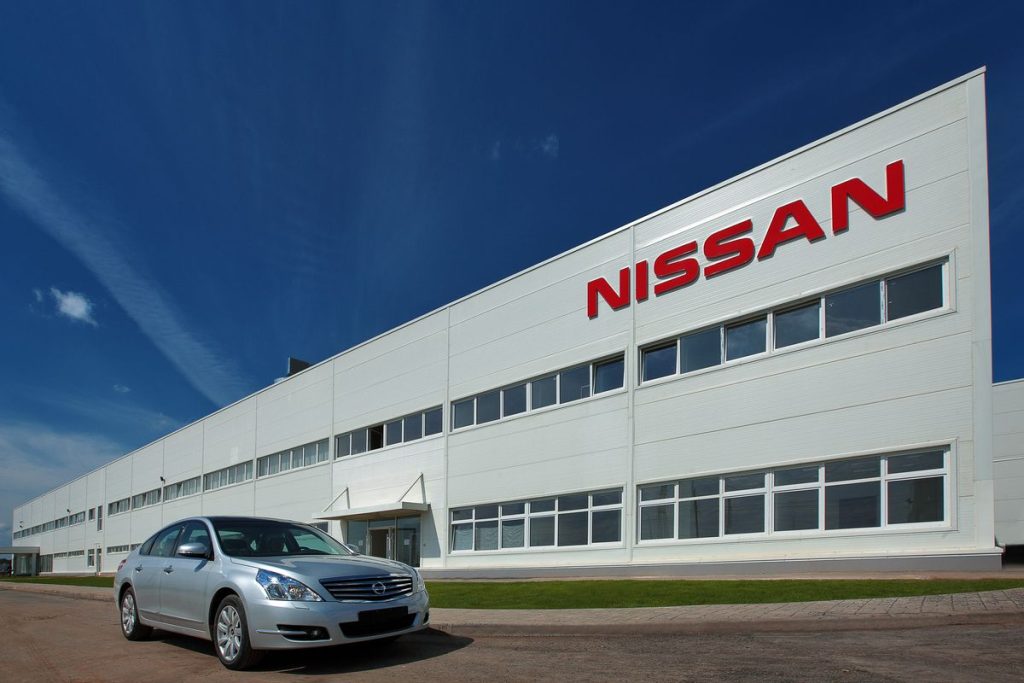
Its 55% loyalty figure does not put Nissan among the absolute leaders, but it demonstrates that the company retains a meaningful majority of customers who return to the market.
8. BMW
BMW posts a 54% customer loyalty rate in the latest S&P Global Mobility U.S. data, putting it among the strongest luxury makes measured. It sits well above the 48.8% luxury-brand average reported for July 2025 through June 2026.
Luxury retention is particularly difficult because buyers in this market generally have more alternatives. A customer moving from one premium brand to another can find competing vehicles with similar prices, technology, and performance. BMW’s ability to keep more than half of returning customers therefore carries significance.
Its lineup also gives existing owners several ways to remain within the brand. A 3 Series buyer can move into an X3, while an X5 owner can step into an X7. Performance-focused customers have M models, while electric buyers can choose from BMW’s growing i lineup.
The 2026 BMW X3 illustrates the breadth of the product strategy. The U.S. xDrive30 model uses a 2.0-liter turbocharged four-cylinder with an electric-assist system, producing 255 horsepower and 295 lb-ft of torque. Higher versions provide considerably more performance without requiring the customer to abandon the basic X3 format.
BMW’s retention result also reflects how luxury ownership can become a multi-vehicle relationship. A household might have one BMW as a daily driver and later replace it with another model while keeping the same brand relationship.
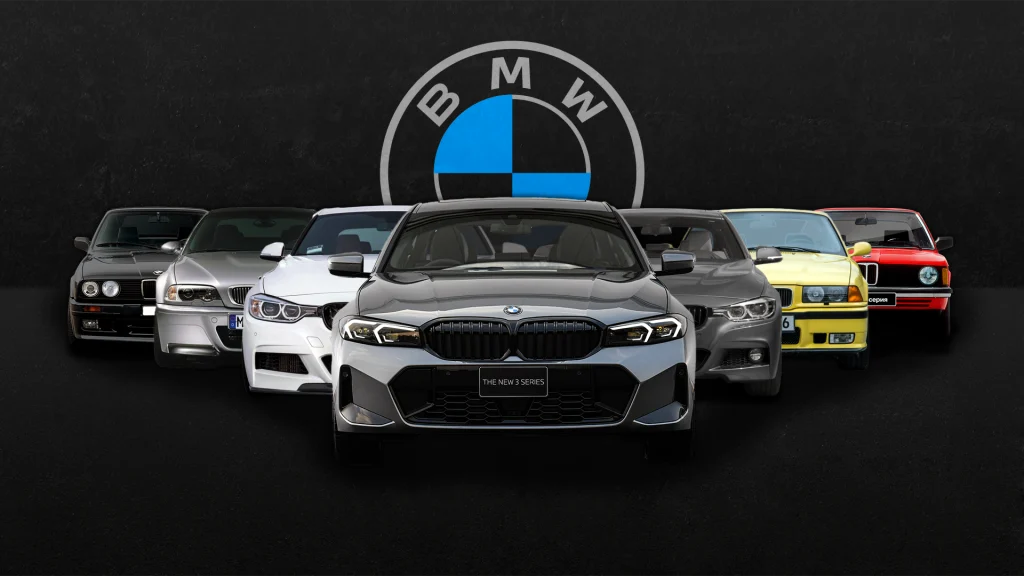
That matters because S&P Global Mobility says luxury loyalty remains below mainstream loyalty. Luxury brands recorded 48.8% loyalty during the latest measurement period, compared with 52.3% for mainstream makes. BMW’s 54% therefore clears its segment benchmark by a meaningful margin.
The brand is not simply keeping customers because they have no alternatives. Its product ladder gives existing owners multiple reasons to remain while still changing the kind of BMW sitting in their driveway.
9. Mercedes-Benz
Mercedes-Benz also reaches a 54% customer loyalty rate, matching BMW in the latest 2026 U.S. ranking. That places the brand roughly five percentage points above the 48.8% loyalty rate for luxury brands during the July 2025 through June 2026 measurement period.
Mercedes has a particularly broad ladder for customers who want to change vehicles without changing brands. Its range stretches from compact vehicles to large SUVs, high-performance AMG products, and electric models. That matters because luxury buyers can be difficult to retain when their needs change.
The brand’s loyalty also appears at the individual-model level. S&P Global Mobility named the Mercedes-Benz S-Class a joint winner of its 2025 luxury-car loyalty award, sharing the category with the Lexus ES.
The S-Class demonstrates a very different retention strategy from a mainstream crossover. It is designed around customers who may have spent years within the premium segment and expect advanced technology, comfort, and prestige to remain familiar even as the vehicle changes.
Mercedes also benefits from having multiple entry points. Someone who begins with a compact GLC does not have to leave the brand when they want a larger GLS. Likewise, an existing E-Class customer can move into an EQ model when an electric powertrain becomes more attractive.
That flexibility helps explain why Mercedes can maintain a 54% loyalty rate despite operating in one of the industry’s most competitive categories. The customer does not need to choose between staying with Mercedes and changing vehicle type.
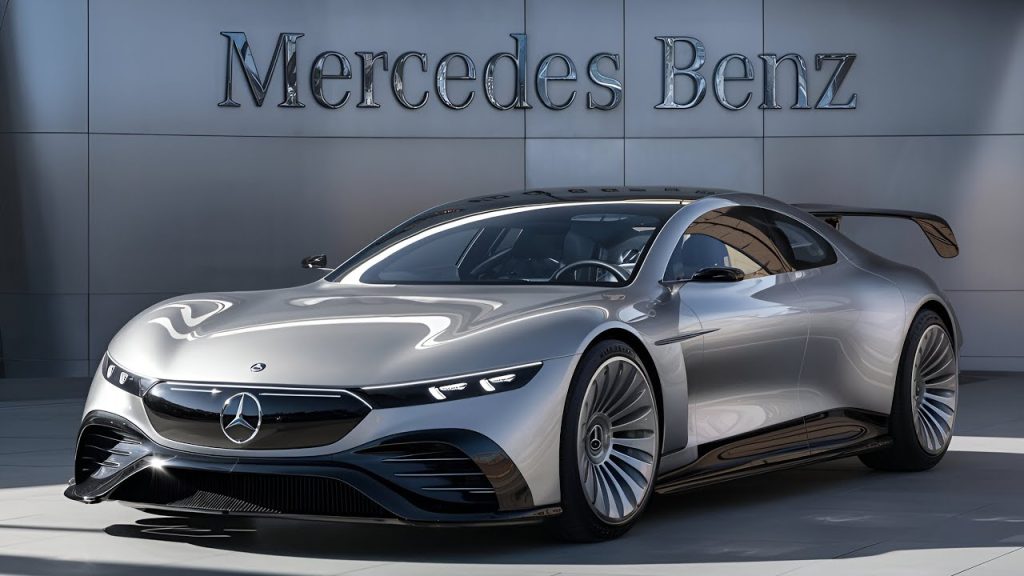
The retention figure is also notable because S&P Global Mobility reports that luxury customers generally have more purchasing alternatives and therefore tend to be less loyal than mainstream buyers.
Mercedes beating that luxury benchmark suggests its product range is doing meaningful work in keeping customers within the brand.
10. Kia
Kia rounds out the top 10 with a 53% U.S. customer loyalty rate, according to the latest 2026 ranking based on S&P Global Mobility data. That places Kia slightly above the 52% national industry average, meaning the brand retains a majority of its returning customers.
Kia’s retention story is particularly interesting because its current product range is much broader than the economy-focused image associated with the brand decades ago. The lineup now covers small cars, compact SUVs, three-row family vehicles, minivans, and electric models.
That gives an existing owner room to change priorities without changing badges. A Forte or K4 buyer can move into a Sportage, while a growing family can move toward the Telluride or Carnival. EV customers have another path through models such as the EV6 and EV9.
The Sportage is a useful example of Kia’s approach. The 2025 U.S. Sportage uses a 2.5-liter four-cylinder engine producing 187 horsepower and 178 lb-ft of torque. Hybrid and plug-in hybrid versions provide another route for customers who want greater efficiency without leaving the nameplate family.
Kia’s product strategy also aligns with a broader shift identified by S&P Global Mobility. Utility vehicles have significantly stronger customer loyalty than traditional sedans. In one 2025 analysis of loyalty by body style, utility vehicles recorded a 75% loyalty score, while sedan loyalty had fallen to 37%.
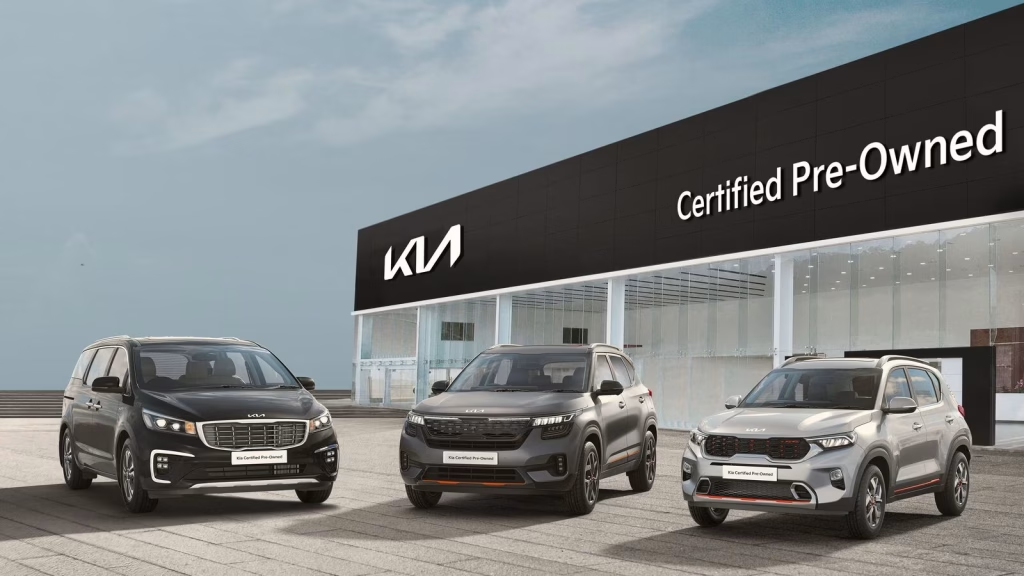
That gives Kia an advantage because much of its current lineup is concentrated in crossovers and SUVs. Customers can stay with the brand while moving toward the vehicle shapes that increasingly dominate the U.S. market.
A 53% result is not spectacularly distant from the industry average, but it is still meaningful. Kia is retaining more than half of returning customers while offering them several different vehicle types, powertrains, and price points.
