
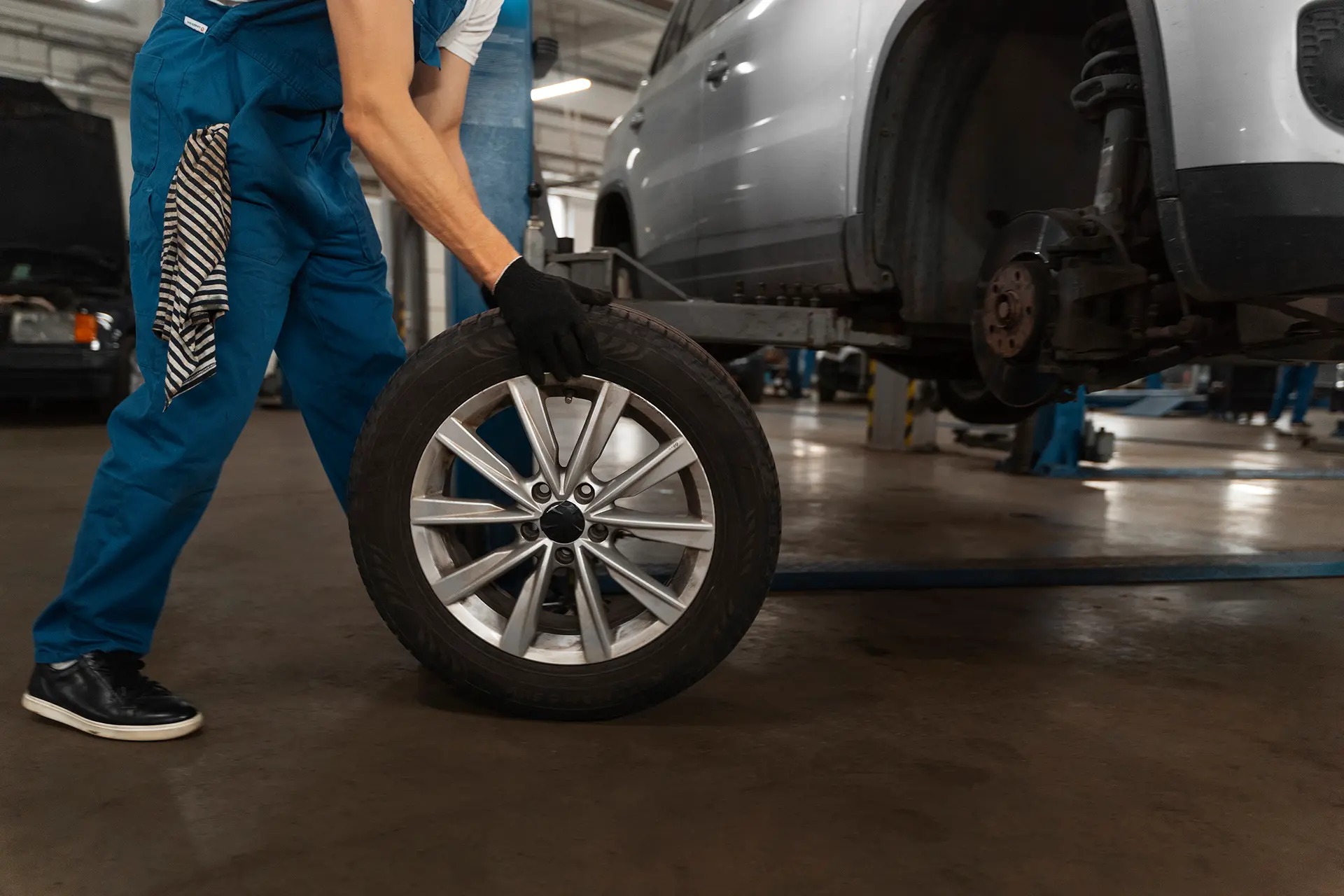
Buying a good set of tires is about more than tread life, grip, and ride comfort. A sharp pothole, nail, broken piece of pavement, or other road hazard can damage a tire when you least expect it. That is where road hazard coverage can make a real difference.
Depending on the retailer and protection plan, you may receive a free puncture repair or help replacing a tire that cannot be safely repaired. Some of the biggest tire brands offer models that can be paired with these plans, giving drivers another layer of protection after purchase. Here are ten brands worth considering if road hazard coverage matters to you.
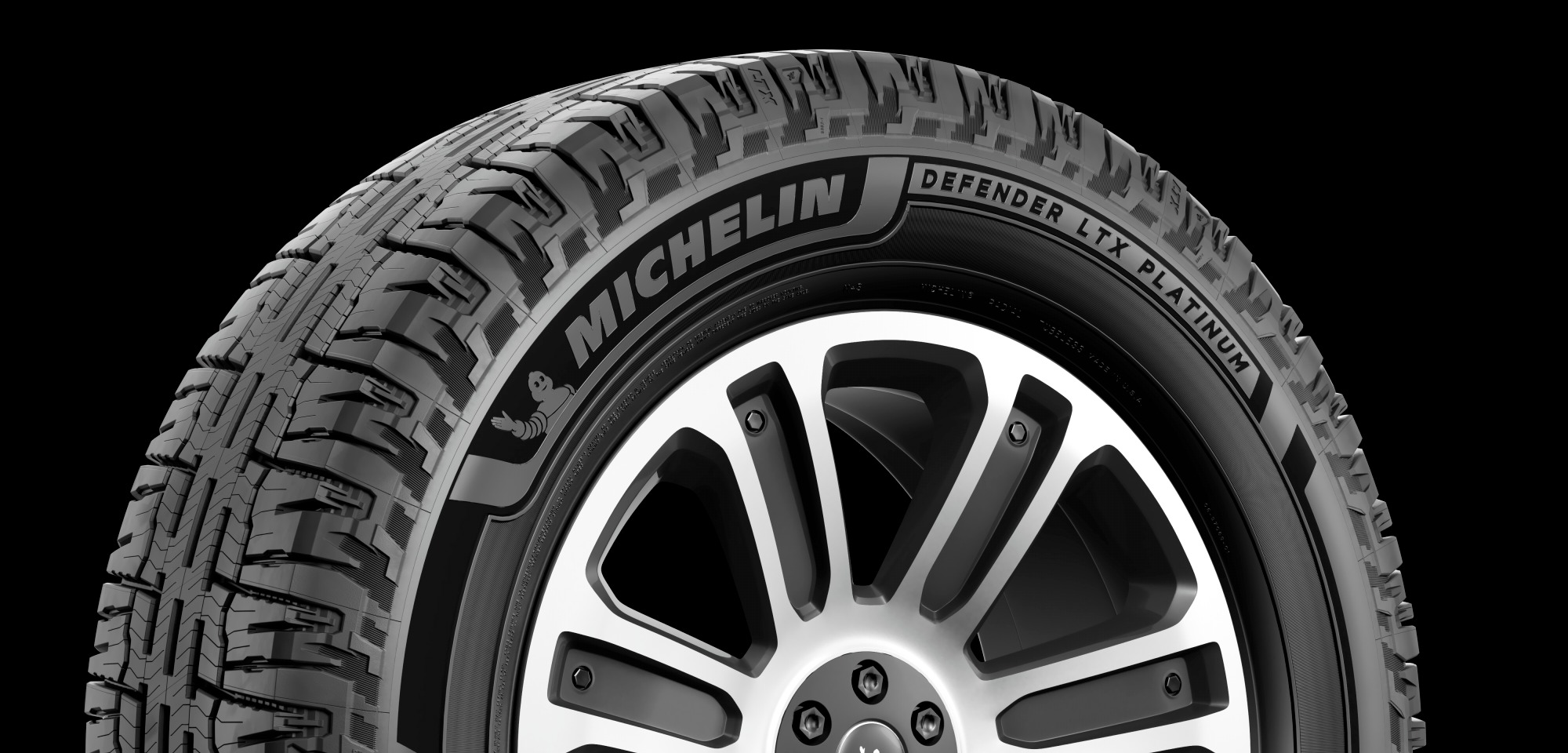
1. Michelin
Michelin has built a reputation that few competitors can match, and its road hazard coverage backs up that pedigree. Through major retailers such as Discount Tire and Tire Rack, Michelin owners gain access to plans that handle both puncture repairs and pro-rated replacements when a tire can’t be salvaged.
This isn’t a bare-bones safety net either. It is a genuinely useful benefit for anyone who regularly drives on unpredictable roads. Drivers often choose specific Michelin models because they offer a strong balance of comfort, longevity, and dependable coverage.
The Michelin Defender, a favorite for all-season driving, delivers smooth handling paired with peace of mind if something goes wrong. For those who spend more time on the highway, the Premier LTX offers a quieter ride along with the same protective backing.
Off-road enthusiasts and truck owners often choose the LTX A/T, which holds up against rougher conditions while still qualifying for hazard protection plans.
What makes Michelin stand out isn’t just the tire itself it’s the accessibility of the coverage. Because so many retailers sell Michelin products, customers rarely struggle to find a service center honoring their plan.
That convenience matters when a flat tire strikes far from home. Combine that with Michelin’s reputation for engineering excellence, and it’s easy to see why this brand consistently earns its place at the top of any coverage-focused list.
Few brands manage to balance premium quality with such widespread protective support.
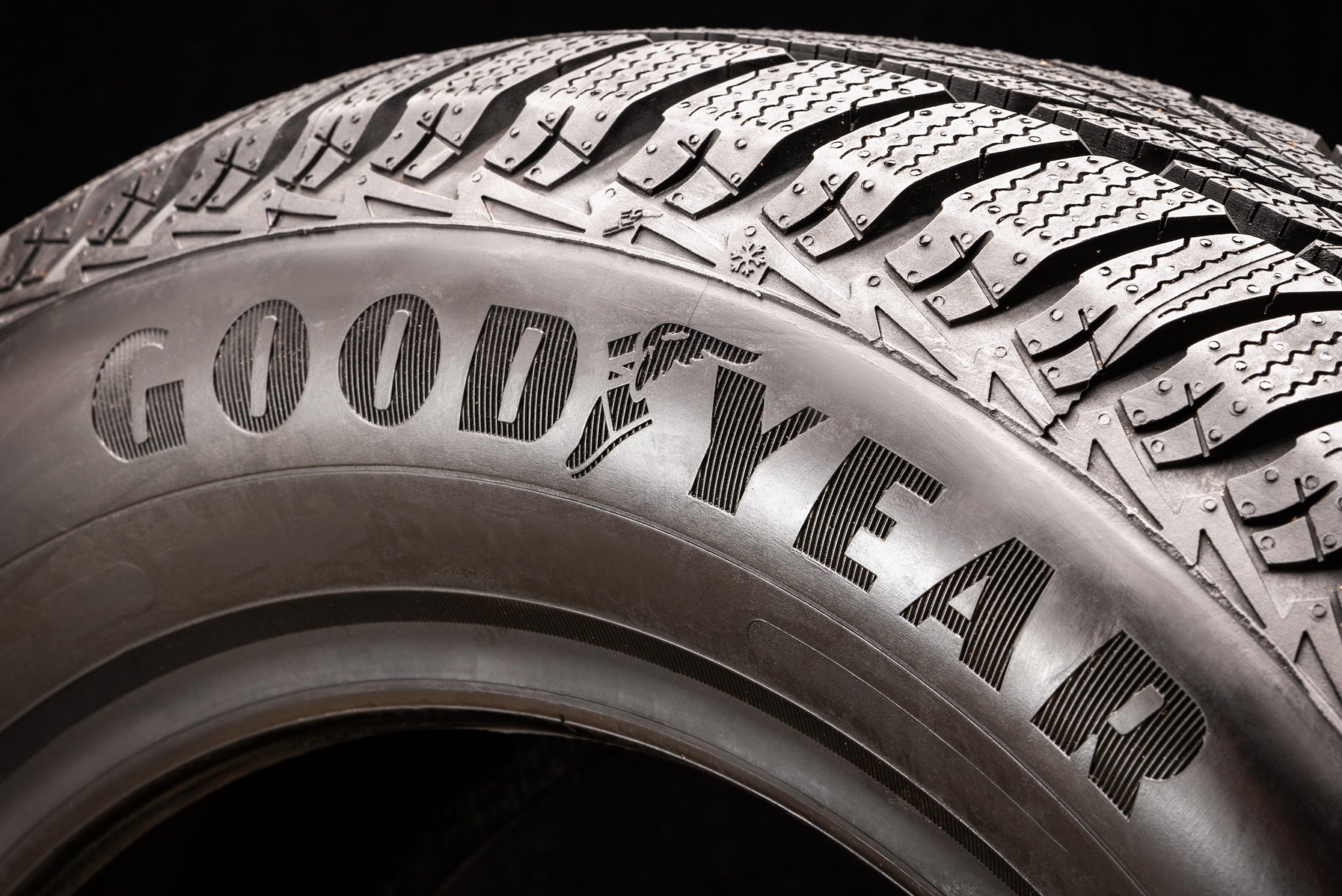
2. Goodyear
Goodyear gives drivers plenty of reasons to consider its tires when road hazard protection is part of the buying decision. The brand offers a wide range of passenger, SUV, truck, and performance tires, and many models can be covered through retailer protection programs.
Think about a typical commute. A nail finds its way into the tread, tire pressure begins dropping, and an inconvenient problem suddenly needs attention.
With an eligible road hazard plan, a puncture that can be safely repaired may qualify for repair service without the driver paying the full repair cost. If the damage cannot be repaired, the plan may instead provide a replacement based on the tire’s age and remaining tread.
Goodyear’s Assurance Fuel Max is one option for sedan drivers who want an everyday tire. Wrangler SR-A tires serve highway-oriented truck and SUV applications, while the Eagle F1 Asymmetric line caters to performance-focused drivers, including applications involving run-flat technology.
The important detail is that protection does not necessarily come automatically with every Goodyear tire purchase. Retailer policies and individual tire eligibility can differ.
Before paying, ask what road hazard protection is included, how long it lasts, and whether replacement is full-price or pro-rated. That small check can make the coverage much easier to understand when you actually need it.
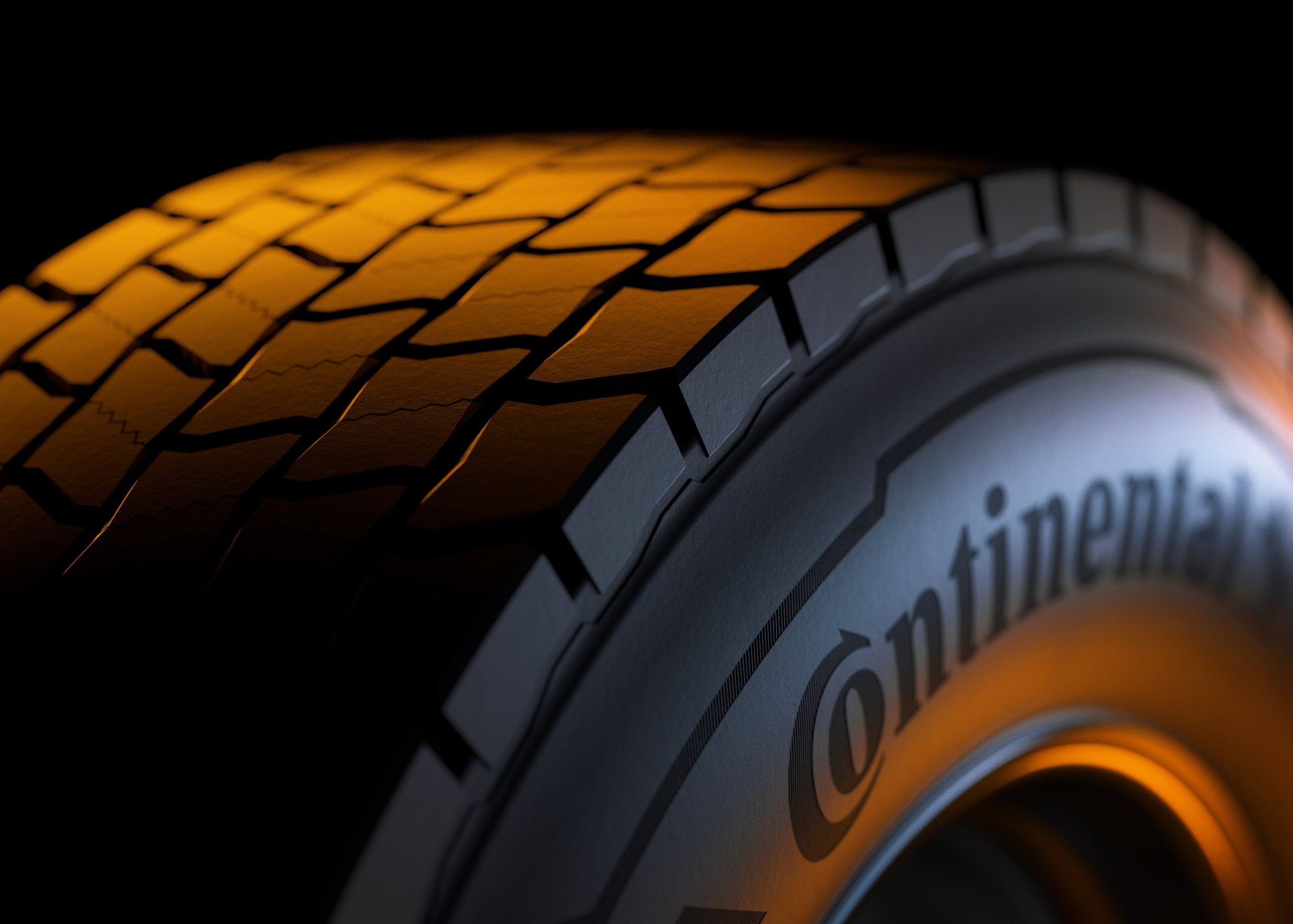
3. Continental
Continental doesn’t always get the spotlight that Michelin or Goodyear enjoy, but its coverage options deserve genuine attention. Tires like the TrueContact Tour, built for all-season use, and the ContiTrac, designed for highway and light truck applications, both come bundled with protection plans through major retail partners.
These plans typically address flat repairs first, then step in with replacement options if the damage proves too severe to fix. There’s something refreshingly practical about how Continental structures its offerings.
Rather than overwhelming buyers with multiple tiers and add-ons, the coverage follows a straightforward process. The goal is to repair the vehicle whenever possible and provide a fair replacement when a repair cannot be completed.
Drivers who prioritize predictability over flashy marketing often find this approach appealing. Continental’s engineering background also plays a role here.
The brand has long focused on precision manufacturing, and that attention to detail extends into how their tires hold up against everyday road hazards.
A TrueContact Tour, for instance, is engineered with wet-weather traction in mind, reducing the odds of an accident before hazard coverage even becomes necessary.
For truck owners, the ContiTrac offers rugged durability that can help reduce the need for claims. When something does go wrong, however, the coverage provides a valuable safety net.
This combination of thoughtful engineering and dependable protection makes Continental a smart pick for drivers who want quality without unnecessary complications. It’s a brand built on substance rather than showmanship, and that shows in both the product and the policy.
4. Bridgestone
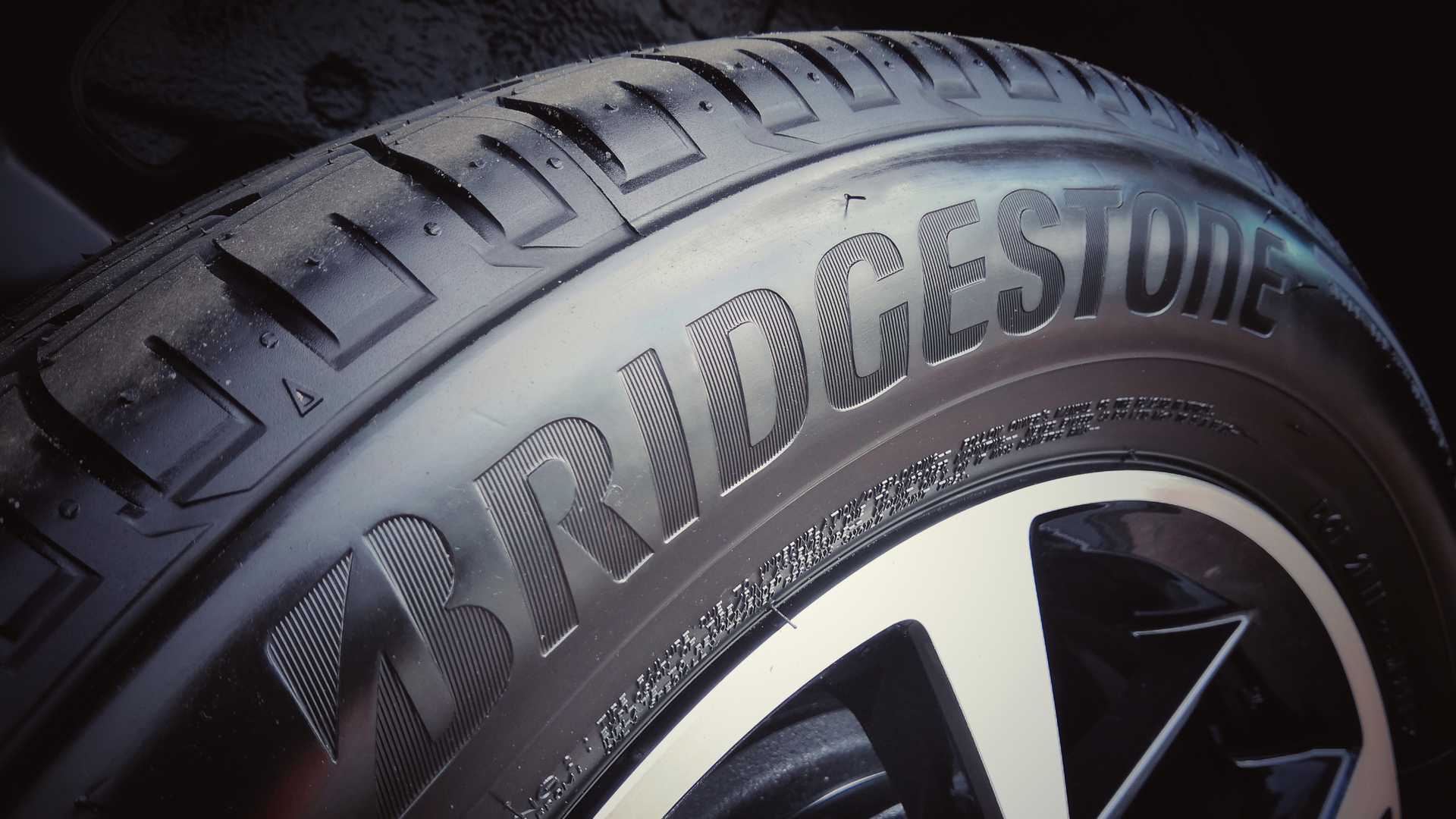
Bridgestone is a familiar name for drivers who want tires built around durability, handling, and dependable performance. The brand also offers products that are commonly paired with optional road hazard protection through tire retailers.
Picture a tire meeting a deep pothole during an ordinary trip. The impact may leave the tire punctured or damaged beyond safe repair. A road hazard plan can help in situations like this, depending on the retailer and the specific policy purchased.
Coverage may include repairs for eligible punctures and replacement assistance for tires damaged by covered road hazards. Bridgestone’s lineup covers several types of driving.
Blizzak tires are particularly well known for winter applications, making them a consideration for drivers who face snow and cold-weather conditions. The Dueler family is designed for SUVs, pickups, and other vehicles that need tires suited to those applications.
Protection terms deserve attention before purchase. Some plans are optional and carry an additional fee, while others may be included as part of a retailer’s tire package. The amount paid toward replacement can also depend on tread depth, tire age, or other conditions.
For buyers comparing several tire brands, Bridgestone can make sense when the tire itself fits the vehicle and driving conditions and the available protection plan provides reasonable coverage.
The best value comes from considering both the tire’s performance and what happens financially if an unexpected road hazard damages it.
5. Pirelli
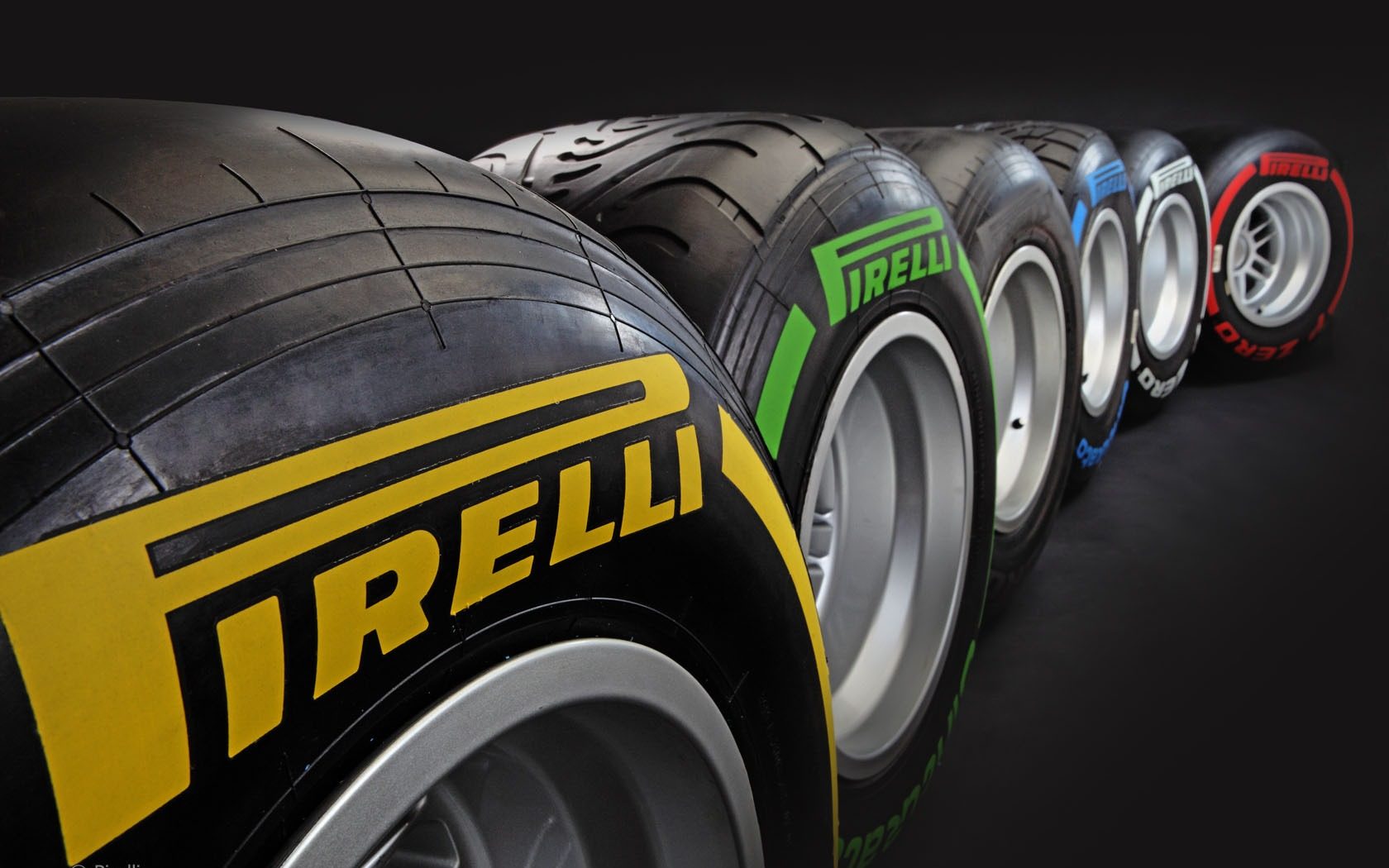
Pirelli is especially attractive to drivers who place a high value on handling and performance. Its tire lineup includes products designed for sporty cars, luxury vehicles, SUVs, and everyday driving.
Since performance tires can represent a sizable purchase, road hazard protection may be worth considering as part of the buying decision. The P Zero family is one of Pirelli’s best-known lines, with options aimed at performance-oriented applications.
Scorpion tires, meanwhile, serve SUVs and other vehicles that require a different balance of road performance and utility. A road hazard plan purchased through an eligible retailer can provide assistance when accidental tire damage occurs.
Depending on the policy, a repairable puncture may qualify for repair service. If the tire cannot be safely repaired, replacement assistance may be available under the plan’s terms. There is a practical reason to pay close attention to these details with Pirelli tires.
A high-performance tire may cost more to replace than a basic commuter tire, so even partial replacement assistance can be useful after unexpected damage. Still, coverage should never be assumed simply because the tire carries the Pirelli name.
Ask the retailer whether the exact tire size and model qualifies, whether the plan covers impact damage, how repairs are handled, and whether replacement is prorated.
Pirelli earns a spot here because drivers can pair its performance-focused products with protection programs that provide added support when ordinary road hazards cause trouble.
6. BF Goodrich
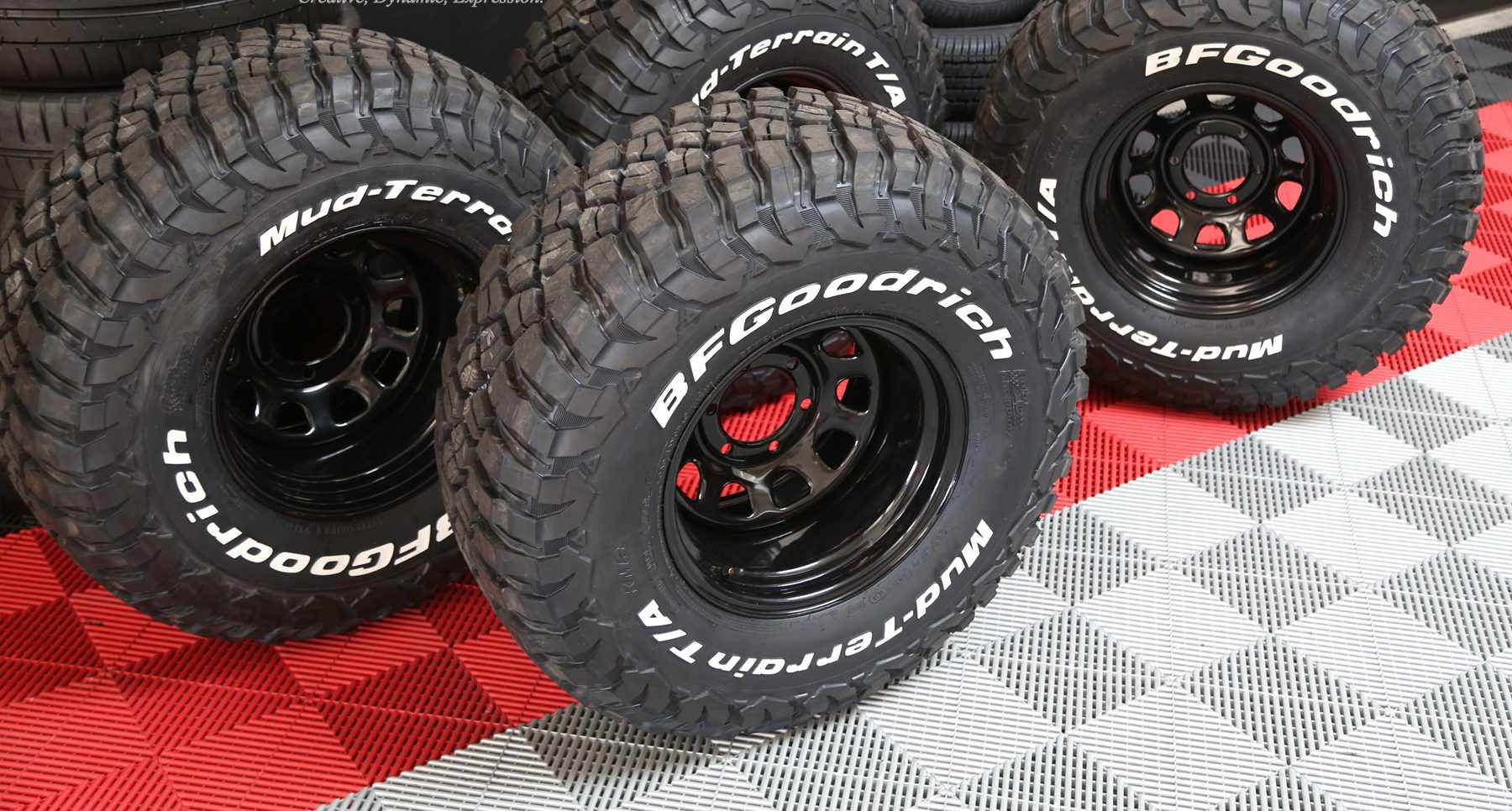
BF Goodrich has a strong following among drivers who need tires for SUVs, trucks, and vehicles that see more demanding road conditions. Its product range includes highway-focused tires as well as all-terrain choices, giving buyers plenty of room to match a tire to their driving habits.
Road hazard protection can add another layer of reassurance. Through participating retailers, eligible BF Goodrich tires may be covered for certain punctures and other accidental damage caused by roadway hazards.
If the tire can be repaired safely, the protection plan may cover the repair. If the damage is too severe, replacement assistance may be available according to the policy.
This can be particularly useful for drivers who regularly encounter debris, potholes, or rougher roads. A damaged tire can create an unexpected expense, especially when the affected tire has plenty of usable tread remaining.
BF Goodrich offers several tire types, so the right choice depends heavily on the vehicle and intended use. Drivers who spend most of their time on paved roads may prefer a highway-oriented model, while those who regularly travel on dirt roads or less-developed surfaces may favor an all-terrain tire.
Before purchasing, read the protection plan rather than relying on the brand name alone. Retailer policies can differ in price, eligibility, covered damage, and replacement terms.
When the tire, vehicle, and protection plan all match your needs, BF Goodrich can be a sensible choice for drivers seeking added peace of mind.
7. Cooper
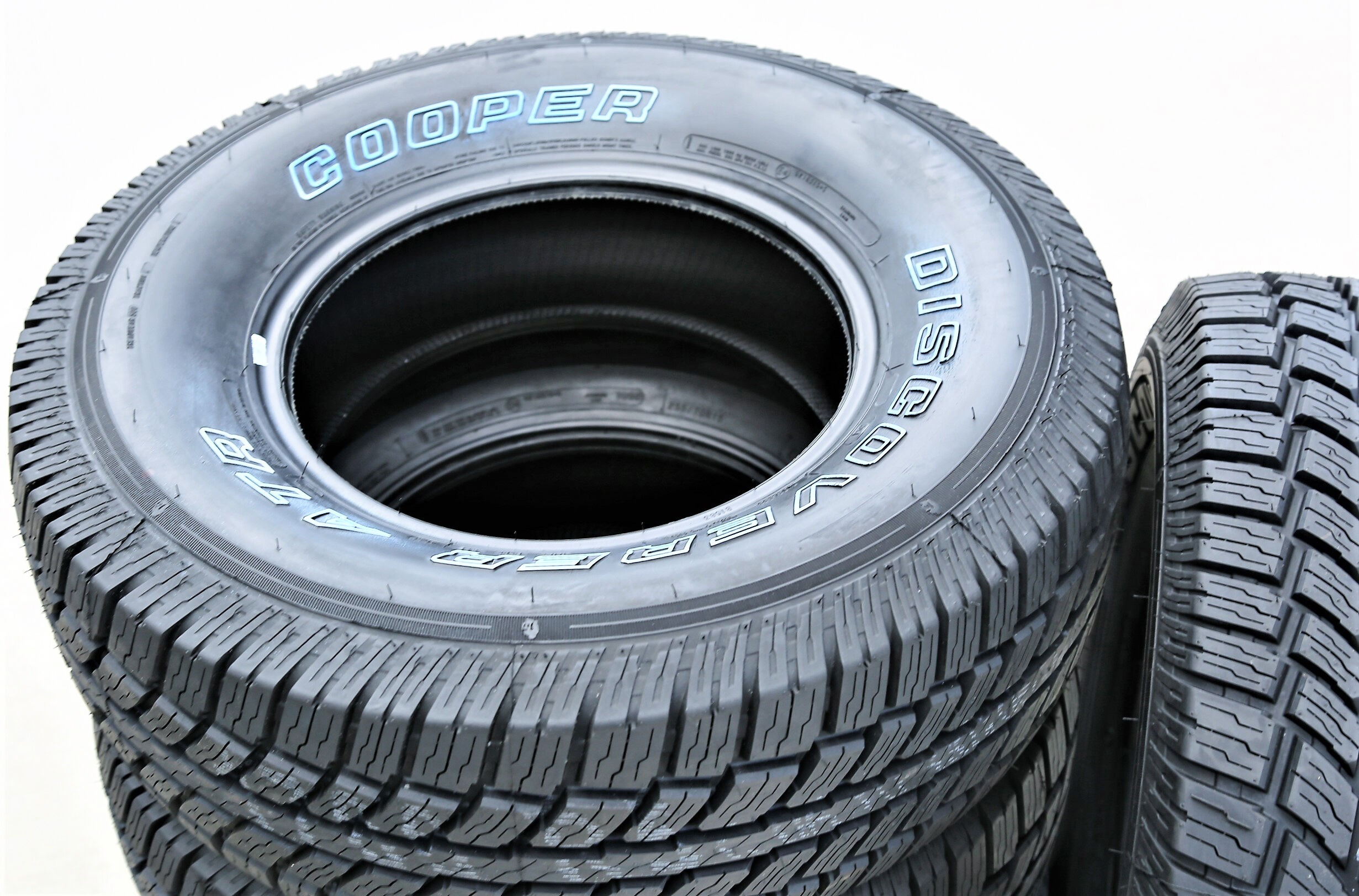
Cooper offers a broad selection of tires at price points that appeal to many everyday drivers. Its Discoverer and CS families cover different vehicle types and driving needs, making the brand worth considering for people who want a balance between tire performance and purchase cost.
Road hazards do not care how carefully a driver maintains a vehicle. A nail can puncture a tire on the way to work, while a pothole can cause damage during an otherwise routine trip.
Depending on the protection program purchased with eligible Cooper tires, repair costs for certain hazards may be covered. If the tire cannot be repaired, the policy may provide a pro-rated replacement.
That pro-rated detail matters. It means the amount paid toward a replacement can depend on how much usable tread remains or how the policy calculates the tire’s value. Buyers should understand that protection does not always mean receiving a brand-new tire at no cost.
Cooper tires are often available with retailer protection plans that can be purchased upfront. Some retailers may structure coverage differently, so comparing the tire price and protection fee together gives a more accurate picture of the total purchase.
For drivers who want practical tire choices without automatically moving into the highest price category, Cooper can be an appealing option.
Add a suitable road hazard plan, and the purchase may provide useful protection against common damage from nails, potholes, and similar roadway hazards.
8. Firestone
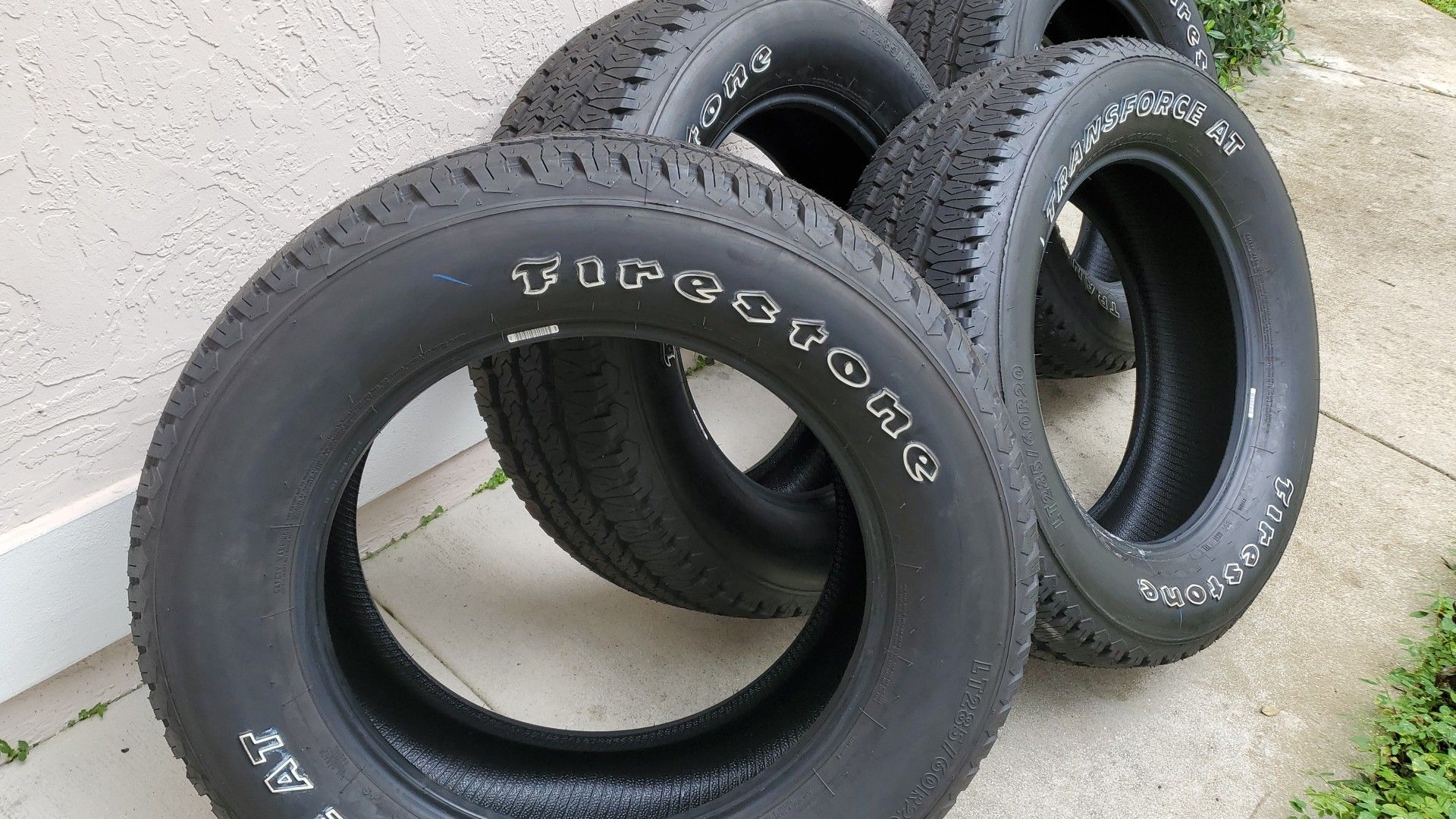
Firestone has been a familiar tire brand for generations, and its lineup includes options for daily commuting, changing weather, SUVs, and other common vehicle applications. Drivers who are considering Firestone can also find road hazard protection through many retailer programs.
The Destination family is a popular choice for SUV and truck applications, while WeatherGrip tires are designed for drivers seeking an all-season option with added attention to wet and winter conditions. Choosing between them depends on the vehicle, climate, and type of driving involved.
Road hazard coverage can help when a tire suffers a tread puncture from an unexpected object on the road. If the puncture meets the plan’s requirements and can be repaired safely, repair service may be covered.
When the tire is damaged beyond repair, the protection plan may provide replacement assistance under its stated conditions. The coverage is generally an optional feature offered through participating retailers, so buyers should ask for the exact terms before completing the purchase.
Questions about coverage duration, repair limits, replacement costs, and exclusions are worth asking at the counter. Firestone earns consideration because it offers a broad selection of tires that can be combined with protection against common roadway damage.
For drivers who want a familiar brand and an opportunity to reduce the cost of unexpected puncture repairs or replacement, the combination can be practical.
9. Hankook
Hankook has steadily grown its reputation among drivers looking for affordable options without sacrificing quality, and its hazard protection plans reflect that same value-driven philosophy.
Popular models such as the Ventus and Dynapro lines are frequently bundled with retailer-backed coverage, giving budget-conscious customers extra confidence in their purchase.
The Ventus series appeals to drivers who want responsive handling at a reasonable price point, making it a popular pick for sedans and smaller vehicles.
Pairing this tire with hazard protection ensures that saving money upfront doesn’t translate into bigger headaches later if a puncture occurs unexpectedly.
Truck and SUV owners, meanwhile, often turn to the Dynapro line, which handles heavier loads and rougher surfaces with reasonable durability.
Because these vehicles face greater exposure to debris and uneven roads, having a solid protection plan in place becomes especially practical rather than optional.
Hankook’s coverage generally follows a familiar approach. Flat repairs come first, followed by pro-rated replacement when a tire cannot be repaired.
This consistency mirrors what larger, more established brands offer, proving that Hankook competes seriously rather than simply undercutting prices at the expense of customer support.
As the brand continues expanding its presence across North American retailers, access to service centers honoring these plans keeps improving.
For drivers seeking dependable performance and fair protection without paying premium prices, Hankook offers a genuinely smart middle ground worth serious consideration.
10. Yokohama
Yokohama rounds out this list with a lineup that balances performance, durability, and accessible hazard protection. Models such as the AVID and Geolandar series are frequently sold alongside optional protection plans at major retailers, giving drivers flat repair services and replacement options when road hazards cause damage.
The AVID line caters primarily to passenger vehicles, focusing on a smooth, quiet ride combined with dependable traction across various weather conditions.
Sedan owners particularly appreciate this balance, and adding hazard coverage means daily commutes come with fewer financial surprises when debris strikes unexpectedly.
Meanwhile, the Geolandar series targets SUV and truck drivers who need something capable of handling both pavement and rougher surfaces. Because these vehicles often venture into areas with loose gravel or construction debris, having reliable protection becomes particularly valuable rather than a mere convenience.
Yokohama’s coverage follows a familiar approach used across the industry. Repairs come first, with replacement provided only when necessary. This straightforward process keeps things simple for customers who want to get their vehicle back on the road quickly after an unexpected flat.
Though Yokohama might not carry the same name recognition as Michelin or Goodyear, its combination of engineering quality and accessible protection plans makes it a legitimate contender for drivers seeking dependable coverage.
For anyone comparing options across multiple brands, Yokohama deserves a genuine look rather than being dismissed as a secondary choice.
