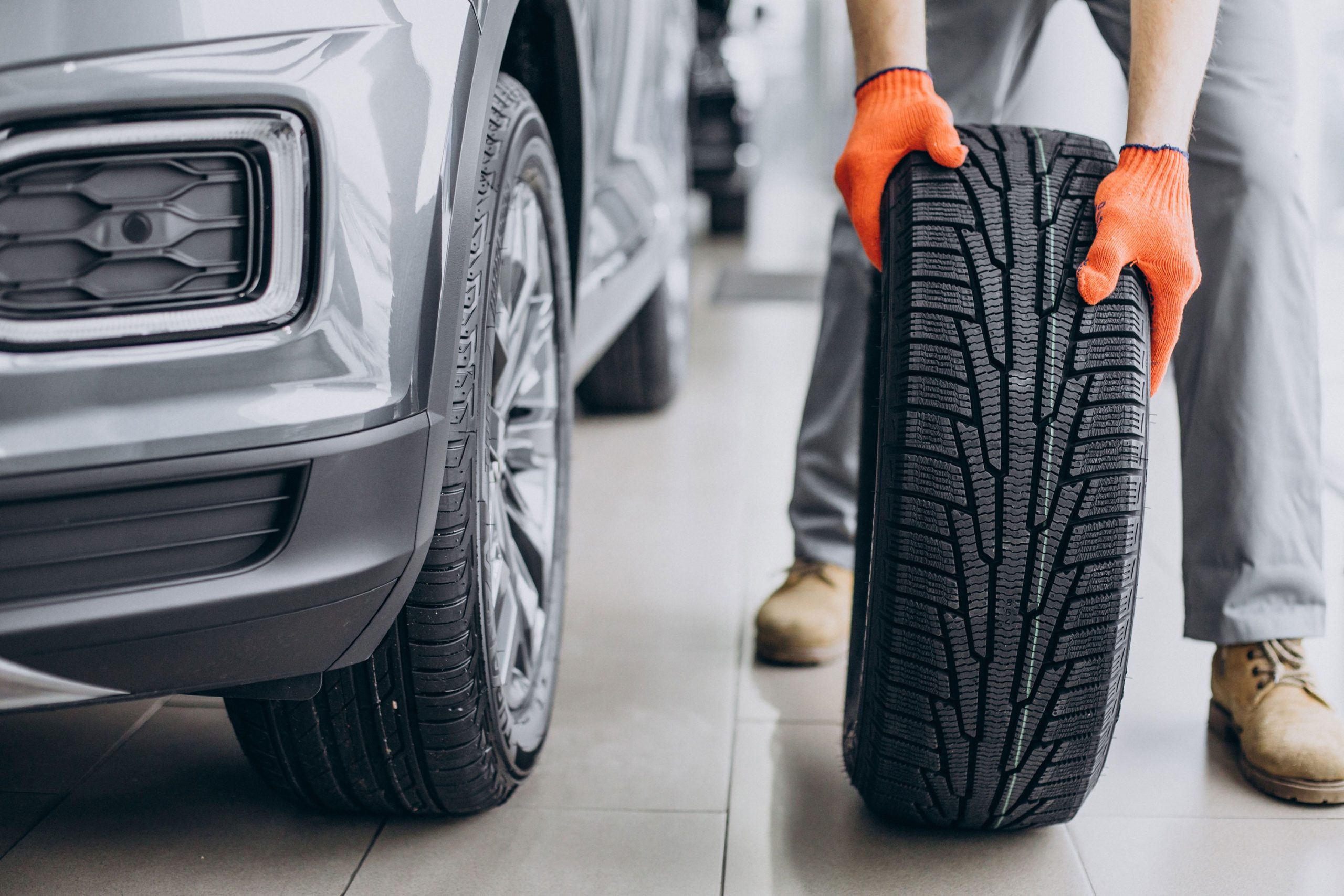
A $10,000 tire bill sounds wild until you see what some high-performance cars demand from their tires. These machines are built for extraordinary speed, intense cornering, and precise handling, so their tires are far removed from ordinary passenger-car rubber. Some use special compounds, unusual sizes, reinforced construction, or tires developed specifically for a particular vehicle.
That level of engineering comes at a price. For certain hypercars and exotic supercars, replacing all four tires can approach or even reach $10,000. Here are ten cars associated with some of the most expensive tire setups, along with the tire technology and performance demands that help explain those eye-watering replacement costs.
1. Bugatti Chiron
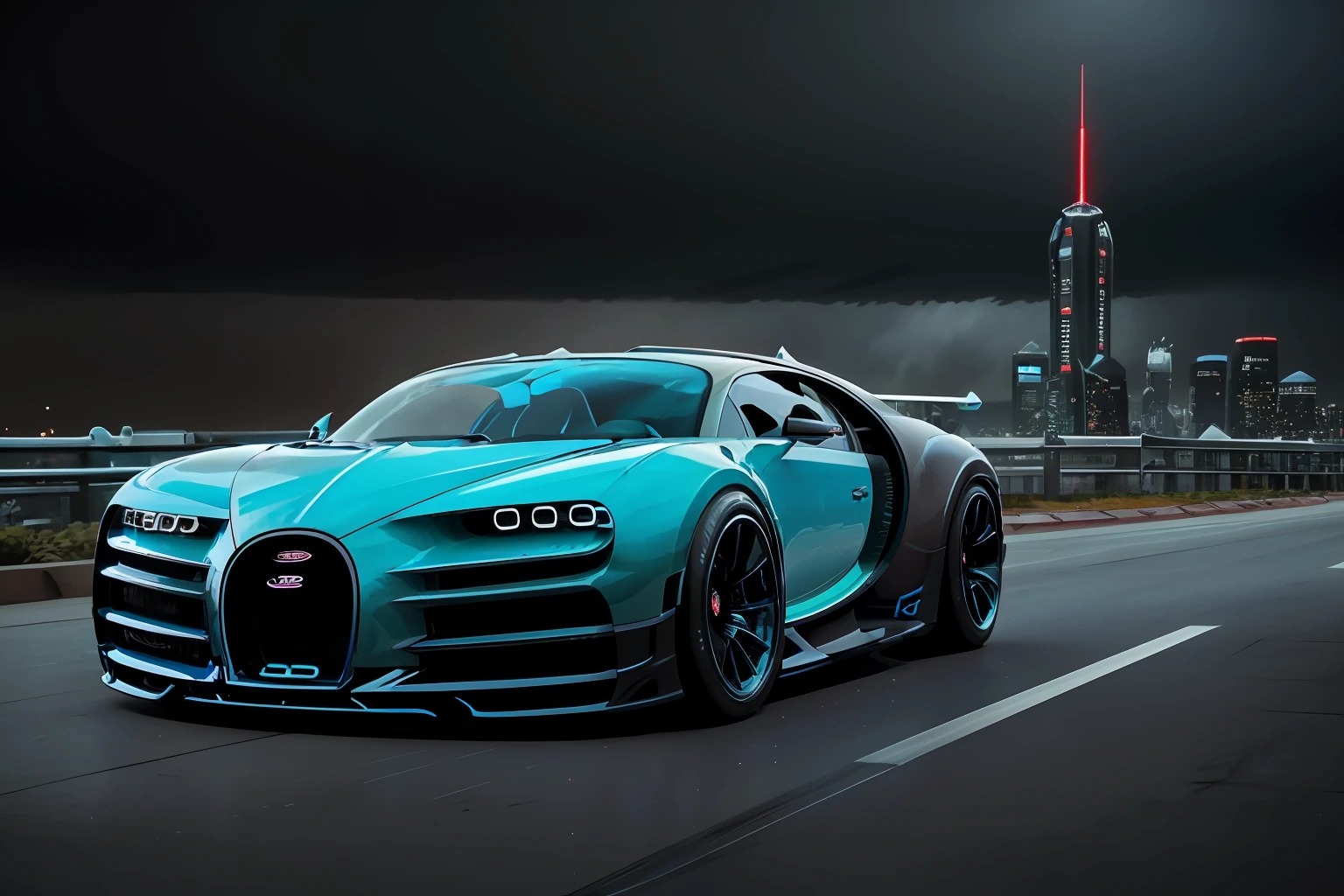
The Bugatti Chiron doesn’t play by ordinary rules, and neither do its tires. Built specifically for this hypercar, the Michelin Pilot Sport Cup 2 tires come in bespoke sizes engineered to handle speeds exceeding 260 miles per hour.
That kind of velocity demands more than standard construction; it requires a specialized internal structure that can resist heat buildup and centrifugal forces most passenger vehicles never experience.
Each tire costs approximately $2,500, meaning a full set can easily approach that jaw-dropping $10,000 mark once mounting, balancing, and specialized handling fees enter the picture.
Michelin worked directly with Bugatti engineers to create something that could survive the punishing conditions this machine generates, since a standard high-performance tire would likely fail well before reaching the Chiron’s top speed potential.
What makes this pairing fascinating is the sheer engineering collaboration involved. Michelin didn’t simply pull an existing product off the shelf and slap a Bugatti badge on it. Instead, the tire itself became part of the car’s identity, tested extensively to match the chassis, suspension geometry, and aerodynamic properties unique to the Chiron.
Owners aren’t just buying tires; they’re buying a piece of automotive history designed alongside one of the fastest production cars ever built.
For anyone wondering why hypercar ownership comes with such staggering maintenance costs, the Chiron’s tire bill offers a clear answer. Performance at this level simply doesn’t come cheap, and every component reflects that reality.
2. Koenigsegg Jesko
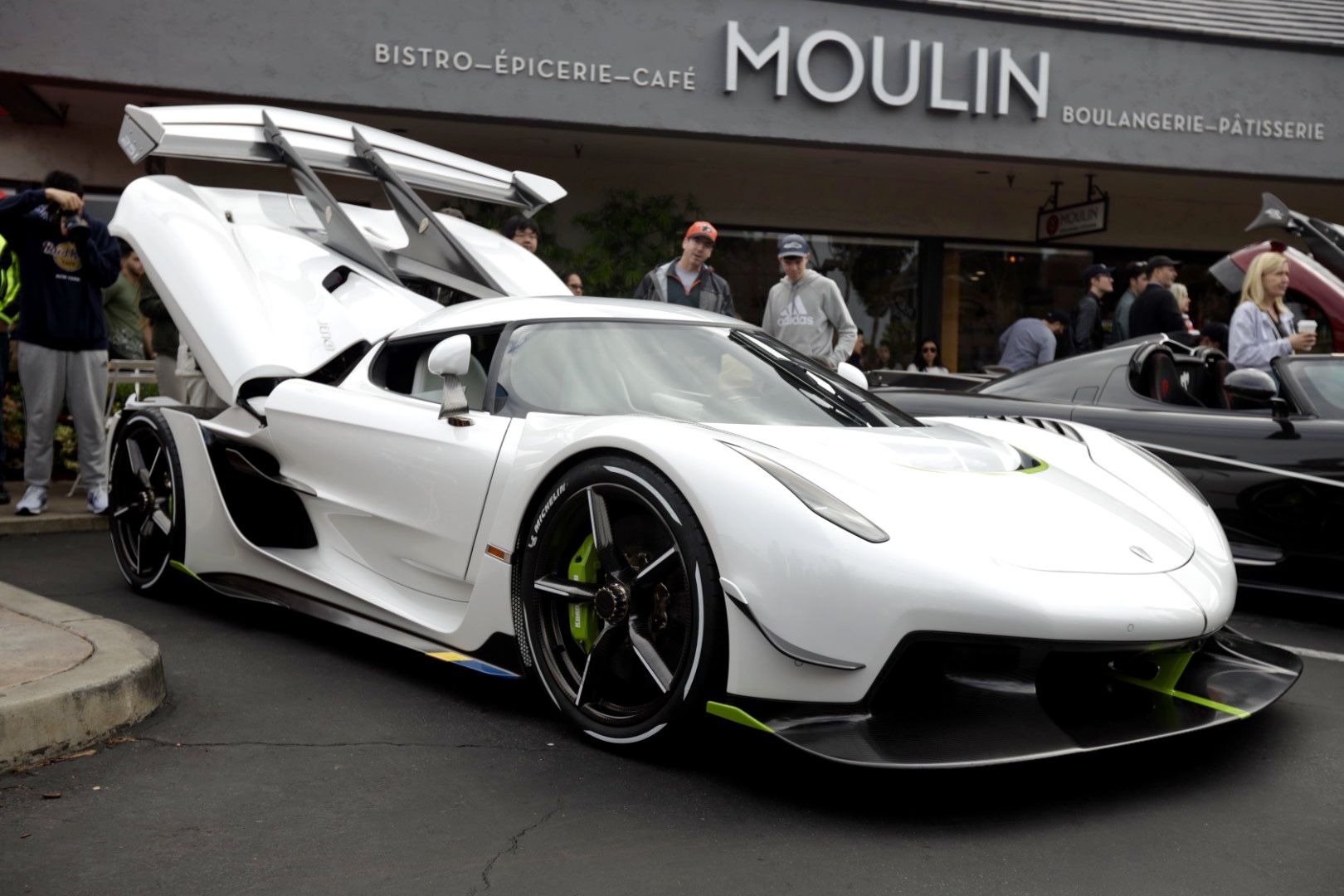
Sweden’s Koenigsegg Jesko takes a slightly different approach, pairing gold-standard carbon-titanium alloy wheels with tires built to match their exotic construction.
Michelin Supersport tires, or occasionally bespoke alternatives developed specifically for this model, run between $2,000 and $3,000 per tire depending on specification and availability.
Carbon-titanium wheels aren’t something you’ll find at your neighborhood tire shop, and that exclusivity trickles down into every aspect of tire selection.
Because the wheel material behaves differently than traditional aluminum alloys under stress and heat, the rubber mounted on them needs to complement those unique properties rather than fight against them.
Engineers spent considerable time ensuring compatibility between the wheel structure and tire compound. Owners of the Jesko aren’t just paying for grip; they’re paying for a complete system built around extreme performance goals.
Koenigsegg has always positioned itself as a boutique manufacturer willing to push boundaries other companies avoid, and that philosophy extends directly into tire development.
Rather than compromising on off-the-shelf solutions, the brand insists on components that match its ambitious engineering targets. This level of customization explains why replacement costs climb so dramatically compared to conventional sports cars.
A full set easily reaches five figures once you factor in specialized labor for mounting tires onto such unconventional wheel materials.
For Jesko owners, though, that expense simply comes with the territory of owning one of the most technically ambitious hypercars ever produced.
3. Pagani Huayra
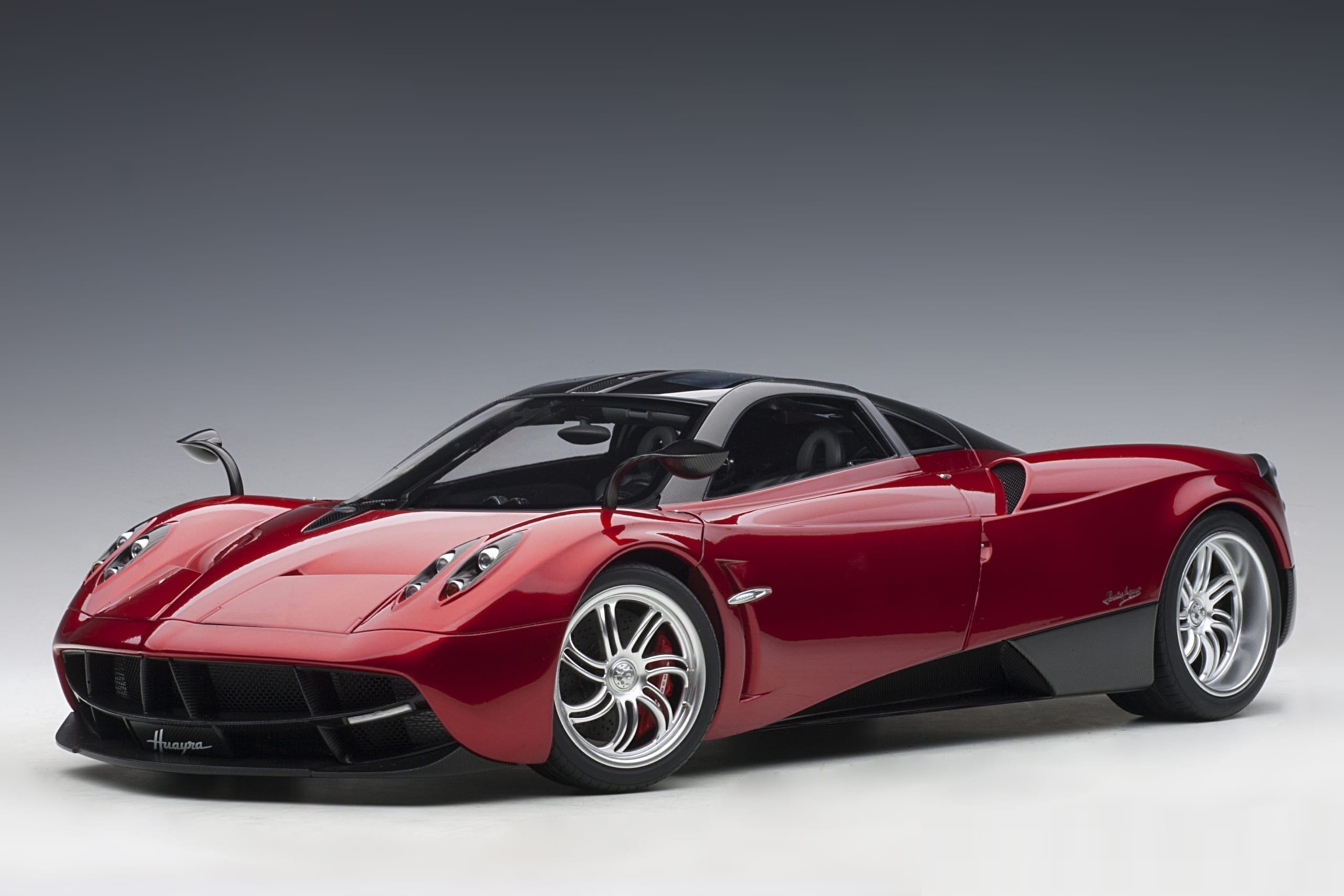
The Pagani Huayra blends dramatic styling with engineering that demands equally special tires. This Italian hypercar is not built around ordinary components, and its tires are no exception.
Pirelli P Zero Corsa and P Zero tires have been associated with Huayra applications, with certain customized sizes and specifications carrying exceptionally high prices.
A single tire can cost around $3,000, which means replacing all four could approach $12,000. Actual pricing depends on the exact tire specification, availability, and vehicle configuration, but the figure shows why tire replacement can become a major ownership expense for an exotic car.
The Huayra needs tires capable of handling substantial power while maintaining predictable steering response and traction. Its tires also have to work harmoniously with the car’s suspension and braking systems.
With an exotic vehicle this specialized, the tire is more than a simple consumable chosen from a general catalog. Another factor driving up the cost is production volume, since these specialized tires are made in much smaller quantities.
A common tire produced in huge quantities can benefit from manufacturing economies that are unavailable to a highly specialized tire made for a limited-production hypercar.
That combination of custom fitment, advanced materials, performance requirements, and limited demand helps explain the Huayra’s eye-catching tire costs.
For owners, replacing a complete set can feel more like servicing a race machine than maintaining a regular road car.
4. Lamborghini Aventador SVJ
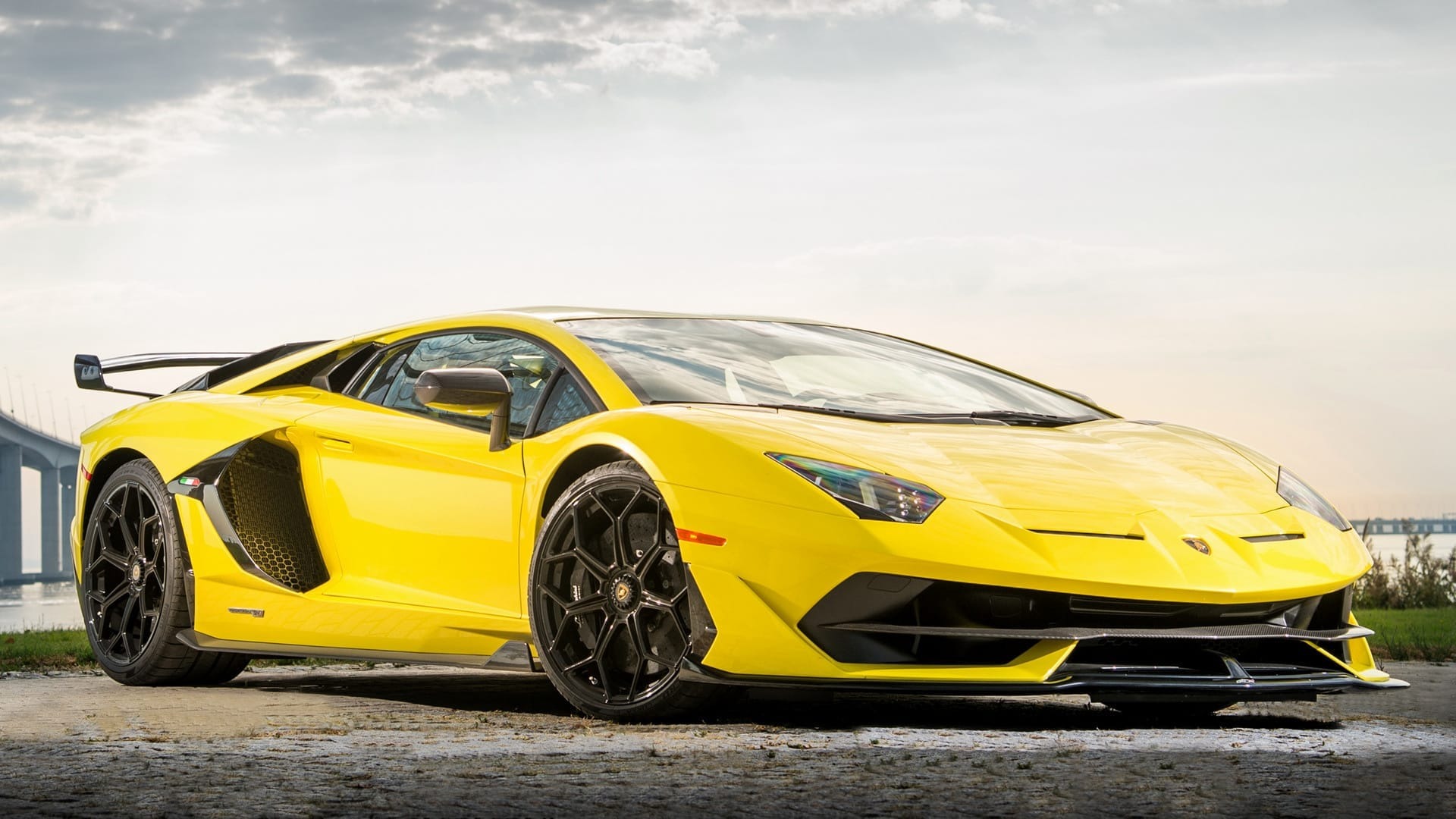
Lamborghini built the Aventador SVJ as a track-focused monster, and its tire choice reflects that aggressive personality perfectly. Pirelli P-Zero Trofeo R tires, priced between $1,500 and $2,000 each, deliver the kind of grip necessary to keep this V12 beast planted through high-speed corners without losing composure.
These aren’t casual street tires wearing a performance label for marketing purposes. Trofeo R compounds sit closer to genuine racing rubber than typical road tires, sacrificing some longevity in exchange for extraordinary lateral grip and braking performance.
Anyone who’s watched the SVJ set lap records at the Nürburgring understands exactly why Lamborghini chose this specific tire rather than a softer, more comfortable alternative.
Daily driving becomes secondary here; track capability takes priority. Owners who purchase an SVJ typically understand this tradeoff going in, accepting shorter tire life spans in exchange for genuinely thrilling handling characteristics.
Because these tires wear faster under aggressive use, replacement becomes a more frequent expense than owners might initially anticipate when comparing costs to less track-oriented supercars.
Pirelli developed the Trofeo R compound specifically for manufacturers seeking that extra performance edge, and Lamborghini eagerly adopted it for their flagship track weapon.
The relationship between tire supplier and manufacturer runs deep in the supercar world, with companies like Pirelli essentially becoming engineering partners rather than simple vendors.
For SVJ owners, that partnership translates directly into blistering performance, even if it means writing bigger checks whenever replacement time arrives.
5. McLaren P1
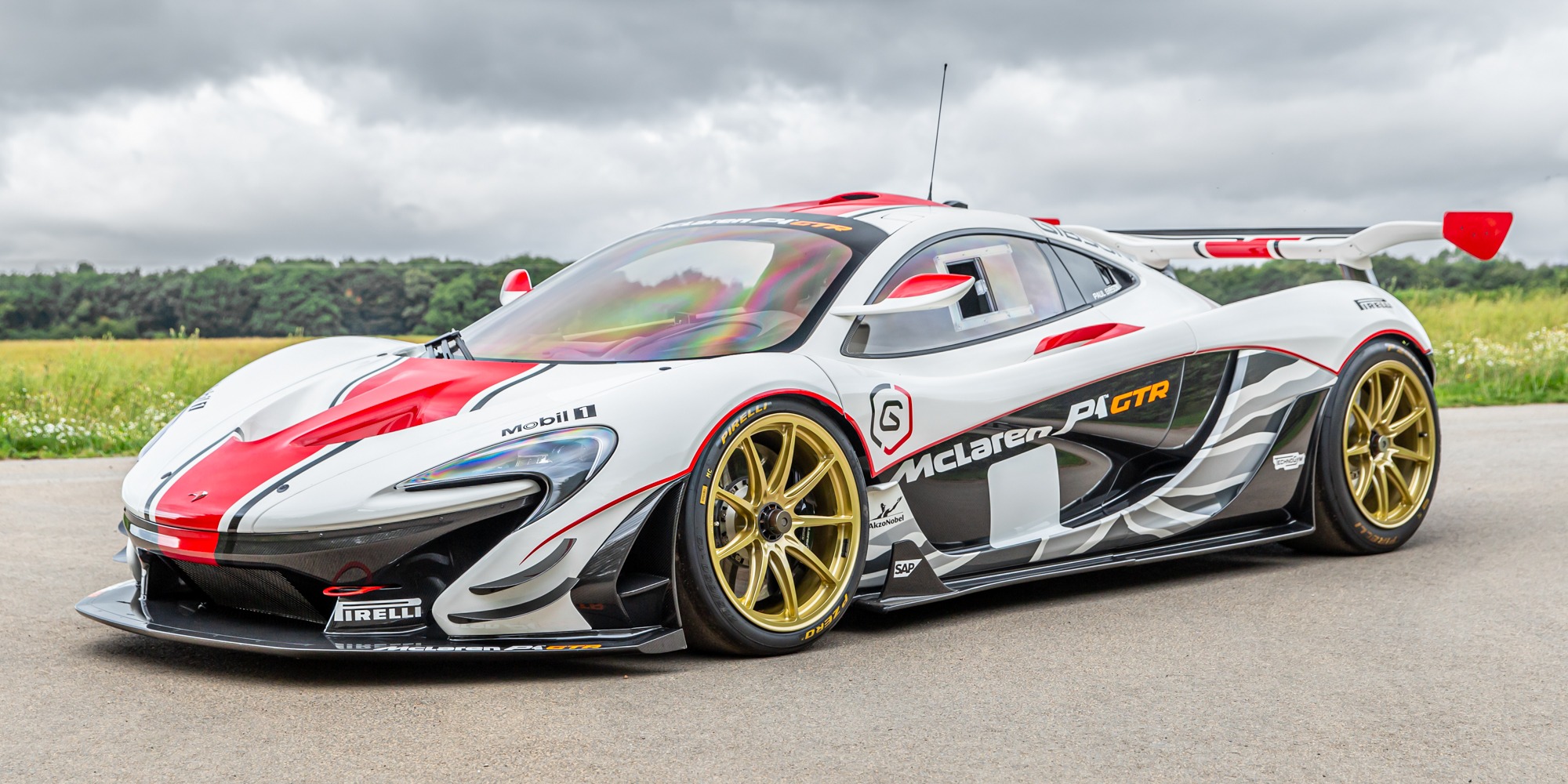
McLaren’s hybrid hypercar, the P1, demands tires capable of managing both explosive electric torque and traditional combustion power simultaneously.
Pirelli P Zero Trofeo R tires handle that responsibility, priced at approximately $2,400 per tire and specifically engineered for compatibility with the car’s carbon ceramic braking system.
That braking compatibility matters more than casual observers might assume. Carbon ceramic brakes generate different heat patterns compared to traditional steel rotors, and tires need construction capable of managing those thermal characteristics without degrading prematurely.
Pirelli’s engineering approach accounts for this relationship, ensuring the P1’s stopping power translates into actual control rather than compromised grip during aggressive braking scenarios.
Hybrid powertrains also introduce unique challenges regarding torque delivery. Electric motors provide instantaneous power application unlike anything a traditional combustion engine produces, meaning tires must resist wheelspin and maintain traction even when facing sudden, forceful acceleration.
This becomes especially critical given the P1’s combined output pushing well beyond 900 horsepower. Owners investing in a P1 accept that maintenance costs will reflect the car’s technical sophistication throughout every component, tires very much included.
Because McLaren engineered this vehicle as a genuine technological showcase rather than a simple speed exercise, everything from the battery system to the rubber touching pavement received specialized attention.
That comprehensive engineering philosophy explains why replacement costs climb so steeply compared to conventional performance vehicles occupying a lower price bracket.
6. Ferrari LaFerrari
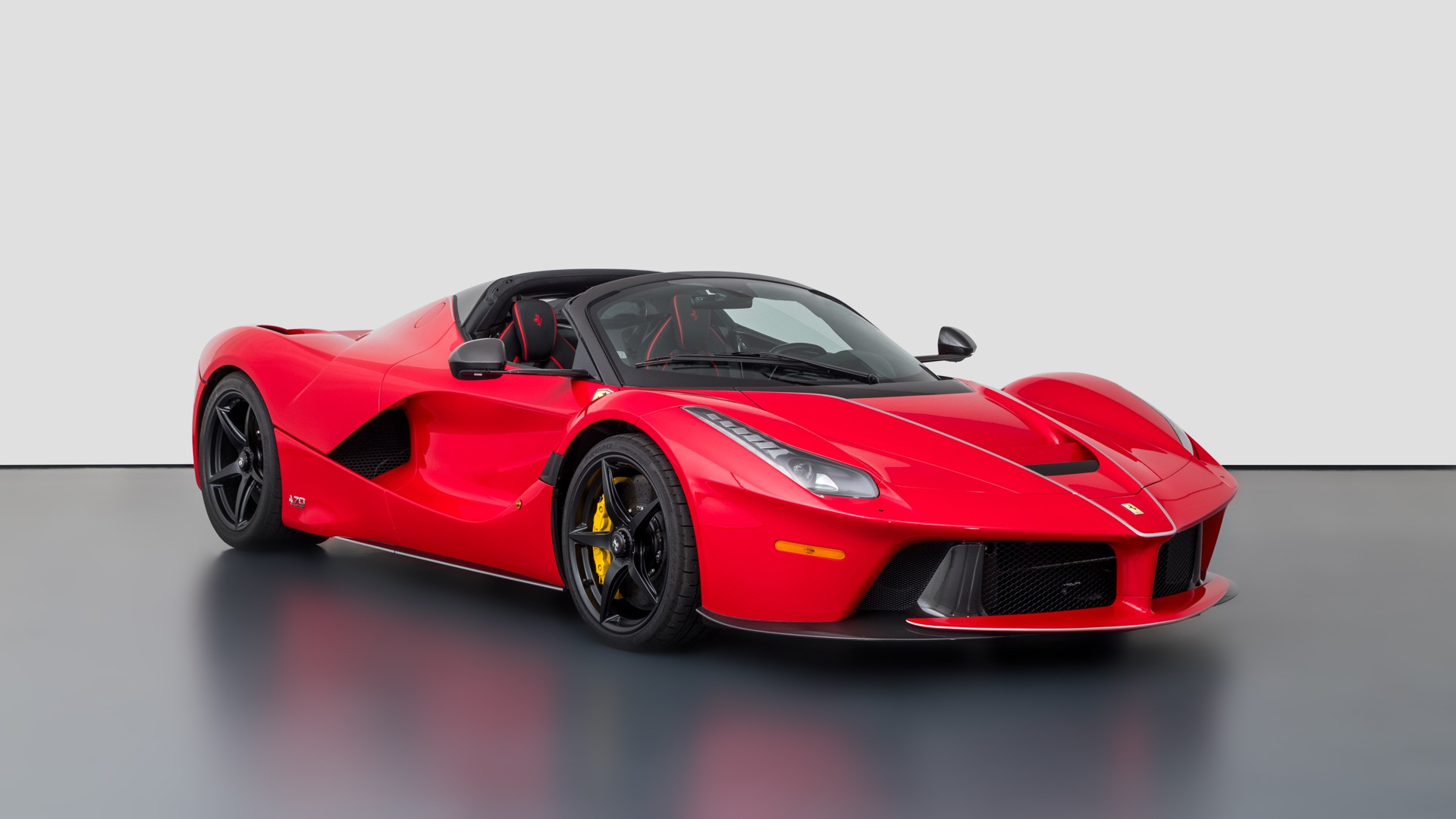
The Ferrari LaFerrari is another vehicle where tires form an essential part of the performance package. Ferrari developed the car as a flagship hybrid performance machine, and its specialized Pirelli P Zero tires are designed around its particular chassis and performance requirements.
Depending on the specification, individual tires can cost approximately $2,000 to $2,500. Replacing four therefore produces a potential bill of roughly $8,000 to $10,000 before additional service expenses.
The exact amount can vary based on tire availability, size, supplier, and the particular vehicle setup. The LaFerrari’s carbon-fiber construction and high-performance braking system demand tires that can handle intense acceleration and braking forces while maintaining precise steering behavior.
A tire is effectively the final connection between all that engineering and the pavement. For owners, replacing tires also involves more than finding the correct diameter. Load ratings, speed ratings, dimensions, compound, and manufacturer-approved specifications all deserve attention.
A tire that fits physically may not provide the characteristics required by the car. The expense becomes easier to understand when viewed through the entire engineering package.
The LaFerrari was produced in limited numbers, uses specialized components, and was built for exceptional performance. Its tires follow that same philosophy.
A $10,000 tire bill is certainly substantial, but for this Ferrari, the tires are an essential high-performance component rather than an ordinary maintenance purchase.
7. Aston Martin Valkyrie
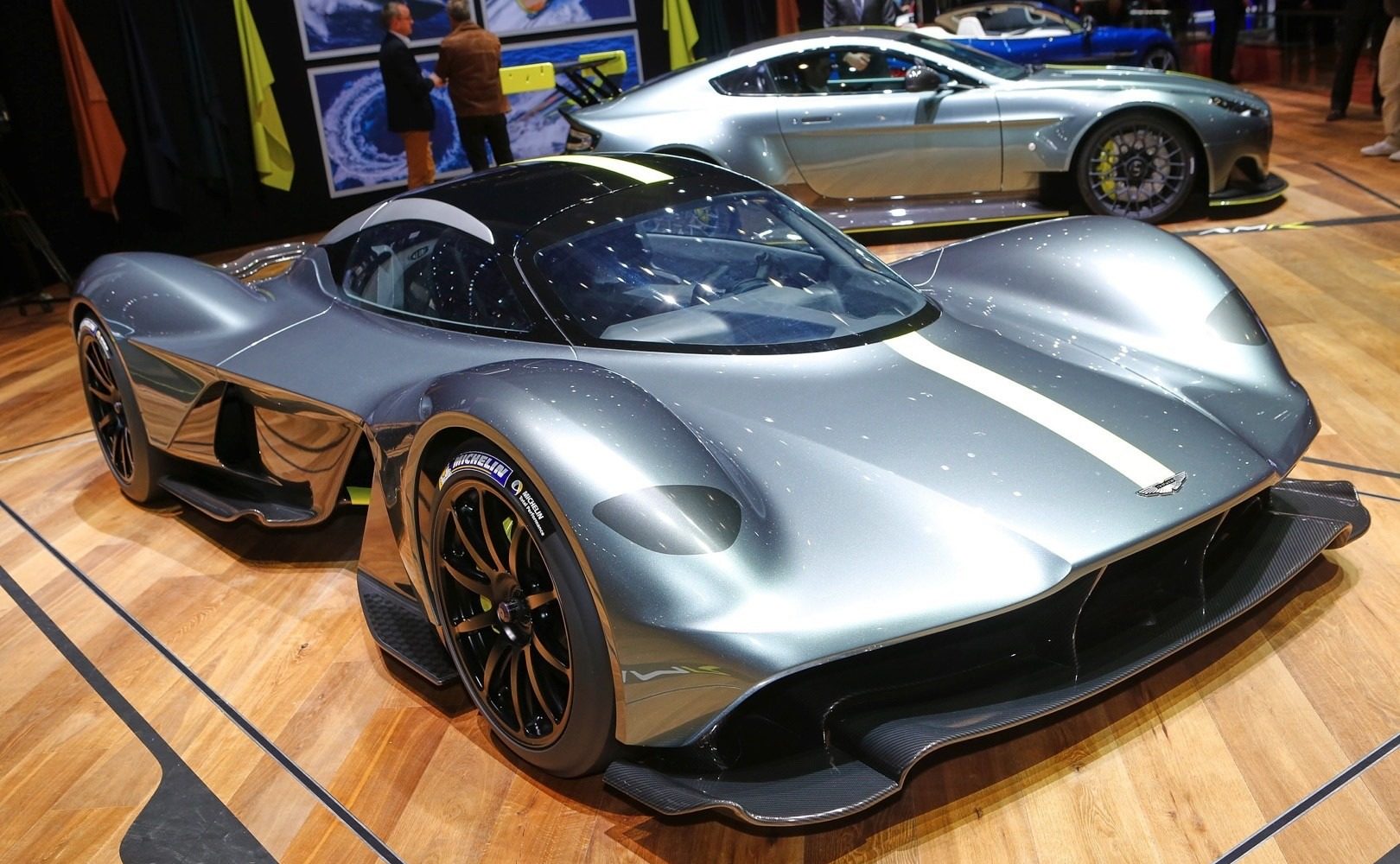
The Aston Martin Valkyrie was created with performance that sits very close to race-car territory while retaining road-going capability. Its aggressive design, lightweight construction, and powerful engine place enormous demands on every component, including the tires.
The car can use bespoke Michelin Pilot Sport Cup 2 tires matched to its specialized forged wheels. Individual tires can cost $2,500 or more, making a four-tire replacement capable of exceeding $10,000 depending on the exact specification and market price.
Bespoke tire development is an important part of the story. A vehicle like the Valkyrie cannot simply rely on a generic tire that happens to have the correct dimensions. Tire behavior affects steering response, braking, traction, ride quality, and high-speed stability.
The Valkyrie’s lightweight design also means its tires operate as part of a carefully balanced performance system. The suspension, wheels, brakes, aerodynamic package, and tires all have to work together. Changing one component can affect the behavior of the entire vehicle.
That is why owners of cars at this level generally pay close attention to approved specifications. A cheaper tire might look attractive on paper, but the purchase price represents only one part of the decision. Suitability for the vehicle matters just as much.
With a tire price that can reach $2,500 or more per corner, the Valkyrie demonstrates how specialized engineering can turn an ordinary maintenance item into a five-figure service expense.
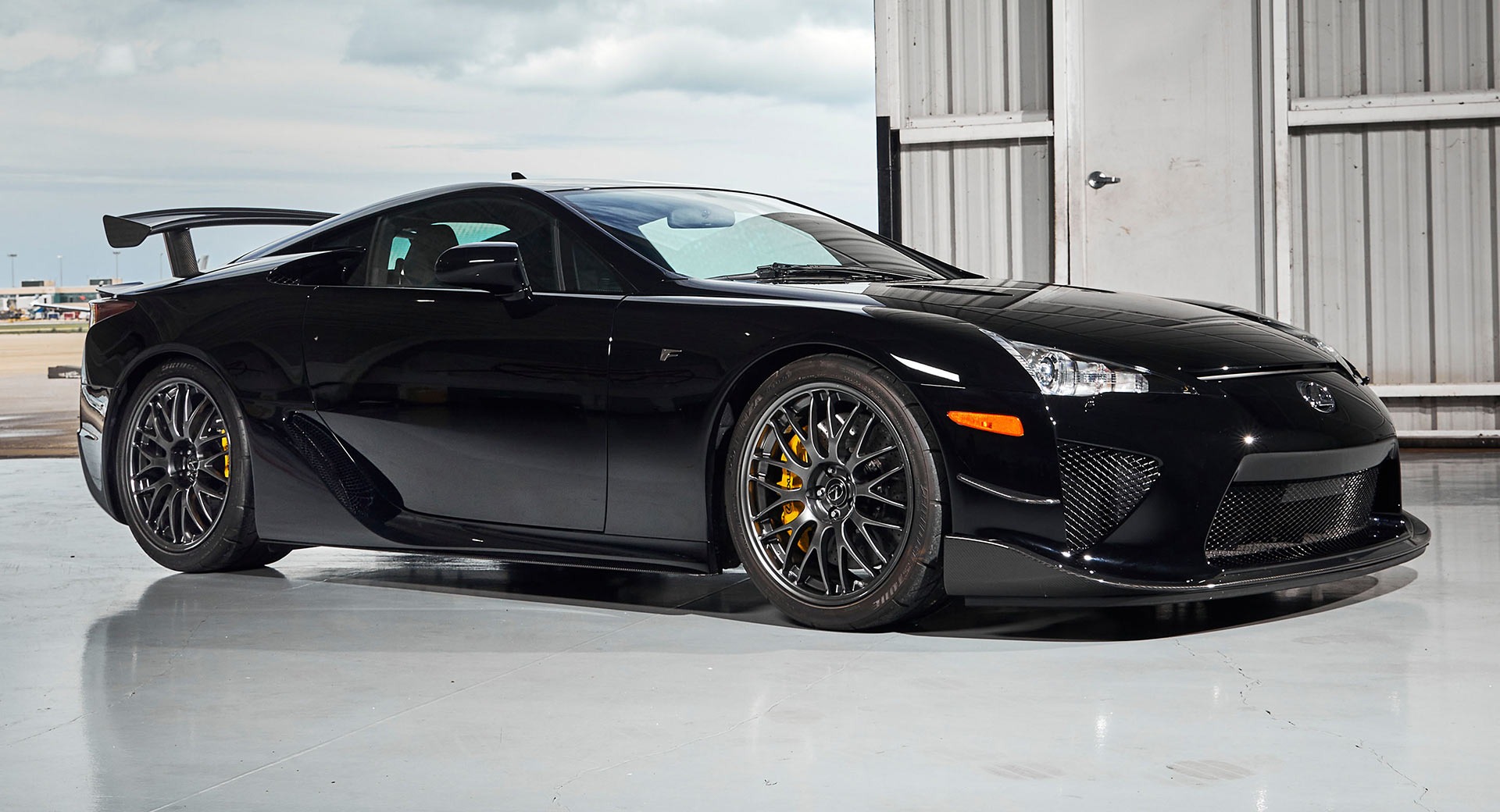
8. Lexus LFA Nurburgring Edition
Japan’s answer to European hypercar dominance arrived through the Lexus LFA, and its Nurburgring Edition variant pushed tire technology into genuinely specialized territory.
Bridgestone Potenza S001 tires, produced in extremely limited manufacturing runs, cost between $1,500 and $2,000 each, making replacement a considerably rare undertaking for owners.
Limited manufacturing creates unique challenges beyond simple pricing. Because Bridgestone produced these tires in such small quantities specifically for the LFA Nürburgring Edition, finding replacements years after the car’s initial production run often requires patience and persistence.
Some owners report waiting extended periods while Bridgestone arranges special production batches to fulfill individual orders.
Toyota’s luxury division poured tremendous resources into developing the LFA, treating it as a genuine engineering statement rather than a profit-driven venture.
That philosophy extended into tire selection, with Bridgestone crafting something specifically suited to the car’s naturally aspirated V10 engine and razor-sharp handling characteristics.
Few vehicles from Japanese manufacturers have received this level of specialized component development. Owning an LFA Nurburgring Edition today means accepting certain realities about parts availability, tires very much included.
Because production ended years ago and total unit numbers remained deliberately small, sourcing correct replacement rubber sometimes involves working directly through specialized Lexus channels rather than typical retail avenues.
For collectors who appreciate rarity alongside performance, this scarcity only adds to the car’s mystique, transforming routine maintenance into something closer to a hunt for genuinely uncommon automotive components.
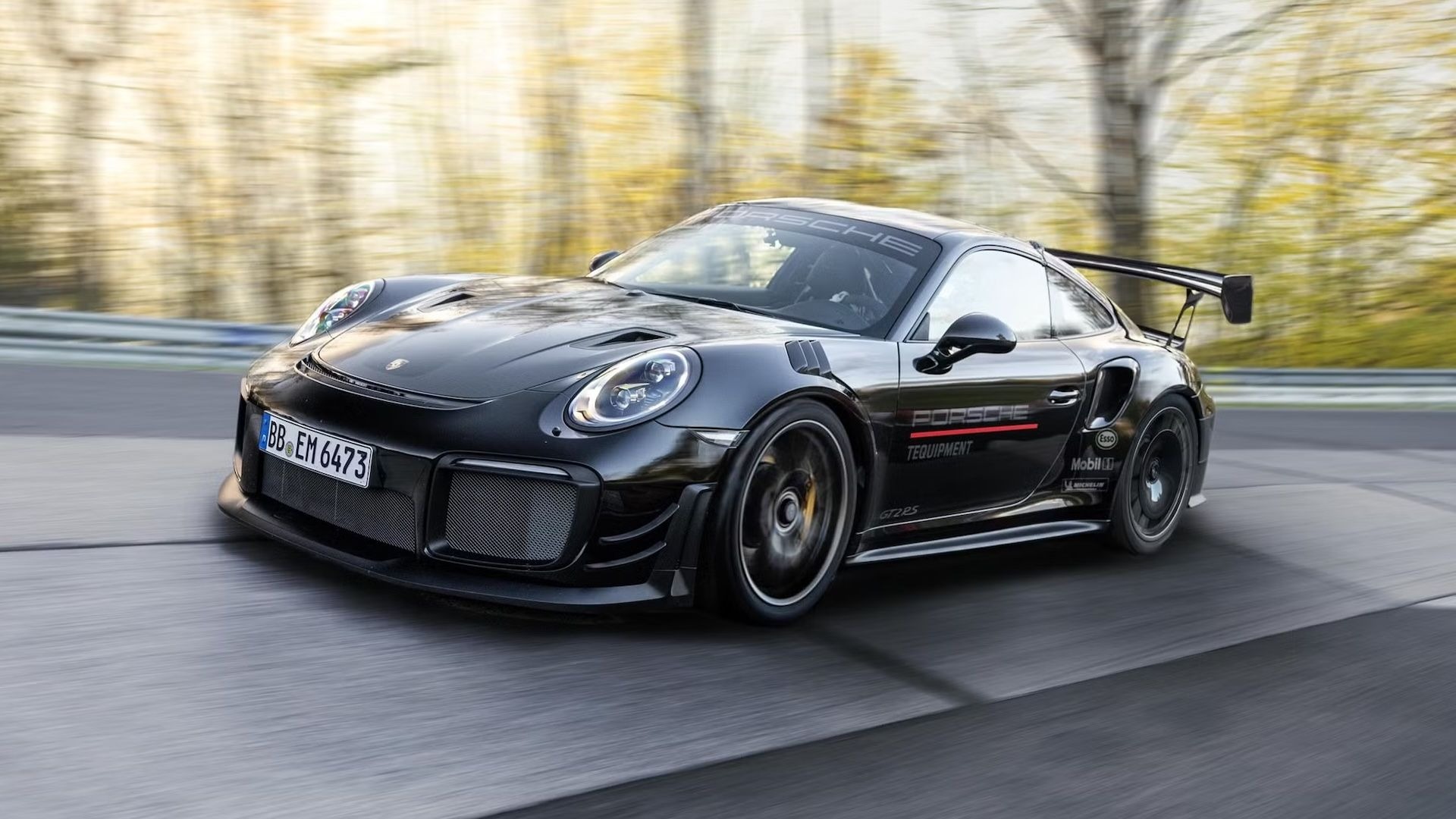
9. Porsche 911 GT2 RS
The Porsche 911 GT2 RS is a serious performance machine, and its tire setup reflects its track-focused character. Michelin Pilot Sport Cup 2 tires are associated with this model, providing the grip needed for aggressive acceleration, braking, and cornering.
A typical individual tire can cost around $1,200 to $1,500, placing four tires at approximately $4,800 to $6,000. Certain performance-oriented specifications and track-focused packages can raise the total cost, bringing the expense closer to the $10,000 range in some circumstances.
What makes the GT2 RS demanding is not just its power. The car combines a lightweight construction philosophy with rear-wheel drive, advanced aerodynamics, powerful brakes, and a chassis designed for serious performance.
Tires must respond predictably under those conditions. Track use can also accelerate tire wear. Repeated hard braking and cornering generate heat and place considerable stress on the tread and sidewalls.
A set that lasts much longer during relaxed street driving may require replacement much sooner during frequent track sessions.
That creates an important ownership consideration. The purchase price of a tire tells only part of the story; how the car is driven can affect how frequently replacements are needed.
For GT2 RS owners, using the proper tire specification helps preserve the driving characteristics Porsche intended. While a basic four-tire replacement may fall below $10,000, specialized setups and track-related demands can make tire costs remarkably high.
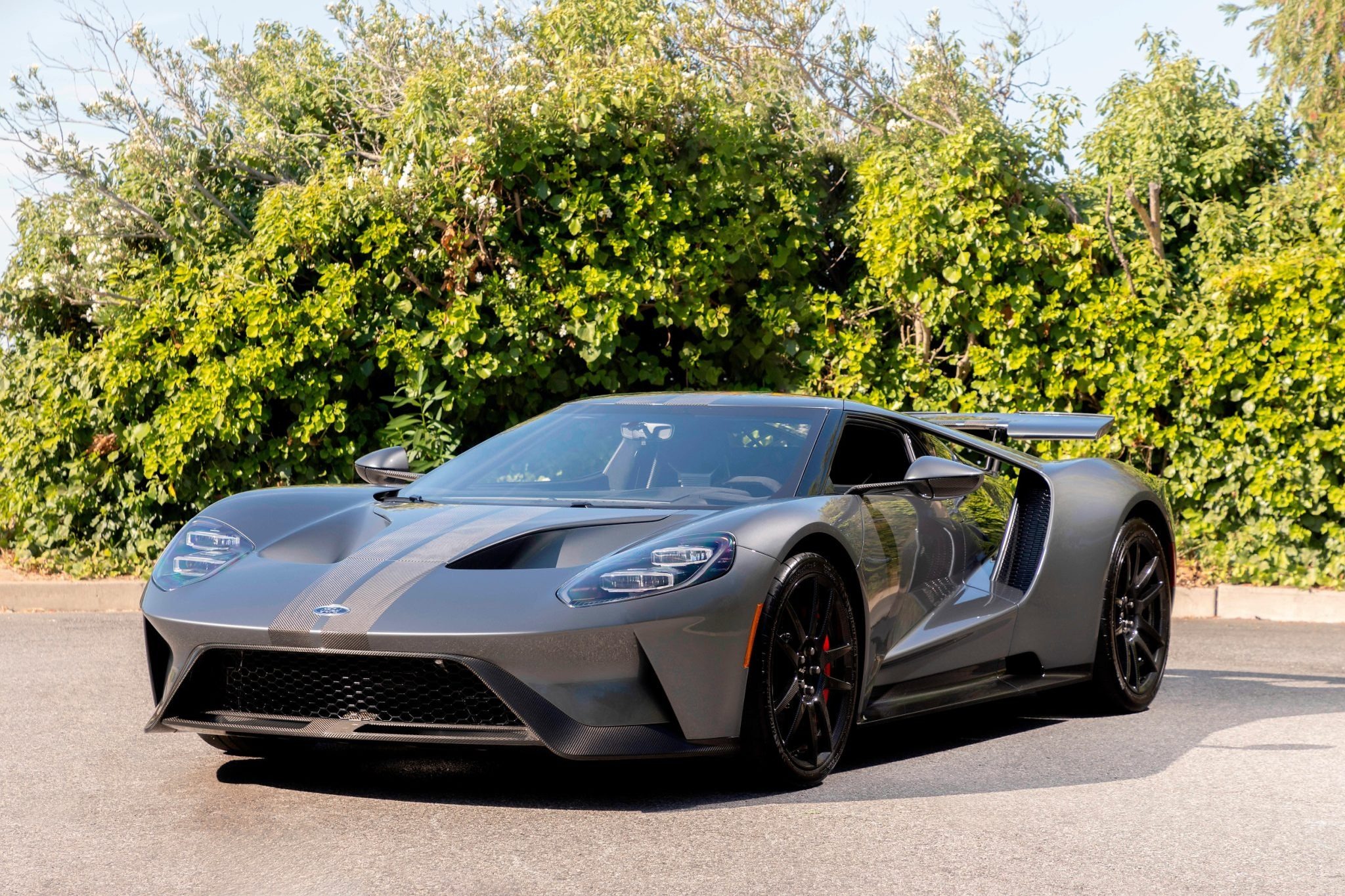
10. Ford GT (2022)
The Ford GT may wear a familiar badge, but its tire requirements are anything but ordinary. This modern supercar was developed around extreme aerodynamic performance, lightweight construction, and high-speed capability.
Its Goodyear Eagle F1 Supercar Spec tires are designed specifically for the demands of the vehicle. A single tire can cost around $2,200, which puts four at approximately $8,800 before taxes and installation.
That makes a full set close enough to $10,000 to earn a place on this list. The Ford GT’s tire specification is closely tied to its performance package.
The tires have to work with the car’s suspension, braking system, aerodynamic load, and engine output. Their job is not merely to provide traction; they help determine how confidently the car accelerates, brakes, and corners.
Specialized tire production also affects the price. A tire intended for a limited-production supercar does not have the same sales volume as a common tire for a family sedan.
That smaller market can contribute to higher manufacturing and distribution costs. Owners should also pay attention to tire age and storage, particularly when a vehicle spends long periods parked.
High-performance tires are specialized equipment, and proper maintenance helps preserve their intended characteristics. At roughly $8,800 for four tires based on the supplied pricing, the Ford GT shows just how quickly maintenance costs can rise when a road car uses race-inspired engineering.
For this machine, four pieces of rubber can approach the price of a very expensive used vehicle.