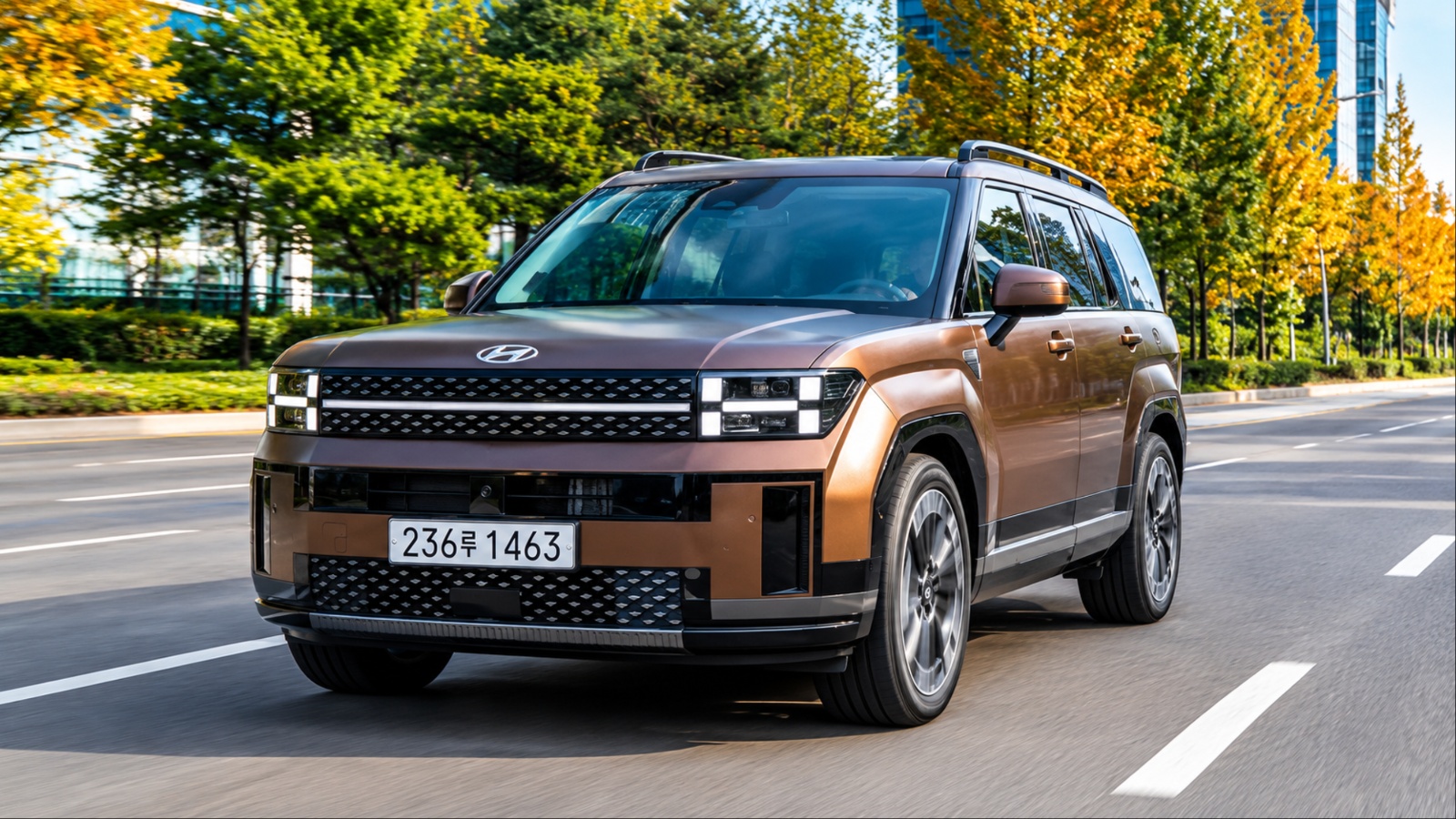
Mountain towns, ski resorts, and high plains highways have one thing in common. They are often located at high elevations where the air is much thinner. As elevation rises above 8,000 feet, oxygen density drops significantly, causing naturally aspirated engines to lose power because they rely on atmospheric pressure to fill their cylinders.
Naturally aspirated engines are hit hardest, often shedding 20% or more of their sea-level output once they’re deep into the mountains, while turbocharged and diesel engines compensate far better by forcing extra air in.
That difference matters most in SUVs, since they’re the vehicles most likely to be hauling passengers, cargo, and trailers up steep mountain passes.
Several popular models, many of them beloved for their reliability and off-road credibility, lean on older naturally aspirated engines that simply weren’t built with high-altitude driving in mind. Below are eight SUVs that tend to feel noticeably sluggish, hesitant, or strained once you’re consistently driving above 8,000 feet.
1. Jeep Wrangler (3.6L Pentastar V6)
The Wrangler’s naturally aspirated 3.6-liter Pentastar V6 is a proven, durable engine, but it was tuned for broad usability rather than high-altitude performance. At sea level it produces a respectable 285 horsepower, but climb into the Rockies, and that number can fall by nearly 20%, leaving the Wrangler feeling notably breathless on steep grades.
Its boxy shape and knobby off-road tires already create significant aerodynamic drag and rolling resistance, so the added power deficit compounds the problem, especially when merging onto mountain highways or passing slower traffic on inclines.
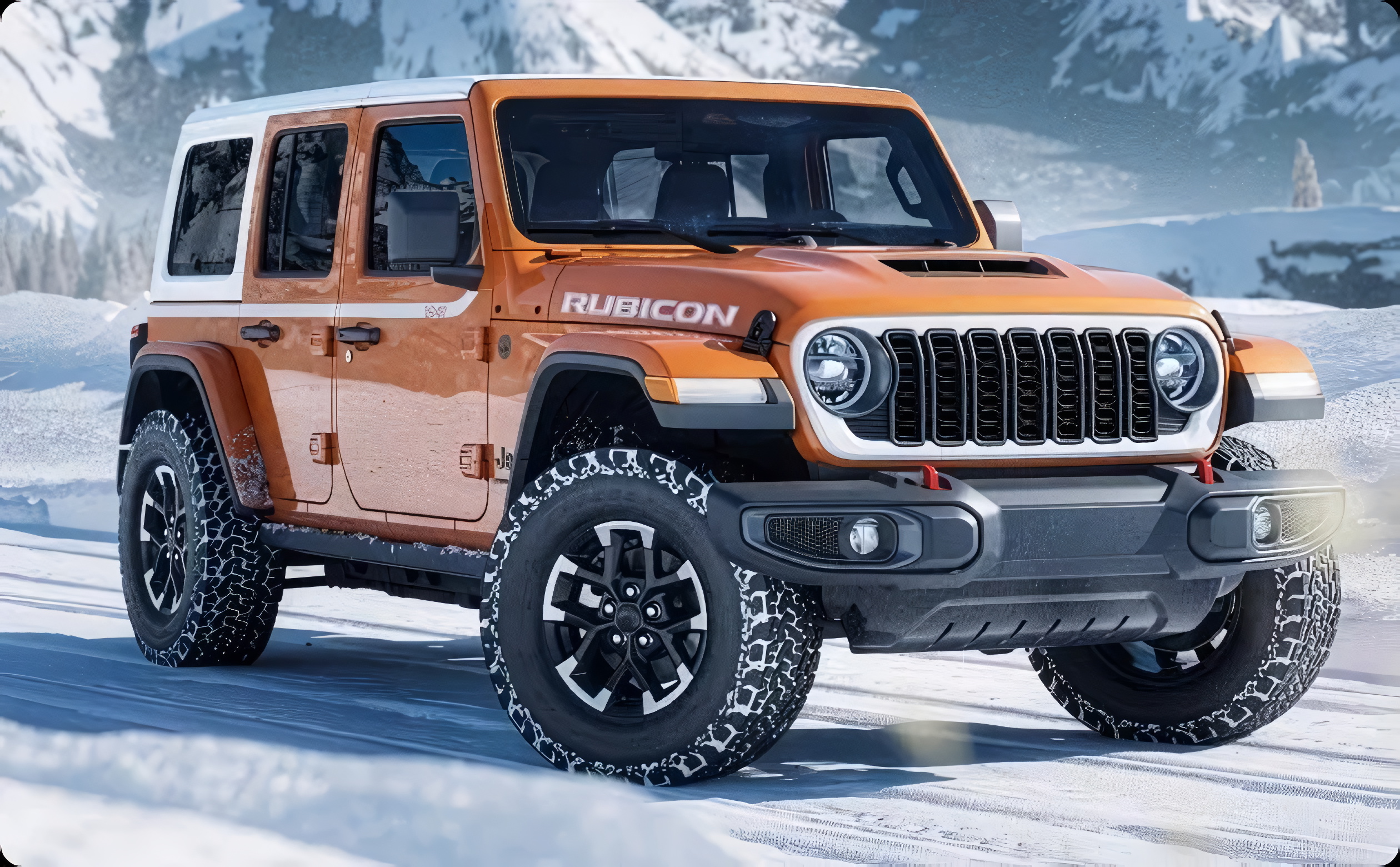
Owners in Colorado, Wyoming, and other high-elevation states frequently report that the six-speed automatic has to hunt for gears and downshift aggressively just to maintain speed on long climbs.
The Wrangler’s relatively tall gearing, chosen to help with low-speed rock crawling, doesn’t help matters at altitude either, since there’s less usable torque available to work with. Loading the Wrangler with camping gear, a roof rack, or a trailer makes the altitude penalty even more obvious, as the engine has to work harder just to maintain highway speeds.
While the available turbocharged 2.0-liter four-cylinder mitigates much of this issue thanks to forced induction, the base and Rubicon V6 models remain a common complaint among mountain-town Jeep owners, many of whom eventually upgrade to the turbo engine specifically to regain lost performance once they’ve spent a summer driving above 8,000 feet.
2. Toyota 4Runner (4.0L V6)
For years, the 4Runner’s naturally aspirated 4.0-liter V6 has been praised for its bulletproof reliability, but that same engine becomes noticeably strained at elevation. Producing 270 horsepower at sea level, the 4Runner can lose upward of 50 horsepower once drivers reach mountain passes above 8,000 feet, and the effect is compounded by the SUV’s boxy, body-on-frame design, which is far from aerodynamically efficient.
Steep, sustained climbs common throughout Colorado, Utah, and the Sierra Nevada expose the engine’s limitations, with the five-speed automatic transmission downshifting frequently and revving high just to maintain speed.
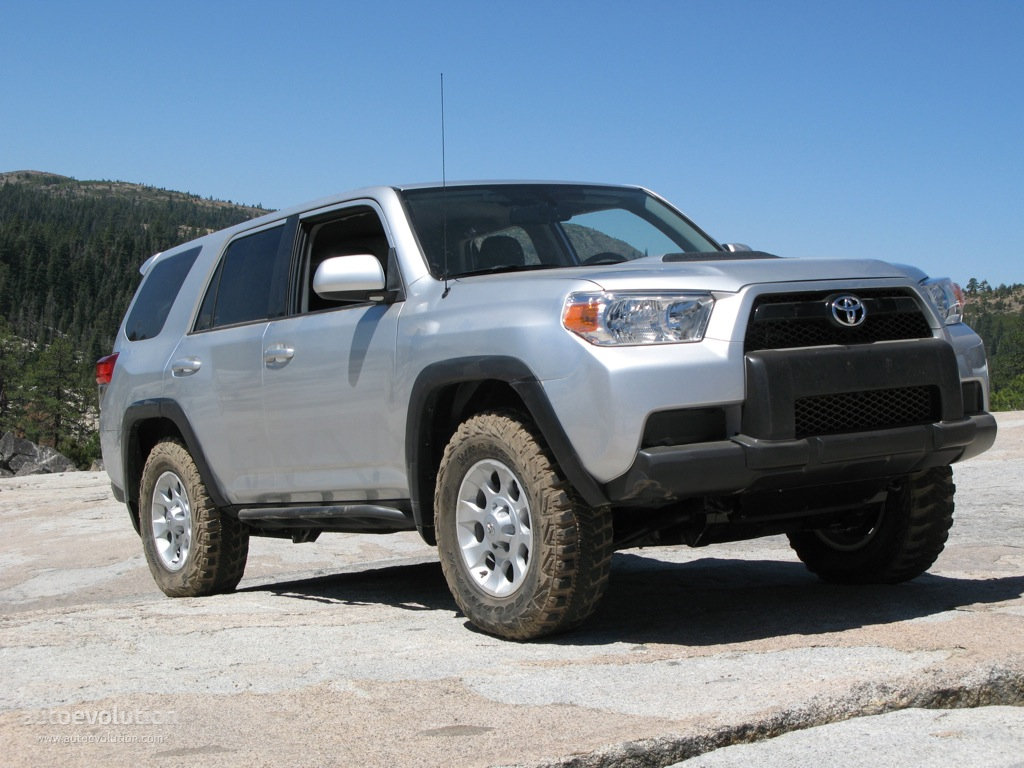
The 4Runner’s popularity as an overlanding and camping vehicle makes this altitude weakness particularly relevant, since it’s often loaded down with rooftop tents, gear, and trailers exactly in the environments where thin air is most punishing. Passing maneuvers on two-lane mountain highways can feel genuinely risky, as the available power simply isn’t there when drivers need a quick burst of acceleration.
Toyota has kept this V6 largely unchanged for over a decade, prioritizing proven durability over forced induction, which means the altitude penalty has remained a consistent characteristic across recent model years.
Many high-altitude 4Runner owners adapt by planning passing zones carefully, avoiding heavy loads on long grades, and accepting slower average speeds through mountain corridors rather than fighting the engine’s natural limitations.
3. Nissan Armada (5.6L V8)
The Nissan Armada’s 5.6-liter naturally aspirated V8 produces 400 horsepower at sea level, but its large displacement does not completely shield it from the effects of altitude. It can still lose roughly 15 to 20 percent of its power at higher elevations.
Because the Armada is a large, heavy full-size SUV often used to tow boats, campers, or trailers, that loss of power can be especially noticeable. A vehicle that feels effortlessly powerful in Phoenix or Dallas can feel surprisingly strained while climbing a steep mountain pass near Denver or Jackson Hole with a loaded trailer.
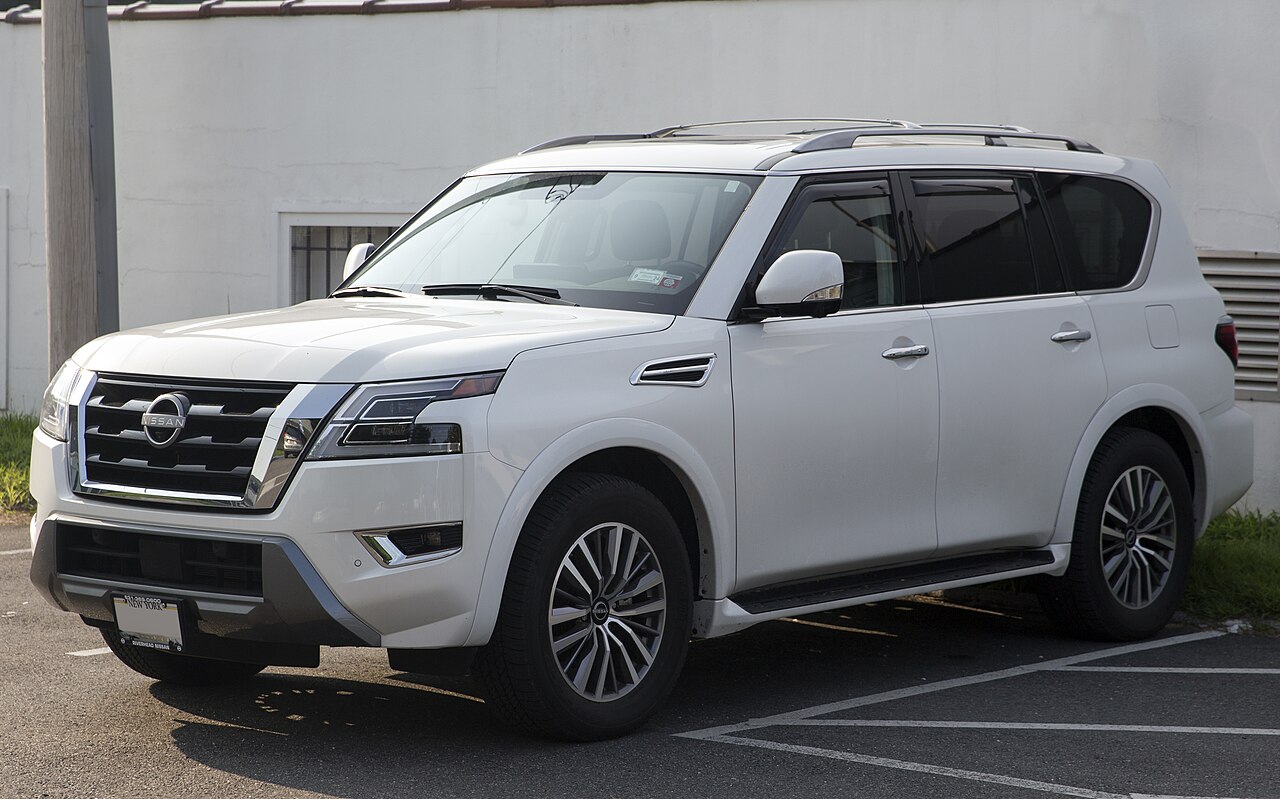
The Armada’s seven-speed automatic transmission works to compensate by holding lower gears longer, but this comes at the cost of noise, fuel economy, and a noticeably strained engine note under hard acceleration at elevation.
Unlike some rivals that have shifted to twin-turbo six-cylinder engines specifically to address this weakness, the Armada has stuck with its naturally aspirated V8, which means the altitude penalty has remained a consistent trait through recent redesigns.
Drivers hauling heavy loads report needing to plan extra time and distance for passing on mountain highways, since the burst of acceleration they’d expect at sea level simply isn’t available.
For buyers who split time between low-altitude cities and high-elevation destinations, this is one of the more noticeable performance gaps in the full-size SUV segment.
4. Toyota Highlander (3.5L V6, non-hybrid)
The Highlander’s naturally aspirated 3.5-liter V6 delivers a solid 265 horsepower at sea level, making it feel adequately quick around town and on flat highways. But that changes dramatically once drivers head into higher elevations, where the same engine can lose 40 to 50 horsepower, leaving the eight-speed automatic hunting for lower gears on sustained climbs.
Because the Highlander is a family-oriented three-row SUV, it’s frequently loaded with passengers and cargo, which only amplifies the altitude-related power deficit when tackling mountain routes to ski resorts or national parks.
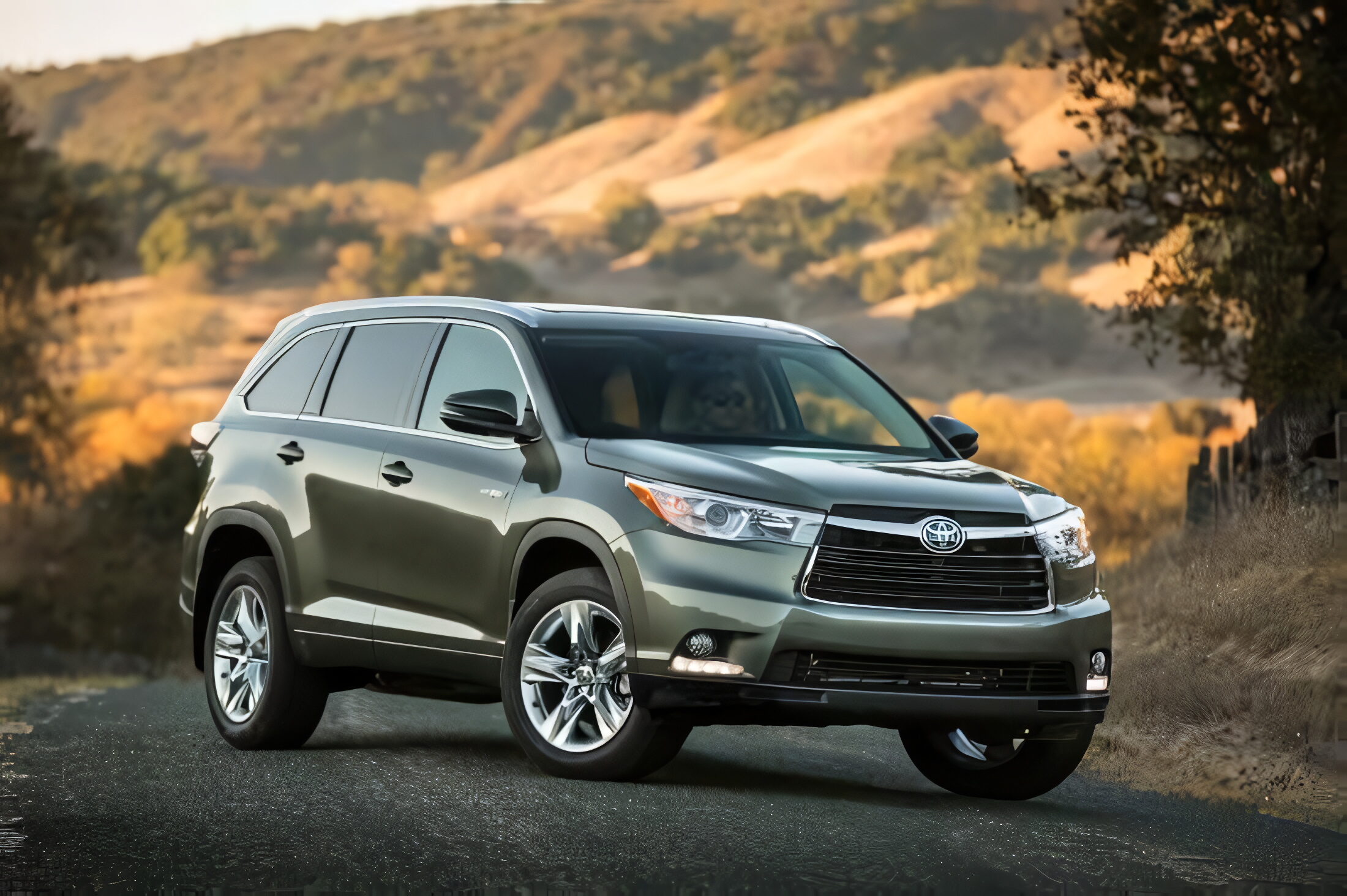
Drivers accustomed to confident passing power at lower elevations often describe a noticeable hesitation when merging or overtaking on two-lane mountain roads above 8,000 feet.
The V6’s relatively high redline helps somewhat, since there’s still usable power available if drivers are willing to let the engine rev, but the resulting noise and lack of smoothness undercuts the Highlander’s otherwise refined character.
Toyota’s hybrid Highlander has an advantage that becomes more noticeable as the road climbs. While the gasoline engine loses some performance in thinner mountain air, the electric motor continues to provide assistance without being affected by altitude in the same way. For drivers who regularly travel through high-elevation areas, that extra electric support can make the hybrid a more appealing choice than the gas-only V6.
5. Subaru Outback (2.5L naturally aspirated four-cylinder)
Subaru’s Outback is a favorite among mountain-town residents for its all-wheel drive and ground clearance, but the base naturally aspirated 2.5-liter four-cylinder is notably underpowered even at sea level, producing just 182 horsepower.
At elevations above 8,000 feet, that number can drop into the 150s, making the Outback feel genuinely sluggish, particularly when merging onto highways or climbing steep, winding mountain roads common throughout Colorado and the Pacific Northwest’s high passes.
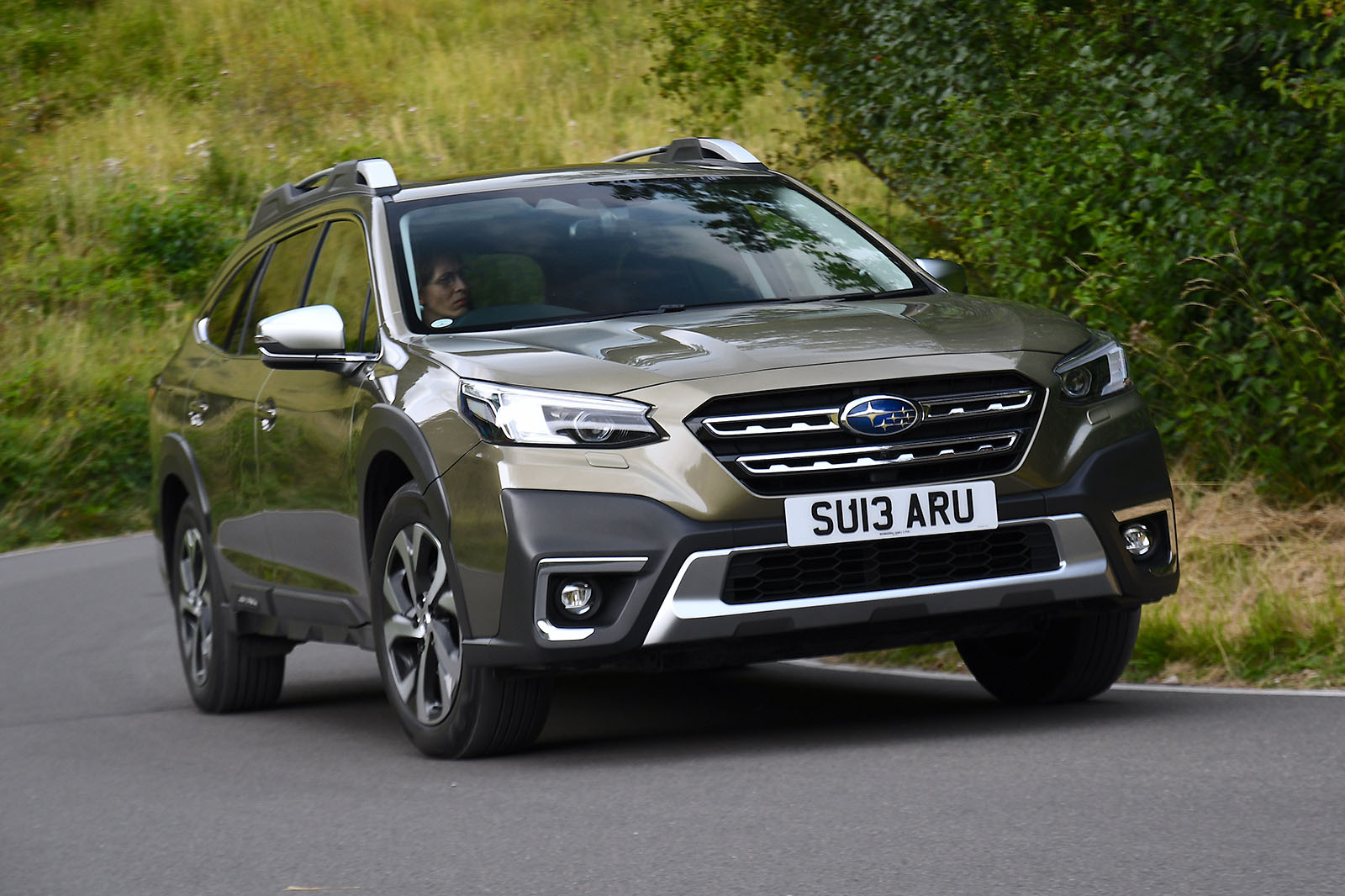
The continuously variable transmission (CVT) exacerbates the sensation, since it tends to hold the engine at high, droning RPMs while producing comparatively little forward thrust, an experience many owners describe as feeling strained without feeling fast.
Fully loaded with passengers, camping gear, or a small trailer, the altitude penalty becomes even more pronounced, with acceleration onto mountain highways requiring significantly more distance and caution than owners expect.
Subaru does offer a turbocharged XT variant with the 2.4-liter engine, and it performs meaningfully better at elevation thanks to forced induction, which has made it the preferred choice among mountain-region buyers.
Owners of the base naturally aspirated Outback frequently report adapting their driving habits, allowing extra following distance and more room for passing, simply because the available power at altitude doesn’t match what they experienced when test-driving the vehicle at lower elevations.
6. Chevrolet Tahoe (5.3L naturally aspirated V8)
The Tahoe’s 5.3-liter naturally aspirated V8 produces a healthy 355 horsepower at sea level, but its considerable size and weight mean that any altitude-related power loss is felt immediately, especially when towing.
Losing 15-20% of output at elevations above 8,000 feet translates into a meaningfully sluggish full-size SUV, particularly when hauling a boat, camper, or horse trailer up steep mountain grades common throughout the American West and Rocky Mountain corridor.
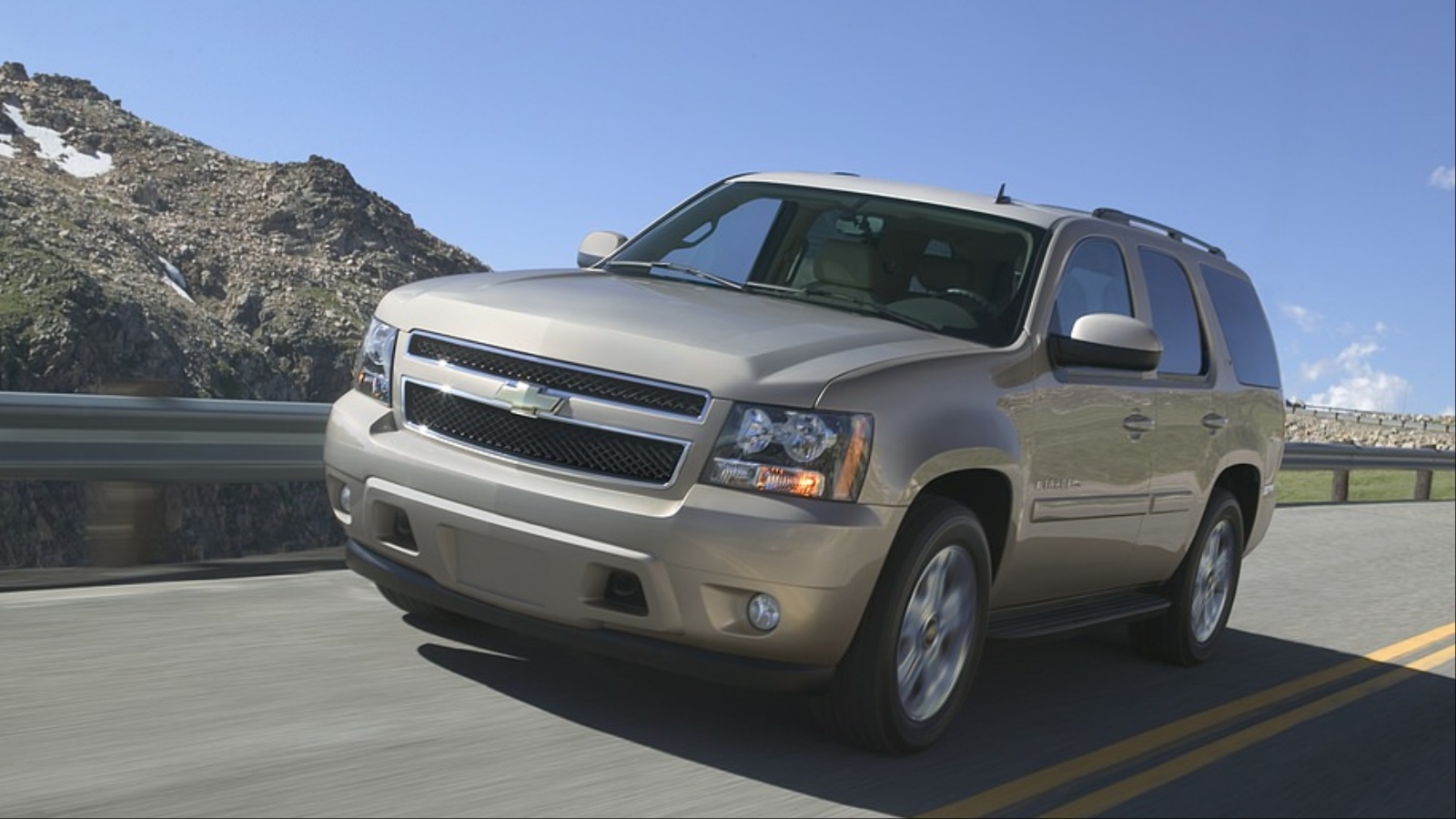
The ten-speed automatic transmission does its best to compensate by downshifting aggressively, but this often results in a noisy, high-RPM driving experience that feels at odds with the Tahoe’s otherwise smooth, comfortable character at lower elevations.
Chevrolet does offer a 6.2-liter V8 option with more raw power to spare, which handles the altitude penalty considerably better simply due to its larger displacement, but the more common 5.3-liter engine remains the volume seller, and the one most owners experience this issue with.
Mountain-region Tahoe owners who tow frequently often report needing to recalculate their expected trailer capacity once they’re regularly driving above 8,000 feet, since the factory tow ratings are calculated at sea level and don’t account for the substantial power reduction that comes with sustained high-altitude driving in thinner mountain air.
7. Mazda CX-9 (2.5L naturally aspirated, base trim)
While most CX-9 trims come equipped with Mazda’s turbocharged 2.5-liter engine, the base Sport trim in some markets and model years relies on a naturally aspirated variant that struggles noticeably once elevation climbs.
Producing modest power to begin with, the non-turbo CX-9 can feel genuinely underpowered above 8,000 feet, with acceleration onto mountain highways requiring considerably more caution and distance than drivers expect from what otherwise feels like a refined, well-mannered three-row crossover.
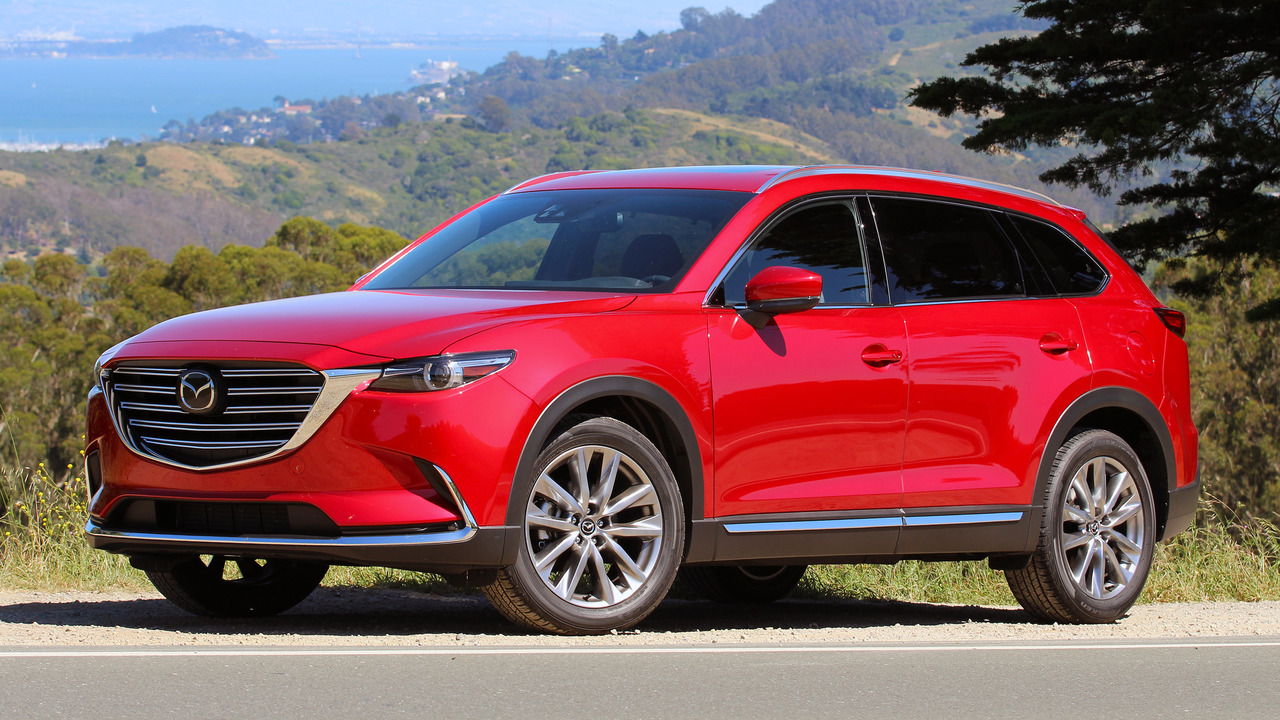
The six-speed automatic transmission, older than many rivals’ eight- or ten-speed units, has fewer gear ratios to work with when trying to keep the engine in its power band during climbs, which makes the altitude penalty feel more abrupt rather than gradually building.
Families using the CX-9 for ski trips or mountain vacations often report that a vehicle that felt perfectly adequate during a test drive near sea level becomes noticeably strained once loaded with passengers and luggage on the drive up to elevation.
The good news is that Mazda’s turbocharged variant, standard on most trims, largely resolves this issue thanks to forced induction, making trim selection an important consideration for buyers who know they’ll regularly be driving through mountainous, high-elevation terrain.
8. Hyundai Santa Fe (2.5L naturally aspirated four-cylinder)
The Santa Fe’s base naturally aspirated 2.5-liter four-cylinder produces a reasonable 191 horsepower at sea level, adequate for daily commuting and flat-highway driving.
But climb into elevations above 8,000 feet, and that figure drops meaningfully, leaving the eight-speed automatic transmission working overtime to find usable power for merging, passing, and sustained climbs on mountain routes throughout the Rockies and other high-elevation regions.
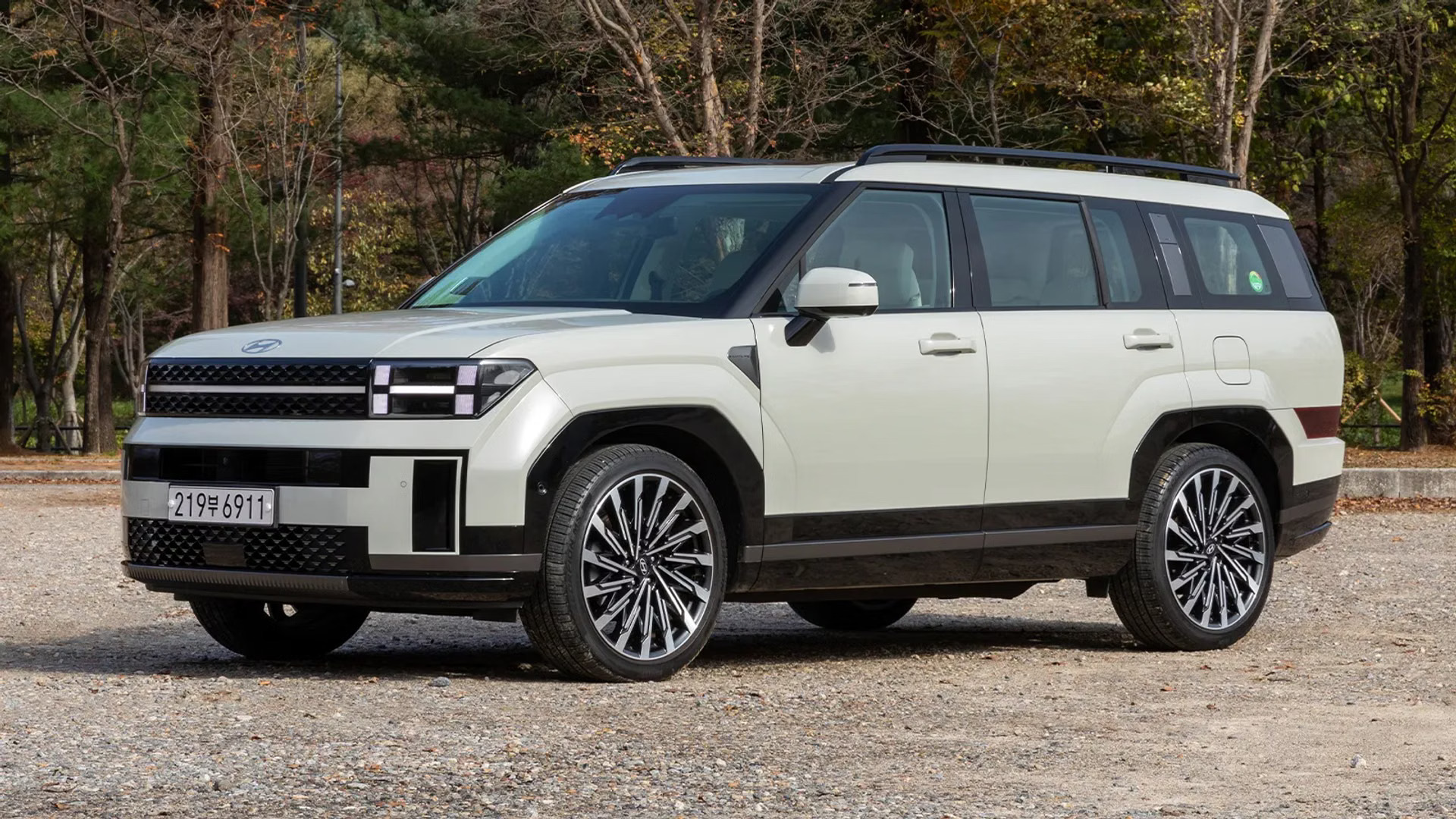
Because the Santa Fe is marketed heavily as a family and adventure-ready crossover, its altitude weakness catches some buyers off guard, particularly those relocating from lower-elevation states or planning frequent mountain getaways.
The naturally aspirated engine’s power delivery, already modest by class standards, becomes noticeably strained when the vehicle is loaded with passengers and cargo for a ski trip or camping excursion.
Hyundai does offer a turbocharged 2.5-liter variant in higher trims, which performs considerably better at altitude thanks to forced induction compensating for the thinner air, and mountain-region buyers increasingly gravitate toward that option specifically for this reason.
Owners of the base engine often describe needing to plan passing maneuvers more conservatively and accepting reduced performance as simply part of owning the vehicle in a high-elevation environment.