Extreme heat is one of the harshest environments a vehicle can face. Temperatures that regularly climb past 110°F (43°C) put enormous strain on cooling systems, batteries, plastics, rubber seals, and electronic components that were often engineered and tested for temperate climates.
Over time, this stress shows up as cracked hoses, degraded wiring insulation, warped dashboards, failing air conditioning compressors, and, in the worst cases, engine or battery failure.
Not every car is built to handle these conditions equally well. Some models have documented histories of overheating, AC breakdowns, or heat-related electrical gremlins that make them a poor choice for desert climates like Arizona, Nevada, or the Middle East. Below are ten vehicles that owners and mechanics frequently flag as struggling in sustained, extreme heat, along with the specific reasons why.
1. Ford Focus (2012–2016, EcoBoost/PowerShift Models)
The Ford Focus from this generation has a well-documented history of cooling and transmission issues that are magnified by desert heat. The turbocharged 1.0L and 1.6L EcoBoost engines run hotter than naturally aspirated equivalents, placing extra demand on an already compact cooling system.
Owners in hot climates have reported coolant leaks stemming from a plastic coolant outlet housing that becomes brittle and cracks under thermal cycling. Once this component fails, the engine can lose coolant rapidly, leading to overheating and, in severe cases, head gasket damage.
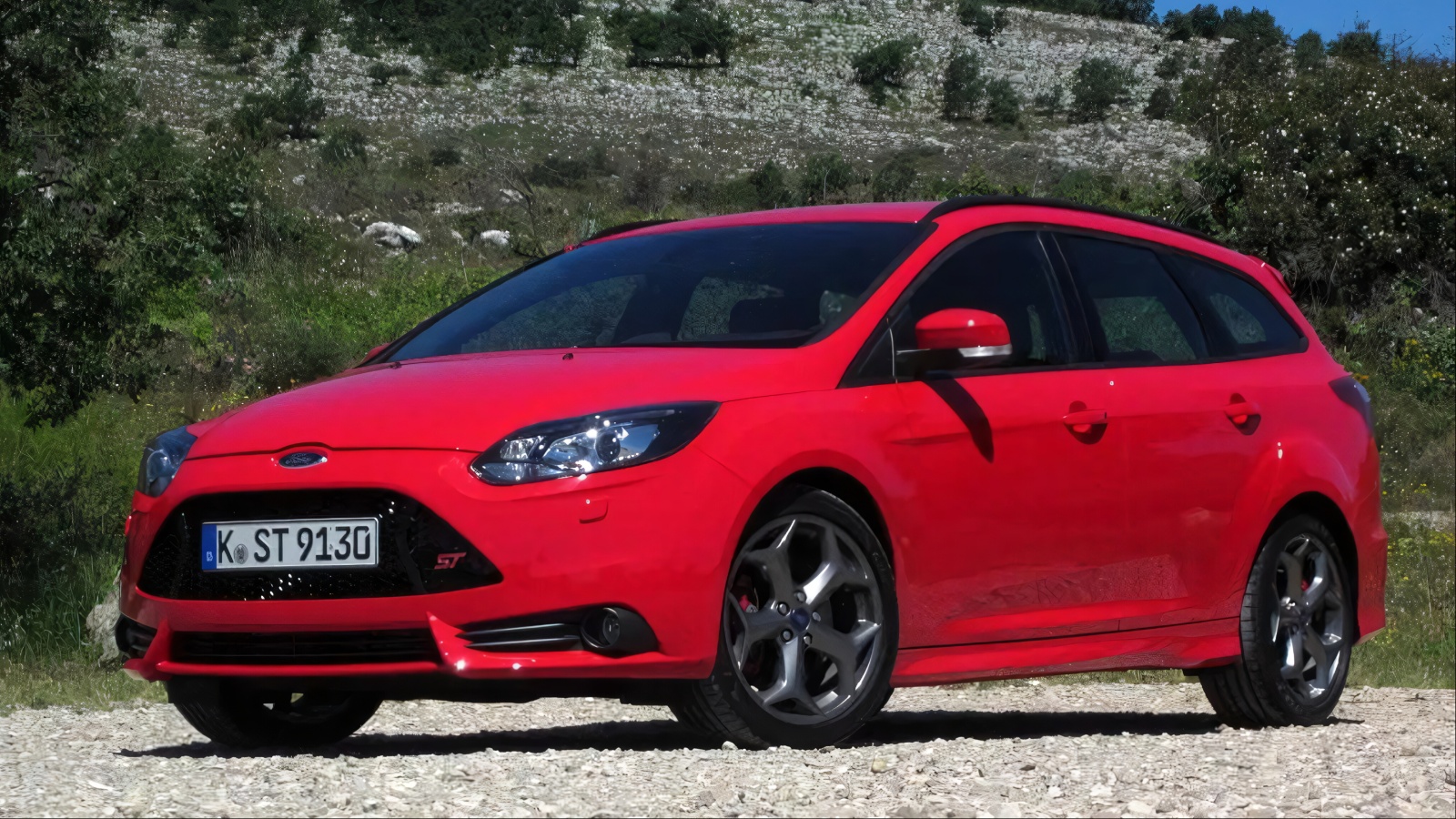
Compounding the problem is the PowerShift dual-clutch automatic transmission, which was never fully sorted for high-temperature durability. The transmission fluid breaks down faster in sustained heat, and the clutch packs are prone to premature wear, causing shuddering, slipping, and outright failure.
Desert commuters who spend long periods in stop-and-go traffic where airflow to the radiator is reduced see these problems accelerate.
The Focus’s relatively small radiator and tightly packed engine bay leave little thermal buffer, so even minor coolant loss or a struggling AC compressor can push temperatures into the danger zone faster than in larger vehicles. For buyers in hot regions, this generation of Focus is widely considered a risky choice without a full cooling-system inspection and proactive parts replacement.
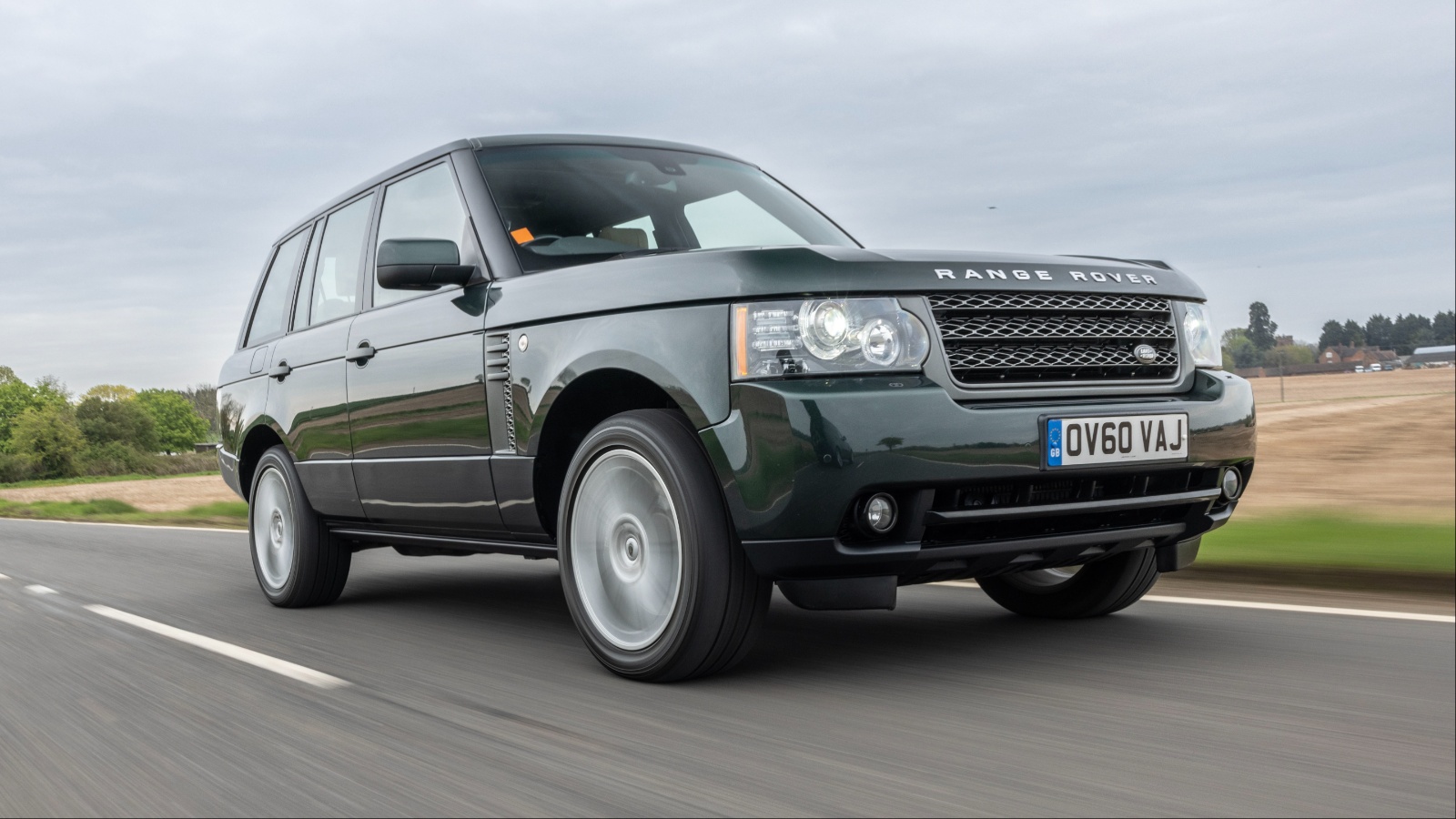
2. Land Rover Range Rover (Third and Fourth Generation)
The Range Rover’s reputation for mechanical complexity becomes a genuine liability in the desert. These generations pack advanced air suspension, extensive electronics, and a dense engine bay onto a heavy body, all of which generate significant heat that the factory cooling systems struggle to dissipate consistently.
Owners in hot climates frequently report air suspension compressor failures, a component that works harder to fight heat-related pressure fluctuations and is prone to overheating itself during long highway stints in high ambient temperatures.
The climate control system is another weak point. The dual-zone AC units in these models are known for compressor failures and refrigerant leaks, problems that are far more noticeable and disruptive when the outside temperature is already pushing 115°F.
Plastic coolant hoses and connectors throughout the V8 and V6 engine variants also degrade faster than in simpler, less densely packaged vehicles, leading to slow coolant leaks that can go unnoticed until a warning light appears.
Beyond mechanical concerns, the Range Rover’s extensive network of sensors and control modules covering everything from adaptive dampers to infotainment is vulnerable to heat-soaked engine bays and cabins.
Repeated thermal cycling shortens the lifespan of connectors and solder joints, contributing to the intermittent electrical faults this vehicle is already known for. Maintenance costs in desert regions tend to run well above the already-high baseline for this model.
3. Tesla Model S (Pre-2021 Models)
Electric vehicles face a different but equally serious heat challenge: battery thermal management. Earlier Tesla Model S units, particularly those without the most updated battery cooling architecture, are known to suffer accelerated battery degradation when regularly charged and driven in extreme desert heat.
Lithium-ion cells naturally lose capacity faster at high temperatures, and repeated fast-charging in 100°F-plus conditions compounds the effect, sometimes leading to noticeably reduced range within a few years of ownership.
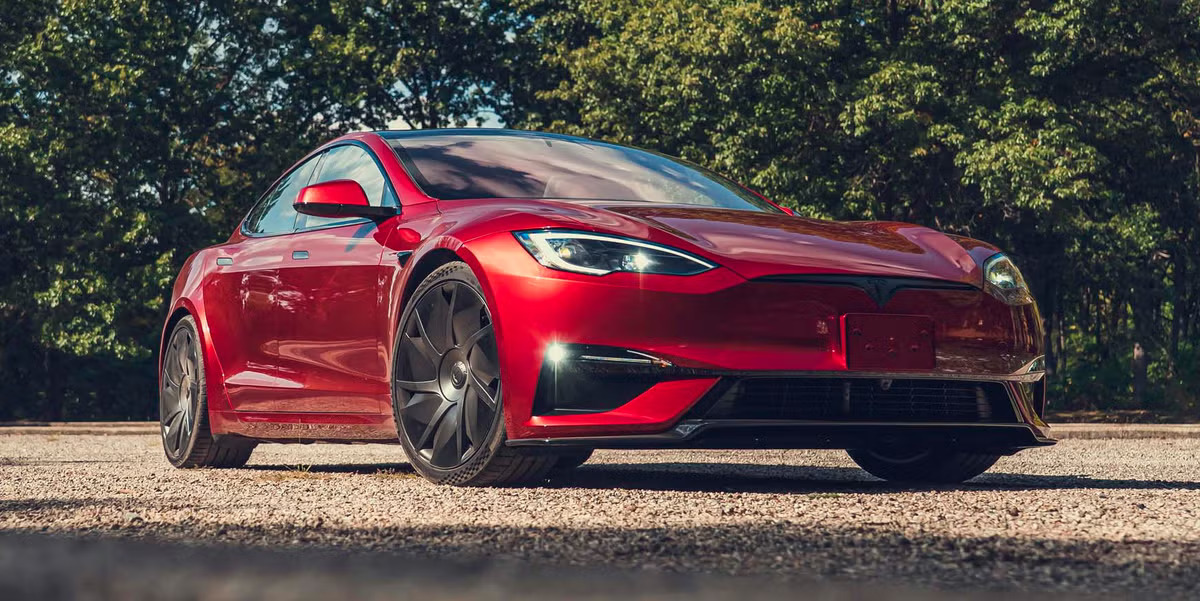
Beyond battery health, sustained cabin heat soak, common when a car sits in an unshaded desert parking lot, puts stress on interior materials, wiring harnesses, and the large touchscreen display, which some owners have reported freezing or dimming during peak heat events.
The car’s onboard cooling pumps also have to work harder and more frequently to keep the battery pack within its optimal operating range, increasing wear on these components over time.
While Tesla’s battery management software includes safeguards to limit charging speed and preserve pack health during heat events, this comes at the cost of convenience: charging can slow considerably during the hottest parts of the day.
For desert-based Model S owners, garage parking, shaded charging, and avoiding back-to-back fast-charging sessions become near-necessities rather than optional precautions, something not every buyer anticipates when purchasing an EV for a hot-climate lifestyle.
4. BMW X5 (E70/F15 Generations)
The BMW X5 from these generations is frequently cited by desert-climate mechanics as a vehicle with above-average cooling-system fragility. The plastic water pump and plastic radiator end tanks used across many of BMW’s inline-six and V8 engines from this era are notorious for premature failure, a problem that worsens significantly under sustained high ambient temperatures.
What might be a 100,000-mile component in a temperate climate can fail closer to 60,000–70,000 miles in the desert Southwest.
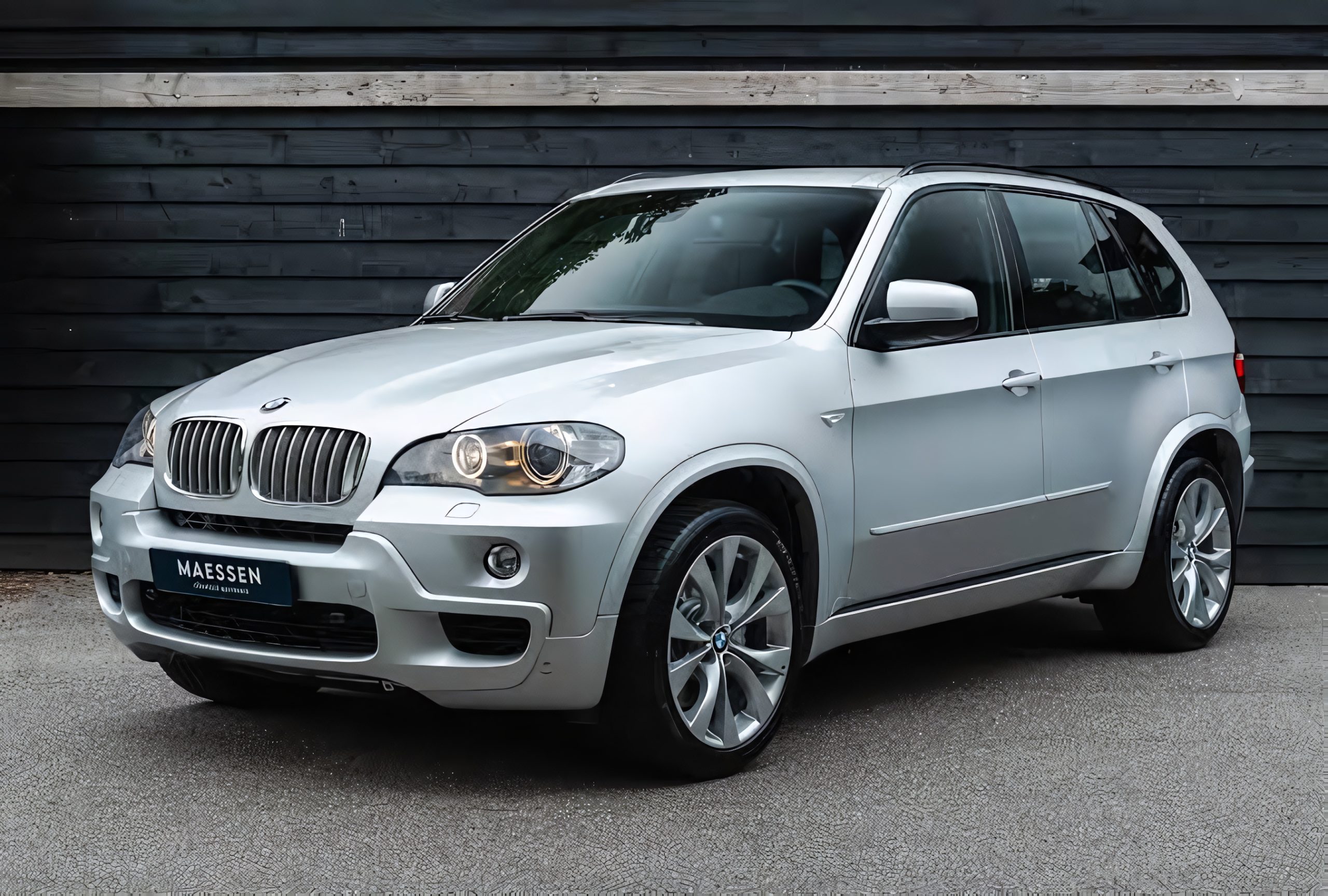
The X5’s expansion tank, made of a similarly heat-sensitive plastic, is another common failure point, often cracking and leaking coolant slowly enough that drivers don’t notice until the temperature gauge spikes on a hot highway drive. Because the X5’s turbocharged engines run at higher operating temperatures to begin with, any reduction in cooling capacity narrows the margin for error considerably.
Interior heat soak is a secondary but real issue: the leather upholstery, dashboard trim, and electronic components in these models are known to degrade and warp faster than in less premium-but-simpler vehicles, partly due to the dark interior color options popular in this trim line, which absorb more solar heat.
Combined, these factors make the X5 an expensive vehicle to keep reliable in sustained desert conditions without proactive, preventive cooling-system maintenance.
5. Chrysler 200 (2011–2014)
The Chrysler 200 from this era is often flagged as poorly suited to hot climates due to a combination of underwhelming factory air conditioning performance and interior materials that degrade quickly under UV and thermal stress.
Owners in desert states report AC systems that struggle to maintain cabin temperature during peak summer months, particularly in the four-cylinder models, where the compressor and condenser were sized modestly relative to the car’s cabin volume.
The dashboard and interior plastics in the 200 are also known to soften, warp, or crack after a few years of exposure to intense sun and heat, a cosmetic issue that can also affect the function of trim-mounted sensors and switches.
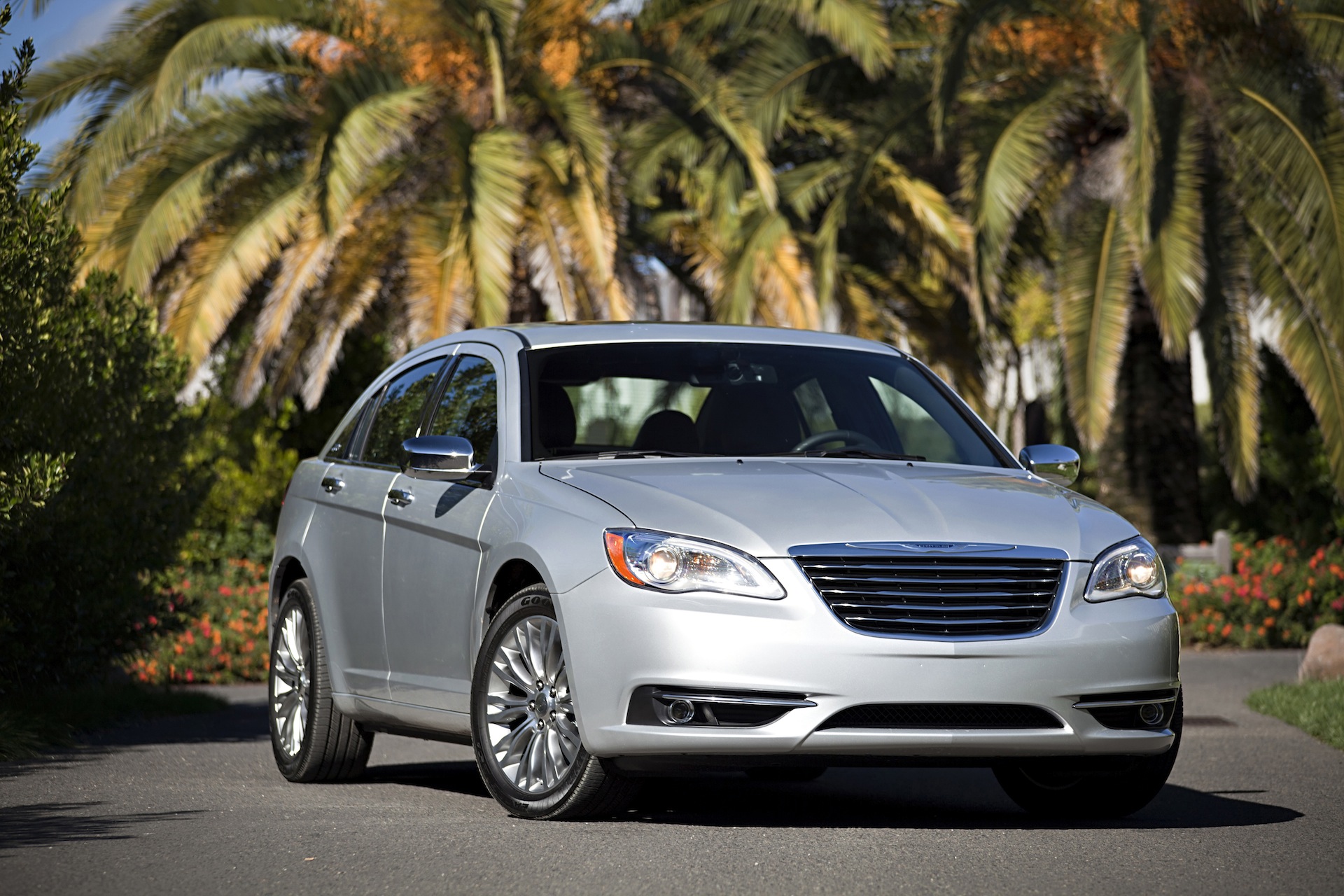
More seriously, the 2.4L four-cylinder engine has documented oil consumption and cooling-related issues that are exacerbated by stop-and-go desert driving, where engine bay temperatures climb during idling and low-speed traffic.
The car’s relatively basic engine cooling architecture leaves little margin when radiator efficiency drops due to dust and debris accumulation, a common desert issue that clogs radiator fins faster than in cleaner, greener environments. Combined with a transmission that already had reliability concerns, sustained desert use tends to shorten the practical lifespan of this model compared to more heat-tolerant competitors in its class.
6. Nissan Altima (2013–2018, CVT Models)
The Nissan Altima’s continuously variable transmission (CVT) from this generation has a widely reported history of overheating, and desert conditions make the problem measurably worse.
CVTs rely on transmission fluid to manage heat and friction between the belt and pulleys, and in sustained high ambient temperatures combined with stop-and-go traffic, that fluid can break down faster than the maintenance schedule anticipates, leading to shuddering, hesitation, and eventual transmission failure.
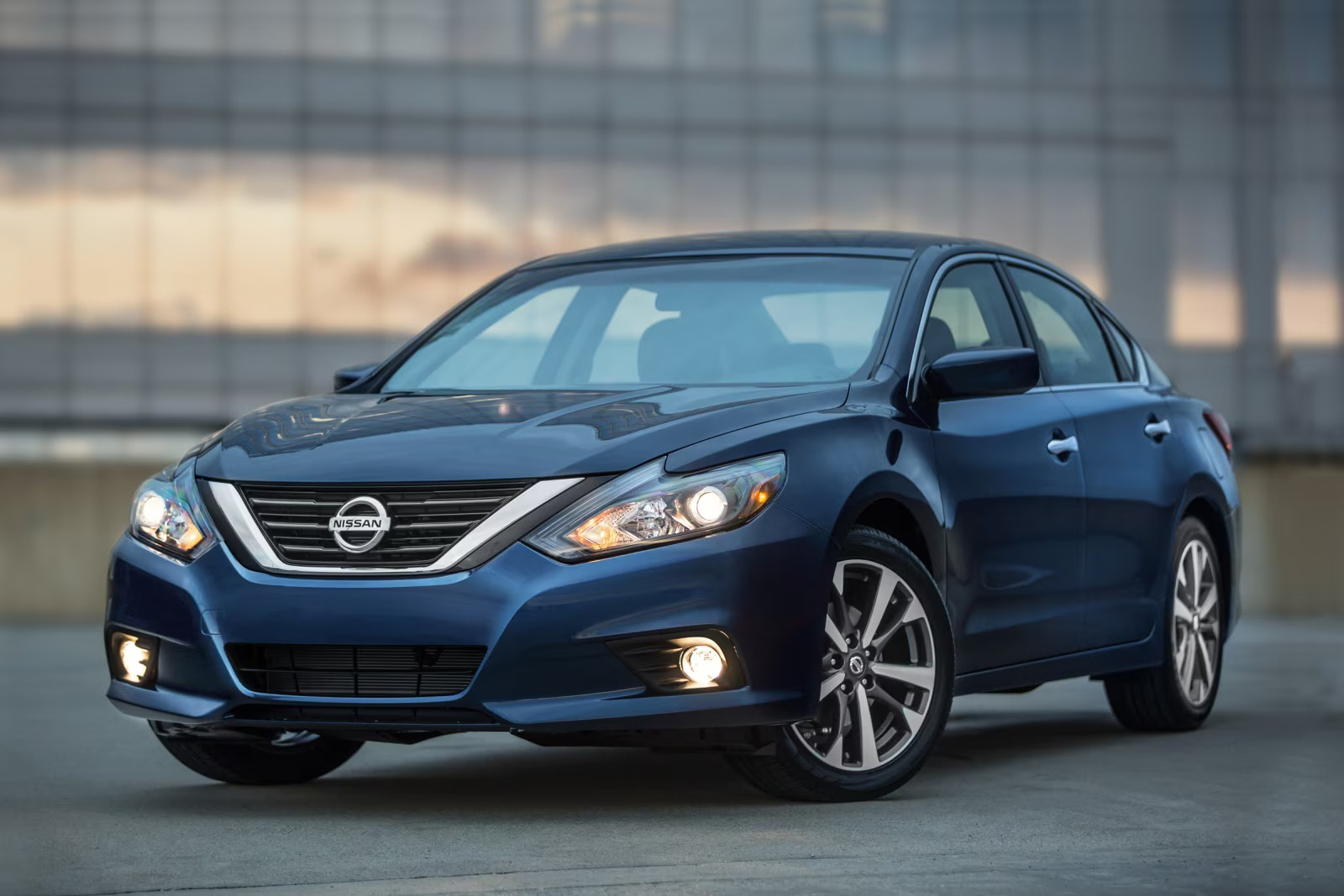
Because the CVT’s cooling relies partly on airflow through a compact under-hood radiator setup shared with the engine cooling circuit, desert dust accumulation on radiator fins reduces cooling efficiency for both systems simultaneously. Many Altima owners in hot states report needing more frequent CVT fluid changes than the factory-recommended interval just to keep the transmission within a safe operating range.
The engine cooling system itself is not immune either; the Altima’s plastic radiator end tanks and hose connectors are prone to becoming brittle in extreme heat, leading to slow leaks that reduce coolant volume over time.
Combined with a CVT that already has a shorter-than-average service life reputation, the Altima becomes a considerably higher-risk ownership proposition in Phoenix-, Las Vegas-, or Riyadh-like climates than in milder regions, where the same design flaws are less frequently exposed.
7. Mini Cooper (R56 Generation, 2007–2013)
The R56-generation Mini Cooper packs a turbocharged engine into an unusually small engine bay, and that tight packaging becomes a genuine liability in desert heat. There’s minimal room for airflow around the engine, exhaust, and turbocharger, so under-hood temperatures climb quickly during highway driving or idling in traffic, exactly the conditions common in sprawling desert metro areas.
This heat soak accelerates the failure of several known weak points, including the water pump, thermostat housing, and various plastic coolant lines.
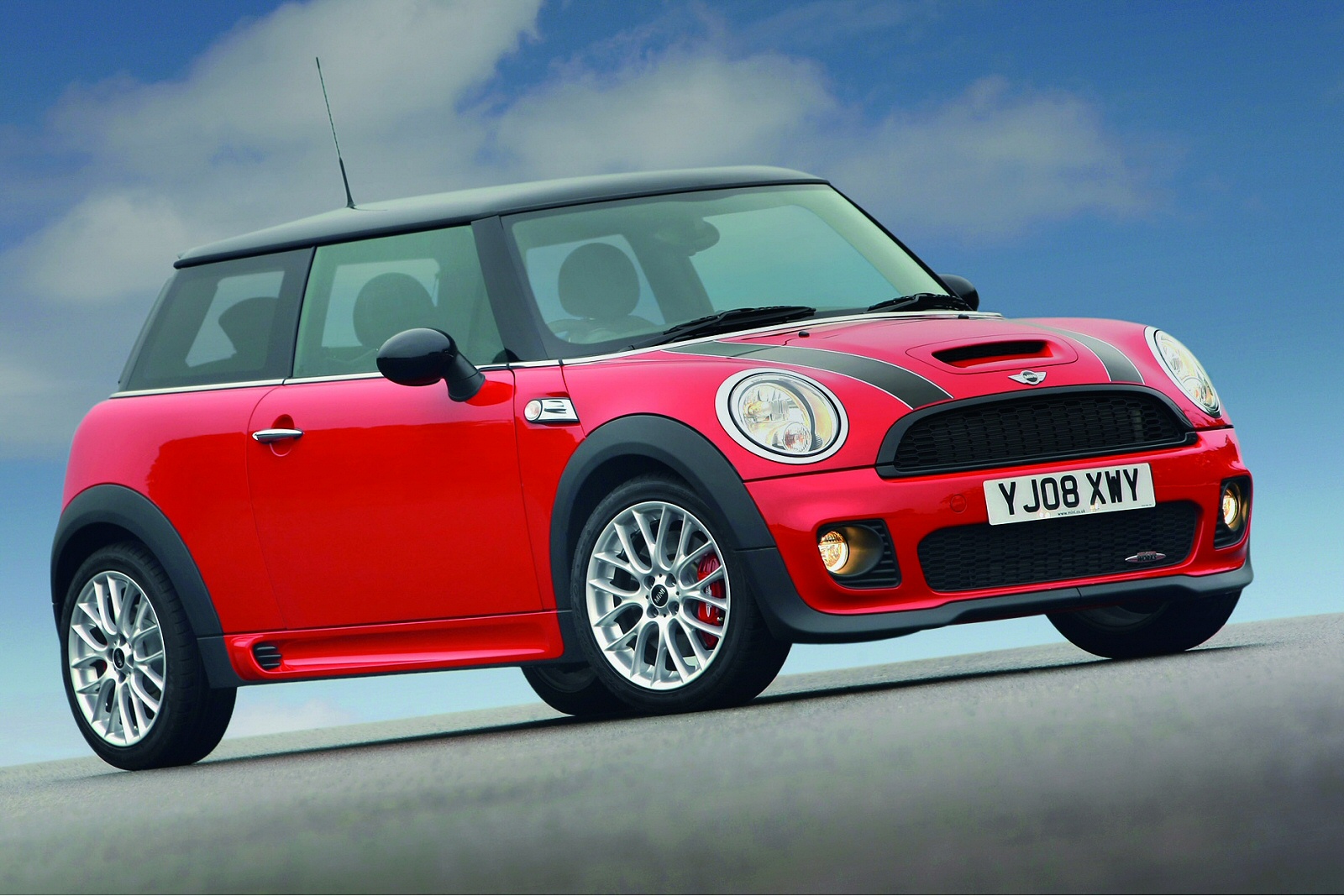
The turbocharger itself, combined with a compact intercooler, doesn’t have much thermal headroom to begin with, and desert ambient temperatures push it closer to its limits on a regular basis, sometimes triggering reduced-power “limp” modes on extremely hot days.
Owners have also reported that the run-flat tires standard on many Mini models wear unevenly and lose integrity faster in high heat, since the sidewalls are stiffer and generate more heat themselves during driving.
Cabin comfort is another weak point. The Mini’s compact interior can heat up quickly when parked in the sun. While the air conditioning system may be adequate in moderate climates, it is often considered underpowered for consistently cooling the cabin during extended summer driving in the desert, particularly on models equipped with a panoramic sunroof.
8. Fiat 500 (2012–2017)
The Fiat 500’s small footprint, while great for city driving, translates into a compact cooling system that leaves little margin in extreme heat. The car’s small radiator and modest AC compressor were primarily engineered with European and mild-climate use in mind, and owners in hot U.S. states have reported the air conditioning struggling to keep pace during peak summer afternoons, especially in the manual-transmission versions where engine load management differs from the automatic.
Mechanically, the Fiat 500 has a documented history of overheating related to a thermostat housing and water pump that are prone to premature wear, issues that show up earlier and more frequently in hot climates than temperate ones.
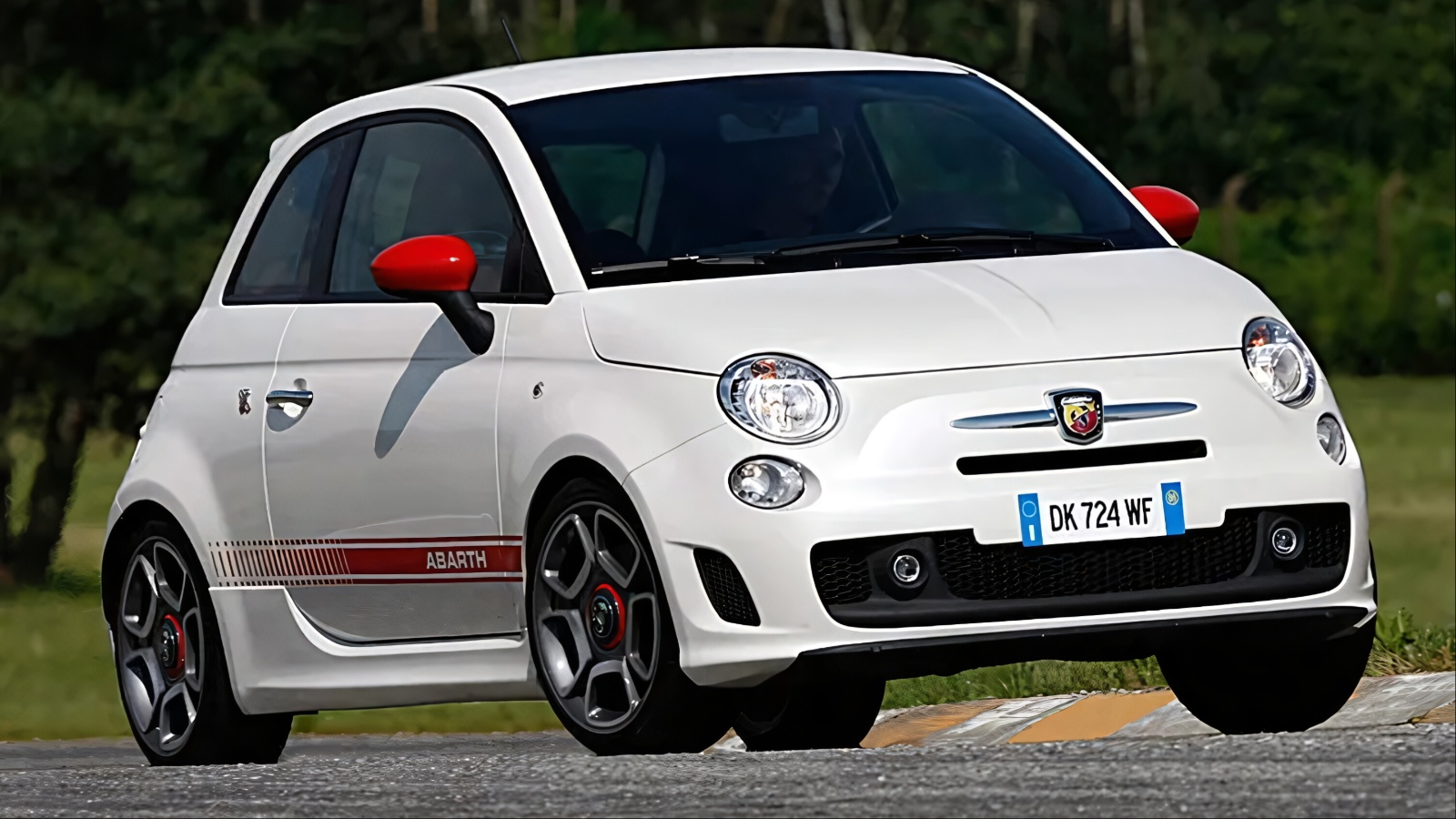
The turbocharged Abarth and 500T variants add another layer of heat-related stress, since the turbo and its associated plumbing generate additional under-hood temperature that the compact engine bay is not especially well ventilated to handle.
Interior materials are another known weak point. The dashboard and door panel plastics in this generation can fade and become brittle after prolonged exposure to UV rays and heat. In some cases, they can warp enough to affect the fit of the trim. For desert buyers who prioritize reliability over style and character, the Fiat 500 is generally considered a higher-maintenance choice than competitors in its segment that use more robust cooling systems.
9. Jeep Wrangler (JK Generation, Soft-Top Models)
The Jeep Wrangler’s open-air design, a major part of its appeal, becomes a liability in extreme desert heat. Soft-top models offer minimal insulation against solar heat gain, meaning cabin temperatures can spike dramatically faster than in a fully enclosed vehicle when parked outdoors.
This heat soak accelerates wear on the vinyl and plastic interior components, dashboard, and seating materials, which are already positioned closer to direct sun exposure than in most passenger cars.
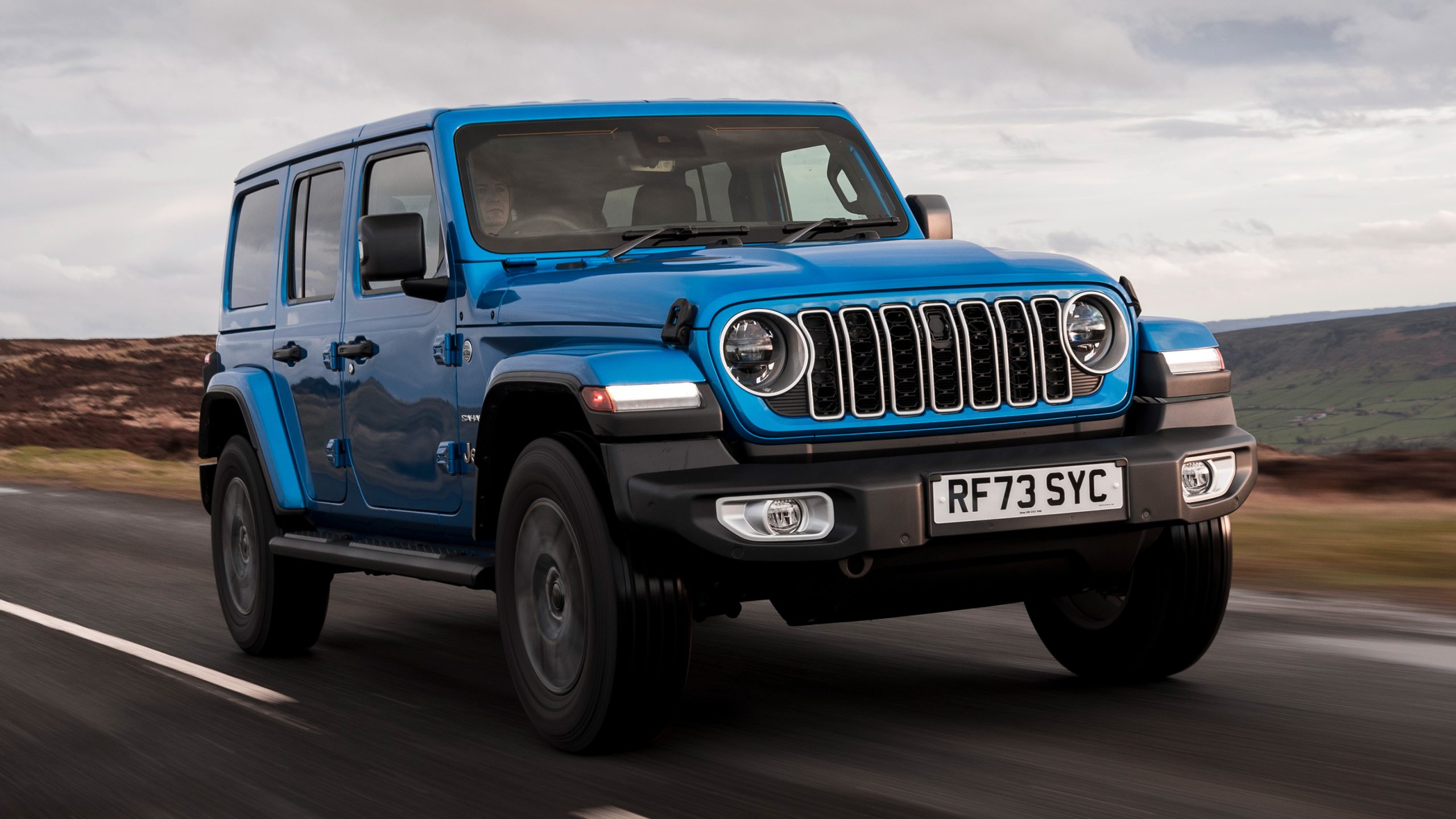
The soft top fabric itself degrades measurably faster under intense, sustained UV and heat exposure, becoming brittle, discolored, and prone to tearing or zipper failure years earlier than in temperate climates. Replacing a soft top is a costly repair that desert Wrangler owners tend to face more often than owners in milder regions.
Mechanically, the Wrangler’s factory air conditioning, particularly on older JK models, is frequently described as merely adequate rather than robust, struggling to keep the largely uninsulated cabin comfortable during peak summer temperatures.
The relatively basic engine cooling system, while generally reliable, still requires more vigilant maintenance in dusty, hot conditions, since desert grit combines with heat to clog radiators and accelerate hose and belt wear faster than typical service intervals anticipate.
10. Volkswagen Golf/Jetta (Mk6 Generation, 2010–2014)
Volkswagen’s Mk6-generation Golf and Jetta share a cooling system architecture that has developed a reputation for heat-related fragility, particularly in the turbocharged TSI engine variants.
The factory coolant expansion tank and various coolant hose connectors are made from a plastic that becomes increasingly brittle with heat-cycle exposure, and desert owners report a notably higher rate of coolant leaks and subsequent overheating incidents compared to owners in milder climates.
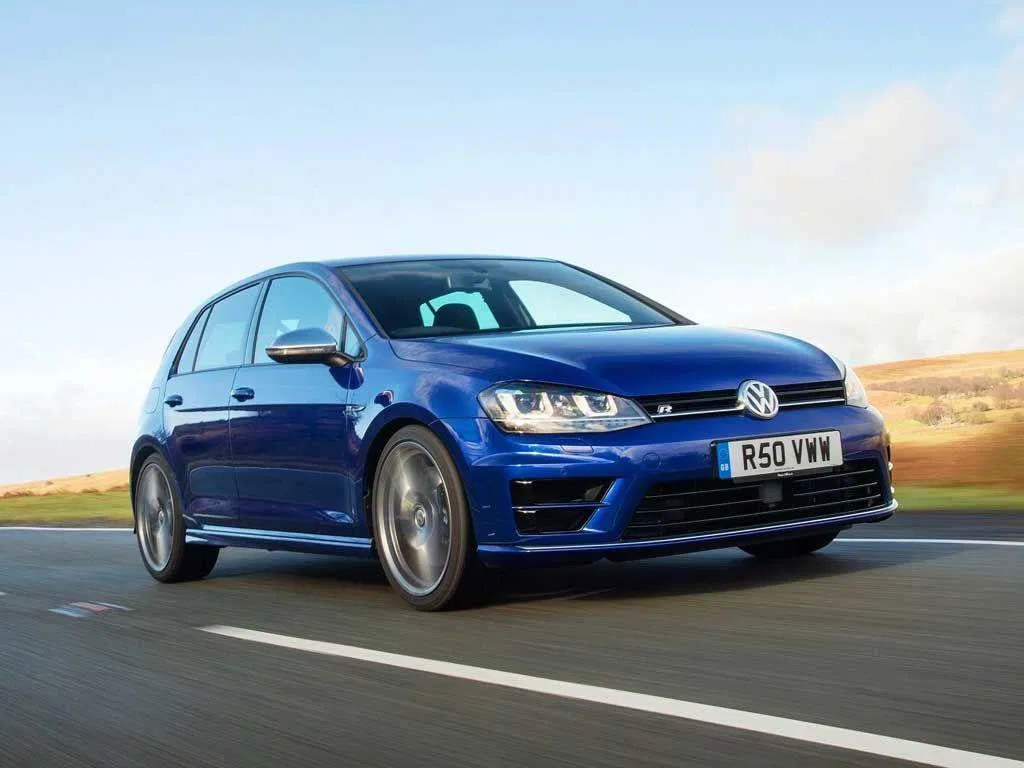
The turbocharged engines in this generation also run hotter under load than naturally aspirated alternatives, meaning any reduction in cooling efficiency, whether from a failing water pump, a clogged radiator, or a leaking hose, has less margin before triggering an overheating warning.
Because dust accumulation on the radiator is a common desert issue, regular cleaning becomes more of a necessity than a suggestion for maintaining reliable operation.
The AC compressor and climate control electronics in these models have also been flagged for premature failure in sustained heat, an especially frustrating issue given how central air conditioning performance is to daily comfort in desert climates.
Combined with interior plastics and dashboard materials known to warp and fade faster than segment competitors, the Mk6 Golf and Jetta require considerably more proactive, heat-focused maintenance to remain dependable long-term in hot-weather regions.