
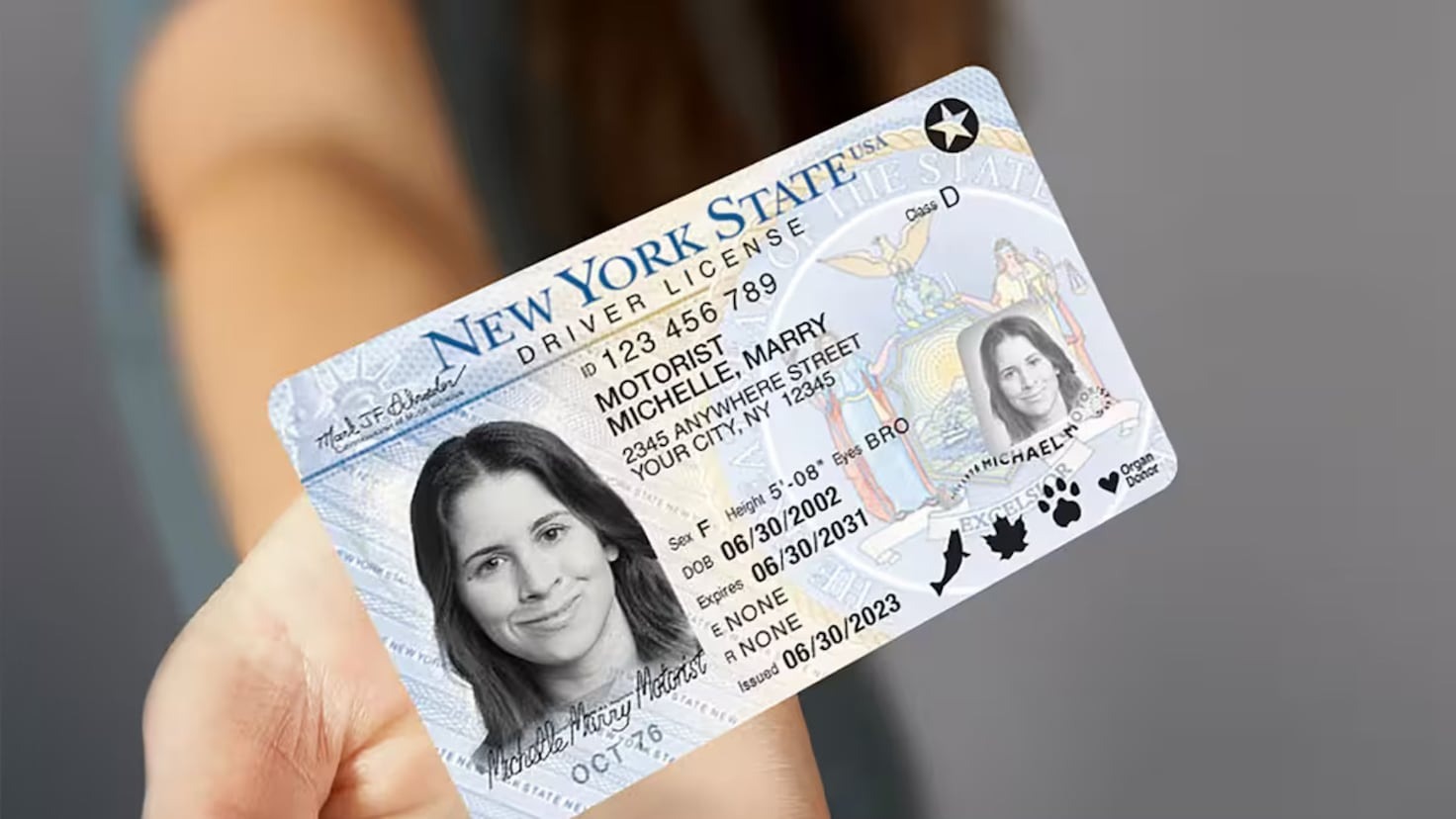
A valid U.S. driver’s license can get you behind the wheel at home, but crossing an international border can change the rules quickly. Some countries require an International Driving Permit, while others demand a local permit, an official translation, or additional paperwork before foreign visitors can legally drive.
Rental companies may also have requirements that go beyond the minimum rules set by local authorities. Assuming that your American license will automatically work can lead to a ruined rental reservation or legal trouble. Before planning a road trip abroad, it pays to understand what documents you need. These 10 destinations show why a U.S. driver’s license is not always enough.
1. Japan
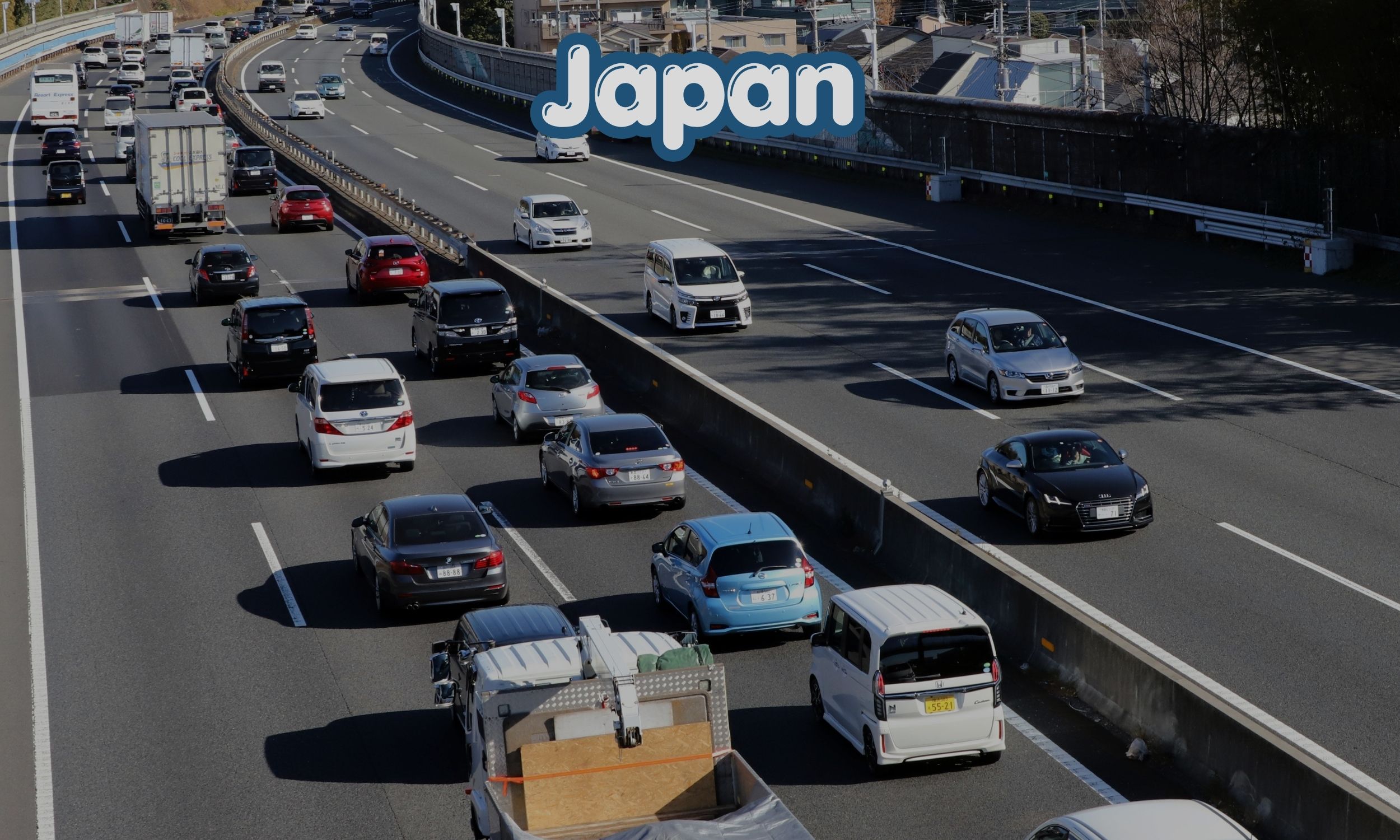
Japan has strict rules for foreign visitors who want to drive. A valid U.S. driver’s license by itself is generally not enough for short-term visitors. Americans who plan to drive need an International Driving Permit issued under the appropriate international convention and must carry it with their valid U.S. license.
The permit must be obtained before arriving in Japan. Travelers should not assume that an online document from an unfamiliar website will be accepted. The U.S. Department of State advises Americans to obtain their International Driving Permit through an authorized organization before traveling.
This requirement can affect a trip immediately. A car rental company may refuse to hand over a vehicle if the customer arrives without the proper documents. A visitor who drives without valid authorization could also face legal penalties.
Japan’s driving environment can present other challenges. Traffic moves on the left side of the road, road signs may look unfamiliar, and urban streets can be crowded and narrow. Rural areas bring a different experience, with winding roads and long distances between major services.
The paperwork is only the first step. Travelers should also study local traffic laws, insurance requirements, and parking rules before getting behind the wheel. A properly prepared driver can enjoy far more freedom while traveling through the country.

2. China
Mainland China is one of the clearest examples of a destination where an American driver’s license and an International Driving Permit are not enough. China does not generally recognize IDPs for ordinary foreign visitors who want to drive legally on public roads.
Instead, a visitor may need to obtain a temporary Chinese driving permit or meet the requirements for a Chinese driver’s license. The process can involve providing a valid passport, visa information, a foreign driver’s license, translations, photographs, and other documents required by local authorities.
That means travelers cannot simply arrive with an American license and rent a car as they might in many other destinations. Requirements can also vary according to the length and purpose of the stay.
Driving itself can be demanding for visitors unfamiliar with local roads. Traffic volumes can be heavy, road systems can be extensive, and local driving habits may differ sharply from what an American motorist expects.
For many short-term travelers, hiring a driver or relying on other forms of transportation may be easier than completing the required licensing process.
Anyone planning to drive should confirm the latest requirements with the appropriate Chinese authorities or a reliable rental provider before making travel plans. Licensing rules and administrative procedures can change, and the wrong assumption could leave a visitor unable to legally use a vehicle.
China is a reminder that an International Driving Permit is not a universal replacement for a local driving credential.

3. Italy
Italy enforces International Driving Permit requirements with more consistency than some of its European neighbors. While certain countries treat the rule loosely, Italian authorities and rental agencies expect travelers to carry both a valid U.S. license and an IDP together, treating the permit as a standard part of any foreign driver’s documentation.
Rental companies across Italy routinely ask for an IDP at pickup, even in situations where local police checks might be less frequent. Showing up without one can mean a denied rental altogether, leaving travelers stranded without wheels for that carefully planned drive through Tuscany or along the Amalfi Coast.
Police checkpoints do appear periodically, particularly near cities or during holiday travel periods, and officers have full authority to request documentation on the spot.
Getting caught without proper paperwork risks fines, and dealing with an unfamiliar legal system in a second language adds unnecessary stress to what should be an enjoyable trip.
Italian roads themselves demand attention regardless of paperwork, with narrow streets in historic city centers, aggressive driving styles in urban areas, and limited traffic zones that restrict certain vehicles entirely.
Combining unfamiliar road conditions with improper documentation creates a recipe for a ruined vacation day. Securing an IDP before departure through AAA takes minimal effort and completely removes this risk, letting travelers focus on enjoying Italy’s roads rather than worrying about compliance.

4. Spain
Spain’s roads can be appealing to visitors who want to travel beyond major cities, but an American driver’s license may need additional support before a visitor can legally drive. A U.S. license alone may not satisfy Spanish authorities or every rental agency.
An International Driving Permit can help meet the documentation requirement by providing an internationally recognized translation format for the information contained in the original license. A certified translation may also be relevant in certain situations, depending on the driver’s status and the local rules.
Travelers should carry the original U.S. driver’s license with the additional document when required. The permit is meant to accompany the license rather than replace it.
Spain has an extensive road network, but driving rules can differ from those in the United States. Visitors may encounter toll roads, restricted urban zones, roundabouts, and different rules governing parking and traffic enforcement.
Before renting a car, check the company’s requirements carefully. A reservation confirmation does not always mean that the customer has supplied every document needed at pickup.
Long-term residents may face different rules from short-term tourists, including requirements related to exchanging or obtaining a Spanish license.
For a vacation, the paperwork may seem like a small detail. Yet it can determine whether a traveler leaves the airport parking area in a rental car or remains at the counter trying to find another transportation option.
A little preparation before departure can prevent that problem.

5. Hungary
Hungary requires American visitors to take their documentation seriously when planning to drive. A U.S. driver’s license alone is not always sufficient. Short-term visitors may need to carry an official translation of the license or an International Driving Permit in addition to the original document.
This requirement can make a major difference during a traffic stop or when dealing with a rental company. Local authorities need to be able to identify and understand the driver’s credentials, and the supporting document helps make that possible.
Hungary also has additional driving rules that visitors should understand before starting a road trip. Motorway users may need to purchase the appropriate electronic road-use authorization, and drivers must follow local requirements concerning safety equipment and traffic laws.
Alcohol rules are also strict, making it especially important for visitors to understand the legal standard before driving. A longer stay can bring additional licensing requirements.
Someone living in Hungary for an extended period should not assume that the rules for short-term visitors will continue to apply indefinitely. The practical lesson is simple. Make sure you carry all required documents with you.
Leaving an International Driving Permit or official translation at your accommodation may not help if authorities request it during a roadside check. Hungary’s roads can make it easy to travel between cities and nearby countries, but international travel adds paperwork.
A few minutes spent confirming current requirements can prevent unnecessary trouble later.

6. Australia
Australia surprises plenty of American travelers who assume an English-speaking country automatically means simplified paperwork. That assumption doesn’t hold up universally here, since certain states and rental companies still require an International Driving Permit from U.S. drivers, particularly at major airport locations where rental volume runs high.
Requirements can vary depending on which state you’re visiting and which specific rental agency you’re working with, creating inconsistency that catches travelers off guard.
What works without issue in one location might get flagged in another, so checking specific requirements for your destination state before booking a rental saves potential headaches upon arrival.
Airport rental counters in cities like Sydney, Melbourne, and Brisbane tend to enforce these requirements more strictly than smaller regional agencies might, given the higher volume of international travelers passing through and the correspondingly stricter compliance standards these larger companies maintain.
Driving on the opposite side of the road adds its own adjustment period for American visitors, making proper documentation just one part of preparing for Australian roads.
Long distances between cities mean road trips remain popular among visitors, particularly along routes like the Great Ocean Road, and having an IDP ready removes any uncertainty about rental eligibility.
Given the relatively low cost and simple process of obtaining one before departure, most experienced travelers bring an IDP to Australia regardless of whether their specific rental location strictly requires it, treating the extra document as cheap insurance against an inconvenient surprise.

7. Germany
Germany attracts American visitors who want to experience its famous Autobahn, scenic routes, and well-developed road system. However, drivers should verify the current documentation rules before assuming that a U.S. driver’s license alone will be enough for every situation.
Requirements can depend on whether the person is a short-term visitor or a resident. Rental companies may also request documentation based on their own policies, even when local law allows a visitor to use a foreign license under certain conditions.
An International Driving Permit can serve as a helpful supporting document because it presents license information in an internationally recognized format. Travelers who choose to obtain one should still carry their original U.S. license because the permit is not intended to replace it.
Germany’s road system also demands attention to more than speed. Autobahn sections can have posted limits or other restrictions, and drivers must remain aware of road signs, traffic conditions, and lane discipline.
Visitors may be surprised by how quickly traffic can approach from behind on certain unrestricted highway sections. Staying alert and checking mirrors carefully is essential.
Urban areas bring different challenges, including parking regulations and environmental requirements that may apply to certain vehicles. A successful road trip requires more than enthusiasm for the Autobahn.
Travelers should confirm their license status, rental agreement, insurance coverage, and required paperwork before departure. Germany rewards preparation, particularly when the plan involves spending serious time behind the wheel.
8. Poland and Romania
Poland and Romania are grouped here because American drivers should pay close attention to additional documentation requirements in both countries.
A U.S. driver’s license alone may not be sufficient, and an International Driving Permit can be legally required or strongly expected when a visitor drives or rents a vehicle.
In Poland, U.S. government travel guidance specifically advises American drivers to carry both a valid U.S. license and an International Driving Permit. Travelers should obtain the permit before leaving the United States because waiting until arrival may create unnecessary problems.
Romania also requires foreign visitors to understand its licensing rules before driving. Documentation requirements can affect both roadside interactions and rental agreements, so travelers should confirm the current rules for their exact circumstances.
Road trips through either country can be rewarding, but local traffic laws may differ from American expectations. Toll systems, road conditions, speed enforcement, and mandatory equipment requirements deserve attention before leaving the rental lot.
Police checks can also require drivers to produce documents, making it important to keep the proper license and supporting paperwork accessible.
Travelers who plan to cross borders need to think beyond one country’s rules. A document accepted in one destination may not meet the requirements in the next.
For anyone driving through Central or Eastern Europe, planning the route should include a review of every country’s licensing requirements. The car may cross a border in minutes, but the legal rules can change immediately.
9. Thailand
Thailand presents a challenge for American drivers because local authorities may require additional documentation beyond a U.S. driver’s license. An International Driving Permit provides translated license information and helps officials and rental agencies verify a foreign driver’s credentials.
The requirement matters during traffic stops, rental transactions, and insurance claims. Travelers who skip the IDP may face problems if authorities question their driving documents.
Carrying both the IDP and original U.S. license provides the documentation needed for legal driving in applicable circumstances. Motorcycle and scooter rentals are another area where visitors should be especially careful.
A rental company’s willingness to provide a vehicle does not automatically mean the driver has the proper legal authorization. Before renting, travelers should confirm that their license and permit cover the type of vehicle they plan to operate.
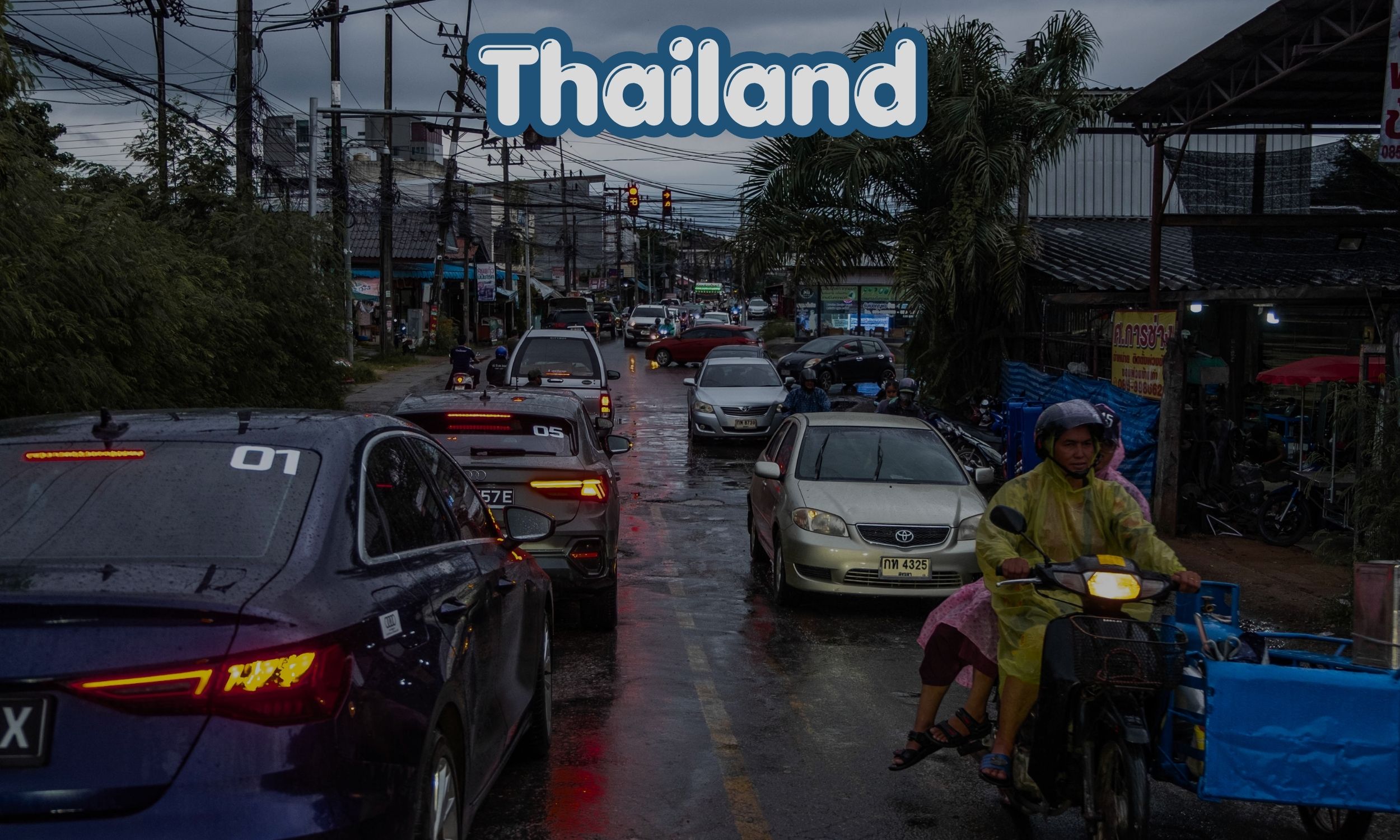
Thailand also requires American drivers to adjust to left-side traffic, busy streets, and large numbers of motorcycles. These conditions can feel unfamiliar, particularly in crowded tourist areas.
Obtaining the proper permit before traveling is a simple preparation step that can prevent avoidable problems. Visitors should also check current Thai driving, insurance, and rental requirements before their trip, since rules can vary according to the driver’s circumstances and vehicle type.

10. Egypt
Egypt requires American travelers to pay close attention to driving documentation. A U.S. driver’s license alone may not be sufficient, and an International Driving Permit can be required alongside the original license for foreign drivers.
The supporting permit helps authorities understand the information on a driver’s domestic license and may become important during a traffic stop, rental transaction, or insurance claim. Travelers should carry both documents whenever they drive.
Road conditions and driving habits may also differ sharply from those familiar to American visitors. Busy city streets, local road practices, and unfamiliar traffic patterns can make driving more demanding than expected.
For some travelers, hiring a local driver or using other transportation may be a practical choice, especially when visiting a congested urban area for the first time.
Anyone planning to rent a car should contact the rental company before arriving to confirm its documentation rules. Requirements may involve insurance, age restrictions, payment policies, and additional identification.
An International Driving Permit should be obtained through an authorized issuer before departure. Travelers should avoid unofficial services that claim to sell international driving documents without proper authorization.
Egypt shows why international driving preparation should begin before boarding the plane. The right paperwork can make a rental experience far easier and help prevent unexpected problems during a trip.
