
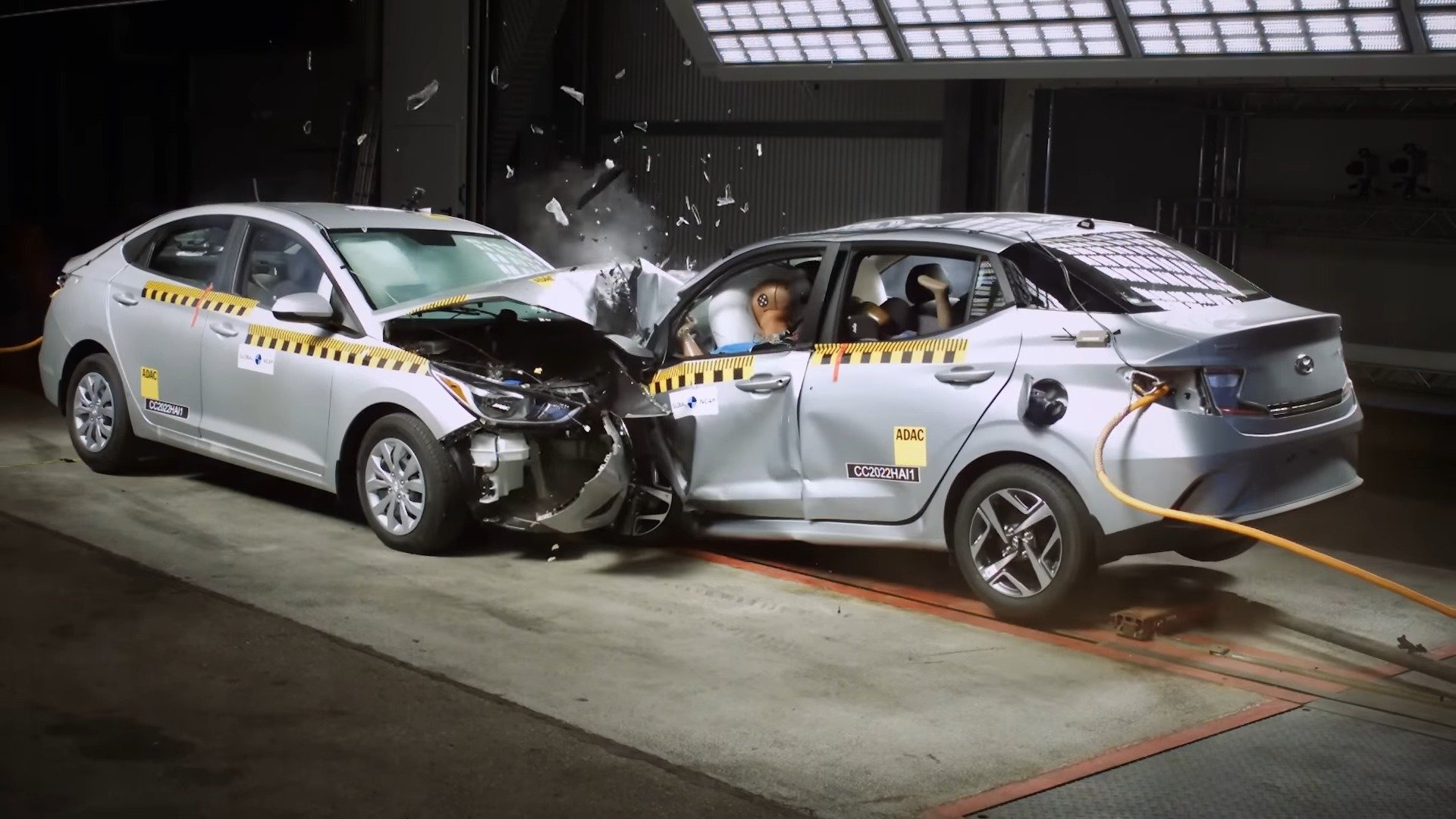
Buying a car often means checking fuel economy, price, comfort, and technology. Safety should be just as important, yet crash testing can vary greatly from one country to another. The United States has its own rigorous testing systems, but several respected programs abroad conduct tests that American buyers may never see performed on their roads or through U.S. assessment programs.
These organizations examine everything from occupant protection and pedestrian injuries to automatic emergency braking and other driver-assistance features. Their methods can reveal weaknesses that a single testing system may not expose. Here are eight major crash-test programs outside the United States that give consumers another way to judge how well vehicles protect people during a collision.

1. Euro NCAP (European New Car Assessment Programme)
Based in Leuven, Belgium, and running since 1996, Euro NCAP has become one of the toughest safety benchmarks a car can face. Its testers strap vehicles through frontal crashes, side impacts, pole strikes, and pedestrian collision checks, then grade the results on a star scale that buyers across the continent trust almost like a report card.
What sets this program apart is how often it updates its rulebook. Automakers can’t just design for last decade’s requirements; they have to keep pace with new protocols almost every year, including checks on driver assistance systems like automatic braking and lane keeping.
That constant tightening of standards has pushed manufacturers selling in Europe to build safer structures than they might otherwise bother with, since a poor rating can tank sales on the continent.
American drivers rarely hear about these results unless they follow international automotive news closely, yet the same models sold stateside sometimes carry different structural choices because U.S. rules don’t demand the same protections.
A five-star Euro NCAP rating carries real weight in Europe, shaping marketing campaigns and consumer trust the way crash ratings from the IIHS do here.
The program has also influenced regulation, since European lawmakers frequently borrow from its testing methods when writing new vehicle safety laws, giving it influence well beyond a simple scoring system.
2. ANCAP (Australasian New Car Assessment Program)
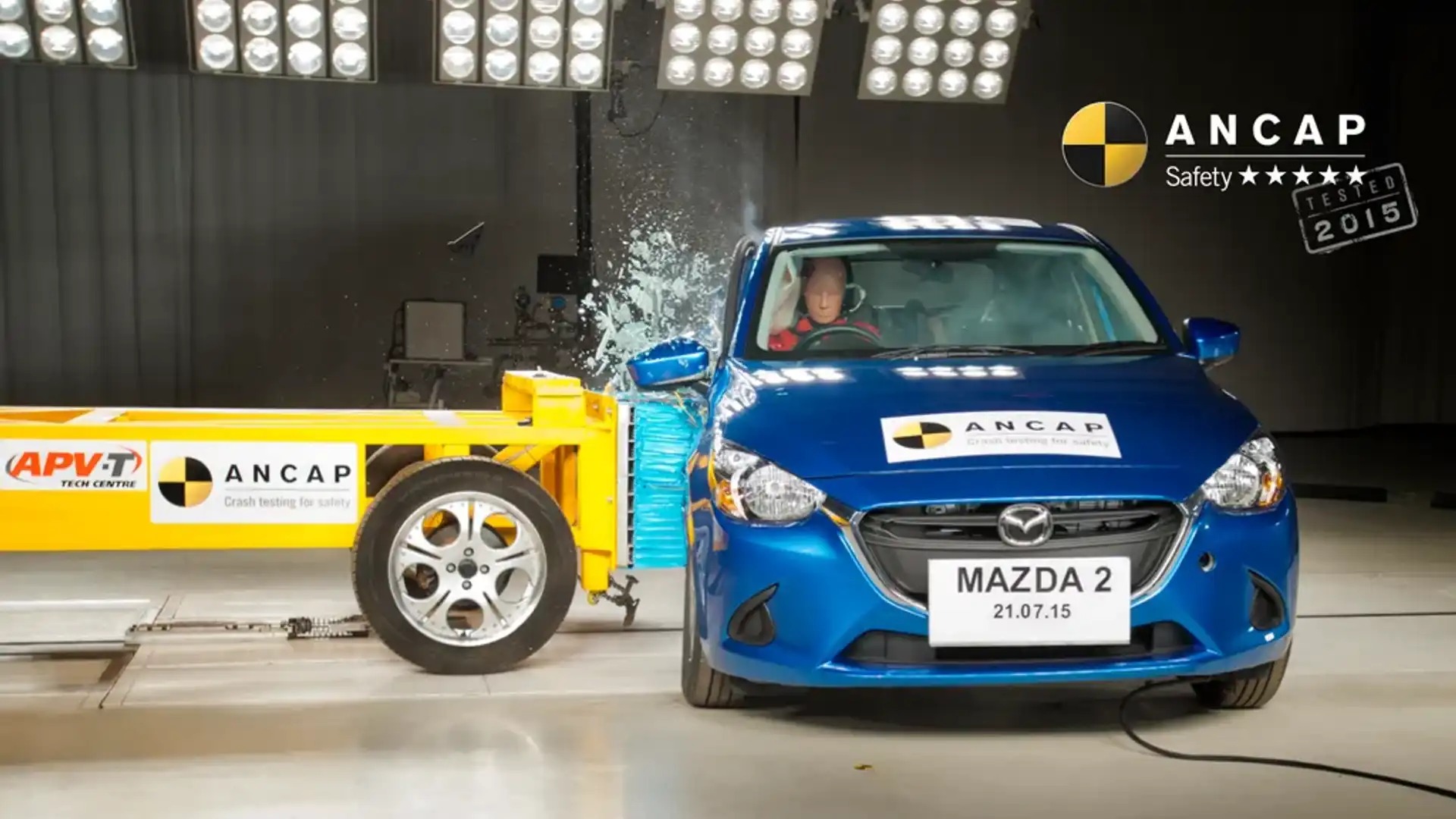
Australia and New Zealand rely on ANCAP, headquartered in Canberra since 1993, to judge whether cars sold in their markets hold up under pressure.
The program borrows heavily from Euro NCAP’s playbook, running frontal offset crashes, side impacts, and pole tests, but it tweaks the details to fit local driving patterns and vehicle types common in the region.
Here’s the interesting part. Because Australia and New Zealand import vehicles from manufacturers around the world, ANCAP tests a broader range of makes and models than many single-country safety programs ever encounter.
A pickup built for the Australian market might share little with its American counterpart beyond a badge, so ANCAP results can reveal differences buyers would never guess from spec sheets alone.
Pedestrian safety earns particular attention in this program, given how many Australian cities blend busy foot traffic with vehicle lanes. Rollover resistance also gets scrutiny given the country’s long rural highways, where a single mistake at speed can prove fatal.
ANCAP publishes its findings openly, and local dealerships often display star ratings prominently in showrooms, something American buyers rarely encounter in quite the same visible way.
For anyone importing a used vehicle from that part of the world, checking its ANCAP history offers a genuinely useful safety snapshot that a U.S. crash report simply won’t provide.
3. JNCAP (Japan New Car Assessment Programme)
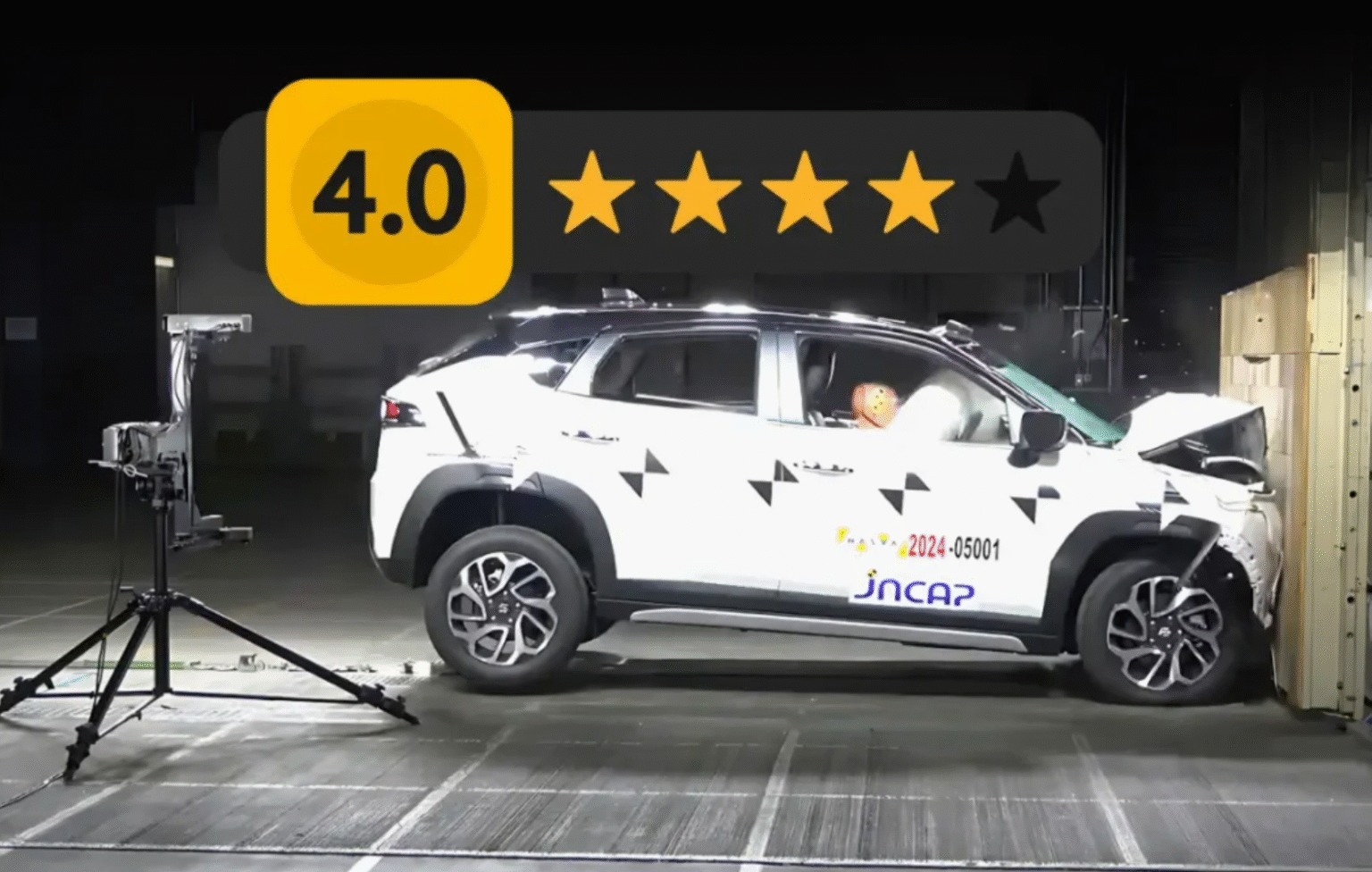
Japan takes a detailed approach to vehicle safety through JNCAP, the Japan New Car Assessment Programme. Established in 1995 and based in Tokyo, the program evaluates how vehicles respond to several types of collisions.
Its testing covers occupant protection while also giving attention to people who may be struck outside the vehicle. JNCAP includes full-frontal crash assessments, side-impact testing, pedestrian protection, and small-overlap testing.
Small-overlap crashes are especially useful because only part of the vehicle’s front structure makes contact with an obstacle. That situation can place heavy loads on parts of the vehicle that may not experience the same forces during a full-width collision.
Another important part of the program focuses on crash avoidance technology. JNCAP evaluates systems such as automatic emergency braking, recognizing that preventing a collision can be just as important as protecting occupants after an impact. This highlights the growing role of electronic driver assistance in modern vehicles.
For consumers, JNCAP provides a broader safety picture than a crash test focused only on vehicle damage. A car may have a strong passenger compartment yet still lack effective tools for avoiding certain collisions.
By examining both protection and prevention, the Japanese program gives buyers additional information when considering a new vehicle.
4. KNCAP (Korean New Car Assessment Program)
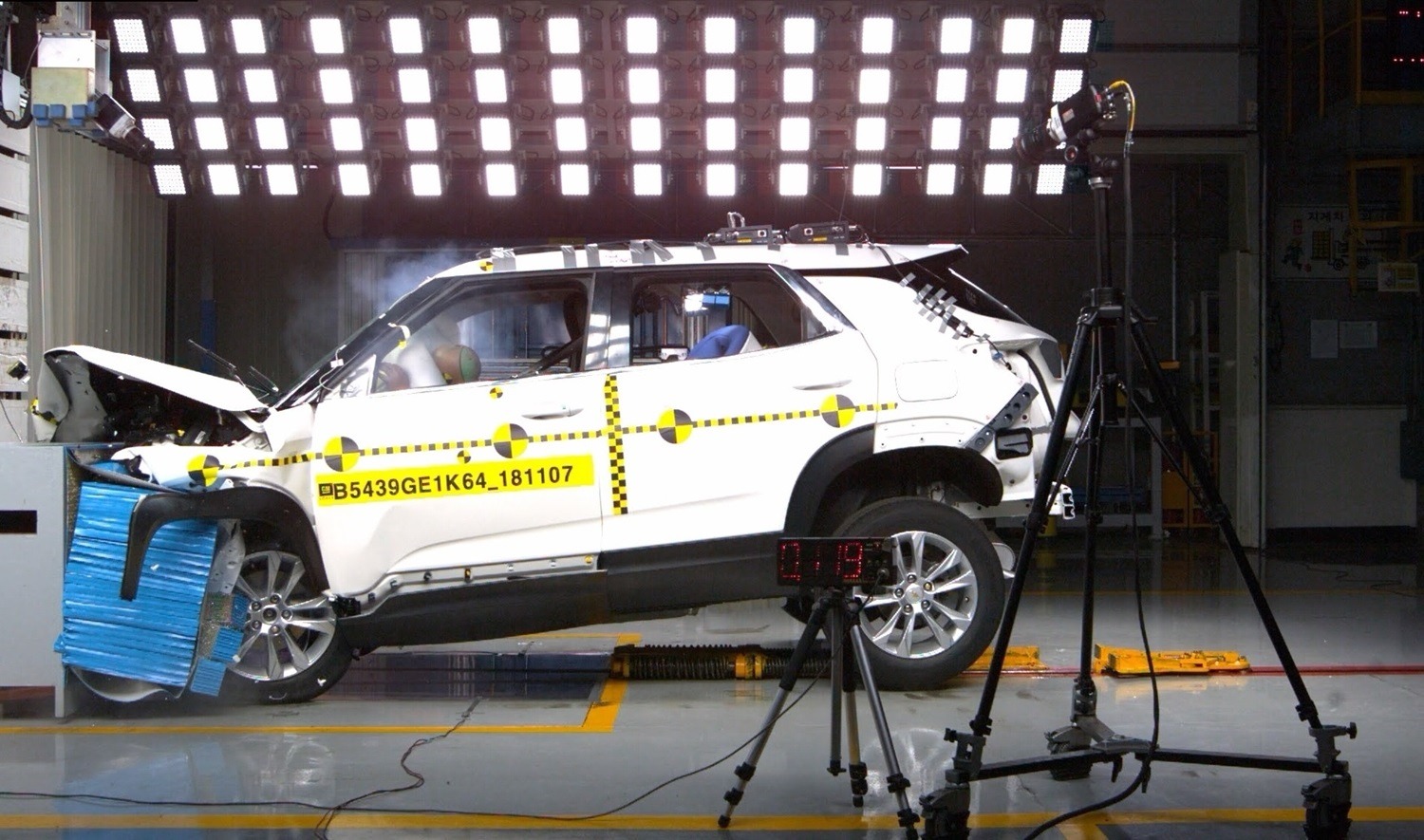
South Korea’s KNCAP provides another independent approach to vehicle safety. Created in 1999 and based in Hwaseong-si, the program evaluates vehicles using several crash scenarios while also examining advanced driver-assistance technology. Its testing is especially relevant to vehicles designed for the South Korean market.
Rather than relying on one type of collision, KNCAP uses frontal and side testing to examine protection from different directions. Rollover testing adds another layer by looking at what can happen when a vehicle loses stability and tips onto its side or roof.
These assessments can reveal safety concerns that may not appear during a straightforward frontal crash. The program also considers electronic assistance systems.
Features designed to warn drivers, reduce collision speed, or help prevent an impact can affect how safely a vehicle performs in real traffic. As these systems become more common, testing them gives consumers a better idea of how useful they may be.
There is a practical reason such testing matters. A vehicle can look impressive in a showroom while offering very different protection once subjected to controlled impacts.
KNCAP’s range of assessments helps move the conversation away from appearance and specifications and toward measurable safety performance. Its results also encourage automakers to improve both vehicle construction and protective technology.
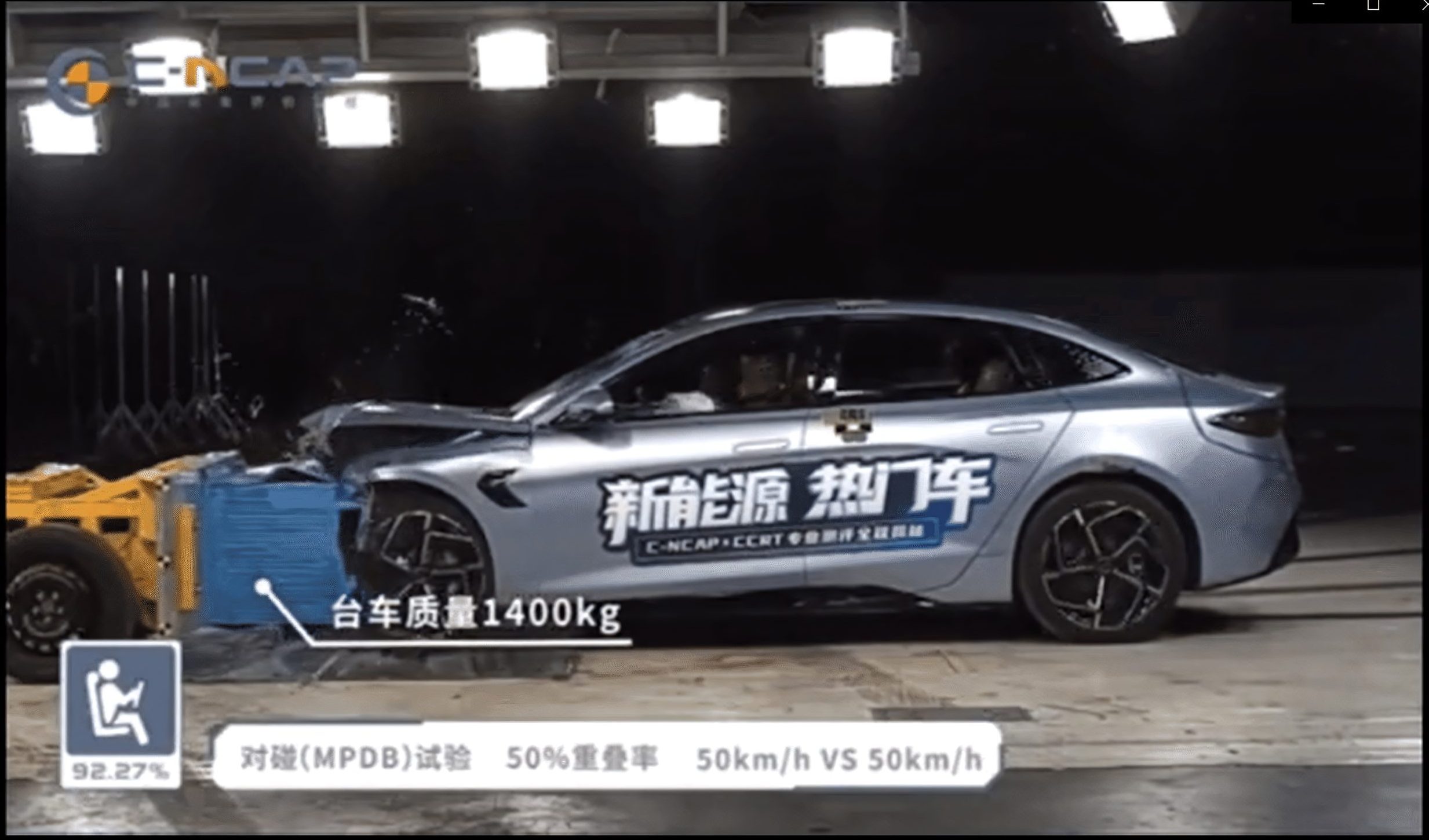
5. C-NCAP (China New Car Assessment Programme)
What happens when the world’s largest car market builds its own safety scorecard? You get C-NCAP, founded in 2006 and based in Tianjin. The program runs frontal, side, and pole impact tests for vehicles sold within China, frequently measuring its own standards against Euro NCAP benchmarks and regional safety expectations.
China’s automotive industry expanded at a breathtaking pace, and C-NCAP had to keep up with a flood of new manufacturers, both domestic and international, all vying for consumer trust in a market skeptical of unproven brands.
Star ratings from this program carry weight with Chinese buyers precisely because so many vehicles on the road come from companies without long safety track records elsewhere.
One thing that separates C-NCAP from some other programs is how closely it has aligned its methodology with Euro NCAP over the years, adopting similar dummy placement and scoring criteria to build international credibility.
This alignment helps Chinese-built vehicles find acceptance when exported to other countries, since a strong C-NCAP result signals compatibility with widely recognized testing philosophy.
Critics have occasionally questioned how independent the program remains given its connections to Chinese automotive research institutions, but its influence on manufacturing decisions within the country remains undeniable.
Any American considering a vehicle built by a Chinese manufacturer, whether directly or through a joint venture brand, would find that C-NCAP data offers insight unavailable through domestic U.S. testing channels.
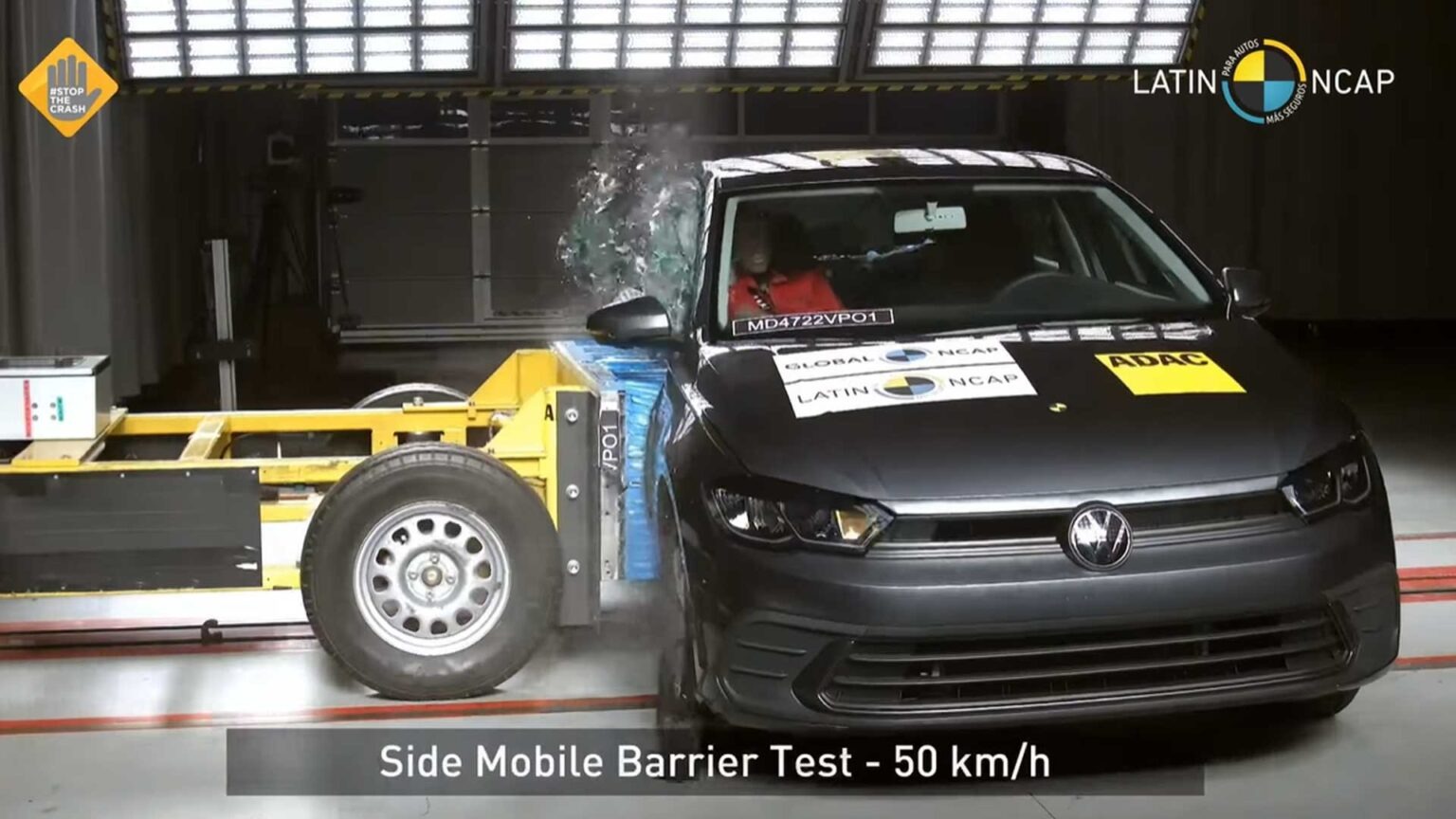
6. Latin NCAP
Latin NCAP evaluates vehicles sold across Latin America and has operated from Montevideo, Uruguay, since 2010. Its goal is straightforward. The program provides independent safety information while encouraging manufacturers to improve protection for occupants and pedestrians.
Frontal crash testing forms an important part of its work. Side impacts and pedestrian protection are also assessed, allowing the program to examine injuries that can occur in different types of accidents.
The results can help consumers see how a vehicle performs when subjected to controlled conditions rather than relying only on manufacturer claims. One reason Latin NCAP matters is that vehicle equipment can vary between markets.
A model sold in one country may not always have exactly the same safety equipment as a version sold elsewhere. Independent testing can bring attention to these differences and encourage manufacturers to provide better protection across their product ranges.
The program also updates its procedures as vehicle safety standards develop. Many of its methods are influenced by European assessment practices, although the organization applies them to vehicles and market conditions relevant to Latin America.
For shoppers, this creates another source of safety information. A vehicle’s appearance, price, and features do not necessarily tell the full story. Crash-test results can reveal how effectively its structure, airbags, seat belts, and other systems work when subjected to severe forces.
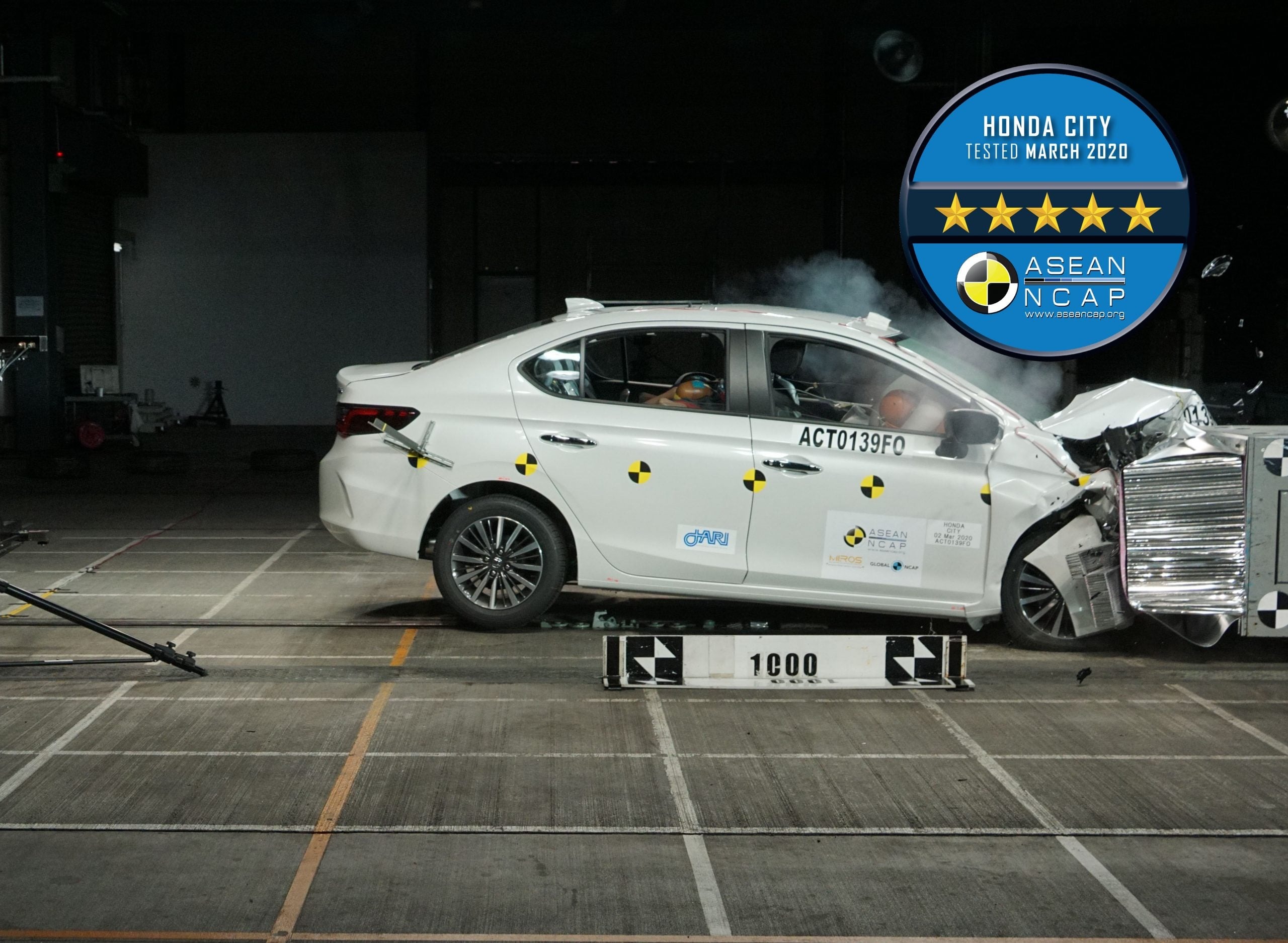
7. ASEAN NCAP (Southeast Asia New Car Assessment Program)
Established in 2011 and based in Kajang, Malaysia, ASEAN NCAP was created to provide consumers with clearer information about vehicle safety across Southeast Asia.
The program examines how well vehicles protect occupants during crashes while also paying attention to modern safety-assistance features designed to help prevent accidents.
Its testing covers several types of collisions, including frontal, side, and pole impacts. Each test places different demands on a vehicle, allowing safety specialists to examine how the body structure, airbags, seat belts, and other protective systems respond when a crash occurs.
This gives buyers useful information that cannot be found by simply reading a vehicle’s specifications. One important part of ASEAN NCAP’s work is crashworthiness.
This measures how effectively a vehicle protects people inside the cabin during an impact. A well-designed structure can help maintain valuable space around occupants, while properly functioning restraint systems can reduce the forces placed on the body.
Safety technology receives attention as well. Features such as automatic emergency braking can help prevent some collisions or reduce impact speeds when a crash cannot be avoided.
For car buyers, these assessments provide a clearer picture of real safety performance. Automakers also benefit because the results encourage them to improve protective equipment and include useful safety features as standard equipment rather than offering them only as expensive options.
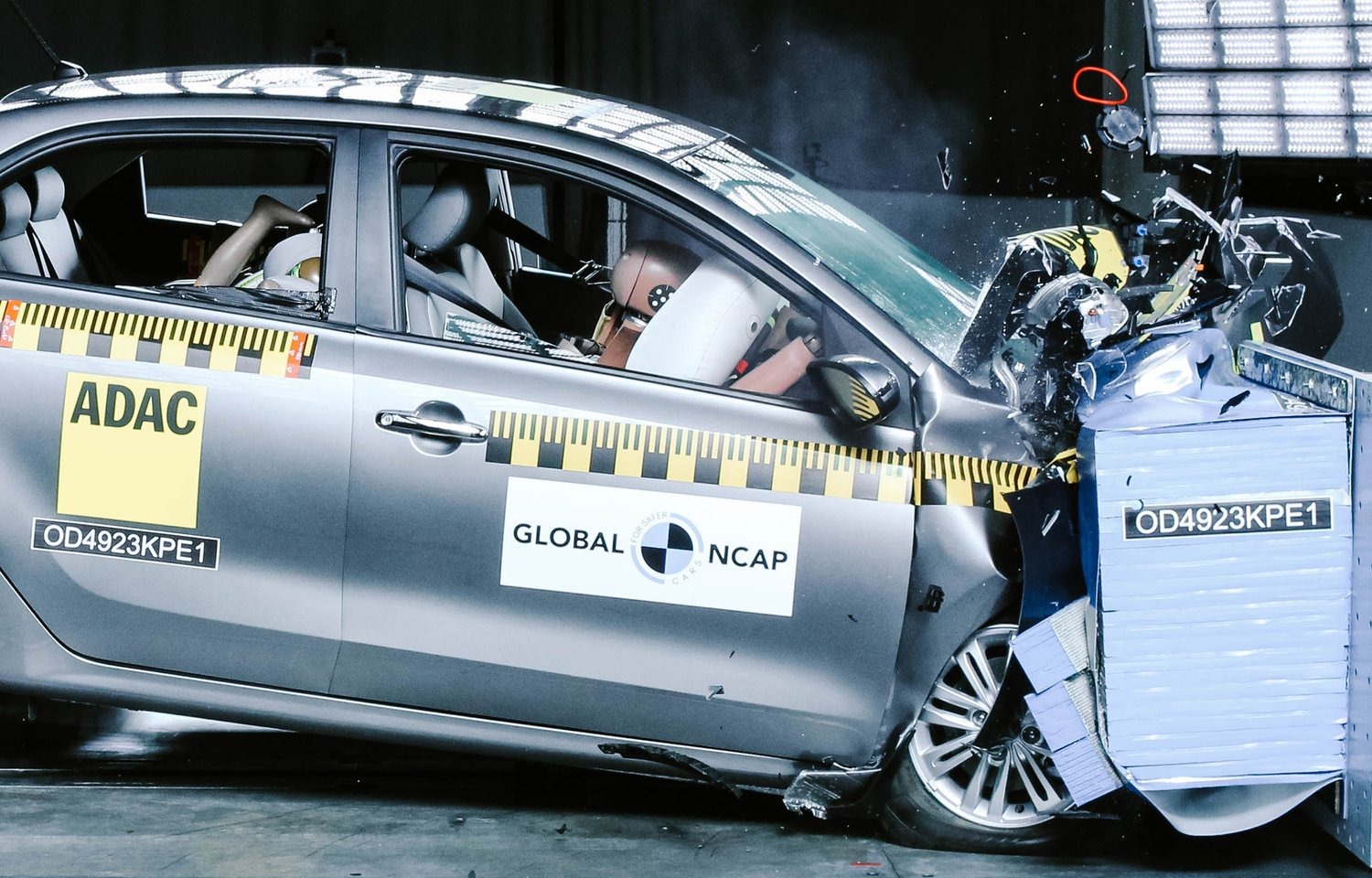
8. Global NCAP
Global NCAP, established in 2011 and based in London, takes a broader approach by promoting independent vehicle safety testing in emerging markets. Rather than concentrating on one country or region, the organization works to encourage stronger safety practices through standardized assessment methods.
Its testing places considerable attention on adult and child occupant protection. Pedestrian safety is also included because vehicle crashes can harm people both inside and outside the car.
These areas help consumers understand whether a vehicle provides reasonable protection across different types of road users. Think of Global NCAP as an organization that uses testing to create pressure for better vehicle design.
When a model performs poorly, the results can draw attention to weaknesses in its structure or safety equipment. Manufacturers then have a reason to improve future versions and provide stronger protection.
The program has been especially influential in markets where vehicle safety standards may differ from those used in wealthier automotive markets. Independent results can give buyers information that may not be available through government certification alone.
Although Global NCAP is not a U.S. crash-test program, its work adds another useful reference for understanding vehicle safety. Together with Euro NCAP, ANCAP, JNCAP, KNCAP, C-NCAP, Latin NCAP, and ASEAN NCAP, it demonstrates how different assessment groups examine vehicle protection through their own testing procedures.
