Rural roads are often associated with quiet landscapes, long distances, and lighter traffic, yet they can carry serious crash risks. In the United States, rural areas consistently record higher traffic fatality rates than urban areas when deaths are measured against vehicle miles traveled.
The danger can come from high travel speeds, limited lighting, roadway departures, long emergency response distances, and impaired or distracted driving. Using 2023 federal traffic safety data, this article examines ten states with the highest rural fatality rates.
The ranking focuses on deaths per 100 million rural vehicle miles traveled, providing a useful comparison across states with different populations and driving patterns.

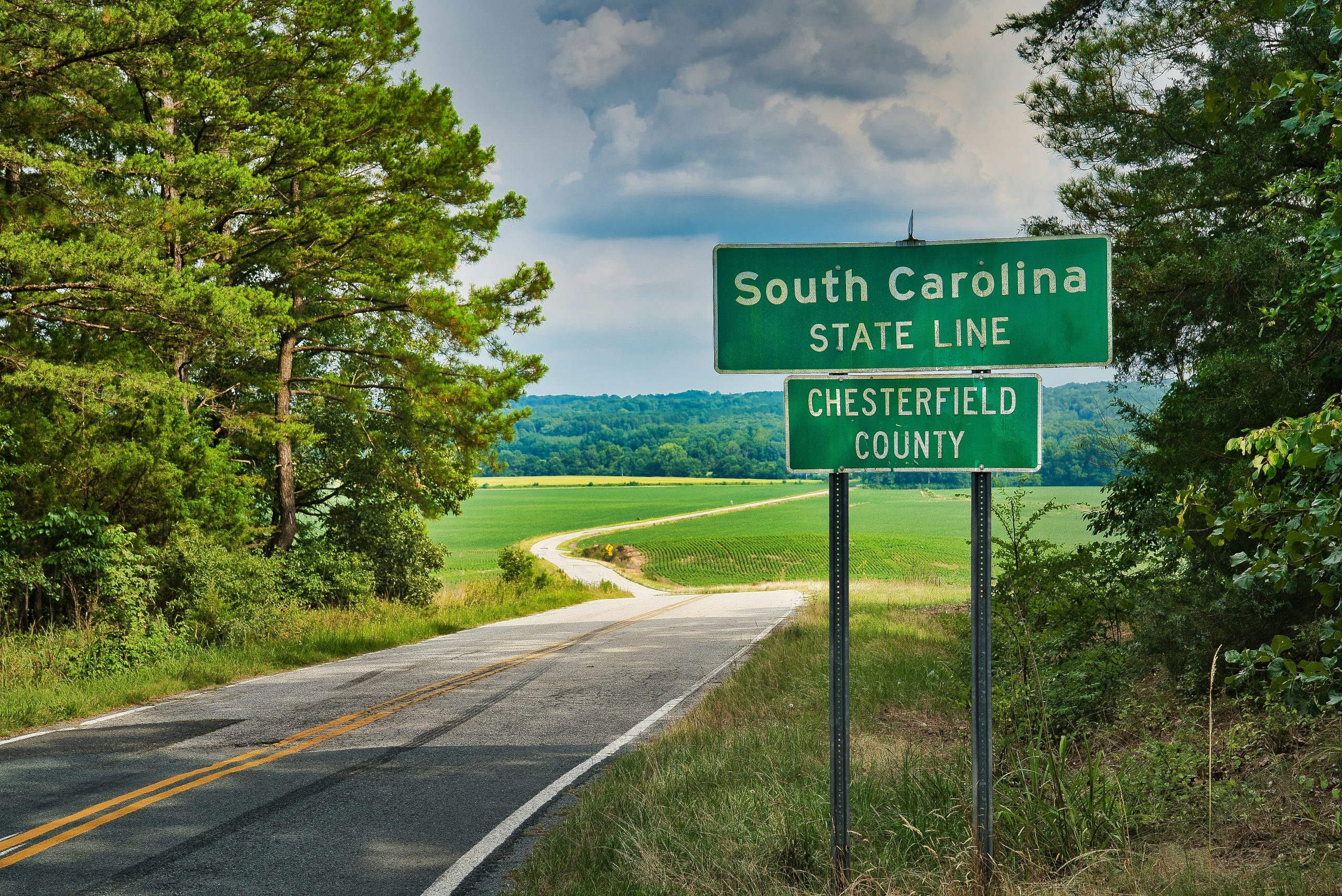
1. South Carolina
South Carolina ranks first in this list, with a rural traffic fatality rate of 2.44 deaths per 100 million rural vehicle miles traveled in 2023. The state recorded 556 rural traffic fatalities and approximately 22.8 billion rural vehicle miles traveled.
Rural crashes accounted for 53 percent of the state’s traffic fatalities that year. The state’s rural rate was substantially above the national rural rate of 1.65, placing South Carolina at the top of this comparison.
South Carolina’s rural road network includes highways connecting smaller communities, agricultural areas, coastal regions, and inland communities.
Drivers can encounter long stretches where speeds remain relatively high while roadside development is limited. These conditions can make a loss of control especially serious. A vehicle that crosses the centerline or leaves the roadway may have little physical protection between the vehicle and roadside hazards.
Roadway departure is particularly important in understanding rural crash deaths nationwide. In 2023, 64 percent of rural traffic fatalities in the United States occurred in roadway-departure crashes.
NHTSA defines a roadway departure as an event where a vehicle crosses an edge line, crosses a centerline, or leaves the traveled way. This type of collision can occur on straight roads as well as curves and may involve rollovers or impacts with fixed objects.
Speed also affects the severity of rural crashes. NHTSA reported that 72 percent of drivers in fatal rural traffic crashes in 2023 were on roads with posted speed limits of 55 mph or higher.
At higher speeds, drivers have less time to respond to unexpected situations, while vehicles require more distance to stop. A collision at highway speed can also produce far greater forces than a crash occurring at lower urban speeds.
The South Carolina figure does not mean drivers should avoid rural roads throughout the state. It does show that rural travel requires careful attention to speed, lane position, visibility, and changing road conditions.
Staying within the posted limit, using seat belts, avoiding impaired driving, and remaining alert can reduce individual risk. Road agencies can also address dangerous curves, improve pavement markings, install safety barriers where appropriate, and improve roadside recovery areas.

2. Texas
Texas recorded a rural fatality rate of 2.12 deaths per 100 million rural vehicle miles traveled in 2023, placing it near the top of the national ranking.
The state recorded 1,688 rural traffic fatalities and approximately 79.6 billion rural vehicle miles traveled. Rural crashes represented 39 percent of Texas traffic fatalities during the year. Because Texas has such an extensive road network, the state also recorded a very large number of rural driving miles.
The scale of Texas helps explain why its rural road safety picture is distinctive. The state covers a huge geographic area, with highways and secondary roads connecting distant communities.
Drivers may spend hours traveling between population centers, making sustained high-speed driving common. Rural routes can also pass through open ranchland, farmland, desert terrain, wooded areas, and rapidly developing communities, creating a wide range of driving conditions.
Long distances can influence driver behavior as well. Fatigue becomes a concern during extended trips, particularly when roads appear visually repetitive. A driver may become less attentive when traveling for hours on a relatively straight roadway.
Changes in weather, wildlife movement, construction zones, or slower vehicles can then create sudden hazards. Maintaining a safe following distance and taking regular breaks can help drivers remain focused.
Texas also illustrates why total deaths and fatality rates should be considered separately. The state’s large rural mileage means that a substantial number of people are exposed to rural driving conditions.
A high rate means the risk remains significant even after accounting for the amount of travel. For policymakers, this can help identify the need for safety improvements across broad networks rather than focusing only on locations with the highest raw crash totals.
The Texas figure reinforces the importance of rural safety measures across long-distance routes. Drivers should avoid speeding, impaired driving, and fatigue, while road authorities can focus on lane markings, roadway shoulders, median treatments, curve warnings, intersection improvements, and roadside hazard management.
Reliable emergency communication and efficient response systems are also valuable in remote areas where serious crashes may occur far from hospitals.

3. Oregon
Oregon had a rural fatality rate of 2.12 deaths per 100 million rural vehicle miles traveled in 2023, matching Texas and placing it third in this ranking because of the ordering used for the list. The state recorded 311 rural traffic fatalities and approximately 14.6 billion rural vehicle miles traveled. Rural crashes accounted for 53 percent of Oregon’s traffic fatalities.
Oregon’s rural landscape includes mountains, forests, high desert, agricultural areas, and coastal regions. These environments can create different driving challenges.
Mountain roads may involve steep grades and sharp curves, while forest routes can have limited sight distance and roadside obstacles. Rural roads in areas with changing terrain may require drivers to adjust their speed well below the posted maximum when conditions call for it.
Weather can also affect rural driving in Oregon. Rain, snow, ice, fog, and changing surface conditions can reduce traction or visibility. A speed that feels comfortable on a dry road may be inappropriate when pavement becomes wet or icy. Drivers should respond to actual conditions rather than treating the posted speed limit as a target under every circumstance.
The state’s high rural fatality rate also highlights the relationship between roadway design and crash outcomes. When a vehicle leaves the travel lane, the surrounding environment can determine whether the result is a minor incident or a fatal collision.
Clear recovery areas, properly designed curves, appropriate barriers, visible pavement markings, and well-maintained shoulders can give drivers more opportunities to recover from mistakes.
For motorists traveling through rural Oregon, preparation can make a meaningful difference. Checking weather before a long trip, keeping headlights and tires in good condition, reducing speed on unfamiliar roads, and avoiding distractions are simple steps.
On isolated roads, drivers should also be prepared for longer distances between fuel stations, services, and medical facilities. Safe rural travel depends on anticipating conditions before they become emergencies.
4. West Virginia
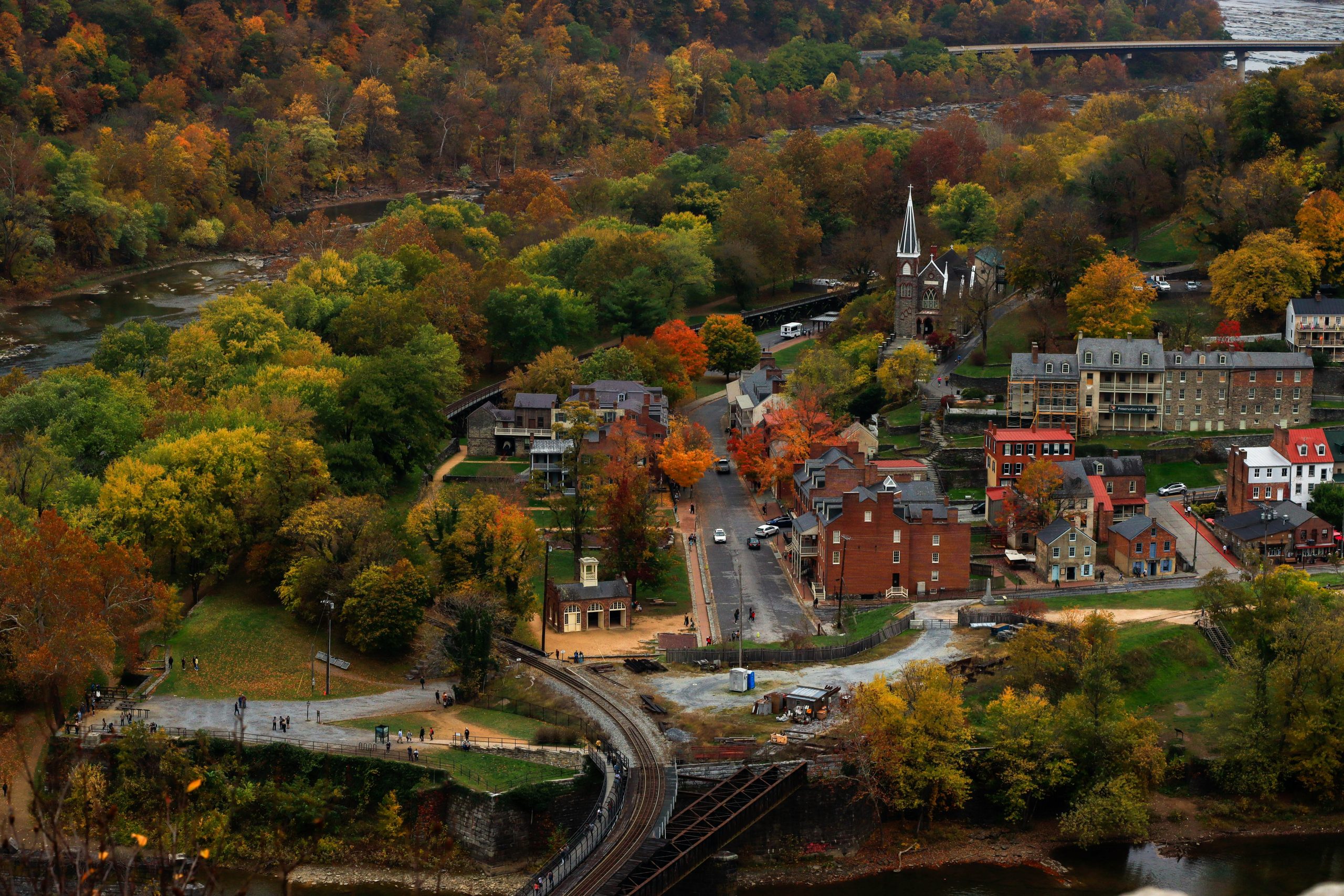
West Virginia recorded a rural fatality rate of 2.06 deaths per 100 million rural vehicle miles traveled in 2023. The state recorded 168 rural traffic fatalities and approximately 8.1 billion rural vehicle miles traveled. Rural crashes represented 65 percent of the state’s traffic fatalities, showing how significant rural road safety is within the state’s traffic safety picture.
West Virginia’s mountainous geography creates a road environment that differs considerably from flat rural areas. Roads may follow valleys, climb steep grades, and curve around hillsides.
Sight distances can be shorter, and drivers may encounter changing roadway geometry within a relatively small distance. These conditions place greater importance on appropriate speed and careful lane positioning.
Curves deserve particular attention on rural mountain roads. A driver approaching a bend too quickly may have limited room to correct a mistake. Oncoming traffic can also become difficult to see until vehicles are relatively close to each other. Passing should therefore be limited to locations where visibility and road markings clearly permit it.
Roadside conditions can make roadway departures especially dangerous in mountainous terrain. A vehicle leaving the paved surface may encounter steep slopes, drainage areas, trees, rocks, or other hazards.
Safety improvements such as guardrails, improved delineation, rumble strips, and better curve treatments can help reduce the consequences of driver error in appropriate locations.
The West Virginia data demonstrate that rural road danger is not solely about traffic volume. A road carrying relatively modest traffic can still produce serious consequences when its design, terrain, speed, and roadside environment leave little room for error.
Drivers should approach unfamiliar mountain roads cautiously, especially during rain, fog, darkness, or winter weather. Maintaining a comfortable margin below the speed limit can be particularly valuable when visibility is limited.

5. Arizona
Arizona recorded a rural fatality rate of 2.01 deaths per 100 million rural vehicle miles traveled in 2023. The state recorded 365 rural traffic fatalities and approximately 18.1 billion rural vehicle miles traveled.
Rural crashes made up 28 percent of Arizona’s traffic fatalities, while urban areas accounted for a much larger share of deaths because of the state’s population distribution.
Arizona’s rural roads can present long distances, high speeds, extreme temperatures, and large changes in terrain. Drivers may travel through desert areas where communities and services are widely separated. Such distances make vehicle preparation important, particularly during periods of extreme heat when mechanical problems can become serious quickly.
Visibility and fatigue can also influence rural driving. Long straight sections may create a false sense of security, encouraging drivers to become less attentive. Heat, dehydration, and exhaustion can further affect concentration. Drivers traveling long distances should take breaks and avoid continuing when they feel too tired to drive safely.
Night driving creates additional challenges. NHTSA found that 40 percent of rural traffic fatalities nationwide in 2023 occurred under dark conditions, and 89 percent of those rural deaths that occurred in darkness happened on roads without lighting.
Rural areas generally have fewer illuminated road segments, making headlights, reduced speed, and careful scanning especially important.
Arizona’s rural fatality rate shows why drivers should not judge road danger simply by how empty a highway appears. A quiet road can still be dangerous when speeds are high, and help is far away. Drivers should maintain their lane, allow plenty of following distance, avoid driving while impaired or fatigued, and prepare their vehicles for long trips through remote areas.

6. Alabama
Alabama recorded a rural fatality rate of 1.99 deaths per 100 million rural vehicle miles traveled in 2023. The state experienced 581 rural traffic fatalities and approximately 29.2 billion rural vehicle miles traveled. Rural crashes represented 60 percent of all traffic fatalities in Alabama, making rural safety particularly significant in the state’s transportation picture.
Alabama has an extensive network of rural roads connecting small towns, agricultural areas, industrial facilities, and larger communities.
These routes can include two-lane highways where vehicles travel in opposite directions with limited physical separation. A momentary lane departure can therefore become a head-on collision, which is frequently severe.
Head-on crashes are particularly concerning on roads with opposing traffic and limited recovery space. Maintaining lane position becomes essential, especially when drivers are tired, distracted, or affected by alcohol or drugs. Passing should only occur where road markings, sight distance, and traffic conditions clearly make the maneuver safe.
Seat belt use is another important factor in rural crash outcomes. NHTSA reported that 50 percent of passenger vehicle occupants killed in rural crashes in 2023 were unrestrained, based on known restraint use. Pickup occupants had an even higher rural figure, with 61 percent of those killed being unrestrained.
The Alabama data show how several risk factors can combine. A rural two-lane road, high travel speed, an unrestrained occupant, and a sudden lane departure can create a crash with devastating consequences.
Drivers cannot control every road condition, but they can control several important behaviors, including speed, attention, sobriety, and seat belt use.

7. Mississippi
Mississippi recorded a rural fatality rate of 1.99 deaths per 100 million rural vehicle miles traveled in 2023, matching Alabama’s rate. The state recorded 483 rural traffic fatalities and approximately 24.3 billion rural vehicle miles traveled. Rural crashes accounted for 66 percent of Mississippi’s traffic fatalities, giving the state a particularly high rural share.
The high proportion of rural deaths suggests that road safety cannot be separated from Mississippi’s rural transportation network.
Many residents rely on rural highways and secondary roads for everyday travel, including commuting, school transportation, agriculture, and access to services. A crash on these roads can affect communities where transportation alternatives are limited.
Road conditions and roadway design play important roles in rural safety. Curves, narrow shoulders, uneven surfaces, poor visibility, and roadside hazards can increase the consequences of a mistake. Maintaining pavement markings and warning signs can help drivers understand the roadway before they reach a difficult section.
Impaired driving is also an important issue across rural America. NHTSA recorded 4,987 alcohol-impaired-driving fatalities in rural areas nationally in 2023, representing 30 percent of rural traffic fatalities. Alcohol can reduce judgment, coordination, reaction time, and the ability to maintain lane position.
Mississippi’s ranking should be viewed as a call for continued attention to rural transportation safety rather than as a judgment on rural communities.
Safer roads require cooperation between drivers, transportation agencies, emergency responders, local governments, and communities. Improvements to roadway design can help, but responsible driving remains an essential part of preventing fatal crashes.
8. Arkansas
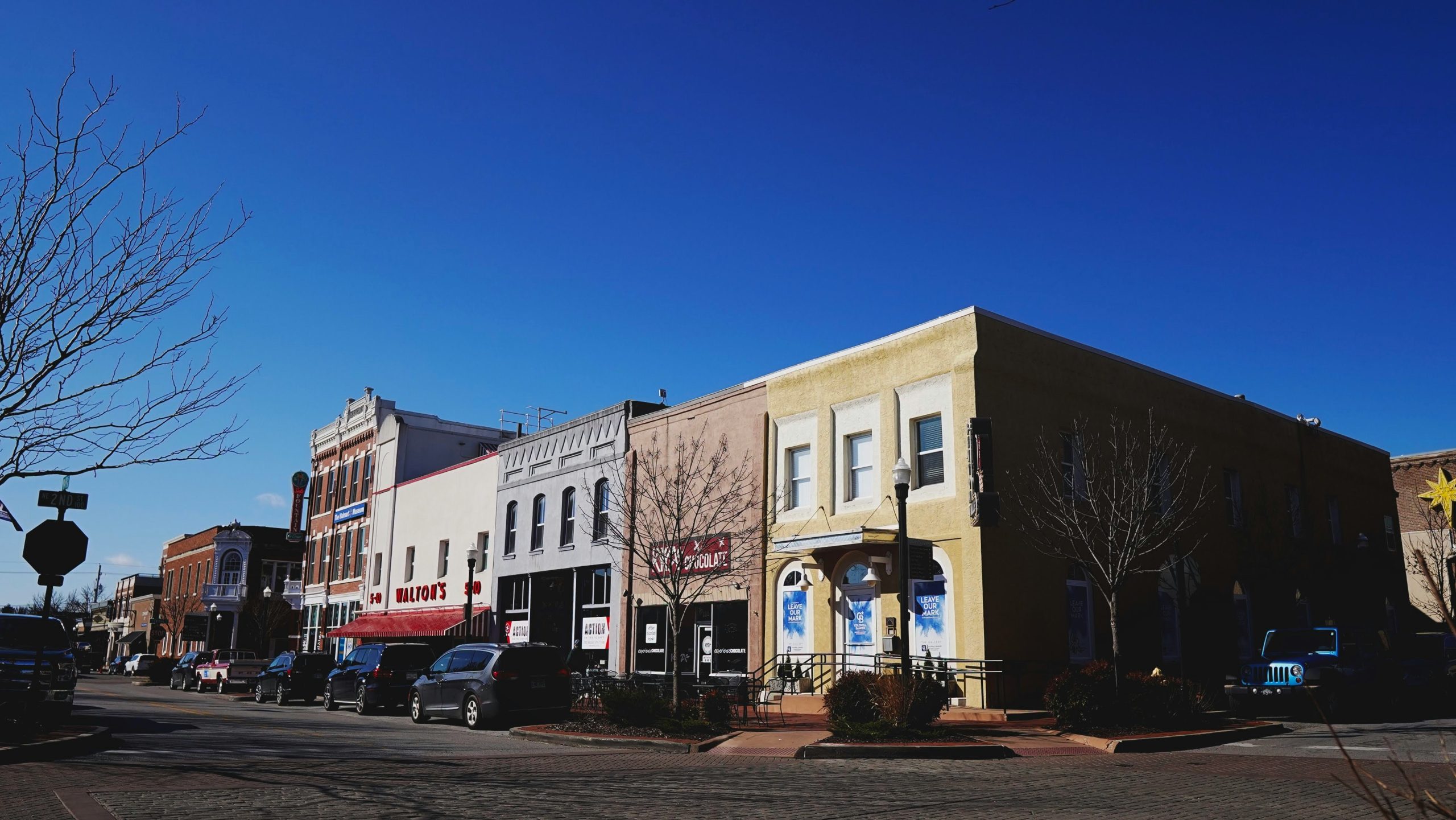
Arkansas recorded a rural fatality rate of 1.98 deaths per 100 million rural vehicle miles traveled in 2023. The state recorded 374 rural traffic fatalities and approximately 18.9 billion rural vehicle miles traveled. Rural crashes represented 63 percent of Arkansas traffic fatalities.
Arkansas contains a mixture of forested areas, farmland, hills, valleys, and smaller communities. This variety creates different driving environments across the state. Some rural routes may be relatively straight and open, while others contain curves, hills, and limited sight distance.
Forested roads can present particular challenges because trees and vegetation may be close to the roadway. If a driver leaves the travel lane, there may be little room to recover before reaching a fixed object. Roadside recovery areas and appropriate safety barriers can help reduce crash severity where engineering assessments support their use.
Rural crashes are also more likely to involve roadway departure. Nationwide, about two-thirds of rural traffic fatalities in 2023 occurred in roadway-departure crashes.
This pattern makes lane discipline, appropriate speed, shoulder maintenance, and curve awareness especially important for drivers traveling outside major population centers.
Arkansas drivers can reduce personal risk by slowing down before curves, keeping both hands available for steering, avoiding mobile phone distractions, and wearing seat belts on every trip. Travelers should also be aware that roads can change quickly from dry pavement to wet or slippery conditions. A cautious approach is particularly important on unfamiliar rural routes.

9. Delaware
Delaware recorded a rural fatality rate of 1.94 deaths per 100 million rural vehicle miles traveled in 2023. The state recorded 49 rural traffic fatalities and approximately 2.5 billion rural vehicle miles traveled. Rural crashes represented 36 percent of Delaware’s traffic fatalities.
Delaware is much smaller than several states near the top of this list, which makes its inclusion important. The state’s rural road network has less total mileage, so relatively small changes in the number of fatal crashes can affect its annual rate. This is an important reminder that rates in smaller states can be more sensitive to year-to-year changes.
Rural roads in Delaware connect agricultural communities, suburban areas, and smaller population centers. Traffic patterns can change quickly as drivers move between rural stretches and more developed areas. Intersections, driveways, cyclists, farm equipment, and changing speed limits can require rapid adjustments from motorists.
The relatively small number of rural deaths also means the rate should be interpreted carefully. A ranking does not mean every year will produce the same order. Annual traffic fatalities fluctuate because of weather, travel patterns, road construction, driver behavior, and other factors. Longer-term trends can provide a more stable picture of transportation safety.
For drivers, the basic principles remain consistent. Follow speed limits, watch carefully for turning vehicles and roadside activity, leave sufficient space between vehicles, and avoid distractions. Rural roads may look less congested than urban streets, but lower traffic volume does not eliminate the possibility of a severe crash.

10. Washington
Washington recorded a rural fatality rate of 1.92 deaths per 100 million rural vehicle miles traveled in 2023. The state recorded 321 rural traffic fatalities and approximately 16.7 billion rural vehicle miles traveled. Rural crashes accounted for 40 percent of Washington’s traffic fatalities.
Washington has a wide range of rural driving environments, including forests, mountains, agricultural valleys, high desert areas, and coastal regions.
Road conditions can vary substantially depending on geography and season. Drivers may encounter rain in western areas, snow and ice in mountainous locations, or dry conditions in eastern parts of the state.
Mountain and forest roads can create visibility challenges. Curves, grades, vegetation, wildlife, and changing weather can all affect how much time a driver has to respond. Drivers unfamiliar with the route may benefit from reducing speed before curves and leaving extra space for unexpected hazards.
Washington’s rural fatality rate also fits a broader national pattern involving roadway departures. Rural road departures accounted for a large share of fatal crashes in 2023, and darkness can make roadside hazards harder to identify. NHTSA reported that 6,019 rural fatalities occurred in darkness on roads without lighting during 2023.
Safe rural driving in Washington requires attention to the road rather than simply relying on the posted limit. Rain, snow, fog, ice, wildlife, and road geometry may require a lower speed.
Vehicle maintenance is equally important, particularly tires, brakes, lights, and windshield visibility equipment. Small precautions can become highly valuable when traveling far from towns and emergency services.