
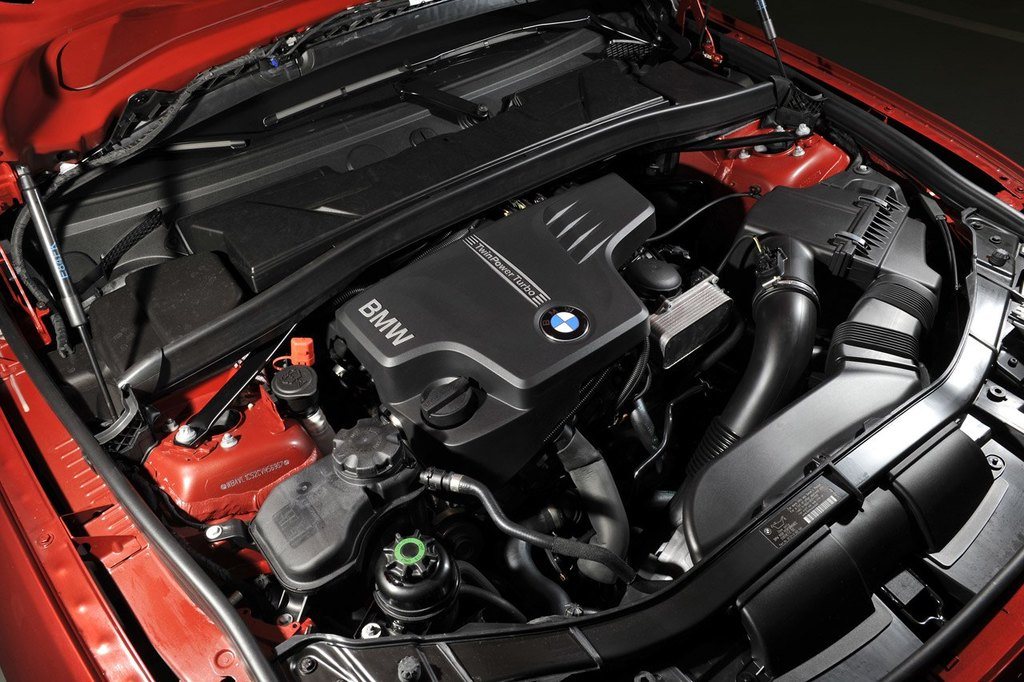
Car companies spend billions developing engines, yet the same powertrain can appear beneath several different badges. This practice allows manufacturers to reduce development costs, share technology, and give multiple brands access to proven mechanical components.
For buyers, however, identifying the engine beneath the badge can be surprisingly difficult. A familiar engine name may appear in vehicles from different companies, sometimes with changes to software, turbocharging, intake systems, or power output.
These shared powertrains have shaped the automotive industry for decades. From compact four-cylinder units to large diesel and performance engines, here are eleven engines that found homes under five different automotive badges.
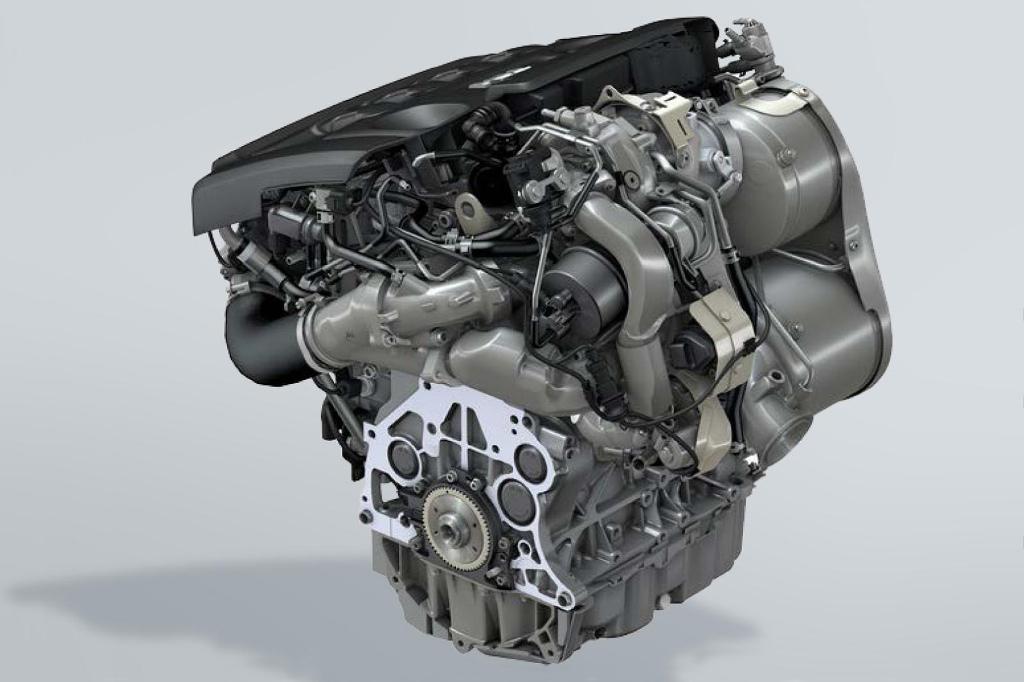
1. Volkswagen 2.0 TDI
The Volkswagen Group 2.0 TDI became a familiar name across European markets because it powered a wide range of vehicles from several brands. Volkswagen, Audi, SEAT, and Skoda all used versions of the engine in different models.
The basic concept remained recognizable, but specifications varied according to the vehicle, production period, emissions requirements, transmission, and intended market. TDI refers to turbocharged direct injection diesel technology, and the engine family became an important part of the group’s diesel strategy.
The attraction of the 2.0 TDI was its combination of torque, fuel efficiency, and relatively compact packaging. A diesel engine producing strong low-speed torque could suit everything from a family hatchback to a larger crossover or executive sedan.
Manufacturers could also modify power output without completely redesigning the basic engine architecture. This flexibility made the powertrain useful across several vehicle classes and helped the brands maintain different performance levels.
Audi versions were often presented with a more premium character, while Volkswagen applications focused on mainstream passenger cars. SEAT could give the same basic powertrain a sportier character through chassis tuning and software calibration.
Skoda used similar technology in practical family cars where economy and long-distance ability were important. The engine therefore demonstrated how a shared mechanical foundation could support different brand identities.
The 2.0 TDI name also covers several generations and technical configurations, so it would be misleading to treat every example as mechanically identical. Injection systems, turbochargers, cylinder heads, emissions equipment, power outputs, and engine codes changed over time.
Buyers researching a used vehicle need to identify the precise engine code and model year rather than relying only on the 2.0 TDI label.
The story of the 2.0 TDI shows why badge engineering and platform sharing matter in modern car manufacturing. A customer may see four different brands in a showroom, yet several vehicles can have closely related mechanical foundations.
For manufacturers, this approach spreads engineering costs across a larger production volume. For owners, it can mean wider parts availability and familiarity among independent repair specialists.
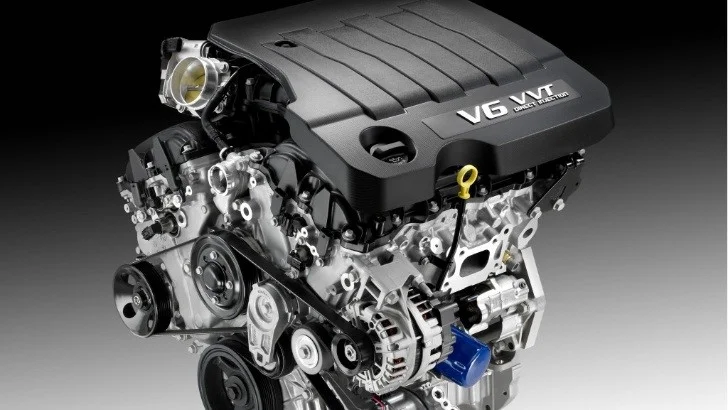
2. GM 3.6-Litre V6
General Motors developed several versions of its 3.6-litre V6 engine family for a broad collection of vehicles. The engine appeared across brands such as Cadillac, Chevrolet, Buick, GMC, and Holden in different markets and generations.
While these applications were not mechanically identical, they shared important engineering ancestry and demonstrated GM’s strategy of using a flexible V6 architecture across multiple brands.
The 3.6-litre V6 became useful because it could occupy several positions within a manufacturer’s range. In a mainstream sedan, it could provide strong acceleration without requiring a V8.
In a crossover or SUV, the same basic displacement offered useful torque and towing capability. In performance-oriented applications, changes to intake systems, exhaust design, compression, software, and other components allowed engineers to extract more power.
Cadillac applications often received performance-focused calibration and premium equipment. Chevrolet could use related versions in vehicles positioned toward a wider customer base.
Buick applications generally emphasized smoothness and quiet operation, while GMC could use V6 technology in larger utility vehicles. The badge changed the character of the vehicle even when the underlying engine family remained closely related.
The engine family also illustrates why an engine’s advertised displacement does not tell the complete story. Two 3.6-litre V6 engines can have different cylinder heads, injection systems, turbocharging arrangements, compression ratios, software, and emissions equipment. Production dates matter as well, because manufacturers frequently update powertrains during a model’s life.
For enthusiasts and used-car buyers, identifying the exact engine generation is therefore more useful than simply knowing that a vehicle has a 3.6-litre V6.
GM’s approach shows how a large automotive group can develop a common engineering foundation and adapt it for several brands. This creates economies of scale while allowing each badge to maintain its own market identity.
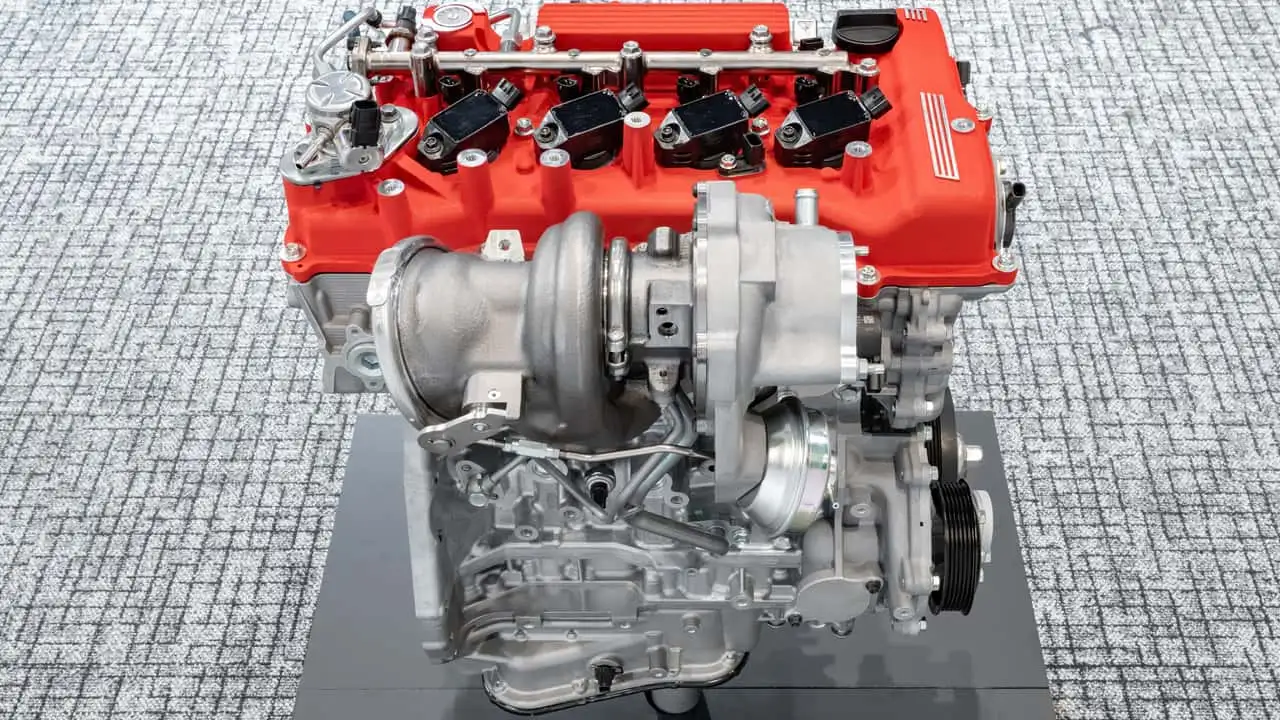
3. Toyota 2.0-Litre Petrol Engines
Toyota has used closely related four-cylinder engines across a wide selection of vehicles and markets. The company has historically developed engine families that could serve compact cars, sedans, crossovers, and commercial applications.
Some Toyota powerplants have also appeared in vehicles sold under related or partner brands, making engine identification more complicated than simply reading the badge on the front grille.
The basic reason for this strategy is straightforward. Developing a modern engine requires extensive investment in research, testing, emissions certification, manufacturing equipment, and long-term durability validation.
Using an engine family across several vehicles allows those costs to be distributed across a much larger production volume. Engineers can then adjust calibration and supporting hardware for individual models.
Toyota’s relationship with Daihatsu adds another layer to this story. Toyota and Daihatsu have shared technology across several compact vehicles, particularly in Asian markets.
Some engines and platforms have therefore appeared in products carrying different brand names. A buyer familiar with Toyota may encounter closely related mechanical components in a Daihatsu or another partner product.
The Toyota Camry provides a useful historical example of how related engines can serve different products and markets. Various Camry generations used engines shared with other Toyota models, while certain markets also received closely related vehicles carrying different badges.
The engine itself could remain familiar even as body design, equipment, suspension tuning, and interior presentation changed.
Toyota’s approach demonstrates that badge differences do not automatically mean completely different engineering. Sometimes the relationship is direct, while in other cases the engines simply belong to a common family. For anyone buying a used vehicle, the engine code, production year, and market specification remain much more useful than the brand name alone.
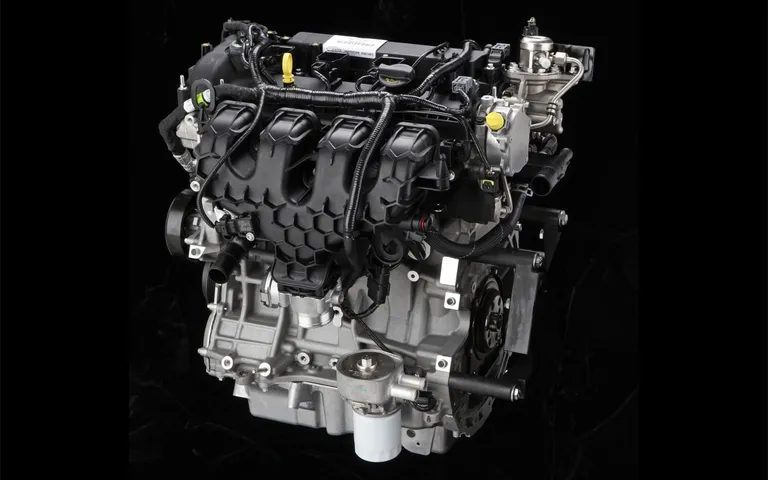
4. Ford 2.0 EcoBoost
Ford’s EcoBoost strategy allowed turbocharged petrol engines to replace larger naturally aspirated engines in many applications.
The 2.0-litre EcoBoost became particularly widespread and appeared in vehicles from Ford and related brands in different markets. Its combination of turbocharging, direct injection, and relatively compact dimensions made it suitable for sedans, SUVs, crossovers, and performance-oriented applications.
The concept behind EcoBoost was to produce useful power from a smaller displacement while maintaining reasonable fuel consumption during lighter driving.
Turbocharging allowed the engine to deliver strong torque without requiring a larger engine block. This approach became increasingly important as emissions regulations and consumer demand encouraged manufacturers to improve efficiency without abandoning petrol engines.
Different vehicles received different calibrations and supporting components. An engine installed in a family crossover could have a different power rating from a version installed in a sportier model. Transmission programming also affected how the engine felt from behind the wheel. The same basic powerplant could therefore deliver a noticeably different driving experience depending on its application.
Ford’s broader corporate structure also meant that related engines could reach vehicles in different markets and under different names.
Some applications received unique engine codes, turbocharger arrangements, cooling systems, or emissions hardware. This is why a used-car buyer should avoid assuming that every 2.0 EcoBoost is identical simply because the displacement and family name match.
The 2.0 EcoBoost became an important example of the modern industry’s move toward smaller turbocharged engines.
Instead of producing a separate large engine for every vehicle class, manufacturers could use a flexible four-cylinder platform and tune it for different purposes. The result was a powertrain that could support several products while allowing each vehicle to retain a distinct personality.
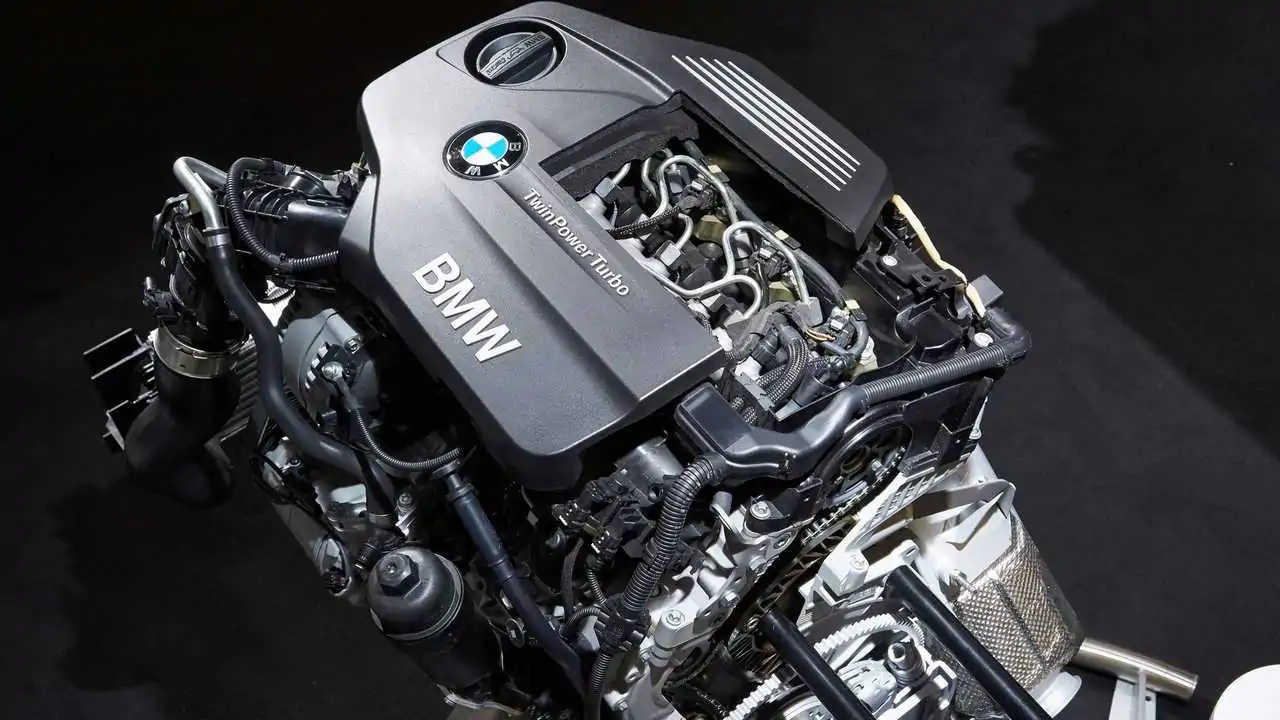
5. BMW 2.0-Litre TwinPower Turbo Four-Cylinder
BMW’s modular four-cylinder petrol engines have appeared across a broad range of BMW products and have also influenced powertrains used by related brands. The company developed modular engine families that shared design principles and manufacturing techniques. This allowed different models to use engines with common architecture while receiving different power outputs and calibrations.
A turbocharged four-cylinder can perform several roles in a vehicle range. In a compact sedan, it can provide responsive acceleration while keeping weight under control. In a larger crossover, turbocharging can compensate for the increased vehicle mass. In a performance model, stronger calibration and supporting hardware can produce considerably higher output from a related architecture.
BMW has also been closely associated with MINI, which operates as part of the BMW Group. Certain generations of MINI products have used engines developed within BMW’s broader powertrain strategy. This relationship means that a buyer may find technical similarities between products carrying different badges, even though the vehicles themselves have very different styling and driving characteristics.
Engine codes are particularly important with BMW because several related engines can share displacement while differing substantially in design and output. A 2.0-litre turbocharged BMW engine from one generation should not automatically be considered equivalent to a later unit simply because both are described as 2.0-litre four-cylinder engines.
This approach demonstrates how premium manufacturers can use shared engineering without making every vehicle feel the same. The engine provides a technical foundation, while suspension, transmission, software, exhaust systems, weight distribution, and chassis tuning create the character that customers associate with each badge.
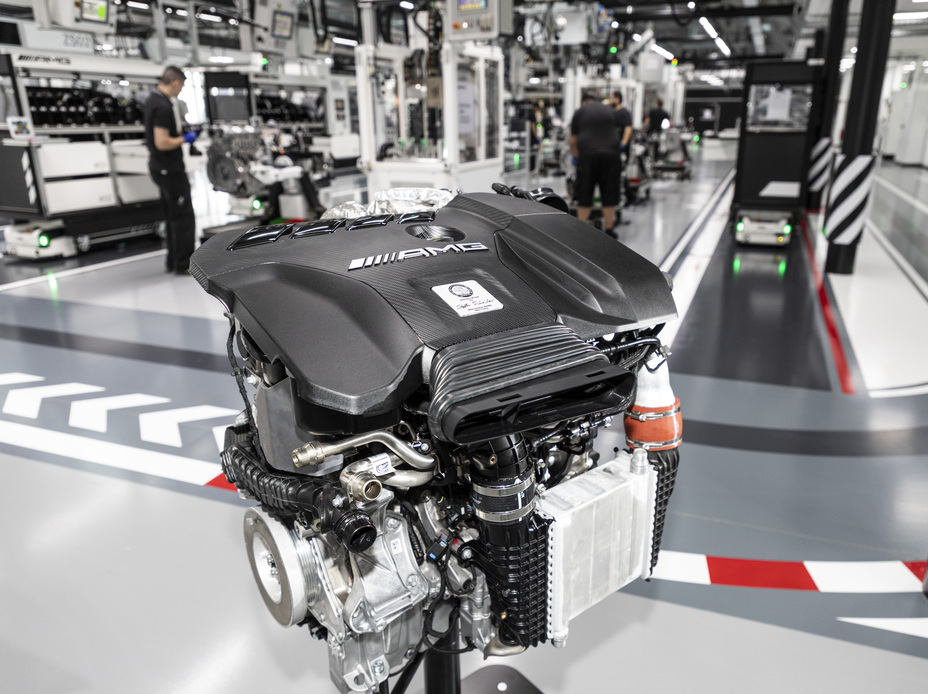
6. Mercedes-Benz 2.0-Litre Turbocharged Four-Cylinder
Mercedes-Benz has used turbocharged four-cylinder engines across multiple passenger-car ranges and has also adapted related powertrains for AMG applications.
The company’s performance division historically offered different engine families under badges such as 45, 43, 63, and 65, with each designation associated with different performance hardware and engine configurations during various periods.
A contemporary AMG range once included 2.0-litre four-cylinder, 3.0-litre V6, 4.0-litre V8, 5.5-litre V8, and 6.0-litre V12 engines under several performance badges.
The 2.0-litre four-cylinder became especially significant because AMG managed to extract substantial performance from a compact engine. Turbocharging, direct injection, sophisticated engine management, and extensive cooling systems allowed the engine to produce power levels far beyond what many naturally aspirated four-cylinder engines could achieve.
Mercedes could then use related technology across several body styles. A compact performance hatchback required a different calibration and transmission setup from a larger sedan. Yet the underlying engine philosophy could remain similar. This allowed the company to create several performance products without developing a completely unique engine for every model.
The AMG example also demonstrates why badges can be misleading when used as shorthand for engine size. The number attached to a Mercedes-AMG model has not always represented the literal displacement of its engine. A badge such as “45” or “63” can indicate a position within the performance hierarchy rather than a direct cubic-capacity measurement.
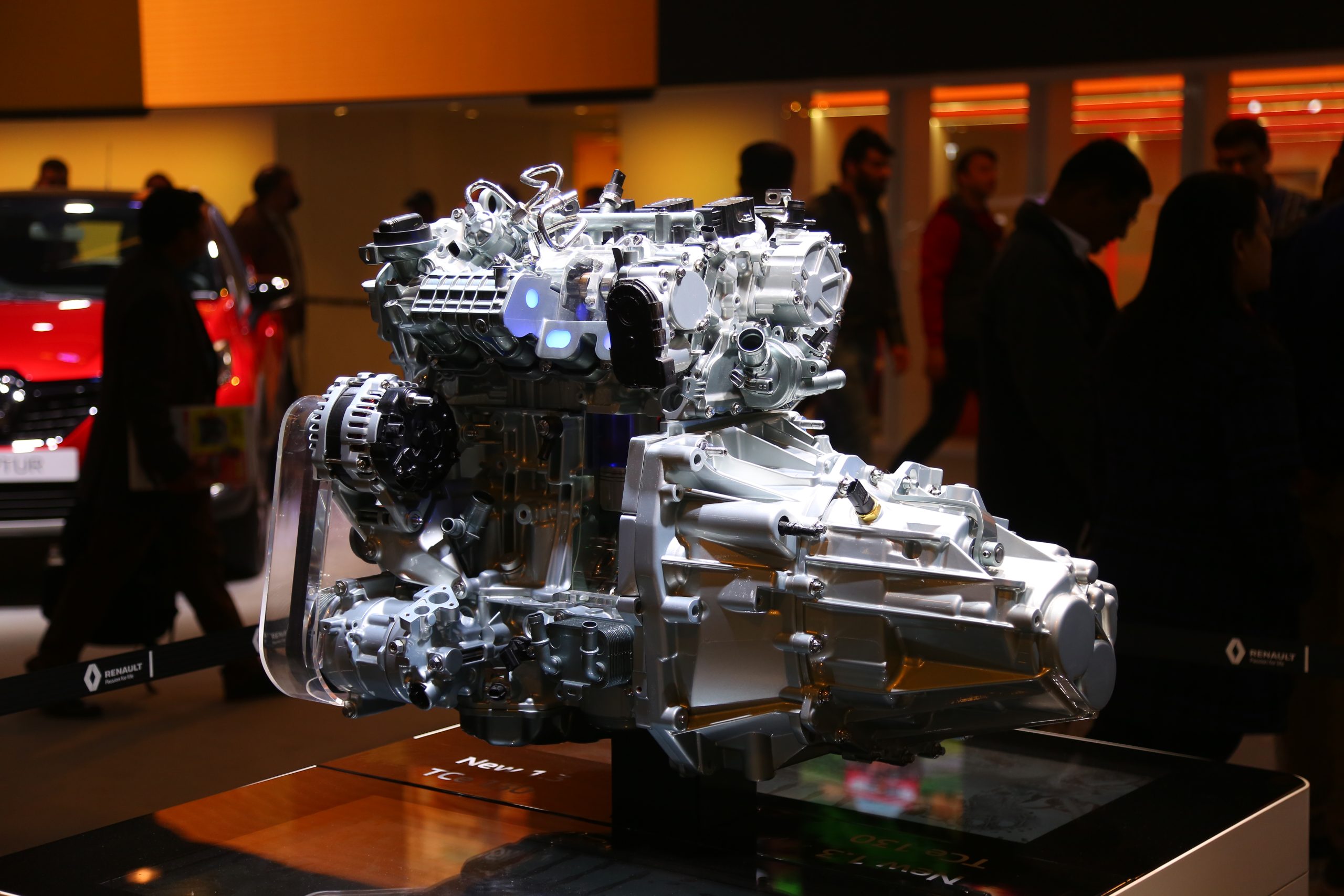
7. Renault-Nissan-Mitsubishi 1.3-Litre Turbo
The 1.3-litre turbocharged petrol engine developed through the Renault-Nissan-Mitsubishi alliance and Daimler relationship is a strong example of modern cross-company powertrain sharing.
The engine has appeared in vehicles carrying different badges, including Renault, Nissan, and Mercedes-Benz in various applications and markets. The arrangement allowed multiple manufacturers to benefit from shared engineering.
Small turbocharged petrol engines became increasingly attractive as manufacturers looked for ways to combine lower fuel consumption with useful performance. A 1.3-litre engine can occupy a space previously served by larger naturally aspirated units. Turbocharging provides additional torque, while direct injection and modern engine management help improve efficiency.
Different manufacturers can make the same basic engine feel quite different. Gear ratios, throttle mapping, turbocharger calibration, exhaust systems, and transmission software influence the driving experience. A Renault with a related engine may feel very different from a Mercedes-Benz using a closely related powertrain.
The partnership also demonstrates how the modern automotive industry has moved beyond simple corporate boundaries. Engine development can involve multiple companies sharing engineering resources and production expertise. A vehicle carrying a premium badge may therefore contain technology developed through a broader industrial partnership.
For consumers, this can be good news when it improves parts availability and manufacturing scale. It can also create confusion when researching specifications or reliability information. Owners should identify the exact engine code and production year before applying information from another vehicle that appears to use the same displacement.
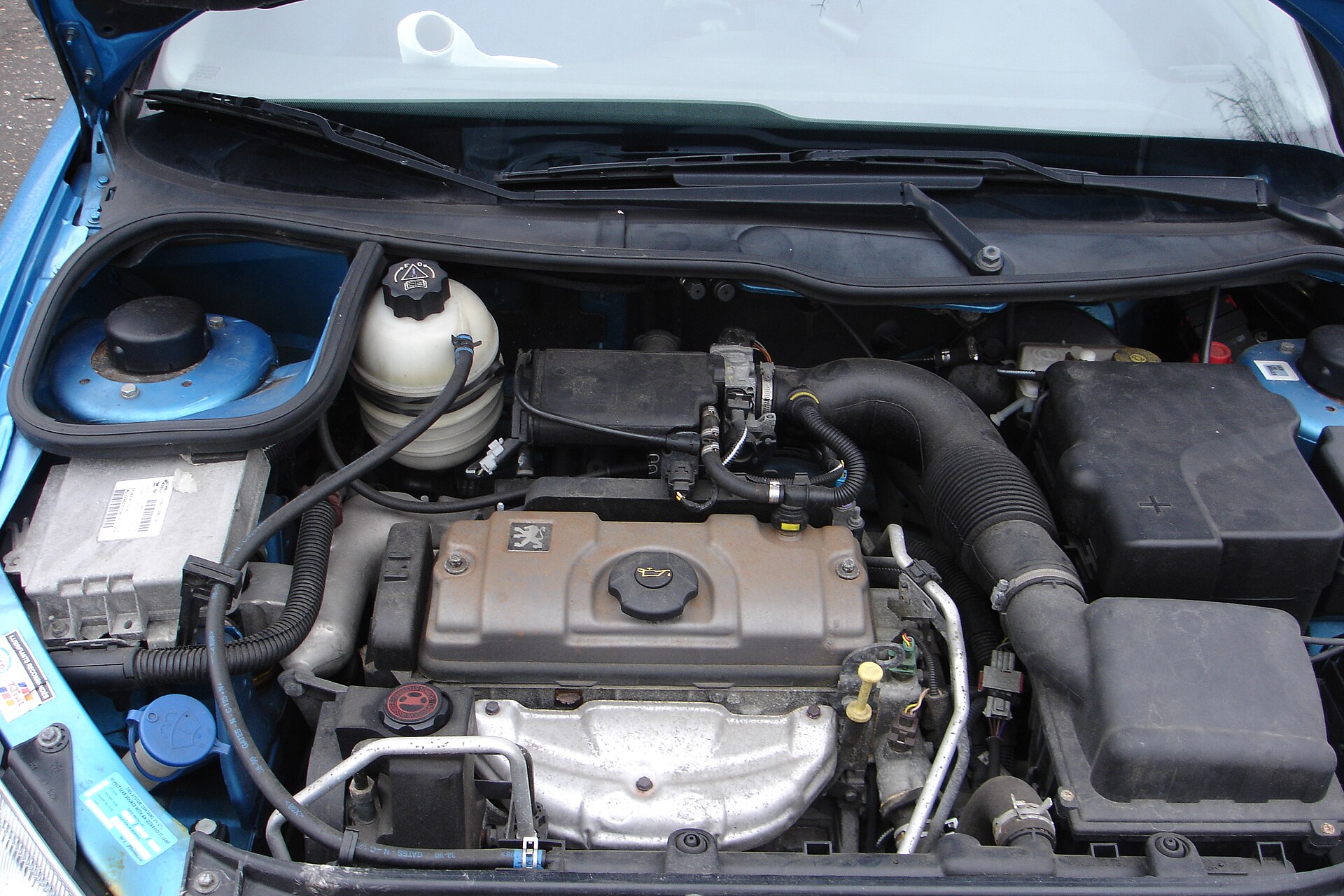
8. PSA 1.6-Litre Petrol Engine Family
The PSA Group, now part of Stellantis, developed several generations of compact petrol engines that found applications across Peugeot, Citroën, DS, and other related products. Some versions were also used through partnerships with BMW, most notably in certain MINI applications. This created a large technical family with several variations and generations.
The 1.6-litre petrol engine became valuable because it fit a broad range of European vehicles. Compact hatchbacks could use naturally aspirated or turbocharged versions, while larger vehicles could benefit from stronger turbocharged configurations. The same basic displacement therefore had potential across multiple segments.
Turbocharged versions became particularly interesting because they demonstrated how downsizing could replace larger engines. A smaller turbocharged engine could produce strong torque while occupying less physical space. Engineers could also alter software and supporting hardware to create different output levels for different models.
The BMW connection made this engine family particularly notable among enthusiasts. Certain engines developed through the PSA-BMW partnership appeared in both French-branded vehicles and MINI products. The precise mechanical specification changed over time, so it would be inaccurate to treat every 1.6-litre unit as identical.
The broader lesson is that engine families often have more complicated histories than their marketing names suggest. A single displacement can represent several generations, each with different engineering decisions.
When comparing used vehicles, checking the actual engine code provides a much clearer picture than simply searching for the engine’s advertised capacity.
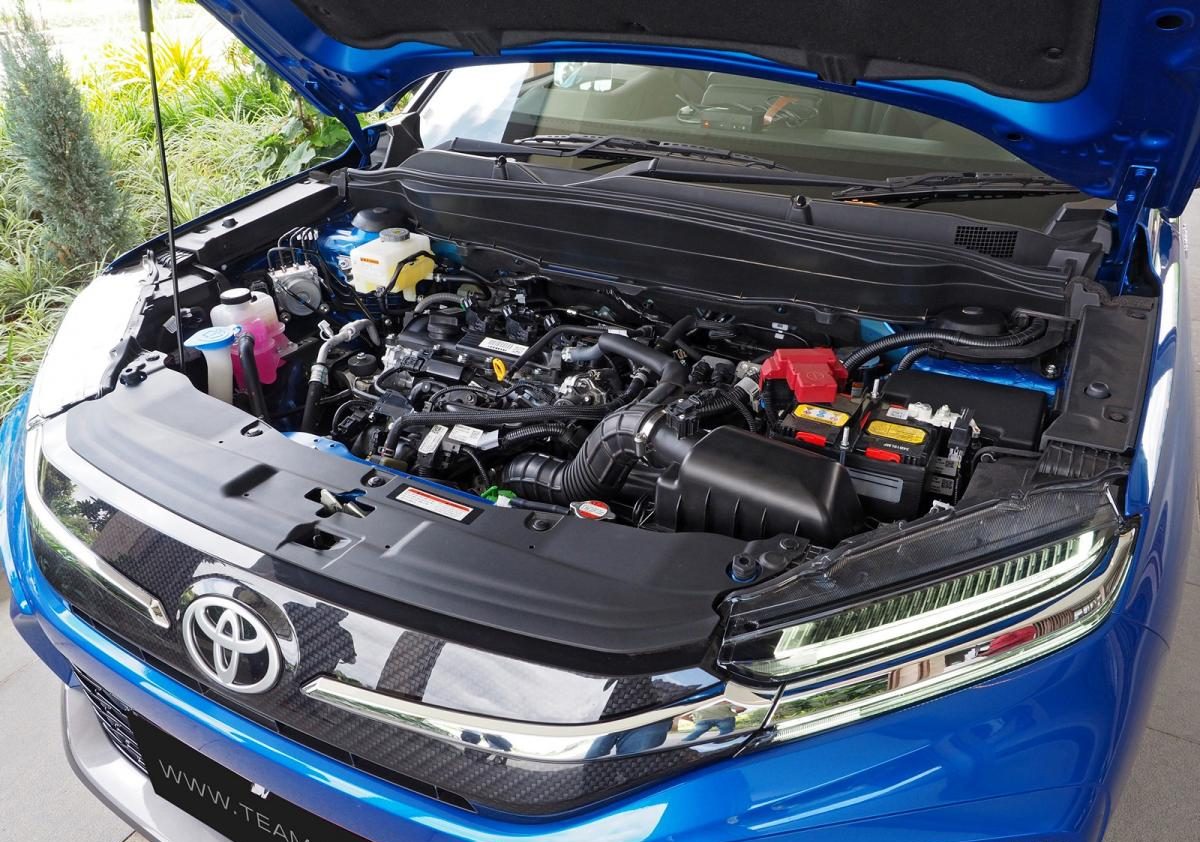
9. Toyota 1.5-Litre Hybrid Powertrain
Toyota’s hybrid technology has appeared under several Toyota and Lexus badges, with closely related petrol-electric systems adapted to different vehicles. The company’s hybrid strategy relies on combining an internal-combustion engine with electric motors, a battery pack, power electronics, and a specialized transmission system.
The 1.5-litre hybrid configuration became particularly important in smaller Toyota models. It allowed compact vehicles to achieve low fuel consumption in urban driving while maintaining sufficient performance for everyday use. Related systems have also appeared in other vehicles within the broader Toyota ecosystem.
A hybrid powertrain is more than an engine. The petrol engine works as part of an integrated system in which electric motors can provide propulsion, regenerative braking can recover energy, and software determines how the different components work together.
This means two vehicles with closely related petrol engines can still behave differently if their battery capacity, electric motors, or software calibration differs.
Toyota’s ability to spread hybrid technology across multiple badges helped make the system commercially viable. Engineering costs could be shared across large production volumes, while individual models could receive different body designs, interiors, suspension tuning, and equipment packages.
This approach also highlights an important difference between traditional engine sharing and modern powertrain sharing. With a conventional petrol engine, manufacturers mainly need to integrate the engine with the transmission and vehicle electronics.
A hybrid system requires coordination between several additional components, making software and electrical architecture just as important as the engine itself.
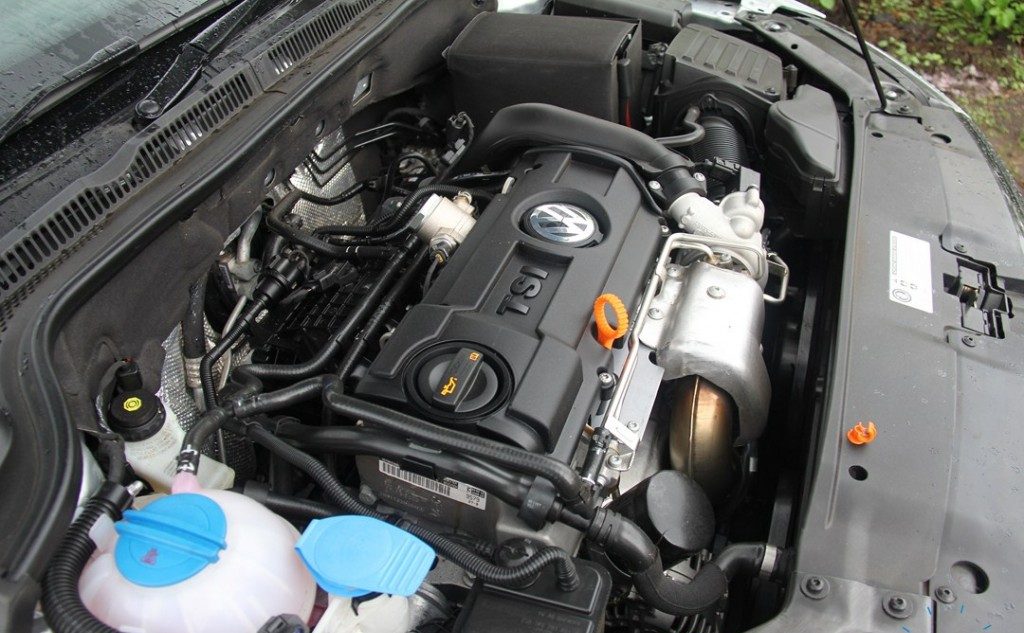
10. Volkswagen 1.4 TSI
The Volkswagen Group’s 1.4 TSI engine became widespread across compact and midsize vehicles sold under Volkswagen, Audi, SEAT, and Skoda badges. TSI refers to Volkswagen Group petrol engines using turbocharging and direct injection technology. The family included multiple technical versions and should not be treated as a single unchanged engine.
The appeal of the 1.4 TSI was its ability to provide useful power from relatively small displacement. Turbocharging allowed the engine to deliver strong torque at low and medium engine speeds.
That characteristic suited European hatchbacks and family cars where fuel economy, road performance, and compact packaging were important.
Several generations of the engine used different technical approaches. Some versions featured turbocharging, while certain earlier configurations used more complex forced-induction arrangements. Later generations changed significantly as Volkswagen Group refined its modular engine technology. The engine name therefore covers a broad technical history.
Because the same family appeared under several badges, independent mechanics became familiar with the architecture. This could make servicing easier in markets where Volkswagen Group products were common. At the same time, differences between engine codes meant that parts and maintenance requirements still needed to be checked carefully.
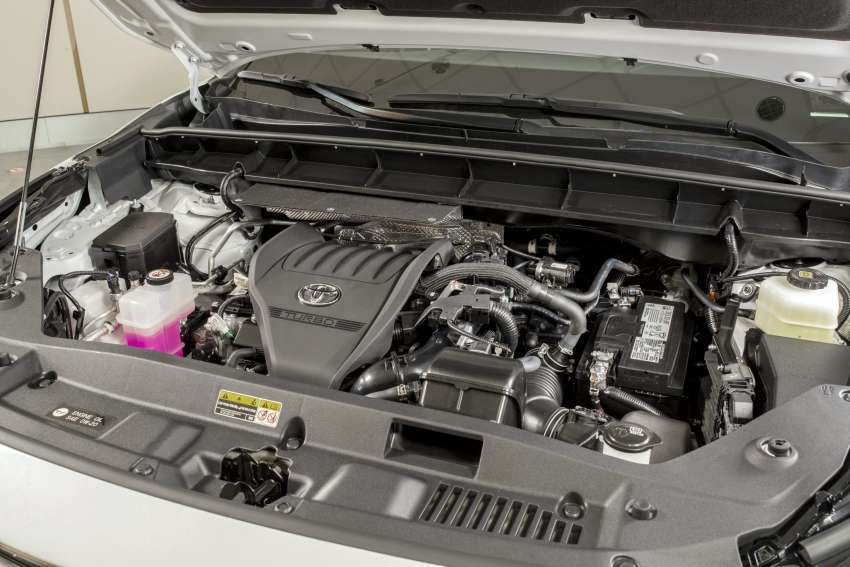
11. Toyota 2.4-Litre Four-Cylinder
Toyota’s 2.4-litre four-cylinder engines have powered a wide selection of vehicles across different markets and model lines. The 2AZ-FE is a particularly recognizable example from Toyota’s early 2000s and later product range. It appeared in vehicles including the Camry and other Toyota models, while related applications extended across the company’s wider product family.
The 2.4-litre size offered a useful middle ground between smaller four-cylinder engines and larger V6 units. It could provide sufficient performance for midsize sedans while maintaining relatively simple four-cylinder architecture. Toyota used the engine in vehicles where reliability, practicality, and manufacturing efficiency were important considerations.
Different models could use different intake systems, exhaust arrangements, engine management calibrations, and transmission combinations. Consequently, the driving experience was not necessarily identical between every vehicle using a related engine. A Camry, crossover, or other Toyota product could have a noticeably different response even when the underlying engine family was closely related.
The engine also illustrates how manufacturers can maintain a common mechanical foundation across different vehicle generations. As emissions standards and customer expectations changed, Toyota could update components without abandoning the entire architecture. This approach helped keep development costs manageable while allowing the engine to remain competitive.
For used-car shoppers, the 2.4-litre Toyota example is a reminder that engine reputation must be judged at the specific engine-code level. A badge can tell you which company sold the car, but it cannot always tell you who designed every component or which generation of powertrain sits beneath the bonnet.
