
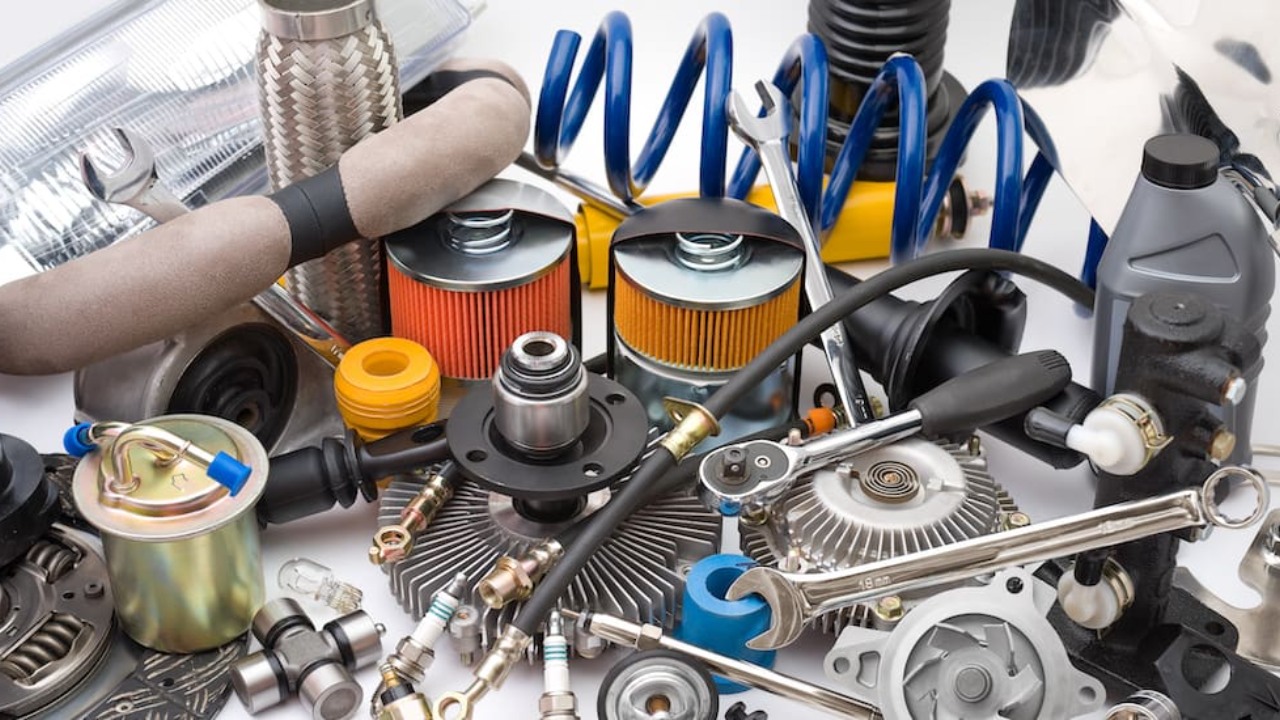
A part’s country of origin can have a surprising effect on what a U.S. owner pays for it. The difference is not always caused by the component itself. Dealer pricing can include distribution, inventory, labor, warranty administration, and the cost of maintaining a domestic parts network.
Meanwhile, the same manufacturer may sell an equivalent component through another regional supply chain at a different price. That creates potential savings, but it also creates traps involving part numbers, specifications, shipping, customs duties, warranty coverage, and compatibility.
The smartest international purchases are therefore not simply the cheapest listings. They are parts with verifiable cross-market equivalence and manageable import costs.
1. Genuine European Brake Components
Brake components can sometimes be substantially cheaper when purchased from the vehicle’s home market, particularly for European cars sold in the United States.
This is not because European brake parts are inherently better or because U.S. dealers universally overcharge. The difference can come from how the manufacturer distributes the same component across regional markets.
A German vehicle, for example, may have brake discs and pads manufactured in Europe and distributed throughout the European Union before being exported to the United States.
A U.S. dealer receives those components through the North American distribution network, where the final price reflects transportation, warehousing, dealer margins, and other costs.
The opportunity becomes more interesting with vehicles that share braking hardware across several markets. An owner can sometimes identify the original equipment manufacturer’s part number and then compare the price from European suppliers. But the critical step is confirming that the exact part number is approved for the U.S.-specification vehicle.
That matters because apparently identical brake components can differ in friction material, dimensions, corrosion protection, sensors, or homologation. A European-market part that physically fits is not automatically the correct replacement for a U.S.-market vehicle.
Import costs can also erase the apparent bargain. U.S. Customs and Border Protection states that imported merchandise can be subject to duties and other requirements depending on its classification, value, and country of origin.
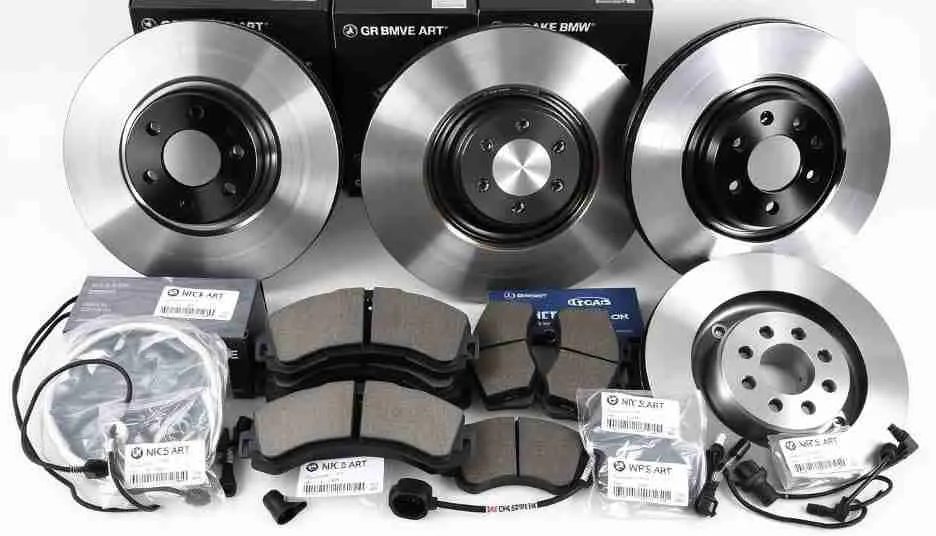
For that reason, brake parts are most attractive when the foreign purchase is made from an established supplier, the OEM number matches exactly, and the shipping cost remains reasonable.
The potential savings are real, but the part number matters more than the advertised vehicle compatibility.
2. European-Market Cabin Air Filters
Cabin air filters are less glamorous than brake hardware, but they can be an unusually sensible international purchase because they are relatively lightweight, inexpensive to ship, and frequently shared across multiple markets.
A European-market filter for a European vehicle can sometimes cost less than the equivalent item sold through a U.S. dealer. The potential price difference is partly related to distribution.
A filter manufactured in Europe may move through a relatively short regional supply chain before reaching a European customer, while the U.S. version may travel through an additional export and North American distribution network.
The biggest advantage here is the economics of shipping. A large suspension component can become expensive once international freight is added, but a small filter weighs very little and can sometimes be purchased alongside other maintenance items.
The filter still needs to be verified by exact part number or dimensions. “Fits BMW” or “fits Mercedes-Benz” is not enough. Different engines, model years, HVAC systems, and market specifications can use different filter designs.
There is also a quality issue. Cabin filters are available in conventional particulate, activated-carbon, and other configurations. A cheaper European filter is not necessarily equivalent to the U.S. dealer’s filter simply because it fits the housing.
The EPA notes that cabin air filtration systems can help reduce particulate matter entering a vehicle’s passenger compartment, although effectiveness varies with filter design and vehicle operation.
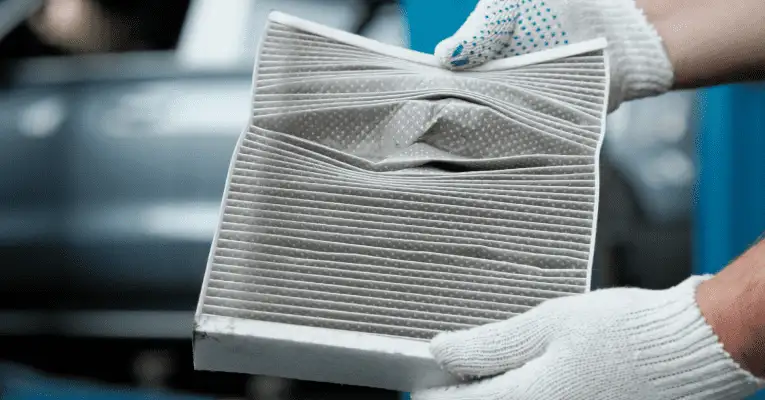
Because filters are maintenance items, the savings can accumulate over multiple replacement cycles. However, owners should compare the landed cost, meaning the part price plus shipping, taxes, and any applicable import charges, rather than comparing sticker prices alone.
This is one of the few international purchases where a small per-unit saving can remain meaningful because the component is inexpensive to transport and replaced regularly.
3. European-Market Brake Rotors
Brake rotors are another component worth comparing internationally, particularly on European vehicles whose original-equipment braking systems are manufactured and distributed within Europe.
The potential price difference comes from the supply chain rather than an inherent difference in quality. A rotor made in Europe may travel through fewer distribution stages before reaching a European buyer than the same manufacturer’s component imported into the United States.
There is an important complication in 2026. U.S. tariffs can significantly affect the cost calculation. CBP says certain imported automobile parts are subject to a 25% Section 232 tariff, although specific rules and available offsets can vary depending on the part and its country of origin.
Parts from the European Union, Japan, the United Kingdom, South Korea, and other markets have specific treatment under current tariff rules.
That means an advertised European price should never be compared directly with a U.S. dealer’s shelf price. Shipping, customs duties, and brokerage charges must be included first.
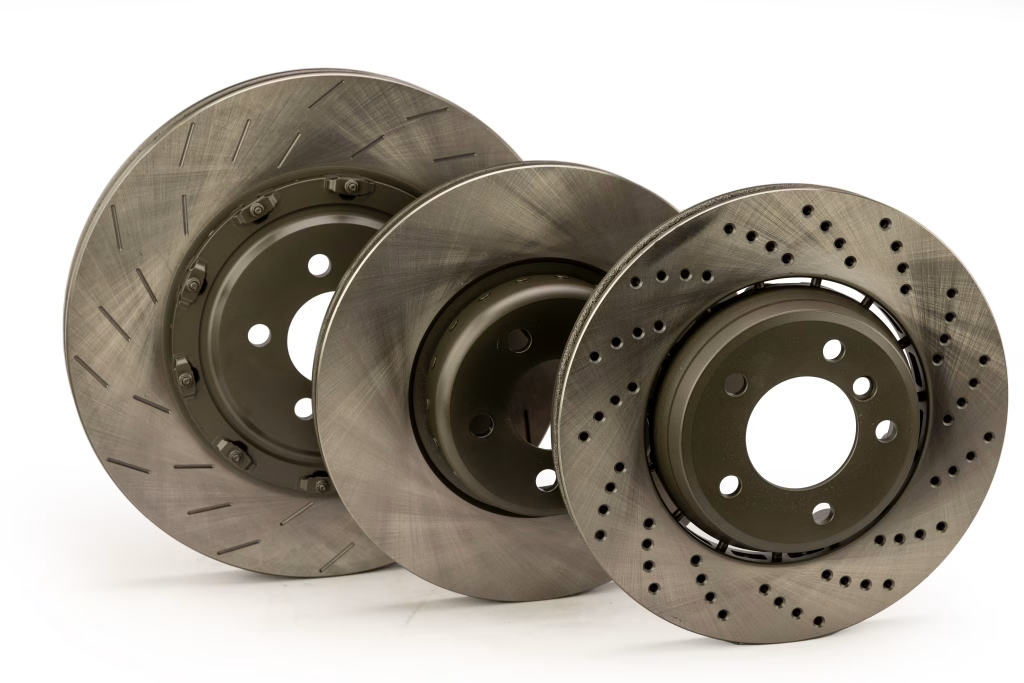
The best candidates are rotors where the exact OEM or manufacturer part number matches the U.S. application. Dimensions alone are not enough. Thickness, diameter, hub dimensions, ventilation design, and electronic compatibility can differ between markets.
For a heavy rotor, international shipping can also destroy the savings. The calculation becomes more attractive when the foreign supplier offers reasonable freight or when several compatible maintenance components are purchased together.
The U.S. International Trade Commission reported that American vehicle-parts imports reached $197.3 billion in 2024, demonstrating how extensive the international automotive-parts supply chain already is.
International sourcing can therefore make sense, but only after calculating the complete landed cost.
4. European Suspension Mounts and Strut Hardware
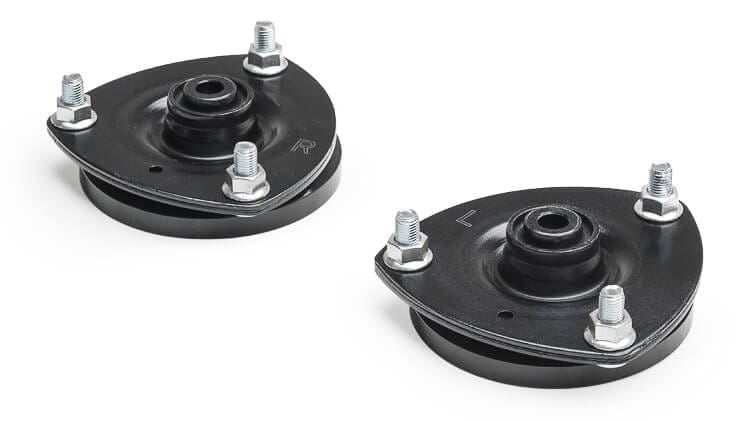
Suspension mounts, upper strut bearings, and related hardware can sometimes be cheaper when sourced from the European market for European vehicles. These components are particularly interesting because they are smaller and lighter than major suspension assemblies, making international shipping less destructive to the potential savings.
The economics are strongest when the part is produced by a European original-equipment supplier and sold domestically in that market. Instead of buying through a U.S. dealership’s distribution chain, an owner may be able to purchase the same manufacturer’s component from an established European parts distributor.
But there is a catch that makes suspension hardware different from a simple filter. A vehicle can have multiple suspension configurations depending on trim, engine, adaptive dampers, sport packages, and production date.
The correct part number must therefore be established through the vehicle identification number or an authoritative parts catalog.
The U.S. International Trade Commission’s data shows just how deeply the American vehicle market depends on imported parts, with U.S. vehicle-parts imports reaching $197.3 billion in 2024. That does not mean every imported part is cheaper, but it demonstrates that international sourcing is already a normal part of the automotive supply chain.
Tariffs have to be considered as well. CBP’s current guidance confirms that certain automobile parts imported into the United States can face Section 232 duties, making the final price dependent on classification and origin.
For a small suspension component, the calculation can still work because freight is manageable. The ideal purchase is an exact-match component from a reputable manufacturer, with shipping and import charges calculated before payment.
5. Genuine European Wiper Blade Sets
Windshield wiper blades are easy to overlook when comparing international parts prices, but they can be a surprisingly good candidate because they are lightweight, regularly replaced, and relatively simple to verify by exact part number.
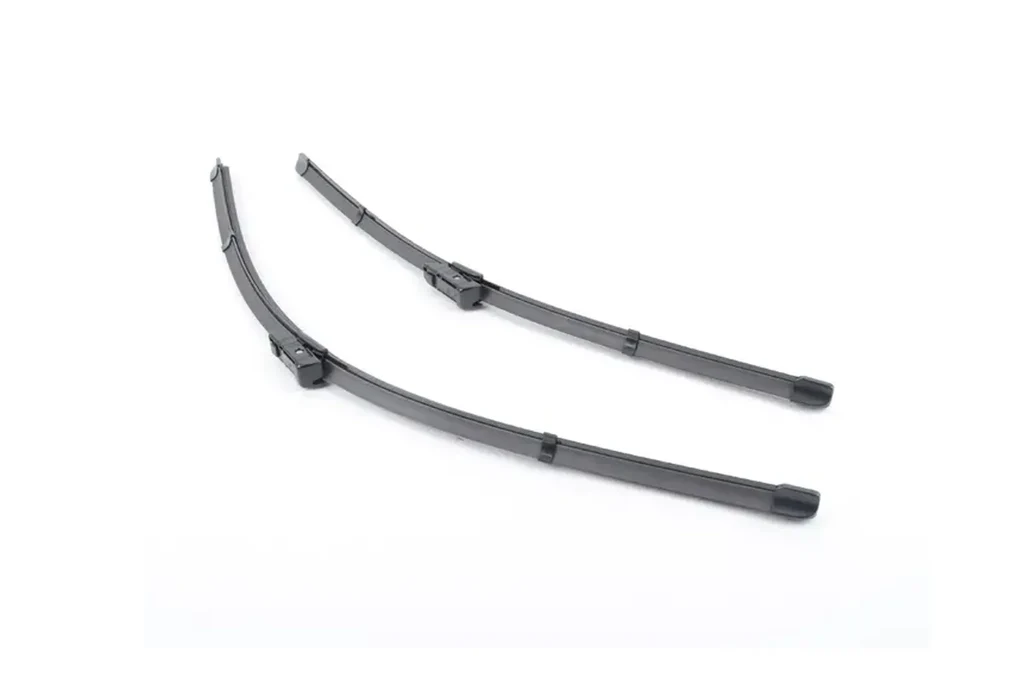
For European vehicles, genuine OEM wiper sets can sometimes be sourced from European parts distributors at competitive prices. One current European supplier lists a genuine BMW front wiper set at €66.79, including 21% VAT, while U.S. BMW parts retailers list genuine sets for roughly $53 to $88 depending on the exact application and part number.
That does not mean the European purchase is automatically cheaper. Once international shipping, currency conversion, and any applicable import charges are included, the U.S. option can easily become the better deal. The point is that wipers are small enough that international freight does not automatically destroy the price advantage.
Fitment requires special attention. European suppliers can sell left-hand-drive and right-hand-drive versions separately. One BMW listing, for example, specifically identifies its blade set as a left-hand-drive application and provides the manufacturer’s part number for verification.
That makes the VIN or exact OEM part number far more reliable than simply searching by model name.
There is also little reason to import generic blades simply because they are cheaper. If the goal is saving money, compare identical genuine parts or equivalent high-quality components.
For a U.S. owner, the calculation should therefore be simple: compare the European price, U.S. dealer price, shipping, and any import charges before ordering.
6. Genuine European Engine Air Filters
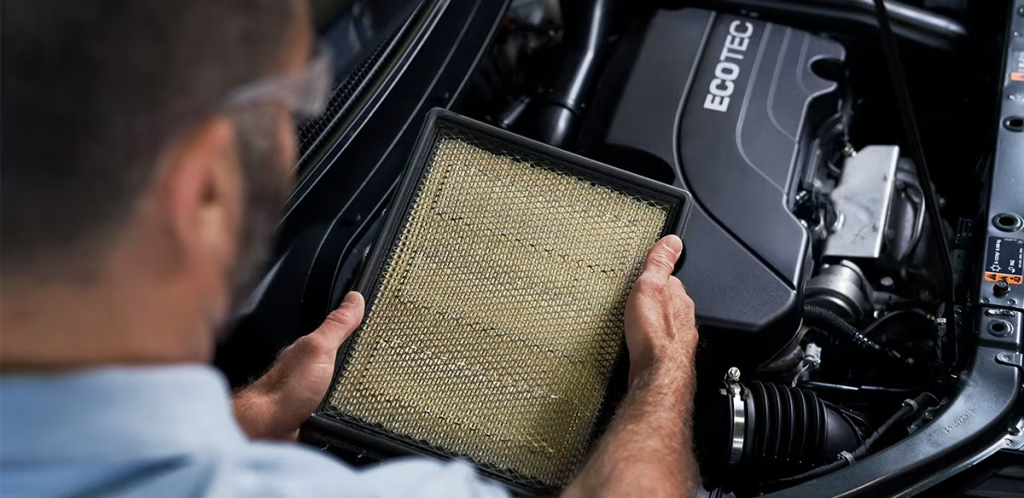
Engine air filters can also make sense as international purchases for European vehicles, particularly when the same genuine component is sold through the manufacturer’s European parts network.
The advantage is partly logistical. Filters are lightweight, compact, and relatively inexpensive to ship, so international freight has less impact than it would with a brake rotor, suspension arm, or exhaust component.
More importantly, some European suppliers sell genuine parts directly to consumers rather than routing every purchase through a U.S. dealership.
Current pricing demonstrates why comparison shopping can be worthwhile. Mercedes-Benz’s German genuine-parts site lists various original air filters, including one at €86.30 including German VAT, while Mercedes-Benz USA’s official parts operation lists individual U.S. air-filter components at prices ranging from roughly $35 to more than $75 depending on the exact application.
Those examples also show why it is dangerous to compare prices without matching the part number. Different filters can look almost identical while serving completely different engines or applications.
VAT is another consideration. A European retail price may include local VAT that does not necessarily apply in the same way to an export transaction. Shipping, U.S. taxes, and applicable customs charges also need to be included before deciding which source is cheaper.
The current U.S. tariff environment makes this calculation even more important. CBP states that certain imported automobile parts are subject to Section 232 duties, so buyers should not assume a foreign-listed price represents their final U.S. cost.
For a small maintenance component, however, international sourcing can still be attractive when the exact OEM number matches and the seller offers reasonable shipping.
7. European-Market Spark Plugs
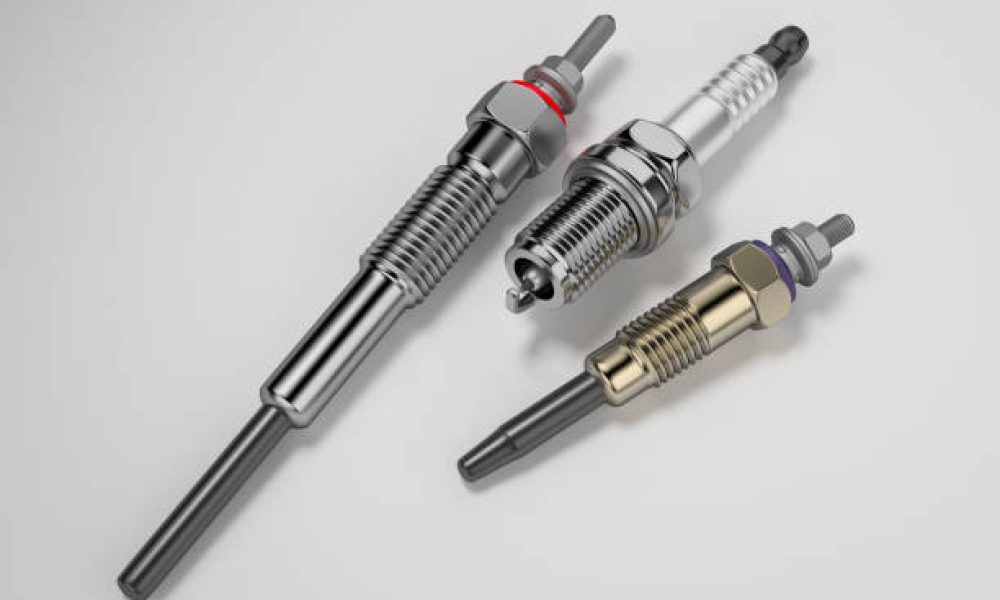
Spark plugs are another part where buying from the vehicle’s home market can sometimes make financial sense, particularly for European engines that use plugs manufactured by suppliers such as NGK, Bosch, or other original-equipment manufacturers.
The reason is straightforward. Spark plugs are small, lightweight, and relatively inexpensive to ship compared with larger mechanical components. European parts distributors can also offer competitive prices because of the region’s large aftermarket.
Current European wholesale listings, for example, show NGK spark-plug sets for Mercedes applications at prices that can be considerably lower than retail dealer pricing in some U.S. markets.
But there is an important catch. The correct heat range and specification are critical. Two spark plugs can share the same thread diameter and still be unsuitable for a particular engine. Electrode design, heat range, reach, and gap can all vary, especially between naturally aspirated, turbocharged, and high-performance engines.
The safest method is to search using the manufacturer’s exact part number rather than simply entering the vehicle model. European parts platforms such as WW Spares allow buyers to search by OEM part number or VIN and confirm fitment before ordering.
Import costs still have to be included. CBP’s current tariff guidance says automotive parts can be subject to Section 232 duties, while exemptions and origin-specific rules can apply.
Because spark plugs are so light, however, international freight usually has less impact than it does on heavy parts.
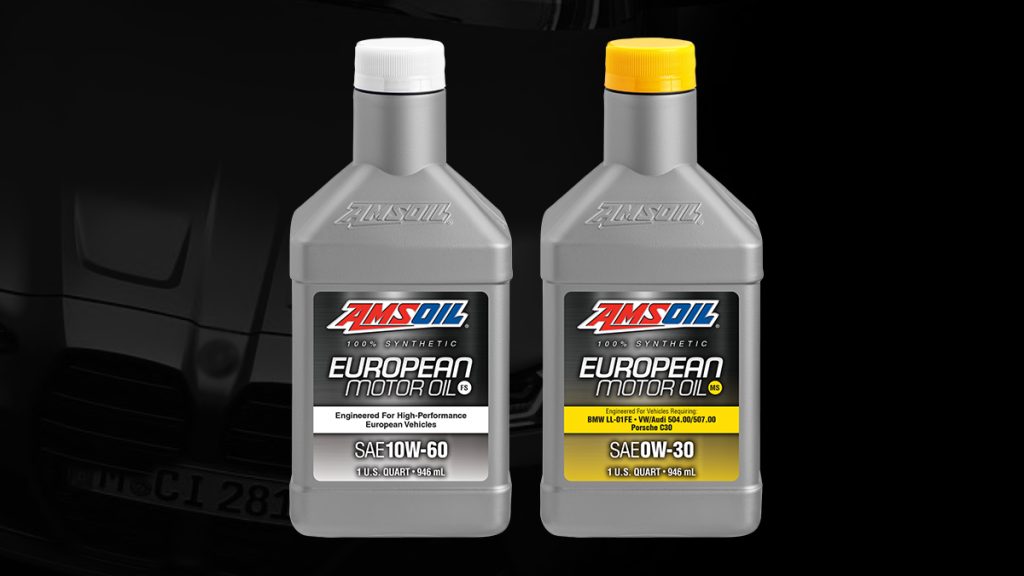
8. European-Sourced Oil and Service Kits
A complete maintenance kit can sometimes produce a bigger international saving than purchasing individual components separately. European suppliers frequently bundle genuine or original equipment service parts such as an oil filter, air filter, cabin filter, and spark plugs into one package.
This approach is particularly interesting for European luxury vehicles because U.S. dealer service pricing can include not only the parts themselves but also substantial labor and dealership overhead.
A DIY owner or independent repair shop may be able to source the components separately and perform the same scheduled maintenance for less.
Current European listings demonstrate the range. One European parts supplier lists a genuine Maserati service kit containing oil and air filters alongside other maintenance components for $152.90, while separate U.S. dealer pricing can vary significantly by model and part number.
The important distinction is between a genuine kit and a generic package assembled by an unknown seller. The buyer should verify every individual part number, manufacturer, and vehicle application.
International suppliers also emphasize VIN-based fitment because U.S., European, and other market versions of the same model can have different engine codes or equipment.
This is where the apparent bargain can disappear. Shipping, customs charges, currency conversion, and current U.S. auto parts tariffs all need to be added before comparing the final price. CBP confirms that certain imported auto parts face Section 232 duties.
For owners who already perform their own maintenance, though, bundling several lightweight parts into one shipment can make international sourcing considerably more practical.
