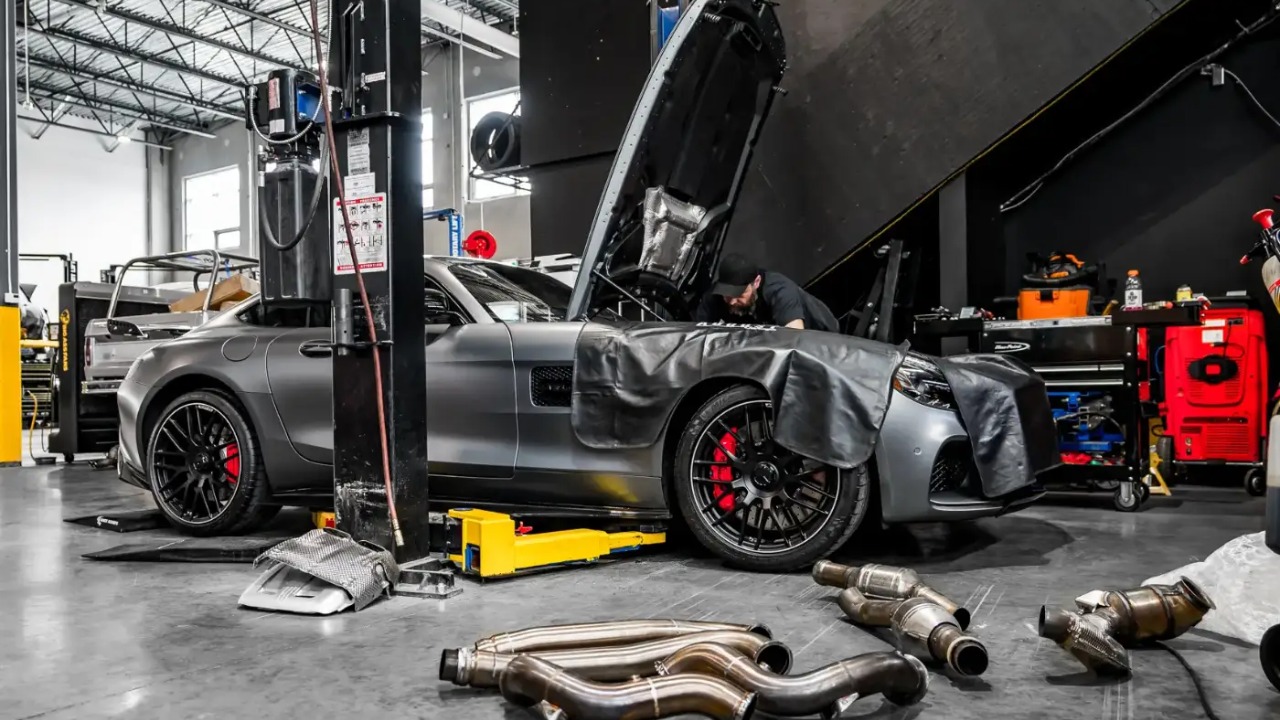
The best aftermarket upgrades are not necessarily the loudest, most expensive, or most visually dramatic. The useful ones change how a car behaves in situations drivers actually encounter, from emergency braking to rough pavement, highway driving, towing, and long-distance travel.
Some modifications can make a vehicle faster, but a well-chosen upgrade can also make it more controlled, predictable, comfortable, or easier to monitor. This ranking focuses on upgrades that provide a meaningful improvement without depending on flashy styling or questionable performance claims.
It also considers whether the modification works with the vehicle rather than simply adding another part. Fitment, installation quality, and compatibility matter as much as the component itself.
1. Vehicle-Specific Performance Tires
If the goal is to make a car genuinely better rather than simply different, a high-quality set of tires deserves the first spot. Tires are the only components connecting the vehicle to the pavement, so their characteristics influence acceleration, cornering, braking, ride quality, fuel economy, and even the effectiveness of electronic safety systems.
The mistake is assuming that the most aggressive tire is automatically the best upgrade. It is not. A summer performance tire can provide excellent dry and wet grip, but that does not make it the right choice for a driver who regularly encounters freezing temperatures or snow.
Likewise, an ultra-low-rolling-resistance tire may prioritize efficiency over maximum cornering grip. NHTSA notes that tire design affects wet and dry traction, handling, ride comfort, durability, and rolling resistance. It also estimates that reducing rolling resistance by 10% can improve fuel economy by roughly 1% to 2%.
The braking difference can become substantial as tires wear. AAA testing found that worn tires at highway speeds in wet conditions increased average stopping distance by 43%, adding about 87 feet compared with new tires.
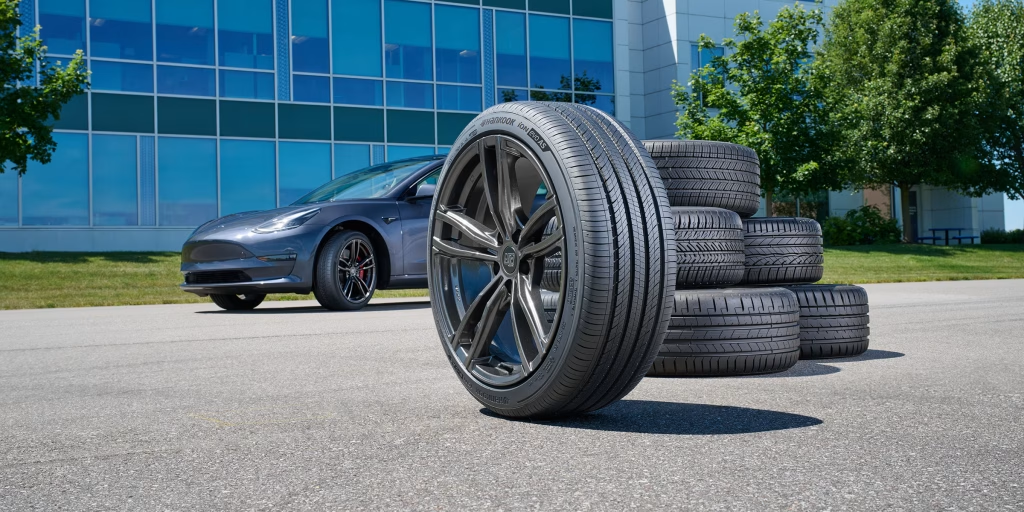
That makes tire selection a much more consequential modification than an aftermarket intake or cosmetic accessory. The best upgrade is a tire matched to the vehicle’s weight, suspension, climate, and intended use, followed by correct inflation and alignment.
A quality tire also lets the factory suspension do its job more effectively because the contact patch can maintain traction instead of becoming the limiting factor.
2. Properly Matched Performance Dampers
A suspension upgrade becomes genuinely useful when it controls the vehicle rather than simply making the ride harsher. Quality aftermarket shocks or struts can be one of the most noticeable upgrades for an older car, particularly when the factory dampers have accumulated substantial mileage.
The important distinction is between a properly matched damper and an excessively stiff one. A shock absorber does not support the vehicle’s weight in the conventional sense. Its primary job is to control suspension movement by converting that movement into heat through hydraulic resistance. That controls bounce, body roll, brake dive, and acceleration squat.
This matters most when the road is imperfect. When a tire hits a bump, the suspension needs to move while keeping the tire in useful contact with the pavement. A damper that is correctly calibrated for the spring rate and vehicle weight can make the car feel more settled without turning every pothole into a major impact.
There is also a safety reason to take this upgrade seriously. Monroe notes that shocks and struts work with tires and brakes to maintain tire contact, control weight transfer, and support steering and braking performance. Worn dampers can contribute to increased stopping distances, uneven tire wear, excessive bouncing, and reduced stability.
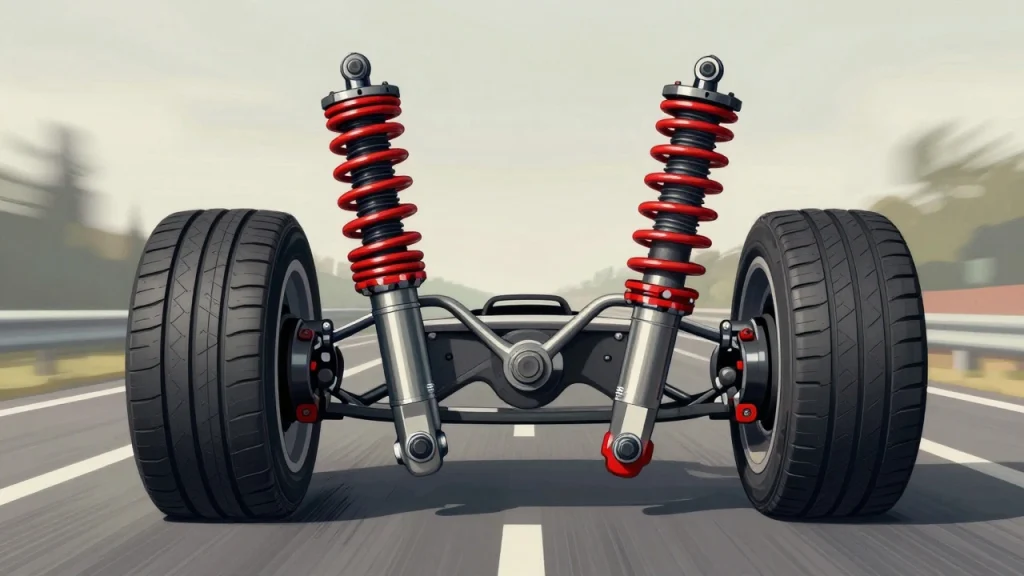
For that reason, the smartest aftermarket suspension upgrade is not automatically coilovers set to their lowest position. A vehicle-specific damper designed around the car’s existing suspension geometry can produce a more useful improvement for daily driving.
Installation matters too. If springs, struts, or other suspension components are changed, the vehicle should receive a proper alignment afterward. A great suspension component cannot compensate for incorrect wheel geometry.
3. A High-Output LED Headlight Upgrade
Headlights are one of those modifications where the useful improvement comes from better control of light, not simply producing more of it. A high-output LED replacement can be worthwhile when it is specifically designed for the vehicle’s original headlamp housing and produces the correct beam pattern.
That distinction is important because simply installing an extremely bright LED bulb into a reflector or projector designed for another light source can create excessive glare without actually improving the driver’s view.
The Insurance Institute for Highway Safety has repeatedly found substantial differences in headlight performance between vehicles, including problems involving inadequate illumination and excessive glare.
A well-designed lighting upgrade should provide practical illumination exactly where it is needed, including farther down the road, along the edges, and within the proper low-beam cutoff. The goal is to improve visibility in useful areas rather than simply flooding everything ahead with as much light as possible.
For older cars with halogen lighting, a quality LED system can also offer longer operating life and lower electrical consumption. However, compatibility is critical.
The National Highway Traffic Safety Administration warns that replacement lighting equipment must meet applicable federal requirements, and improperly modified lighting can create safety and compliance problems.

This is why a complete vehicle-specific headlamp assembly can sometimes be a better upgrade than a cheap LED bulb. A purpose-designed assembly can control the beam much more effectively than simply changing the light source.
After installation, aim is equally important. Even an excellent headlamp becomes dangerous when pointed too high or too far sideways. Aiming should follow the vehicle manufacturer’s procedure, and the beam pattern should be checked on a level surface.
For drivers who spend substantial time on poorly lit roads, this upgrade can change nighttime visibility far more meaningfully than cosmetic lighting accessories.
4. A Transmission Cooler for Vehicles That Actually Need One
Adding a transmission cooler can be a practical upgrade because it helps manage automatic transmission temperatures, an area many vehicle owners rarely monitor. It becomes especially valuable for vehicles that regularly tow trailers, carry heavy loads, tackle extended uphill drives, or operate in hot climates.
Automatic transmissions generate heat through fluid circulation, clutch engagement, torque-converter operation, and gear changes. Excessive heat can accelerate fluid degradation and place additional stress on internal components.
The American Petroleum Institute notes that automatic transmission fluids perform multiple functions, including lubrication, hydraulic operation, heat transfer, and protection against wear.
The important word here is properly sized. Installing the biggest possible cooler is not automatically better. The system has to be compatible with the transmission, fluid circuit, climate, and vehicle packaging. An improperly routed or poorly secured cooler line can create a leak, while an incorrect installation can interfere with the factory cooling system.
For a vehicle that spends most of its life commuting unloaded, a transmission cooler may provide little benefit. For a pickup towing near its rated capacity, however, the calculation changes.
Ford, GM, Toyota, and other manufacturers frequently offer factory towing packages that include additional cooling capacity, demonstrating how thermal management becomes increasingly important as load increases.
A quality aftermarket cooler can effectively supplement the factory system when the vehicle’s intended use justifies it. The upgrade is especially attractive for owners who tow regularly but do not want to modify engine output.
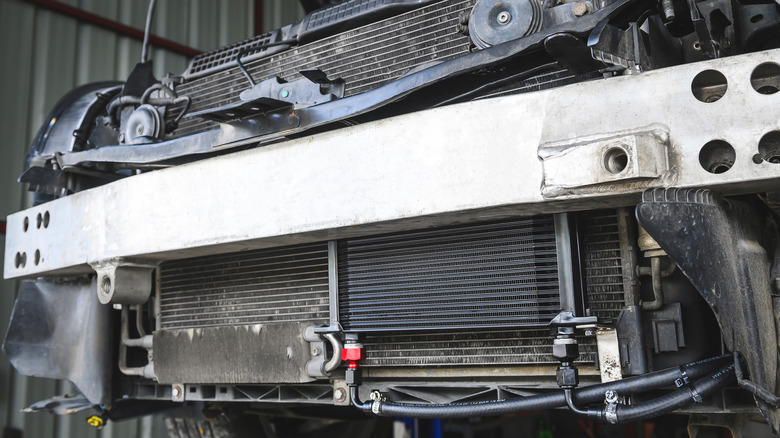
Another benefit is that the upgrade does not have to change the way the vehicle feels to be worthwhile. A properly installed transmission cooler should be barely noticeable during normal driving. Its primary purpose is to reduce heat-related stress on the transmission during demanding use, rather than to deliver noticeable gains in acceleration or changes in engine and exhaust sound.
That makes it one of the more intelligent upgrades for the right vehicle, particularly when towing is part of normal use.
5. Upgraded Brake Pads Matched to Your Driving
More stopping power is not always the reason to upgrade brakes. For many street cars, the smarter modification is a pad designed for the way the vehicle is actually driven. A high-quality street-performance pad can change pedal feel, resistance to repeated heat, and consistency without requiring an oversized brake kit.
This becomes particularly useful when a vehicle regularly travels through mountains, carries heavy loads, or sees repeated hard braking. Brake pads convert kinetic energy into heat through friction, so their compound determines how they behave as temperatures change.
A pad designed for aggressive track use can perform poorly as a daily-driver choice because cold behavior, noise, dust, and rotor compatibility all matter.
The upgrade should therefore be treated as a system. The pad must be compatible with the existing rotor, caliper, and vehicle application. Simply choosing the pad with the highest advertised friction coefficient is not a reliable way to improve braking.
There is also a practical reason to avoid extreme modifications on an otherwise stock vehicle. If the tires are the limiting factor, installing extremely aggressive pads will not magically produce proportionally shorter stopping distances. Tire grip ultimately determines how much braking force can be transferred to the road.
NHTSA emphasizes that tires influence handling and stopping ability, while its safety guidance recommends maintaining the correct tire pressure and ensuring the tires are appropriately sized and load-rated.
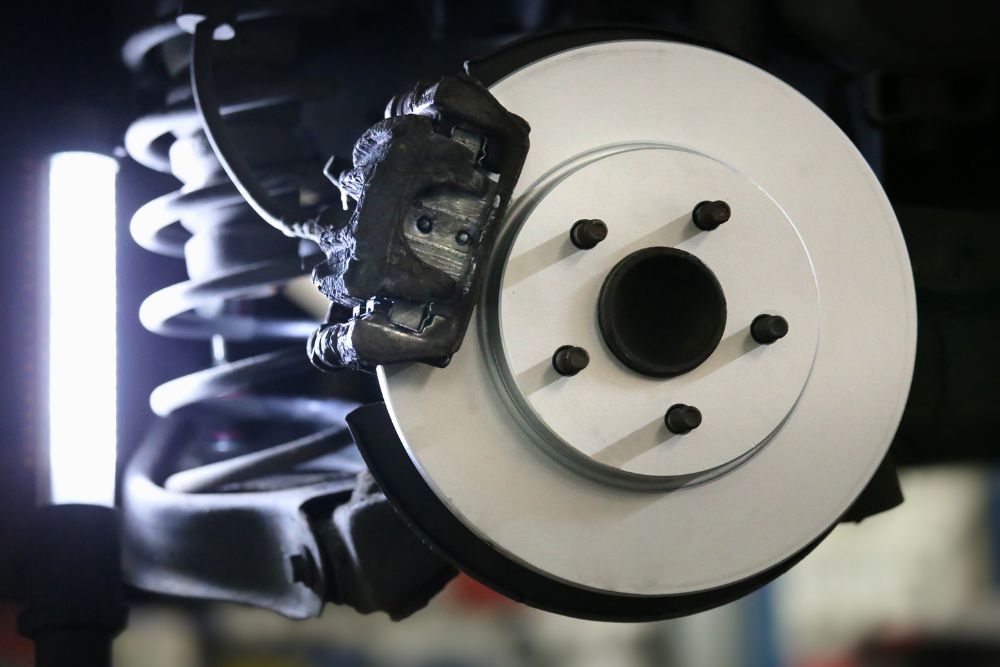
For a street car, the ideal brake-pad upgrade is therefore one that improves consistency and pedal response while preserving predictable cold performance. It should complement the tires rather than compensate for poor ones.
A proper installation should also include inspection of rotor condition, caliper hardware, brake fluid, and pad bedding according to the manufacturer’s procedure. Done correctly, this upgrade can make a car feel substantially more confident without making the modification visually obvious.
6. A Vehicle-Specific Rear Sway Bar
A properly selected rear sway bar can change the way a car responds to steering inputs without requiring a complete suspension rebuild. It connects the left and right sides of the suspension and resists differences in their movement, influencing how the vehicle distributes lateral load during cornering.
The important word is matched. Installing the largest bar available is not necessarily an improvement. Changing the balance between front and rear roll stiffness also changes the vehicle’s handling characteristics.
A rear bar that is too aggressive for a particular chassis can make the rear axle less forgiving, especially when the driver lifts off the accelerator during a corner.
That is why a vehicle-specific bar with a modest increase in stiffness is often more sensible than an extreme competition component. The objective for a street car is controlled response, not simply reducing body roll as much as possible.
The upgrade can be particularly noticeable on vehicles with soft factory suspension calibration. Instead of replacing springs, dampers, wheels, and tires simultaneously, an owner can alter one aspect of the chassis and evaluate the result.
Tire condition remains important here. NHTSA notes that tire design affects handling, traction, ride comfort, and rolling resistance, meaning suspension changes should be considered alongside the tires rather than in isolation.
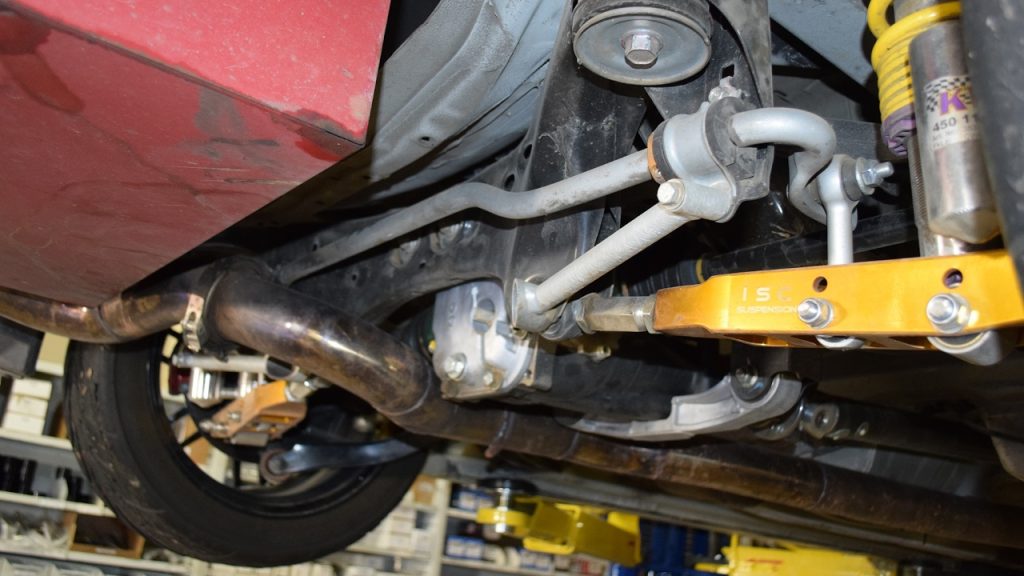
Sway bar bushings and end links are another area that enthusiasts can easily overlook. Installing a new sway bar while the existing hardware is worn can lead to unwanted noise and prevent the suspension from responding as intended. For that reason, the mounting points and related components should be checked carefully during installation.
The best result is a car that reacts more cleanly to steering without becoming nervous over bumps. That is a much more useful target than chasing the stiffest possible setup.
7. A Programmable Tire-Pressure Monitoring System
An aftermarket TPMS can be a surprisingly valuable upgrade for vehicles that lack individual tire-pressure displays or for drivers who want more detailed monitoring than the factory system provides.
The usefulness comes from information rather than performance. A tire can lose pressure without looking obviously flat, and pressure changes as temperature changes. NHTSA recommends checking tire pressure at least monthly when the tires are cold and points out that proper inflation affects safety, durability, fuel consumption, and handling.
A good aftermarket system can provide actual pressure readings rather than making the driver wait for a warning. Some systems also provide temperature information, which can be useful for drivers towing trailers, traveling long distances, or operating vehicles under demanding conditions.
However, compatibility matters. NHTSA has specifically addressed aftermarket TPMS installations and states that aftermarket equipment must not knowingly make an existing federally required safety system inoperative.
That makes this an upgrade where installation quality matters more than the number of features advertised on the box. If the vehicle already has factory TPMS, the aftermarket system should supplement it rather than interfere with it.
There is a practical advantage for older vehicles, too. Instead of waiting for a dashboard warning, a driver can monitor pressure changes and investigate a slowly leaking tire before it becomes severely underinflated.
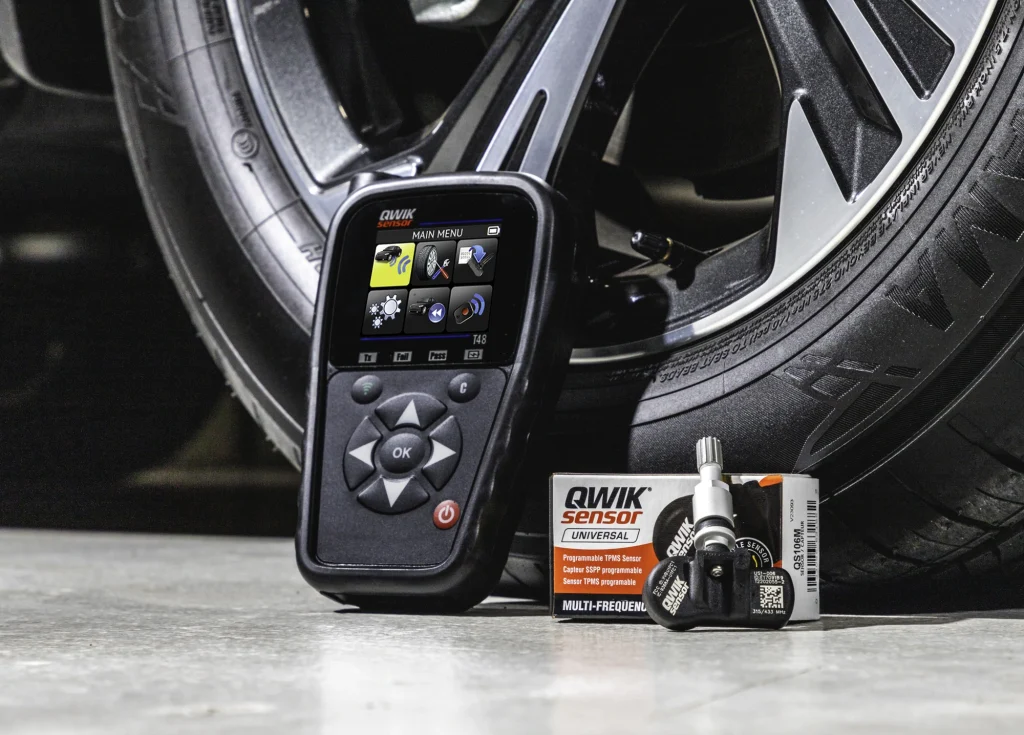
NHTSA notes that underinflation can increase the risk of tire failure and affect handling and stopping ability. It also says proper inflation can extend average tire life by about 4,700 miles.
That makes a reliable pressure-monitoring system one of the rare aftermarket upgrades that can potentially pay for itself through better maintenance.
8. A High-Quality Wheel Alignment After Suspension Changes
A professional alignment is technically a service rather than a traditional performance part, but it can be one of the smartest aftermarket improvements after changing tires, suspension components, or wheel dimensions.
The main issue is that installing new hardware without addressing wheel alignment can reduce the value of the upgrade. Camber, caster, and toe all affect how the tires meet the road and how the vehicle reacts to steering. Even minor alignment issues can lead to uneven tire wear or cause the vehicle to drift or pull to one side.
NHTSA specifically recommends recurring alignment and balancing services as part of tire maintenance and notes that proper maintenance can help tires last longer.
This becomes especially important after lowering a vehicle. Lowering springs can alter suspension geometry, and the resulting alignment may not match the factory specifications. The same principle applies after replacing control arms, changing ride height, or installing different wheel and tire combinations.
A useful alignment is not necessarily one that simply returns every setting to the factory midpoint. A qualified technician can use the manufacturer’s allowable adjustment range to create a setup appropriate for the vehicle’s intended use.
A daily commuter should generally prioritize predictable tracking and even tire wear, while a performance-oriented setup may use different targets.
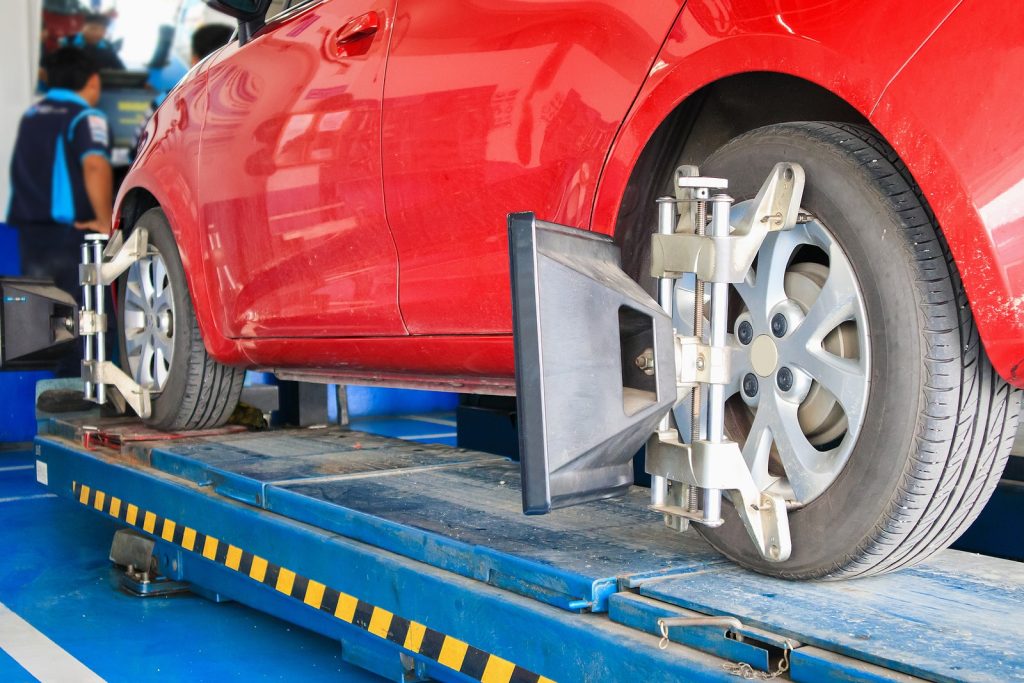
Wheel and tire fitment must also be considered. SEMA notes that federal standards address appropriate tire and wheel combinations, while industry standards such as SAE J2530 address aftermarket wheel performance and marking requirements.
The biggest advantage is that an alignment does not need to make the car feel radically different to be successful. A steering wheel that sits straight, predictable turn-in, and even tire wear are much more valuable than a dramatic visual modification.
9. A Quality Dash Camera With Front and Rear Recording
A dash camera is one of the few aftermarket upgrades that can provide value even when the car is parked in the driveway. Unlike modifications designed to change acceleration or handling, its primary benefit is preserving evidence.
A front-and-rear system can document traffic incidents from two directions, which becomes particularly useful when a collision involves changing lanes, being struck from behind, or conflicting accounts about what happened. Modern systems can also record GPS position, speed, and timestamps, depending on the model.
The technology has become considerably more capable. Current 2026 dash camera systems include 4K recording, HDR, GPS, parking surveillance, and dual-camera coverage, according to recent testing of the category.
The most useful upgrade is not necessarily the camera with the highest advertised resolution. A reliable system with good dynamic range, clear license-plate capture, stable storage, and proper mounting can be more valuable than a camera producing enormous video files that are difficult to retrieve.
Parking mode is another reason to consider a quality system. Depending on the installation, the camera can monitor impacts or movement while the vehicle is unattended. Hardwiring must be done correctly, however, because poorly configured installations can create battery-drain problems.
The camera should also be positioned so it does not obstruct the driver’s view. Local laws concerning recording audio, privacy, and windshield-mounted equipment can vary, so installation should comply with applicable state and local requirements.

For a daily driver, this is an upgrade that does not need to change the character of the vehicle. It simply adds another layer of information when an incident occurs.
That makes a properly installed front-and-rear dash camera considerably more useful than many cosmetic accessories that receive far more attention in the aftermarket.
10. A Vehicle-Specific Oil-Catch Can on a Turbocharged Engine
An oil-catch can is one of the more specialized upgrades on this list because it is not equally useful for every engine. Its purpose is to separate oil droplets and other contaminants from crankcase gases before those gases are routed back into the engine’s intake system through the positive crankcase ventilation system.
Turbocharged engines can make this modification particularly interesting because their crankcase ventilation systems operate under varying pressure conditions. A properly designed catch can can collect some of the oil and moisture carried in those vapors rather than allowing all of it to continue through the intake path.
But this is an upgrade where internet claims often exceed the available evidence. A catch can does not automatically produce more horsepower, and there is no universal mileage figure at which every engine suddenly requires one. Its value depends on the engine’s design, operating conditions, existing PCV system, and the quality of the separator.
Installation is equally important. A poorly designed system can introduce vacuum leaks or interfere with crankcase ventilation. That can create problems rather than solve them.
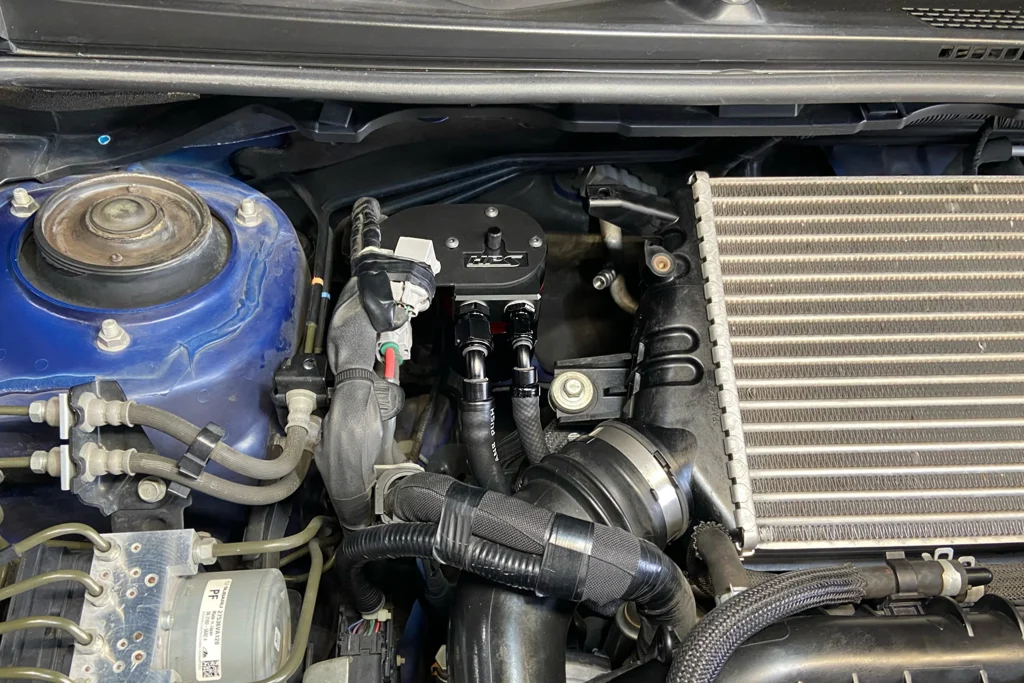
For a modern street vehicle, the best approach is therefore a vehicle-specific system engineered around the factory PCV arrangement. The can also needs to be inspected and emptied regularly, particularly in cold weather when condensation can accumulate.
This is a good example of why aftermarket modification should be based on the vehicle rather than the popularity of a particular part. A catch can may make sense for one turbocharged engine while offering little benefit on another.
The upgrade earns its place because it addresses an actual fluid-management function rather than simply adding noise or visual drama. But unlike tires or alignment, it should be considered a targeted modification, not a universal recommendation.