For American farmers, a dependable pickup can make daily work easier, from hauling feed and fencing supplies to towing trailers and carrying tools across rough farm roads. Finding a capable truck under $60,000 gives buyers plenty of choices across compact, midsize, and full-size categories.
The best option depends on towing needs, payload capacity, bed length, fuel economy, four-wheel-drive requirements, comfort, and long-term ownership costs.
This guide covers ten trucks available in the U.S. market that can fit within a $60,000 budget in suitable configurations. Prices and capabilities vary by trim and equipment, so buyers should check current dealer pricing before purchasing.
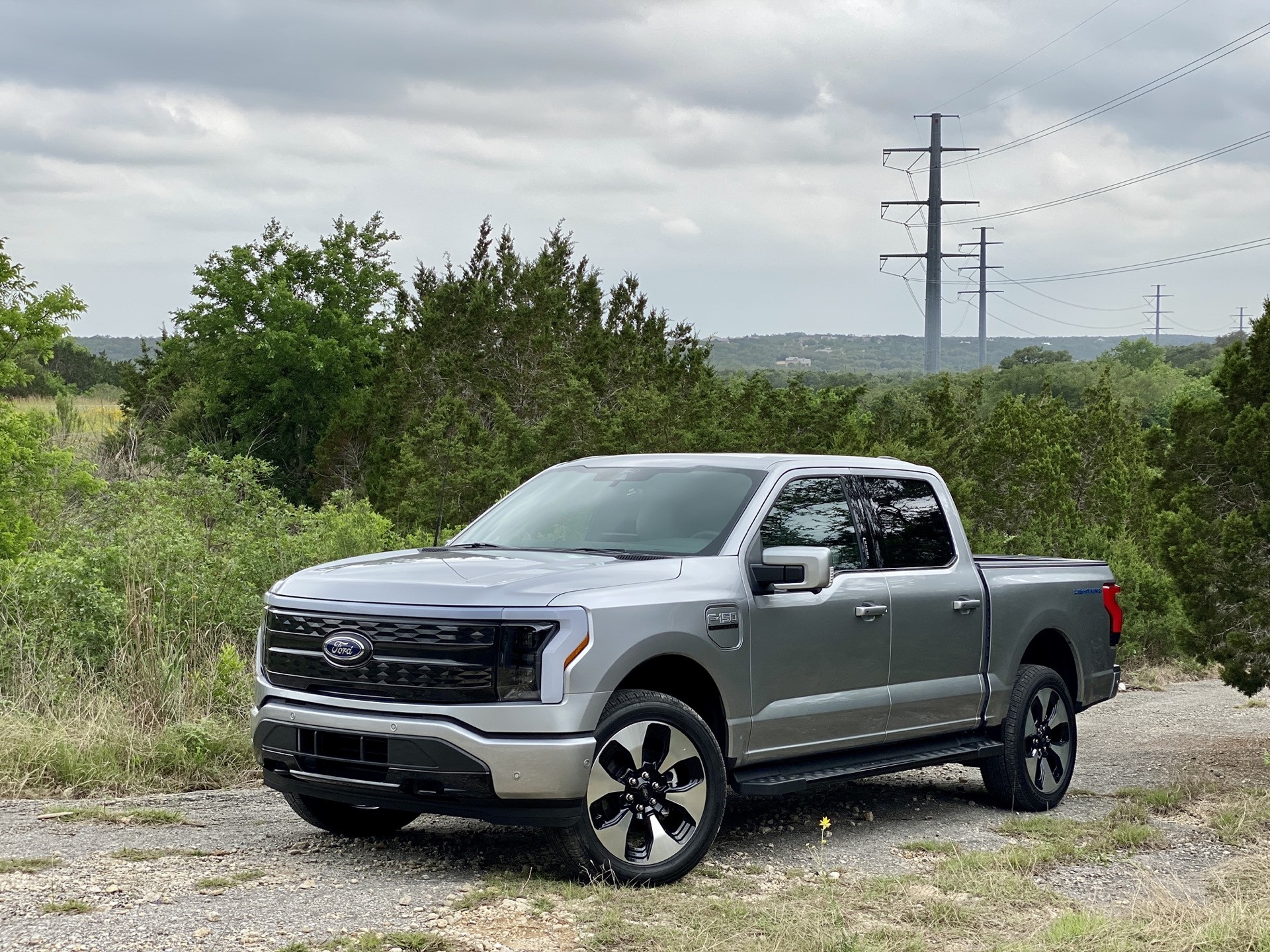
1. Ford F-150
The Ford F-150 remains a strong choice for farmers who need a pickup that can handle a broad range of jobs. Its large selection of cab, bed, engine, and drivetrain configurations makes it possible to build a truck around specific farm requirements.
For 2026, the F-150 starts around $40,085 according to current automotive pricing data, leaving room within a $60,000 budget for useful equipment. Farmers can choose from several powertrains, including EcoBoost engines, a V8, and a hybrid option. That flexibility makes the F-150 suitable for farms where daily work can change from light hauling to serious trailer duty.
Towing is a major reason the F-150 deserves a place near the top of this list. Ford’s 2026 towing guide lists a maximum available towing capacity of up to 13,500 pounds with the appropriate configuration. Maximum available payload reaches 2,440 pounds with the right equipment.
These figures are configuration-dependent, meaning buyers should not assume that every F-150 can achieve those numbers. A farmer who regularly moves livestock trailers, equipment, hay, or construction materials should pay close attention to the truck’s axle ratio, engine, cab, bed, hitch equipment, and payload rating before placing an order.
For farm use, the F-150 also benefits from its practical bed and available four-wheel drive. A longer bed can be useful for fencing posts, lumber, feed bags, tools, and other supplies that would be awkward to place inside the cab. Four-wheel drive can provide added traction on muddy fields, gravel lanes, snow-covered roads, and wet pasture areas.
Farmers who spend most of their time on paved roads may prefer a two-wheel-drive configuration to reduce purchase and operating costs. Buyers should match the drivetrain to actual conditions instead of paying for equipment they rarely need.
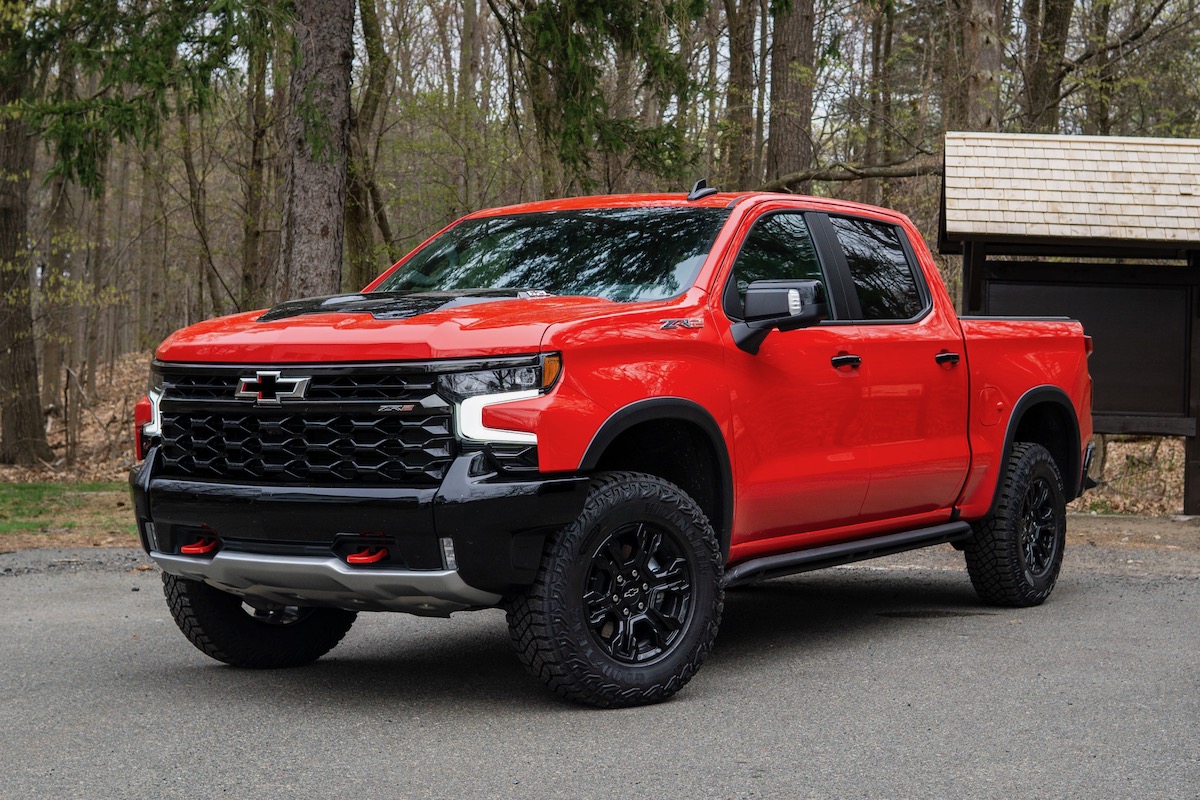
2. Chevrolet Silverado 1500
The Chevrolet Silverado 1500 is another excellent option for American farmers looking for a full-size pickup. The 2026 Silverado starts at approximately $36,900, while specific configurations can rise considerably with additional equipment. Chevrolet lists a maximum available trailering capacity of 13,300 pounds and a maximum available payload of 2,260 pounds.
Those numbers make the Silverado suitable for many agricultural jobs, including hauling equipment, transporting materials, and pulling appropriately matched trailers. As with any truck, maximum figures apply only to specific configurations and should not be treated as the capability of every Silverado model.
The Silverado’s range of configurations is useful on farms because agricultural work is rarely limited to a single type of load. A regular-cab work truck with a long bed can be an efficient choice for someone who prioritizes cargo space and affordability. A crew cab can make more sense for farmers who frequently carry family members, employees, or passengers.
Four-wheel drive is available for buyers who regularly deal with muddy ground, steep farm lanes, snow, or loose surfaces. The key is to select the truck according to actual farm conditions rather than focusing only on the highest advertised towing figure.
Farmers may also appreciate the Silverado’s straightforward work-focused versions. A basic truck can provide the necessary capability without forcing the buyer to spend heavily on luxury features. That can be important for agricultural operations where a pickup is considered equipment rather than a lifestyle purchase.
Money saved on the initial truck can instead go toward a gooseneck trailer, fifth-wheel equipment, toolbox, bed liner, replacement tires, or other farm necessities. The Silverado’s starting price leaves considerable room below $60,000 for carefully selected options.
For towing, buyers should examine more than the maximum capacity printed in promotional material. Trailer weight, tongue weight, passengers, cargo, fuel, and accessories all affect the truck’s usable capacity.
A farmer who regularly tows heavy machinery should have the dealer provide the exact towing and payload specifications for the intended VIN or configuration. This approach helps prevent a situation where a truck appears capable on paper but is overloaded during actual farm use.
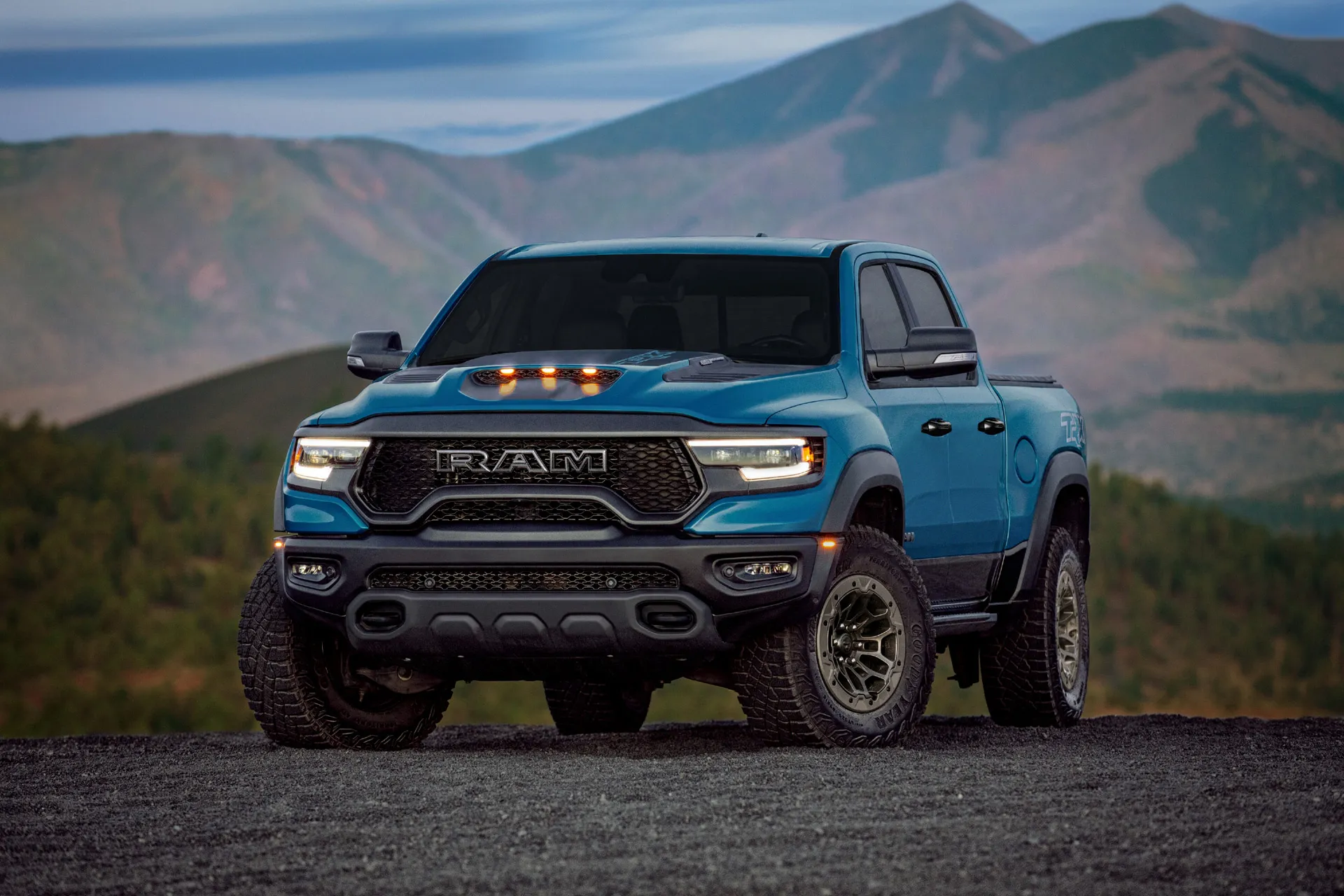
3. Ram 1500
The Ram 1500 stands out for farmers who want substantial capability combined with a comfortable cabin. For 2026, the model starts at approximately $44,820, according to current automotive pricing information. That leaves room within the $60,000 budget for selecting useful equipment while avoiding the most expensive trims.
The Ram 1500 offers several engine choices, including the 3.6-liter Pentastar V6 and available Hurricane engines. Ram lists maximum available payload at 2,360 pounds, making the truck suitable for many hauling and transportation duties when properly configured.
A comfortable cabin can matter more than it first appears for farmers who spend several hours traveling between fields, suppliers, livestock facilities, auctions, and home.
The Ram 1500 has earned a reputation for a smooth ride, which can make long drives less tiring. Its interior also provides a more refined feel than many traditional work trucks. For a farmer who uses a pickup as both agricultural equipment and a family vehicle, that combination can offer significant day-to-day value.
The Ram is also suitable for towing and hauling when configured correctly. Farmers should consider the weight of the trailer and its contents rather than choosing an engine based purely on horsepower.
A pickup that frequently pulls a loaded equipment trailer should be ordered with appropriate towing equipment, cooling capability, axle gearing, and payload capacity. Buyers should also inspect the payload sticker on the actual truck because payload can change significantly with cab configuration, options, drivetrain, and other equipment.
Another practical consideration is bed organization. Farm work often involves carrying smaller items such as chains, straps, tools, gloves, fencing hardware, lubricants, and spare parts. Available storage solutions can help keep equipment organized and accessible.
A bed liner, tonneau cover, toolbox, and durable floor mats may be more valuable to a working farmer than expensive appearance packages. Spending the budget on equipment that improves daily productivity can produce more practical value.
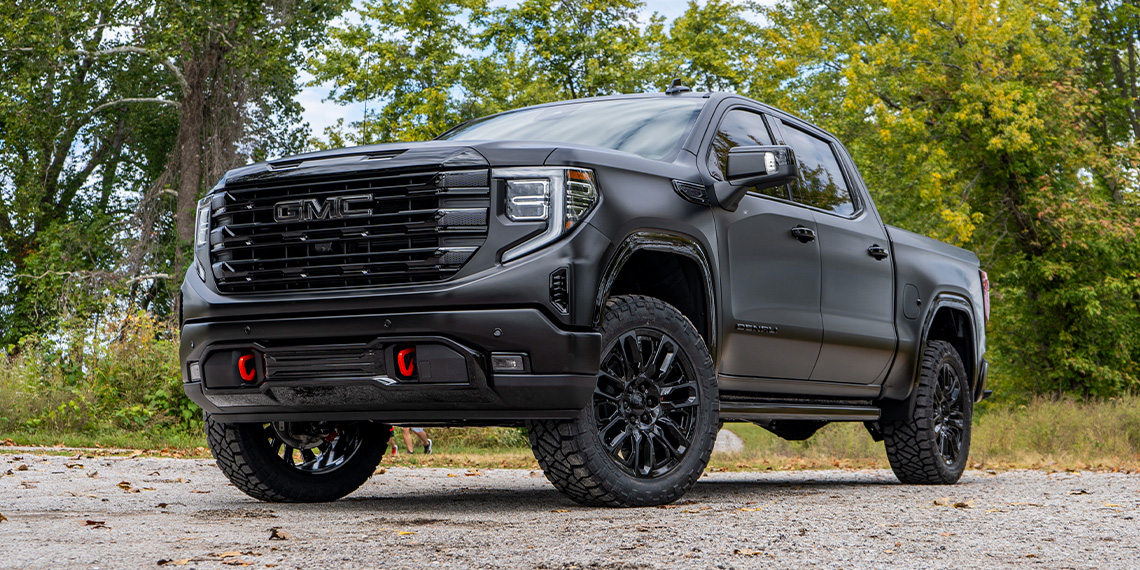
4. GMC Sierra 1500
The GMC Sierra 1500 offers a similar foundation to the Chevrolet Silverado 1500 but presents its own styling, trim structure, and equipment choices. The 2026 Sierra starts around $40,140, while higher configurations can exceed $60,000.
That starting point makes several versions realistic for farmers working with a $60,000 ceiling. Automotive testing sources rate the Sierra highly among full-size pickups, and its broad configuration range gives buyers considerable flexibility when selecting a work-focused truck.
For farm use, the Sierra can be configured with a range of cab and bed combinations. Farmers who frequently carry bulky supplies may benefit from a longer bed, while those who transport people regularly may prefer a crew cab.
Four-wheel drive can be useful for operations located in areas with harsh winters or difficult terrain. A two-wheel-drive model can make sense for farms in regions where fields and access roads are generally dry and well maintained. Choosing the right configuration can have a bigger impact on usefulness than selecting an expensive trim level.
The Sierra also offers strong towing potential. Properly equipped versions can handle substantial trailer loads, but farmers need to calculate the complete combination before purchasing. Equipment trailers can become much heavier once tractors, implements, livestock, hay, or construction materials are loaded.
Payload capacity is equally important because hitch weight, passengers, tools, and cargo all count against the truck’s rated capacity. The correct approach is to select a truck based on the heaviest realistic job rather than the average light-duty task.
Interior quality is another area where the Sierra can appeal to farmers who spend significant time behind the wheel. A comfortable seating position, useful storage, modern connectivity, and available driver-assistance features can make repeated trips more manageable.
These features are not essential to pulling a trailer, but they can improve everyday usability. Farmers should still prioritize mechanical capability, tires, suspension, and towing equipment before adding expensive cosmetic upgrades.
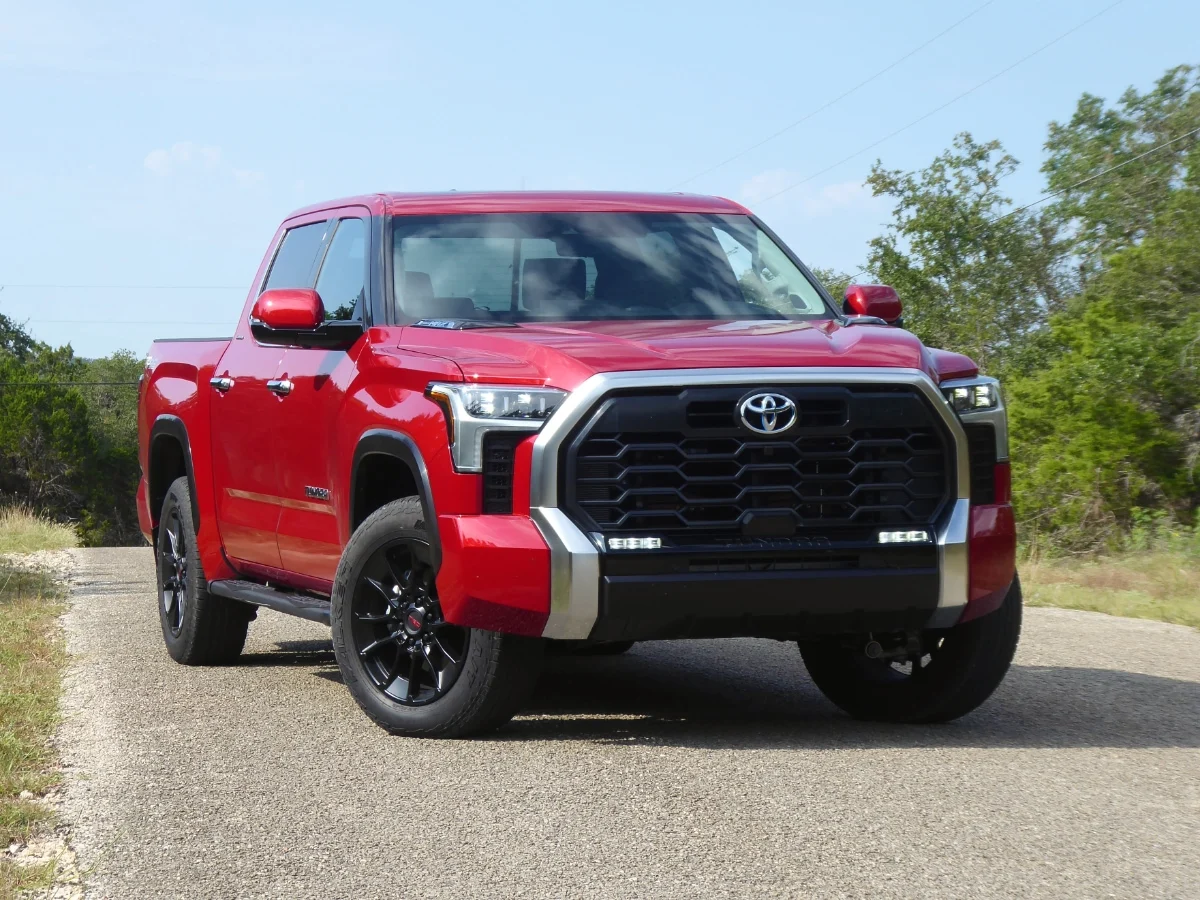
5. Toyota Tundra
The Toyota Tundra is an attractive choice for farmers who value strong towing ability and Toyota’s established pickup reputation.
The 2026 Tundra starts at $41,260, giving buyers room within a $60,000 budget for selecting a more capable configuration. Toyota lists maximum available towing capacity at 12,000 pounds and maximum available payload at 1,850 pounds. The truck is offered with a twin-turbo V6 and an available i-FORCE MAX hybrid powertrain.
The Tundra can be particularly useful for farmers who regularly tow trailers but do not require a heavy-duty pickup for every task. A properly equipped Tundra can pull equipment trailers, utility trailers, and recreational trailers within its rated limits.
Farmers should compare the actual trailer’s loaded weight with the specific Tundra’s tow rating. Payload also deserves careful attention because a trailer’s tongue weight is carried by the truck. A higher towing number does not automatically mean that every configuration is suitable for every trailer.
The available hybrid powertrain provides an interesting alternative for buyers who want strong output while maintaining a different approach to power delivery. Toyota lists 437 horsepower and 583 lb-ft of torque for the i-FORCE MAX system.
That combination can be useful when accelerating with a trailer or carrying substantial loads. Farmers who spend many hours driving between properties may also appreciate the Tundra’s road manners and comfortable cabin.
Toyota gives the Tundra several bed-length choices, including an available 8.1-foot bed. A long bed can be especially valuable for agricultural work because it provides space for fencing materials, lumber, tools, feed, and other supplies.
Farmers should consider whether a longer bed will fit inside their barns, sheds, and existing parking areas. Turning space can also matter on older farm lanes and narrow access roads.
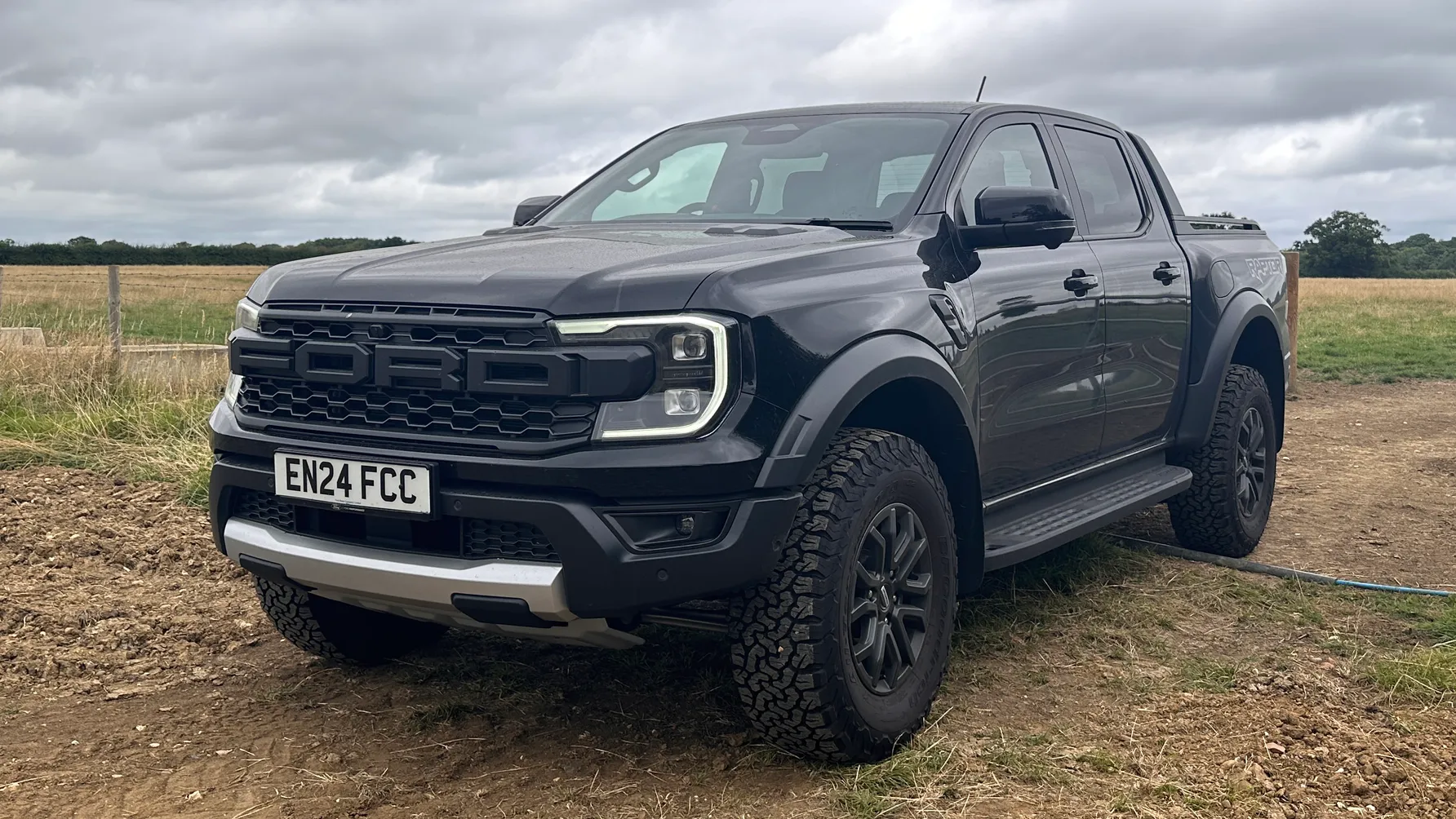
6. Ford Ranger
The Ford Ranger is a smart choice for farmers who do not need a full-size pickup. Its smaller dimensions can be an advantage on farms with narrow lanes, tight gates, crowded barns, or limited parking.
The 2026 Ranger starts around $35,445, leaving substantial room below $60,000. Automotive testing sources give the Ranger strong marks for its combination of towing capability, payload, ride quality, and road manners.
A midsize pickup can be more efficient for farmers whose daily work consists mainly of transporting tools, fencing supplies, feed, small equipment, and personnel.
The Ranger does not have the same size as an F-150 or Silverado 1500, but that can make it easier to maneuver around buildings and fields. Farmers who rarely tow heavy machinery may find a midsize truck easier to live with every day.
Four-wheel drive can make the Ranger useful on muddy farm roads and uneven terrain. Tires also play a major role in agricultural use. A truck with four-wheel drive but poorly suited tires may struggle in conditions where a properly equipped vehicle performs well.
Farmers should consider all-terrain tires if their driving includes gravel, mud, pasture, and unpaved access roads, while remembering that aggressive tires can affect road noise and fuel consumption.
The Ranger can also make financial sense when the farm does not require a large pickup. A lower purchase price means less money tied up in the vehicle and potentially more room in the budget for implements, trailers, tools, insurance, or maintenance.
It can also be easier to park and operate than a full-size truck. For smaller farms, hobby farms, ranch properties, and mixed personal-work use, those advantages can matter every day.
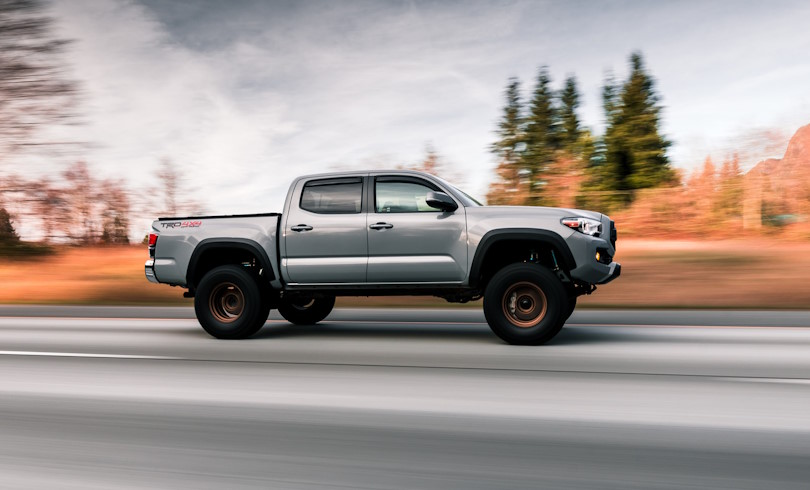
7. Toyota Tacoma
The Toyota Tacoma is another midsize pickup that fits comfortably within a $60,000 budget. Its starting price is around the low-$30,000 range for the 2026 model year, making it considerably less expensive than many full-size alternatives.
The Tacoma is particularly appealing to farmers who work in areas where narrow roads, rough terrain, and limited access are common. Its smaller footprint can make maneuvering around farm buildings and fields easier than with a larger pickup.
For agricultural use, the Tacoma makes sense when the main jobs involve tools, fencing supplies, light machinery, feed, maintenance equipment, and moderate trailer work.
Farmers should determine the loaded weight of their typical trailers before choosing the truck. A midsize pickup can be highly capable, but it is not a substitute for a heavy-duty truck when the operation routinely moves large tractors or heavy implements.
Four-wheel drive is an important option for farmers who frequently travel through mud, snow, gravel, or steep terrain. Ground clearance and appropriate tires can also help when traveling across uneven surfaces.
However, buyers should remember that off-road capability does not eliminate the need to respect payload and towing limits. A truck can handle rough ground well while still being overloaded if too much equipment is placed in the bed or attached trailer.
The Tacoma can also serve as a practical personal vehicle. Farmers often need a pickup that can make trips to hardware stores, feed suppliers, markets, and nearby towns without feeling unnecessarily large.
A midsize truck can be easier to drive through town and park than a long-wheelbase full-size model. This combination makes the Tacoma suitable for operations where the pickup needs to perform many different light-duty jobs.
8. Chevrolet Colorado
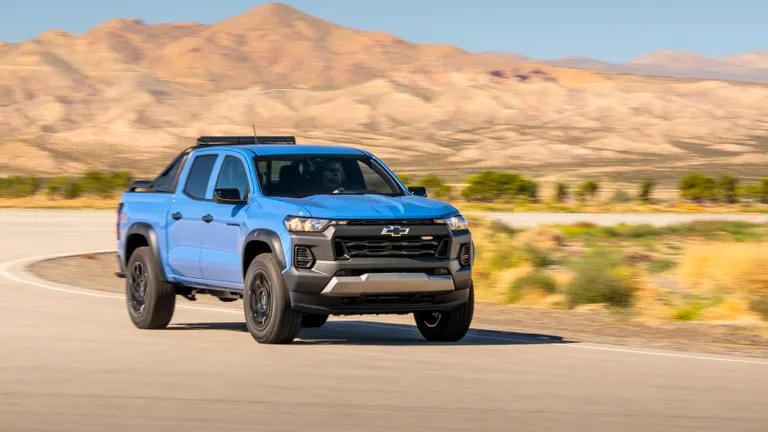
The Chevrolet Colorado is an affordable midsize truck that can make a lot of sense for smaller agricultural operations. Chevrolet lists the 2026 Colorado with a starting price of $32,400, while maximum available towing reaches 7,700 pounds and maximum available payload reaches 1,710 pounds. That provides meaningful capability without requiring the size or cost of a full-size pickup.
The Colorado is well suited to farmers who spend much of their time transporting supplies rather than pulling large equipment. It can carry tools, fencing materials, bags of feed, small machinery, and maintenance supplies.
The smaller body also helps when navigating narrow farm roads and crowded work areas. A farmer with several buildings, gates, and storage areas may appreciate being able to position a midsize truck where a larger pickup would be inconvenient.
The Colorado’s towing capability is sufficient for many utility and equipment trailers, provided the combined weight remains within the truck’s rating. Buyers should identify the heaviest trailer they expect to use before choosing a configuration. It is also wise to consider future needs.
A farm operation that currently uses a small utility trailer may eventually purchase heavier equipment, and that possibility should influence the truck selection.
Fuel and operating costs are also worth considering when comparing midsize and full-size pickups. A smaller truck can be a sensible choice when heavy towing is occasional rather than routine.
Spending less on a vehicle may allow a farmer to allocate more money toward equipment that directly contributes to farm productivity. The best pickup is not necessarily the largest truck available; it is the vehicle that handles the actual workload without unnecessary expense.
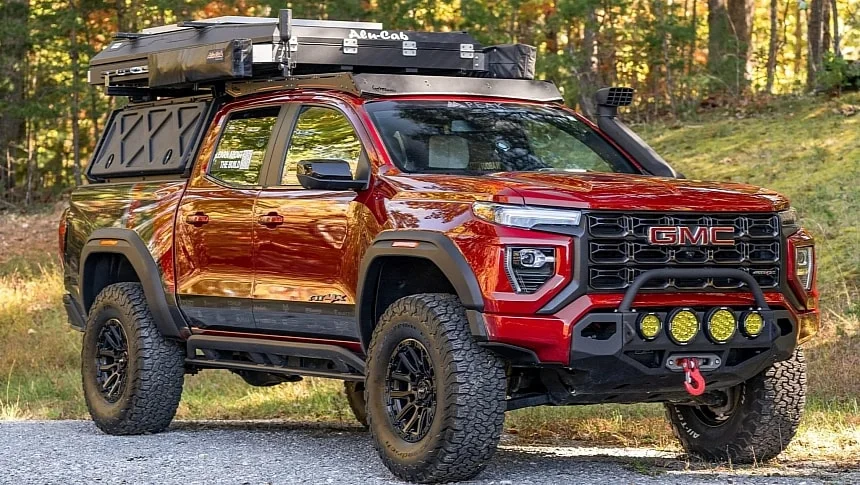
9. GMC Canyon
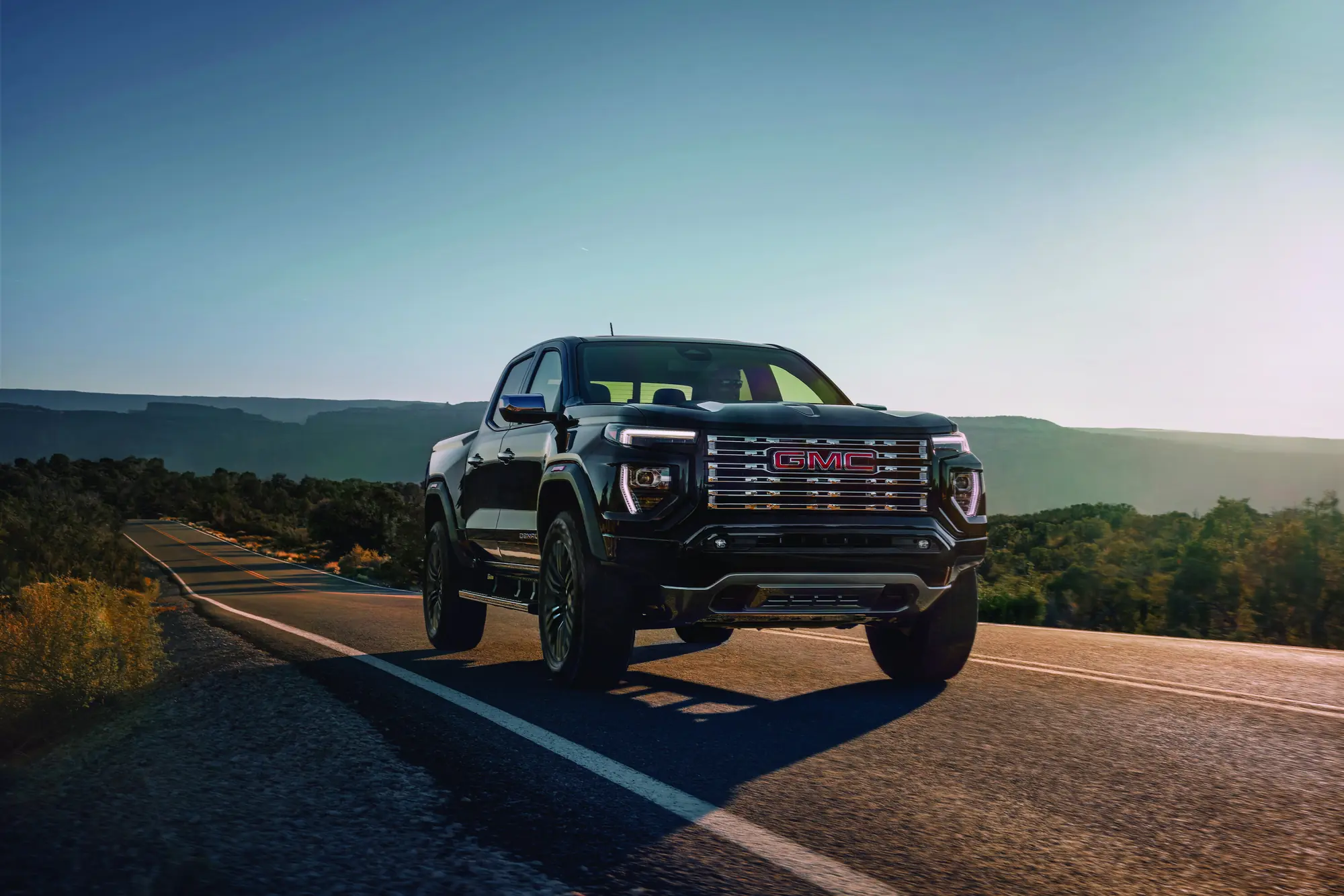
The GMC Canyon provides a more refined alternative in the midsize pickup segment while retaining useful capability for agricultural work.
The 2026 model starts around $40,995, putting it comfortably below the $60,000 target before optional equipment. Its size makes it easier to maneuver than a full-size truck, while its pickup bed provides space for tools, supplies, and farm equipment that cannot conveniently travel inside an SUV.
The Canyon can be particularly useful for farmers who divide their driving between farm roads and highways. Its midsize dimensions are practical in tight areas, while the cabin can provide a comfortable environment during longer trips. That combination is valuable for farmers who may spend part of the morning working in fields and the afternoon traveling to suppliers or markets.
For off-pavement use, buyers should pay attention to drivetrain and tire selection. Four-wheel drive can provide extra traction in difficult conditions, but it should be combined with suitable driving technique and tires.
Farmers should also avoid carrying excessive cargo simply because there is room in the bed. The vehicle’s payload rating is the controlling figure, not the physical size of the cargo area.
The Canyon can also be attractive to farmers who want their pickup to feel comfortable outside work. A farm vehicle may serve as a daily family vehicle, and spending hours in the truck makes seating, climate control, storage, connectivity, and ride quality relevant.
Still, buyers should prioritize mechanical equipment and towing capacity before spending money on appearance-focused options.
10. Nissan Frontier
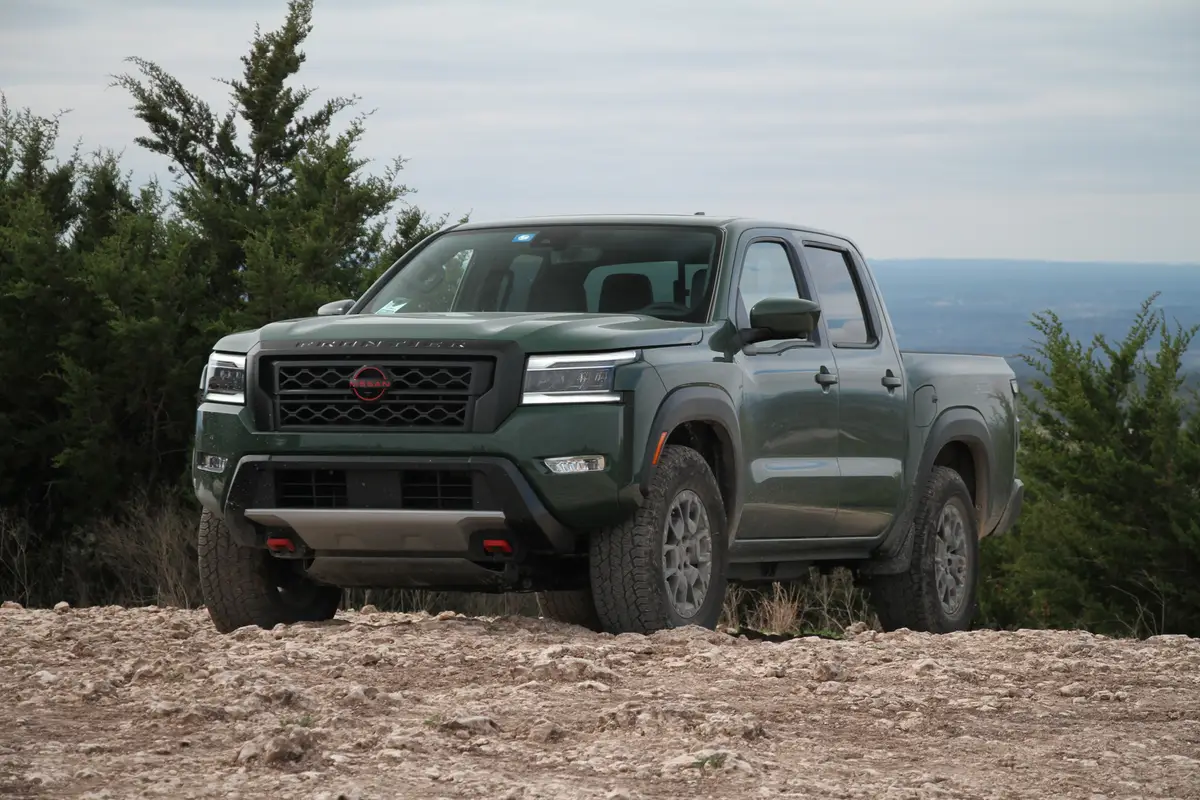
The Nissan Frontier rounds out this list as a straightforward midsize pickup with a relatively accessible price. The 2026 Frontier starts around $32,490 according to current U.S. truck pricing information. That low entry point gives farmers substantial room within a $60,000 budget for four-wheel drive, useful accessories, towing equipment, protective bed equipment, and other additions.
The Frontier makes the most sense for farmers who need a practical pickup rather than a heavy-duty towing machine. It can handle everyday jobs such as transporting tools, fence materials, feed, maintenance supplies, and smaller equipment.
Its midsize dimensions are also helpful around barns, sheds, gates, and narrow lanes. A smaller pickup can sometimes be more useful on a compact farm than a large truck that is difficult to maneuver.
Four-wheel drive can improve traction when working on loose or slippery surfaces. Farmers in areas with snow, mud, steep terrain, or unpaved roads may find it worth considering.
Buyers should also look carefully at bed length and cab configuration. A crew cab provides more passenger space, while a longer bed can be more useful for materials. Choosing between these layouts should be based on how the truck will actually be used.
The Frontier’s relatively affordable starting price can be its biggest advantage for a budget-conscious farmer. Rather than using the entire $60,000 budget on the truck itself, buyers can invest in equipment that makes farm work easier.
A quality bed liner, trailer brake controller where appropriate, toolbox, tie-down system, all-weather mats, and durable tires can have more practical value than luxury options.