
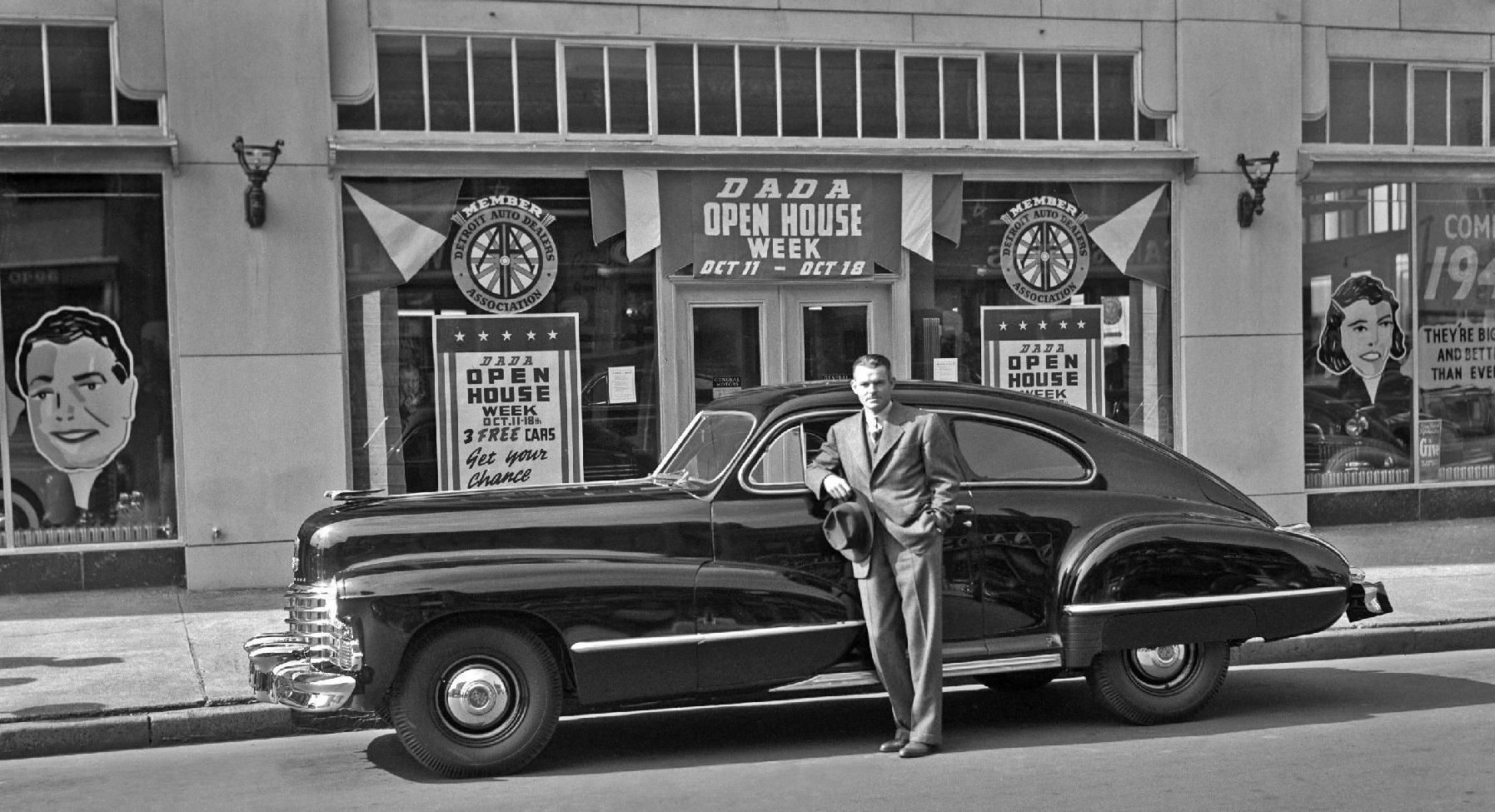
Every Cadillac that rolls off an assembly line today carries a name born nearly two centuries before the automobile existed. It comes from a French soldier, adventurer, and self-made nobleman named Antoine de la Mothe Cadillac.
He was born Antoine Laumet on March 5, 1658, in Saint-Nicolas-de-la-Grave, in the Kingdom of France. He later crossed the Atlantic and reinvented himself in the wilderness of New France.
By 1701, this ambitious Frenchman had founded Fort-Pontchartrain du Détroit, the settlement that grew into modern Detroit. Two centuries later, an engineer named Henry Leland would borrow this founder’s name and family crest for his new automobile company. That company became Cadillac, one of America’s oldest and most storied car brands.
This article traces that full journey. It looks at who Cadillac really was, how controversial his life became, and how his name ended up on a luxury car in 1902. Each section is built on documented historical record, not myth or marketing folklore.
Who Was Antoine de la Mothe Cadillac?
Antoine Laumet was not born into nobility at all. He was born in southern France in 1658 and arrived in the New World at age 25. Once in North America, he worked as a coastal trader. He became an expert on the Atlantic coastline and performed reconnaissance work, possibly including privateering.
This work earned him favor with French officials back home. His reputation grew steadily among government ministers in France. In 1687, he married Marie Thérèse Guyon, niece of his trading partner François Guyon. At that same time, he adopted the invented name “la Mothe Cadillac,” falsely claiming noble ancestry.
There was no real Cadillac family estate or lineage behind this title. Historians note plainly that no ancient “Cadillac” family or coat of arms actually existed in France.
Despite this fabrication, the name stuck for the rest of his life. It would eventually outlive him by centuries, attached to a car company. Before founding Detroit, Cadillac built his military career in the Great Lakes region. He served as commandant of the frontier post at Mackinac from 1694 to 1697.
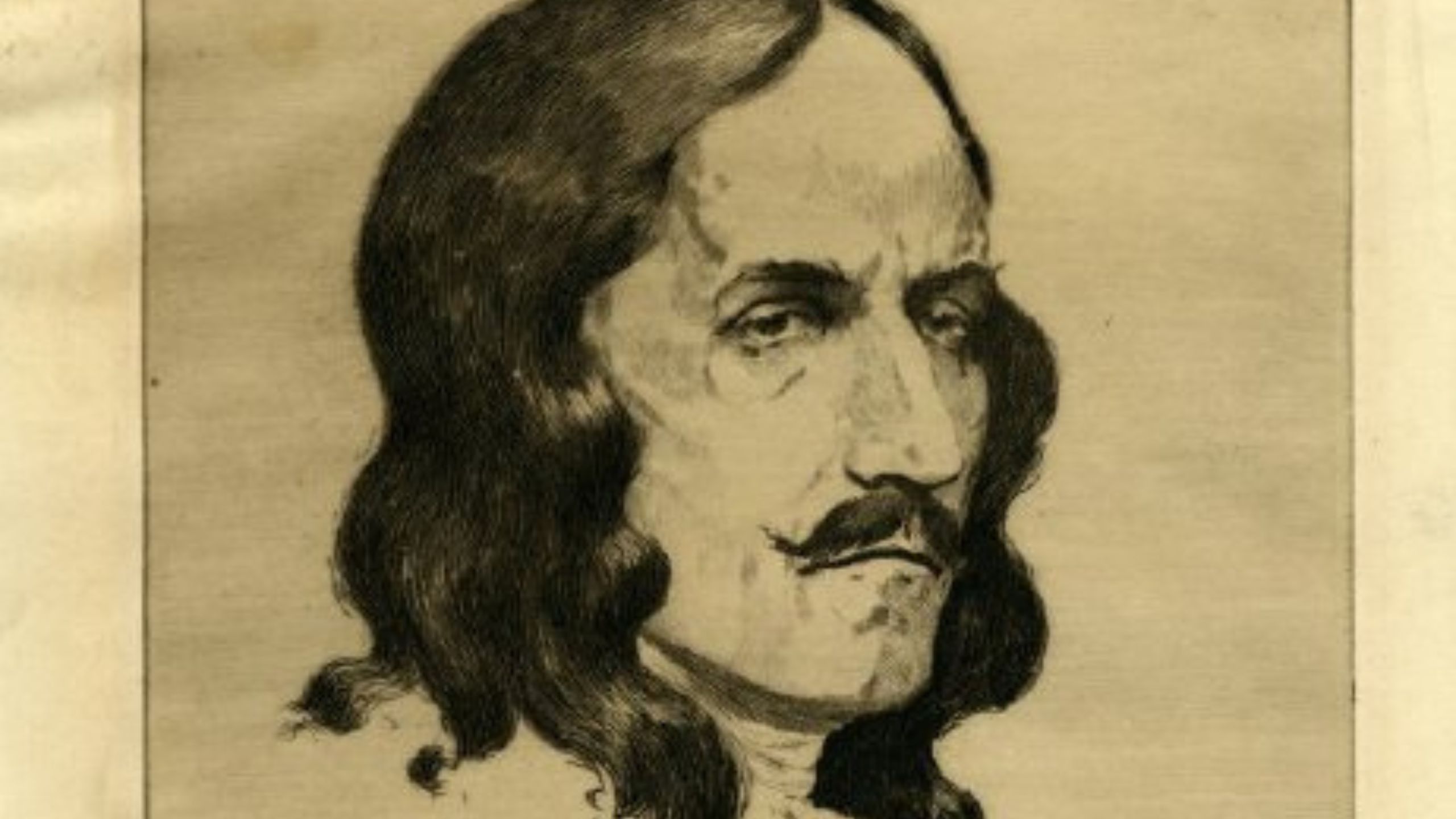
He pushed hard for a new French fort further south. He argued this location would counter growing British influence in the region. King Louis XIV eventually approved the plan. Cadillac received permission from Louis XIV to establish a fur-trading post at this new location.
On July 24, 1701, he made it happen. Detroit’s official founding is dated to that specific day. He called his new outpost Fort Pontchartrain du Détroit. The name honored a French minister while describing the narrows, or “détroit,” along the river.
Cadillac had grand ambitions for this settlement from the very beginning. He envisioned it as something far larger than a simple trading post. He dreamed of turning it into a major hub of French colonial life. He reportedly referred to it as the “Paris of New France.”
To grow the population, he began granting land to settlers. Records show Cadillac made the first land grants starting in 1707. He hoped these grants would attract families and stabilize the fragile colony. Settlement, however, grew far more slowly than he had promised his superiors.
His personal life unfolded largely within this frontier settlement he built. He and his wife had a very large family together. Together, Cadillac and his wife had as many as thirteen children, several of them born in Detroit. Sadly, fewer than half of these children survived into adulthood, a grim but common reality of colonial life.
From Detroit’s Founder to a Controversial Colonial Governor
Cadillac’s image as a heroic frontier founder does not tell the whole story. Historians have long pointed out serious problems with his conduct in office.
At Michilimackinac, before Detroit even existed, accusations followed him. He faced criticism for selling alcohol to Native Americans and mistreating fur traders to build his own wealth.
That pattern of self-interest did not stop once he reached Detroit. His official reports to Paris often did not match reality on the ground. Cadillac sent glowing accounts describing a thriving, prosperous colony. But an independent 1708 investigation told a very different story.
That report found only sixty-two French residents actually living outside the fort. It also confirmed that Cadillac was widely disliked for abusing his power over the settlement.
One contemporary account from the Canadian Museum of History goes further still. It describes rumors that Cadillac was known for a genuinely “nasty” and difficult temperament.
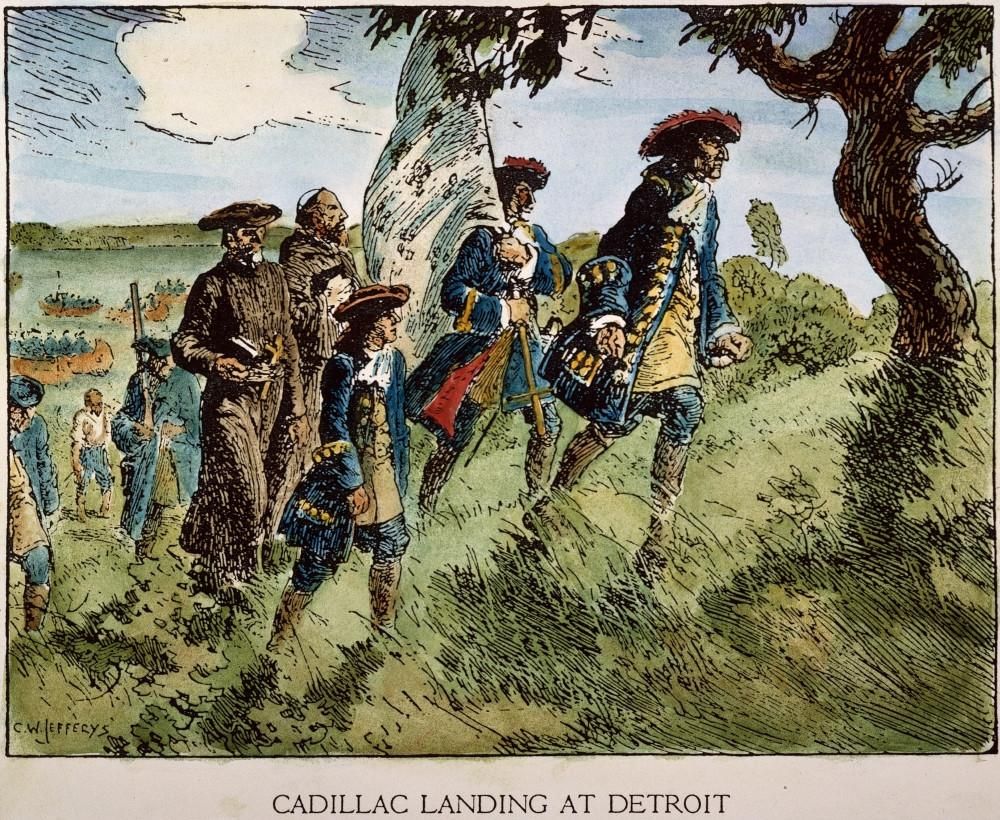
Some historians even argue Cadillac gets more credit than he truly deserves. One retrospective notes that Father Gabriel Richard actually did far more day-to-day work building and serving early Detroit.
Despite these controversies, Cadillac’s career in French colonial service continued climbing. His political connections in France still carried real weight.
In 1710, he received a major promotion far from Detroit. He was appointed governor of French Louisiana that year, though the move was widely seen as a way to remove him from Detroit.
He did not actually travel to Louisiana right away. Cadillac only arrived in Louisiana in 1713, and served as governor until 1716. His time as governor there proved just as rocky as Detroit had been. He grew increasingly unpopular with both colonists and superiors.
Britannica records that Cadillac became increasingly unpopular in Louisiana and was himself dissatisfied with the posting. Eventually, officials in France recalled him from the position entirely.
His return to France brought further trouble rather than relief. He was briefly imprisoned in the Bastille following his recall, a striking fall for a man who had once styled himself French nobility.
After this imprisonment, Cadillac’s public career effectively ended. He returned home in 1717 and took a local governorship in Castelsarrasin for the rest of his life.
He never went back to the colony he had founded. Cadillac spent his final years in relative quiet in provincial France. He died on October 15 or 16, 1730, sources differ slightly. He was buried at Castelsarrasin, roughly seventy-two years old.
For nearly two centuries afterward, his name largely faded from public memory outside Michigan. That changed dramatically at the dawn of the twentieth century, in an entirely unexpected industry.
His birthplace itself was eventually turned into a memorial. A museum dedicated to his life opened in Saint-Nicolas-de-la-Grave in 1974, following renewed interest from Detroit historians.
That museum still stands today as the recognized birthplace site. It has even been designated a French Monument Historique and a Michigan State Historic Site.
How His Name Became America’s Luxury Car Brand
The link between Cadillac and automobiles began almost by accident. It grew out of the collapse of an entirely different car company. In March 1902, Henry Ford left his own struggling company. He departed along with several key investors, leaving the business essentially empty.
Investors William Murphy and Lemuel Bowen were left holding the company’s remaining assets. They considered simply liquidating everything and walking away.
Before doing so, they called in engineer Henry Martyn Leland to appraise the company’s assets before any liquidation. Leland’s assessment changed the entire outcome.
Rather than recommending a sale, Leland persuaded Murphy and Bowen to keep manufacturing cars using his own proven single-cylinder engine design. This decision effectively created a new company from the old one.
That new company needed a name, and quickly. On August 22, 1902, the Cadillac Automobile Company was formally established in Detroit. The choice of name was not random or arbitrary.
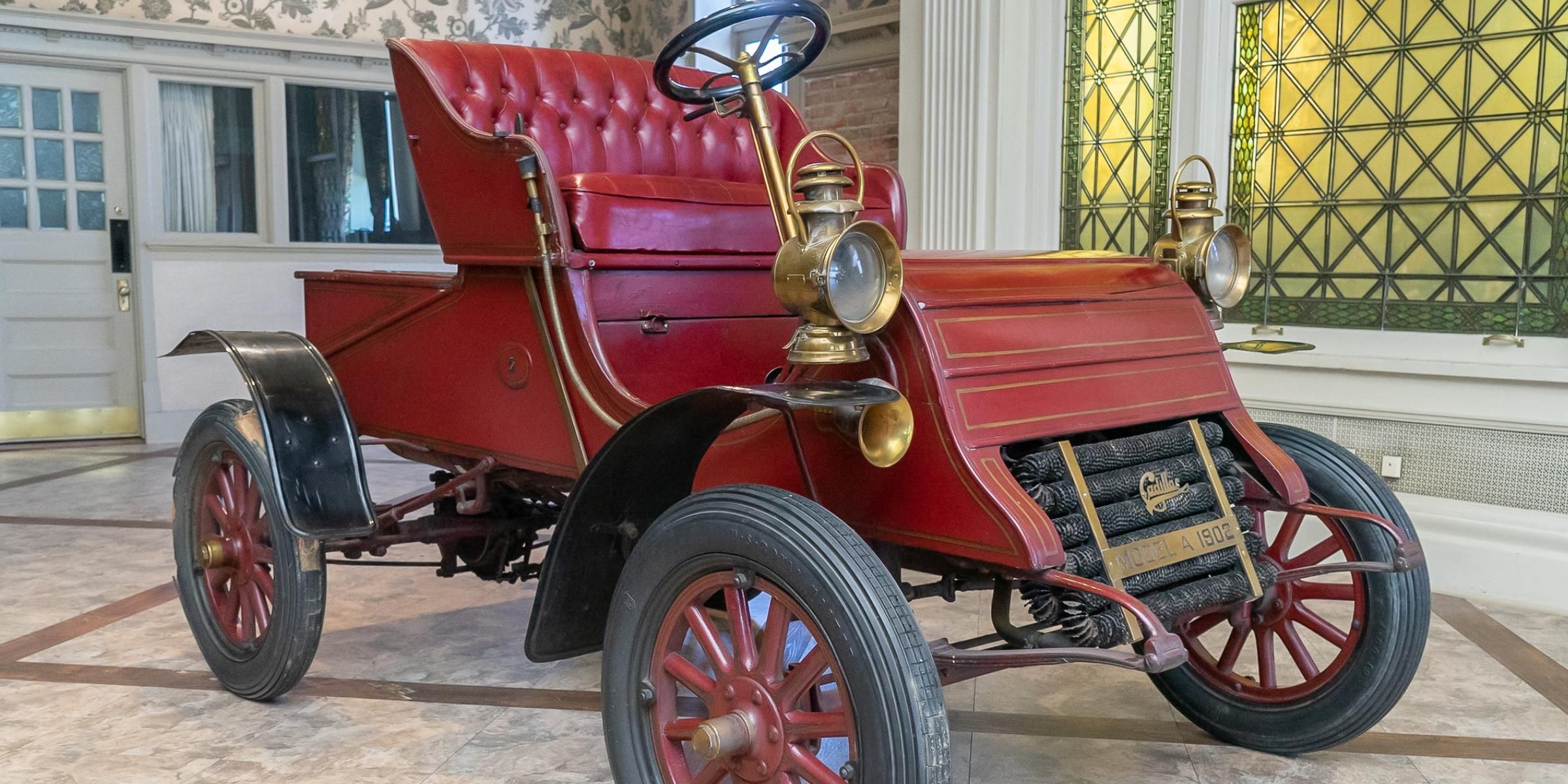
It was named directly after Antoine de la Mothe Cadillac, the French explorer who had founded Detroit two centuries earlier. Leland reportedly felt a personal connection to this history. Some sources describe Cadillac as Leland’s own ancestor, tying the naming decision to family heritage as well as civic pride.
At the time, this was seen as an obviously fitting tribute. One retrospective explains that Cadillac was still widely regarded as a genuine local hero in 1902, long before later historians uncovered his troubled record.
The company did not stop at borrowing just the name. It also adopted his personal heraldry as a permanent brand symbol.
The famous Cadillac crest traces directly back to Antoine’s own invented coat of arms. It was based on the coat of arms he had created for himself around the time of his 1687 marriage in Quebec.
As noted earlier, that coat of arms had no real noble lineage behind it. It was essentially self-styled heraldry from a man reinventing his own identity.
That symbolic irony has followed the brand ever since. A fabricated eighteenth-century nobleman’s crest became a genuine twentieth-century corporate emblem.
Once formed, the company moved quickly into actual production. Working out of the old Ford factory space, Cadillac produced its first automobile in October 1902.
Antoine de la Mothe Cadillac never saw an automobile in his lifetime, nor could he have imagined one. Yet his self-styled name became permanently fused with American luxury automotive engineering, carried forward by an entirely different generation of ambitious industrialists.
